Questions I’m asked at cinema screenings of Swallows & Amazons (1974)

Over the next few days I am going to be giving Q&A sessions at cinemas screening StudioCanal’s newly restored version of Richard Pilbrow’s movie ‘Swallows & Amazons’ (U) to celebrate the 40th anniversary of the film’s release in 1974.
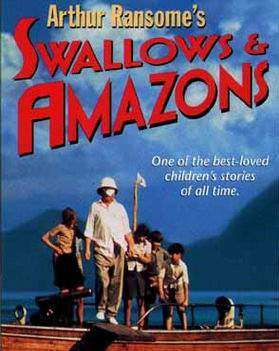
Captain Flint walks the plank
Ronald Fraser on the cover of the VHS

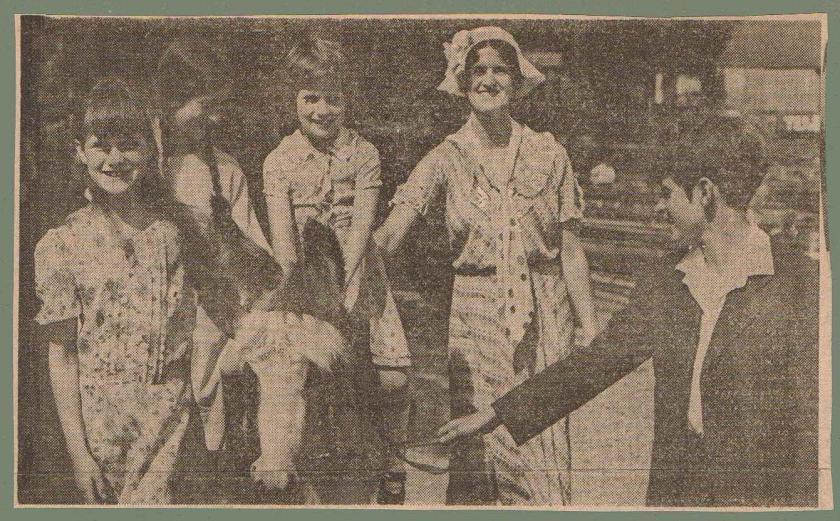
Sten Grendon, Simon West, Suzanna Hamilton and Sophie Neville as the Swallows making Ronald Fraser walk the plank. Where are the Amazons?

If you can come, please do bring a question. I am always very interested in those asked by the children. They can be quite difficult to answer:

‘What did it feel like to be alone on the island?’
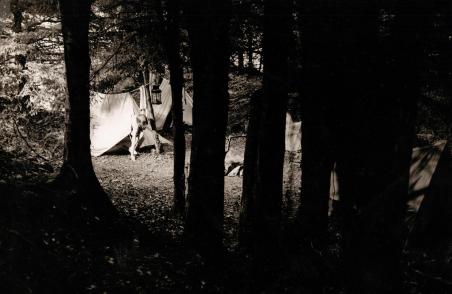
Titty alone on Wildcat IslandTitty leaving her tent on Wild Cat Island

‘Where you really able to keep the parrot?’

swa_bw_neg_ 021 Kit Seymour with Sophie Neville  and Polly in the Houseboat

‘How long did it take to film?’ is another question I am often asked. The answer is quite complicated.

Then I ask,  ‘Would you like to know about the mistake I made?’

swa_bw_neg_ 043The crew of the Swallow leaving Holly Howe 

I started singing, ‘Adieu and Farewell’, when the sea shanty Spanish Ladies is always sung: ‘Farewell and Adieu…

Farewell and adieu to you fair Spanish ladies,
Farewell and adieu to you, ladies of Spain;
For we’re under orders
For to sail to old England,
And we may ne’er see you fair ladies again.
We’ll rant and we’ll roar, like true British sailors,
We’ll range and we’ll roam all on the salt seas;
Until we strike soundings
In the Channel of old England,
From Ushant to Scilly ’tis thirty-five leagues.

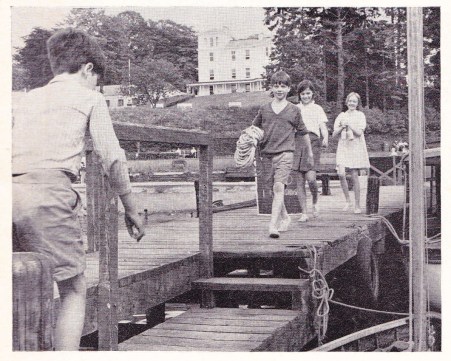
swa_bw_neg_ 042Virginia McKenna watches the Swallows sail from the jetty at Bank Ground Farm on Coniston Water. Can you spot the safety officer – a frogman just visible right of shot?

I noticed that one inconsistency made by the design team was that the swallow flew down our flag whereas it always flies up Swallow’s burgee in Arthur Ransome book illustrations. I count it as a subtle differentiation that I reproduce whenever I draw the crossed flags myself.

Swallows & Amazons flags for book

When I was writing ‘The Making of Swallows & Amazons’ I noticed that, while the title of the book is ‘Swallows and Amazons’, the graphic designer working on the film always used an ampersand, making it SWALLOWS & AMAZONS in the 1974 film.

There is another odd thing right at the end of the film, as the credits roll. See if you can spot what it is.

There are often screenings at cinemas in Cumbria:

Keswick Reminder Film Billing

Royalty Cinema Bowness-on-Windermere, the Roxy Cinema Ulverston and the Alhambra in Keswick where we held a Q&A

Sophie Neville's book promotion in Keswick

Zeffirellis Ambleside  with Sophie Neville Q&A) http://bit.ly/X8BYFU

Sophie Neville signing books in Ambleside

Brewery Arts Centre, Kendal with a Q&A by Sophie Neville attracted an audience of 250 people 
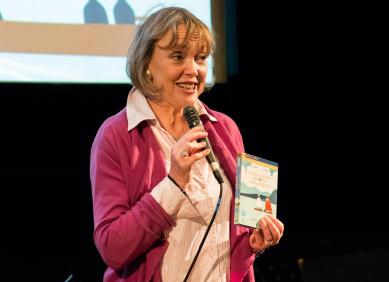
Sophie Neville Q&A in Cumbria

Brewery Arts Centre cinema interior

All black and white photographs on this page are copyright StudioCanal. To see more stills and merchandise available please click here.

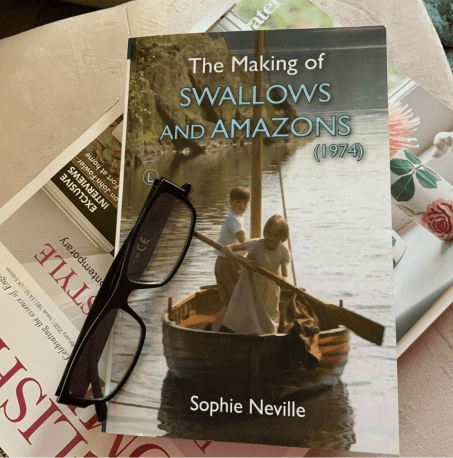
Most of the questions are answered in ‘The Making of Swallows and Amazons’ now published by The Lutterworth Press, available as a paperback, ebook and audiobook. You can listen to a sample here.

screen-shot-2022-09-02-at-12.39.56-pm

StudioCanal’s screening of Swallows and Amazons (1974) at Hackney PictureHouse

DSCF2258

StudioCanal, who distribute the 1974 feature film of Swallows & Amazons (U), have a huge treat in store for film fans:

40th Anniversary Restoration of SWALLOWS & AMAZONS, starring Virginia McKenna and based on Arthur Ransome’s classic novel, will be released on brand new Special Edition DVD and first ever Blu-ray release on 4th August! Pre-order your copy here: amzn.to/1pmF7fe.  Special anniversary screenings will be taking place – ” 

Hackney Picture House drawing

The Hackney PictureHouse will host the first London screening with Q&A by me, Sophie Neville, on Thursday 31st July at 11.00am. Please click here for details.   Do join us!

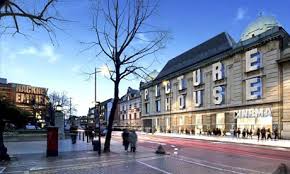
Hackney Picture House exterior

It has been a difficult secret to keep. Virginia McKenna, Suzanna Hamilton and I were interviewed for the DVD extras, which I believe also feature Christina Hardyment exploring the film locations this summer while imparting information about Arthur Ransome who drew on his own childhood holidays in the Lake District to add detail and authenticity to the original story.

The 16mm behind-the-scenes footage that my parents took when they were with us on location back in 1973 was handed over to the technicians to use in the extras package. I haven’t seen the finished version yet, although I did record a commentary to explain what was going on.

StudioCanal DVD cover

What do you think of the cover?

There will be a number in Cumbria this August.  Please go to Sophie’s Events Page for details.

To read the press release please click here.

The publication of ‘The Making of SWALLOW & AMAZONS’

The Making of SWALLOWS & AMAZONS

The paperback

Sophie Neville at home with the S&A flags

by Sophie Neville who played Titty Walker

‘Forty years after she enchanted film-goers as Titty in Swallows and Amazons, Sophie Neville has found a new audience… telling the behind-the-scenes secrets of the film of Arthur Ransome’s classic novel.’ The Daily Mail  The Making of  Swallows & Amazons ‘…is based on diaries, letters and old photographs which Sophie has turned into a heart-warming account of making the movie, which starred Virginia McKenna and Ronald Fraser.’

Swallows & Amazons flags for book

The Telegraph ~ Culture:  ‘Set in the Lake District in 1929, the film follows four young adventurers who sail a dinghy around Lake Coniston, cook for themselves over campfires and sleep in makeshift campsites.’

‘…The occasional chaos and terrible weather during filming contributed to the eventual popularity of the extraordinary and very much loved film.’ The Times

‘The film Swallows & Amazons is 40 years old, but thanks to its careful period evocation, its respect for Arthur Ransome’s original book and the performances of its child actors, it’s become a timeless classic. One of those children was Sophie Neville, who played Titty, and who kept a diary during the filming. That diary, with her adult recollections, is this book. It’s a fascinating insight into filming on location in the Lake District…’ Classic Boat

Sophie Suzanna and Sten

‘… The result is compulsive reading as she recalls that cold wet summer, while the camera crew wrapped up warm and she shivered in her skimpy dress as Able Seaman Titty Walker. Sophie brings to life all the many memorable characters who worked on the film and in particular the other children, the Director Claude Whatham who developed a great relationship with his young cast and the stars Virginia McKenna and Ronald Fraser. Nor are the other young actors forgotten for there are diary contributions from Suzanna Hamilton who played Susan, Stephen Grendon who played the Boy Roger and Kit Seymour who played Nancy Blackett. The text is supported by numerous illustrations showing life on and off the set.’ Roger Wardale, author of Arthur Ransome: Master Storyteller and other books

‘You don’t need to be a Swallows & Amazons fan to enjoy this book – it’s universal!’ Winifred Wilson, Librarian of The Arthur Ransome Society

‘This was a most unusual and interesting book. I picked it up expecting to browse through it, and found myself so drawn in to Sophie Neville’s detailed, amusing and insightful description of film making in the 1970’s that I was unable to put her book down. As Arthur Ransome fans, my family and I have always loved the film, and felt that Sophie Neville was ‘just right’ as Titty. What fun it has been to be introduced to the young twelve year old Sophie with her intelligent awareness of the challenges facing the production crew while she shivered in her cotton dresses. The many photographs and illustrations contribute richly to bringing the 1970s setting to life. Sophie recorded her experiences beautifully, and in so doing, added one more valuable book to the cultural heritage of all Arthur Ransome fans.’ Juliet Calcott, English teacher, South Africa

Lots of photos throughout the book bring the scenes to life – a delightful read.’ Celia Lewis author of An Illustrated Country Year

Mark Forrest Evening Show

Sophie Neville has been chatting to Mark Forrest on The Evening Show.

Screenshot of The Making of Swallows and Amazons book cover on Instagram

The second edition of this paperback is published by The Lutterworth Press, available online here

**********

Where is Rio and were you there in 1973?

A number of people have specifically asked, ‘Where is Rio in Swallows and Amazons?’

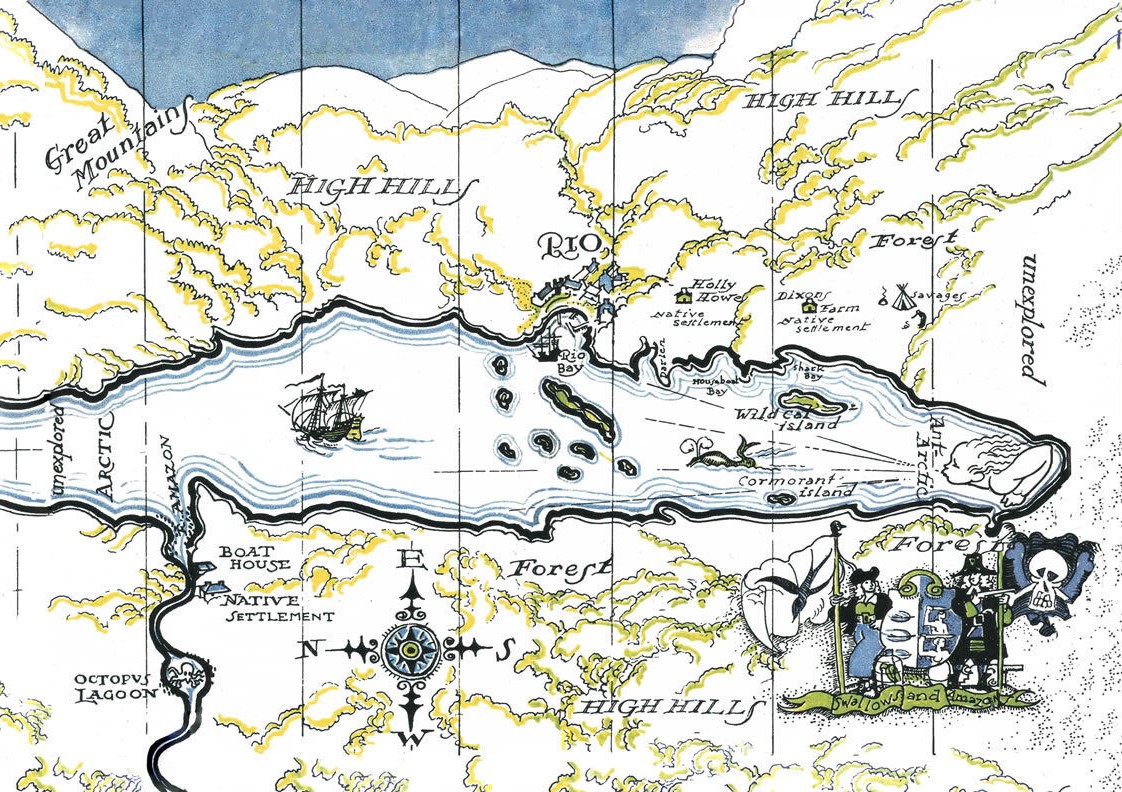
The answer is that Rio lies on the eastern shore of Arthur Ransome’s imaginary lake. I have always loved the map in his book, originally drawn by the illustrator  Stephen Spurrier, that was used on dust jacket and frontispieces of the first editions. The Arthur Ransome Literary Estate have given me permission to include a thumb-nail image:

Arthur Ransome
The hardback edition

The Arthur Ransome Trust have made the map into a jigsaw puzzle. You can buy a virtual piece of this map to raise funds for their projects.  If you go to their website and hover your cursor over the jigsaw pieces you can discover a great deal about the locations mentioned in the books with names of all the islands. Please click here and wait for it to load. 

Simon Hodkin's collection
An early letter Ransome wrote a fan of the book

Arthur Ransome told his readers that they would need to go and find the places mentioned in the books themselves. Most people think that if you compare his lake with Windermere there is only one option for the town of Rio.

Rio Bay ~ Steam boat
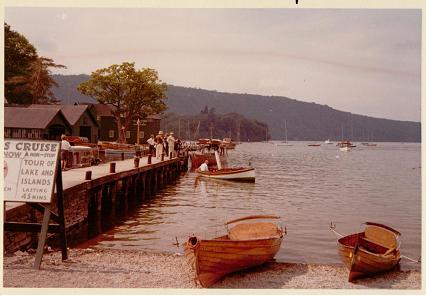
Photograph taken by Martin Neville 1973 showing Windermere skiffs and George Pattinson in his steamboat ‘Elizabeth’. The old green boathouse can be seen beyond the town jetty.

Bowness-on-Windermere in the English Lake District was used as the location for ‘the native settlement of Rio’ in the film of Swallows & Amazons produced by Richard Pilbrow in 1973 and now distributed by StudioCanal, who have a shot of the town on their website here.
Bowness in 2014 photo John Burgess
Photograph of the town jetty at Bowness taken in June 2014 by John Burgess

Today the Bowness lakeside looks a little different, although the skiffs are still pulled up on the beach.

Martin Neville on Jetty in Rio

 My father admiring the traditional boats

The old green boathouses have been replaced by a modern development but you can still walk along the town jetty, as the Swallows did, and even catch a native steamer down to the Lakeside and Haverthwaite Railway where the opening scenes of the film were shot.

DSCF9379
MV Swan on Windermere today, seen from Lakeside Railway Station.

The secret known to a few people is that the chandlers shop where the Swallows bought grog and rope for the lighthouse tree is actually in Windermere town.

The Swallows in Woodland Road, Windermere in 1973
The Swallows in Woodland Road, Windermere – now a barber’s shop

This is what the location looks like nowadays:

Woodland Road, Windermere

John, Susan and Titty can then be seen walking past the Stags Head Hotel in Church Street, Bowness-on-Windermere, which was ‘dressed’ with a pony and trap and vintage cars to emulate 1929 when the book was written. Click on the image to see the same view today:

John Susan and Titty walking past the hotel
John, Susan and Titty walking past the Old England Hotel. The Stags Head Hotel lies just beyond them in Church Street

This is how Church Street looks today.  Please click on this image for the source.

Rio - Stags Head Hotel today

If you go to explore the location, do send in more photos.

Rio - walking past the Stags Head Hotel
The Swallows in Church Street in 1973

To read more about filming in Bowness in 1973 please click here.

Rio Bay ~ newspaper article
Evening Post 11th June 1973. Please click on the photo for more news cuttings

Where you there?

We’d love to hear from anyone who took part in the filming. The entire Kendall Borough Band came along, someone brought a pony and trap, others arrived with period vehicles including a motorcycle. A man arrived with three donkeys and a number of local people took part, appearing as film extras. Do contact us in the comments box below.

If a new film adaptation is made,  the producer has told me it may now be too difficult to use Bowness. It’s busy place in the summer months. The village of Coniston might be an alternative. What do you think?

Meanwhile here are the lyrics to the sea shanty Titty loved, Away Rio. The tune was incorporated into the film score.

O, the anchor is weighed, and the sails they are set,
Away, Rio!
The maids that we’re leaving we’ll never forget,
For we’re bound for the Rio Grande,
And away, Rio! aye, Rio!
Sing fare-ye-well, my bonny young gel,
For we’re bound for the Rio Grand!

So man the good capstan, and run it around,
Away, Rio!
We’ll heave up the anchor to this jolly sound,
For we’re bound for the Rio Grande,
And away, Rio! aye, Rio!
Sing fare-ye-well, my bonny young gel,
For we’re bound for the Rio Grand!

We’ve a jolly good ship, and a jolly good crew,
Away, Rio!
A jolly good mate, and a good skipper, too,
For we’re bound for the Rio Grande,
And away, Rio! aye, Rio!
Sing fare-ye-well, my bonny young gel,
For we’re bound for the Rio Grand!

We’ll sing as we heave to the maidens we leave,
Away, Rio!
And you who are listening, good-bye to you,
For we’re bound for the Rio Grande,
And away, Rio! aye, Rio!
Sing fare-ye-well, my bonny young gel,
For we’re bound for the Rio Grand!

Come heave up the anchor, let’s get it aweigh,
Away, Rio!
It’s got a firm grip, so heave steady, I say,
For we’re bound for the Rio Grande,
And away, Rio! aye, Rio!
Sing fare-ye-well, my bonny young gel,
For we’re bound for the Rio Grand!

Heave with a will, and heave long and strong,
Away, Rio!
Sing a good chorus, for ’tis a good song,

Traditional – Lyrics from Iron Men & Wooden Ships, by Frank Shay

The cutting room floor

Many people asked what ‘fell onto the cutting room floor’ after we shot the movie ‘Swallows & Amazons’ in the English Lake District in 1973.

The answer is that there were few scenes excluded from the film.

BW Virginia McKenna and Sophie Neville

Virginia McKenna as Mrs Walker with Sophie Neville as Titty

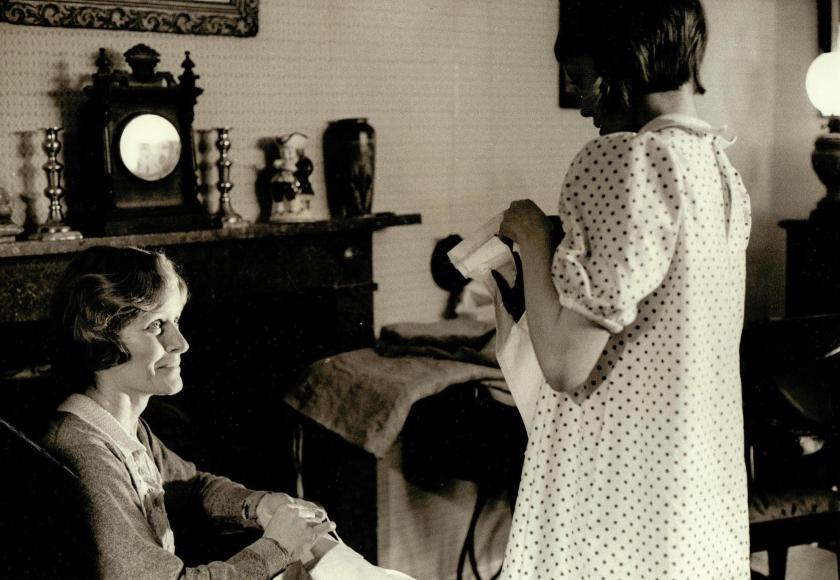
One featured Virginia McKenna and Mrs Batty’s clock, which can still be found at Bank Ground Farm, our location used for Holly Howe. It was shot on the second morning and I fear that our director Claude Whatham might have taken it out because my own performance was rather stilted. I had quite a bit to say, most of which was really rather bizarre:

15th May deatil of outtake
The pages of my diary written on 15th May 1973

15th May detail  page two

The only other scene from Swallows & Amazons that I know was excluded was when the Swallows lay patterans on their way to visit the charcoal burners. The location was in a beautiful spot up above Derwentwater, the dialogue was straight from Arthur Ransome’s book and our performances would have been fluent by the time we shot the sequence. BW The Swallows make Patterans

 Suzanna Hamilton, Sten Grendon, Sophie Neville and Simon West as the Swallows

I can only expect that when the movie came in over-length, these scenes were cut as the action had no influence on the plot.

‘I have always had the feeling that the Amazon’s role in the 1974 film was very much secondary to the Swallows.’ Stephen O’Brien posted. ‘This was probably down to much of the Amazon’s footage ending up on the cutting room floor. What do you think?’

In the original script, the Amazons do not really appear until page 41 – which would equate to nearly half-way into the the film. I thought that there might have been one or two shots of the Amazons sailing that were never used, but I’ve checked the script and nothing that they said was excluded. Not one word. Perhaps David Wood who dramatized the book could somehow have increased the Amazons’ parts. However, as Janet Means points out:

‘…in the book we find out more about what the Swallows think but only about what the Amazons do. There is little about the Amazons except when the Swallows are present too (hiding Amazon in the reeds and Nancy berating Peggy for losing Amazon when Titty’s made off with her). There’s lots about the Swallows without the Amazons.’ 

Nancy and Peggy Blackett
Kit Seymour with Lesley Bennett

One scene in the DVD of the film used to be cut out of the television version. The clue is that it comes just before this photo was taken in Bowness-on-Windermere for Lancashire Life kindly sent to be by Stephen Sykes of Hill Top near Haverthwaite.

Lancashire Life May 1974 - S&A - Contents photo only Sten Grendon, Simon West, Suzanna Hamilton and Sophie Neville as the Swallows in Rio, an official still from the film published in Lancashire Life in 1974

There are a few scenes in the screenplay that were never actually shot, but that takes us on a different tack. To read more, please see: The Secrets of Filming Swallows & Amazons.

Dennis Lewiston, director of Photography on 'Swallows and Amazons'  ~photo:Richard Pilbrow
Denis Lewiston, director of Photography on ‘Swallows and Amazons’ ~ photo: Richard Pilbrow, taken on Derwentwater in Cumbria, 1973

The illustrated paperback entitled ‘The Making of Swallows and Amazons (1974) can be ordered from libraries worldwide or purchased online.

'The Making of Swallows and Amazons (1974) by Sophie Neville'
Different editions of ‘The Making of Swallows and Amazons (1974) by Sophie Neville’

Your questions about Swallows & Amazons

Sophie Neville with Suzanna Hamilton on Coniston Water in Falcon ~ photo: Gordon Bourne
~ Sophie Neville with Suzanna Hamilton on Coniston Water in 2003 ~ photo: Gordon Bourne

‘How did Titty capture the Amazon?’

What did the Swallows and Amazons wear?

The Swallows and the Amazons – where are they now?

These are some of the many questions that people type into search-engines. Members of The Arthur Ransome Group on Facebook have also had questions:

Dan Ford asked, ‘I think I heard it said that the four Swallows and two Amazons all wore life-jackets under their clothes whilst filming.  If that is so, they were very well concealed, so were they specially made for this use?’

We didn’t wear life jackets under our costumes, we only ever wore buoyancy aids when travelling out to the location. Last time I went out rowing on Coniston Water I didn’t wear a life-jacket either, which was very naughty.

Chris Rosindale asked: ‘What became of ‘Amazon’ from the film?  Is she still in existence like ‘Swallow’?

Amazon on Coniston 2003
Amazon at Bank Ground in 2003 ~ photo: Geraint Lewis

Suzanna Hamilton and I went out on Coniston Water in Amazon in when the BBC invited us to Bank Ground Farm to appear in Countryfile with Ben Fogle. We met her owners who live in Kent. I gather she was the same dinghy used to play Amazon in the 1963 BBC serial of Swallows and Amazons made when Arthur Ransome was still around to comment. Her owner told me, ‘She was built locally on Windermere sometime in the 1930.’

Amazon sailing
Amazon under sail while filming Countryfile in 2003 ~ photo: Geraint Lewis

Duncan Hall writes, ‘Just before Roger finds the camp, I’m fairly sure I can see a chimney in the background (somebody last said that it was a tree stump but it doesn’t look like a tree stump) – did you film any “on island” sequences on the mainland? Also – I know Rampsholme on Derwent Water was used for some “Wild Cat Island in the distance” shots, but it was mostly Peel Island. Did any Windermere islands get used for Wild Cat Island locations?

The Boy Roger was definitely on Peel Island when he was looking for the camping place. I remember he got rather scratched by brambles.  I can see what does look like a chimney in the background but it would have been a stump.

Some of the scenes set on Wild Cat Island were indeed shot on the mainland. This was because there is no light house tree on Peel Island. I don’t think there was one in Ransome’s day. We filmed the light house tree scenes on two different promontories near Friar’s Crag overlooking Derwentwater and the Houseboat Bay. For a description of one location  please click here.

Falcon with Amazon in Secret Harbour: photo Geraint Lewis
‘Peggy Blackett’ & ‘Amazon’ in Secret Harbour on Peel Island: photo Geraint Lewis

Chris Clarke has asked, ‘Were any of you allowed to keep props from the film set as a souvenir? For example, were the Amazons allowed to keep their red hats?’

A number of red hats were made and I think the Amazons may have been able to keep one each. Their hats were initially bright pink, but my mother was insistent they should be red and others were knitted locally. She tried to get ones made more like a finely knitted woolen hat of mine that would have been much more in keeping with Ransome’s original sketches. However this picture was not known of back then and the Wardrobe Master, and the Director went with the design of the ones you see on the screen. Funnily enough the caps do look a bit pink in Mum’s faded photo.

Virginia McKenna with us at Bank Ground1
The Amazons sitting with the Walker Family at Holly Howe ~ a scene neither in the book or film of Swallows & Amazons: photo: Daphne Neville

I still have a bow, two arrows with green feathers and a pair of flags used for rehearsal props. I was given one of the pink hats but it meant nothing. I didn’t keep any of my costumes, but Caroline Downer who played Dorothea says that she still has the buttercup yellow dress she wore in either ‘Coot Club’ or ‘The Big Six’.

Scores of people have asked, ‘Where was Swallows & Amazons filmed?’

One of the secrets of filming Swallows & Amazons is that while most of the film was shot on Coniston Water, we also filmed with the dinghies to Derwentwater, Windermere, Elterwater and rather a smelly lily pond.

Amazon with Ben Fogle

Ben Fogle making a documentary about the locations used for Swallows & Amazons (1974) – photograph: Geraint Lewis of the Arthur Ransome Trust

'The Making of Swallows and Amazons (1974) by Sophie Neville'
Different editions of ‘The Making of Swallows and Amazons (1974) by Sophie Neville’

You can find more answers in ‘The Secrets of Swallows and Amazons’ or ‘The Making of Swallows and Amazons’ available online or to order from your library.

News and Reviews of ‘The Secrets of Filming Swallows & Amazons (1974)’

Have you received the same despatches as me?

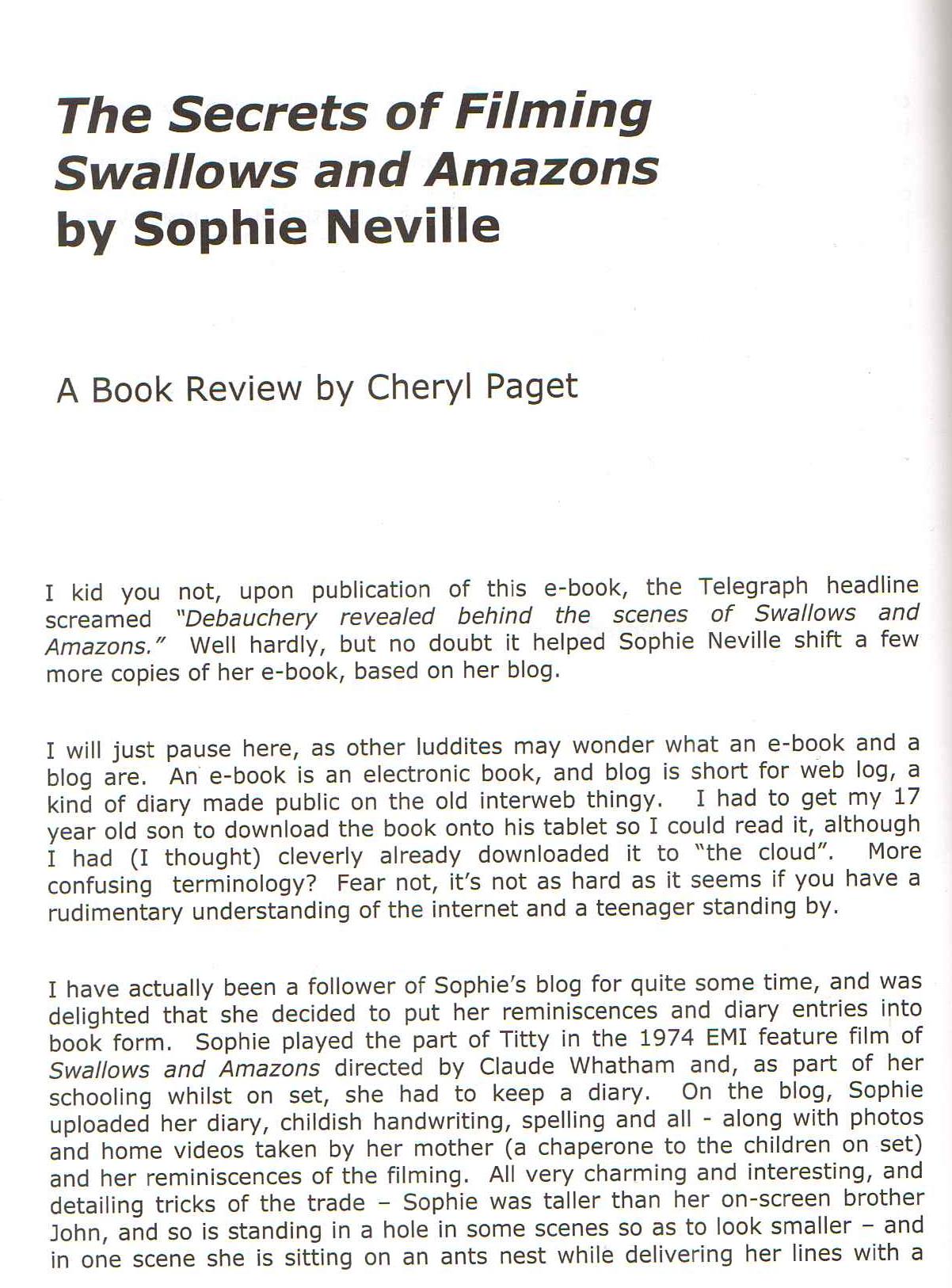
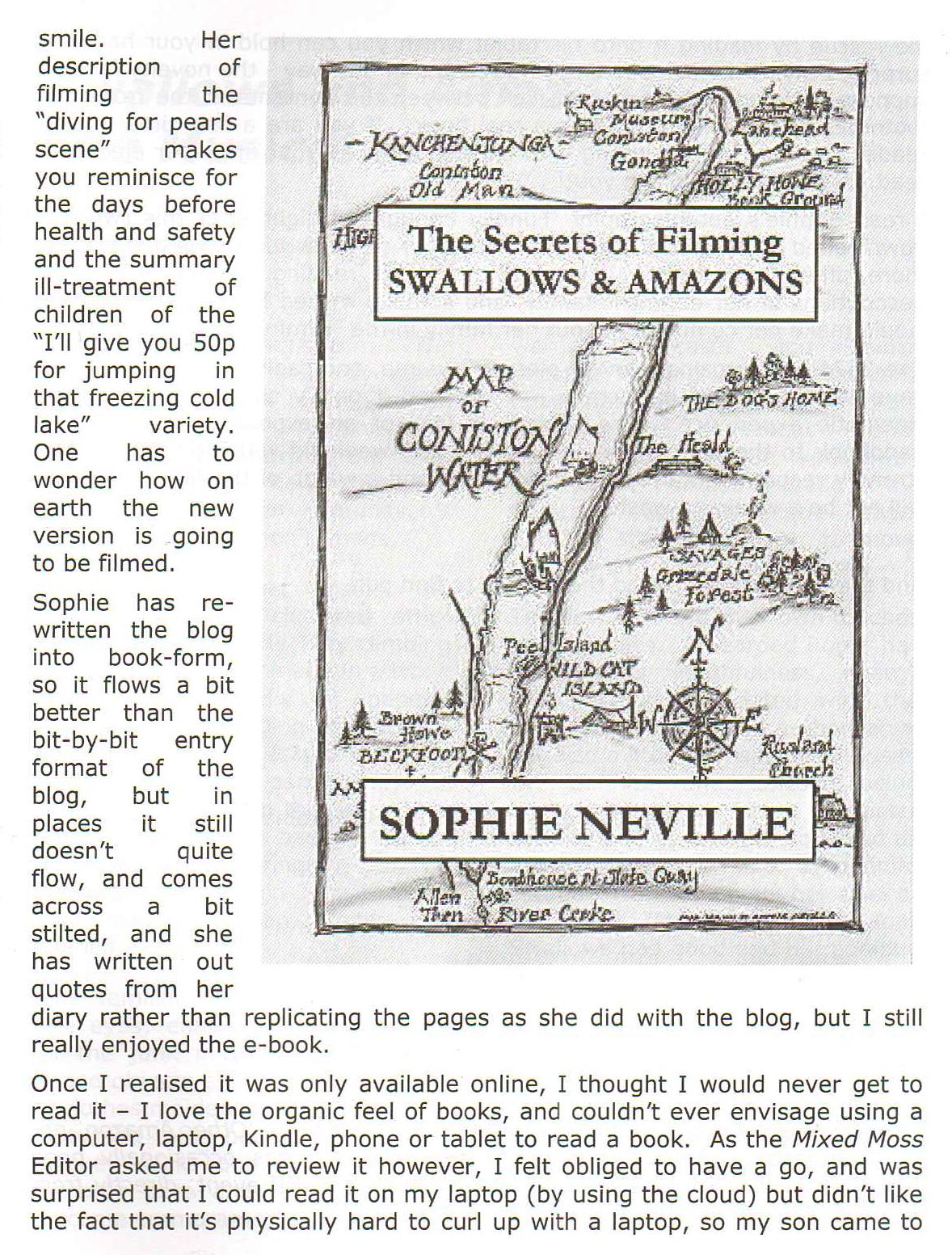
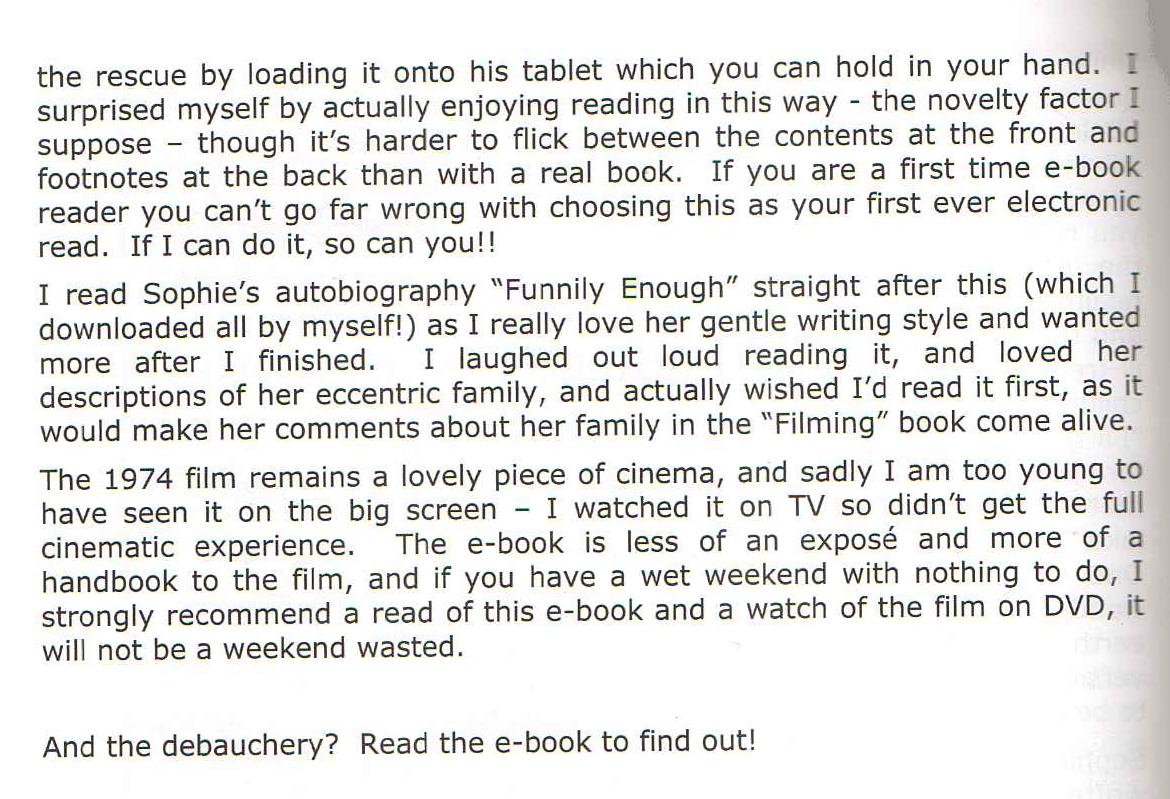
I opened my post to find not one but three reviews of my books, including this article published in The Outlaw and another in Signals, for which I am very grateful. I have pasted them here for fans of the film who do not yet subscribe to these literary magazines.

Review by Jack Parker in The Outlaw

This review was followed by by a comment from Winifred Wilson, librarian of The Arthur Ransome Society:

Review by Winifred Wilson1

The Library Supplement in The magazine of The Arthur Ransome Society gives a full description of all three books:

Review in Signals Library Supplement

Review in Signals

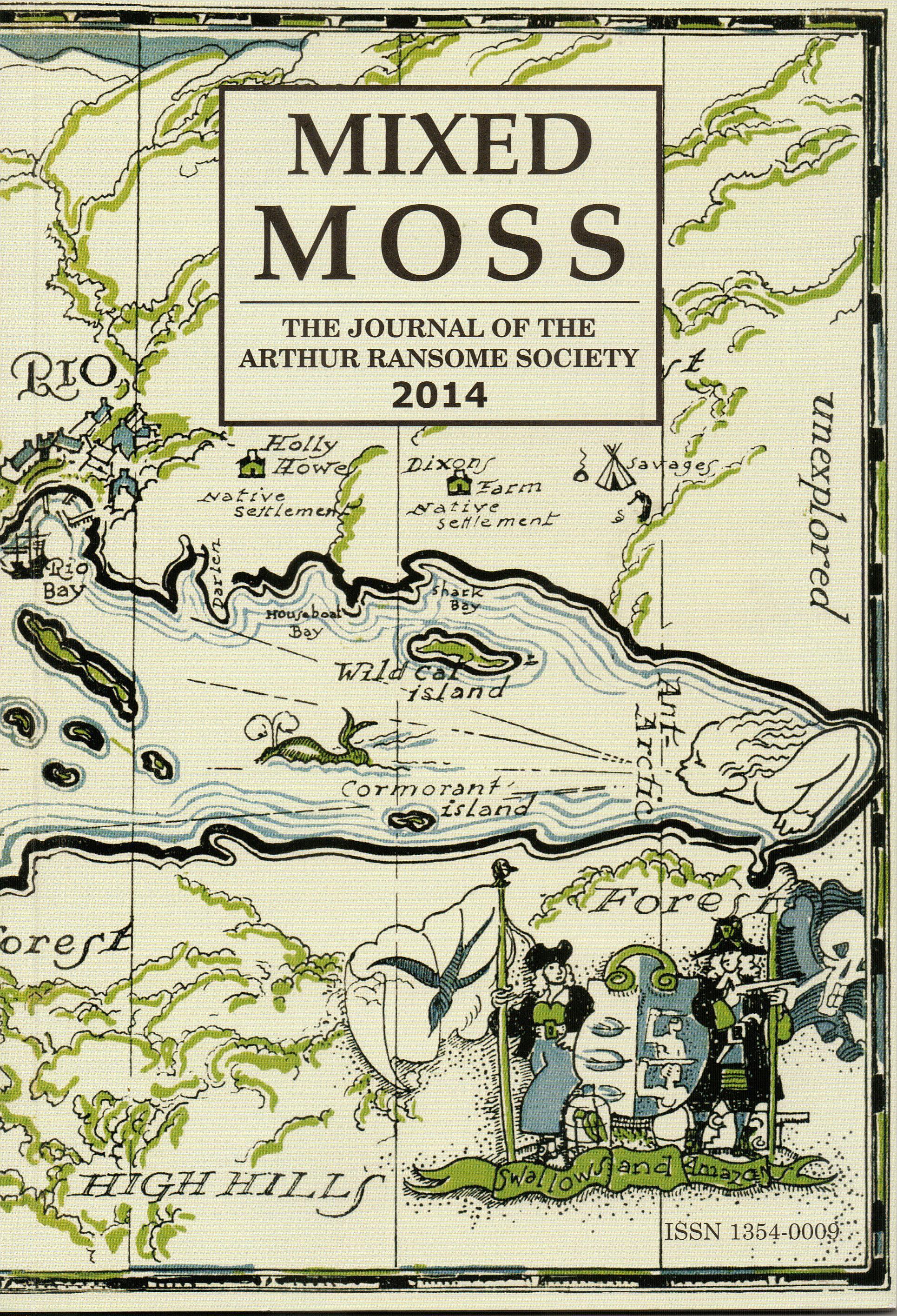
Mixed Moss  arrived before Easter with Spurrier’s map on the cover:

Mixed Moss 2014

I found another review inside, this time from New Zealand:

Mixed Moss1

Mixed Moss2

Mixed Moss3

The News is that The Secrets of Filming Swallows & Amazons has been signed up by the publisher Classic TV Press who plan to bring out a new edition in paperback this July. It will include glossy photographs and additional points of interest. If you would like to order a signed copy please email: classictvpress@live.co.uk

If you are interested in joining the Arthur Ransome Society please click here.
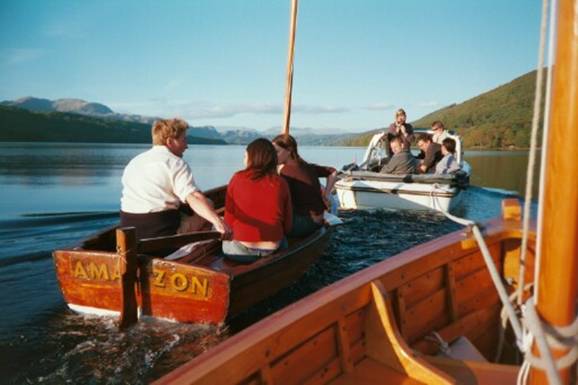
Here is a shot from 1973, capturing some of the deb-archery:

Sophie Neville watching the Amazons practicing with bows and arrows

Sophie Neville with Peter Robb-King (Make-Up) and Ronnie Cogan (Hair) watching Lesley Bennett and Kit Seymour trying out their bows and arrows with Terry Smith (Wardrobe) while on location near Peel Island on Coniston Water in the Lake District.

We now have a second edition of ‘The Secrets of Filming Swallows and Amazons’ out as an ebook and two versions of the paperback, which is almost identical but includes film stills and can be ordered from libraries as well as the usual online outlets.

'The Making of Swallows and Amazons (1974) by Sophie Neville'
Different editions of ‘The Making of Swallows and Amazons (1974) by Sophie Neville’

If you enjoyed watching ‘Swallows and Amazons'(1974) on television

The Secrets of Filming Swallows & Amazons

If you would like to know how the movie of Swallows & Amazons (1974) was made and know where the real locations can be found, ‘The Secrets of Filming Swallows & Amazons(1974)’ is currently available as an ebook on Amazon and Smashwords for £2.99.  The paperback was launched to mark the 40th anniversary of the film’s release and is available online here.
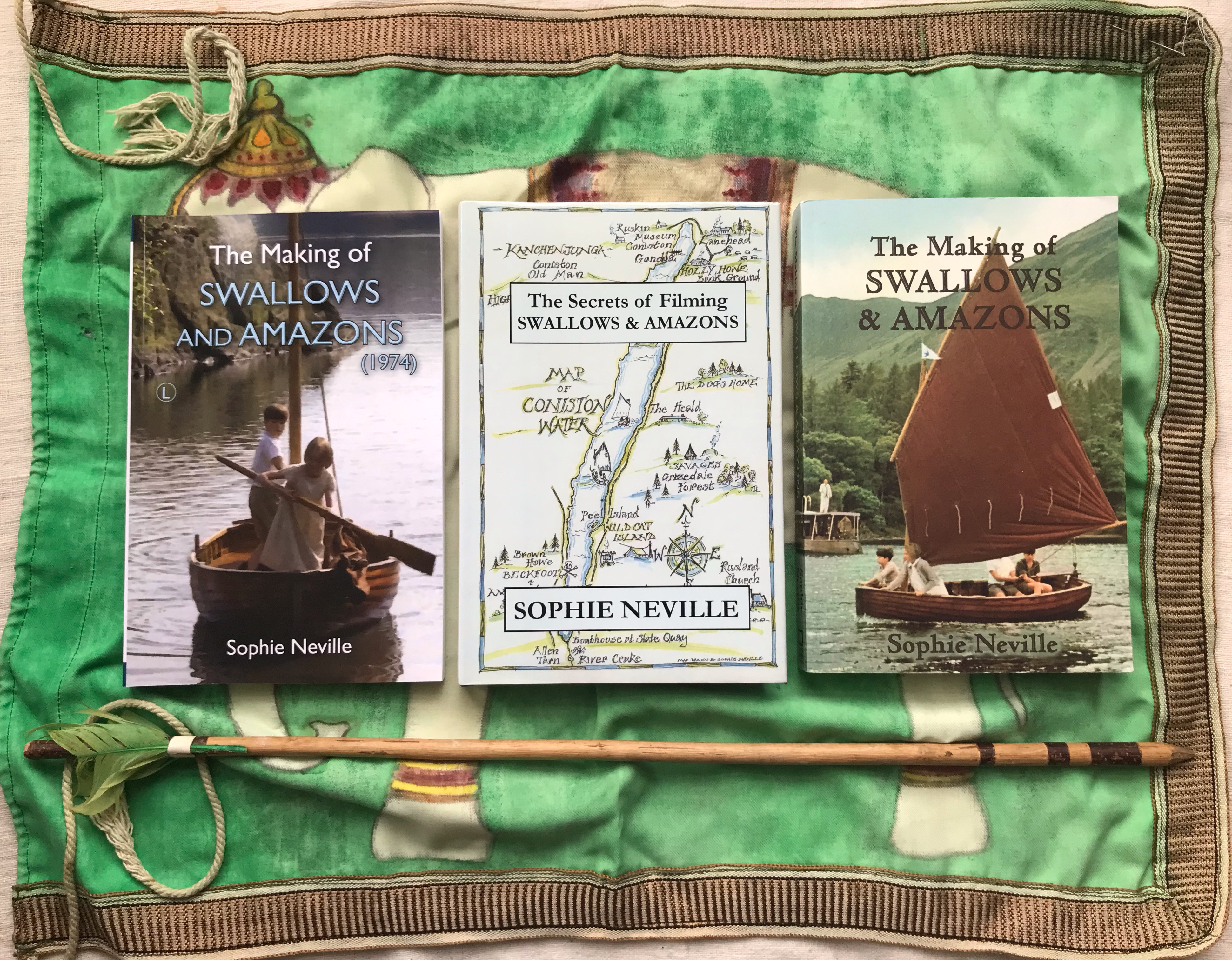
Do you know where the Peak of Darien can be found? photo: Roger Wardale
Do you know where the Peak of Darien can be found?

The paperback, which is suitable for any age group, is based on the diary that I kept when I played the part of Titty Walker in 1973. It is illustrated with behind-the-scenes photographs and memorabilia such as one of the tickets to the Royal Gala premier in Shaftesbury Avenue held on 4th April 1974. You will also find out what the actors who played the Walker family ~ the Swallows ~ are doing now.

The joy of the ebook is that it includes a number of home-movie clips that my parents took of life behind the scenes that you can play wherever you have internet access.

Classi Boat magazine Books ~ Feb 2014
A review of the ebook in Classic Boat magazine ~ Feburary 2014

If you have any questions about making the film, please add them to the comments below, and I will get back to you.

Richard Kay's column in Daily Mail Friday Nov 22nd1
A review of ‘the Secrets of Filming Swallows & Amazons’ in Richard Kay’s column in the Daily Mail ~

There were rather over-excited headlines in the Times and Telegraph when the ebook was launched but they only spoke of the legendary drinking of Ronald Fraser. Please don’t worry – there is nothing X-rated about the book – it is just the price one pays for half a page in a daily newspaper, especially since it came out on a Saturday.

The Times Sat 23 Nov 20131

The ebook has been doing well in the Amazon charts and hit Number 1 in the category ‘Stage and Theatre’.

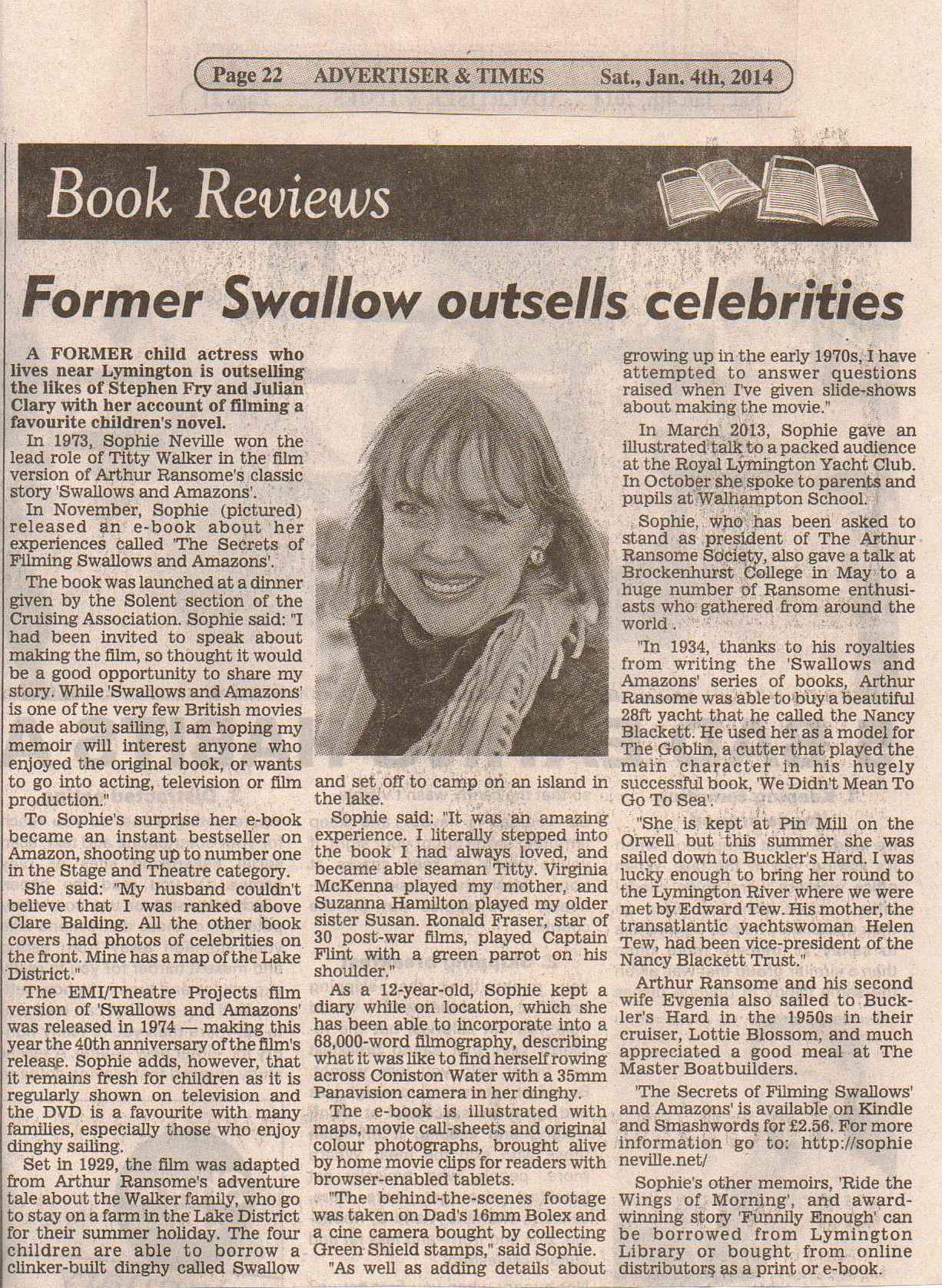
Lymington Times 4th Jan 2014

A preview of what the book holds in store can be watched here:

‘The Secrets of Filming Swallows & Amazons’ – the book trailer

Very many thanks to all those who have left customer reviews on Amazon. It is always exciting to find out how the book has impacted others, especially those who love the Arthur Ransome books.

To read more reviews please click here

'The Making of Swallows and Amazons (1974) by Sophie Neville'
Different editions of ‘The Making of Swallows and Amazons (1974) by Sophie Neville’

Captain Flint’s Houseboat revisited

DSCF7742
SY Gondola on Coniston Water today

When people see the Steam Yacht Gondola on Coniston today, in all her re-built glory, she seems rather plush to have been cast by Arthur Ransome as Captain Flint’s houseboat in Swallows and Amazons. The main reason for assuming that she was used as the model for the illustrations is because Arthur Ransome grabbed a post card of the Gondola and drew on it to give the first illustrators of Swallows and Amazons some idea of his vision. However Ransome’s biographer Roger Wardale told me that it was a former steamer on Windermere that he had in mind: the S.Y. Esperance. Ransome was known to have been spotted looking through her cabin windows and much admired her distinctive bow, designed to cut through cat ice on her way to Lakeside Railway station.  
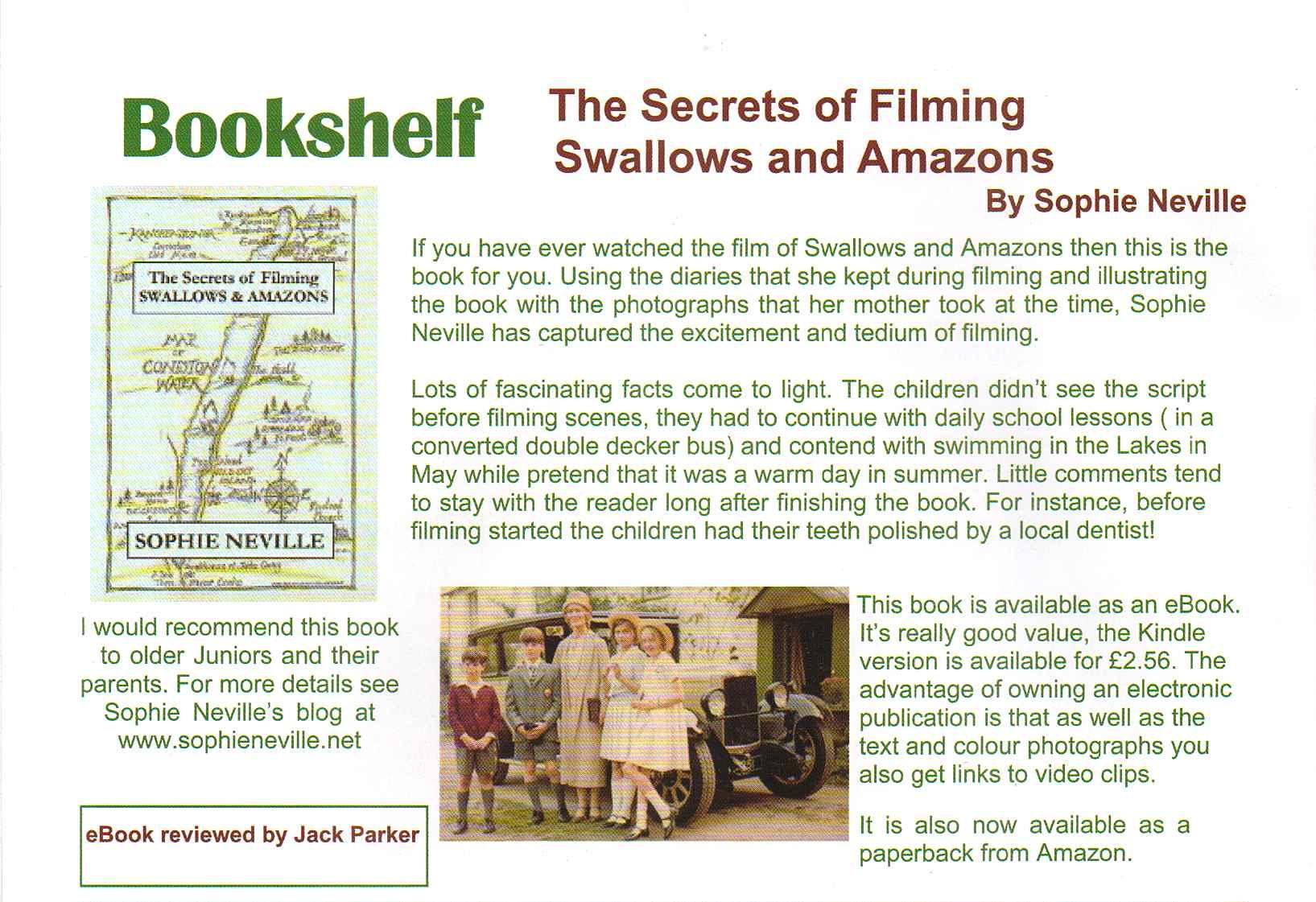
Houseboat  bay in 1963
Esperance in Rayrigg Bay, Windemere ~ photographed by Martin Neville in about 1963

When I was first taken up to the Lake District in 1963, my father found what he thought was houseboat bay on Windermere and took this shot of SL Esperance moored in Rayrigg Bay. She does look very like the first professional drawing submitted to illustrate Swallows and Amazons.

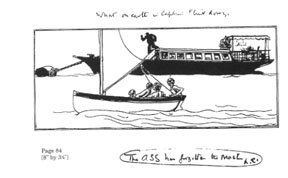
Stephen Spurrier's unused illustration of Swallow sailing past Captain Flint's houseboat
Stephen Spurrier’s unused illustration of Swallow sailing past Captain Flint’s houseboat

Arthur Ransome’s terse note reads: ‘The ass has forgotten the mast’. I went to see the Esperance when she was lying at the Steamboat Museum on Windermere with the film producer Nick Barton in 2011. Built at Rutherglen in 1869 she is nearly 65 foot long with a 10 foot beam.

Esperance at the Windermere Steamboat Museum
SL Esperance at the Windermere Steamboat Museum in 2011

She did not always have such a traditional appearance. Roger Wardale kindly sent me this photograph showing what she looked like in the 1930s.

'Esperance' in the 1930s when she was owned by Sir Oliver Scott.
‘Esperance’ in the 1930s when she was owned by Sir Oliver Scott.

The cabin has since been removed from her rear end.

DSCF7695
SY Esperance at the Windermere Steamboat Museum in 2011

SY Esperance now looks more like this illustration – or could do. Although she has a setting for a mast the reality is that she has seven windows, whereas Clifford Webb’s illustration shows her with only six.

Clifford Webb's illustration of Captain Flint's houseboat
Clifford Webb’s illustration of Captain Flint’s houseboat

I have no idea if anyone could film aboard her today when marine safety regulations are so strict. We couldn’t in 1973.

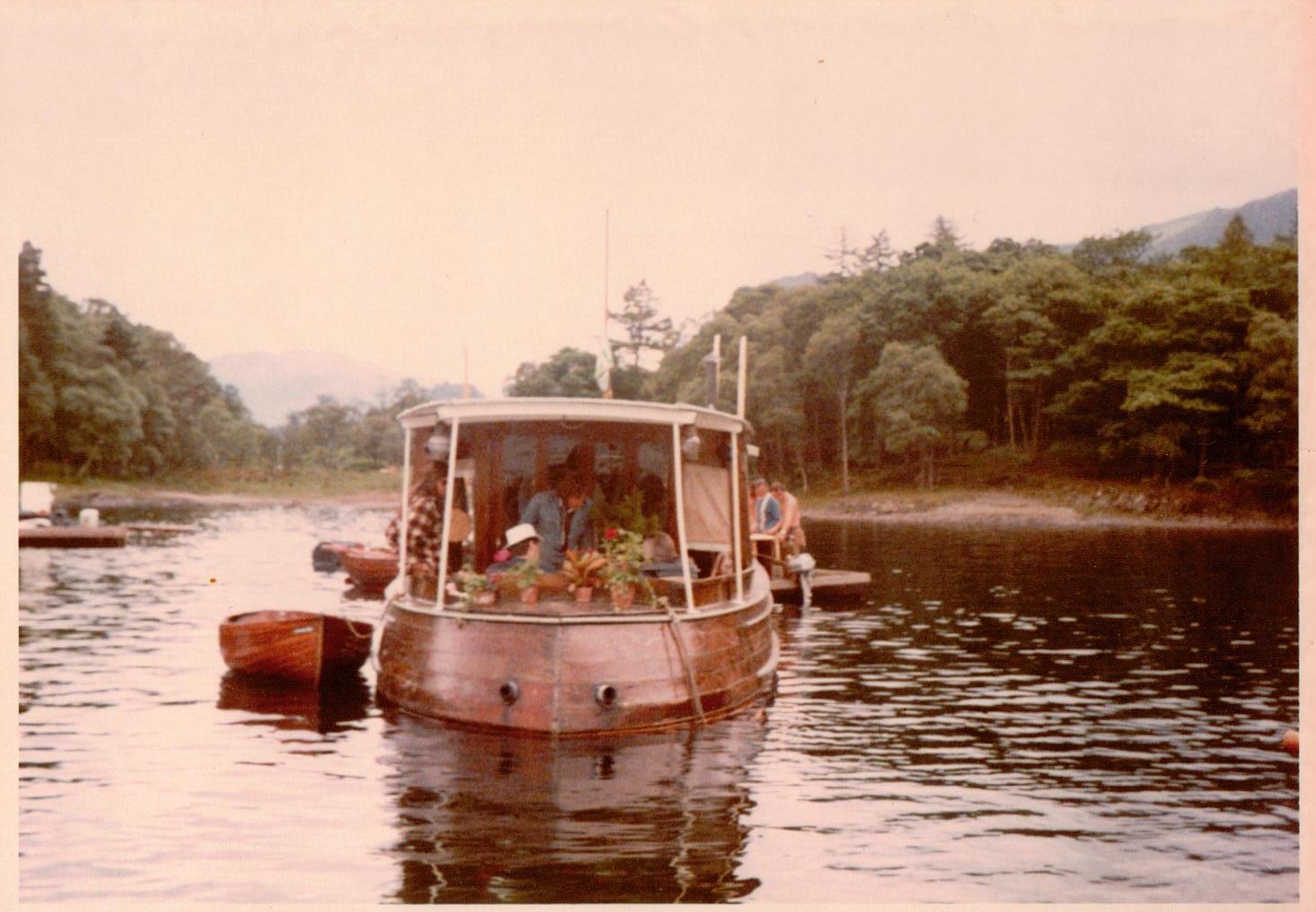
Claude Whatham discussing plans with sailing director David Blagden (in the white hat) and Richard Pilbrow on the aft deck of the houseboat with Molly Pilbrow looking on ~ photo: Daphne Neville
Claude Whatham took advantage of the larger cabin windows in the Lady Derwentwater whilst filming ‘Swallows & Amazons’ in 1973 ~ photo: Daphne Neville

When we made the original film of ‘Swallows and Amazons’, the producer Richard Pilbrow was obliged to use the Lady Derwentwater, owned by the Keswick Launch Co. She has quite a different stern from the illustrations but was licensed to carry 90 passengers, which must have allowed him to take a seventy-strong film crew on board. At least she was given a mast. You can envisage Ronald Fraser, as Captain Flint, angrily stamping out the firework on the roof.

One advantage of the Lady Derwentwater was that the windows of her cabin enabled the director to get a good view of the lake, which he made use of when Captain John rowed over from Peel Island to visit Captain Flint and pass on the charcoal burners’ warning.  She couldn’t be moved to another lake, but Derwentwater is surrounded by such dramatic fells that the director, Claude Whatham used this to his advantage during the final scenes of the classic film. The Lady Derwentwater has been given a transome but is still in commission and you can take a trip on her today.

Sophie Neville at the Windermere Steamboat Museum

Was the Gondola so very different? Ransome had known the steam launch since spending his own childhood holidays on Coniston, when she was in service.  While staying at Nibthwaite he became a good friend of the Captain, or so the story goes. Back in 1973 the Gondola looked like this – her roof too curved to run along, her bow rising up a little too dramatically to accommodate the foredeck of a retired pirate busy writing up his devilish crimes while his a cannon lies glinting in the sunlight, ready to fire.

Was this the houseboat Arthur Ransome had in mind? ~ photograph taken by Martin Neville in 1973
Photograph of the Gondola on Coniston Water taken by Martin Neville in 1973

To read more about Esperance, please click here

For more about the Steamboat Museum with a photograph of SY Esperance, please click here

For a lovely photo of SY Esperance and to read more, from another perspective please click here

The full story of the making of the classic film Swallows and Amazons (1974)’ can be read in this ebook costing £2.99. You can read the first section for free here: 

Adaptations of ‘Swallows & Amazons’ discussed in the Independent by Jonathan Brown

Author Arthur Ransome loathed BBC’s ‘Swallows and Amazons’, his diaries reveal

Swallow in 'Swallows and Amazons' 2016

When the BBC announced plans to recreate the classic outdoor children’s sailing adventure Swallows and Amazons it was hailed as a blockbusting antidote to the health and safety culture of the mollycoddled video-game generation…

However, previously unread diaries of its creator, Arthur Ransome, reveal that the author considered the corporation’s last attempt to bring his much-loved story to life to be a “ghastly mess” marred by “dreadful ham” acting. The diaries reveal how Ransome clashed repeatedly with BBC executives in the early 1960s when the BBC commissioned a six-part dramatisation for television, starring Susan George, then aged 12, as Kitty (changed from the original Titty) Walker.

Ransome, then in declining health, was living in virtual retirement in his remote Cumbrian cottage Hill Top overlooking the spectacular Rusland valley with his wife Evgenia – the former secretary to Leon Trotsky, whom he met while working as a foreign correspondent and spying for Britain in revolutionary Russia. It was a spartan existence, often with no electricity or running water.

In a series of brusque entries at odds with his generally affable demeanour, he describes how he repeatedly fought with BBC executives over attempts to introduce two new characters – Ernie and Sam – to the story. Both he and his wife attempted to rewrite the script after concluding that one episode was “bad beyond belief”.

Rupert Hart-Davis with Arthur Ransome

At his home Hill Top with his publisher Rupert Hart-Davies

“I have agreed to Genia’s proposal that we shall wash our hands of the film leaving it to Mr Walls [of the BBC] to play the farceur as much as he likes. They may be right in thinking that vulgar ham acting is what the T.V. gapers want,” he wrote in July 1962.

Ransome was particularly unimpressed with the performance of popular British actor John Paul as Captain Flint – the character… said to be based on Ransome himself – describing it as “dreadful HAM”.

On attending a screening at the Hammer Theatre in Wardour Street, central London in October 1962, he concluded: “Saw the ghastly mess they have made of poor old Swallows and Amazons … MacCullogh [his friend Derek MacCullogh, former head of children’s broadcasting at the BBC who was also known as the presenter Uncle Mac] did not come possibly to avoid trouble with his employers.” It was eventually broadcast the following year.

Stephen Sykes now owns Hill Top and has restored the Ransomes’ former home. He is also helping transcribe the author’s sparsely detailed diaries from his years at Hill Top, which are kept at Leeds University’s Brotherton Library. Sykes said the writer received £3,500 for agreeing to the BBC broadcast – a considerable amount of money. “He was clearly making a very good living out of the rights to Swallows and Amazons. This was his baby and he had obviously pored over it. It is a very leanly written story and it was pretty clear it was written by a journalist because of its clarity, because there is nothing extraneous,” he said.

Hill Top - P1020298-lr

Hill Top in the Lake District today

“He is extremely protective of his own work. He felt he didn’t want a word changing, and that he had honed the story down and it was what it was,” he added.

swallows and amazons map tea towel

Swallows and Amazons was first published in 1930. It recounts the adventures of the children from two families who while away an idyllic summer getting into scrapes sailing their dinghies across Coniston Water and Lake Windermere. As well as the television series, many theatrical and musical adaptations have been staged, and the story was made into a film in 1974 staring Ronald Fraser and Sophie Neville.

When the latest project was announced in 2011, head of BBC Films Christine Langan said it would seek to encapsulate a forgotten era of childhood adventure “from the pre-health and safety generation”.

Producer Nick Barton of Harbour Pictures, who is collaborating on the film with the BBC, the Arthur Ransome Society and the author’s literary estate, said it had not been decided yet whether the children would be shown sailing without their life jackets.

But he said viewers could expect to experience the full majesty of the book’s setting. “The lakes and the mountains are very big and we are keen to recreate that grandeur of the scenery in the film,” he said. A spokeswoman for BBC Films said: “The film is still in development.”

To see a copy of the original article online, please click here

To contact Stephen Sykes at Hill Top, the Ransome’s last home, please click here

Hill Top - P1020151-lr