I believe that the middle boathouse in this photograph was the one up for sale.
If you visit the ITV News website, you can watch a story about the boathouse originally belonging to the Collingwood family of Lanehead which inspired Arthur Ransome when writing Swallows and Amazons. It includes a short clip of the fishing scene from our film.
The reporter from Border Television didn’t get all his facts right. We are not sure who Arthur J Ransome is. The author was called Arthur Mitchell Ransome.
Here we were, intrepid explorers, finding Swallow at Holly Howe in May 1973. The water was freezing. You can see the lovely view from the boathouses.
I have been writing about life in England fifty years ago, reflecting on how our lives have changed. Can you help me?
Sophie Neville at the EMI Elstree Studios in 1973
The big change seems to be in communications. In 1973 we were still queuing up to using coin operated telephone boxes in the street, asking the operator for Ambleside 2232. Letters and notes were written by hand. I learnt italic writing, so as to be clear. Manual type-writers used black and red stripped tape. Mistakes were obvious.
I’d love to receive comments (below) on how you remember aspects of growing up in the early 1970s. What did you eat then? Where did you go on holiday? What was it about 1973 that impacted you?
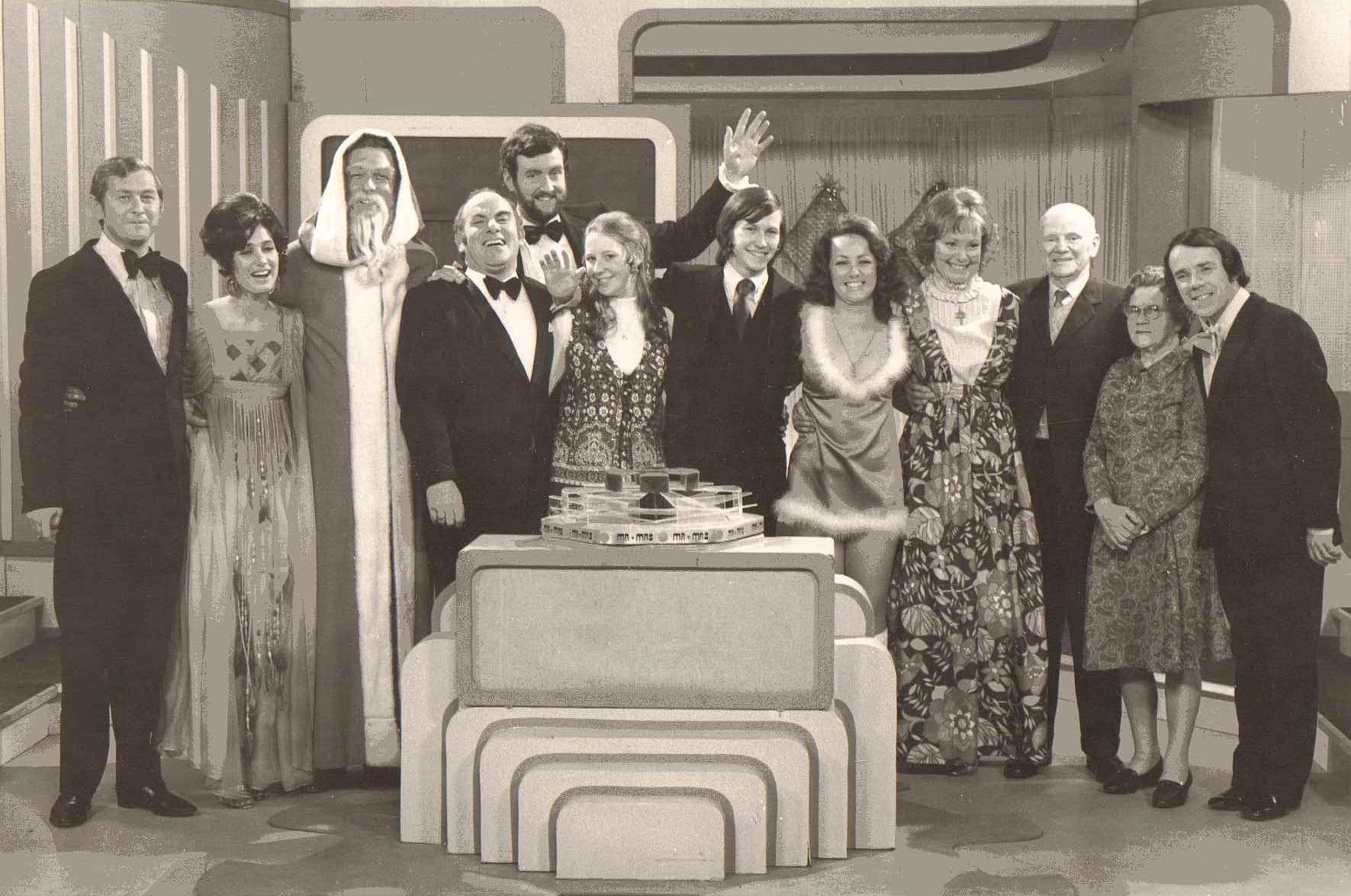
Jean McGill, Jane Grendon, Stephen Grendon, Kit Seymour, Sophie Neville, Claude Whatham, Simon West, Lesley Bennett, Suzanna Hamilton, Ronnie Cogan in 1973
My husband remembers long hair, flared trousers and shirts with massive curved collars. I always longed for an embroidered t-shirt with wide sleeves or a cheese-cloth shirt but loathed the feel of acrylic jumpers and ribbed polo-necks. Stripy ones. The fabric could be so vile, we didn’t feel each other as much as we do now. There was much less hugging.
Mum wearing a fluffy Donny Osmond hat
The food was pretty applauding. My friend Suzanna has just reminded me about the innovation of Italian cooking. Spaghetti was the highlight of our lives; a treat that we might have on Saturdays or for a party when red candles would be pushed into wine bottles and checked paper table cloths could enhance a Bistro image. However prawn cocktail was the pinnacle of popular aspiration, although us children preferred picking of the shells off prawns ourselves.
Daphne Neville in 1973
At parties you’d be offered chunks of cheese and pineapple on cocktail sticks stuck into a half a melon that had been covered in tin foil. I always rather longed for the melon. Homemade beer was regrettably all the rage, along with freezing your own runner beans. The process was quite fun (we enjoyed sucking air out of the freezer bags with a straw) but the beans were stringy and disgusting.
My family thought having to bring-a-bottle to parties was a great idea but we loathed the fact that cigarettes were smoked everywhere you went. Unless you were in the garden where abysmal furniture design spoilt the view.
Colour televisions were only just beginning to invade people’s homes. They were terribly expensive. We had to make do with our crackly black and white screen, watching Blue Peter,Animal Magic and Tony Hart presenting Vision On with cartoons such as Marine Boy until Childrens’ Television ended with The Magic Roundabout just before Daddy came home from the Works in time for the 6 O’Clock News. I then bored myself rigid watching Points West and Nationwide before It’s A Knockout.
We were allowed to stay up to watch Dick Emery , Benny Hill, and ‘Titter ye not’, Frankie Howerd along with dramas such as The Onedin Line. There was one sit com starring Wendy Craig entitled Not in front of the Children, which of course we all wanted to watch. What influence did this have on our young minds?
Mum appearing as a member of the Salvation Army on ‘The Dick Emery Show’
Mummy worked for HTV West presenting an afternoon programme called Women Only with Jan Jeeming. She also read the letters on Any Answers?, which was produced by BBC Radio Bristol by Carole Stone. I was so impressed – amazed – to meet a female radio producer. Carole was one of the few who worked her way up from being a BBC secretary to producing Any Questions.
HTV West Christmas Show presented by Bruce Hocking, Jan Leeming & Daphne Neville
Our holidays were spent camping in Wales. Packing for this took two weeks. We used drag an orange dome tent out of the airing cupboard and slept on fold-up sun-loungers from the garden.
Sailing was all about Mirror dinghies, which you could buy in kit form and make out of plywood in the diningroom. We couldn’t afford one, but in the late 1970’s Dad bought a fibre-glass Topper, which was the height of cool. He called it Earwig.
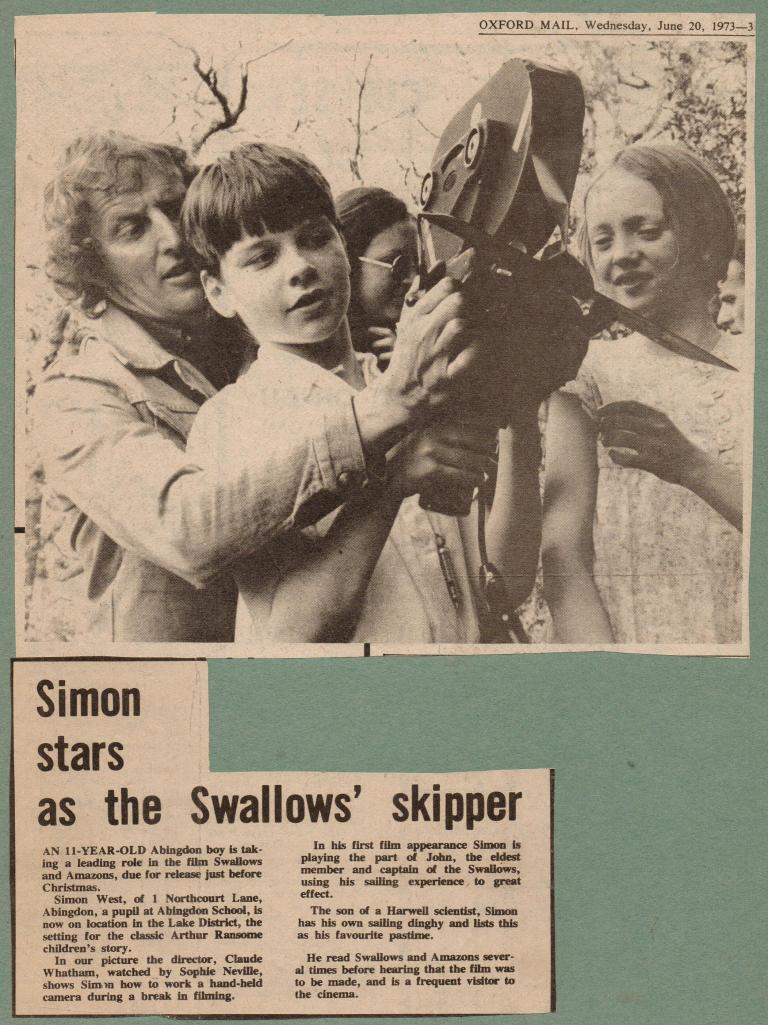
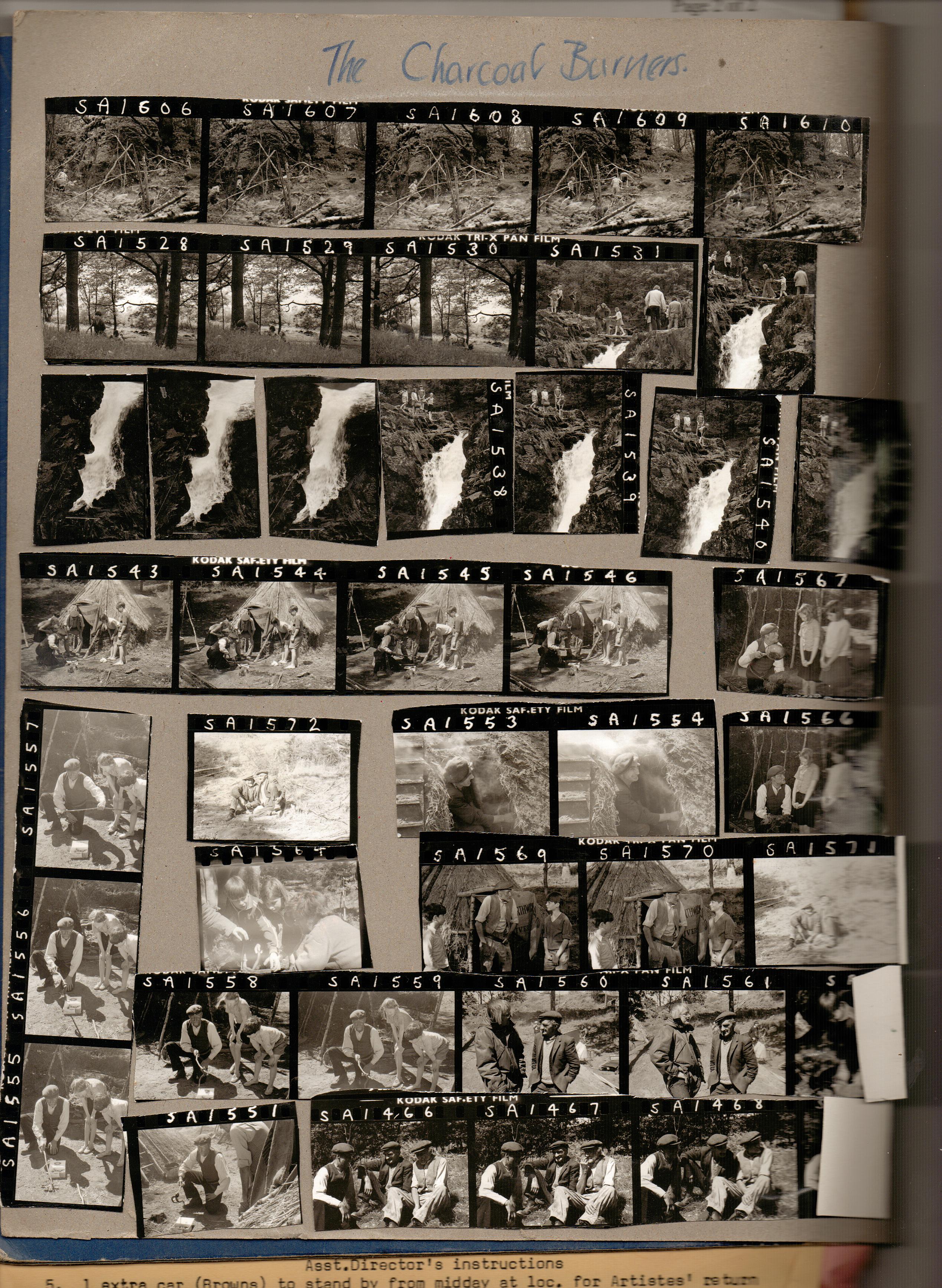
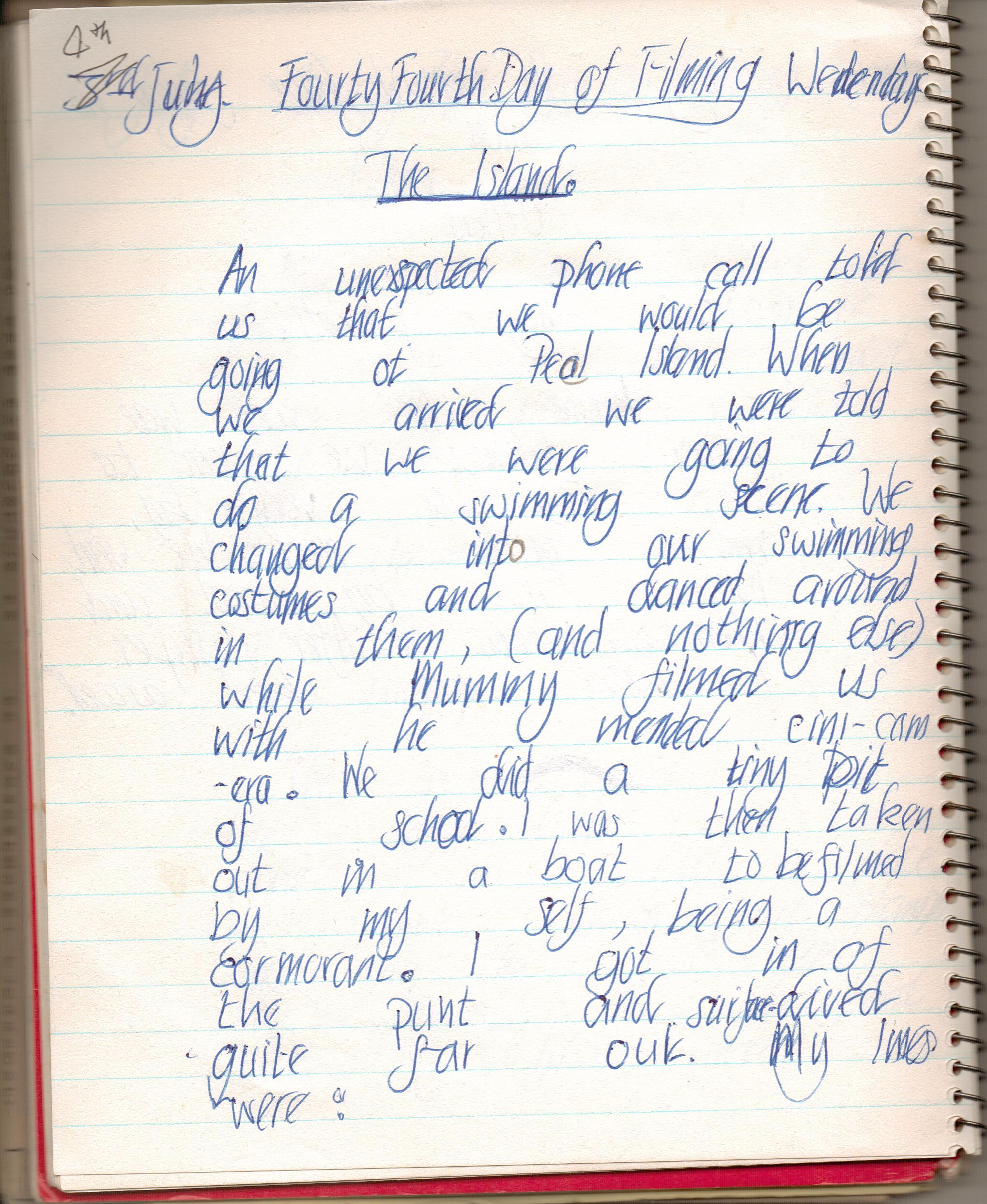
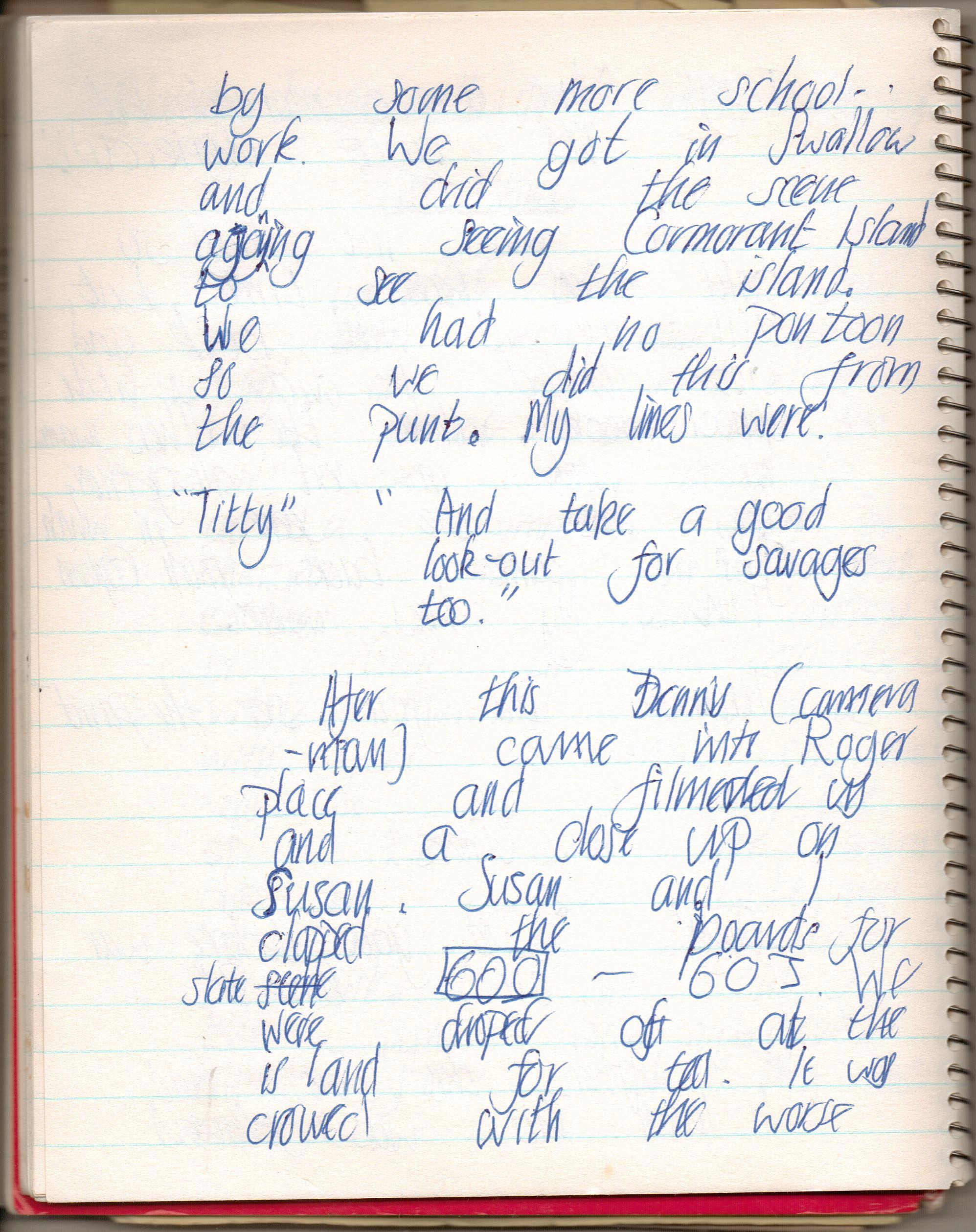
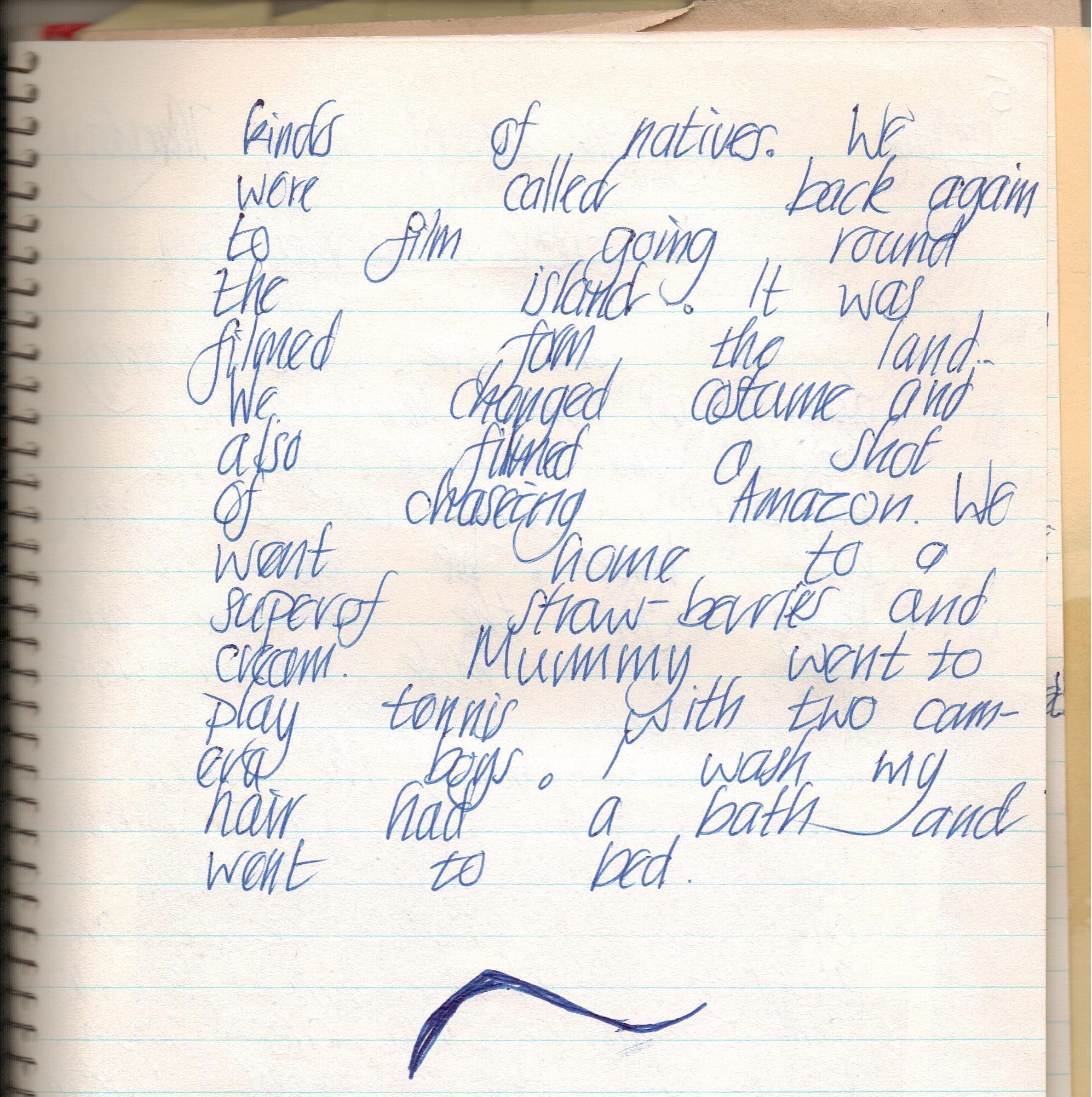
We had our photos developed at the chemist or sent them off to Tripleprint, so we could share the small version with others. Although they were bought by Bonusprint in 1979, I was a loyal customer until well into the 1990s and remain plagued by small photos I can’t quite bring myself to chuck away. We stuck them in scrapbooks made of green and blue paper. Here is a page of mine from the making of Swallows and Amazons.
My family were very keen on taking home movies. Dad usually took slides when we went on holiday, which were viewed along with the supper-8 footage at Christmas time when he pushed the furniture back, took down a painting and projected our memories onto the wall.
What have I forgotten? Do post your own recollections, especially of sailing and camping in the early seventies, in the comments below.
Sophie Neville as Titty in the original film ‘Swallows and Amazons’ (c)StudioCanal
People often ask what auditioning for the original film of ‘Swallows and Amazons’ was like for us, back in 1973, long before the advent of email and Youtube when casting directors only ever worked in Hollywood.
For me, the process was pretty quick. I had worked for the Director, Claude Whatham before, when I had a small part in the BBC film of Laurie Lee’s book, ‘Cider with Rosie’. He must have remembered me, as a letter arrived in the post:
After meeting Claude again at an interview held at Richard Pilbrow’s Theatre Project’s offices in Long Acre on a sunny day in March 1973, I was invited to go to Burnham-on-Crouch for a sailing weekend that was to constitute the final audition. This proved something of an endurance test. It was miles from where we lived. The weather was awful with driving rain and rough seas. The only warm piece of clothing I had was a knitted hat. We slept in cabins aboard a permanently moored Scout Boat with flowery orange curtains. There were no parents around to boost our moral. The sailing was challenging and I felt bitterly cold.
Our producer Richard Pilbrow bought his two children, Abigail and Fred. With him was Neville Thompson, director Claude Whatham, and David Blagden who was to be the sailing director. He told us that he had read ‘Swallows and Amazons’ forty-two times, which sounded daunting. I had read all the books but could not see myself as Titty. She had thick dark hair in all the pictures and I was bossy – far more like Mate Susan. We didn’t read from a script. We weren’t asked to improvise or act out a scene. There was no film-test, but 8mm movie footage was taken. I wonder if it still exists.
Out of an initial 1,800 who applied, twenty-two children were short-listed for the six parts of the Swallows and the Amazons. While there were only two or three boys up for the role of Roger there were five girls auditioning to play Titty. At one stage Claude had a chat with all five of us in our cabin, all the Tittys. The others were all so sweet that I didn’t think I stood a chance. I was undeniably gangly and felt that I kept saying the wrong thing.
‘Did you take the helm?’
‘Oh, we all helmed like any-thing.’
One of the other girls auditioning for Titty looked incredibly together. She had pretty, fashionable clothes and would make a point of brushing her hair and wearing jewelry, just as Mummy would have liked me to have done. While I was used to boats my sailing wasn’t up to much. I was completely in awe of Kit Seymour’s seamanship and how the fast she got the dinghies to whizz through the driving rain.
A photograph taken for the Evening Standard of the cast at Euston Station on their way to the Lake District, before haircuts. Suzanna said, ‘We all felt right twits.’
A decision must have been made pretty quickly as all local education authorities demanded at least six weeks to process our licences to work on a film. It was 1973, casting time must have been scarce and I’m afraid the children finally cast all ended up coming from the south of England: Middlesex, Berkshire, Gloucestershire and London. None of us went to stage schools or had theatrical agents, apart from Suzanna Hamilton who went to the Anna Scher after-school Drama Club in Islington. But before we knew it our hair was cut, transporting us back to 1929 and we were out on Lake Windermere realising the dream.
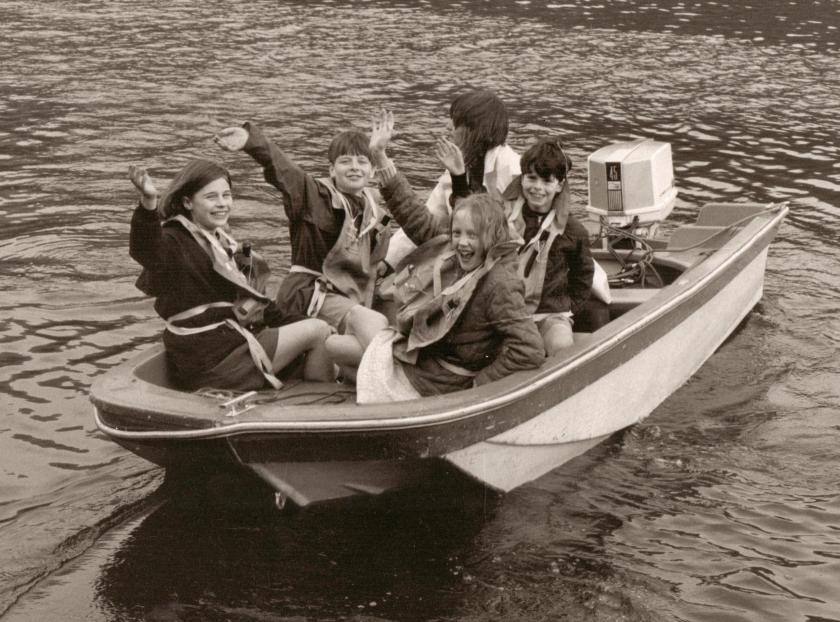
The Swallows, wearing ex-BOAC buoyancy aids, on Coniston Water
‘Did you have a pushy Mum?’ I am asked.
‘Oh, yes!’ She was brought up reading Noel Streatfield’s ‘Ballet Shoes’, longed to act herself and so was keen for me to be in ‘Cider with Rosie’. She made the effort to take me along to a drama club and to a huge audition in the Stroud Subscription Rooms, however I only got the little part of Elieen Brown was because I could play the piano. My mother did force me to take my music to the third audition, which of course enabled me to out-shine the others. I was not a hugely talented pianist and ended up having to practice for eight hours a day before I could master the accompaniment to ‘Oh, Danny Boy’ featured in the film. It was shear hard work that won through in the end.
We were all lucky to be the right age at the right time. I was perhaps the most fortunate because at twelve I was really too tall for the part of Titty. I was a year older and a good two inches taller than Simon West who played my elder brother, but Claude must have known that he could cheat this on-screen.
‘Are you glad you did it?’
Yes, it was fun – wonderful to spend a summer in the Lake District. A chance grabbed. I had not been yearning to act but took a great interest in how the movie was made. In the end the experience set me up for something of a career in television behind the camera and gave me the confidence to a number of things that might otherwise have remained a dream.
You can read about the adventures we had making the film of Swallows and Amazonshere:
Producer Richard Pilbrow with production associate Neville C Thompson on Derwentwater in the Lake District in 1973
This photograph of Richard and Neville sitting on the deck of Captain Flint’s houseboat in the pouring rain must epitomize the struggles they went through to work around the weather and bring ‘Swallows and Amazons’ in on budget.
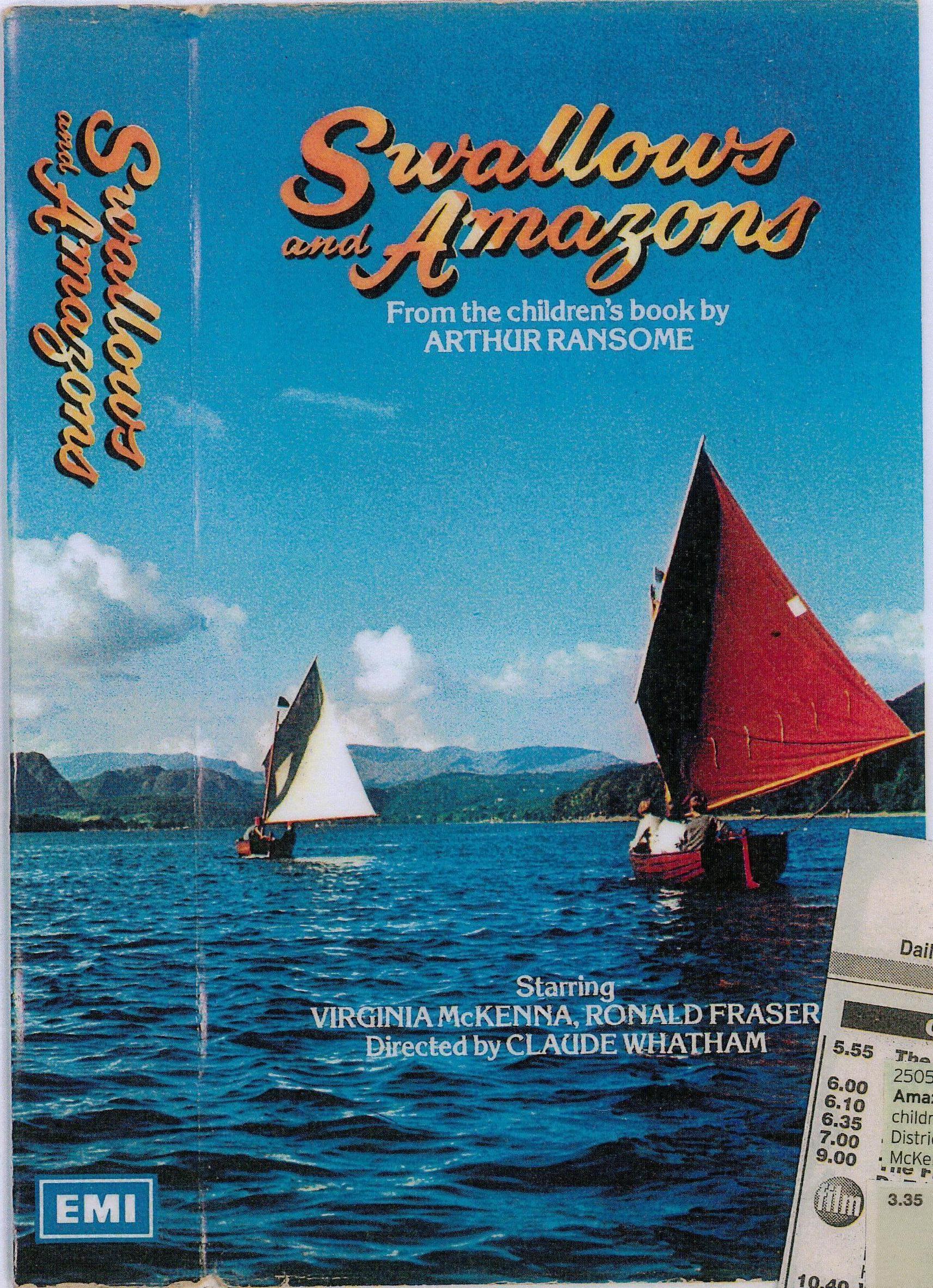
It was Claude Whatham’s dream to end the movie with an aerial shot of Swallow and Amazon sailing away from Captain Flint’s houseboat. He had a helicopter pilot standing-by with a special cameraman, but it wasn’t to be. He needed bright sunshine for the shot to cut with our farewell sequence after the battle. We waited three days but the weather was too dull and wet to film anything useful. I’m so glad. Claude ended up freezing the simple shot that captures Arthur Ransome’s book completely. It was used on the front of one of the first VHS copies of the movie.
The Amazons, played by Kit Seymour, Lesley Bennet and the Swallows, played by Sophie Neville, Suzanna Hamilton, Simon West and Stephen Grendon on the cover of the original VHS version of ‘Swallows and Amazons’
I’m afraid we hung about the very nice Waterhead Hotel in Ambleside getting bored and precocious, or so the evidence suggests. Since John and Margaret, our location caterers, had returned to Pinewood Studios, we were taken to the hotel restaurant for lunch.
We loved the cinema in Ambleside. Was it the same then as Zeffirellis, the cinema in Compston Road operating today? The adults must have found it a good means of keeping us peacefully entertained, but then again they were all film-makers who loved movies. Zanna didn’t come to the cinema that afternoon. She walked four miles up Wanstell Pike with Jane Grendon.
Albert Clarke, the stills photographer on the film crew, had given us contact sheets of the black and white photographs that he had taken during the filming. I spent my time at the Kirkstone Foot Hotel, where Claude and Richard were staying, with a tube of Copydex ~ or ‘rubber solution glue’, as they kept saying on Blue Peter, sticking the tiny photographs into the scrap books that I had been keeping.
Richard Pilbrow kindly let us choose large 10’x 8′ versions of the photographs, which we are able to take home to our families. I kept mine all these years, never using them for anything, but treasuring them as a memory of those happy, fulfilling days spent in Cumbria in 1973.
‘It’s Niagara!’ Titty declared. ‘We could get a barrel and bounce down it.’ Sten Grendon, Suzanna Hamilton, Simon West and Sophie Neville as the Swallows on their way to visit the charcoal burners
Sten Grendon as the Boy Roger, Sophie Neville as Able-seaman Titty and Simon West playing Captain John, Derwentwater in 1973 ~ photo: Daphne Neville
Monday morning on Derwentwater in the Lake District and we had no lessons. The Cumbrian schools had broken-up for the summer holidays, so we were free to play, or as freely as you can be when you are wearing a costume that can not under any circumstances get wet or dirty.
Behind-the-scenes: wardrobe master Terry Smith with Sophie Neville and her chaperone outside the Make-up caravan on location near Keswick.
Although Claude Whatham was operating with a skeleton crew our wardrobe master Terry Smith was still getting us into the right kit for each scene. My mother said that he either got muddled or distracted at one point as a whole sequence was shot with all of us wearing the wrong costumes. It caused quite a fuss. It would have been expensive in time and money. She thought he had been given the sack, but this doesn’t appear to have been the case.
Simon West, Stephen Grendon and Sophie Neville whilst on location in the Lake District in 1973 ~ photo: Daphne Neville
One of the secrets of filming ‘Swallows and Amazons’ is that, on this day, Terry Smith adapted Ronald Fraser’s costume and white colonial pith helmet for our property master Bob Hedges to wear. It was he that fired the cannon on the houseboat.
You can tell which shots of the voyage to the island were taken that day as I was missing an eyetooth. One moment it’s there. In the next shot it’s missing.
Clive Stewart our boatman with the houseboat and the dinghies, Amazon and Swallow, on Derwentwater in 1973 ~ photo Daphne Neville
Clive Stewart of the Keswick Launch Co. was one of a number of Cumbrian boatman who worked on the support crew for the filming of Swallows and Amazons in 1973. They played a vital role not only ferrying us to the location but acting as safety boats and keeping modern boats out of shot.
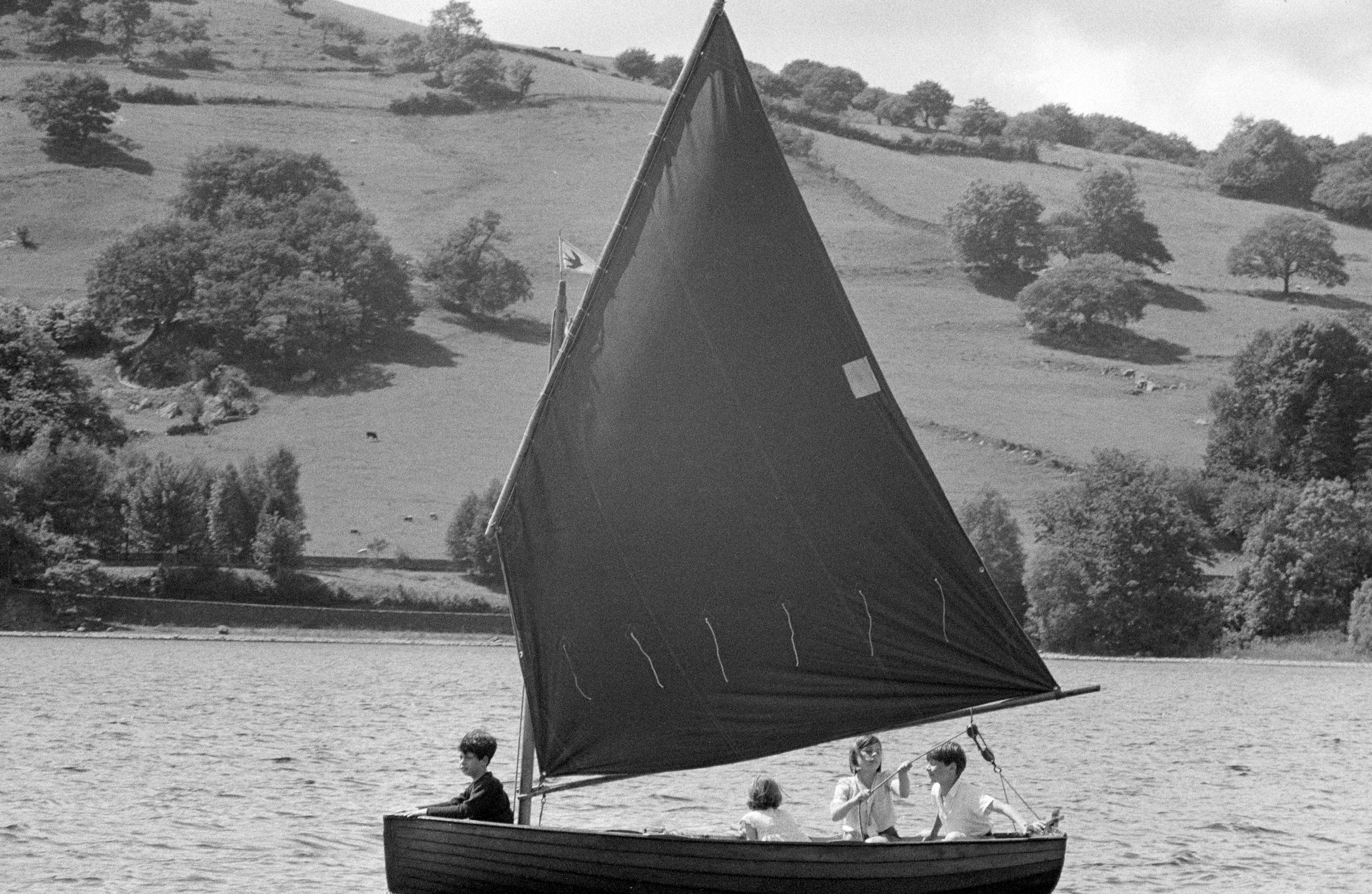
Sophie Neville, Simon West and Suzanna Hamilton sailing Swallow
The boatmen were certainly busy once the wind got up on this particular day. Claude Whatham handed over the direction of montage sequence of the Swallows’ first voyage to the island to David Blagden, our sailing director. At last we had the sun and wind for it – if not too much wind. By now were were pretty experienced but the little ship was challenged to the full as wind gusted down from Cat Bells.
Suzanna Hamilton wrote in her diary that, ‘…it was very rough. We thought we were going to do a Chinese jibe but it was OK. We sailed the whole length of the lake.’ What must have been tricky for Simon West was that he had Denis Lewiston, the lighting-cameraman, on board with a 16mm camera, as well as all our clumsy camping equipment. You can see me heaving the crockery basket past the camera on the movie. The result was probably the most exciting sequence in the film, or so my father later declared.
Jean McGill, our unit nurse and driver, was ever around to scoop us up and keep everyone cheerful when we came in feeling a bit chilly.
Wardrobe master Terry Smith wearing the safety officer’s wetsuit with unit nurse and driver Jean McGill on Derwentwater. Kit Seymour is sitting behind them to their right ~ photo: Daphne Neville
In the evening Richard Pilbrow, his girl-friend Molly Friedel and his assistant Liz Lomax came up to our guesthouse in Ambleside to show us the cine footage they took on the sailing weekend that had been the final audition for our parts. This had taken place in March at sailing town of Burnham-on-Crouch in the Maldon District of Essex when were stayed on board a moored vessel and went out sailing with David Blagden in quite grey, chilly weather. The conditions had been pretty rough then. I remember telling Claude that we ‘helmed like anything’. I felt terribly embarrassed later when I realised that ‘helmed’ was not exactly what I had meant to say but I don’t think Claude was familiar with sailing terminology at the time. He would have like the spirit of what I said.
Titty’s missing tooth
It had been choppy but none of our days had been as rough as David Blagden’s Atlantic crossing, famously made in his tiny orange-hulled 19 foot yacht Willing Griffin. I wonder if the footage of this still exists?
Richard Pilbrow must put me right on this, but the theory is that he acquired Swallow that weekend. We were told at the London Boat Show that she was originally the all-purpose run-around dinghy built by and for William King & Sons’ boatyard at Burnham-on-Crouch in the 1930s. She has the initials WK carved on her transom. They designed her well – a stable little ship with plenty of room inside and no centre-board to worry about. You can see detailed photographs of her on the Sailing Swallow website.
The story continues…. you can read more in The Secrets of Filming Swallows and Amazons available as an ebook for about £2.99 on all the usual platforms:
Sophie Neville at Titty Walker in Swallow on Derwentwater in 1973: photo~ Daphne Neville
Sunlight on the water tells the story of my life. At last the skies cleared and fine weather we had hoped and prayed for settled over the Lake District. It enabled us to film the climax of Arthur Ransome’s adventure set on the high seas of Cumbria. It was the day we went to war. The day the Swallows and the Amazons took on Captain Flint at the Battle of Houseboat Bay.
An extra page in Suzanna’s Diary for 5th July 1973
‘There won’t be a leeside to him, ‘ said Captain John. ‘The houseboat’ll be lying head to wind. Our plan will be to reach into the bay, and then come head to wind one on each side of him.’ Arthur Ransome wrote. ‘If you’ll lay yourself aboard his starboard side, I’ll bring Swallow up on his port.’
Caught shrieking on the cover of the French DVD of ‘Swallows and Amazons'(1974)
To my everlasting regret, while some of the others managed to yell, ‘Swallows and Amazons Forever!’ my battle cry was, ‘Kill, kill!’ The script was pretty sketchy. I have the original and the re-writes, not that I saw either on the day.
This is the revised version of David Wood’s screenplay typed up on 16th June ~
And suddenly I was up on the roof of the houseboat with the Siamese flag~
Simon West as Captain John and Sophie Neville as Titty taking Captain Flint’s Houseboat on Derwentwater : photo~ Daphne Neville
We loved capturing Ronald Fraser and of course making him walk the plank. He was very good about it. Here is the shot used for the cover of the 1977 VHS issue of the movie made available in the USA ~
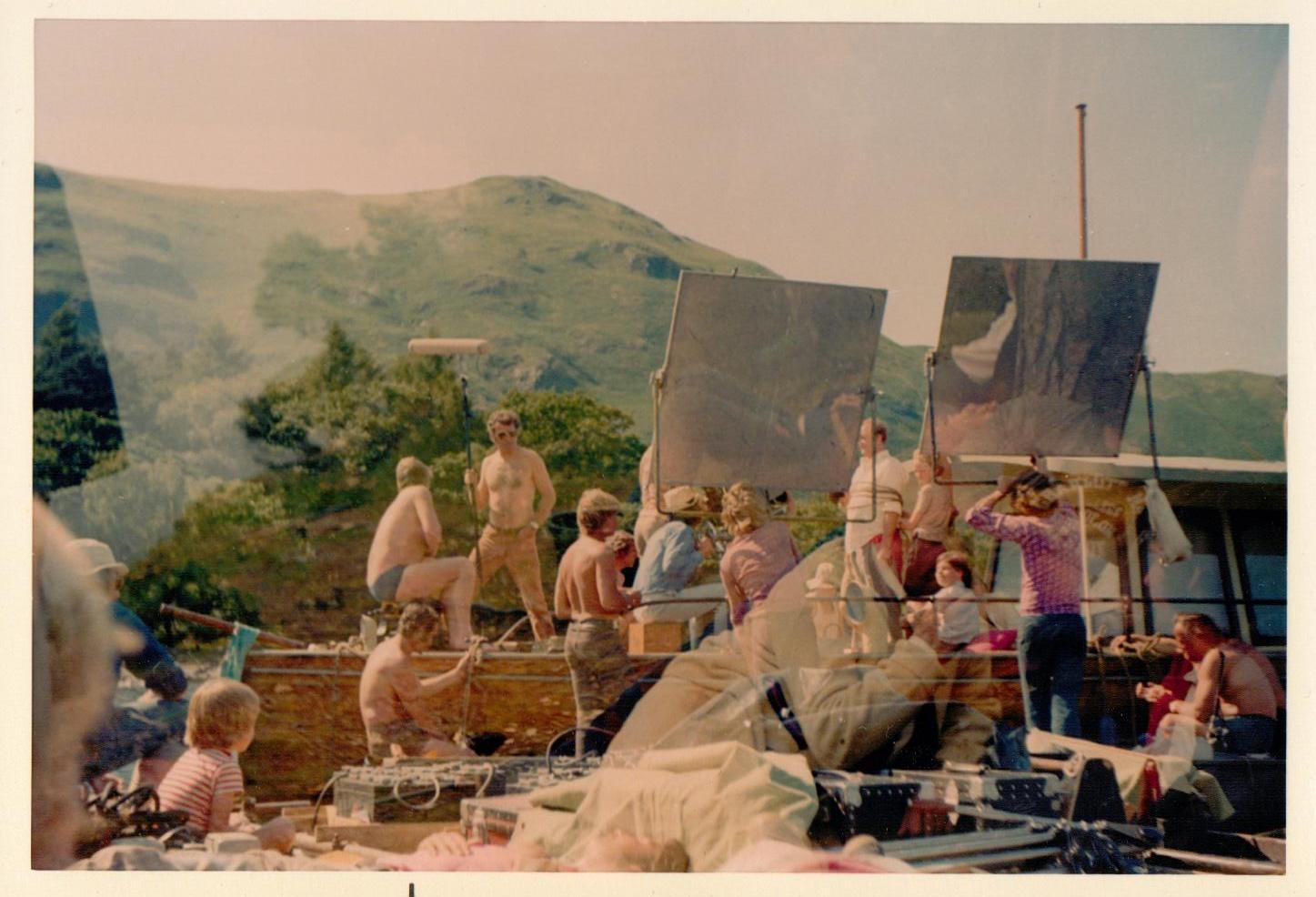
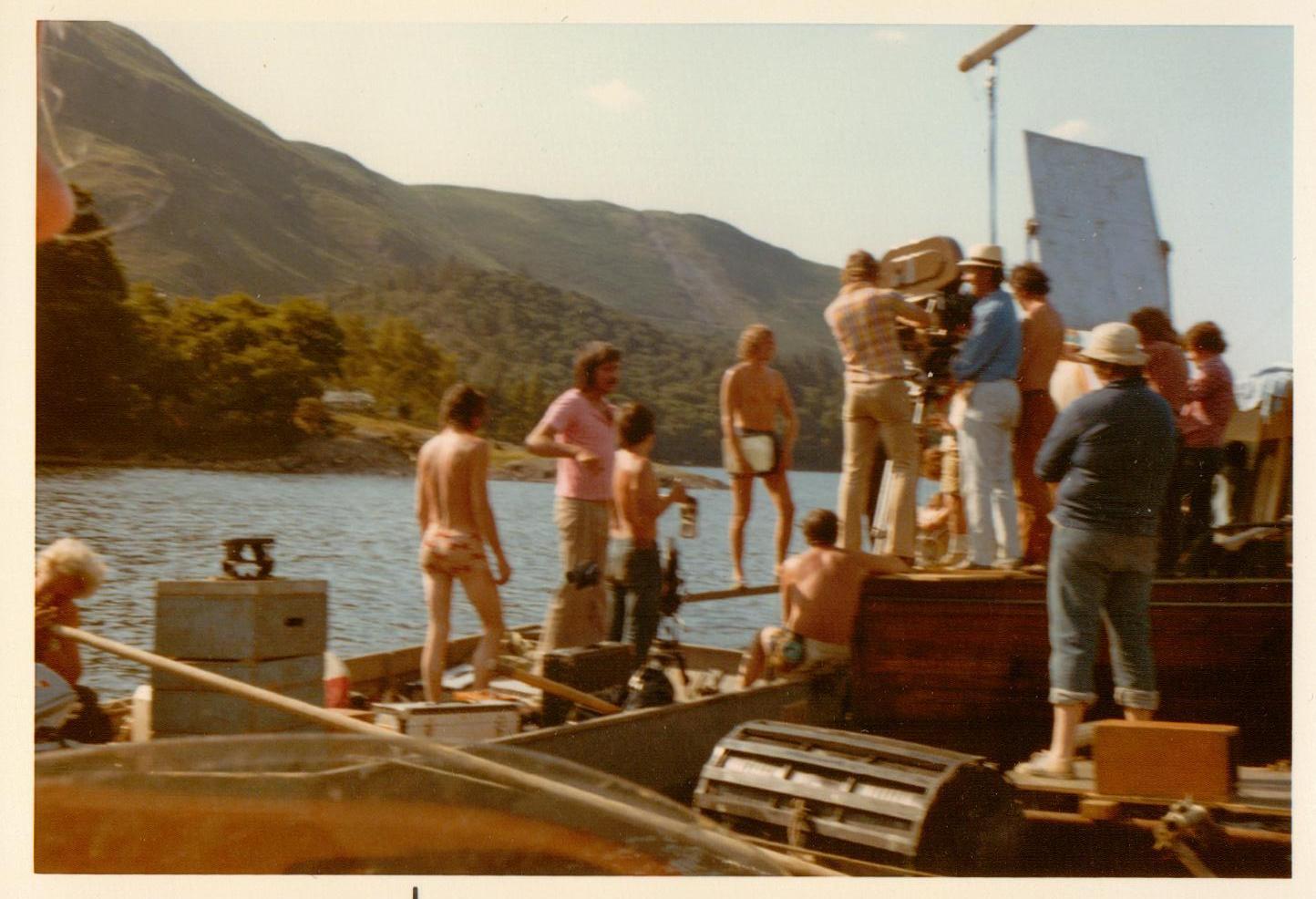
Actually filming this was tricky. The entire film crew with all their equipment including two cameras, two huge reflector boards and a second costume for Ronald Fraser, had to be accommodated either on the house boat or other craft on the bay in Derwentwater. It was a squash. And there were no loos.
The film crew on Captin Flint’s Houseboat on Derwentwater. Ronald Fraser, with a rope around his chest, can just be seen between the reflector boards: photo~ Daphne Neville
The good thing was that by now we were all pretty experienced with the procedure of getting out to what amounted to an inaccessible location with no lavatories – and certainly no room for tea urns. Oddly, space was made for a stand-in wearing a yellow bikini top. One stand-in. How could one stand-in be of any use when there were seven actors onboard?
Director Claude Whatham stands on the plank whilst Bobby Sitwell and DoP Denis Lewiston prepare the 35mm Panavision camera on board the Houseboat: Photo~ Daphne Neville
My mother recorded quite a bit of 8mm cine footage that day, showing life behind the scenes ~
The scraggy looking man alone in a glass fibre boat with a paddle was the chap who drove the mobile lavatories from one location to another and yet managed to persuade the girls of Ambleside that he was producing the film.
Sophie Neville with be giving illustrated talks on ‘The Making of Swallows and Amazons'(1974) at the Southampton International Boat Show on 15th, 16th, 21st and 24th September 2023. We’re hoping Amazon, the original dinghy, will be there too.
Southampton International Boat Show 2022
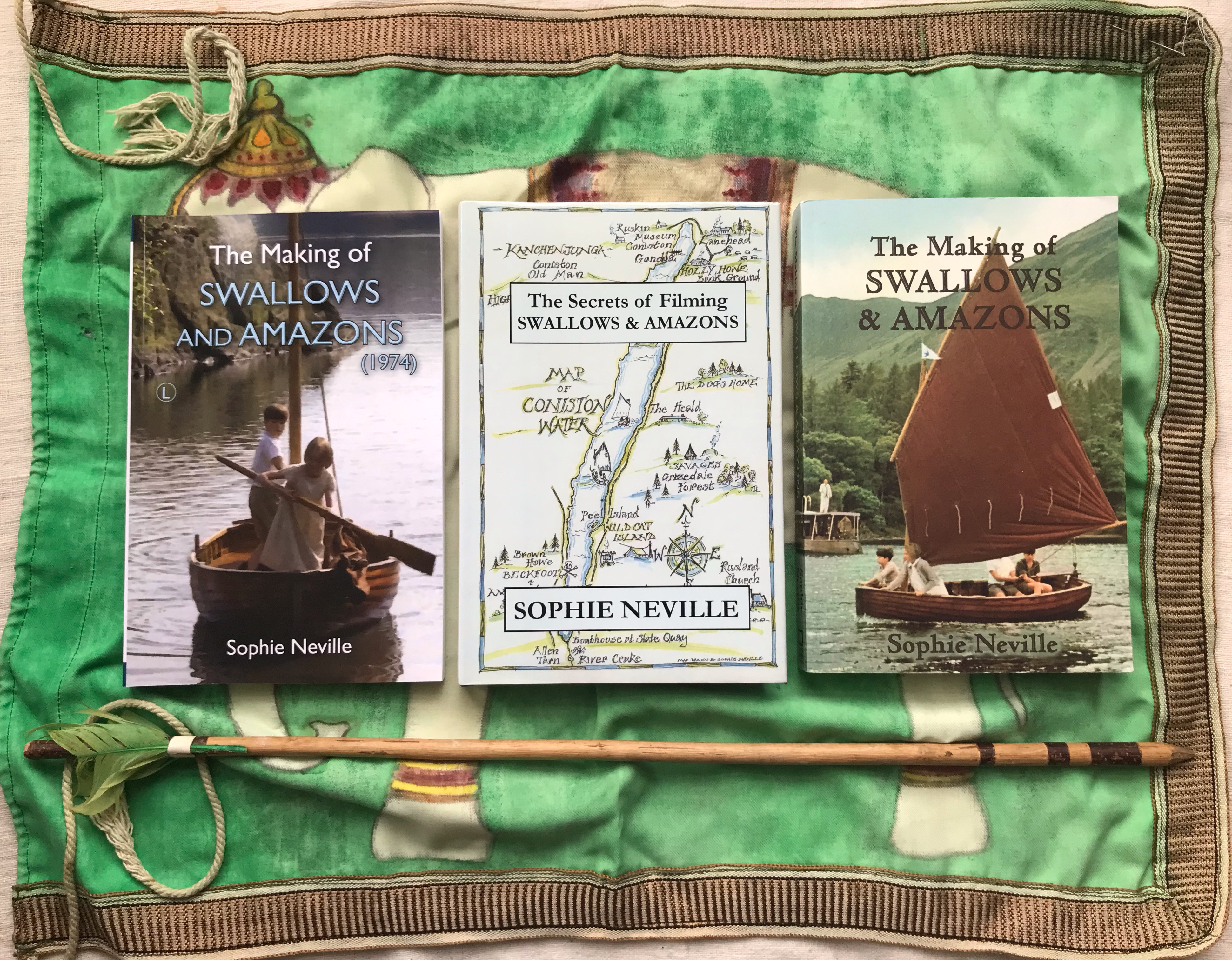
You can read more about the adventures had in these paperbacks
Different editions of ‘The Making of Swallows and Amazons (1974) by Sophie Neville’
Sten Gredon as Roger Walker being taught to swim by Suzanna Hamilton playing his sister Susan Walker on location at Peel Island on Coniston in 1973
Roger still couldn’t swim, but he was trying to. Very hard. The production manager had kindly scheduled the second of our swimming scenes as late in the summer as possible. The weather was warmer – we’d elected to go bathing in a river up near Rydal Water on our day off – but it was still pretty chilly out on Coniston.
Whilst we tried to acclimatise by running around in our swimming costumes the crew were all in their thick coats as you can see from this home movie footage shot by my mother. We had bought her 8mm camera by saving up Green Shield stamps. (Can you remember collecting Green Shield stamps from petrol stations? They were an icon of the early 1970s all by themselves.) I remember someone on the crew calling out ‘Second unit!’ as Mum lifted what looked like a grey and white toy to her face. It was a bit noisy so she was not able to record during a take. You only see us before and after the sequences in the film, but her footage shows quite a few of the members of the crew – all smoking away, even when they were trying to warm us up after each sequence. You can watch Jean McGill, from Cumbria, our unit nurse who was dressed in red, popping Dextrose into our mouths and giving us hot drinks to warm us up. Jean made Gareth Tandy, the third assistant, who was aged about 18, wear a sun hat because he had previously suffered from sun stroke. David Blagden can be glimpsed as the one other man with short hair.
The camera pontoon must have been left up on Derwentwater. Claude was obliged to shoot these scenes from what we called the camera punt, which was smaller but quite useful. Richard Pilbrow sent me a picture. He has included others in a book that he has written about his career, including a section on the making of ‘Swallows and Amazons’ called ‘A Theatre Project’
First assistant David Bracknell, director Claude Whatham, grip David Cadwallader and DoP Dennis Lewiston (seated) with three local boatmen ~ photo: Richard Pilbrow
Do please let me know if you can tell me the names of the three Cumbrian boatmen featured in this photograph who helped us. Others are featured in the home-movie footage. They all look like pirates. Real ones.
Goodness knows that Health and Safety would say about that punt today. The DoP managed to get two sizeable electric lights, on stands, into a boat already overloaded with personnel and expensive equipment. You can see for yourself. Were these ‘Filler’ lights powered by portable batteries? The Lee Electric generator was on the shore. I was in the water. Busy being a cormorant.
We had an interesting afternoon filming with both dinghies. At one point we had the camera with us in Swallow. I found these photographs of us on the internet.
Sophie Neville, Simon West and Suzanna Hamilton
I was given the honour of clapping the clapper-board and calling out, ‘Shot 600, Take one!’ for a close-up of Suzanna Hamilton.
Suzanna Hamilton as Susan Walker sailing Swallow on Coniston Water in 1973
‘The worse possible kinds of natives’… Tourists were beginning to arrive for their summer holidays in the Lake District and we still had quite a bit more to film.
Sophie Neville, Suzanna Hamilton and Simon West sailing Swallow in 1973
You can read more about the adventures we had making the original film of Swallows and Amazons here:
Ronald Fraser as Captain Flint on his houseboat with Stephen Grendon, Sophie Neville, Suzanna Hamilton and Simon West in Swallow on Derwentwater, 1973
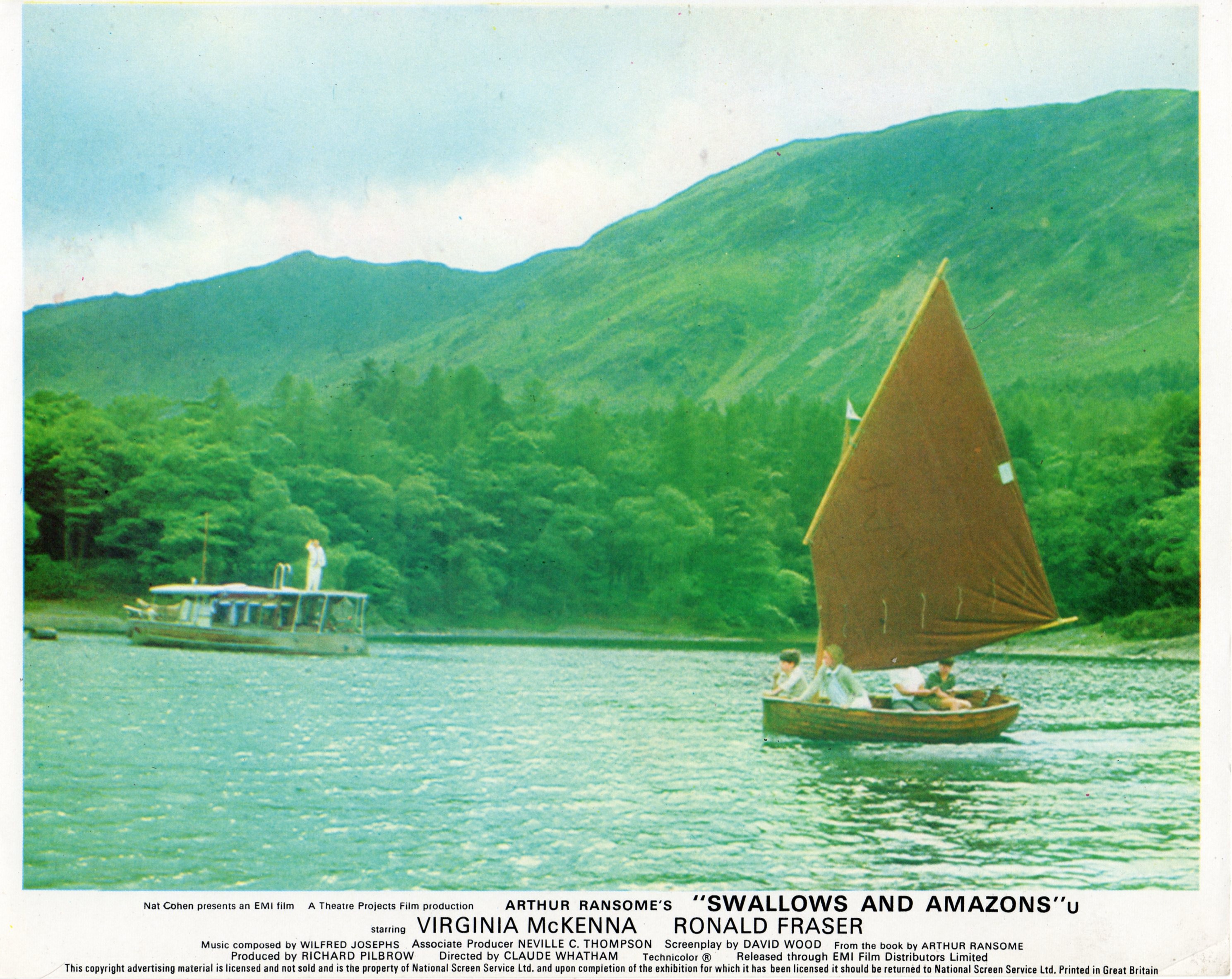
It was found on e-bay and brought to Coniston Water when we re-launched Swallow at the Bluebird Cafe in 2011. Everyone was fascinated. I’d never seen this hand-coloured print used to publicise the movie in cinema foyers, but it has memories of a good day, spent not on Coniston but further north on Derwentwater.
Swallow sailing past the houseboat on Derwentwater
When Richard Pilbrow’s movie of Swallows and Amazons was first shown on British television in 1977, ITV made a trailer to advertise it. This started with the shot of me saying, ‘They’re pirates!’ People loved it. Everyone was going around saying, ‘They’re pirates!’
If it was my best performance it was because I had been lying on a red ant’s nest – and they stung us.
The other secret is that that lighthouse tree in this shot is not a tree. Not one that was growing. It was a big log that Bobby Props had stuck in the ground making the ants very angry indeed.
Sophie Neville as Titty Walker in the ITV trailer for the movie of ‘Swallows and Amazons’ when it was first shown on television in 1977
This was the second location that we used for ‘Lookout Point on Wild Cat Island’. It was on a promontory that overlooks the bay where the houseboat was moored on Derwentwater. There were bushes but no sadly big pine trees. The log was planted so that our director Claude Whatham could get what is called a two-shot of the Swallows watching Nancy sail past Captain Flint’s houseboat, while Peggy raises the skull and crossbones. As we were keeping low the height of the lighthouse tree was not an issue.
Simon West, Suzanna Hamilton, Sophie Neville and Stephen Grendon as the Swallows at the Lookout Point on Wild Cat Island
Just prior to this scene when we spot the Amazons for the first time, I was working on the chart while Susan was sewing a button onto Roger’s shirt. The needle stuck into him as he flung himself down on the grass beneath the lighthouse tree.
Stephen Grendon as Roger having a button sewn back on by Suzanna Hamilton playing Susan Walker in the previous scene.
Since needles are small you can hardly see what is happening but I think it is a detail that Arthur Ransome would have appreciated. I wonder if the same sort of thing had happened to him as a child? He used his memories of Annie Swainson throwing boys across her lap to darn their knickerbockers whilst they remained on him, just as Mary Swainson frequently darns Roger’s shorts after sliding down the Knickerbockerbreaker rockface in Swallowdale. Claire Kendall-Price describes this and where it all happened beautifully.
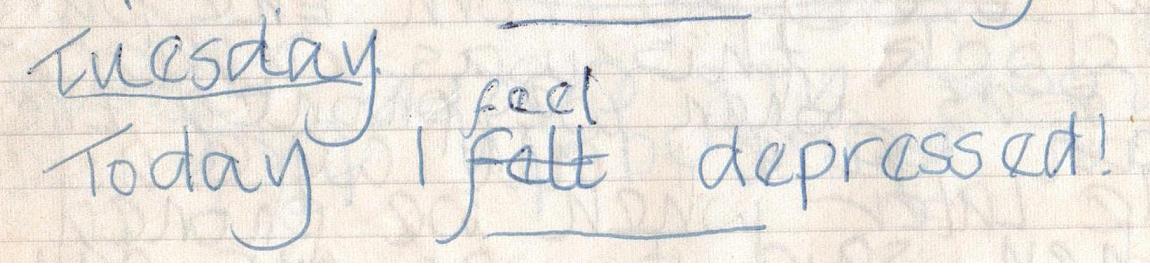
Here is the diary entry I kept for that day in the Lake District ~
Suzanna’s diary is more succinct ~
I don’t know why she felt depressed. Perhaps it was the ants. She was on more of them than me and they were not waving. They were very angry.
So, the secret of Wild Cat Island is that the lighthouse tree sequences were shot in two different places. Although we were mainly on Peel Island on Coniston Water, Rampsholme, an island on Derwentwater is depicted in the opening titles. This is faithful in that Arthur Ransome annotated postcards to show that wanted this view and the fells beyond as a backdrop for his story. In her book, In the footsteps of the ‘Swallows and Amazons’, Claire Kendall-Price provides a wonderful map and guide showing how you can walk from Keswick to find some of the locations.
We didn’t use the island known as Blake Holme on Windermere at all even though Arthur Ransome had envisaged the camp fire as being there. Richard Pilbrow told us it had become a real camp site by 1973 with caravans on the nearest shore.
Sophie Neville in 2011 holding the original photograph in front of the newly restored dinghy at the Bluebird Cafe on Coniston Water. If you look carefully you can see that Swallow is being inspected by a modern day pirate ~ photo: Kitty Faulkner
The “They’re pirates” shot was used in the movie trailer, which you can watch on Amazon Prime here
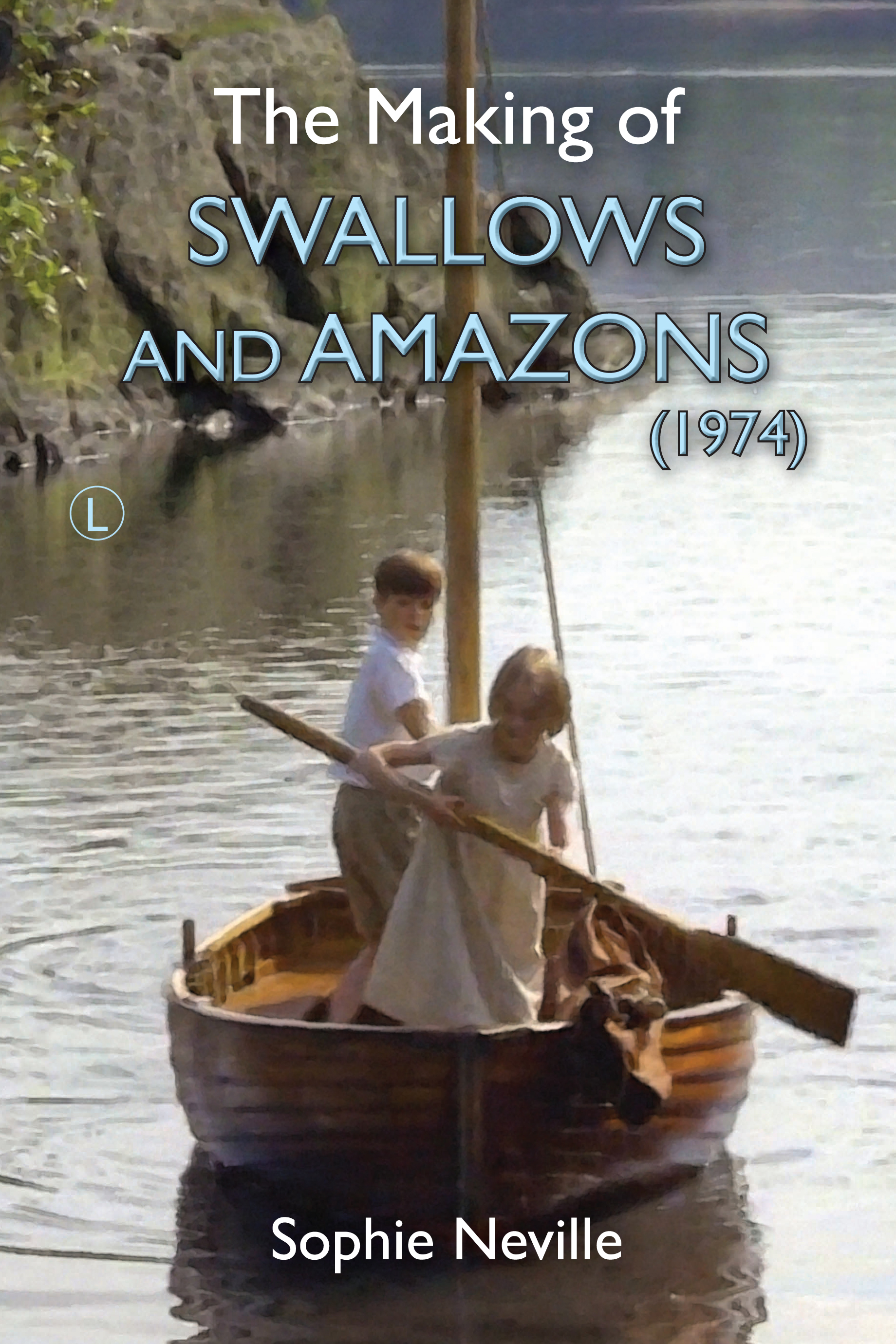
The iconic photograph of Swallow sailing past the houseboat was used on the first edition of ‘The Making of Swallows and Amazons (1974)’ which has become a collector’s item but can still be found online.
The Lutterworth Press bought out an improved 2nd edition and this multi-media ebook is available everywhere for £2.99:
If you ever see a cormorant you must sing out, ‘They’ve got India-rubber necks!’
And then, if you are on a long journey you can add, ‘ Cormorants. We must be near the coast of China. The Chinese have cormorants. They train them to catch fish for them. Daddy sent me a picture.’
Sophie Neville, Suzanna Hamilton and Simon West as the Walker children sailing to Wild Cat Island in Swallow
If you ever get lost – or the journey really is a long one, you can say,
‘Here we are intrepid explorers making the first ever voyage into unchartered waters. What mysteries will they hold for us? What dark secrets will be revealed?’
They were most complicated speeches to deliver afloat, ones I had to learn. In the end the second part was heard OOV – out of vision. I could have read the lines. But then they wouldn’t have stayed in my head forever, as they have.
Stephen Grendon, Sophie Neville, Suzanna Hamilton and Simon West on the voyage to Wild Cat Island, scenes shot on Derwentwater in 1973
If, on your journey, you happen to see a man sitting in a chair writing notes you score high and can say, ‘What’s that man doing? He’s probably a retired pirate working on his devilish crimes.’
Filming Swallows and Amazons (1974) from a camera pontoon
(I’m a bit hesitant about that one because my Aunt Hermione really was approached by pirates when she was sailing round the world. The Daily Mail published her dairy chronicling the adventure; a full page double- spread with photographs no less. Rather sadly they ran headline ‘Intrepid Pensioners…’ What a swizz. She should have lied about her age and said she was 27 instead of 60. Well, perhaps 57, what with the photos.)
The scene behind the camera that day on Derwentwater was rather different from from the scene in front of it.
I got cold sailing but it was a glorious sunny day with a fair wind. We achieved a huge amount even if Cedric fell in. Some of the boatmen and crew wore life jackets, others did not – including my mother.
We wore BOAC life jackets for rehearsals but Swallow is a safe little boat – her keel ensuring we didn’t capsize if we happened to jibe and we never fell in. The pontoon was really rather more dangerous being a raft with no gunwale. Any one could have misjudged their step and plopped overboard. Luckily we were not stifled by Health and Safety in those days – only the rigorous demands of movie insurance companies.
This shows the camera crew climbing aboard the pontoon in order to film Swallow sailing. Daphne Neville sits in the Dory safety boat in the foreground. A reflector board, wrapped camera mount and microphone are already on board.
I’m sure we had already shot the first two scenes of the day when I was in Amazon, setting the anchor and later hearing the robbers. I expect Claude needed to re-shoot for technical reasons. Day-for-Night filming requires clear, sunny days and he would have needed still water.
John and Susan find Titty has moored the Amazon off Cormorant Island
I have some of my father’s 16mm footage showing us at around this stage in the filming. It was shot on a different day but shows us on the shores of Derwentwater, waiting around before rushing off across the lake in motor boats to finish filming before Claude lost the light. You see the pontoon and a safety boat towing Swallow, me snapping bossily at Roger to get a move-on, (unforgiveable but I was 3 years older than him and irritated to distraction), the third assistant Gareth Tandy in blue with glasses, our sound recordist Robin Gregory throwing his arms wide open, Kit Seymour and Lesley Bennett by the lake shore, David Blagden with his short hair-cut splicing rope, me in my Harry Potter-ish blue nylon track-suit top with Albert Clarke the stills photographer, Swallow and some mallard duckings.
If you are enjoying this blog, please find an expanded version of the story in the ebook, available from all online retailers such as Amazon Kindle for £2.99 and on Goodreads here It has also been published in two illustrated paperback versions, which make good presents.
Different editions of ‘The Making of Swallows and Amazons (1974) by Sophie Neville’


























 Sophie Neville