‘I’d like to go to Africa,’ I declared as a little girl, ‘and see forests full of parrots.’ This I did. Everything I had ever hoped to see was spread out before me and the experience left a profound impression.
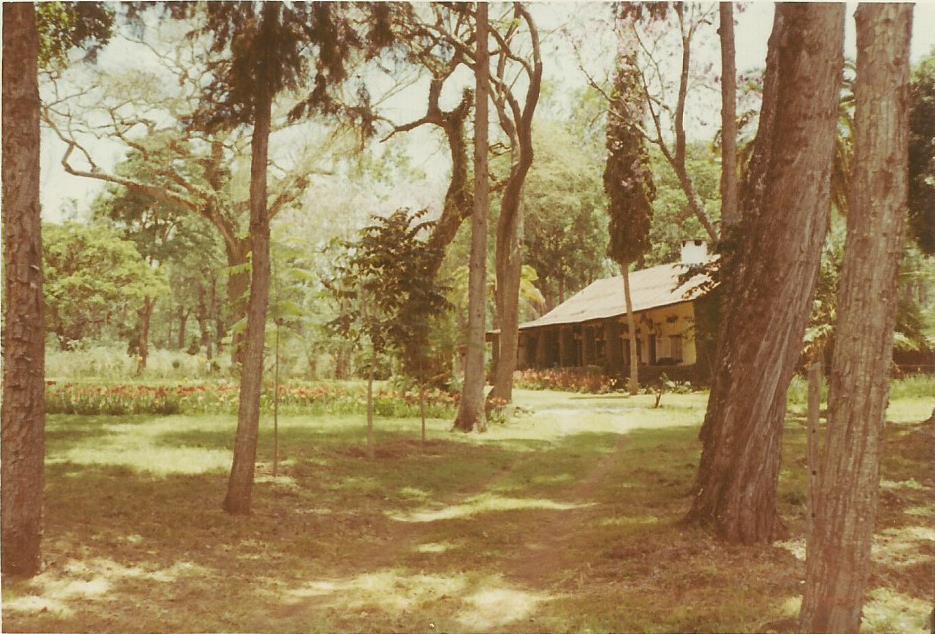
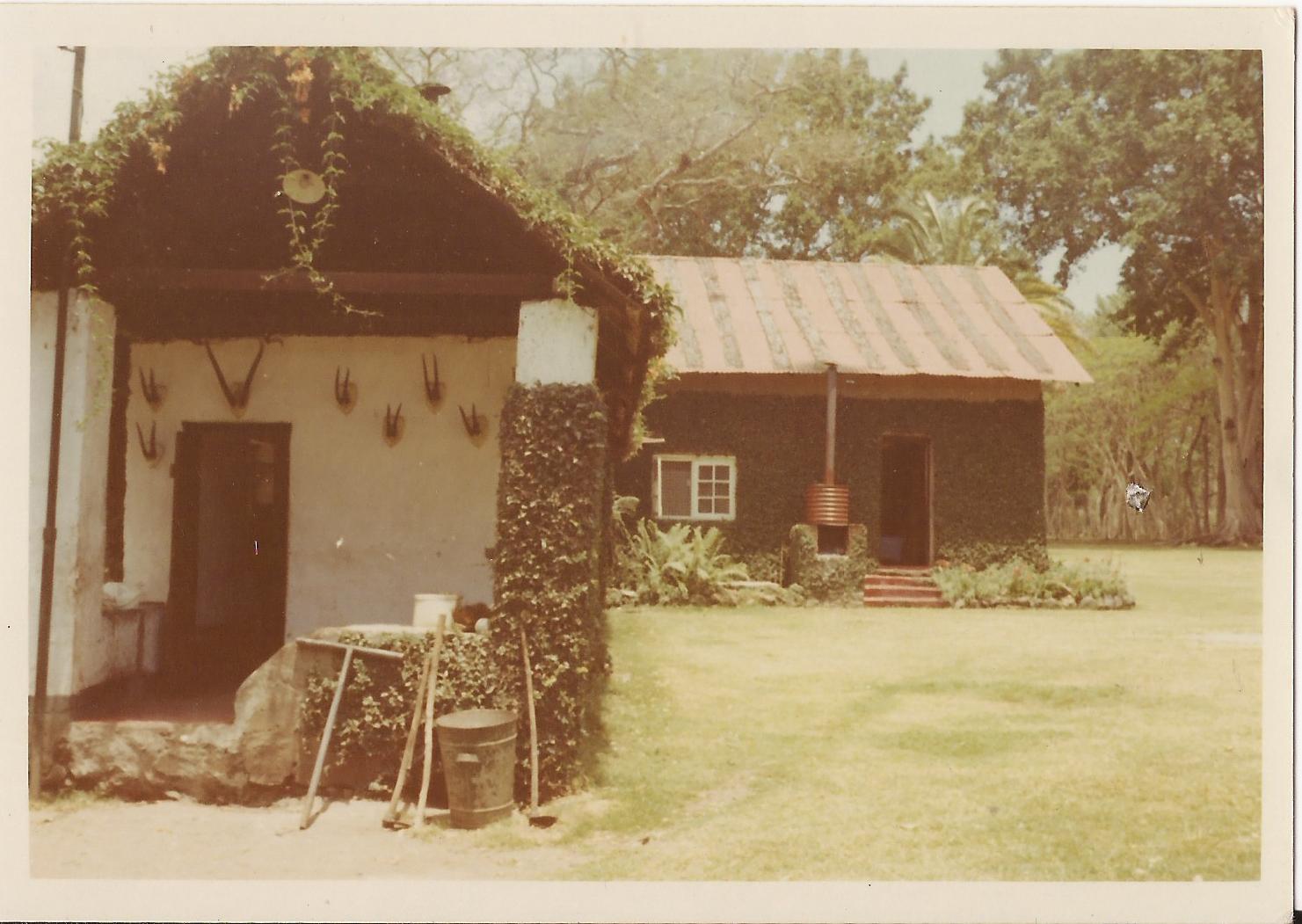
My great-grandparents began farming at Usa River, just west of Arusha in 1919. I first arrived in northern Tanzania in 1972, when my mother took these photographs of the house and garden where her family lived for fifty years. I longed to climb the ancient fig tree in the garden but was told a cobra lived there. It was probably on the lookout for parrots coming anywhere near it.
By the early seventies the family were busy farming coffee and often had visitors to stay. My great-uncle Tony used the farm as a base for his safaris and served as an honourary game warden having worked for many years in the Kenyan Police Force and Game Department. He was well-connected and once took Bing Crosby bird shooting, although this fact was kept secret until 2015.
I loved the outdoor way of life, was intrigued by the kitchen that was seperate from the main house, and amused by the hot water system that consisted of small cylindrical tanks known as ‘donkeys’. Everything smelt of wood smoke. The best thing was that I was able to sleep in a safari tent set up in the garden, in true ‘Swallows and Amazons’ style. It felt as if I was being swept along in an adventure portrayed in the film ‘Born Free’ when Virginia McKenna played the artist Joy Adamson who became well known for bringing up a lion cub called Elsa, eventually releasing her into the wild.
I’ve been collecting further ideas for Swallows and Amazons presents.
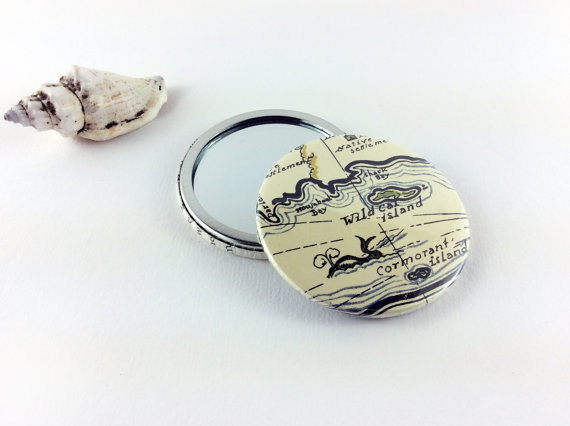
Kate Lowe of Bagsymefirst has brought out these pocket mirrors carefully made form re-cycled book pages.
Kate also makes a handbags out of old books – and will make up your favourite. She says, ‘The last one was made for a bridesmaid at a sailing-themed wedding.’ Please click here for her sales site.
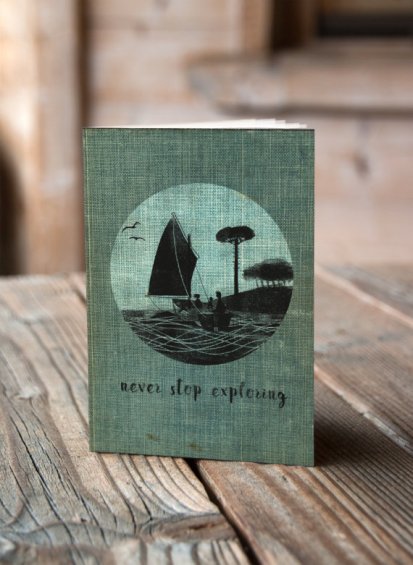
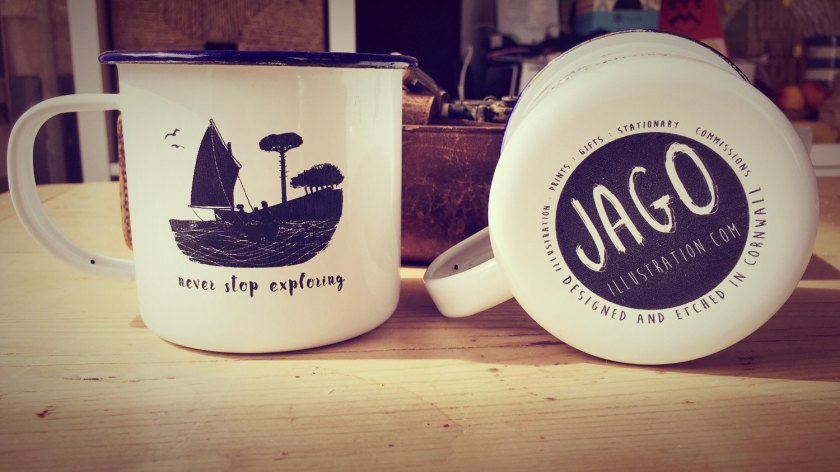
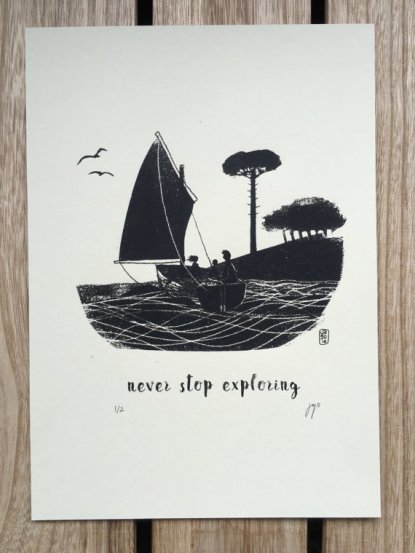
While a DVD of a film or a book makes a good present, the illustrator Jago Silver has brought out some wonderful Swallows and Amazons notebooks perfect for keeping a ship’s log:
The Nancy Blackett Trust have a shop, the proceeds of which go towards the upkeep of Arthur Ransomes’s favourite little ship. Their new items including beautiful coffee mugs and lovely tea towels – can be viewed by clicking here.
If you know anyone who has pierced ears you can find appropriate Literary Gifts here They also sell Swallow broaches.
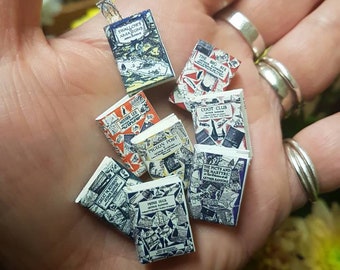
‘Little bookish things can make up pendants featuring your favourite book cover, please click here for the site. There are cufflinks, pendants and makeup bags can be found on Esty here. They also had these little dollshouse miniature books that open, with blank pages inside.
The Arthur Ransome Trust can make up ‘Swallows and Amazons’ T-shirts
As I’ve mentioned elsewhere, StudioCanal offer a selection of mugs, puzzels, prints, mousemats and film posters on their website here. If you search around the site you can find stills from the film made into similar merchandise, click here for an example.
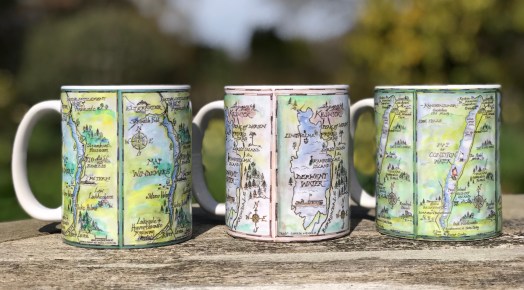
Mugs printed with maps used to illustrate Sophie’s books
As president of The Arthur Ransome Society, I am keen to promote ‘Swallows and Amazons’, emphasizing the aspect that children today can enjoy the outdoor activities advocated by Arthur Ransome back in the 1930s.
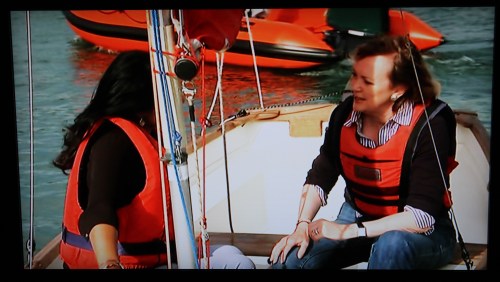
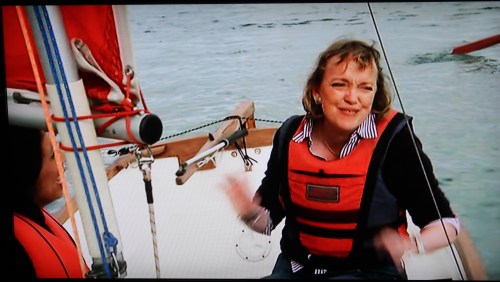
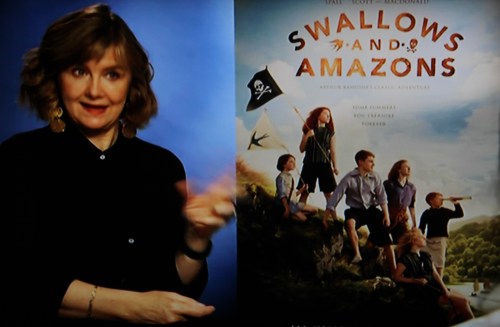
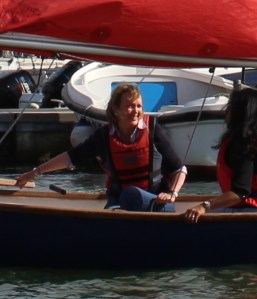
ITV reporter Nina Nannar bravely came out sailing with me in a Scow, rigged like Swallow with a balanced lug sail, to experience the excitement of letting the wind take us along at speed.
When it came to the evening News, ITV showed clips of the movie of ‘Swallows and Amazons’, launched in August 2016.
The item was also shown on the News in New Zealand. A viewer wrote in saying:
‘Great to see a full 3+ minutes about the new S&A film on NZ TV news tonight.Sophie Nevilledid a great job of promoting the value for modern kids to get out on the water or under canvas.’
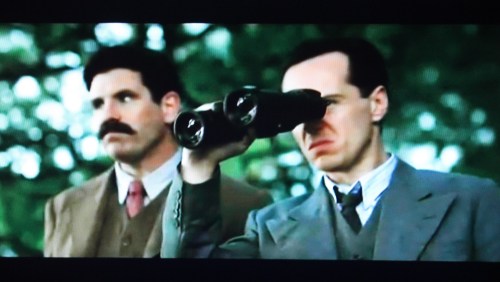
The 2016 movie stars Ralph Spall, Kelly Macdonald & Andrew Scott, seen here spying on Captain Flint.
A clip from ‘Swallows & Amazons’ (1974) starring Virginia McKenna
in which I played her daughter, Titty Walker or rather Able-seaman Titty, was also shown.
They then showed children today learning to sail, unaccompanied by adults.
‘Unlike other films, ‘Swallows and Amazons’ is within children’s reach,’ I’ve been told. It’s true. Any child can pretend that their bed is a sailing dinghy taking them to a deserted island. And when you are a little bit older – it’s not impossible to join a sailing club or go camping.
We took Swallow to join the Aldeburgh Junior Lapwings on the River Alde in Suffolk.
One intrepid sailor had bought her own Lapwing for £100, raising the money by busking in Aldeburgh High Street. Tilly renovated and varnished the clinker-built dinghy herself.
She can be seen here teaching the younger children how to owl hoot, playing ‘What Shall We Do With The Drunken Sailor’ on her thumbs.
The children went fishing for crabs, which they later raced down the slipway.
They went in search of treasure – if that is what you call a scavenger hunt –
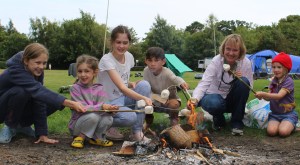
before sailing back to camp by the mud flats, cooking out in the open and sleeping in tents.
They launched their dinghies, raised their red sails
and headed off, catching the tide.
Swallow, the dinghy used in the 1974 film ‘Swallows & Amazons’ acted as flag ship.
The first swallows have arrived and summer is here. You only have to look around to see parents advocating a ‘Swallows and Amazons’ childhood for their offspring. They want to go camping, catch fish and learn to cook on open fire.
Titty’s dream of being alone on an island to experience what it must have been like for Robinson Crusoe has never been seen as worrying. Parents want to encourage their offspring to use their imaginations and explore the wilderness, knowing it will be memorable. As long as the weather holds they are happy to act as Man Friday. By exercising her imagination, Titty comes up with ideas that ultimately win the war and develop courage and resourcefulness by taking part in the adventure even though Captain John is at the helm. The fact that the mere able seaman becomes hailed as the hero of ‘Swallows and Amazons’ has inspired a generation.
TARS at Cobnor Camp
If you want the real deal, become a family member of The Arthur Ransome Society and sign up for one of our summer camps while there is still space:
The Nancy Blackett Trust offer memorable opportunities for children and teenagers, as well as adult sailors who love the opportunity of going out in Arthur Ransome’s yacht and meeting like-minded people.
The Nancy Blackett is based on the Orwell near where the Ransomes lived in Suffolk but she ventures forth and was even spotted on the Hamble last year.
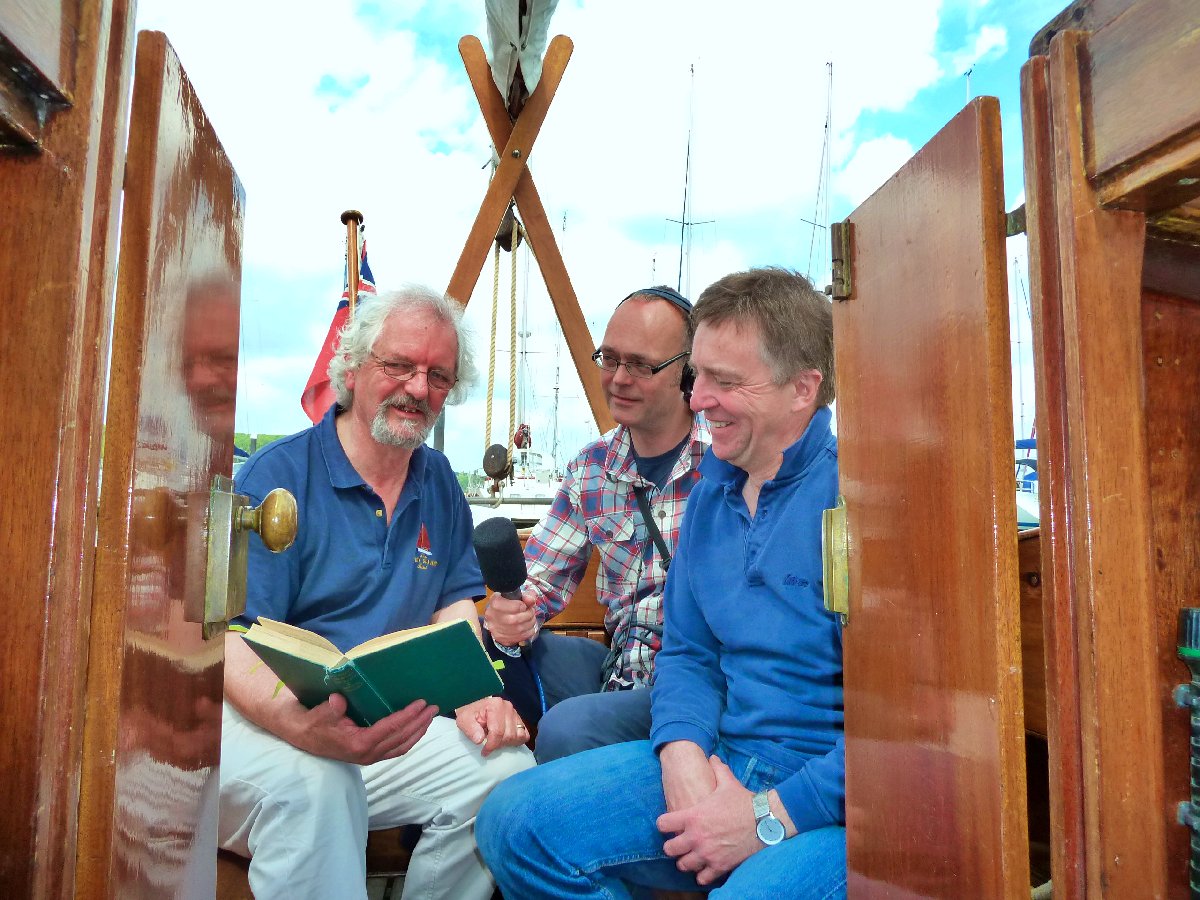
‘Paddling with Peter Duck’, John McCarthy’s documentary for BBC Radio 4, portrays the boats owned by the author Arthur Ransome and includes extracts read by Kate Taylor from his classic book Swallows and Amazons.
Peter Willis in the Nancy Blackett with John McCarthy
While the broadcast is a portrayal of Arthur Ransome and his boats, it touches on his friendship with the Altounyan family who inspired him to embark on writing the series of twelve Swallows and Amazons books. It is easy to understand this when looking at their photographs.
The Altounyan children with friends in Syria.
The girls seem to be Taqui, Brigit and Titty
Could it possibly be Arthur Ransome sitting on the right? He visited the family in Syria in 1932, when he must have been about forty-eight, but was never known to have worn shorts, although it would have been exceptionally hot in the Middle East. Click on the photos to enlarge.
Is this Arthur Ransome ? sitting on the bow of Peter Duck in Syria, the chap wearing the same hat and clothes as in the photo above? He took this dinghy out to Syria as a gift for the Altounyan children and wrote his novel Peter Duck while he and his wife Evgenia were staying with the family in Aleppo.
Possibly Arthur Ransome sailing Beetle II the Altounyans’ gunter-rigged dinghy at Amouk in Syria
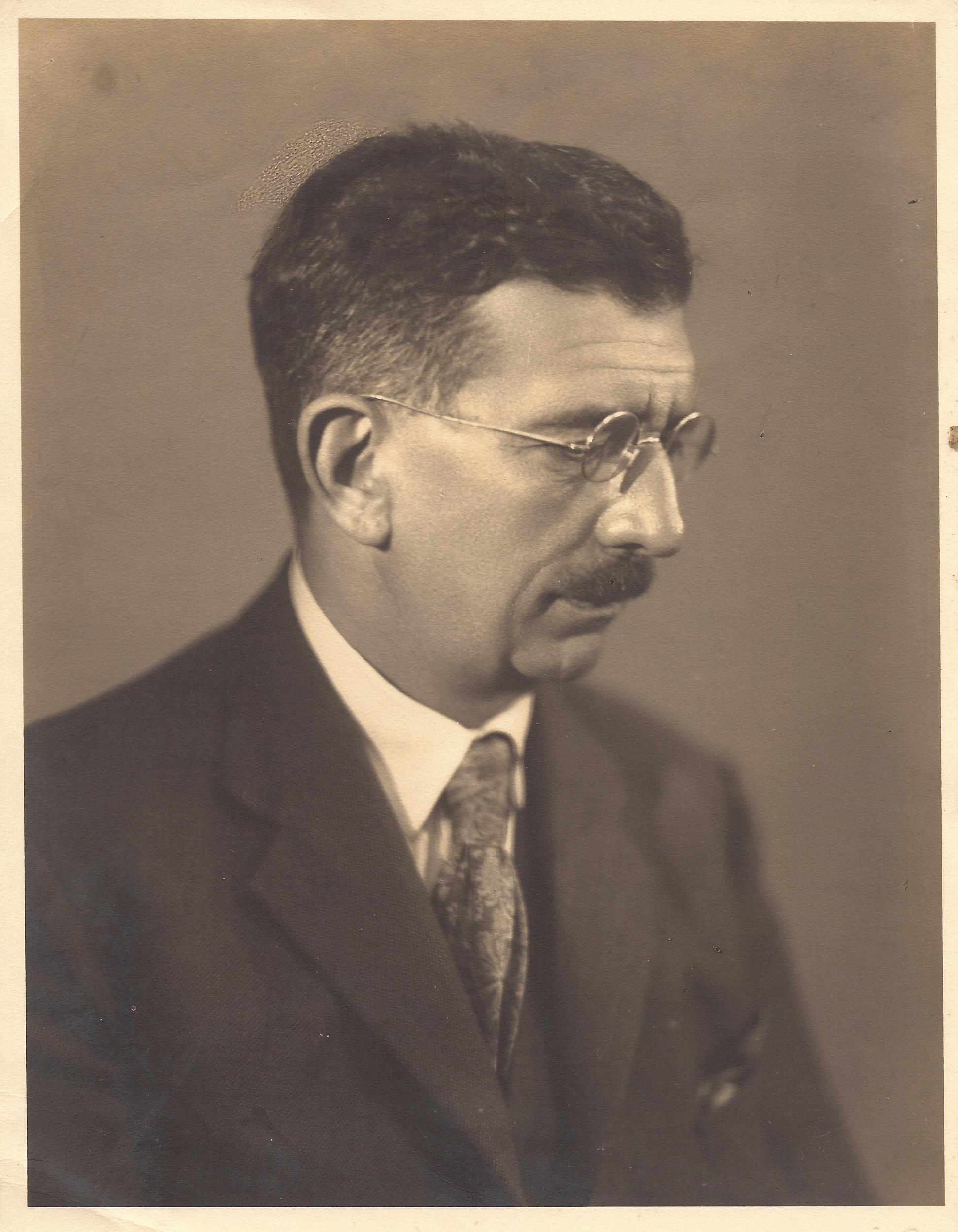
Ransome’s friend Dr Ernest Altounyan in 1935
Dora Altounyan (nee Collingwood) in 1935
Was Dora the model for Mary Walker, the Swallows’ mother who grew up in Australia?
Sadly there is no sign of the original Swallow bought at the same time as Mavis by Arthur Ransome and Ernest Altounyan in Barrow-in-Furness, and later sailed by the Ransomes on Windermere. Mavis was later re-named Amazon by Brigit Altounyan, the youngest of the five Altounyan children, known as The Ship’s Baby.
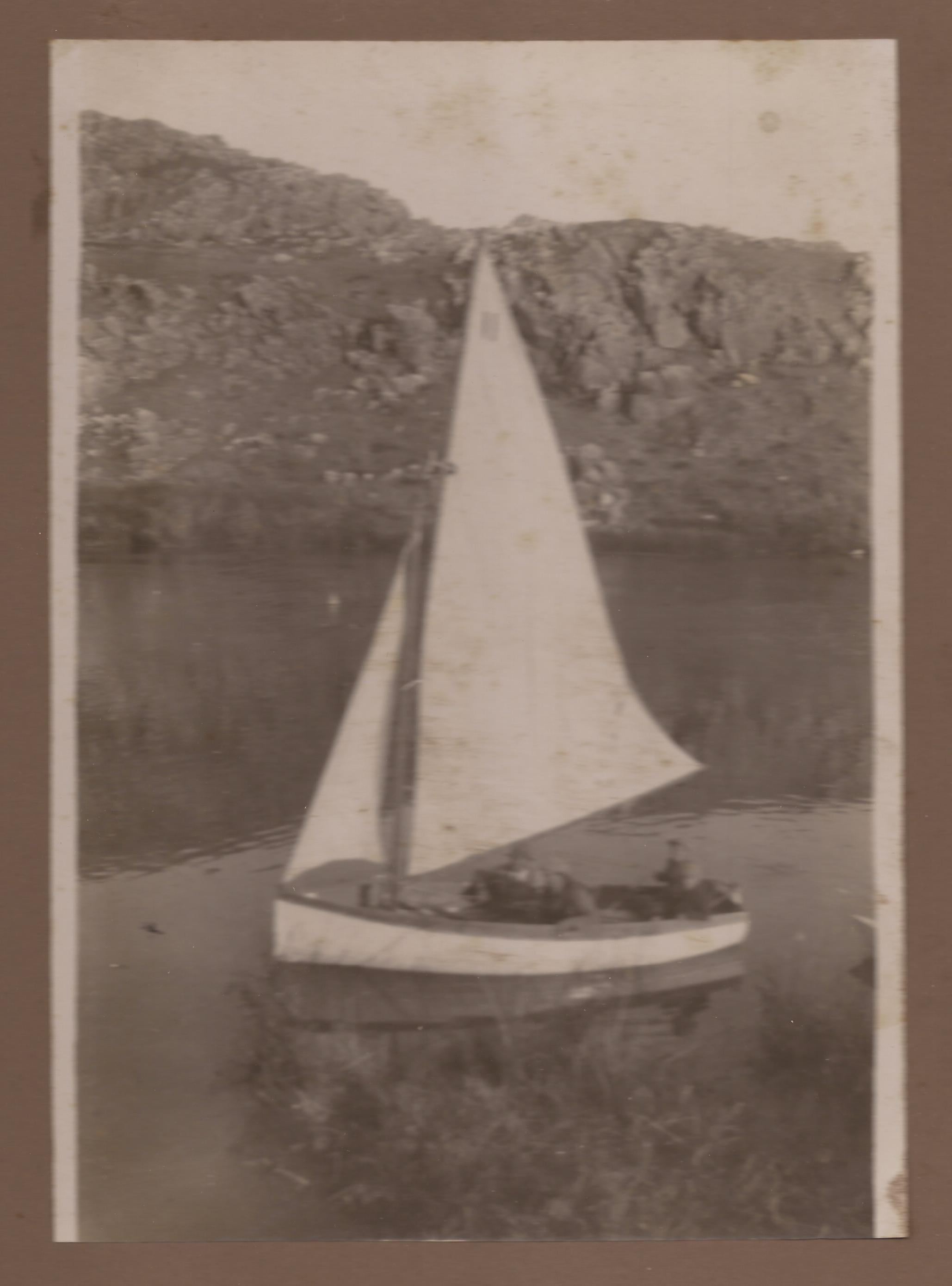
Dr Ernest Altounyan on Coniston Water with ‘Mavis’, one of the dinghies that inspired ‘Swallows and Amazons’
These unique photographs were recently found in Cheshire by the antiques dealer John Jukes who asked me if I could return them to the Altounyan family. This I have done and show them here by kind permission of Roger’s daughter, Barbara Altounyan. Please do not copy these photos.
What strikes me about Arthur Ransome’s whole series of ‘Swallows and Amazons’ books is that they are set almost exclusively outside in the open – or afloat. When we made the film in 1973 it rained so much in the Lake District that the producer must have longed for the existence of a few more interior scenes. As it was, the longest one ended up on the cutting-room floor. Is this because the essence and appeal of the stories is that they occur beyond the confines of domestic realms?
‘If not duffers, won’t drown.’ Simon West, Sophie Neville and Suzanna Hamilton in ‘Swallows & Amazons’ (1974)
When I appeared on Channel 5 last year I learnt the most depressing facts about the decline in the amount of time children spend outdoors. Recent research shows that children tend to stay indoors, watching television, playing computer games or even spend time doing homework, rather than go out to play. Kids today play outside for less than five hours a day at weekends and only for an hour or so during the week, which is half the time their parents spent outdoors, whatever the weather. You’d have thought they must have had higher levels of vitamin D. Apparently only 21% children today play outside near their homes, as compared to 71% of their own parents when they were young.
However:
44 % of parents wish their children played outdoors more often.
54 % seriously worry their child doesn’t spend enough time playing outdoors.
But 43 % of parents admitted they rely on school to ensure their children are getting plenty of time outdoors through PE and play times, and spend very little outdoor time with their children themselves.
One study found that eight in ten parents said their favourite activities as children involved being outdoors. But only half their children lead the same active life.
Apparently parents have forgotten how to play with their kids. While nine of ten parents recognise that it is vital for children to use their imaginations, 16 per cent of parents say they have no idea how to make up stories or create imaginative play. What would Titty say?
‘X marks the spot where they ate six missionaries!’ Simon West, Sophie Neville, Suzanna Hamilton and Sten Grendon on Peel Island in the English Lake District.
So what’s changed?
32% of parents quote safety fears as the reason their children didn’t play out more often.
19% said it was due to a lack of time.
16% said their children would rather do other things.
53% of parents were reluctance to letting children out of their sight on the danger posed by traffic
40% feared their child would be snatched by a stranger.
Over 25% worry their neighbours would disapprove if their children played outdoors unsupervised.
The Arthur Ransome Society have organised a number of activities for families this summer, including a camp at Cobnor Point on Chichester Harbour from Friday 14th August to Sunday 16th August. The idea is that you bring your own tent, food, drink and a boat if you have one but the cost is very low at £20 for adults and £10 for children. Activities include nature walks, archery, games, signalling and water divinging with sailing when the weather permits. The cost includes a barbeque on the Saturday evening. Please click here for details.
If you missed Dan Damon’s programme on BBC Radio 4, when I spoke on the appeal of a Swallows and Amazons childhood, you can listen to the full recording on BBC World Update by clicking here.
If you would like to read more about the making of the 1974 film of ‘Swallows and Amazons’, please click here:
When I saw Simon West recently he told me that his father would love to see a copy of ‘The Secrets of Filming Swallows & Amazons’.
Nigel West soon wrote to say:
‘…it makes fascinating reading. Simon told me very little in the way of detail about his experiences when filming so your account is very welcome.Simon’s mother, Dorothy, and I only visited the Lake District once during that period and then we only saw Simon fairly briefly and saw nothing of the filming. Things that I can recall about the whole experience I will describe below.
.
‘Our family took up dinghy sailing when I built a Mirror dinghy in our dining room at home. It was built from a flat-pack and took nearly a year to construct, in my spare time, during which the family had to eat meals in the sitting room. I had been sailing on the Norfolk Broads with friends a few times in my college days, which had started my interest in boating. The family joined the Dorchester Sailing Club which was based on an old gravel pit not far from our home. Eventually we also acquired two children’s Optimist dinghies for Virginia and Simon, who spent many weekends racing their boats at open meetings around the country.’
.
.
‘One day at the club a notice appeared on the notice board asking children with sailing experience to audition for acting parts in a film to be made of Swallows and Amazons. Virginia immediately expressed interest and pressured Dorothy and me to take her to the auditions in London. We were reluctant to agree because we thought her chance of success would be so slim with thousands of other applicants, many with acting experience, queueing up for parts. Then, to my surprise, Simon said he was also interested, with his eye on the part of John, but surely, I thought, he would be too young and too short for that part and he had pooh-poohed the idea of trying for Roger.
‘As it happened we were due to visit Dorothy’s sister, who lived south of London, in Sussex, on the Saturday of the auditions, so we decided that a small detour would allow the children to attend without too much problem. Sadly Virginia fell at the first interview while Simon, to our utter amazement, won through that and all the other stages of selection to win the part of John. How pleased we were for him and proud – and sorry for Virginia who took her disappointment so well. You should ask Simon about the later stages of selection that included a long weekend living on an old motor torpedo boat at Burnham-on-Crouch having, among other things, his sailing proficiency assessed.
‘From the few things that Simon did tell us about the filming, I was extraordinarily impressed by the maturity he had so clearly gained in the whole experience. He explained how conscious he was of the crucial part he had to play in getting it right, in front of the camera, because the success of the whole project depended on that. With dozens of adults all working flat out as a team to a tight schedule meant that he had to concentrate on getting it right first time – a very maturing experience for an 11 year-old taking time out from his first year at secondary school.’
.
.
‘With Simon having no acting experience I was intrigued to know how Claude Watham had managed to get what he wanted from his young cast. Simon explained one technique that Claude had used to stop them looking wooden in front of the camera. He would make sure they knew their lines, send the children to run to some point and back again, then shoot the scene while they were still animated from the running.
‘One aspect of the production mentioned in your book is the studio post-sychronisation. I can remember taking Simon up to Elstree Studios in Borehamwood to re-record some of the dialogue, sometime after the filming had been completed. Maybe you did the same. Simon had to wear headphones to listen to the film dialogue, while watching a scene from the film, and to repeat to a microphone the dialogue in exact synchronism with what he heard in the headphones and saw on the film. He said it was an extremely difficult thing to do, to talk over one’s own voice, exactly, and then to give it the right expression. I imagine it needs a lot of practice to get it right. The object was, of course, to dub over recorded dialogue which had either been poorly recorded or which included extraneous noise.
‘Finally, I did manage to watch one scene filmed, but from a great distance, which you do mention in your book, and that was the Darien scene shot at Runnymede sometime much later in the year. In 1973 it was the fashion for all schoolboys to wear their hair indecently long. At Simon’s school the rule was that the hair was just allowed to touch the collar but not an inch longer. Simon’s hair was no exception but he had had it shorn for and throughout the filming and it had just started to grow back when he was summoned to the Runnymede shoot. On our arrival at Runnymede Simon was immediately sat on a chair and had his locks shorn once again. I think he should have been paid a special indignity fee for that day’s work.’
.
.
‘I remember watching the S&A float in the Lord Mayor’s Show pass by but the float passed too quickly to let you all spot our family in the crowd.
‘I also remember attending the film’s premier at the cinema in Shaftesbury Avenue, also attended by some minor member of royalty. It was a grand event and brought home to me that this was not some trivial little children’s entertainment but was a full length feature film of some standing. It must have been shown on British TV a dozen times over the years, particularly at Christmas, so it has stood the test of time by anybody’s standards.
‘That reminds me that at one point we made a half-hearted attempt to get Simon into Equity but without success. The result was that Simon only got paid a daily fee for his work on the film, with no residual payments for TV showings, overseas viewings or video and DVD earnings, to say nothing of his image appearing on a number of jigsaws!
‘You probably know that Simon also acted in a film made for children’s television in 1974, when he took the title role in Sam and the River. This was recorded on film and was shown on BBC TV in the form of six 30 minute episodes. It was before the days of video recorders so we have only ever seen the original transmission. Fifteen years ago I approached the production company to see if I could obtain a copy, but they had been reorganised since the film was shot and had kept no copy, nor record, of the production. I then approached the BBC and they did a search for me but they drew a blank. At one stage the BBC had a Philistine in charge who infamously threw out masses of, now priceless, BBC archives as being a waste of space. One day I hope to put a name to him. Simon has since found that the BFI have an archive copy of Sam and the River so I will approach them, but they do emphasise that they have no authority to make or issue copies of archive films. Might, however, get them to show it to us one day perhaps.’
.
There were four jigsaws issued with the film. There is full image of the jigsaw above on an earlier post.
Thanks to the encouragement and help of my blog followers and Arthur Ransome enthusiasts around the world, I have managed to put my diaries, letters, old photographs and documents together into a 70,000-word memoir.
“Sometimes extraordinary things do happen to ordinary people. Little girls can find themselves becoming film stars. Long ago, and quite unexpectedly, I found myself appearing in the EMI feature film of Arthur Ransome’s book Swallows and Amazons, made for a universal international audience. I played Able-seaman Titty, one of the four Swallows. Perhaps it would be more accurate to say that I became Titty for a while, wearing thin cotton dresses and elasticated navy blue gym knickers, which the camera crew soon referred to as passion killers. The book was written in 1929 and although the film adaptation was made in the early 1970s it had an ageless quality and has been repeated on television year after year, typically on a Bank Holiday between movies starring Rock Hudson or Doris Day.
I got the part of Titty because I could play the piano. Although I had no ambition to be an actress, at the age of ten I was cast in a BBC dramatisation of Cider with Rosie. They needed a little girl to accompany the eleven-year-old Laurie Lee when he played his violin at the village concert. I plodded through Oh, Danny Boy at an agonising pace.
‘Do you think you could play a little faster?’ the Director asked.
‘No,’ I said, flatly. ‘These are crotchets, they don’t go any faster.’
Claude Whatham must have remembered my crotchets, for two years later, in March 1973, my father received a letter. It arrived completely out of the blue, from a company called Theatre Projects.
We are at present casting for a film version of SWALLOWS AND AMAZONS which Mr Whatham is going to direct. We were wondering if you would be interested in your daughter being considered for one of the parts in this film.
Amazing!”
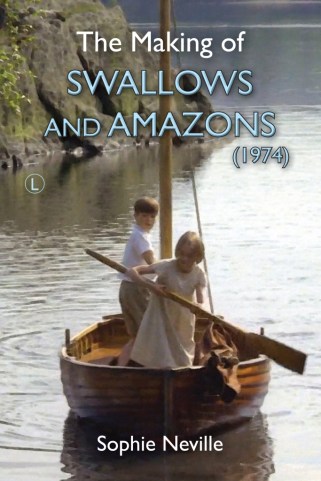
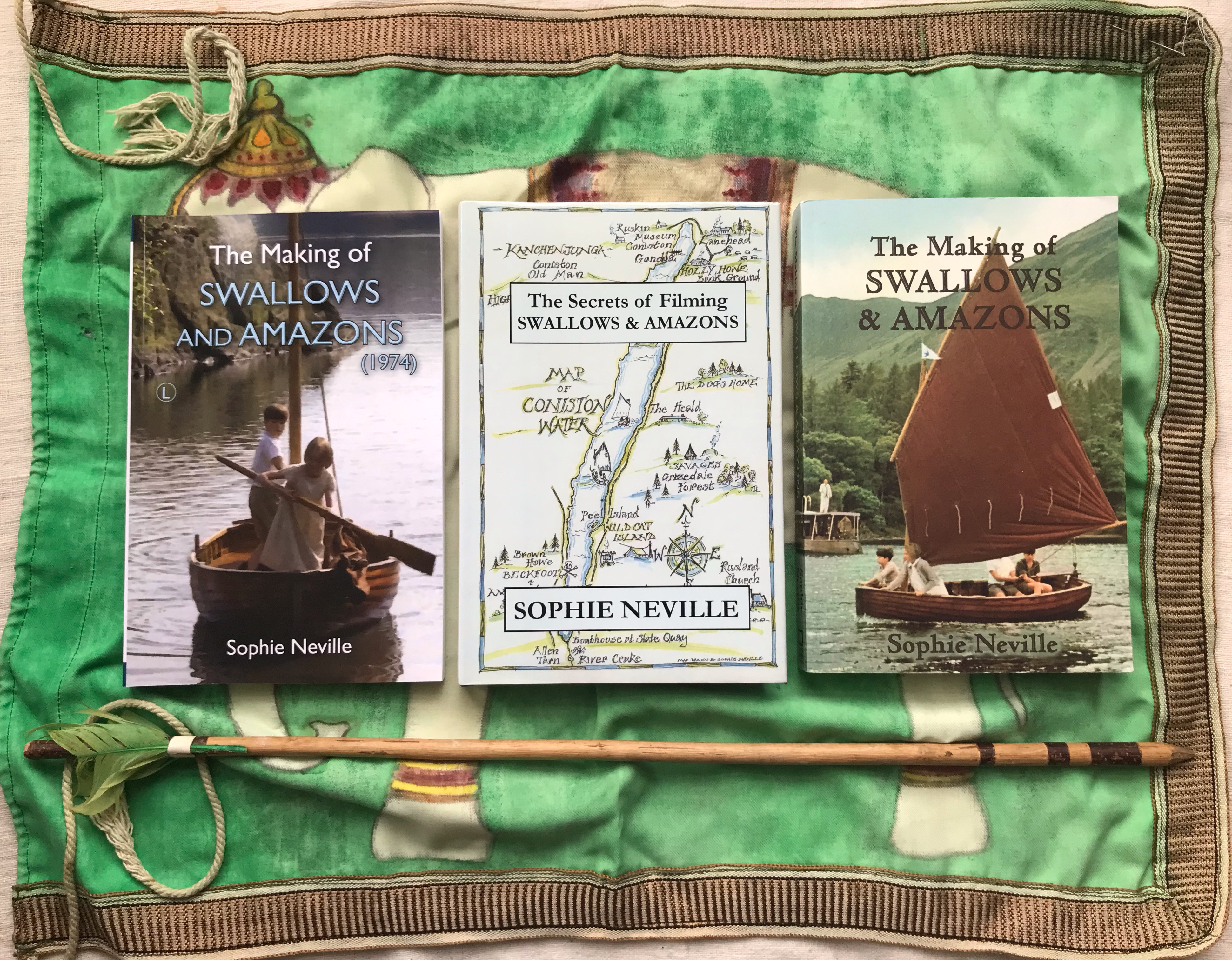
From ‘The Secrets of Filming Swallows & Amazons’ by Sophie Neville
Preview copies of ‘The Secrets of Filming Swallows & Amazons’ at the Cruising Association dinner at the Water’s Edge Bar and Restaurant, Mermaid Marina on the River Hamble.
“This heart-warming memoir is illustrated with colour photographs, most of them taken at the time by Sophie’s family, and contains links to behind-the-scenes home movie footage for readers with browser-enabled tablets. It delivers a double helping of nostalgia for both fans of the era of Arthur Ransome, and the groovy times of the early 70’s.” ~ from the Amazon Kindle description
Also available for other reading devices on Smashwords
Thanks to those of you who contributed comments, questions, and aspects of local history on this blog. I would love to know what you think of the book!
If you would like a copy but don’t have a Kindle, you can download a free Kindle app.
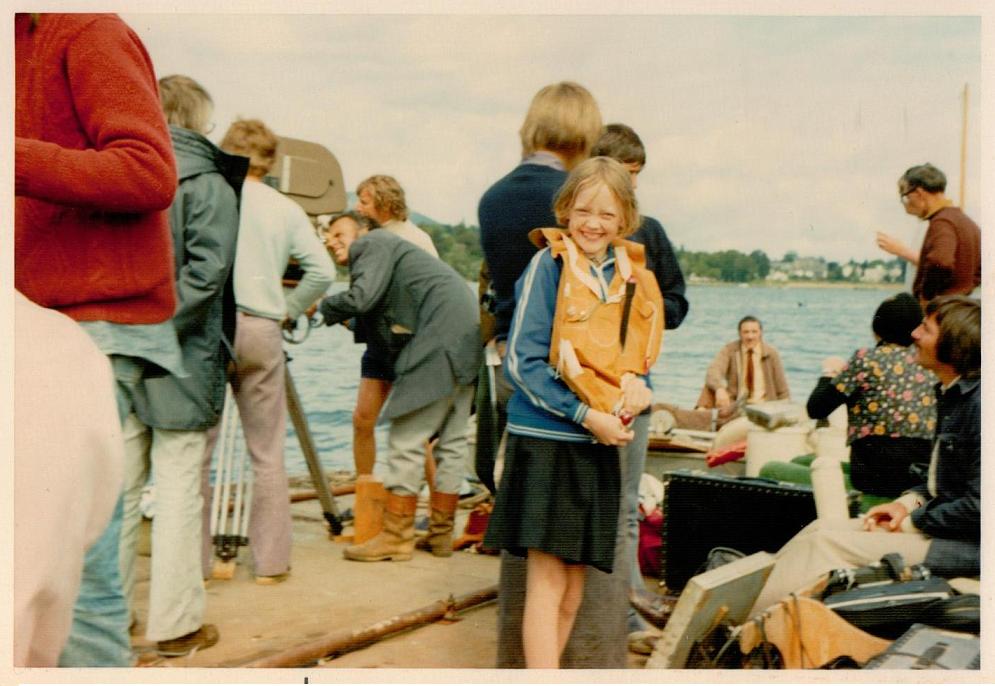
Richard Pilbrow, Denis Lewiston, Claude Whatham, David Cadwallader and Sophie Neville aged 12 playing Titty ~ photo: Daphne Neville
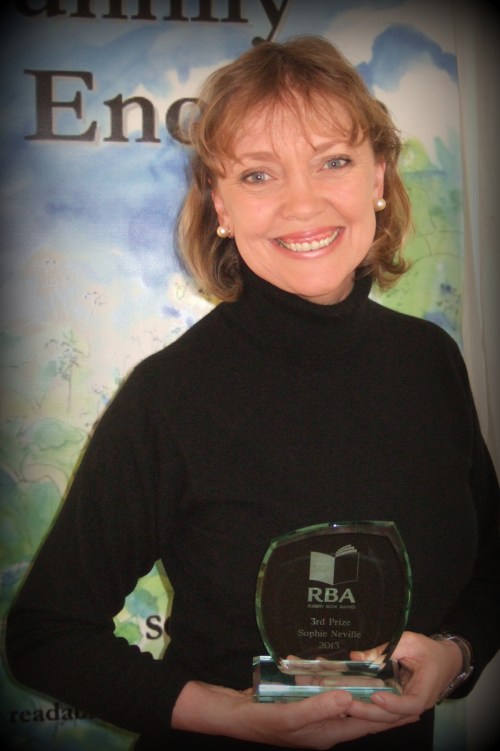
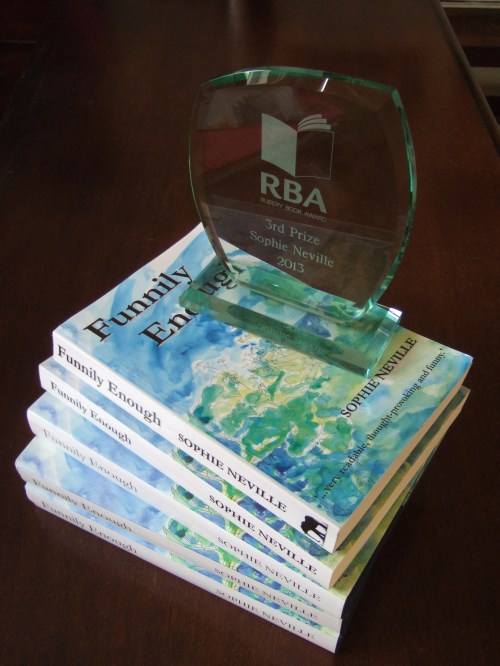
Thanks to the support of readers and reviewers I was brave enough to share my story, ‘Funnily Enough’ with the panel of judges at The International Rubery Book Award. I now have a cut glass trophy, which has its own silk-lined box.















 We took Swallow to join the Aldeburgh Junior Lapwings on the River Alde in Suffolk.


 before sailing back to camp by the mud flats, cooking out in the open and sleeping in tents.
 They launched their dinghies, raised their red sails














 Sophie Neville
