Sailing the Nancy Blackett in the Netherlands – part one

One summer, I grabbed the chance to sail Arthur Ransome’s favourite little ship, the Nancy Blackett.

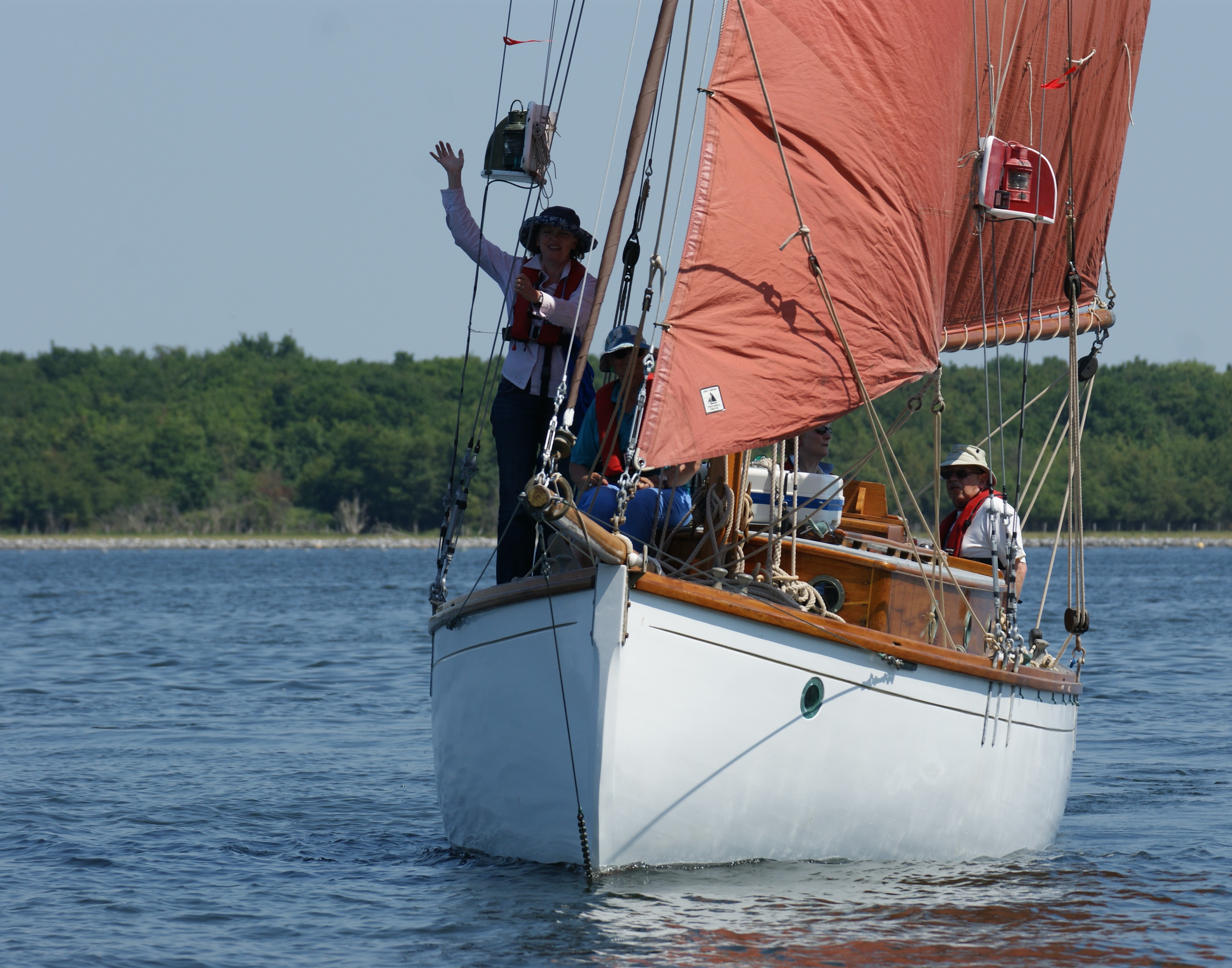
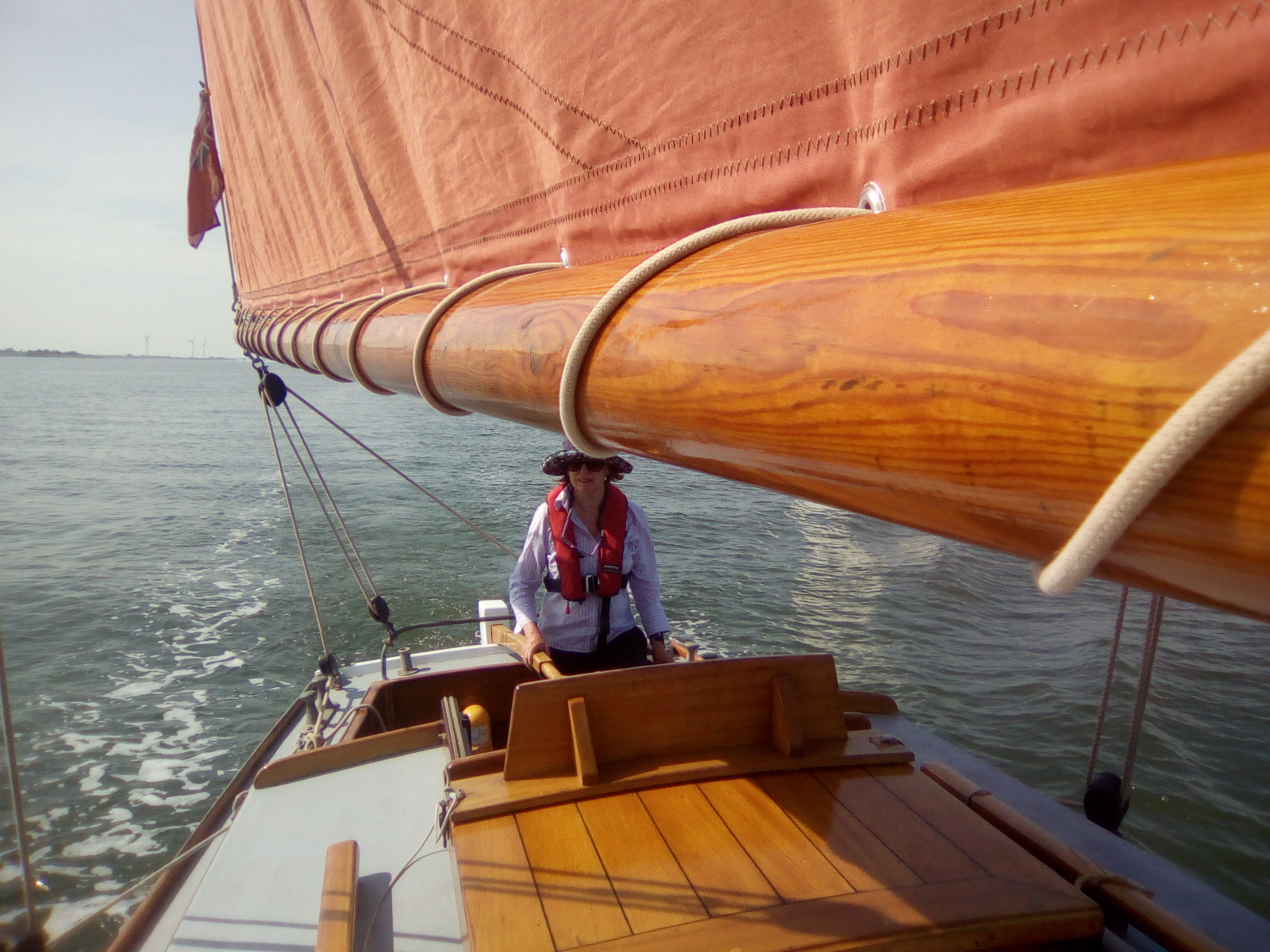
   ~ Nancy Blackett under sail on the Veersemeer in Zeeland this June ~

If you recognise her, it might be because she was his model for the Goblin in ‘We Didn’t Mean To Go To Sea‘, possibly the most exciting and touching of the Swallows and Amazons series of books. I re-read it while we were in Dutch waters aboard the main character herself.


~ Beach End Buoy at the mouth of the River Orwell in Suffolk ~

In the story, the Swallows – John, Susan, Titty and Roger Walker – promise their mother that they will not go to sea, but disaster strikes when the Goblin slips her anchor in thick fog, while her owner is ashore, and gets swept out past the Beach End Buoy at Harwich. The wind rises and the children find themselves sailing across the North Sea in a terrific storm before a friendly Dutch pilot guides them into Flushing.

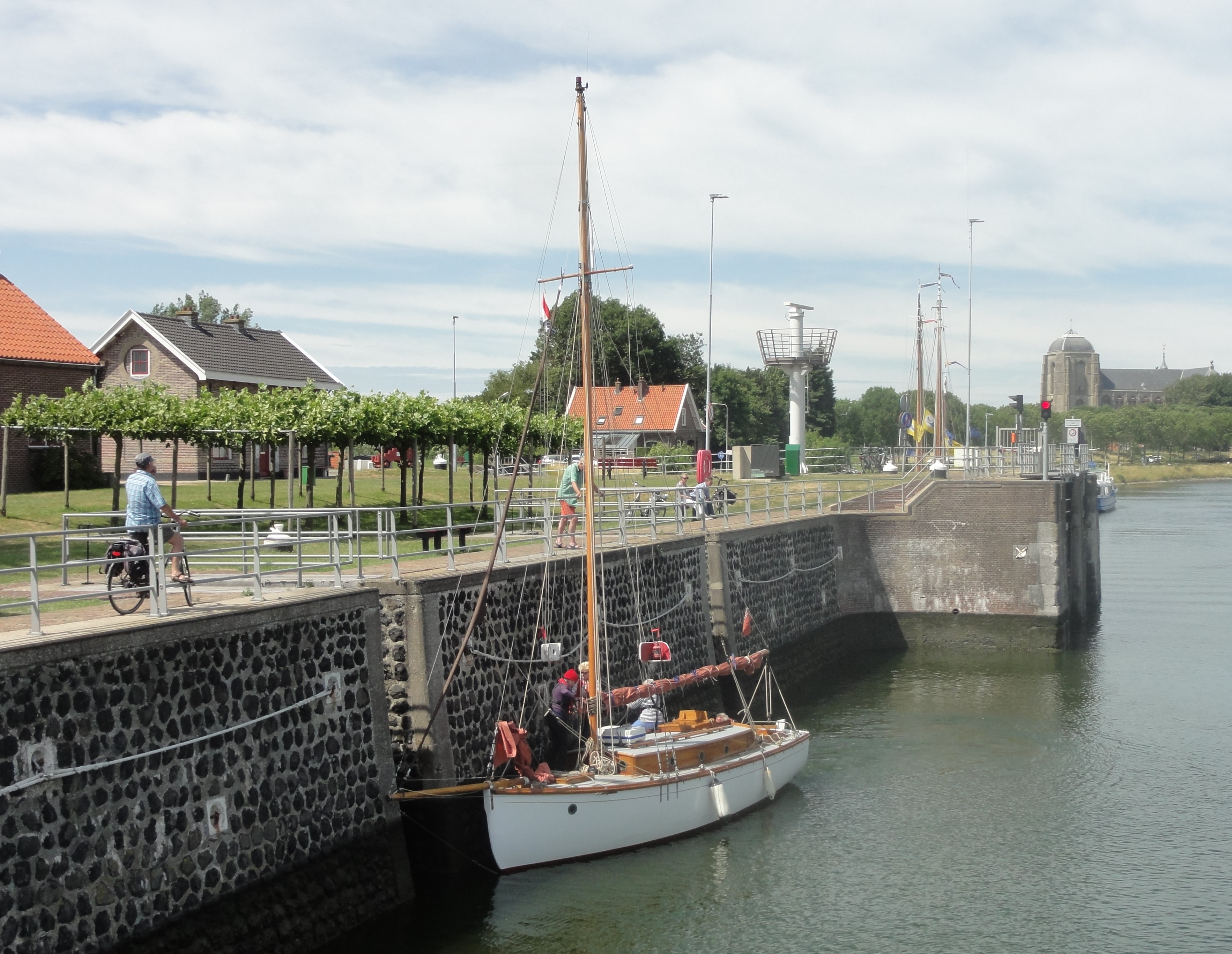
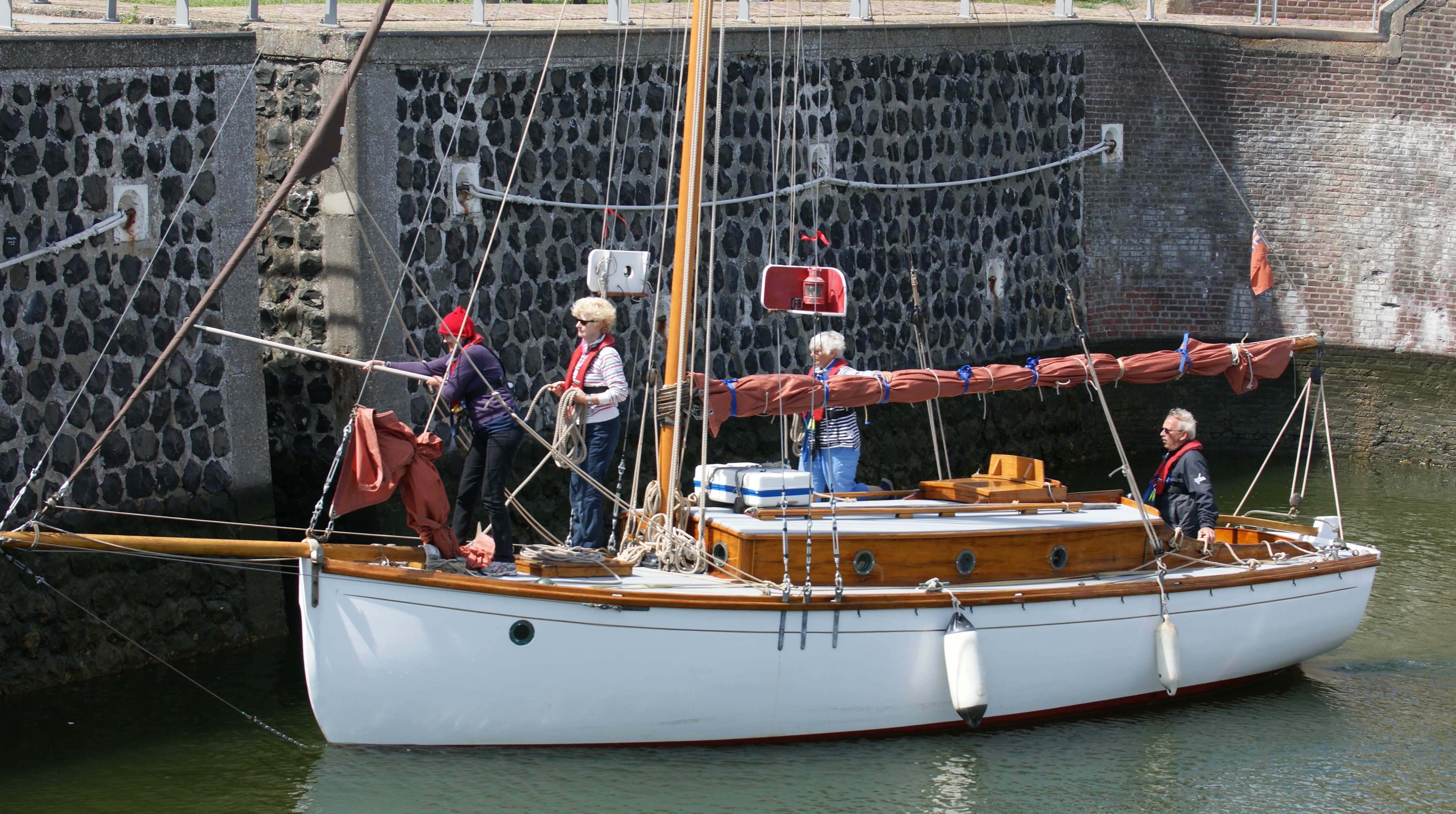
~ Nancy in the old lock at near the medieval port of Veere ~

I was able to join Nancy when she had already made the crossing to the Netherlands but did take her through an old lock built in the same style as the one the Swallows encountered, all be it at the other end of the Dutch canal. It was as if we had sailed into the pages of the book and lived out the adventure ourselves, learning about ropes and reefing each nautical mile.

Mooring up could be tricky, especially since Nancy is an old lady with a bow-sprit, but unlike Susan and Titty, I never felt sea-sick for a moment.

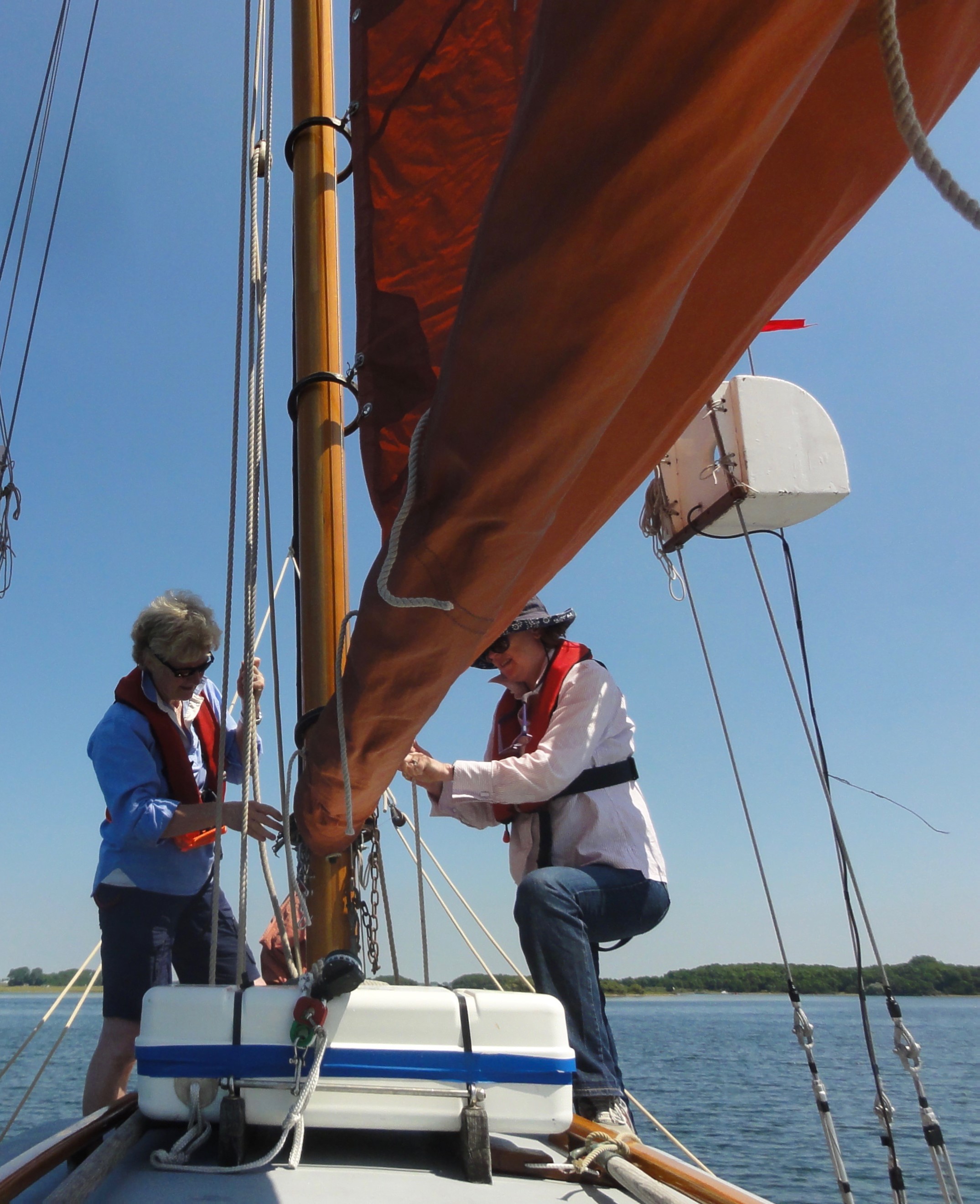
~ Learning how to hoist the mainsail ~

~ The Nancy Balckett undersail on the Veersemeer in the Netherlands ~

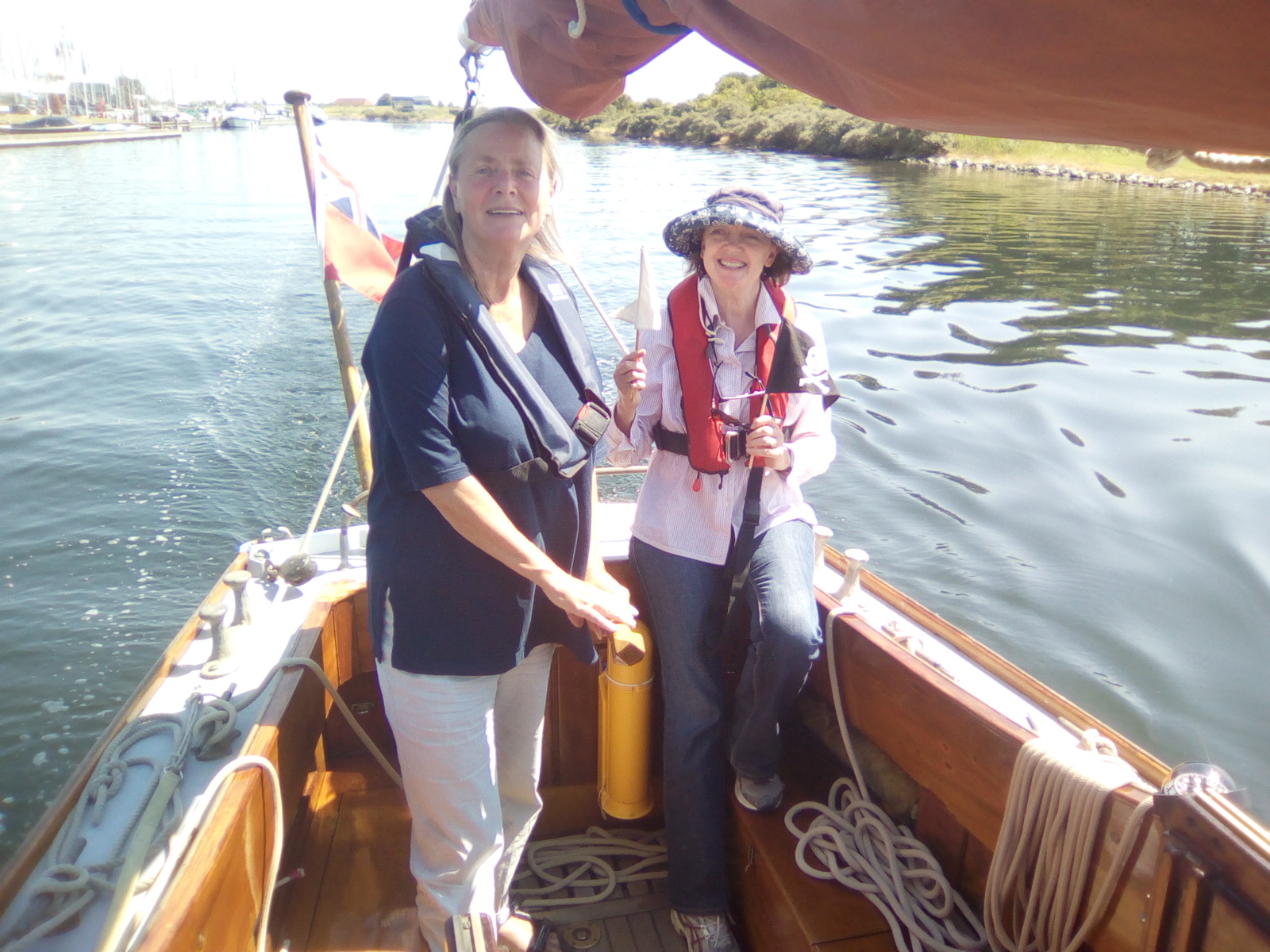
~ Sophie sailing in salt water ~

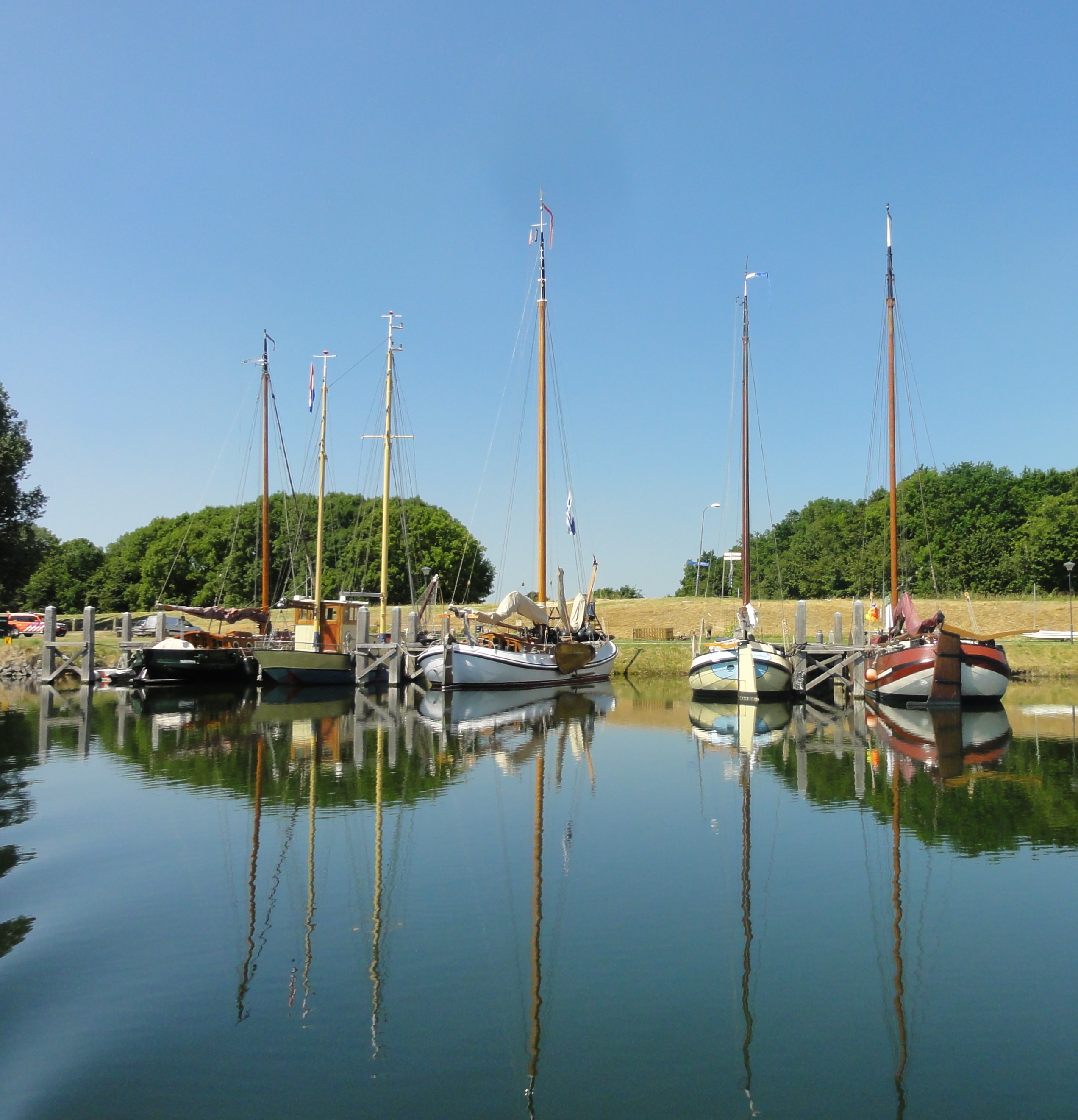
~ Keeping a look out for Dutch barges ~

Local author Veronica Frenks came out one morning, taking us up a creek to see the traditional Dutch barges and historic ships that she often writes about. She soon made plans to write about Arthur Ransome for Spiegel der Zeilvaart, a Dutch periodical. Here she is with me, at the helm:

To read about sailing Nancy on the River Orwell in Suffolk, where she is based. please click here.

To read about sailing Nancy on the Beaulieu River and the Solent, please click here

If you would like to grab a chance to sail Nancy or find out more about the Nancy Blackett Trust, please click here

SONY DSC
photographs by Veronica Frenks of Ma Plume, Judy Taylor and Sophie Neville

A Little Bit of Film History

Contact sheet - Sophie Neville with Amazon's anchor

~ Titty with Amazon’s anchor ~

When I first posted an extract from ‘The Secrets of filming Swallows and Amazons’ on a literary website, someone wrote a review assuming it to be a novel. They must have thought that I was some poor creature who had imagined the whole thing. The reviewer considered the plot too far-fetched and fantastical – as you might if it had not been true.

‘You must have been dreaming.’

‘But Captain Flint, there were burglars, you’ve got to believe me.’

Poor Titty! No one ever believed her. Fortunately quite a bit of documentary evidence exists to support the fact that a certain feature film was made in the Lake District in 1973. I do wish I’d kept a copy of the book review though.

Contact sheet - finding Titty in Amazon

~ The Swallows find Titty sleeping in Amazon near Cormorant Island ~

Contact sheet - Suzanna Hamilton and Sophie Neville sailing Amazon

~ Titty and Susan sail Amazon back to Wild Cat Island ~

Contact sheet sailing Swallow & Amazon in 1973

~ Sailing Swallow and Amazon on Derwentwater ~

Contact sheet - sailing Swallow & Amazon on Derwentwater

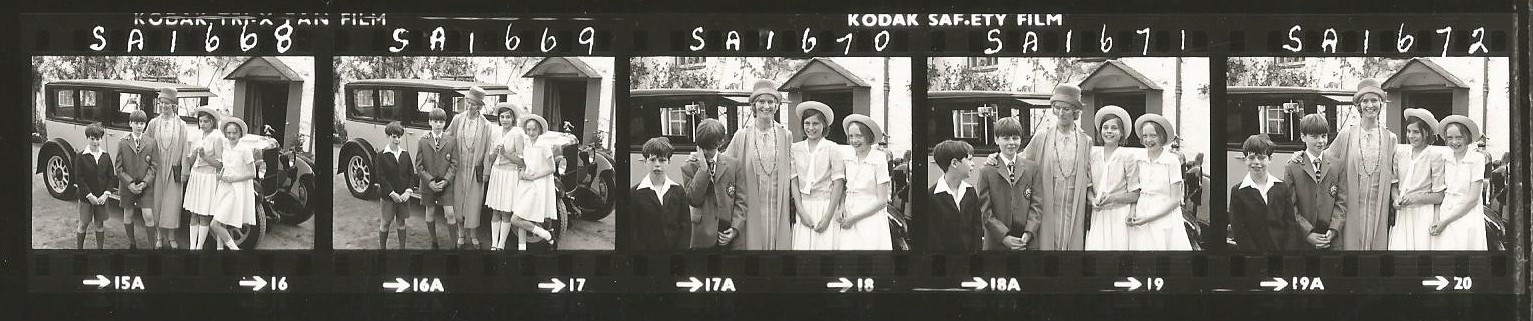
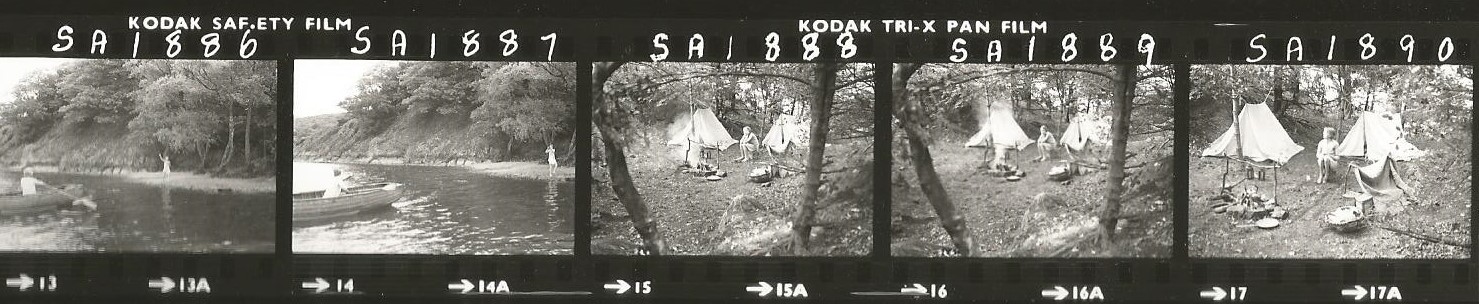
I was encouraged to collect things as a child, in case they might one day be of value. Back in 1973, I was given a number of black and white photographs and contact sheets of stills taken by Albert Clarke on the set of ‘Swallows & Amazons'(1974) – if you can call Derwentwater a movie set. I pasted some of these in a scrapbook but others remained in a roll that has only recently been returned to me. Each sheet looks roughly like this:

The Making of Swallows & Amazons contact sheet - both boats

The eye is easily tired by looking at the whole set but scanning and editing reveals a little bit of film history in every shot. I can see here that Titty wasn’t letting Amazon’s anchor down, she was hauling it in while Susan was at the helm, with a fair wind in her sails. This must have been quite tricky.

Sophie Neville pulling up Amazons' anchor

You can tell by the numbers above each shot how many were taken and in what sequence. presumably 2003 photographs had been snapped by the time the Swallows found Titty moored near Cormorant Island.

Contact sheet - filming Swallow

~ These bizarre shots show the film crew afloat on their pontoon ~

The photographs below show Virginia McKenna rowing away from Peel Island on Coniston Water in a native canoe with DoP Denis Lewiston and his 35mm camera, which is pretty unique.

One thing is certain, if these contact sheets had not been given to me they would have been thrown out and yet, over time, they have become precious. Do add a comment below if you would like to see more.

It is quite interesting to see which shots were chosen for the press. You can see a few of the action shots used in magazines of the time by clicking here. Newspapers tended to chose photographs akin to portraits as you can see here.

Recent newspaper articles tend to use a black and white film still that was clumsily tinted giving the lake water an unreal and bright blue hue as you find here.

Some of the black and white prints are now held at BFI. StudioCanal hold a vast selection of the best photos in their library and have an on-line shop here. I have included about a hundred behind-the-scenes snaps taken by my parents in the latest edition of ‘The Making of Swallows and Amazons’ recently published by The Lutterworth Press, available from libraries, bookshops and online stockists including The Nancy Blackett shop, where proceeds go towards the upkeep of Arthur Ransome’s favourite little ship.

9780718894962_cover Amazons.indd

Questions about filming ‘Swallows & Amazons'(1974) and tips for camping

3rd June 2017, marked the 50th Anniversary of Arthur Ransome’s death – a day to remember his books and the inspiration they have brought to our lives, not least since he encouraged the pursuit of outdoor activites such as sailing and camping, along with reading, writing and keeping a ship’s log. I’m not sure what he’d think of some of the conversations I’ve had about Swallows and Amazons but at least his well-loved story is being talked about.

Last time I gave a Q&A about the 1974 movie of ‘Swallow and Amazons’ at a cinema, I was interviewed by the actress Diana Quick, which was wonderful as she was so easy to talk to. She asked a few questions that have not come up before.


Did you children feel the film was like the book?

Very much so, I’d read most of the books in the series and ‘Swallows and Amazons’ twice. Richard Pilbrow, the producer was aiming to keep as close to the Arthur Ransome’s well-known story as possible. I never saw David Wood’s script, but simply sung out Titty’s dialogue from my Puffin paperback. It was amazing to find ourselves in Secret Harbour, just has Ransome had depicted it. We were rather disappointed that the storm scene was cut but could appreciate that ‘you can’t have everything’.


How much time did you have to get to know one another?

Not long, only two or three days. The weather wasn’t that good but we were taken out sailing which was fun and Virginia McKenna was wonderful at getting us to play games that broke the ice. We played consequences with folded strips of paper, the results of which made us laugh a great deal.

Would you have felt able to take a boat out as Titty does, on your own at night?

Yes, I managed to launch Amazon and row her out of Secret Harbour in one take, but I was aged twelve, rather than nine, which is Titty’s age in the book. Amazon was a very easy dinghy to handle and had been used in the BBC serial made in 1962, when Ransome was alive.

Although he claimed to have read ‘Swallows and Amazons’ forty-two times, David Blagdon, our sailing director, forgot that Titty was meant to sail Amazon back to Wild Cat Island, so I never practiced taking the helm, or sailing her alone. In the end the Mate Susan took my place, which I felt was a bit of a shame as in the book Titty sailed her back with John crewing.

It is interesting that Titty, the most adventurous character was played by you who have gone on to lead an adventurous life.

It may be partly the way I’d been raised. My father grew up reading the first editions of Ransome’s books in the 1930s and we often went camping as a family, certainly every summer holiday. My mother still goes camping at the age of eighty.

Perhaps the director, Claude Whatham recognised an adventurous spirit. I always need to see around the next corner. I was hugely inspired to travel by my father and by friends at university, particularly Alastair Fothergill who has spent his whole life travelling while making wildlife films, most recently African Cats, Chimpanzee, Bears and Monkey Kingdom for DisneyNature.

Have you got any tips for camping?

Yes! There is an art to camping:

  • You can always fill a metal water bottle with hot water at night and use it as a hot-water bottle in your sleeping bag. If you get thirsty later you can always take a drink without having to get up.
  • I usually keep my clothes for the next day with me in my sleeping bag so they stay warm and dry.
  • It’s important to keep tents clean. Never brush your hair inside a tent and never let anyone step of the fly sheet when they are folding it up otherwise you risk having footprints on the ceiling.
  • Make sure you keep a supply of dry firewood.
  • There are dangers to camping: always set down a cup on the ground before filling it with boiling water from a kettle. It is too easy to get burnt by super-heated water if you hold it.
  • I pack a leather glove or pot holders for cooking over camp fires.
  • Take care about where you place knives, barbeque grids or pans as it is easy for others to tread on them in the dark.
  • Make sure your torch is in the same place every night. I keep a small torch in my washbag.
  • Take a hair-dryer. If there is ever an electricity supply you can use it to heat your tent or dry out wet clothes and sleeping bags. We got soaked riding through New Zealand once but arrived at a sheep shears’ shed and found great comfort in drying our socks. I gave this task to rather an annoying German man who took such pride it doing the job thoroughly that he regained our respect on a number of levels.
  • Enjoy every moment.

If anyone has any questions, please leave a comment below.

If you would like to read more about my current adventures please click here

StudioCanal hold a vast selection of the best photographs from ‘Swallow and Amazons’ in their libray and have an on-line shop here.

The Arthur Ransome Jamboree at Pin Mill in Suffolk

Arthur Ransome Pin Mill Jamboree

One year, not so very long ago, members of the Nancy Blackett Trust hosted an Arthur Ransome Jamboree at Pin Mill in Suffolk. It was a day to remember.

Pin Mill from the Water

Although Ransome is remembered for his ‘Swallows and Amazons’ books set in the Lake District, he moved to the east coast of Suffolk in 1935 where he set a number of other books in the series. It seemed fitting to mark the 80th anniversary of the publication of his inspirational sailing book ‘We Didn’t Mean to Go to Sea’ that begins at Pin Mill.

Sophie Neville with Nancy Blackett

It is possible go aboard the Goblin, since she was modelled on Ransome’s own favourite little yacht, the Nancy Blackett. I joined her at The Royal Harwich Yacht Club where she was moored alongside Peter Duck one of his other much-loved yachts, named after the adventurous book he wrote that begins in Lowestoft. I met up with Octavia Pollock, a feature writer from Country Life, and walked down the riverside to enjoy supper at the Butt and Oyster in Pin Mill where Ransome himself often ate.

Map of the Jamboree

Soon after leaving university, I worked behind the camera on the BBC TV adaptations of ‘Coot Club’ and ‘The Big Six’, Ransome’s two books set on the Norfolk Broads, in which the Coots also visit Beccles in Suffolk.

It was the Swallows who made it to Pin Mill. I first went there when The Arthur Ransome Society asked me to give a talk about making the BBC TV serial entitled, ‘Swallows and Amazons Forever!’ and signed copies of ‘The Making of SWALLOWS and AMAZONS – 1974’.

Pin Mill

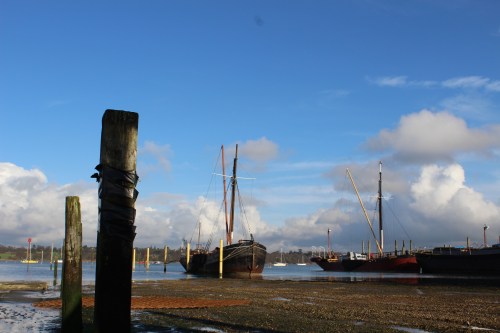
~The Orwell at Low tide~

During the Jamboree celebrations, Arthur Ransome’s biographer Professor Hugh Brogan was interviewed by erstwhile BBC reporter Tim Fenton at the Pin Mill Sailing Club. 

the-life-of-arthur-ransome-by-hugh-broganHugh spoke eloquently, telling me that he was motivated by rage to write The Life of Arthur Ransome after a Fleet Street reviewer of the original film ‘Swallows & Amazons’ described him as ‘right-wing’.

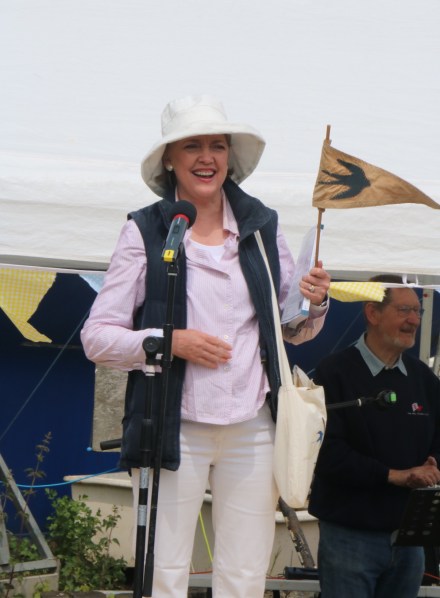
Sophie Neville opening the Arthur Ransome Jamboree at Pin Mill~ Sophie Neville ~

This VisitEngland event was great fun. There was a geo-caching route along the footpath from Shotley to Pin Mill. Marine artists Claudia Myatt and Christine Bryant hosted drop-in sessions on the riverside where visitors could also find the Rabble Chorus singing, while the author Julia Jones spoke about her children’s books set on the Orwell at the sailing club.

Nancy blackett product shop

~Mugs with artwork by Claudia Myatt sold in aid of the Nancy Blackett Trust~

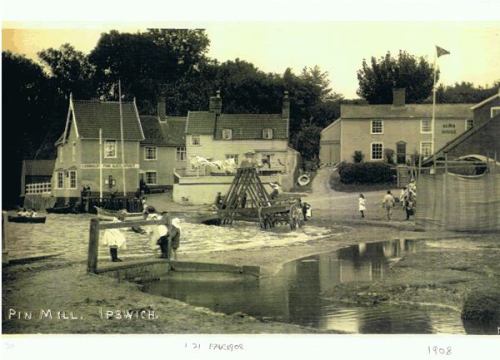
There was an outdoor installation of old Pin Mill images enabling you to look back in time. These were taken by Arthur Ransome himself of the building of his boat Selina King at King’s boatyard nearby. It was the first public exhibition of these pictures ever seen and was appreciate by the hundreds of visitors who turned up.

Pin Mill archive photo

The Pin Mill Studio also hosted an exhibition of photographs from the restoration of Melissa, a barge restored to her former glory by Webb’s boatyard, with additional archive images of Pin Mill from the early 1900’s.

The Vintage Mobile Cinema, as seen on BBC Television’s Reel History of Britain, screened unique archive film of Pin Mill and Shotley.

The Nancy Blackett

~The Nancy Blackett in her 85th year~

A Pin Mill ‘Wooden Boat’ race was held along the stream leading down to the river and you could take a ride on the Victorian swing boats on the Common as in years gone by. There was a ‘pirates and seafarers’ fancy dress competition for children and an Arthur Ransome lookalike competition (pipe and moustache) along with stalls and sideshows from local groups, charities and organisations.

Live music, including shanties from Pin Mill favourites, High Water Mark and a performance of We Didn’t Mean to go to Sea by pupils from Holbrook Academy who entertained visitors while cream teas, a barbecue and refreshments were served at the Butt and Oyster and Pin Mill Sailing Club.

T-shirts celebrating this special anniversary were sold along with gifts to generate funds for The Nancy Blackett Trust, who celebrate their 20th anniversary this year.

Do let us know if you came along by leaving a comment!

To read more please visit the Nancy Blackett website by clicking here.

The Nancy Blackett by Claudia Myatt

You can read about the making of the original film of Swallows and Amazons here:

2nd edition of ‘The Making of SWALLOWS and AMAZONS (1974)’ published by The Lutterworth Press

9780718894962_cover Amazons.indd

The long-awaited second edition of ‘The Making of SWALLOWS AND AMAZONS (1974)’ was being published in paperback by The Lutterworth Press in May 2017. It is available from their website here
This memoir of an odd thing that happened in the early 1970s is similar to the first edition but has a new cover and includes a few more stories, photographs and names from the ‘seventies that have floated to the surface. It compliments StudioCanal’s 40th Anniversary DVD and Blu-ray and makes a good present for anyone who has grown up watching the 1974 film.
StudioCanal DVD cover
The new paperback edition will be stocked by the vast majority of book retailers including Amazon, Waterstones, Blackwells, Paperback Bookshop, Books Etc. and is available direct from The Lutterworth Press who also publish ‘Swallows, Amazons and Coots’ by Julian Lovelock that has a foreword by Sophie Neville. Those in North America can order copies from the US distributor Casemate Academic
 Swallows & Amazons flags for book

Sophie will be signing copies at events around the country.

Please click here for details

Roseland Festival 2017

Sophie signed copies of her books at the Tavistock Festival and gave a talk at the Roseland Festival in St Mawes before a screening of ‘Swallows and Amazons’ (1974) at the lovely Hotel Tresanton cinema.

Arthur Ransome Pin Mill Jamboree

Sophie opened the Arthur Ransome Pin Mill Jamboree in Suffolk to celebrate the  20th Anniversary of the Nancy Blackett Trust and Visit England’s Year of Literary Heroes. She gave a talk on the adaptations of Ransome’s books set in East Anglia and the English Lake District.

Map of the Jamboree

My Family Roots in East Africa – Part Two

sophie-neville-at-usa-river-in-tanzania

~Drying coffee beans on our farm at Usa River near Arusha in 1972~

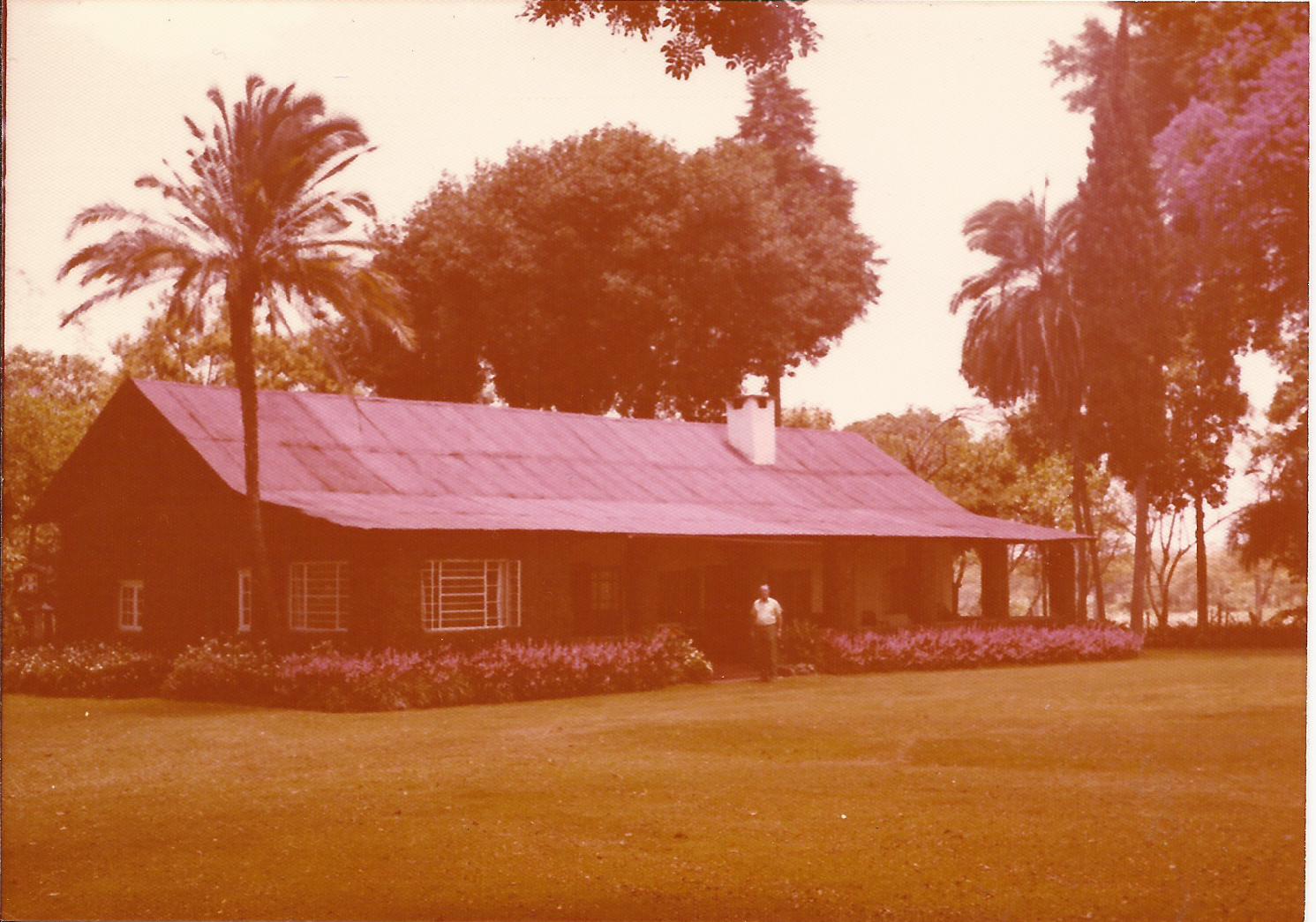
Days spent at our farm in northern Tanzania were full of colourful characters, including a cobra who lived in the trees overshadowing the house. He probably kept down the rodent population quite efficiently.

farmhouse-at-usa-river

My greatuncle Tony was probably more dangerous. He had a very sensitive nose and a legendary temper.

a-walk-in-africa

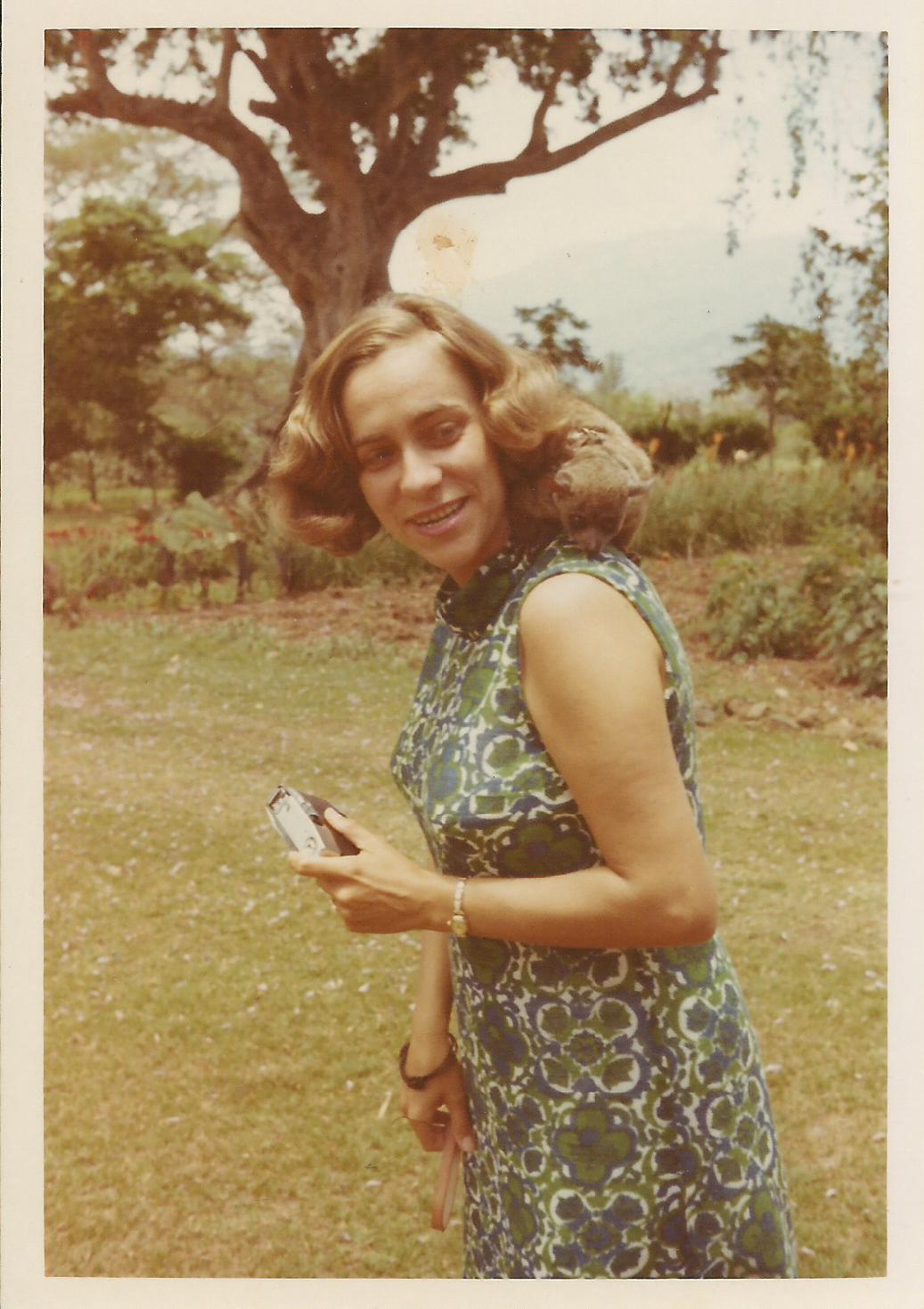
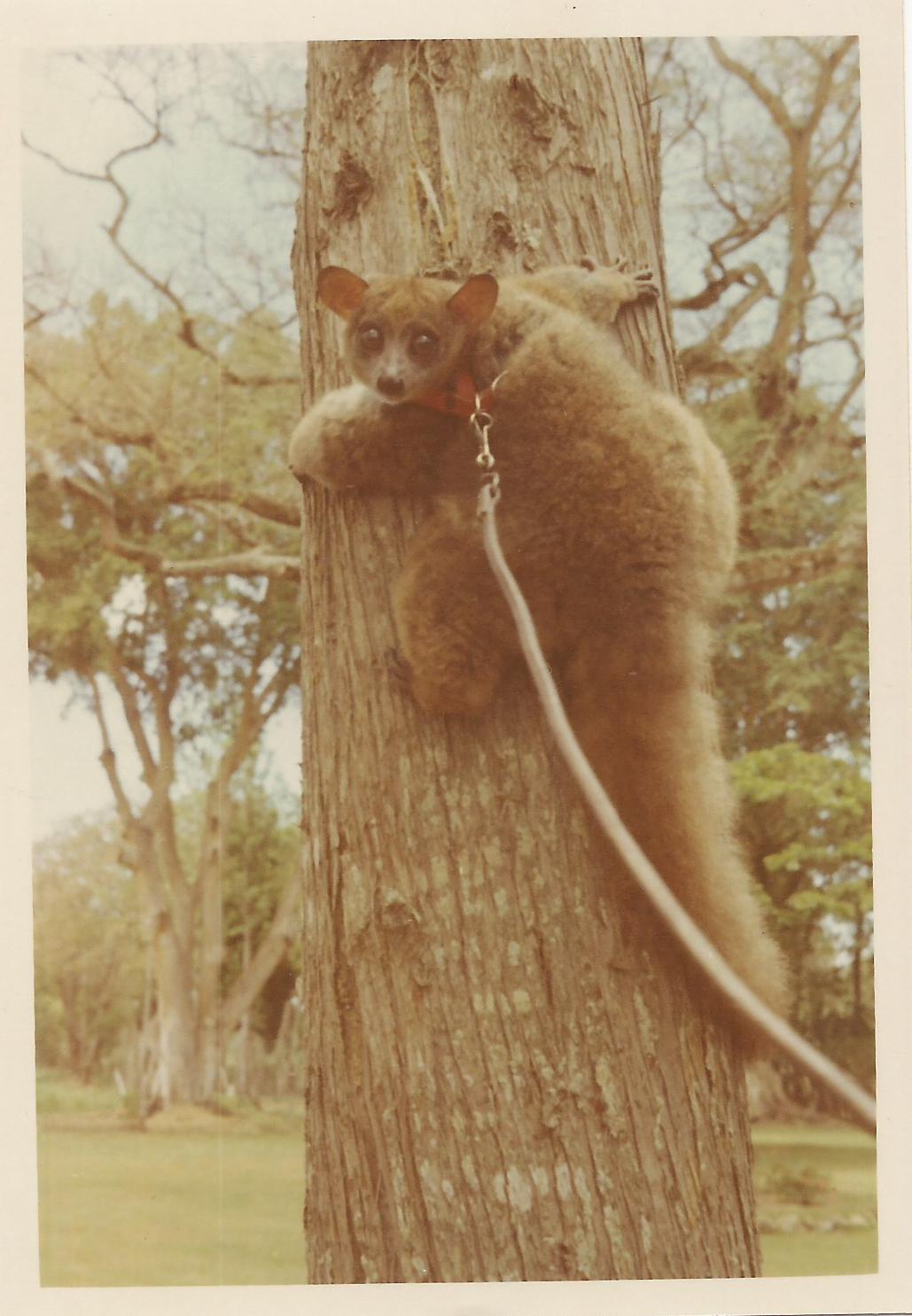
My aunt kept tame lemurs. They marked their territory by peeing on their hands. This was understandable until they decided to climb over your face.

reinhild-with-her-lemur

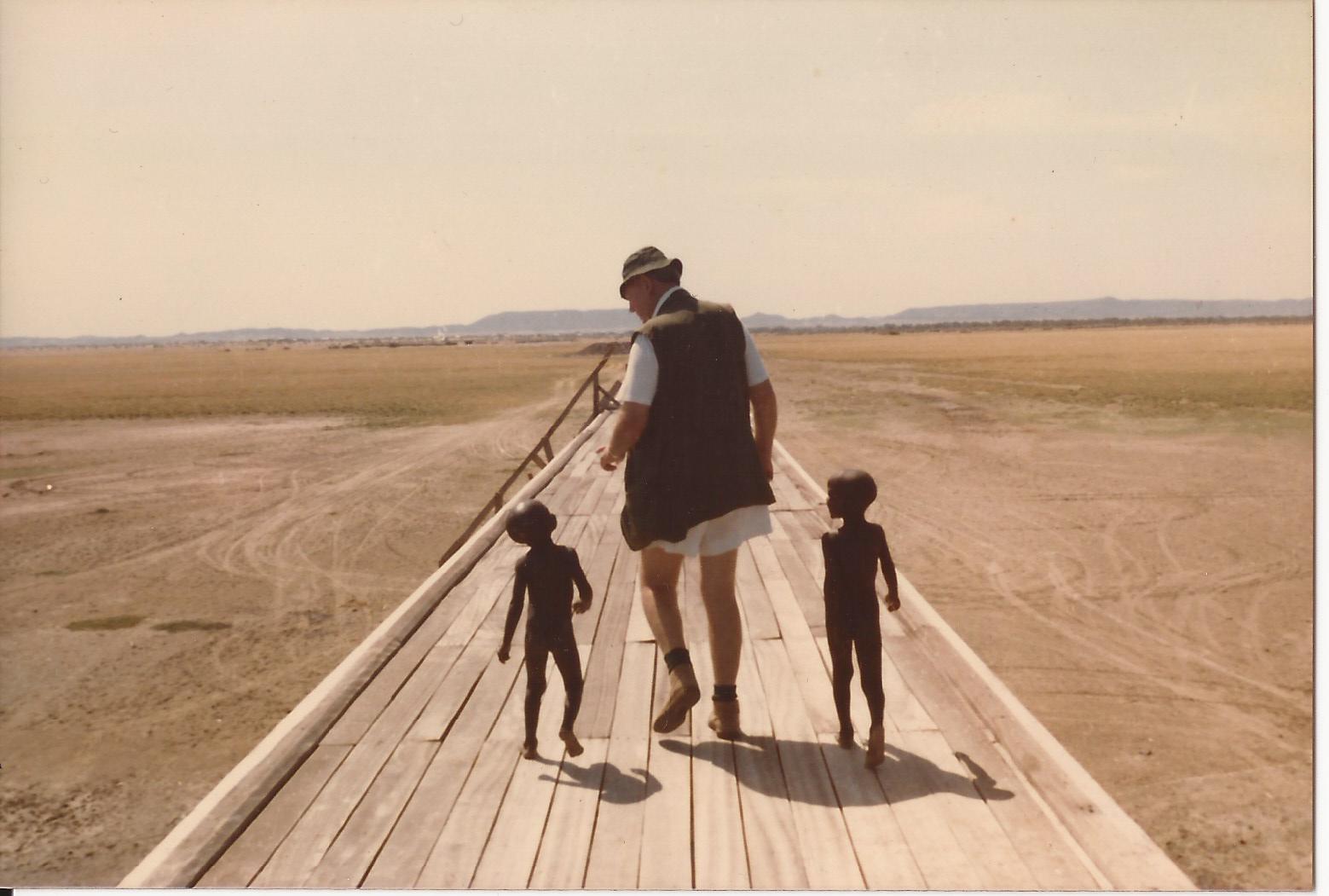
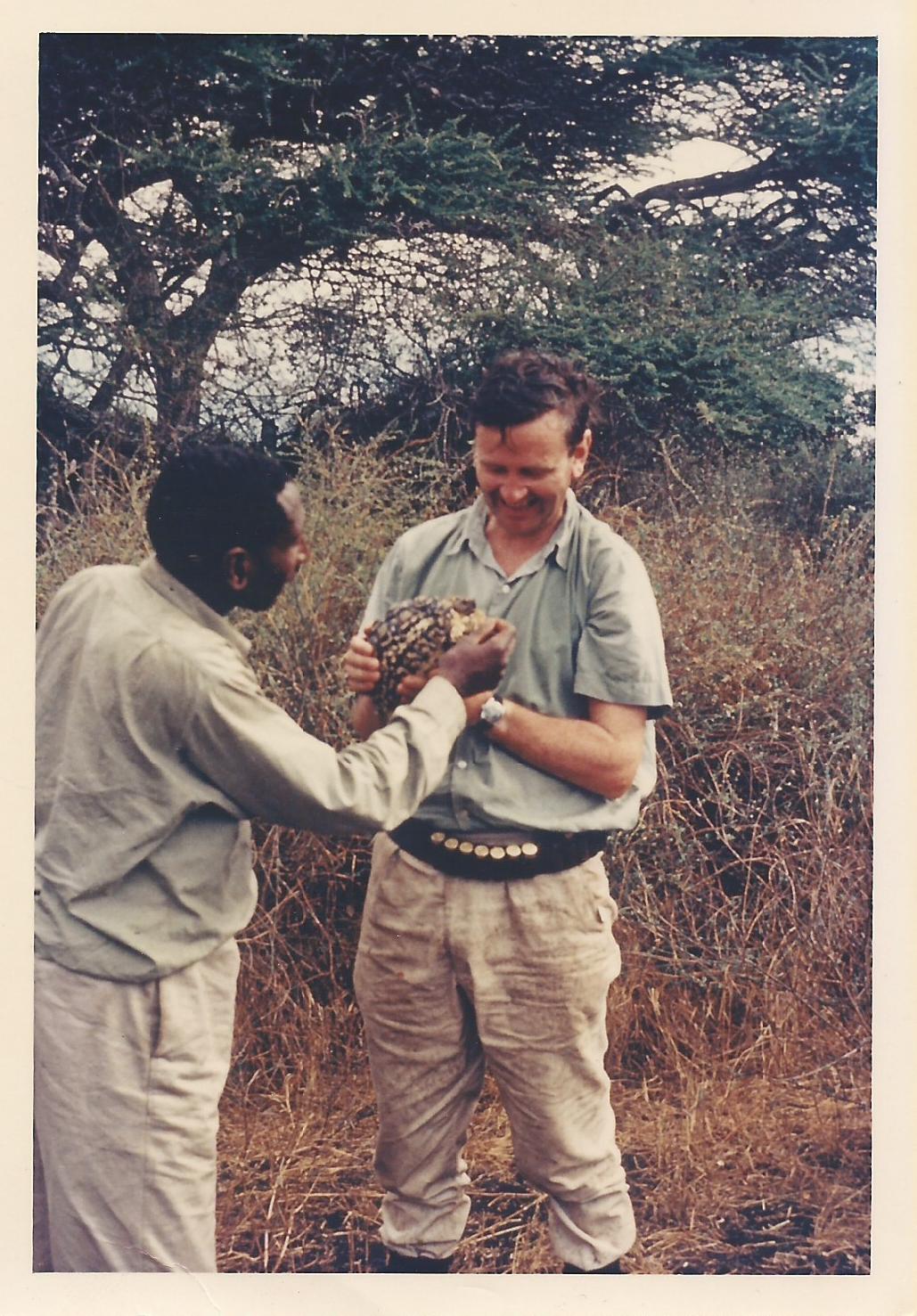
My father loved travelling in northern Tanzania and was intrigued by the wildlife.

april-1969-africa

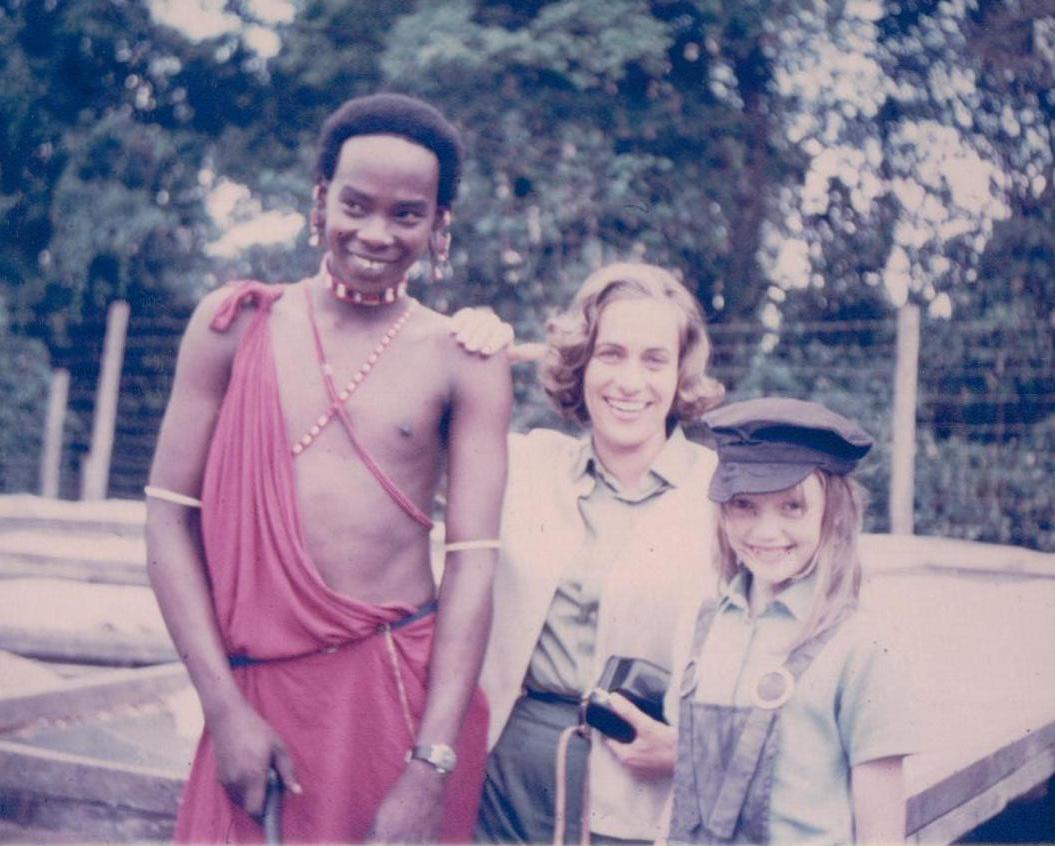
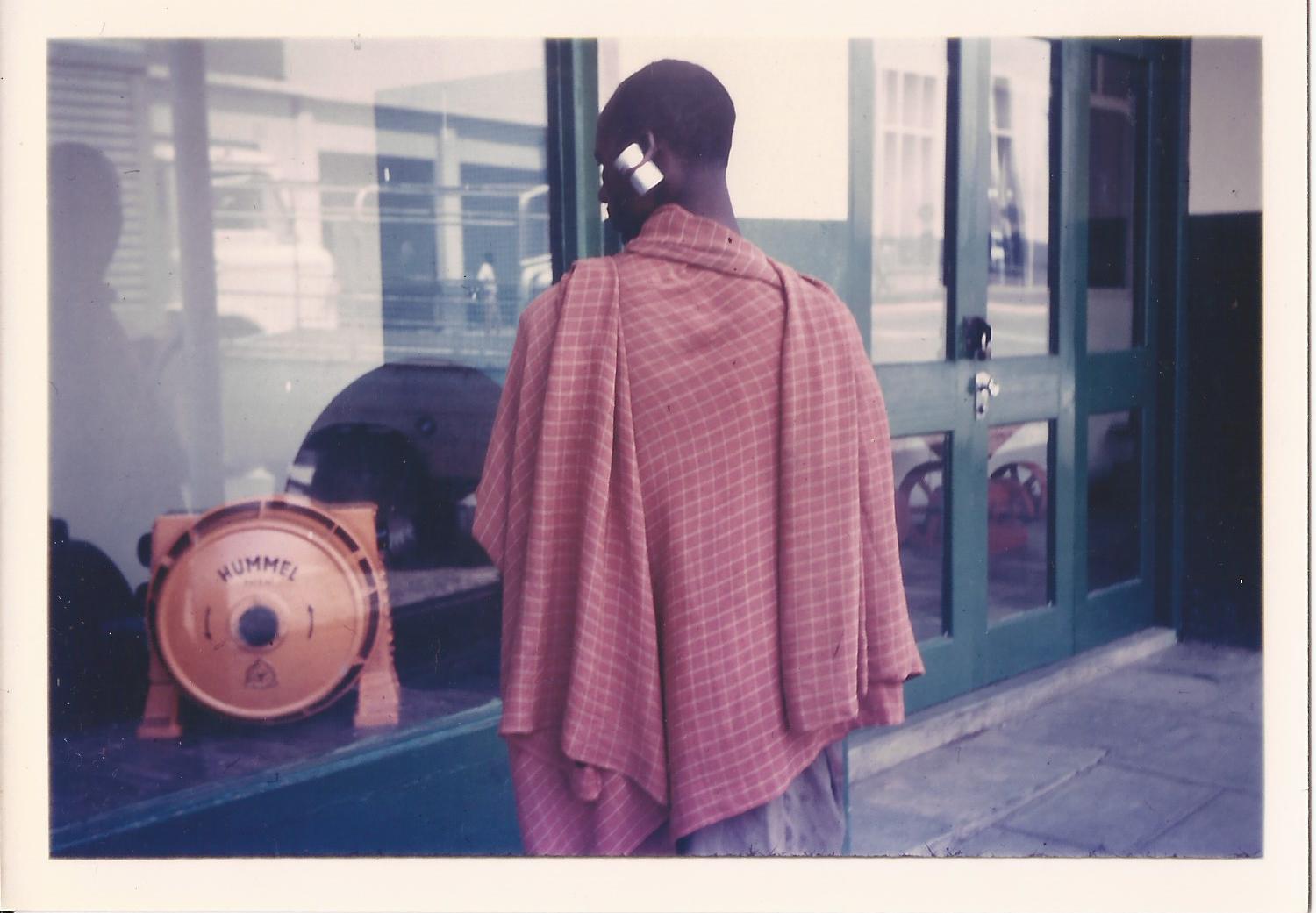
I was fascinated by the people, many of whom wore traditional dress in the early 1970’s.

ear-piercing-and-cloak-at-shop-window

Extended ear-lobes, names such as Libougi and bright beaded jewellery had me squinting into the sunlight.

sophie-at-usa-river

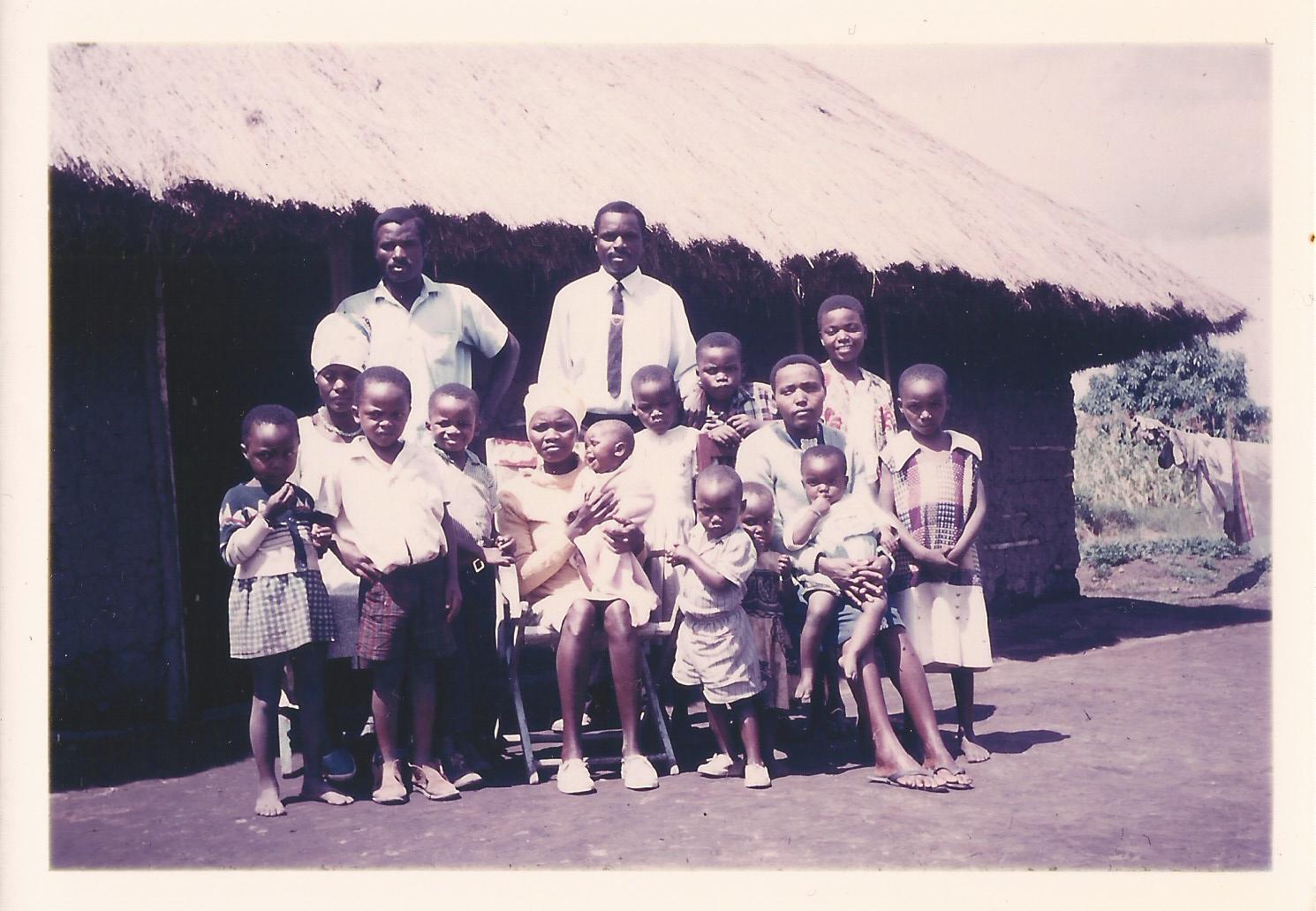
In a country where polygamy was the norm everyone seemed to have rather large families with any number of wives and children.

african-school

Having your photograph taken was quite the thing. What the woolly lemurs thought of this, I do not know.

tame-lemur

There was always talk of the next expedition up-country. Careful packing was a constant preoccupation.

landrover-outside-farmhouse

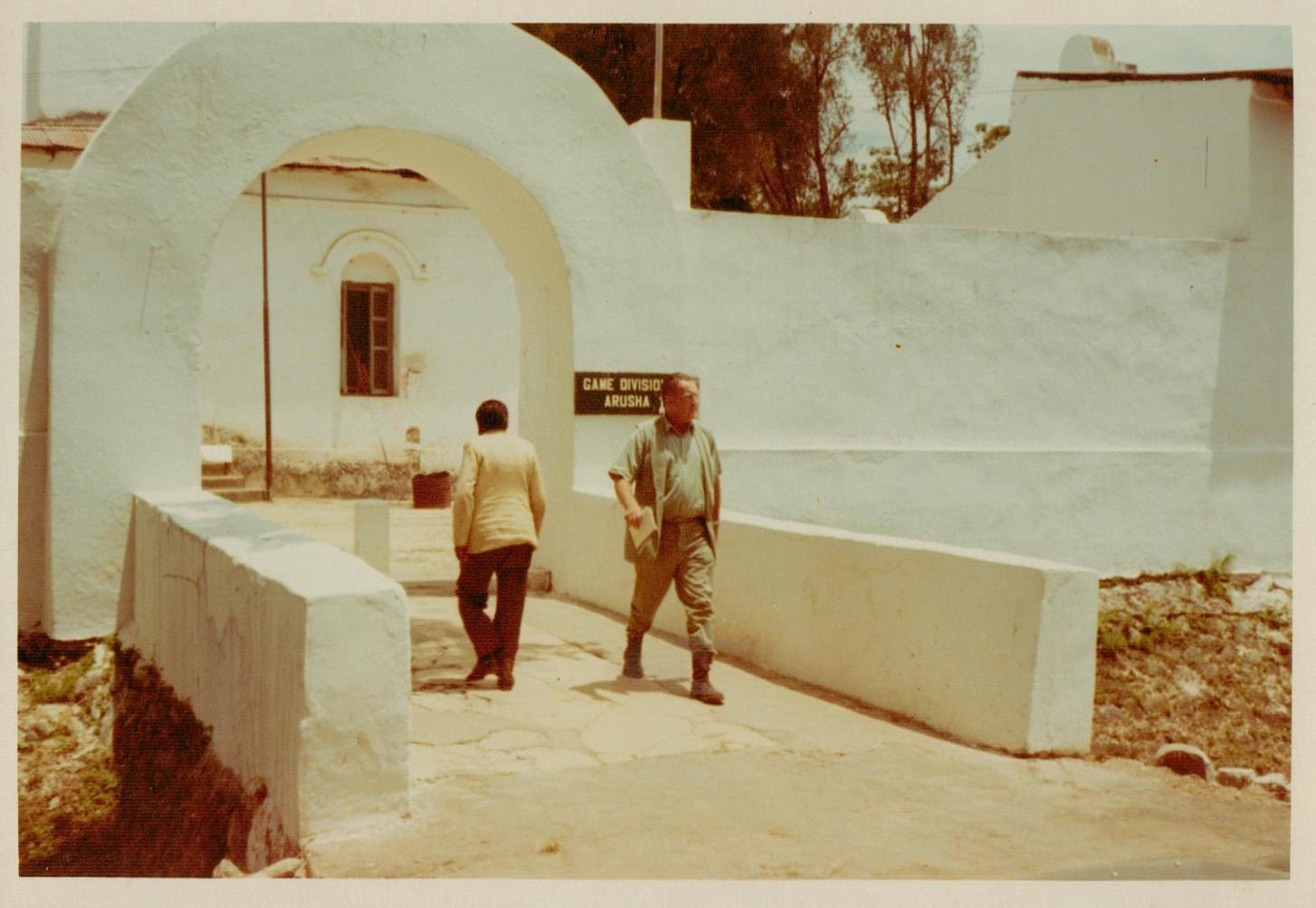
Complicated arrangements were ever being made. Uncle Tony was an honourary game warden, with the power to arrest poachers.

baroness-reinhild-von-bodenhaussen-in-about-1970

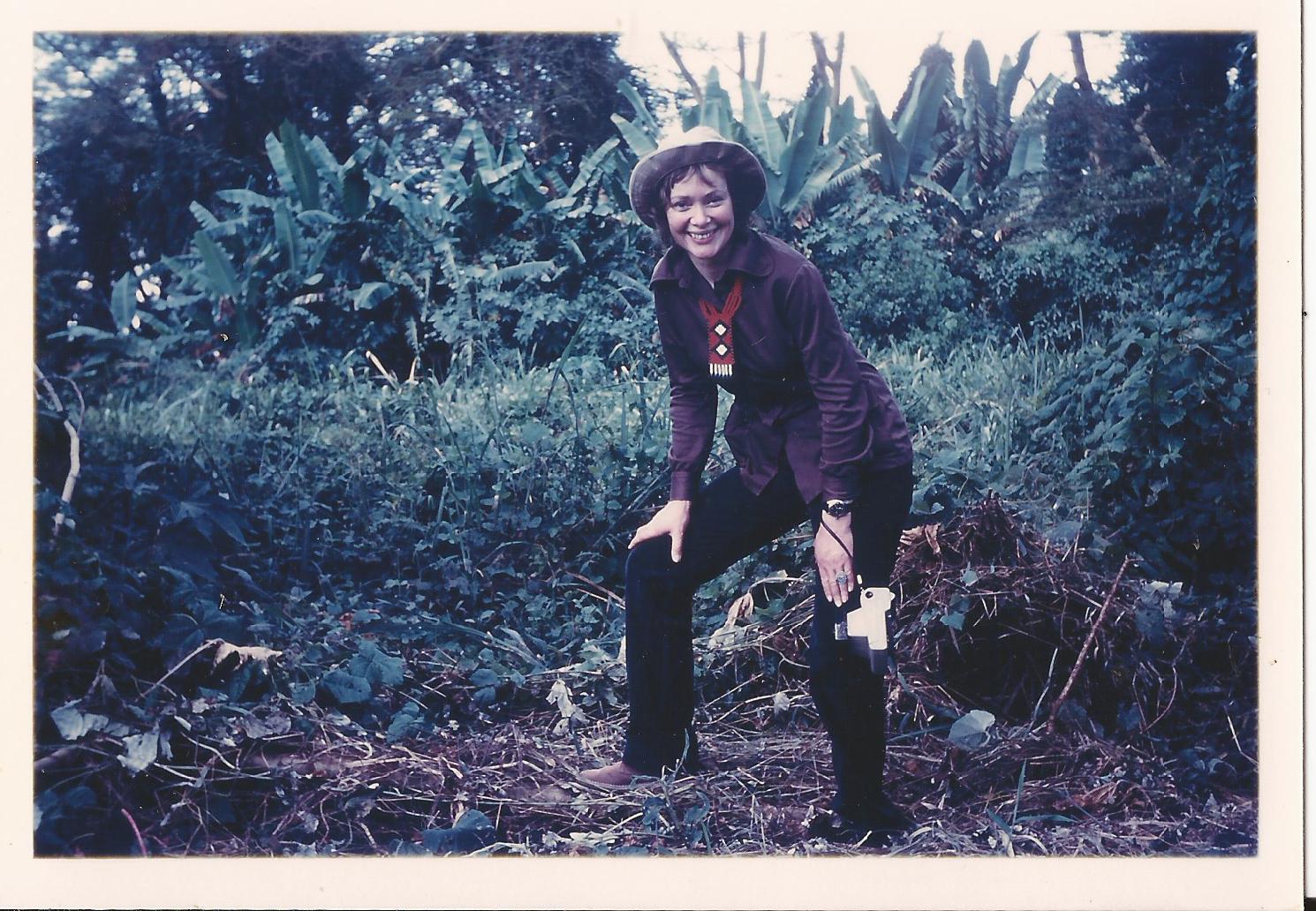
My mother loved the idea of going on safari and urged him to include us as he toured areas where wildlife thrived.

my-mother-on-safari-at-usa-river-in-northern-tanzania-the-early-1970s

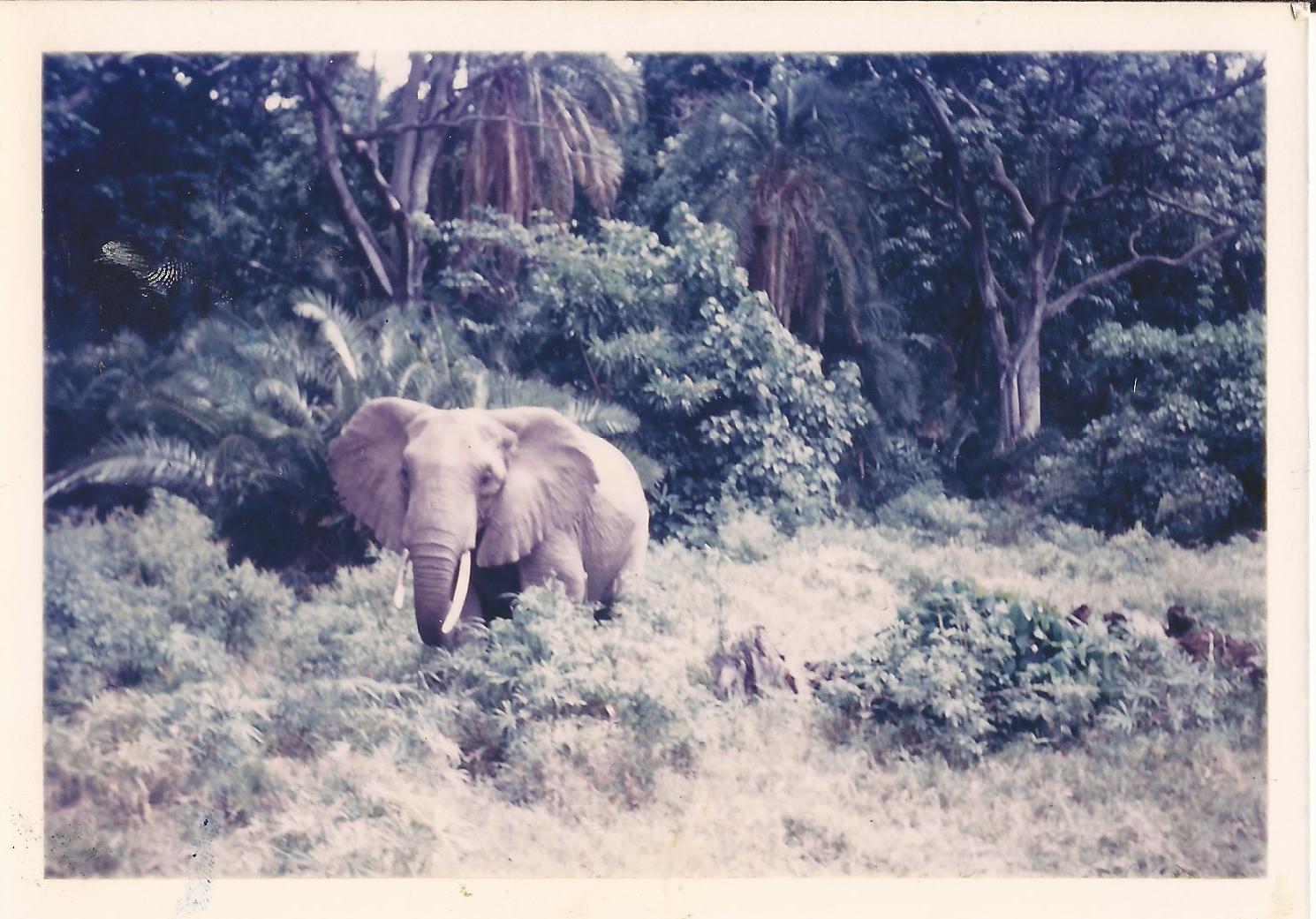
It was a privilege to be taken game viewing as a child by someone with such a depth of knowledge.

elephant

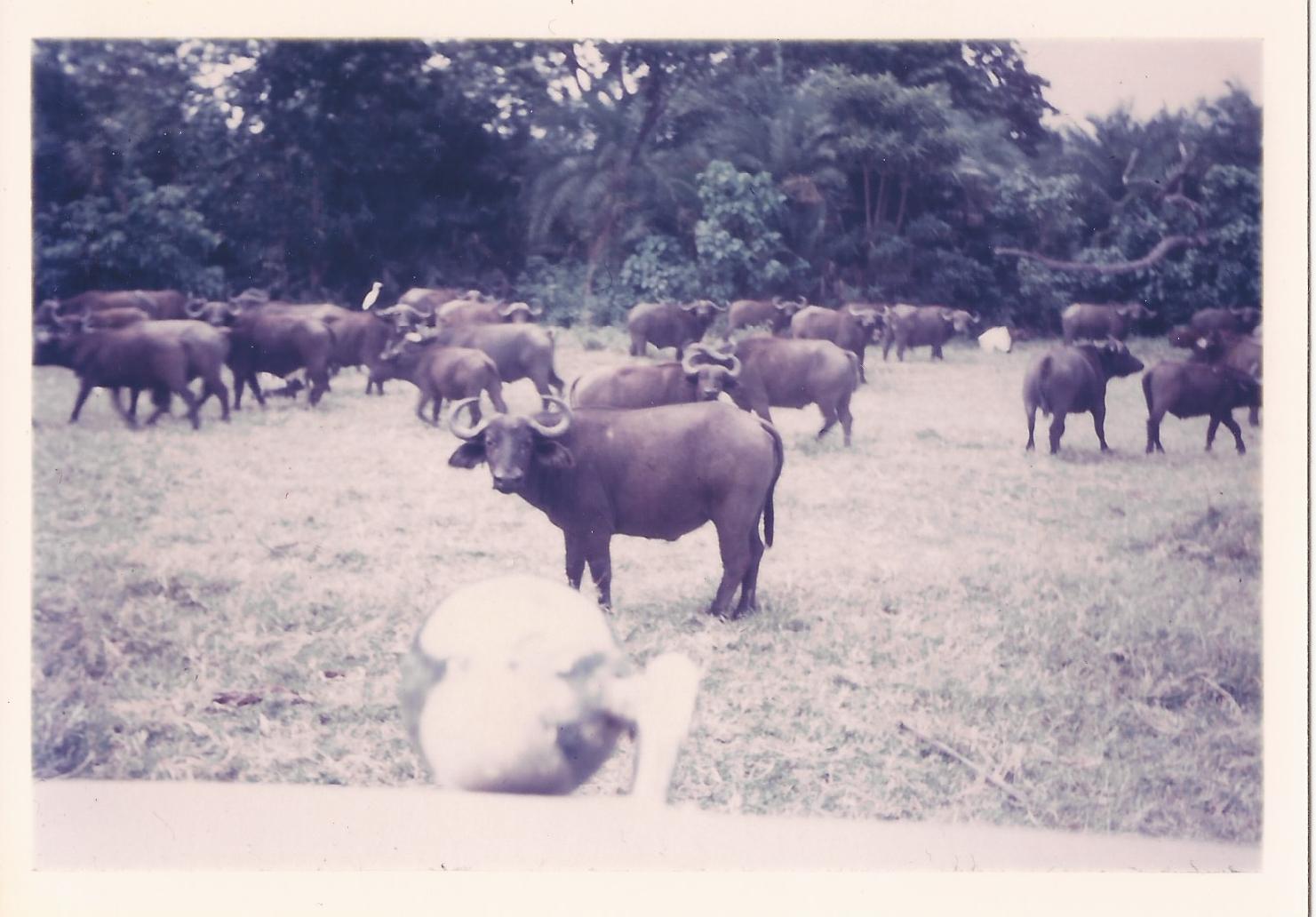
I began to sketch in the back of his Land Rover, while keeping lists of the animals we encountered and trying to learn their Swahili names.

buffalo

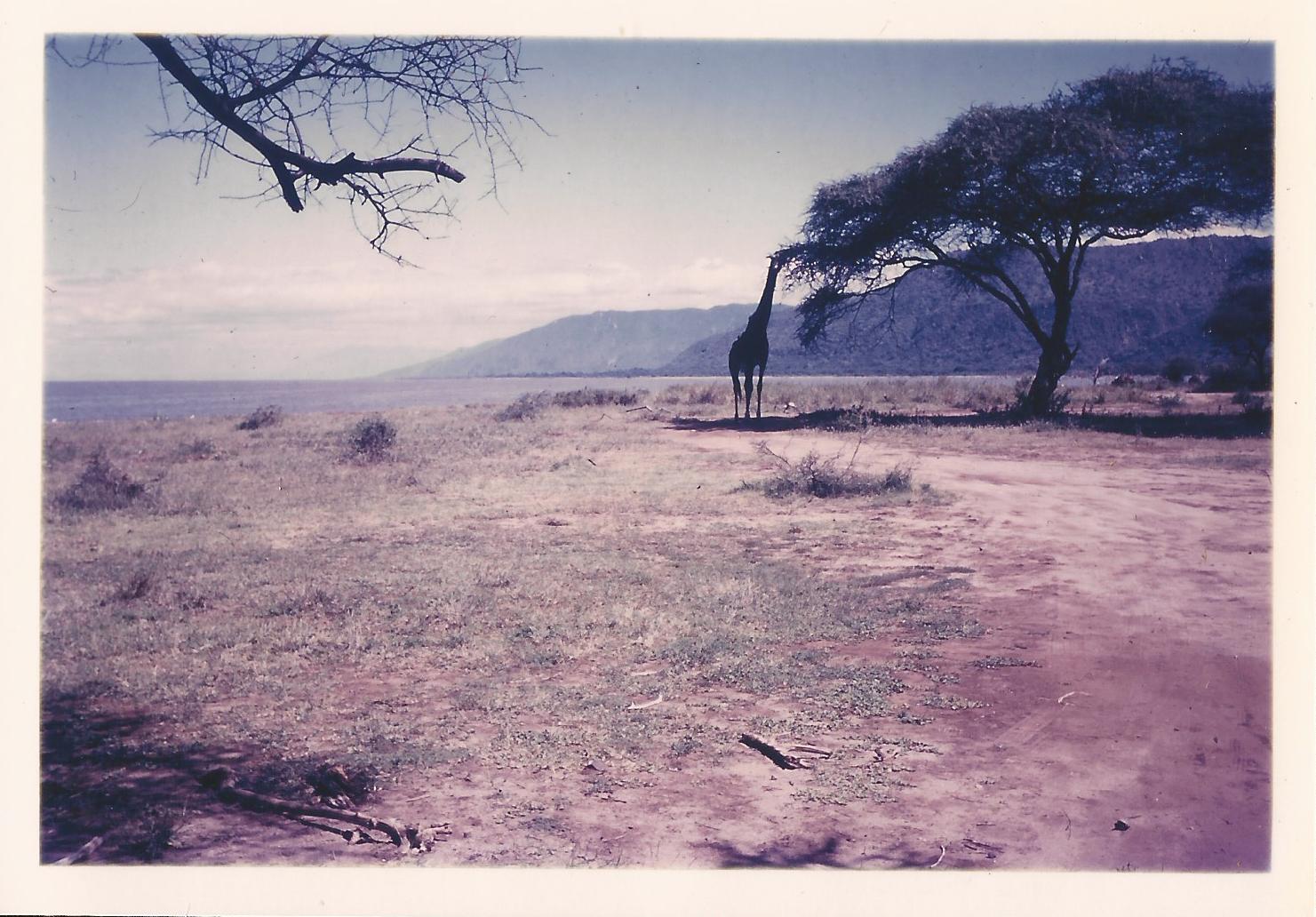
As we drove through the national parks, such as Lake Manyara we rarely saw another vehicle. The reason for packing so carefully was that there was no one around to help if anything went wrong. If you broke down or ran out of fuel you could be in serious trouble.

giraffe-under-tree

But there were always old  friends to visit and they were charming, most hospitable.

hilli-and-woolly

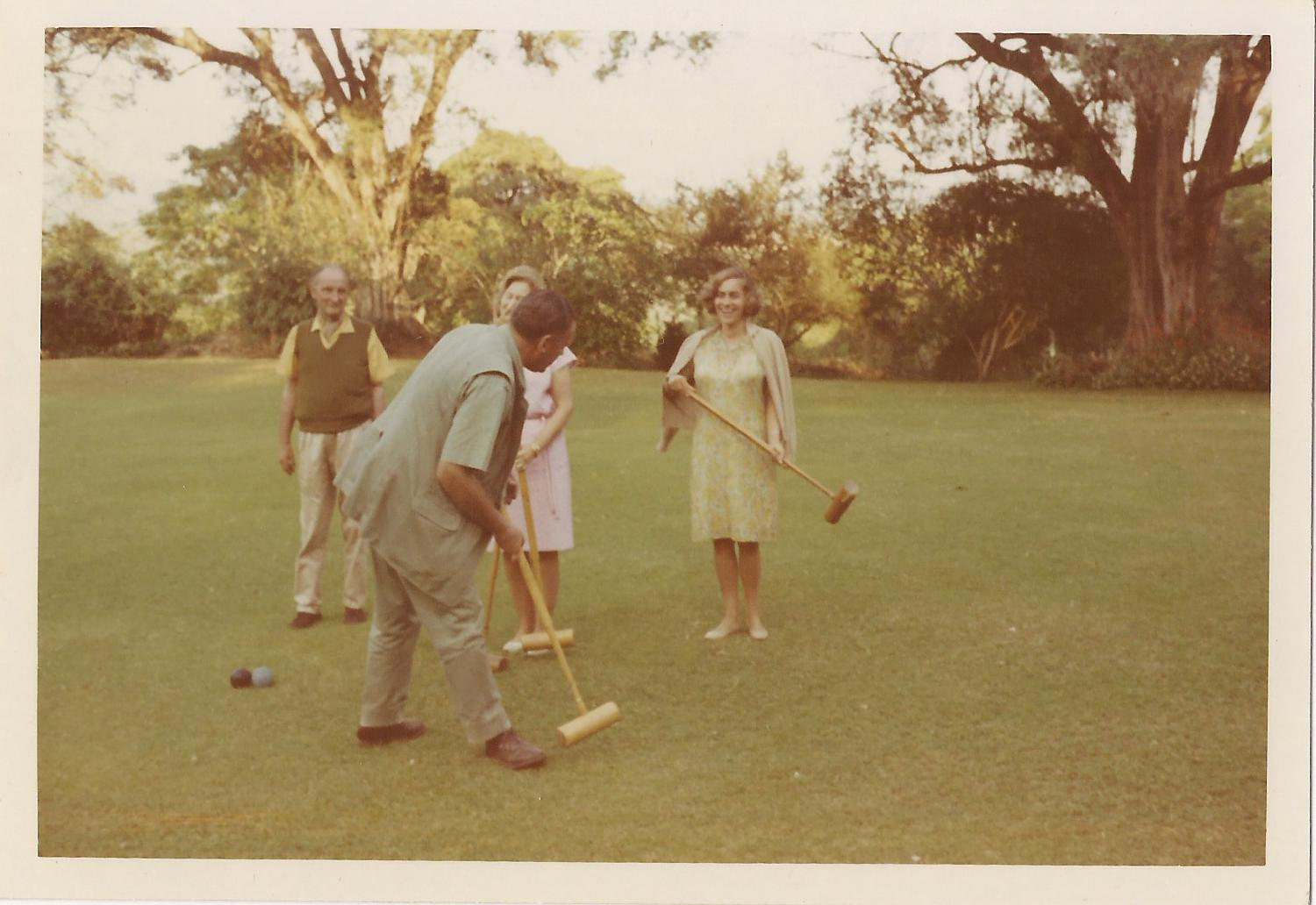
After driving for ages, we’d end up at another farmhouse, playing croquet.

croquet

Nothing but croquet, all afternoon and evening. Somehow I survived. I did so by keeping a diary. It was the first of a whole pile of notebooks that have grown exponentially, forming the basis of quite a few books – with more to come.

croquet-2

To be continued.

My Family’s Roots in East Africa

Cover photo MW

‘I’d like to go to Africa,’ I declared as a little girl, ‘and see forests full of parrots.’ This I did. Everything I had ever hoped to see was spread out before me and the experience left a profound impression.

Mailer Estate in 1970

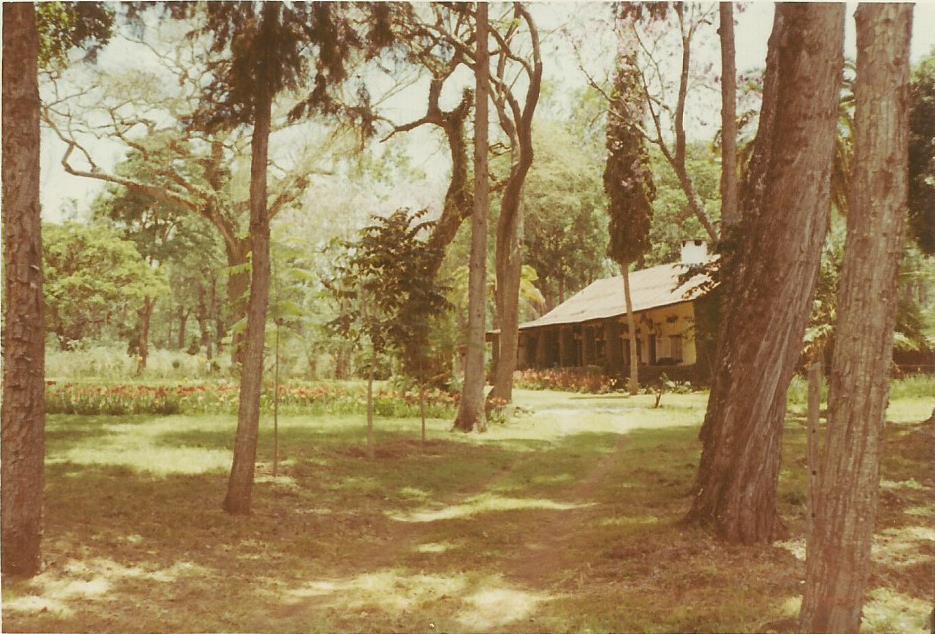
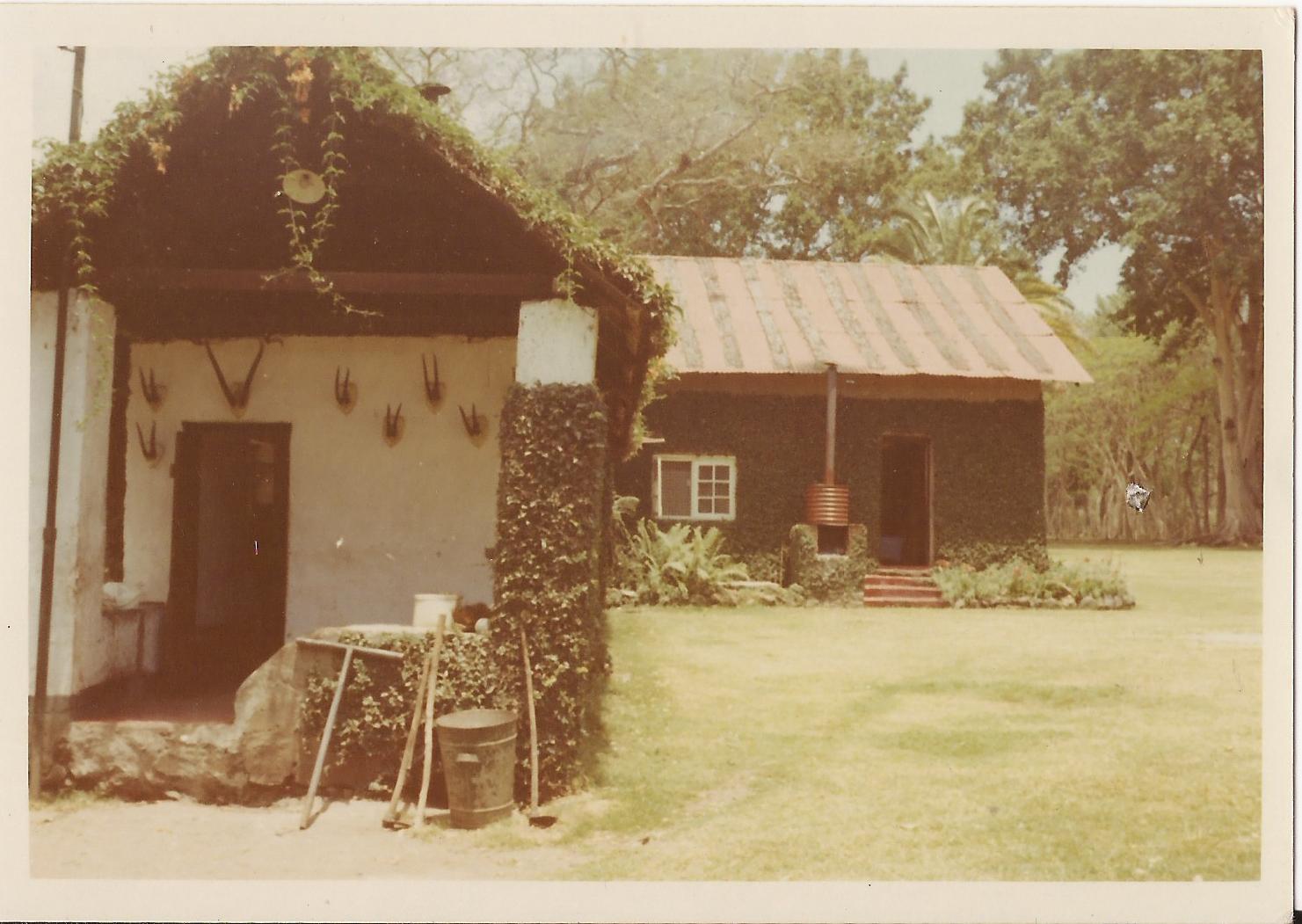
My great-grandparents began farming at Usa River, just west of Arusha in 1919. I first arrived in northern Tanzania in 1972, when my mother took these photographs of the house and garden where her family lived for fifty years. I longed to climb the ancient fig tree in the garden but was told a cobra lived there. It was probably on the lookout for parrots coming anywhere near it.

Makorongo's War by Sophie Neville - revised 30 November 2015_html_m50ecfa90 - Copy

By the early seventies the family were busy farming coffee and often had visitors to stay. My great-uncle Tony used the farm as a base for his safaris and served as an honourary game warden having worked for many years in the Kenyan Police Force and Game Department. He was well-connected and once took Bing Crosby bird shooting, although this fact was kept secret until 2015.

Makorongo's War by Sophie Neville - revised 30 November 2015_html_4b186671 - Copy

I loved the outdoor way of life, was intrigued by the kitchen that was seperate from the main house, and amused by the hot water system that consisted of small cylindrical  tanks known as ‘donkeys’. Everything smelt of wood smoke. The best thing was that I was able to sleep in a safari tent set up in the garden, in true ‘Swallows and Amazons’ style. It felt as if I was being swept along in an adventure portrayed in the film ‘Born Free’ when Virginia McKenna played the artist Joy Adamson who became well known for bringing up a lion cub called Elsa, eventually releasing her into the wild.

Makorongo's War by Sophie Neville - revised 30 November 2015_html_3c38f792 - Copy

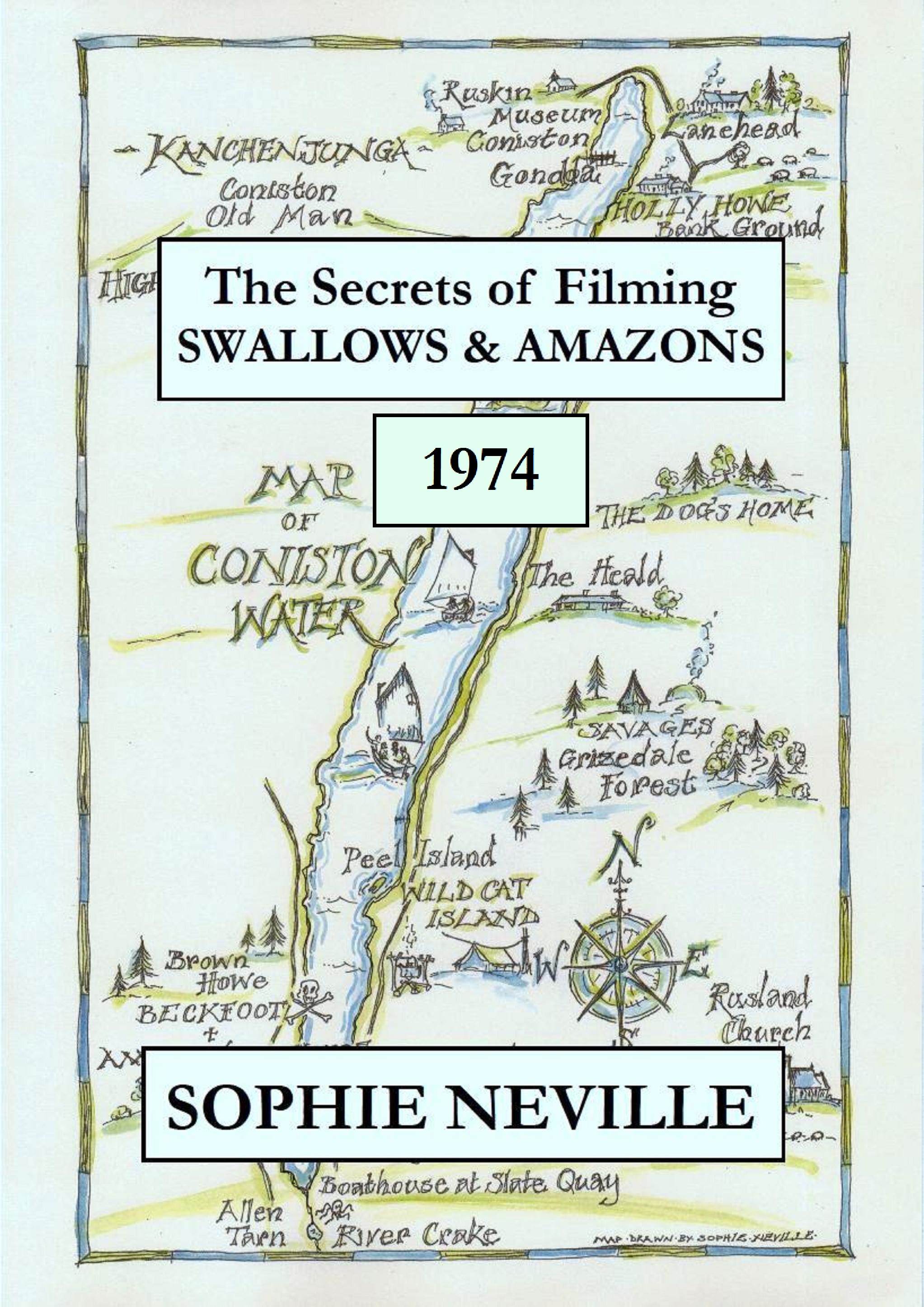
The second edition of ‘The Secrets of Filming ‘Swallows and Amazons'(1974)’ available as an ebook

front-cover-1974

A second edition of the ebook ‘The Secrets of Filming ‘SWALLOWS & AMAZONS'(1974) is now available on Amazon Kindle, Smashwords, itunes, Kobo, and Nook for £2.99 . You can download this free of charge if you already own the first edition.

If you would like a copy but don’t have a Kindle, worry not. We have added a link whereby you can download a free Kindle app. Please go to my Book Page and scroll down for the details.

If you already have a copy of the ebook, contact a Customer Advisor and ask for a free update. You just need to give Kindle the ebook’s ASIN number. The ISBN for all online editions except Kindle is: ISBN 9781311761927

Since being contacted by others who were involved in the filming, I have been able to add a few more anecdotes and images, including this beautiful shot of Virginia McKenna in 1973 kindly sent in by the photographer Philip Hatfield.

virginia-mckenna-photo-by-philip-hatfield

I found a copy of my original contract for the film and when Jean McGill rang from Bowness, a few more secrets floated to the surface.

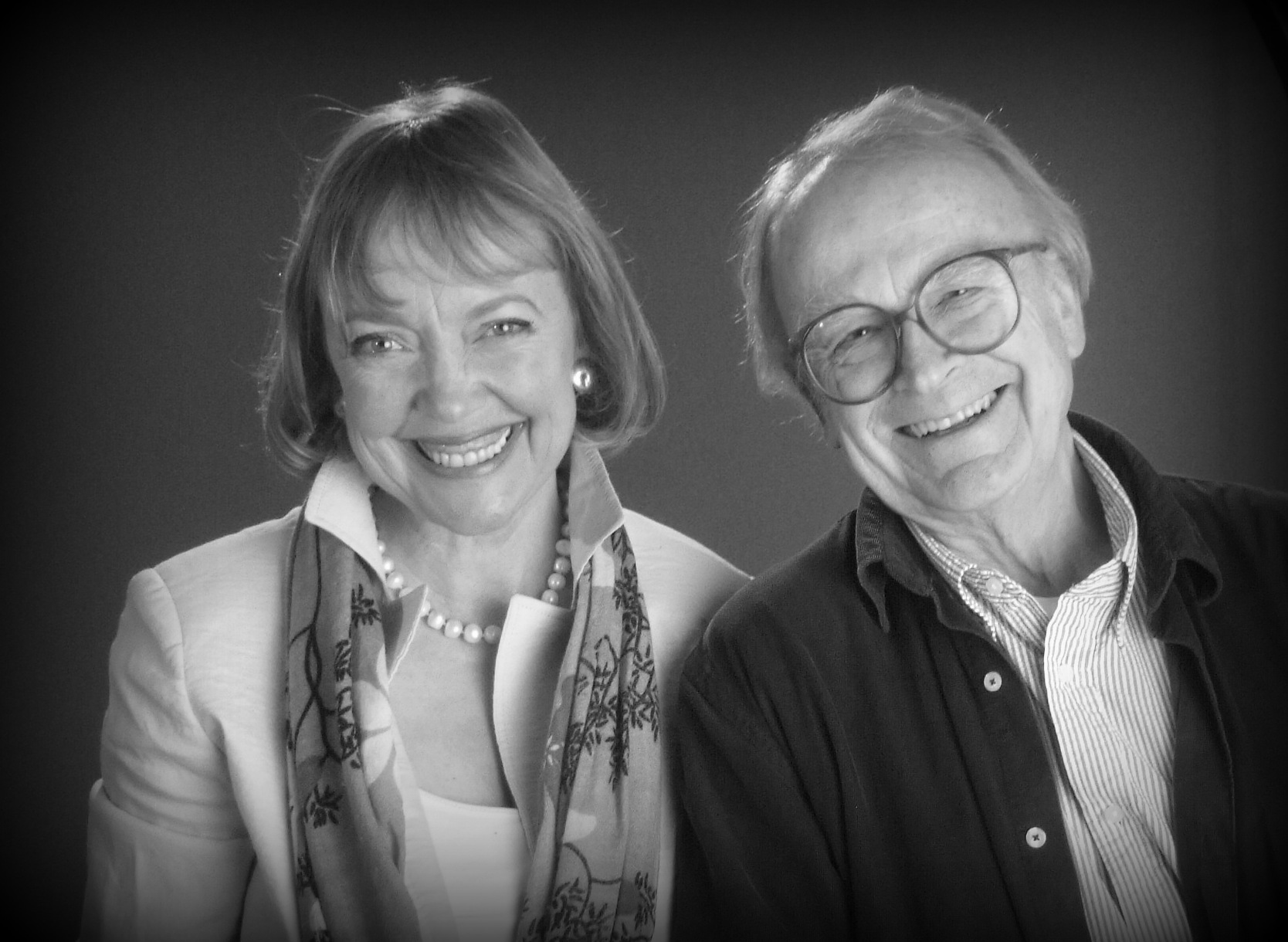
Sophie Neville and David Wood

CBBCTV’s Cinemaniacs  interviewed the screenwriter David Wood and myself on how the original movie of Arthur Ransome’s ‘Swallows and Amazons’ was made back in the summer of 1973.  The idea was to use 30 second clips, so please excuse my over-the-top reactions, but you can watch the whole recording below.

‘This has to be one of the most delightful interviews in my recent memory.’ Tim Lewis, USA

A ‘Swallows and Amazons’ sailing weekend in Aldeburgh


Sophie Neville with Lapwing kids

‘Unlike other films, ‘Swallows and Amazons’ is within children’s reach,’ I’ve been told. It’s true. Any child can pretend that their bed is a sailing dinghy taking them to a deserted island. And when you are a little bit older – it’s not impossible to join a sailing club or go camping.

Aldeburgh Junior LapwingsWe took Swallow to join the Aldeburgh Junior Lapwings on the River Alde in Suffolk.

Boys with their Lapwing

One intrepid sailor had bought her own Lapwing for £100, raising the money by busking in Aldeburgh High Street. Tilly renovated and varnished the clinker-built dinghy herself.

Owl hoots

She can be seen here teaching the younger children how to owl hoot, playing ‘What Shall We Do With The Drunken Sailor’ on her thumbs.

Learning how to owl hoot

The children went fishing for crabs, which they later raced down the slipway.

A crab

They went in search of treasure – if that is what you call a scavenger hunt –

Scavenger Huntbefore sailing back to camp by the mud flats, cooking out in the open and sleeping in tents.

Junior LapwingThey launched their dinghies, raised their red sails

Boys with their Lapwings

and headed off, catching the tide.

Sailing on the River Alde, Suffolk

Swallow, the dinghy used in the 1974 film ‘Swallows & Amazons’ acted as flag ship.

You can find ideas for Swallows and Amazons themed parties and presents here.

Swallow on the Alde

You can read about the adventures we had making the original movie of ‘Swallows and Amazons’ in these illustrated publications available online:

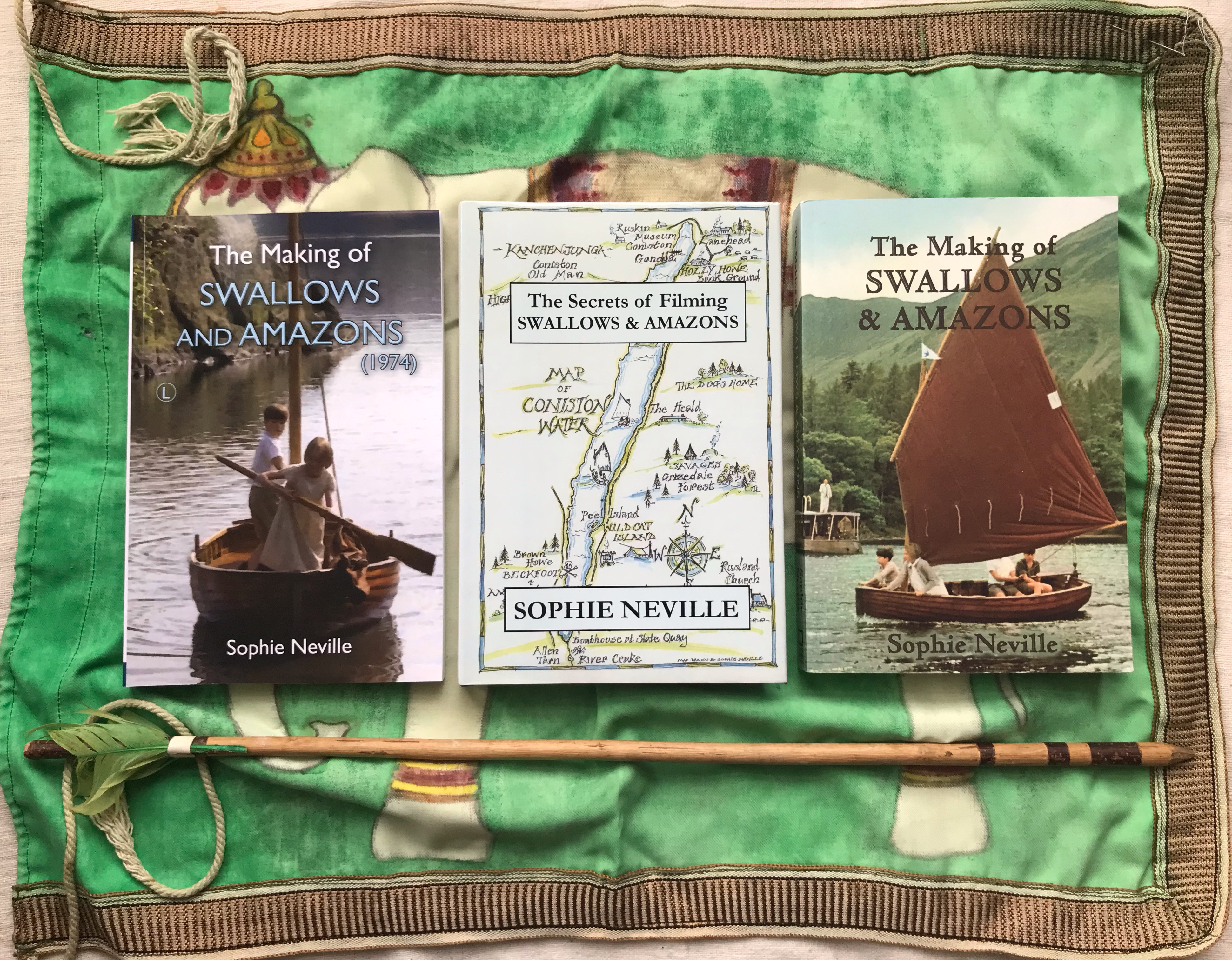
'The Making of Swallows and Amazons (1974) by Sophie Neville'
Different editions of ‘The Making of Swallows and Amazons (1974) by Sophie Neville’

Swallows & Amazons in Aldeburgh

The beach at Aldebrugh

Lovely Aldeburgh on the Suffolk Coast

StudioCanal’s special re-mastered version of the classic film ‘Swallows & Amazons’ (1974) 

Sophie Neville Q&A in Kendal

was shown at the Aldeburgh cinema with a Q&A afterwards with Sophie Neville who played Titty speaking to the actress Diana Quick.

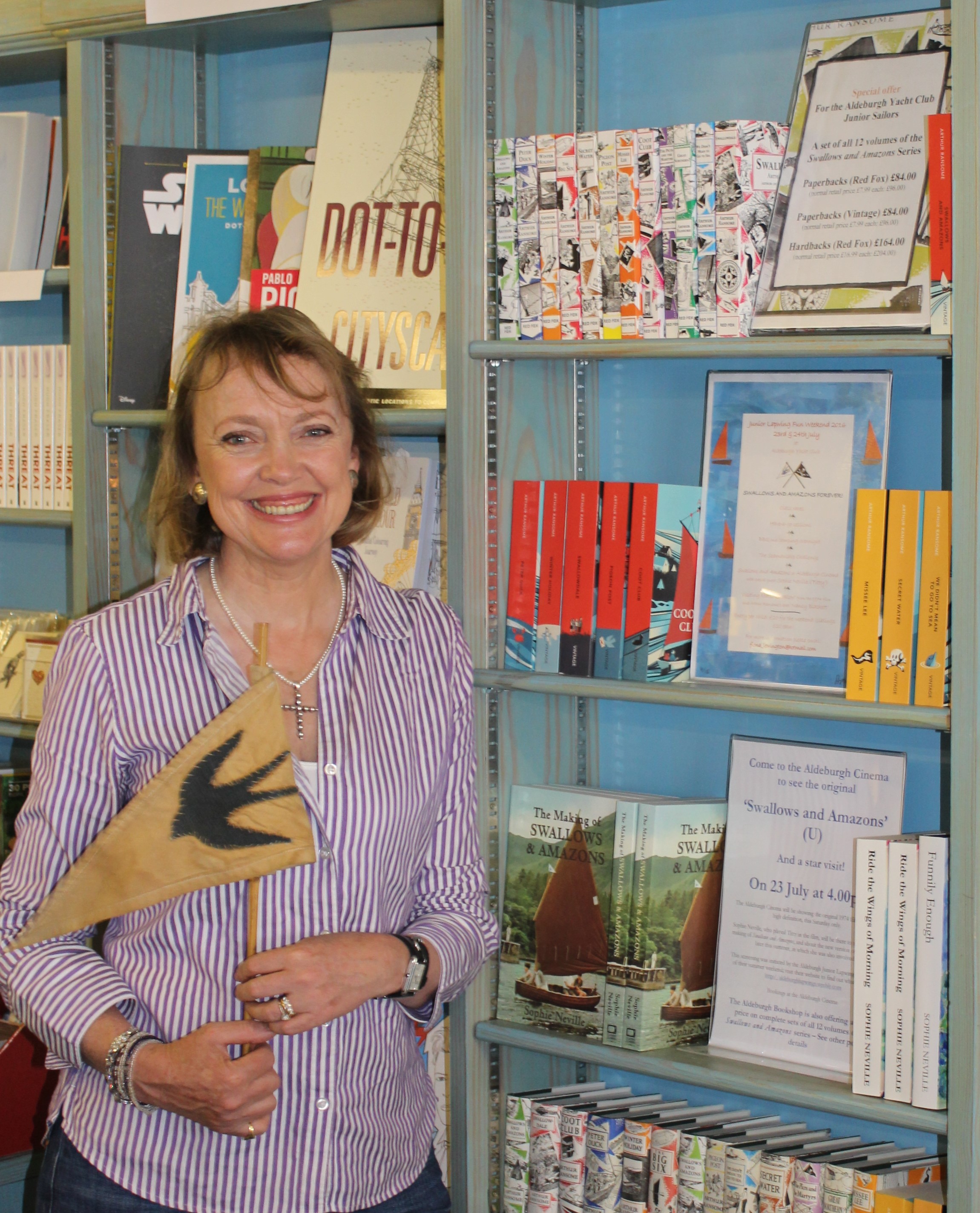
sophie-neville-signing-books-at-aldeburgh-bookshop-2016

Sophie was signing the last first edition copies of ‘The Making of Swallows & Amazons’.

Aldebrugh Cinema seating 250

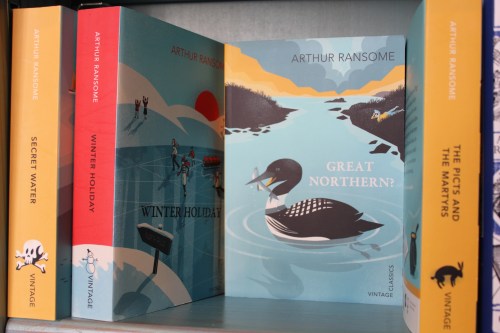
Opposite the cinema, books by Arthur Ransome, who once lived in Suffolk

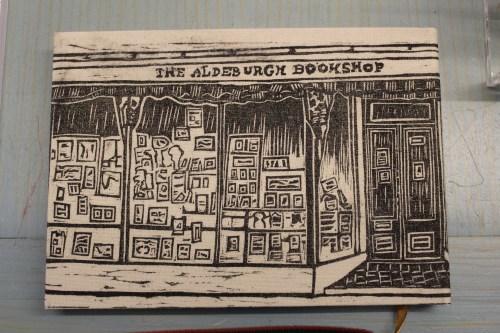
Arthur Ransome's Books in Aldebrugh Bookshopadorn the shelves of the award-wining Aldeburgh Bookshop

Aldebrugh Bookshop in printThe sun shone and holiday makers enjoyed the beach

Aldebrugh fishing

where you can buy fresh seafood and chat to the fisherman.

Aldebrugh lobster pots

Swallow, the lugsail dingy that starred in the 1974 film

Swallow with the initials WK

was sailing with the Aldeburgh Junior Lapwings who had a Swallows and Amazons regatta that weekend. You can read about what they got up to here.

blue chain on the sea shore

Thanks go to The Aldeburgh Bookshop for their sponsorship

Aldebrugh Bookshop bag

They stock ‘The Making of Swallows and Amazons (1974)’ published by The Lutterworth Press