In search of the real ‘Swallows and Amazons’ ~ Part Three

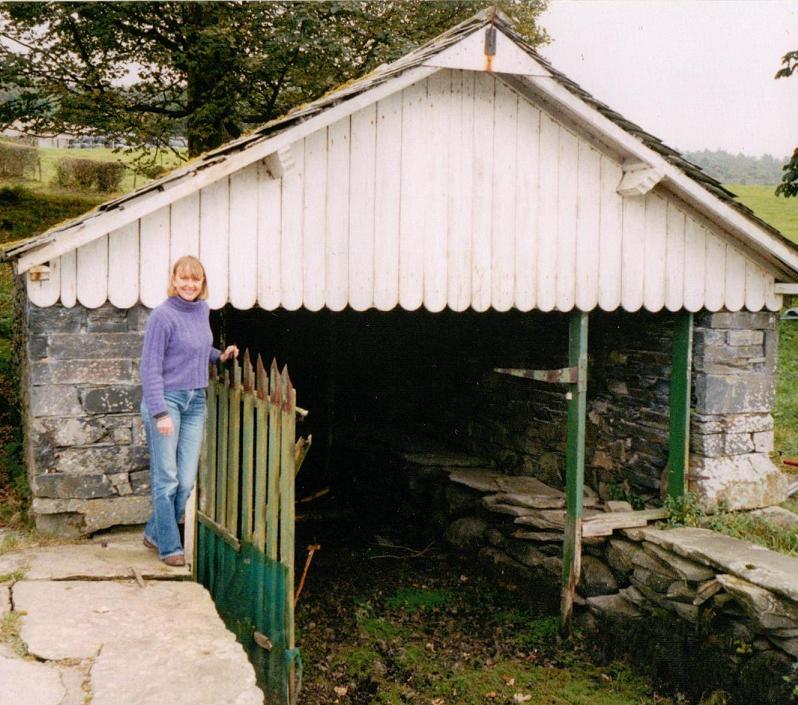
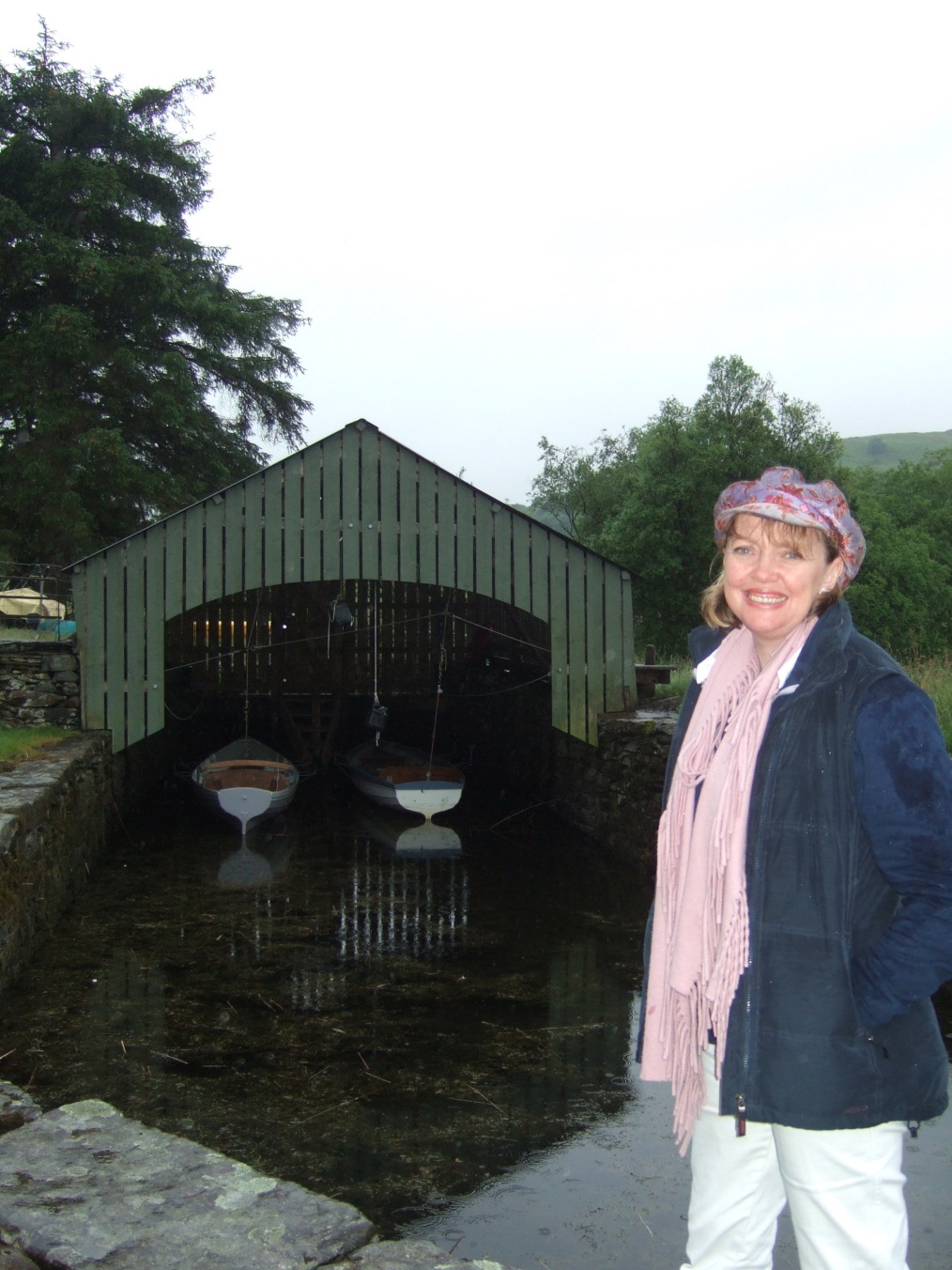
Sophie Neville at the real Amazon Boathouse

~Sophie Neville at the real Amazon boathouse~

The boathouse at the Slate Quay where Arthur Ransome came on holiday as a child sits at the southern end of Coniston Water. How wise he was to write about the places, the culture and experiences that he knew so well.

As you walk down the footpath from the lane, you come across interesting artwork, although it would not have been around in Ransome’s day.

Sophie and Mr Gormely

~ Sculpture at Slate Quay by Andy Gormsly~ 

The boathouse came to be owned by Bridgit Sanders, nee Altounyan, who was the inspiration for the youngest of the Swallows Vicky, the ship’s baby, and went on to become the first president of The Arthur Ransome Society. She lived with her family in the house nearby, teaching her children and grandchildren to sail on Coniston Water. After having children, Roger Altounyan rented half the house and would take them sailing in Mavis, the model for Amazon, bailing like mad.

Coniston Water

~Coniston Water~

Arthur’s father would venture up the River Crake to fish in Allan Tarn, which may well be the location of Octopus Lagoon, first mentioned in ‘Swallows and Amazons’. 

Whilst fish enjoy the reedy habitat, small boys are reputed to enjoy the ‘Knickerbockerbreaker’ rocks that rise above what must be Swainson’s Farm at High Nibthwaite, featured in Swallowdale, which you can find by the road nearby.

We pressed on in search of other places that made an impression on Ransome’s life. Although we had a very good driver this was not always as easy as one might imagine.

'Cows blocking the road' ~ photo by Wendy Willis

But I did find another representation of the crossed flags. Can anyone guess where?

Arthur Ransome's symbol

~Kneeler embroidered by Jean Hopkins~

We drove through the gentle countryside south of Coniston Water passing a house called New Hall, once rented by Arthur Ransome and his wife, and on, climbing up past Gummer’s How and wiggling down to reach The Mason’s Arms, which I gather this was one of his favorite pubs.

 The barn where Arthur Ransome wrote 'Swallows and Amazons'

Then, seemingly in the middle of no where, we came across the Holy Grail: Low Ludderburn and the erstwhile grey barn where Ransome wrote ‘Swallows and Amazons’.  He had a writing room on the first floor. Roger Wardale says he kept his car, the ‘Rattletrap’ in the wooden garage that you can see just in front of the building.  It was private then, and is a private house now, but you can catch a glimpse of it from the lane that runs up and on, eventually taking you down to Blake Holme on Windermere, which he named as partly the inspiration for Wildcat Island.

I’ve always thought that Arthur Ransome must have been completly impervious to the damp, to cold and wet weather.  I am not. By now it was raining so hard that my husband was wearing my pink beret, but we were still in good spirits.

Foxgloves in the Lake District

In a recent letter to The New York Times Frank Phelan from Albuquerque wrote to say,

  • It was not just British children who were saturated with the “Swallows and Amazons” novels of Arthur Ransome, as the review of “The Last Englishman,” by Roland Chambers, suggests (May 27). I grew up hundreds of miles from the ocean in Pittsburgh, wanting to be like Ransome’s characters. I wrote to him asking which of the English lakes was the right one. He sent me a postcard saying that it was “Windermere, with a few touches of Coniston, for the sake of disguise.” He ended with “You’ll be sailing some day!” and I lived on that.

So back to Windermere, and a long hot bath at Miller Howe, a lovely hotel that had a Jonathan Cape copy of Swallows and Amazons on the hall table. In the morning cloud was sitting on the high fells looking just like snow. I ran down to the lake to put my hands in the water, thinking, ‘This is the place for Winter Holiday’.  But that is another book.

You can find maps showing these locations in ‘The Making of Swallows and Amazons’ or the ebook of ‘The Secrets of Filming Swallows and Amazons (1974)’ available from Amazon Kindle and other ebook platforms.

In search of the film locations for the original movie of Swallows and Amazons (1974)

Peel Island on Coniston Water ~ photo: Sophie Neville 2012

A few years ago, on a wet but beautiful day in Cumbria, we set off on a quest to find some of the locations used in Richard Pilbrow’s 1974 film of ‘Swallows and Amazons’.

To my delight our journey started with a drive down through the streets of Rio (Bowness) and along the east shore of Windermere to the Lakeside and Haverthwaite Railway Station at the southern end of the lake (or Antarctica as Titty labelled the region). It was here that we spent our very first day filming ‘Swallows and Amazons’ in May 1973. I had not been there since.

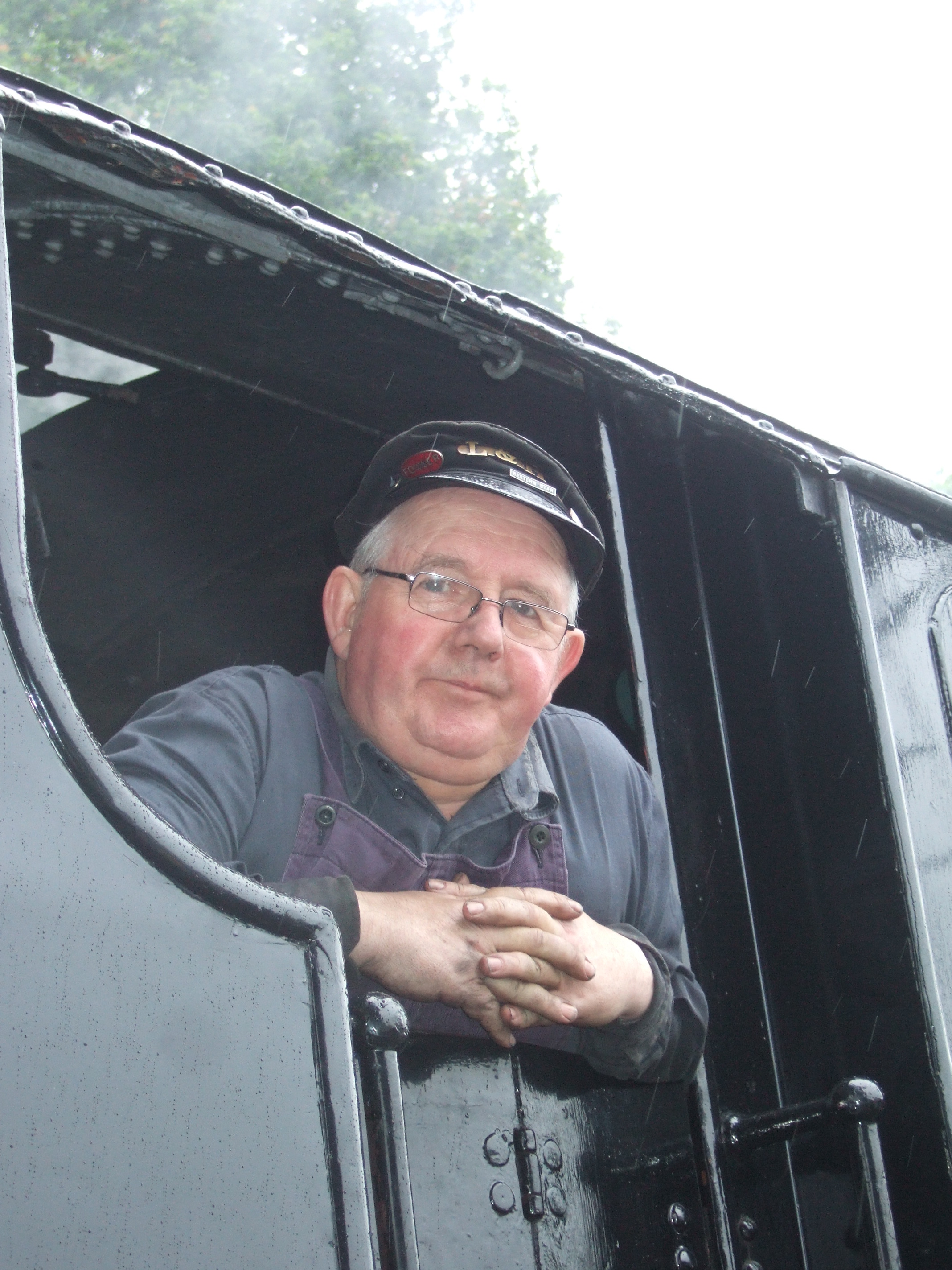
The driver of the Lakeside and Haverthwaite Steam locomotive

We had a chat to the train driver who explained that they now run six journeys a day. From Haverthwaite, the steam locomotives run alongside the River Leven to Lakeside Station. From here you can take a native steamer back up to Rio (the Bowness pier) or to the Far North (Ambleside, which is the town at the head of the lake where we lived whilst filming in that long distant summer when I was twelve years old.)

Talking to the train driver just as we did in 1973

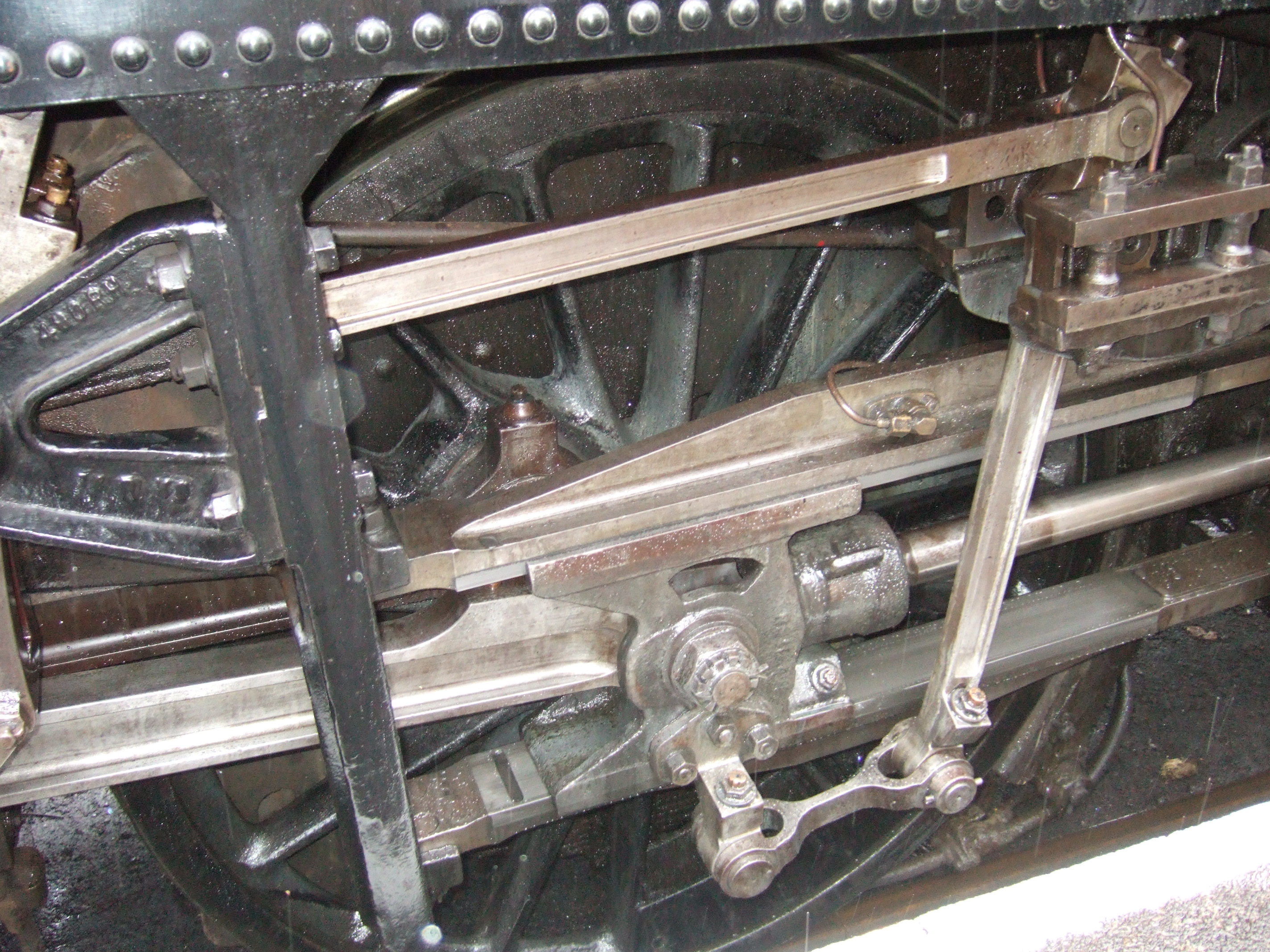
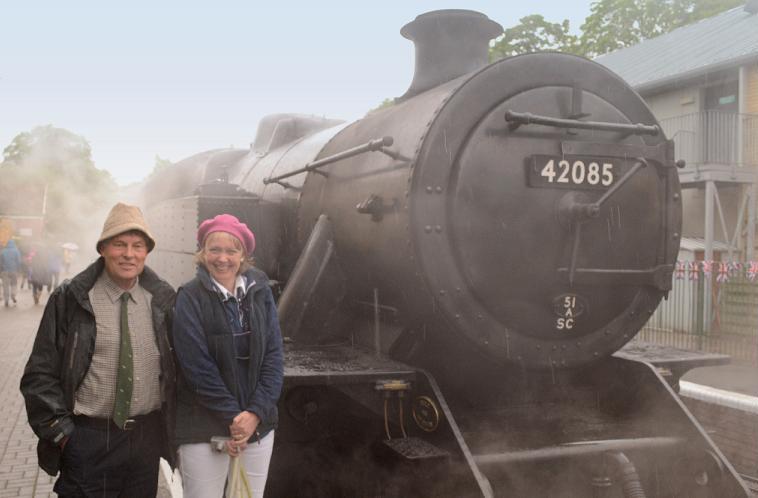
Whilst we used engine number 2073 in the movie, this steam locomotive 42085 was built in 1951. It uses about two tons of coal a day but it utterly magnificent.  The driver probably uses rather a lot of steam oil too.  It’s a smell I relish, familiar since childhood days spent on steamboats. I remember it from the SBA steamboat rally held on Windermere in 1991, which I describe in Funnily Enough.
Steam Locomotives Forever!

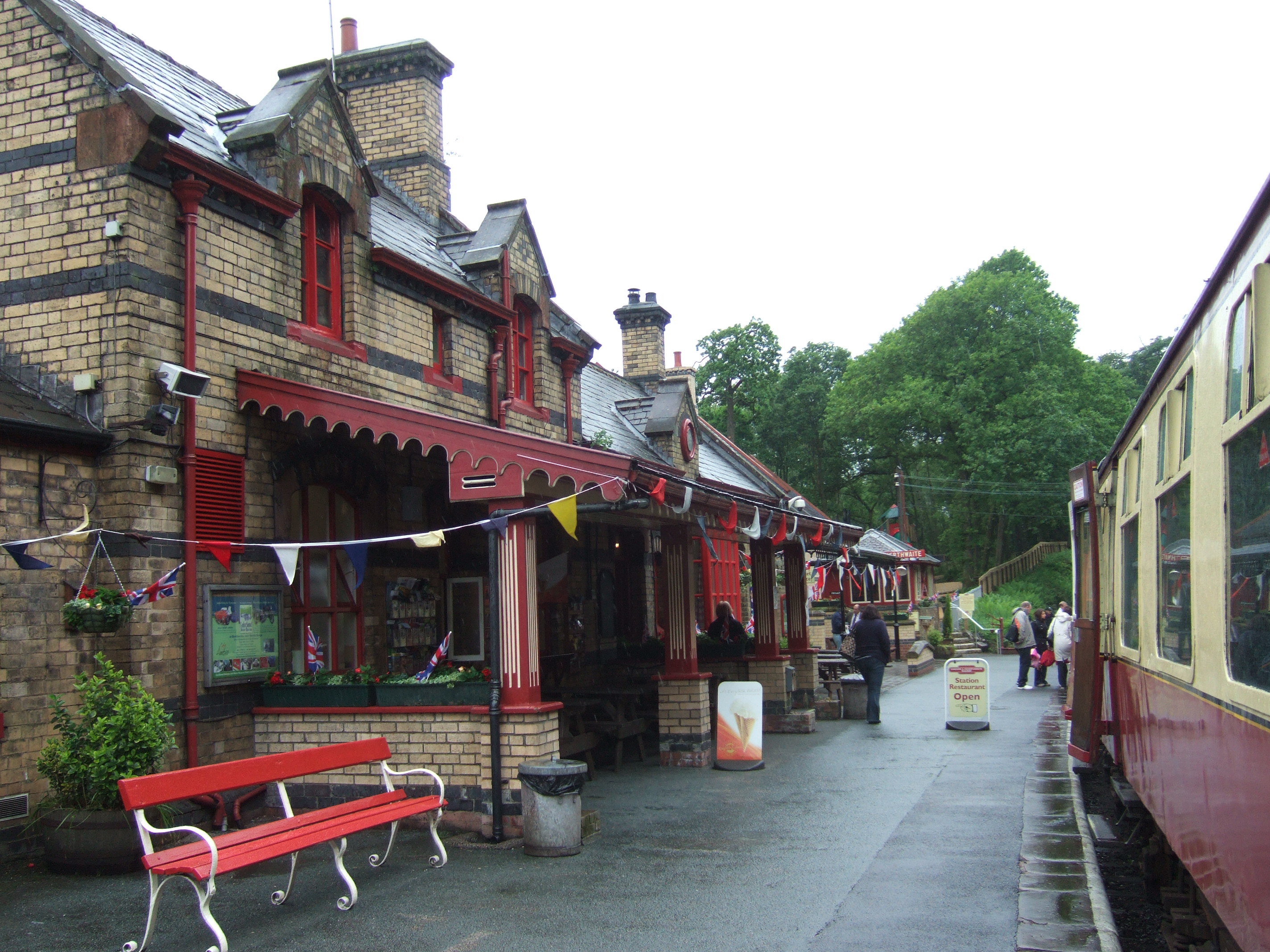
Curiously, Haverthwaite Railway Station looked cleaner and shinier than when we used it as a film location in 1973. I can only suppose it was still in the process of being restored back then, when Simon Holland our set designer cluttered it up with push bikes and luggage trolleys.  Much to our surprise, the yellow taxi we were transported in during the filming was actually driven along the platform.

Lakeside and Haverthwaite Steam Railway

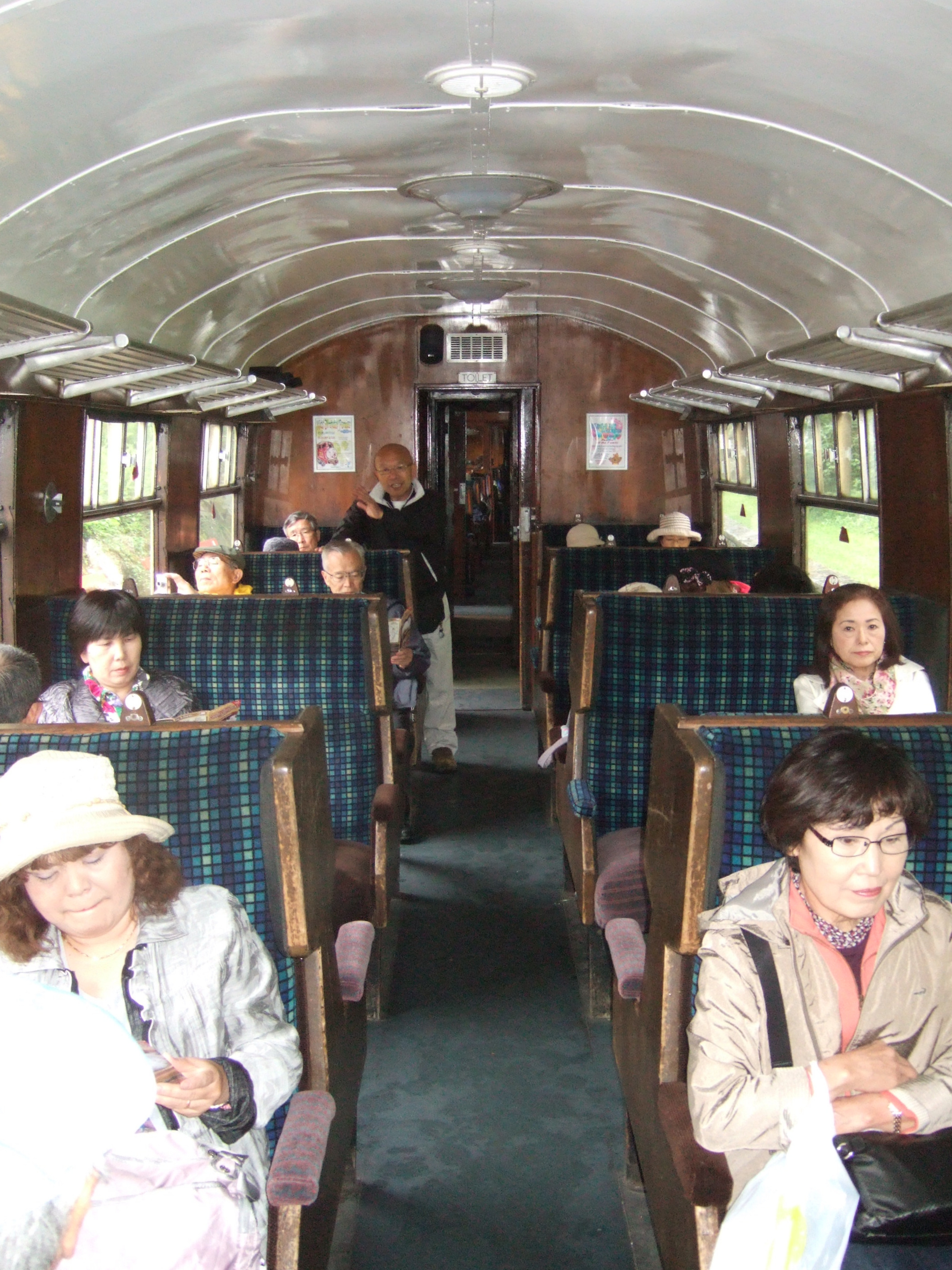
We climbed aboard the train and I explored, as Titty would have done, discovering people seated inside from far distant lands.

Inside the carridge of the Lakeside and Haverthwaite train

David Wood’s screenplay for the film of Swallows and Amazons, directed by Claude Whatham, opens to find the Walker family cooped up in a railway carriage compartment as they travel north for their holidays.

With Virginia McKenna at the Haverwaite Railway Station
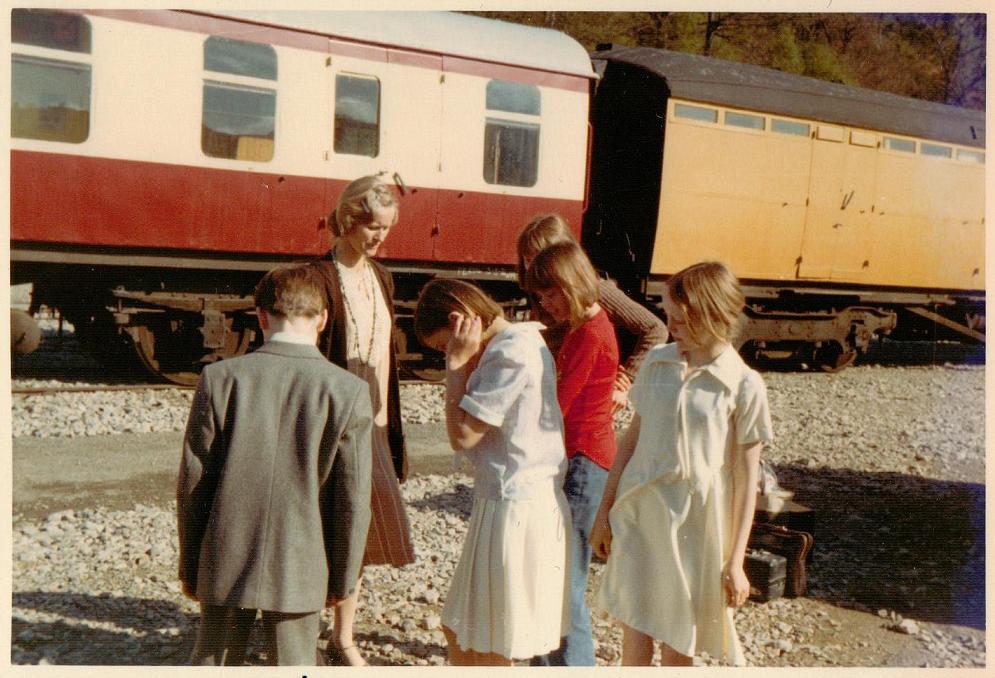
Viginia McKenna at the Haverthwaite Railway Station in Cumbria soon after it re-opened in May 1973. Simon West, Suzanna Hamilton, Lesley Bennet, Kit Seymour and Sophie Neville are with her. The carridge with compartments is in the background ~ photo: Daphne Neville

We saw this distinctive carriage in a siding as we steamed down the valley. Funnily enough when I reached home, later the next day, I came across a photograph on the internet I had never seen before. It was of Virginia McKenna, playing Mrs Walker, reading a magazine inside the compartment. Strangely it turned up when I Googled my own name – Sophie Neville.

Virginia McKenna playing Mary Walker, mother of the Swallows in the EMI feature film of ‘Swallows and Amazons’ made in 1973

The train is not included in Arthur Ransome’s book of Swallows and Amazons, written in 1929, but he does feature locomotives in his later novels, notably Pigeon Post. I clearly remember filming the BBC adaptation of Coot Club at what must have been The Poppy Line, a steam railway in north Norfolk when Henry Dimbley, playing Tom Dudgeon, jumped aboard the moving train and met Dick and Dorothea.

Peter Walker of Mountain Goat with Sophie Neville at Lakeside Station, Windermere.

I jumped off the train at the Lakeside Station to meet up with Peter Walker of Mountain Goat. Peter has carefully researched and put together a Swallows and Amazons tour, exploring ‘High Greenland’, the ‘Forest’ and ‘High Hills’ to discover the places where Arthur Ransome lived. We set off in search of the places where he fished, wrote, and drank beer.  It was fascinating – and proved an excellent way to spend a day in the Lake District despite the rain.

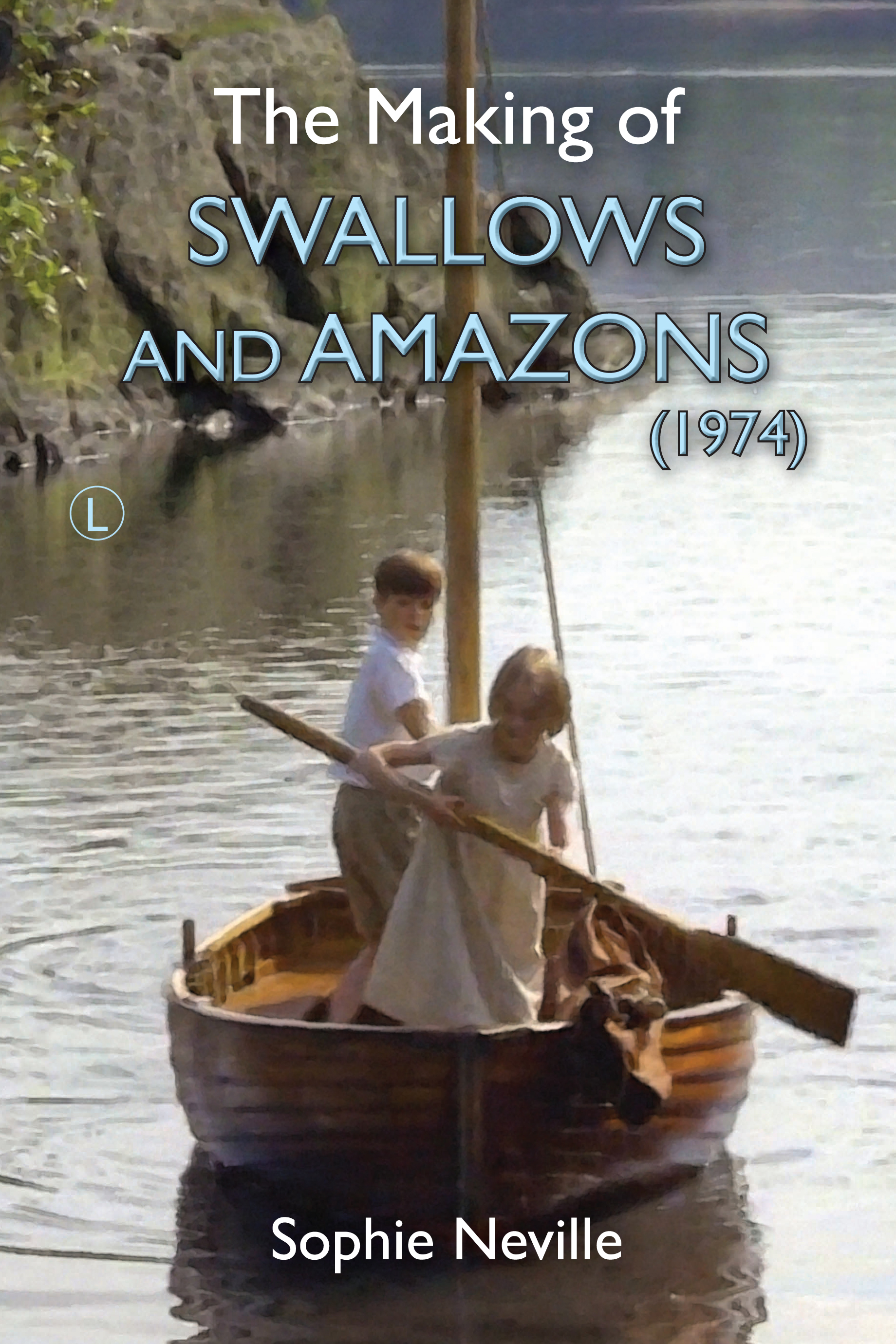
You can read more about the locations used in the original film of ‘Swallows and Amazons'(1974) in the paperback ‘The Making of Swallows and Amazons’ available from libraries, bookshops or online here.

'The Making of Swallows and Amazons (1974)'

There is also a similar ebook, entitled ‘The Secrets of Filming Swallows & Amazons (1974)’ available from all ebook distributors including Amazon

The Secrets of Filming Swallows & Amazons

If you have any questions, do write in.


'Native shipping'

‘Country Tracks’ with Ben Fogle

Sophie Neville at the Bank Ground Farm Boathouses
Sophie Neville at the Bank Ground Farm Boat-houses on Coniston Water in Cumbria for the filming of ‘Big Screen Britain’ presented by Ben Fogle for BBC TV

At last! We have the clip from Country Tracks presented by Ben Fogle, that includes interviews with Director Claude Whatham, Lucy Batty of Bank Ground Farm, Suzanna Hamilton and myself discussing the swimming scenes, with the unique behind-the-scenes footage my father shot on 16mm film, with his Bolex camera back in 1973. You might have seen a longer version of this on Countryfile and Big Screen Britain. I am yet to receive residuals.

If you would like to read about ‘The Secrets of Filming Swallows and Amazons (1974) in detail, the illustrated, multi-media ebook is available on Kindle and from other ebook retailers.

Bestsellers from Sophie Neville ~

 Since promoting my books at the London Book Fair, great things have been happening ~ we have made it into the rank of ‘Bestselling Books’.

Funnily Enough has raced up the charts, and at the time of writing is in the upper Top Ten for Humour.

ebook cover

~ Please see my ‘News’ page for stories ~

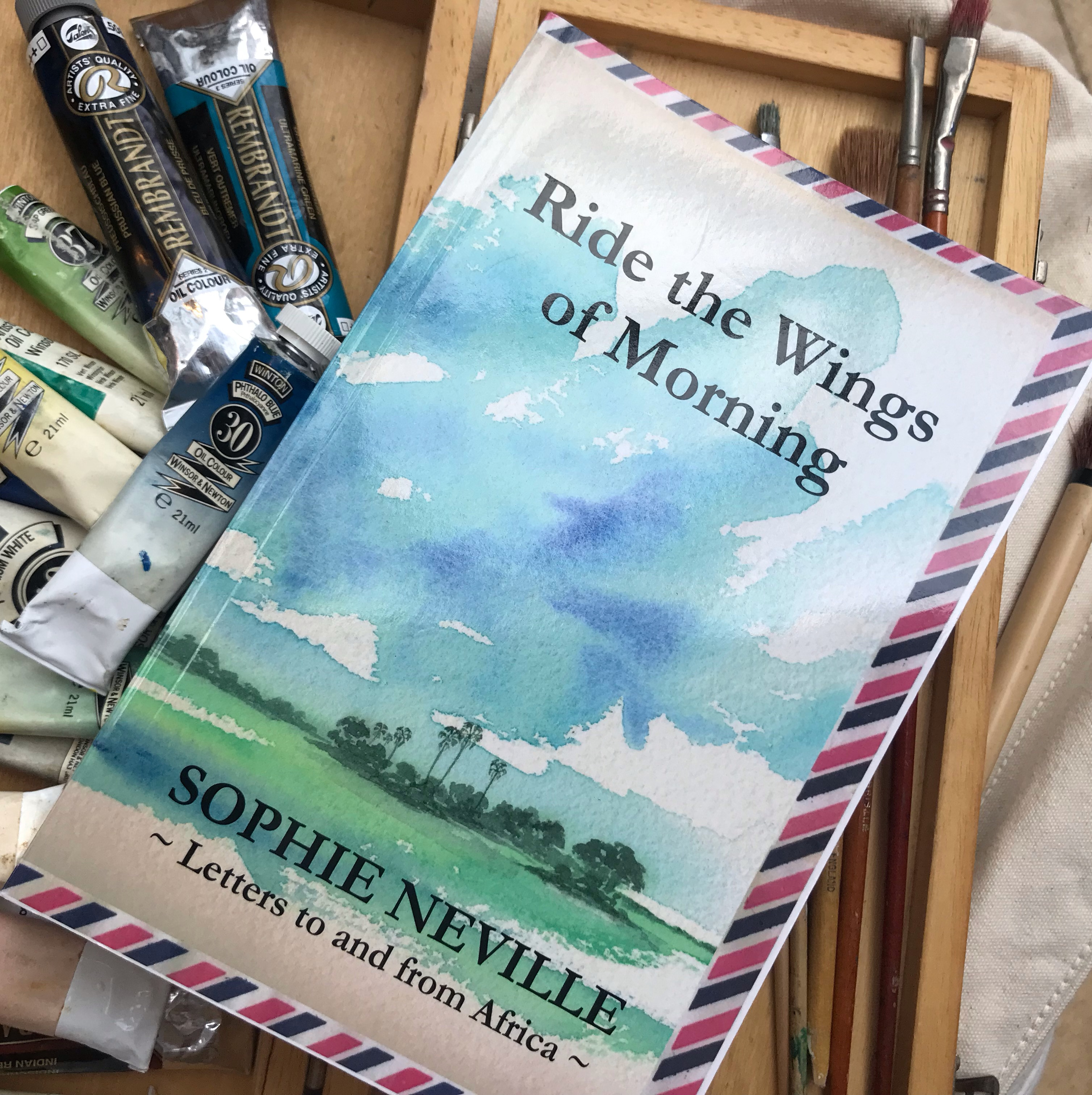
Ride the Wings of Morning is selling well. It is about the ‘Swallows and Amazons’ type of lifestyle that I led in Southern Africa after leaving the BBC. It is a book of letters, illustrated with sketches and maps that are in keeping with the inheritance Titty left me. Richard Pilbrow, the Producer of the movie Swallows and Amazons has kindly reviewed it ~ please see Reviews page

Ride the Wings of Morning by Sophie Neville

NOW AVAILABLE IN HARDBACK AND PAPERBACK FROM LULU.COM

My memoir about working in film and television is now out as an ebook on amazon Kindle and all online retailers for £2.99

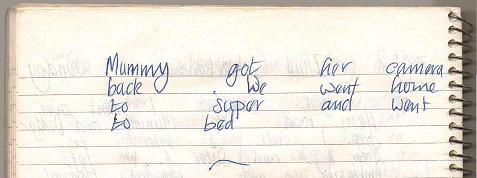
The diary I kept whilst filming ‘Swallows and Amazons’ on the 3rd June 1973, when I spent a day off exploring Cumbria with my family

It was Sunday and a much needed, formal day off for the crew of Swallows and Amazons. It was also a day of rest for the ‘Artistes’ as Claude Whatham, the Director called us.  The crew called us ‘Saucepans’. Saucepan lids : kids.  It is Cockney rhyming slang. There was a lot of that about in Ambleside that year.

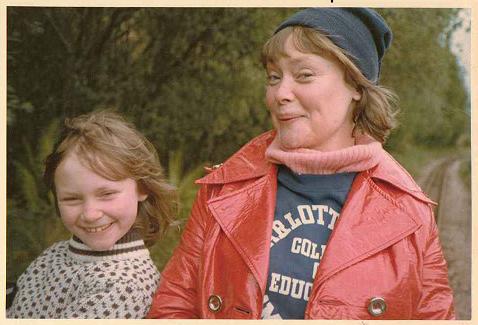
Sophie Neville with her mother on a scenic railway in Cumbria during a break in the filming of Swallows and Amazons in 1973 ~ photo: Martin Neville

My parents were still in bed, exhausted on that Sunday morning.  To keep me busy, Mum had me writing letters to my Headmistress, Sister Ann-Julian and to my Housemistress, Sister Allyne. Amazingly I wrote them.

My father’s idea of a day out in Westmorland was to drive up the Hard Knott Pass taking car rugs, a picnic and his volcano. This is a brilliant item of equipment with which you can boil enough water to make a cup of tea using an old newspaper. I’ve read that Arthur Ransome had one…  I think my mother just pulled on her Charlotte Mason College of Education sweatshirt and came too.

The highlight of the day was a trip on the Ravenglass and Eskdale Railway, through the National Park to the coast and back. You can still do this today. The historic line was opened in 1875 to ferry iron ore from the mine near Boot to the coast at Ravensglass by steam locomotive. They say that nowadays:

“Four steam locomotives are currently in regular service, ranging from River Irt, the oldest working 15″ gauge locomotive in the world, to Northern Rock, one of the most powerful. The locomotives names, with one obvious exception, are those of the local rivers, the Esk, Mite and Irt, the last mentioned flowing from Wastwater just a few miles away from the railway.”

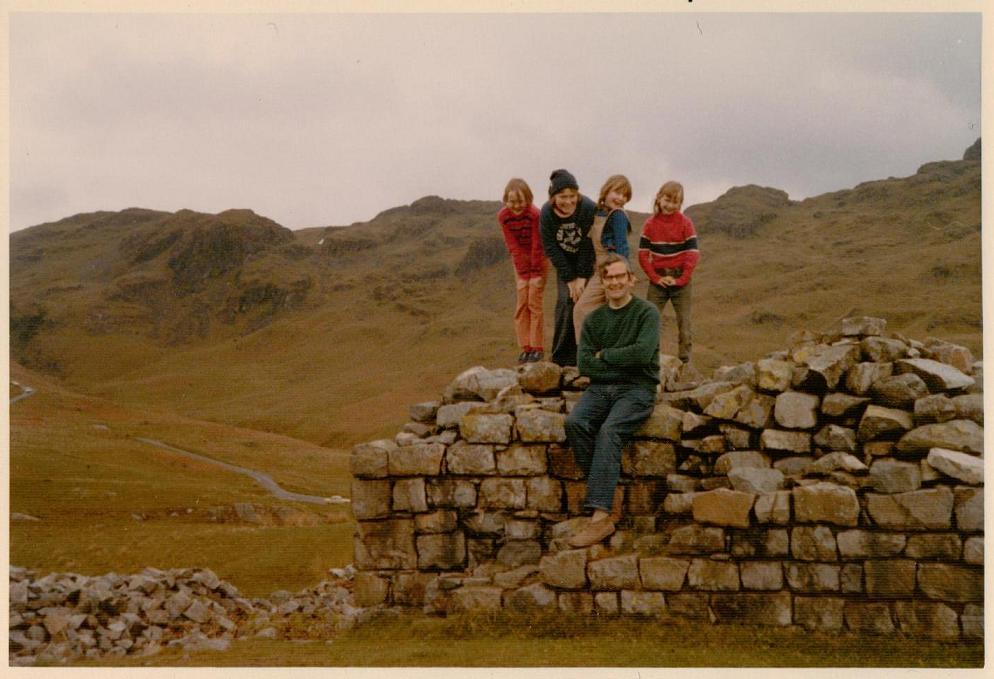
My father has always loved steam.  He’s also rather enjoyed using the self-timer on his new camera.

The Nevilles in the Lake District in 1973

We were standing on part of the Hard Knott Roman Fort near Boot with the fells behind. Built between AD120 and AD138 at the Eskdale end of the Hard Knott Pass it must have been one of the furthermost outposts of the Roman Empire. It had been studied and excavated by Arthur Ransome’s mentor WG Collingwood, whose novel Thorstein of the Mere is set on Peel Island where we had just spent the week. The fort was known to the Romans as Mediobogdum, which has to be one of the all-time great names. If only the film crew had known.

As children we had grown up watching Frankie Howerd on television when he was dressed in a Roman tunic, assuring us that ‘A Funny Thing Happened on the Way to the Forum’.  We didn’t know at the time, but the producer of ‘Swallows and Amazons’, Richard Pilbrow, had brought the theatre production from New York to the West End, where it ran for two years.

The hotel I mention was the Kirkstone Foot Hotel, at the top of Windermere, in Ambleside where Richard Pilbrow and the senior members of the film crew were staying. Mum must have left her camera there.

The Kirkstone Foot Hotel Ambleside in 1973
The Kirkstone Foot Hotel, Ambleside in 1973

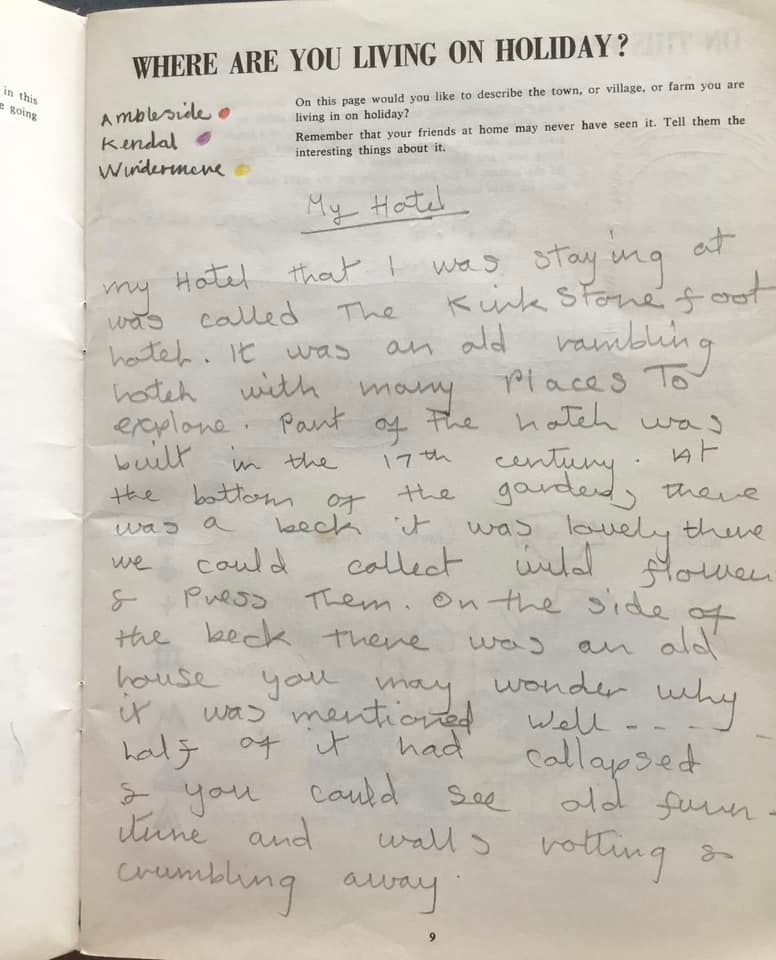
Pandora Doyle, whose father Brian Doyle was handling the publicity for Swallows and Amazons, kept a record of her half-term holiday, marking her room at the Kirkstone Foot (telephone: Ambleside 2232). She wrote about it quite beautifully:

Pandora on the unit hotel

I’m pretty sure the film company used the coach-house block for their production office. The green parrot was once released in the bathroom where it spent a day waiting to be used in a scene, presumably on the houseboat. Pandora pointed out the hole-protector she had added when filing her scrapbook. I’d totally forgotten about such things and yet I must have stuck on hundreds. ‘Ring-binders’ were the thing but I never had red ones.

We didn’t know it, but Arthur Ransome had died on this day, 3rd June in 1967, six years previously. I feel he would have enjoyed our day out.

Tamzin Neville and Daphne Neville in 1973

You can read the full account of making the film here:

‘X marks the spot where they ate six missionaries’ ~ filming ‘Swallows and Amazons’ on Peel Island ~ 26th May 1973

‘Natives again. Or cannibals. This marks the spot where they ate six missionaries’ has to be the best line that anyone in the history of film making has ever had to utter.  It is not in the book, just that ‘…they might have been killed and eaten by other natives,’ as Titty, having digested huge helpings of Daniel Defoe, declares herself the most ardent imperialist of all time. And she has such fun doing so. I have always liked the talk of ‘the powerful native’ (Mr Jackson the Lakeland farmer) and the savages living around Rio. I always hope it shocks lots of people.

Blu-ray X marks the spot

What I have found really does shock people – shocks them so much that they admit to being shocked – is that I was once a missionary. In Africa. And in Australia. I think they think I try to convert the natives but of course it is not like that. You go not knowing what will happen and find yourselves making life a bit more fun for people who belong to God but are battling a bit.

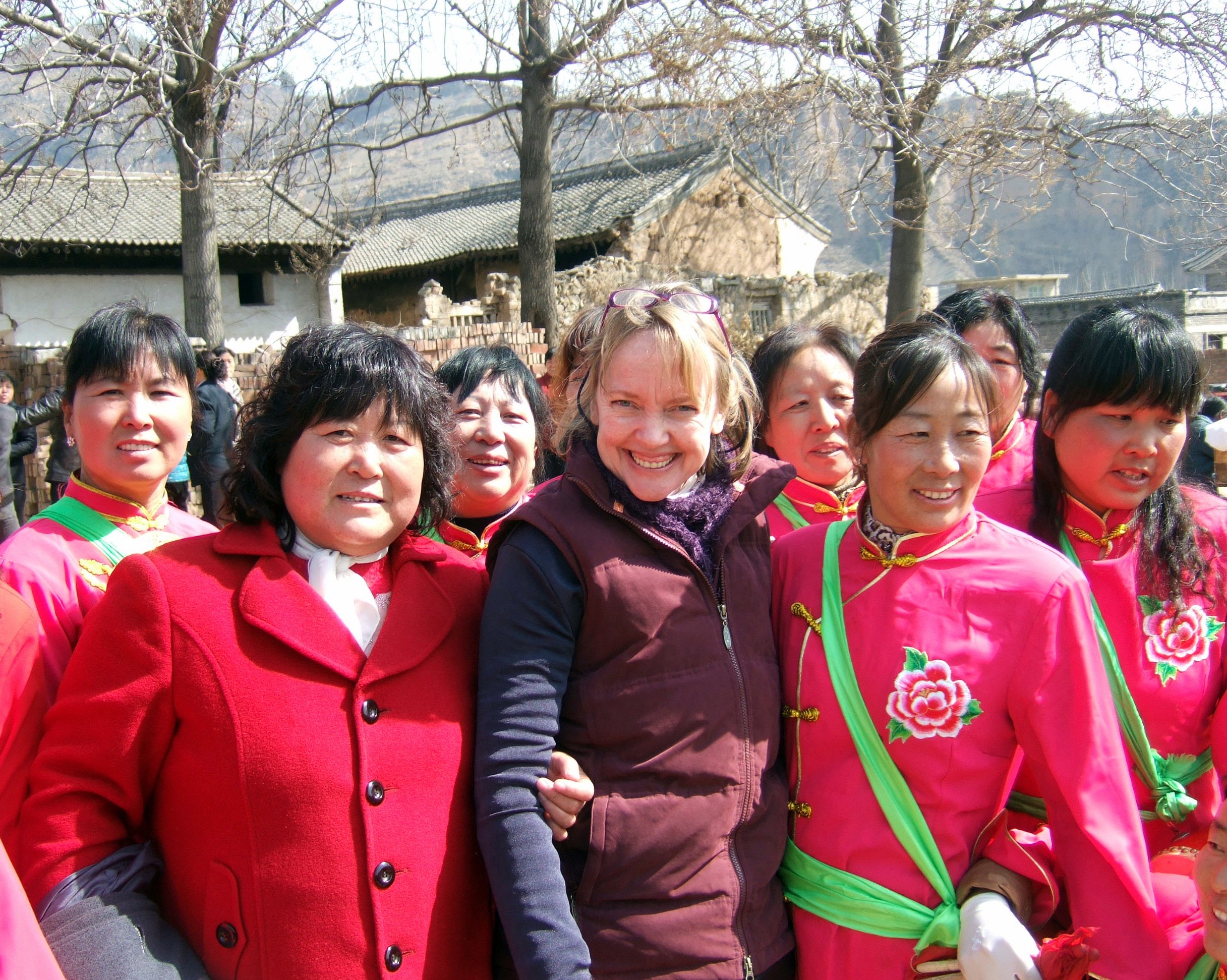
Sophie Neville in China
Sophie Neville about to board the high speed train for Shang’hai

It is like this:  The Amazons, Nancy and Peggy Blackett, who are energetic tomboys living in the Lake District, had lost their father. It goes unsaid, but Peggy very touchingly lets it out in Swallowdale when they find a hidden tin on the peak of Kanchenjunga.  Their mother’s brother, Jim Turner, took them sailing and did things with them with them the first summer but then decided to concentrate on writing his book. Nancy and Peggy feel so rejected they light a firework on the roof of his boat, which enrages him. The Swallows, who know what it was like without a father around, as theirs is in the Navy, travel from afar but somehow manage to come alongside the Amazons and give them a reason to live life to the full. Nancy and Peggy excel – they find life-long friends and do all the things they are meant to do. All sorts of things happen as a result. And the Swallows are challenged and have more fun than if they had ever travelled in a structured way, intent solely on their own enjoyment. They have great adventures and do more things than they ever imagined possible .

Sophie Neville on a Bible Society mission to China

I still go on short term missions. We went to China with the Bible Society one year. It was amazing, a mission of encouragement that Titty would have loved. We met people who had not had European visitors for forty years. They were really excited to know that people in the wider world were interested in their welfare and had come to bring them the word of God. The only Europeans – only white people – they had seen before us were there to make money. It’s shocking, isn’t it?

Swallow in the Secret Harbour

You can read more on this website here or in ‘The Secrets of filming Swallows & Amazons’

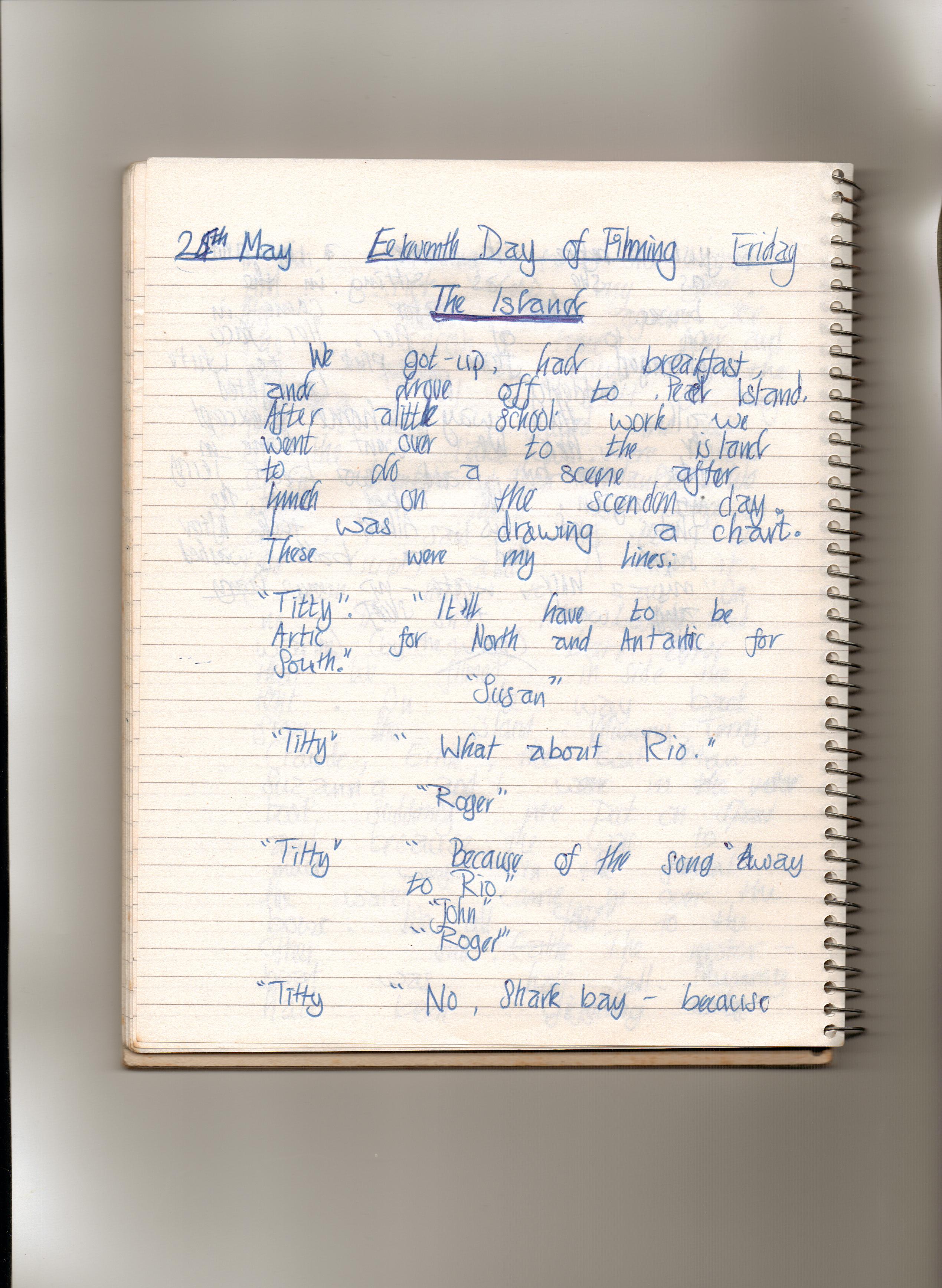
25th May 1973 ~ When I first started drawing maps

Sophie Neville as Titty working on her chart

I did not know it at the time but Titty’s chart had a profound influence on my life.

Titty working on the chart - copyright StudioCanal

I loved drawing the map. I had prepared it earlier with Simon Holland, the Art Director, and always regret pressing too hard. If you look very carefully you can see that I had already written ‘Rio’ and rubbed it out, only to write Rio again when it came to the take.  I also wish that I had been taught the song Away to Rio before this scene as I would had said that line differently. Never mind.

swallows and amazons map tea towel

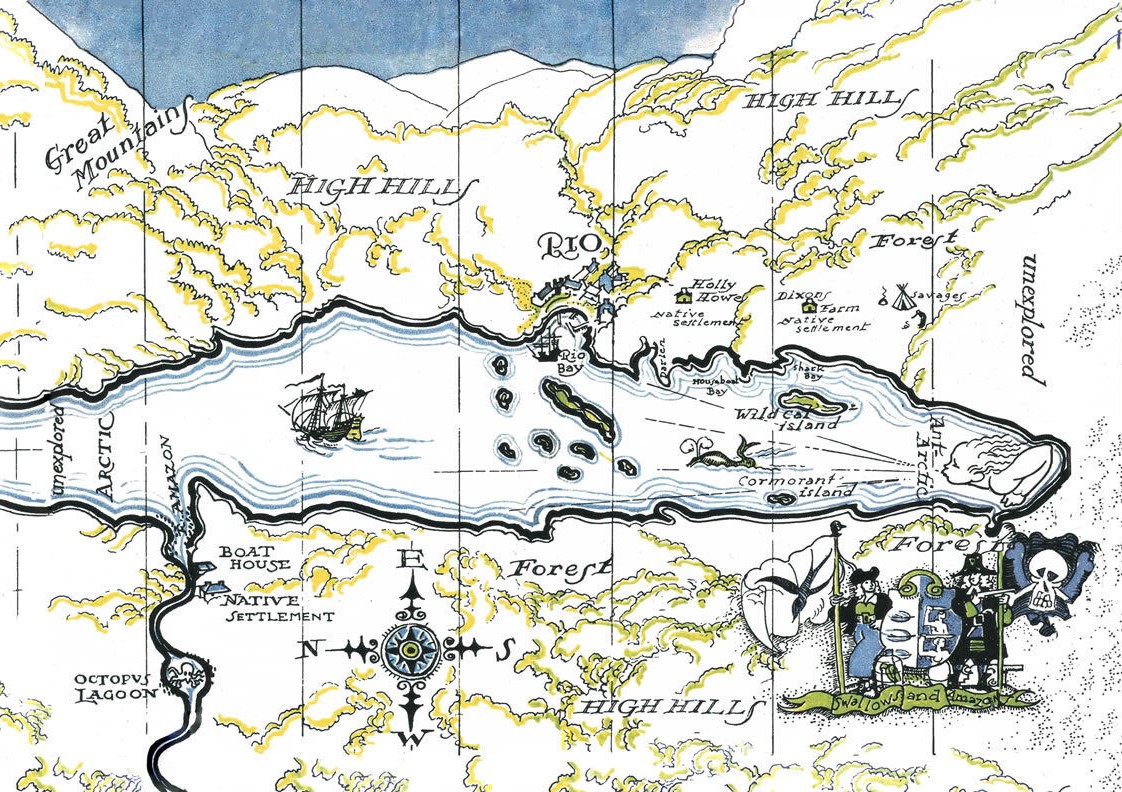
 The map on the end papers of Arthur Ransome’s book of Swallows and Amazons, originally drawn by Steven Spurrier, is an inspiration to millions. I’ve gazed and gazed at it.

When I grew up and went to university, I took a course in cartography that was to stand me in good stead.  In the spring of 1992, I migrated to Southern Africa with the swallows and soon started drawing decorative maps.

colour elephant map

I added small pictures of settlements, trees, animals, and always a compass with a black and white border to give the scale. In the process I was able to explore the most wonderful country. Most of my commissions have been of game reserves or great swathes of Africa.

Macatoo Camp in the Okavango Delta, Botswana
A map by Sophie Neville depicting the area around Macatoo Camp in the Okavango Delta in Botswana where you find wild parrots

I have mapped areas of the Okavango Delta in Botswana and the Waterberg Plateau in South Africa.

Map of Jembisa

I travelled miles to complete one of the Malilangwe Conservation Trust in Zimbabwe and a map showing how to cross the Namib Desert on a horse.

Reit Safaris Horse Trails Map

I’ve mapped Jembisa Game Reserve, Triple B Ranch  and Ongava on the Etosha border. I have also drawn maps of military zones, ski resorts and stately homes.

Map of Four Ashes Hall by Sophie Neville

Some have been for charities such as Save the Rhino Trust, others for books, others for marketing holidays.

Map of Chamonix

They all gave me the excuse to go on living a Swallows and Amazons life, camping in wild places and exploring wilderness areas – uncharted territory.

Horseback Safaris 2 Map

As I expect Titty would have done, I have been writing about these maps and the adventures I had in making them, putting everything together in an illustrated  travel book call Ride the Wings of Morning.

Ride the Wings of Morning by Sophie Neville

I have a couple of very early maps in my first book Funnily Enough. These were just sketched in my diary but one is of Windermere, where I went with my father and the Steam Boat Association, so should be of interest to Arthur Ransome enthusiasts.

A map of Windermere sketched in Sophie Neville’s Diary of 1991 published as the book ‘Funnily Enough’

I have since reproduced some of my own Swallows and Amazons maps on mugs, t-shirts and other items that make useful presents. You can find a selection here.

Swallows and Amazons mugs
Mugs printed with maps used to illustrate Sophie’s books

The mugs are good quality – you can order this one here

I used this map of the Swallows and Amazons locations on the front of the ebook on how we made the film, which has more within. It sells for about £2.99: