‘I Chaperoned Six Film Stars’ – Daphne Neville’s memories of working behind-the-scenes on the 1974 film of ‘Swallows and Amazons’ 49 years ago.

My mother is a squirrel. She arrived at my house, not with nuts, but a large envelope. Amongst other things, this contained the transcript of a piece she wrote almost forty-nine years ago for BBC Radio Bristol, when she presented a programme called ‘Come Alive’.  The four flimsy sheets of copy paper have only just been unearthed, along with a similar article for Woman magazine.

Daphne Neville was commissioned to write about her experience working on the original feature film, Swallows and Amazons, filmed on location in the Lake District in the summer of 1973 and brought to cinemas in 1974. Sold worldwide, has been broadcast on television for the last forty years and was last shown on TV in Australia on Boxing Day.

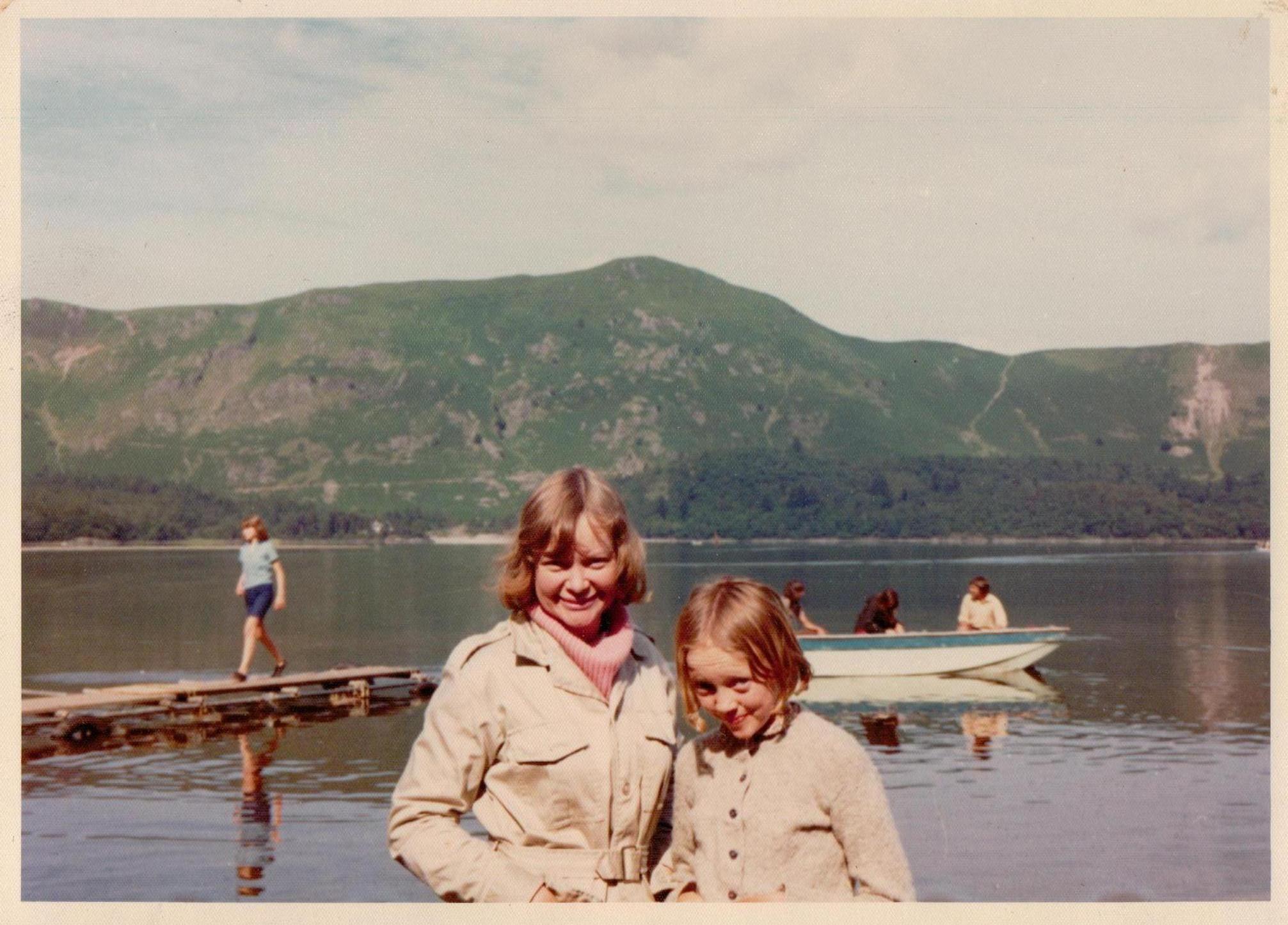
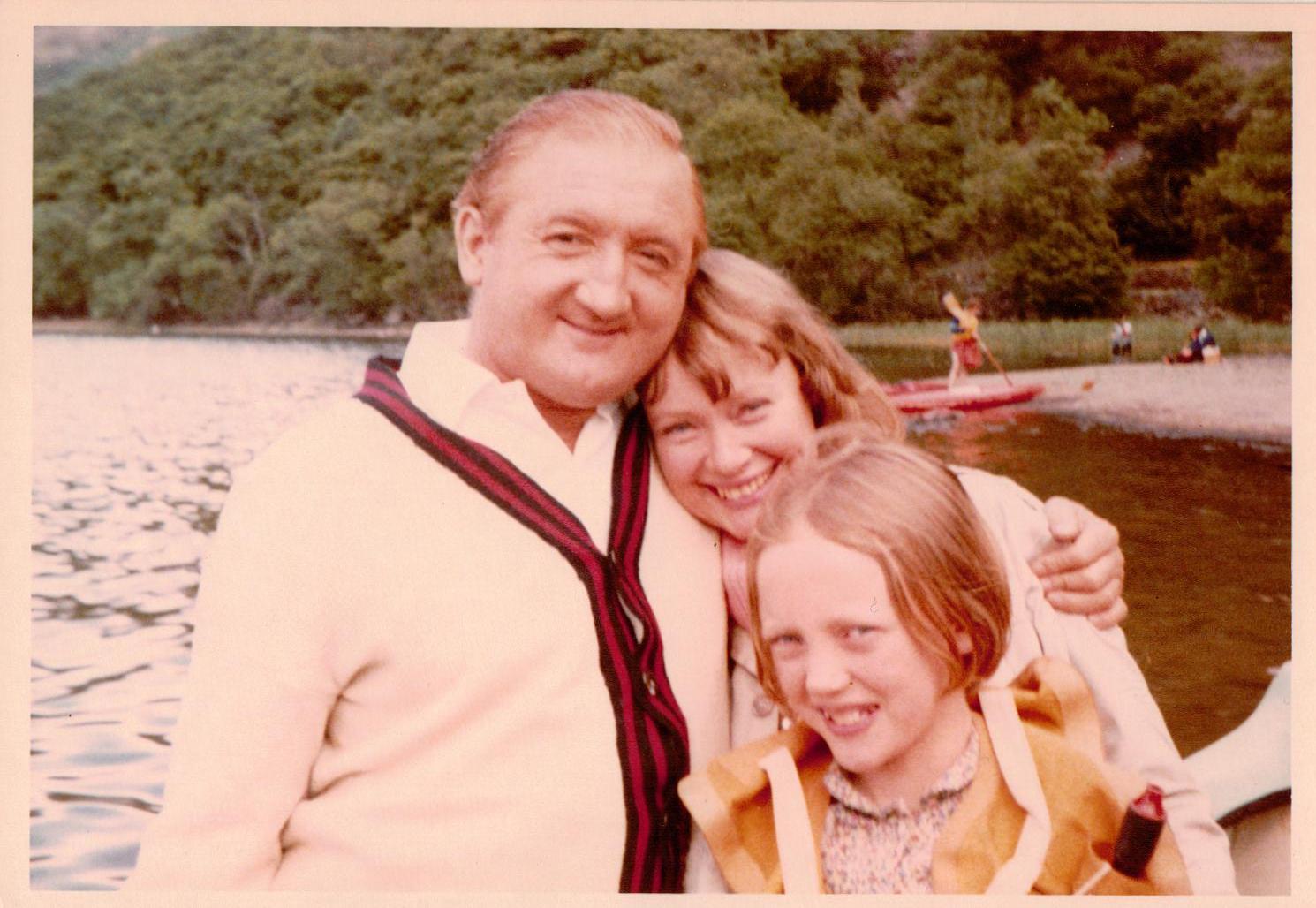
Daphne Neville with Sophie Neville while filming 'Swallows and Amazons' in Cumbria
Daphne Neville with Sophie Neville while filming ‘Swallows and Amazons'(1974)

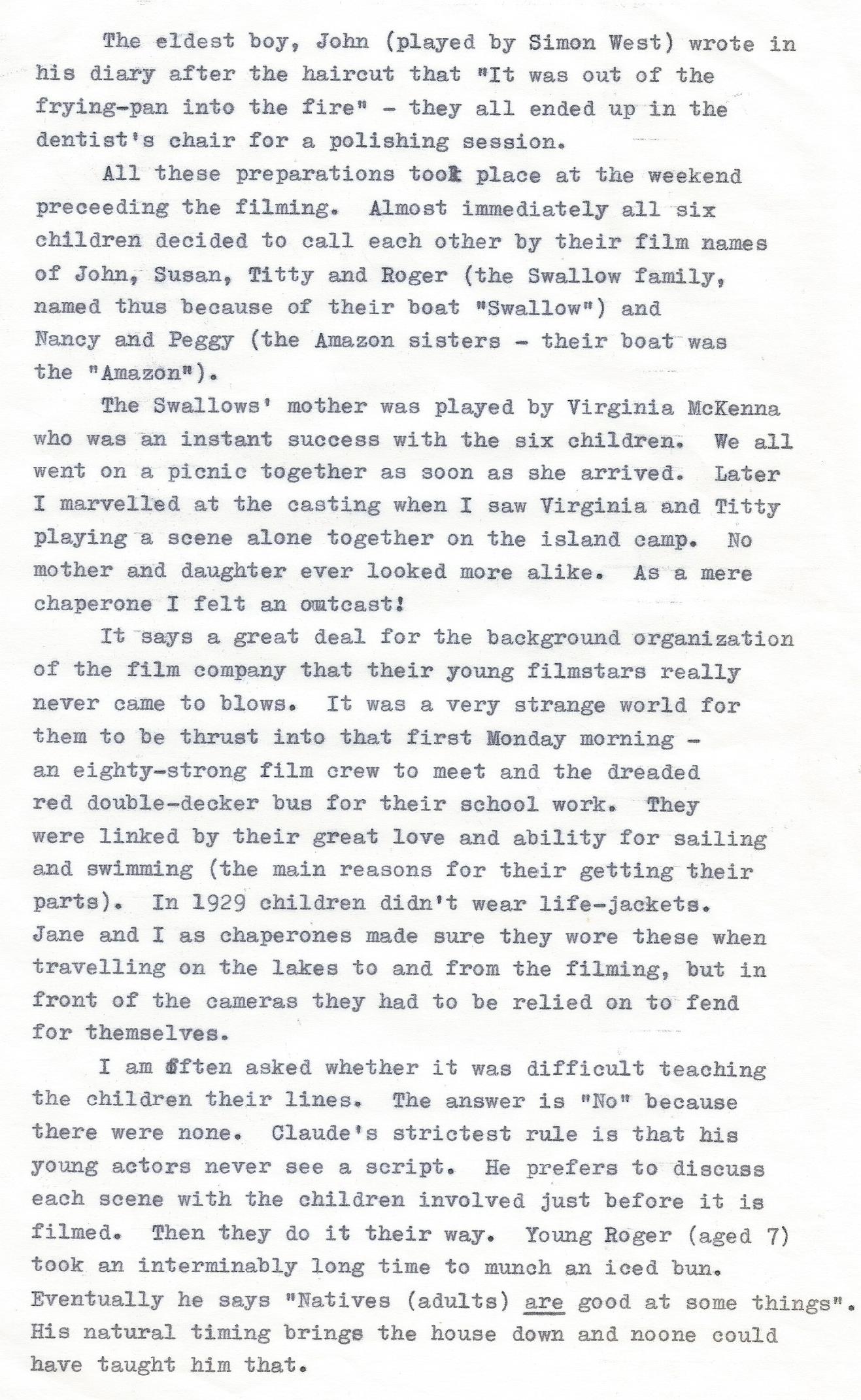
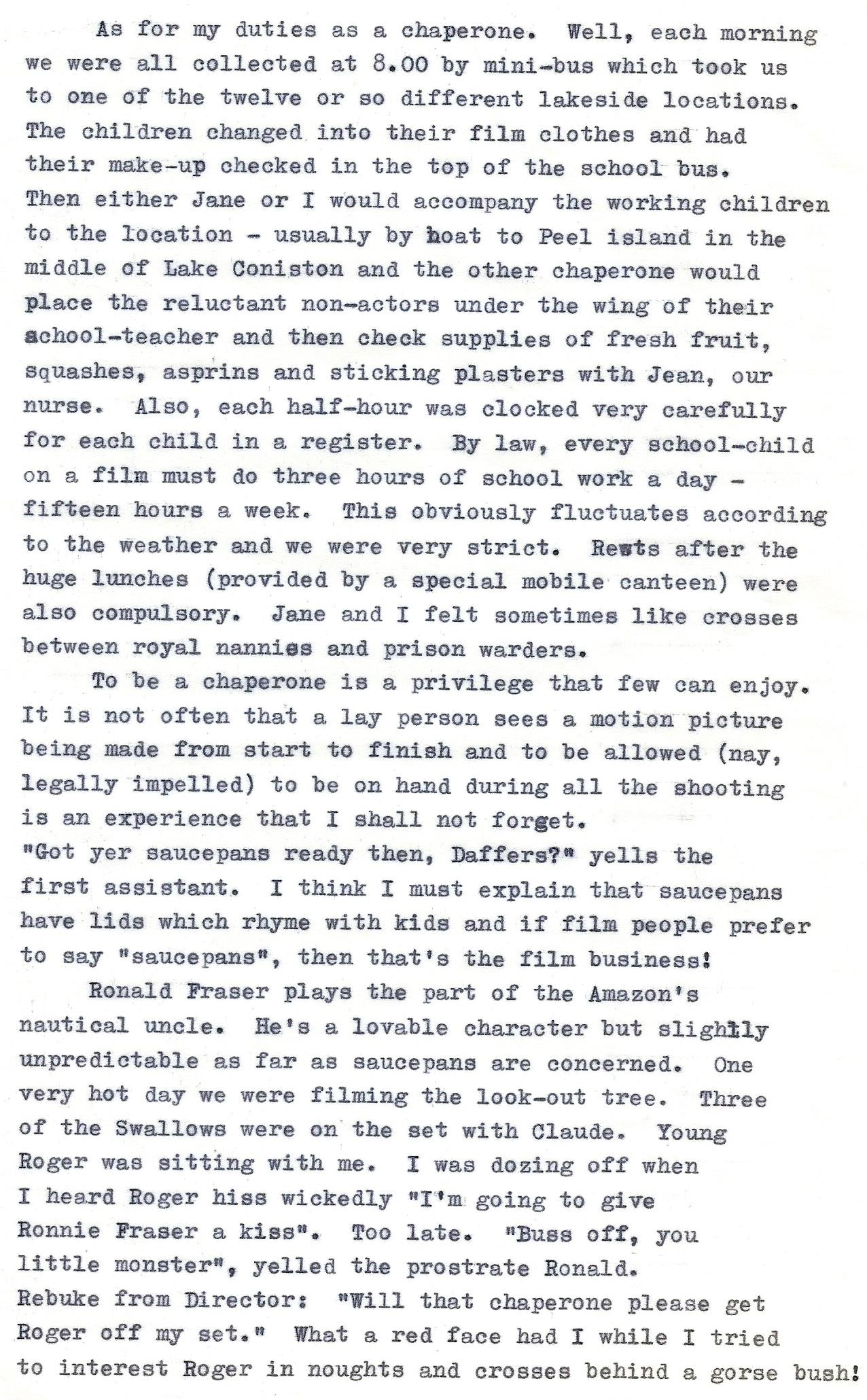
It is interesting to have Mum’s perspective. Some of the details are new to me. She timed this piece for BBC Radio as taking ‘8 minutes’ to read:

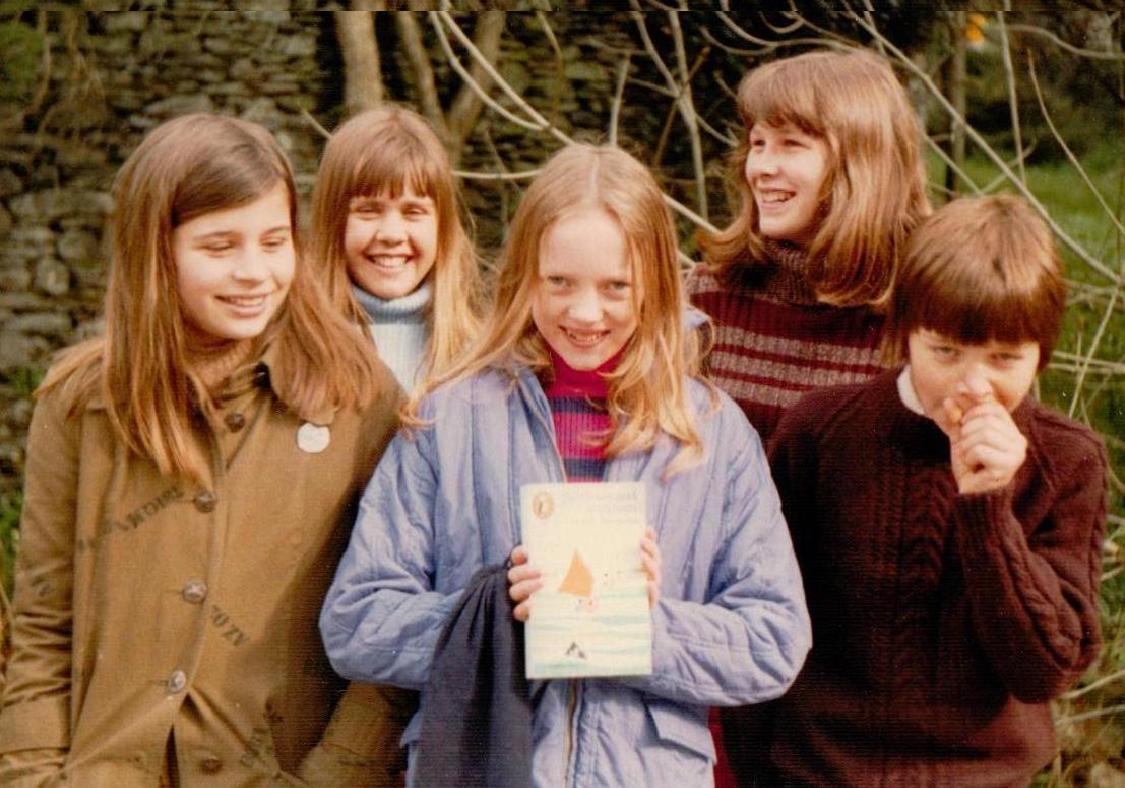
Suzanna Hamilton, Lesley Bennett, Sophie Neville, Kit Seymour and Simon West before their hair was cut for the film ‘Swallows and Amazons’ in 1973

Daphne Neville Chaperone

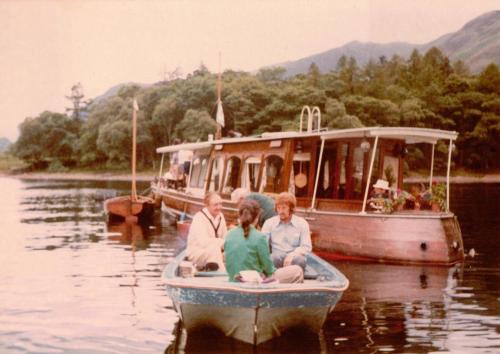
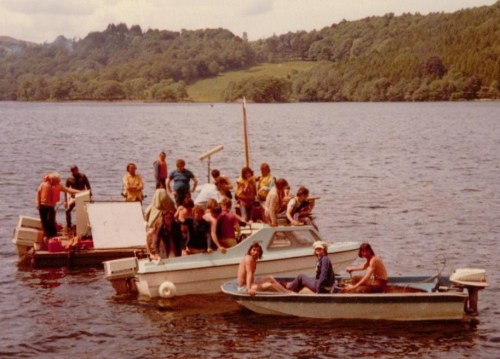
~ On Derwentwater in 1973: Suzannah Hamilton, Kit Seymour, Daphne Neville, Sten Grendon, Simon West, Sophie Neville & Lesley Bennett ~ photo: Martin Neville

'Swallows and Amazons'(1974) Daphne Neville with Stephen Grendon, Suzanna Hamilton, Sophie Neville, fellow chaperone, Jane Grendon and Simon West on location in 1973
Daphne Neville with Stephen Grendon, Suzanna Hamilton, Sophie Neville, fellow chaperone, Jane Grendon and Simon West on location in 1973

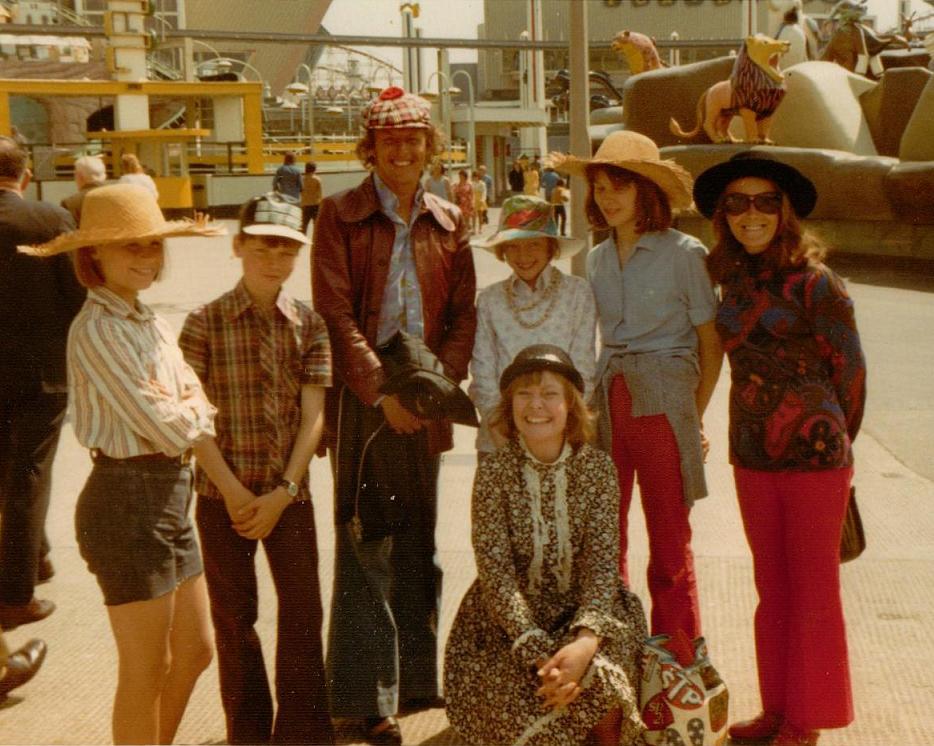
A Day Off in Blackpool - Suzanna Hamliton, Simon West, Claude Whatham Sophie Neville, Kit Seymour, Jean McGill with Daphne Neville kneeling at Blackpool funfair in 1973
Suzanna Hamilton, Simon West, Claude Whatham Sophie Neville, Kit Seymour, Jean McGill with Daphne Neville kneeling at Blackpool fun fair in 1973

But Mum, were we ever ‘Film Stars’?

We scowled at the terminology at the time. Ten years later and I thought of us a merely puppets, marionettes of the director who carefully honed our performances. I can now see the contribution we made when I watch the film, but we were never film stars.

What do I wish? I wish that we’d been able to make a sequel and develop our work more fully. The flip-side of this would have been that any more success, or more publicity, might have stripped us of our anonymity, which is the bain of real film stars. We’d have had to go around wearing sunglasses.

The film star Ronald Fraser with Daphne Neville and Sophie Neville in 1973

If you would like to see what we were filming 49 years ago, on 1st July 1973, please click here.

Do let me know, via the comments below, if you would like to see more archive material. I have the draft of my mother’s article for Woman magazine – it’s a different version of the same but with added detail. She needed permission from Anglo EMI Film Distributors before it could be published. There is also a draft of another radio script and a number of letters. If you would like to see vintage photos of Mum appearing on television herself, please click here
If you would like to read more about our adventures filming ‘Swallows and Amazons’, please click here
You can read the first pages for free here:

Speaking about filming ‘Coot Club’ and ‘The Big Six’ on the Norfolk Broads

Sophie Neville with Titmouse

~Sophie Neville with the star of ‘Coot Club’~

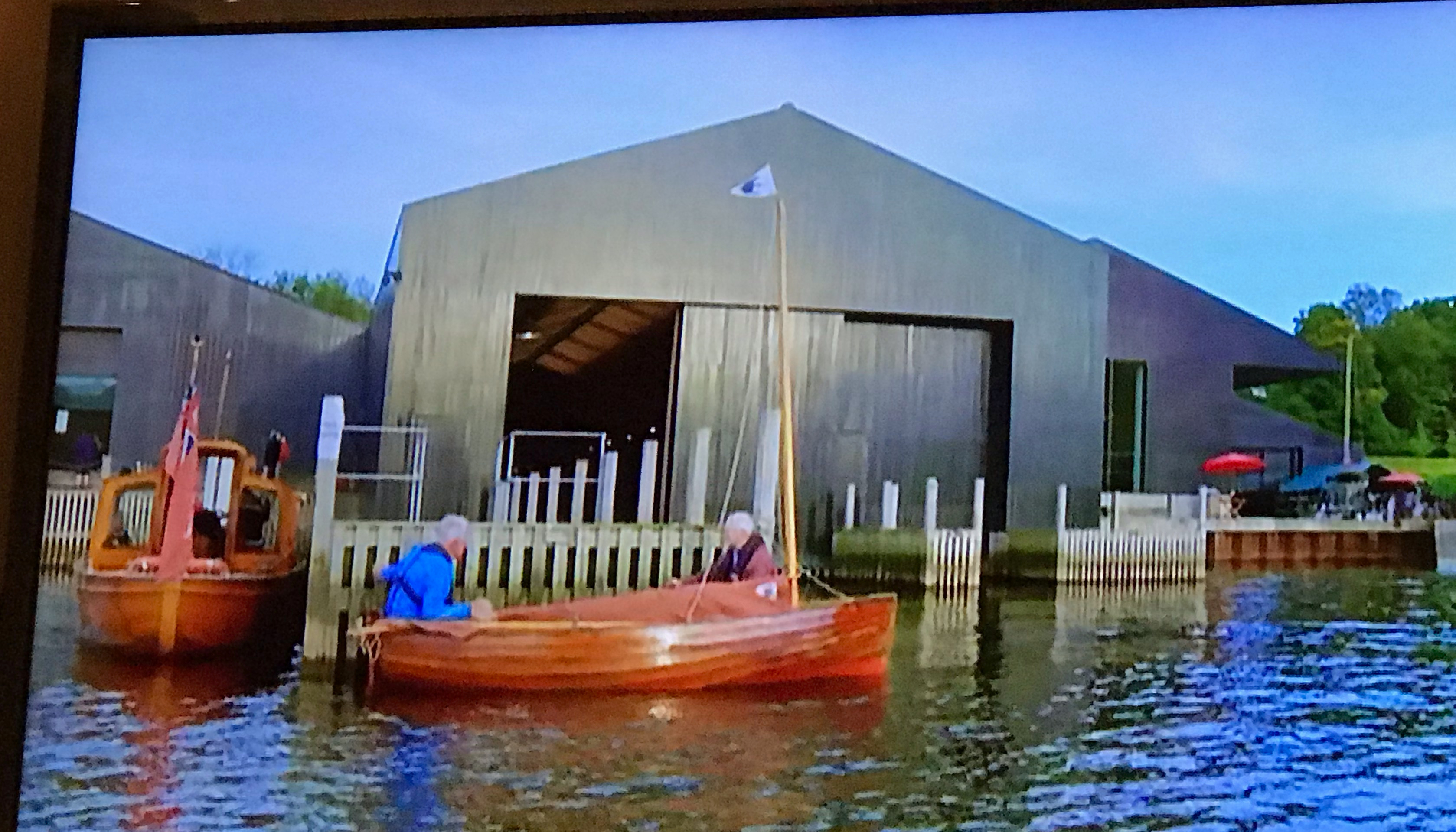
I was invited to talk about making the BBC TV classic serial ‘Coot Club’ and ‘The Big Six’ at the Norfolk Broads Yacht Club to help celebrate their 80th Anniversary. Titmouse, then 1930s dinghy owned by Hunter’s Yard had been brought down from Ludham for the occasion. The bonus was that I was able to go sailing in one of the classic boats gathered at the club for their Open Day.

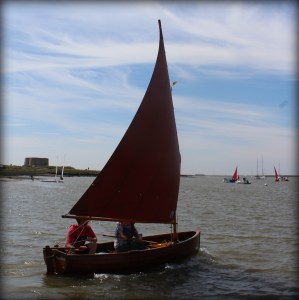
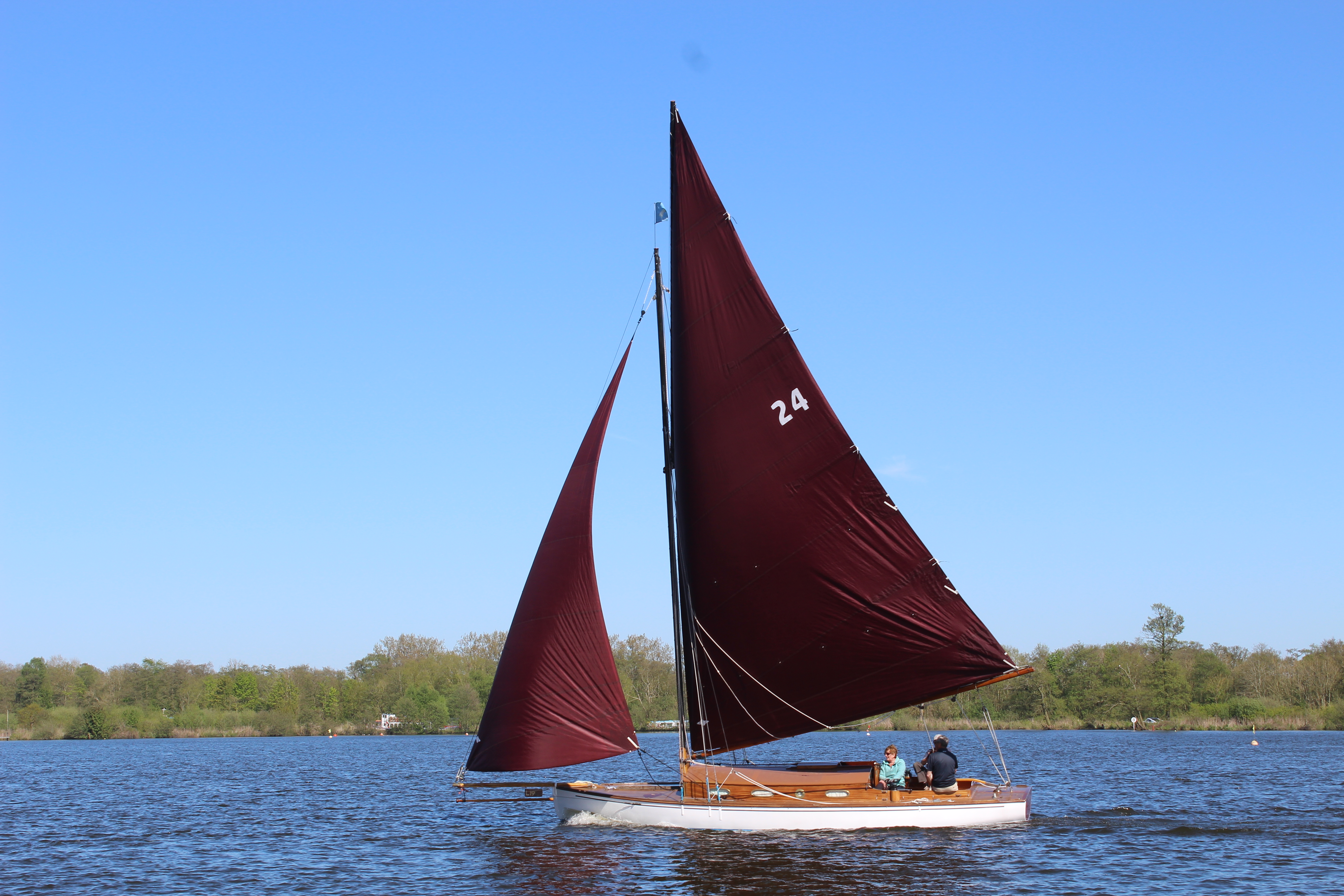
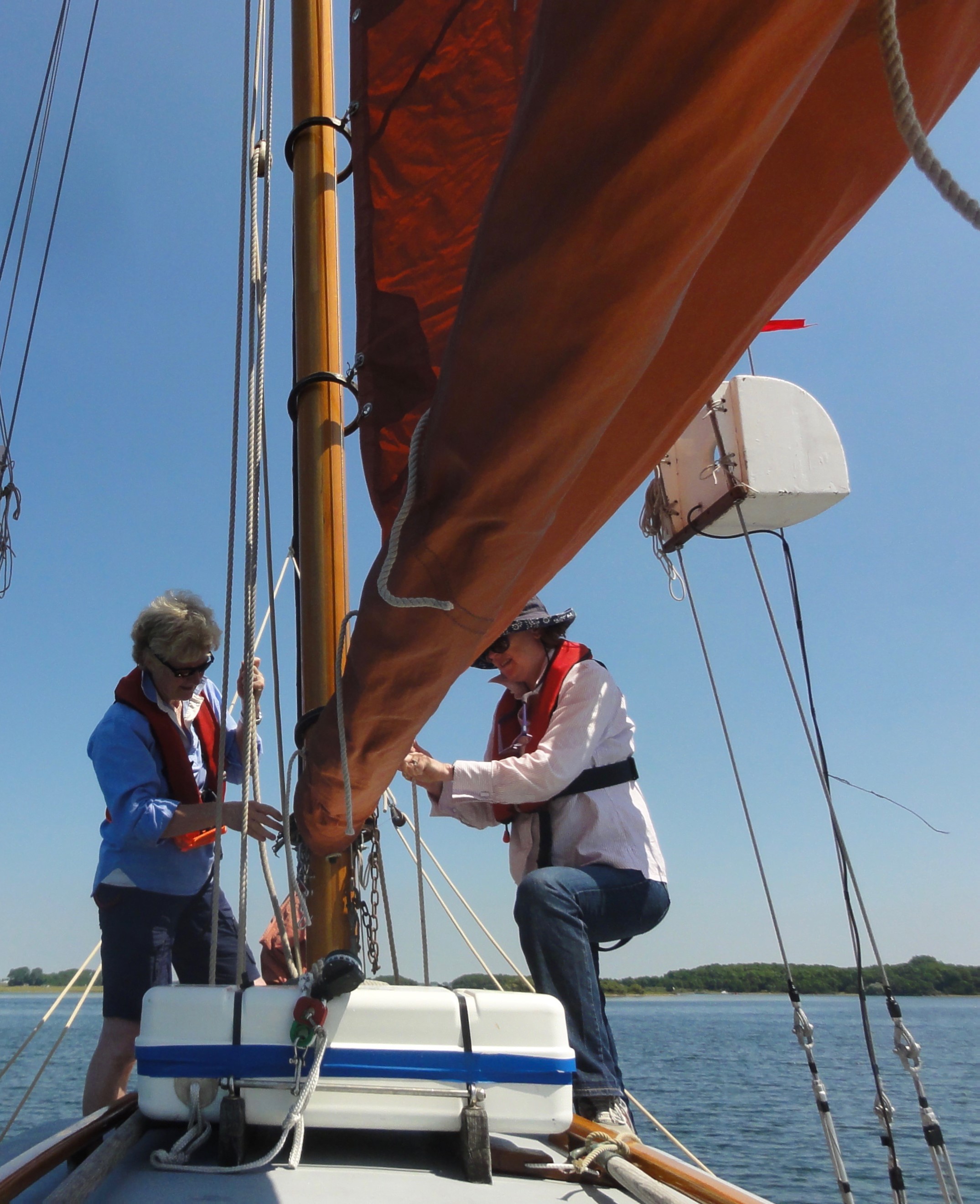
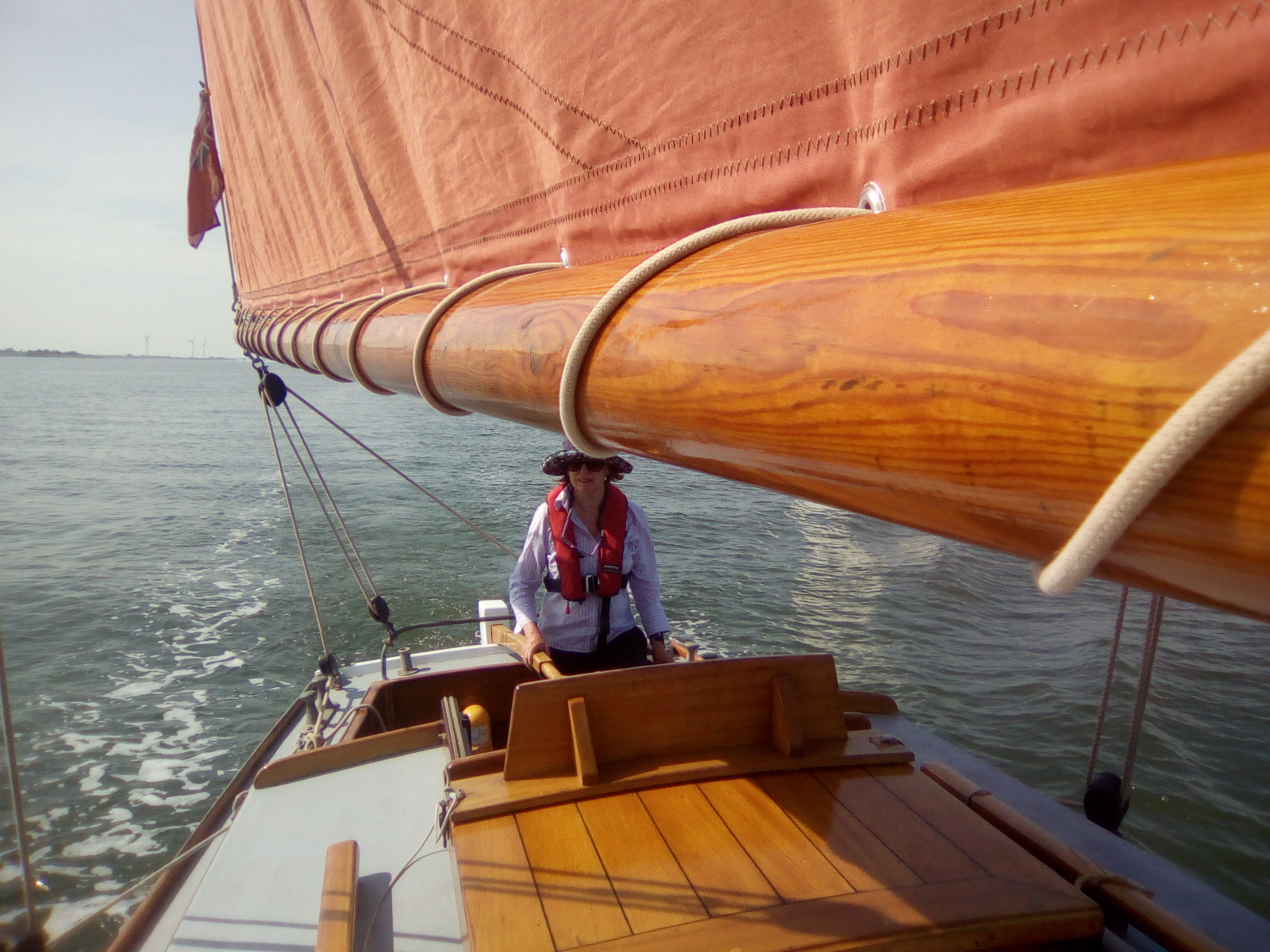
Geoff and Rose Angell kindly took me out on Pippa, their beautiful yacht with brown sails that appeared in ‘The Big Six’. I am sure Arthur Ransome would have loved her.

Back in 1983, I spent nine months working on the BBC production when it had been my job to cast the children and teenagers who appear in the drama, many of whom needed genuine Norfolk accents.

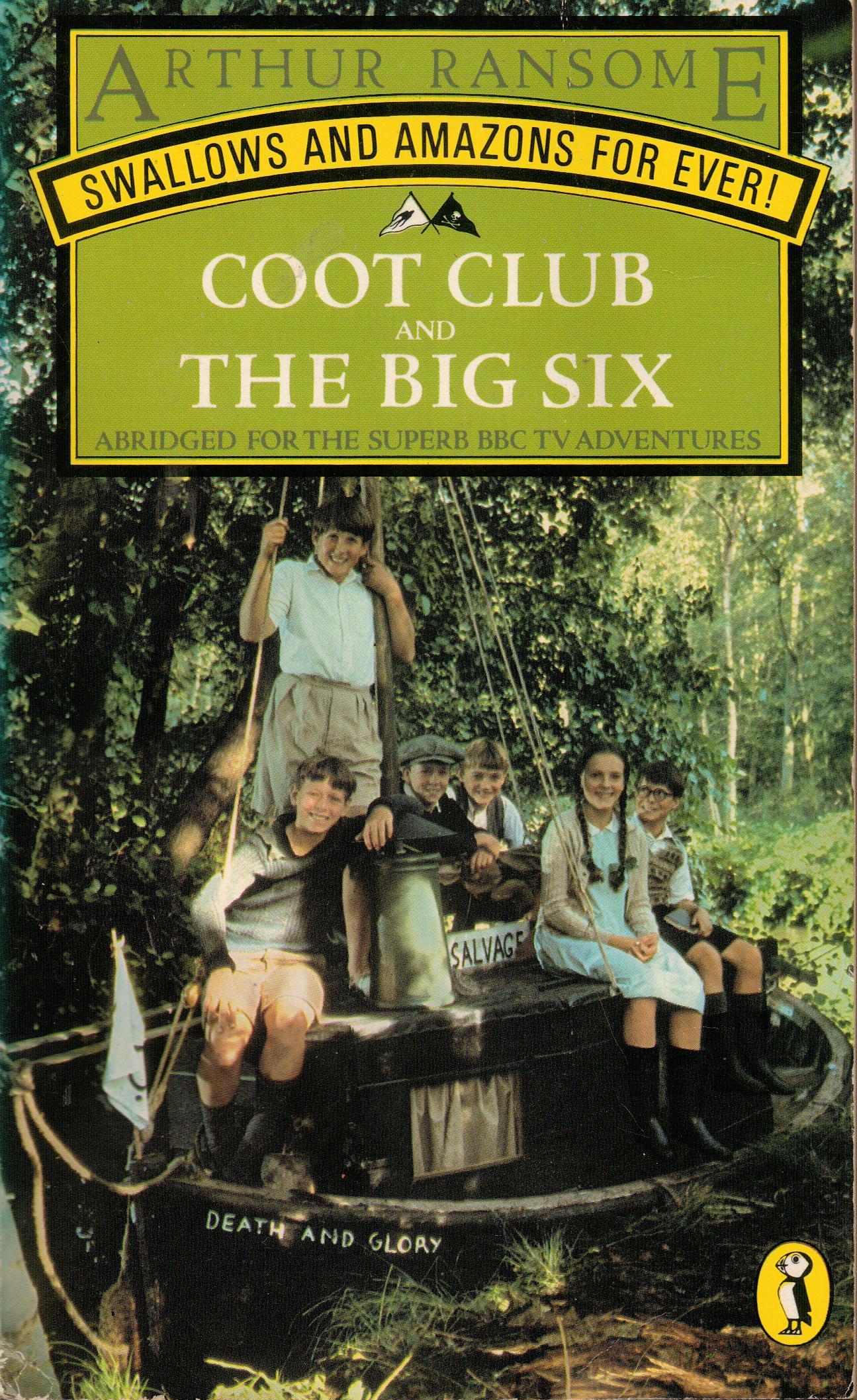
Coot Club - book cover

We had been looking for young actors who could swim well and were able handle boats. We then spent three months filming in East Anglia when I looked after the children and helped rehearse their lines. I set up this shot for the cover of the Puffin paperback that accompanied the series.
~Author Sophie Neville giving a talk at the Norfolk Broads Yacht Club~

At a forum organised after my talk, Pat Simpson from Stalham Yacht Services explained how he found one of the stars of the series – an old lifeboat suitable to play the Death and Glory. She had been brought from where she is kept at Belaugh for the evening. You can see more photographs of her in the previous blog post here.
'The Death and Glory'

Pat provided a number of other vessels for the series including Buttercup and support boats such as the safely boat, a large modern cruiser used as a school room along with another for the costume and make up personnel. He explained that this came as a god-send as boat rentals had not been good that summer. Working on the series was harder than he imagined, ‘We once had to take a boat from Regan to Horning Hall overnight’ but he was pleased that ‘after three months of concentrated work, we got it all done.’

~Robin Richardson~

Robin Richardson, who co-owned Pippa back in 1983, explained how the shot of her being cast adrift was achieved. This wasn’t as easy as first thought as even when Simon Hawes, who was playing George Owdon, flung her stem line on the deck, a gentle breeze was blowing her back against the staithe. ‘Pippa didn’t want to go anywhere’. Robin had to stage the action by throwing out a mud anchor, climbing under her awning and pulling on the line to create the effect of a boat drifting out of control into potential danger. Pippa’s white canvas cover is pulled back here, but you can imagine the scene.

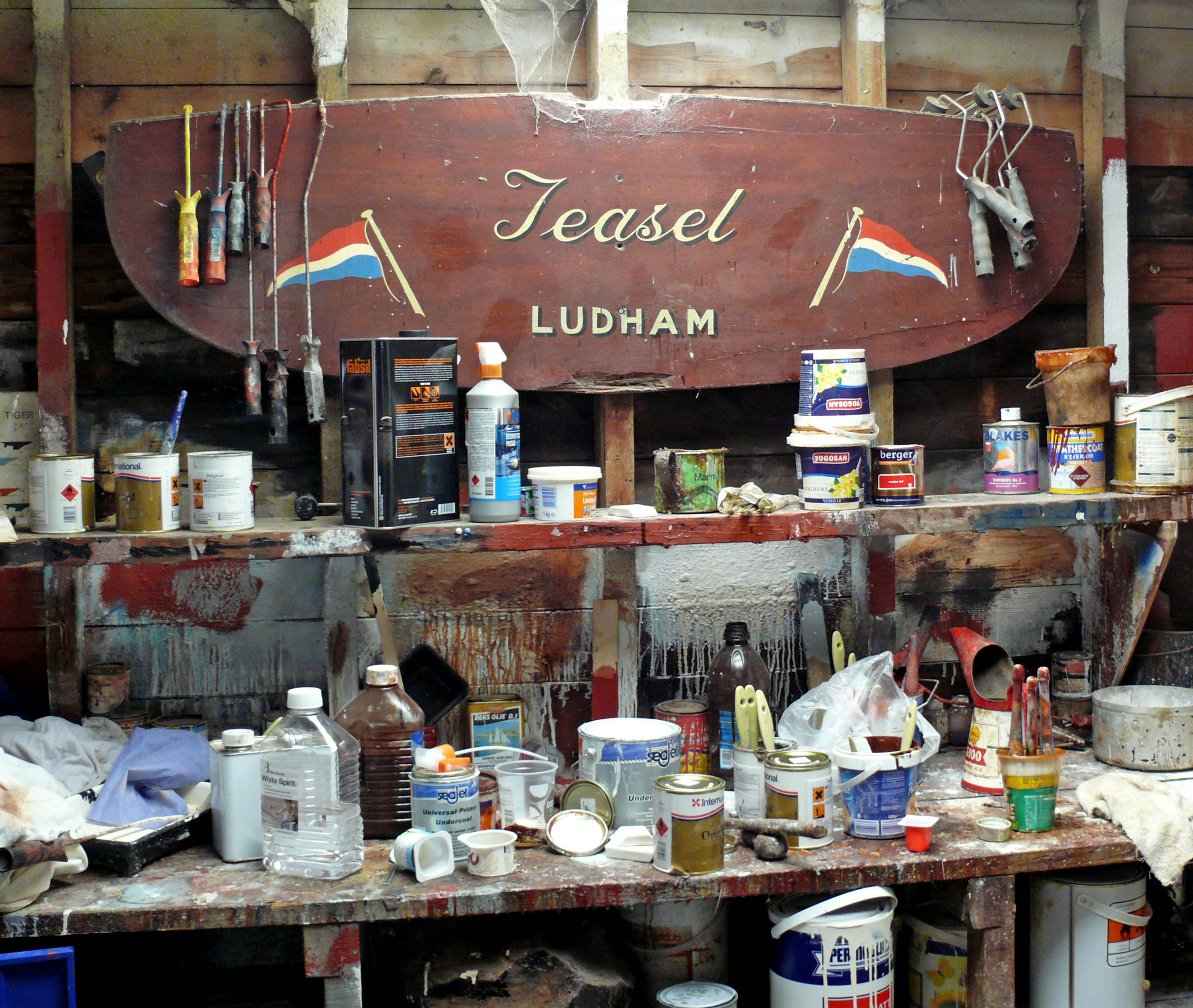
He was on location when Henry Dimbleby, who played Tom Dudgeon, was attempting to tow the Teasel under Potter Heigham bridge. He was rowing Titmouse, pulling hard on the oars but nothing was happening. ‘Stop for lunch,’ Robin advised the director, ‘and the tide will turn.’ This they did, and Henry we able to row under the bridge, towing the Teasel quite easily. Hunter’s Yard, who own Lullaby, who played the Teasle, could not bring her down for the weekend as she had been leased out with other boats, but they sent her transom, painted with her stage name.

'TEASEL'

Robin Richardson owns the ‘Slipstream’ class dinghy called Spindrift who played Shooting Star in the serial. She was built by her father but couldn’t be with us as they were not able to complete her winter maintenance in time but Richard Hattersley said she came tenth in this year’s Three Rivers race when only 15 of the 98 entries actually finished. It’s a 24 hour endurance challenge, which they completed despite light winds. He sent me this shot, ‘of her battling it out with much larger Thames A Raters.’

I was shown a wonderful black and white photograph of the vessel used to play the Cachalot. She was skippered in the series by the film actor Sam Kelly in the role of the unnamed pike fishermen who the Death and Glory boys simply called ‘Sir’. She is seen here with John Boswell, her real owner who has sadly passed away. His son, the artist Patrick Boswell, brought along an album of behind-the-scenes photos.

The theme of the weekend was ‘Boats of the 1930s’. I explained how Swallow, the dinghy used in the original film ‘Swallows and Amazons’ originally came from Burnham-on-Sea where she was made by W. King and Sons to be used as a run-a-round boat. She was stabilised by a keel that ran the length of the hull, as Ransome described. It makes her rather difficult to turn. You can sail her today and is in the Lake District right now. Please see Sailransome for details.

There was quite a bit of interest in memorabilia from the original movie ‘Swallows and Amazons’. I bought along the white elephant flag captured from Captain Flint’s houseboat in the 1974 film, which was approved by a young Amazon pirate.

After a celebratory dinner, David and Nicky Talbot invited me to spend the night in the comfortable for’ard cabin of Kingfisher, a 1970’s motor yacht moored at the club.

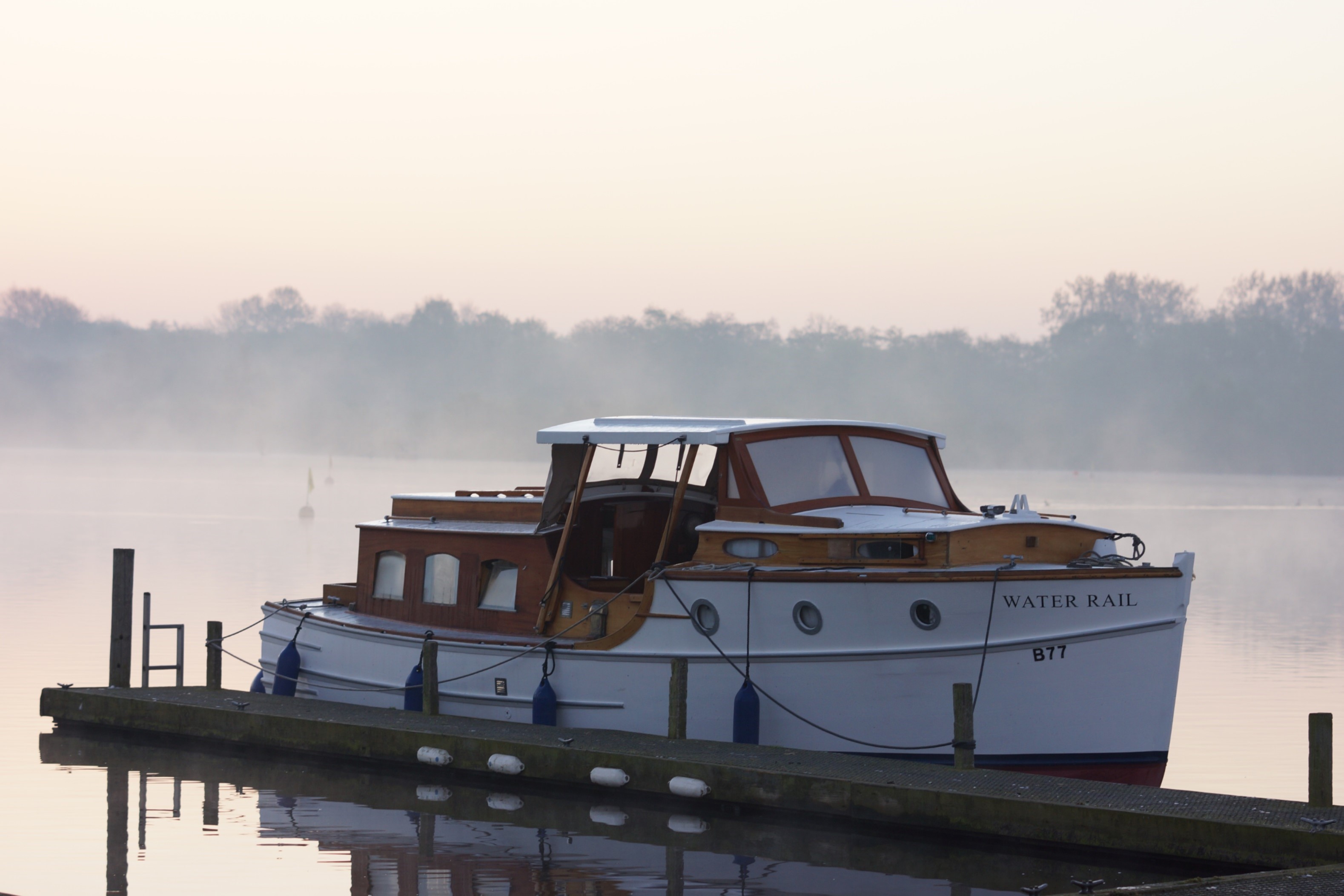
I woke early on the Sunday morning to find mist hanging above the water as the sun was rising on what proved to be another sunny day with a fair wind for sailing.

After breakfast aboard, I was invited out in the 1930s river cruiser ‘Water Rail’, who had also appeared in the serial. We took her down the River Bure to her mooring in Horning where she is still part of the scene.

It was wonderful to be out on the waterways of Norfolk, passing traditional buildings. This was a stretch of river never featured in the television drama as Rosemary Leach, who played Mrs Barrable, took Dick and Dorothea from Wroxham to Horning in a trap pulled by Rufus the pony. One reason for this was that in 1983 we had to use the North Norfolk Steam Railway, since Wroxham Station had been modernised but Joe Waters, the producer, said he wanted to add variety by featuring a pony rather than a motorboat.

IMG_6885

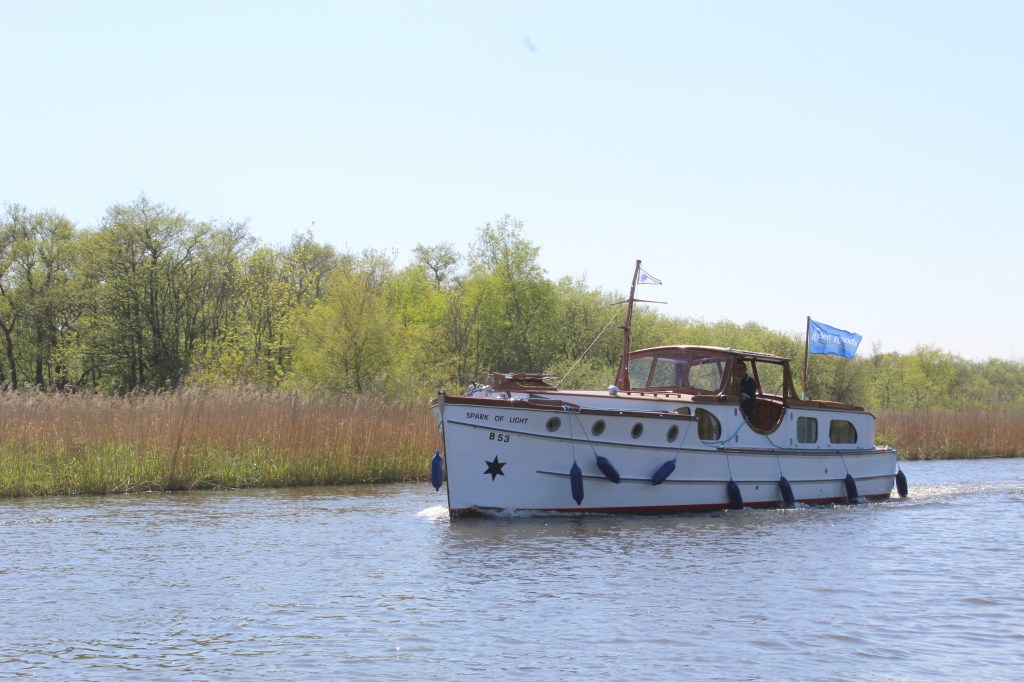
We encountered a number of period cruisers, although Janca, who we used to play the Hullabaloos’ Margoletta, sadly could not be with us, as she is still under repair.

IMG_6912

However, by motoring into Horning ourselves, we passed The Swan Inn and Horning Staithe where a number of scenes had been shot, including some that featured Julian Fellowes and Sarah Crowden, playing the hated Hullabaloos. You can see photographs of them in an earlier post here.

~Horning Staithe in Norfolk showing The Swan Inn~

Another vessel that interested me was a river launch that reminded me of the 1901 steamboat Daffodil, which I renovated with my father in 1978. I have photographs of her here.

IMG_6903

You can read more about the traditional boats used in the series by clicking here.

Gerry Spiller, has written from Woodbridge in Suffolk, to say that she has found an oar labelled TITMOUSE, bought at a boat jumble. Could this date from the early 1930? Does anyone have the pair?

Blade labelled TITMOUSE

The DVD of the serial is now available on a re-mastered DVD, available from Amazon here

(Do not be tempted by the old version with a more colourful cover as the image quality is very poor)

Swallows and Amazons Forever
Swallows And Amazons Forever! (Coot Club & The Big Six) SPECIAL EDITION [DVD]
Additional photographs by Richard Hattersly

Sailing the Nancy Blackett in Dutch waters – part two

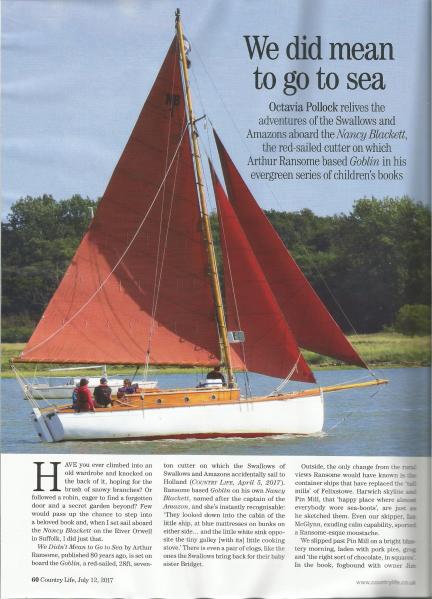
Nancy Blackett, the 28 foot cutter that Arthur Ransome bought with Spanish gold, as he called his royalties from ‘Swallows and Amazons’, is an old lady now. Built by Hillyards of Littlehampton in 1931, she turns eighty-five this year and yet looks pristine. If you ever wanted to sail the Goblin in ‘We Did Mean To Go To Sea’ you must know that it was Nancy who took this starring role in Ransome’s novel, first published eighty years ago.
Nancy Balckett in Middleburg photo Sophie Neville
Nancy Blackett
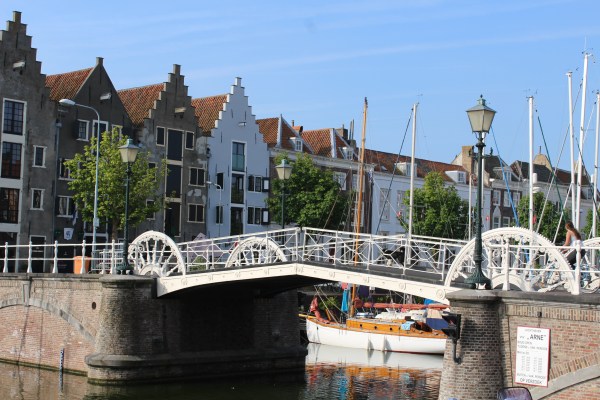
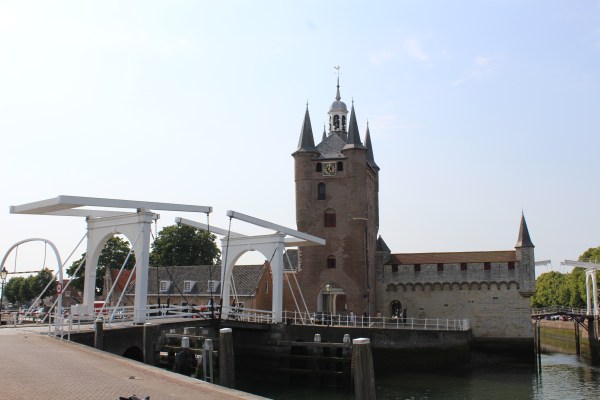
I arrived in the Netherlands this summer to find Nancy receiving visitors at a nautical festival in Midddleburg, while a jazz band played on the quay.  She was moored by a lifting bridge in the centre of town, neatly rigged and ready for anything. After taking a look at a number of old gaffers, her crew enjoyed a cold beer and walked down the canal to vittel-up at a supermarket before having dinner in what was once a packing house for silks and spices imported from the East Indies.
Nancy seen through the bridge in Middleburg
Nancy seen through the swing bridge in Middleburg
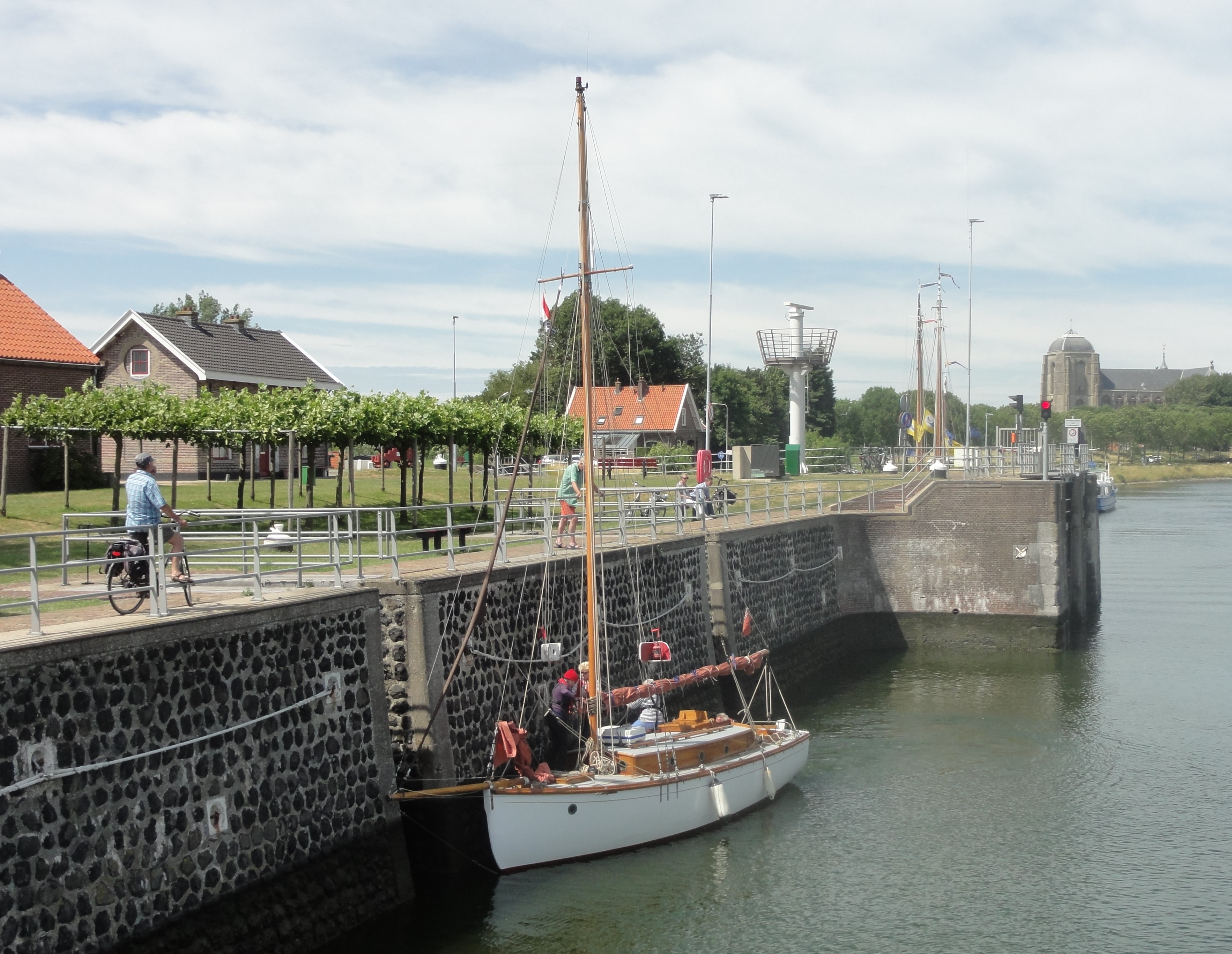
As the swing bridge rose the next morning, we made way and motored down the wide canal to Veere, mooring up by the grassy port bank. 
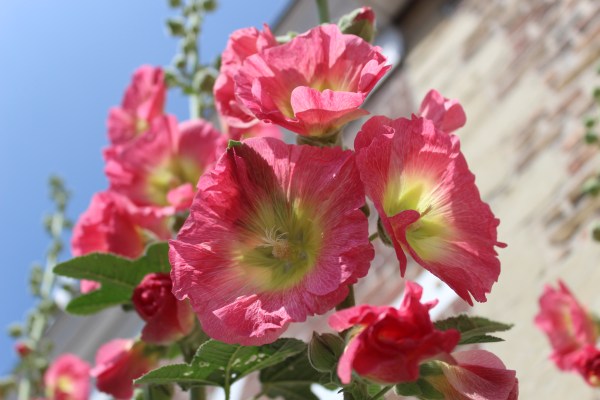
Hollyhocks of Veere
Hollyhocks of Veere
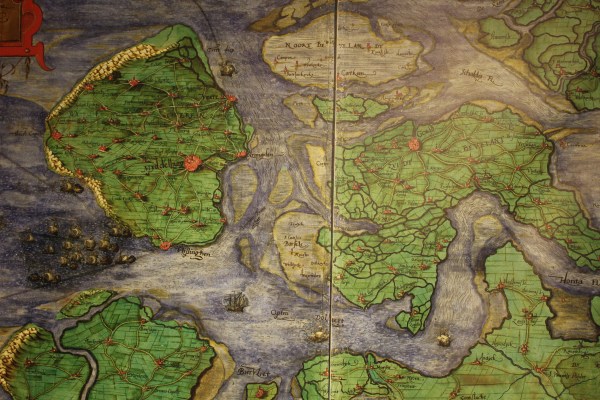
After being granted permission to go ashore, I passed the historic town well and walked down lanes bordered by hollyhocks to visit the museums of this ancient port. They house a number of charts and medieval maps that would have delighted the Swallows, along with old photographs of Dutch natives in traditional dress. I was tempted to buy a pair of clogs to take home for Bridget.
The waterways of Zeeland
We left Veere to explore the islands and creeks of the Veersemeer before sailing down-channel and through a modern lock into the Oosterschelde estuary formed by the River Scheldt. It was once an important shipping route that bought wealth to the Netherlands but is quieter now. I spotted a seal and watched a cormorant swallow a large eel, that wriggled and jiggled inside its gullet.
Windmill of Zeeland
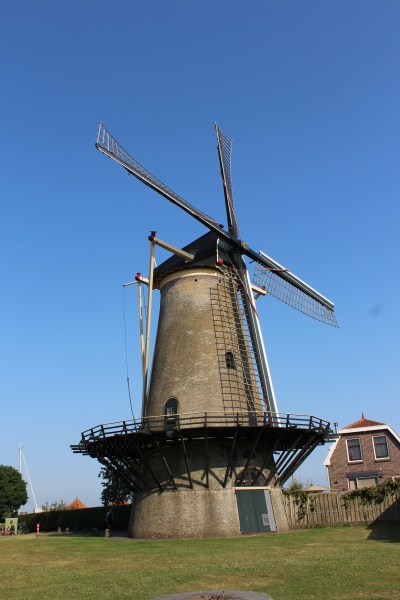
A windmill of Zierikzee
After negotiating the impressive Zeelandbrug that spans the delta, we sailed down to Zierikzee where you can climb the church tower, if you dare, and look out across the once fortified town. The windmills, ornate spires and ancient buildings help one to imagine what life must have been like in the 1500s when it became famous as a trading centre for salt and madder. I found scold’s stones and a whaler’s kayak from Greenland at the Stadhuis Museum in Zierikzee where Veronica Frenks was once the curator.
IMG_4902
The lock gates of Zierikzee
Our skipper, Ian McGlynn, wondered if we could sail back under an arch of the Zeelandbrug instead of waiting for one section of the road to lift. Built between 1963 and 1965 the Zeeland Bridge is more than five kilometres long and hardly comparable to the arch of Potter Heigham but Mate Judy Taylor didn’t want to take any risks. We had Nancy’s new mast to consider.
SONY DSC
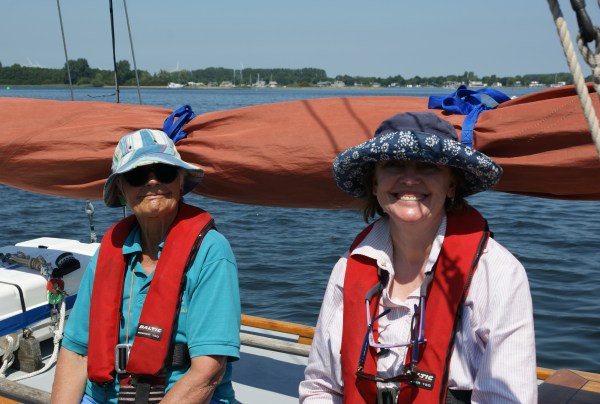
Crewing the Nancy Blackett
It was only on our last evening-but-one that rain hit us. We’d had blue skies and sunshine all week. As the salt water was washed away from Nancy’s portholes I opened the pages of ‘We Didn’t Mean To Go To Sea’ to find Ransome’s illustrations and read the final passages of the Swallows’ unplanned voyage to Holland. The book is eighty years old this year and yet moves me still. There is Nancy, portrayed as the Goblin moored up in a foreign port, which is where we left her to be enjoyed by other members of the Nancy Blackett Trust.
SONY DSC
Nancy Blackett in Zeeland
 A marathon reading of ‘We Didn’t Mean To Go To Sea’ is planned, to celebrate the 80 year anniversary of its publication, at Pin Mill Sailing Club on the Orwell in Suffolk on Saturday 21st October 2017.
Pin Mill from the Water
To read more about Nancy or join the Nancy Blackett Trust please click here
Nancy has been featured by Country Life in a July issue you can read here
.
We Did Mean To Go To Sea by Octavia Pollock

Sailing the Nancy Blackett in the Netherlands – part one

One summer, I grabbed the chance to sail Arthur Ransome’s favourite little ship, the Nancy Blackett.

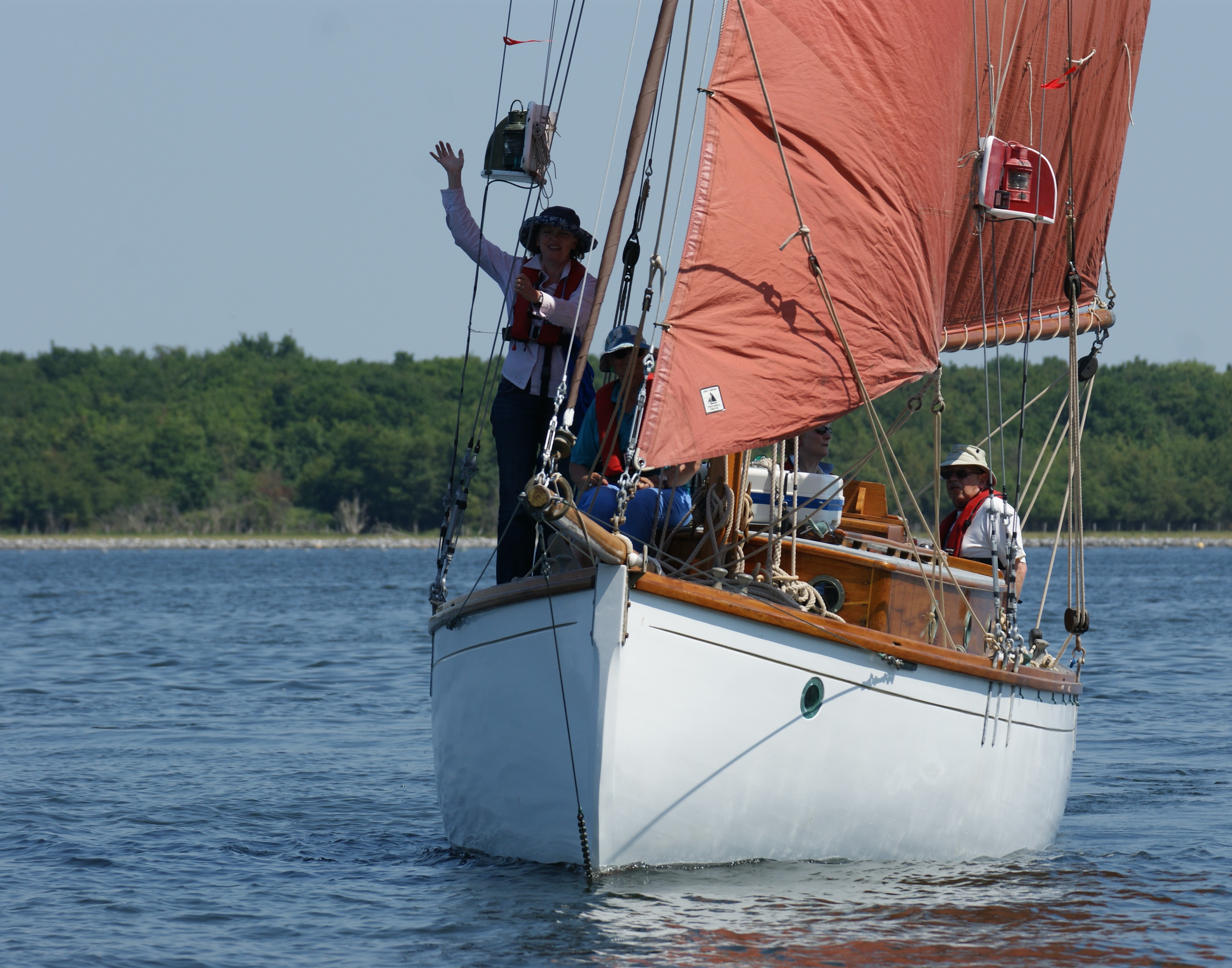
   ~ Nancy Blackett under sail on the Veersemeer in Zeeland this June ~

If you recognise her, it might be because she was his model for the Goblin in ‘We Didn’t Mean To Go To Sea‘, possibly the most exciting and touching of the Swallows and Amazons series of books. I re-read it while we were in Dutch waters aboard the main character herself.


~ Beach End Buoy at the mouth of the River Orwell in Suffolk ~

In the story, the Swallows – John, Susan, Titty and Roger Walker – promise their mother that they will not go to sea, but disaster strikes when the Goblin slips her anchor in thick fog, while her owner is ashore, and gets swept out past the Beach End Buoy at Harwich. The wind rises and the children find themselves sailing across the North Sea in a terrific storm before a friendly Dutch pilot guides them into Flushing.

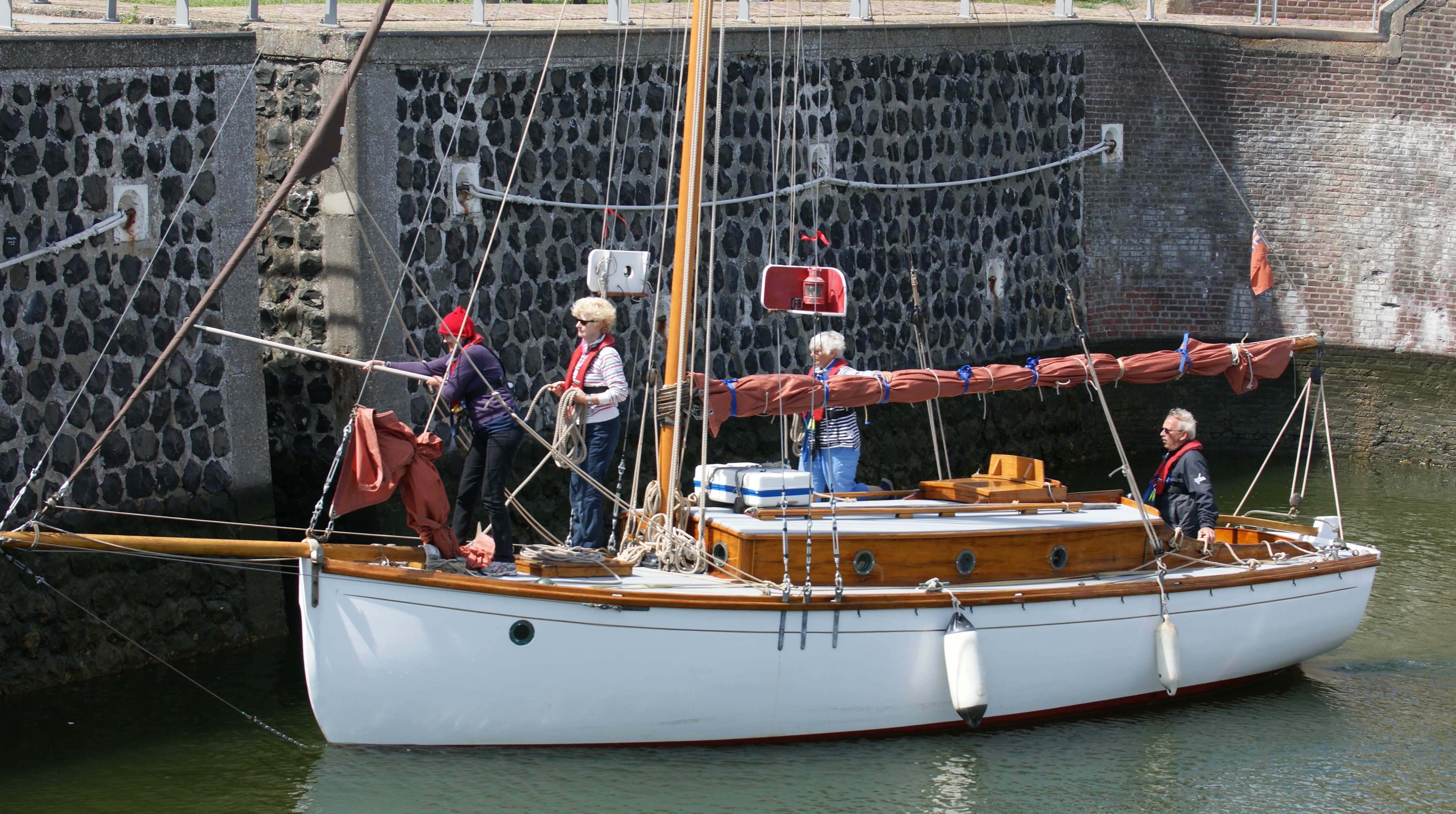
~ Nancy in the old lock at near the medieval port of Veere ~

I was able to join Nancy when she had already made the crossing to the Netherlands but did take her through an old lock built in the same style as the one the Swallows encountered, all be it at the other end of the Dutch canal. It was as if we had sailed into the pages of the book and lived out the adventure ourselves, learning about ropes and reefing each nautical mile.

Mooring up could be tricky, especially since Nancy is an old lady with a bow-sprit, but unlike Susan and Titty, I never felt sea-sick for a moment.

~ Learning how to hoist the mainsail ~

~ The Nancy Balckett undersail on the Veersemeer in the Netherlands ~

~ Sophie sailing in salt water ~

~ Keeping a look out for Dutch barges ~

Local author Veronica Frenks came out one morning, taking us up a creek to see the traditional Dutch barges and historic ships that she often writes about. She soon made plans to write about Arthur Ransome for Spiegel der Zeilvaart, a Dutch periodical. Here she is with me, at the helm:

To read about sailing Nancy on the River Orwell in Suffolk, where she is based. please click here.

To read about sailing Nancy on the Beaulieu River and the Solent, please click here

If you would like to grab a chance to sail Nancy or find out more about the Nancy Blackett Trust, please click here

SONY DSC
photographs by Veronica Frenks of Ma Plume, Judy Taylor and Sophie Neville

The Arthur Ransome Jamboree at Pin Mill in Suffolk

Arthur Ransome Pin Mill Jamboree

One year, not so very long ago, members of the Nancy Blackett Trust hosted an Arthur Ransome Jamboree at Pin Mill in Suffolk. It was a day to remember.

Pin Mill from the Water

Although Ransome is remembered for his ‘Swallows and Amazons’ books set in the Lake District, he moved to the east coast of Suffolk in 1935 where he set a number of other books in the series. It seemed fitting to mark the 80th anniversary of the publication of his inspirational sailing book ‘We Didn’t Mean to Go to Sea’ that begins at Pin Mill.

Sophie Neville with Nancy Blackett

It is possible go aboard the Goblin, since she was modelled on Ransome’s own favourite little yacht, the Nancy Blackett. I joined her at The Royal Harwich Yacht Club where she was moored alongside Peter Duck one of his other much-loved yachts, named after the adventurous book he wrote that begins in Lowestoft. I met up with Octavia Pollock, a feature writer from Country Life, and walked down the riverside to enjoy supper at the Butt and Oyster in Pin Mill where Ransome himself often ate.

Map of the Jamboree

Soon after leaving university, I worked behind the camera on the BBC TV adaptations of ‘Coot Club’ and ‘The Big Six’, Ransome’s two books set on the Norfolk Broads, in which the Coots also visit Beccles in Suffolk.

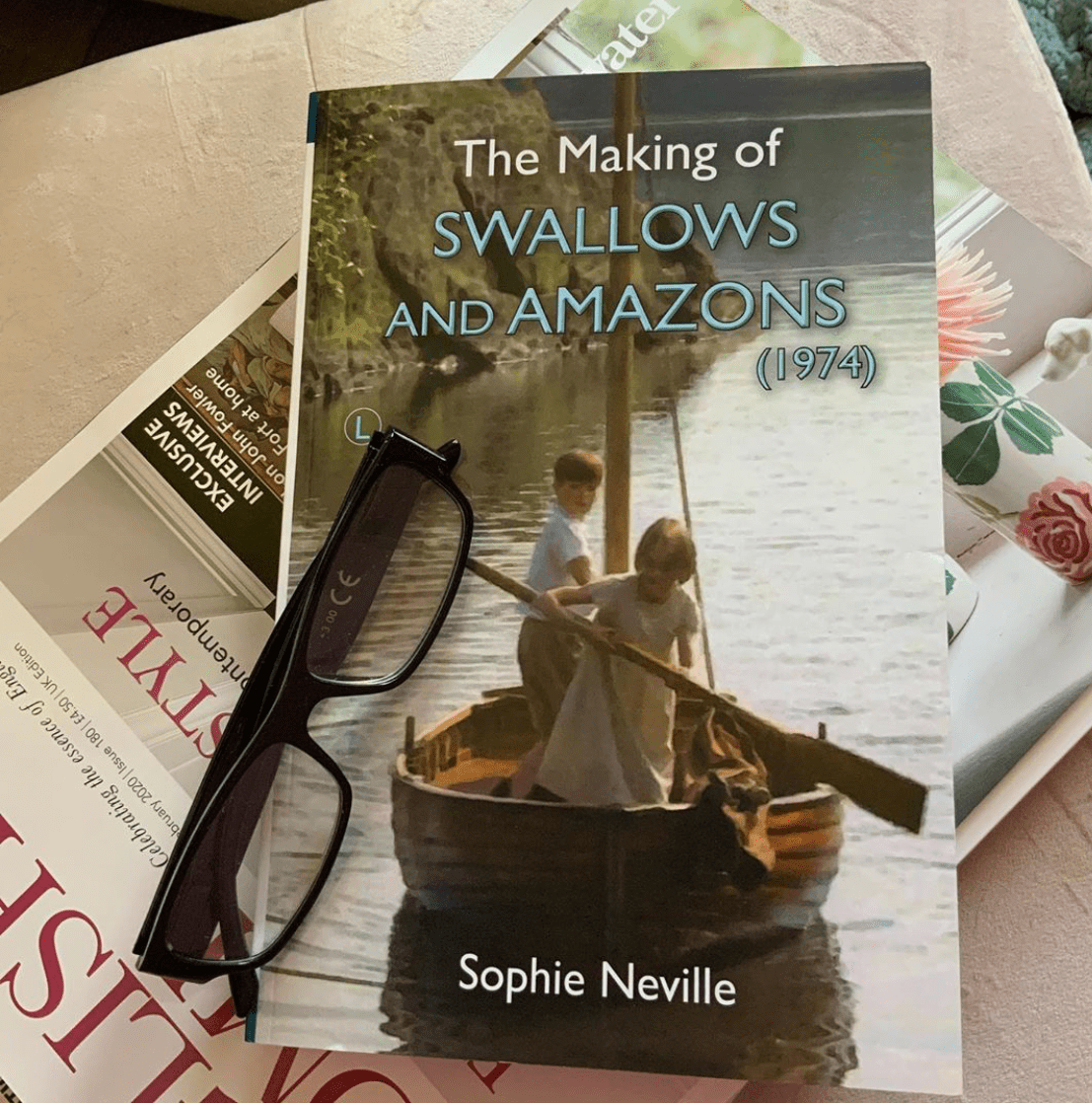
It was the Swallows who made it to Pin Mill. I first went there when The Arthur Ransome Society asked me to give a talk about making the BBC TV serial entitled, ‘Swallows and Amazons Forever!’ and signed copies of ‘The Making of SWALLOWS and AMAZONS – 1974’.

Pin Mill

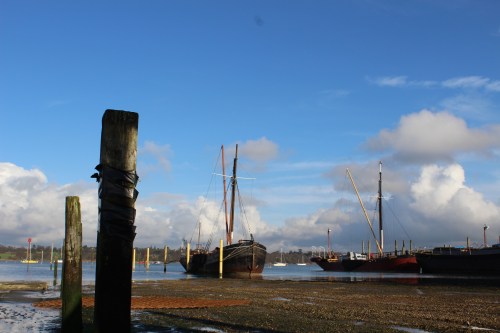
~The Orwell at Low tide~

During the Jamboree celebrations, Arthur Ransome’s biographer Professor Hugh Brogan was interviewed by erstwhile BBC reporter Tim Fenton at the Pin Mill Sailing Club. 

the-life-of-arthur-ransome-by-hugh-broganHugh spoke eloquently, telling me that he was motivated by rage to write The Life of Arthur Ransome after a Fleet Street reviewer of the original film ‘Swallows & Amazons’ described him as ‘right-wing’.
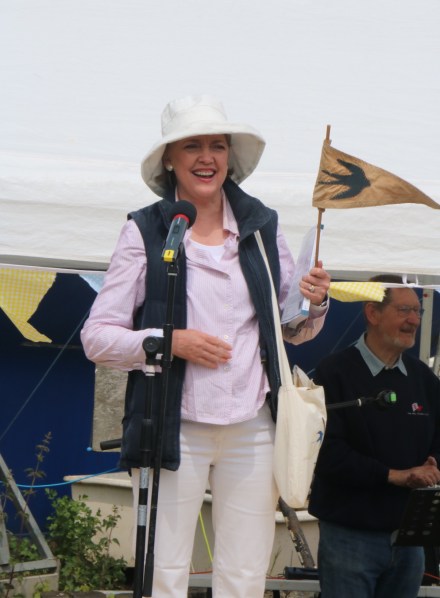
Sophie Neville opening the Arthur Ransome Jamboree at Pin Mill~ Sophie Neville ~

This VisitEngland event was great fun. There was a geo-caching route along the footpath from Shotley to Pin Mill. Marine artists Claudia Myatt and Christine Bryant hosted drop-in sessions on the riverside where visitors could also find the Rabble Chorus singing, while the author Julia Jones spoke about her children’s books set on the Orwell at the sailing club.

Nancy blackett product shop

~Mugs with artwork by Claudia Myatt sold in aid of the Nancy Blackett Trust~

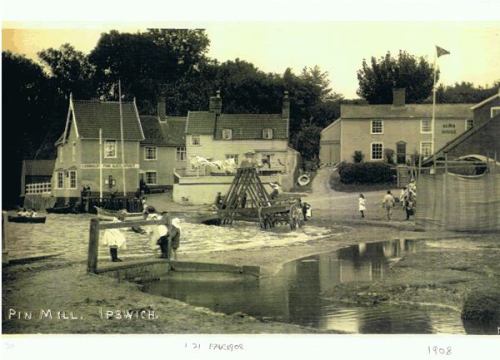
There was an outdoor installation of old Pin Mill images enabling you to look back in time. These were taken by Arthur Ransome himself of the building of his boat Selina King at King’s boatyard nearby. It was the first public exhibition of these pictures ever seen and was appreciate by the hundreds of visitors who turned up.

Pin Mill archive photo

The Pin Mill Studio also hosted an exhibition of photographs from the restoration of Melissa, a barge restored to her former glory by Webb’s boatyard, with additional archive images of Pin Mill from the early 1900’s.

The Vintage Mobile Cinema, as seen on BBC Television’s Reel History of Britain, screened unique archive film of Pin Mill and Shotley.

The Nancy Blackett

~The Nancy Blackett in her 85th year~

A Pin Mill ‘Wooden Boat’ race was held along the stream leading down to the river and you could take a ride on the Victorian swing boats on the Common as in years gone by. There was a ‘pirates and seafarers’ fancy dress competition for children and an Arthur Ransome lookalike competition (pipe and moustache) along with stalls and sideshows from local groups, charities and organisations.

Live music, including shanties from Pin Mill favourites, High Water Mark and a performance of We Didn’t Mean to go to Sea by pupils from Holbrook Academy who entertained visitors while cream teas, a barbecue and refreshments were served at the Butt and Oyster and Pin Mill Sailing Club.

T-shirts celebrating this special anniversary were sold along with gifts to generate funds for The Nancy Blackett Trust, who celebrate their 20th anniversary this year.

Do let us know if you came along by leaving a comment!

To read more please visit the Nancy Blackett website by clicking here.

The Nancy Blackett by Claudia Myatt

You can read about the making of the original film of Swallows and Amazons here:

A ‘Swallows and Amazons’ sailing weekend in Aldeburgh


Sophie Neville with Lapwing kids

‘Unlike other films, ‘Swallows and Amazons’ is within children’s reach,’ I’ve been told. It’s true. Any child can pretend that their bed is a sailing dinghy taking them to a deserted island. And when you are a little bit older – it’s not impossible to join a sailing club or go camping.

Aldeburgh Junior LapwingsWe took Swallow to join the Aldeburgh Junior Lapwings on the River Alde in Suffolk.

Boys with their Lapwing

One intrepid sailor had bought her own Lapwing for £100, raising the money by busking in Aldeburgh High Street. Tilly renovated and varnished the clinker-built dinghy herself.

Owl hoots

She can be seen here teaching the younger children how to owl hoot, playing ‘What Shall We Do With The Drunken Sailor’ on her thumbs.

Learning how to owl hoot

The children went fishing for crabs, which they later raced down the slipway.

A crab

They went in search of treasure – if that is what you call a scavenger hunt –

Scavenger Huntbefore sailing back to camp by the mud flats, cooking out in the open and sleeping in tents.

Junior LapwingThey launched their dinghies, raised their red sails

Boys with their Lapwings

and headed off, catching the tide.

Sailing on the River Alde, Suffolk

Swallow, the dinghy used in the 1974 film ‘Swallows & Amazons’ acted as flag ship.

You can find ideas for Swallows and Amazons themed parties and presents here.

Swallow on the Alde

You can read about the adventures we had making the original movie of ‘Swallows and Amazons’ in these illustrated publications available online:

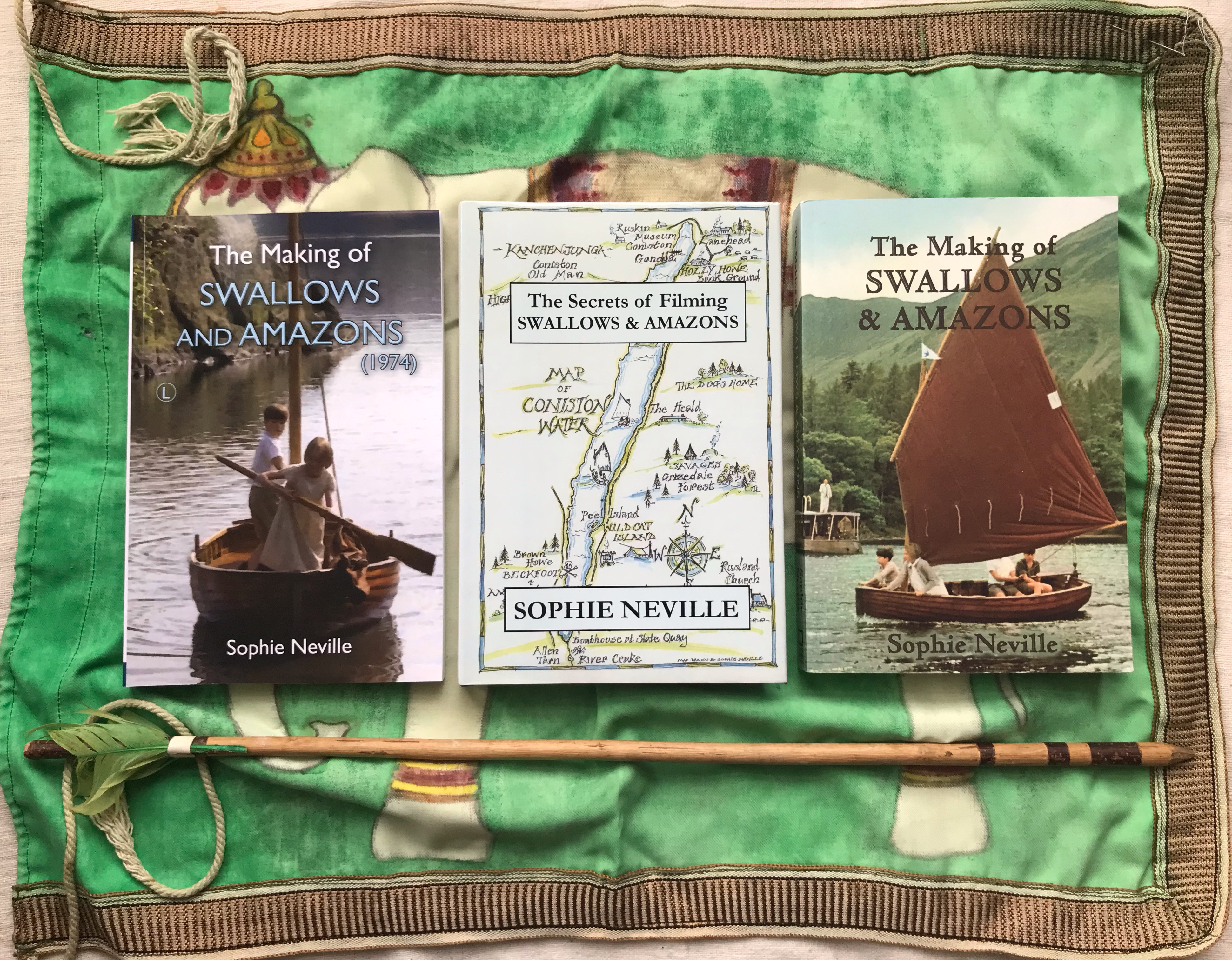
'The Making of Swallows and Amazons (1974) by Sophie Neville'
Different editions of ‘The Making of Swallows and Amazons (1974) by Sophie Neville’

Finding photographs of Titty Altounyan

Titty was the name of an imaginative and ‘highly original’ little girl who Arthur Ransome first got to know in the Lake District when she was aged eight. When I met her niece Barbara Altounyan, she was most amused to hear that I had once played her Auntie Titty.

Sophie Neville as Titty in Swallows and Amazons

~Sophie Neville playing Titty Altounyan in the 1974 film ‘Swallows & Amazons’. Official photograph taken a Bank Ground Farm above Coniston Water copyright: StudioCanal~

I’d brought Barbara some long lost family photographs that included some of Titty’s wedding in Aleppo. They are beautiful.

Titty and Ernest - wedding in 1954

Titty on the arm of her father, Dr Ernest Altounyan in Aleppo, 1954

Titty Altounyan's wedding

Titty on her wedding day with her husband Melkon Guzelian, her sister-in-law, her father Ernest Altounyan, her mother Dora and brother Roger, far right. You can also see Roger, Ernest and Dora below, with Roger’s wife standing far right.

Titty's wedding group

There is also a more informal shot.

Titty's wedding in 1954

‘Don’t you want to know about Titty?’ Barbara asked me. ‘She was a very detailed person and quite a perfectionist.’ I knew she was a wonderful artist who had studied under Henry Moore at the Chealsea School of Art. Although she produced a lot of colourful art, she was unwilling to ever attempt to sell her work. I was also told she also had long legs. I only hope that I have represented her well.

Titty and her siblings had dark hair, but I was told that Mrs Ransome wanted the children playing the Swallows to have have blonde hair. She insisted that Titty was played by ‘an English Rose.’

Titty with Brigit and Joe,John Sanders, 1953

Titty Altounyan at her sister Brigit’s wedding to John Sanders in 1953

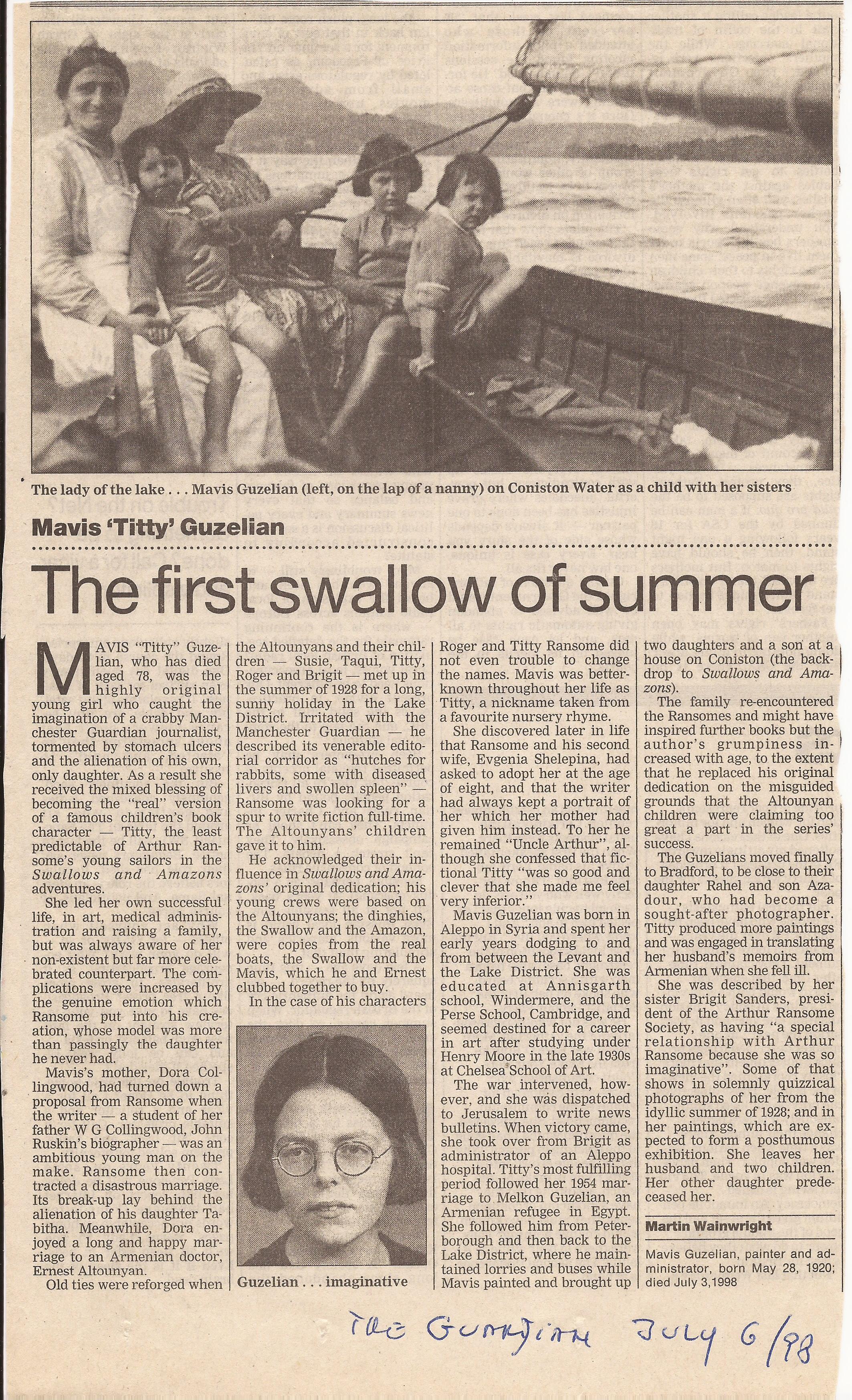
Titty obituary - The Guardian

You can see a couple more family photos on ‘Secret Britain – The Lakes’ has been on BBC iPlayer at about 11.50 minis in. Those in the UK can view the programme here.

(NB: Ransome did not write ‘Swallows and Amazons’ while on holiday on Coniston Water as was stated in the programme. To see a photograph of Low Ludderburn, the house above Windermere where Arthur Ransome lived and wrote ‘Swallows and Amazons’ please click here and scroll down.)

You can read about what it was like to play the part of Able Seaman Titty in the original film of ‘Swallows and Amazons’ in this illustrated paperback, available online or to order from libraries worldwide:

Screenshot of The Making of Swallows and Amazons book cover on Instagram

Sophie Nevilleova’s foreward to ‘Swallowdale’ by Arthur Ransome illustrated by Zdenek Burian

Albatros Media in the Czech Republic have re-published a hardback edition of ‘Swallowdale’ by Arthur Ransome, illustrated by the great Czech artist Zdenek Burian.

Sophie Nevilleova

The Foreword has been written by me, Sophie Nevilleová.

I was commissioned by Ondřej Müller, Fiction Program Director, thanks to an introduction by Petr Korbel, a feature writer in Prague. My somewhat daunting task was to introduce the well-loved story that comes with classic illustrations.

I took the opportunity to recommend that readers book a holiday in Cumbria. It’s always exciting to find the actual locations described in a novel, particularly one you know well, although I believe finding Swallowdale is quite a challenge.

Do tell any Czech friends or collectors of Ransome’s books about this publication. Click here for  the sales site.

Albatros Media bookmark

Here is the English version of my contribution:

Of all Arthur Ransome’s books, it was Swallowdale that inspired me to go camping. I have since pitched my tent all over the world from Papua New Guinea in the Pacific to Patagonia, which I crossed on horseback. I once spent six months driving down through Africa, sleeping in a tent and using all I had learnt from this beautifully written book. Not long after this expedition, I started to draw maps in the hope that I that might encourage others to travel and explore the world as the Swallows did.

Back in 1973 I had the great privilege of playing the part of Titty in the movie of ‘Swallows & Amazons’ that has been translated into Czech twice. Throughout my life I have received letters from people telling me how Arthur Ransome’s books have given them direction in life, encouraging them to set sail and explore unchartered waters.

If you ever visit the English Lake District take the charcoal burners’ advice and keep a good lookout for adders but in searching for Swallowdale one thing is for sure, you will be walking in Arthur Ransome’s footsteps. He was taken to the summit of Old Man Coniston, the mountain known in the book as Kanchenjunga, as a small baby and rowed into the secret harbour of Peel Island, or Wild Cat Island as the Swallows called it, when he was a boy.

The people of Cumbria still welcome visitors, indeed you can stay at the farm known as Holly Howe and it is possible to take a boat out on the lake below it. Coniston Water is not an exact replica of the map in the book, but you can enjoy looking for Horseshoe Cove and the Amazon boathouse. Rio can be found on Windermere where you might also find the Peak of Darien along with native steamers. Titty would encourage you to let your imagination take you further and I am sure Roger would suggest you take a fishing rod.

Even if travelling does not appeal to you, ‘Swallowdale’ is such a vivid story that you will sail back in time to 1931 quite effortlessly. This classic book is a full of wonderful imagery from ‘black wretched thoughts…crowding in like cormorants coming to roost’, to potatoes being in bad mood. It is enjoyable on many levels. I laughed when Titty decided, ‘Miss Turner could hardly be dead if she was complaining of cold plates’ and was uplifted by her joy at discovering, ‘the most secret valley that ever there was in the world.’

I am so pleased that Albatros Media are able to bring you this beautifully illustrated edition, to read, enjoy and perhaps pass on to others. 

Czech skull logo

Burian’s version of the Swallows and Amazons flags

If you are in North America and are looking for a copy of ‘Swallowdale’ in English, Capital One have copies on sale for U$15.77.

Swallows & Amazons flags for book

Why is ‘Swallows and Amazons’ still a bestseller?

An orange flag has been labelling the Vintage paperback edition of ‘Swallows and Amazons’ as a #1 Best Seller in the Amazon UK sales.  Not bad for a book written in 1929.

I was giving a talk at the International Annual General Meeting of The Arthur Ransome Society, when I asked learned members, ‘What has made it such an enduring success?’

Is it that ‘Swallows and Amazons’ set in the Lake District where so many of us long to spend our holidays?

Or that we can buy a set of wooden postcards depicting Ransome’s inspirational illustrations?

wooden_postcard_swallows_and_amazons_large

Is it because the stories are driven by the characters of the children themselves, as Jill Goulder has observed, and that adults are relegated to native status, featured as little as is possible so that we enter a child’s world?

Do children relish the idea of independence and being in control of all they do, as John and Nancy seem to be? Is it that dressing up as pirates is cool?

swallows_and_amazons_wooden_postcard_sailing_large

Swallows and Amazons is about the importance of listening to children. It’s about integrity. Readers love the fact that Titty, the lowly able-seaman comes out as the unexpected hero. It was, after all, a brave thing to capture the Amazon at night and perhaps braver still to return to Cormorant Island with Roger to look for the treasure no one believed was there.

Could it be because the story is about sailing, and how to handle a simple dinghy? Claude Whatham, who directed the 1974 movie, recognised Ransome’s skill in describing how to make a camp was of huge appeal to children. Do we like to learn without the indignity of being taught?

Arthur Ransome’s style of writing is certainly vivid, drawing you into the world he created having been inspired by reading ‘Robinson Crusoe’ ‘Treasure Island’ and exotic tales himself. Martin Smith, whose comments on this strand have been endlessly interesting, has observed that there is something of ‘The Tempest’ by Shakespeare in the adventures set on Wild Cat Island.

Ransome was able to draw on years of experience as a writer before he launched the Swallows & Amazons series and this shines through. Since virtually only six children and two adults appear in his first book we get to know them well and are ready to welcome others such as Dick and Dorothea when they come along in Winter Holiday.

swallows_and_amazons_wooden_postcard_jetty_large

Is it because, ‘nothing happens in the books that couldn’t really have happened’, as Caroline Lawrence wrote recently in The Outlaw, a magazine written for children who readily identify with the characters. You can certainly enjoy looking for Ransome’s locations yourself. Those who do so are almost certain to buy the books for their own offspring.

Adults read the books, saying they bring great solace, evoking nostalgic memories and taking them back to a carefree childhood when summer days were spent devising camps and imaginary sailing adventures. Perhaps the traditional values act as an anchor in our stormy lives.

wooden_postcard_swallows_and_amazons_discovery_large
Despatches?

One thing is for certain. While many of the forty-two books Arthur Ransome wrote are now seen as obscure, his series of twelve ‘Swallows and Amazons’ novels line the shelves of almost every bookshop in Britain and are ever popular overseas. The Arthur Ransome Society has a thriving membership, enabling families to live the adventures for themselves. You can find out about joining yourself by clicking here.

The new feature film of ‘Swallows and Amazons’ starring Ralph Spall, Andrew Scott and Kelly Macdonald and released in 2016 has hopefully brought the story to the nation’s consciousness. It won awards in the USA where it was released in cinemas by Samuel Goldwyn.

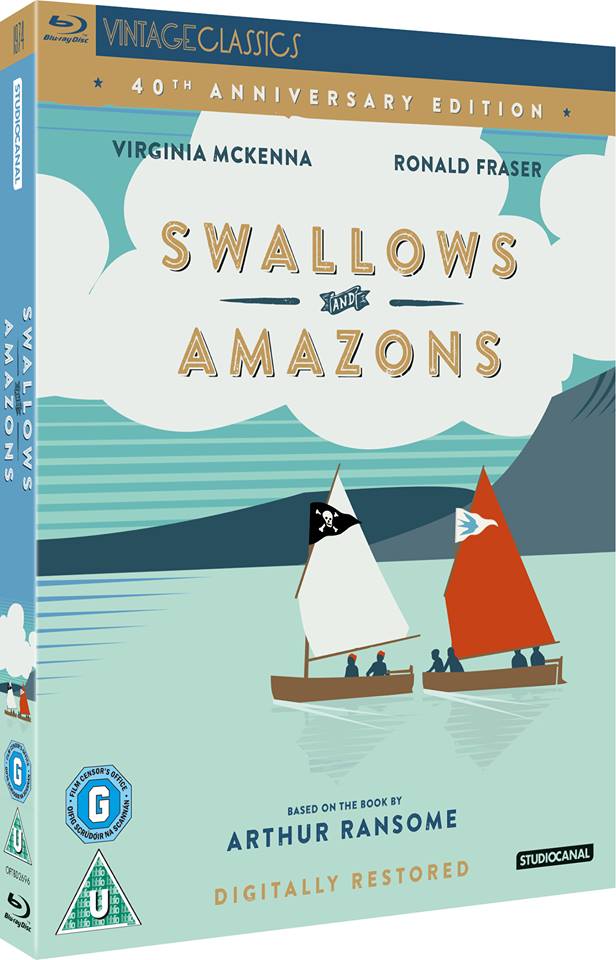
The film adaptation of ‘Swallow & Amazons’ made in 1973 and repeated on television so many times, helped to keep the flags flying. It too has been labelled as ‘a timeless classic’ and ‘an enduring success’. StudioCanal released a 40th Anniversary DVD with footage so beautifully restored that if it wasn’t for the extras package you might think it had been shot last summer.

StudioCanal DVD cover

Titty Altounyan

I am assured that Titty’s family will not be offended if I re-publish these news clippings. She has become well-loved by many who I know would like to learn more about her. The Times used her Christian name of Mavis, but she was always known as Titty.

Titty obituary - The Guardian

Titty Altounyan was born in Aleppo on 28th May 1920, and would have been aged nine when Arthur Ransome began writing ‘Swallows and Amazons’. She died in Bradford at the age of seventy eight.


Titty Altounyan 001

Although she was heralded as Arthur Ransome’s muse, I know that Titty Altounyan had no wish to be famous. If anything, she gradually disassociated herself with the character in the books, who struck her as being so good and clever. But Titty was her name.

It was a name I have lived with too, for I played the part of Titty in the film of Swallows & Amazons produced by Richard Pilbrow in 1973. Children and adults alike still call me Titty all these years later. One summer, when I was sailing Swallow, the dinghy used in the 1974 film, someone took this shot of me. It is as if I am still flying Titty’s inspirational flag, which I do with humility and with honour.

DSCF2700

Sophie Neville lowering Swallow’s sail on Ullswater in 2014

Titty Altounyan in 1938

Titty Altounyan with the Ransome’s flotilla on the Norfolk Broads in 1934 (?)

Mrs Ransome wrote to Titty’s mother, Dora Altounyan, from Wroxham. This postcard was kindly shown to us by Ted Alexander who rescued it from certain destruction.

DSCF2137

I thought I was far too fair to play Titty but Mrs Ransome approved.  Despite Ransome’s book illustrations of girls with dark hair, she was most decisive about casting “An English rose” to play Titty and that the children should have British colouring. The idea was that viewers could easily associate with us. I am of Scots/English/Irish heritage, like three of Titty’s  grandmothers, but have no Armenian blood. I rather wish I did. It’s nuisance having such fair skin. My second name is Rose.

Sophie Neville receiving a Titty haircut

Hairstylist Ronnie Cogan giving Sophie Neville a Titty hair cut on location

I don’t know if Titty ever saw the 1974 film of ‘Swallows and Amazons’. She might have done. I only hope that we captured the sense of adventure experienced by the Altounyans when they were little and went camping on Peel Island during the weeks when they stayed with their grandparents, Mr and Mrs WG Collingwood, at Lane Head at the northern end of  Coniston Water.

Titty and John bringing Swallow into the secret harbour
Simon West and Sophie Neville bring Swallow into the Secret Harbour on Wildcat Island (c) Studiocanal

Although they are seen wearing shorts as young children I have been told that the Altounyan girls sailed in dresses, which they tucked up into their knickers if they had to wade ashore, much as I did in the film.

BW Sophie Neville in Secret Harbour

Sophie Neville as Titty (c) StudioCanal

The reference to Titty’s name coming from The Tale of Mrs Tittlemouse in the article feature in The Times above is incorrect. Titty’s name was based on a character in fairy story Titty Mouse and Tatty Mouse by Joseph Jacobs published in 1890, that begins when Titty Mouse and Tatty Mouse go leasing (or gathering) corn. Here is a later edition. Titty ‘never could resist anything in print.’

You can read the original story here 

Titty and Tatty book

 A version of the story published in 1949

With thanks to Roger Wardale who showed me the handwritten letters that Titty sent him. She had the most beautiful writing.

Titty Altounyan's neice, Barbara Altounyan with Sophie Neville.
Titty’s niece, Barbara Altounyan, with Sophie Neville at a TARS Weekend.

If you would like to read more about the amazing time I had playing Titty in Swallows and Amazons, the first section can be leafed through, free of charge here: