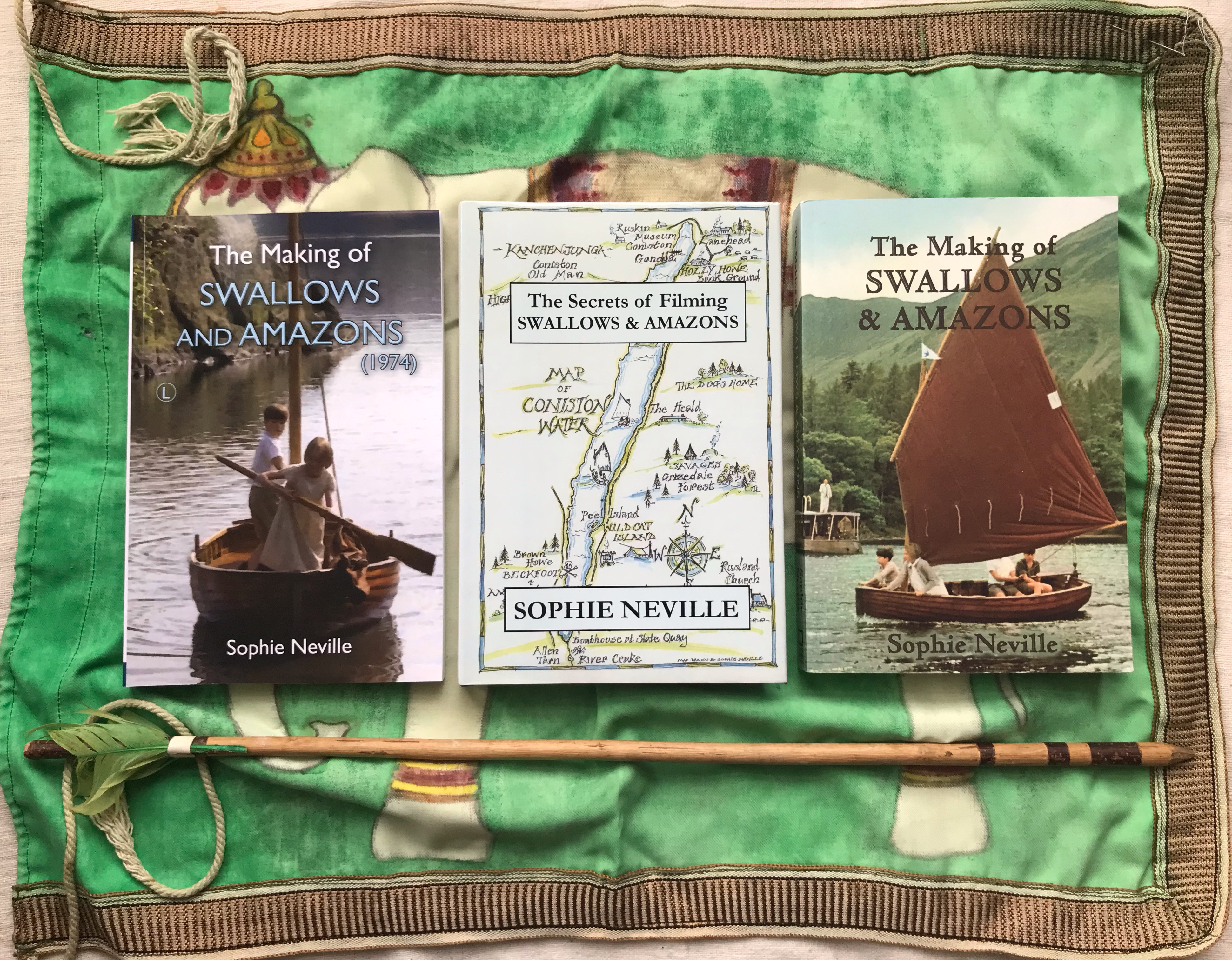
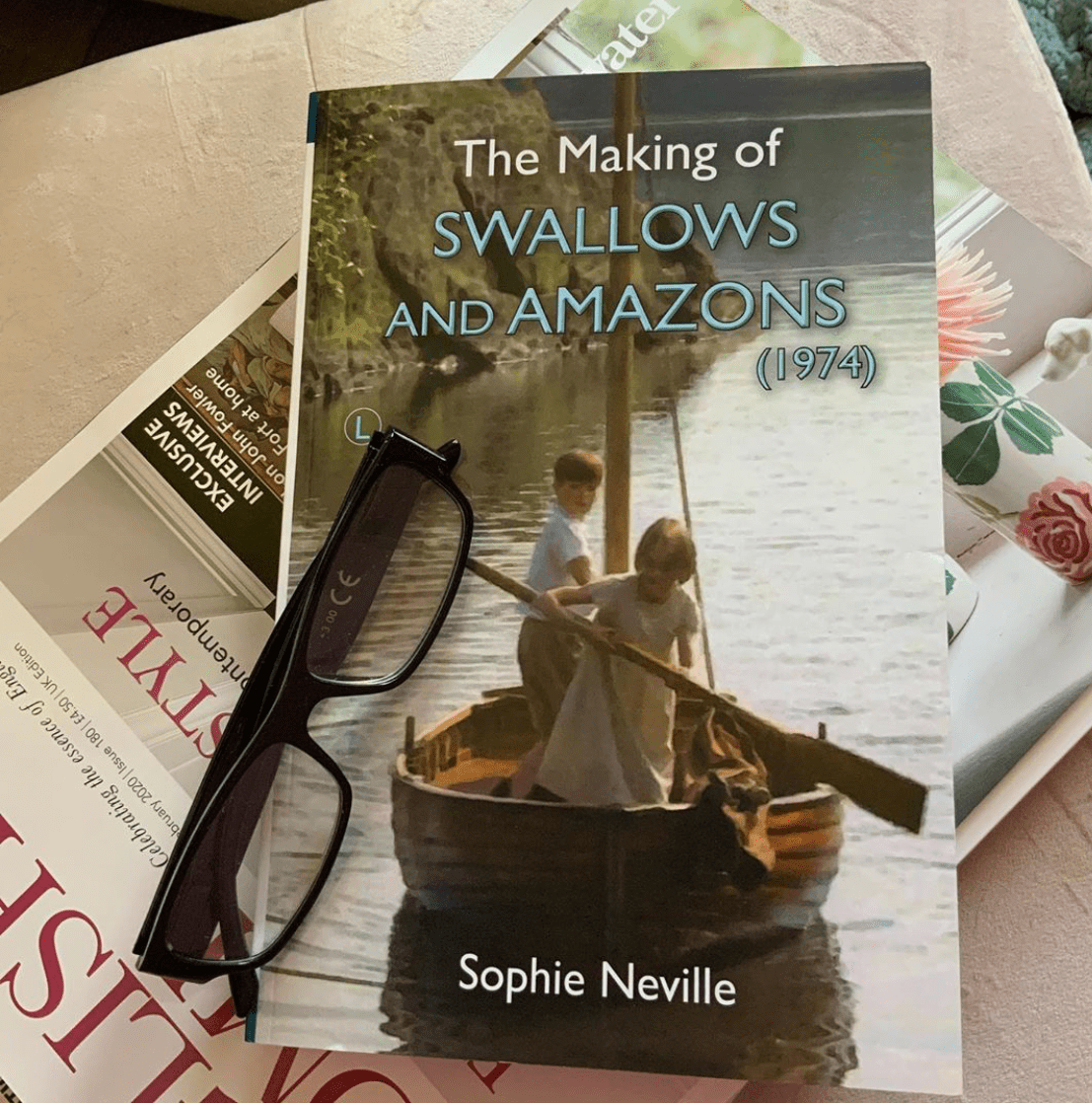
The long-awaited second edition of ‘The Making of SWALLOWS AND AMAZONS (1974)’ was being published in paperback by The Lutterworth Press in May 2017. It is available from their website here
This memoir of an odd thing that happened in the early 1970s is similar to the first edition but has a new cover and includes a few more stories, photographs and names from the ‘seventies that have floated to the surface. It compliments StudioCanal’s 40th Anniversary DVD and Blu-ray and makes a good present for anyone who has grown up watching the 1974 film.
The new paperback edition will be stocked by the vast majority of book retailers including Amazon, Waterstones, Blackwells, Paperback Bookshop, Books Etc. and is available direct from The Lutterworth Press who also publish ‘Swallows, Amazons and Coots’ by Julian Lovelock that has a foreword by Sophie Neville. Those in North America can order copies from the US distributor Casemate Academic
Sophie will be signing copies at events around the country.
Sophie signed copies of her books at the Tavistock Festival and gave a talk at the Roseland Festival in St Mawes before a screening of ‘Swallows and Amazons’ (1974) at the lovely Hotel Tresanton cinema.
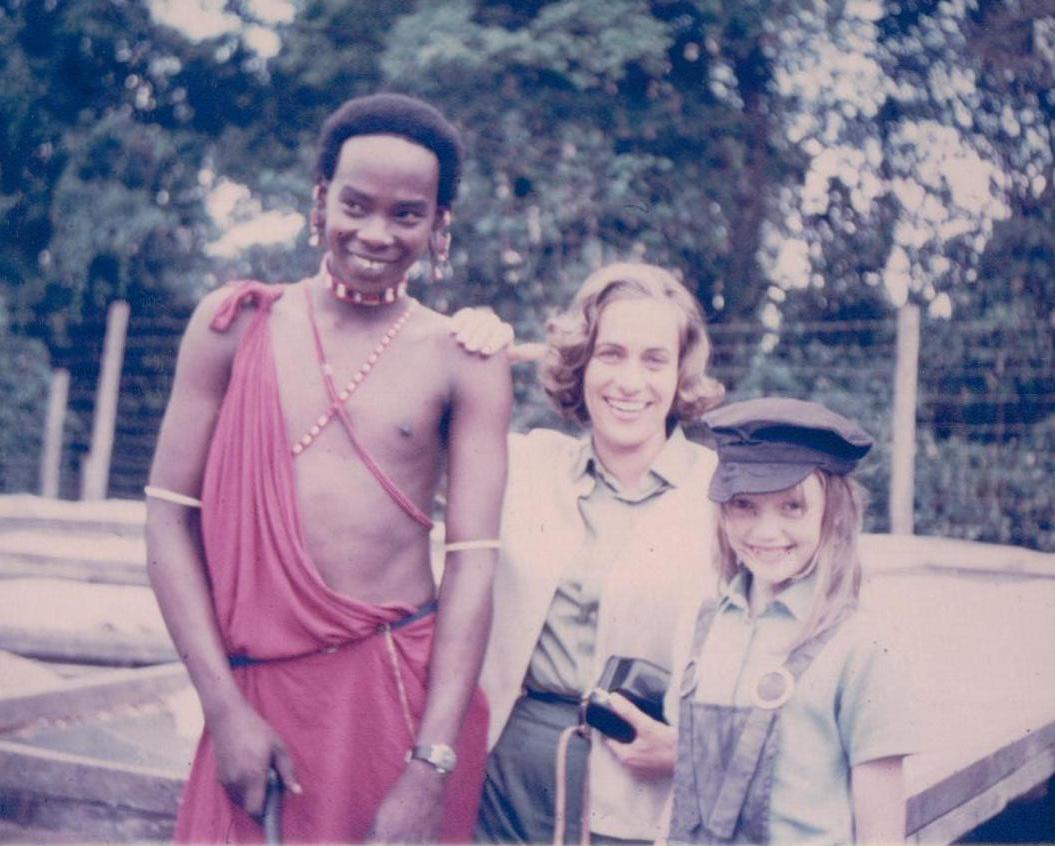
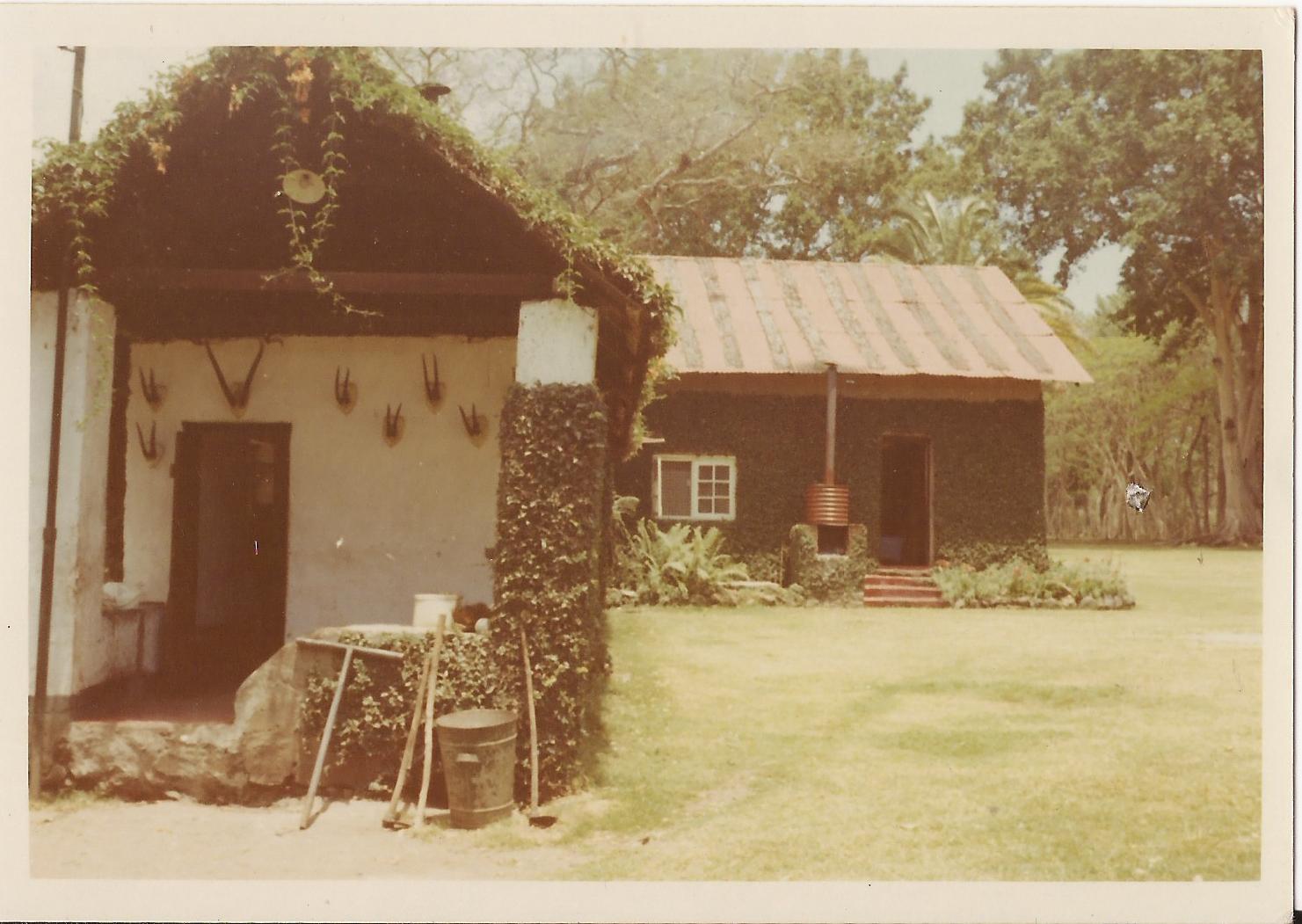
~Drying coffee beans on our farm at Usa River near Arusha in 1972~
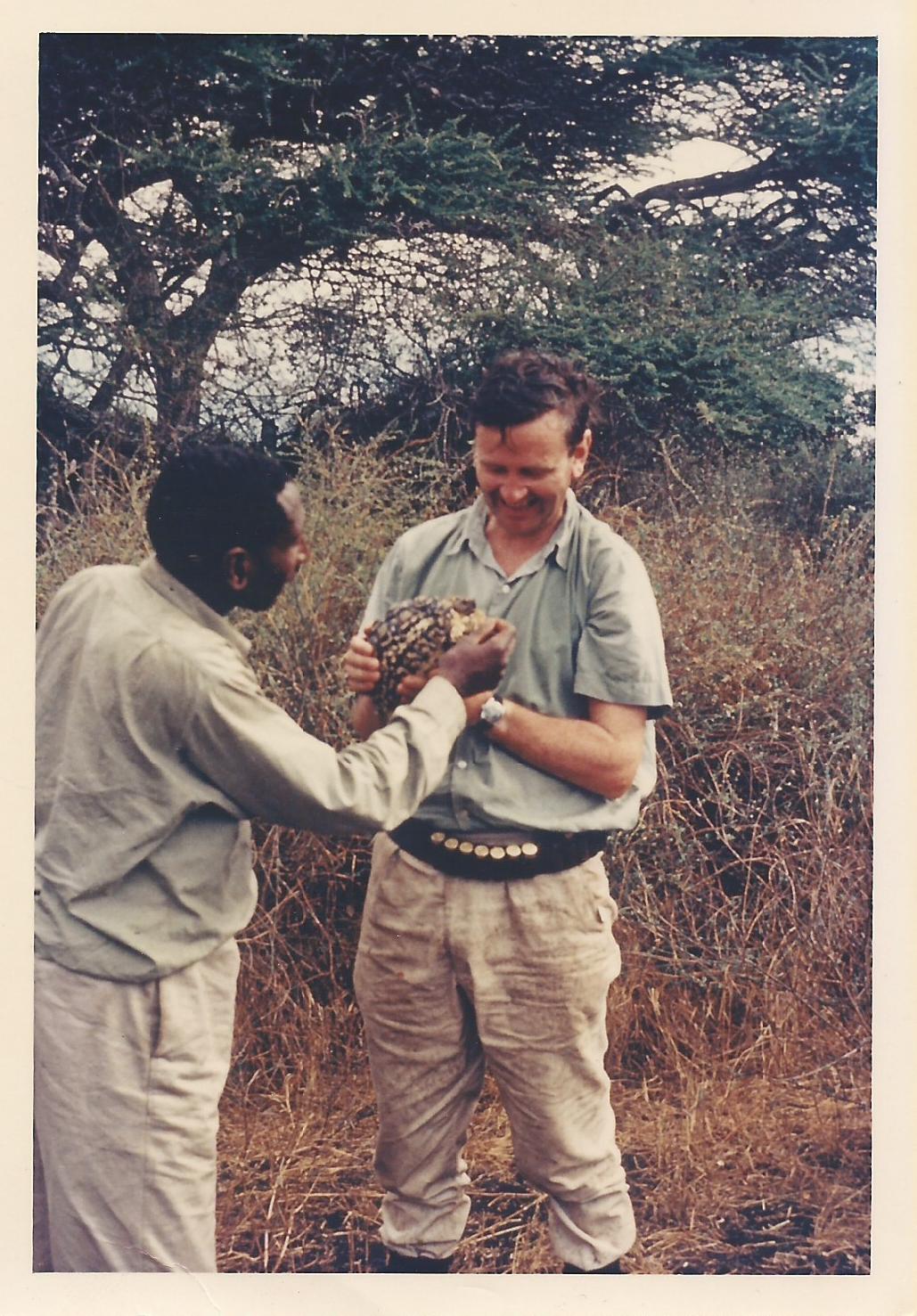
Days spent at our farm in northern Tanzania were full of colourful characters, including a cobra who lived in the trees overshadowing the house. He probably kept down the rodent population quite efficiently.
My greatuncle Tony was probably more dangerous. He had a very sensitive nose and a legendary temper.
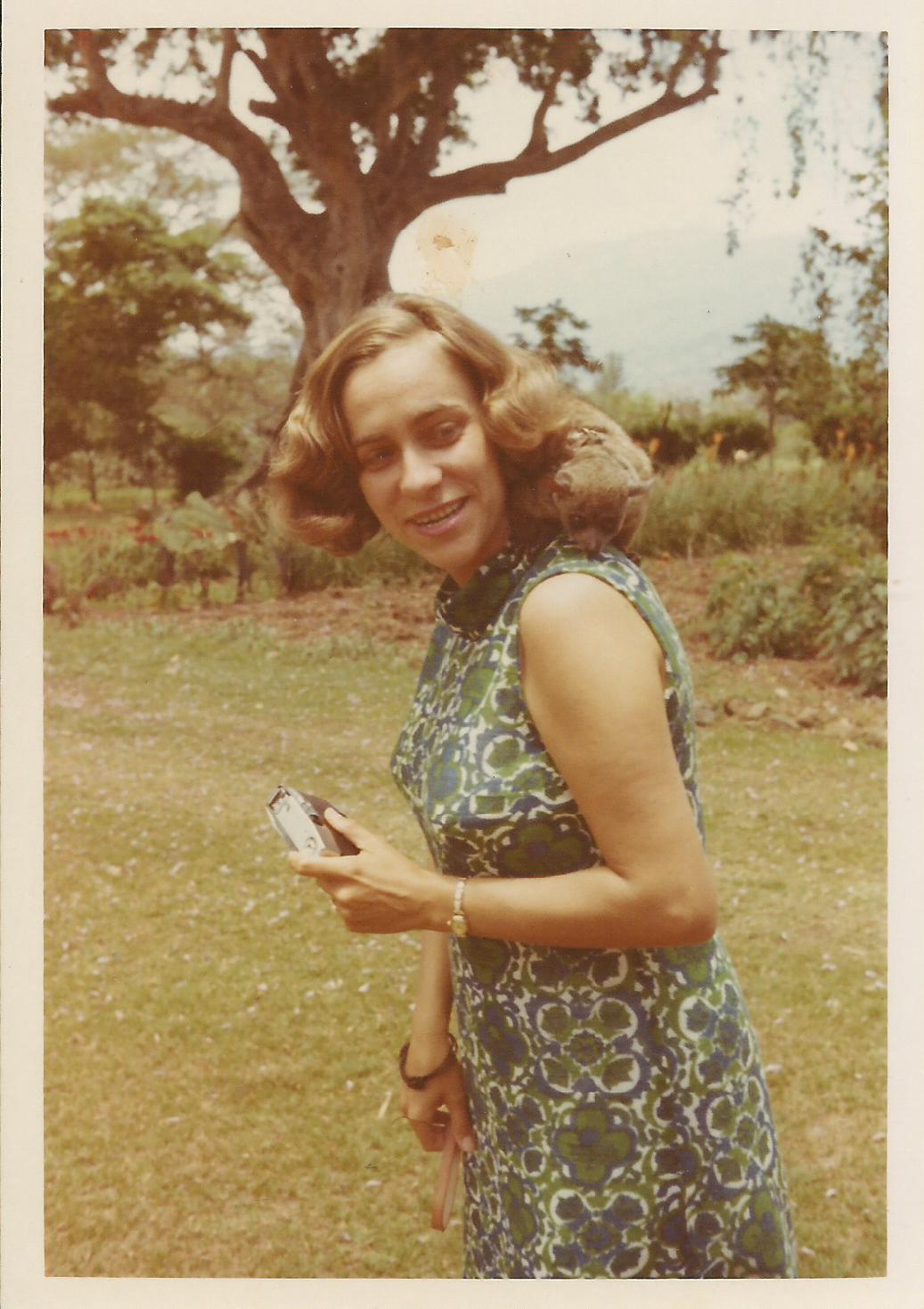
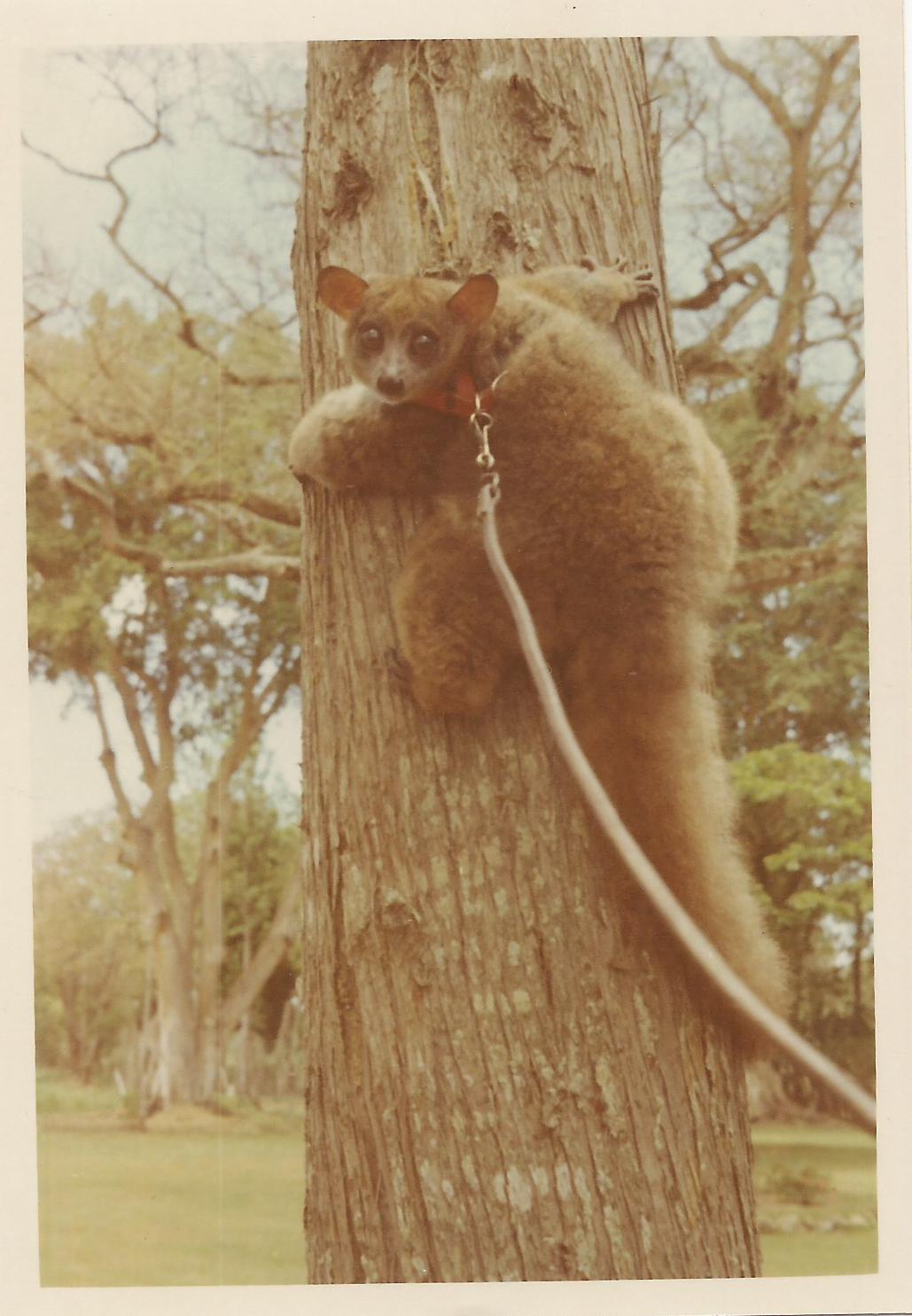
My aunt kept tame lemurs. They marked their territory by peeing on their hands. This was understandable until they decided to climb over your face.
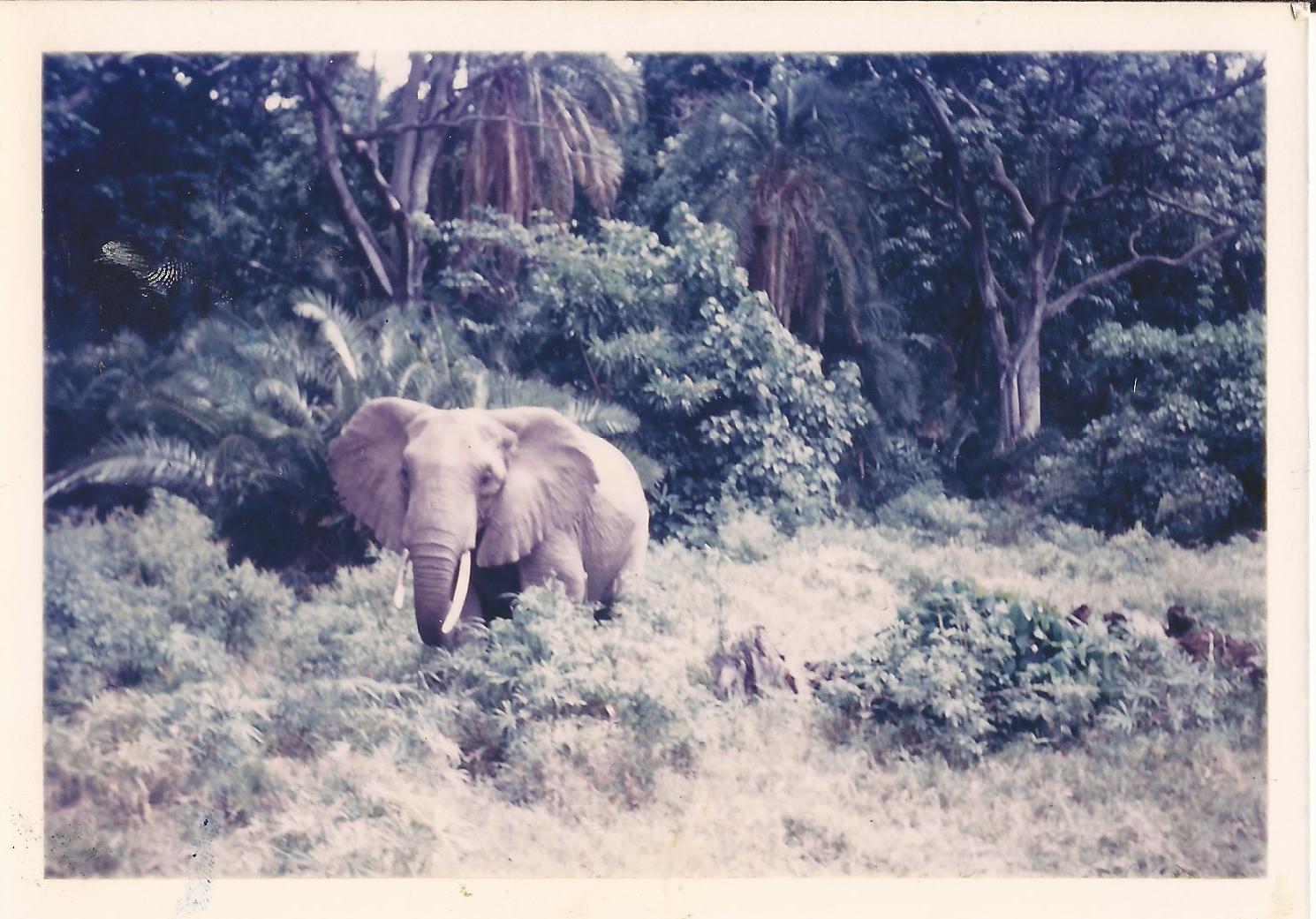
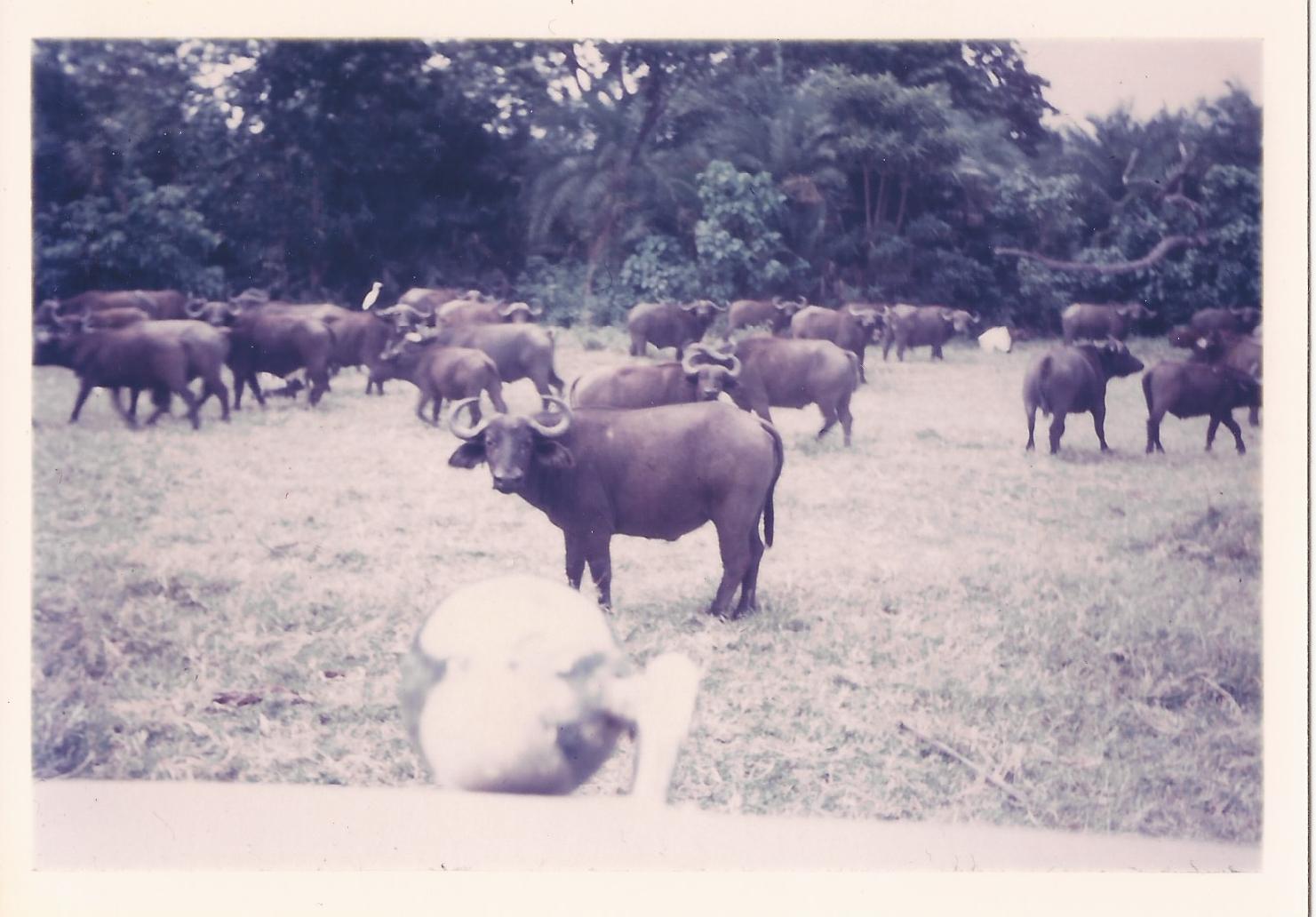
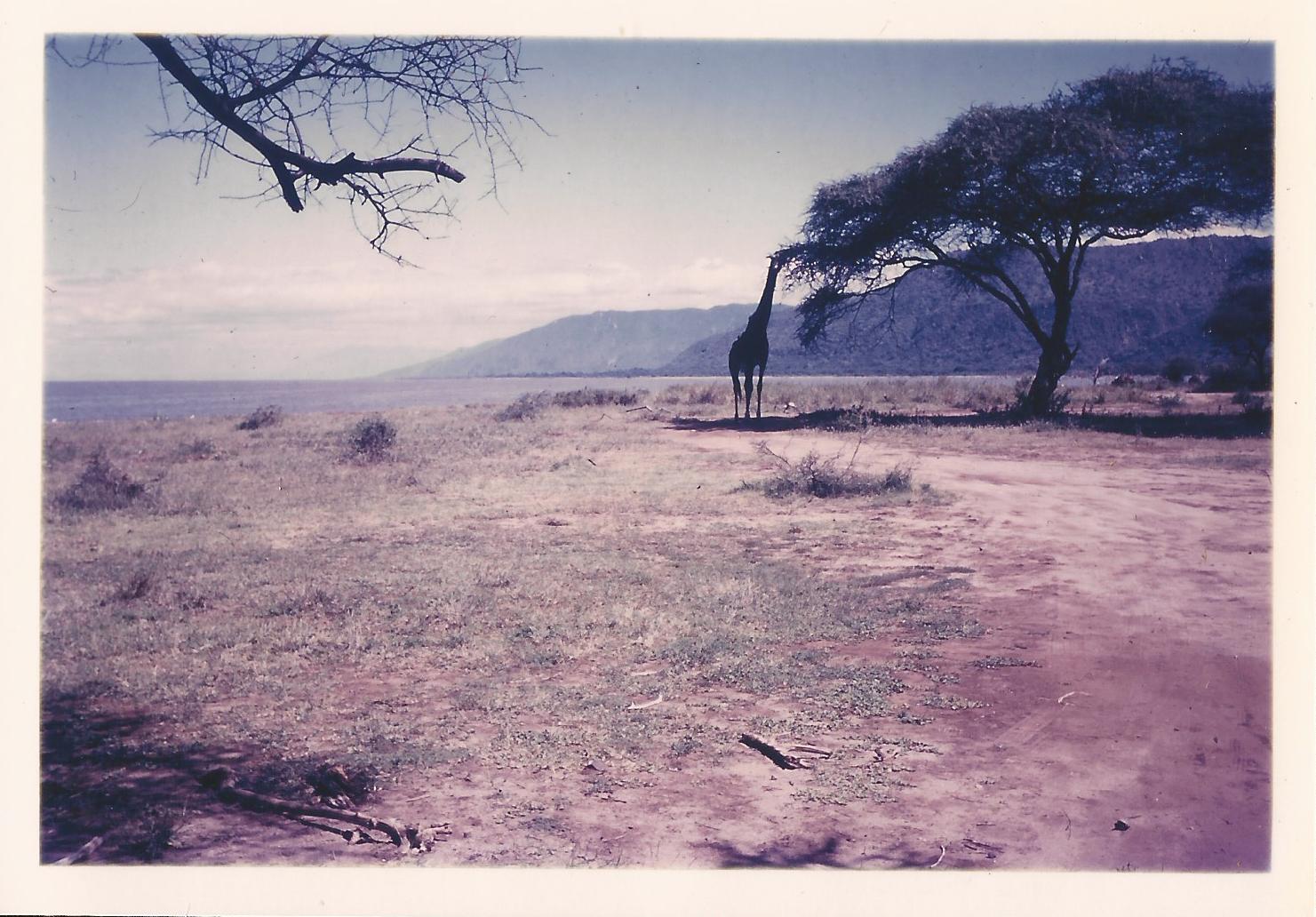
My father loved travelling in northern Tanzania and was intrigued by the wildlife.
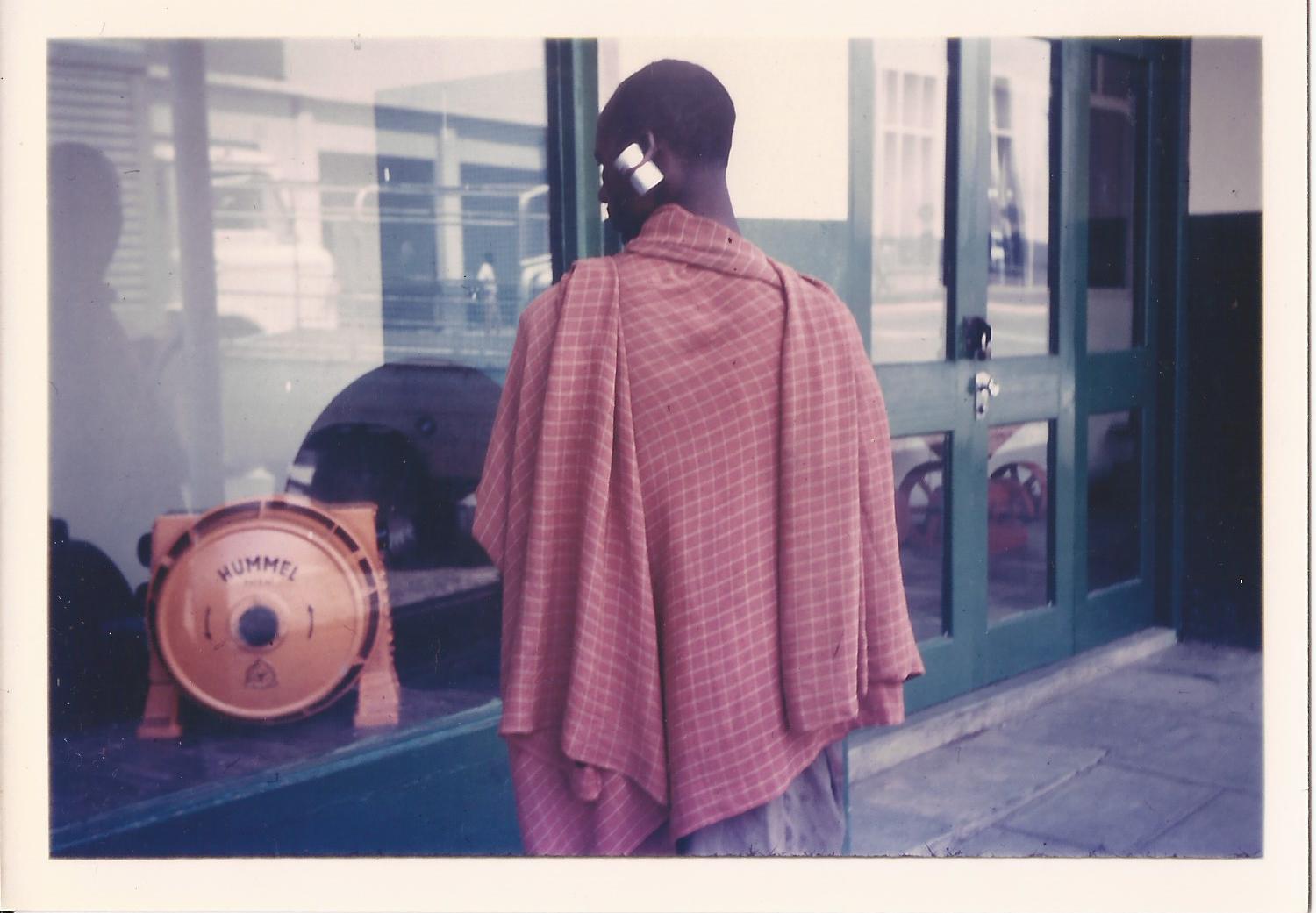
I was fascinated by the people, many of whom wore traditional dress in the early 1970’s.
Extended ear-lobes, names such as Libougi and bright beaded jewellery had me squinting into the sunlight.
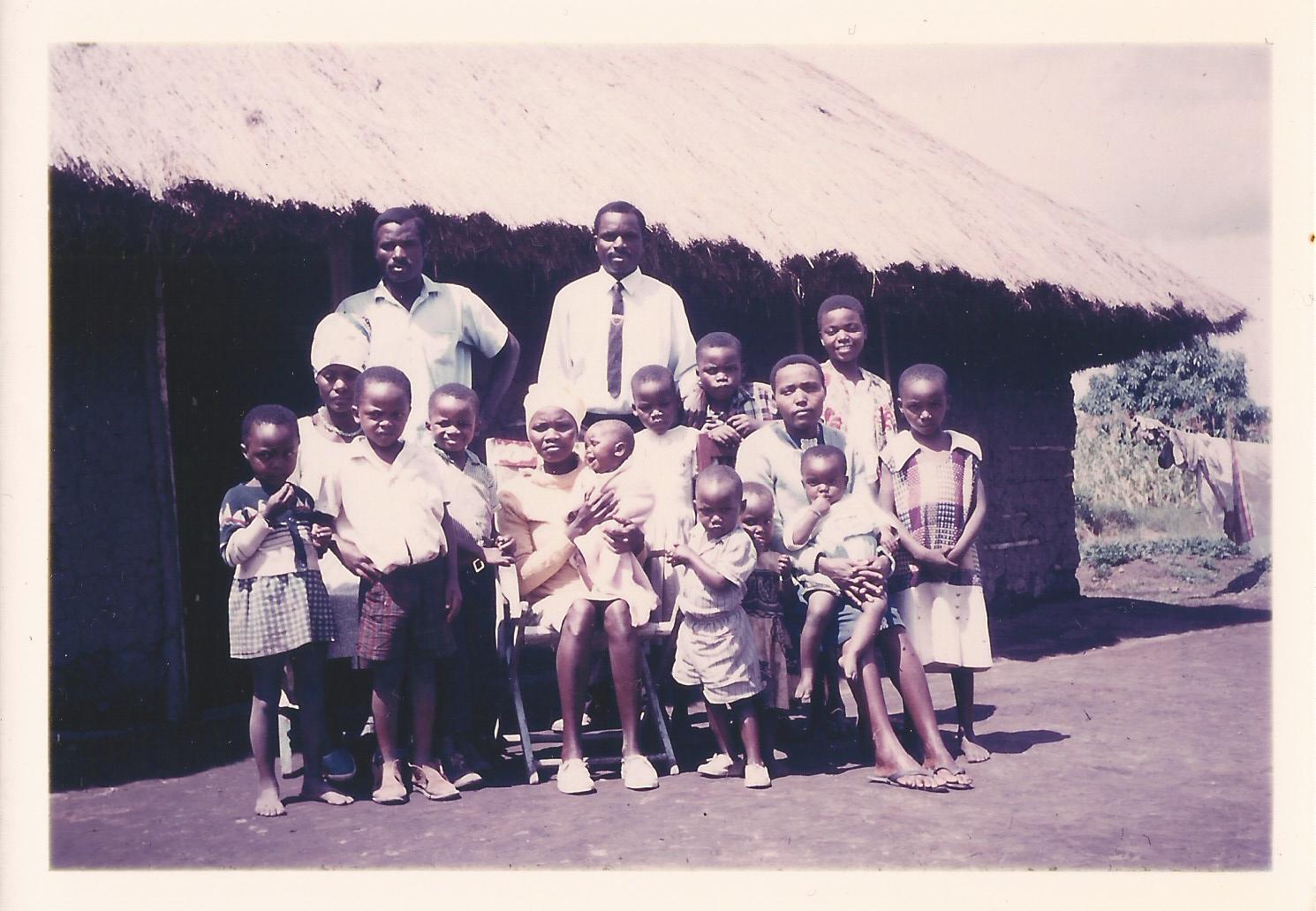
In a country where polygamy was the norm everyone seemed to have rather large families with any number of wives and children.
Having your photograph taken was quite the thing. What the woolly lemurs thought of this, I do not know.
There was always talk of the next expedition up-country. Careful packing was a constant preoccupation.
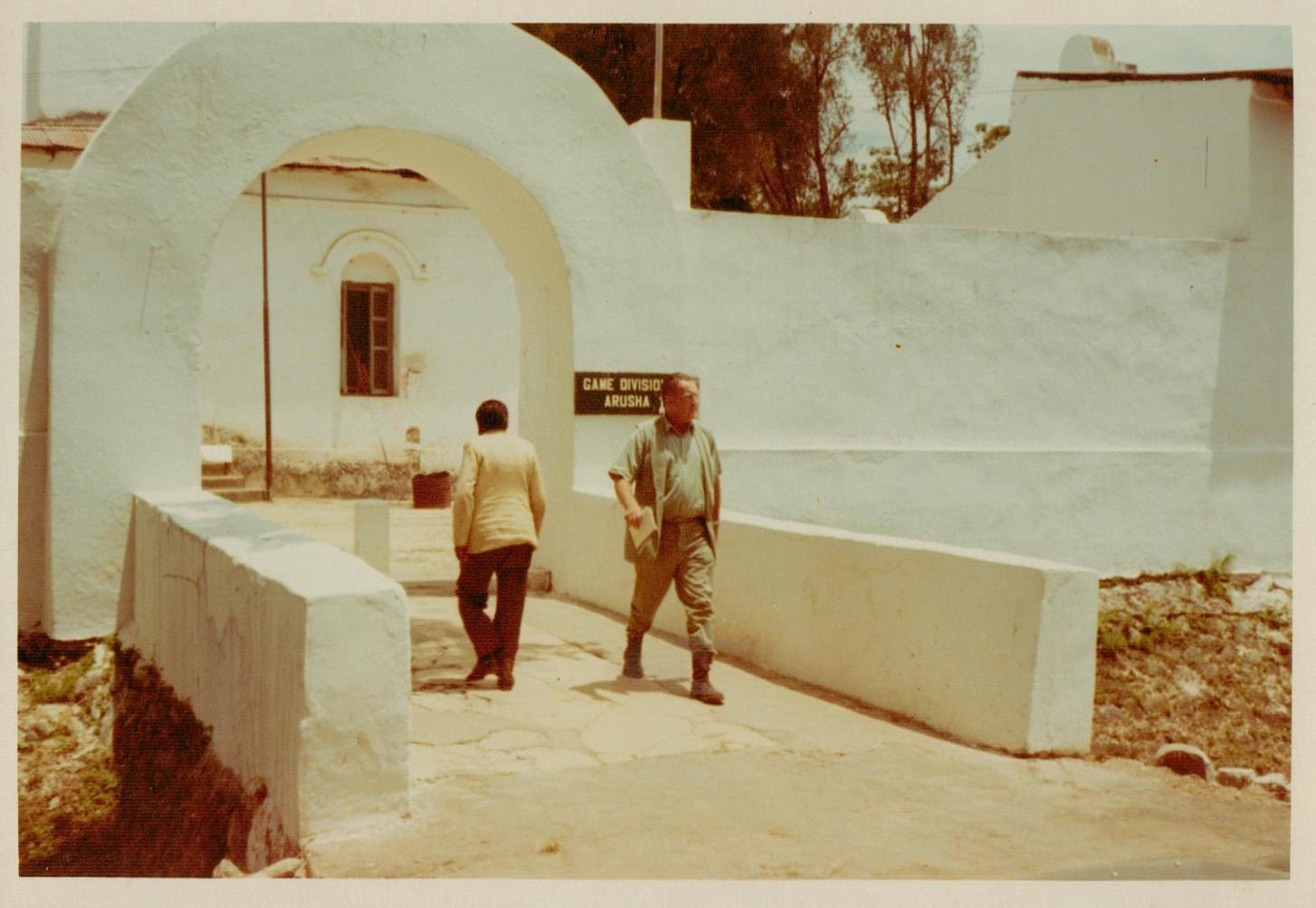
Complicated arrangements were ever being made. Uncle Tony was an honourary game warden, with the power to arrest poachers.
My mother loved the idea of going on safari and urged him to include us as he toured areas where wildlife thrived.
It was a privilege to be taken game viewing as a child by someone with such a depth of knowledge.
I began to sketch in the back of his Land Rover, while keeping lists of the animals we encountered and trying to learn their Swahili names.
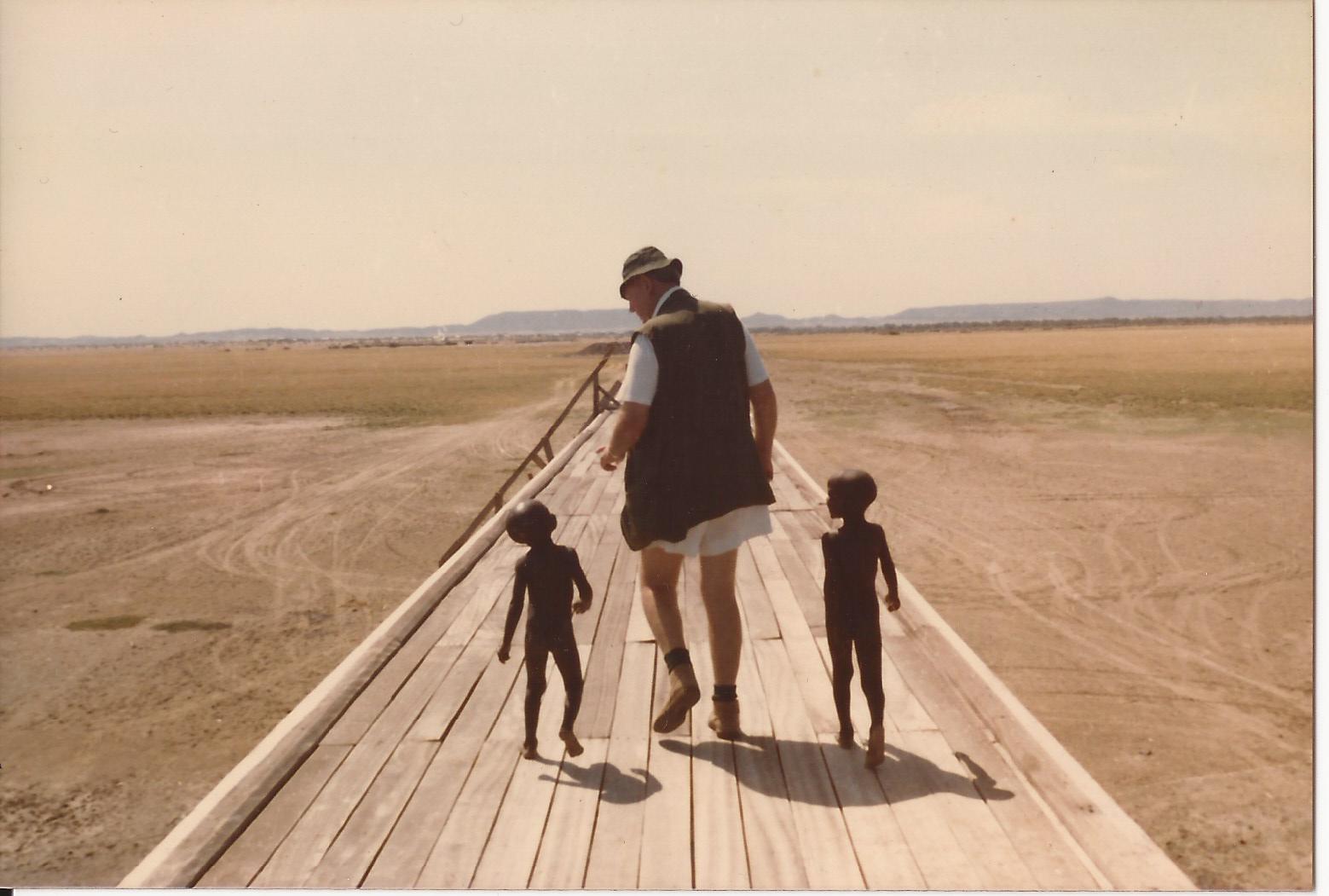
As we drove through the national parks, such as Lake Manyara we rarely saw another vehicle. The reason for packing so carefully was that there was no one around to help if anything went wrong. If you broke down or ran out of fuel you could be in serious trouble.
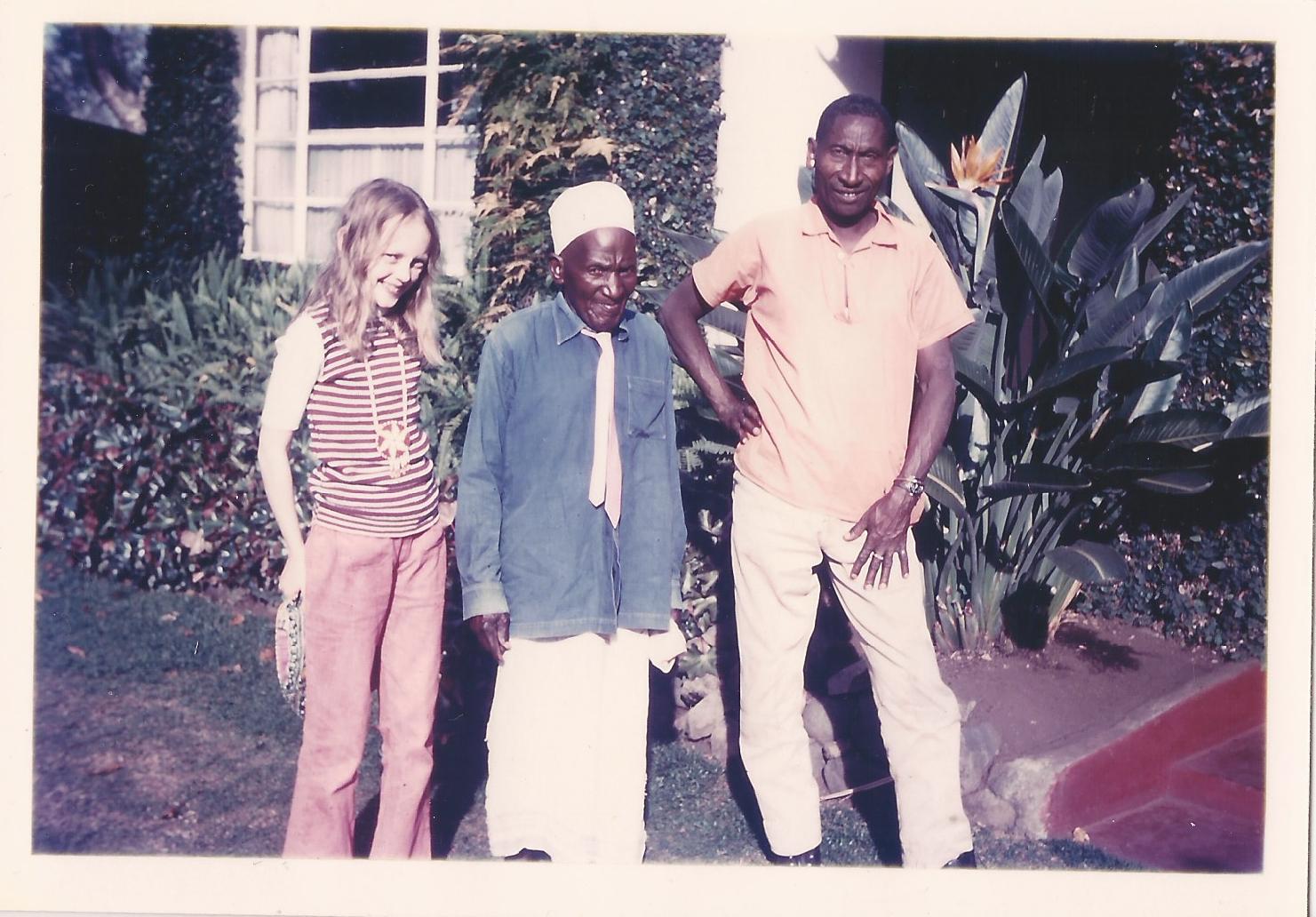
But there were always old friends to visit and they were charming, most hospitable.
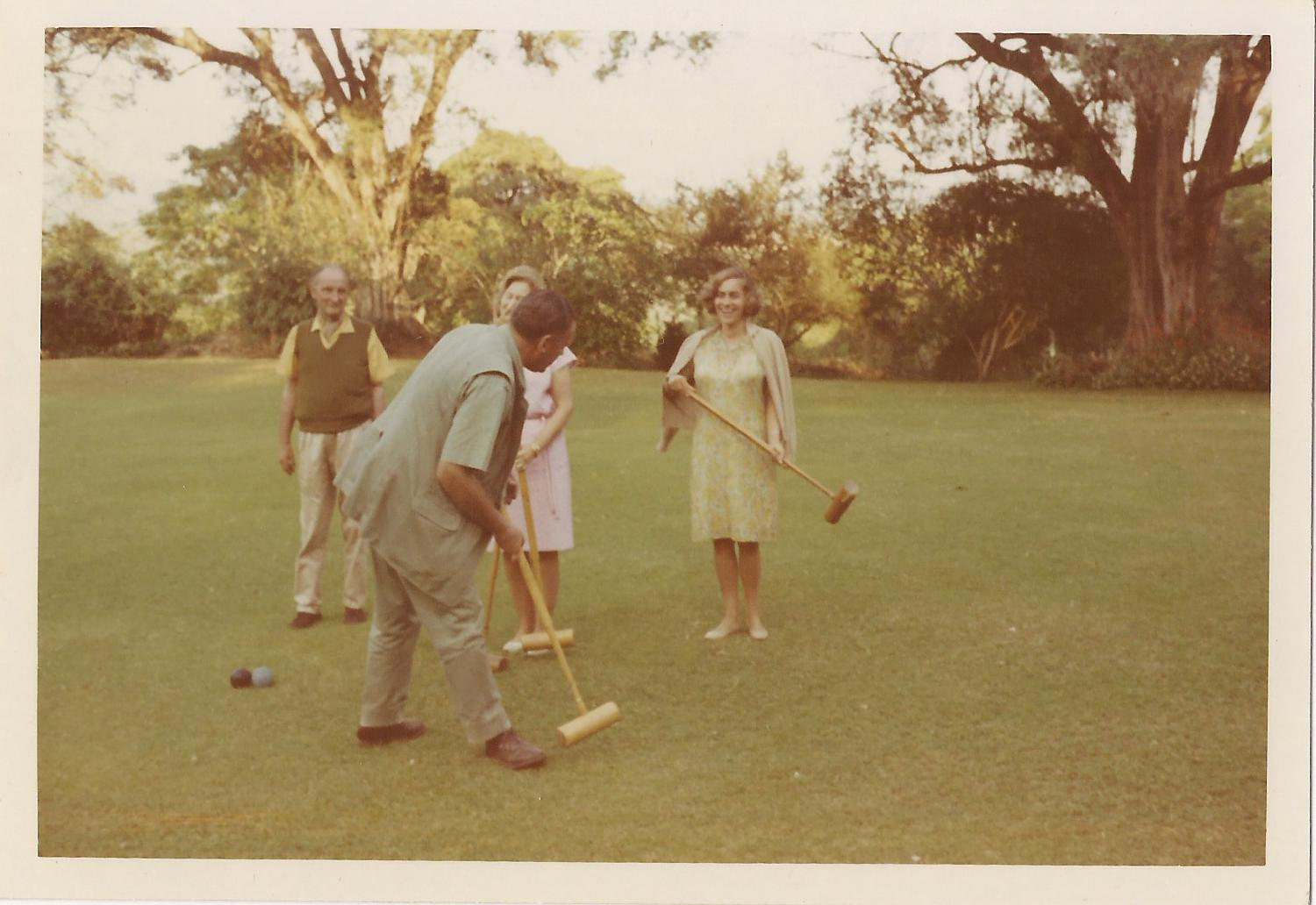
After driving for ages, we’d end up at another farmhouse, playing croquet.
Nothing but croquet, all afternoon and evening. Somehow I survived. I did so by keeping a diary. It was the first of a whole pile of notebooks that have grown exponentially, forming the basis of quite a few books – with more to come.
‘I’d like to go to Africa,’ I declared as a little girl, ‘and see forests full of parrots.’ This I did. Everything I had ever hoped to see was spread out before me and the experience left a profound impression.
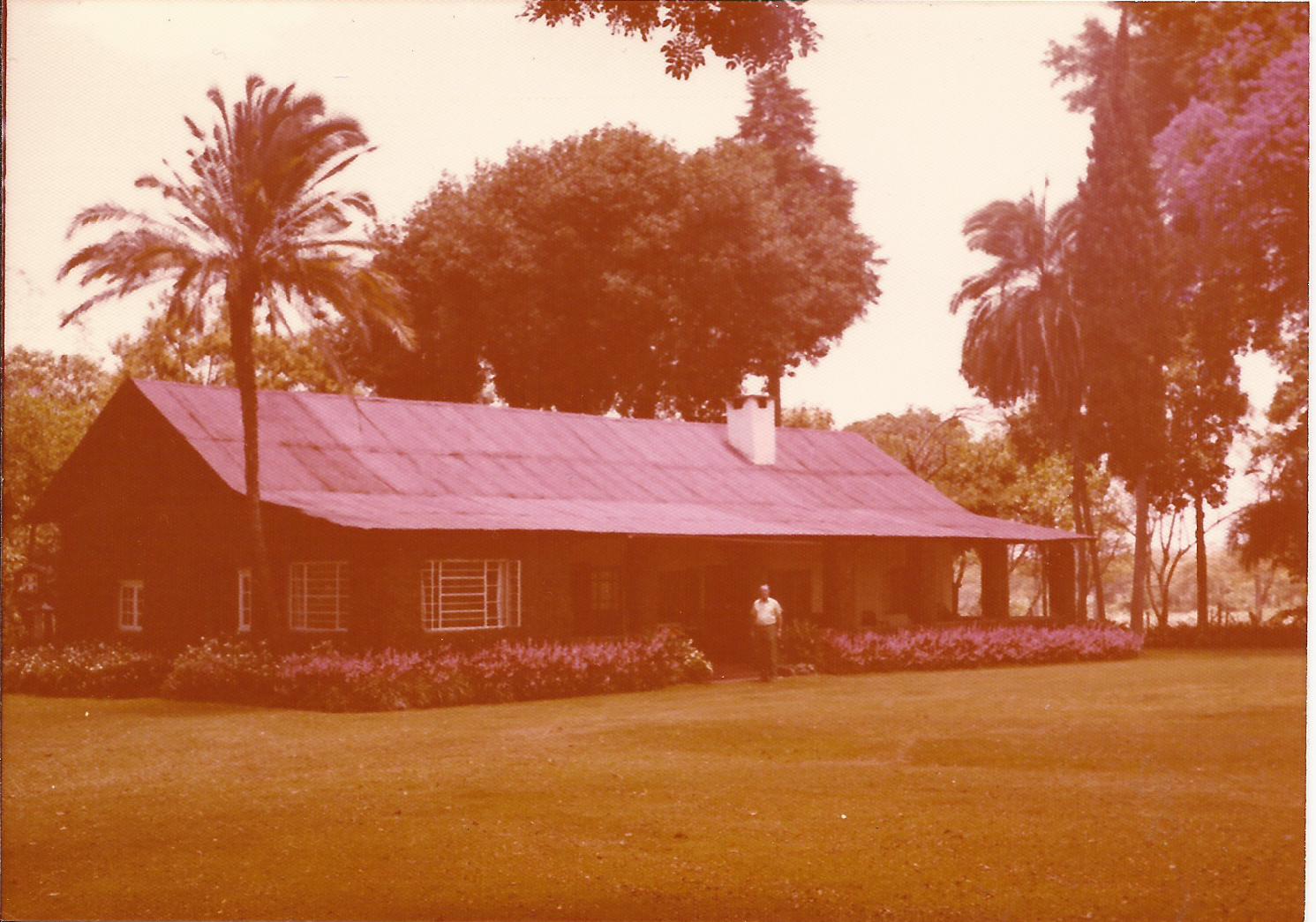
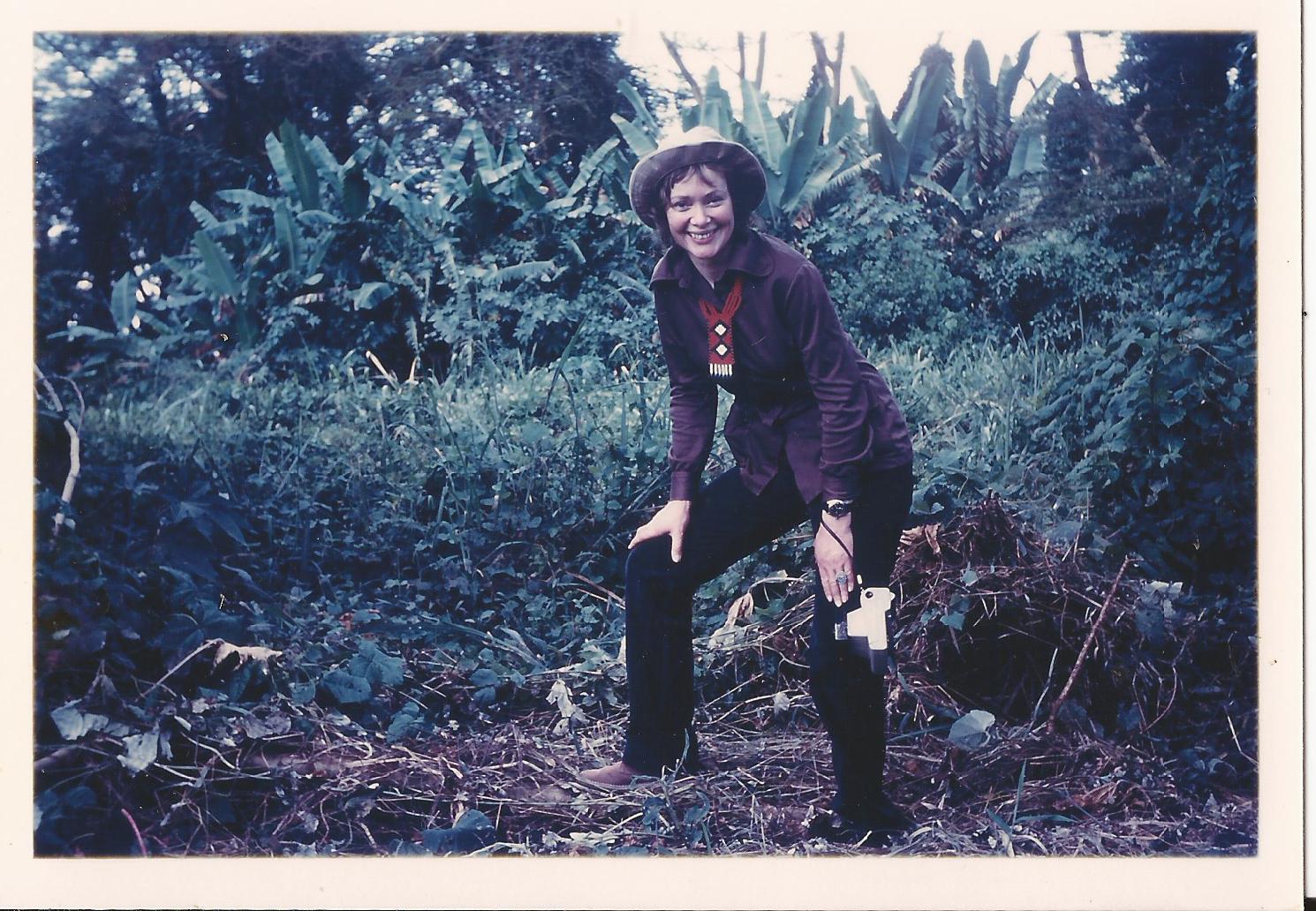
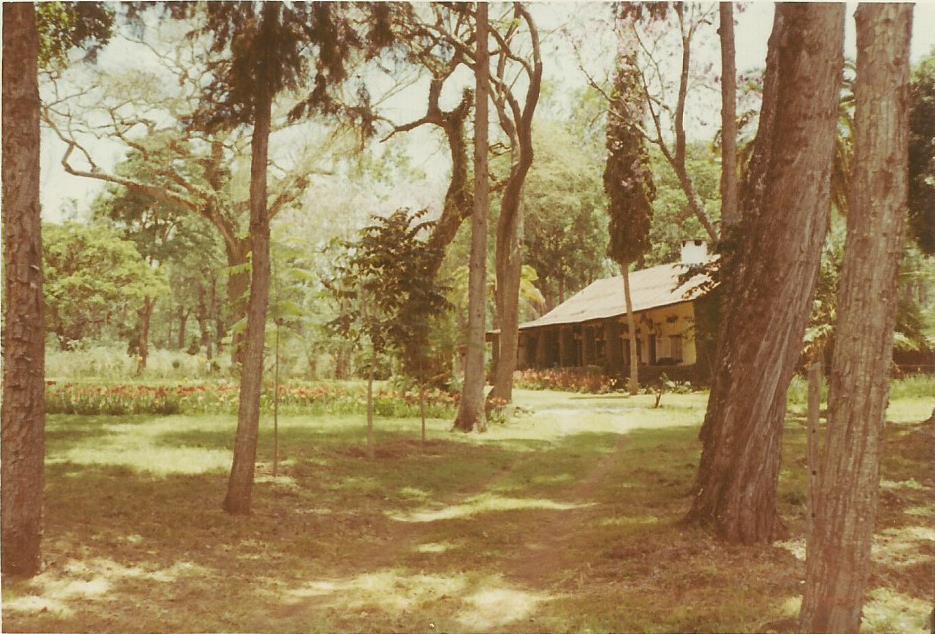
My great-grandparents began farming at Usa River, just west of Arusha in 1919. I first arrived in northern Tanzania in 1972, when my mother took these photographs of the house and garden where her family lived for fifty years. I longed to climb the ancient fig tree in the garden but was told a cobra lived there. It was probably on the lookout for parrots coming anywhere near it.
By the early seventies the family were busy farming coffee and often had visitors to stay. My great-uncle Tony used the farm as a base for his safaris and served as an honourary game warden having worked for many years in the Kenyan Police Force and Game Department. He was well-connected and once took Bing Crosby bird shooting, although this fact was kept secret until 2015.
I loved the outdoor way of life, was intrigued by the kitchen that was seperate from the main house, and amused by the hot water system that consisted of small cylindrical tanks known as ‘donkeys’. Everything smelt of wood smoke. The best thing was that I was able to sleep in a safari tent set up in the garden, in true ‘Swallows and Amazons’ style. It felt as if I was being swept along in an adventure portrayed in the film ‘Born Free’ when Virginia McKenna played the artist Joy Adamson who became well known for bringing up a lion cub called Elsa, eventually releasing her into the wild.
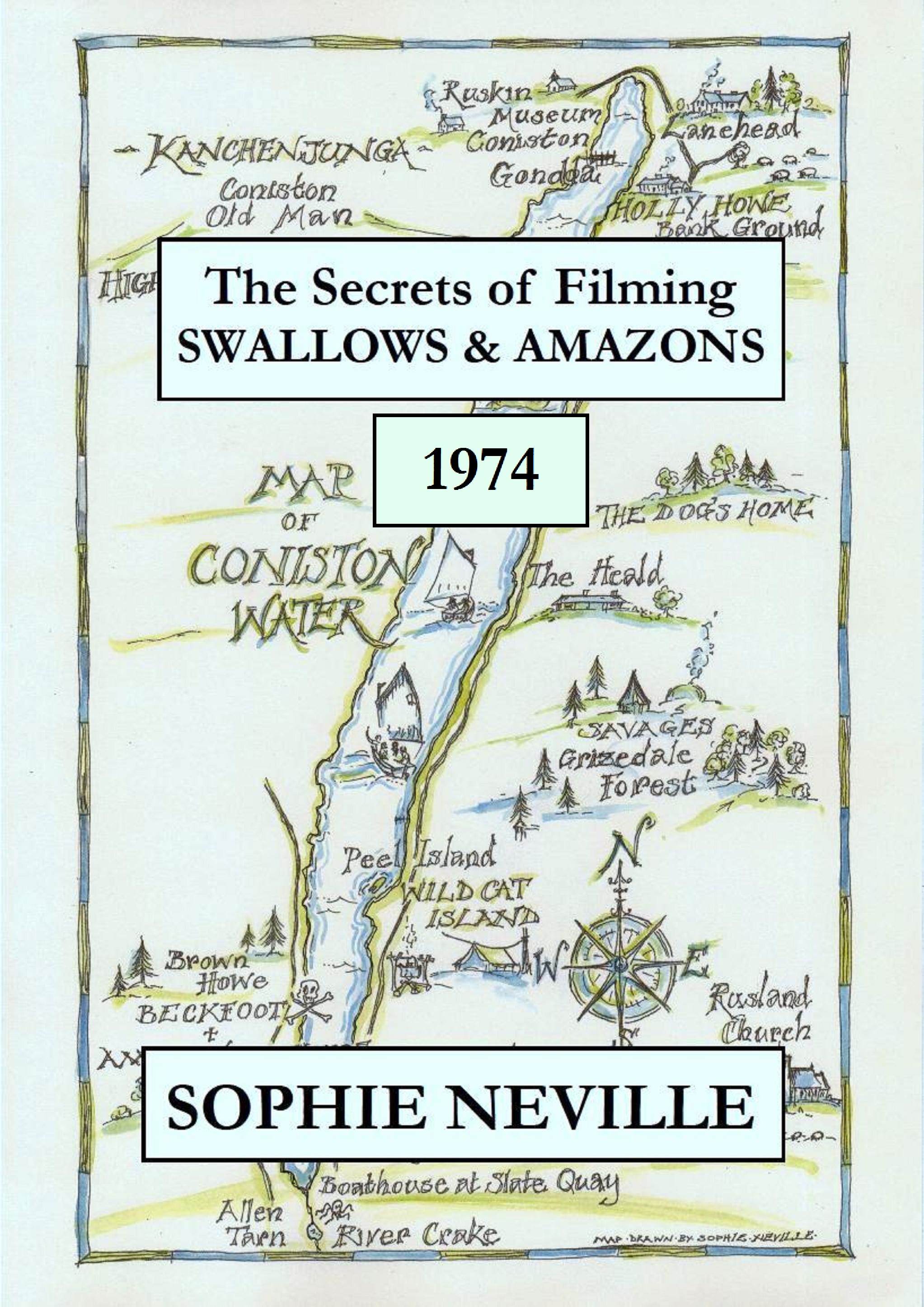
A second edition of the ebook ‘The Secrets of Filming ‘SWALLOWS & AMAZONS'(1974) is now available on Amazon Kindle, Smashwords, itunes, Kobo, and Nook for £2.99 . You can download this free of charge if you already own the first edition.
If you would like a copy but don’t have a Kindle, worry not. We have added a link whereby you can download a free Kindle app. Please go to my Book Page and scroll down for the details.
If you already have a copy of the ebook, contact a Customer Advisor and ask for a free update. You just need to give Kindle the ebook’s ASIN number. The ISBN for all online editions except Kindle is: ISBN 9781311761927
Since being contacted by others who were involved in the filming, I have been able to add a few more anecdotes and images, including this beautiful shot of Virginia McKenna in 1973 kindly sent in by the photographer Philip Hatfield.
I found a copy of my original contract for the film and when Jean McGill rang from Bowness, a few more secrets floated to the surface.
CBBCTV’s Cinemaniacs interviewed the screenwriter David Wood and myself on how the original movie of Arthur Ransome’s ‘Swallows and Amazons’ was made back in the summer of 1973. The idea was to use 30 second clips, so please excuse my over-the-top reactions, but you can watch the whole recording below.
‘This has to be one of the most delightful interviews in my recent memory.’ Tim Lewis, USA
‘Unlike other films, ‘Swallows and Amazons’ is within children’s reach,’ I’ve been told. It’s true. Any child can pretend that their bed is a sailing dinghy taking them to a deserted island. And when you are a little bit older – it’s not impossible to join a sailing club or go camping.
We took Swallow to join the Aldeburgh Junior Lapwings on the River Alde in Suffolk.
One intrepid sailor had bought her own Lapwing for £100, raising the money by busking in Aldeburgh High Street. Tilly renovated and varnished the clinker-built dinghy herself.
She can be seen here teaching the younger children how to owl hoot, playing ‘What Shall We Do With The Drunken Sailor’ on her thumbs.
The children went fishing for crabs, which they later raced down the slipway.
They went in search of treasure – if that is what you call a scavenger hunt –
before sailing back to camp by the mud flats, cooking out in the open and sleeping in tents.
They launched their dinghies, raised their red sails
and headed off, catching the tide.
Swallow, the dinghy used in the 1974 film ‘Swallows & Amazons’ acted as flag ship.
It is always great to receive feedback from readers, especially when they are familiar with the locations described in a book. Comments on ‘The Making of Swallows & Amazons (1974)’ keep coming in:
‘Thrilled with the book….We looked at all the photos in your book at bedtime and Eleanor was transfixed – we are loving it already. We talk a great deal about the houseboat feast’ – Miranda Gore Browne, author
‘Beautifully written book that really seems to capture the time and place. Made me want to re-watch the film and re-read all the books immediately.’ Jago Silver, book illustrator
‘I loved reading your book on the making of the film too – just lent it to a friend who is a big fan.’ Clare Mitchell on Twitter. ‘I have the paperback – ebook sounds gr8. Love the memories of a 70s childhood as well as the S&A background.’
To read more reviews of ‘The Making of Swallows & Amazons’ please see the Amazon UK page here.
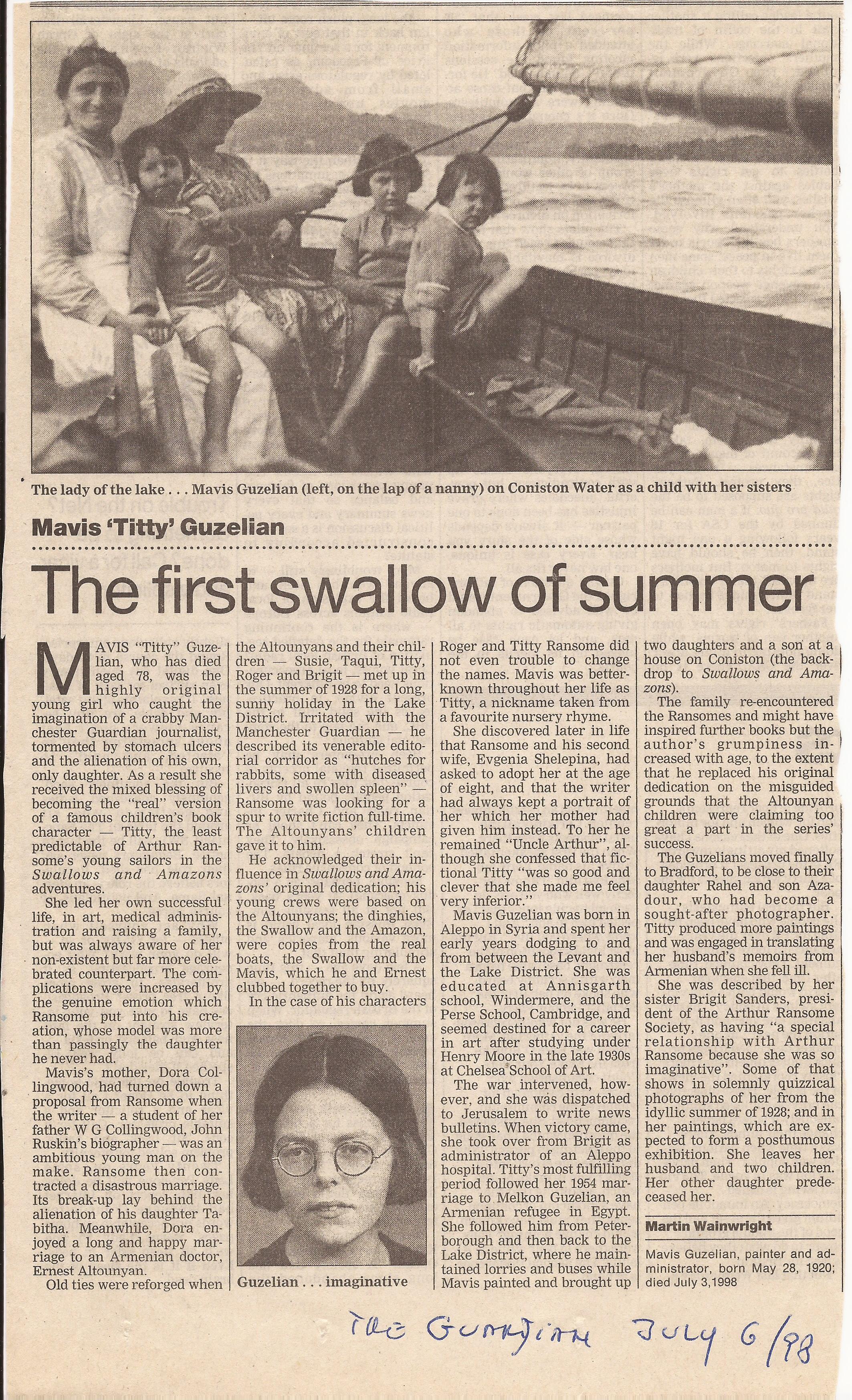
Titty was the name of an imaginative and ‘highly original’ little girl who Arthur Ransome first got to know in the Lake District when she was aged eight. When I met her niece Barbara Altounyan, she was most amused to hear that I had once played her Auntie Titty.
~Sophie Neville playing Titty Altounyan in the 1974 film ‘Swallows & Amazons’. Official photograph taken a Bank Ground Farm above Coniston Water copyright: StudioCanal~
I’d brought Barbara some long lost family photographs that included some of Titty’s wedding in Aleppo. They are beautiful.
Titty on the arm of her father, Dr Ernest Altounyan in Aleppo, 1954
Titty on her wedding day with her husband Melkon Guzelian, her sister-in-law, her father Ernest Altounyan, her mother Dora and brother Roger, far right. You can also see Roger, Ernest and Dora below, with Roger’s wife standing far right.
There is also a more informal shot.
‘Don’t you want to know about Titty?’ Barbara asked me. ‘She was a very detailed person and quite a perfectionist.’ I knew she was a wonderful artist who had studied under Henry Moore at the Chealsea School of Art. Although she produced a lot of colourful art, she was unwilling to ever attempt to sell her work. I was also told she also had long legs. I only hope that I have represented her well.
Titty and her siblings had dark hair, but I was told that Mrs Ransome wanted the children playing the Swallows to have have blonde hair. She insisted that Titty was played by ‘an English Rose.’
Titty Altounyan at her sister Brigit’s wedding to John Sanders in 1953
(NB: Ransome did not write ‘Swallows and Amazons’ while on holiday on Coniston Water as was stated in the programme. To see a photograph of Low Ludderburn, the house above Windermere where Arthur Ransome lived and wrote ‘Swallows and Amazons’ please click here and scroll down.)
You can read about what it was like to play the part of Able Seaman Titty in the original film of ‘Swallows and Amazons’ in this illustrated paperback, available online or to order from libraries worldwide:
Since Classic TV Press published ‘The Making of Swallows & Amazons’ in 2014, a number of facts have floated to the surface. The most amazing recollection was one that occurred to my mother.
‘The letter inviting you to come for an interview for a part in the film was addressed to your father. He was working abroad when it arrived. I never, ever opened his mail but something urged me to open that one envelope. It was a good thing I did as he was away for three weeks and we would have missed the opportunity altogether.’ She was amazed by the contents and replied at once, sending a photograph to Theatre Projects. I think it was this rather miserable one of me wearing a Laura Ashley dress.
Sophie Neville in 1972
A date was made to meet the director. I now remember that I was taken up to Long Acre in the West End to meet Claude Whatham very soon after Dad arrived back from his business trip. We walked through Soho and visited a Chinese grocery store on the way home.
Daphne Neville on HTV in 1973
‘I was never paid to work on the set as chaperone,’ Mum told me. ‘Neither was Jane. We were just happy that our expenses were covered but it ended up costing me quite a bit as I had to travel back to Bristol to work now and again.’ She was working for HTV as a television presenter alongside Jan Leeming, who is currently appearing on ‘The Real Marigold Hotel’. For the photo of them both on an HTV West show, please click here
Jean McGill said she didn’t get paid for acting as the Unit Nurse, as far as she could remember, ‘But I wouldn’t have missed it for the world.’
Kerry Darbishire playing Nurse
The most exciting thing was meeting Kerry Darbyshire, who played Vicky’s nurse, at Zeffirelli’s cinema in Ambleside for the 40th Anniversary screening of the film. I learnt to my horror that I had mis-spelt her name in the credits I gave the actors. All I had to go on was her signature in the back of my copy of the hardback book of ‘Swallows and Amazons’ where I’d collected autographs.
Kerry Darbishire’s signature
Kerry laughed, telling me, ‘I should have had more legible handwriting.’ She appeared in the film quite a bit. ‘It was a pity I wasn’t able to bring my own child. She was the exact same age and colouring as the little girl they found to play baby Vicky.’ Kerry was with us in the compartment of the train on day one of the shoot. ‘I found it very difficult to laugh with you when the train went into the tunnel.’ I couldn’t think what she meant at first but it was the laughter that followed Virginia McKenna’s line: ‘He’d say, “Just look at that scenery”.’ at the moment the train goes into a dark tunnel. ‘You children found it no problem at all, but I couldn’t laugh. I was too shy.’ Zeffirelli’s are next screening ‘Swallows & Amazons’ (1974) at 7.30pm on 2nd March.
I never knew the name of the snake wrangler – who brought the charcoal burners’ adder along, but Ken Foster wrote in recently to say it was his father, John Foster whose family farmed near Satterthwaite. He was once employed as an assistant at the fresh-water biology research establishment at Windermere and became a biological specimen supplier. You can read more about his unusual occupation here
To read more about the day the adder arrived on location, please click here.
John Foster & the charcoal burners’ adder
Simon West, who played Captain John, remembered that Claude Whatham often used to take us for a quick run before going for a take. It freshened us up and was appropriate when we had to run into shot, slightly out of breath.
One little girl wrote to tell me how she pulls her dress over her knees just as I did when I played Titty, as I got rather cold in a scene when were were first sailing Swallow to the island.
Sophie Neville with Terry Needham
George Marshall, the veteran film accountant, assured me we had a very talented film crew. Mark Birmingham, a film producer currently working on the bio-pic of Noel Coward, knew quite a few of the individuals working on ‘Swallows & Amazons’ and told me of the amazing careers they went on to lead. ‘Your Best Boy, Denis Carrigan, went on to run Sherperton Studios.’ Denis worked closely with Ridley Scott who made many great films there. ‘Sadly one of the other electricians died when he grabbed a live cable.’
Other people have written with interesting stories relating to the film locations.
‘The shop in Woodland Road was my grandfather Tom Kirkbride’s cobblers shop from 1930s to 1956,’ Brian Salisbury wrote. ‘After he retired, the wooden building became Stan Cropper’s sweet shop doing a roaring trade with the boys at St Mary’s Boys School just along the road and the newly built Droomer Estate.’ This was the shop where we bought rope for the Light House Tree that is now a barber’s in Windermere. To read more about this location and others in Windermere, please click here
Is there anything you would like to add?
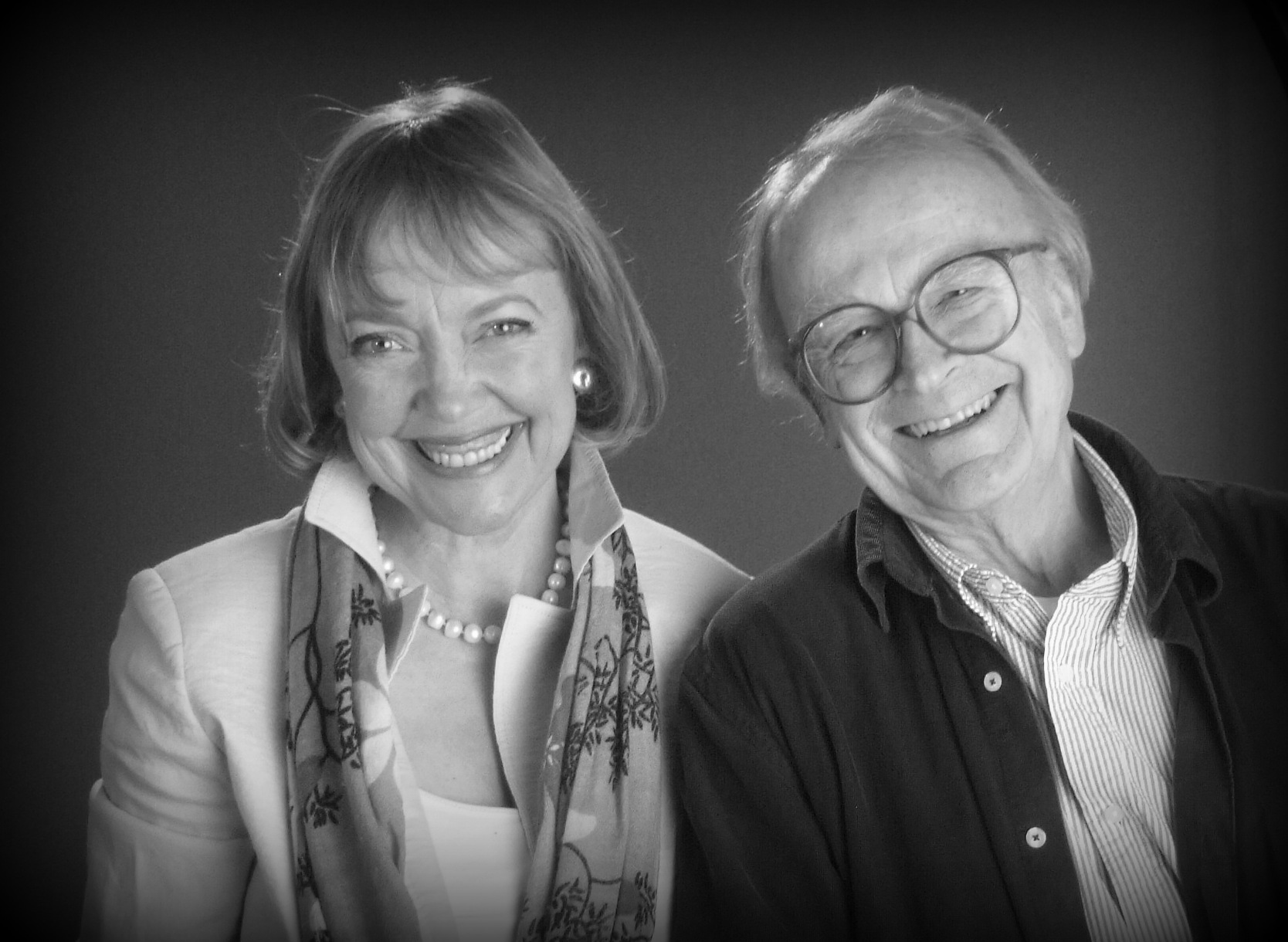
Daphne Neville, Stephen Grendon, Suzanna Hamilton, Sophie Neville, Jane Grendon and Simon West.
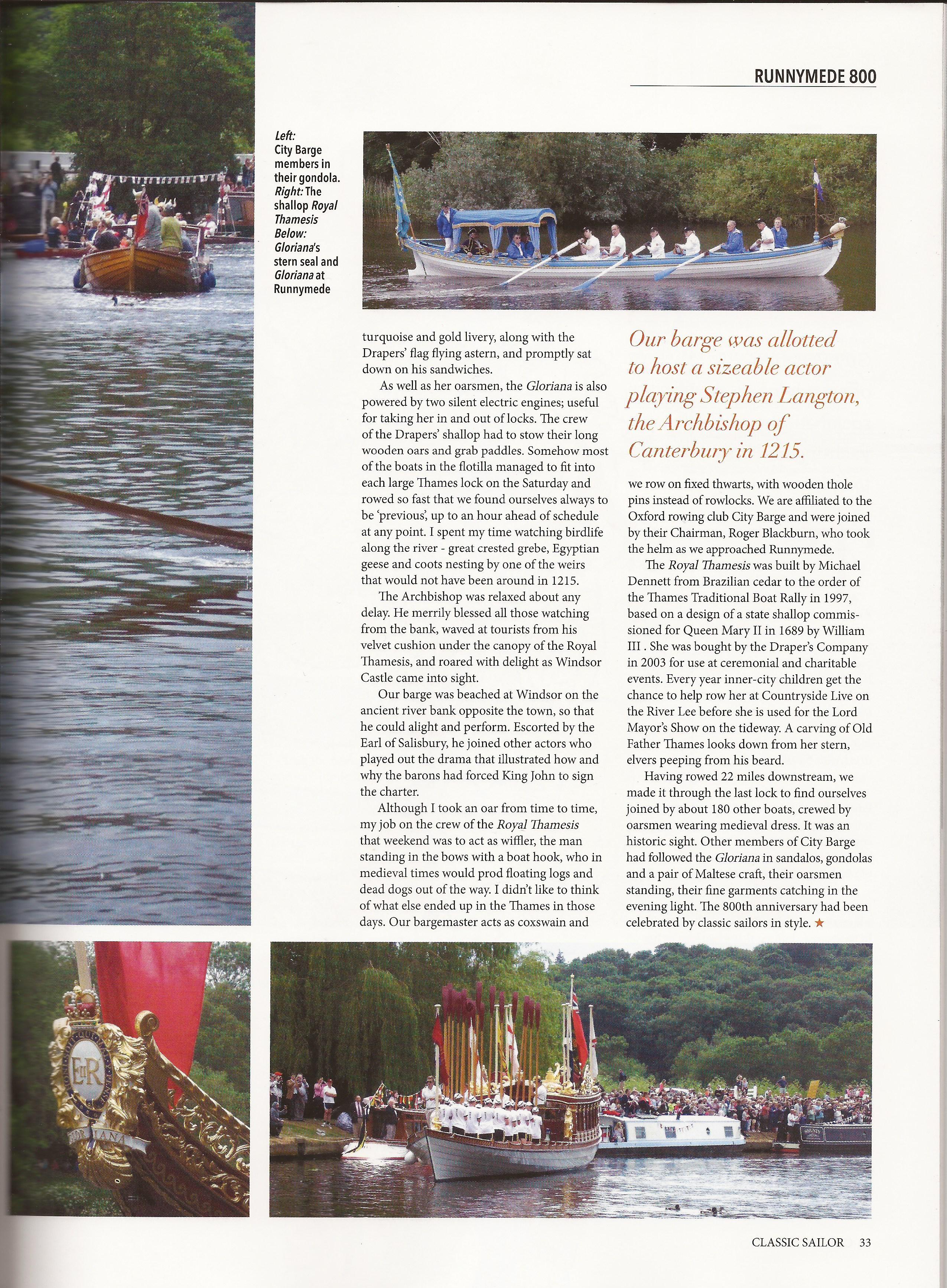
I had an article published in a fabulous magazine for all those who love classic boats and traditional craft:
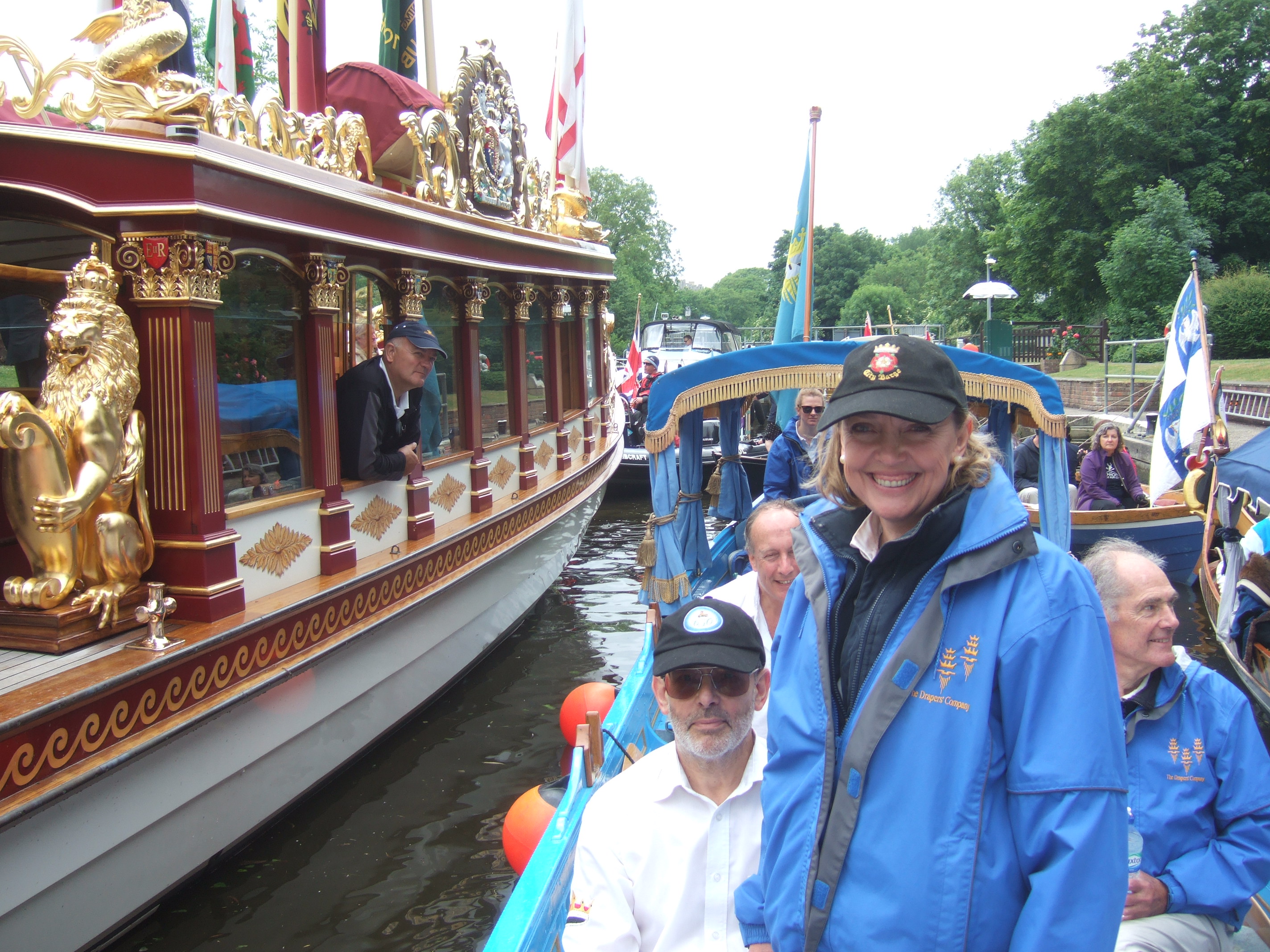
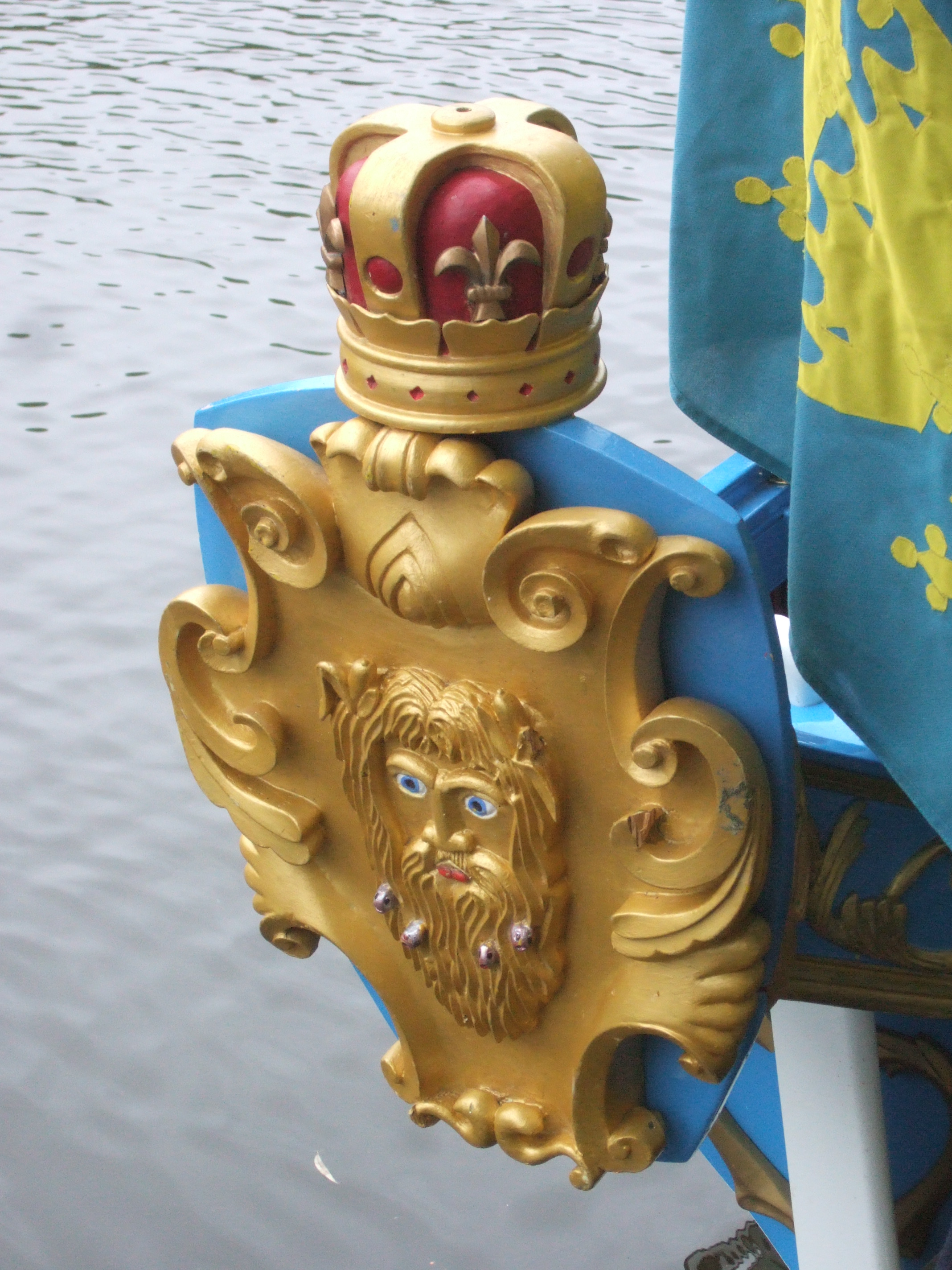
The balotina Nicoletta, a ceremonial gondola, pictured below, must be one of the most elegant on the River Thames.
I am rowing at No 4 in this photograph of the Drapers’ shallop Royal Thamesis taken by Peter King. The shots of the Gloriana are my own:
There is lots more to read in the magazine including a story from Roger Barnes about taking his dinghy to a sail-and-oar challenge in France, as well as news of Thames barges on the east coast.
Classic Sailor are eager to hear from readers about what kind of articles they’d like included. If anyone can send me a book review or perhaps a review of sailing films, I could forward it to the editor.
To read more about the event and see wonderful photographs, please click here
Comments from readers are flooding in:
‘I really enjoyed your article and photos.’ Richard
‘This is a really nice article you have written – well done! It is a fitting tribute to such a memorable day…’ Edwina
‘..where were BBC TV on the day?’ Juliet
‘Standing rowing is, for me, the best way to travel in the canals and rivers of Britain. Out at sea in the waves, clearly, sitting rowing has a place. But I like seeing where I’m going.’ Peter
‘..is (the gondola) from the Tudor/16th Cent period or earlier? Kenny
‘ excellent article… the “sandalo in the background” is my sandalo Piero with its crew of Tony Meadows, three delightful ladies from Venice and yours truly. One of my prouder moments although I have never concentrated so hard in my effort to keep in formation. Fortunately Tim Williams kept Nicoletta on an impeccable course making it easier for the rest of us.’ John Sykes










 We took Swallow to join the Aldeburgh Junior Lapwings on the River Alde in Suffolk.


 before sailing back to camp by the mud flats, cooking out in the open and sleeping in tents.
 They launched their dinghies, raised their red sails




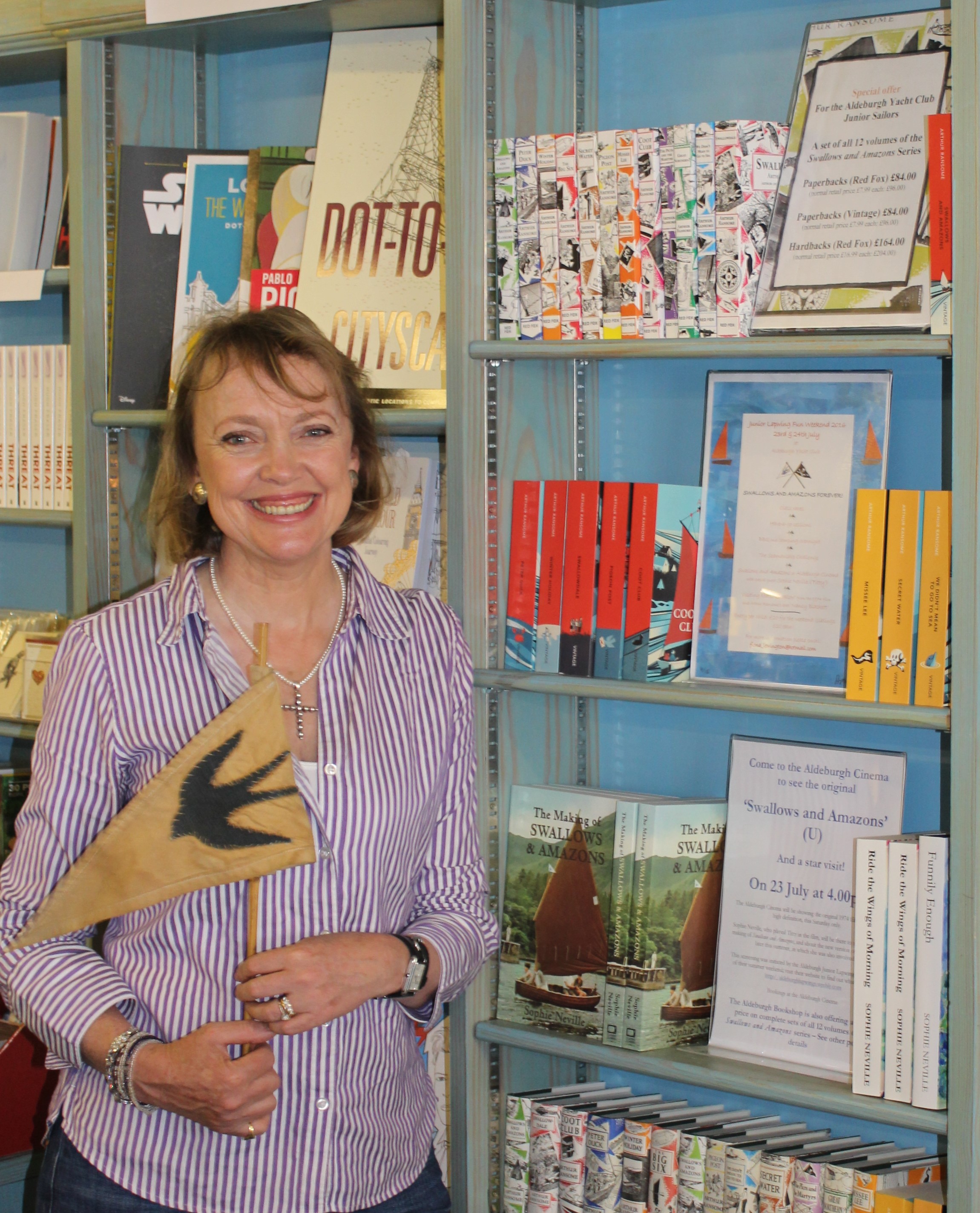

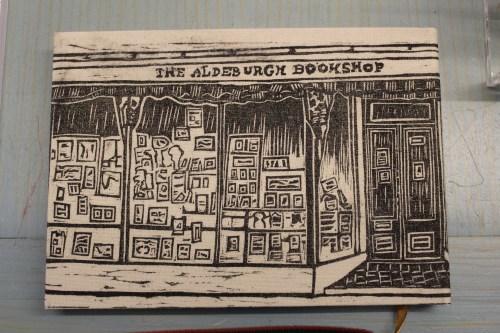
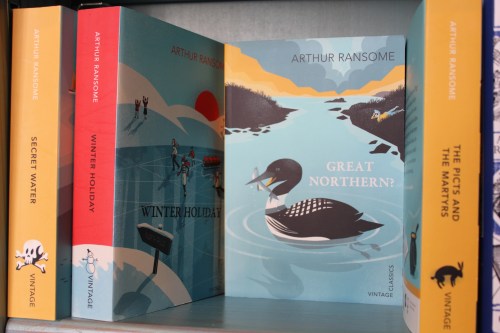 adorn the shelves of the award-wining Aldeburgh Bookshop
 The sun shone and holiday makers enjoyed the beach










 Sophie Neville