Sophie Neville collecting litter in the New Forest as quarantine restrictions lift
Accompanied by my purple bucket, rescue hound, two sons and their small children, I can no longer classify myself as a lone litter-picker, but as Covid-19 restrictions lifted on 4th July we set off through the New Forest to resume collecting things that have been lost or discarded. Most of what we found was scattered around the car park despite the prevalence of litter bins.
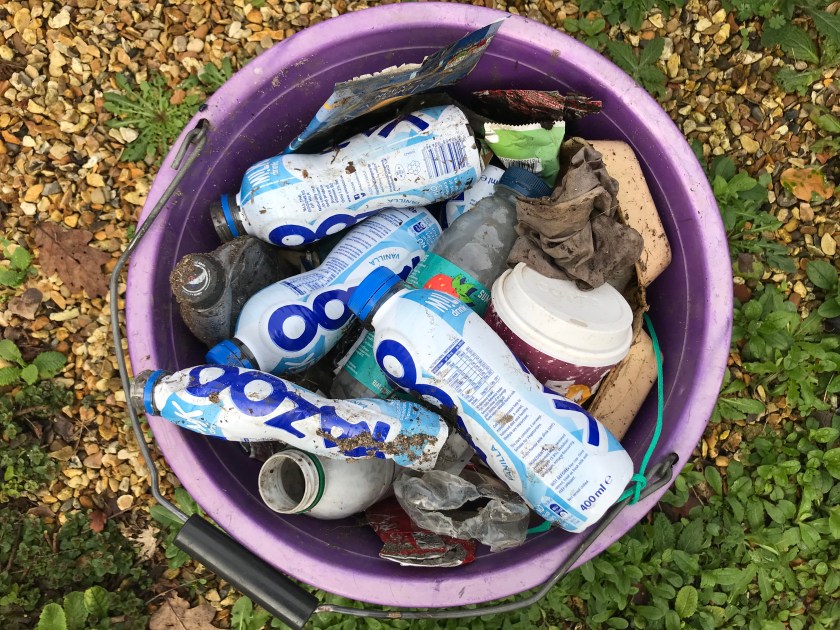
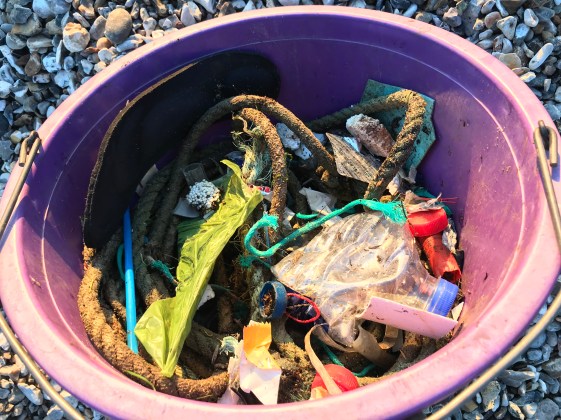
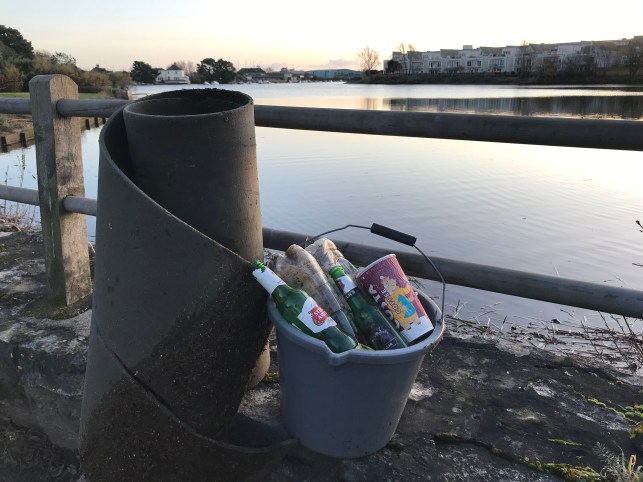
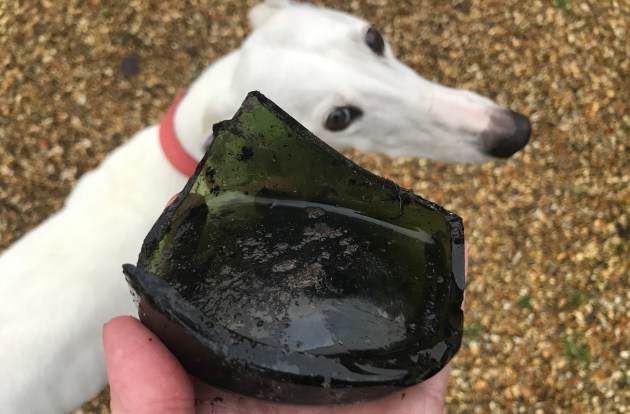
5th July, and I collected this from a causeway crossing a tidal river where some drivers think it a good idea to toss what they no longer desire into the water. The evidence suggests they are drink driving, and perhaps not thinking clearly.
I pick up endless car parts and assorted trash whenever I venture out, believing that taking one or two pieces from the river bank has to make a difference. We collected a bucketful collected from a beach on the Solent and another from around a local landmark in the New Forest National Park.
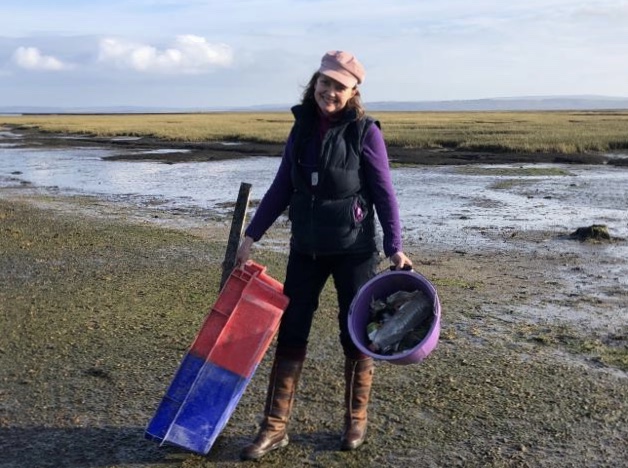
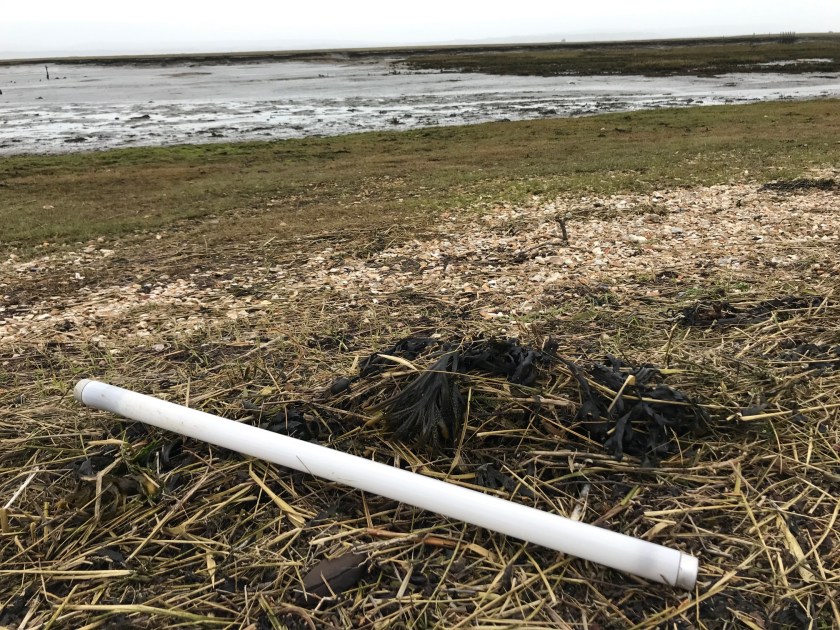
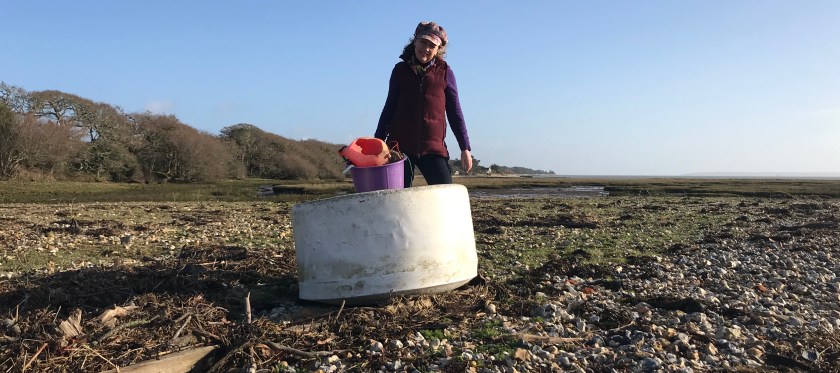
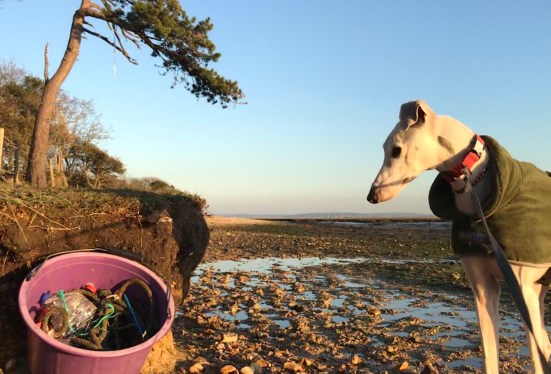
When will people realise what they are doing to the planet? The dog now waits expectantly while I excavate plastic from the sea, often showing me something I’ve missed like a lost shoe. I was extracting three pieces of plastic guttering from the Solent when this photo was taken.
To see what I collected during the Coronavirus Lockdown, please click here.
Before Lockdown, I was cleaning this section of the Solent shore on a daily basis, mainly collecting plastic pollution that had blown in or been deposited by the tides.
Being isolated and difficult to reach, and yet near my home, it seemed a good place to continue taking exercise with my rescue dog, using buckets that can contain broken glass and handle windy conditions. I have three that I’ve found washed-up, along with a bicycle basket.
Each bucket can contain between 40 and 260 pieces of plastic. Some items are very small. Barbecue tongs are useful for extracting wrappers from brambles but most sea-rubbish is clean having been floating in the Solent.
I find quite a few glass bottles, takeaway food containers, PVC fishing rope and always an old cigarette lighter.
Some items will have been lost overboard. Occasionally something makes me laugh.
I find the task of clearing the bridge across the estuary quite distressing. People have obviously been dropping litter from vehicles, including sani-wipes, plastic gloves and things that had been in their mouths. What do they imagine will happen next?
There was a lot of drink-driving prior to Covid-19. I’ve noticed less bottles and cans of alcohol chucked out of cars but far more picnic litter. It’s a wonder we are not coping with a more formidable virus.
“What is the worst things you seen dumped in a beauty spot?”
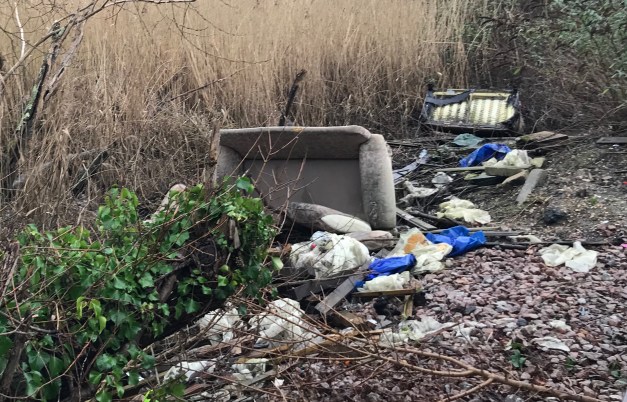
At the beginning of Lockdown I came across this rubbish dumped in a nature reserve where otters bred. There was human faeces everywhere.
“Why do people throw litter?” I’m asked.
It’s no excuse, but think it gives them a sense of release, which is why we are being inundated right now. I have studied the issue in my depth here.
Quite a lot of rubbish blows off building sites. Here I am in my V.E. Day dress, removing builder’s plastic from a New Forest pond along with a war-time can that looked at least 75 years old.
“What are the most distressing things you find?”
Fly-tipping upsets me. I took my family to help clear half a ton of plastic car parts dipped in a beautiful bluebell wood a mile from our house, last night. It’s been languishing there so long that a member of a UK Litter-picking group has asked me to send him what have become ‘collector’s items’ but there are too many! I dated the haul by a 2004 crisp-packet lodged with the hubcaps.
This was a load of brand new camping gear dumped in the New Forest National Park as if it was biodegradable.
It’s always distressing finding objects that have obviously been stolen, such as handbags, empty jewellry cases, laptops and iPhones. I’ve found eight different lots chucked in the river within half a mile of my home.
Finding nitrous oxide canisters worries me. What is something goes wrong? People are obviously taking it in areas inaccessible to an ambulance.
This is one of the most lethal objects found on a beach frequented by children, dogs and New Forest ponies. No one from the Council is going to find this.
Some items seem to have travelled a long way.
“What’s the weirdest thing you’ve found?”
I find long, fluorescent light bulbs washed up in the same place – intact. Here is one I found at the beginning of Lockdown. I’m assured they contain mercury and would be horrific if smashed.
“Do you do art with the rubbish?”
Not using the hub-caps, but during Lockdown I’ve begun to make abstract pictures with sea plastic. You can see the earring and beer bottle caps I found above.
This seascape is proving popular on Facebook:
Those of us collecting sea-plastic along the south coast have found a number of toy soldiers. I incorporated one into this collage:
Being a writer, I usually litter-pick alone so that I can take advantage of good weather and tides while being able to loosen-up after a day typing, but friends sometime join me. It’s fun and gives us plenty to chat about as we view society from the bottom up.
To see more photos and read more about #SolentBeachClean, please click here
Sophie Neville on her 150th beach or river clean of 2019
For a list of the kind of things I find washed up on Solent shores, please click here
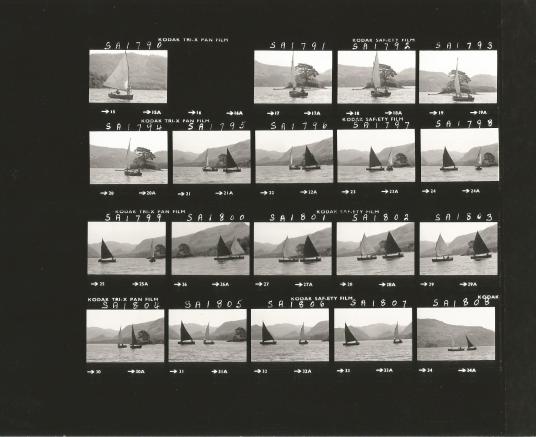
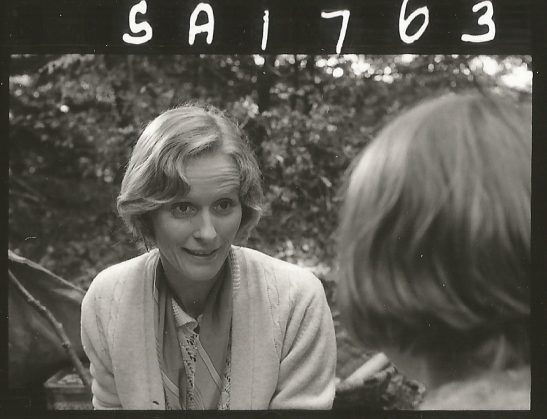
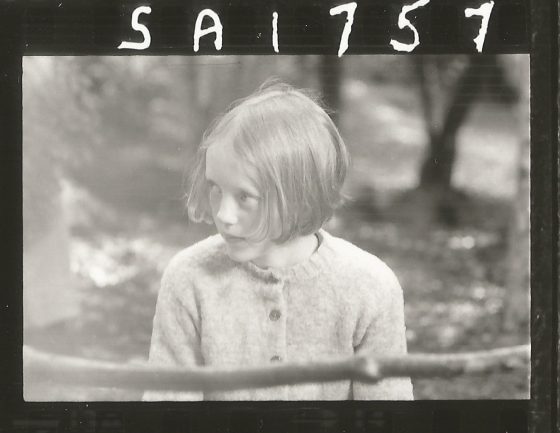
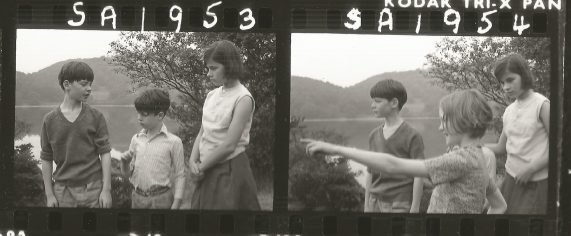
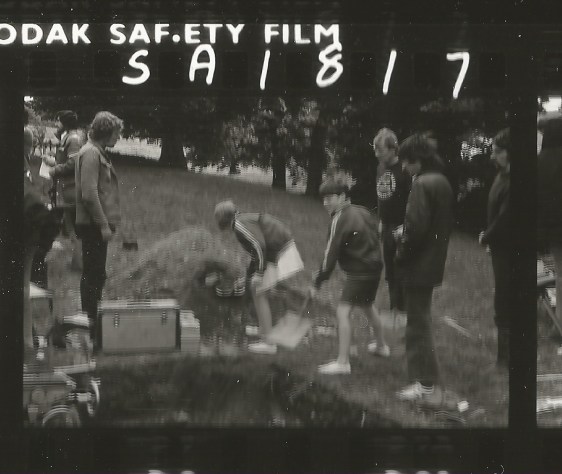
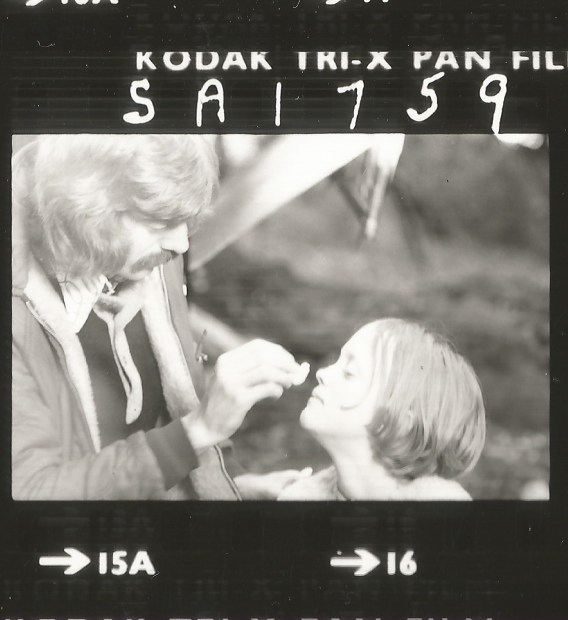
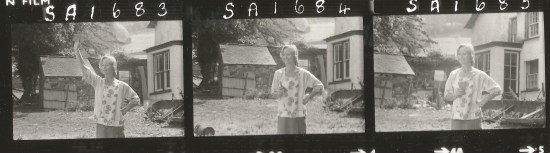
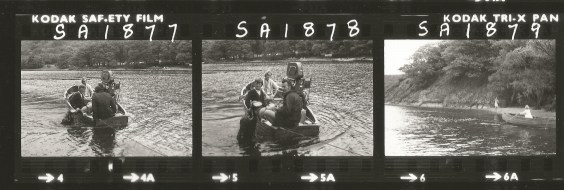
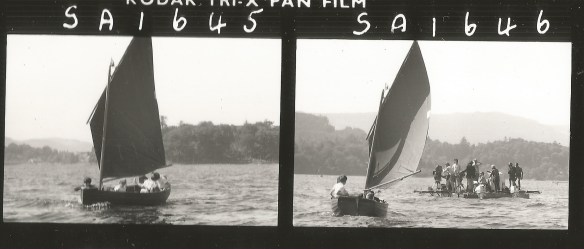
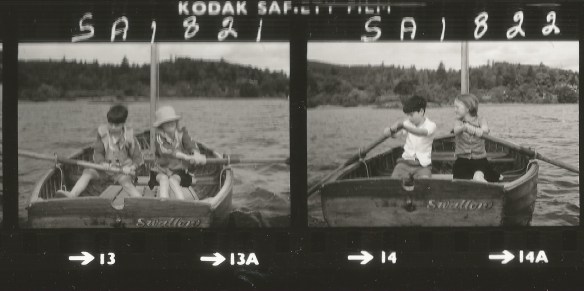
~Contact sheet shots taken from Albert C Clarke’s film stills~
‘I have just been watching on BBC catch-up, the famous and wonderfully entertaining film ‘Swallows and Amazons’. As a 12 year old boy in 1974, my little brother and I were taken to watch the James Bond film ‘Live and Let Die’ in Coulsdon. As we sat down to watch it we found ourselves sat at the wrong place. We were so upset! When the film ‘Swallows and Amazons’ started playing we totally forgot about 007 and found ourselves glued to the screen watching this wonderfully entertaining film. In short, even at 58 years of age I still enjoy this beautiful film about four children and their adventures.’ George
Virginia McKenna as Man Friday in Swallows and Amazons 1974
‘My best #lockdown viewing so far has been the 1974 film version of Arthur Ransome’s ‘Swallows and Amazons‘. Reliving the joy of discovering those books, and remembering the freedom of grubbing about in the wildness…’ Judy Darley
Sophie Neville as Robinson Crusoe the shipwrecked sailor
‘Never read Arthur Ransome’s ‘Swallows & Amazons’ or seen an adaptation until yesterday. What a delight the 1974 film was. Captured the spirit of childhood adventure so charmingly. Didn’t stop smiling for a moment during the whole thing.’ David Rattigan
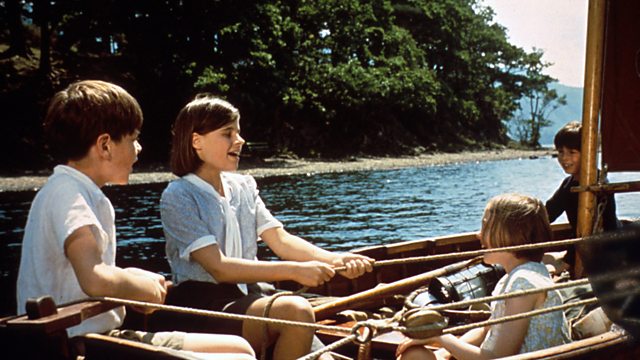
The Swallows on Wild Cat Island
‘Watching the original ‘Swallows and Amazons’ with daughter. Get to the “better drowned than duffers, if not duffers won’t drown” telegram and daughter remarks: “I see. So their dad’s gone mad and is writing gibberish.”’ Patrick Kidd – Times Diaryist
Behind-the-scenes at Bank Ground filming ‘Swallows and Amazons’ in 1973
‘Ooh. The original ‘Swallows and Amazons’ has come onto Amazon Prime. The one with Titty. The real one. The only one.’
Sophie Neville being made up for the part of Titty in 1973
‘Best children’s film ever made. Perfect lockdown viewing. BBC iPlayer – ‘Swallows and Amazons’ – Tim Bonner
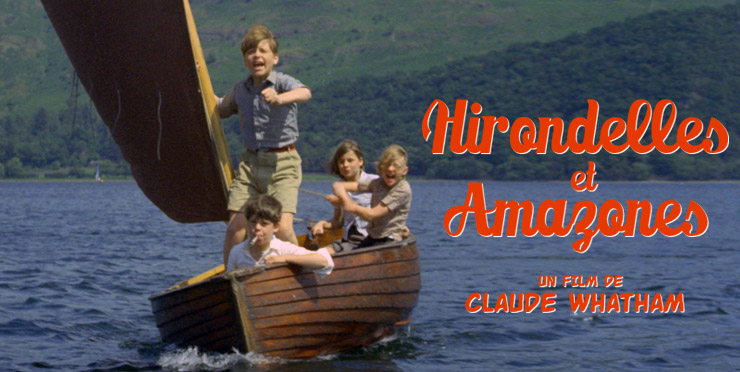
For homeschooling ideas relating to the films, such as watching the DVD in French, please click here
You can read the first section of ‘The Making of Swallows and Amazons (1974)’ for free in the preview here:
RTE Guide declared, ‘The definitive adaptation of Arthur Ransome’s ‘Swallows & Amazons’ is on BBC Two.’ More people than ever seemed to watch the classic film, starring Virginia McKenna, which attracted comments on Twitter, Facebook and Instagram while emails were being sent in.
M.J. Probyn #StayAtHomeAndStaySafeSwallows and Amazons on BBC2 today! Break out the grog and pemmican. Stay home and watch this excellent film adaptation today…
Graeme Wood – Just what we need in these extraordinary times…
Dr Lucie Bea D – And Swallows and Amazons is on! A very very early cinema memory for me; I saw it in Hereford and was given a colouring in picture of the Amazons hiding in the reeds watching Swallow.
I’ve just enjoyed watching the film on tv again (I watch it every time!) I can remember watching the film in 1974 with my mum and grandma when I was a nine or ten year old, at the then called Mecca Cinema in Horsham,Mecca Cinema in Horsham, Sussex (sadly now demolished) I remember loving the natural setting and the adventure in the film and remember it being thrilling and suspenseful! Still my favourite film, so cheerful and uplifting. The lovely music! All still brings a tear to my eye.
Back then in the 70s we didn’t have the lakes but at every opportunity our little band of local children would run off over the fields playing, building camps and climbing trees in the woods – such happy, carefree days. Been looking at your website too – what a huge resource about the film – good time at the moment to look through it! Thank you for all the information and being in such a happy film, John Rose
Michael – I spent my summers up in the Lake District as a boy and loved/love the book
Peter Hamilton – Swallows and Amazon’s was one of my all time favourites as a child, it was an adventure that seemed more attainable than famous five etc. I really hope my son loves it as much as I did when he’s older…. I adore lake Coniston. Even in high summer that water is icy and very deep innocent happy times… I‘ve tried to sail out to the island on Coniston lake but there wasn’t enough wind so didn’t quite make it. I collected a fair few of the books in my 20s, brings back lots of memories
Duncan HallIt’s such a good film. Doesn’t feel dated at all, to me.
Peter Ashby something timeless about the film. I can happily sit and watch it any time
Graeme Wood – Just goes to show how timeless the story is..
Graeme Wood – It’s a lovely film. As a kid I wanted to jump through the TV screen and join in (ditto the BBC adaptations of Coot Club and The Big Six). Hopefully kids will watch and want to read the books.
Michael – I’ve loved it all my life. I remember my dad rowing me out to an island on lake Windermere and showing me holes in trees, he said they’re from arrows!!!!!!
Maddy Knibb – I also had a wooden swing that collapsed so I turned it into a boat, with broom handle and sheet mast and sail. Guess which books were played out – Swallows and Amazons! It was by a laurel hedge and the leaves made great fish to be cooked on pretend fires!
Perfect opportunity for children to replicate #WildcatIsland with homemade tents in the living room
Glenn Evans – Read this to all my children when they were toddlers. And saw the film in 1974 myself.
Michael – It was only yesterday as far as I’m concerned
Jude – Remember watching the boats on the lake being being filmed from my bedroom window – what a lovely way to slip back into my childhood
Mandy Morley The most classic, and my favourite quote: “I’ll shiver your timbers for you if you don’t stop chattering Peggy!”
Portway Junior School say, ‘the Portway Press also contained a link to the children’s classic ‘Swallows and Amazons‘ film – an excellent watch in this wet weather’.
The 1974 adaptation of Arthur Ransome’s iconic book ‘Swallows and Amazons’ starring Virginia McKenna was screened on BBC Two on Friday 17th April at 3.00pm and was available on BBC iPlayer for 30 days here
Please add any questions about how the movie was made to the Comments below.
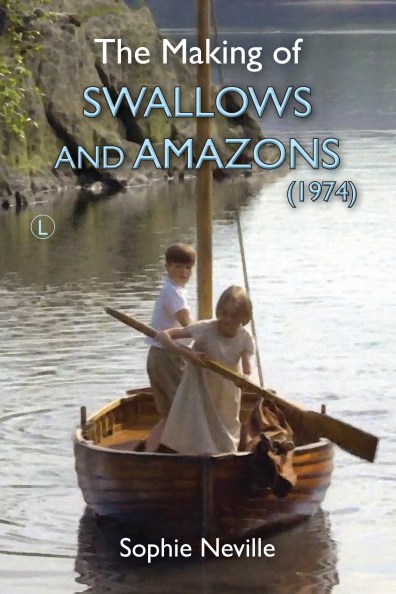
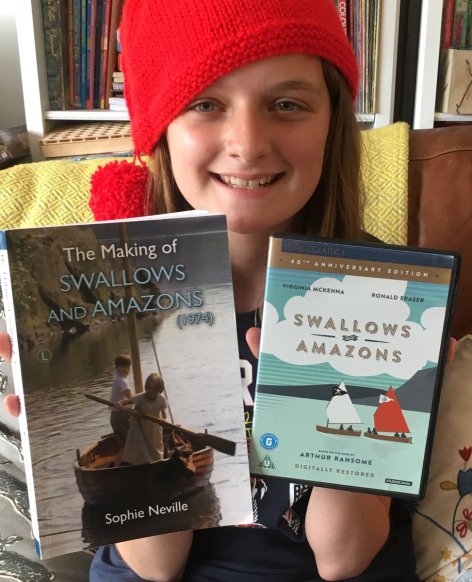
For the latest edition of the paperback on ‘The Making of Swallows and Amazons(1974)’ with details of the film locations and what those who appeared in it are doing now, Please click here
You can read the first section for free in the ebook, entitled ‘The secrets of filming Swallows & Amazons (1974)’ This is similar to the paperback but has a few more stories for adult readers and links to behind-the-scenes cine footage. It can be downloaded from iBooks, iTunes, Smashwords,Kobo and Amazon Kindle
For homeschooling ideas, why not get hold of a copy of ‘Swallows and Amazons’ in French or enter Into Film’s movie review writing contests? Read more here.
It would be lovely to hear from anyone who saw it in the cinema when it first came out in cinemas in the summer of 1974 – more than forty-five years ago.
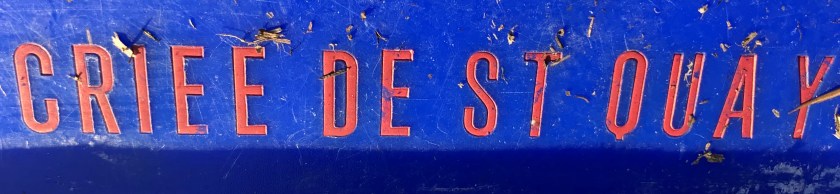
I’m often ask what are the most extraordinary things I’ve found on a beach clean. This year, I came across a crate washed up on Solent shores that originated in Brittany, nearly 400 kilometres across the English Chanel.
My bucket fills with lost toys and discarded litter as I clear plastic debris brought in on the tide. There is often a piece of Lego and nearly always an old cigarette lighter. How do they get into the sea?
Plastic and PVC string gets entangled in oak trees brought down in the storms.
But, perhaps the strangest things are three unbroken fluorescent light bulbs washed up in the same place at different times.
There is always plenty to collect from tidal margins including a fair bit of rope. Most pieces are tiny. Plastic gardening waste is common.
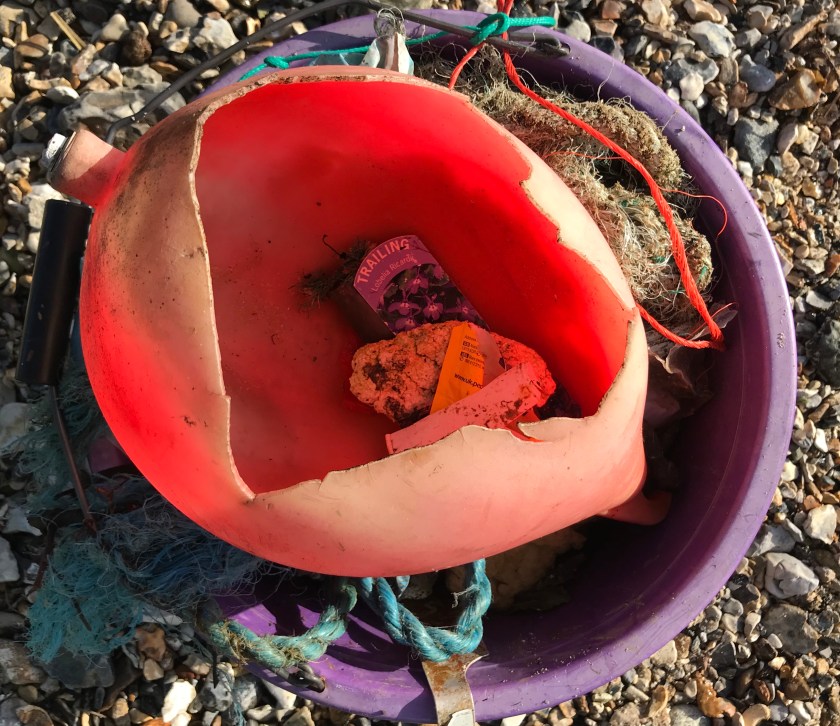
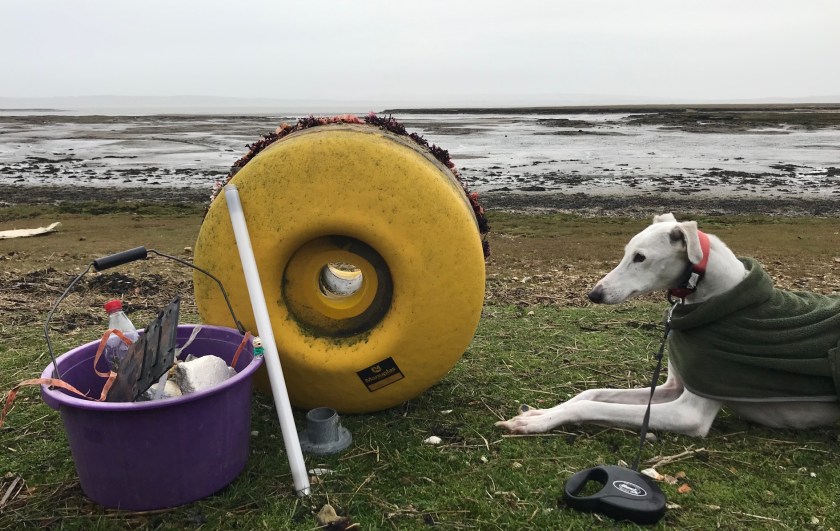
Some of it defeats me. I couldn’t shift this marker buoy. It is difficult to imagine how it will ever be removed from such a remote spot with no vehicle access.
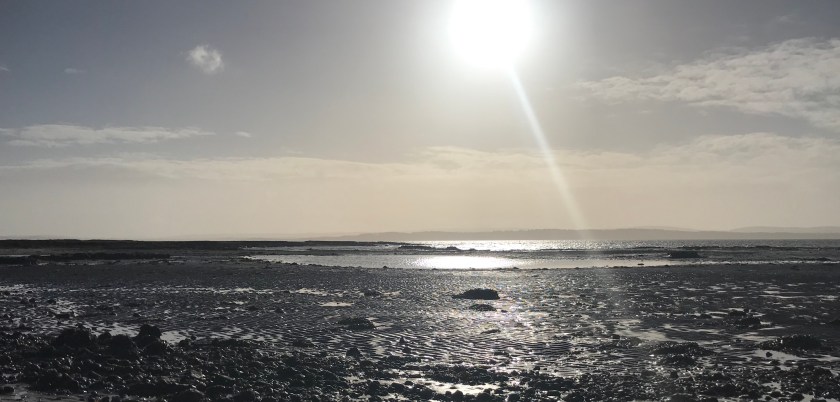
British mud flats, so important for wildfowl, constitute one of our last wildernesses. I long to check the whole area but birds will be breeding on the low lying islands soon.
Instead, I go inland, clearing plastic bottles and wrappers that have blown off the Solent into coastal fields where they risk being a hazard to livestock. I often find pieces of plastic that have passed through the guts of New Forest ponies. Some items have obviously been dumped by overloaded hikers such as this brand new camping gear.
Meanwhile, the Lymington river estuary seems to be regarded as a litter bin by someone who drinks Tazoo everyday. I collect what I can from the banks before the rubbish attracts even more.
The nearest McDonalds is a 25 minute drive away and yet countless people wait until they reach the bridge before tossing their cups into the tidal river. Why do they do this?
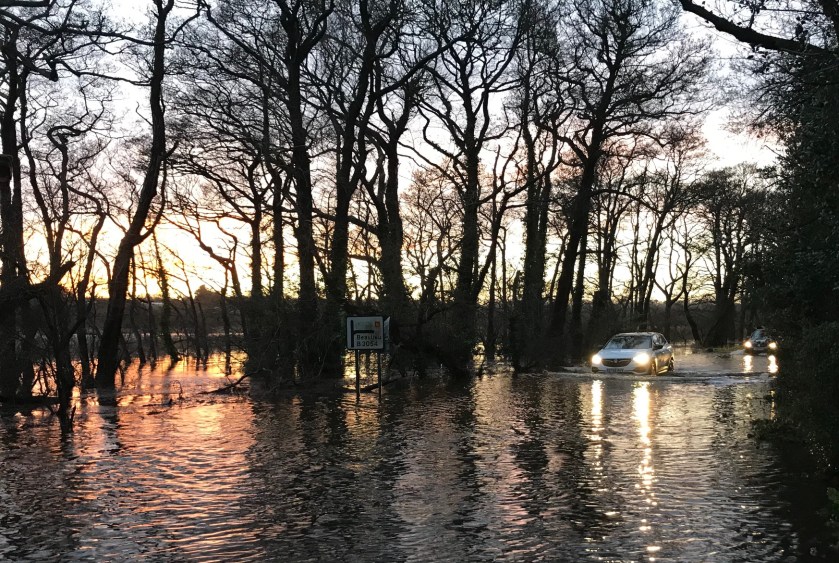
I didn’t clear nearly enough. The road flooded taking all the litter chucked onto the verge into the sea.
The shore I usually clean-up was not too bad after the storms but this is because others have begun to clear up debris.
After storm Ciara I found three old cigarette lighters at once along with other indicators of how bad things are. I learnt that one person had found 105 old lighters up on the Mersey. For a list of things found while beach cleaning in 2019, please click here.
I returned to the shingle beach at Tanner’s Lane on the Solent at low tide to see what had washed up after a week of stormy weather. You can see me and my dog wrapped up against the cold weather in the bottom left hand corner of this aerial photograph taken as we searched for rubbish along the shore. We found a predominance of PVC fishing net and rope, along with plastic straws and cotton bud stalks, bottle tops and micro plastics.
I was obliged to leave a car tyre and a quantity of rope that was too deeply buried to extract without a crowbar but it had been too cold for picnicers. There was no litter. It is not difficult to imagine that plastic pollution can endanger people. The yards of loose mooring rope I did retrieve could easily have become entangled in the propeller of someone’s boat and left them stranded in shipping lanes.
I joined ‘Paws on Plastic’ on Facebook who encourage dog walkers to return with one piece of rubbish a day. One piece is better than noting. I picked up a can discarded by the sign greeting people to our town and took it home for re-cycling with the mantra, ‘rubbish attracts more rubbish’ swirling around my mind.
The next time I took my hound for a walk in the New Forest, I came across two carrier bags of litter hanging from a tree. I’m rather hoping their owner will return for them since I had already collected a bucketful.
I continued to collect tins and plastic bottles throughout the week, if only two or three a day. What amazes me is how often I find unopened cans or bottles of drink chucked in the bushes. Were they originally stolen? Why are they thrown into the woods? To read more, please click here
I hate sorting the litter when I reach home but getting out into the wild can be amazing.
I returned to the shingle beach at Tanner’s Lane on the Solent with my friend, also called Sophie, who took care of the dog while I collected plastic pollution. Having cleaned the same beach seven days ago, all I found was a black plastic lid washed up with a number of micro plastics. I plan to return in another week and begin counting the pieces as an indication of what is being washed up on a 500 metre stretch of the Solent. I guess the amount will depend on whether we have another storm or winter picnic-ers.
We then walked half a mile up the only lane to the beach. I filled my feed bucket with about 5Kgs of crisp packets, cups, flowerpots, a tin and two glass bottles. My friend was interested in how much more rubbish we spotted on our way back to the car. Litter picking is like that. You see into ditches from a different perspective. Cyclists visiting the New Forest were interested to see how much had been thrown onto the verges of the National Park and were horrified to see how much we collected.
9th January
We drove through the New Forest the next day, taking note of the verge-side litter. Where does it come from? What kind of motorist can ignore the fact they are driving through a National Park? Cyclists must notice every piece.
I later extracted three items from the Lymington River. Two were cups with plastic lids and plastic straws from McDonalds. The nearest is a 25 minute drive away, yet I often find their packaging. Is it dropped by commuters, visitors or delivery people?
11th January
I found an old carrier bag, put on gloves and collected a bag full of litter on my way into town, finding old things like a neck brace left in the street. The bag is deposited in a municipal bin, as advised. What distressed me was looking over the flood barrier to see so much rubbish dumped in the Nature Reserve.
I walked the dog around Bradbury Rings Iron Age Fort in the afternoon, collecting about 20 items of litter. Although ancient rubbish is the life-blood of archaeologists, I think we can spare them Coke tins.
12th January
I spent 40 minutes collecting litter, walking through the park and along the Solent Way, passing the Yacht Haven. There seemed to be more litter on the ground than a council operative was collecting from the plentiful municipal bins. I found a brand new bag-for-life before picking up two canisters of laughing gas by the Yacht Club. What can I do but re-cycle them?
15th January
Storm Brendan hit us hard for two days but the skies finally cleared and enabled me to get down to the coast to collect plastic bottles and wrappers along with two fishing buoys that had blown in from the Solent. It was a joy to be out in the New Forest National Park and felt good to be doing something worthwhile but can I make a difference?
For a list of things I take on a Solent beach clean, please click here
Sophie Neville in Portugal on the 150th beach/river clean of 2019
Wednesday 1st January 2020
“Hello Sophie,” a passing driver called out. “Are you still collecting plastic?”
“My first beach clean of the year!”
I managed 150 beach or riverside litter collections last year. My aim is to make it 200 for 2020. As someone wrote to ask why I stopped my last‘Diary of a lone litter-picker’ back in April, I thought I’d start it up again. It may not be that consistent but I am fuelled by rage. The first thing I picked up toady was a deflated helium balloon found on the road to the Solent shore. Isn’t helium a finite resource? Don’t we need it for medical procedures?
I came across two ‘disposable’ barbecues lying abandoned on the beach.
“Do you think someone will return for these?” I asked the only other person about on New Year’s Day.
“Doubt it.”
I added the aluminium trays to the purple bucket I use to collect litter. Only one drinks can graced it’s depths today but I stopped repeatedly to pick up cotton bud stalks along with small pieces of PVC fishing twine and red, white or blue micro- plastics washed up by winter tides.
A runner ran past. Will all this bending keep me fit, I wonder. There was a little polystyrene and four boxes of fireworks left beside the municipal bin.
It was a mild but misty morning. I walked along with my dog listening to cries of seabirds. How many of them have plastic in their gullets?
On returning home, I looked up the Marine Conservation Society and see from their 2019 report that they have a number of different classifications for items such as ‘Sewage related debris’. They need more data to campaign and change Government policies. I decide to join.
Thursday 2nd January
It was windy with rain threatening, so I decided to take my dog down a lane running alongside the river marking the boundary of the Lymington Reedbeds Nature Reserve in the New forest National Park. This is just above the high tide level and prone to flooding. I cleaned the area two months ago. In about 500 yards I collected:
3 x glass booze bottles, 3 x booze cans, 3 x drink cans, 7 x plastic drinks bottles, 5 x cigarette packets and 30 x crisp/sweet wrappers. This weighed 3kgs. Apart from one sandwich the contents of the packaging could not be described as health-giving.
I had to leave a discarded boiler, a rusting wheelbarrow, a length of soggy carpet and a number of bottles lying out of my reach. This fly-tipping has languished in the ditches here for sometime but I need to commandeer help and a suitable vehicle.
Friday 3rd January
A lovely sunny day when I cleared litter from the rest of the lane running along the river. What do people expect will happen to the cans and plastic flung into the reserve? One tin was dated 2011. Four of the wrappers had been neatly knotted before being chucked in the ditch. From the evidence collected, I strongly suspect their owner to be drink-driving on his or her way to work every day.
Sadly, I will need to return with a long-poled grabber for plastic bottles chucked deep into the brambles. I need a vehicle to collect a large car part, a plastic tub and a number of ‘Bags for Life’ stuffed with litter lying abandoned near the footpath to the pub. It could be worse. I found nine different items of stolen property along this lane last year – iPhones, lap tops, two empty jewellery boxes and a handbag in which a mouse had made its nest.
It was my friend’s birthday, so I took her a card, walking along the estuary with a bucket to collect the inevitable litter. What should I do with parts that have obviously fallen off cars? I hung one up in case its grateful owner comes along along. I also hung a soggy sweatshirt from the railing, although I doubt if it will be claimed.
I was down by the water, fishing out plastic bottles when a car passed belching clouds of choking white smoke. After extracting an old carry-mat from the reeds I found two puzzled men looking under the bonnet of their car. Their glamorous passenger stood shivering by the estuary. I pointed them in the direction of the local garage but feel I should have left the mat in case they needed it.
Saturday 4th January
In an effort to record data, I sort yesterday’s litter into re-cyling bags full of tins and plastic bottles. Glass bottles go in an outside sink for washing, wrappers into my domestic rubbish bags. They should go into Council litter bins or litter bags.
I returned to the Solent and began collecting plastic deposited by winter tides. When I first moved to this area fifteen years ago, the foreshore was multi-coloured with debris. The coast now looks clean at first glance but I picked up about 200 tiny pieces of fishing twine and micro-plastics in a few hundred yards. There were quite a few spent shot-gun cartridges left by wild-fowlers. I found a baby’s dummy and a used cigarette lighter. There is often one. New Forest ponies roam here and yet I have retrieved buckets of broken glass in the past and find a jagged bottle base that could easily lame a horse. It has obviously been there for years.
Sunday 5th January
A stereo speaker was washed up on the shore this afternoon. I wouldn’t want to hit one at sea. I spied a Corona bottle, the bobbly ‘every bubble’s passed its FIZZical!’ type that we yearned for as children in the 1960s. How old would it be? 50 years-old? Could I still redeem the deposit? Hopefully soon.
Monday 6th January
I walked back from town, unable to pass litter lying on the causeway over the Lymington River. I had no bucket with me but where there is rubbish there is usually something you can use as a container. I found a broken umbrella, filling its folds with plastic cup lids, bottle tops, and assorted trash including a Pepsi Cola tin that would have otherwise rolled into the tidal river.
Tuesday 7th January
I should have rushed out early when we had two minutes of sunshine but I was distracted and the rain set in. Instead, I read through litter-picking posts on Facebook, absorbing information on bottle return schemes and the call for an end to single use plastics. I reckon we need to support anyone who is doing anything before the world is swamped in rubbish and the food chain poisoned. Do let me know what you are doing in the comments box below.
For a list of things found on Solent Beachcleans last year, please click here
The school term is over, ‘Swallows and Amazons’ is on BBC iPlayer and Christmas missives are arriving in the post. I have just been sent this homemade card from someone who came to the premier of the original film in 1974, when I was fortunate enough to play Able seaman Titty.
~Captain Flint hanging Christmas decorations around his houseboat on a card made from a Puffin book cover~
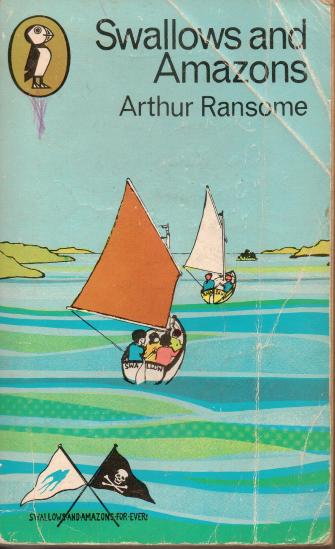
I dug out the Puffin paperback of Swallows and Amazons my father gave me when I was a girl and read avidly, along with other books in the series, by the time I was eleven years-old. It is a 1970’s edition in which I’d underlined everything Titty said. I must have re-read this copy when busy preparing for filming the 1974 movie financed by EMI.
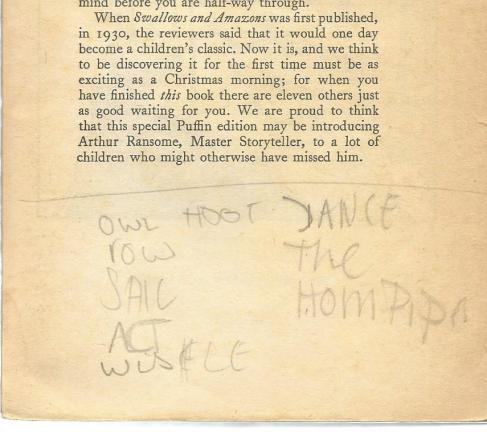
Kaye Webb, the editor, had written an introduction saying, ‘This book is about sailing, fishing, swimming, camping, and piratical exploits.’ She wanted to make it available to children, thinking that discovering Swallows and Amazons ‘for the first time must be as exciting as a Christmas morning.’
Underneath, I’d noted down the skills I would need to acquire before playing the part of Titty. ‘Owl Hoot’, was one item, ‘wisle’ (sic) another. I was somewhat apprehensive about dancing the Hornpipe but excited about ‘being a cormorant’, having no idea how cold this experience would prove.
According to Trade News, 75,000 copies of a new Puffin paperback were brought out to accompany the original film. A still was used from the scene where the Swallows sail both dinghies from Cormorant Island. It retailed for 35p. Meanwhile Jonathan Cape printed 12,500 copies with the original dust jacket to accompany the release on 4th April 1974.
Today, I am most interested in Ransome’s prose, amused to find the phrase ‘X marks the spot where they ate six missionaries’ does not appear within the pages of the book. It was given to Titty in 1973 by the screenwriter David Wood. However, there are words of wisdom a-plenty that were not used in the film adaptations:
‘I like cooking,’ said mate Susan.
‘If you want to go on liking it, take my advice and get someone else to do the washing up’, is Mother’s reply. (I wonder who might have said this in reality.)
‘You can be wide awake and not see a thing when you aren’t looking’ is one of Roger’s observations.
John was able to look back to ‘a different, distant life’, which is exactly how it feels when the excitement of Ransome’s world spoils you for the ordinary. It’s true: those involved in outdoor activities develop in leaps and bounds ending up, ‘not at all what they had been.’
What is it about Arthur Ransome’s writing that captures your imagination? Rowing? Sailing? Cooking over a camp fire? Which book has most influenced your life?
Article on Swallows and Amazons on Puffin Magazine
You can read about the adventures we had bringing out the original film in different versions of ‘The Making of Swallows and Amazons (1974)’, which is now available as an audiobook.
Different editions of ‘The Making of Swallows and Amazons (1974) by Sophie Neville’


 5th July, and I collected this from a causeway crossing a tidal river where some drivers think it a good idea to toss what they no longer desire into the water. The evidence suggests they are drink driving, and perhaps not thinking clearly.




























 Sophie Neville