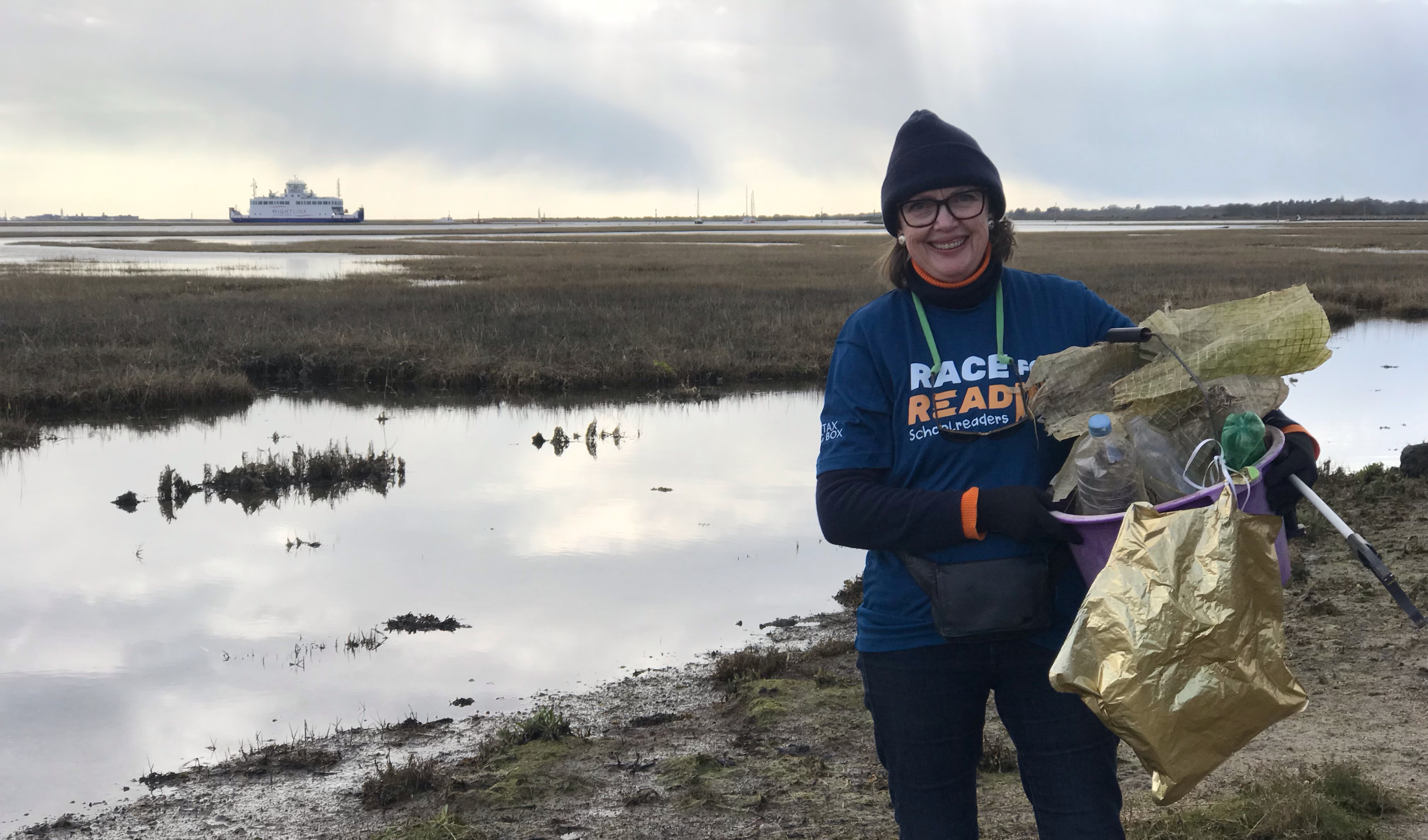
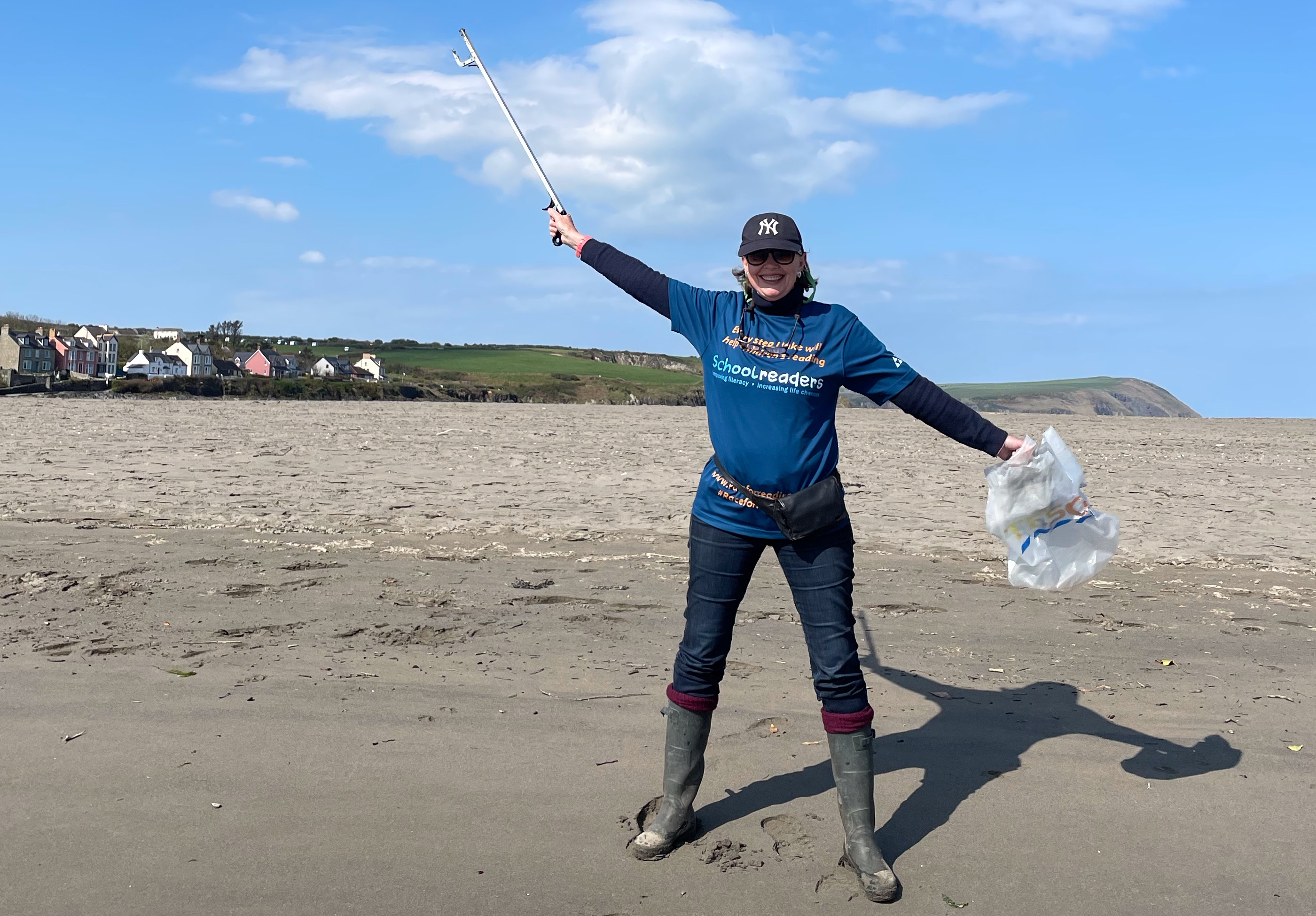
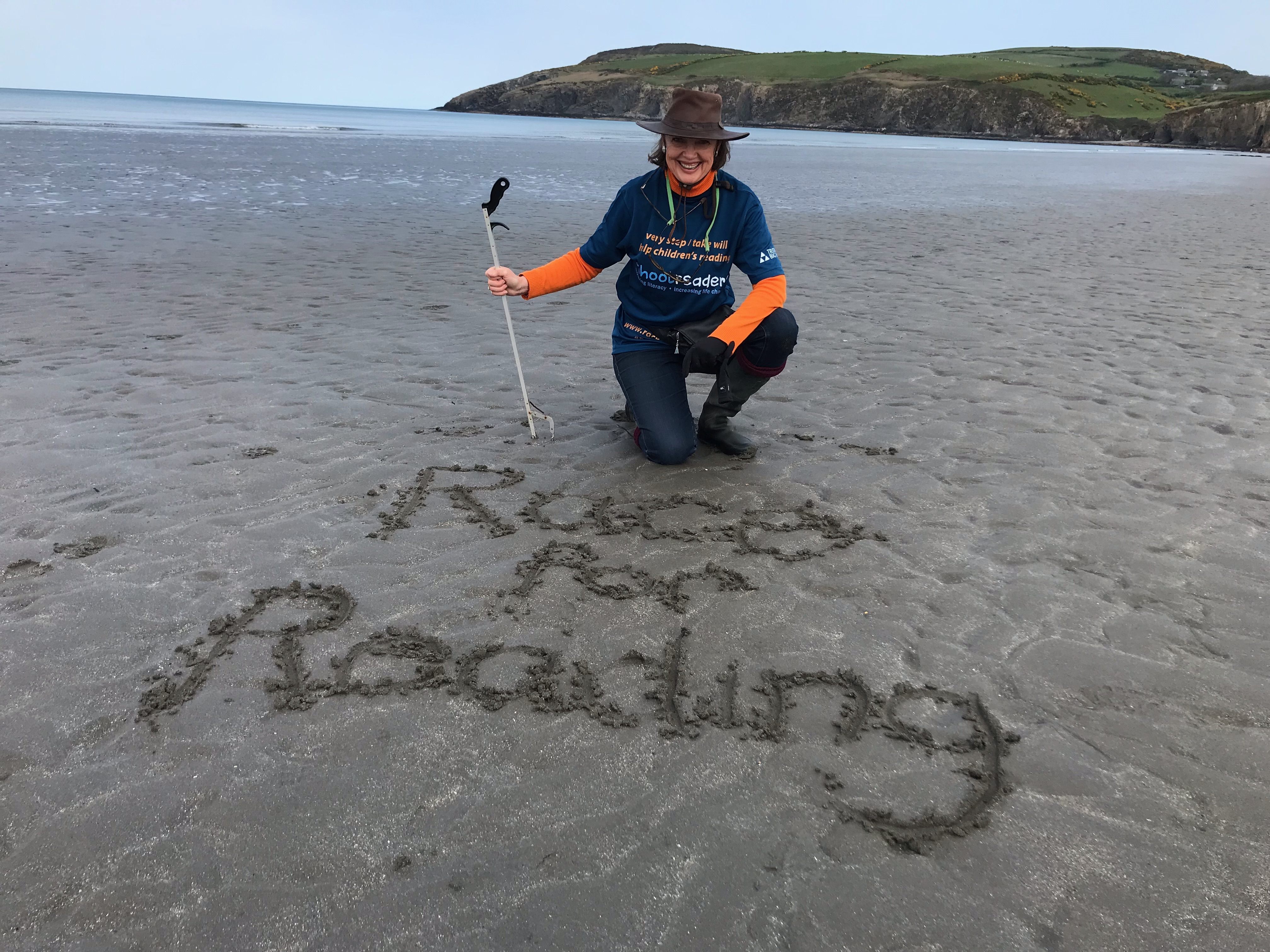
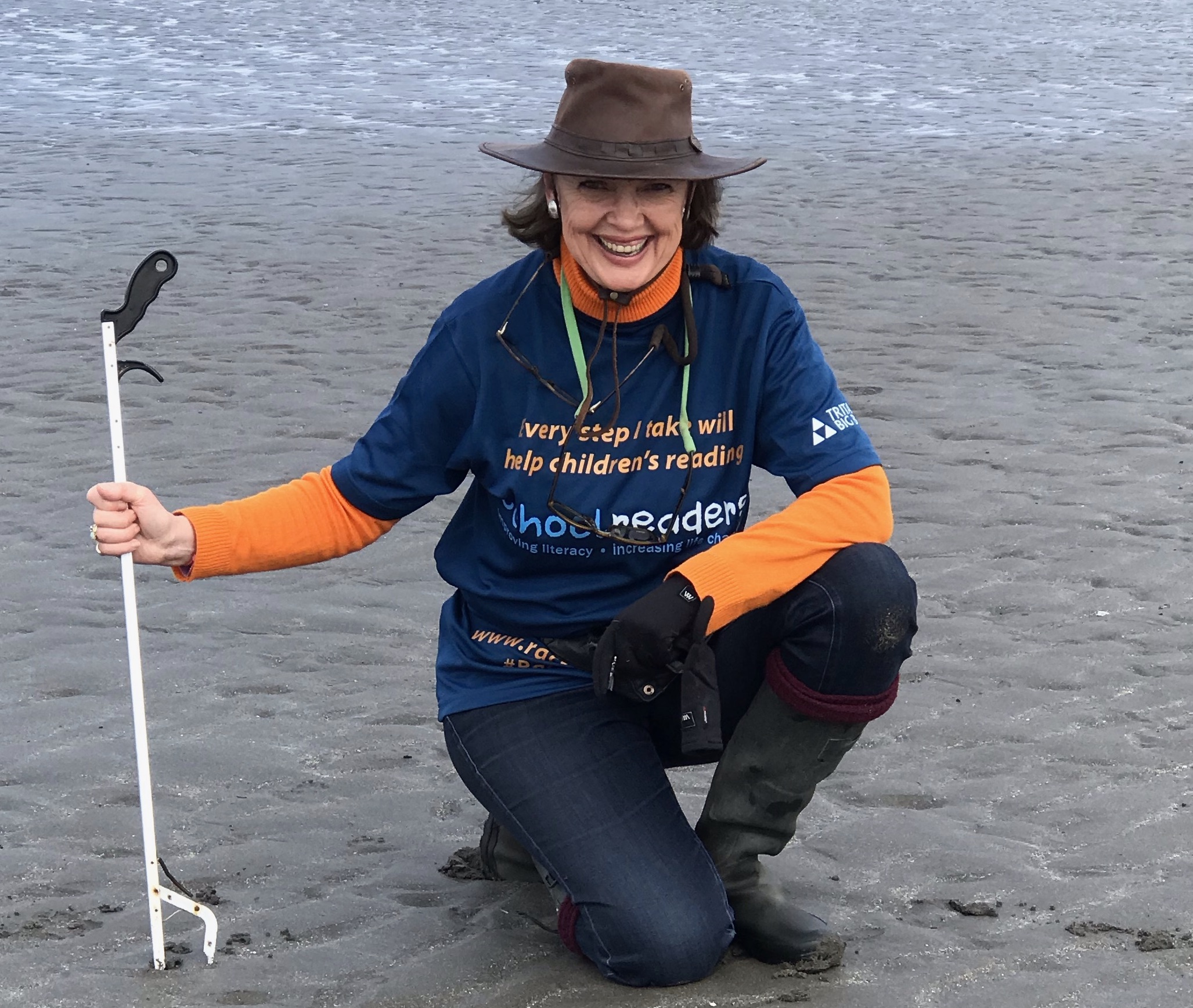
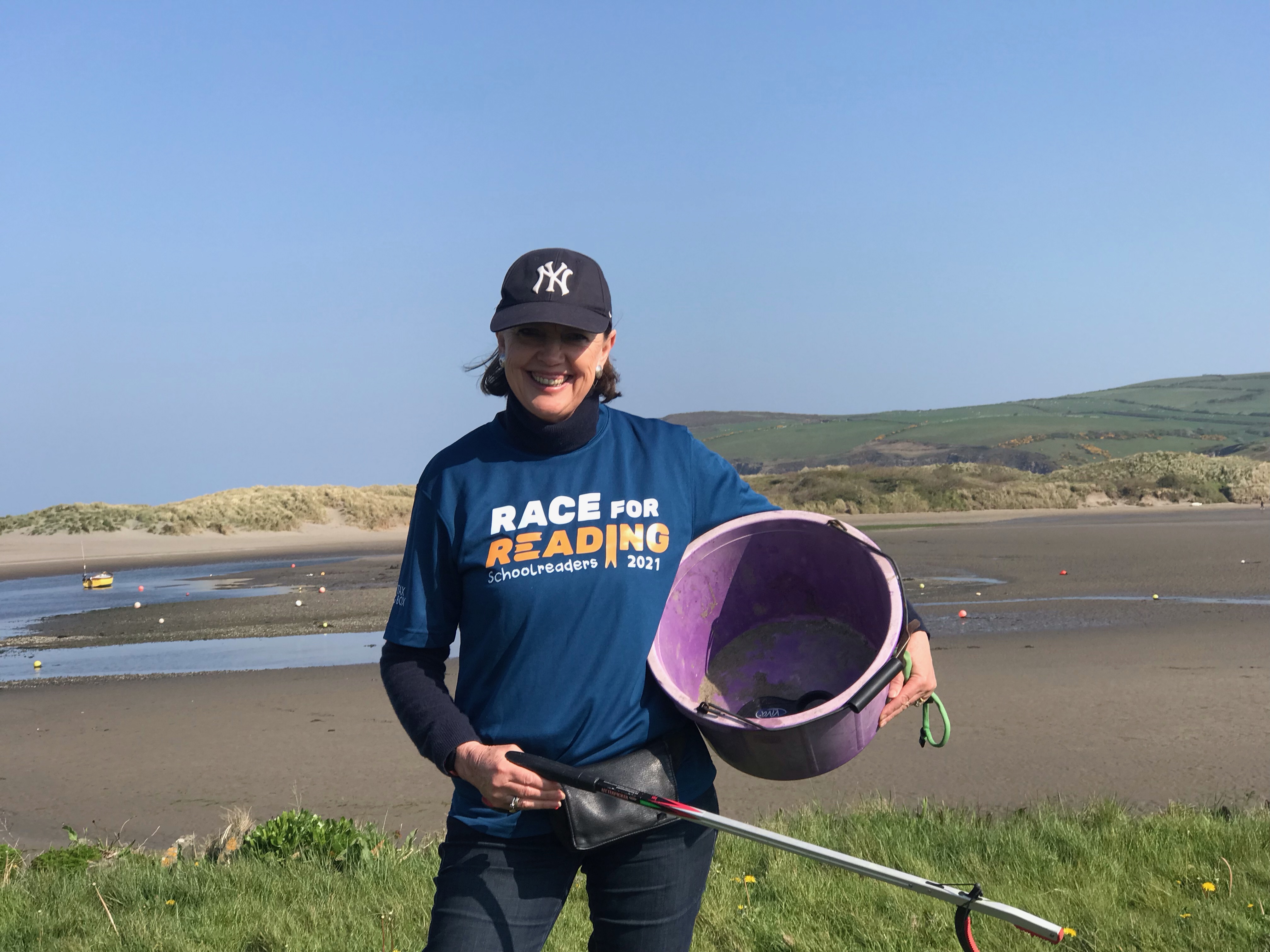
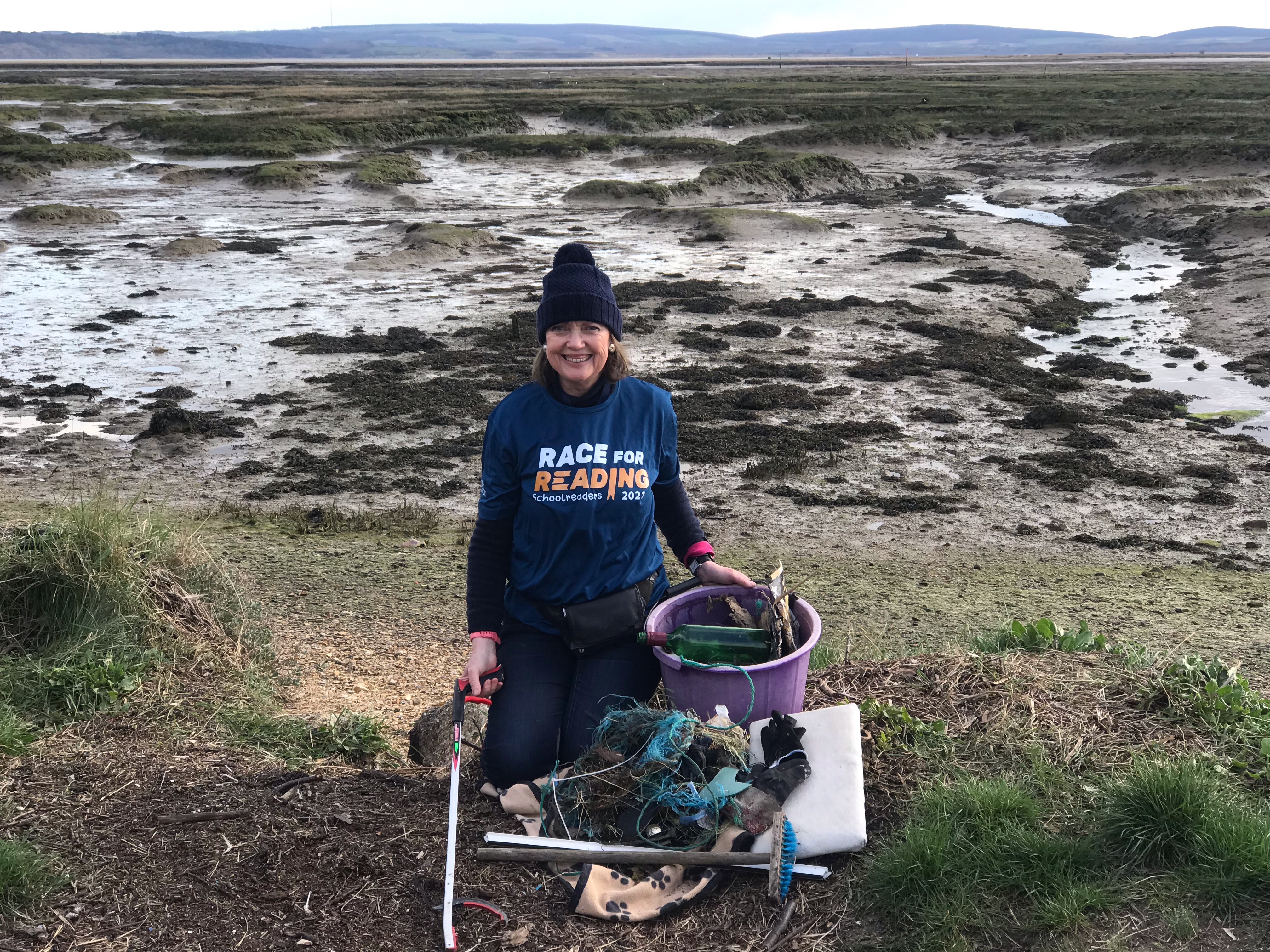
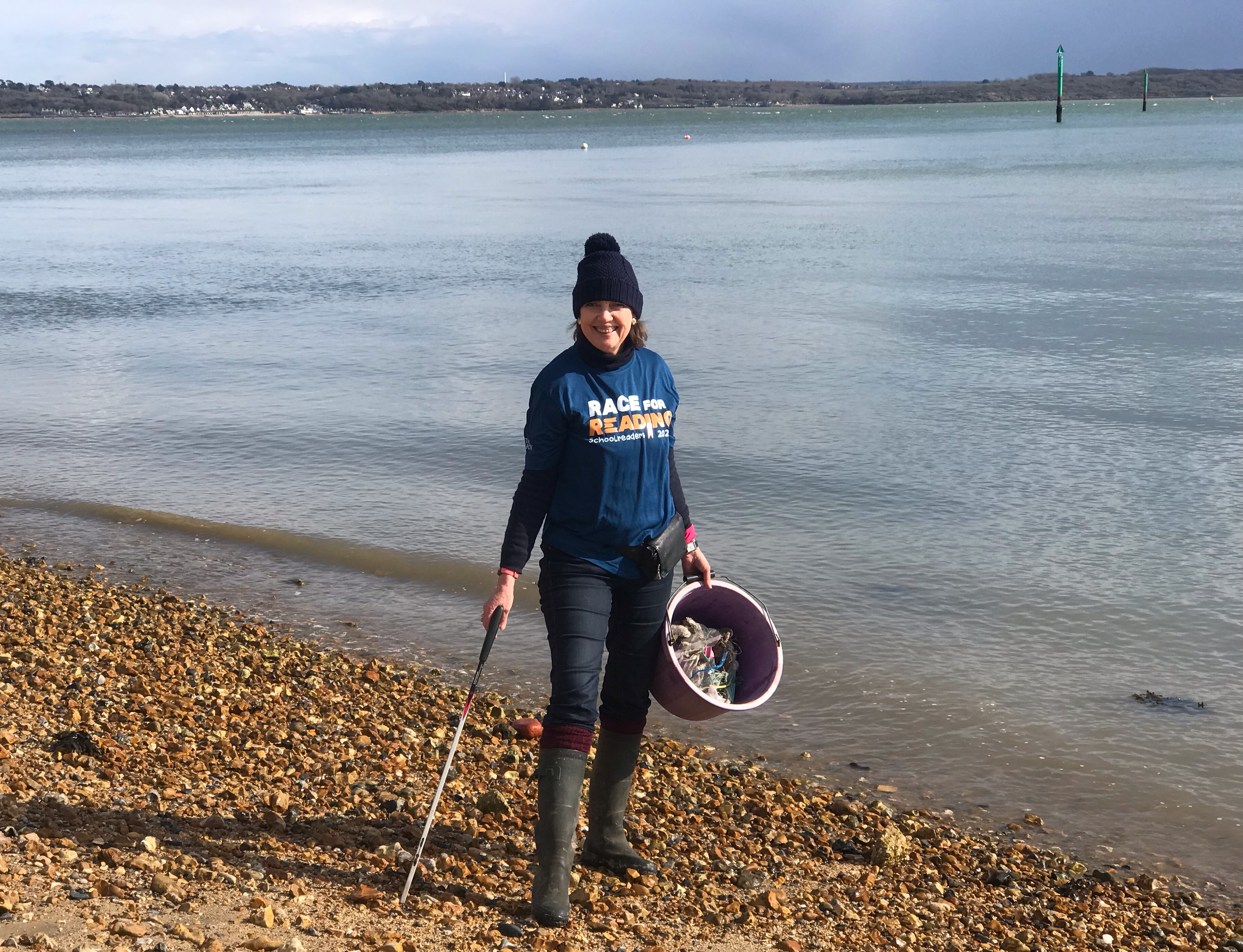
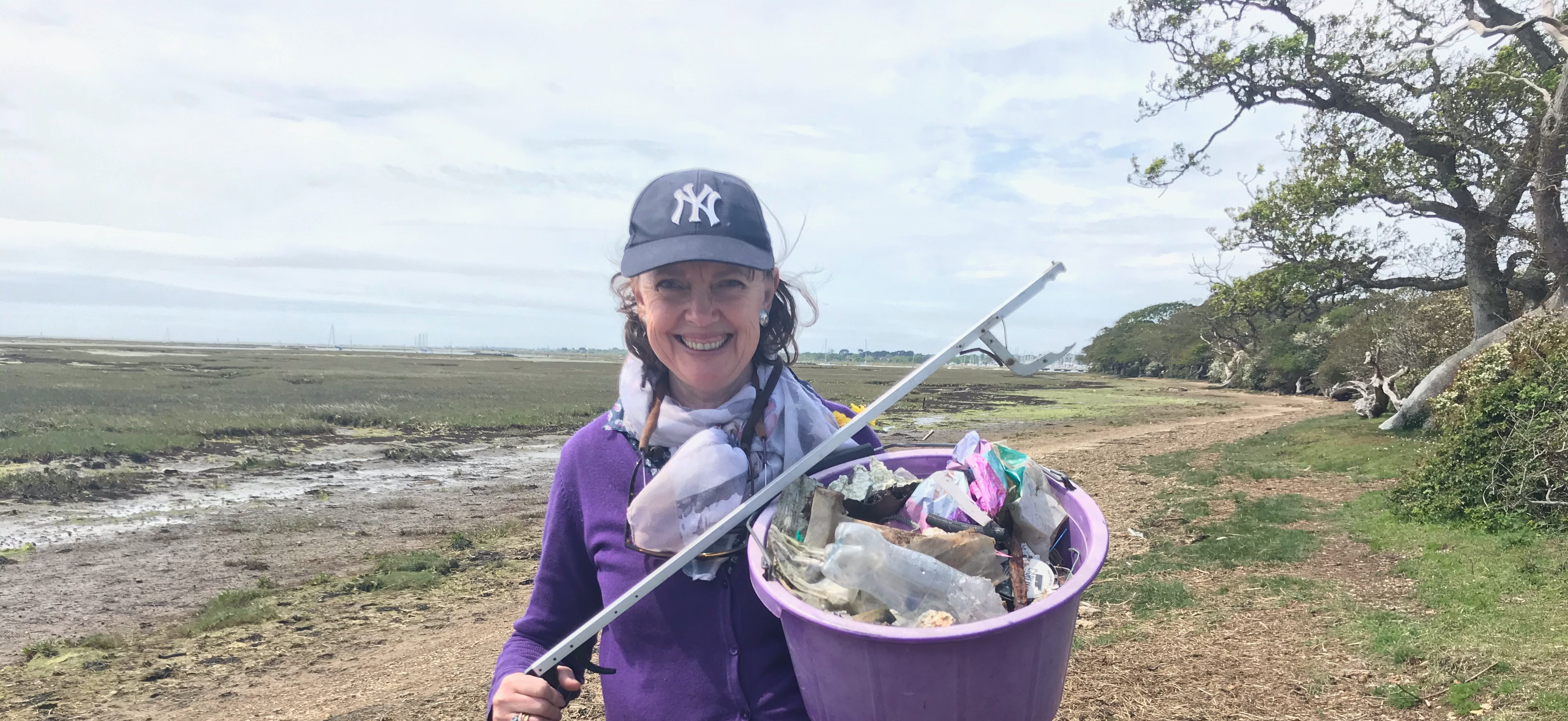
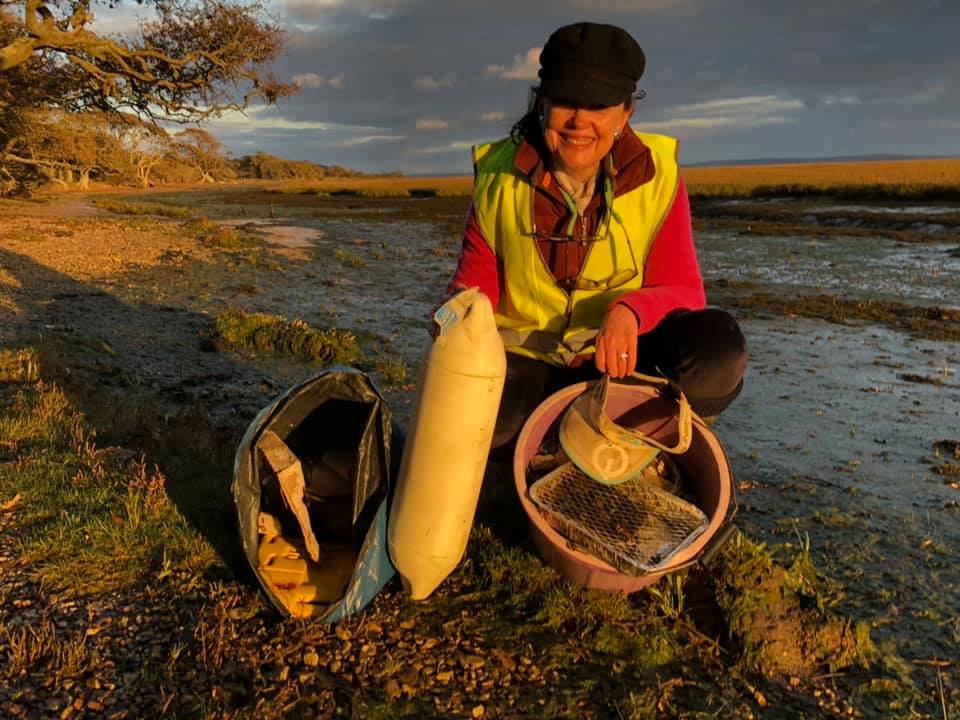
Sophie Neville taking part in Race for Reading in 2023
I’m raising funds for the UK charity Schoolreaders by litter picking as I walk along the South Coast of England this May. Tax efficient donations can be received on my Race for Reading page where I will keep a record of the distance covered. When going onto the event platform we recommend you set the fee for Enthuse as £0. My company will double any amount you can give and make a real difference to providing child literacy whilst fostering a love of reading in the UK.
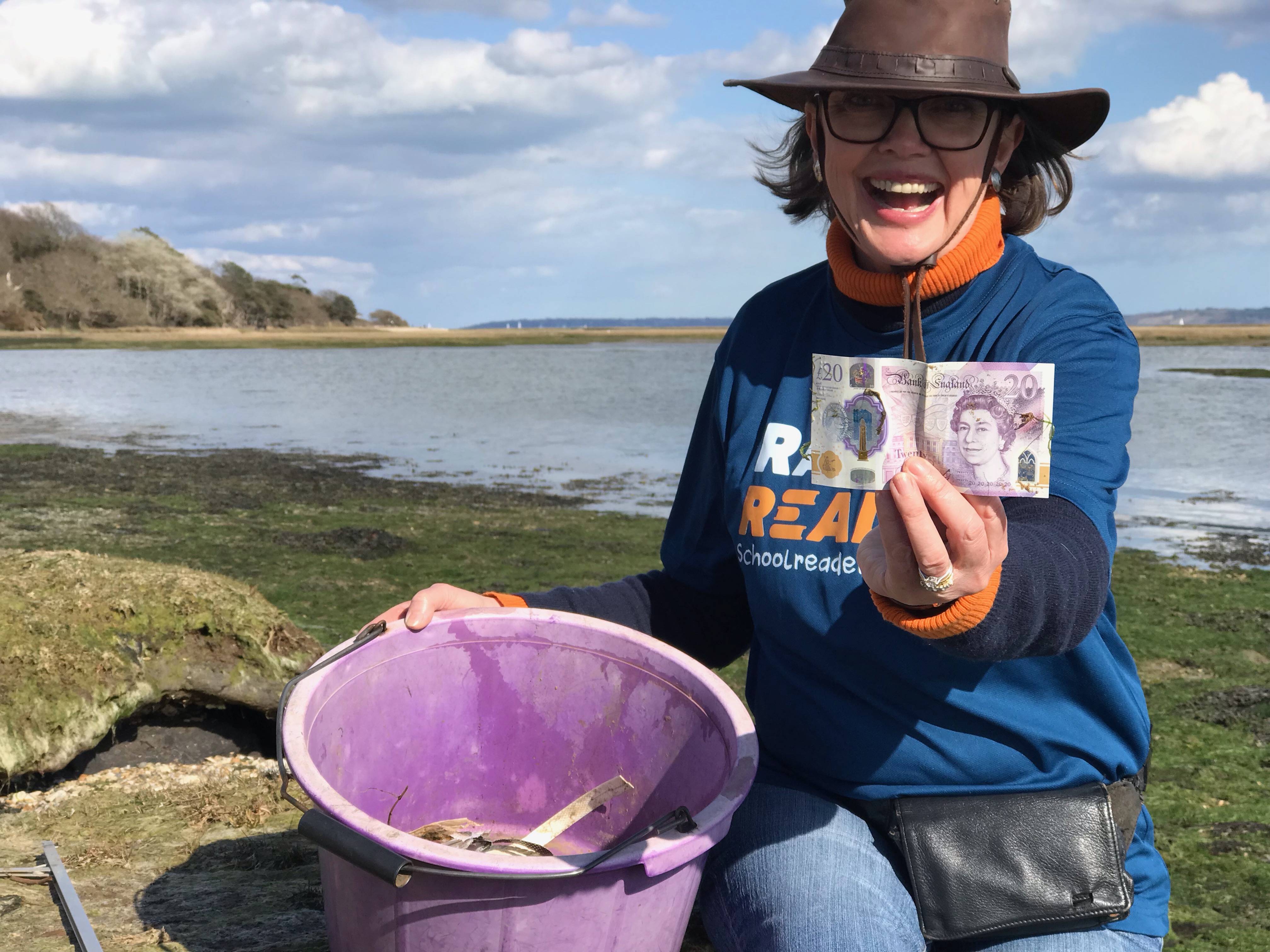
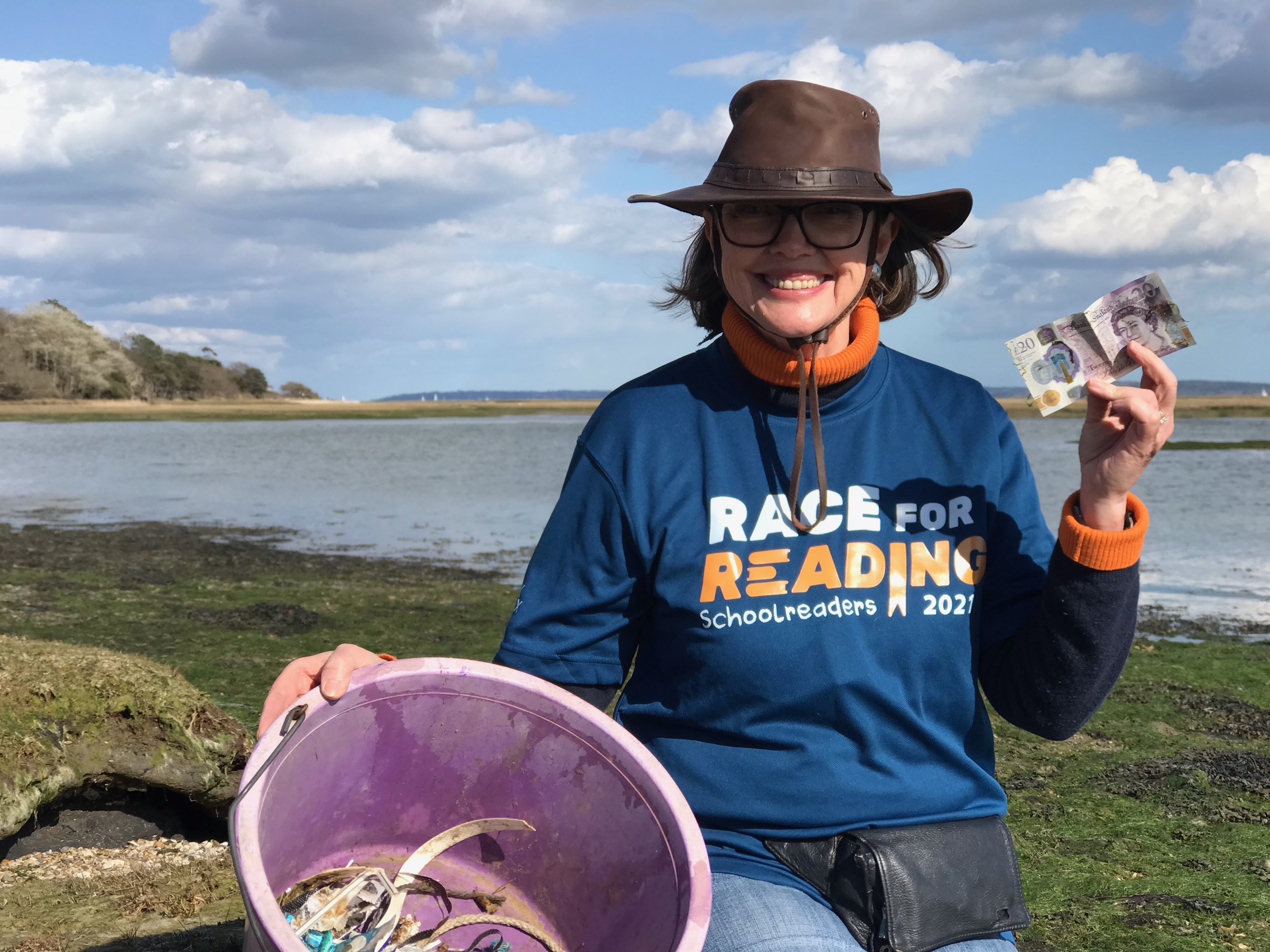
As an author supporter of SchoolReaders I act as their legacy ambassador and have taken part in a couple of Race for Reading challenges. A £20 note once floated towards a member of my team, which was encouraging.
Raising funds for SchoolReaders
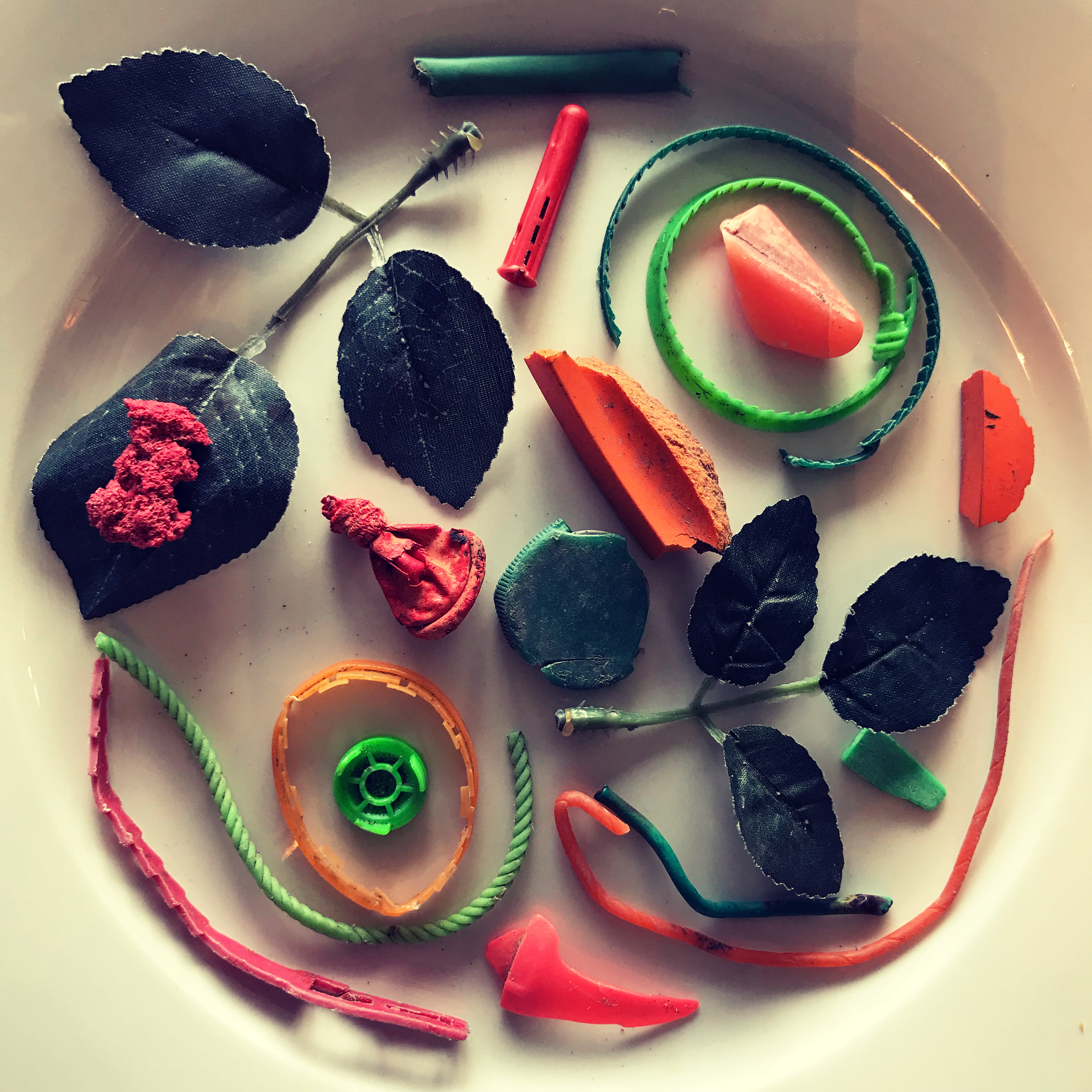
My aim is to walk 40 miles, collecting flotsam and keeping a diary to record anything weird I find along the way. When I took up the challenge in 2022, I came across all kinds of unexpected things.
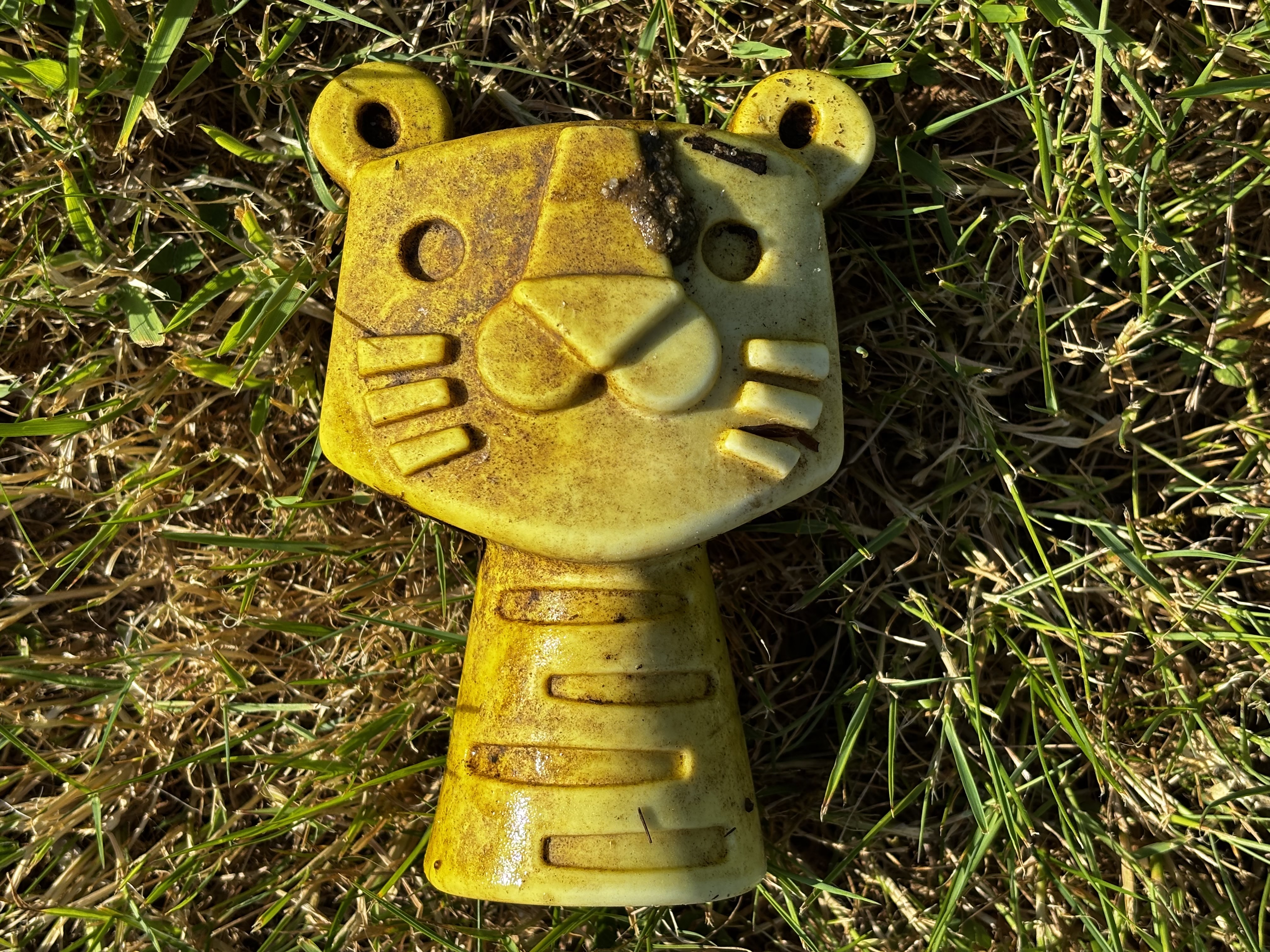
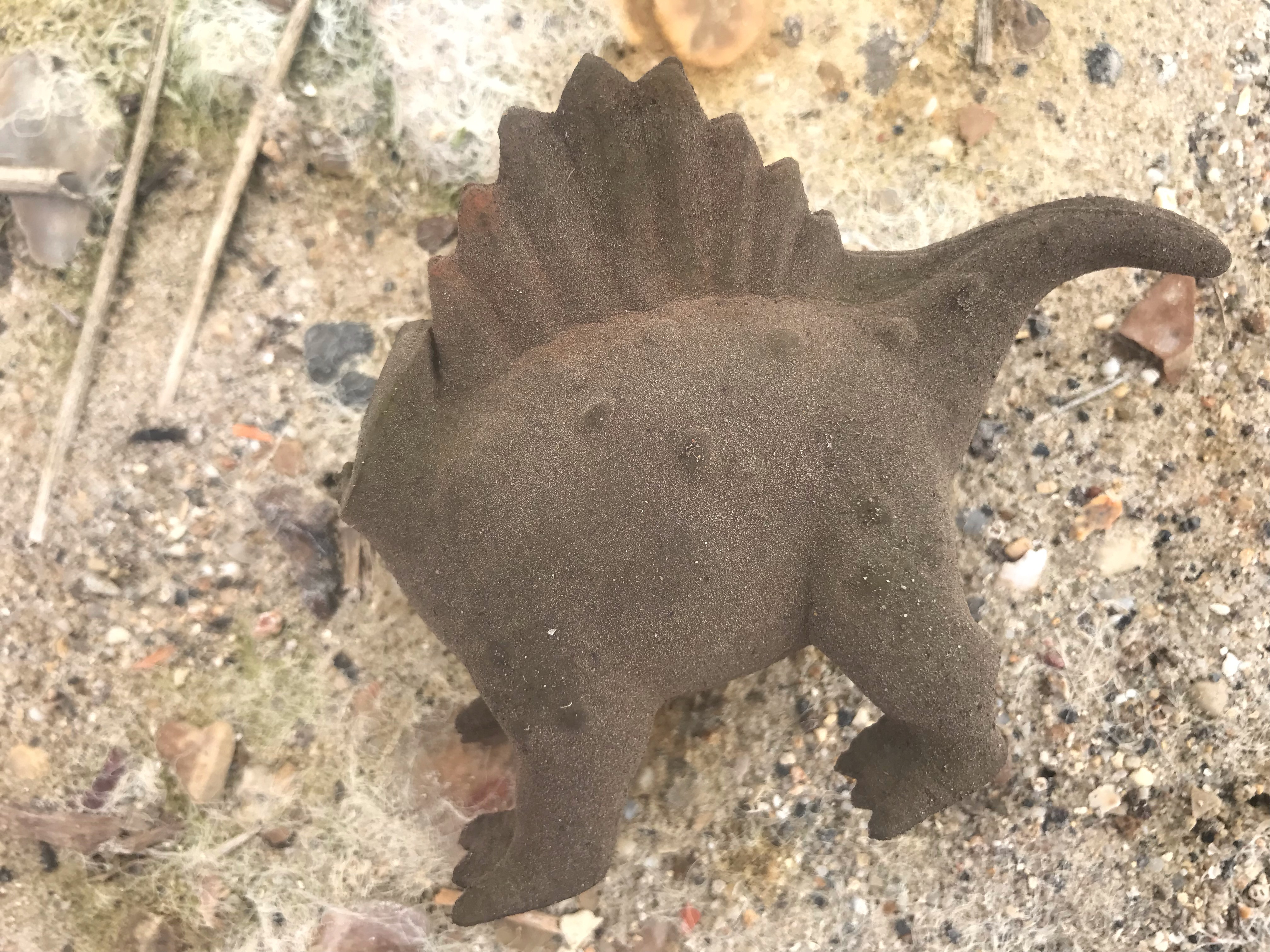
I’ve started my clearing rubbish along the estuary where I love, finding some pretty elderly items. This muddy tiger cheered me up.
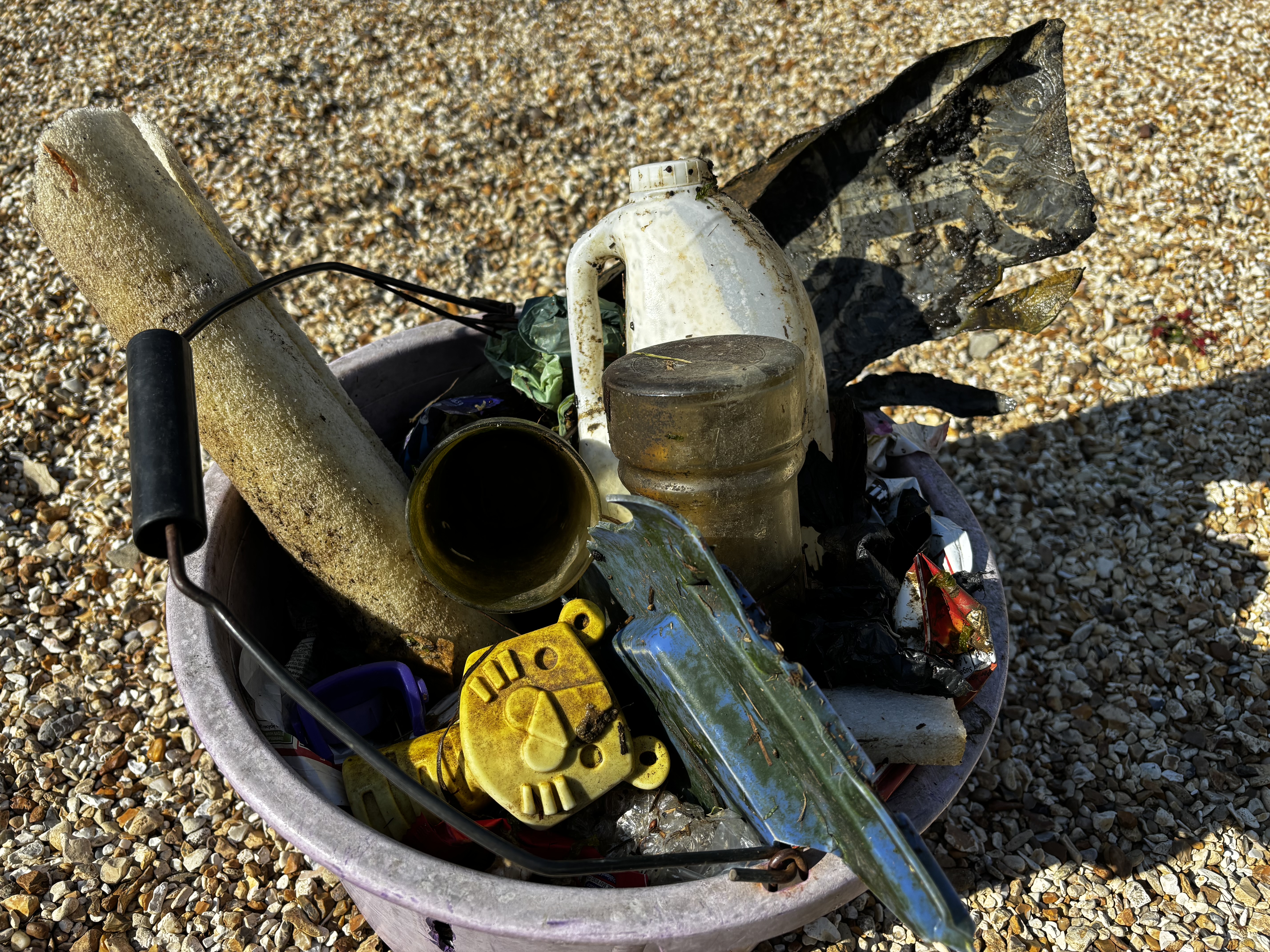
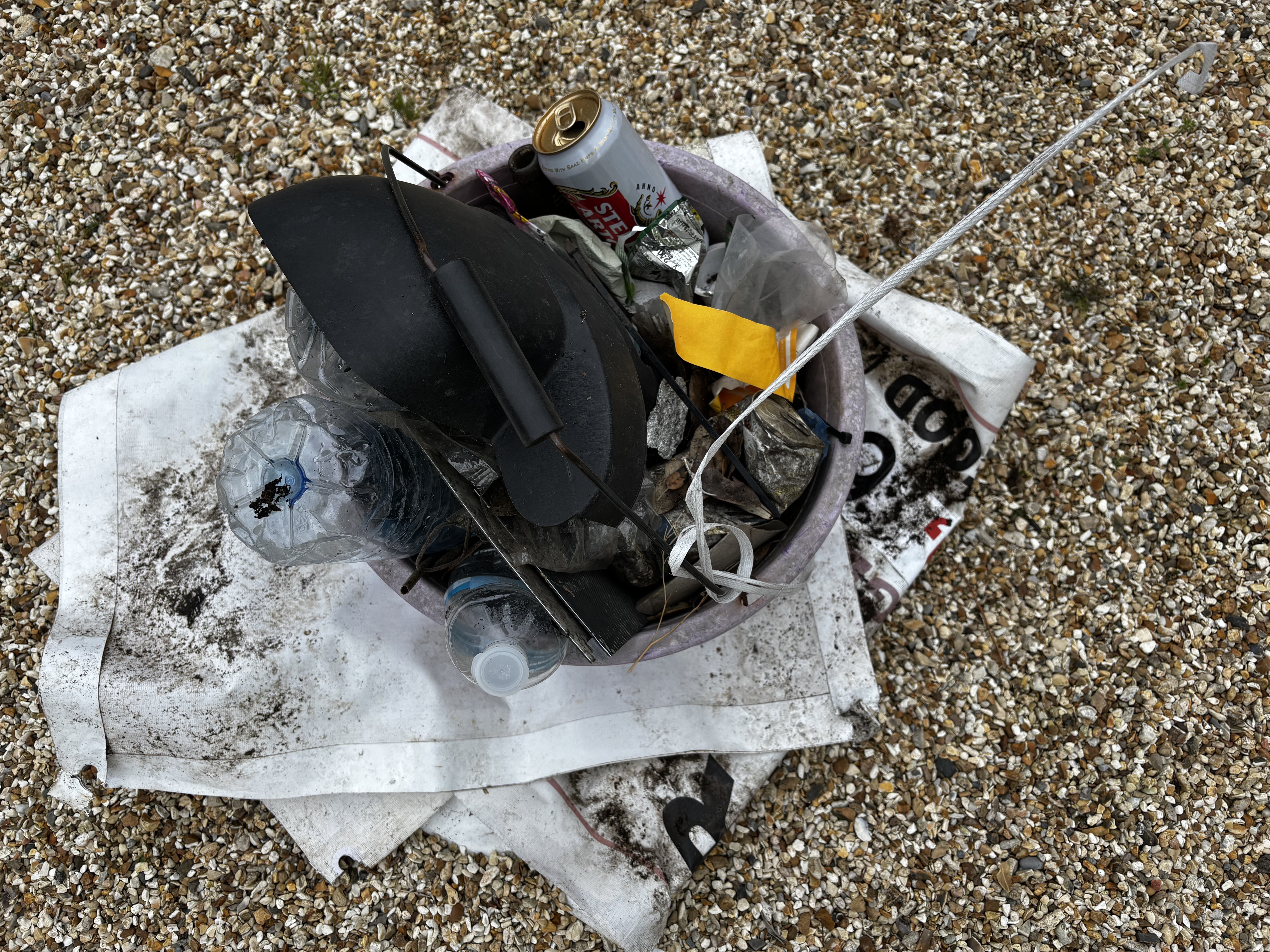
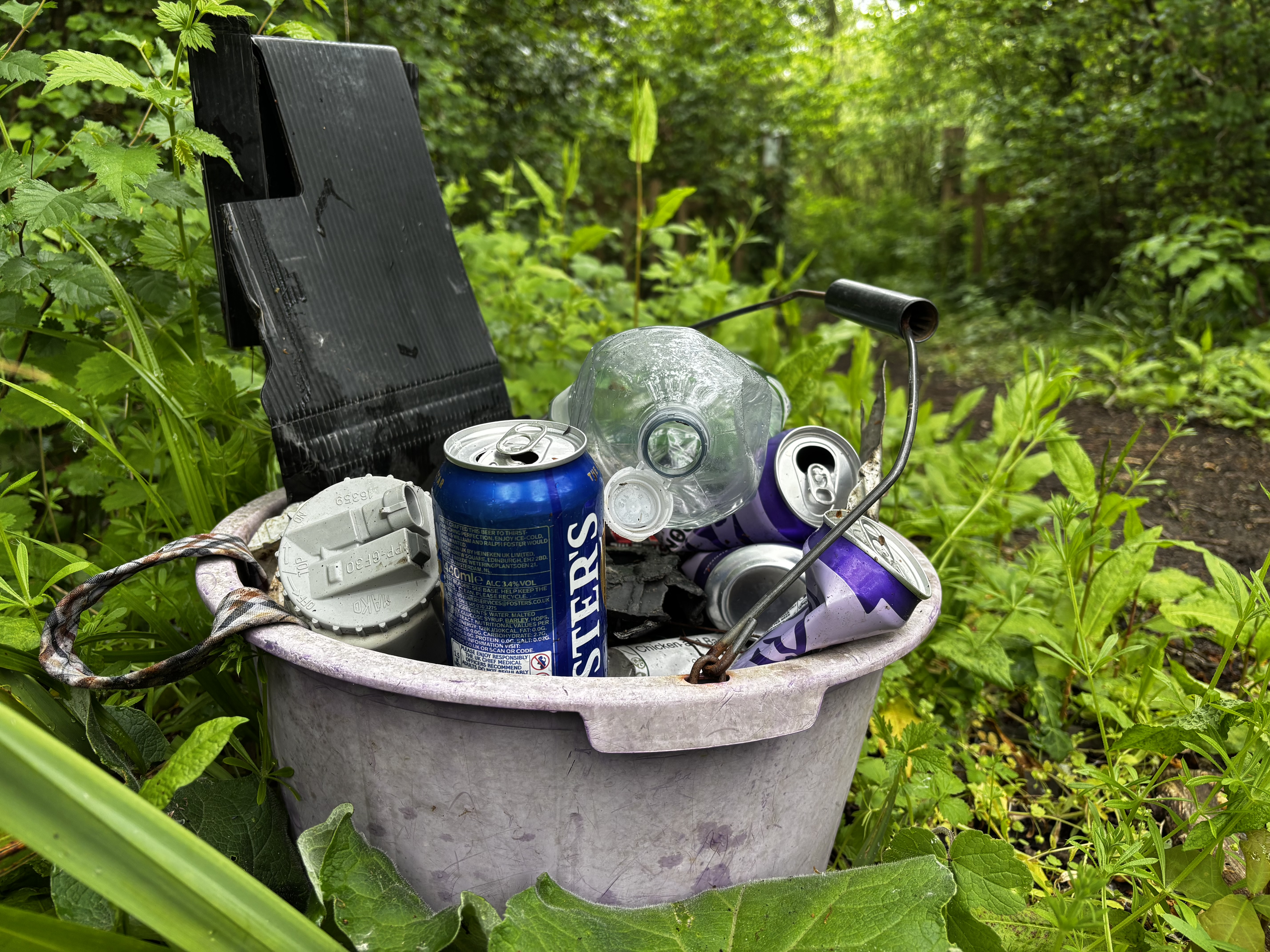
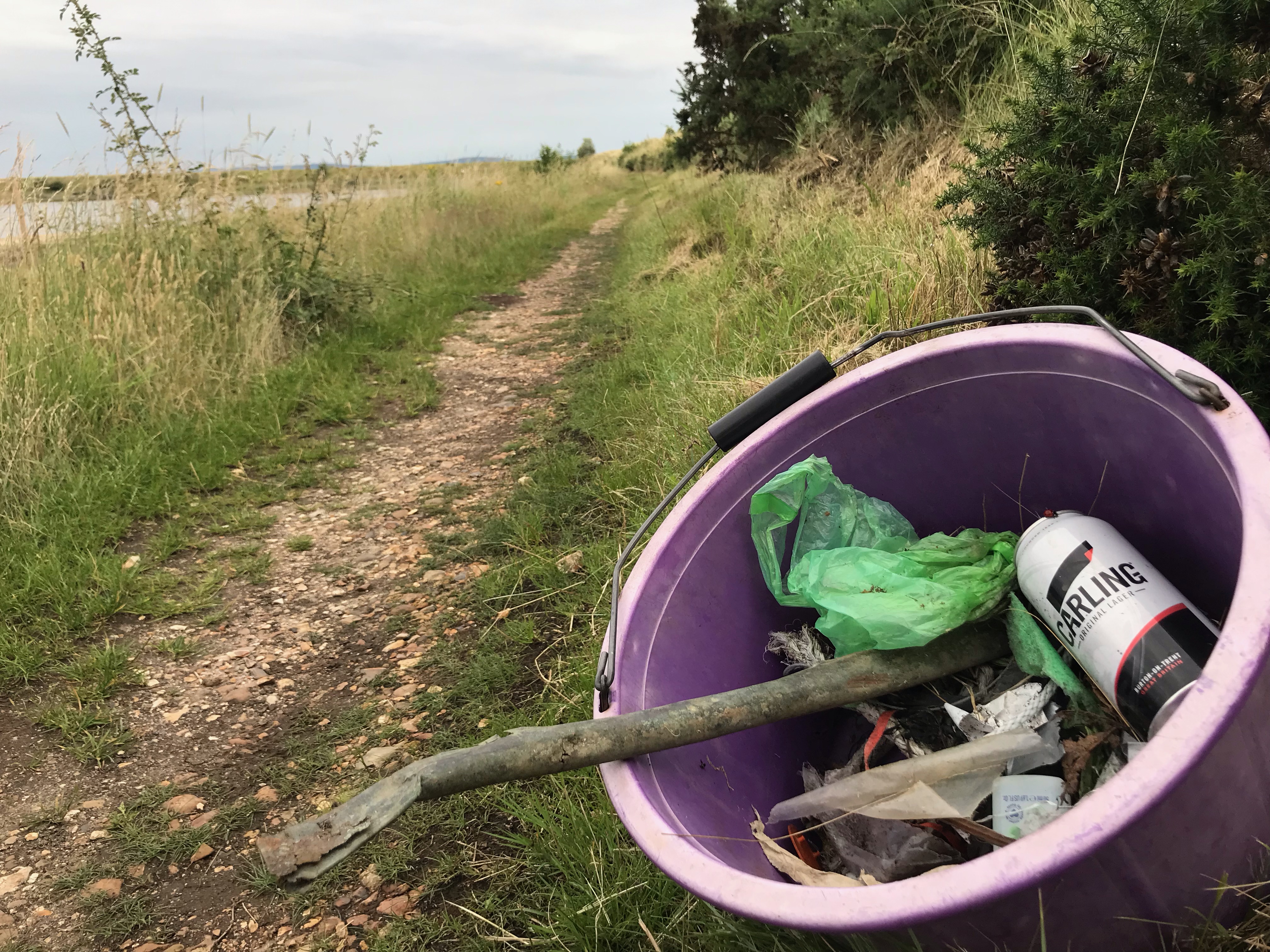
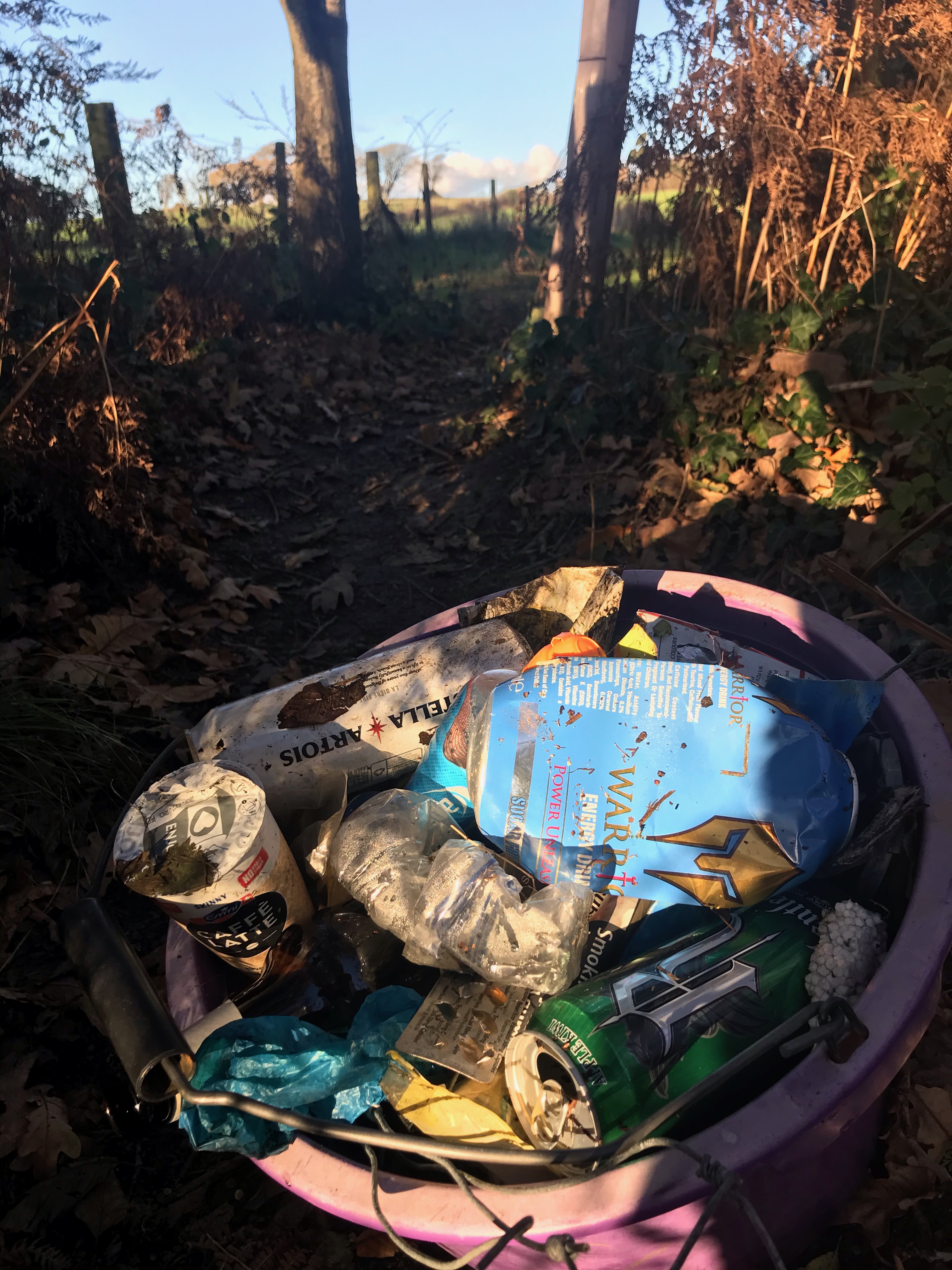
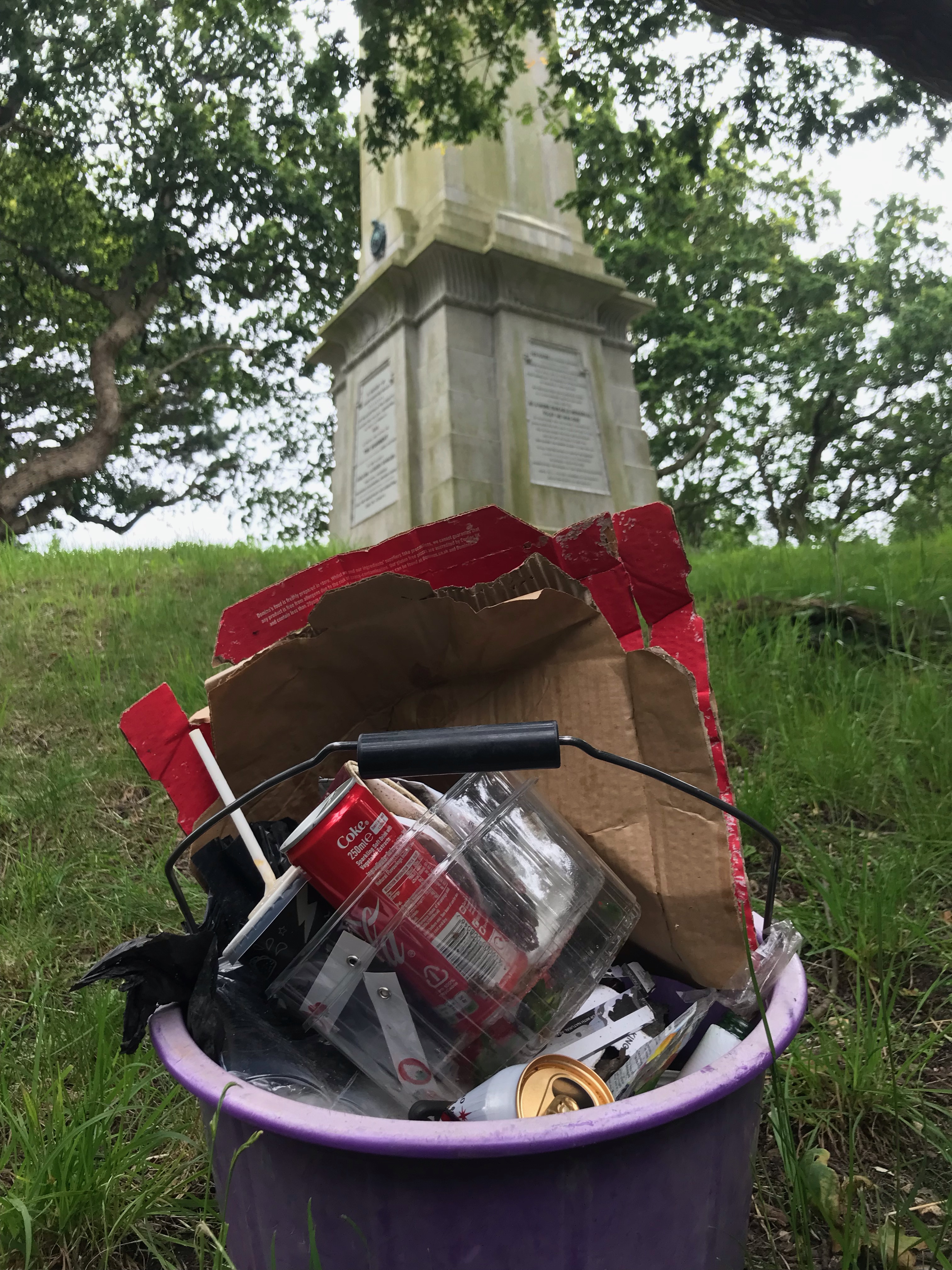
There is so much litter that I progress slowly. Some items can be difficult to reach. My mileage is low but one supporter, Chris Holmes, reckons that one large bucket = a mile of litter picking, which is about right. They can weigh up to 4Kgs and I can’t carry much more.
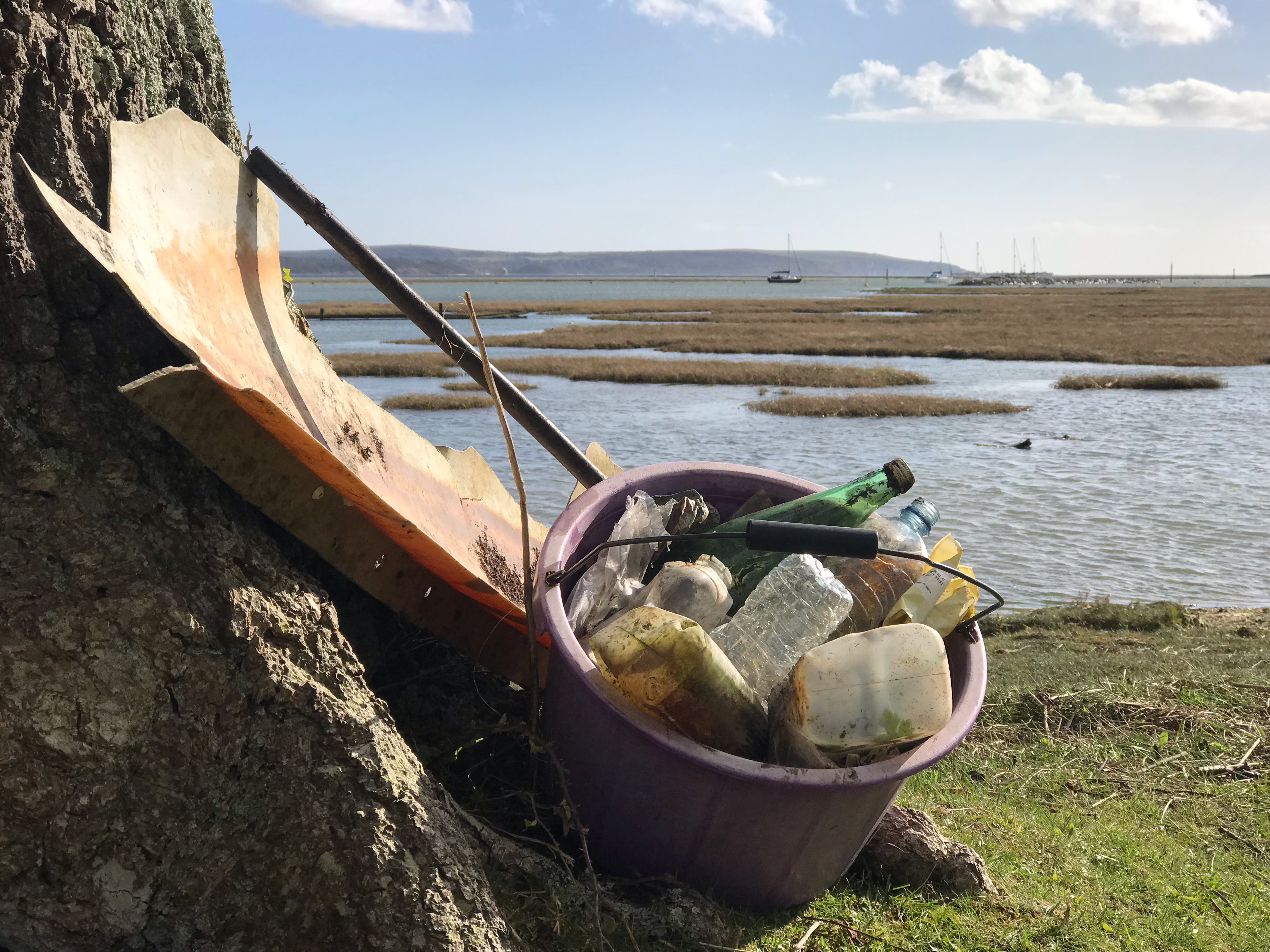
I can add a buckets-worth of clear plastic bottles that went into a recyling bin enroute.
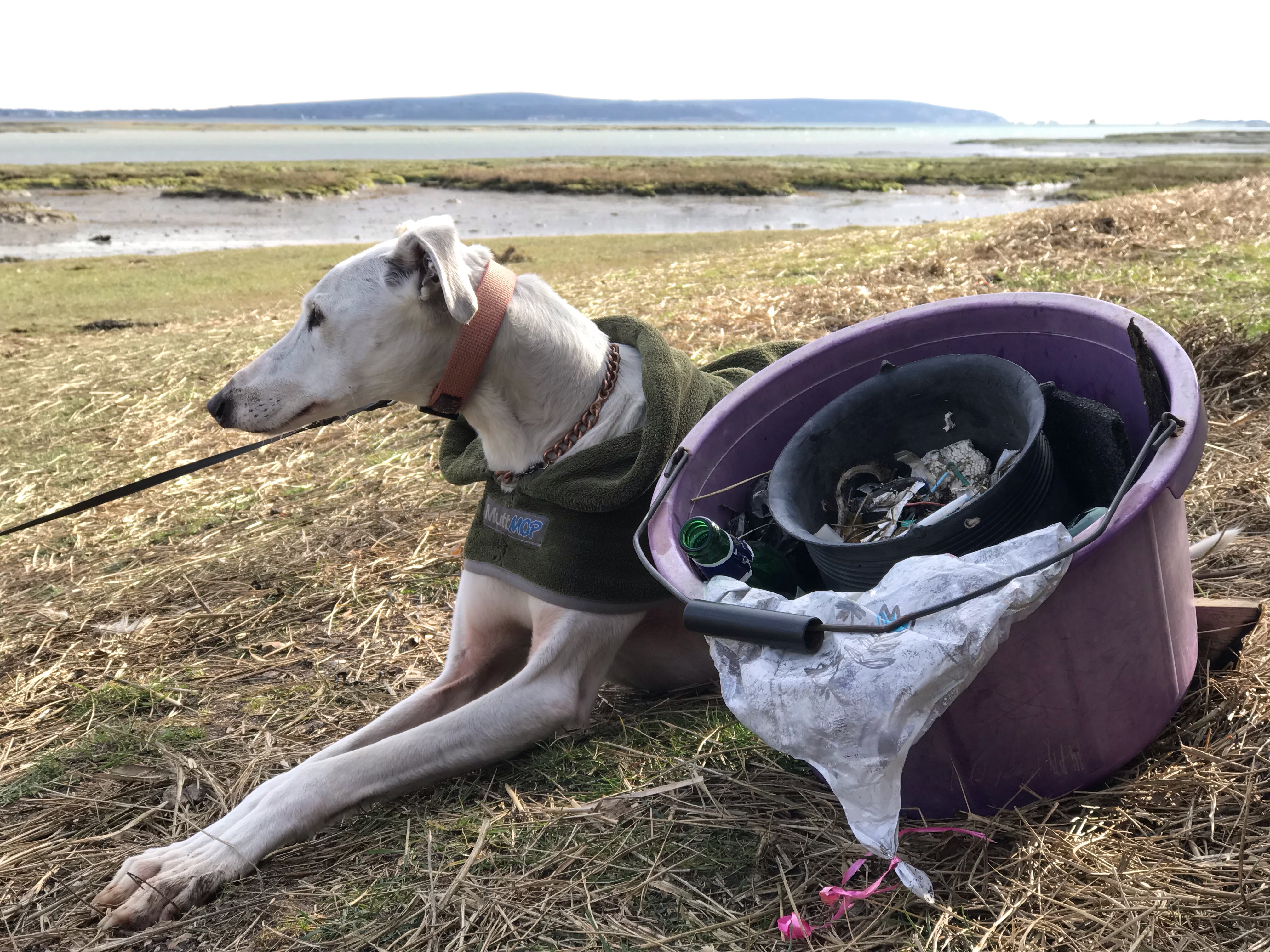
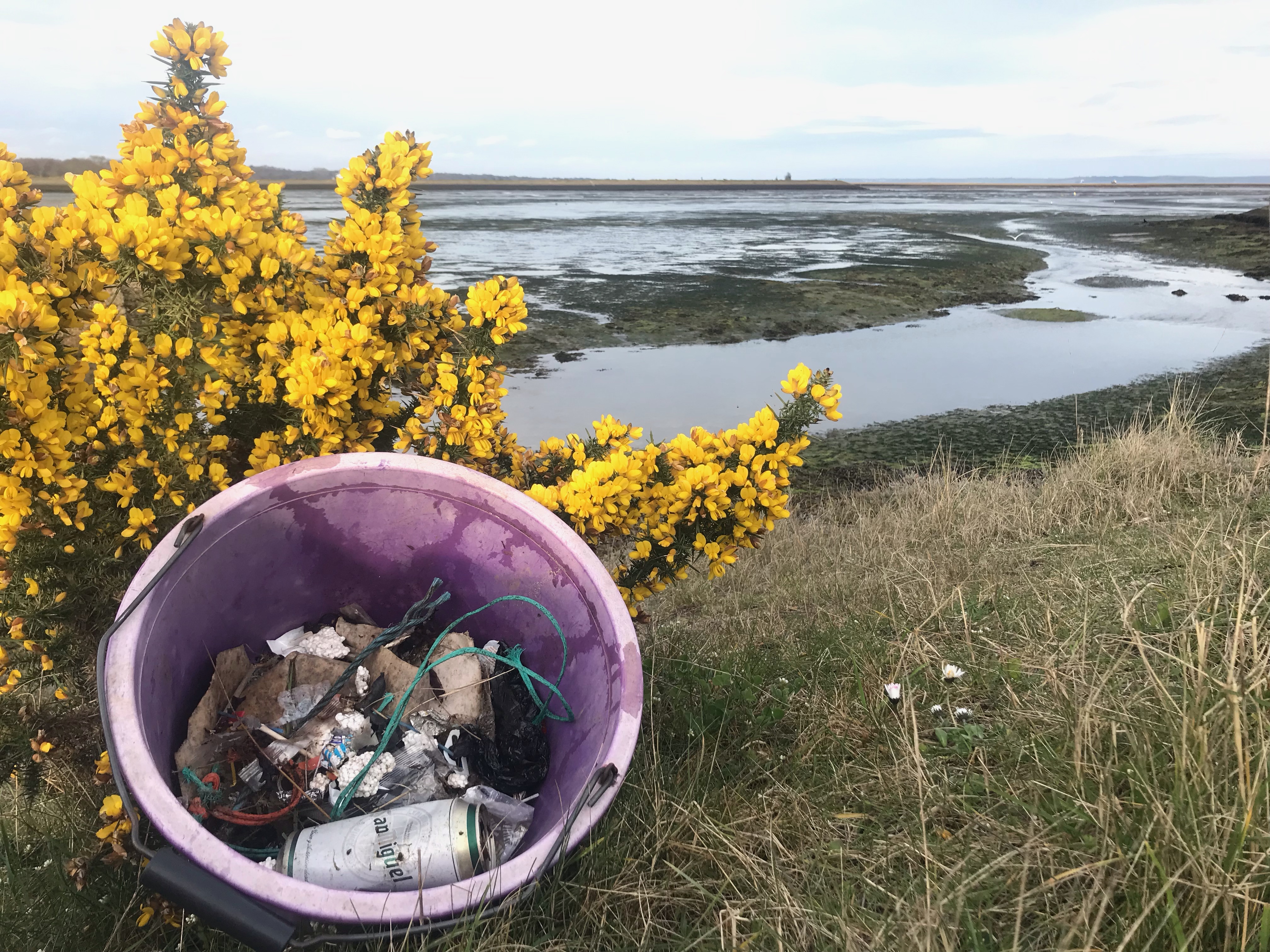
This bucketful was collected above the tideline but includes items brought down by floodwater that were languishing in out riverine nature reserve posing a threat to wildlife.
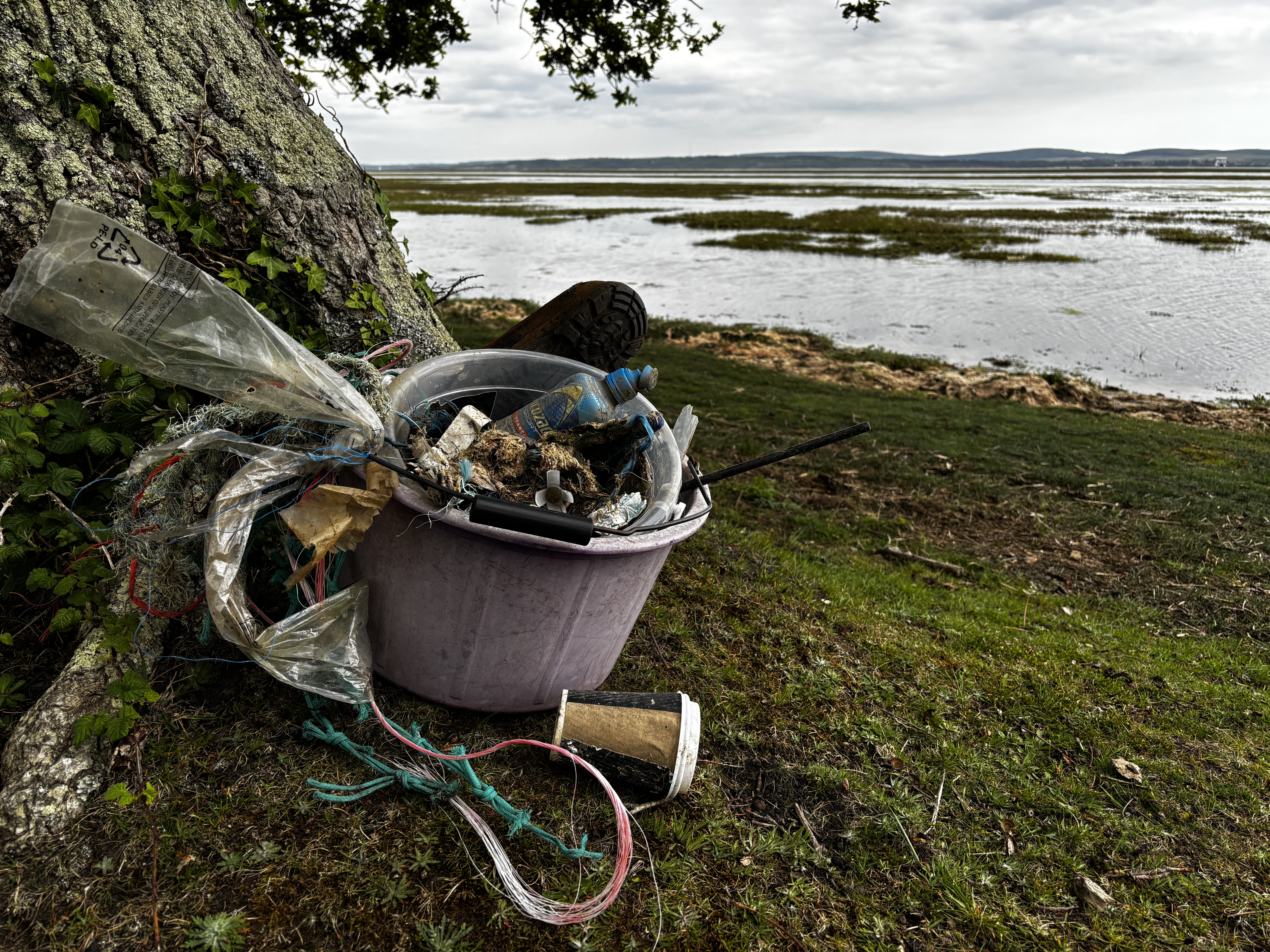
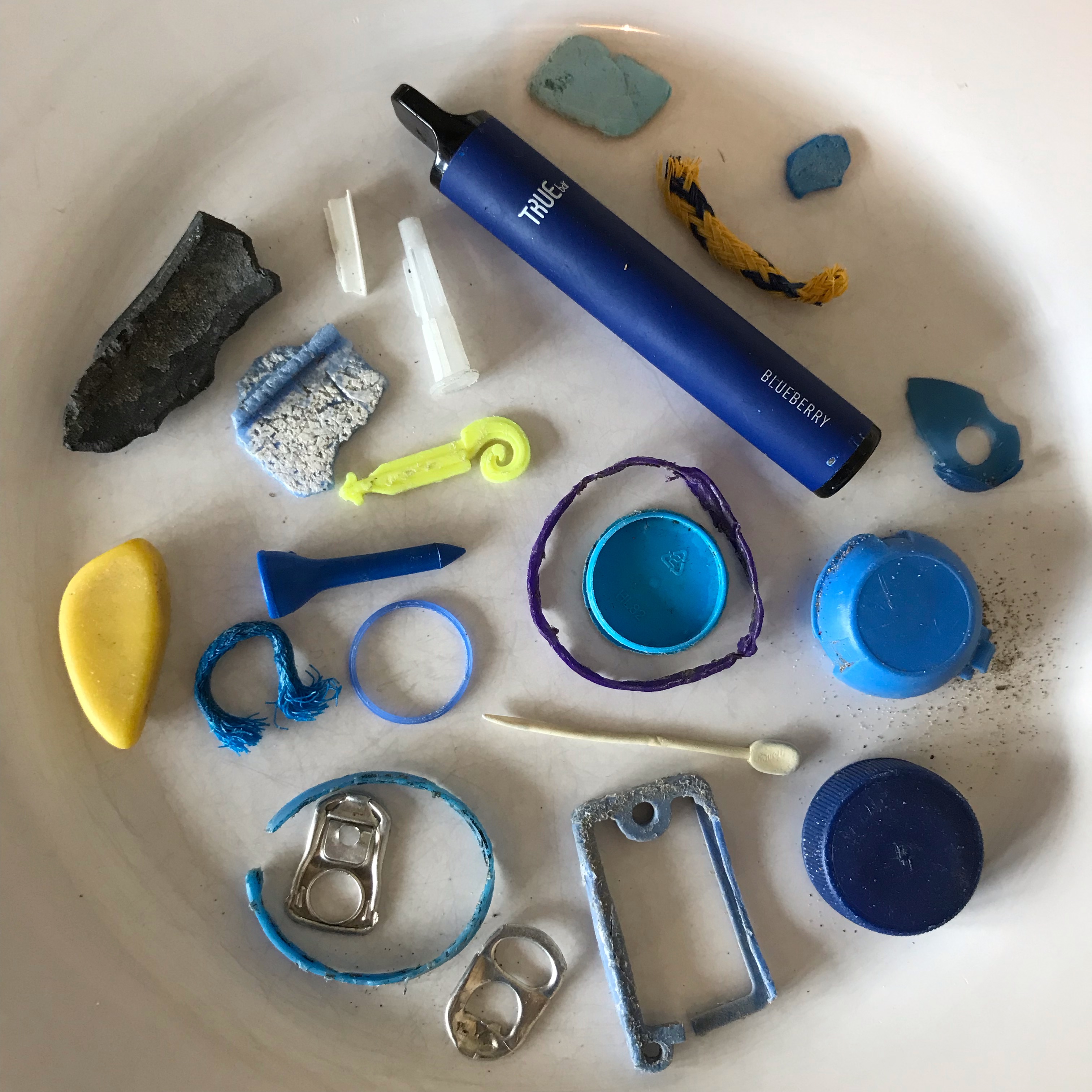
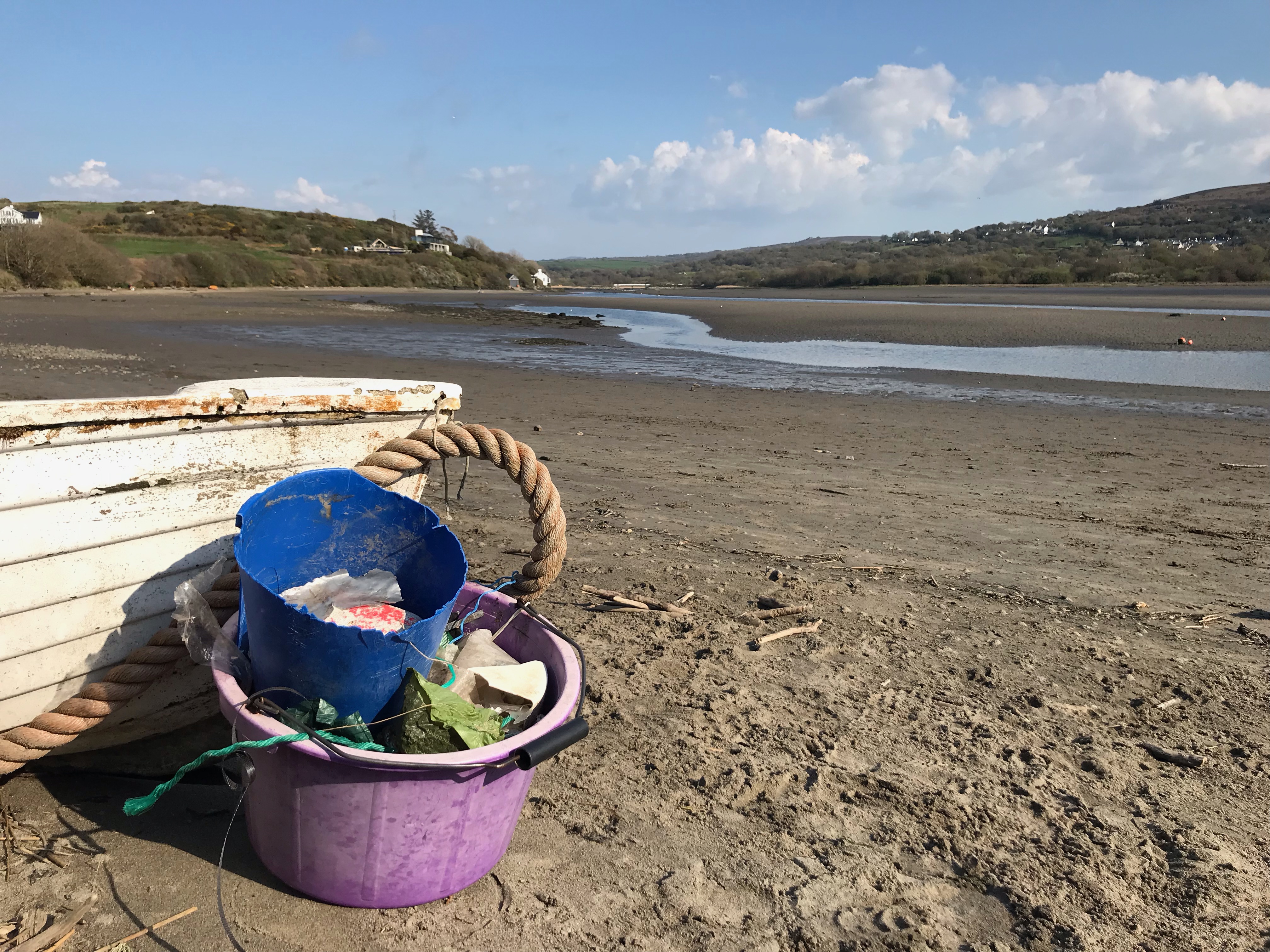
Once on the foreshore I find rope – short lengths of PVC including torn fishing nets and lengths of fishing line. There are so many tiny pieces of plastic flotsam that I begin to count. I filled this bucket with 105 items and tucked in another thirty on the way back. I only covered about 2 miles but was drained of energy.
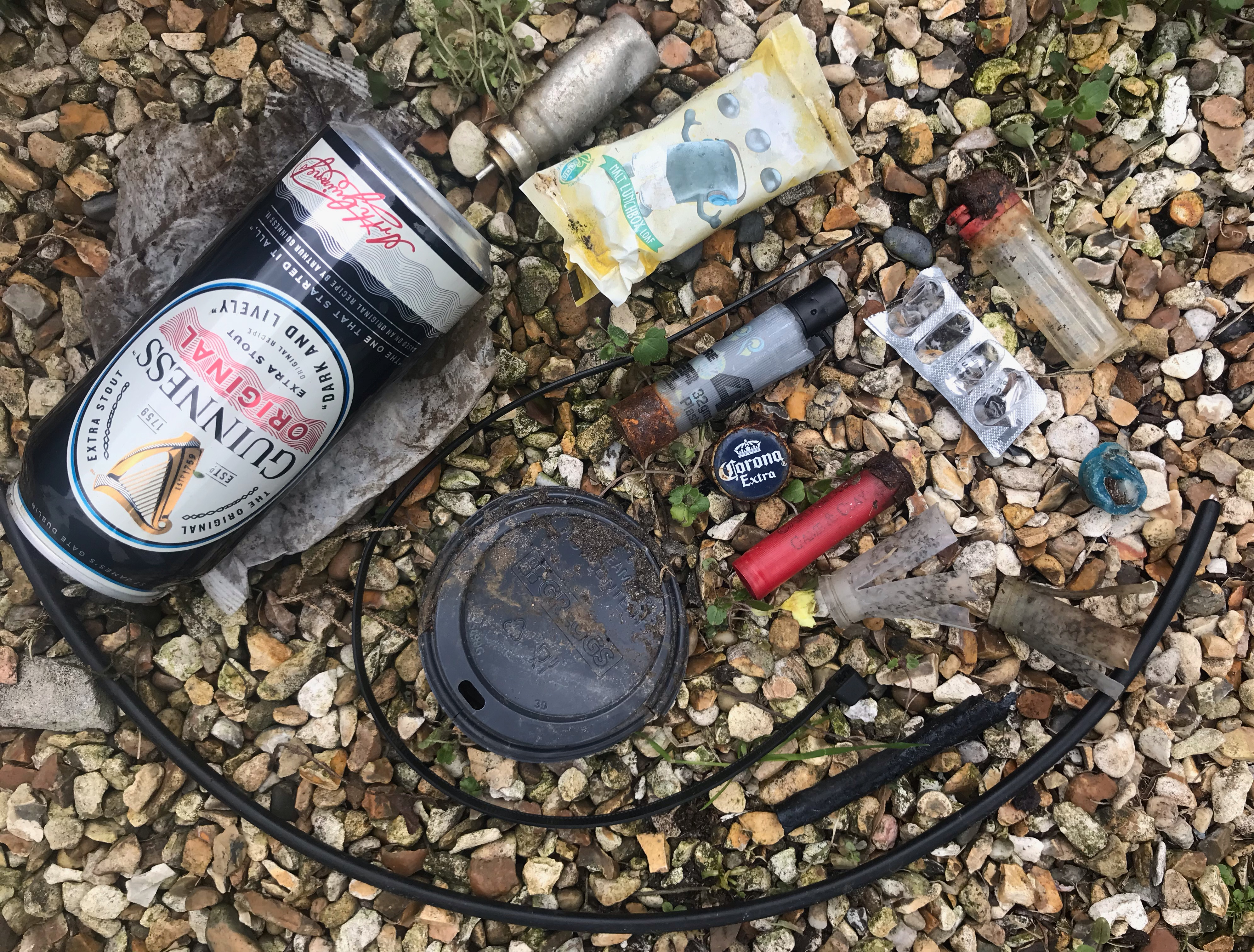
The disposable cup had a pebble inside. If it’s owner had planned to sink it, they then replaced the lid and it landed on this all but forgotten shore.
Schoolreaders is such a great charity. I’m one of their author supporters along with Joanna Trollop and Sophie Kinsella. They have been incredibly supportive, tweeting:
@Sophie_Neville has been an absolute star of #RacefoReading this year! Not only has she collected a massive amount of #litter from our coastlines she’s raised over £550 to support children’s #literacy via #Schoolreaders, which she hopes to get match funded!
U is for Unbelievable how much litter there is in Britain
Unless each one of us do something useful, we’ll be burrowing through unbearable rubbish. I embark on an uplifting walk of about 12.5kms, up and down the river, collecting useless plastic before it is washed into the unforgiving sea.
I walk vigilantly along the tideline, through the sand dunes, along the verdant estuary where flotsam gathers, and into town finding very small pieces as I cover 6.5kms.
Day 23 –
W is for Why Worry?
Why use a dog poo bag if you are going to leave it in the countryside? It is worrying. They do not decompose and have been known to kill animals attracted to grain in the dog poo. Foals have died. A vet found 20 dog poo bags in the stomach of a deer.
I wander through tide wrack finding a number of dog poo bags washed up by the sea. How many kill dolphins? I return via the windswept sand dunes crossing an ancient midden or rubbish dump. 4 km + 9km = 13km walked today.
W is for Waterhaul – I use this old feed bucket for collecting litter but it is better to take a bag when it’s windy. You need a strong one that can take broken glass. Waterhaul are making beach clean bags out of old sails and are up-cyling amazing things out of discarded fishing net. You can find their website here.
Day 24
X is for sea Xs – I find a huge number along the coast – the result of torn fishing net being shredded and discarded at sea. It is too costly to mend or dispose of them on land. Theses strands of HDPE (high-density polyethylene) are known as sea-kisses when an X is formed by the knot. Please collect any and report your findings to Marine Management.
PVC fishing net purposely shredded and discarded at sea
I stop for a rest to look back on what’s been achieved, appreciating all the encouragement I’ve been given.
Rebecca Holmes left a message saying: “only 3.5km” only this only that. NO, it’s not only. It’s brilliant, every single step counts.
Liz Downs Wow. This is the first I’ve heard of this. What an achievement
Stephen Green Such a worthwhile cause, I commend you Sophie well done, I don’t know where you get the energy from.
Sophie Neville collecting marine plastic on the r4r2022
Day 25
Y is for Yucky
Are young people to blame or drivers? If you take a lane running alongside your local river, you soon notice that most roadside litter is made up of the bright packaging of things that are bad for people: tobacco, sweets, over flavoured snacks, drugs, sugary carbonated drinks and alcohol. Somehow the caffeine fails to give people the energy to take their rubbish to a bin.
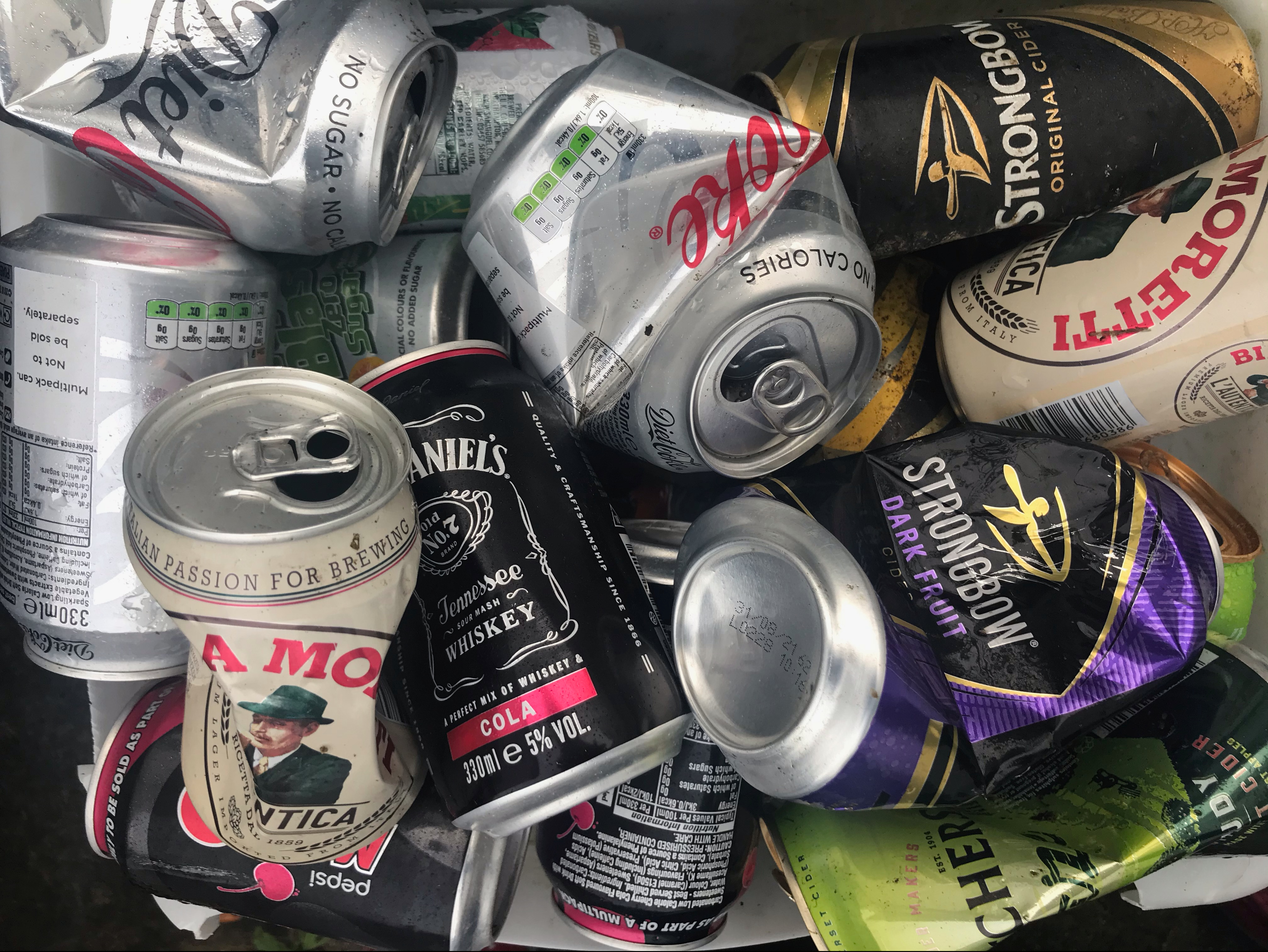
I took part in Keep Britain Tidy’s Great British Spring Clean when we counted cans collected and found twice as many alcohol containers as soft drinks. The highways of Britain are lined with tins and bottles that have been in people’s mouths. What are the consequences?
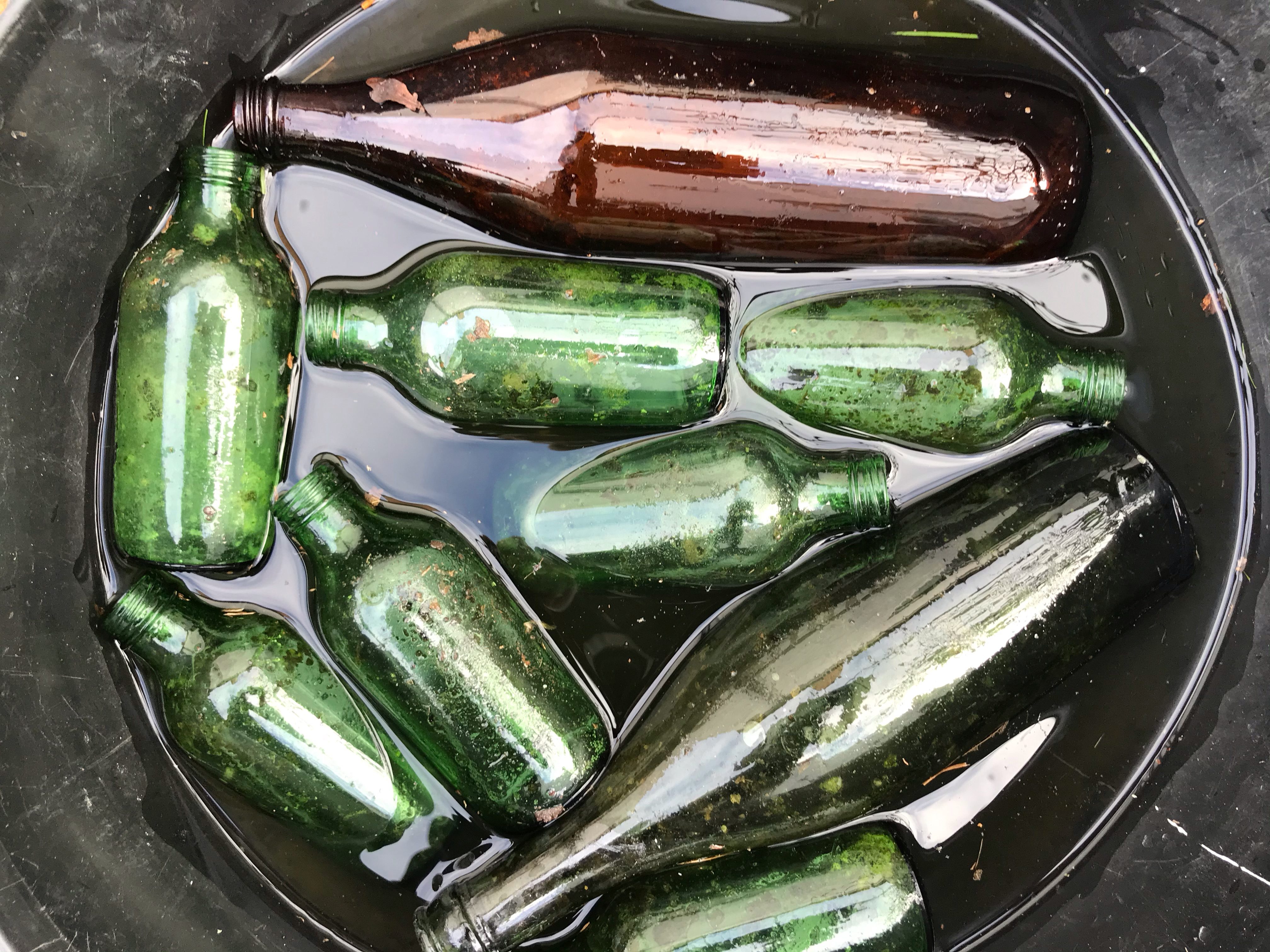
I walk 1.3km along our tidal river within the National Park, collecting a couple of large bottles that would have been hazardous if flung from a vehicle. These are added to my glass recycling bin, which has become embarrassingly full. I have a container of old oil I do not know how to dispose of. There are two 25 litre drums of chemicals, a car bumper and a metal table lurking in the estuary. I’ve reported them to the Council twice but nothing has been done.
I feel discouraged but am delighted to announce that a colleague from Litter Pickers of The New Forest, renown for covering a huge distance, has signed up for the Race for Reading 2022 and will be picking up the baton. Another volunteer promises to help me extract the fly-tipping and take it to the dump.
Day 26
Z is for Zonked. I’m getting tired but zoom along the shore zealously collecting muddy rubbish and tiny pieces of litter covering 4.1km.
Z is for Zero plastic waste. I sign up for The Big Plastic Count. We have to stop producing so much single use plastic. I’m told that a truckload of rubbish enters the sea every second of everyday. I will continue to pick pieces up from the coast but we have to stop it getting into the sea.
I log my fitness to find I have covered over 78 miles on the Race for Reading 2022. I’ve only collected one wheely bin of litter, a tub of glass bottles and another of tin cans but the coast is clear.
Thanks to my generous sponsors, I’ve raised £445 for School Readers so far. My company will double any money I can raise in sponsorship, so any donations given to School Readers via my Justgiving page will be doubled.
Schoolreaders is a children’s literacy charity which provides volunteers to partner primary schools nationwide to listen to children read. Even before Covid 19, 1 in 4 children left primary school unable to read properly1. Currently, our dedicated volunteers support over 7,000 children every week with one-to-one reading support, boosting their reading ability, fluency, comprehension and enjoyment.
Why Schoolreaders is needed:
Inequalities in literacy levels have widened since the pandemic. 5-7 year old disadvantaged pupils are 7 months behind non-disadvantaged peers2
One in seven adults (7 million people) have poor literacy and are unable to fill in a job application form, read a medicine label or understand written instructions. This can affect their mental health, contribute to unemployment, homelessness and crime – 48% of UK prisoners have reading ages of 11 or under.3
Illiteracy costs the UK economy nearly £40 billion every year.4
More than 10% of primary schools in England have registered with Schoolreaders to help their pupils catch up on vital reading skills.
No regrets! It’s not too late to register for the Race for Reading.
I’ve been going slowly but nothing is stopping me. My quest is to collect litter and marine plastic as I walk along the coast of the UK to raise funds for the charity Schoolreaders.
As you can see on my earlier posts, I’ve been using the alphabet as a theme.
N is for Nothing changes unless we take action
Day 14 – Another nice walk along the estuary into the small town of Newport collecting numerous wrappers and a noxious nappy dropped by numbskulls.
I walk another 3km later, cleaning the high tide line along the beach finding, amongst the rope and fishing line, a spoon, a sock and five poo bags. Why dog owners use tennis balls is a mystery. They contain lead and can choke large dogs.
Old tennis balls and shredded fishing net
O is for Obviously old things get outdated or ousted and litter becomes an ordinary occurrence rather than an outrage.
Day 15 – I only cover 2 kms following the coastal path to a lifeboat station but collect three old socks, a pair of knickers and half a bucket of litter. I later search the tide line for flotsam and mainly find dog poo bags and obsolete fishing line while covering another 3.5kms.
P is for Plastic –
Day 16 – I plod past a harbour collecting picnic litter, pondering on the fact I’ve probably covered 2 kms. Later I pace the tide line for 3.7kms returning with a heavy bucketful of party rubbish: plastic packaging, plastic bottles, plastic cutlery, plastic cups, plastic straws and 6-pack plastic that litters the coast. I find plenty of plastic cotton bud stalks, panty liners and packets of condoms along the shore – an indication of sewage entering the sea. PVC rope and polystyrene discarded by the fishing industry is common.
Plastic, polystyrene and PVC
Patience is needed. PPE, party poppers, plasters and ear plugs fill me with fury. I prefer picking up paddles, pegs, paintbrushes, pens and pencils since there’s a possibility they were simply lost. There’s a litter-picking prize for finding pairs of pants.
Day 17 –
Q is for quayside
but as that is now clean, I walk up the estuary into a quaint market town. It’s quiet but I find a lot of wrappers, covering 3.9kms as I collect a bucketful of litter. The skate park posed quite a challenge. The drains there wash straight into the estuary.
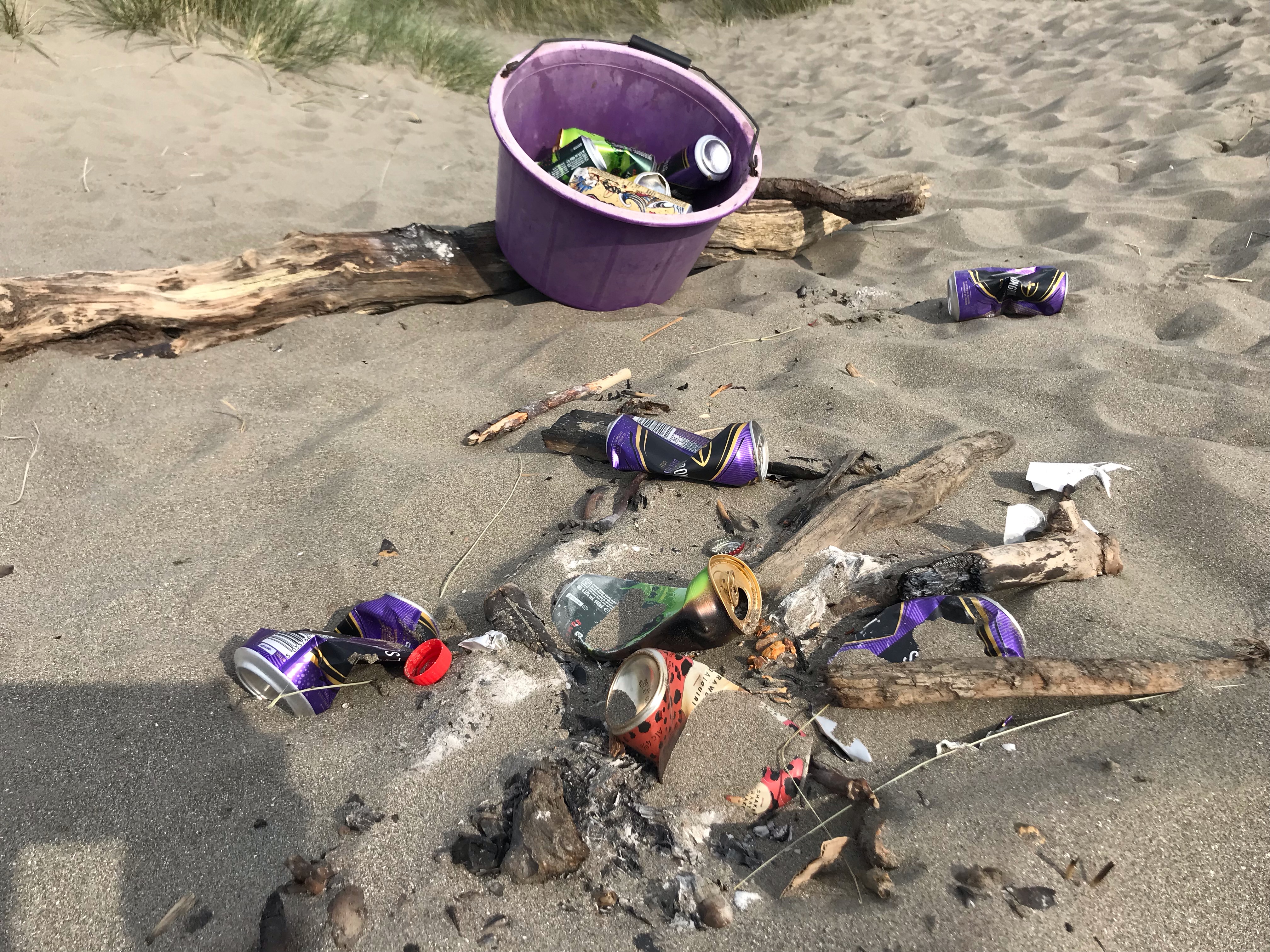
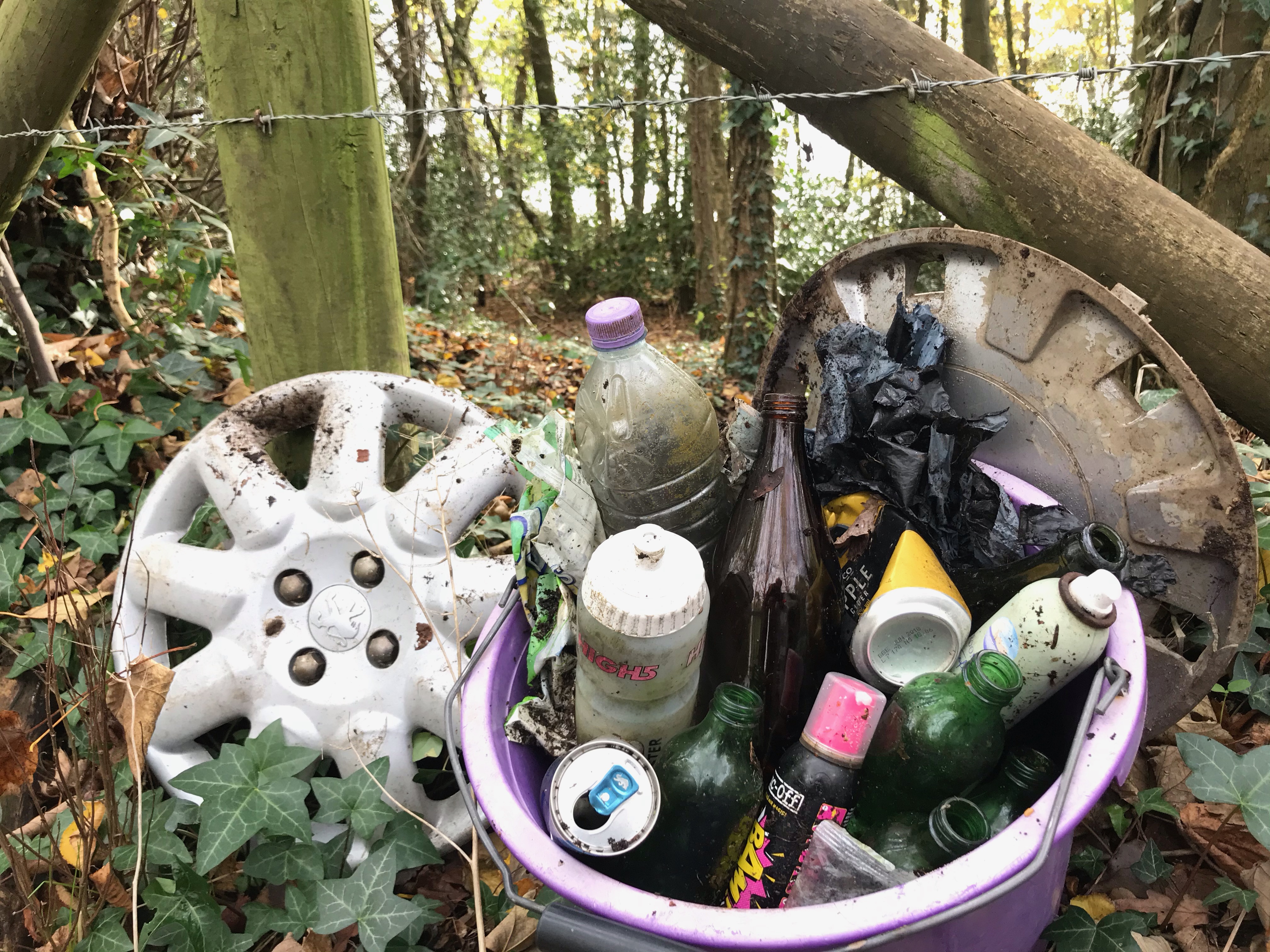
After lunch, I set out across the sand dunes finding a quantity of drink cans and glass bottles left by camp fires. The 20 bottles are heavy to lug back.
filling my bucket with picnic litter
I’ve learnt a lot since collecting litter. You see what’s happening from the underside of society. Alcohol containers are often discarded from high vehicles , rural drug taking is rife and fishing vessels are shredding nets at sea. The arterial roads of Britain are strewn with rat-infested litter loaded with human DNA. It’s surprising we are not threatened by a more serious pandemic.
Day 18 –
R is for re-cycling on the Race for Reading
I have been putting bottles or clean drink cans in the recycling bins but most coastal plastic needs to go to landfill. I scan the mudflats for ancient litter including heinous broken glass covering about 2.5km.
Day 19 –
S is for Sunshine
Silvery skies lift my spirit as I searchthe seashore for seven kilometers without seeing much flotsam. We seem to be making progress. If people see no rubbish they are less likely to drop litter.
Day 20 –
T is for tidying
I retrace my tracks traversing three kilometers to town coming across little litter. Two more kilometers with the dog and I’m tired but happy. Another two kilometers in the evening take us to a running total of 55 miles covered litter-picking so far. Logging my progress with the Race for Reading has been motivational.
Sophie Neville on Schoolreaders Race for Reading 2022 – photo by Caspar aged 7
If you would like to sponsor me on the Race for Reading 2022, I have a Justgiving page here and there are alternative ways of donating to the charity here.
Each donation will be matched by my company, and then again by SchoolReaders matched funding, so if you can donate £5 it will be magnified to £20.
Every small amount is an encouragement and will make a difference, enabling slow readers to catch up at school and gain a love for books.
I’m walking along the coast on a sponsored beach-clean, using the alphabet as my theme.
The aim is to raise funds for the charity Schoolreaders who aim to ensure every child in the UK can read fluently by the age of eleven. Shockingly, 25% fall behind. It jeopardizes their future.
Could you take part in the Race for Reading too?
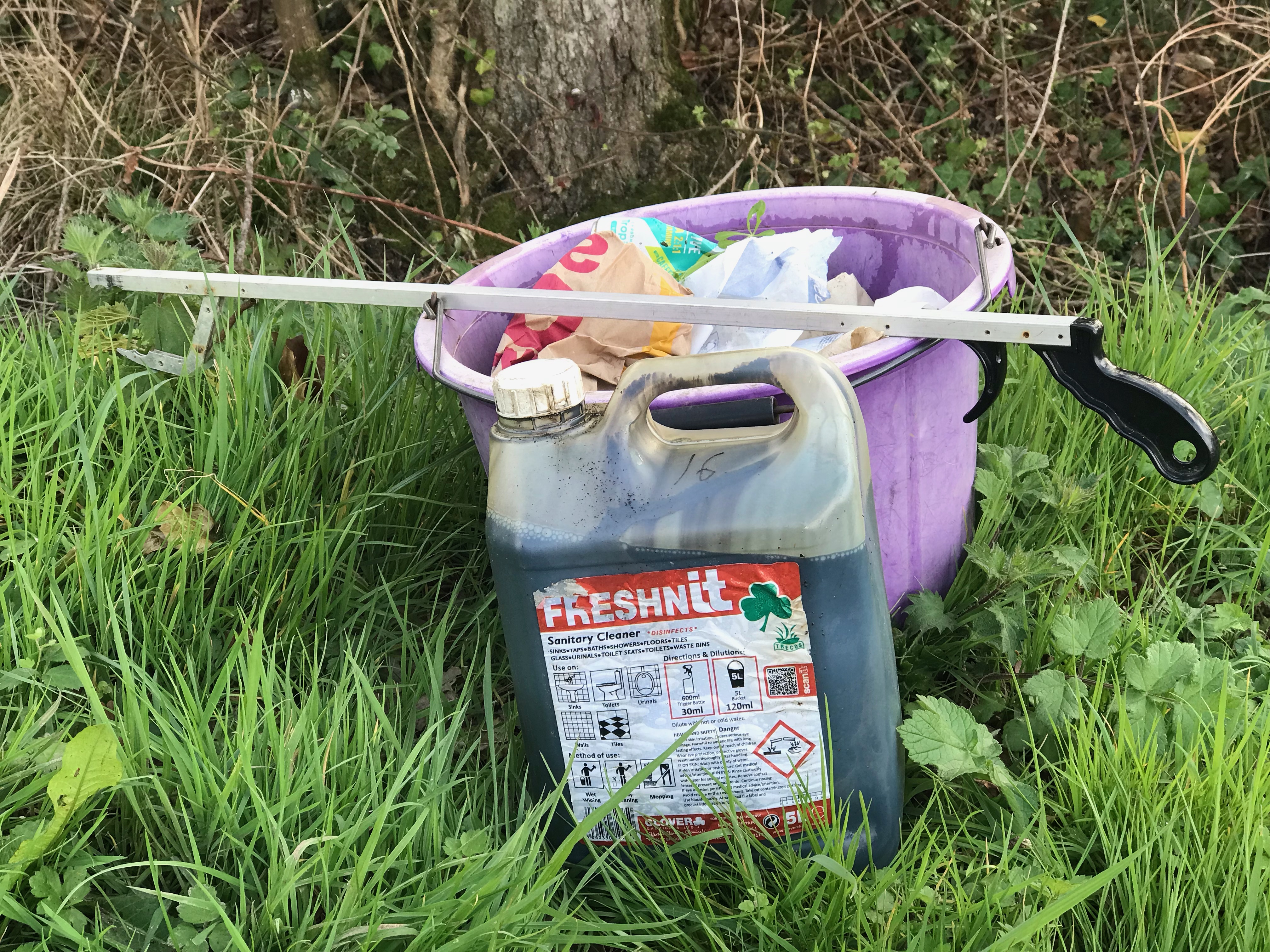
Day 7 – H is Hard work – Ihead out along hedgerows just above the high tide’s reach to harvest horrific litter that could wash into the sea. I cover 2.1km and only collect 35 pieces but haul three discarded containers of chemicals that were chucked into the river.
One of three chemical containers chucked into the nature reserve
Day 8 – I is for I have to do something. Imagine our coastlines covered in rubbish. It’s impossible to ignore wanton trash. I’ve found three intact fluorescent light bulbs washed up before now.
Ice cream left for the fairies
We go down to the foreshore to see what recent storms have brought in. When I first moved to the Solent eighteen years ago it was multi-coloured with bottle tops. Volunteers have slowly cleared it but the sea coughs up unwanted plastic on every tide. As we collect flotsam, a £20 note floats up to us!
Day 9 – J is for Just pick it up –
We need to keep picking up litter before it is blown into the sea and this nature reserve
I cross a causeway over a tidal river where drivers obviously chuck rubbish while waiting for the level-crossing to open on the far side. Having a litter-picker makes the job easier and safer. I collect a bagful and continue into town, putting litter straight into council bins. Despite plenty of these, I find a significant amount of cellophane on the quay about to be blown into the harbour. I cover 3.5km collecting litter over 90 minutes.
The Co-op carrier bag is compostable, the plastic pollution is not
Day 10 – K is for keep fit – and keep going. We arrive in Pembrokeshire for a family holiday. I’m tired after the journey but walk about two miles in 90 minutes, collecting a carrier bag full of coastal litter.
Day 11 – L is for Litter – loitering in the tide wrack of Wales, but I’m joined by friends from The Dog House which is fun. We walk 5 kms along a sandy beach where the smallest dog is rather good at finding litter.
Joined in my quest by The Dog House
Day 12 – M is for mission to rid the cost of plastic pollution. I walk up an estuary for only 2kms but collect a bucketful of PVC rope and plastic wrappers. I repeat the same distance at low tide when the landscape looks quite different.
Would you like to join the challenge? It’s not too late.
The charity SchoolReaders are still looking for runners, swimmers, riders and walkers keen to take part in their Race for Reading.
Run, walk, cycle, swim, ride, wheel, litter-pick
Every pound raised in sponsorship makes a difference and provides more children with vital reading help. They send out T shirts to those who reach £100 in donations along with a R4R 2022 medal to everyone who has raised over £15 and a gold medal to those who have raised over £1,000.
My company will match any sponsorship I personally raise, so any money given via my Justgiving page will be doubled.
Thanks to my very kind supporters I’ve raised £355 so far, which will be doubled to make £710! This will be enough to ensure twenty volunteers are able to listen to children read and give them a love of books, improving their life chances.
Sophie Neville cleaning the mudflats of PVC rope and old fishing line.
And, I’ve stopped litter from threatening wildlife and polluting our seas. For a full list of things I’ve found washed up on the Solent over the years, please click here
Thanks go to Schoolreaders who change the life stories of so many children.
It’s great when things come together. I have a passion to promote literacy, a resolve to rid the coast of plastic pollution and a need to keep fit.
Only 3 miles but I must have collected 300 small pieces of plastic
Day 2 – I love walking along beaches more than anything but litter picking can be challenging on a number of different levels. It takes time. I spent nearly two hours on the coast and, according to my Fit-bit, covered only 5km = 3.1 miles. Once home, I had to sort the rubbish and recycle the broken glass.
B is for bottles, balloons, barbed wire and a broken broom
C is for caring
C is for constant cleaning
C is for change – change a child’s life chances
Collecting cups, cartons, containers and coastal contaminates
Day 3 -Another two hours clearing the foreshore and mudflats when I only covered 3.71km = 2.3 miles, but removed items that will never rot. Here’s a selection:
Darling dog – distressing debris: 148 items in are this bucket
90 mins spent covering 1.8 miles collecting 162 pieces of litter and plastic pollution including 6 bags full of dog poo, despite the provision of a council bin.
D is for dinosaur
E is for Environment
E is for Everyone
E is for Energy
Day 5 – 90 minutes covering 2 miles along the coast and associated lanes.
Flotsam and fishing line found on the foreshore
F is for Fitness
F is for Friends
F is for Fishing debris
Day 6- 60 minutes in the fresh air covering half a mile through fields returning with baller-twine, a discard PVC dustbin and a broken wheelbarrow.
Gloves and glass – some of which was hazardous to wildlife, dogs and walkers
Day 7 – 90 minutes collecting 130 items of glass and plastic covering 3.75km = 2.3miles
Gillian, who accompanied me on one of my beach cleaning forays has written to say: ‘I found it surprisingly enjoyable and absorbing.’ She was once a volunteer school reader.
Glass-fibre and glass bottles with tubing and plastic
Would you sponsor me to continue to collect litter as I continue to walk along the coast for Race for Reading 2022? So far, I have only covered 12.2 miles but I have collected about 1,000 small pieces of rubbish, recycling the glass.
I’ve registered in my full name so Gift Aid can be added on my My JustGiving page. My company will match money given in sponsorship, so your donation will effectively be doubled.
Sophie Neville collecting flotsam from the Solent shoreline in the Race for Reading
Funds raised will go straight to Schoolreaders – a fantastic charity that supplies volunteers to listen to children read in school and whip up excitement about books and storytelling. A gift of £30 will fund the placement of a volunteer in a needy school for a year.
We’re asking you to step up for children’s literacy!
Over the next 80 days, supporters around the world will run, cycle, swim, row and walk to raise funds for the national charity Schoolreaders. They are encouraging litter-pickers to join their virtual race.
Spring Clean the coastline with Keep Britain Tidy
As an ambassador for Keep Britian Tidy, I have been litter-picking as I walk along the coast, cleaning beaches and shorelines of the United Kingdom on the Great British Spring Clean from 25th March to 10th April. I’m happy to extend this until 19th June 2022 when Schoolreaders virtual race ends.
Last year, a total of over 34,000 miles was covered by the registered participants. I kept a tally of miles walked while litter picking, clocking up 32 miles. My distance covered was not very impressive – but collecting flotsam takes time and my bucket can get heavy.
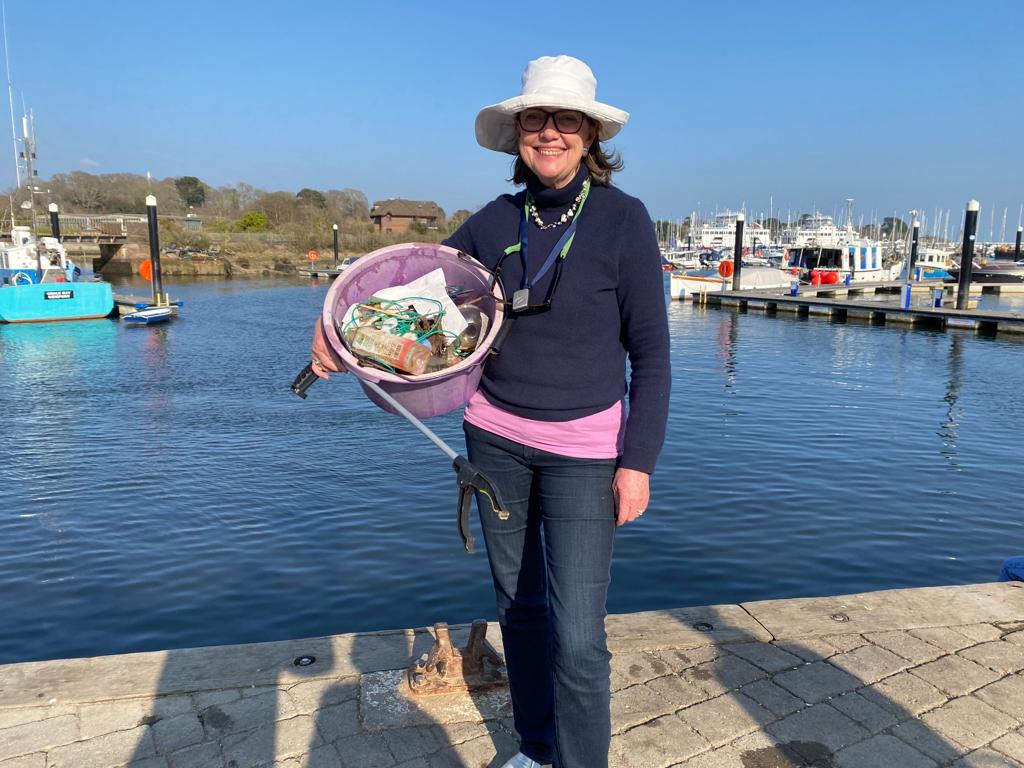
Litter collected whilst walking along the Solent shore
Somewhere I have a tally of the amount of rubbish collected. I certainly took a lot of photos. I’m hoping friends will join me this year as I’m aiming to walk a lot further.
I’m not sure if I will find anything that relates to books or reading but it is possible.
I quite often find reading glasses when I’m litter picking
If you would like to support children’s reading in the UK there are many ways you can do so:
You can sign up to become a Schoolreaders volunteer– they ask for a commitment of one academic year to provide the children with consistency.
You can set up a regular donation for as little as £5 by clicking here
Funds raised will provide weekly one-to-one reading support sessions from Schoolreaders volunteers across the country. We are hoping to be able to help over 2,500 children who may have fallen behind with their reading during Lockdown.
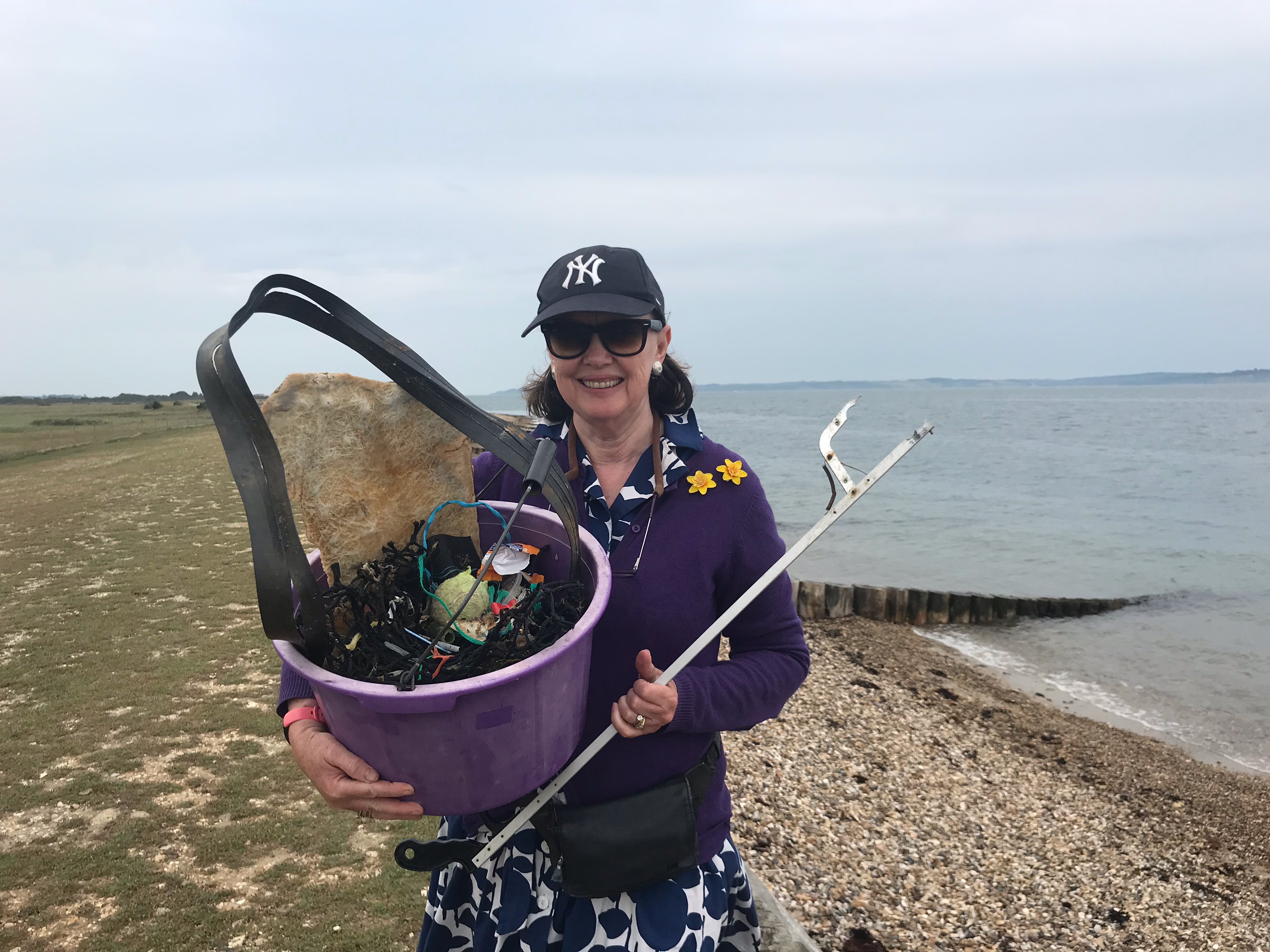
Sophie Neville searching for marine plastic on the Solent
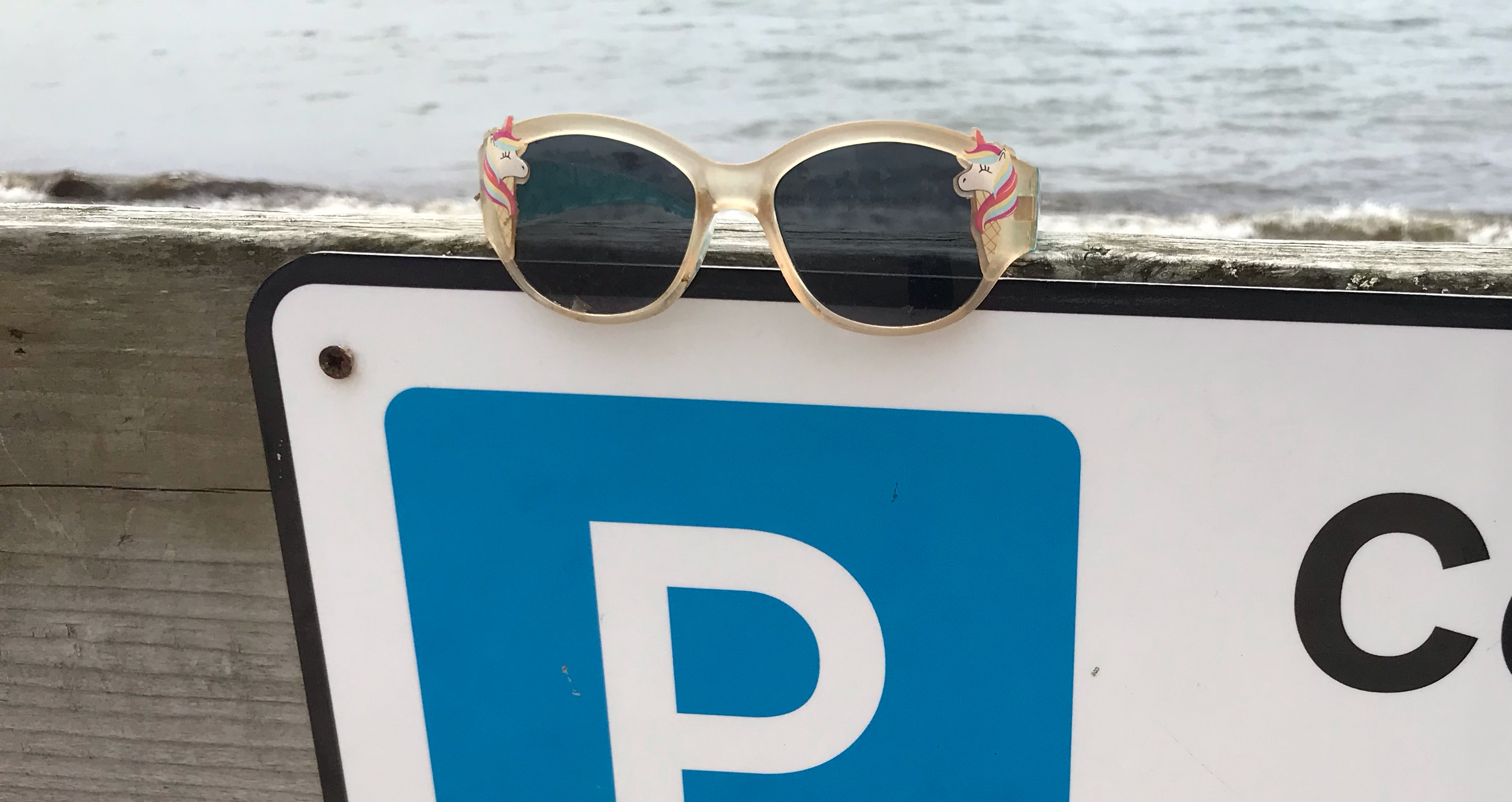
As a small child, I longed to find a unicorn. Nowadays they litter the New Forest.
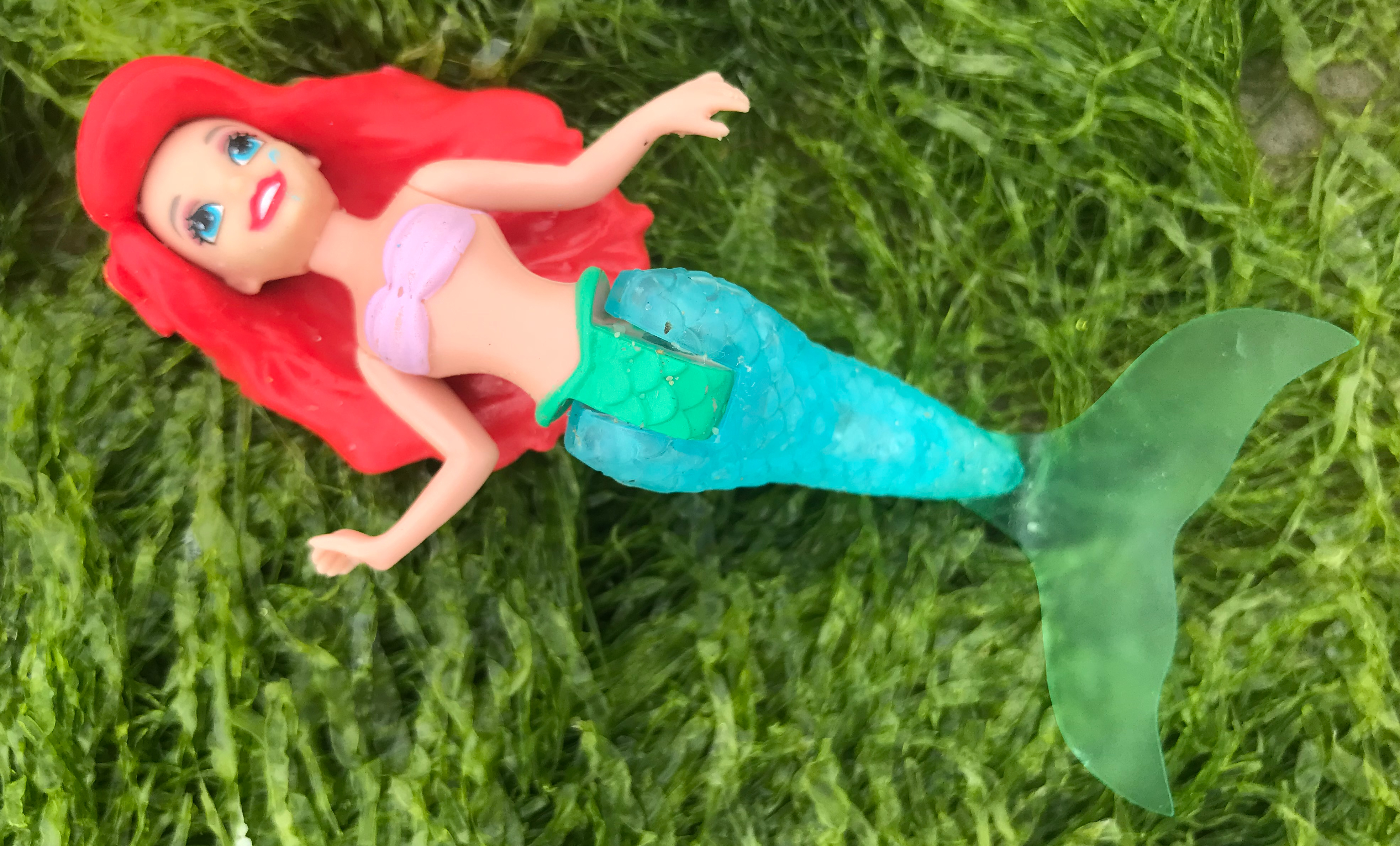
Unicorns seem to be popping up everywhere, along with Disney princesses.
A stranded mermaid illustration how helpless most of us feel about sea plastic
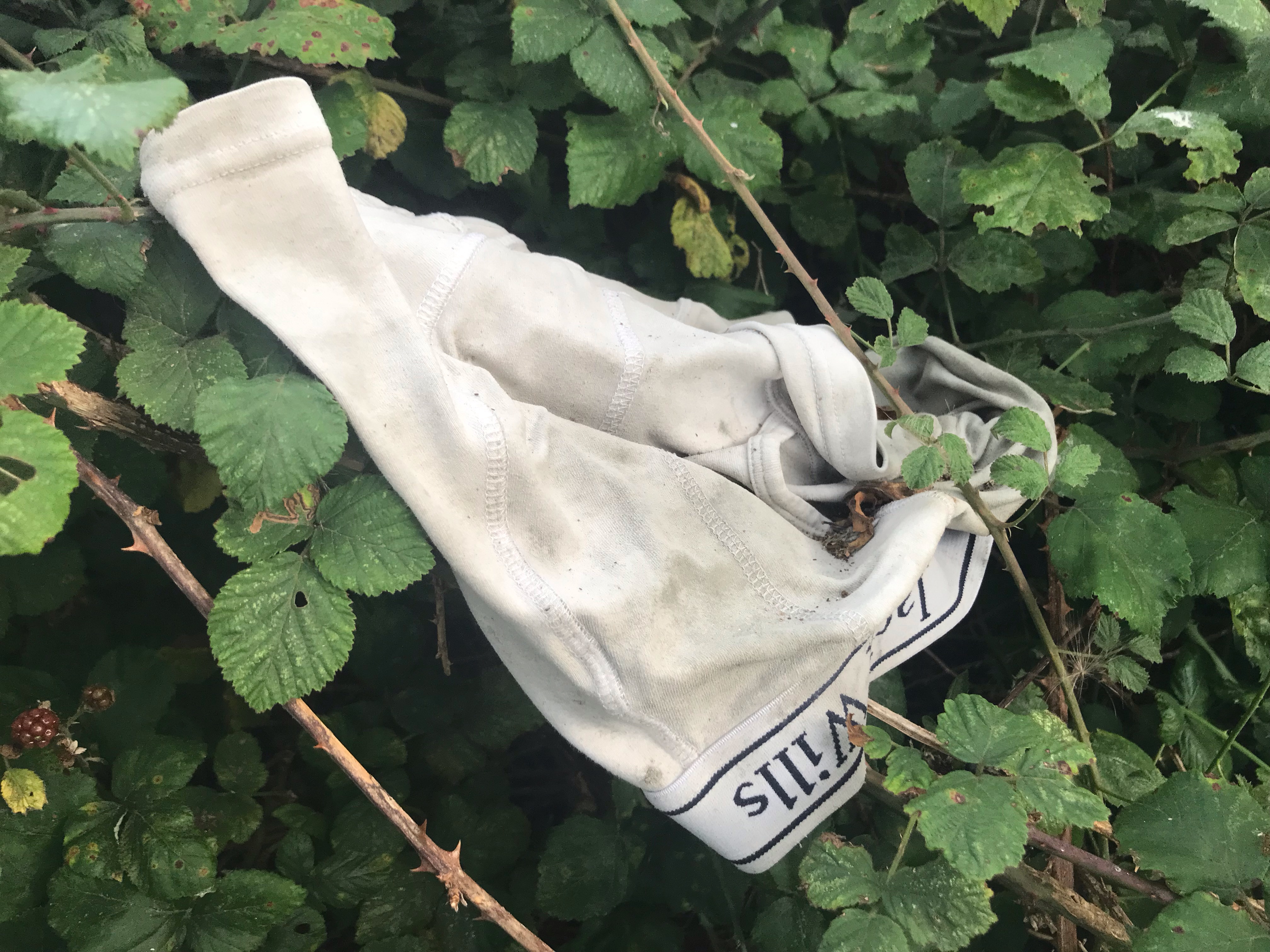
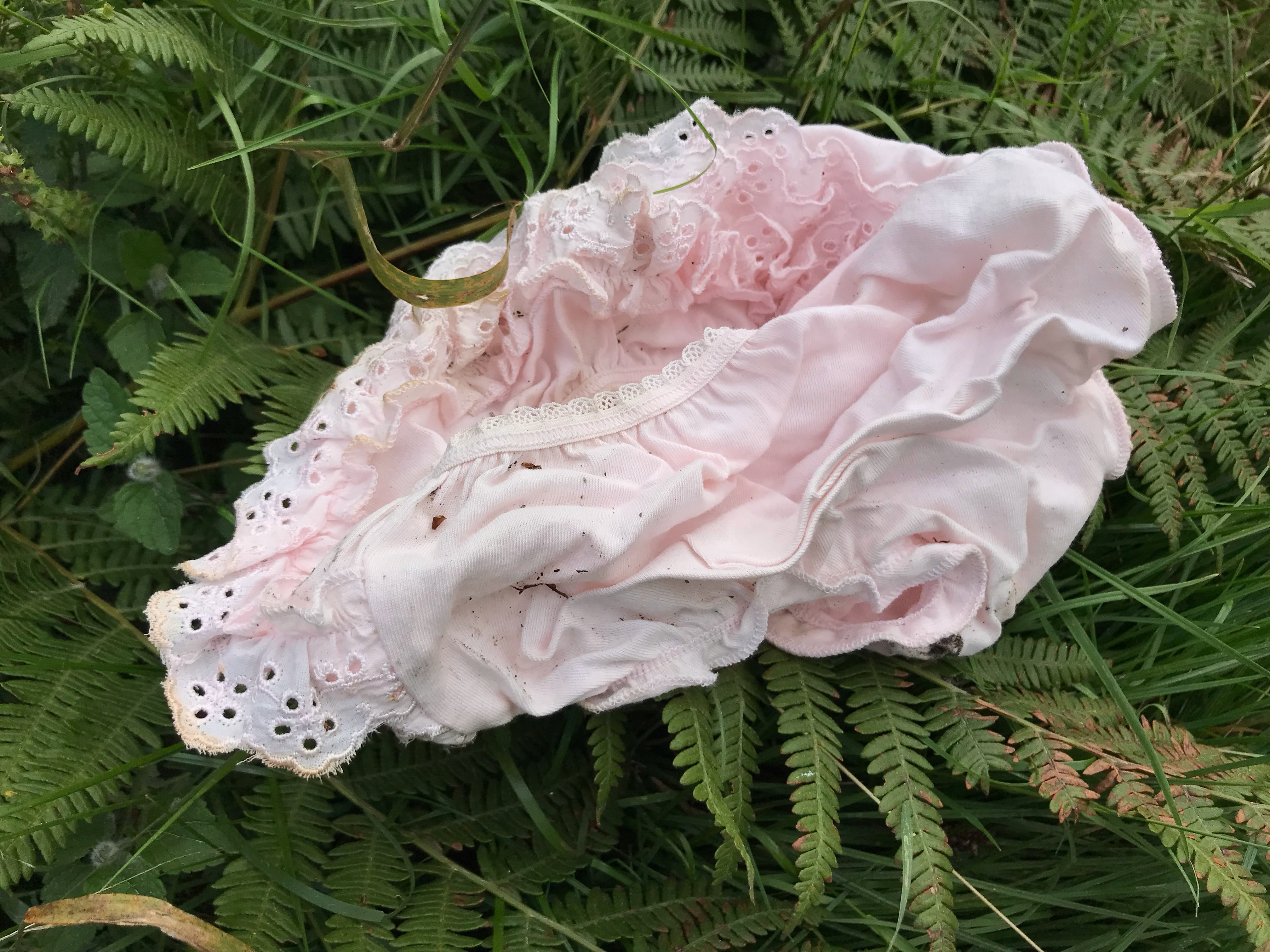
And underpants. We find a lot.
Men’s underpants caught in the brambles
Frilly knickers found in a church car park within the New Forest National Park
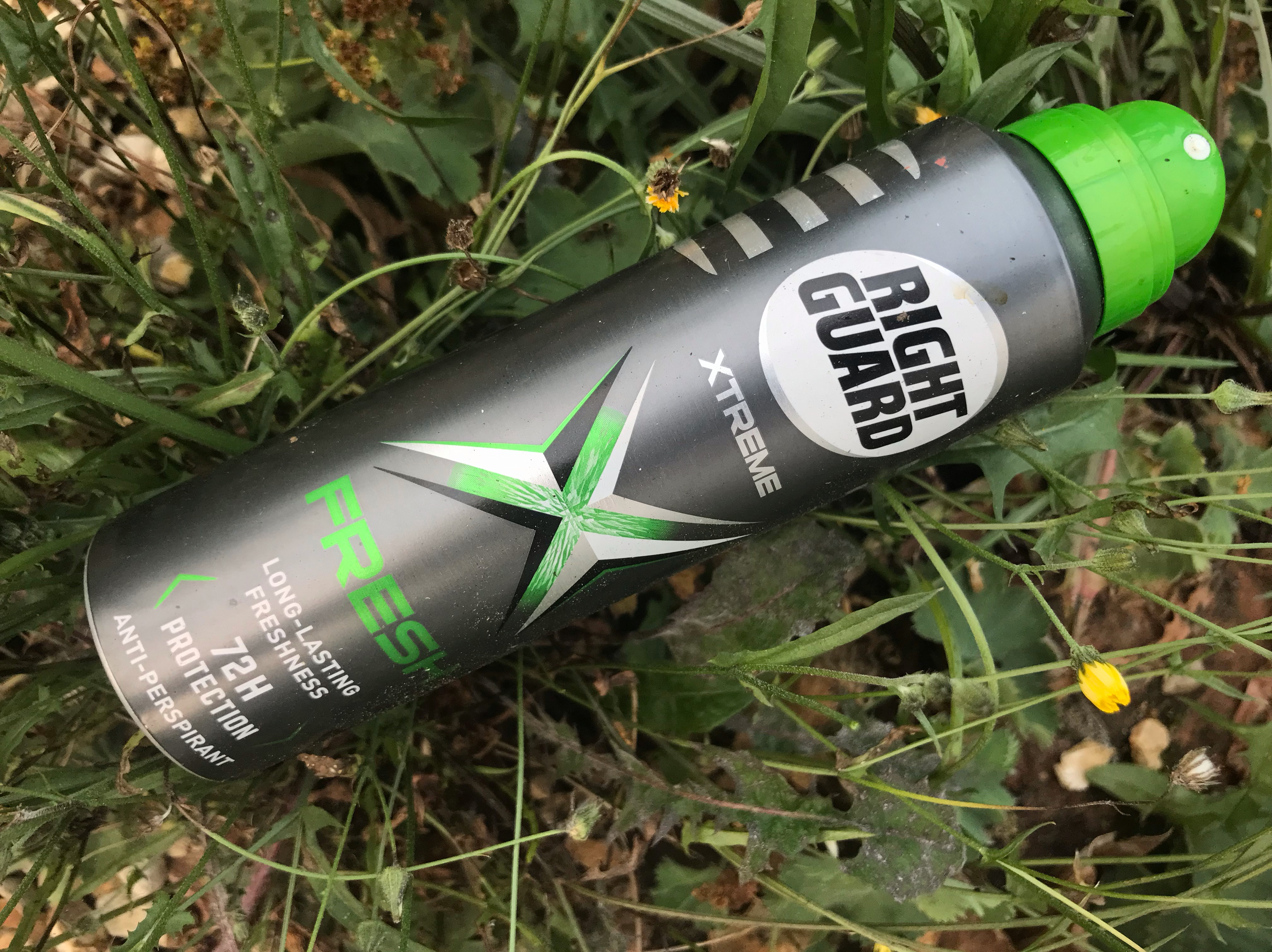
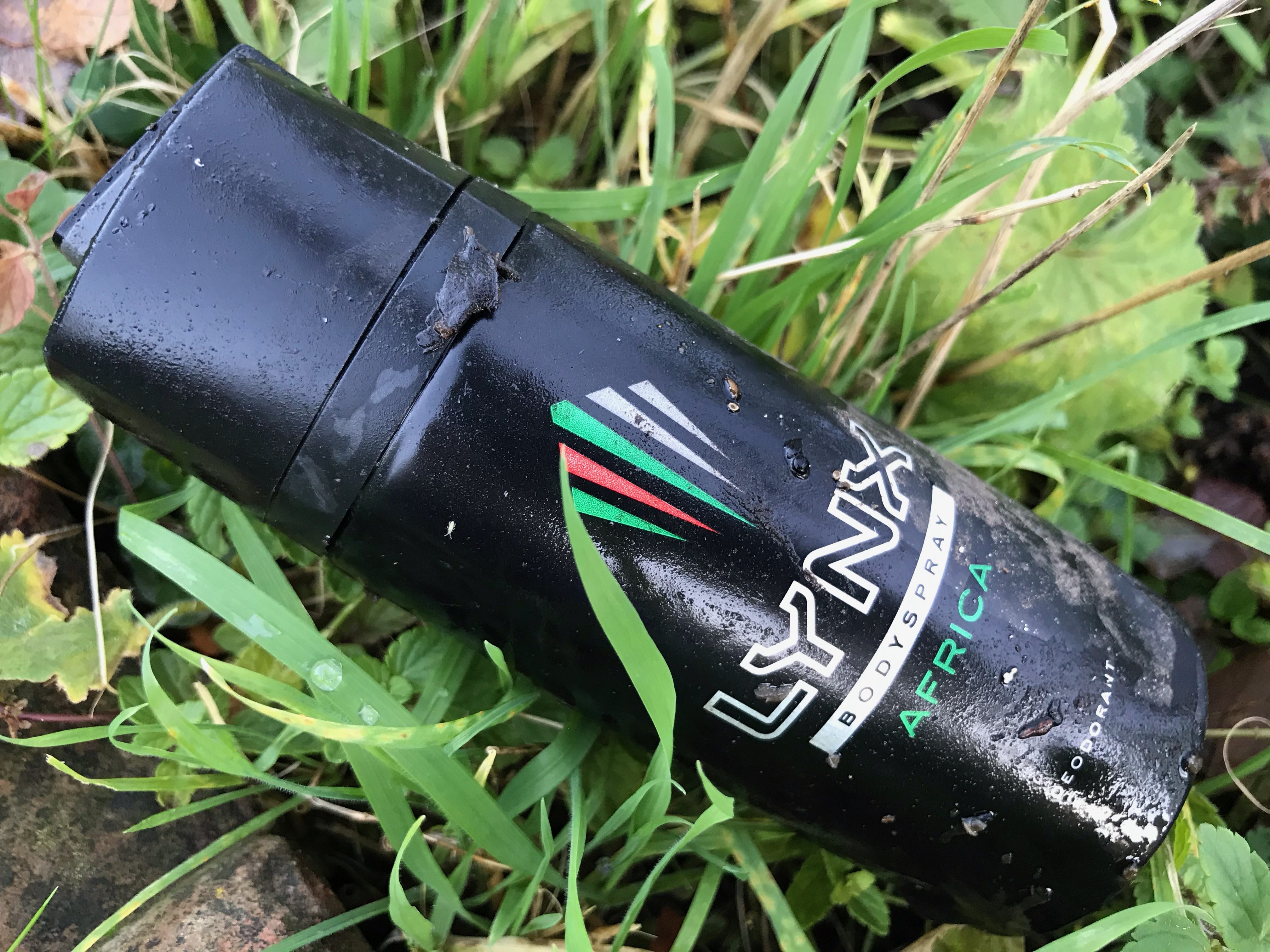
Anti-perspirant and after shave is often discarded by a sniffers in the New Forest
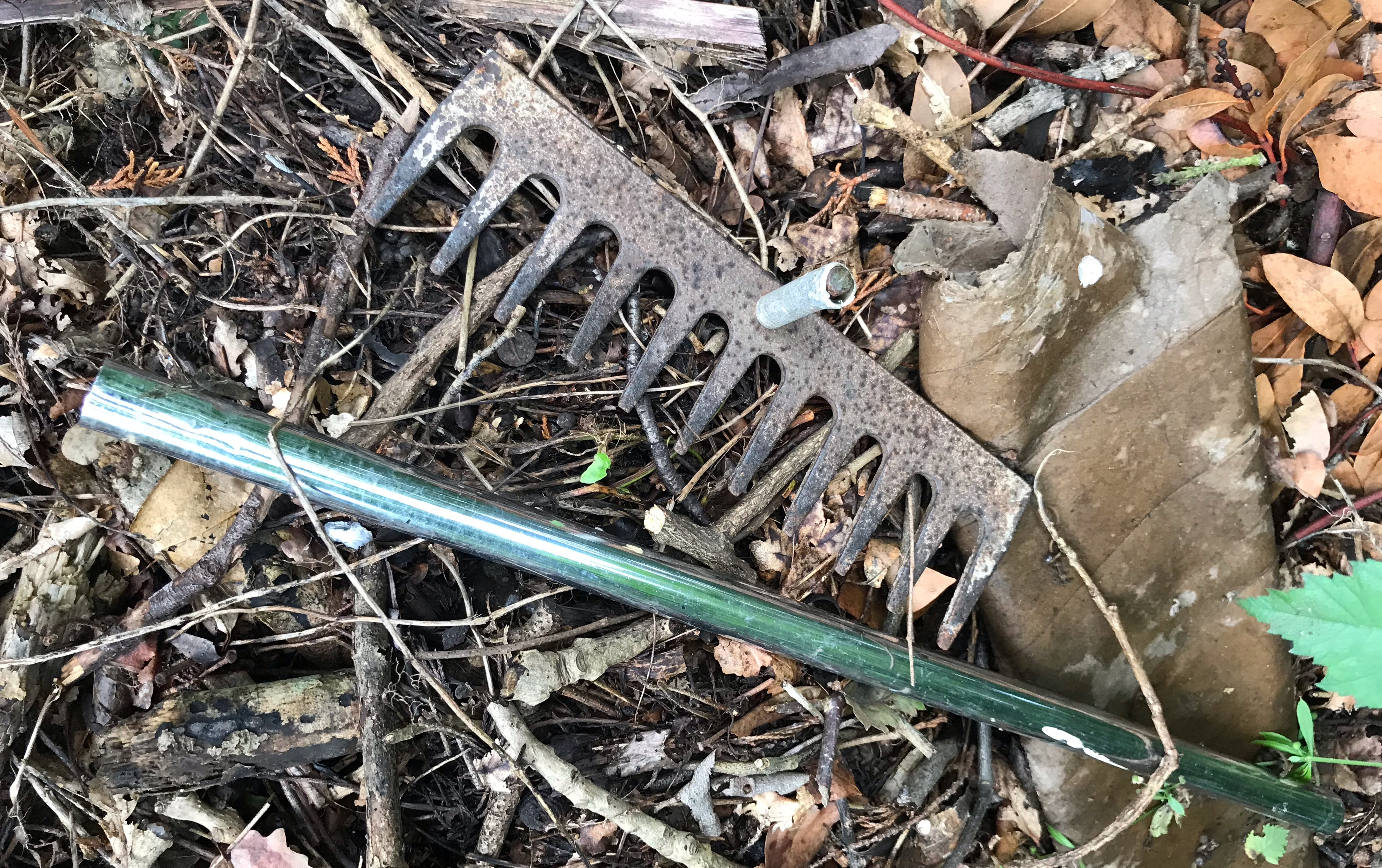
A garden rake, the second I’ve found of this type, possibly from a cannabis farm
An elf’s shoe – the pencil is just for scale, although I sometimes find them
I often find fenders and floats washed up on the Solent
Did the peak drift across the English Channel by itself?
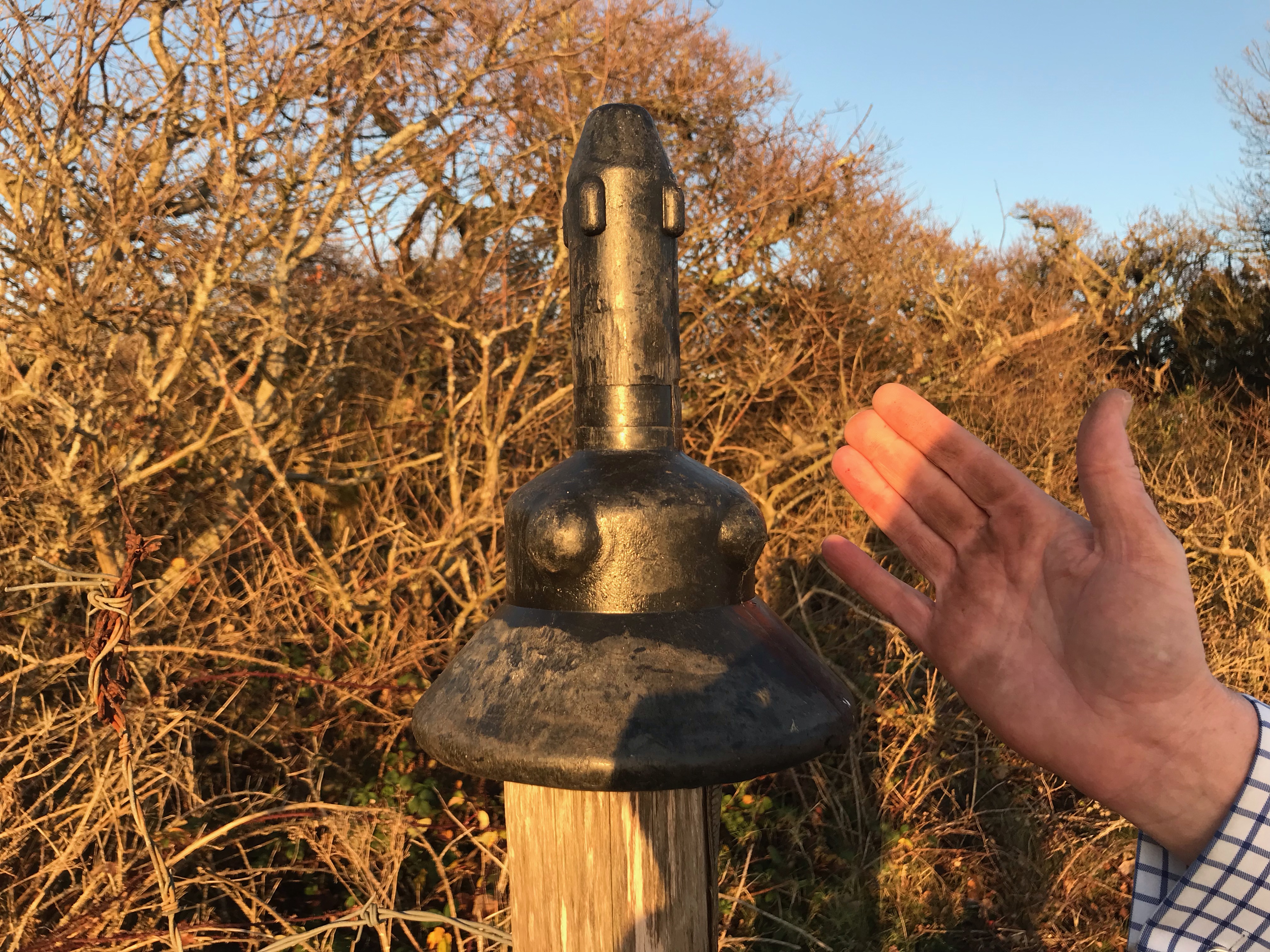
A pin from a sailing pontoon that has been washed down the coast
Small pieces of asbestos roofing washed up on the Solent
It is not unusual to rubber lining the coast. Helium ballons are washed up almost every day
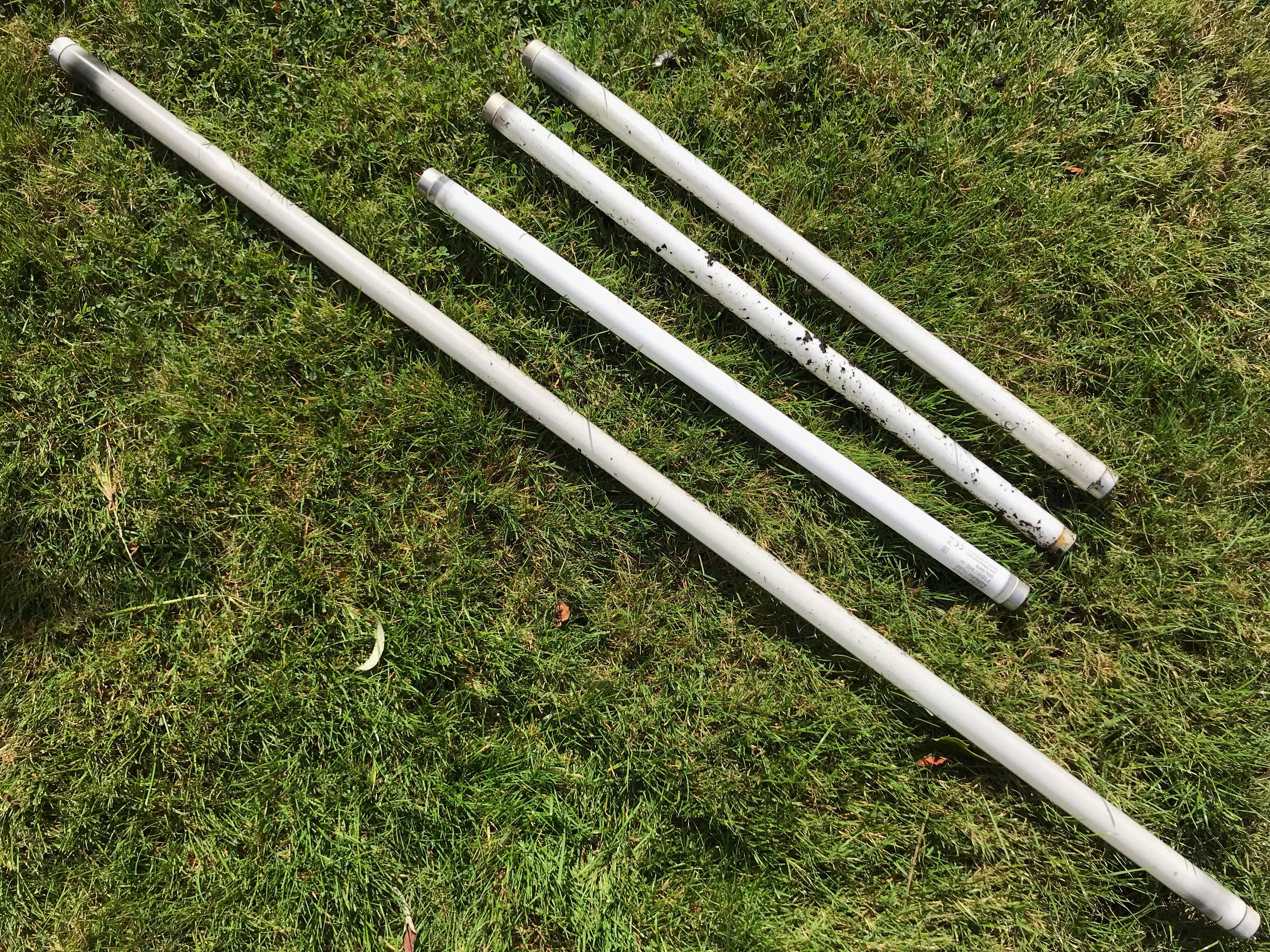
Fluorescent tubing found washed up intact on the Solent foreshore
Shockingly, I have been told, ‘we get ORDERED to throw them overboard as sending them back ashore is expensive due to them been classified as hazardous waste. Happens everyday in some way or another. 200 old fire extinguishers once but there’s a lot worse.’
plastic effecting wildlife
These look like regurgitated owl pellets comprised of plastic, found in woodland on the Solent Way footpath. I often find PVC rope in the dung of New Forest ponies.
It looks like a broken branch but it’s the remains of a ‘hangman’s noose’ or swing found on the coast with polystyrene, PPE masks and a discarded picnic mug
Here is a tree bearing three, although you can only just see the remains of a blue rope. It’s killed the branch.
Ropes hung from trees on private land within the New Forest National Park
‘Why do people litter?’
Annie Soulsby says, “It’s about caring. If someone doesn’t care about themselves they tend to not care much about anything else, including the environment. “
“The crux of the problem is that all sorts of people litter all sorts of items for all sorts of reasons” says Samantha Harding, the director of the Campaign to Protect Rural England’s litter campaign. “Men aged 18-25 often see it as cool to drop litter, but hauliers, smokers, users of fast food outlets and drive-through takeaways and commuters are all groups of society who litter”.
Litter on a stick
The animals seem to resent rubbish left in their pristine environment. The rabbits excavated these cans.
Unwanted lager cans excavated by rabbits?
May be its because people use holes as litter bins.
A plastic bottle repulsed from a rabbit hole
Litter pickers often encounter wildlife – especially lizards or wood mice, snails and insects, which use the litter or become trapped inside it. I found this healthy slow worm under a water trough when I was cleaning a field.
A slow worm found whilst collecting plastic from a field
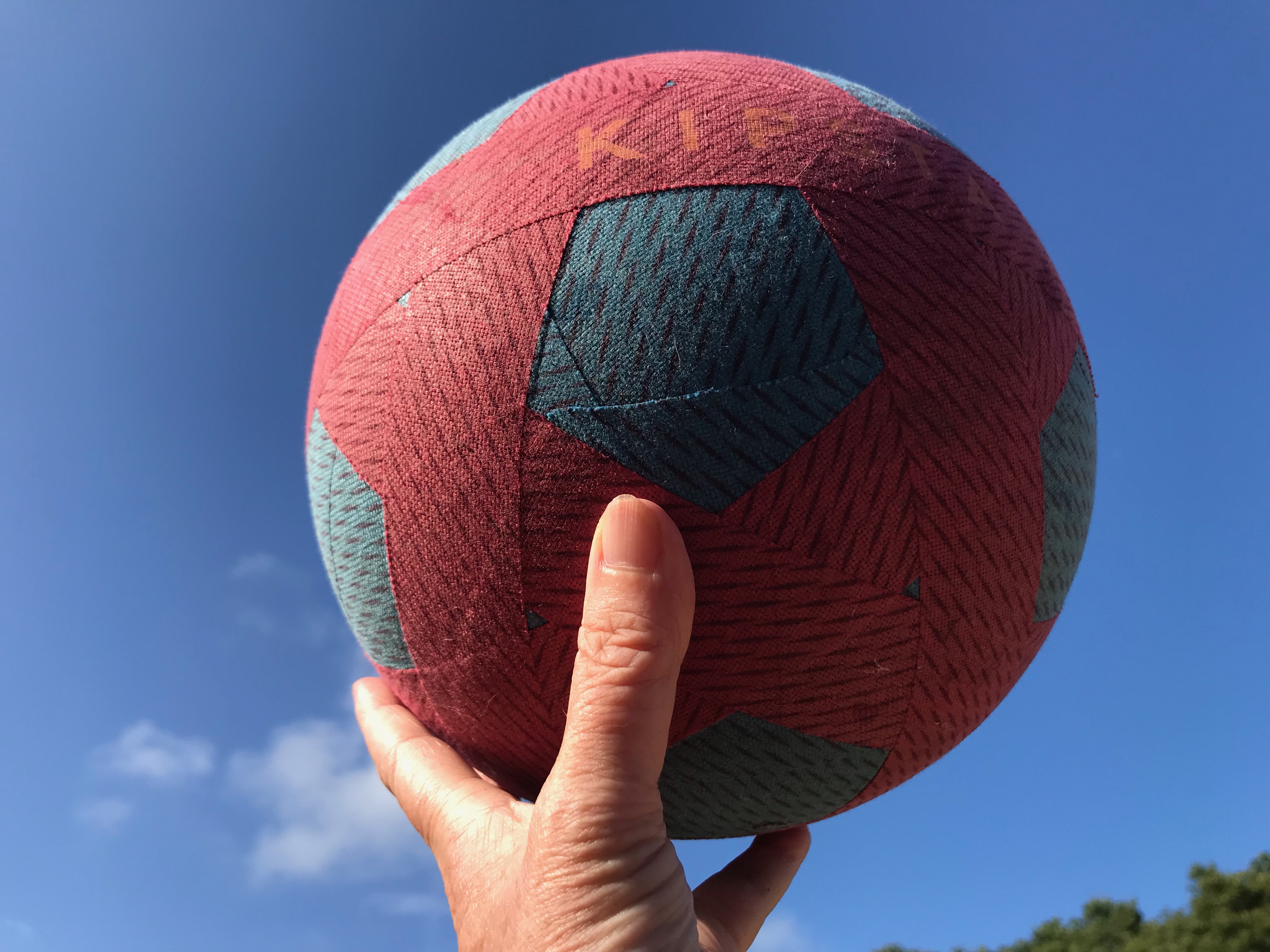
Our most exciting and treasured find was a brand new basket ball with plenty of bounce, washed up on a remote Solent shore.
A fine find – a new basket ball, washed up on a remote sandbank
Litter is pollution. It’s vital that we remove it. Dave Regos has asked to show you an award-winning documentary entitled ‘A Fist Full of Rubbish’:
2021, and we thought we would be coming out of Lockdown but life remained restricted.
Litter Art made from sea plastic I’ve collected
Walking the Solent Way – in search of plastic pollution washed up on the shore
Winter walks along the coast litter-picking
Becoming a Patron of the charity ‘Covid Reflections’
Speaking on BBC Radio Cumbria’s Saturday morning Breakfast Show
Appearing on BBC Antiques Roadshow with ‘Swallows and Amazons’ movie memorabilia including a hazel bow and arrow.
Marc Allum and Sophie Neville on BBC Antiques Roadshow
Taking Part in School Readers ‘Race for Reading’ challenge 2021, collecting litter on a section of the Welsh coastline
Collecting sea plastic whilst walking along the south coast of England
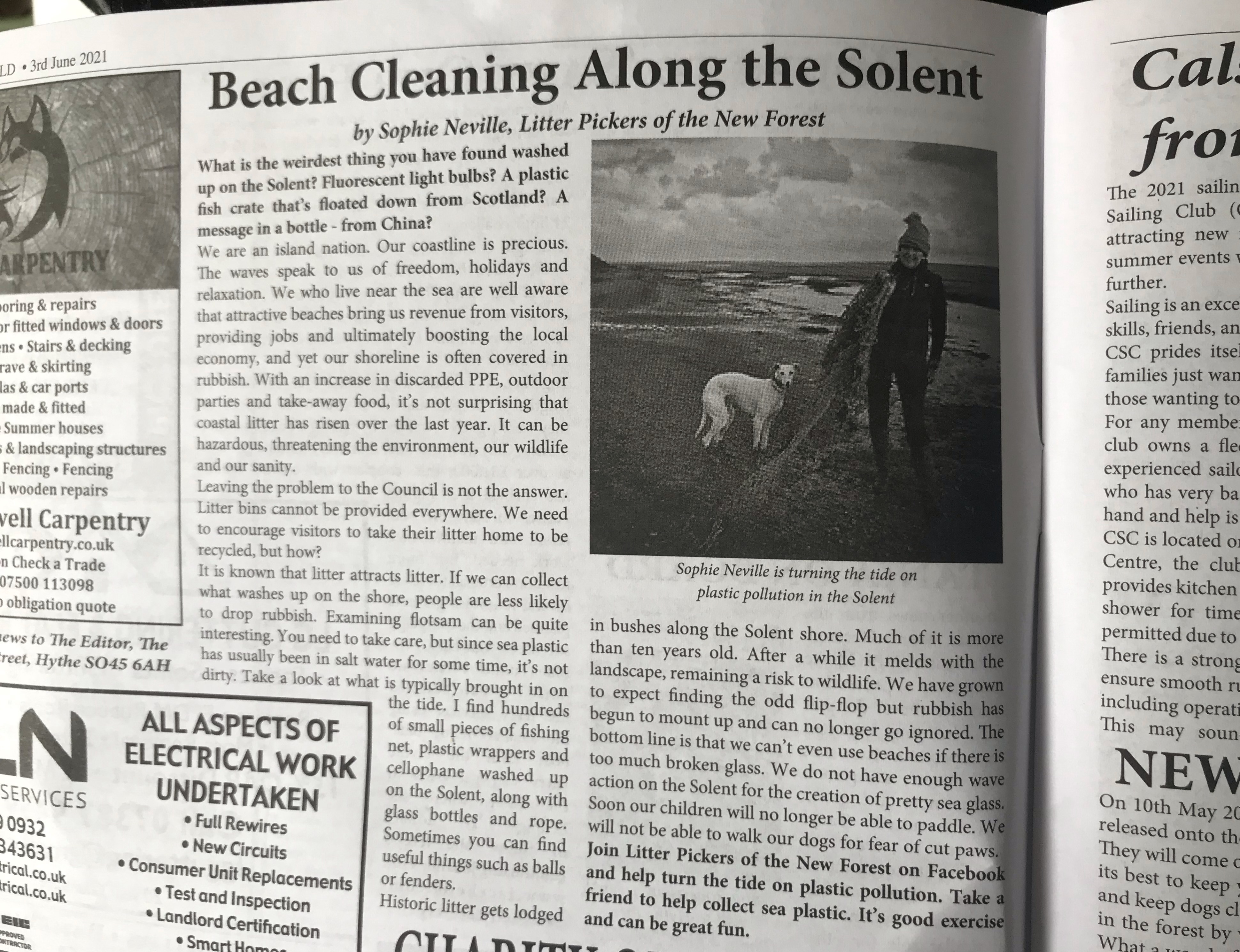
Writing articles for The Herald to encourage people to beach-clean
Representing Litter Pickers of the New Forest
Interviewed by JJ Walsh in Japan for a podcast on beach cleaning and meeting the head of Eco-Bricks UK who took some of my fishing net finds for a talk.
Having my unpublished novels placed in a number of literary awards:
Two historical novels Long-listed by Retreat West, 2021
Semi-Finalist in ACFW Genesis novel writing contest in the USA, 2021
Page Turner Finalist, 2021
Reaching the finals of the 2021 Eyelands Book Awards for an unpublished historical novel
Long-listed by Roadmap’s Write Start Competition in the USA, 2021
Longlisted for Adventures in Fiction New Voices, Flash 500 first page competition and The Eludia Awards in the USA.
Mounting my sketchbook drawings on Instagram – here’s one that got away (the aspect ratio didn’t fit)
My sketchbook paintings
A few sporting achievements:
Worcestershire Archery Society’s prize for Lady’s Most Hits
First Lady’s Gold at the West Berks Archery Society
Best Lady’s Gold at Meriden
Lady’s Championship Trophy for highest score Worcestershire Archery Society
Celebrating the first wedding after Lockdown lifted
Visiting the Yarmouth and the Needles
Sailing to the Isle of Wight while Lockdown was eased
Giving a talk at ‘The Late Summer Festival of Romantic Books and Writing’
Contributing to a handbook for Christian Writers entitled ‘Write Well’ published by Instant Apostle
Riding across the wild areas of Sicily
Riding up Mouth Etna in Sicily
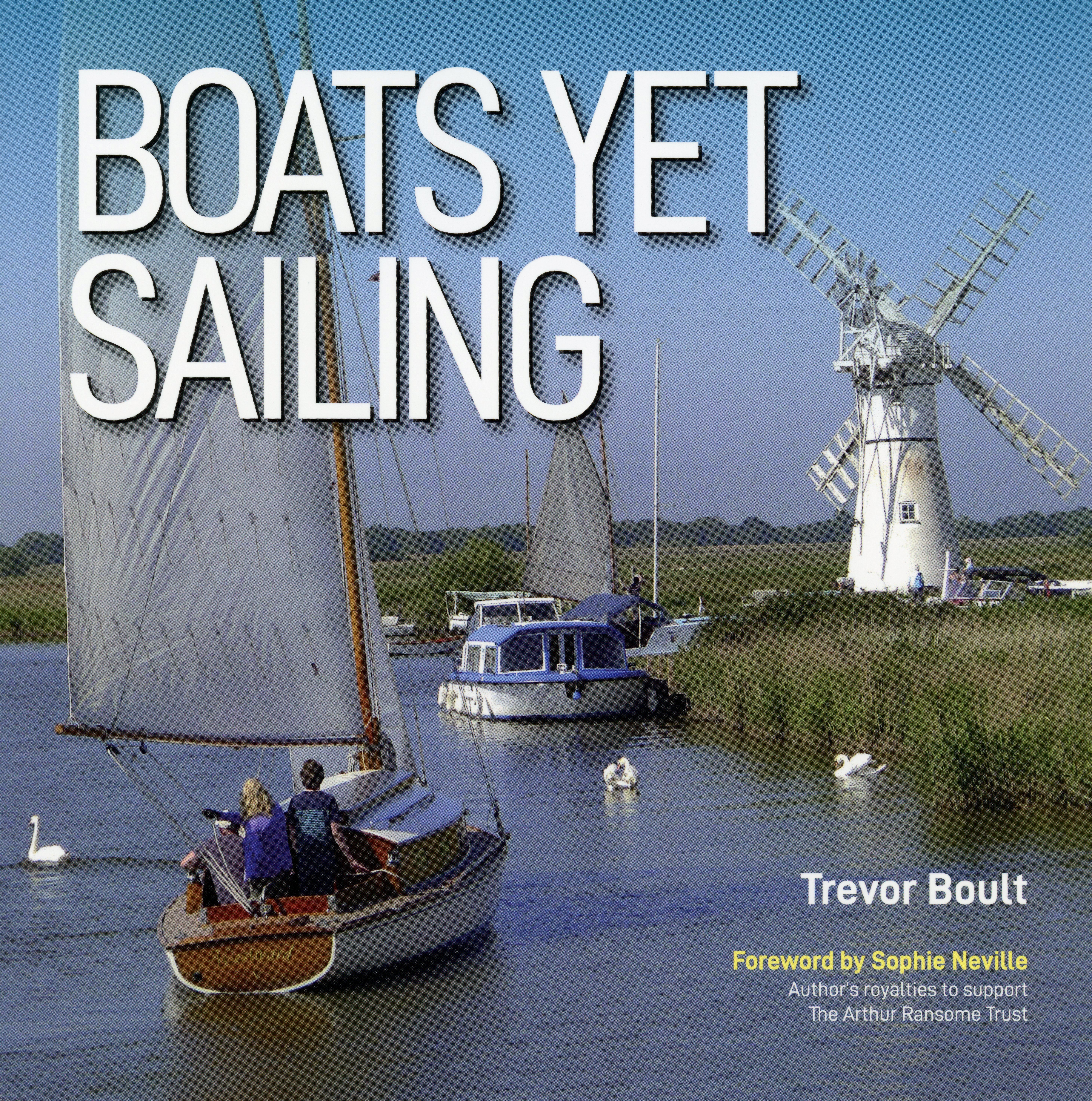
Writing a Foreword to ‘Boats Yet Sailing’ by Trevor Boult
Finding a bid of £251 on a signed first edition paperback of ‘The Making of Swallows and Amazons’ in an auction in aid of BBC Children in Need
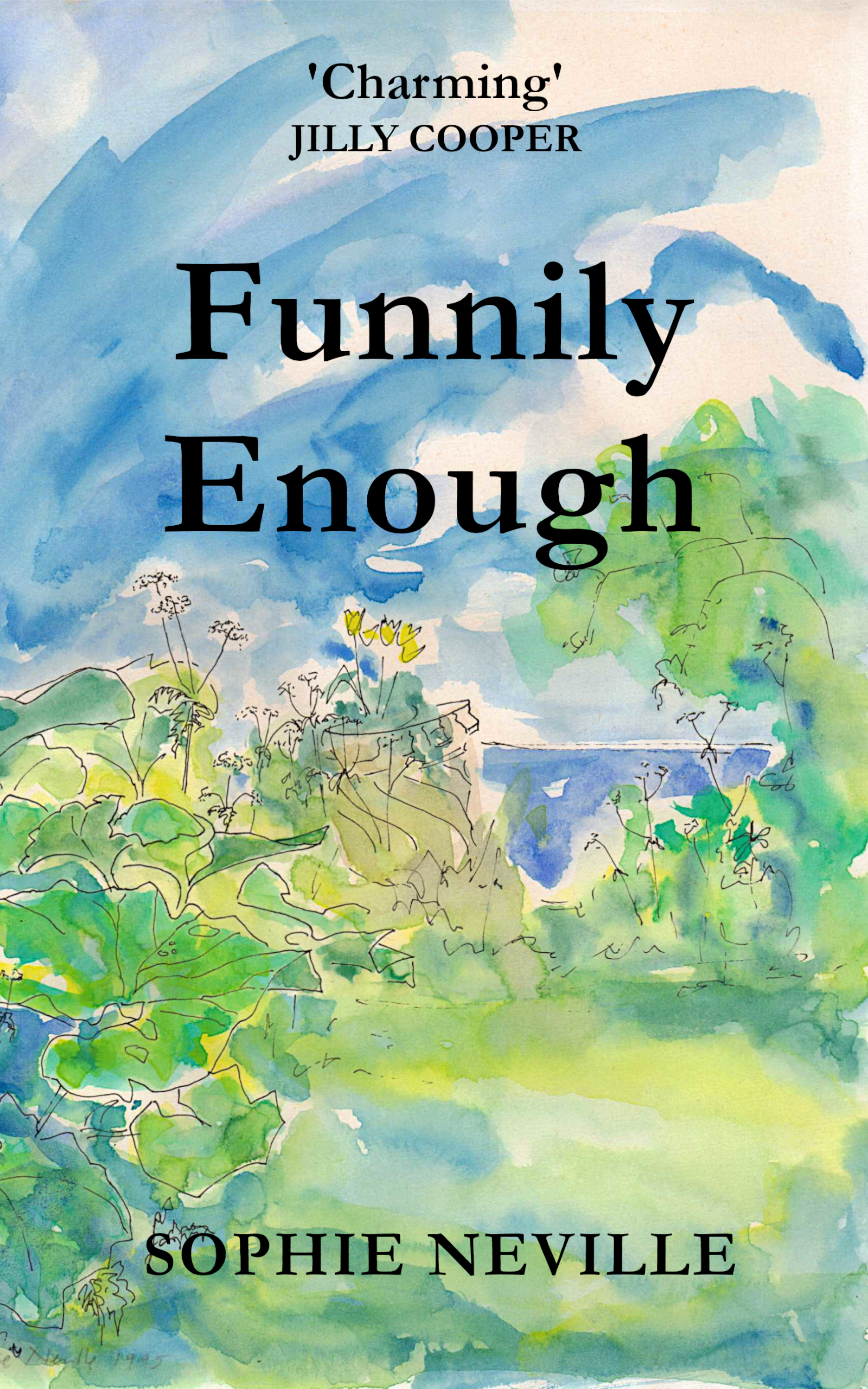
Bringing out a second edition of ‘Funnily Enough’ with added illustrations
Being able to go to restaurants with my family – if only for one birthday lunch
Raising funds for welfare projects in the Waterberg, South Africa
Fighting period poverty in rural South Africa
And helping to rebuild the church that burnt down
Being interviewed about my dog, Flint
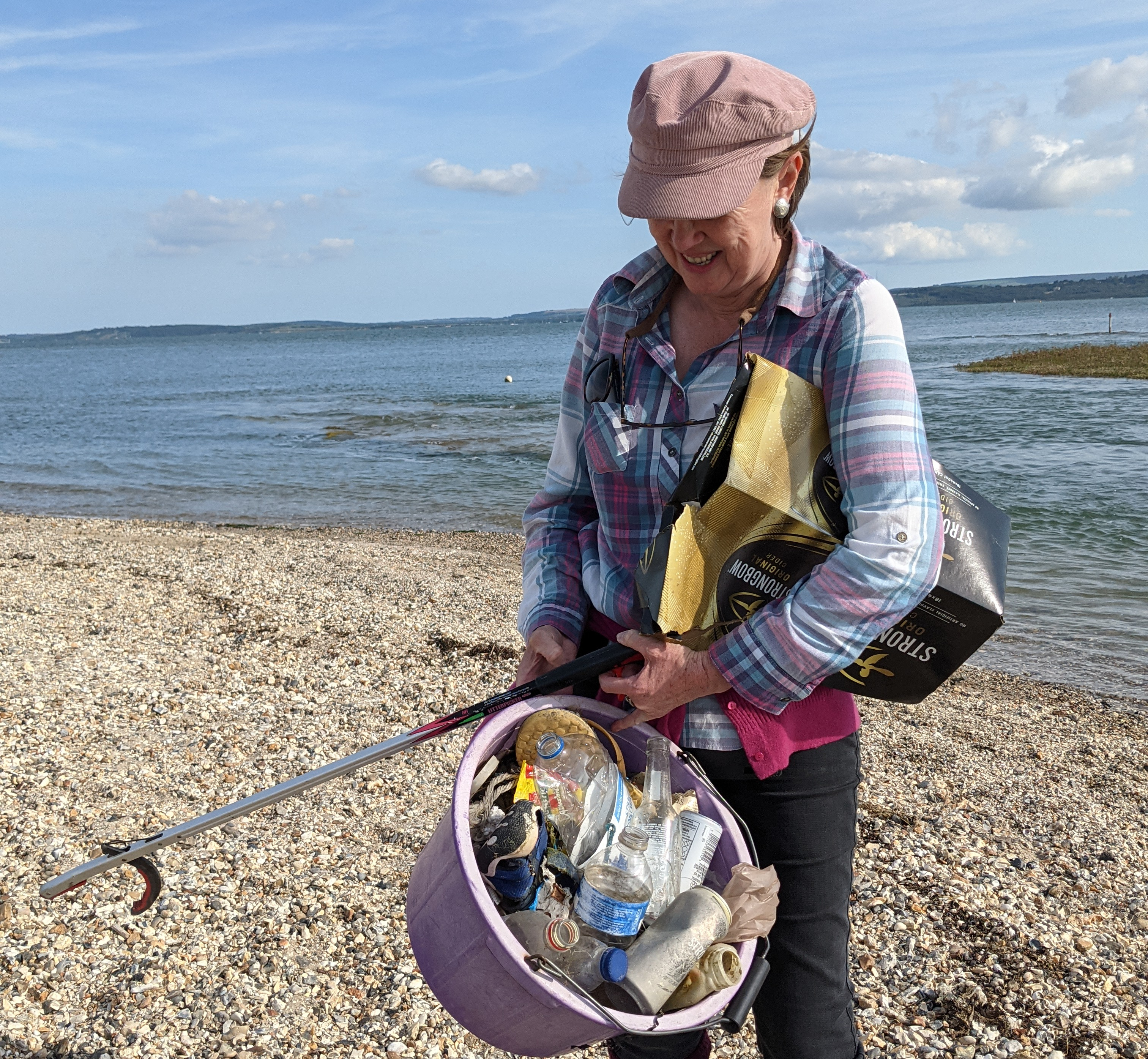
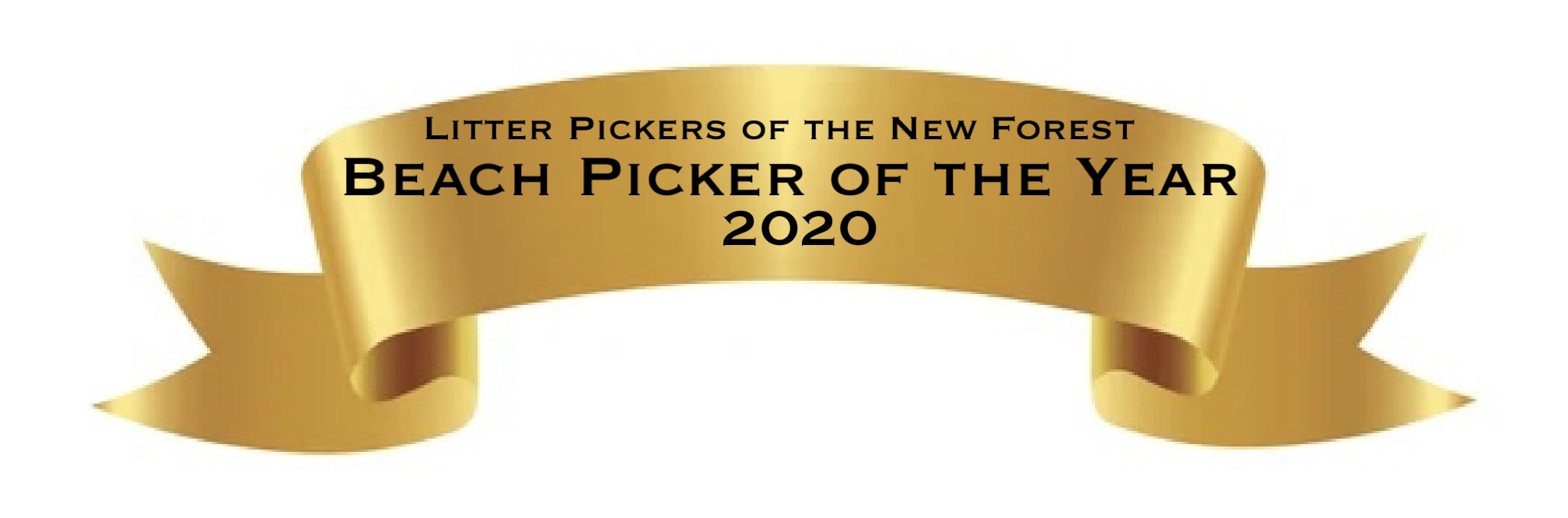
I was honoured to be awarded ‘New Forest Litter Picker of the Year’
You can see photos of flotsam on an earlier post here
Very many thanks to all my readers who have reviewed my books
An online book review on the Waterstone’s site
Reviews have appeared on Amazon for ‘The Making of Swallows and Amazons’ and on Goodreads here.
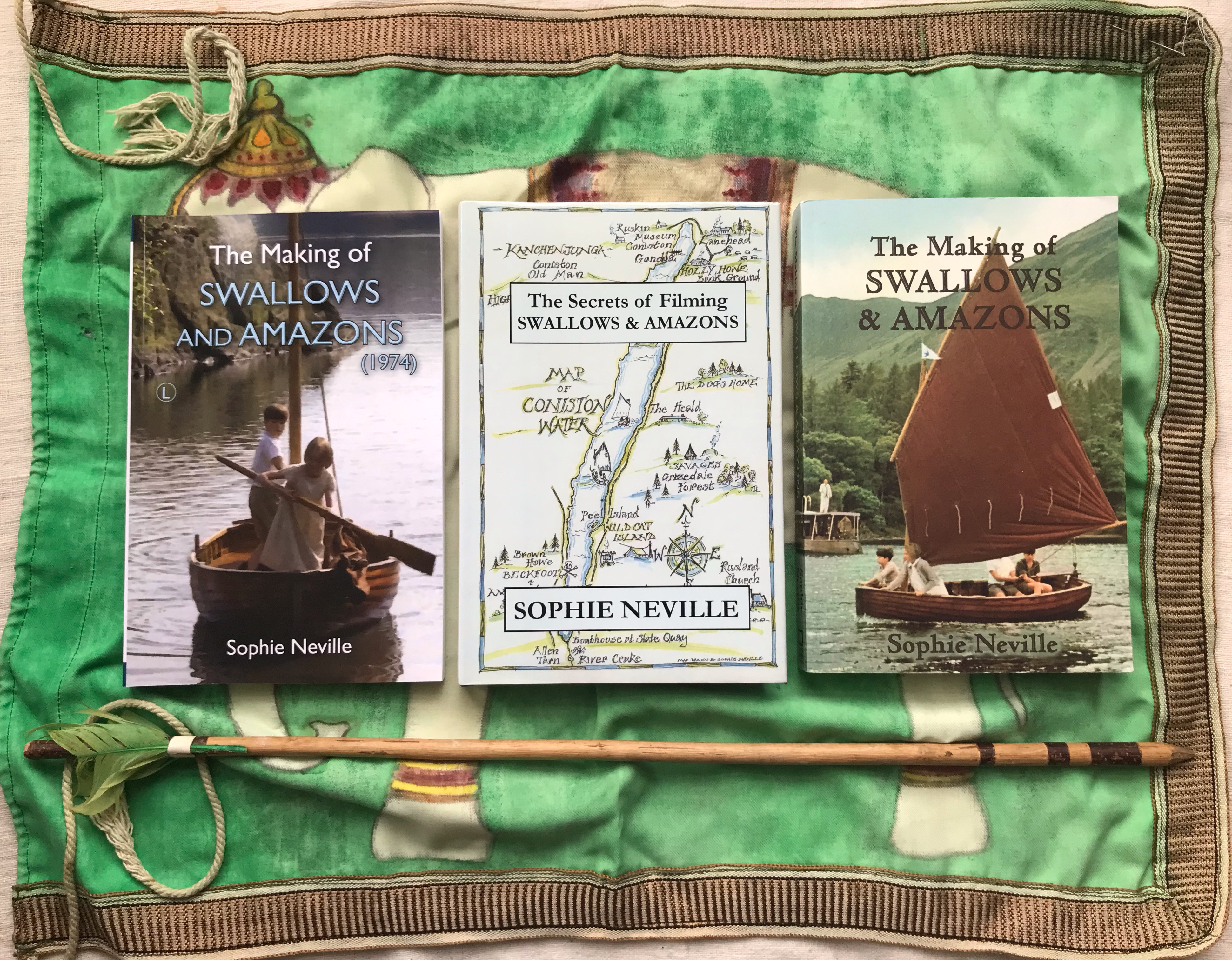
Different editions of ‘The Making of Swallows and Amazons (1974) by Sophie Neville’
You can watch the interview on BBC Antiques Roadshow here:
We need to establish a culture of using car bins. Even when the pubs were closed people continued drinking. Bottles and cans get chucked out of vehicles, presumably whilst they are being driven along. It’s dangerous.
More than one thousand, three hundred volunteers have now joined Litter Pickers of the New Forest to counteract the growing problem. They work tirelessly to collect detritus from car parks, verges and ditches, which otherwise fill with rubbish. The litter should not be dropped in the first place. There are bins.
We find the oddest items, mostly the detritus left by addicts, such as empty packets of tablets. I’m told the prevalence of aerosols is thanks to sniffers.
A lot of litter is smoking related. Every day, I usually find an old lighter, packets of tobacco and Rizla papers, sometimes syringes, once a bong. I have spotted about three vapour producers.
The sheer amount of drink cans littering the verges of Britain must be staggering. Most once contained alcohol. We can tell which are flung from large vans or lorries, presumably while the drivers are working or returning home from work. It all amounts to evidence of drink-driving.
In the New Forest National Park, we have an additional problem: bottles get left on the open heath, where they can start fires. The glass is heavy. It’s not as if it will ever decompose. Every bottle should be recycled. We could certainly do with a deposit return scheme.
I found endless small bottles of Prosecco, noteably before Christmas.
The lid is carefully replaced on each one before it’s chucked into the countryside, along with masks and takeaway food containers.
We have wild ponies, deer and domestic animals roaming the forest. I often find small mammals trapped inside the bottles and am forever finding broken glass.
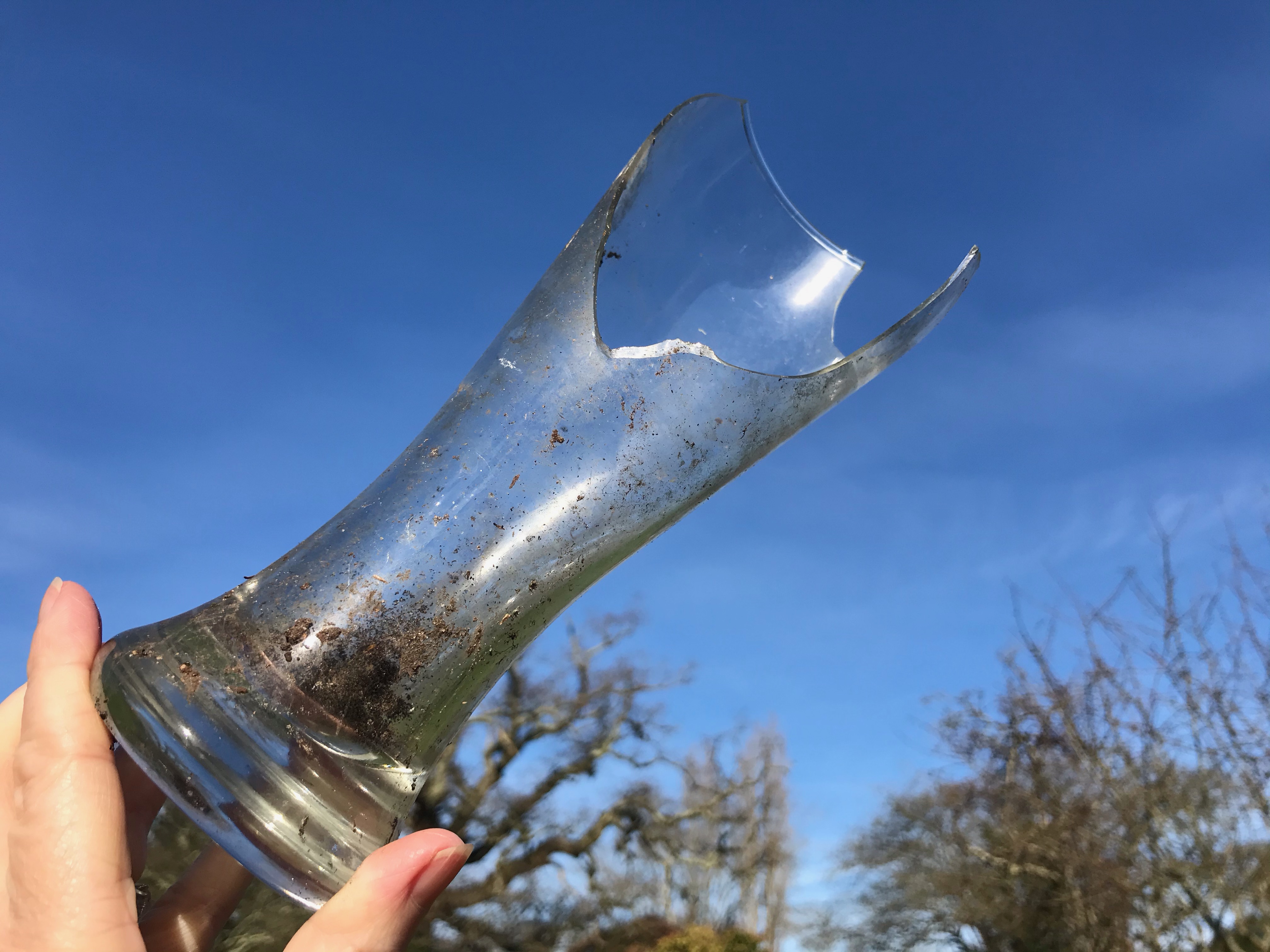
A stolen ? glass found on a verge within the New Forest National Park
All this is hazardous. Surely, if you are in a vehicle it is not difficult to take your litter home?
Why is this happening? Is this an illustration of guilt and shame?
I conclude by stating: If a driver hits you, be sure to insist their blood it tested for drugs or alcohol – especially if the inside of their vehicle looks litter free.
To see some of the things we have found when beach cleaning,please click here
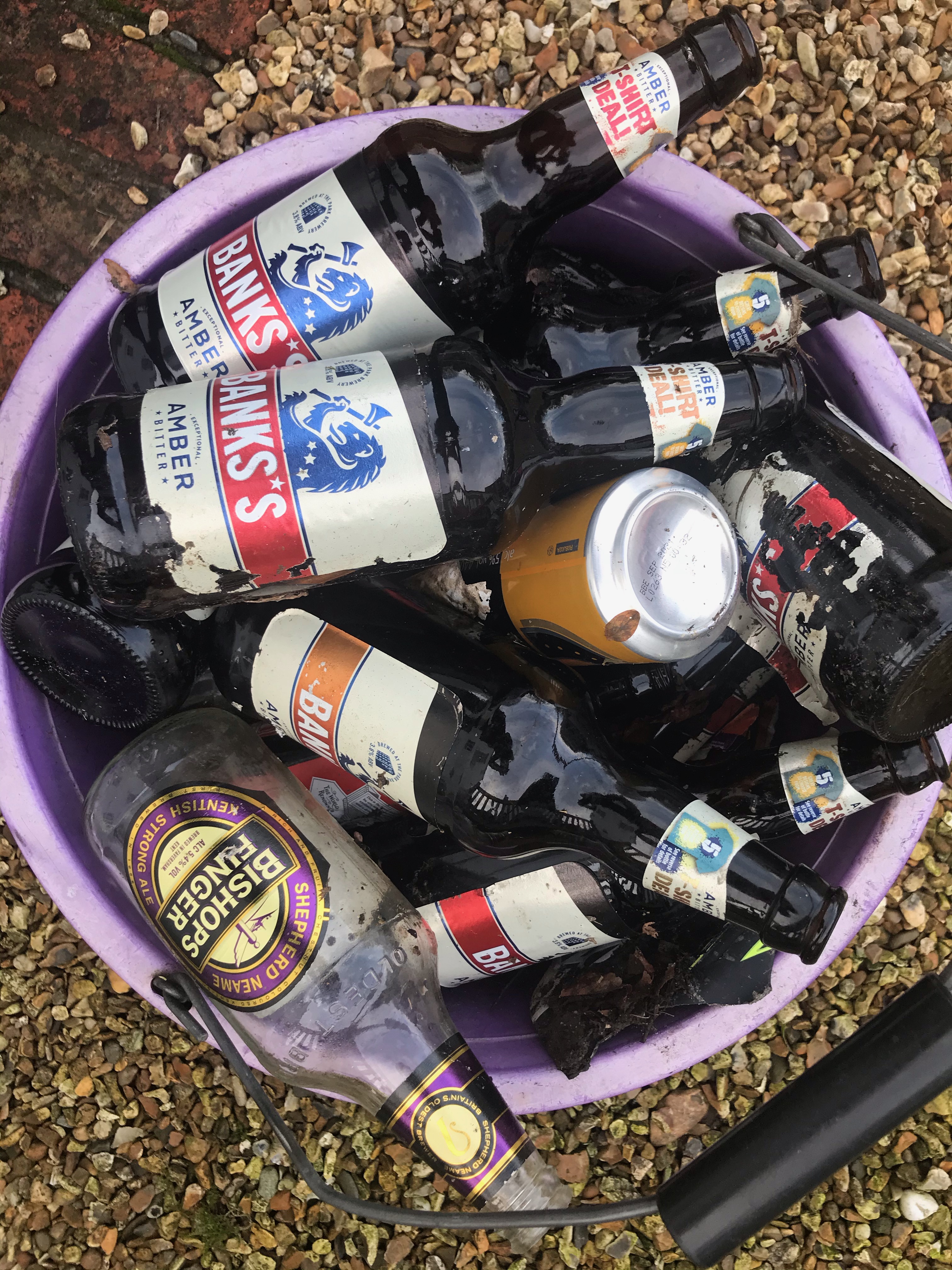
Ten year-old cans and bottles found by a lane running through the New Forest National Park
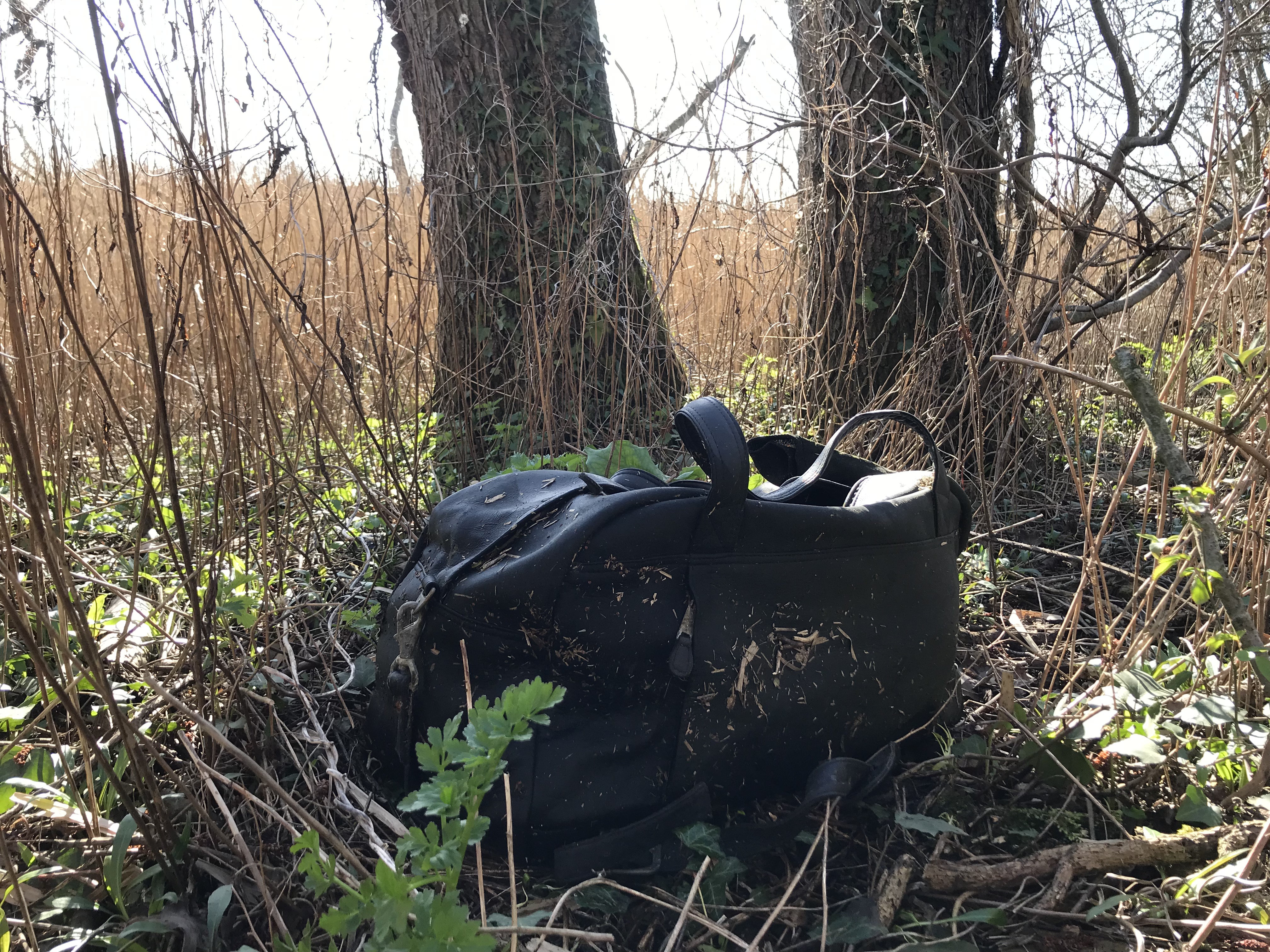
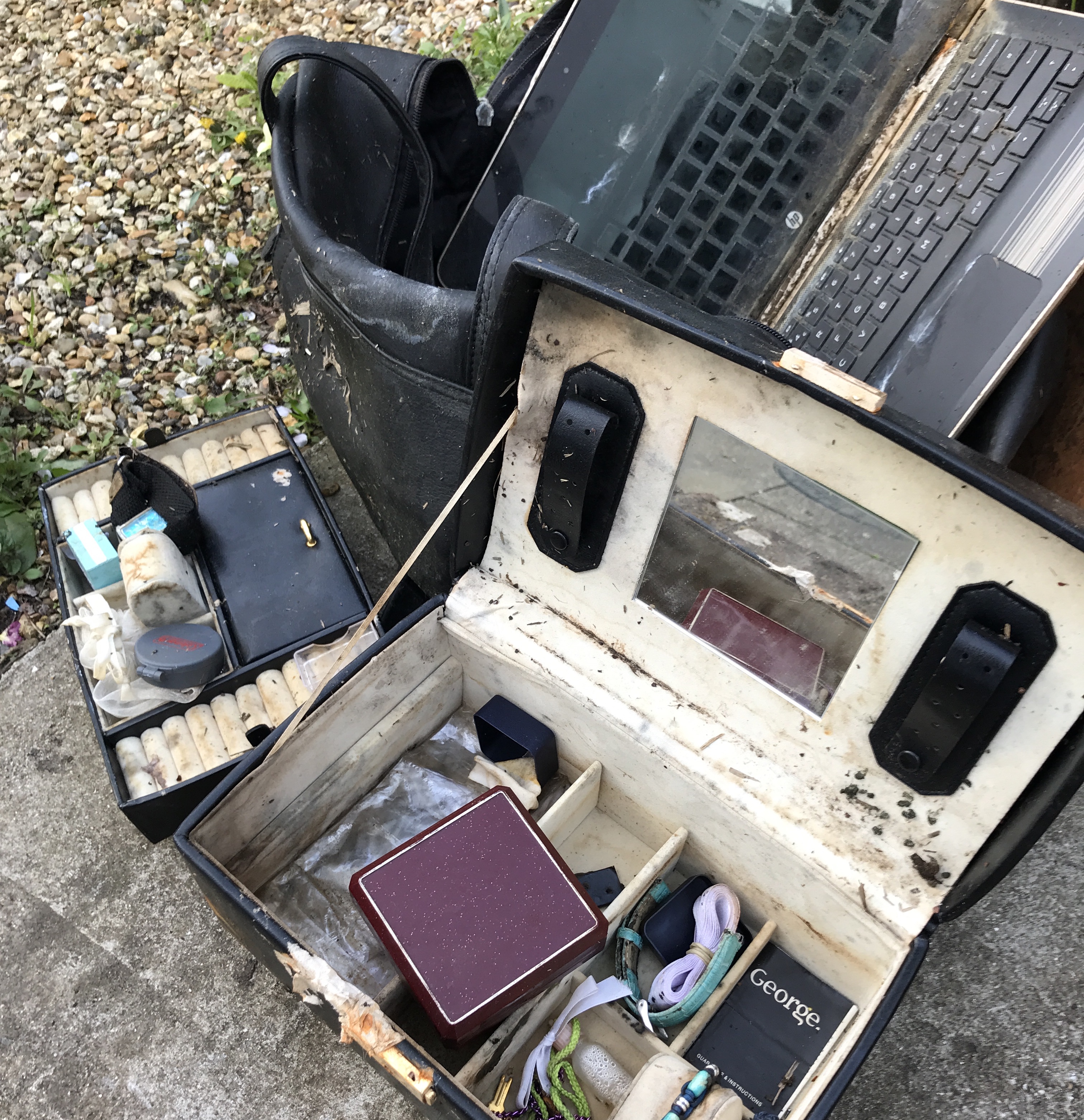
A stolen holdall containing shoes and a jewellery box handed in to the police
You know something is wrong when you find a high quality holdall chucked in the reedbeds – with a lap top and empty jewellery box inside. I called the police, explaining that I was an Ambassador for Keep Britain Tidy who had be registered as a litter picker.
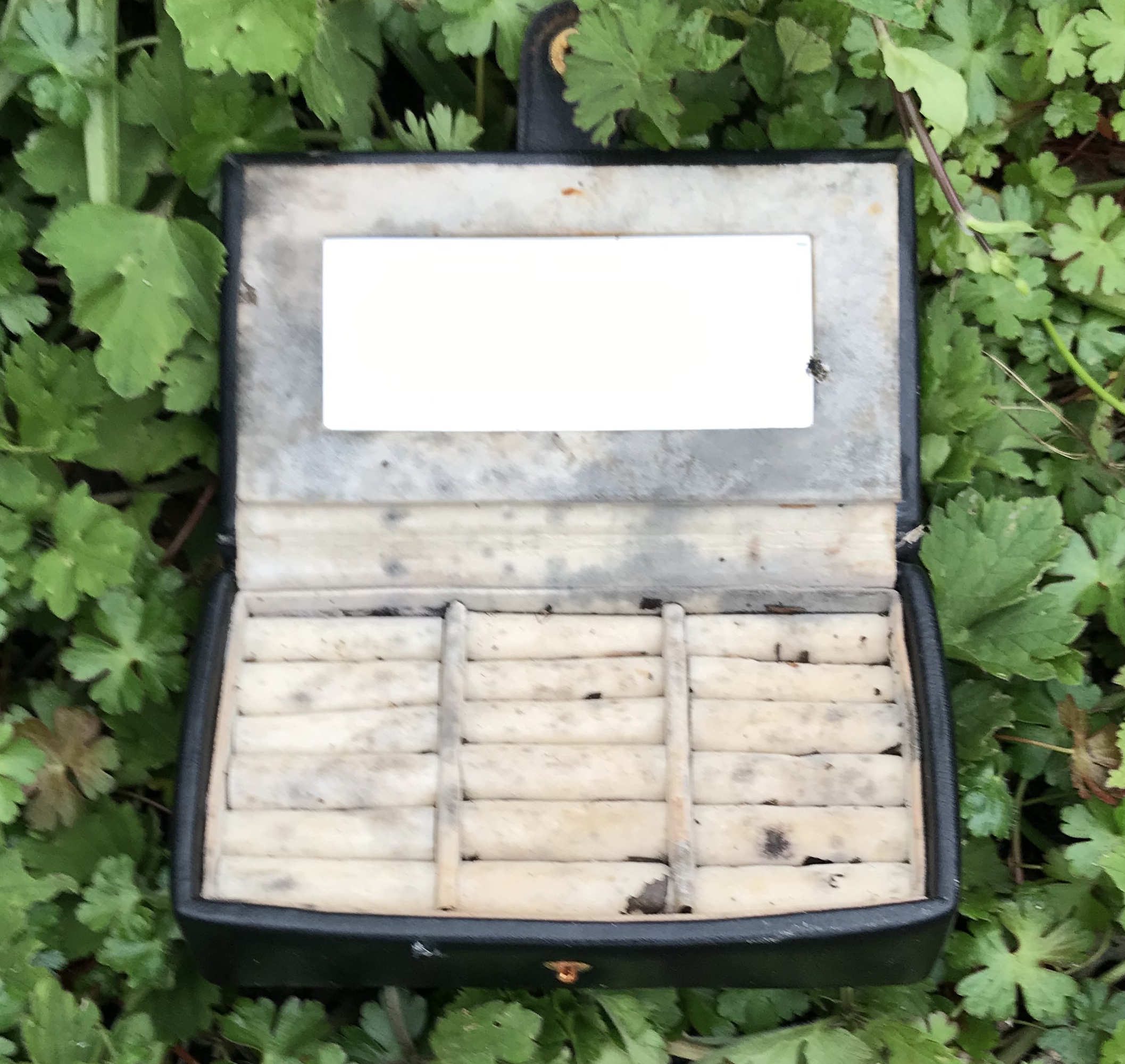
A jewellery box handed in to the police
I apologise if you find this distressing. It is distressing. Heartbreaking. I only hope the thief was eventually caught and can appreciate his wrong doing.
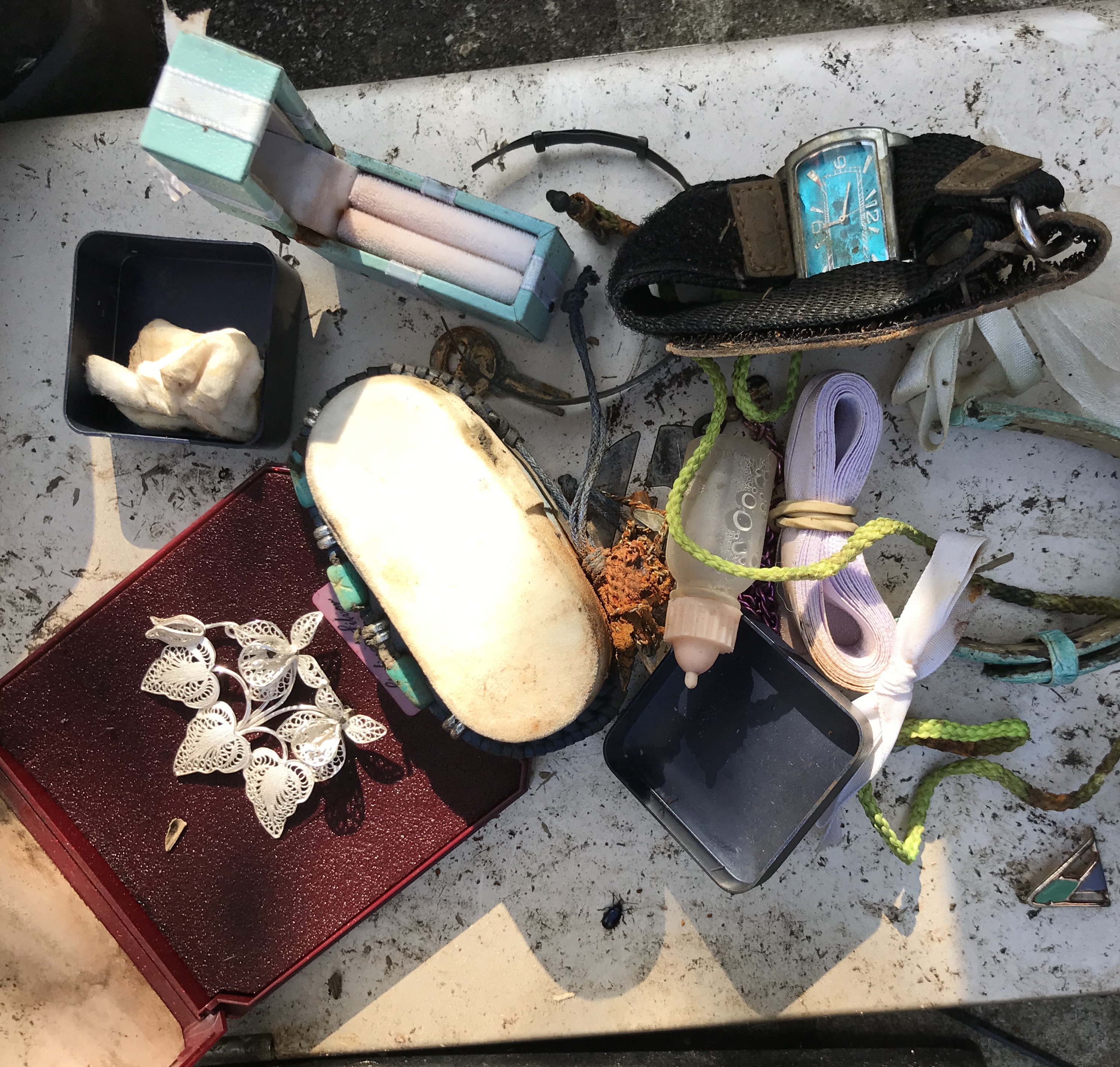
A detailed shot of the abandoned items handed into the police
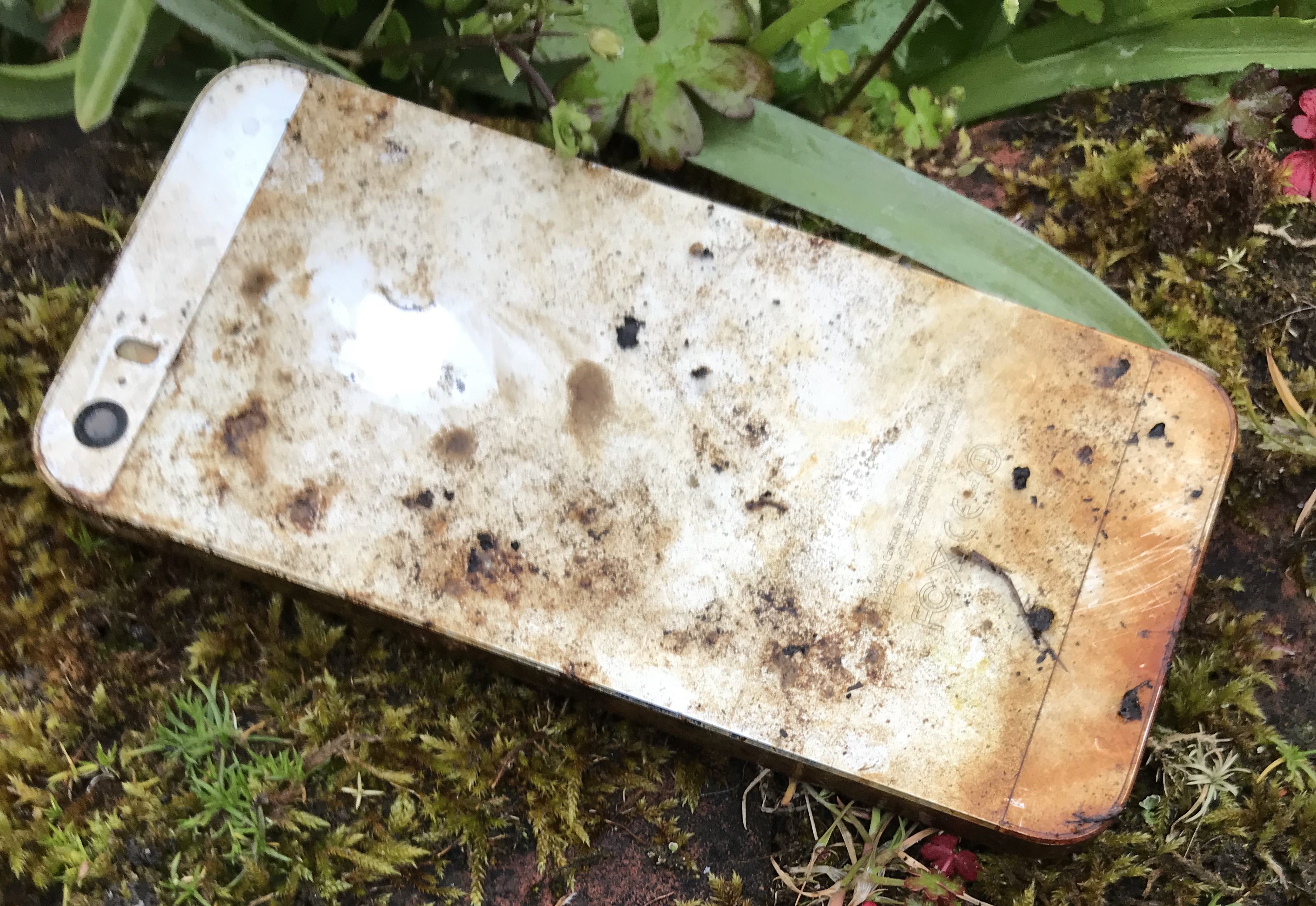
This iphone was found further down the river, as part of a separate haul.
An iphone found near a lap top in the National Park
Having been chucked in the reedbeds there was no DNA for the police to find.
A lap top chucked in the nature reserve
The stolen laptops and phones were obviously password protected and of no use to the burglar. They could have been left somewhere dry for their owner to reclaim – such as a bus shelter but, no. Instead this jewelry box was chucked in a ditch, easily seen from from the tar road but soon ruined by falling rain.
An empty earring case chucked in a ditch
Why was this open penknife chucked out of a vehicle on a bend coming out of town?
A penknife found on a roadside verge
We may have had just one thief who repetitively used the local river as a dump for unwanted stolen items. I would have reported a weapon to the police but by the time I found this, I had spent too much of my life waiting on the 911 line.
A stolen handbag reported to the owner who had business cards inside
This handbag had been stolen some time ago from the owner’s car parked about ten minutes’ drive away. A family of mice had made a warm dry nest in the interior. There were three pairs of spectacles inside but not the necklace that she valued.
Spectacles inside the handbag
I’m always finding abandoned pub glasses, which technically have been stolen from local pubs. I returned this and a few others but glasses can turn up in the middle of nowhere.
A glass stolen from the local pub – now returned. How much do these cost?
I’m told that unopened chocolate bars, cans of larger and half consumed bottles of vodka will probably have been stolen. They lack value to the person who abandoned them – who obviously didn’t want to be caught red-handed.
Ordinary customers have to bear the cost of stolen cans of larger
I once found a brand new – and boxed – microwave oven tucked into the bushes at this location, a quiet spot where you can park:
The items in this bucket aren’t known to be stolen but the strawberry punnets could have been returned.
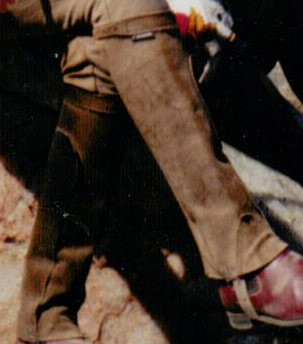
I once found a single, leather, horse riding chap on a bridge, deciding that it must have fallen off a trailer. It turned out to be part of a haul of riding equipment worth thousands that had been stolen the night before. I contacted the owner but she was distraught and couldn’t use one, single legging.
My own riding chaps.
To see other unexpected items I find litter picking, please click here