‘The Secret Life of Arthur Ransome’ along with a letter from Mrs Ransome herself

‘The Secret Life of Arthur Ransome’ is available for viewing on BBCiPlayer.

Griff Rhys Jones

This beautifully made documentary, presented by Griff Rhys Jones, examines Ransome’s life as a war correspondent in Russia from 1913 to 1919 when he was close to the action and in dialogue both with Lenin and Leon Trotsky. It raises the question as to whether he was a British spy.

Hugh Brogan, Ransome’s biographer explains that Ransome had originally ran off to Russia in 1913 to escape from his melodramatic wife, Ivy Walker. After using his time to record Russian fairy stories, that can be read today in his book, ‘Old Peter’s Russian Tales‘, he was employed by a national British newspaper to report on events leading up to the Russian Revolution. Black and white archive footage, along with photographs Ransome took himself, illustrate this well.

The BBC’s erstwhile political correspondent John Sergeant, explains the significance of certain survival strategies Ransome used, such as using ‘his practical skill to outwit people’, over extracts from the original feature filmSwallows & Amazons, produced by Richard Pilbrow in 1974.

Suzannah Hamilton, Stephen Grendon, Sophie Neville and Simon West above Derwentwater in 1973
Suzannah Hamilton, Stephen Grendon, Sophie Neville and Simon West, 1974

The scenes from the movie also show how the story Ransome wrote when back in the Lake District, was in many ways an outworking of feelings accumulated while he was working in Russia. By concentrating on his writing, he neglected his own daughter just as Uncle Jim was not around for the Blackett girls.

Captian Frlint with Nancy and Peggy

In the dramatised documentary, the beautiful actress Alina Karmazina plays Evgenia, the girl Ransome fell in love with while he was filing reports from Petrograd.  They later escaped over the border, trading her copper kettle for freedom of passage.

If the BBC had contacted Richard Pilbrow he would have been able to send them this letter. It was written to Neville Thompson, the online producer of the film, by Evgenia, who had become the second Mrs Ransome. It has never been published before. She gives the address as her retirement home near Banbury but it shows what kind of girl she was:

Mrs Ransome1

Page two:

Mrs Ransome page 2 trimmed

When Mrs Ransome saw the finished film in 1974, her only comment was that the kettle was of the wrong period.

Suzanna Hamilton playing Susan Walker with Stephen Grendon as Roger Walker camping on Peel Island, Conioston Water in Cumbria
Was Susan a portrayal of Evgenia? Here she is played by Suzanna Hamilton.

The story of the Ransome’s escape from Russian has been told by Hugh Lupton, Arthur Ransome’s great nephew, who gave us a rendition at The Arthur Ransome Society meeting near Bungay. It can be listened to on CD, available on CD from Burning Shed.

The Homing Stone by Hugh Lupton

The Secret Life of Arthur Ransome can be watched on BBC iPlayer by clicking on the photo here

Griff Rhys Jones - BBC

What we did on our holiday ~ Part 3

P1010440

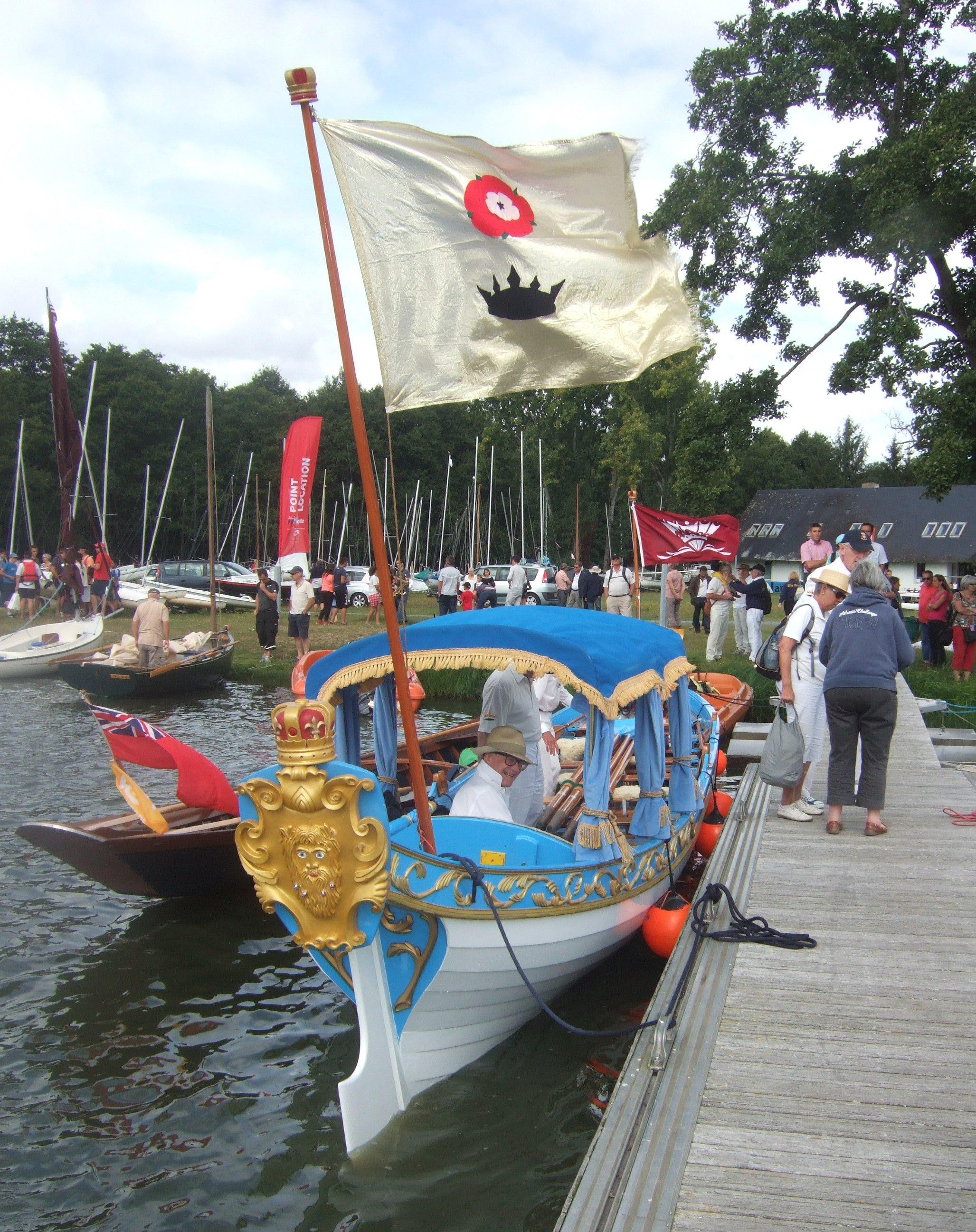
The Drapers’ shallop on the River Erdre

You know what it’s like; you never see photos of yourself on holiday until someone else sends them to you. Here I am, rowing in the bow of the Drapers’ shallop. By some miracle we seem to be together, in that our blades are barely visible.

P1010604-001

The most challenging task for me is raising my oar in salute, as we did here for our landlady:
P1010443-001

The long oars are heavy. The only way I can raise mine is by putting one end under my foot.

P1010602-001

My fellow rowing club member who took these shots from the water explained that his camera unexpectedly went into an ‘Impressive Art’ setting. Although this looks like a painting, it was for real, taken out on the water from a sandolo.

P1010495

As you can imagine, the whole trip took quite a bit of organising, but it was worth it. This shot was also taken on art mode.

P1010457

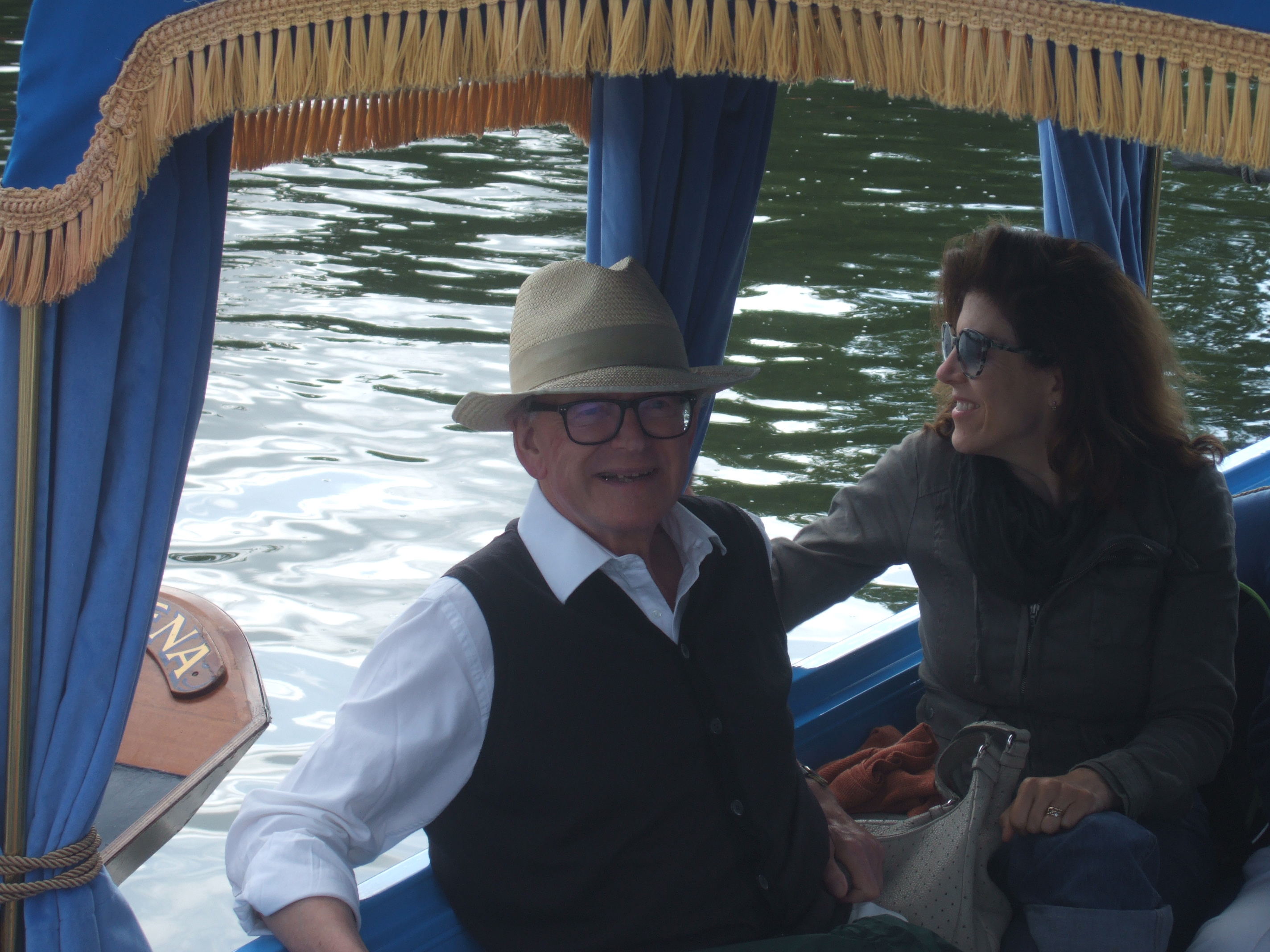
While some of us worked really rather hard on our holiday, others enjoyed the river from a different perspective.

Passengers in the shallop

Next week, on Wednesday 24th and Thursday 25th September, The Draper’s Shallop will be taking part in Countryside Live at Lee Valley in the London Borough of Hackney, when children from the inner city of London will get a chance to pull an oar and experience what it feels like to travel on the river as Queen Mary once did.  I’m volunteering on the Thursday.

On Saturday 27th September, she will be competing in London’s river marathon along with 300 other crews. The course of the The Great River Race starts at London Docklands, with vessels rowing up the River Thames under all the great bridges of the capital to Ham House in Richmond, passing under Kew Bridge at about 3.00pm. Let me know if you spot her!

~ photos by Robin Privett

What we did on our holiday ~ Part Two

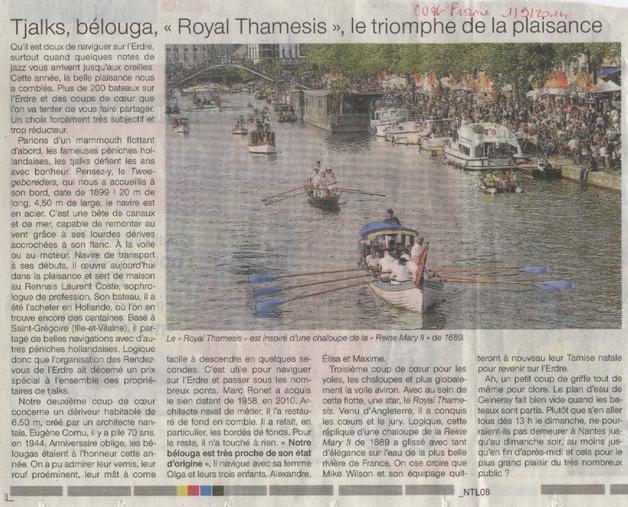
royal thamesis in the French newspapers

A newspaper report has just arrived from Nantes in France, where we arrived on 30th August in our shallop, the Royal Thamesis and Serena, a sandolo belonging to our rowing club, City Barge. As I explained in my previous post, we’d been asked to lead a procession of historic boats into the city as feature of their jazz festival – an activity holiday with a difference.

1604699_10152240263032821_2523161008550202018_n

I’ve also been sent these photographs of the sandolo, showing our standing up oarsmen being applauded by the crowds.

10620557_10152240262897821_5850021894383206567_n The traditional French rowing boats taking part such as Fille de la Loire, were also admired by thousands.

10666053_10152240262112821_6229376005323780902_n

Although a couple of gondolas took part, accompanying us some way down the River Erdre, I don’t remember seeing them in Nantes.

DSCF2798-001

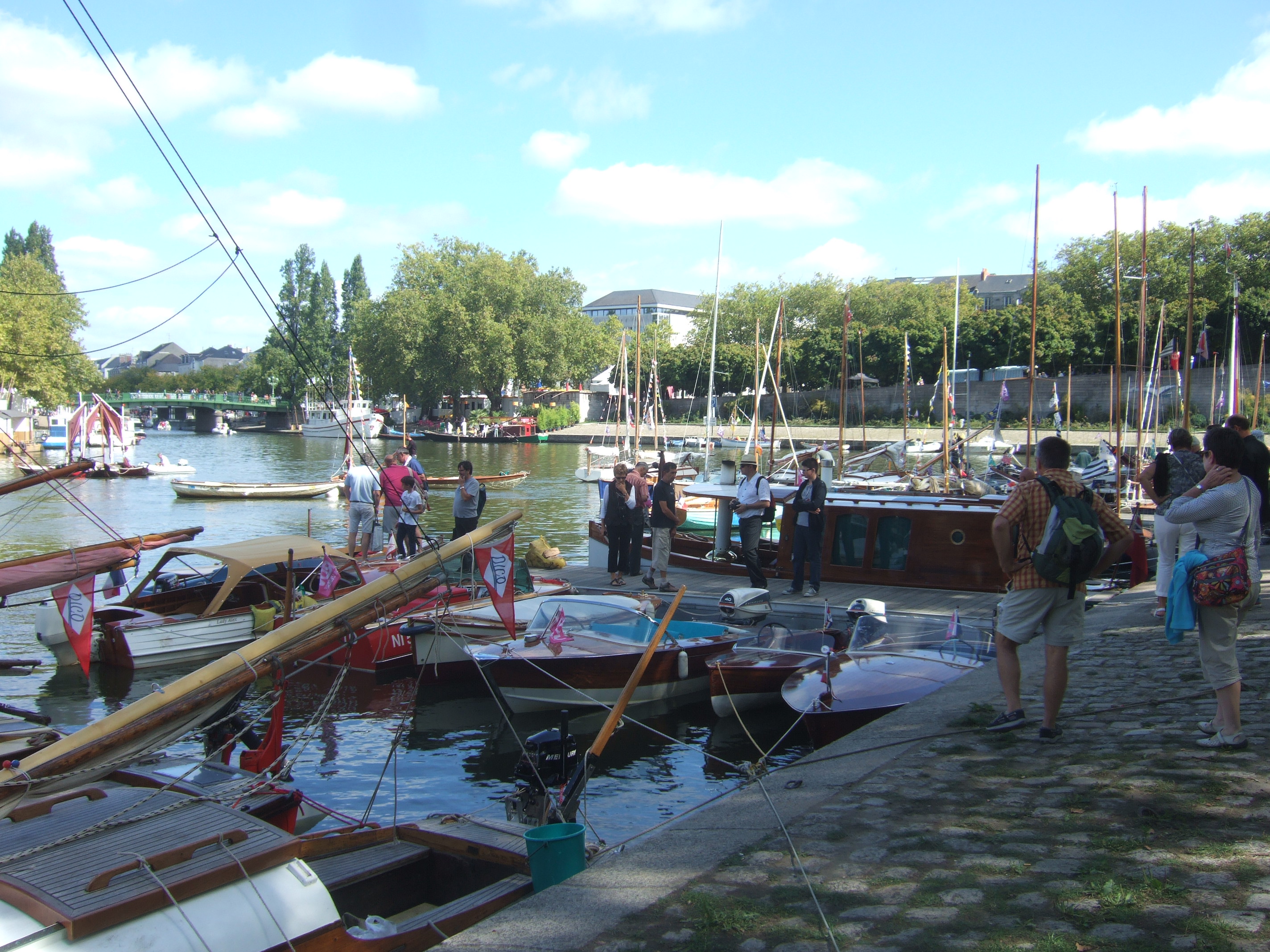
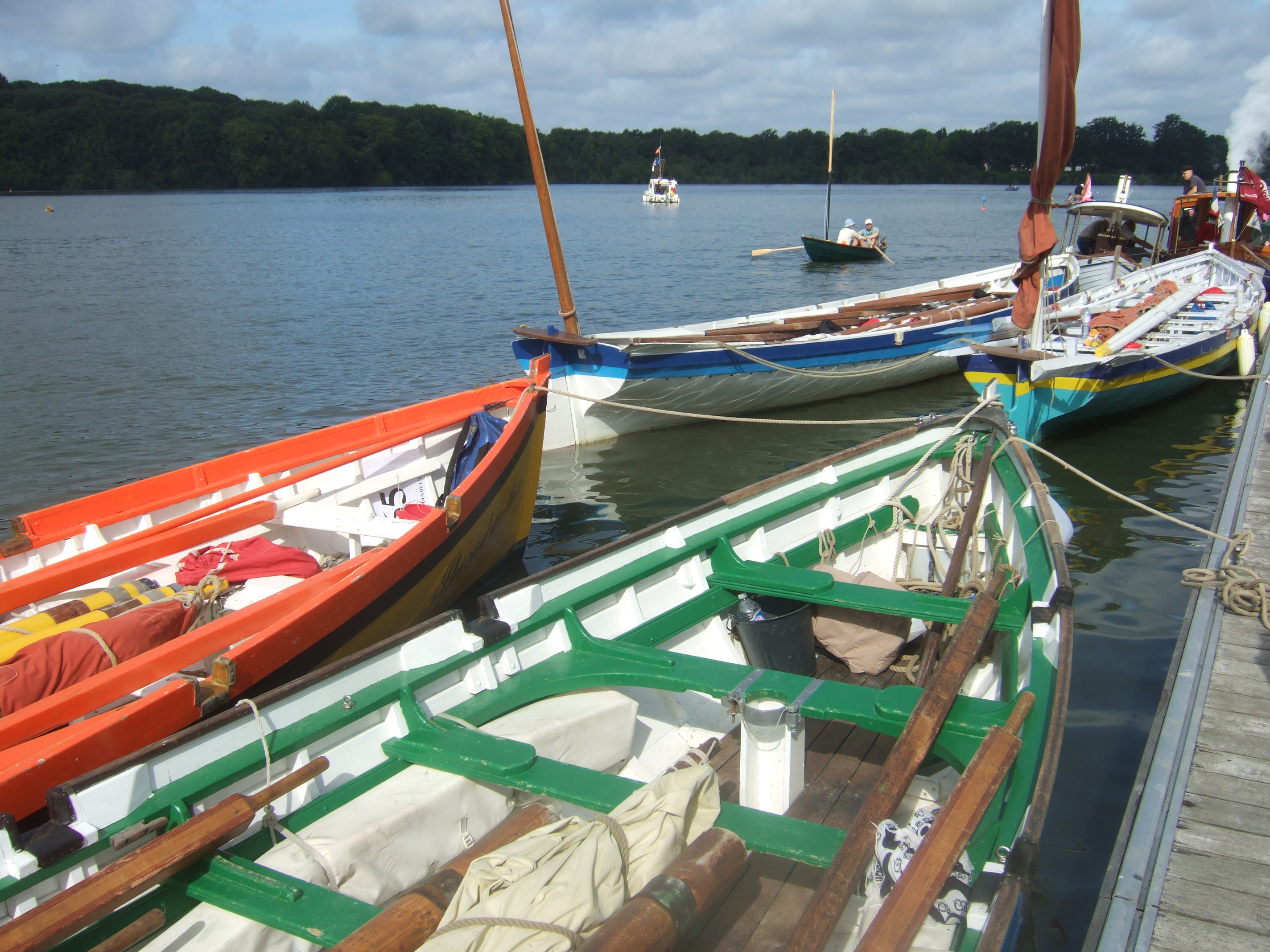
There was certainly a huge variety of boats involved in the Rendez Vous de l’Erdre 2014.
Click here for another photo on the website of Club d’Aviron de Suce sur Erdre. 

DSCF2807

The 240 vessels taking part ranged from sleek period motorboats to a barge once used to transport cattle, which was now taking jazz musicians downriver.

I loved seeing the steam boats or bateaux vapeur, including Ursula who was flying the flag of the SBA or British Steam Boat Association we once belonged to as a family.

148758_10152240263547821_3441727609955238381_n

After mooring up in the basin at Nantes,

DSCF2852

the Mayor of the city treated us all to the most fabulous reception at the Hotel de Ville.

DSCF2841-001

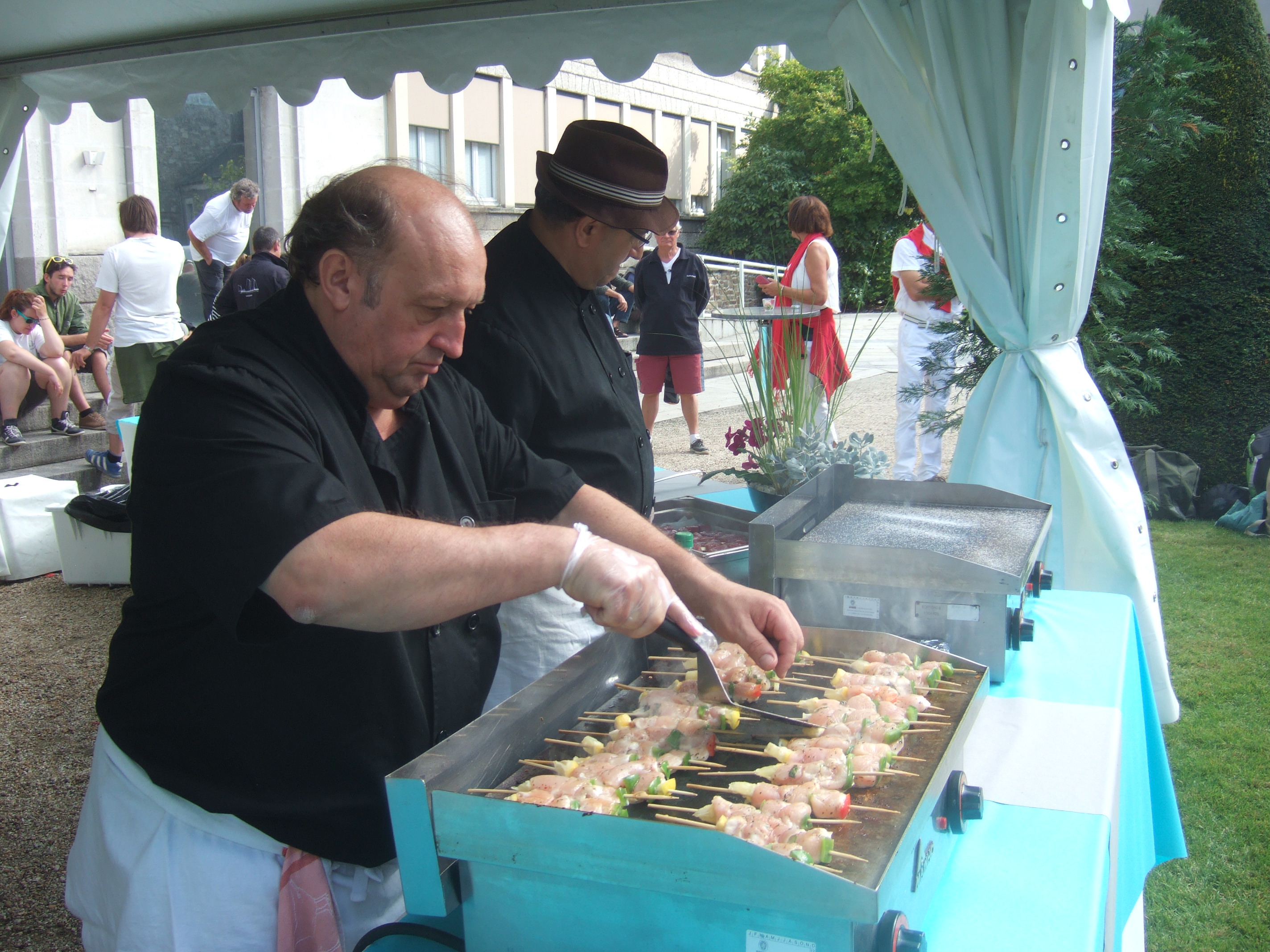
We found that a feast awaited us. Hungry sailors and oarsmen were rewarded for their efforts with a variety of delicious things to eat and local wines.

DSCF2849

‘What did you do on your holidays?’

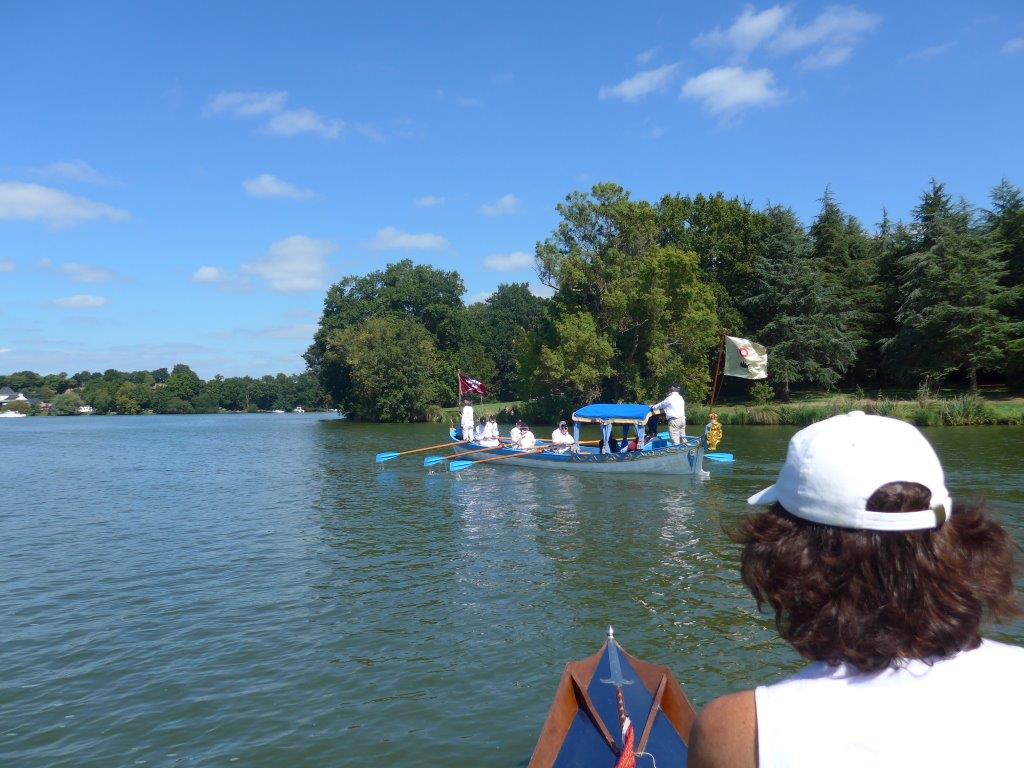
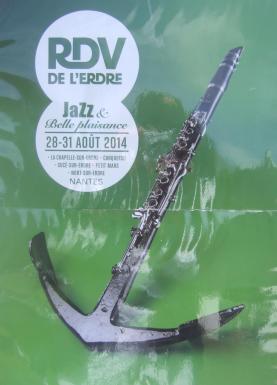
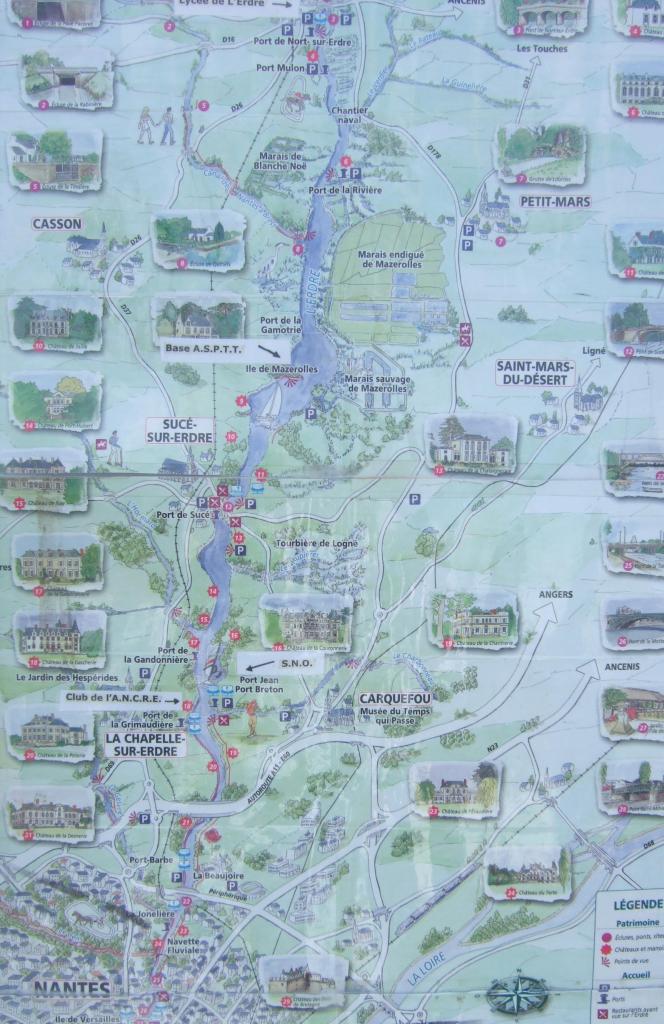
I am often asked what I get up to on holiday. We once rowed some forty-five kilometers down a tributary of the Loire, leading a procession of 240 traditional boats into Nantes for the Rendez-vous de l’Erdre

RDV poster

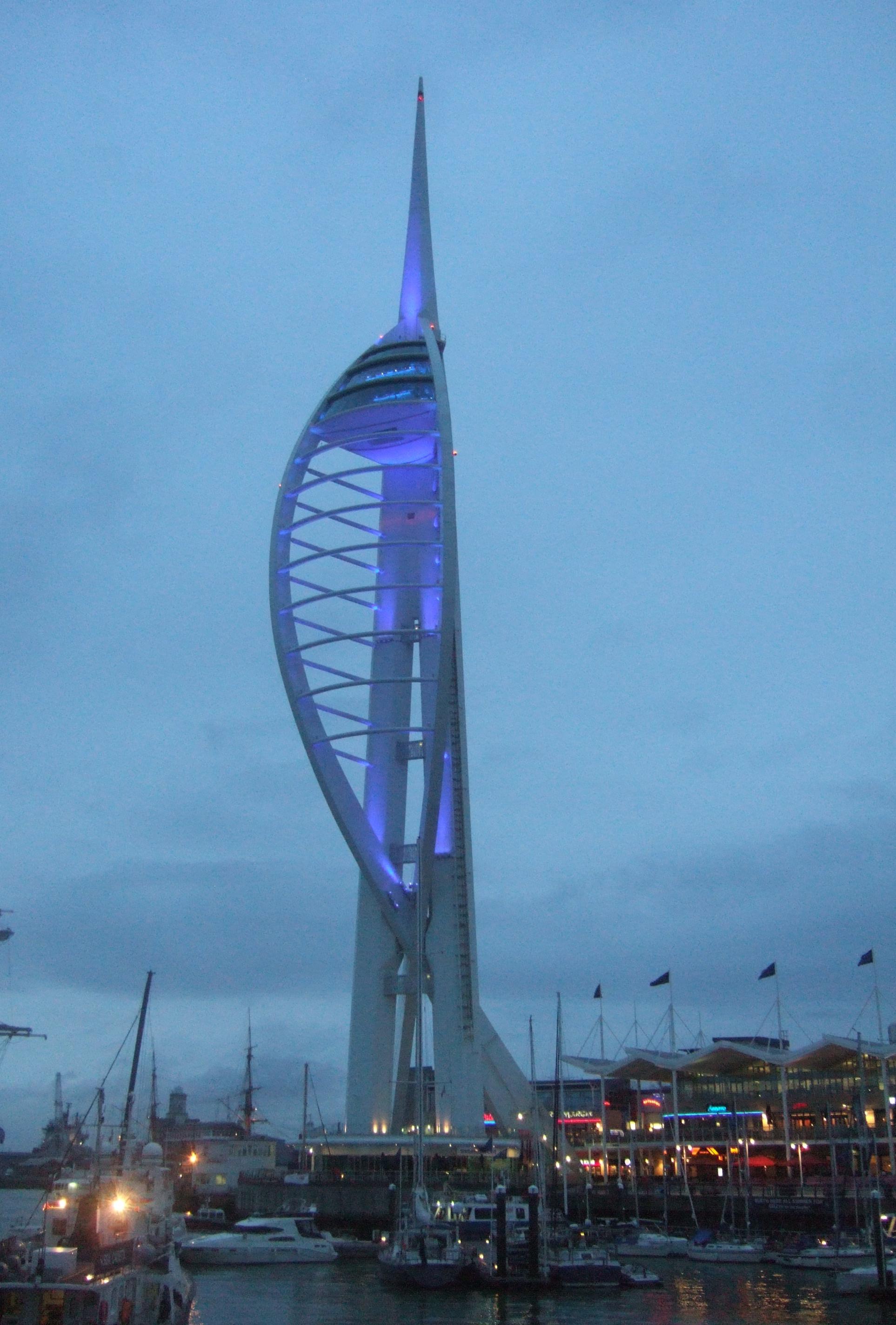
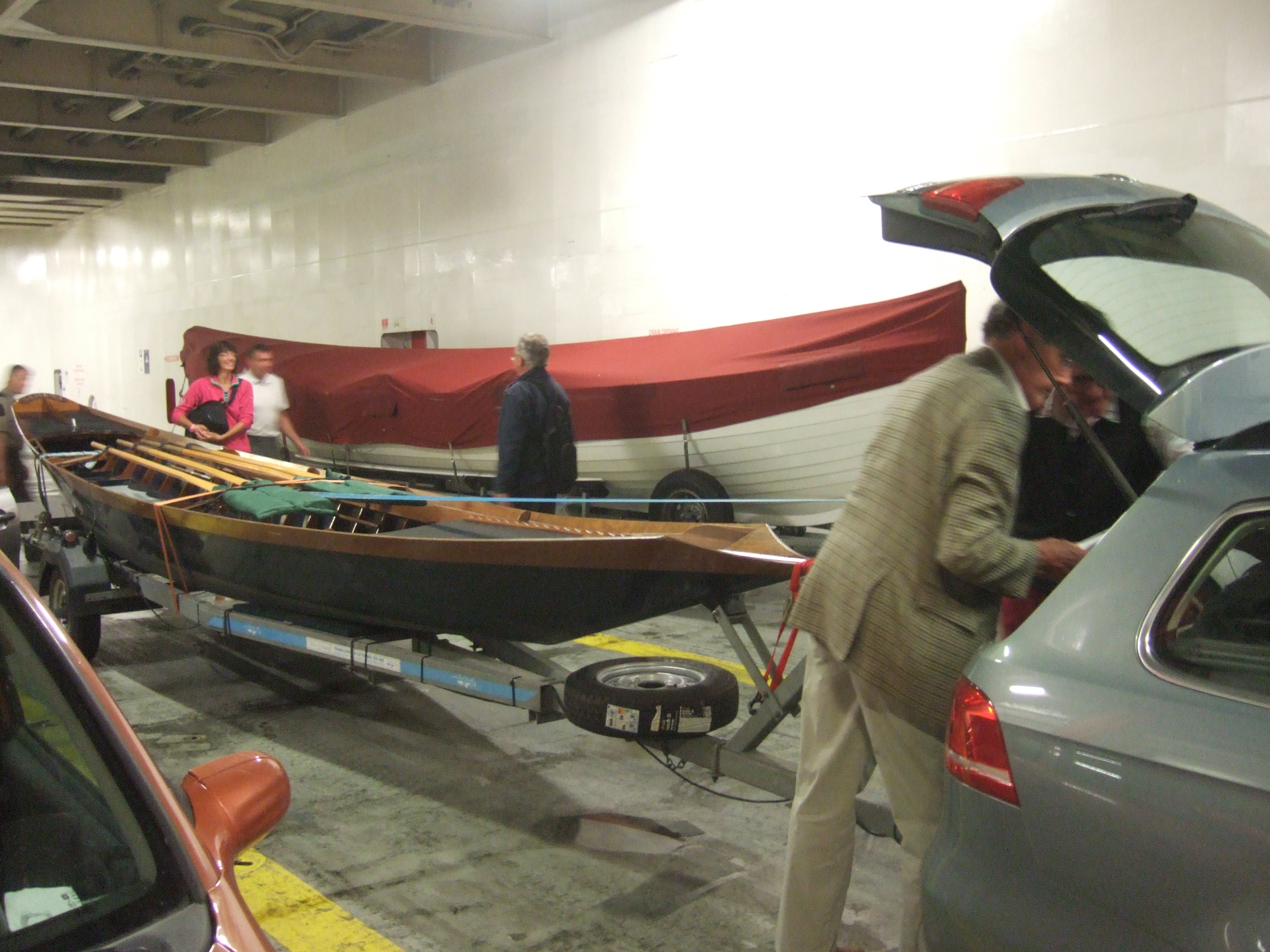
The journey started in Portsmouth, where the crew from our boat club, City Barge, gathered to load two boats onto the cross-channel ferry to Le Havre.

DSCF2779

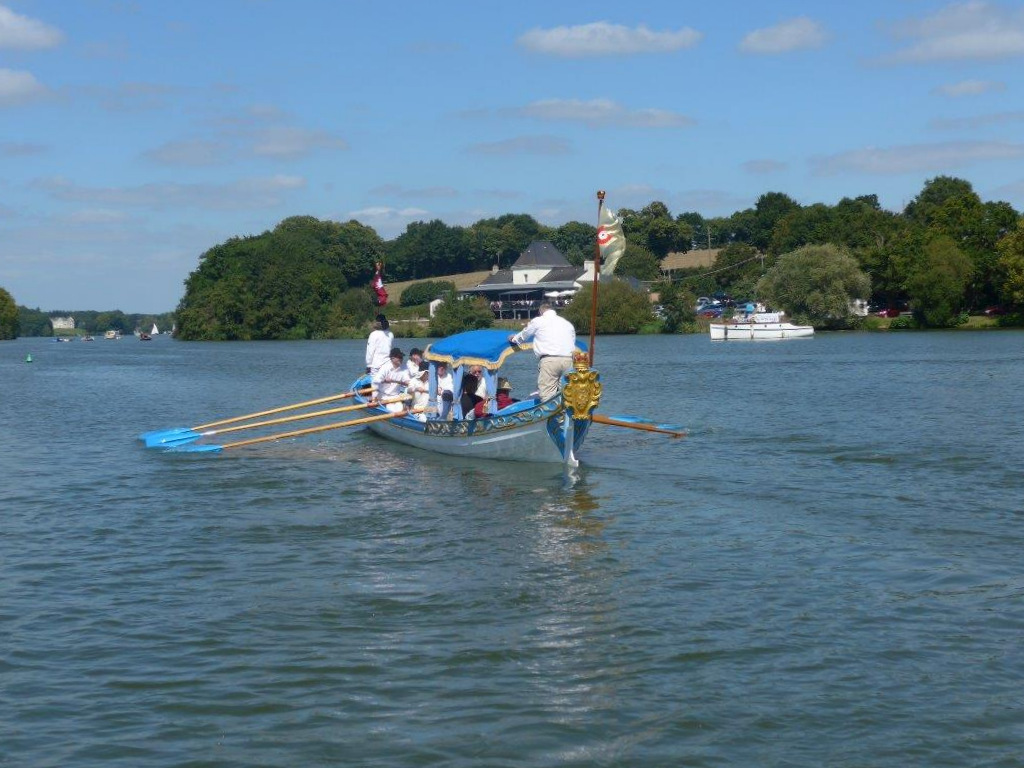
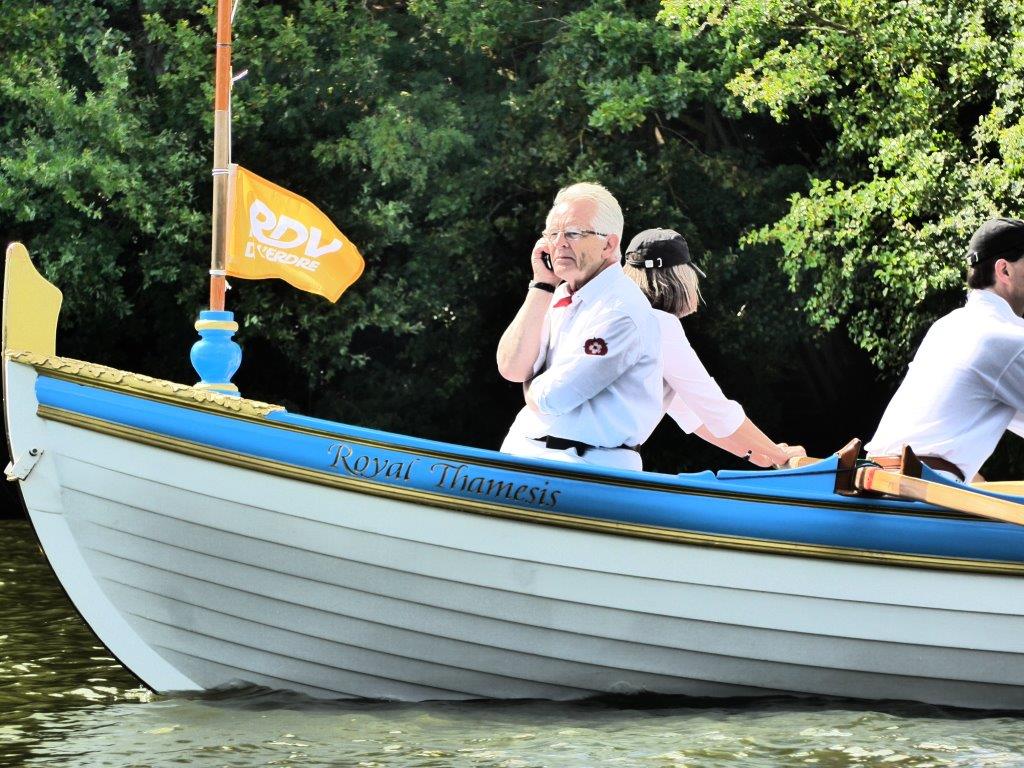
We took Serena, a Venetian sandalo and The Royal Thamesis, a thirty-six foot shallop belonging to the Draper’s Company.

DSCF2865

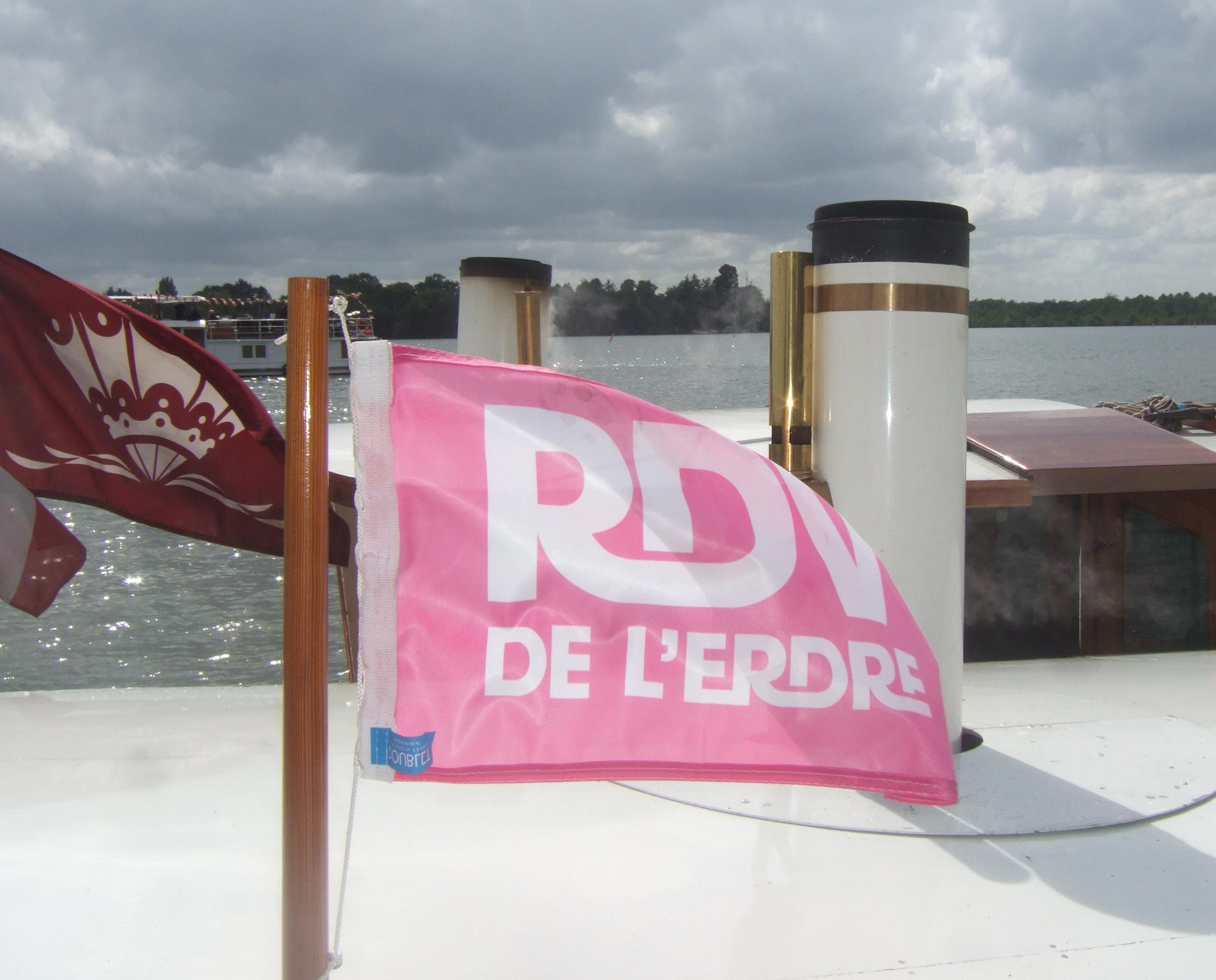
Towing them from Oxford to Brittany was no mean feat, but other vessels from Great Britain had also made the crossing, including a thirty-three foot steamboat.

RDV flag

We launched the shallop at a pretty town called Nort sur Erdre where a jazz band was already playing to herald the festival de la Belle plaisance française.

RDV map

Stephanie Pasgrimaud from France Televisions Pays de la Loire came aboard to interview me – in French and English – for the regional News on France 3.

Sophie Neville being interviewed on France 3 TV

That afternoon we rowed some way down to Monsieur et Madame Courant’s B&B on the river where we met up with other members of the party and stayed for the next four nights.

The gite

I had the most lovely room overlooking the water; chambre d’Empire.

Chambre d'Empire

As the mist rose the next morning we put up our canopy to transport our passengers downstream.

Passengers in the shallop-001

We have a crew of six oarsmen,  with a cox and a wiffler. I alternated with others, taking on all three tasks.

Rowing the shallop

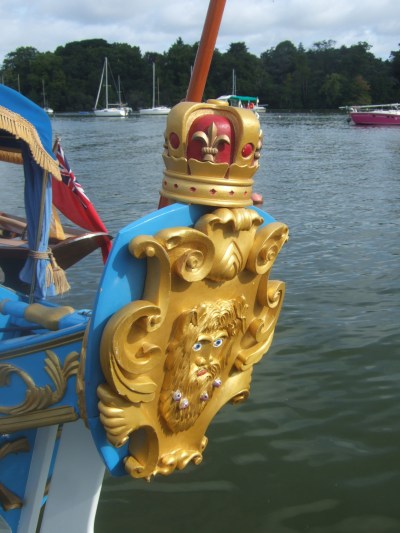
We row in medieval fashion, one oar each, seated on a fixed thwarts.  Please click on the image for a history of the vessel. You may have seen our boat if you watched the Queen’s Jubilee pageant, rowing in third place, while old Father Thames glared down from our badge on the stern, elvers peaking from his beard.

Father Thames

That first morning in Brittany we practised various manoeuvres before rowing a short distance to a boat club, where we moored for a picnic lunch.

DSCF2791-001

Here we met oarsmen from all over Europe.

Pauline with the Venitians

Including those who row standing up.

Gondaliers

We rowed on to moor up for the night at the small town of Suce-sur-Erdre

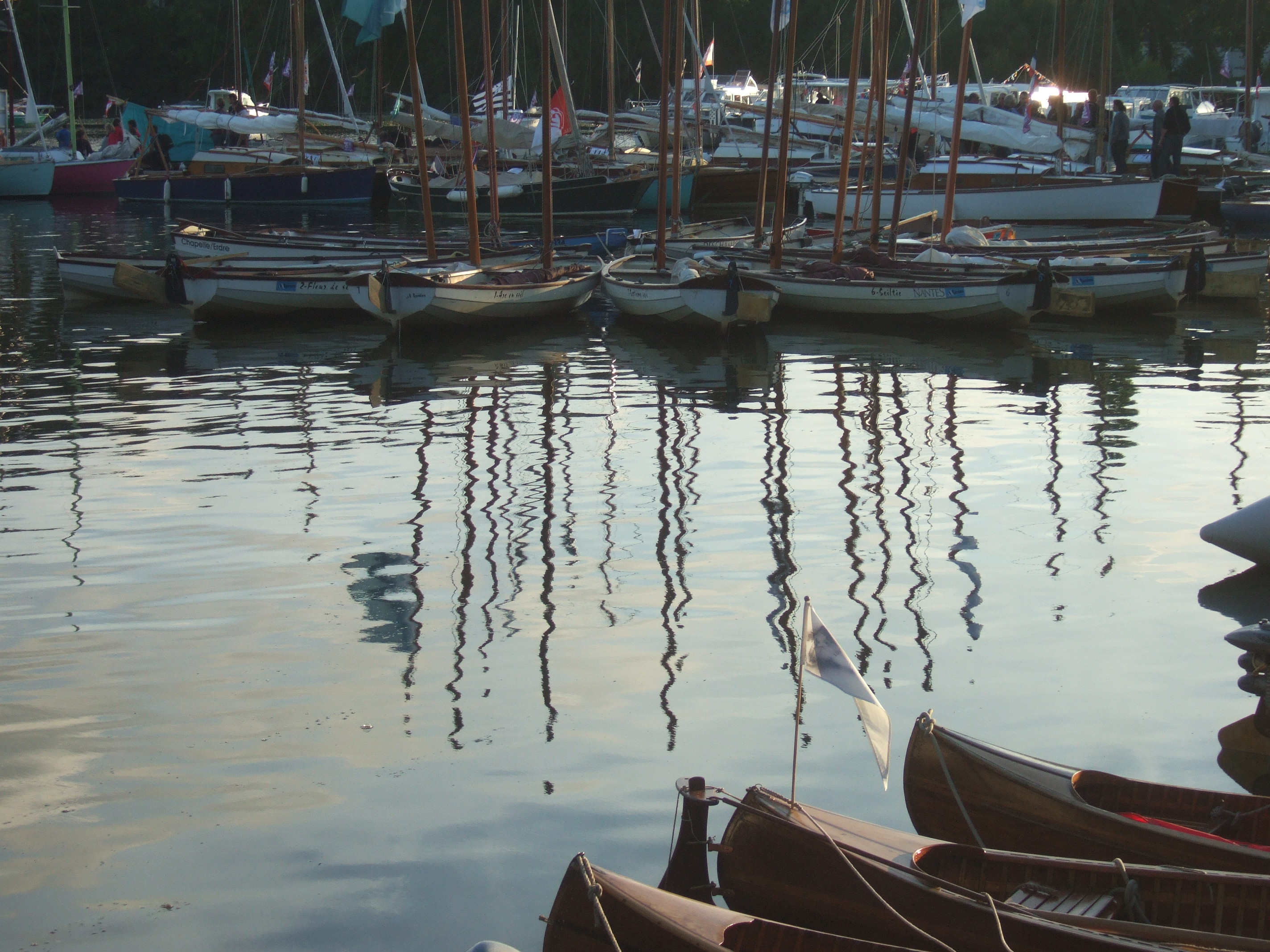
Reflections

where Stephanie was reporting on our progress for France 3.

France Television

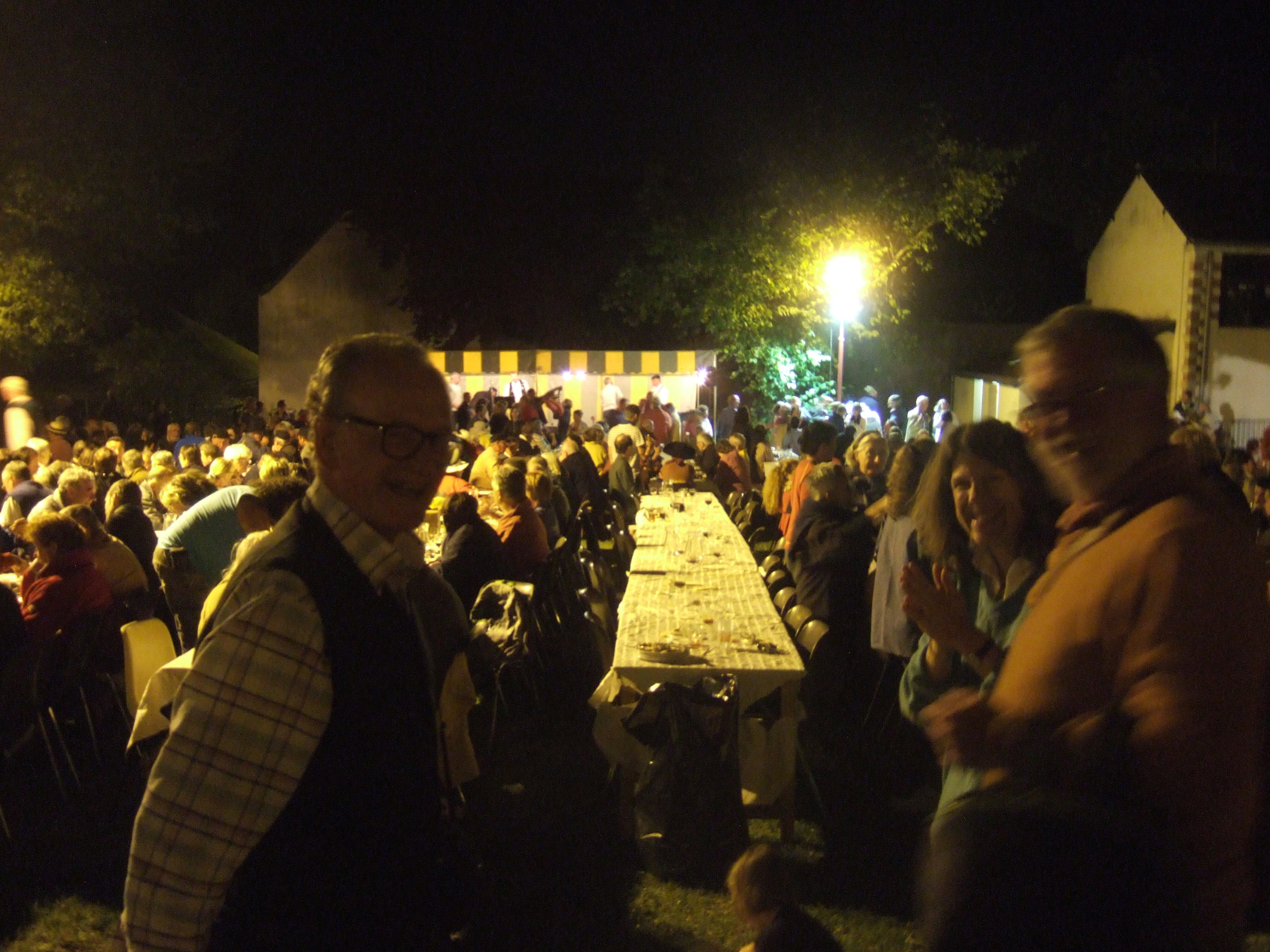
Here the crews of the 240 boats taking part in the event were treated to a special dinner held outside with a jazz band playing sea shanties.

Diner with sea shanties

The organisers had brought together traditional boats, passé nautique, of many kinds.

DSCF2812-001

Although there were four steamboats and a number of canoes

Steamboats

most were in the class  de voile-aviron ~ row and sail ~ principalement des bateaux de petites tailles, souvent anciens, et correspondent pour la plupart à des critères de rareté ou d’élégance.

French boats

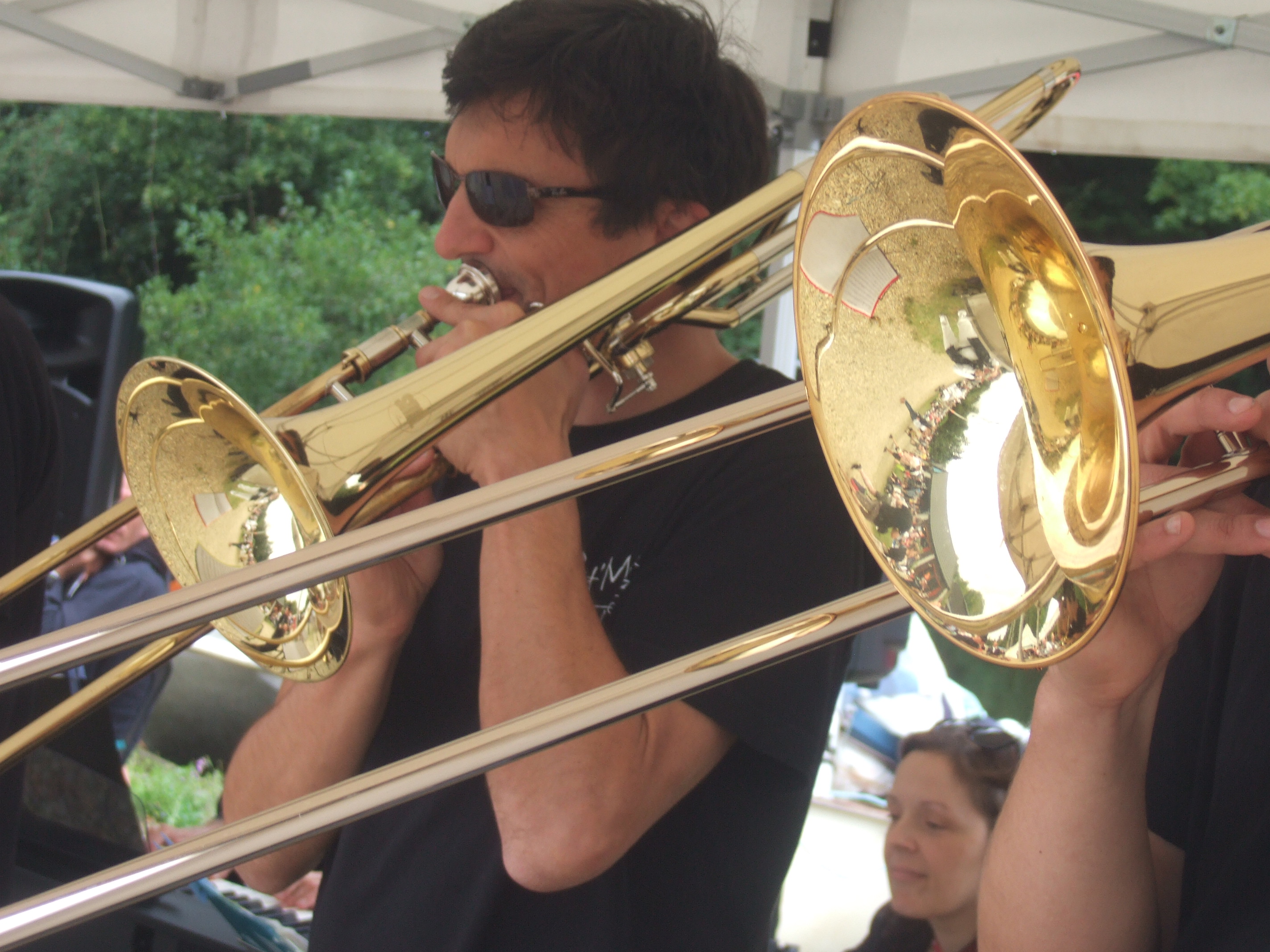
At every stop for coffee or lunch, laid on by the festival au point de vue, we were accompanied by le jazz.

trombones

It was phenomenal. Much was traditional but new experimental jazz was also being played to appreciative audiences.

Saxophone

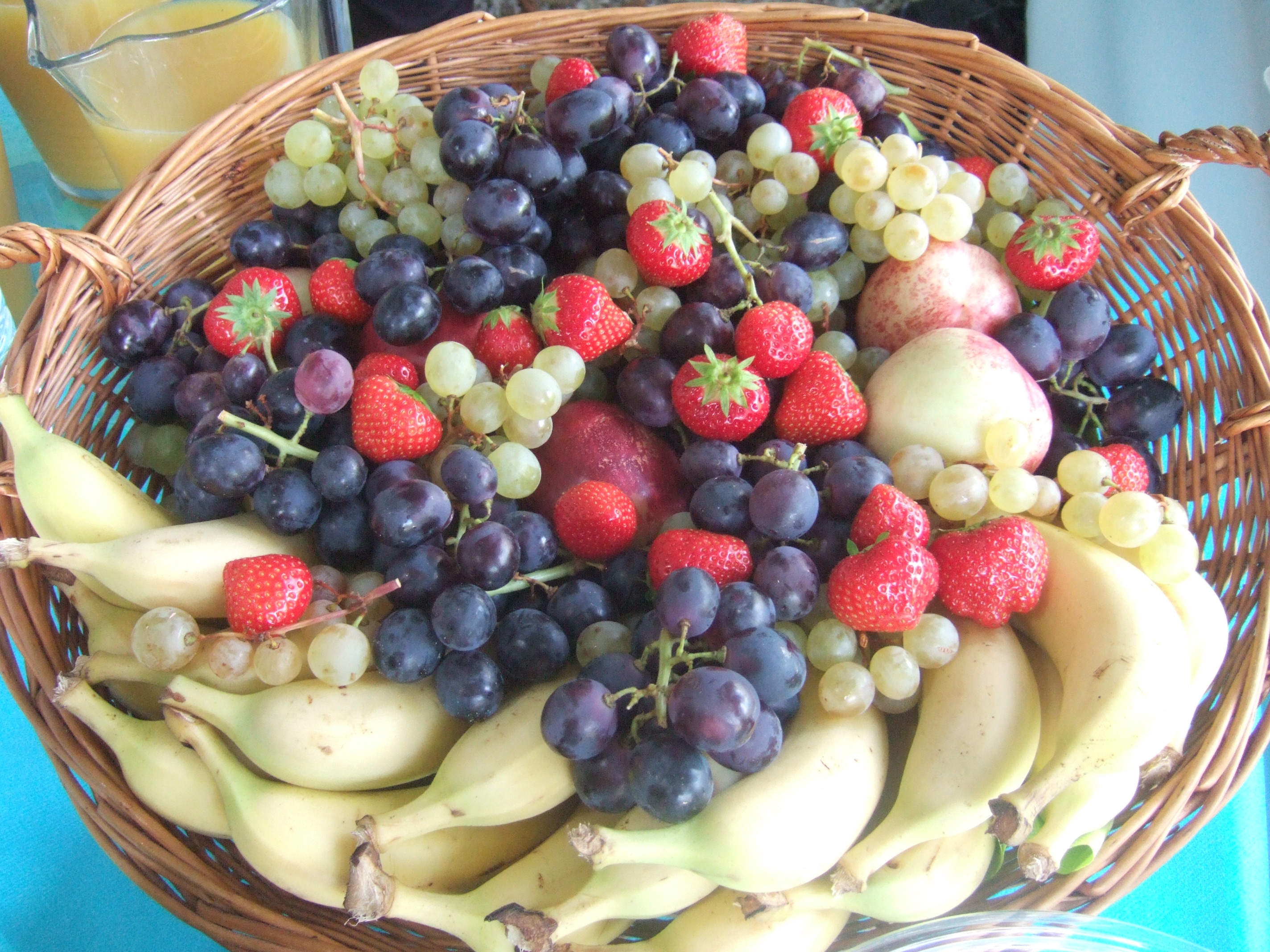
With the music came with the most amazing food.

fruit

We were looked after beautifully.

Sophie Neville on the Erdre

Having eaten well, with our passengers aboard once more,

passengers

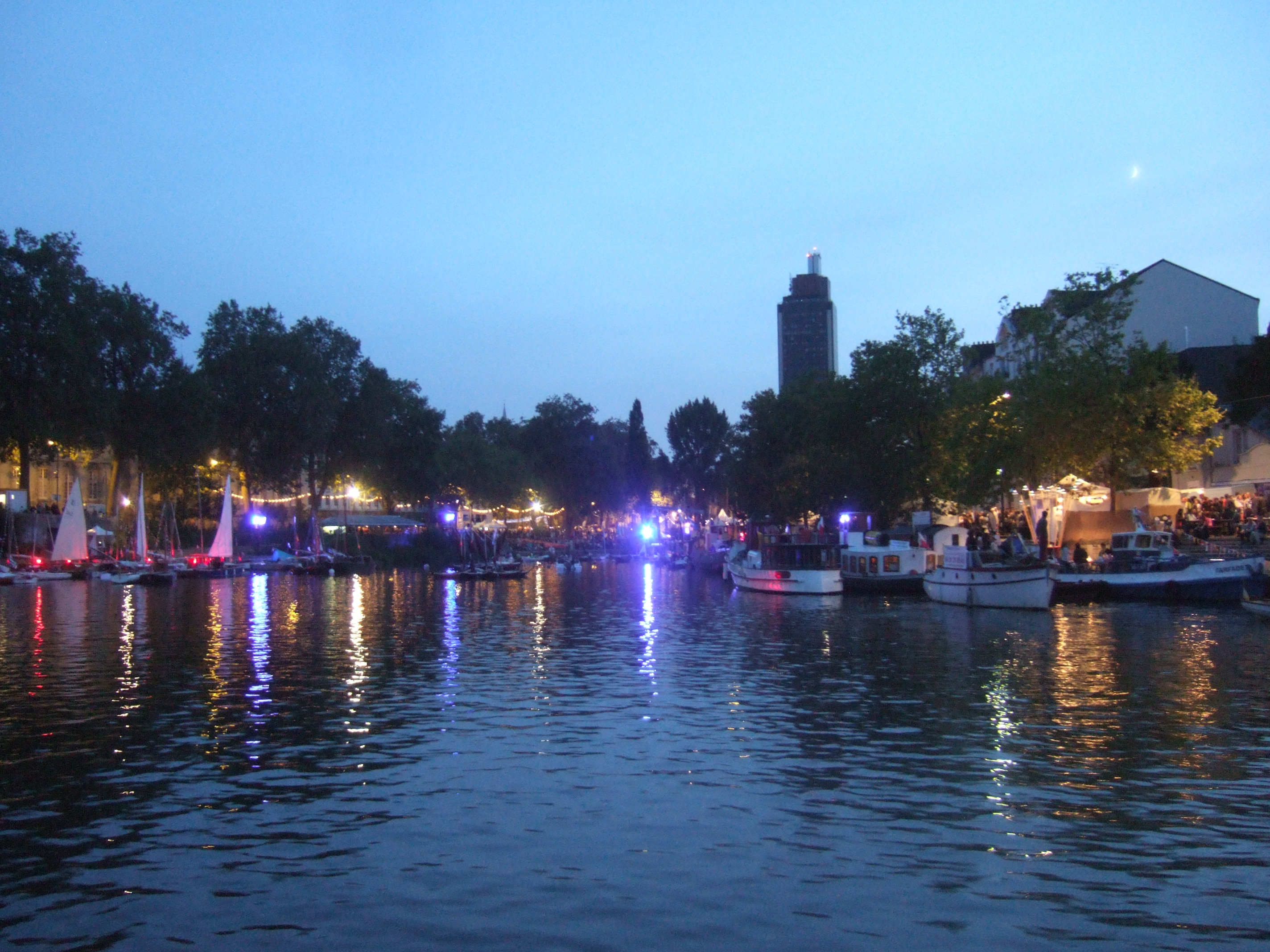
we were honoured with the task of leading the procession of historic boats into Nantes.

Nantes

On the Sunday morning we were invited to the Hotel de Ville, the town hall

Sophie in Nantes

for a reception with speeches

DSCF2846

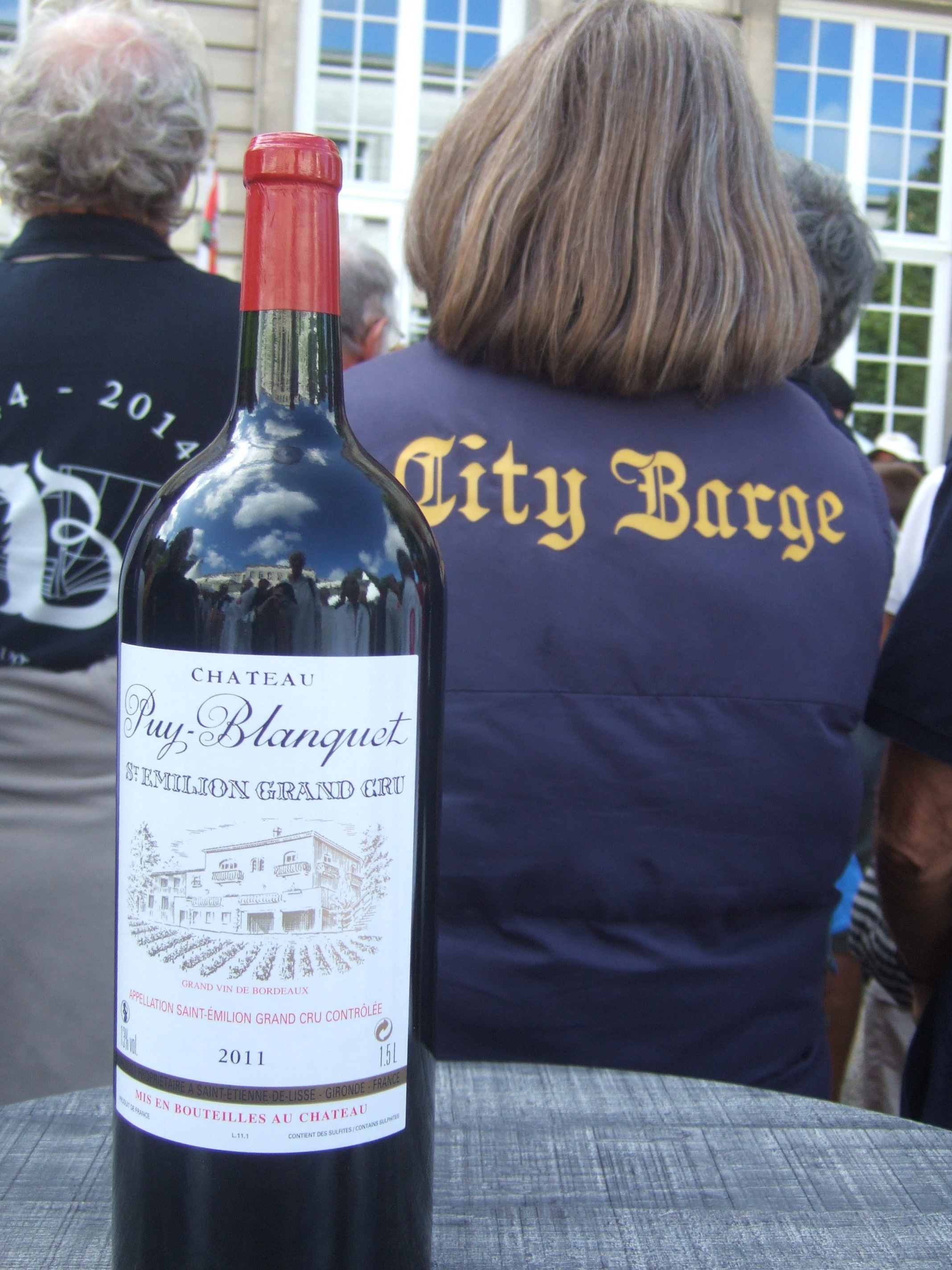
and prize giving when our club, City Barge, was awarded a very large bottle of red wine.

DSCF2838-001

Questions asked of a writer

Sophie Neville in the tropics

Me, Sophie Neville, in tropical debate

No matter where I am in the world, not a day goes by without someone, somewhere asking a question or sending a message in connection with my writing. I am hugely grateful for the encouragement.

In many ways, ‘The Making of Swallows & Amazons’ was written by popular request, effectively commissioned by hundreds of people who wanted to know how it felt to appear in the film, albeit forty years ago.

It has to be said that was a little apprehensive about the questions I might be asked on Matthew Wright’s show, broadcast live on Channel 5 – for two hours.  If you are feeling brave, click here to see a profile on The Wright Stuff.

They wanted to know about the idea of children being allowed the freedom to take risks and enjoy their own adventures away from civilisation.

“… if it’s possible to have a Swallows and Amazons childhood these days – and if today’s kids would actually have the skills to survive. “

If you have views on the subject or want to see more on outdoor pursuits discussed on the programme email: wrightstuff@channel5.com

Sophie Neville If not Duffers.

IF NOT DUFFERS WONT DROWN

You may need Windows 8 to watch it but the whole programme can be viewed here: 

 
The first section is about the film ‘Swallows & Amazons’

Arthur Ransome’s Lakeland homes and places where you can stay in Cumbria

Arthur Ransome first visited the Lake District as a tiny baby. He said that his father, ‘carried me up to the top of Coniston Old Man at such an early age that I think no younger human being can ever have been there.’  Thereafter the family traveled up by train every summer, from 1884 – 1897, to stay on the Swainson’s farm at High Nibthwaite at the southern end of Coniston Water.
DSCF9400
The four children were allowed to run wild in the hills or slide down the knickerbocker-breaker rocks above the farm whilst their mother painted and their father fished the River Crake. They had the use of a rowing boat, which they would take a mile up the lake to Peel Island for a picnic.
Peel Island on Coniston Water, which you can visit by boat.
I’d love to take my family to spend a week at Low Water End, a holiday cottage at the southern tip of Coniston Water, which has boats, lake frontage and a small slipway.
Another lovely place to stay is Hill Top Farm, a traditional Lakeland house built in the 1700s and now owned by Martin Altounyan, son of Roger Altounyan and grandson of Dora Collingwood who was such a great friend of Arthur Ransome’s.  They say you can see the Crake estuary from the garden. It is near Penny Bridge village, four miles from Coniston Water and just three miles away from Hill Top at Haverthwaite where Arthur Ransome lived at the end of his life.
As a young man Ransome escaped from London for a holiday in Coniston village and found himself invited to stay nearby at Lanehead by WG Collingwood, Dora’s father. Ransome writes in his autobiography that  had originally meet the family in 1896 on Peel Island. ‘Mrs Collingwood told me that she remembered that meeting on the island and her surprise that my mother, who was a very pretty young woman, could have a family of such very ugly children.’
The rocks at the end of Peel Island where the Collingwood family traditionally had picnics
By 1904 Arthur Ransome was being taught to sail by Dora, Barbara, and Robin Collingwood in a heavy old dinghy called Swallow that they were able to take out on Coniston Water. He later  stayed at Low Yewdale at the north end of Coniston, which I believe still offers Bed and Breakfast or a self-catering cottage.  Ransome would set up ‘a tent on a small mound close to Yewdale Beck a hundred yards up the valley’ so that he could sleep outside when it was fine.  In her guide-book, In the Footsteps of the Swallows and Amazons Claire Kendall-Price shows you how you can walk from Low Yewdale to Ambleside via The Drunken Duck, a pub you can now stay at that I believe Ransome visited.
It is easy to see how all this experience, the houses Ransome loved and places he knew of since childhood were poured into his Swallows and Amazons series of books. You will have to tell me which of his stories were written here:
Low Ludderburn

After many adventures in Russia and the Baltic, Arthur Ransome bought his second wife Evgenia to live at Low Ludderburn on Cartmell Fell above Windermere where they lived from 1925 until 1935.   He loved the work room made for him at the top of the grey barn outside. They moved to Suffolk for a while  but returned during WWII to live at The Heald, which overlooks Coniston Water.

The Heald, East of Lake Road, Coniston Water
The Heald above Coniston Water where Arthur Ransome lived between 1940 and 1945 ~ photo: Peter Walker

It was here that Ransome wrote The Picts and The Martyrs. They had a jetty there where he kept his boat Coch-y-bonddhu, which is used as the model for the Scarab, a sailing dinghy bought for Dick and Dorothea Callum in the novel. The gardener’s cottage to The Heald has recently been rebuilt and is for sale.

Hill Top - P1020298-lr

In their later years, the Ransome’s loved at Hill Top Farm near Ealingshearth, where the views are stunning. It has been renovated but retains many of the original features.

Hill Top - P1020151-lr

You can book the converted stone barn at one end if you are ever looking for holiday accommodation. Please read more on another post here.

Hill Top - P1020326-lr

There are a number of books about the life of Arthur Ransome, not least his own autobiography published by Jonathan Cape from which I have quoted briefly here. I can recommend Arthur Ransome, Master Storyteller by Roger Wardale and The World of Arthur Ransome by Christina Hardyment – which has a photo of me in Amazon on the cover, along with others:

World of Arthur Ransome by Christina Hardyment

You can read about the adventures we had making the original film of ‘Swallows and Amazons’ (1974) here:

Hill Top, the house where Arthur Ransome once lived in Cumbria

Hill Top - Panorama 16-lr

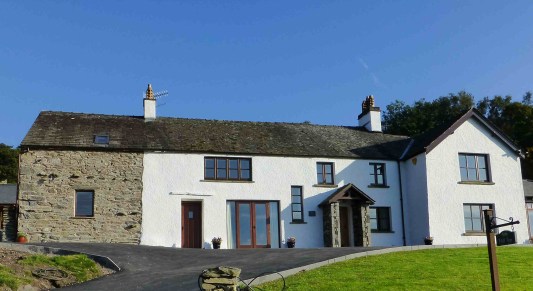
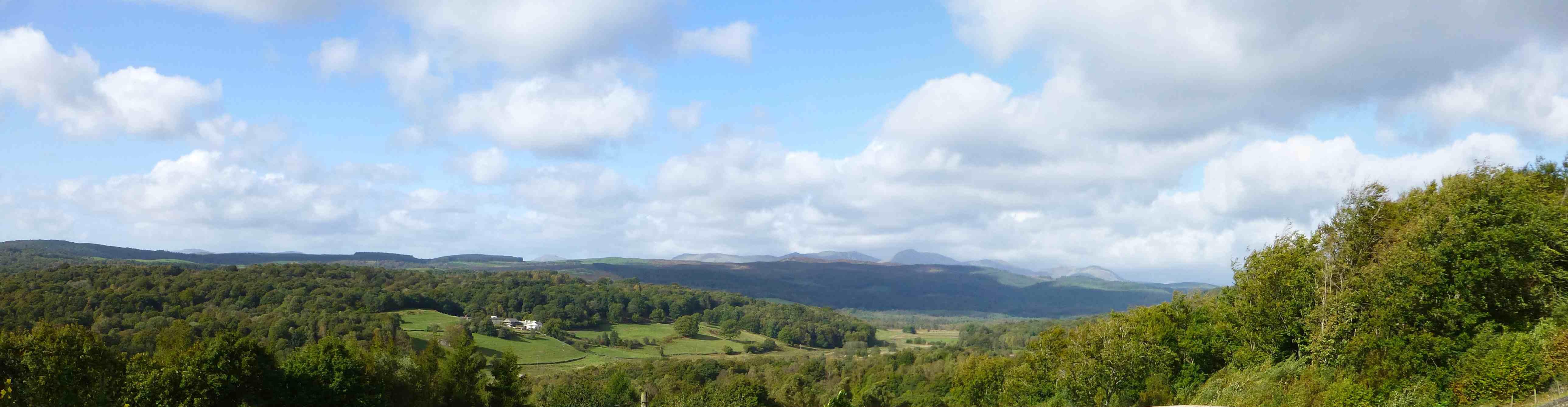
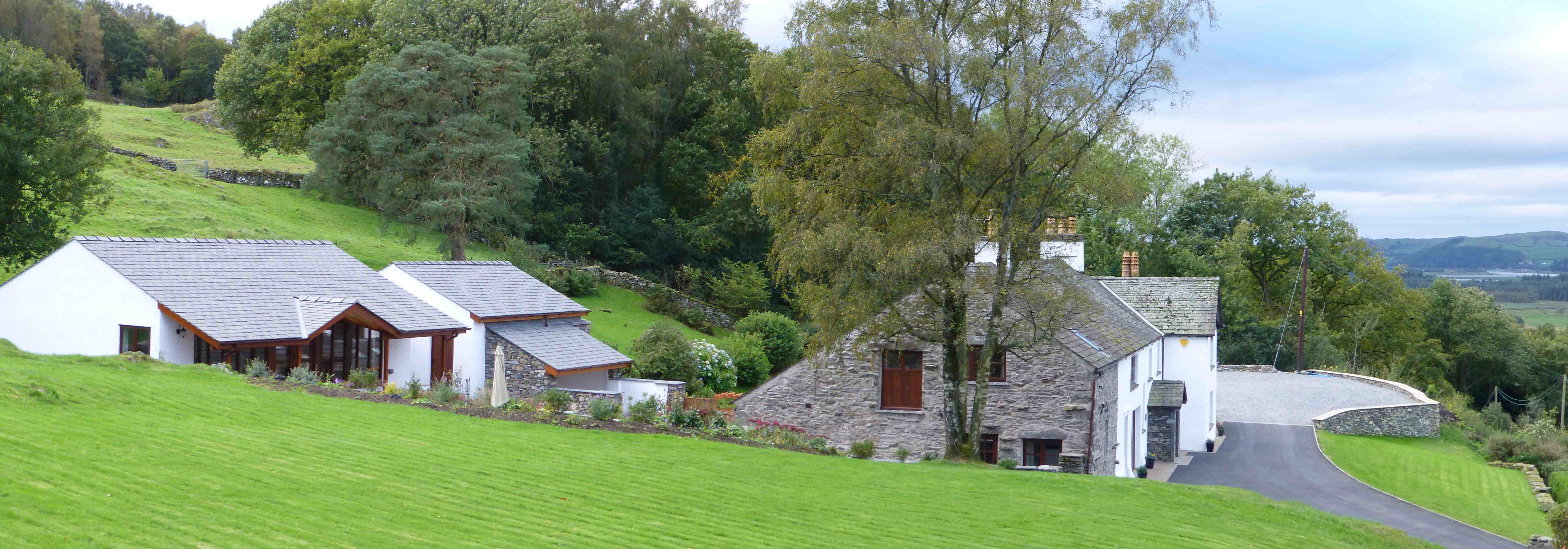
Hill Top, the 17th century farmhouse at Ealingsheath, a tiny hamlet near Haverthwaite in Cumbria, where Arthur and Evgenia Ransome lived in the 1960s enjoys lovely view across the Lakeland fells.

Hill Top - P1020151-lr

In the Epilogue to Arthur Ransome’s autobiography, Rupert Hart-Davis wrote: ‘In 1960 the Ransomes bought the little derelict farmhouse in the Lakes which they had rented for the last four years as a holiday cottage. Repairs and alternations took longer than expected, and it was not until November 1963 that they moved into their home, Hill Top, Haverthwaite, near Newby Bridge. They both loved the house, and the buzzards, redstarts and deer by which it seemed to be surrounded… ‘ Arthur Ransome celebrated his eightieth birthday there, although by then ‘…he was confined to a wheel chair on the upper floor of the house.’

Hill Top - P1020161-lr

The present owners, Stephen and Janine Sykes, who bought Hill Top in 2012, have converted the garage/barn-end into a holiday cottage. You can read about the story in the Mail Online entitled: ‘A home full of Swallows & Amazons…’ As they say, it’s a good base for exploring the locations described in book and used in the 1974 movie of ‘Swallows and Amazons’, which the Mail describes as, ‘A perfect adventure.’ I’ve described doing so myself in previous posts.

Hill Top - Panorama 20-lr

Stephen Sykes says, ‘The picture used was actually of “The Pavilion” – a games room.’ It was converted from a substantial former kennel.
.
Hill Top - P1020200-lr
.
‘We demolished another kennel of 1,000sf (now a courtyard garden) and we’re just finishing the conversion of another to an office/store room! We’ve spent a lot of time, effort and money in “de-kennelling” Hill Top and returning it to domestic use! Needless to say, the guest accommodation, “The Cottage at Hill Top”, forms a self-contained part of Hill Top itself.’
.
Hill Top - P1020342-lr
.
Stephen added, ‘Cumbria Life are coming to photograph Hill Top today for a feature in their Christmas issue.’ The house certainly looks wonderful.
.
Hill Top - P1020298-lr
.
Stephen and Janine are more than happy to take direct bookings – please ring: 01539 531 452. The last three digits of their phone number are the same as in Ransome’s time.  They offer a 10% discount to TARS members.
.
Hill Top - P1020338-lr
.
Stephen Sykes is an investment analyst and author of The Last Witness who studied astrophysics at UCL in the days when men were landing on the moon.  He previously wrote to tell me that they have a number of old photographs and, ‘… a collection of most books by and about Arthur Ransome. Obviously, we’ve made it our job to learn much about the Ransomes and… visited the Brotherton Library at the University of Leeds to look through Arthur Ransome Collection where there are dozens of photographs of Hill Top from the late 1950s to c. 1963. I now have digital copies of most of these, including a number of good quality colour slides of Arthur and Evgenia. I guess it’s rather unusual for someone to find a treasure trove of photos of their house from half a century ago and see how its then famous owner transformed it!
.
‘Astonishingly, the Lake District National Park Authority indicated that they had absolutely no interest in the Ransome connection and even moaned that if Hill Top were to become a “tourist attraction” it would merely create traffic problems!’ Stephen added.
.
When I last passed Hill Top with Mountain Goat no one else was using the lane that runs in front of the house even though it is not so very far from the southern end of Lake Windermere and the Haverthwaite Railway Station where the steam train comes in and the Windermere steamers dock.
.
Hill Top - P1020315-lr
…………..
If you would like to read the ebook about the making of the original film of ‘Swallows and Amazons’, please click here.
There are also different versions of the paperback.
'The Making of Swallows and Amazons (1974) by Sophie Neville'
Different editions of ‘The Making of Swallows and Amazons (1974) by Sophie Neville’

Arthur Ransome reading on BBC Radio Cumbria

Peter Walker with Sophie Neville and the locomotive
Peter Walker with Sophie Neville at Lakeside Station on Lake Windermere

Peter Walker has just written from Kendal to tell me that Arthur Ransome has been heard speaking on BBC Radio Cumbria.

A newly cleaned up archive recording of the author reading from his classic book on fishing ‘Rod and Line’ in 1956 was featured 25 minutes into Emma Borthwick’s programme for an item recorded by Jennie Dennett at Hill Top, the Ransome’s house above Haverthwaite, part of which the new owners, Stephen Sykes and his wife Janine, have opened for holiday accommodation

BBC Radio Cumbria

Peter Walker’s excellent ‘Swallows and Amazons’ tour gives one an insight and understanding of Arthur Ransome’s life in the Lake District. For more information please click here.

Sophie with the Mountain Goat
The Mountain Goat bus built for explorers. It enables you to look out over the dry stone walls of Cumbria as you travel along.

Aboard the ‘Nancy Blackett’

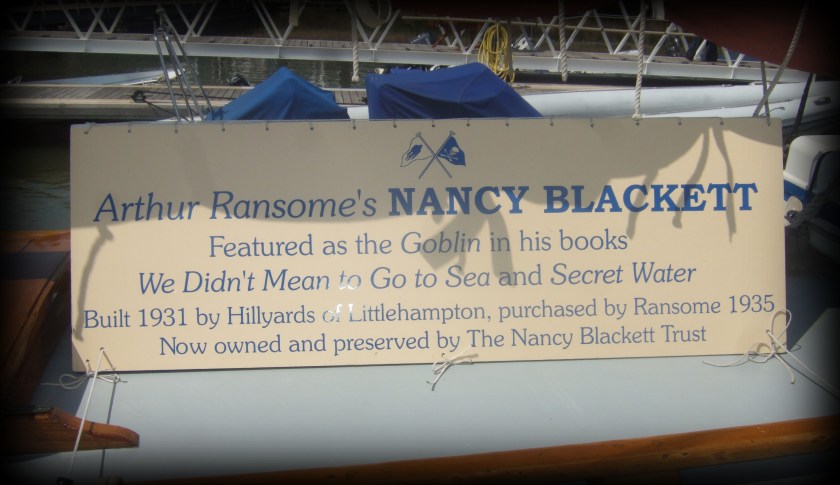
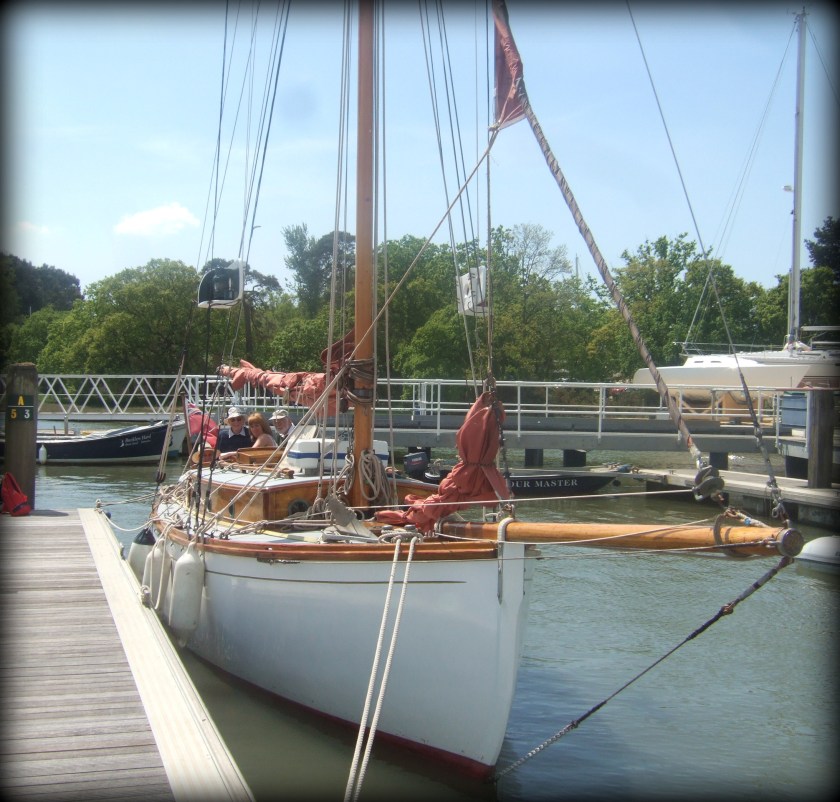
Sophie Neville aboard the Nancy Blackett at Buckler's HardA few days ago I was able to grab a chance and sail a yacht once owned by Arthur Ransome called the Nancy Blackett, ‘The best little ship I ever owned.’

DSCF1048

Nancy had been brought up from her birth at Woolverstone on the River Orwell in Suffolk to Buckler’s Hard on the edge of the New Forest in Hampshire for The Arthur Ransome Society International Annual General Meeting held at Brockenhurst College near by.

DSCF1054

Apart from being Arthur Ranomse’s model for the Goblin in two of his books in the Swallows and Amazons series ~ We Didn’t Mean To Go To Sea and Secret Water ~ the Nancy Blackett has recently appeared in Sally Potter’s feature film Ginger and Rosa.

DSCF1050

I went to visit her when she was open to visitors at the Boat yard at Bucklers Hard on Sunday 26th May.

DSCF1051

We emerged having wondered how Arthur Ransome managed to fit himself into the heads, which are right in the bows. Apparently he used to sit there smoking his pipe. How his wife squeezed herself in I do not know – she was 6’3″ tall.

DSCF1035

On the morning of 27th May we had a quick look around the historic village of Bucklers Hard,

Sophie Neville at the Mast Builder's Hotel at Buckler's Hard

including the Master Builder’s Hotel,

DSCF1063

before finding Nancy at the marina.

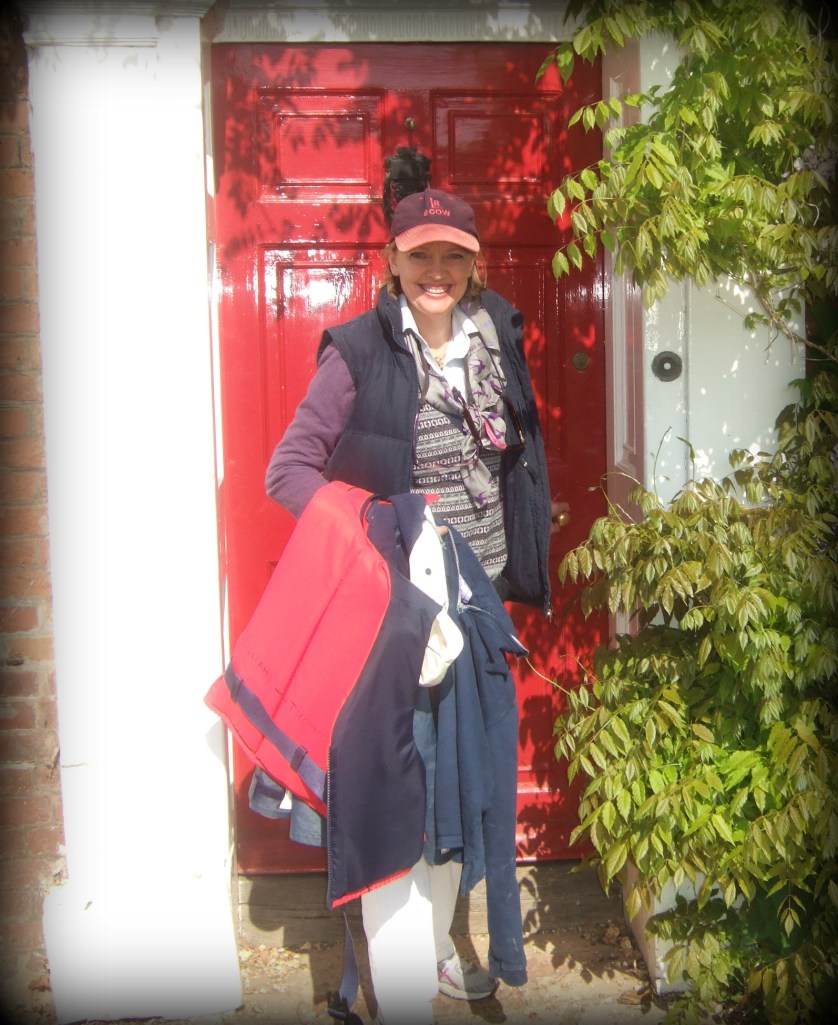
Sophie Neville aboard the Nancy Blackett

After climbing into our life-jackets, we left the mooring and motored down the Beaulieu River.

DSCF1070

Once we reached the Solent, our sails were hoisted and we were sailing towards the Isle of Wight.

DSCF8258

Peter Willis, Chairman of the Nancy Blackett Trust was with us.

DSCF1074

It was exciting to take the helm as we made our way up to Lymington on a broad reach at about 4 knots, at first against, then with the tide.

DSCF1076

Having left at about 10.00am we reached the Royal Lymington Yacht Club soon after 3.00pm and moored up for the night.

DSCF1083

We had enjoyed perfect conditions and the most wonderful experience.

DSCF1081

Nancy’s crew then welcomed aboard sailors from the Royal Lymington Yacht Club who were keen to see around her.

DSCF1086

If you would like to sail the Nancy Blackett do visit her website and join the trust. The next meeting will be on Saturday 6th July when Sophie Neville has been asked to give a talk on ‘Filming ‘Coot Club’ and ‘The Big Six’ in Norfolk’.

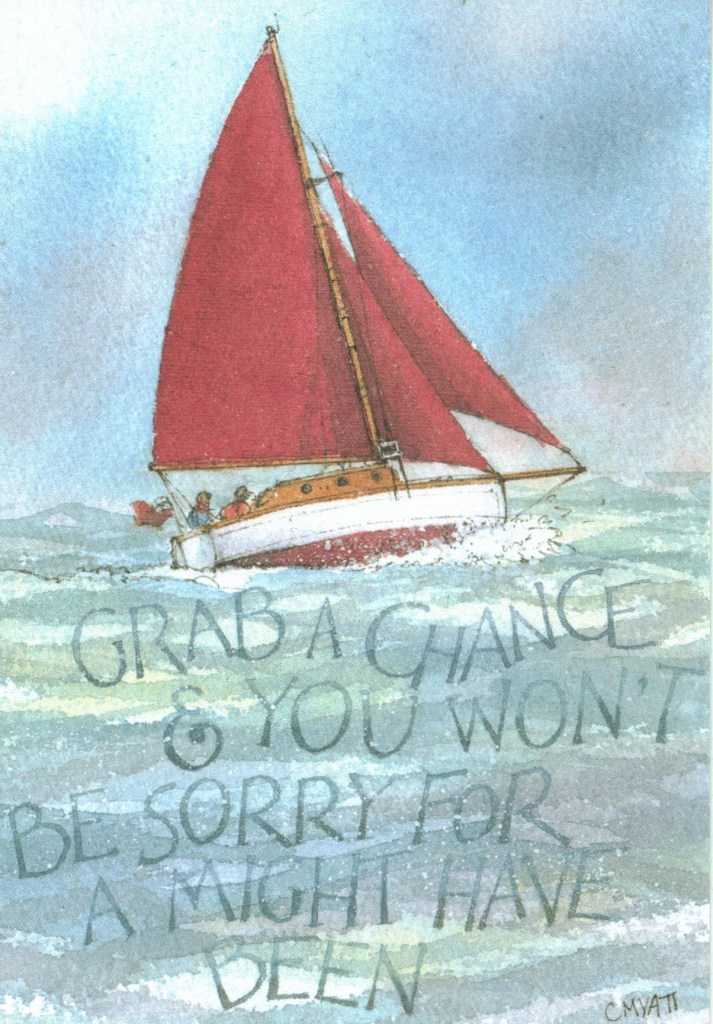
The Nancy Blackett by Claudia Myatt

The Nancy Blackett was recently profiled on BBC 1 by Coutryfile when Matt Baker went out on her first sail of the season.

Here is a compilation of the programme made up by the Nancy Blackett Trust:

Boats of the Norfolk Broads ~

Sailing on the Norfolk Broads

I recently found a family photograph album with pages illustrating holidays spent under sail in the 1930’s.

Breakfast on the Norfolk Broads ~ Easter 1939
Joan with her friends having breakfast on the Norfolk Broads ~ Easter 1939

Not all the black and white photographs are as horizontal or as sharply in focus as one might wish but they show the glorious boats available for hire.

Sailing on the Norfolk Broads - Easter 1939

They also reflect what fun was had out on the water.

Joan Hampton - Norfolk Broads - Friends1

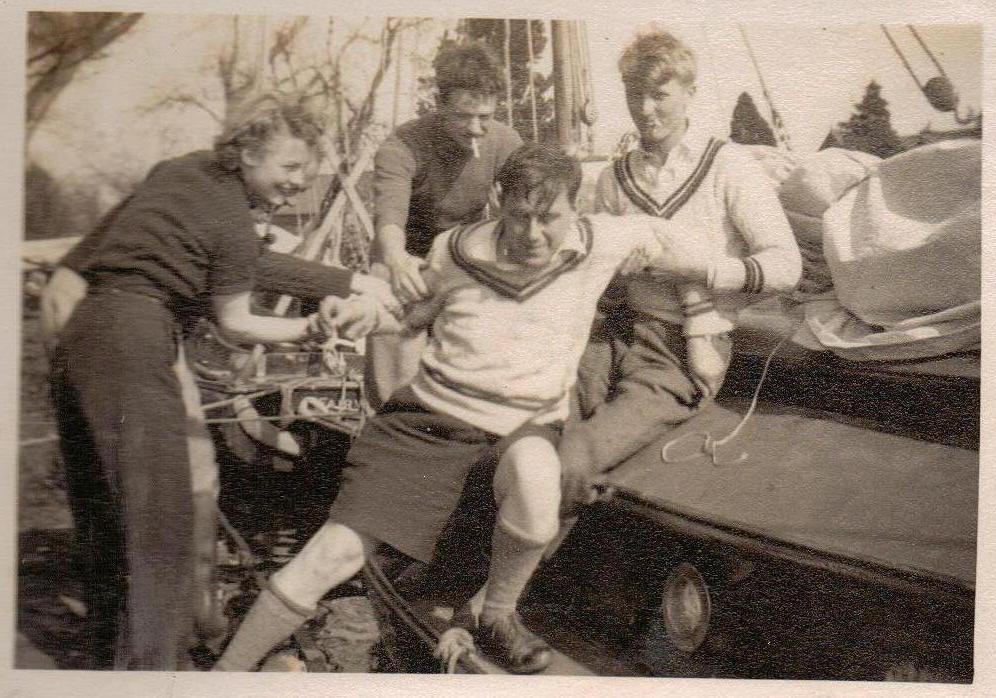
We were rather shocked by the cigarettes held in the mouths of the young men but Joan, who is pictured with them, was still agile at the age of ninety-nine.

Martin Neville on the Norfolk Broads
Martin Neville sailing on the Norfolk Broads with friends in the early 1950s

Having sailed up to Horsey Mere with friends, my father hired a Hullabaloo boat to take us out on the Boards when we were little.

Sophie Neville with her sisters on the Norfolk Broads

We went out of season, when boat hire was cheaper. As there was no one on the water my father let me take the helm mile after mile, despite the fact that I was only about seven years old.

Sophie Neville on the Norfolk Broads
Sophie Neville wearing a life jacket c. 1968

 We loved living aboard and were often surrounded by wild geese.

Sophie Neville on the Norfolk Broads

It seems Arthur Ransome, who had fished on the Broads with Titty’s father, Ernest Altounyan, in 1923, also enjoyed cruising in the spring. His biographer, Roger Wardale, said that ‘Both the Ransomes liked to visit the Broads just after Easter, before most of the motor cruisers had started the season and it was the best time of year for birdlife.’ He went on to describe how Arthur Ransome kept a log of his three weeks spent in a Fairway yacht, the essence of which he used to write Coot Club in 1933/34. ‘As well as visiting Roy’s of Wroxham, tying up at Horning Hall Farm and watching the racing boats go by, towing through bridges, mooring beside a Thames barge at Beccles and watching a fisherman catching eels with a bab, there are numerous details that combine to make Coot Club a valuable account of the social and natural history of the Broads as they were more than 70 years ago.’ 

Roger Wardale illustrated his book Arthur Ransome Master Stroyteller, using wonderful photographs and sketches by Arthur Ransome, including a very jolly one of the Hullabaloos that had not been published before. Do get hold of a copy of the book, to read the chapter on Coot Club for yourself.

I’ve written a little about working on the BBC adaptation of ‘Coot Club’ and the ‘Big Six’ for the DVD Extras for re-mastered 30th Anniversary DVD of the series which has this cover: 

Swallows and Amazons Forever
Swallows And Amazons Forever! (Coot Club & The Big Six) SPECIAL EDITION [DVD]

I have written about appearing in the original film of Swallows and Amazons here, where you can read the first section free of charge: