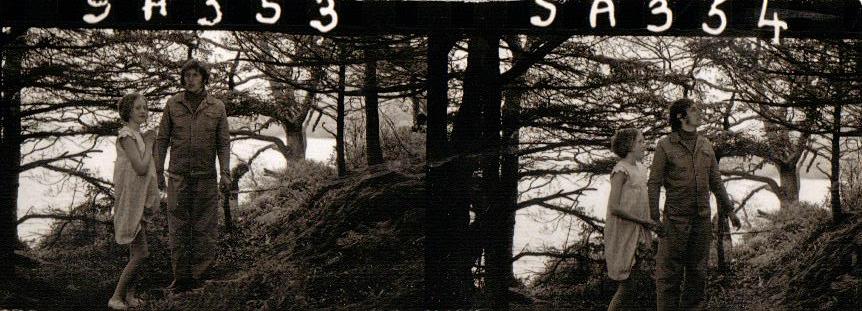
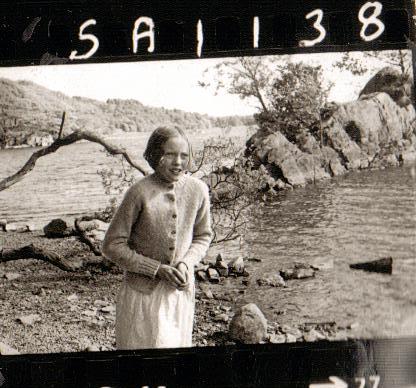
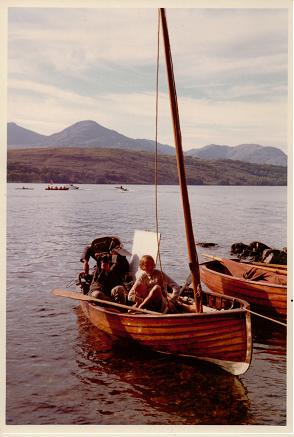
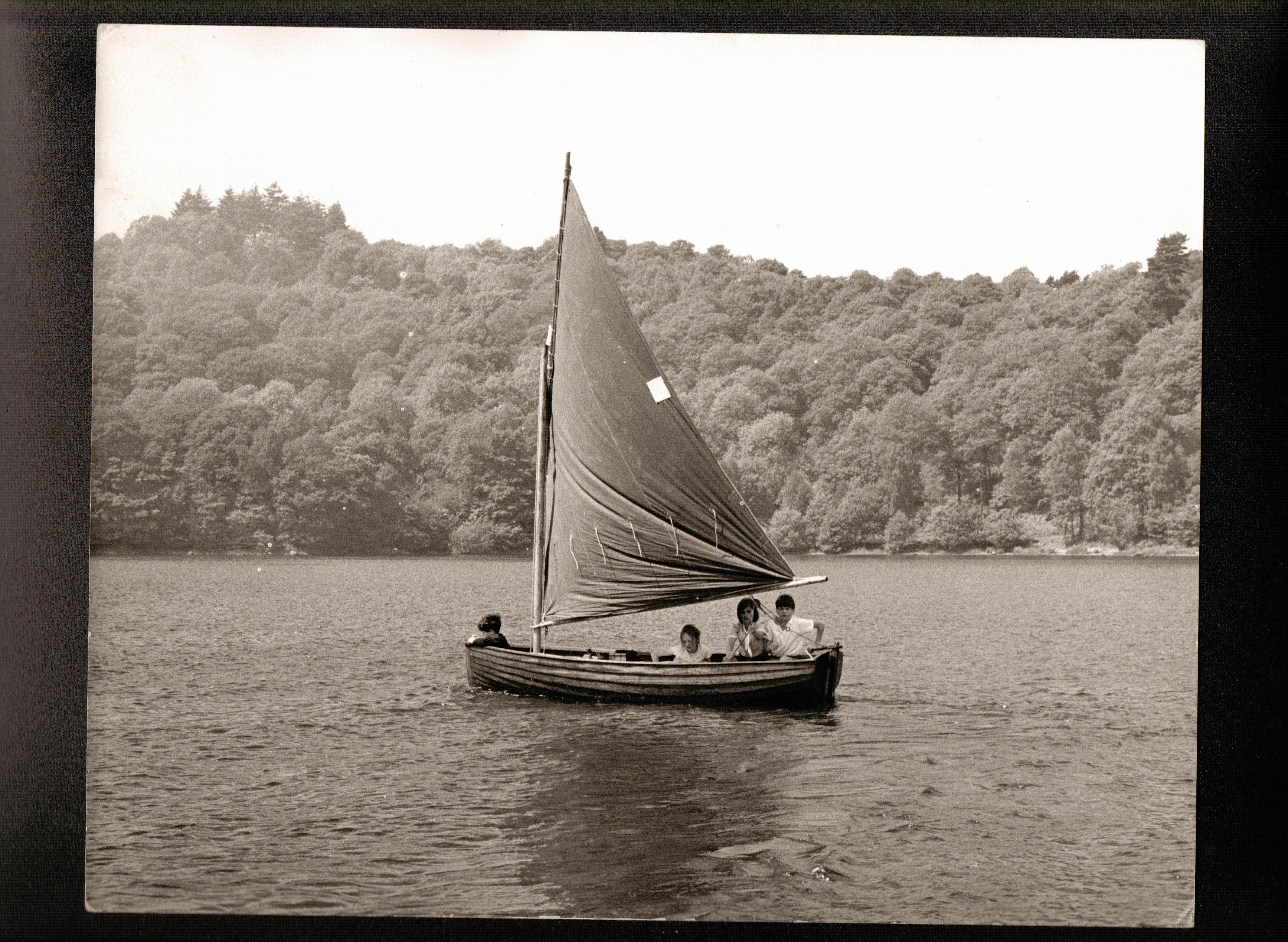
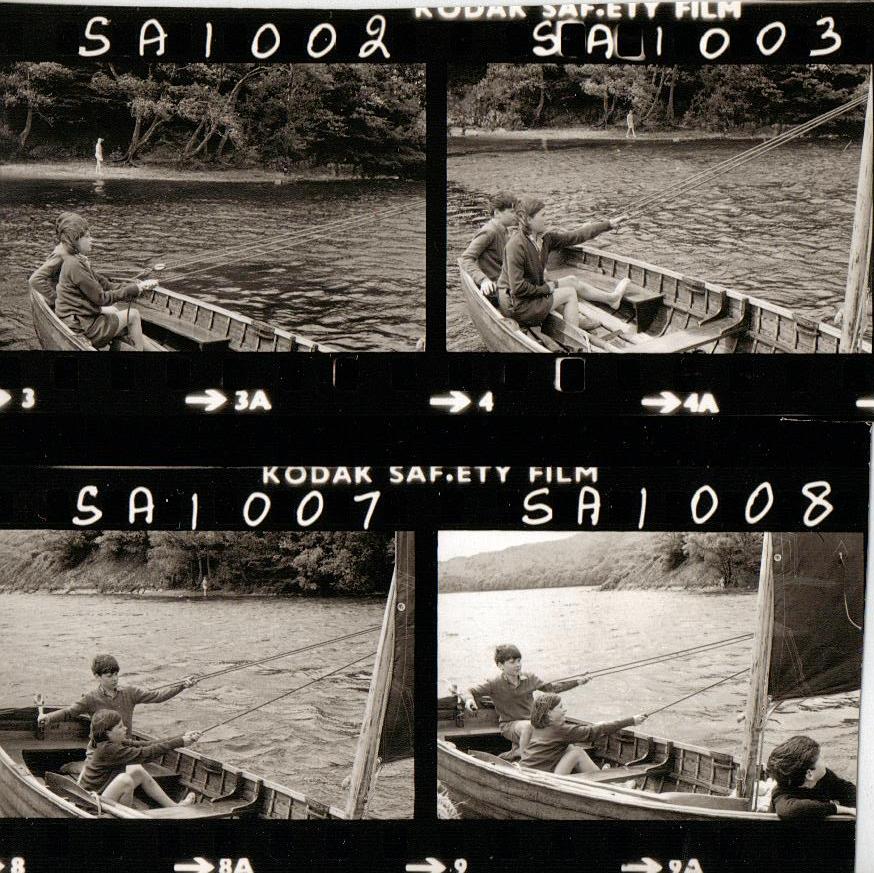
Setting sail from Wild Cat Island during the filming of Swallows and Amazons 0n 2nd June 1973

If it is tricky navigating in and out of the Secret Harbour on Peel Island, leaving from the Landing Place under sail in a clinker built dinghy can prove even more hazardous. You need a decent shove to get going so you can catch the wind, escape from snaring tree branches and avoid the danger of flat rocks lurking just under the surface of Coniston Water. This was my job on a rainy, grey day in the Lake District in 1973. With a telescope in one hand.

On the filming of 'Swallows and Amazons' in 1973

In the finished film you don’t see the shot when I slipped in the water up to my waist, and kept on shoving.  The “Don’t forget about the lights, Titty ” scene had to be re-shot on a sunnier day.

bw Susan sailing past Peel Island2
Simon West and Suzanna Hamilton at the helm of Swallow with Stephen Grendon in the bows, while Sophie Neville looks on from the shore of Peel Island.

What you see is a long-shot, on a grey day, with Titty waving furiously from the shore, as Swallow leaves Wild Cat Island. You can not see that her dress is soaking wet but the trees on the island indicate just how windy it is. While Susan is waving back, Roger is looking out for rocks for all he is worth. John is sailing hard, running with the wind, with the boom right out and white water on his bow. He hung on, as he had to, until Swallow passed the big rock, before coping with a dramatic jibe. You see him rise to handle this, while Susan ducks. She needed to. It was so violent the mast nearly broke, but John ‘scandalised’, spilling excess wind and sailed on. The film cuts to two closer shots of the jibe taken on the sunny day, then cuts back to the long shot when Susan bobs up and Swallow sails at speed, north up Coniston towards grey clouds and rain over Langdale.
BW Swallow about to jibe

My father watched all this from the shore, knowing the risks, knowing Stephen Grendon aged nine, who played Roger couldn’t swim well. But Simon West was proving himself yet again as a very good sailor. He was totally confident. You can tell – even from a distance – how calm he was, how instinctively he read the wind. He knew it would hit him with force as he left the lee of the island.

Swallow on Coniston


These wet windy days in the Lake District were a worry to the Producer and a challenge for the crew. They had already lost a number of days to rain. Whilst Claude Whatham, the Director was always trying to find a way of making the best use of his time, David Bracknell, his First Assistant Director had to make things happen. The practicalities of each day rested on his shoulders.
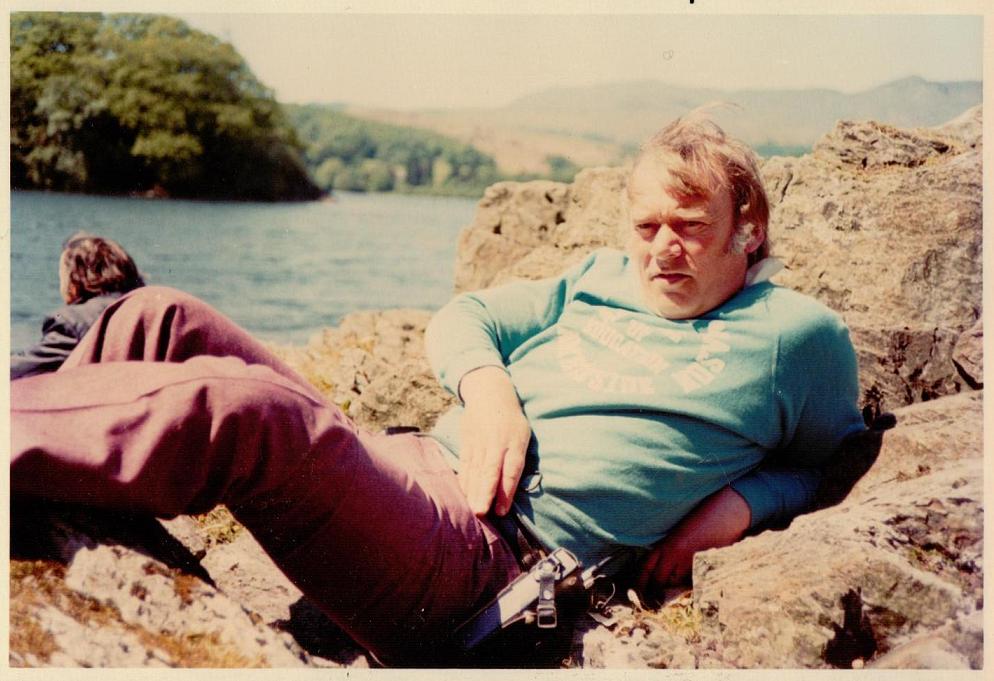
David Bracknell, First Assistant Director on ‘Swallows and Amazons’ on the shore of Coniston Water near Peel Island ~ photo: Martin Neville

Just co-ordinating our transport out to Peel Island, so that we while the camera crew were never waiting for us we were not missing time at our lessons – would have been difficult. Getting the tea urns out there twice a day, must have been a struggle. I’m not sure what we did about anyone wanting the loo. There wasn’t even a bucket on the island. 

Claude Whatham and his crew on the camera punt
First assistant David Bracknell, director Claude Whatham, grip David Cadwallader and DoP Dennis Lewiston (seated) with three local boatmen ~ photo: Richard Pilbrow

Working in purple trousers, with a Motor-roller on his hip, David kept things safe and kept things going whatever the weather. He would call for ‘Quiet’, before each take, calling, ‘Camera? Sound? then: Mark it!’  The clapper board would be named and snapped shut before Claude the Director shouted ‘Action!’  Then off we’d go.  And the rule was to keep going – whatever happened – come the hell of slippery rocks or high water – until the Director shouted ‘Cut!’ David would then take over command and set up either for a re-take or a subsequent shot. Once a scene was completed he’d move the crew on for a new sequence.
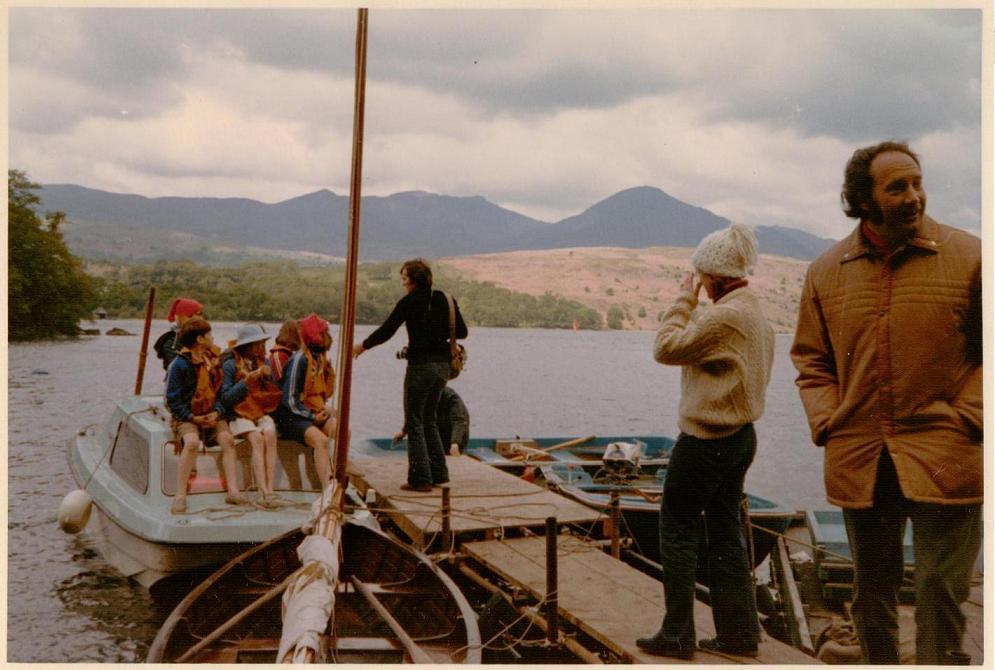
The cast of ‘Swallows and Amazons’ setting off in the Capri for Peel Island, my mother in her bobble hat, a journalist taking photographs and Brian Doyle, the film Publicist, wrapped up warm ~ photo: Martin Neville

David Bracknell was very experienced. He’d worked on a number of hugely popular Carry-on movies, which according to Maureen Lipman, were made at terrific speed. Prior to Swallows and Amazons his credits included Carry on Abroad, Carry on at your Convenience, (I’d seen this at school; it’s all about lavortaries) Carry on Henry and Carry on Loving with Kenneth Williams, Sid James and Charles Hawtrey.  He’d worked on Far from the Madding Crowd  with Julie Christie, Alan Bates and Trevor Stamp, A Day in the Death of Joe Egg with Janet Suzman and Peter Bowles, Bless this House with Sid James, Diana Coupland and Sally Geeson and Battle of Britain, which starred Michael Caine, Trevor Howard and Harry Andrews, Ian McShane, Susannah York and Laurance Olivier. By 1984 he was working on Indiana Jones and the Temple of Doom, in 1986 on Shaka Zulu with Edward Fox, Robert Powell and Trevor Howard again.  We were in capable hands.

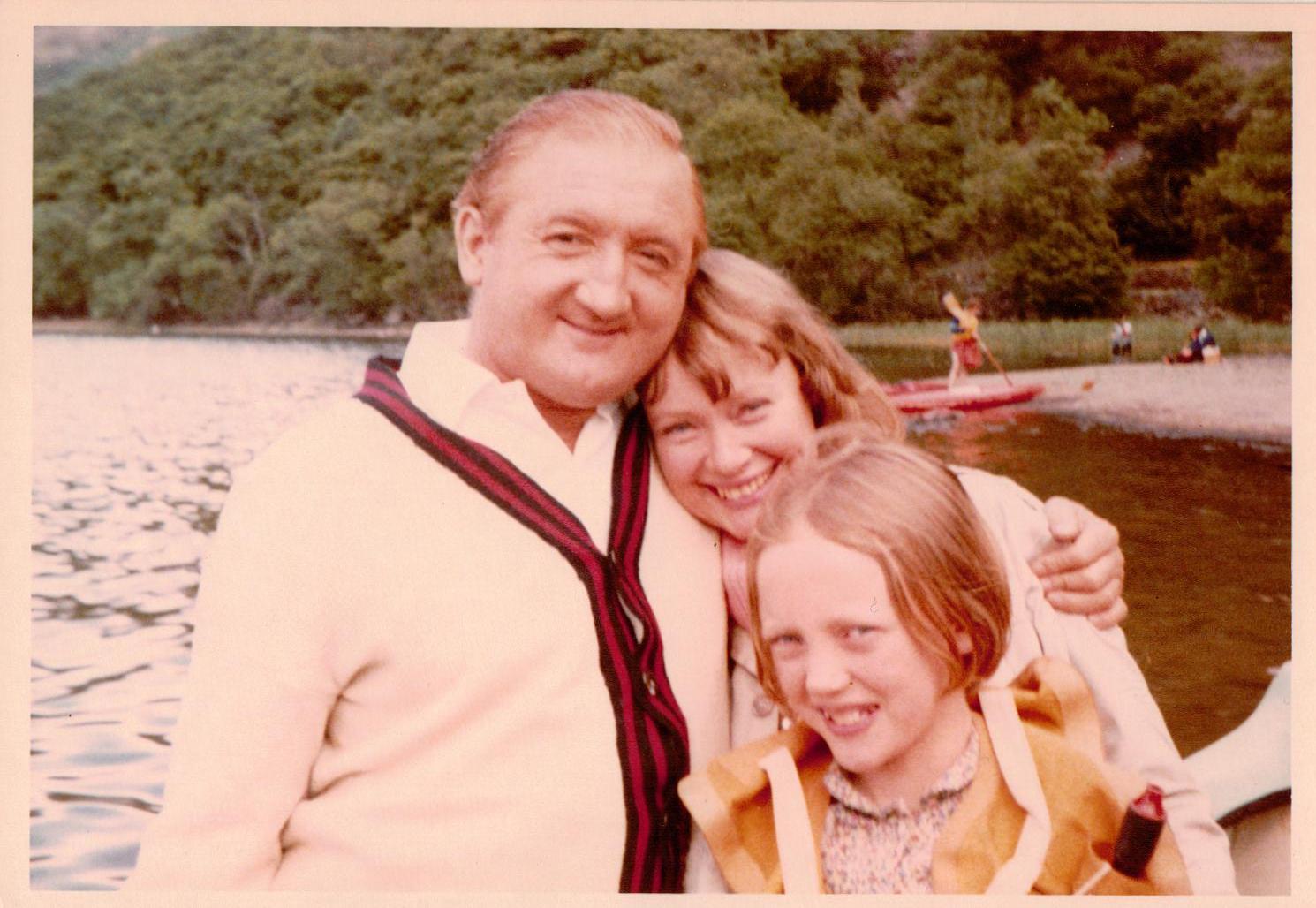
My father recognised this, watching patiently from the base camp with Perry and Tamzin, my younger sisters. I fear it must have been terribly dull for them, especially on the cold grey days, but we were all together and did have a chance to explore Westmorland, as you will see when I reach tomorrow.
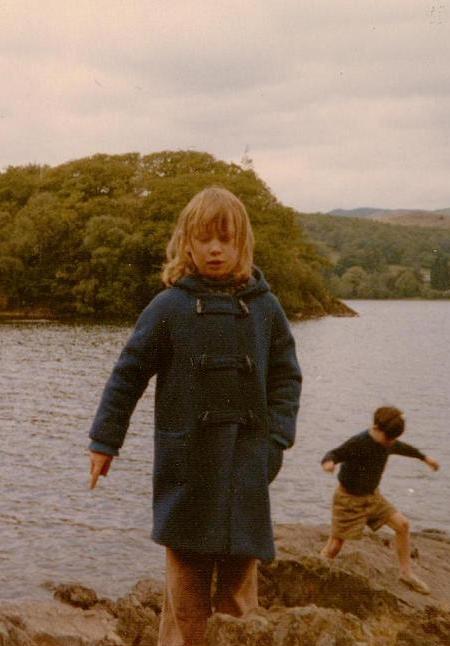
My sister Perry Neville on the shore of Coniston Water in Cumbria with Stephen Grendon and Peel Island beyond~ photo: Martin Neville

You can read more about the making of Swallows and Amazons here:
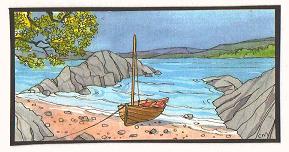
The Secret of Secret Harbour ~ where ‘Swallows and Amazons’ was filmed on 1st June 1973

Claudia Myatt's painting of Swallow in the Secret Harbour
Claudia Myatt’s painting of Swallow in the Secret Harbour

The Secret Harbour on Peel Island looks south over Coniston Water to the hills of Cumbria. It has to be one of my favourite places on Earth. Bringing a small dinghy in there gives you a special feeling either of exploration or of coming home. You need to go when no one else is about. On the 1st June 1973 we spent a whole day filming there with a crew of sixty or more people. It was still a magical place.

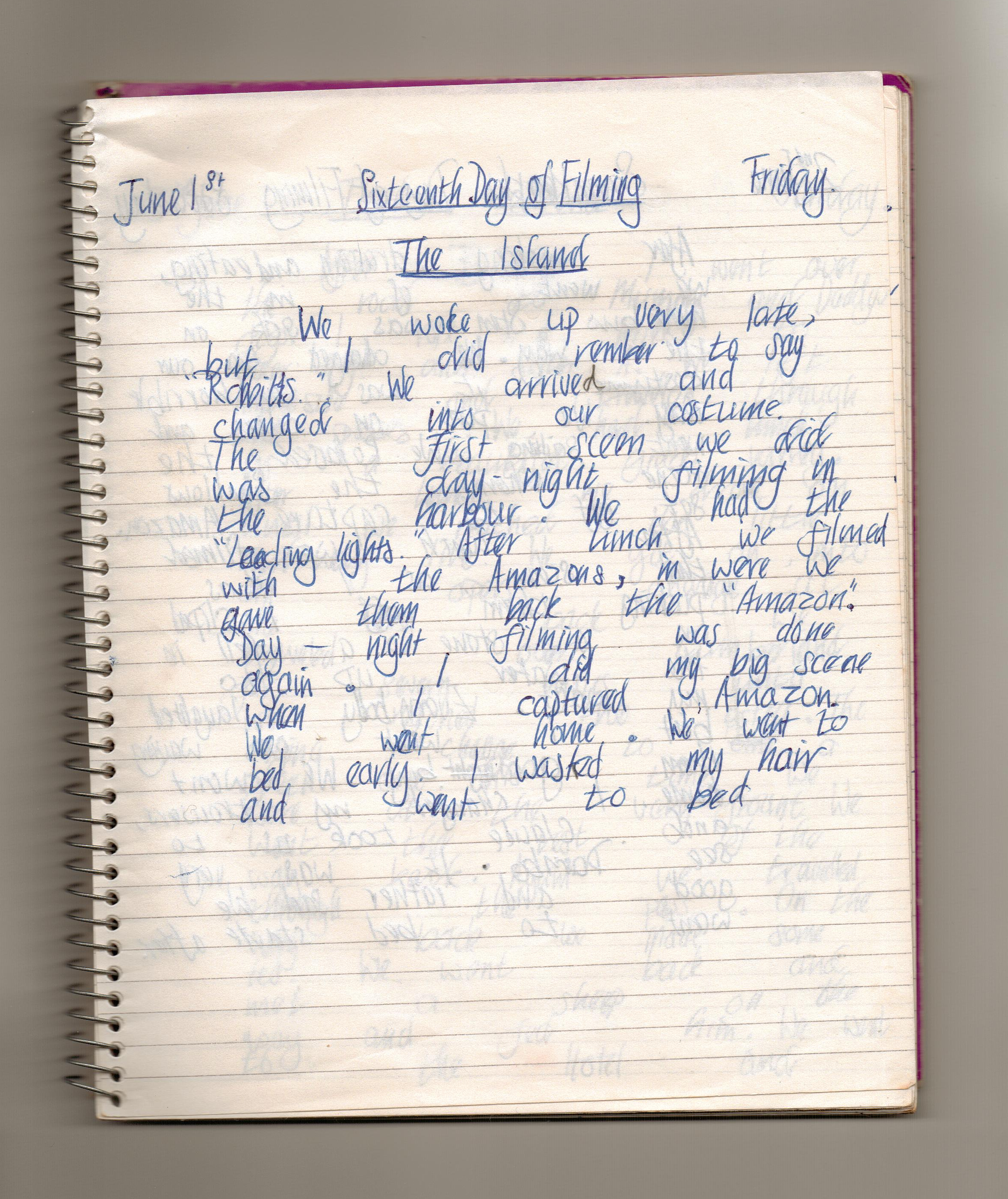
1st June 1973 ~ My Diary

Our secret of Secret Harbour was that although many of the scenes in Arthur Ransome’s story are set there at night, back in 1973 we only ever filmed them during the day. This was achieved by using the technique of Day-Night, or Day-for-Night filming, the use of filters over the camera lens so that we could film a scene that would come across as being dark even though it was shot in broad daylight.  This had obvious advantages. Filming at night is amazing, but very tiring. It demands considerable lighting set ups, which would have been impossible on Peel Island as they could not get a generator out there.

Sophie Neville with Claude Whatham

The sun wouldn’t have set until very late on 1st June in the Lake District where mid-summer nights are short. Children are only permitted to work certain hours and need to be given rest days afterwards, so filming exteriors at night just wasn’t feasible. And yet, much of Swallows and Amazons, including the most dramatic of scenes,  is set at night.

Secret Harbour on the southern end of Peel Island when we were returning for lunch in the Capri whilst Richard Pilbrow’s dog looked on from the temporary jetty constructed by the crew: photo ~ Martin Neville

I remember Claude Whatham, the Director of the film ‘Swallows & Amazons’ (1974) and Dennis Lewiston, our Lighting Cameraman or Director of Photography, being intensely absorbed in perfecting our Day-for-Night sequences. This was particularly tricky for them as many were set out on the water. Having already shot one night scene on Peel Island when we were in the girls’ tent, Dennis now started the day with a scene which was set on the island, yet looked out over the water. He explained that ideally he needed constant, bright sunlight, which would look like moonlight reflected on the ripples of the water. What he didn’t like were cloud banks. And for this we would wait. And waiting for children, while out on the water or in a confided space can be hard.

In the scene where the Swallows set up the leading lights Dennis accepted the clouds. It looks fine, as it’s appropriate for it to be getting dark. The little fluffy clouds in the scene where the Amazons arrive aren’t so great as they landed on Wild Cat Island in the dead of night.

Sophie Neville in Secret Harbour

Even on land the Day-for-Night shots would take some time to line up. The candle lanterns had to be boosted with battery operated light bulbs. If you look at the lantern in Susan’s tent you can see a black electric wire coming off it, and even a bulb on the Big Screen. You don’t notice this because your attention is on the dialogue but it can easily be spotted.  You might think it would be a distraction for us children but we were all quite down-to-earth and the technical detail kept our interest and our minds on our work.

BW Sophie Neville in Secret Harbour

These were our favourite scenes, set in our favourite place. It was the Amazons’ big day with Kit Seymour emanating leadership as she portrayed Nancy Blackett ‘terror of the seas’, with all the confidence, grace and rugged beauty Arthur Ransome must have either known or envisaged. ‘By Gum, Able-seaman – I wish you were on my crew.’

There was much dialogue for Lesley Bennett who played Peggy. She did well, but acting opposite Suzanna Hamilton is always easy. It’s like rowing in a crew led my an excellent stroke or having a good man at the helm. The part of the practical Susan was not a charismatic one but Suzanna anchored us all. Her own performance is absolutely faultless. I had much to react to but not much to say. I did manage to handle the Amazon by myself and the long shot when I captured her was achieved in one take. A triumph at the end of a long day.

‘There are more of us Swallows…’ Sten Grendon, playing Roger and Simon West, playing Captain John in the Secret Harbour on Wildcat Island during the filming of ‘Swallows and Amazons’ in 1973

There was much dialogue for Lesley Bennett who played Peggy. She did well, but acting opposite Suzanna Hamilton is easy. It’s like rowing in a crew led by an Olympic oarsman or having an experienced skipper at the helm. The part of the practical Susan was not a charismatic one but Suzanna anchored us all. Her own performance is absolutely faultless. I had much to react to but not much to say. I did manage to handle the Amazon by myself and the long shot when I captured her was achieved in one take. A triumph at the end of a long day.

Sophie Neville in the Amazon with the Denis Lewiston and the 16mm camera1
Sophie Neville in The Amazon with DOP Denis Lewiston, his 16mm camera and a reflector board ~ photo: Martin Neville

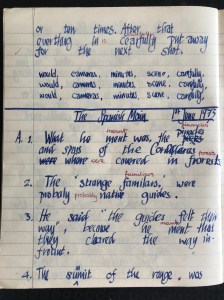
I must somehow have spent time in the school bus with my tutor on 1st June as I was learning about the Spanish Main:

You can read more about the filming here:
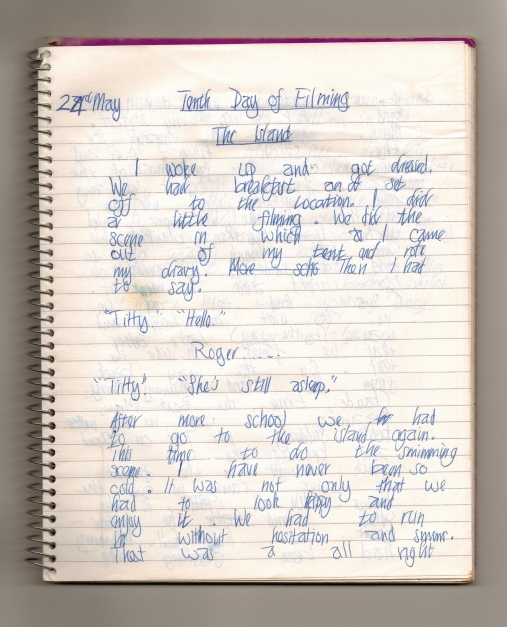
“It was really horrible” ~ filming the swimming scenes for ‘Swallows and Amazons’ ~ 24th May 1973

bw Susan teaching Roger to Swim
Sten Grendon as Roger Walker being taught to swim by Suzanna Hamilton playing his elder sister Susan Walker on location at Peel Island on Coniston Water in 1973

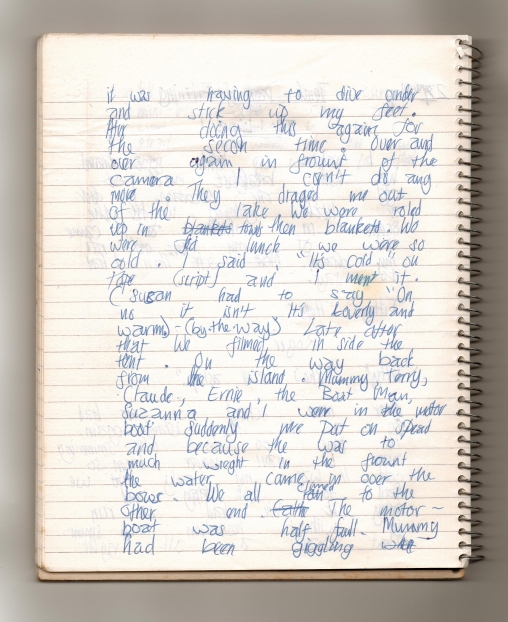
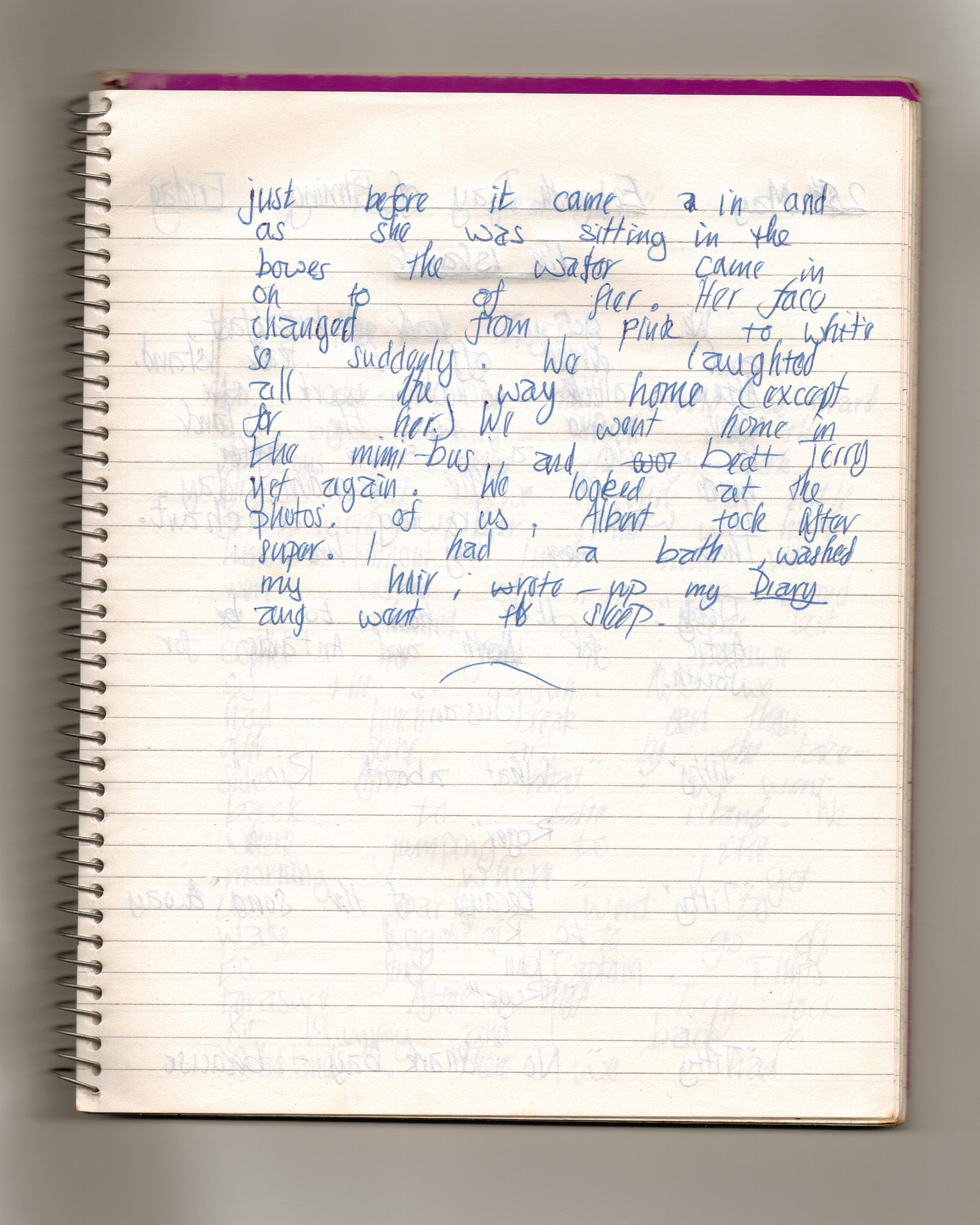
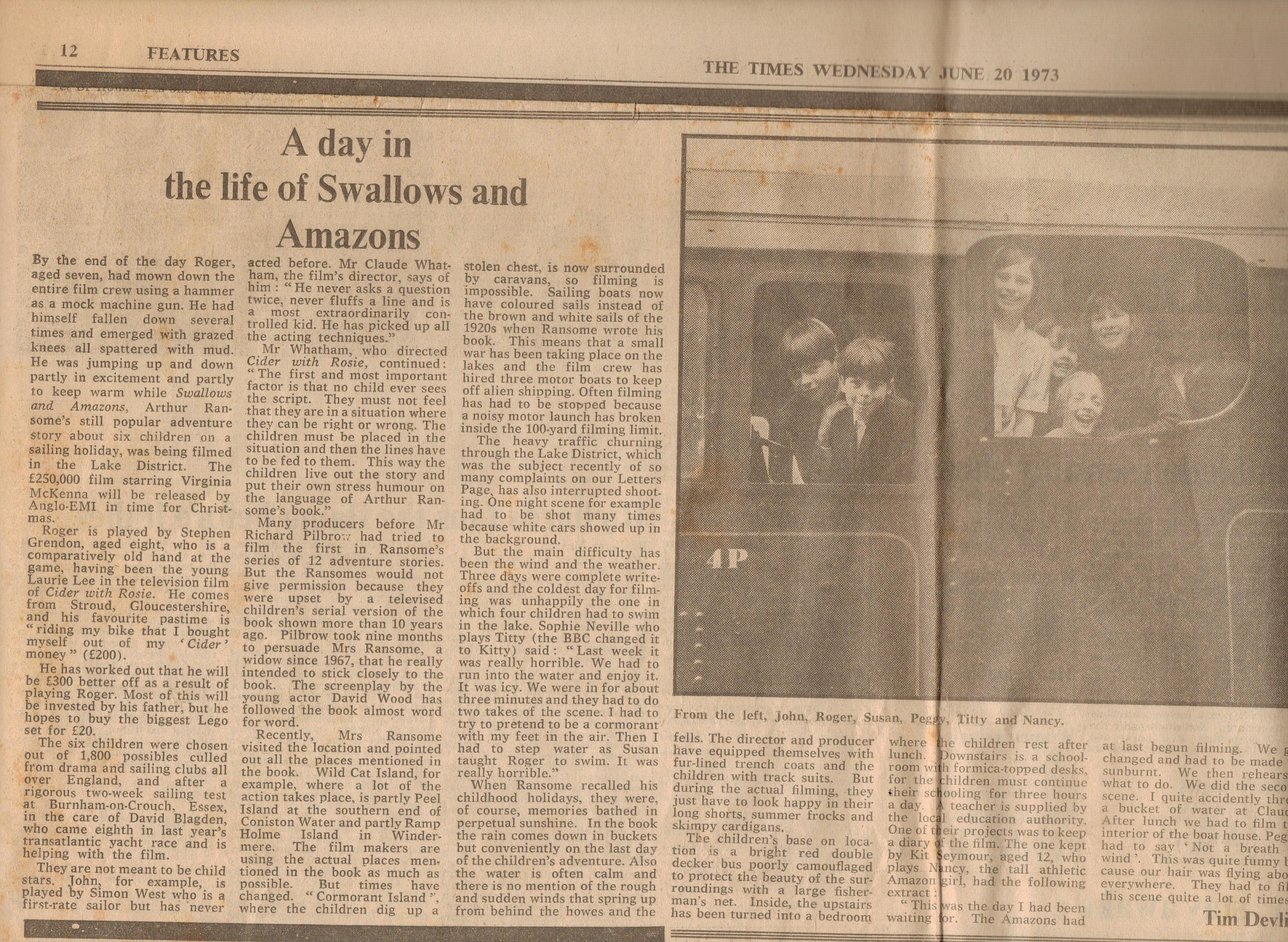
“…it was really horrible,” I told Tim Devlin, of The Times. “We had to run into the water and enjoy it. It was icy. I had to try to be a cormorant with my feet  in the air. Then I had to step water as Susan taught Roger to swim.  We were in for about three minutes and they had to do two takes of the scene. It was horrible.”   This was the day when we shot the swimming scenes ~

24th May 1973

24th May 19731

24th May 19732

The first scene of the day was actually was the one when Titty emerged from her tent in her pyjamas, wiped the dew off the top of a large biscuit tin and started writing her diary. I always regret writing Titania Walker on the cover but I had been contracted to play the part of TITANIA WALKER. My mother, Daphne Neville, who is quite theatrical, loved Shakespeare’s Midsummer Night’s Dream and encouraged me to write out the full name, but I do wish I had simply labelled by notebook ‘Ship’s Log’.

bw Susan and Titty in their tent
Suzanna Hamilton playing Susan with Sophie Neville as Titty busy writing the ship’s log

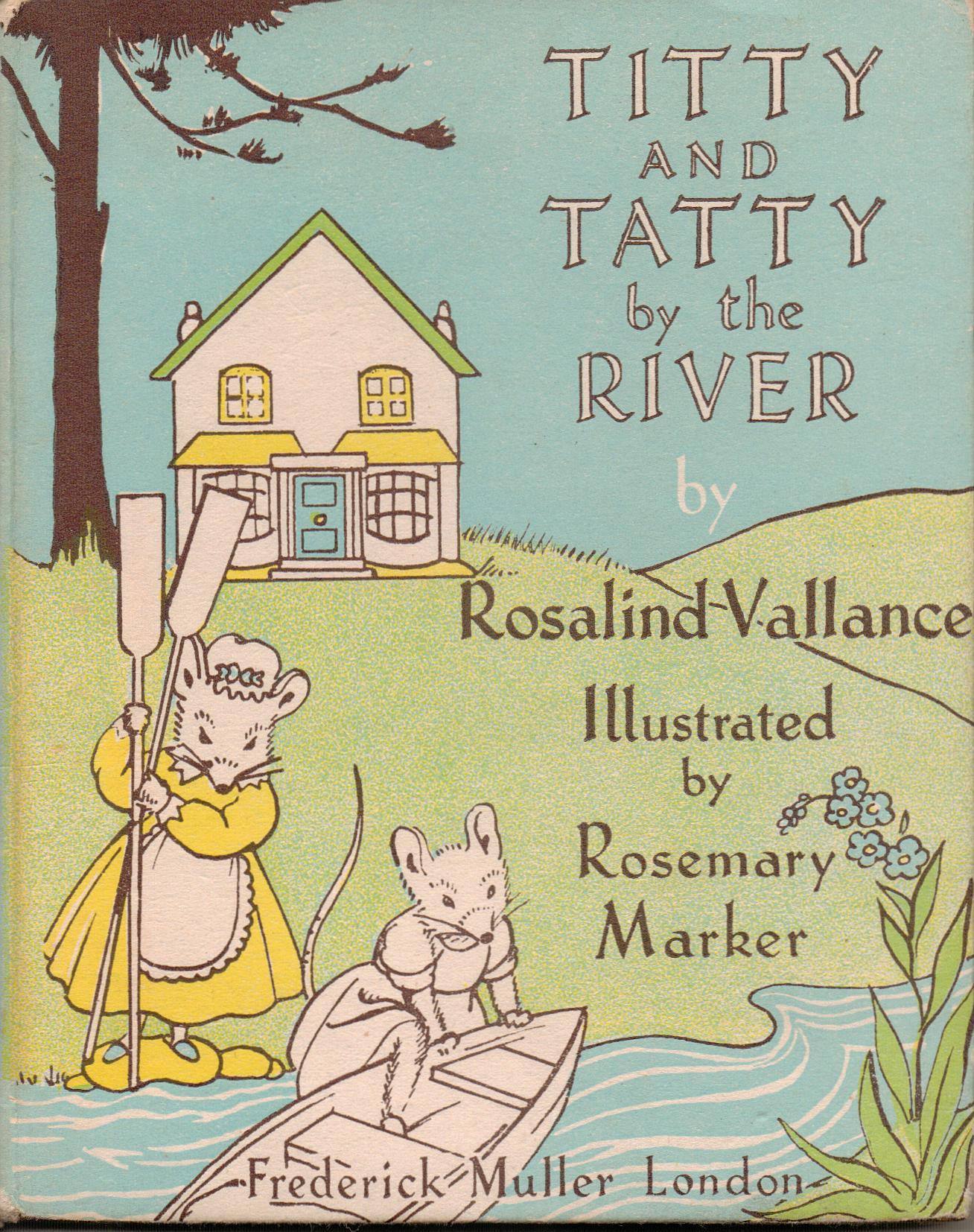
I am told that the real little girl who inspired my character, Titty Altounyan, was given the nickname after reading a horrible story of mousey death entitled Titty mouse and Tatty mouse’  from English Fairy Tales by Joseph Jacobs.  Her family called her Titty mouse, then Titty for short. People were concerned that I would be teased for being associated with a name like Titty, but I never was. It’s a sweet name. However, it seems Arthur Ransome did not object when the BBC altered it to Kitty in 1962, when Susan George played the part. When the 2016 version of ‘Swallows and Amazons’ was made Titty became Tatty and the press had a field day.

Titty and Tatty book

Our knitted swimming costumes, with their little legs were a real novelty to us. I do wish mine hadn’t been red. It was such a cold, grey day I went blue. I remember the entire crew were clad in overcoats – even parkers with fur lined hoods. Looking back it was silly to have gone ahead with the scene in May. Child cruelty.

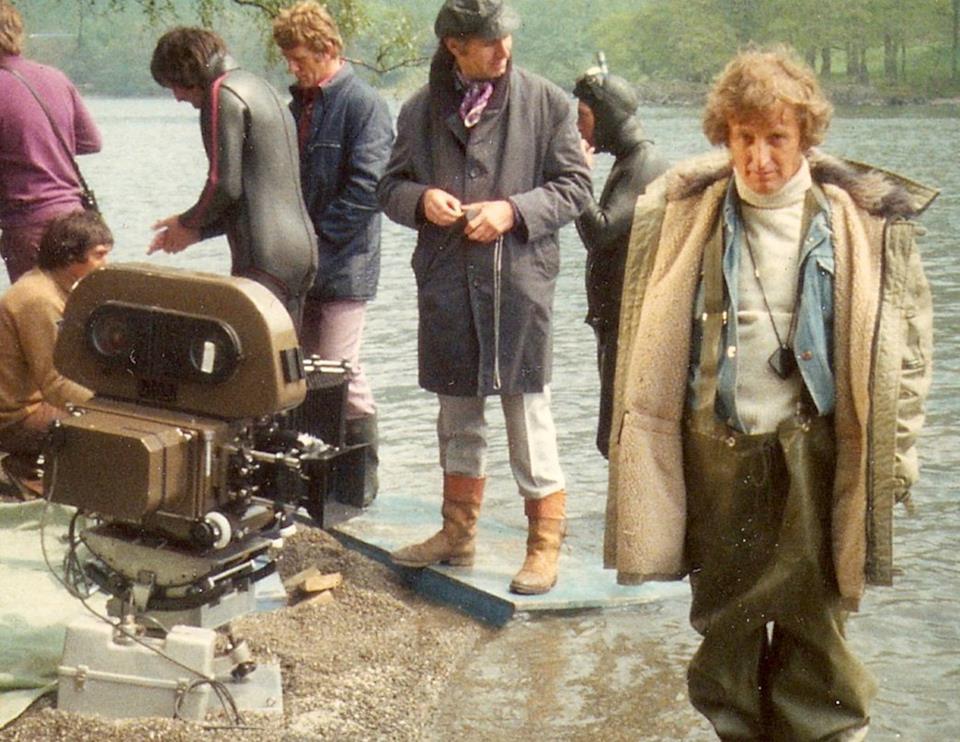
35m Panasonic, Eddie Collins the Camera Operator in (wet suit), Dennis Lewiston the DOP (in cap) Claude Whatham the Director (in waders) on Peel Island, Coniston Water ~ photo: Richard Pilbrow

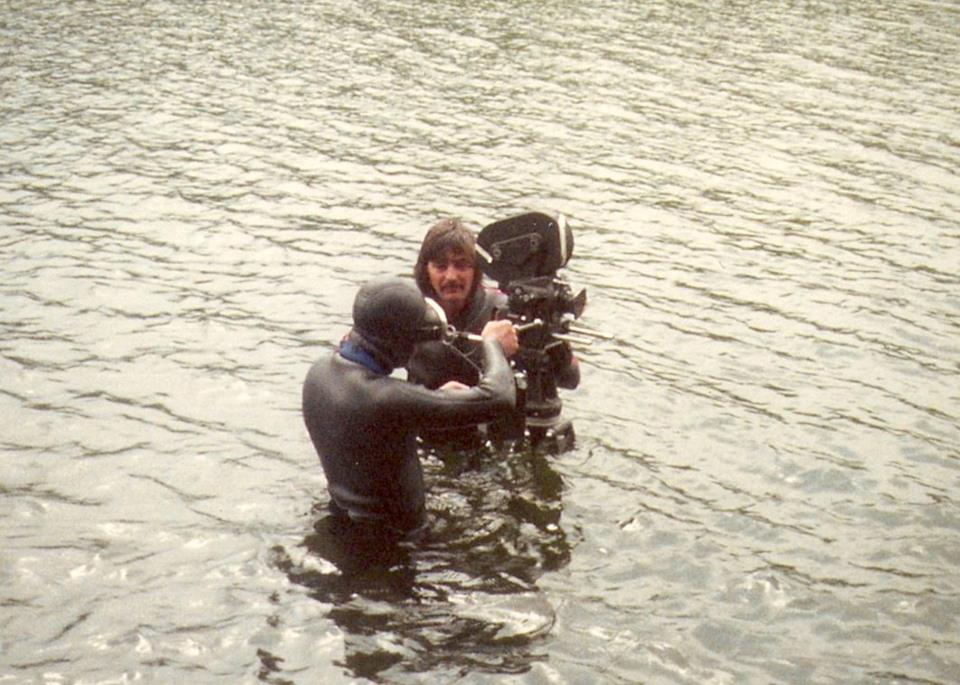
The director, Claude Whatham shot the scene using two cameras. The continuity would have been impossible otherwise. Eddie Collins the camera operator had a 16mm camera in the water with us. He was being steadied by another chap in a full wet-suit. Fitted neoprene was quite an unusual sight back then when divers were known as frogmen.

Filming the swimming scene
Eddie Collins operating the 16mm camera to capture the pearl diving scene ~photo: Richard Pilbrow

Suzanna Hamilton, who played Susan, did well but it simply wasn’t possible to pretend we were enjoying ourselves.  My rictus smile was not convincing. Later on in the summer the Lake District became so hot that we begged to be taken swimming in rivers on our day off. I wish we had re-shot the scene in July with an underwater camera capturing my pearl diving antics. I was a good swimmer. I still love snorkelling – but only in warm seas. As it was, I had to be extracted from Coniston Water by Eddie’s frogman. I’d almost passed out.

Sophie Neville in 1973 attempting to strangle Terry Smith the Wardrobe Master on ‘Swallows and Amazons’

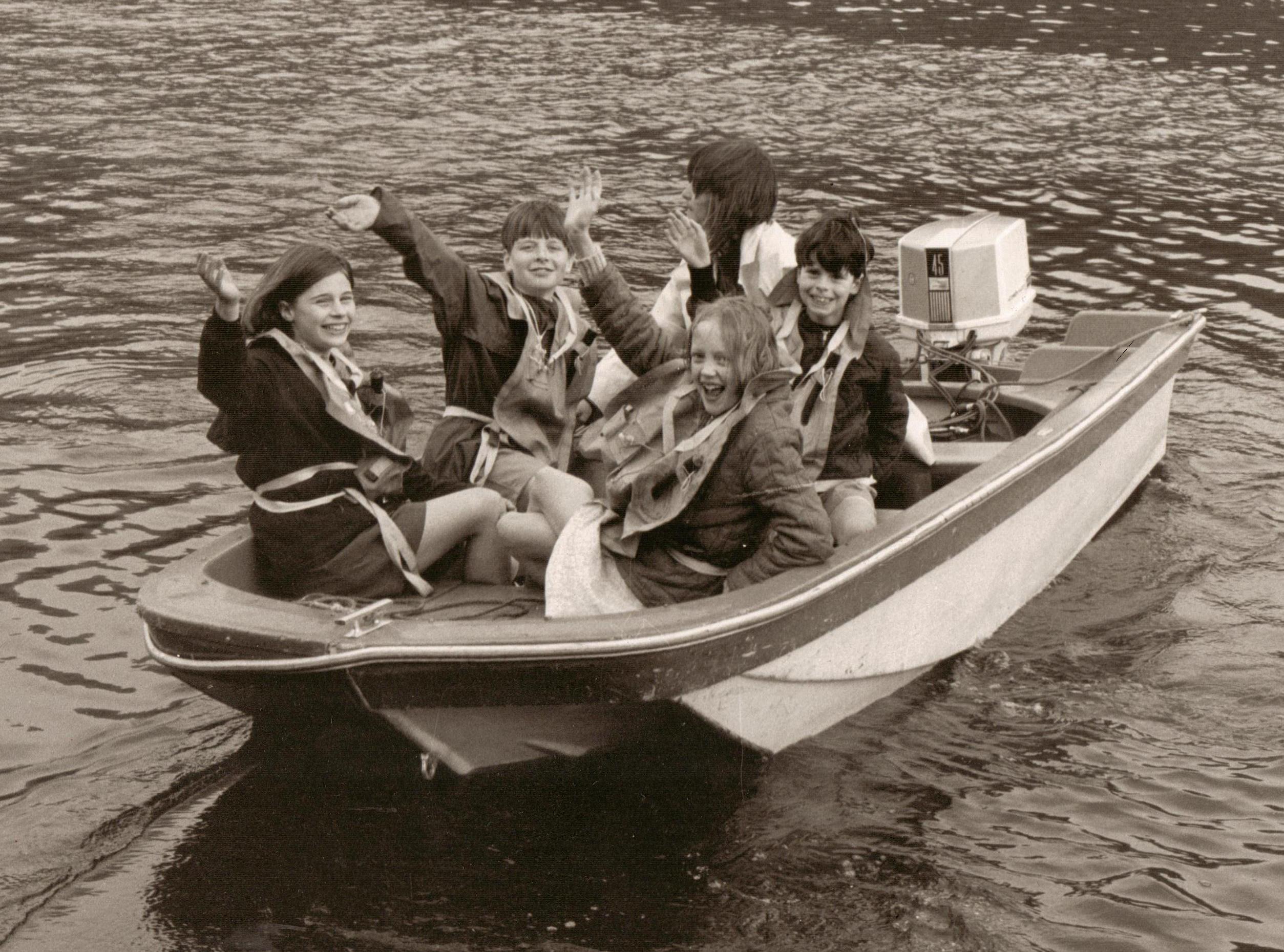
Quite a few people almost learnt how cold we had been for themselves later that day in May. The boats used to ferry us back and forward to the island were blue Dorys with outboard motors. You don’t want to have too much weight in the bows of those boats. Water can come in very quickly.

You can read the whole story here:

Holly Howe on the 5th day of filming ‘Swallows and Amazons’ near Coniston in 1973 ~

Holly Howe or Bank Ground Farm ~

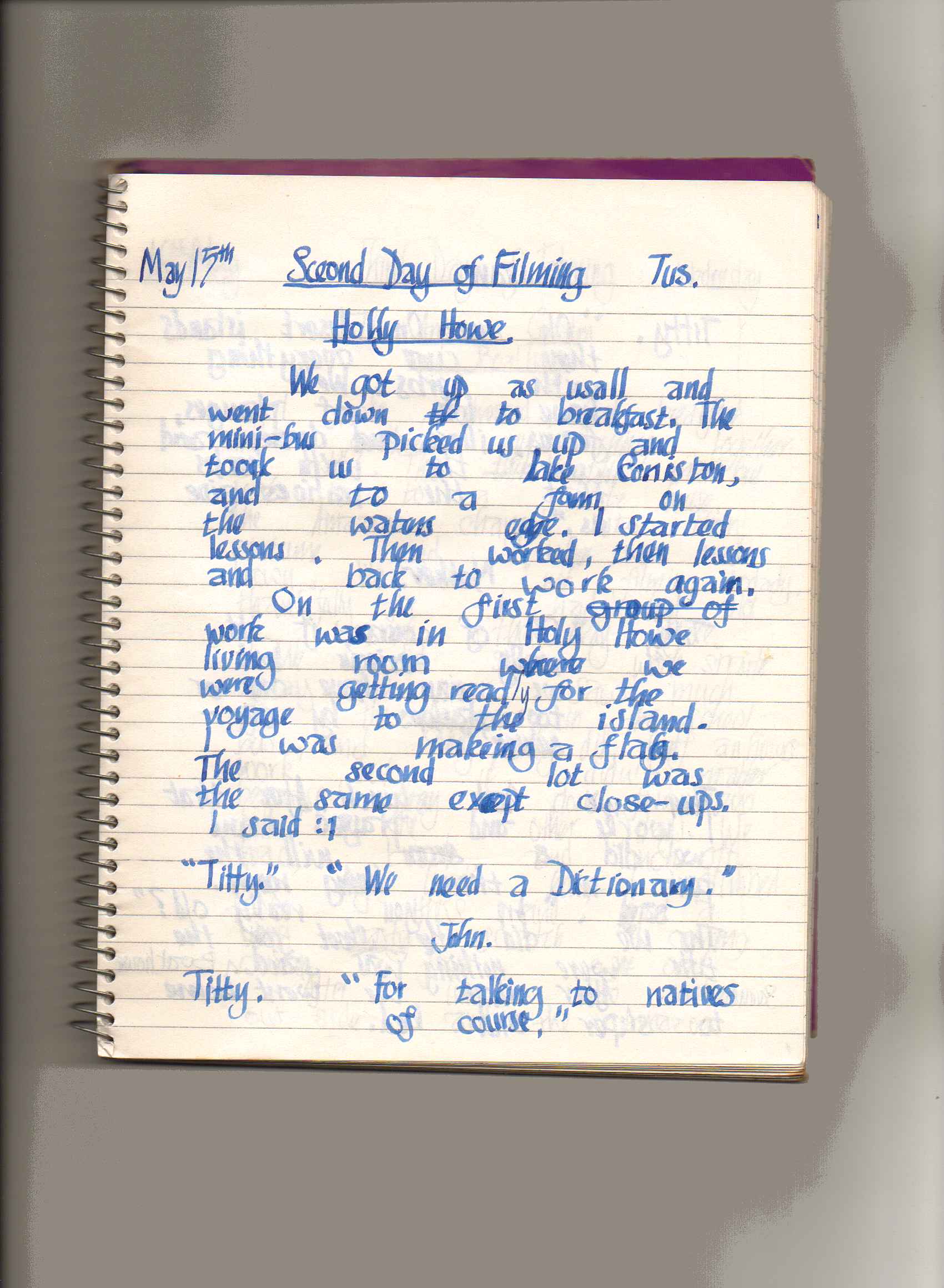
My diary

Lesely Bennett's photo of the double decker buses at Bank Ground Farm in 1973

Fifty years ago in the Lake District

My diary

When you next go to Bank Ground Farm you must stand outside the front door and imagine the sight of two red London Route Master buses making their way down the drive back in 1973. They swayed from side to side.

We thought it comic. I still can’t work out how they managed to avoid how bringing down the dry stone walls. While sheep grazed outside in the rain, we made ourselves comfortable at the Formica tables in one of these converted buses and got down to our lessons.

Bank Ground FArm above Coniston Water in Cumbria

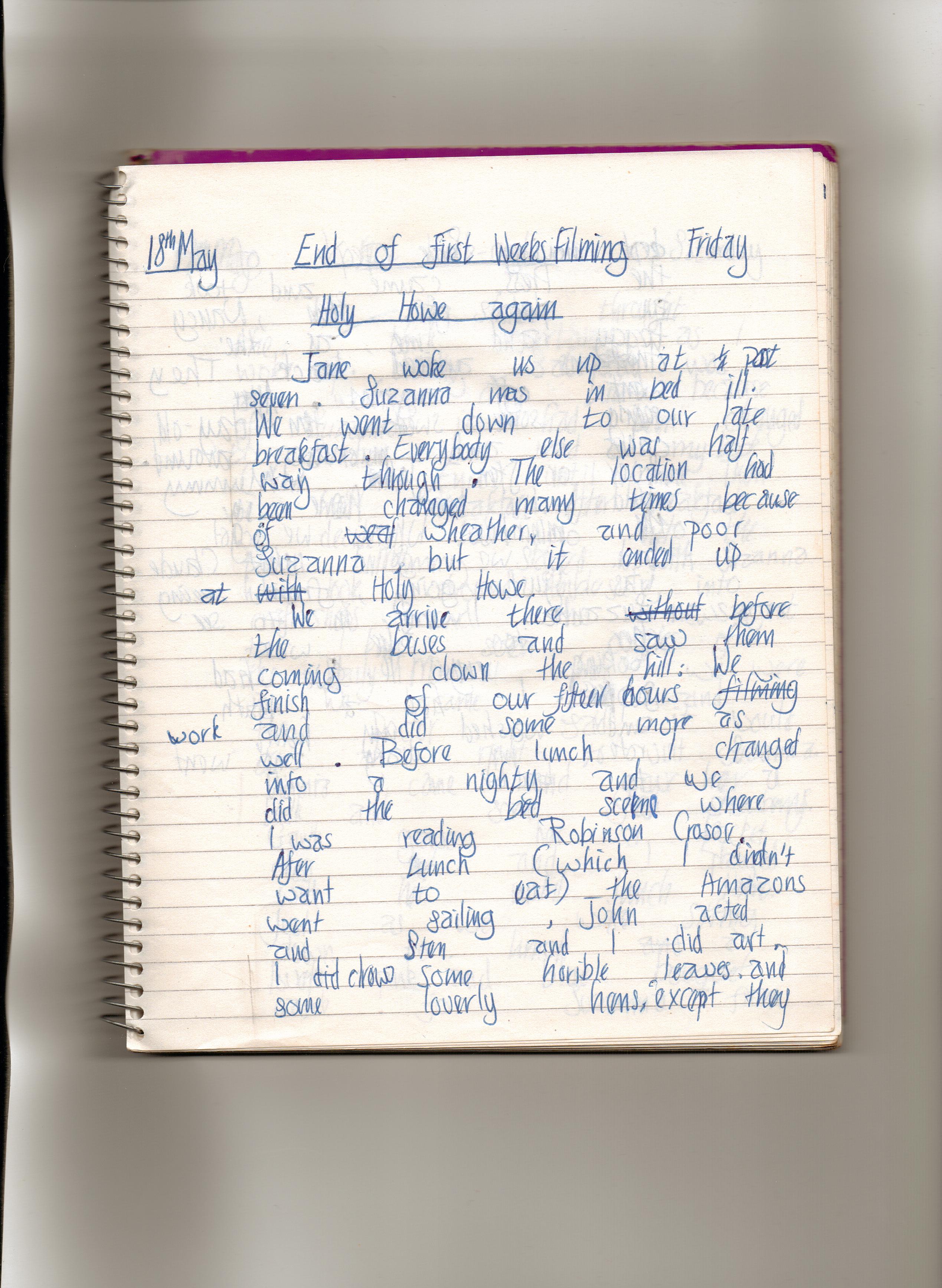
Meanwhile Ian Whittaker, the set dresser, and Simon Holland, the art director on ‘Swallows and Amazons’, transformed Mrs Batty’s upstairs rooms into the Walker children’s bedrooms of 1929. I changed on the top deck of our bus and was rushed through the rain with a coat over my nightie to the magical atmosphere of the film set. This was warmed by arc lights. Everyone became focused what was just in front of the camera: me reading an early edition of Daniel Defoe’s classic book, Robinson Crusoe. The director, Claude Whatham needed to establish that he was Titty’s hero. I can remember having to hold the book in special way so the cover could be seen clearly.

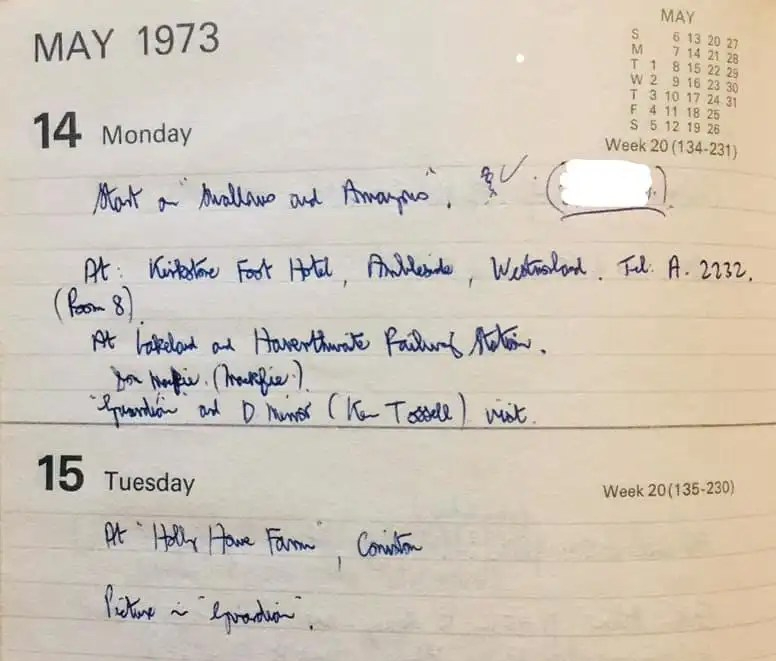
You can see that in my diary, I described this as ‘a bed scene’, which might amuse some actors, especially those who are not at all keen on doing bed-scenes (every actor I know). The beds themselves are probably still at the farm.

The LP
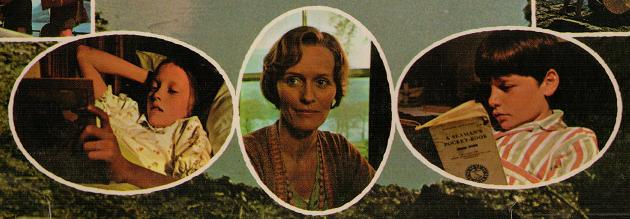
Sophie Neville, Virginia McKenna and Simon West on the cover of the ‘Swallows and Amazons’ LP, which is still available on Amazon.co.uk

They may have shot the scene where Captain John is learning Morse Code in the same room. Simon West then had to be made very brown indeed, the Make-up Designer dabbing away with a tiny sponge. This was for the uneasy sequence, much later in the story, when he returned to Holly Howe to explain himself to his mother. This was shot with Virginia McKenna writing letters at a desk in the square bay window, with the view of Coniston Water beyond. I had used it when stitching Swallow’s flag in the scene recorded the day before.

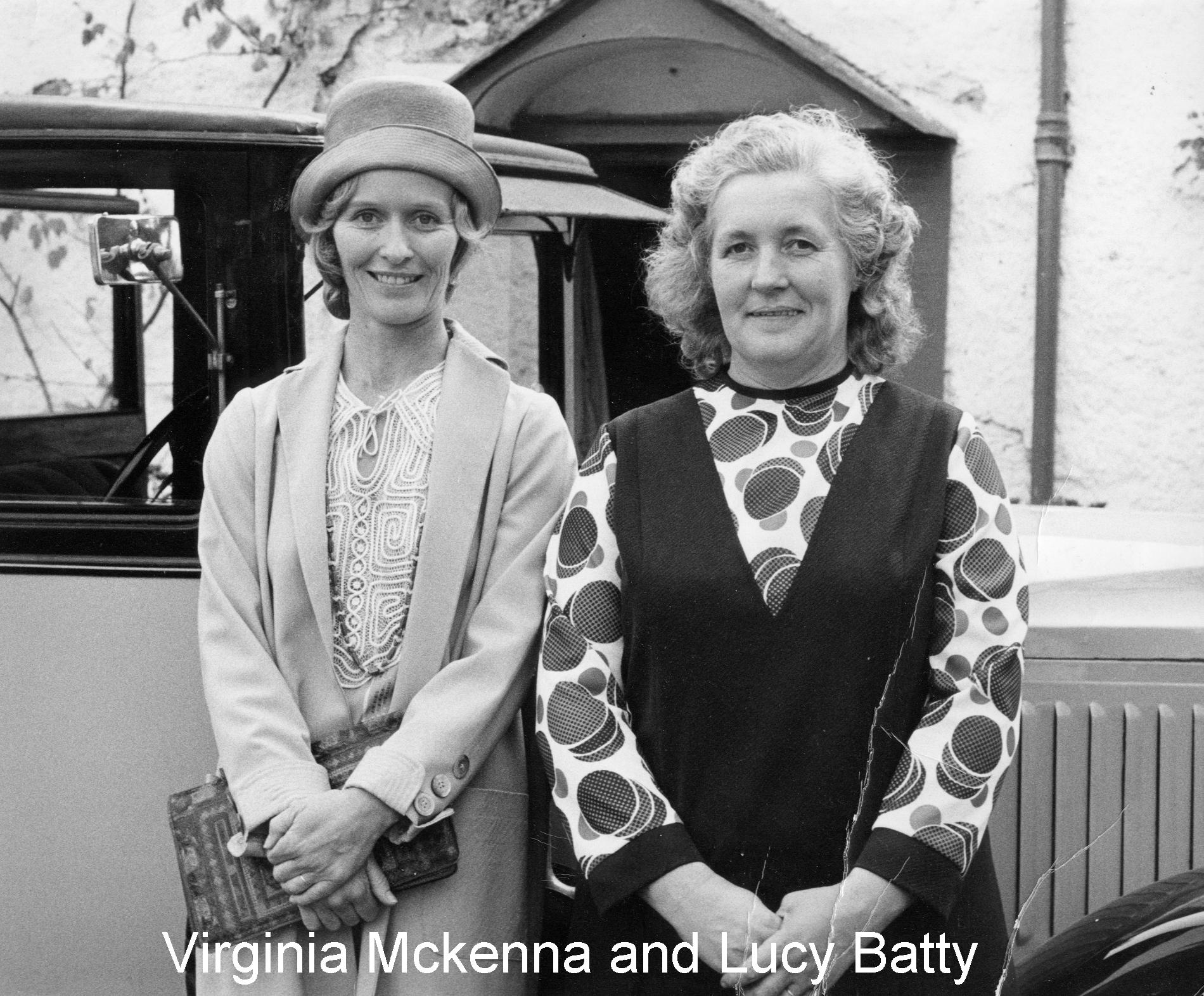
Virginia McKenna and Lucy Batty at Bank Ground Farm on 15th May 1973

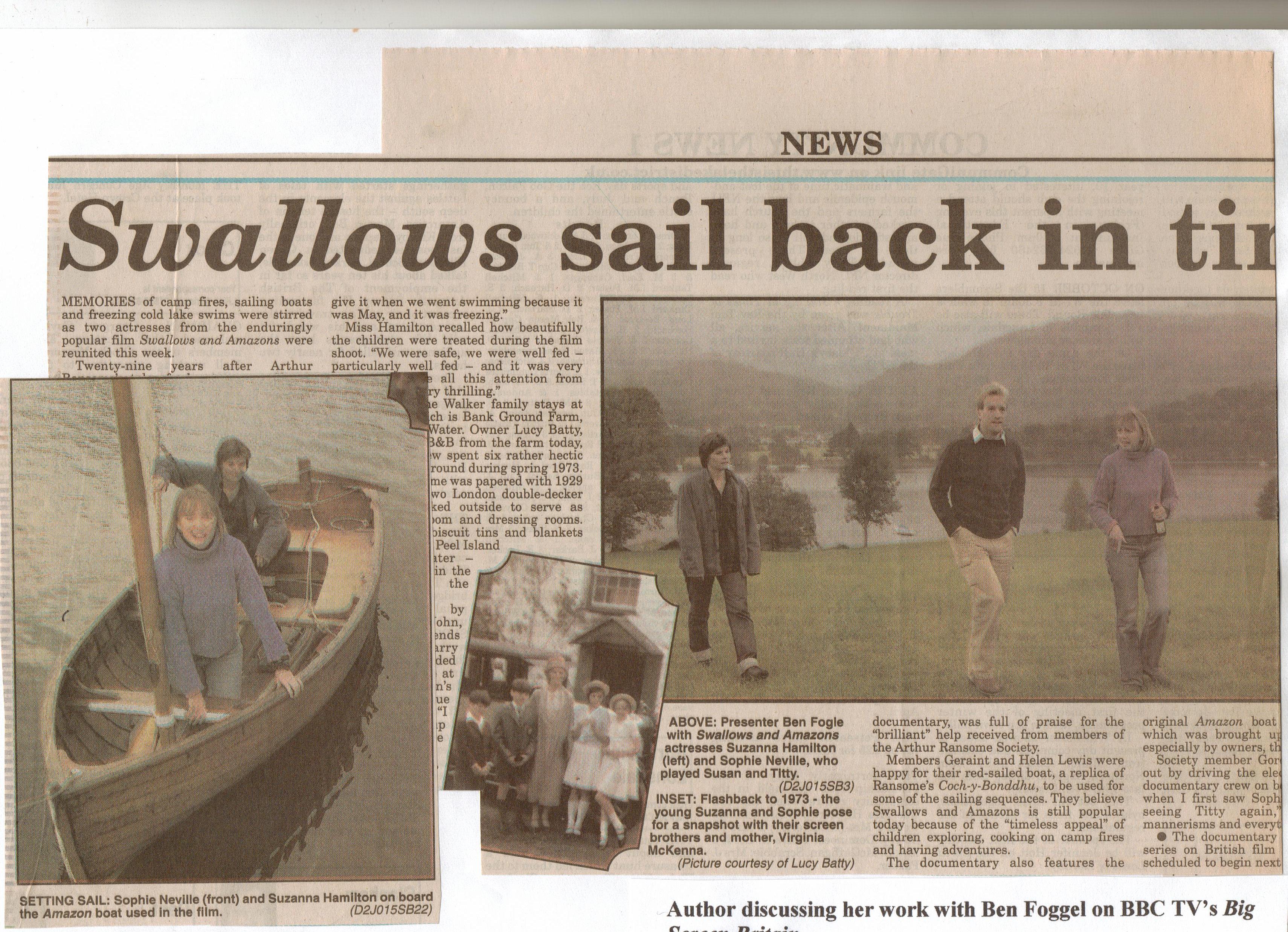
Mrs Batty later told me that the bay window leaked terribly and that she was glad to get rid of it. She built a lounge area in its place, which became a dedicated Swallows and Amazons room. I’d been chatting to her back in 2002 when we were waiting for Ben Fogle and the BBC crew of Countryfile. They had been looking for other locations used in the 1974 film before a planned interview with me and Suzanna Hamilton, who had played my sister Susan. I remember Suzanna’s train had been terribly delayed.

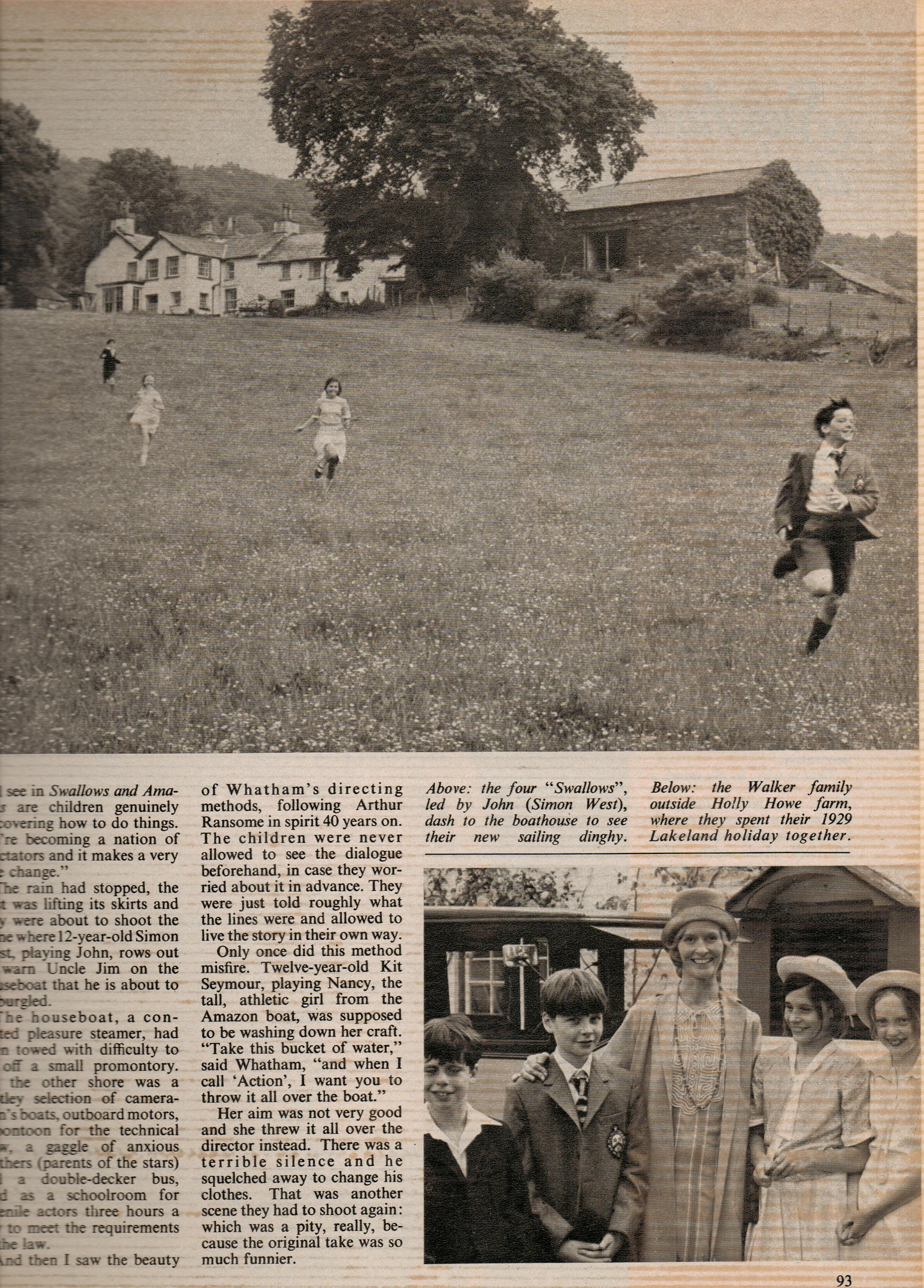
We’d  waited and waited and waited. It got later and later. When Suzanna’s taxi finally arrived, I was so excited to see her that I encouraged her to run down to the lake as we once had as children.

Homes and Gardens April 1974
Sten Grendon, Simon West, Virginia McKenna, Suzanna Hamilton and Sophie Neville on location at Bank Ground Farm in 1973

The Countryfile director must have been at her wit’s end. Ben Fogle came down to fetch us. My excuse was that Suzanna needed a stretch after her a long journey from London.

CountryfileThe Westmorland Gazette captured the three of us plodding back up the field.I did the whole interview holding a bottle of grog, given to me by Arthur Ransome fans who were staying at the farm. You can see it in the photographs if you look closely. I don’t think Ben knew what it was.

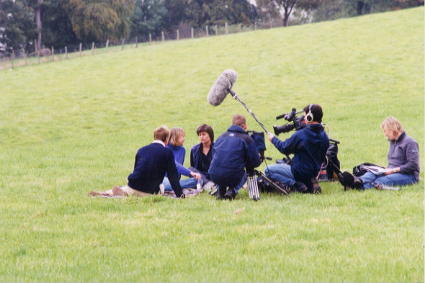
Ben Fogle, Sophie Neville, Suzanna Hamilton and the BBC crew recording Countryfile at Bank Ground Farm in October 2002

My father’s 16mm home movie footage of the making of Swallows and Amazons was cut into this interview with such success that the documentary was re-shown on Big Screen Britain  along with other landscape movies such as Whistle Down the Wind and The Dambusters.

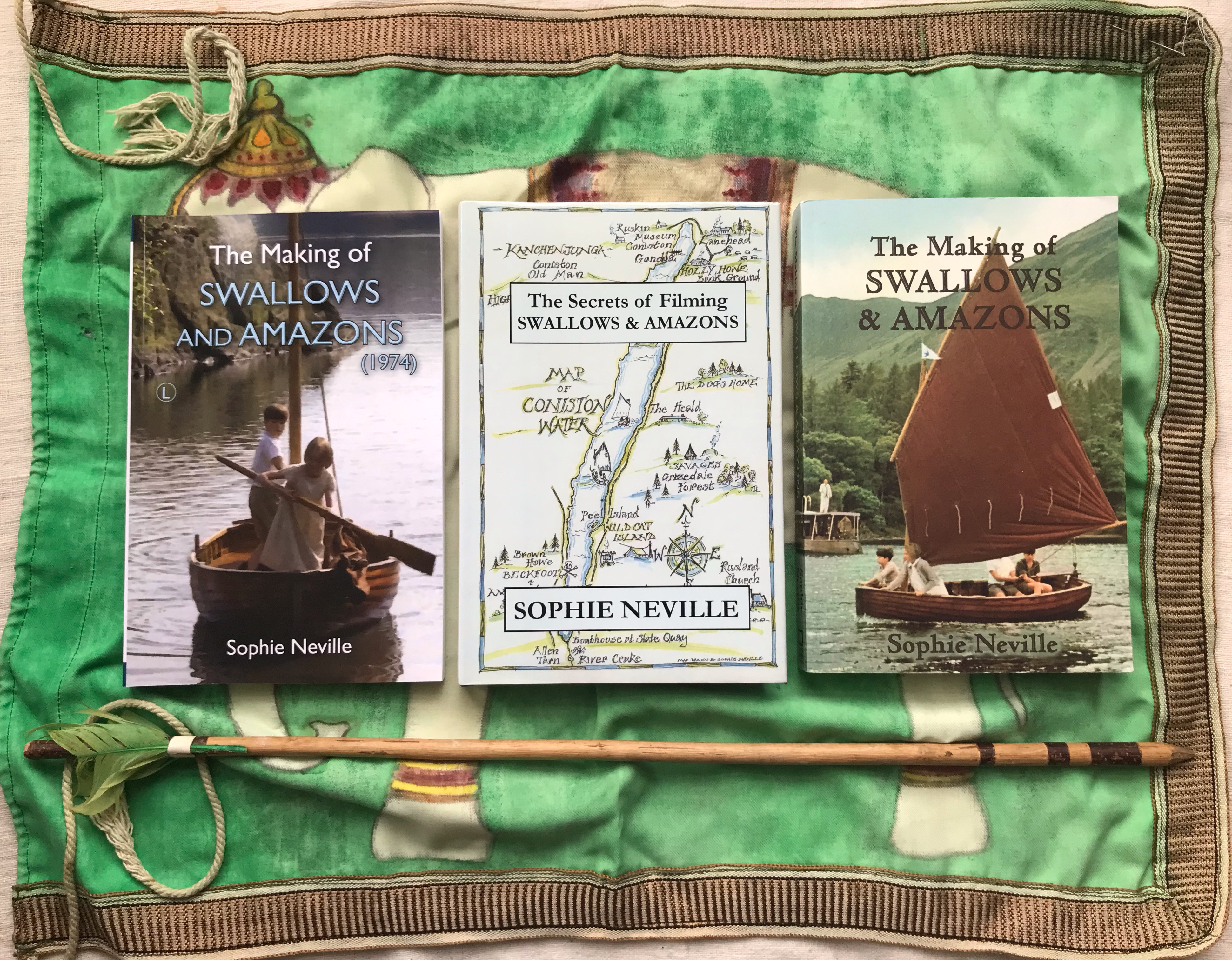
You can find out more in the paperback ‘The Making of Swallows and Amazons’ or here on Kindle where the first section can be read for free:

Filming ‘Swallows and Amazons’ at Bank Ground Farm in Cumbria in 1973

If you take the East of the Lake road along Coniston Water you will find Bank Ground Farm. It lies between Brantwood,  John Ruskin’s former home, and Lanehead where Arthur Ransome’s friends the Collingwoods lived. Ransome was particularly good friends of Dora Collingwood, who married an Irish-Armenian doctor keen on sailing called Ernest Altounyan. They went to live in Syria but every five years or so would bring their children to visit their Grandparents for the holidays, once staying at Bank Ground Farm next door. Ernest bought two 14 foot sailing dinghies called Swallow and Mavis in which his family learnt to sail.

It was for the five Altounyan children, Taqui, Susie, Titty , Roger – and Bridget, the ships’s baby, that Arthur Ransome wrote Swallows and Amazons after they gave him a pair of bright scarlet Turkish slippers as a birthday present. I don’t think I knew that Titty was a real girl when I played her in the film, but I did know her character in the books and felt rather bad that I didn’t have her thick dark hair evident in Ransome’s illustrations.

Arriving at Holly Howe
Claude Whatham with Virginia McKenna ~ photo: Daphne Neville

Bank Ground Farm is much smarter now. Lucy Batty, who let us take over her home in 1973, has passed on but the farm is run by her grandson Jonathan. You can stay in the main house, where there is a lovely corner bedroom with views down Langdale, or take a self-catering flat, since they have been able to convert the barn and stables into further accommodation.

Bank Ground Farm the location used for Holly Howe

I’ve just received post from Peter Willis of The Nancy Blackett Trust who said, “I stayed at Bank Ground in the summer – it was utterly lovely, exactly as it ought to be – Jonathan Batty and his wife are really hospitable, and one of the great pleasures was the friendliness and interstingness of the other guests, who included a Japanese Ransome fan. Do have dinner if they’re doing it. Food’s great, but so’s the sociable atmosphere.”

16th May 1973

15th May 1973

Int: Holly Howe ~ Bank Ground Farm near Coniston

It was grey and raining in the Lake District on 15th May 1973. Instead of filming the scene when Roger tacks up the field, Denis Lewiston, the Director of Photography, lit Mrs Batty’s living room at Bank Ground Farm for an evening scene. Simon Holland, the art director, had dressed the room in the style of a Cumbrian farmhouse in the 192os with working oil lamps. Bob Hedges, the prop master, brought in all the camping gear we were to be packing while Virginia McKenna was having her hair done up and we had lessons in our red double-decker bus. Then we recorded a scene, the dialogue of which was never used in the finished film.

Int/Ext: Holly Howe

Int/Ext Holly Howe
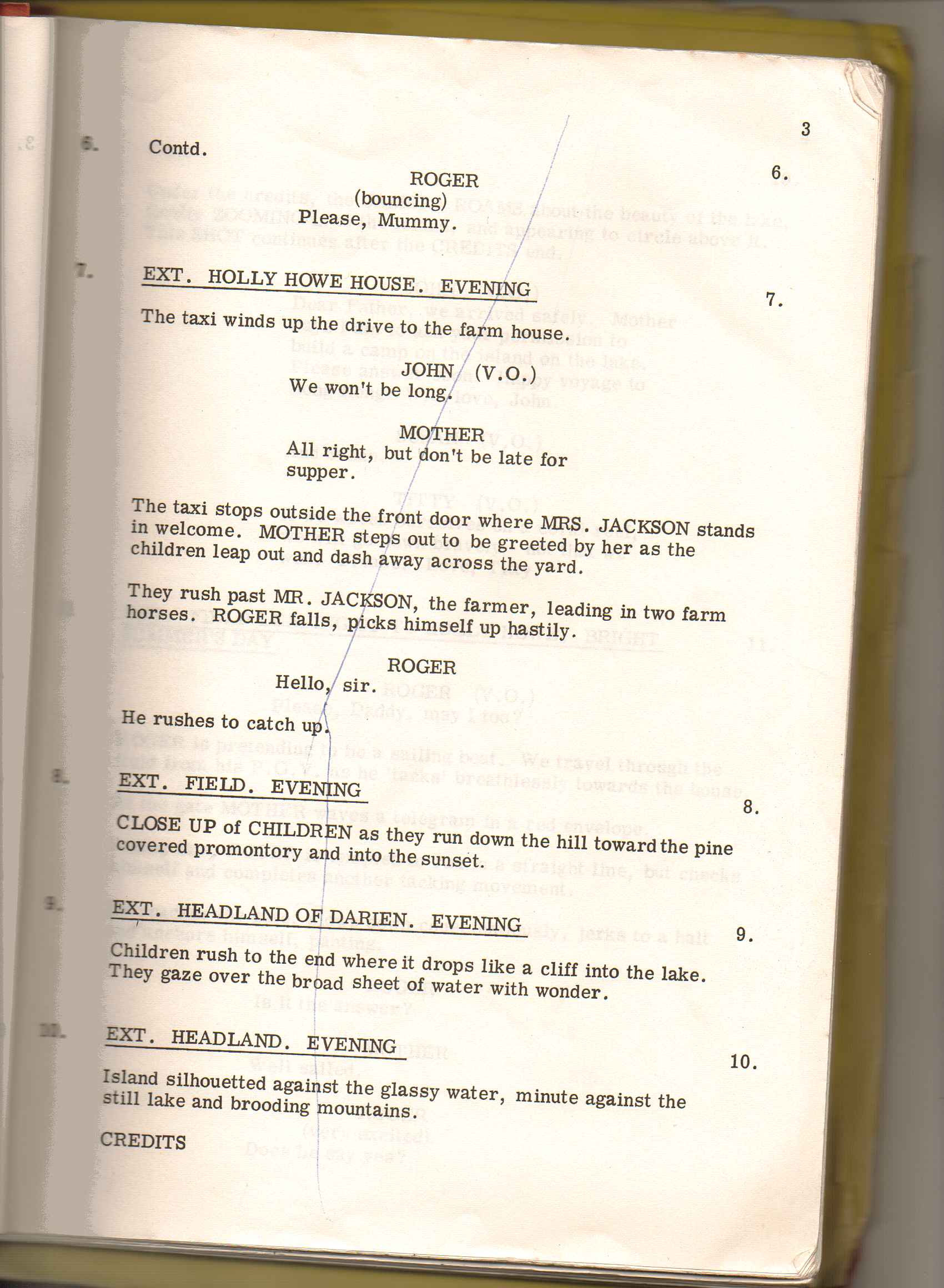
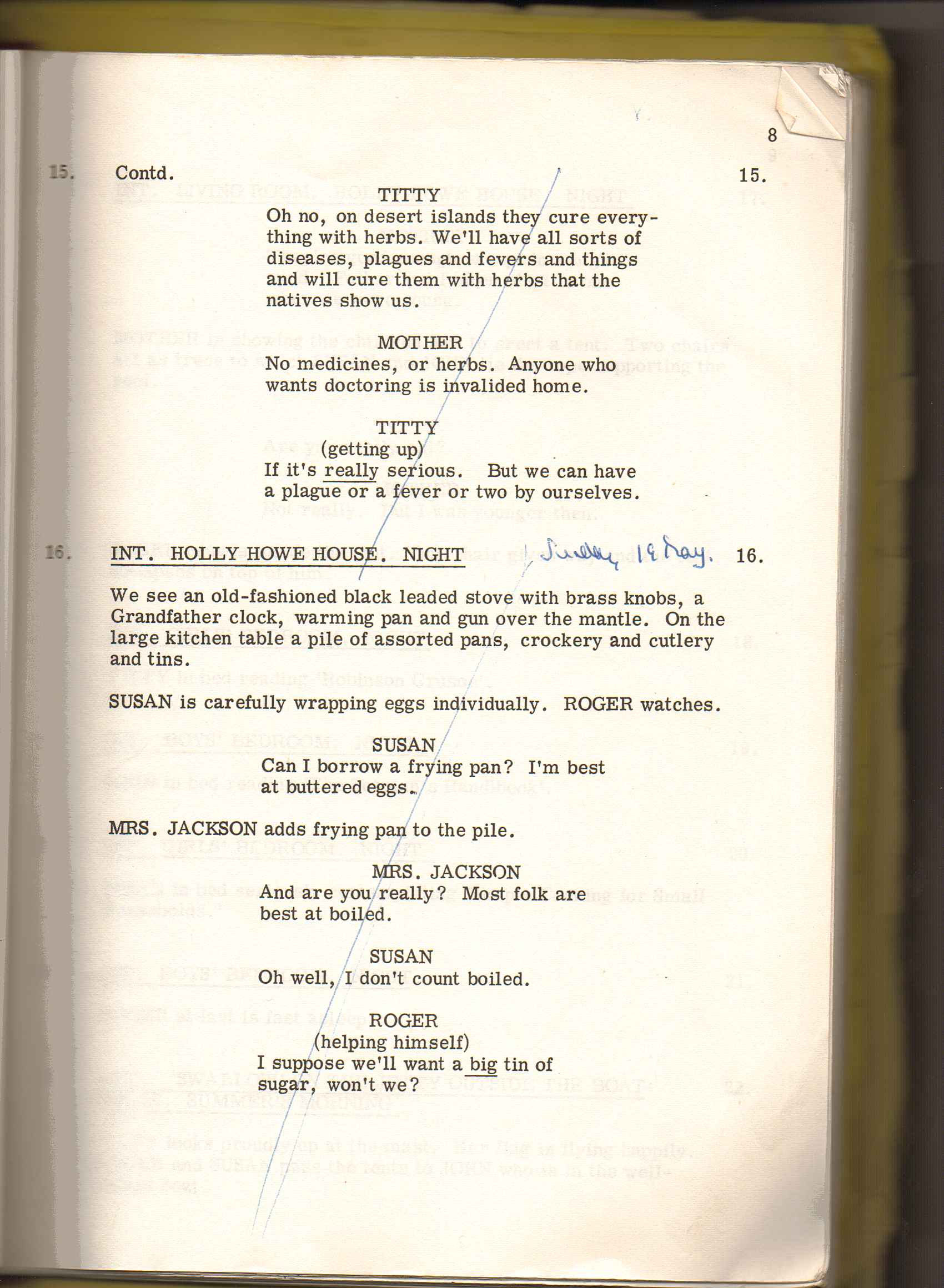
The Screenplay: David Wood’s adaptation of Arthur Ransome’s book ‘Swallows and Amazons’

You do see Susan packing bars of soap and me making heavy weather of sewing our flag, my hair pinned back in a hideous way, with rather a modern reel of white cotton lying on the desk.  John packed the telescope in a biscuit tin, which now seems a mistake as we used it on the voyage, very much not in a tin, but then one always re-packs many times before an important trip.

Virginia McKenna with Sophie Neville in 1973
Virginia McKenna, as Mary Walker with Sophie Neville playing her daughter Titty Walker busy stiching Swallow’s new flag in preparation for the voyage to the island

After lunch, we shot the scene when Mother is teaching us how to erect a tent on rocky ground, as she did with Father when they were young. Titty asks if she is really old.

‘Not really. But I was younger then,’ Virginia McKenna replied looking dubious.

This is rather how I feel now, all these years later, especially when I walk into a room when people are expecting me as Titty. I’m not really old, but I do look different from when I was only twelve. This always happens when I return to Bank Ground Farm. Everyone is a bit taken back by my height but say I sound just the same. And I am married now with a family of my own. It is a bit like when Peter Pan flew back to see Wendy and found she looked just like her mother – not least because in the play the adult Wendy is always played by the actress who formerly takes the role of Mrs Darling.

Sophie Neville
Simon West, Sophie Neville and Suzanna Hamilton in the 1974 film of ‘Swallows and Amazons’

I was standing outside the front door of Bank Ground once, talking to Lucy Batty, when two Japanese girls arrived to stay at the farm. Fans of the film, they looked up at me and declared, ‘Ooo Titty!’ clasping their hands together in greeting. They had come from the other side of the world and yet recognised me immediately. Perhaps I haven’t changed that much after all.

The Walker family finding Swallow at Holly Howe

The weather must have cleared up a bit by teatime on 15th May as we recorded the scenes in the boat house when John discovers Swallow, brings her out to the stone jetty and steps the mast. They must have had to take the generator down to the lakeside as I’m pretty sure that the sunlight comes from an arc-lamp. Suzanna got her shorts wet as she pushed out the clinker-built dinghy but we loved being by the water.

You can read more in ‘The Making of Swallows and Amazons’ available online and to order from bookshops and libraries. It is now available as an audiobook.

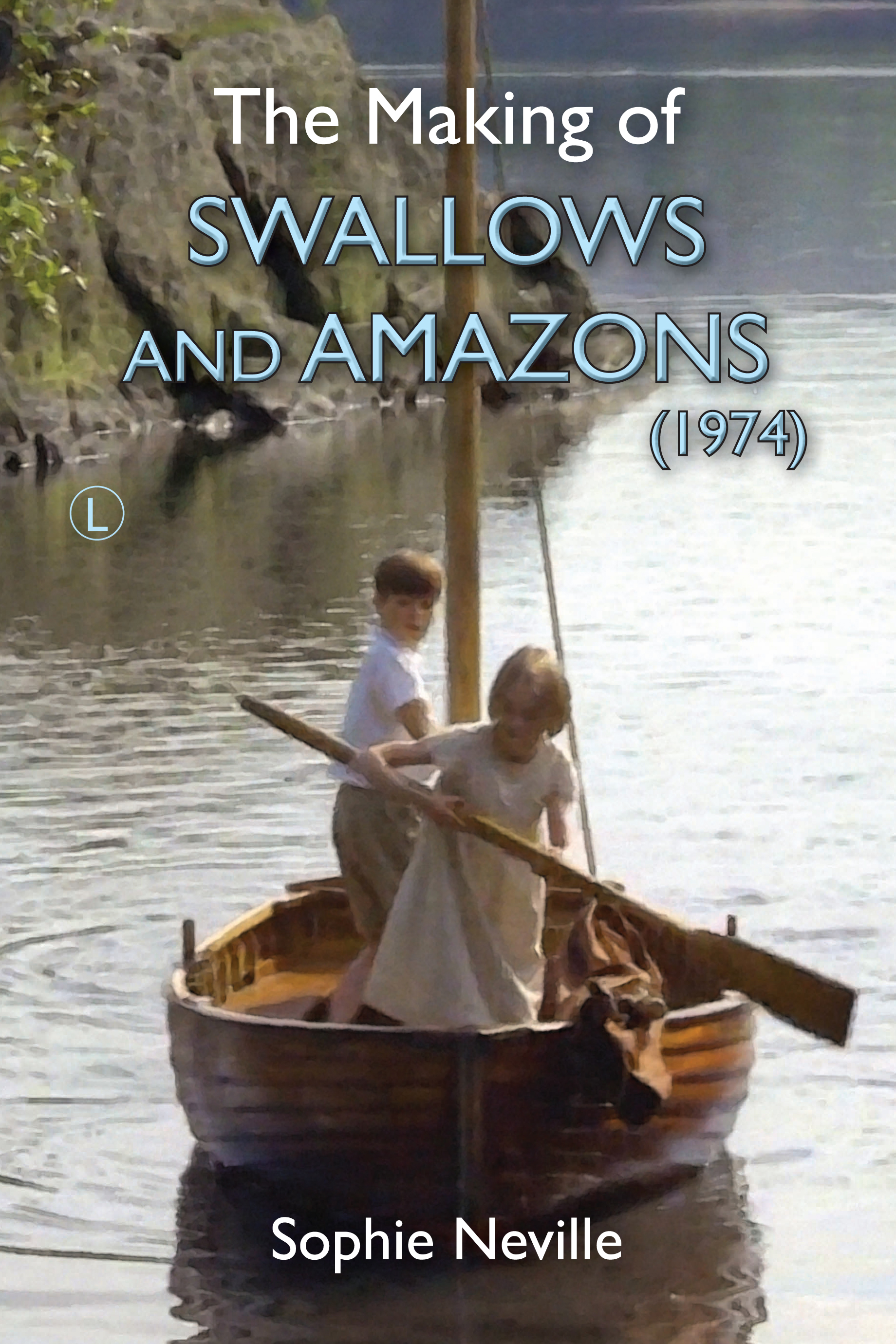
'The Making of Swallows and Amazons (1974) by Sophie Neville'
Different editions of ‘The Making of Swallows and Amazons (1974) by Sophie Neville’

‘Swallows and Amazons’ (1974) the opening locations of the classic film

14th May 1973 – and it was the first day of making the original movie ‘Swallows & Amazons’ on location in the Lake District. A huge effort had been made to ‘dress’ Haverthwaite Railway Station, at the southern end of Windermere. The aim was to bring across the feel of a bustling holiday destination in the summer of 1929. Local people had been fitted with costumes in the Ambleside Church Hall, there was a horse and cart, porters’ trolleys laden with trunks and a number of old bikes, which were all of great interest to us.

Sten Grendon, Suzanna Hamilton and Sophie Neville

Having stepped down from the steam locomotive, where the Times photographer must have taken this shot (below) before we children were piled into an open-topped period vehicle, for further photographs.

An article in The Times 1973
A photograph taken for The Times of us all aboard the steam train at Haverthwaite

I thought the publicity photographs taken that day were silly, especially since Kit Seymour and Lesley Bennett, who played the Amazons, were wearing ordinary clothes rather than period costumes, but the results were later published far-afield from The Guardian to Woman’s Realm.

Viewers ask how old we were at the time. Sten Grendon, who played Roger was aged 8, Simon West (John) was aged 11. Although Titty is described as being aged 9 in the books, I was 12, as were Suzanna Hamilton (Susan) and Kit Seymour (Nancy). Lesley Bennett (Peggy) was 13, but looked younger. Virginia McKenna, who played my mother, has just been awarded a DBE – not before time!

With Virginia McKenna on the first day of filming
A publicity shot featuring Virginia McKenna, with Kit Seymour, Steven Grendon, Sophie Neville, Lesley Bennett, Simon West and Suzanna Hamilton, taken on the first day of filming and published in the Guardian and other newspapers

The yellow motor used in the film for our taxi was superb. Would a real Lakeland taxi have been so grand? I recorded in my diary that Sten, playing Roger, hung out of the window as the director, Claude Whatham, ‘filmed us driving out of the station, along the platform at top speed.’

Once this shot was ‘in the can’ Virginia McKenna was interviewed by journalists while we were hurried away to get on with our lessons. Our tutor taught us Art. I drew the a picture of the motor car.

Director Claude Whatham talking to Virginia McKenna

Journalists from the Times, Guardian and Daily Mirror were looked after by our publicist, Brian Doyle, whose diary was a little more functional than mine. I’m now struck by the telephone number for the unit hotel: Ambleside 2232

Brian Doyles Diary of Swallows and Amazons
Dairy kept by Brian Doyle, the publicist on ‘Swallows and Amazons’

Arriving at Holly Howe in the taxi was truly exciting. It was not filmed the next day, as I think rain had set in. Claude waited for good evening light. But I remember the thrill of drawing up outside the farmhouse in the old car and pulling on my hat as we spilled out and ran past the big farm horses Mr Jackson was leading into the yard. Our OOV (out of vision) dialogue was added later.

The screenplay of the 1973 film ‘Swallows and Amazons’ adapted from Arthur Ransome’s book by David Wood

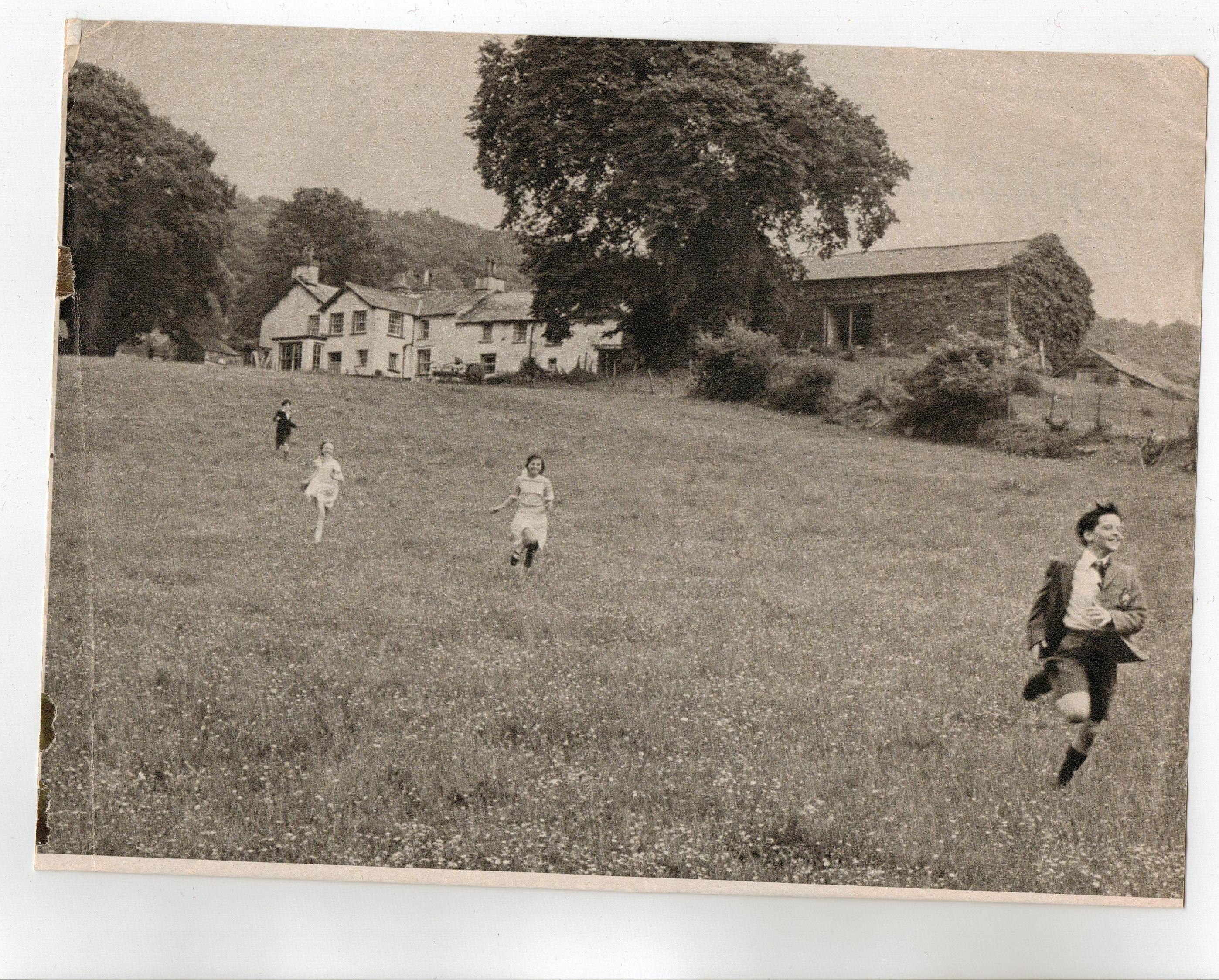
If you ever go to Bank Ground Farm near Coniston, named Holly Howe by Arthur Ransome in his books, you must run down the field to the lake as we did. As soon as you arrive. And at top speed. And you will be filled by the same feeling of elation as we were when we played the Walker children.

Bankground Farm
Steven Grendon, Sophie Neville, Suzanna Hamilton and Simon West at Bankground Farm above Coniston Water in the Lake District

The slope, formed by glacial scouring and subsequent deposits long ago, is steeper than you might think.  We became adept at the art of glaumphing, advocated by Ransome in the book.

What struck me when I returned to Bank Ground Farm one Spring, was that sadly the great trees have gone from around the old farm gate and the boatsheds down by the lake.  They must simply have reached the end of their lives, but their glory was captured on celluloid to be remembered forever.

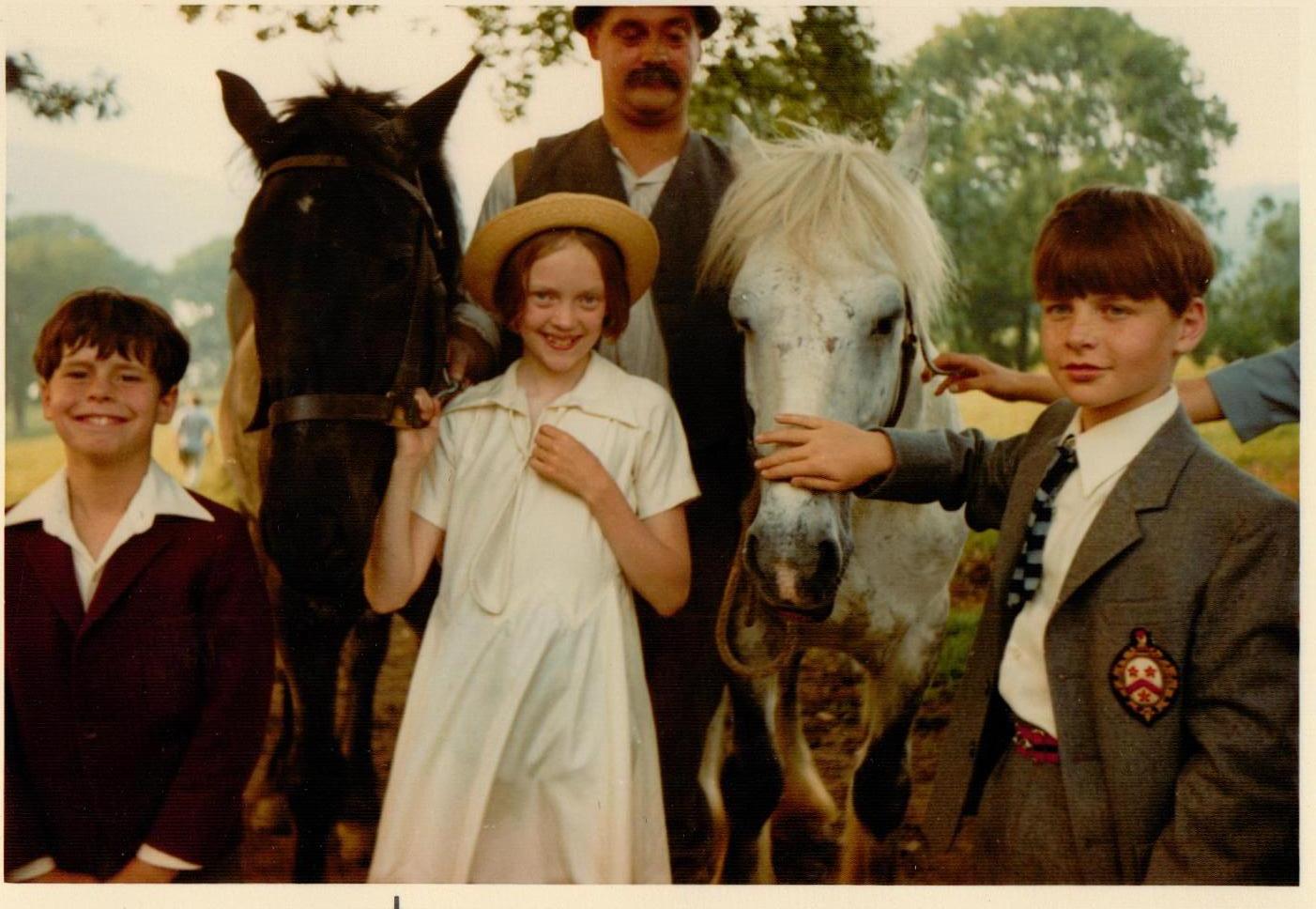
Sten Grendon, Sophie Neville and Simon West with Mr Jackson at Holly Howe~ photo: Daphne Neville

Most Arthur Ransome devotees will know that the Peak at Darien, where once stood stout Cortez, is familiar to readers as it appears in two of the illustrations in the book. Sadly it can not be found below the farm in real life. Mrs Ransome said that you could find the headland on Windermere. In April 2011, when I was on an early recce with Nick Barton, CEO of Harbour Picture Productions, we did pass one promising spot. However Richard Pilbrow and Claude Whatham chose Friar’s Crag on Derwent Water for the location. I didn’t know it but Christina Hardyment writes in her excellent book, Arthur Ransome and Captain Flint’s Trunk, that they had found the very place Ransome had in mind, “without the slightest idea that they were quite right to be doing so.”  She found that Ransome had marked up postcard of Friar’s Peak for his illustrator Clifford Webb to work from in 1930. It feels completely right when you are there, with the iconic view of an island under the towering mountains. It was over a shot of this that the opening titles were added.

Sout Cortez was not around. Neither were we children. By the time we had been transported from Coniston to Derwent Water for this scheduled scene the sun was going down.  We’d been delayed by the make-up artist who was determined to tone down the tans we had developed.  This took ages as he used a very small sponge. My mother was frustrated, as she thought that this would never have shown up, but he put his foot down with the result that we were ‘late on set’ for the evening shots. Mum grabbed this photo but it was a disaster. Claude Whatham was very annoyed.

Sophie Neville as Titty arriving too late in the day to film at Friar’s Crag on Derwent Water. The island portrayed as Wildcat Island can be seen in the distance ~ photo: Daphne Neville

One of the big secrets of the film is that the sequence when we run up to the Peak at Darien and first set eyes on the island in the lake was shot under an oak tree in Runnymede, near the River Thames. We were not an island at all.  It must have been an expensive ‘pick-up shot’ but Claude had made an effort to gather together the same crew members and I was back in my lovely silk dress once more. We knew how to act by then and the joy of being together again shows on our faces.  The result was a scene to set the film off on the right foot.  We were jubilant and so excited, that, like swallows, we could have taken flight.

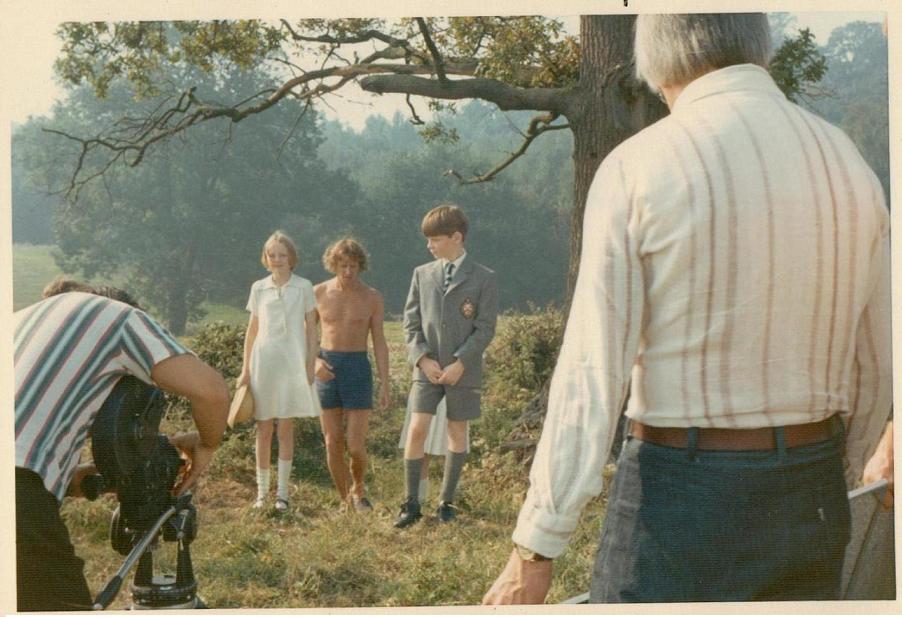
Sophie Neville, Claude Whatham and Simon West with Richard Pilbrow, right ~photo:Daphne Neville

I would have to check with Richard Pilbrow to be certain, but I think that Simon Holland, the Art Director, penned the SWALLOWS and AMAZONS graphics for the opening titles.  I remember a discussion about the font type. A very fashionable script used on the poster of the film was favoured. I said that they ought to use the handwritten capitals that Clifford Webb had penned on the map in the opening cover of the book, which were copied by Simon Holland (and me) on our chart. This was chosen.

Swallows and Amazons (1974)

A snazzy Seventies’ font, had been used for the titles of  Lionel Jefferey’s movie The Railway Children and the poster of Swallows & Amazons. For sometime a DVD has been available which gives you both movies released by EMI Films.

Click on this image to see the poster of the film

As a viewer I felt that this soon dated it, whilst Swallows and Amazons sailed onto our television screens in the 1980’s and 1990’s, without being spoilt by what became most unfashionable graphics. Of course that particular retro font is now all the rage.

'The Making of Swallows and Amazons (1974)'

You can read more about the trials of producing the classic film in ‘The Making of Swallows and Amazons’ published by the Lutterworth Press, available online, at all good bookshops and to order from libraries.

The remastered DVD with subtitles and an Extras package is available online.

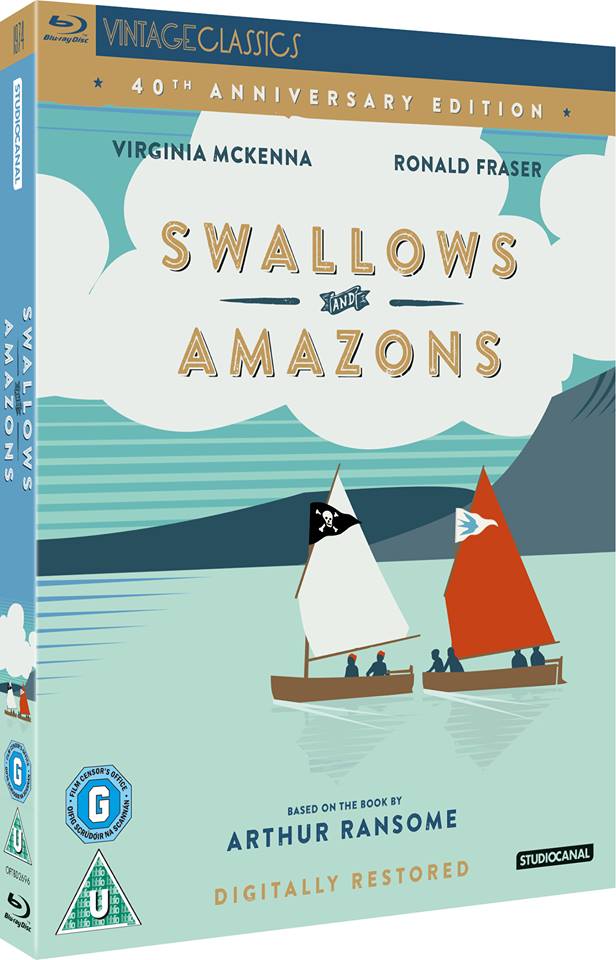
StudioCanal DVD cover

Secret Waters ~ or Swallows and Amazons Forever!

Sophie Neville speaking after dinner at a literary weekend
Sophie Neville speaking about ‘Swallows and Amazons’

‘When you went to see the charcoal burners, did Susan really leave her basket behind?’

‘Yes, she did!’  I’d totally forgotten, but she left it behind by mistake.

I was invited to speak after dinner at the 11th Arthur Ransome Society Literary Weekend held at Willis Hall, Bristol University. It was a joy and delight to meet the organisers and delegates, of which there were about 150. All seemed interested in learning more about the making of Swallows and Amazons, the feature film of Arthur Ransome’s book produced  in 1973 by Richard Pilbrow of Theatre Projects and distributed by EMI in 1974.

The 1974 film Swallows and Amazons

Director Claude Whatham with his cast of Swallows and their basket

‘How old were you all?’ I was asked.

‘Ahh, that is rather a secret,’ I had to admit. When the filming began I was twelve, yet playing the part of Titty who was meant to be only nine. I managed to pretend to be much younger but the reality was that, although skinny, I was a tall child with long legs, so tall that in some shots you can see that I am taller than my elder brother John.  Claude Whatham, the director, seemed unconcerned but had either holes dug for me or a box produced for John to stand on when were side by side. At other times he simply had John in a higher position.

Sophie Neville and Simon West in Swallows and Amazons 1973
Titty appearing to be much shorter than her elder brother John

John was played by Simon West, who even aged eleven was a true leader and excellent sailor. He became a National Optimist champion in 1975. Suzanna Hamilton, who played my elder sister Susan, was aged twelve. Lesley Bennett, who played Peggy was actually the eldest aged thirteen, and Kit Seymour turned thirteen during the filming. But, unlike at school, it didn’t seemed to matter to us. We all felt the same age and got on well as a result. Sten Grendon, who played the seven-year-old Roger was actually aged nine. He couldn’t swim well, but somehow survived.

Biographies of those who appeared in Swallows and Amazons

I do remember that Roger received more danger money than any of us. Claude would compensate us for getting scratched by brambles – as poor Roger was – by handing out extra pocket money. I think we earned £2 each for enduring the icy waters of Coniston when the swimming scene was shot on a grey day in May. The water was so cold that it was agony and the money hard earned.  Titty, who was keen on imitating cormorants, had to dive underwater. I nearly passed out.  I am not very good at being wet and cold or when it comes to heights either, so it was encouraging to be rewarded after climbing trees, ‘For fear of ravenous beats.’ 

When you watch the film you can see that Susan inadvertently burnt Roger with the large flat frying pan, which she’d just taken off the camp fire. He flinches and she muttered ‘Sorry’, before ploughing on with the scene. The moment was captured in the film.

The Swallows camp on Wildcat Island
The frying pan that burnt Roger

One problem encountered when filming with children is that they can unexpectedly lose their milk teeth. I did. People still comment on this today.  I lost an eye tooth.  In some scenes it is there, then it will suddenly vanish only to re-appear again.  

Sophie Neville playing Titty in 1974
Titty’s tooth is obviously missing on the voyage to the island.


Claude was not very pleased that his continuity was blown and there was definitely no tooth fairy. He wasn’t very pleased when I grazed my leg falling off a swing at lunch time either. Suzanna cut her hand whittling wood. Bobby, the Props man seemed so happy and absorbed making bows and arrows for the Amazons, out of local hazel saplings, that we all wanted to try for ourselves and started carving. I bought a penknife with my danger money and made a bow, which I still have today. This occupation kept us all quiet until of course Suzanna nearly chopped a finger off and ended up with such a big bandage that Claude howled with dismay. We were banned from whittling after that, but I did learn to shoot with the bow and arrow. This proved providential since I gained the part of an archery champion in the next feature film I appeared in. Years later I met the man who became my husband at an archery event. He was chairman of the society. I might never have met him if I hadn’t learnt to shoot for the feature films.

The Swallows on their voyage to Wildcat Island

‘Here we are, intrepid explorers, making the first ever voyage into uncharted waters. What mysteries will they hold for us?  What dark secrets shall be revealed?’ Titty uttered dramatically as she looked out towards Wildcat Island. In fact we weren’t that intrepid. Our dinghy was wired to a pontoon on which was a 35mm Panasonic camera, a few yards of track and an entire film crew: sound, camera, lighting, wardrobe g et al.

The Swallow and the pontoon
The Swallow wired to the camera pontoon. Here we are rehearsing the scene where Titty and Roger row to Cormorant Island

The little bit of extra money Claude gave us was indeed compensation for encountering grave danger on one occasion. I don’t remember there being anything about it in Arthur Ransome’s book, but in the film there is a sequence when the Swallows nearly collide with the Tern, an elegant steamer that has taken tourists up and down Windermere since 1891. There is rather a large difference between the shot of the dinghy with the Tern coming towards her when Susan calls, ‘Look John! Steamer ahead!’  which was shot when Swallow was attached to the floating pontoon, and the next shot, a top shot, which was taken from the steamer when we were sailing free.

That is when things went wrong. The Tern turned, John lost his wind in the lee of the larger vessel and we four children came perilously close to ending up in a very Duffer-ish state.  Swallow had no centre board, only a keel and a shallow rudder, so she was difficult to turn at the best of times. We were acutely aware that Roger couldn’t swim, we had no buoyancy and I was perched on a pile of heavy old camping equipment. My father, who is a good dinghy sailor with years of experience racing in the Solent, was watching from the deck of the steamer, helpless. He could foresee the problem and yet was able to do nothing. Although we just managed to avoid a true collision he was so shaken someone had to find him a glass of whisky.

MV Tern on Windermere today

You can read more about the making of ‘Swallows and Amazons’ (1974) here:

‘Swallows and Amazons’ but no life jackets

Sophie Neville appearing on the cover of Swallows and Amazons published by the Daily Mail

When Harbour Pictures, in association with BBC Films, announced at the Cannes Film Festival that they were planing to re-make Swallows and Amazons based on Arthur Ransome’s iconic book that was written in 1929, a debate broke out as to whether the characters should wear life jackets.

Ironically Sophie Neville, who played Titty in the 1974 feature film of Swallows and Amazons nearly drowned one Easter because she was wearing a buoyancy aid. ‘My sister insisted I wore a big old fashioned life-jacket as an example to her children. When I capsized it trapped me inside my canoe. I’d lost my paddle and hung upside down, in the cold water, unable to get out. I was literally plugged inside and couldn’t get free.’

The EMI film of Arthur Ransome’s book Swallows and Amazons was made entirely on location in the Lake District 1973. ‘It can get quite gusty on Coniston Water but we never fell in,’ Sophie remembers. ‘We had a wonderful time.’

Ronald Fraser as Captain Flint with Daphne Neville and Sophie Neville playing Titty Walker on Derwentwater in 1973
Ronald Fraser as Captain Flint with Daphne Neville and Sophie Neville playing Titty Walker 

Ten years later the BBC made the drama series Swallows and Amazons Forever! an adaptation of Ransome’s later books Coot Club and The Big Six, which are set on the Norfolk Boards. Julian Fellows featured as a Hullabaloo, an enraged tourist driving a motor cruiser.

In both the film and television series the decision was made to be true the 1930s period in which the books are set and let characters – adults and children alike (plus pug dog), go out on the water without life vests. They carried knives, lit fires and sailed at night without lights in boats that had no buoyancy aids.

Swallow on Coniston

Lanterns were hung in tents and arrows were fired at other children. The boys in Norfolk also rode bikes without helmets, but that is how life was led in the 1930s. No one had safety belts in cars. Not much safety gear had been invented. ‘You wouldn’t film Elizabeth the Golden Years with Cate Blanchett in a BHS riding hat, or Russell Crow playing Robin Hood in a jockey’s helmet. No one moans about that. When filming Swallows and Amazons we wore life jackets when setting up shots and had a lifeguard in a zoomy rubber boat on constant stand-by when filming, but you wear period costumes in a period film and that is it.’

BW Wearing Life Jackets in the Safety Boat - trimmed
Suzanna Hamilton, Simon West, Sophie Neville and Sten Grendon wearing BOAC lifejackets in 1973

Sophie worked for the BBC behind the camera on the crew of Coot Club and The Big Six. She said what concerned her in Norfolk was the thought of someone getting trapped between a moored boat and the staithe wall or getting bashed when boats passed under the famously low bridges. ‘This situation won’t exist in the Lake District when Swallows and Amazons is made into a film again. They will have a wonderful – inspirational – time.’

Meanwhile if you are planning on going canoeing – sign up for a safety course first and wear the proper gear. This is the year 2015 and buoyancy aids are available…

Sophie Neville with Swallow

Sophie Neville with Swallow by Coniston Water, holding an original publicity still from the EMI feature film of Swallows and Amazons. Photo credit: Kitty Faulkner ©Sophie Neville

You can read more about how the original film of ‘Swallows and Amazons’ was made on location here:

the-making-of-swallows-and-amazons-1974-by-sophie-neville

Serendipity

Serendipity [ser-uh n-dip-i-tee] an aptitude or faculty for making desirable discoveries by accident

Serendipity indeed.  The word has been quoted to me so many times that I’ve started to take note.  The serendipit in question connects me to a rather large, bald man with massive moustaches called Arthur Ransome.

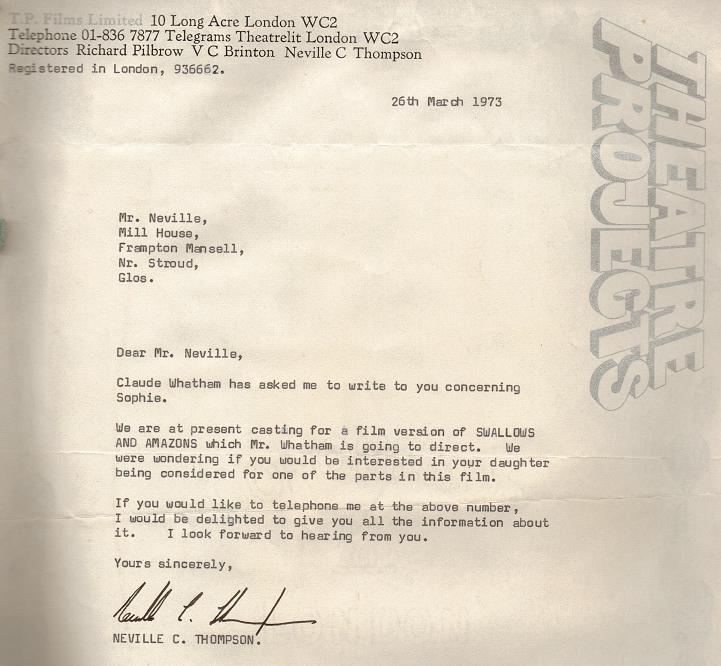
In March 1973 my father was sent a letter, completely out of the blue:
We are at present casting for a film version of SWALLOWS AND AMAZONS which Mr Whatham is going to direct. We were wondering if you would be interested in your daughter being considered for one of the parts in this film.  Amazing!

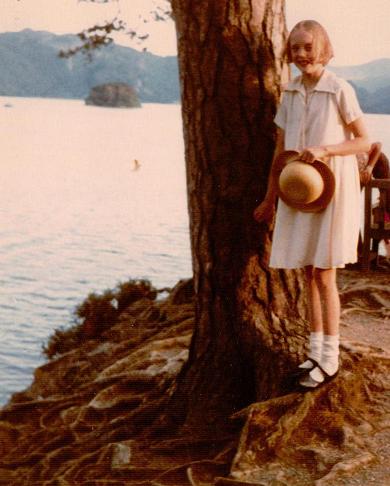
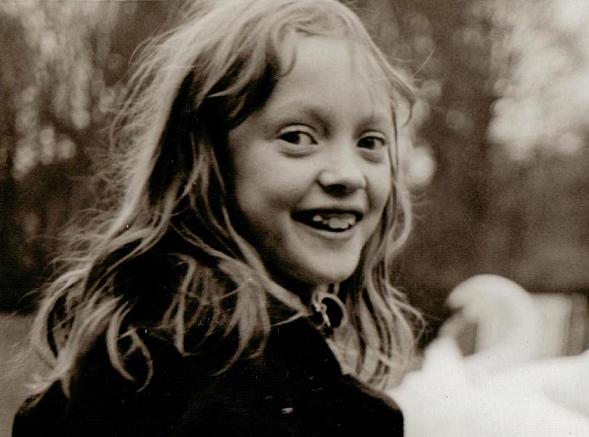
Sophie Neville as a child
Sophie Neville as a child ~ photo: Martin Neville

To gain a part I had to be able to swim well. I think this was to do with ensuring I was unlikely to drown. As it happened I could row, sail and swim. My parents had taught me but I can’t remember Claude Whatham asking me about this when he interviewed me. He wanted to know what my favourite Television programme was.

Blue Peter!’

‘Why?’,

‘Because they show you how to do things.’

It was exactly what Mr Whatham wanted to hear. Why? Because that is what Arthur Ransome does in his books. He doesn’t tell. He shows his readers how to sail. And how to camp. By the age of twelve I had already read about seven books in the series and loved the stories. What I didn’t know then was the effect they would have on the rest of my life.

By May 1973 I was on my way up to the Lake District to play Titty Walker in the feature film being produced by Theatre Projects and distributed by EMI. I didn’t think I was right as Titty at all. In real life Titty had been Anglo-Armenian and grew up in Syria. The illustrations show her with dark hair, cut in a bob. And I thought of myself as far more like the practical Susan, Titty’s older sister.  However I was assured that I could play Titty and I did. Able seaman Titty, crew of the Swallow. Thankfully they cut my straggly blonde hair and I sang out the dialogue that I already knew off by heart from reading the book, ‘I expect someone hid on the island hundreds and hundreds of years ago.’

Sophie Neville with Suzannah Hamilton and Simon West sailing Swallow 1973 ~ photo copyright Canal et Image

How the real parrot arrived on my shoulder I can’t quite remember but within months of returning from Coniston Water I had a green and yellow parrot of my own. I think he had outlived his owner and was given to us to keep. He was good company and very chatty. I adored him and could take him anywhere. When I was asked to be in Animal Magic to talk about the film he sat on my shoulder while I was rowing a boat, and I think did most of the talking.What I didn’t realise was how themes from Arthur Ransome’s life would follow me through the rest of my life.

Swallows and Amazons LP

When the time came for me to matriculate I went to Collingwood College at the University of Durham.  The name resonated later when I discovered that W.D. Collingwood’s grandchildren were the real Swallows. W.D. Collingwood was an archaeologist living above Coniston Water, where the books are set, and had excavated Peel Island– or Wild Cat Island– finding the remains of a Viking settlement there. Some one had hidden there hundred of years ago.  WD Collingwood Titty’s grandfather studied at the Slade, as did my own grandfather, HW Neville. He may have been there at the same time as Titty’s mother Dora Collingwood.

Arthur Ransome won a Kitchener Scholarship. Years later these rare awards have been won by both my niece and my nephew. When Arthur Ransome first lived in London, he had digs in Hollywood Road. When I moved to London I shared flats with friends, first in Tregunter Road, then Harcourt Terrance, which ware merely extensions of Hollywood Road, which is off the Fulham Road in West Brompton. I had gained a graduate traineeship at the BBC. The first drama series that I worked on was Swallows and Amazons Forever! an adaptation of Arthur Ransome’s books set on the Norfolk Broads, Coot Club and The Big Six. It was not a chance thing, I contacted the Producer and asked if I could work on the series, but the fact that I’d heard about it was unusual, and amazing really that it was made that year when I was available to join the production team. I had first worked with Rosemary Leach, who played The Admiral – Mrs Barrable, when she starred, not as Missee Lee, but as Mrs Lee in Cider with Rosie. I later found myself working with William the Pug dog on Eastenders when he featured as Ethel’s ‘Little Willie’ . It was such fun to see him again. He was a playful little dog with a great sense of fun.

Swallows and Amazons Coot Club and The Big Six
Coot Club and The Big Six

The first documentary I directed for the BBC involved an adder. I was filming in at a Nature Reserve in Dorset with a group of children who came across one immediately. It was huge, a black adder. The Billies would have declared this a great sign of luck. I’m not sure I thought much about Swallows and Amazons, over the next few years but I did film at a school in Cumbria and loved being back in the Lakes.

After working at the BBC for eight years I fell ill and, much like Arthur Ransome, had to abandon my full time job to work from home.  Like him I had a yearning to spend as much time as possible in the great outdoors and chose to live in the wilderness. I spent my time exploring southern Africa, camping and cooking on fires.  Of the subjects I’d studied at university the ones I most enjoyed were cartography and water-colours. I started to earn my living by drawing birds, animals and decorative maps.  The maps usually depicted game reserves and involved giving names to landmarks as places of interest, just like Titty’s maps. I must have drawn forty maps in the style of those on the original cover of Swallows and Amazons, using the same borders and style of lettering. And I kept diaries, writing just as Titty would have done. I also worked freelance for the BBC, mainly setting up wildlife programmes.  A rye smile did pass my lips when I was asked to find South African items for Blue Peter. I was thinking back to my first interview at Theatre Projects with Claude. They came to South Africa for their summer expedition one year, and it was I who sent them off to film the Outspan harvest and wild dog puppies in the Kruger National Park.  After a while I fell into the pattern of flying back to England at Easter time and returning to Africa in the autumn.  This was partly through choice, partly to comply with visa regulations and work commitments. I’d migrate every year with the swallows.

When we were making the feature film of Swallows and Amazons my mother looked after all six children. The girls playing the Amazons, Nancy and Peggy Blackett, needed to learn how to shoot with a bow and arrow.  My mother taught them.  She had learnt how to draw a long bow when she was first married, and was encouraged by an ex-Olympian called Bertie. I became interested too, which stood me in good stead as the next part I had in a feature film was playing Liz Peters, a fictional archery champion.

Thirty years after the premier of Swallows and Amazons I had flown back from Africa and was staying at my parents’ house, when a lady arrived from Korea.  She timidly knocked on the door, explaining that she was translating Swallows and Amazons into Chinese and would love to talk to me about the book.  She came bearing gifts: a hand-quilted wedding bedspread and a pile of silk garments amounting to a bride’s trousseaux.  It was a week after I had met my husband-to-be. At that stage he had not even asked me out and I had no idea we would marry. I’d met him at the archery – shooting with my bow and arrow. He was Bertie’s grandson. My three sisters have never been a bit interested in archery. If I hadn’t been enthused by Swallows and Amazons, and consequently taken it up to play Liz Peters, I would never have met my husband. I still have the wedding quilt.

Sophie with her husband on the coast of South Africa

And then I met Dr Frankland, a Harley Street Consultant who was to become an historical adviser on a script I was developing.  I soon learnt that Bill Frankland had been a good friend of Roger Altounyan and knew his sister Titty.  As young  men they both worked for Alexander Flemming.

Roger, Titty and their elder sisters Susie and Taqui were W.D.Collingwood’s grandchildren,  the real characters on which Arthur Ransome based the Swallows.  What I didn’t know was that Roger Altounyan became an allergist.  He developed the spin-inhaler, experimenting on himself.  Dr Frankland explained that he eventually died as a result. I was allergic to feathers as a child and prone to horrific asthma attacks. Not from parrot’s feathers but old pillows and eiderdowns. The Ventolin inhaler is something to which I probably owe my life. Dr Frankland, who is to celebrate his 100th birthday this March, still works as a Harley Street allergist and is often called upon to make broadcasts on Radio 4.  He instigated the pollen count, numbered Saddam Hussein as one of his most grateful patients and has been the expert witness at a number of murder trials.

Bertie’s Olympic bow now hangs on my stairs. I am still sailing dinghies, still drawing maps but thankfully no longer suffer from asthma. Harbour Pictures with BBC Films are now planning a new film adaptation of Swallows and Amazons. A whole new generation of children will be shown how to sail and camp and cook on open fires. I couldn’t be more thrilled.