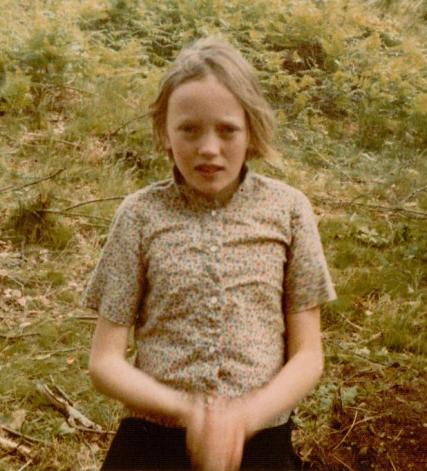
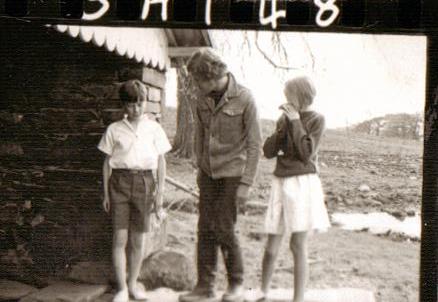
Sophie Neville as Titty Walker visiting the charcoal burners on a cold day in 1973 ~ photo: Daphne Neville
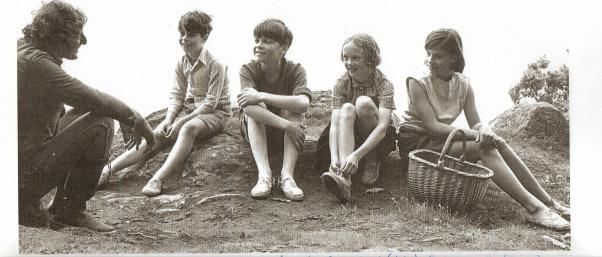
On 14th June we were back at Ickenthwaite Forest, in Cumbria, to film the sequence when the Swallows visit the Charcoal Burners.
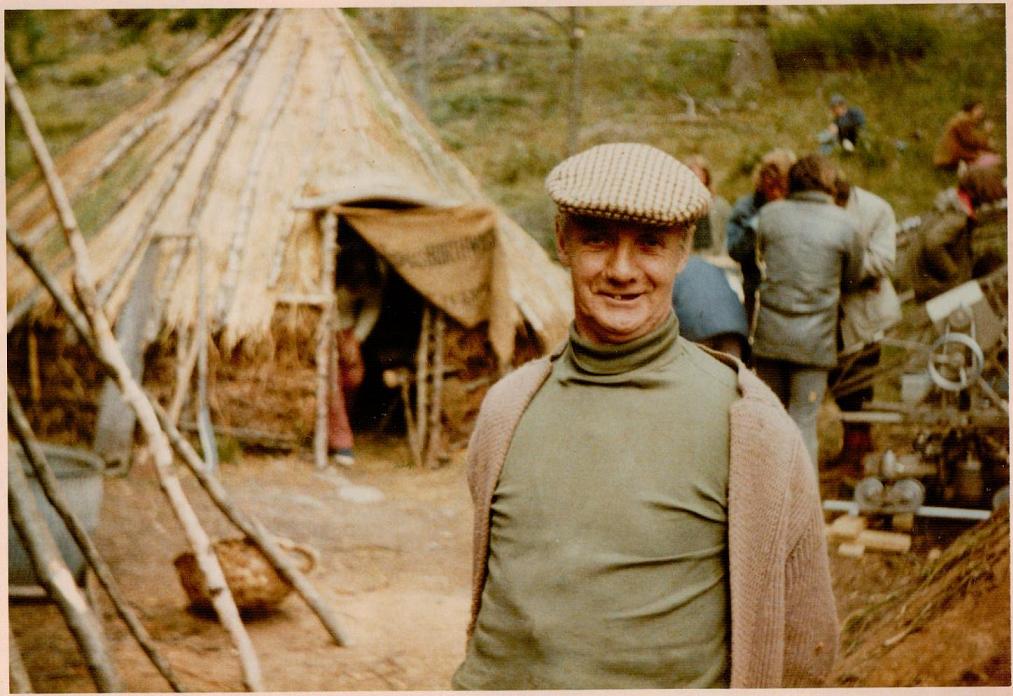
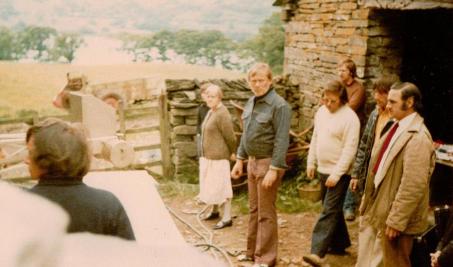
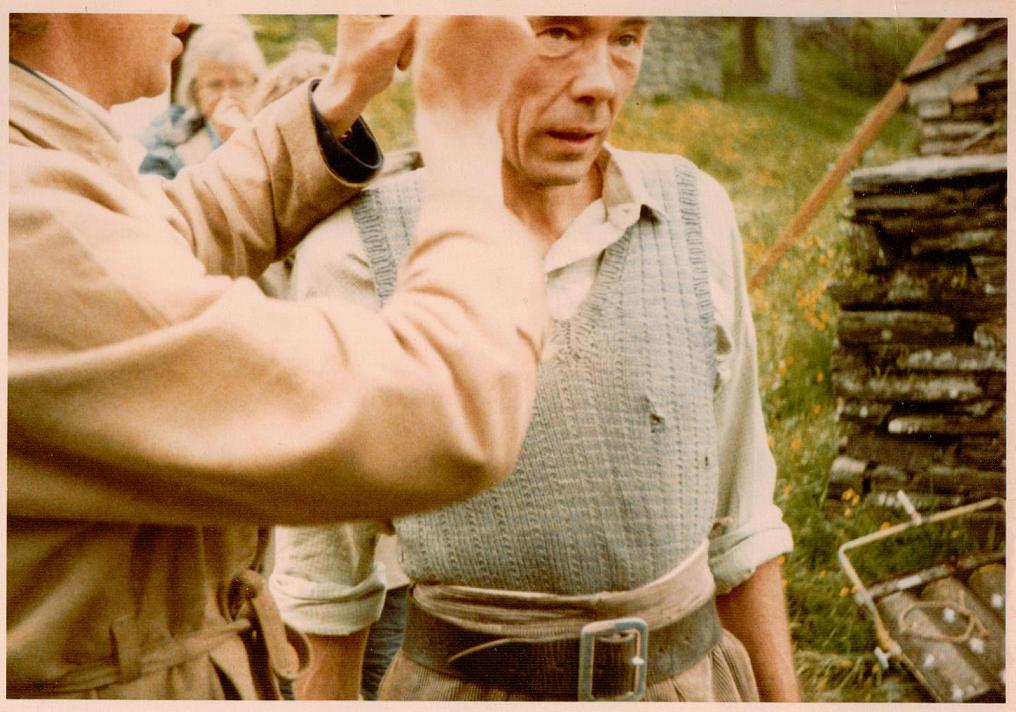
Norman Allonby, the real charcoal burner outside the hut. Behind him the 35mm Panavision camera is being mounted on a small crane and short section of track ~ photo: Daphne Neville
‘He doesn’t look much like a son.’ The real Young Billy was almost indistinguishable from the actor. He seemed to take a wry interest in the filming but what he thought of us, of the crew, I dread to think. We were aliens on his planet. Terribly bossy ones.
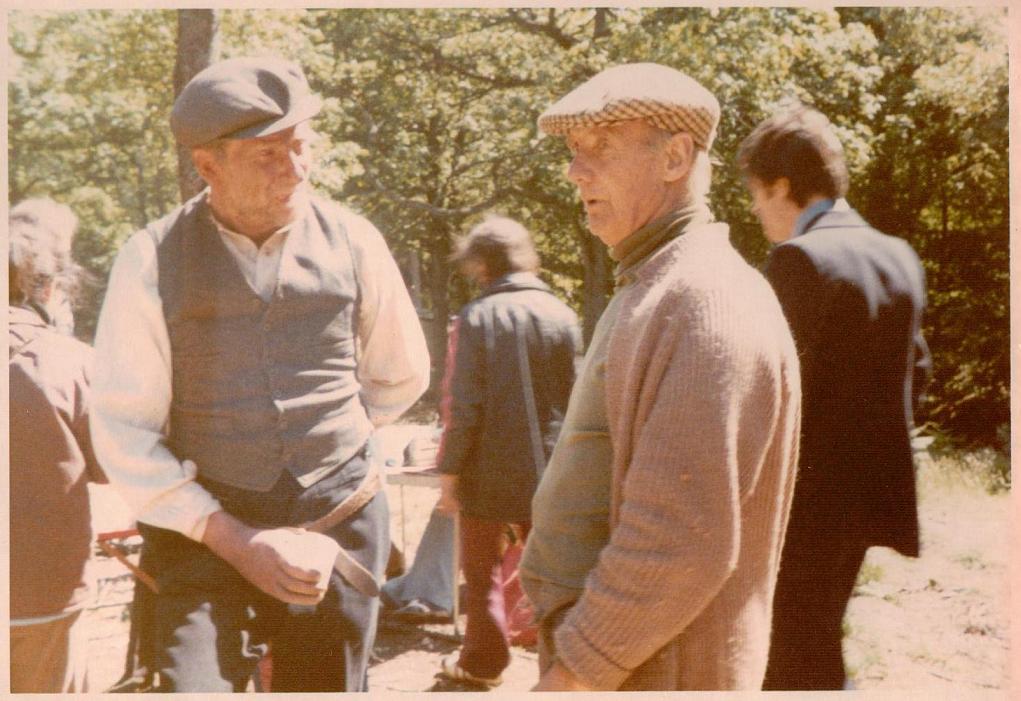
The charcoal burner Jack Allonby chatting to Jack Woolgar playing Old Billy
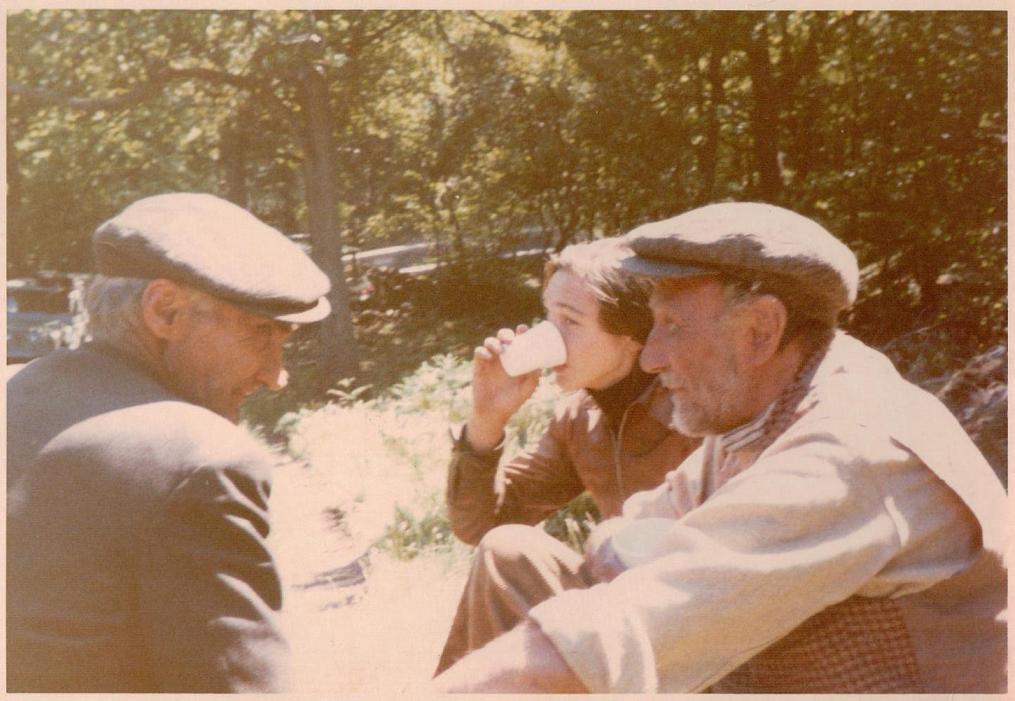
Our polystyrene coffee cups look so out of place. They were. How much had changed in the art of producing charcoal between 1973 and 1929 when Arthur Ransome set our story?
Jack Woolgar looks as old as the hills. He’d been born in 1913, so must have only been sixty years old, younger than I am now. He’s appeared in ‘Doctor Who’, ‘Emmerdale Farm’ and ‘Coronation Street’. After ‘Swallows and Amazons’ he played Carney in forty-eight episodes of ‘Crossroads’. We knew him as the professor in ‘The Lion, the witch and the Wardrobe’.
John Franklin-Robbins playing Young Billy, chatting to Norman Allonby of Bandrake Head during a coffee break on set ~ photo: Daphne Neville
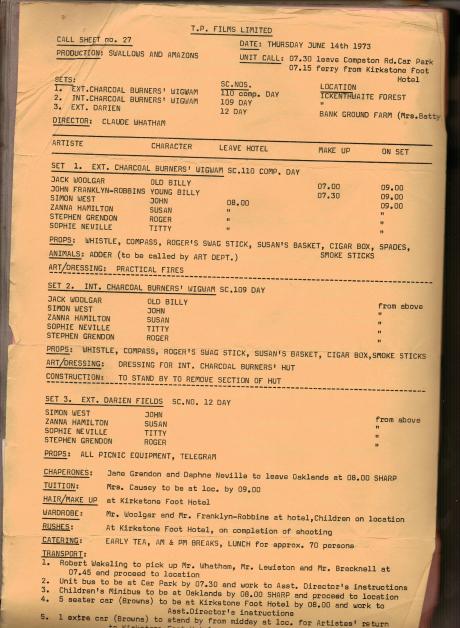
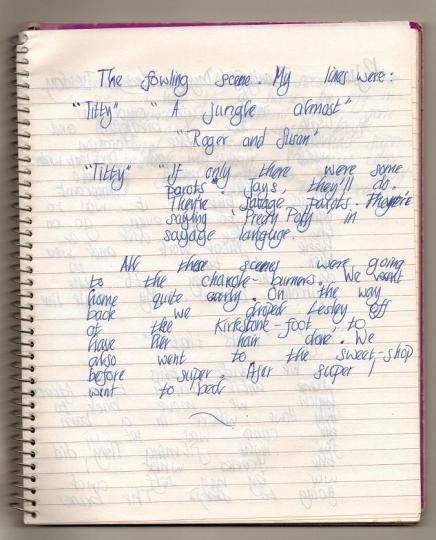
The Call Sheet for the day scheduled Scene 110 with the adder, but I recorded in my diary that we had completed that the previous day. I must have meant my part in it. The director, Claude Whatham, was probably using the time to pick-up the shots of Young Billy working with his dampened fire.
Much later, when I asked Claude what made a good director he said, ‘You need to use your time well.’ This probably makes you an employable director, but I think Claude had other assets. We all adored him for one thing, and would do anything he asked without question. We knew that he wanted us to keep going, no matter what happened. Susan really did leave her basket behind at the Charcoal Burners’. When Old Billy called her, she was truly taken aback and sweetly ran to collect it. It’s something that rings true, a natural quality that Claude brought to the film.
The interior of the hut must have been tricky to light. I think we had a real fire burning in the stone grate and Claude was keen for the scene to be atmospherically smoky. The wood smoke itself was fine but the crew were working with smoke guns, since they were more directional and considered more controllable. The acrid fumes produced by their oil canisters choked me but Jack Woolgar was absolutely stoic and kept our attention. I loved drawing with the charcoal. I wish I had drawn him. Apart from the amount of smoke it was lovely inside the mossy wigwam. I could have stayed there quite happily. It was nice and warm.
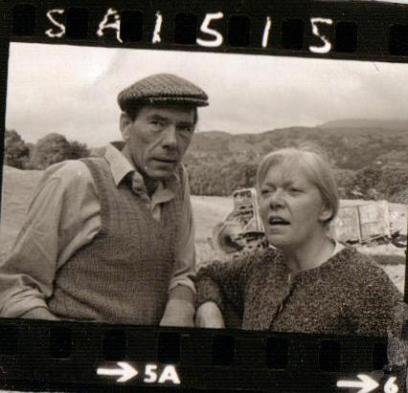
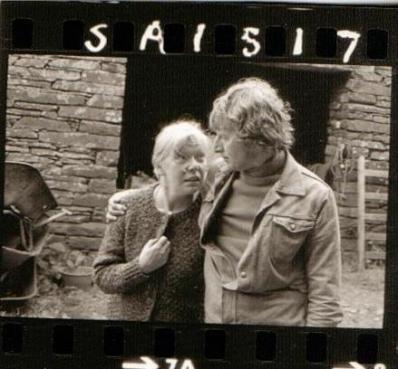
Albert Clarke, our Stills Photographer, later gave us his unwanted contact sheets to stick in the scrap-books we kept of the filming. Amongst them are these photos he took of the Producer Richard Pilbrow with the charcoal burners of Ickenthwaite Forest.
Audrey Steeley told me that the older charcoal burner is Jack Allonby who lived at Spark Bridge, a well known local character. Norman Allonby lived at Bandrake Head.
Bill Norris, was another authority on charcoal burning also from Spark Bridge.
As the Call Sheet decreed, we were scheduled to to move to Bank Ground Farm after lunch to film the receiving of ‘despatches’, a scene I look forward to describing in the next post.
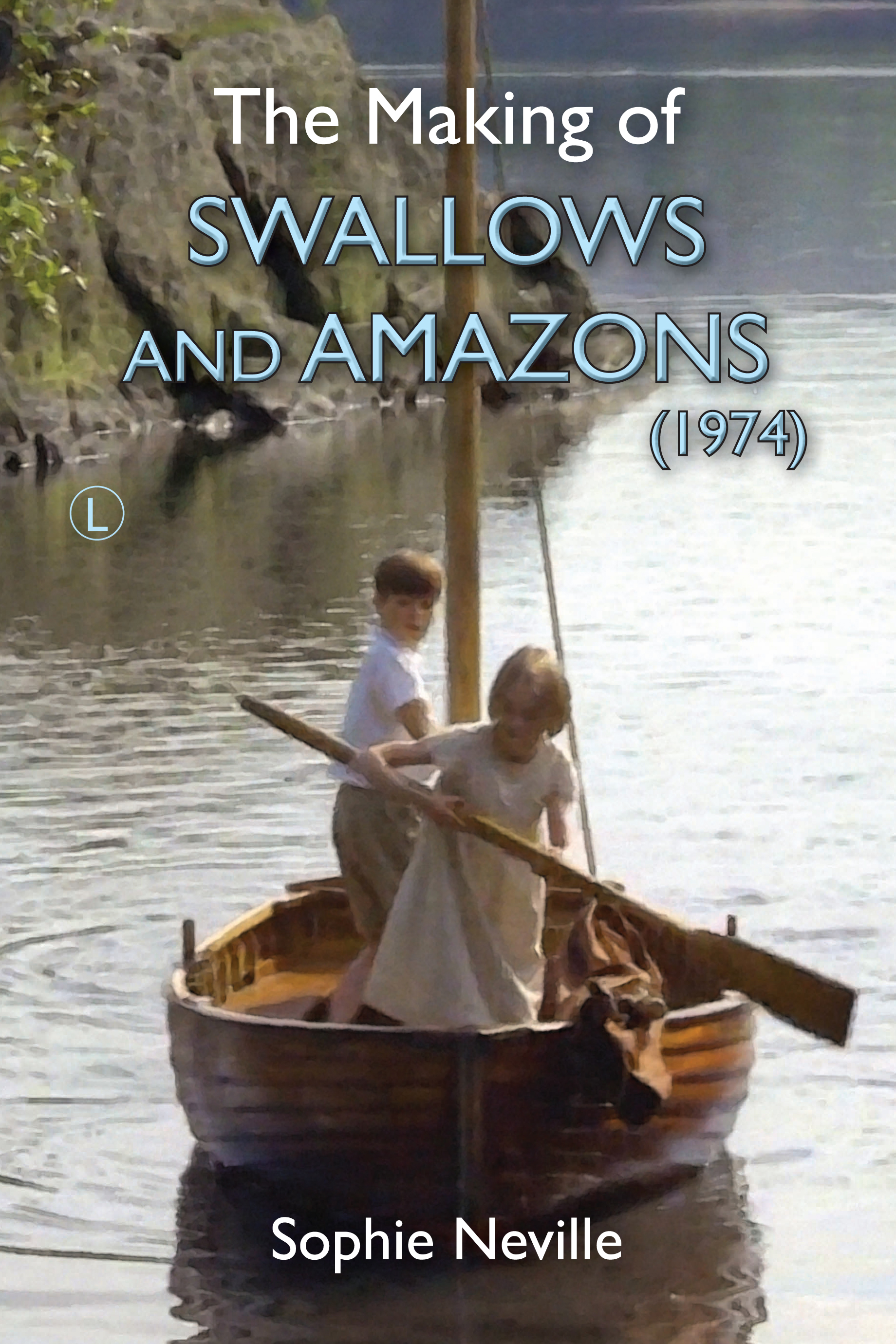
You can see photos and read more in ‘The Making of Swallows and Amazons(1974)’, available online here
I’ve written more about charcoal burning in Cumbria here
Brian Crawley kindly sent me this shot of what the location looks like today. You can just fee the remains of the fireplace to the right:
One of Brian’s friends remembers watching our Routemaster double-decker buses climbing the twisting track up to the site.
There is evidence of charcoal burnering near Hill Top where Arthur Ransome lived long after he wrote ‘Swallows and Amazons’. You can find the photos on this site here
‘Here we are, intrepid explorers making our way into uncharted waters. What mysteries will they hold for us? What dark secrets shall be revealed?’
The dark secret was that the inky black night scenes had to be shot in Mrs Batty’s barn. At Bank Ground Farm. During the day. A rainy day.
The design team strung up thick light-proof drapes and made the dusty out-building into a studio. The director, Claude Whatham had no choice. We had quickly run out of interior scenes and the weather was so bad that we could do little else.
Producer Richard Pilbrow with director Claude Whatham in their wet weather gear on Peel Island, Coniston Water
‘While the rest of England melted in a heat wave, the Lakes seemed wrapped in mist and rain,’ Richard Pilbrow the producer remembers. I have a press cutting from The Guardian dated 7th July 1973, which opens with the words:
‘THE WEATHER report follows in half a minute. Richard Pilbrow is obsessed with the weather. Every morning he wakes around 4 o’clock and crosses his room at the Kirkstone Foot Hotel to cock a weather eye at the sky above Wansfell Pike. Most mornings it is the same story… Pilbrow looks out of the window. Raining. ‘
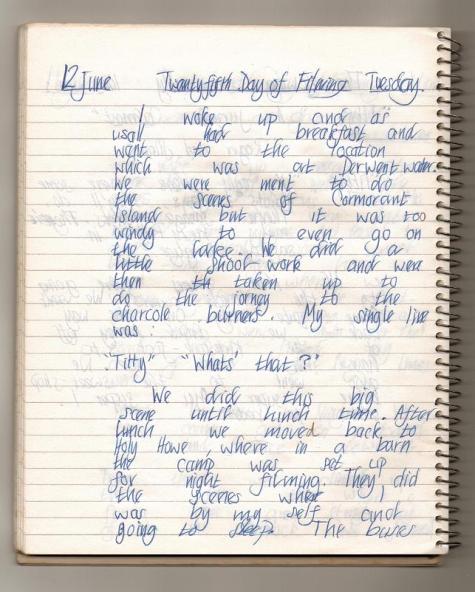
What a worry and concern that rain was. Swallows and Amazons is firmly set in an idyllic childhood summer, August of 1929, when the water was warm enough to swim daily and the only disappointment was a total lack of wind. When we arrived to start filming at Derwentwater on 12th June 1973 it was too windy to even go out on the lake.
I loved filming in the barn. The Third Assistant, Gareth Tandy, lead me through the high wooden doors and into a magical version of our camp on Peel Island, beautifully recreated by Ian Whittaker the set dresser. A real camp fire was burning. Blankets (goatskins in Titty’s imagination) and pillows from our tents had been laid out so that I could be ‘shrouded in my cloak’ whilst waiting up for the Swallows to return from the Amazon River. The scene was beautifully lit with branches held in stands in front of the lights with a gentle wind produced by the prop men wafting a board to lift my hair at the right moment. I don’t think there was an owl hoot for me to hear. I had to imagine that so they could add a real owl call later. Someone has written in to ask if I learnt how to make an answering hoot. I’m afraid not. I tried and tried. I still can’t. John could do it but Claude asked us both to just pretend so that he could lay the sound on afterwards.
Director Claude Whatham with his cast of Swallows in 1973
What we gained, despite or perhaps because of the weather, was a camaraderie that formed a foundational basis to the film. We had to be stoic and get on with filming despite getting cold and wet. Rain doesn’t show up on screen unless it is really pelting down. You can see the effects – wet hair and soggy costumes, but you actually have to use rain machines if you want to show rain in a drama. We could film our trek up the hill to visit the charcoal burners without a problem but going out on the lake was impossible. You’d have seen the rain drops falling on the water. And it was too windy. As it was, we had a brilliant director of photography who used what light he had to capture that limpid quality you find in the Lakes, so quintessentially English it draws you in, reeling back to childhood days when we had time to make camps and rush about in the woods.
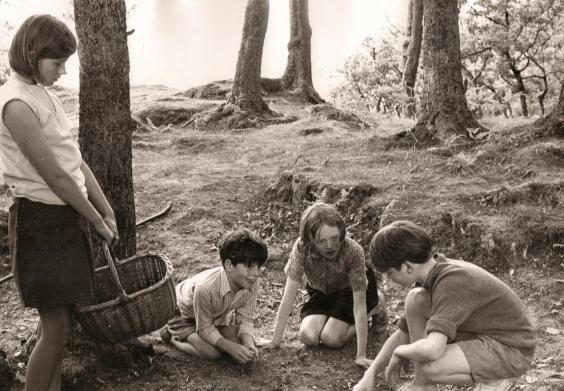
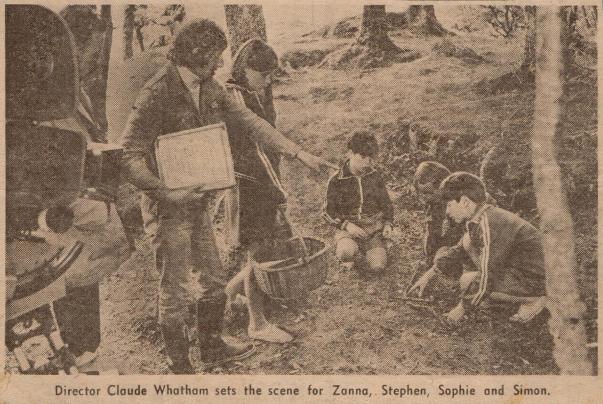
Suzanna Hamilton, Sten Grendon, Sophie Neville and Simon West in a scene cut from the film
I’m pretty sure that the big scene I referred to was one that was cut from the final film. It was about leaving paterrans in the woods, as detailed in the books but not essential to the story. It must have been covered by the journalist from the Guardian as I found this cutting:
The rain did deter my mother from taking photographs. She didn’t have a flash to use in the barn but she took lots – masses – the following day…
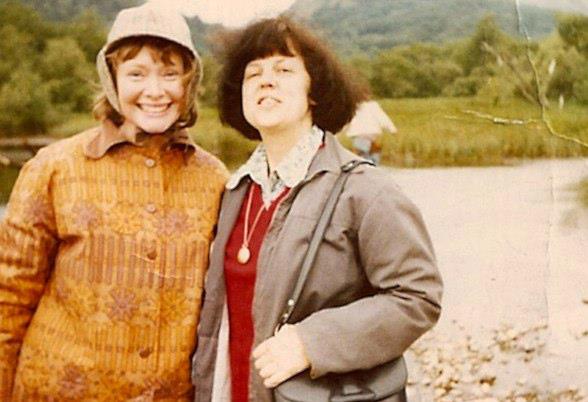
Dressed for the Cumbrian weather: Daphne Neville with Liz Lomas, Richard’s assistant at Theatre Projects in London ~ photo: Richard Pilbrow
Other scenes that hit the cutting room floor are detailed here
If you would like to read more, ‘The Secrets of Filming Swallows and Amazons’ is available as on Amazon Kindle and other ebook platforms.
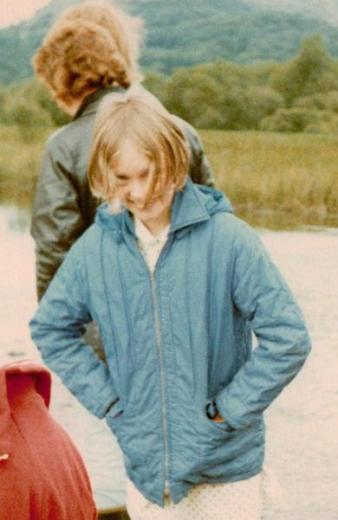
Sophie Neville by Elterwater in 1973 ~ photo: DJ Neville
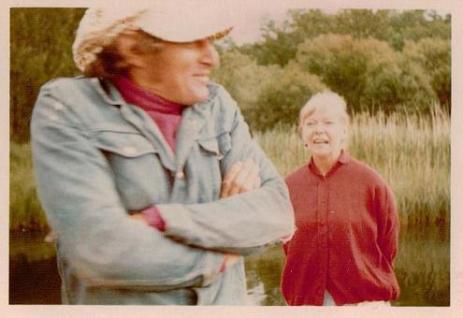
My mother was very excited about meeting the actress Brenda Bruce who Claude had engaged to play Mrs Dixon. She had arrived on 10th June whilst we were filming the fishing scene at Elterwater where she found Claude keeping up our moral by wearing my mother’s Donny Osmond hat. I think he needed it for warmth. It was unexpectedly cold.
I can remember being worried that Brenda Bruce would be chilly as she was only wearing a blouse and flip-flops. Now I understand that she ‘was of a certain age’ and didn’t feel the cold quite so much as skinny twelve-year-olds with opinions.
Brenda Bruce had been born in Prestwich in Lancashire. I’d had no idea that she was so well-known, that BAFTA ~ the British Academy for Television Awards had named her Best Actress in 1963. “Yes, you do!” Mum said. “She was the White Queen in Alice Through the Looking Glass.” She’d actually worked for Claude quite a bit and he trusted her to play a small part well. brought her son with her.
I shouldn’t have been worried about Mrs Dixon. She looked wonderful in the film – was wonderful – and very comfortable in her nice clean dairy.
When I look back on Swallows and Amazons, I can see that Claude made sure it didn’t become chocolate-boxy. You can tell by glancing at Mike Pratt’s costume.
Mike Pratt who played Mr Dixon the provider of worms for our fishing bait, the lovely Lakeland colours of his garments contrasting with the harsh blues and reds of the 1970’s clothes worn by the crew.
Brenda Bruce as Mrs Dixon with Claude Whatham
I can’t remember exactly where Dixon’s Farm was filmed. The scenes set at Jackson’s Farm, Arthur Ransome’s ‘Holly Howe’ were shot at Bank Ground Farm by Coniston Water, but all I know about the location for Dixon’s Farm is that our tutor got terribly lost trying to find it…
Geraint Lewis of the Arthur Ransome Trust wrote to confirm Kevin Burn’s theory about the location we used for Mrs Dixon’s dairy. ‘I had a long conversation once with Lucy Batty about her recollections of filming at Bank Ground in the house, barn, etc. She confirmed that they used the buildings shown as Tent Lodge Cottages on Google Maps – as Dixon’s Farm. That certainly seems to fit from the view of the lake and shoreline trees in the background.’
What Richard Pilbrow and Claude Whatham did want to make the most of was the Westmorland scenery. In many ways they were making a landscape movie. I think what they most enjoyed was finding all the locations to put together Arthur Ransome’s imaginary lake as depicted in the end pages of Swallows and Amazons and I am often asked where the waterfall is.
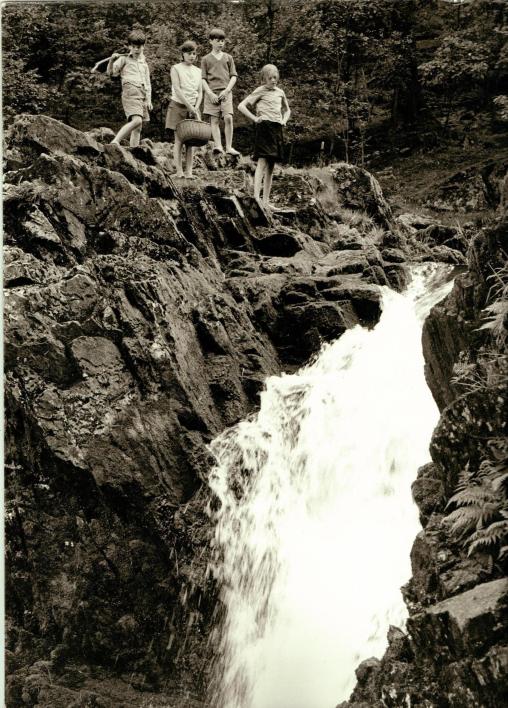
“It must be Niagara!” No, Sophie. It’s somewhere near Elterwater.
‘It’s Niagra!’ Titty declared. Stephen Grendon, Suzanna Hamilton, Simon West and Sophie Neville as the Swallows on their way to visit the charcoal burners
Kevin Burn sent me some suggestions with photos which made me feel pretty sure the actual waterfall is Skelwith Force. But Roger Wardale, who is an expert on Arthur Ransome’s locations, thinks not. “I don’t think it’s Skelwith Force which is more a series of rocky rapids in fairly level ground. I watched the film again yesterday and was reminded of the waterfall at Glen Mary (otherwise known as Tom Gill) the outlet for Tarn Hows dropping down to the Coniston-Ambleside road 4 miles from Skelwith Bridge.” So – any ideas most welcome!
You can read more about the film locations and our antics in ‘The Secrets of Filming Swallows and Amazons’ available on Amazon Kindle and from all ebook providers:
My father said that his first impression of the film crew was, ‘What an awful mess of trucks and weird people!’ He’d just come from his office in the electronics industry where everybody wore suits and ties. It’s true. One of the Arthur Ransome Society members took one look at the footage Dad took of the making of Swallows and Amazons and said, ‘It looks like Woodstock.’ Woodstock on wheels. Dad couldn’t bear the notion of hanging around all day but he bought some paints with him to do what he never normally had time for while looking after us.
Daphne Neville ~ presenter on HTV
My mother, Daphne Neville, had to leave that Tuesday to spend four days at the Bath and West Show ~ a long term commitment that could not be cancelled. By this time she had been working for Harlech Television or HTV, as the station became known, for about four years. She’d started as an ‘In Vision Announcer’, reading the News with Martyn Lewis from the old Harlech Television studio in Cardiff, before moving on to present her own children’s programmes such as It’s Time for Me.
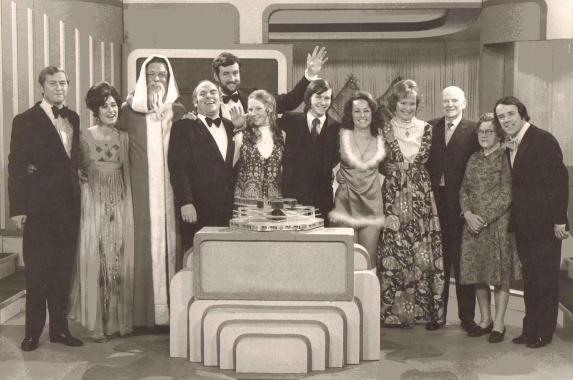
Bruce Hocking, Jan Leeming and Daphne Neville with contestants appearing on an HTV Christmas Special
By 1973, Mum was presenting a women’s afternoon series made in Bristol called Women Only, with Jan Leeming. No doubt they had to host the HTV stand at the Bath and West agricultural show. These are big events in rural Britain. My parents went on to have stands at about ten or twelve of them every year when they went on to work as wildlife conservationists.
With Jan Leeming and Mum when I was a little older
I have a horrible feeling that in the Woodstock-like atmosphere of our set, I might have taken on my mother’s role and got a little bit too bossy in the school bus. The result was a head-on attack from Sten, who must have been offended. He not only fought me but would not let go. Perhaps this was a good sign in that we had become like a real family. Perhaps it was because the balance had been tipped by our real families turning up. Sten’s father had arrived with his little sister, my little sisters were playing outside and yet we were not being given time off lessons for half-term. Perhaps it had something to do with the red and yellow sweets we had started eating on the bus. Mum said that Sten was always picking fights. He was an eight-year-old boy.
Sophie Neville in her BOAC life jacket with her sister Tamzin about to leave for the set of ‘Swallows and Amazons’ on Peel Island. Sten Grendon’s father and little sister are in the background ~ photo: Martin Neville
Luckily for Claude, the director, we were filming the scenes on Wildcat Island where the Amazons attack. ‘When we fell flat on our faces and the Amazons’ arrows flew over our heads.’ We loved this scene and it was great that Nancy and Peggy had at last arrived on Wildcat Island.
Sophie Neville and Suzanna Hamilton confronting the Amazon Pirates
I don’t know if Mum had still been around to oversee that particular act of aggression. She had taught the Amazons to shoot. The photographs I have of her doing so show her giving Nancy and Peggy archery lessons in the field outside the bus.
They were just using hazel bows made for them on site by Bobby the Property Master, but my parents did know how to use the long bow. When they were first married they joined the Worcestershire Archery Society and went on to win quite a few prizes. I know all about this because the Chairman of that society was to become my father-in-law. I too learnt to shoot and ended up marrying his son, another member of the Worcestershire Archery Society.
It looks pretty scary when those arrows, fletched with green parrot feathers, fly over us. Much to Nancy’s disappointment, these were actually fired by two prop men. They strung up fishing line and attached nylon loops to the arrows to ensure that we would not actually get hit, but it was quite thrilling – and still quite risky.
Kit Seymour and Lesley Bennet as the Amazon Pirates
I never forgot the trick. When I became a BBC director myself I took much joy in using totally inexpensive visual effects, such as extended use of fishing line. I learnt how to use reflections from a skilled director called Moira Armstrong and picked up on just how much could be achieved by juddering the camera when I worked on Doctor Who. All that dramatic and complicated-looking Tardis malfunction was achieved simply by vibrating a studio camera. However, fishing line was the only visual effect used in the 1973 version of Swallows and Amazons.
Kit Seymour with Claude Whatham, 1973
After being on location for more than two weeks this was the second day that Kit Seymour and Lesley Bennett had appeared in front of the camera. The hanging around must have been pretty frustrating. In 1983, when we were planning to make adaptations of the Arthur Ransome books at the BBC, I was hoping to cast the Amazons – if not all the children – from schools up in the Lake District. I don’t expect Claude had had the time to do that. Luckily for me.
Kit Seymour (Nancy) and Lesley Bennett (Peggy) on Peel Island 1973
Sten Grendon, Suzanna Hamilton, Sophie Neville and Simon West appearing in the original movie ‘Swallows & Amazons’
If you drive south down the narrow East of Lake road along by Coniston Water, passing Bank Ground Farm, Brantwood and a cottage where Arthur Ransome once lived, you will eventually see Peel Island. It is not that far from the shore.
Sophie Neville finding Peel Island on Coniston Water a few years ago
Richard Pilbrow had permission from the Lake District National Park for his film crew to gain access and use the fields and woodland opposite Peel Island as a base. One proviso was that our two red double-decker buses had to be swathed with camouflage netting in an attempt to make them less conspicuous. As a result they looked comic – like huge monsters from Doctor Who. In addition to these we had a caravan for Make-up and Hair, the caterers’ mobile kitchen or chuck-wagon, a prop lorry, a lorry belonging to Lee Electric who provided the lighting and huge reflector boards, the Lee Electric generator and the regrettable and very basic mobile loos. I cannot remember what kind of vehicle David Cadwallader the Grip used but I half remember a Land Rover. In addition to all this would be parked our mini-bus, the unit mini-bus, everyone’s cars and the boat trailers. Mum thinks that Terry Smith’s Range Rover could have been orange. ‘He was a very orange man.’ It was white.
It must have been a bit of an effort to avoid getting the whole entourage in shot when John and I launched Swallow and rowed around to the harbour. You can tell that it was a greyer day than the one before.
Sophie Neville as Titty and Simon West as John rowing Swallow towards Peel Island on Coniston Water in the Lake District National Park in 1973
A temporary jetty made from scaffold and planks had been built out into the water so that we could climb into any boat going to the island without getting wet. It must have been quite something lugging the 35mm Panavision camera over. It travelled in a big black wooden box lined with foam rubber, with handles at either end, transported by two men like the Arc of the Covenant , holy and revered. Once on the island it would be set on the complex mounting, which enabled it to pan and tilt. This in turn usually sat on sections of track so that moving shots could be achieved.
Denis Lewiston, the Director of Photography, had a Camera Operator but insisted on doing most of the camera work himself. If you watch the scenes of the Swallows making up camp you can see that he must have just followed what Susan and Roger were doing. It has a wonderful, busy natural quality with the result that all one wants to do is to leave real life behind and go camping. I imagine that the scenes when the kettle is being filled were shot in the morning, while I was at my lessons, but I joined them after lunch.
Simon West and Sophie Neville on Coniston Water
We loved shooting any scene at our camp on the island, especially when we were eating. As I think I have said before, when Suzanna swung her frying pan of buttered eggs she really did burn Roger on the knee. He was very brave about it. It was a heavy pan.
David Cadwallader continued working as a grip, operating the crane on the 2011 movie of Jane Eyre, which stared Mia Wasikowska as Jane, Michael Fassbender as Mr Rochester and Judi Dench as Mrs Fairfax. I’d been reading Jane Eyre on that day in May 1973. It was my set book. My set book for school and the book I read on set. I should have been reading Robinson Crusoe.
****************************
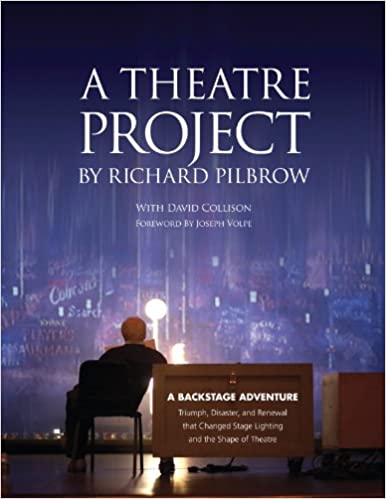
Richard Pilbrow has just written from Connecticut to say, ‘You can read my side of the story, if you care to, in ‘A THEATRE PROJECT’, that you can get from Amazon.uk.’
It was quite amusing when Mrs Batty’s sheep walked into Swallow’s boatshed, lifting our spirits on that rather gloomy wet day on Coniston, but I have no idea if it was caught on film. Can anyone remember seeing a television programme made up of amusing out-takes from movies prior to the 1980s? I don’t suppose ours were ever kept. It doesn’t matter – seeing them spoils the magic of the story in a way.
Simon West as John Walker taking Swallow out of the boatshed at Holly Howe aided by Suzanna Hamilton, Sten Grendon and Sophie Neville
In 1971, Claude Whatham had enjoyed glorious May weather when he made ‘Cider With Rosie’ in Gloucestershire, but it rained so hard in Cumbria that filming anything was proving difficult. He managed to capture one limpid shot of me looking at Swallow’s tatty flag.
I wrote more enthusiastically about playing Consequences in Bank Ground farmhouse. This is the game that Virginia McKenna had introduced us to and we loved it. This time we must have roped in heads of the Costume, Hair and Make-up Departments. It seems that Emma Porteous, the Costume Designer, was on set with us that wet day in May. I would think that this was when they recorded the scenes inside Holly Howe with Susan and Roger and the wonderful lady who played Mrs Jackson. Someone recently asked why Susan never thanked her for lending her the frying pan, as it seemed out of character, but she still wasn’t feeling very well. Does Susan thank Mrs Jackson in Arthur Ransome’s book?
Suzanna Hamilton’s drawings of her costumes for scenes set at Holly Howe
Ronnie Cogan was the quiet, gentle man usually clad in a grey tweed jacket, responsible for our hair on Swallows and Amazons. Foregoing the use of wigs, so very much in use on costume dramas at the time, he simply did up Virginia McKenna’s lovely thick hair, and cut ours, giving the whole movie a classic feel.
Mrs Ransome was fussy about Sten’s hair. She had specified didn’t want Richard to cast children with black hair and objected to his photo but acquiesced when she saw him running around at Bank Ground Farm with a short-back-and-sides.
Virginia McKenna having her hair put up by Ronnie Cogan ~ photo:Daphne Neville
Years later my mother worked with Ronnie on Diana: Her True Story, the bio-epic of epics based on Andrew Morton’s outrageous book. Serena Scott Thomas played Diana Princess of Wales, David Threlfall was Prince Charles, Anthony Calf had the glorious opportunity to play James Hewitt and my mother was given the role of Diana’s nanny, who hit her on the head with a wooden spoon. Mum said that she later bumped into Ronnie in Oxford Street but heard soon afterwards that he had sadly died. He had a wonderful career and must be hugely missed.
Simon West having his hair trimmed by Ronnie Cogan. Can anyone tell me the name of the driver holding him still.
He’d worked on classics such as The Boys from Brazil with Sir Laurence Olivier and A Bridge too Far directed by Richard Attenborough – the Lord Attenborough. That must have been quite something. It starred Sean Connery, Michael Caine and Ryan O’Neal who I am sure would have been pretty concerned about having the standard WWII military haircut. Ronnie also worked for Roland Joffe on The Killing Fields and Kenneth Branagh when he had a pudding basin haircut, for his monumental film of Shakespeare’s Henry V. It is funny how things inter-connect. Kenneth Branagh played my great uncle AO Neville in the Rabbit-Proof Fence.
Ronnie Cogan attending to Mike Pratt in the role of Mr Dixon photo: Daphne Neville
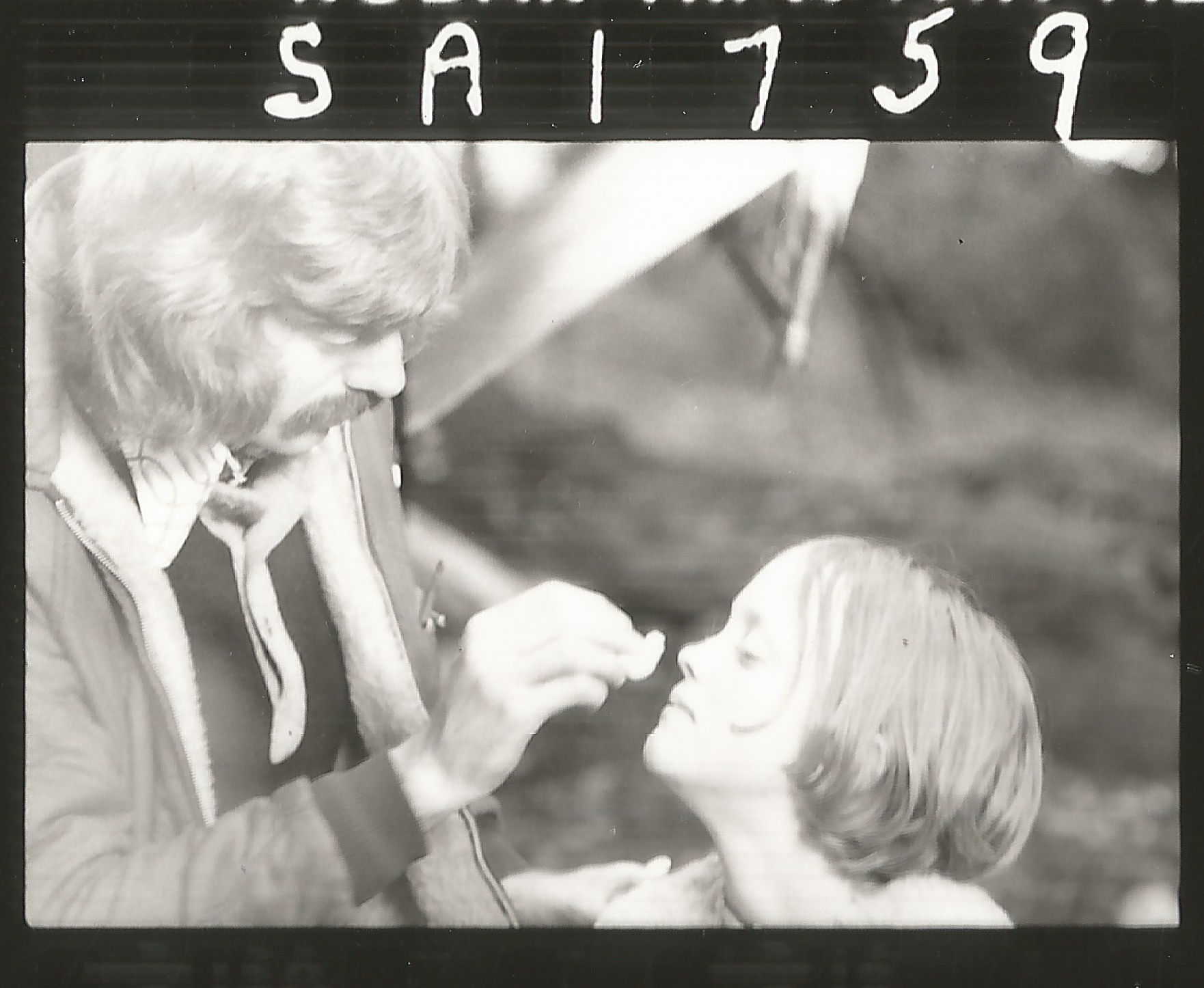
Peter Robb-King had been the Chief Make-up Artist on Diana: her True Story. Having worked on movies such as Indiana Jones and the Temple of Doom, Stars Wars – Return of the Jedi, Batman Begins and The Dark Knight, he is still involved with the most amazing feature films. He has just completed The Cabin in the Woods where he was Sigourney Weaver’s personal make-up artist – and to think! He was once mine.
Sophie Neville being made up for the part of Titty by Peter Robb-King in 1973
“But, Sophie – you disappoint me! You didn’t wear any make-up to play Titty.” No, but as we filmed out on the water, sun cream became extremely important. If even a tiny bit of us had turned red or peeled the filming would have put in jeopardy. Predicting that we would turn vaguely brown, Peter decided to give us a bit of a tan when scenes where shot out of sequence, as a couple had been that first week.
Peter and Ronnie were also responsible for the continuity of how we looked so that the shots would cut together. My fly-away hair was well monitored. Mum had to wash it every other day.
Ronnie Cogan with Sten Grendon. I was in the Make-up caravan beyond.
Sten seemed to be forever having his hair trimmed. There are quite a few photographs of this particular activity in progress.
Sophie Neville with Sten Grendon’s being given a haircut by Ronnie Cogan ~ photo: Daphne Neville
You can read more in ‘The Secrets of Filming Swallows and Amazons’ available as a multi-media ebook illustrated with behind-the-scenes photographs.
When you next go to Bank Ground Farm you must stand outside the front door and imagine the sight of two red London Route Master buses making their way down the drive back in 1973. They swayed from side to side.
We thought it comic. I still can’t work out how they managed to avoid how bringing down the dry stone walls. While sheep grazed outside in the rain, we made ourselves comfortable at the Formica tables in one of these converted buses and got down to our lessons.
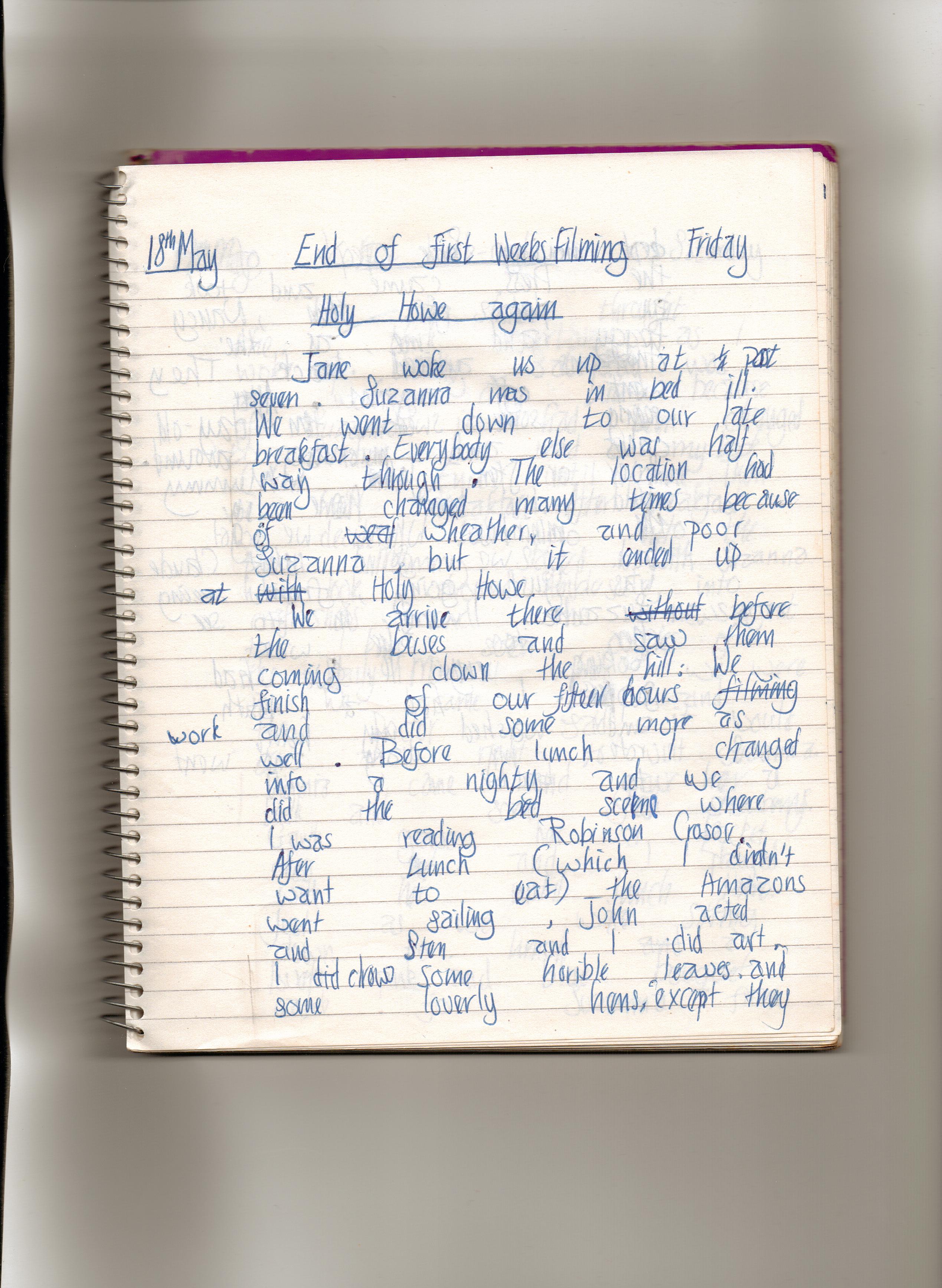
Meanwhile Ian Whittaker, the set dresser, and Simon Holland, the art director on ‘Swallows and Amazons’, transformed Mrs Batty’s upstairs rooms into the Walker children’s bedrooms of 1929. I changed on the top deck of our bus and was rushed through the rain with a coat over my nightie to the magical atmosphere of the film set. This was warmed by arc lights. Everyone became focused what was just in front of the camera: me reading an early edition of Daniel Defoe’s classic book, Robinson Crusoe. The director, Claude Whatham needed to establish that he was Titty’s hero. I can remember having to hold the book in special way so the cover could be seen clearly.
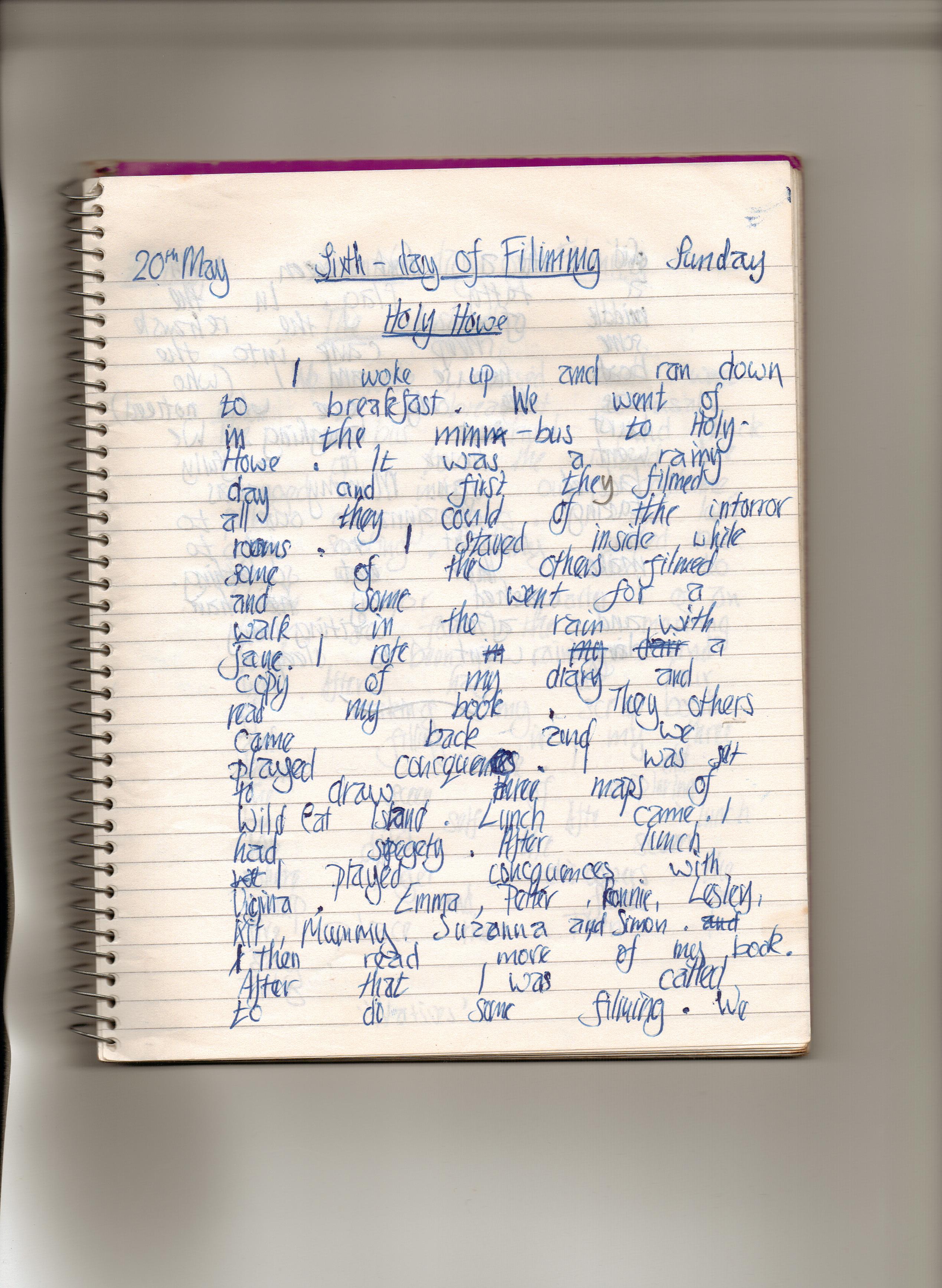
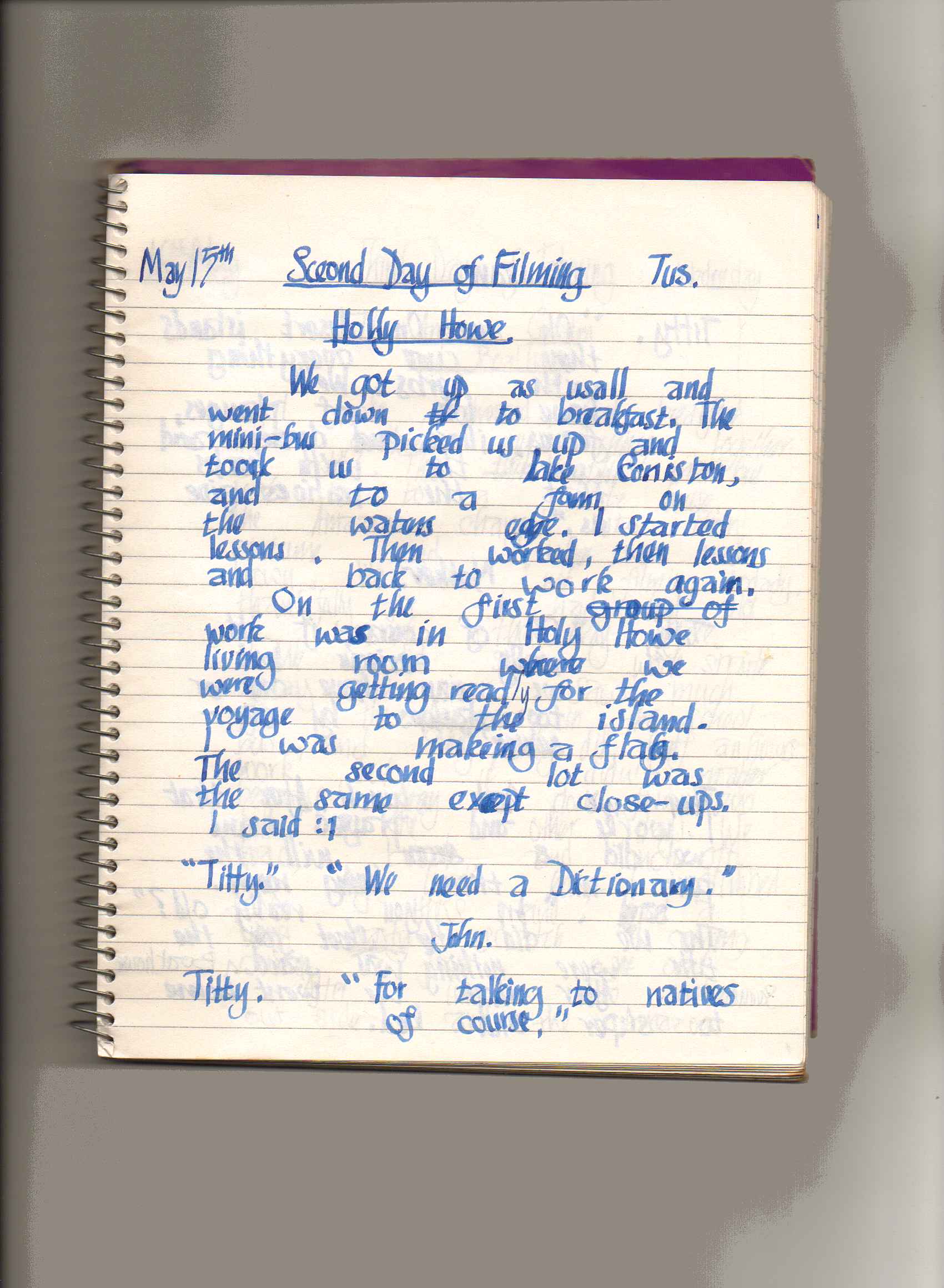
You can see that in my diary, I described this as ‘a bed scene’, which might amuse some actors, especially those who are not at all keen on doing bed-scenes (every actor I know). The beds themselves are probably still at the farm.
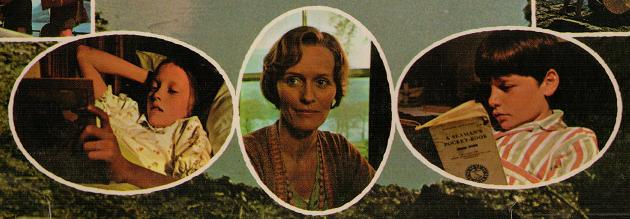
Sophie Neville, Virginia McKenna and Simon West on the cover of the ‘Swallows and Amazons’ LP, which is still available on Amazon.co.uk
They may have shot the scene where Captain John is learning Morse Code in the same room. Simon West then had to be made very brown indeed, the Make-up Designer dabbing away with a tiny sponge. This was for the uneasy sequence, much later in the story, when he returned to Holly Howe to explain himself to his mother. This was shot with Virginia McKenna writing letters at a desk in the square bay window, with the view of Coniston Water beyond. I had used it when stitching Swallow’s flag in the scene recorded the day before.
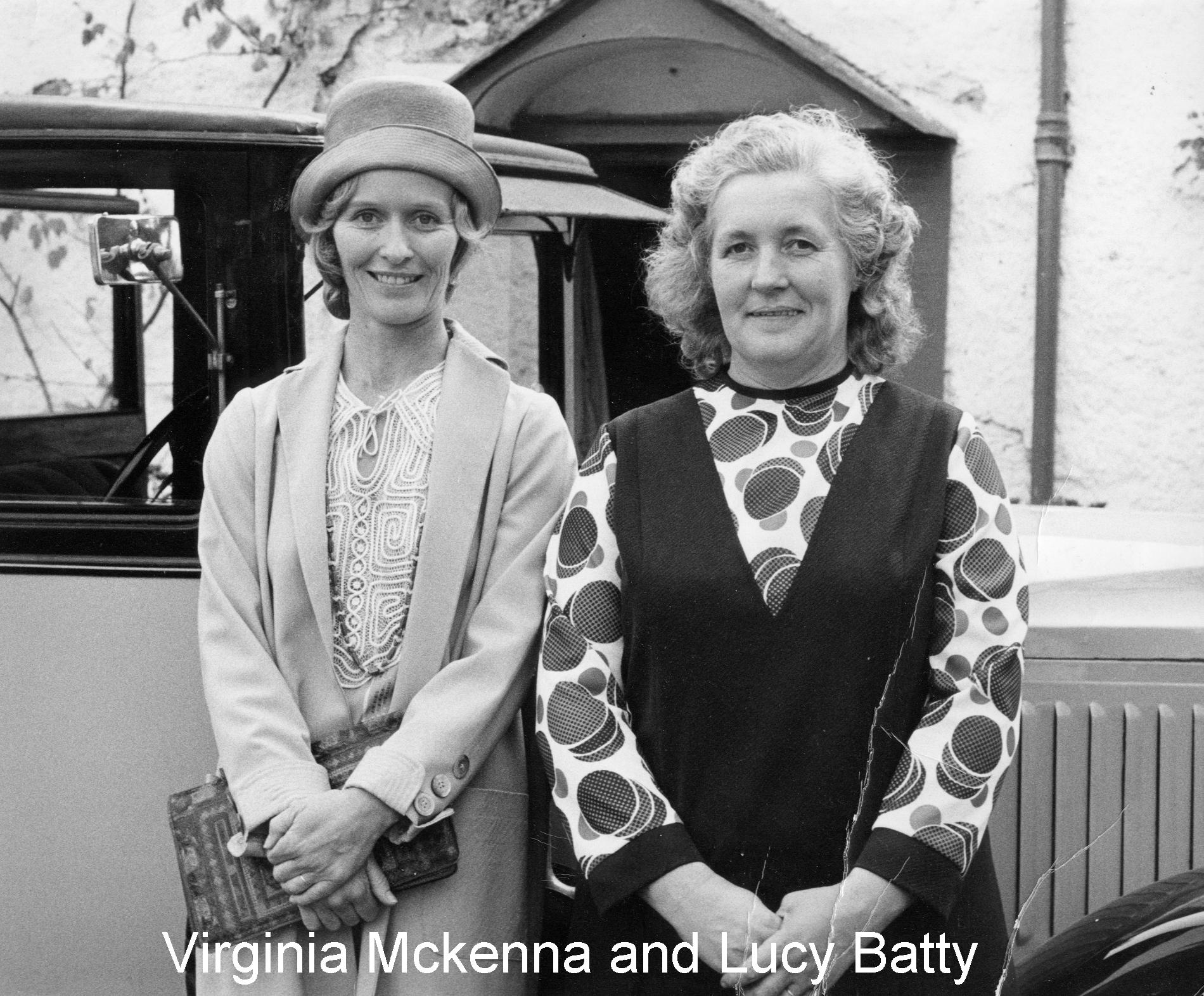
Virginia McKenna and Lucy Batty at Bank Ground Farm on 15th May 1973
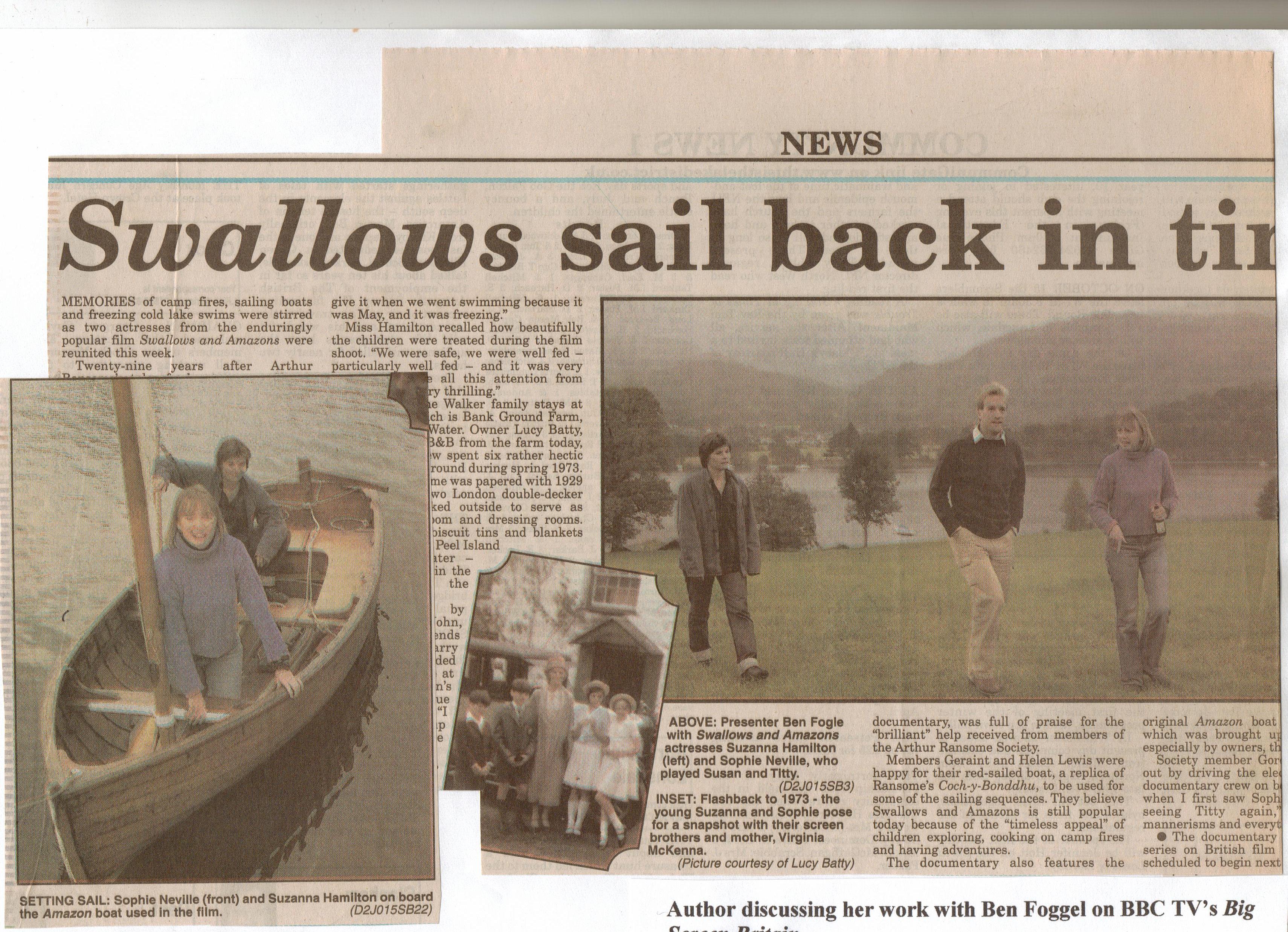
Mrs Batty later told me that the bay window leaked terribly and that she was glad to get rid of it. She built a lounge area in its place, which became a dedicated Swallows and Amazons room. I’d been chatting to her back in 2002 when we were waiting for Ben Fogle and the BBC crew of Countryfile. They had been looking for other locations used in the 1974 film before a planned interview with me and Suzanna Hamilton, who had played my sister Susan. I remember Suzanna’s train had been terribly delayed.
We’d waited and waited and waited. It got later and later. When Suzanna’s taxi finally arrived, I was so excited to see her that I encouraged her to run down to the lake as we once had as children.
Sten Grendon, Simon West, Virginia McKenna, Suzanna Hamilton and Sophie Neville on location at Bank Ground Farm in 1973
The Countryfile director must have been at her wit’s end. Ben Fogle came down to fetch us. My excuse was that Suzanna needed a stretch after her a long journey from London.
The Westmorland Gazette captured the three of us plodding back up the field.I did the whole interview holding a bottle of grog, given to me by Arthur Ransome fans who were staying at the farm. You can see it in the photographs if you look closely. I don’t think Ben knew what it was.
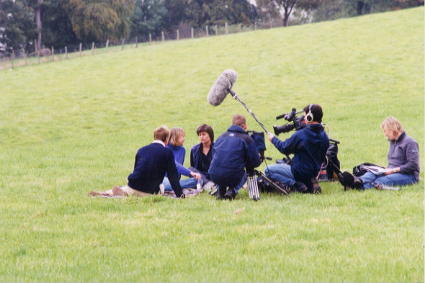
Ben Fogle, Sophie Neville, Suzanna Hamilton and the BBC crew recording Countryfile at Bank Ground Farm in October 2002
My father’s 16mm home movie footage of the making of Swallows and Amazons was cut into this interview with such success that the documentary was re-shown on Big Screen Britainalong with other landscape movies such as Whistle Down the Wind and The Dambusters.
It is aways wonderful to hear how the film of Swallows and Amazons has effected people’s lives. I have just had such an interesting e-mail from Australia. I only wish that Claude Whatham was alive to read it.
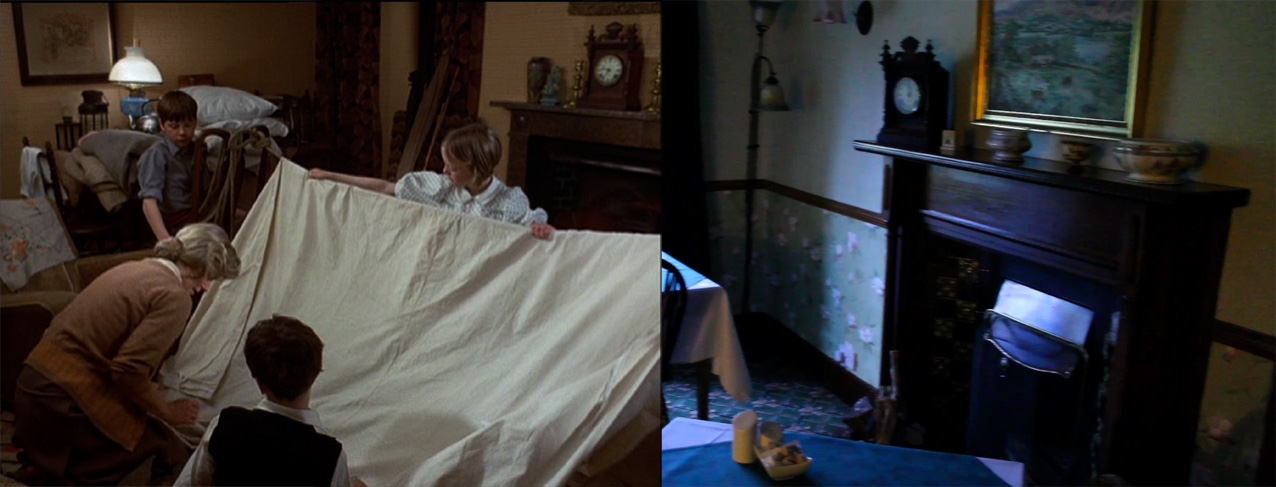
Did anyone else know about the the clock on the mantelpiece at Bank Ground Farm?
In the film – and in real life
Dear Sophie,
I can not tell you how much I am enjoying your website. I’ve searched for scraps of material regarding the making of Swallows and Amazons for decades, but you post more information in one day than I gleaned in a lifetime. It’s a fabulous insight, and one I really appreciate.
I became a film-maker largely because of Swallows and Amazons. I’ve written a small piece about this, which is going to be published in a promo for one of my film-making books. As a nine year old, I stumbled across Wild Cat Island just days after seeing the film. I was so thrilled to be standing where the film had been made, and so excited to see how clever use of the camera could exaggerate the feeling of a location and capture the magic of performance, that I set out to discover everything I could about film. It was a life-changing moment.
My daughters (5 and 7) adore Titty, and we are all impressed by your acting. I’ve directed my girls in a couple of things, and I know they gained confidence from having seen you perform. When Tabitha, my eldest daughter, saw the film for the first time, she burst into tears at the end. It was a release of pure joy, and is testament to the quality of the film.
I live in Australia now, but returned to the island in 2010 with Tabitha and Harriet (rowing all the way from the other end of the lake). We stayed at Bank Ground Farm. This months we went back and were lucky enough to sail Swallow into the Secret Harbour. It was a windy October day, and quite a frantic sail, but I can honestly say it was one of the highlights of my life.
When reading your recent post about set dressing at Bank Ground Farm, I wondered if you’d noticed that the clock on the mantlepiece is still there. It’s on the other mantlepiece, I believe, but it is still there. I have no idea whether it is a prop that was left behind, or whether the film-makers used the clock that belonged to the farm.
Thanks again.
Best wishes,
Chris
Christopher Kenworthy
Art Director Simon Holland painting labels for cans of Pemican on Mrs Batty’s lawn at Bank Ground Farm in 1973 ~ photo: Daphne Neville
Our set designer or ‘Art Director’ on Swallows and Amazons was Simon Holland. He worked tirelessly with his assistant Ian Whittaker and team of prop men, making every effort to use absolutely authentic props and set dressing. It must have involved quite a bit of research. Holly Howe, for instance would not have had mains electricity or back in 1929, so he made sure oil lamps were on set. These would have been modified by the Sparks so that it looked as if they lit the room in those evening scenes when we were busy packing.
The people of the Lake District still remember Simon asking if he could buy old tins of food. It seemed such an unusual request. When it came to making labels for the cans of ‘Pemmican’ he painted them himself ~
Simon had worked as the set dresser on the thriller Callan starring Edward Woodward, that we all saw in 1974. He had earlier been the Art Director on Bartleby, which featured Paul Scholfield with John McEnery in the title role. Swallows and Amazons must have been one of his first features. He was only thirty-two that summer of 1973.
Simon Holland went to to work on well known movies such as Equus, Greystoke, Quadrophenia, The Sleeping Dictionary set in Sarawakand Tales of the Riverbank which starred Stephen Fry as the Owl and Miranda Hart as Miss March. He sadly died in 2010 at the age of 70 but will be remembered fondly by us all.
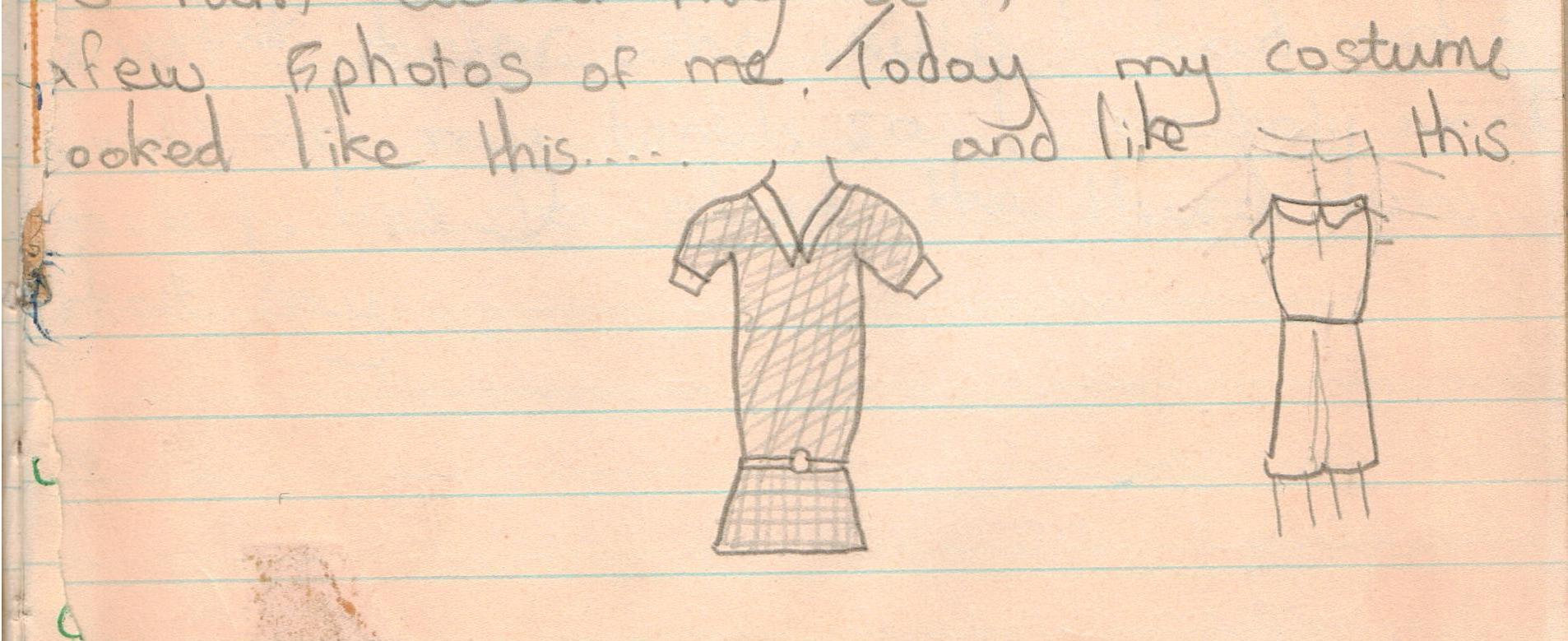
I have found the entry that Suzanna wrote in her diary at this time when we were filming at Bank Ground Farm. She drew a picture of the blue and white checked dress she wore and described an interview with a reporter.
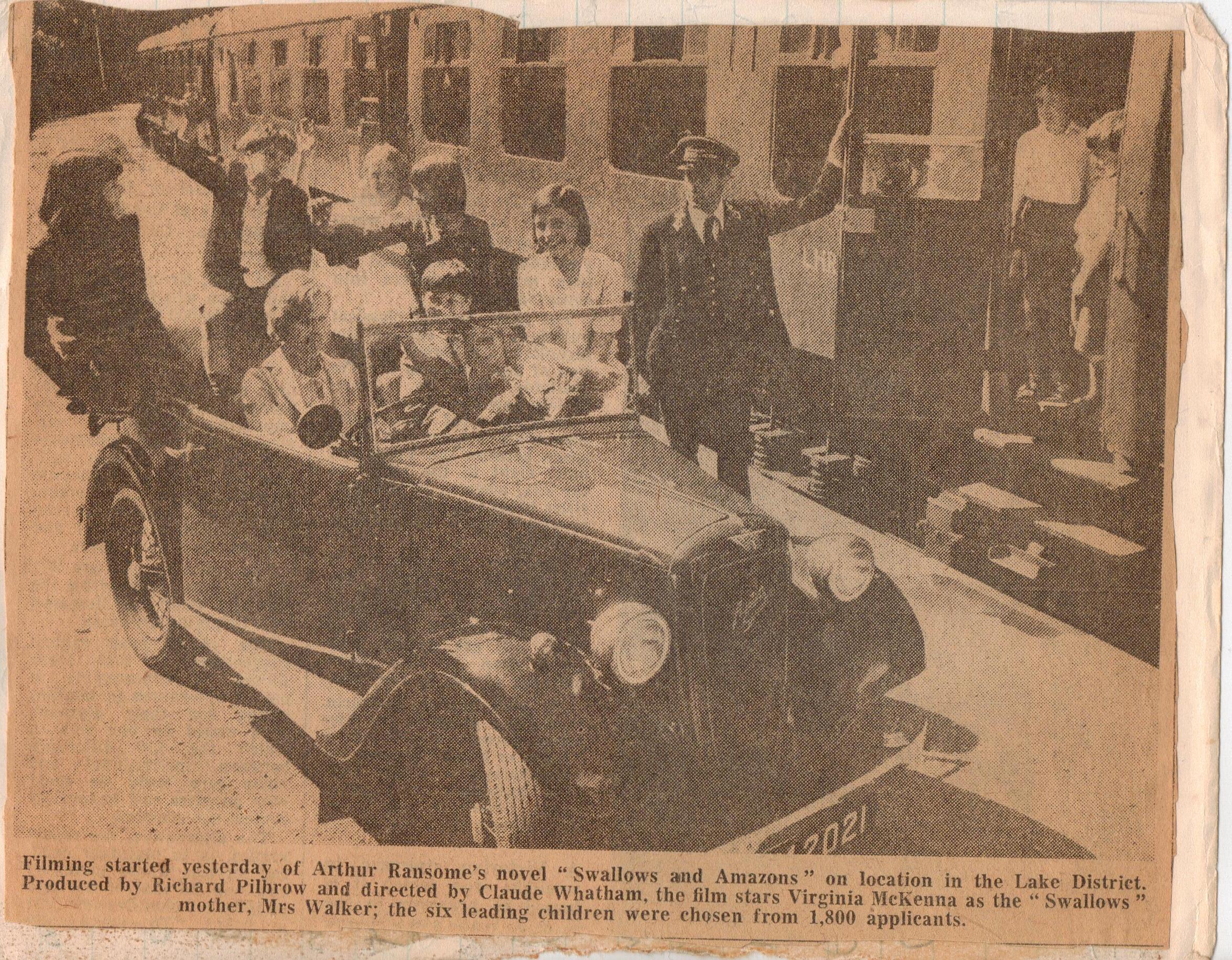
This is the newspaper clipping that Suzanna stuck in her dairy that featured Virginia McKenna and the six of us children in one of the old motors that Simon Holland found to dress the Railway Platform set at Haverthwaite Station on the first day of filming.
A clipping from The Guardian Newspaper 15th May 1973
If you take the East of the Lake road along Coniston Water you will find Bank Ground Farm. It lies between Brantwood, John Ruskin’s former home, and Lanehead where Arthur Ransome’s friends the Collingwoods lived. Ransome was particularly good friends of Dora Collingwood, who married an Irish-Armenian doctor keen on sailing called Ernest Altounyan. They went to live in Syria but every five years or so would bring their children to visit their Grandparents for the holidays, once staying at Bank Ground Farm next door. Ernest bought two 14 foot sailing dinghies called Swallow and Mavis in which his family learnt to sail.
It was for the five Altounyan children, Taqui, Susie, Titty , Roger – and Bridget, the ships’s baby, that Arthur Ransome wrote Swallows and Amazons after they gave him a pair of bright scarlet Turkish slippers as a birthday present. I don’t think I knew that Titty was a real girl when I played her in the film, but I did know her character in the books and felt rather bad that I didn’t have her thick dark hair evident in Ransome’s illustrations.
Claude Whatham with Virginia McKenna ~ photo: Daphne Neville
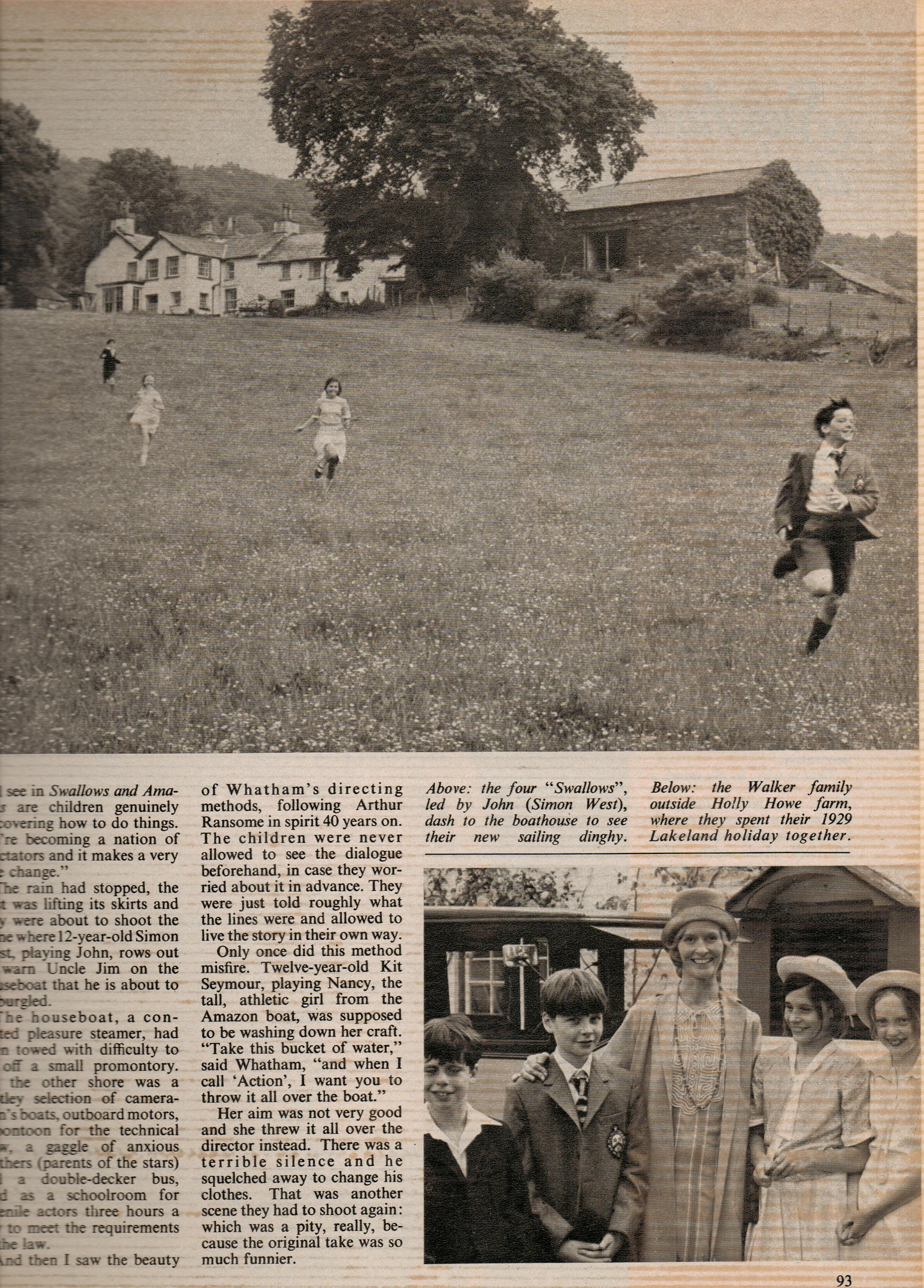
Bank Ground Farm is much smarter now. Lucy Batty, who let us take over her home in 1973, has passed on but the farm is run by her grandson Jonathan. You can stay in the main house, where there is a lovely corner bedroom with views down Langdale, or take a self-catering flat, since they have been able to convert the barn and stables into further accommodation.
I’ve just received post from Peter Willis of The Nancy Blackett Trust who said, “I stayed at Bank Ground in the summer – it was utterly lovely, exactly as it ought to be – Jonathan Batty and his wife are really hospitable, and one of the great pleasures was the friendliness and interstingness of the other guests, who included a Japanese Ransome fan. Do have dinner if they’re doing it. Food’s great, but so’s the sociable atmosphere.”
Int: Holly Howe ~ Bank Ground Farm near Coniston
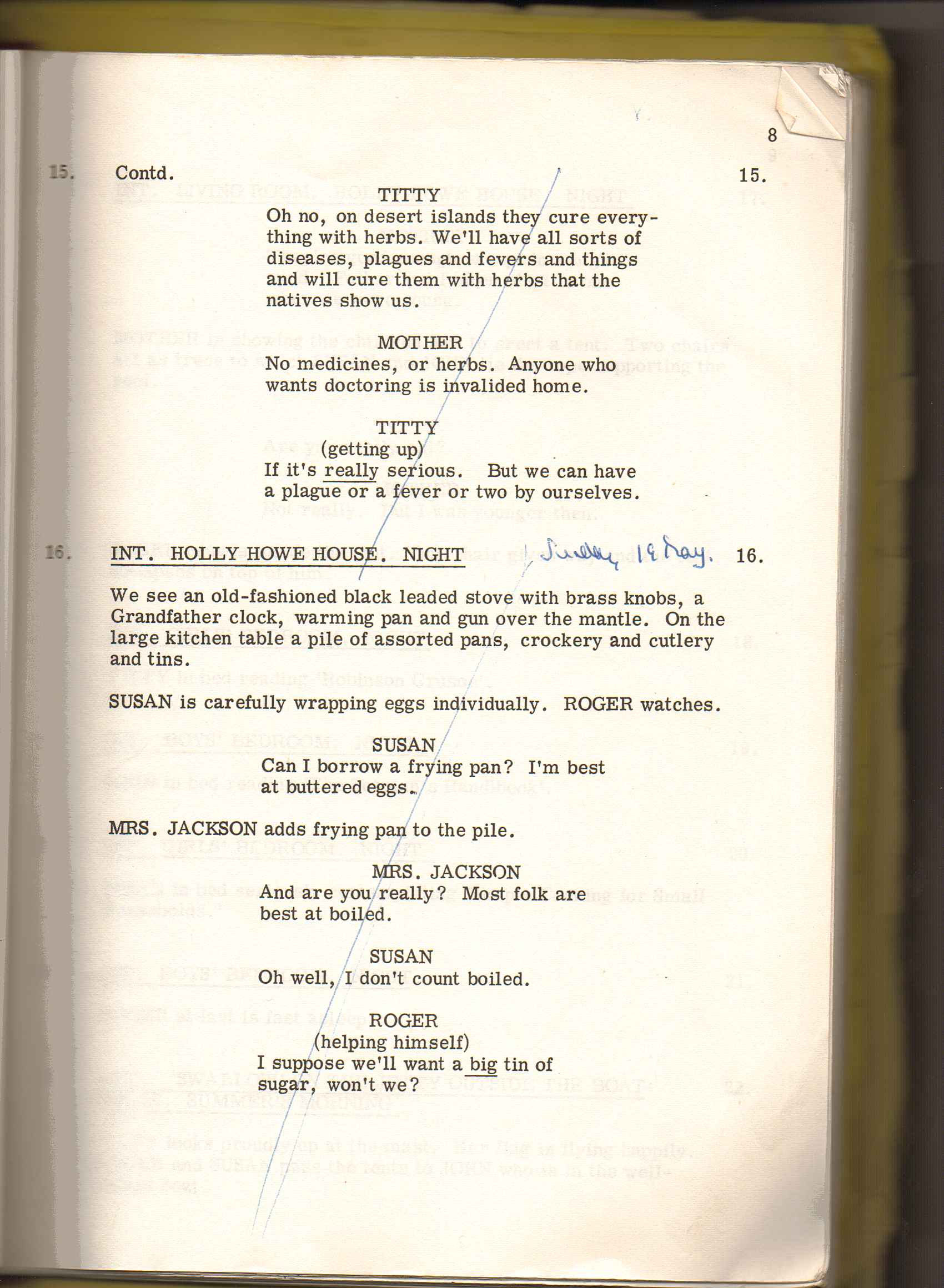
It was grey and raining in the Lake District on 15th May 1973. Instead of filming the scene when Roger tacks up the field, Denis Lewiston, the Director of Photography, lit Mrs Batty’s living room at Bank Ground Farm for an evening scene. Simon Holland, the art director, had dressed the room in the style of a Cumbrian farmhouse in the 192os with working oil lamps. Bob Hedges, the prop master, brought in all the camping gear we were to be packing while Virginia McKenna was having her hair done up and we had lessons in our red double-decker bus. Then we recorded a scene, the dialogue of which was never used in the finished film.
The Screenplay: David Wood’s adaptation of Arthur Ransome’s book ‘Swallows and Amazons’
You do see Susan packing bars of soap and me making heavy weather of sewing our flag, my hair pinned back in a hideous way, with rather a modern reel of white cotton lying on the desk. John packed the telescope in a biscuit tin, which now seems a mistake as we used it on the voyage, very much not in a tin, but then one always re-packs many times before an important trip.
Virginia McKenna, as Mary Walker with Sophie Neville playing her daughter Titty Walker busy stiching Swallow’s new flag in preparation for the voyage to the island
After lunch, we shot the scene when Mother is teaching us how to erect a tent on rocky ground, as she did with Father when they were young. Titty asks if she is really old.
‘Not really. But I was younger then,’ Virginia McKenna replied looking dubious.
This is rather how I feel now, all these years later, especially when I walk into a room when people are expecting me as Titty. I’m not really old, but I do look different from when I was only twelve. This always happens when I return to Bank Ground Farm. Everyone is a bit taken back by my height but say I sound just the same. And I am married now with a family of my own. It is a bit like when Peter Pan flew back to see Wendy and found she looked just like her mother – not least because in the play the adult Wendy is always played by the actress who formerly takes the role of Mrs Darling.
Simon West, Sophie Neville and Suzanna Hamilton in the 1974 film of ‘Swallows and Amazons’
I was standing outside the front door of Bank Ground once, talking to Lucy Batty, when two Japanese girls arrived to stay at the farm. Fans of the film, they looked up at me and declared, ‘Ooo Titty!’ clasping their hands together in greeting. They had come from the other side of the world and yet recognised me immediately. Perhaps I haven’t changed that much after all.
The weather must have cleared up a bit by teatime on 15th May as we recorded the scenes in the boat house when John discovers Swallow, brings her out to the stone jetty and steps the mast. They must have had to take the generator down to the lakeside as I’m pretty sure that the sunlight comes from an arc-lamp. Suzanna got her shorts wet as she pushed out the clinker-built dinghy but we loved being by the water.
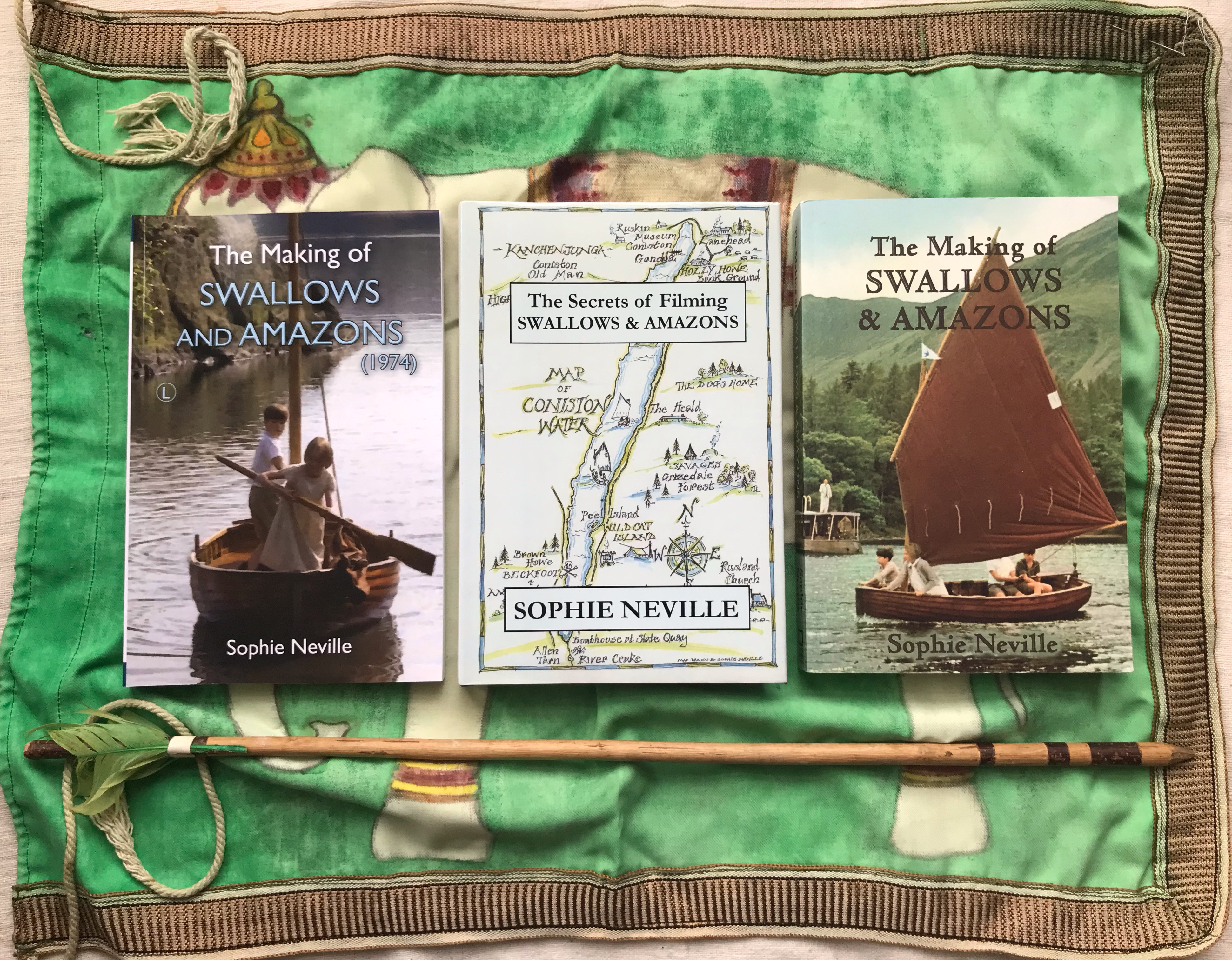
You can read more in ‘The Making of Swallows and Amazons’ available online and to order from bookshops and libraries. It is now available as an audiobook.
Different editions of ‘The Making of Swallows and Amazons (1974) by Sophie Neville’
14th May 1973 – and it was the first day of making the original movie ‘Swallows & Amazons’ on location in the Lake District. A huge effort had been made to ‘dress’ Haverthwaite Railway Station, at the southern end of Windermere. The aim was to bring across the feel of a bustling holiday destination in the summer of 1929. Local people had been fitted with costumes in the Ambleside Church Hall, there was a horse and cart, porters’ trolleys laden with trunks and a number of old bikes, which were all of great interest to us.
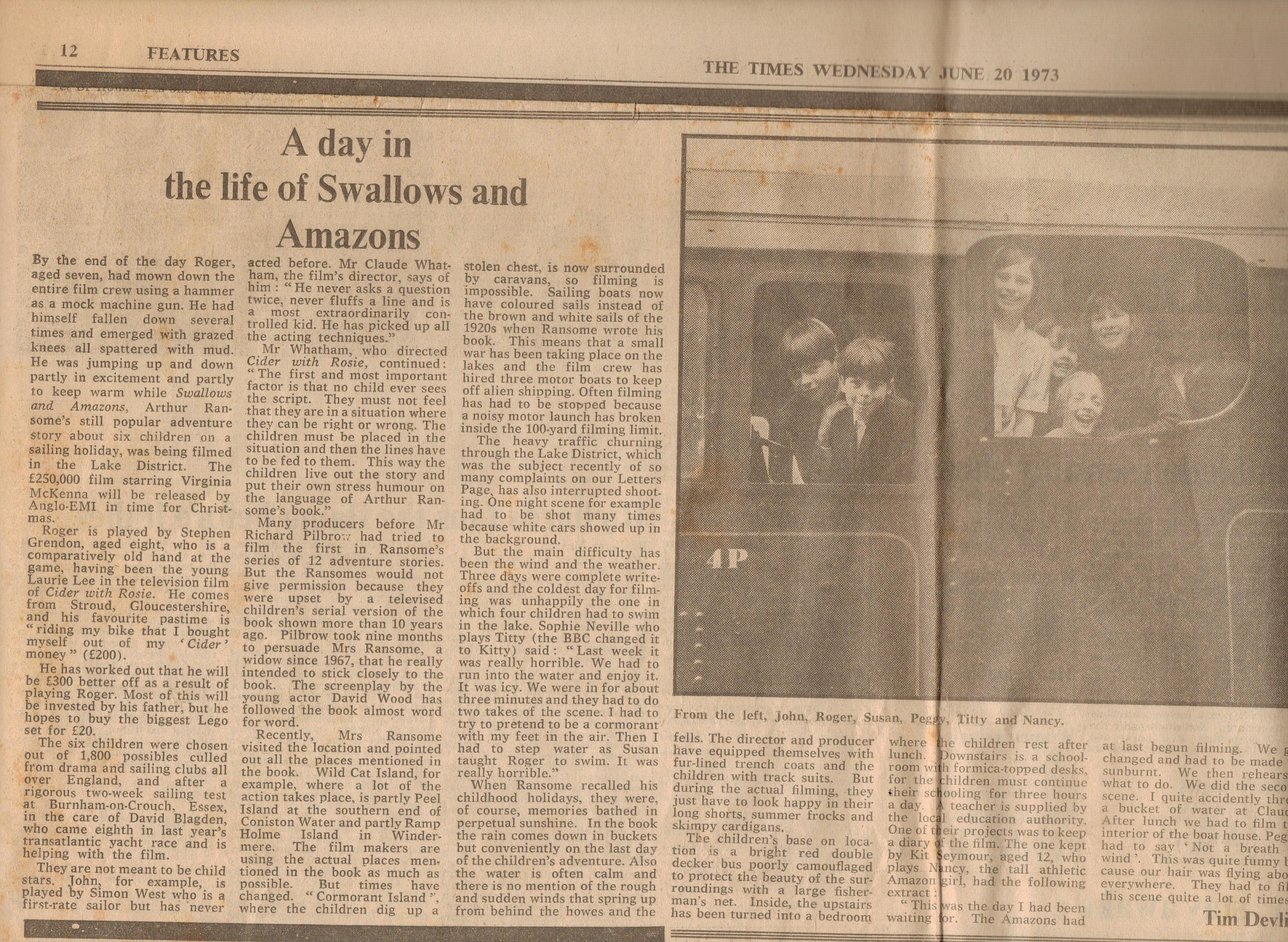
Having stepped down from the steam locomotive, where the Times photographer must have taken this shot (below) before we children were piled into an open-topped period vehicle, for further photographs.
A photograph taken for The Times of us all aboard the steam train at Haverthwaite
I thought the publicity photographs taken that day were silly, especially since Kit Seymour and Lesley Bennett, who played the Amazons, were wearing ordinary clothes rather than period costumes, but the results were later published far-afield from The Guardian to Woman’s Realm.
Viewers ask how old we were at the time. Sten Grendon, who played Roger was aged 8, Simon West (John) was aged 11. Although Titty is described as being aged 9 in the books, I was 12, as were Suzanna Hamilton (Susan) and Kit Seymour (Nancy). Lesley Bennett (Peggy) was 13, but looked younger. Virginia McKenna, who played my mother, has just been awarded a DBE – not before time!
A publicity shot featuring Virginia McKenna, with Kit Seymour, Steven Grendon, Sophie Neville, Lesley Bennett, Simon West and Suzanna Hamilton, taken on the first day of filming and published in the Guardian and other newspapers
The yellow motor used in the film for our taxi was superb. Would a real Lakeland taxi have been so grand? I recorded in my diary that Sten, playing Roger, hung out of the window as the director, Claude Whatham, ‘filmed us driving out of the station, along the platform at top speed.’
Once this shot was ‘in the can’ Virginia McKenna was interviewed by journalists while we were hurried away to get on with our lessons. Our tutor taught us Art. I drew the a picture of the motor car.
Director Claude Whatham talking to Virginia McKenna
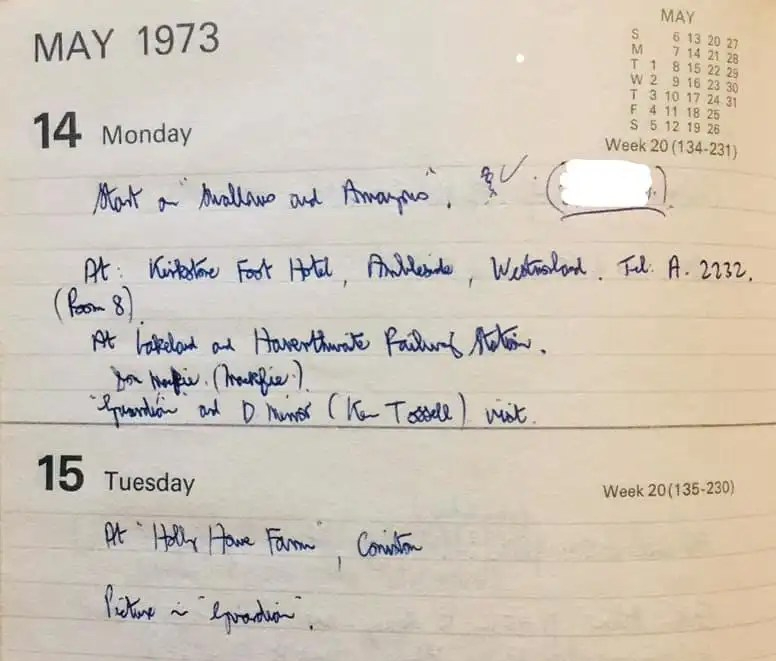
Journalists from the Times, Guardian and Daily Mirror were looked after by our publicist, Brian Doyle, whose diary was a little more functional than mine. I’m now struck by the telephone number for the unit hotel: Ambleside 2232
Dairy kept by Brian Doyle, the publicist on ‘Swallows and Amazons’
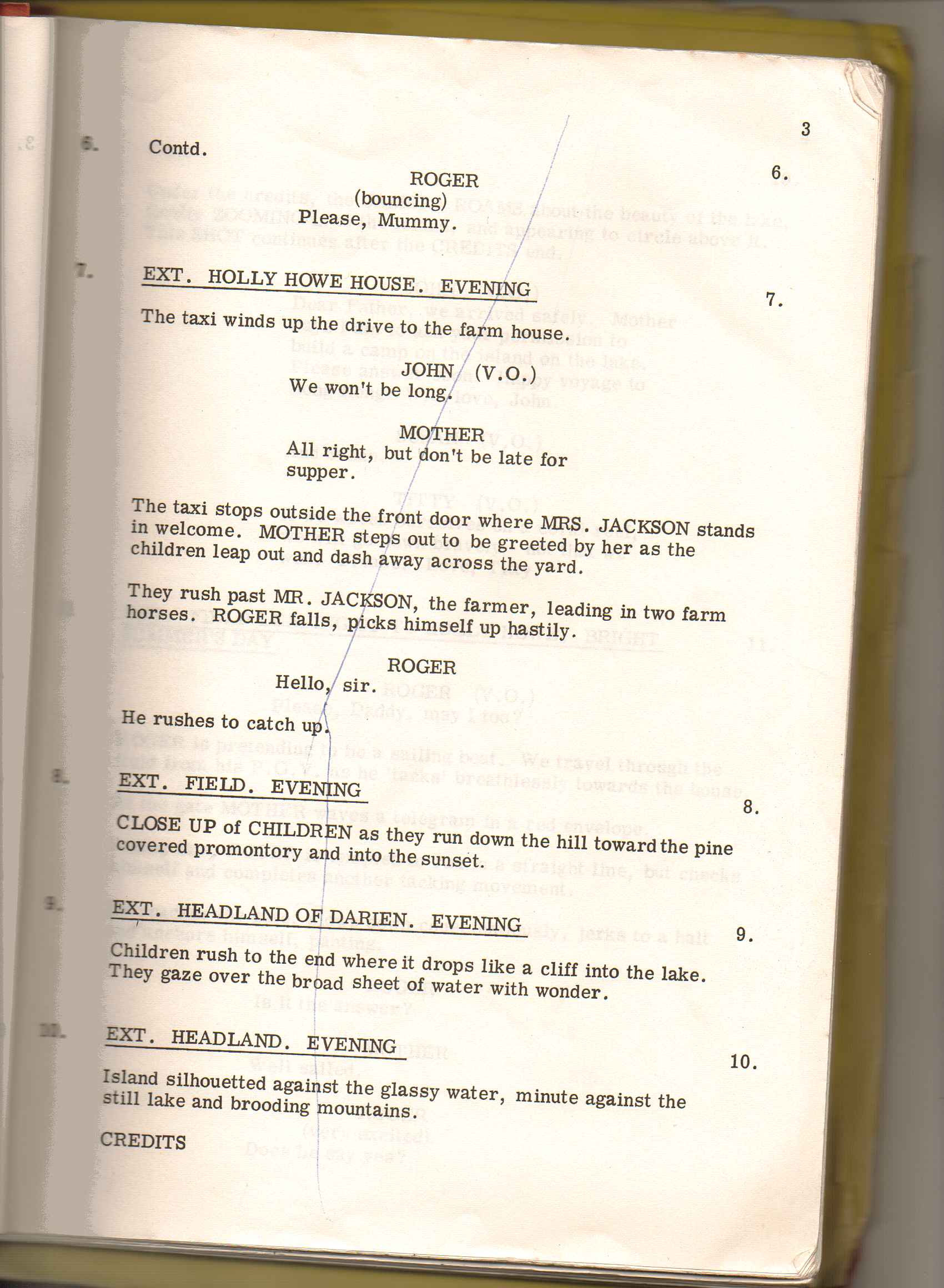
Arriving at Holly Howe in the taxi was truly exciting. It was not filmed the next day, as I think rain had set in. Claude waited for good evening light. But I remember the thrill of drawing up outside the farmhouse in the old car and pulling on my hat as we spilled out and ran past the big farm horses Mr Jackson was leading into the yard. Our OOV (out of vision) dialogue was added later.
The screenplay of the 1973 film ‘Swallows and Amazons’ adapted from Arthur Ransome’s book by David Wood
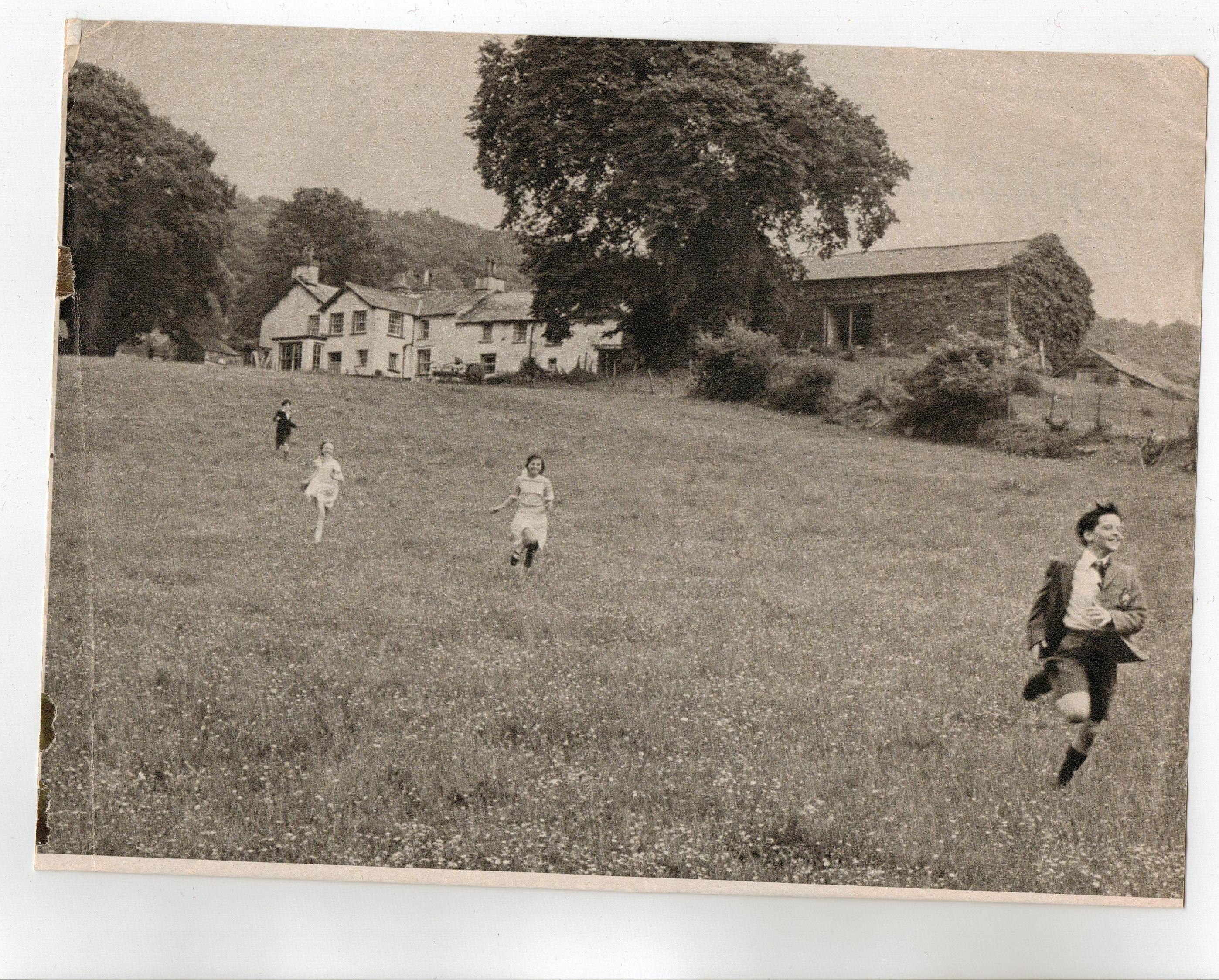
If you ever go to Bank Ground Farm near Coniston, named Holly Howe by Arthur Ransome in his books, you must run down the field to the lake as we did. As soon as you arrive. And at top speed. And you will be filled by the same feeling of elation as we were when we played the Walker children.
Steven Grendon, Sophie Neville, Suzanna Hamilton and Simon West at Bankground Farm above Coniston Water in the Lake District
The slope, formed by glacial scouring and subsequent deposits long ago, is steeper than you might think. We became adept at the art of glaumphing, advocated by Ransome in the book.
What struck me when I returned to Bank Ground Farm one Spring, was that sadly the great trees have gone from around the old farm gate and the boatsheds down by the lake. They must simply have reached the end of their lives, but their glory was captured on celluloid to be remembered forever.
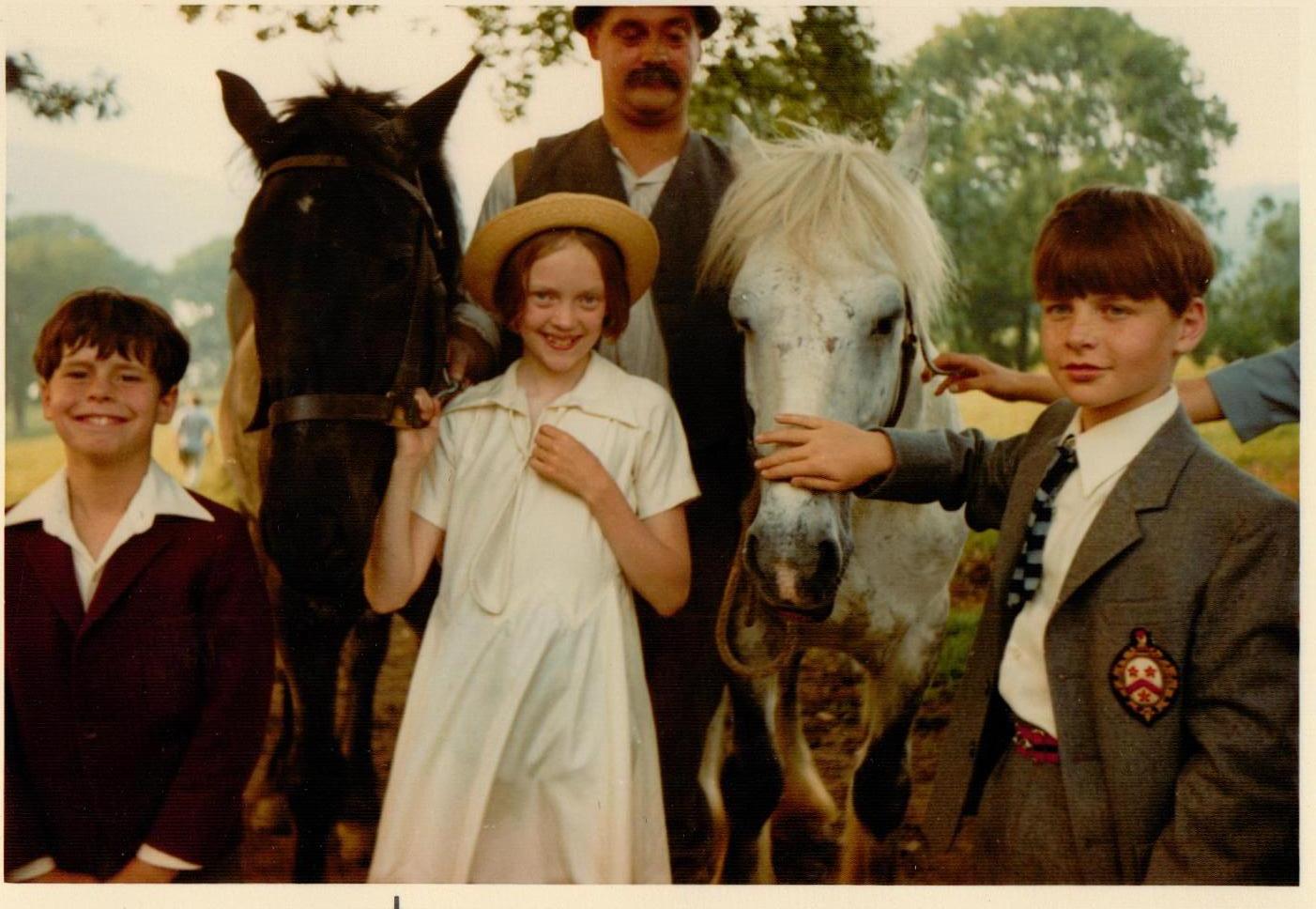
Sten Grendon, Sophie Neville and Simon West with Mr Jackson at Holly Howe~ photo: Daphne Neville
Most Arthur Ransome devotees will know that the Peak at Darien, where once stood stout Cortez, is familiar to readers as it appears in two of the illustrations in the book. Sadly it can not be found below the farm in real life. Mrs Ransome said that you could find the headland on Windermere. In April 2011, when I was on an early recce with Nick Barton, CEO of Harbour Picture Productions, we did pass one promising spot. However Richard Pilbrow and Claude Whatham chose Friar’s Crag on Derwent Water for the location. I didn’t know it but Christina Hardyment writes in her excellent book, Arthur Ransome and Captain Flint’s Trunk, that they had found the very place Ransome had in mind, “without the slightest idea that they were quite right to be doing so.” She found that Ransome had marked up postcard of Friar’s Peak for his illustrator Clifford Webb to work from in 1930. It feels completely right when you are there, with the iconic view of an island under the towering mountains. It was over a shot of this that the opening titles were added.
Sout Cortez was not around. Neither were we children. By the time we had been transported from Coniston to Derwent Water for this scheduled scene the sun was going down. We’d been delayed by the make-up artist who was determined to tone down the tans we had developed. This took ages as he used a very small sponge. My mother was frustrated, as she thought that this would never have shown up, but he put his foot down with the result that we were ‘late on set’ for the evening shots. Mum grabbed this photo but it was a disaster. Claude Whatham was very annoyed.
Sophie Neville as Titty arriving too late in the day to film at Friar’s Crag on Derwent Water. The island portrayed as Wildcat Island can be seen in the distance ~ photo: Daphne Neville
One of the big secrets of the film is that the sequence when we run up to the Peak at Darien and first set eyes on the island in the lake was shot under an oak tree in Runnymede, near the River Thames. We were not an island at all. It must have been an expensive ‘pick-up shot’ but Claude had made an effort to gather together the same crew members and I was back in my lovely silk dress once more. We knew how to act by then and the joy of being together again shows on our faces. The result was a scene to set the film off on the right foot. We were jubilant and so excited, that, like swallows, we could have taken flight.
Sophie Neville, Claude Whatham and Simon West with Richard Pilbrow, right ~photo:Daphne Neville
I would have to check with Richard Pilbrow to be certain, but I think that Simon Holland, the Art Director, penned the SWALLOWS and AMAZONS graphics for the opening titles. I remember a discussion about the font type. A very fashionable script used on the poster of the film was favoured. I said that they ought to use the handwritten capitals that Clifford Webb had penned on the map in the opening cover of the book, which were copied by Simon Holland (and me) on our chart. This was chosen.
A snazzy Seventies’ font, had been used for the titles of Lionel Jefferey’s movie The Railway Children and the poster of Swallows & Amazons. For sometime a DVD has been available which gives you both movies released by EMI Films.
Click on this image to see the poster of the film
As a viewer I felt that this soon dated it, whilst Swallows and Amazons sailed onto our television screens in the 1980’s and 1990’s, without being spoilt by what became most unfashionable graphics. Of course that particular retro font is now all the rage.
You can read more about the trials of producing the classic film in ‘The Making of Swallows and Amazons’ published by the Lutterworth Press, available online, at all good bookshops and to order from libraries.
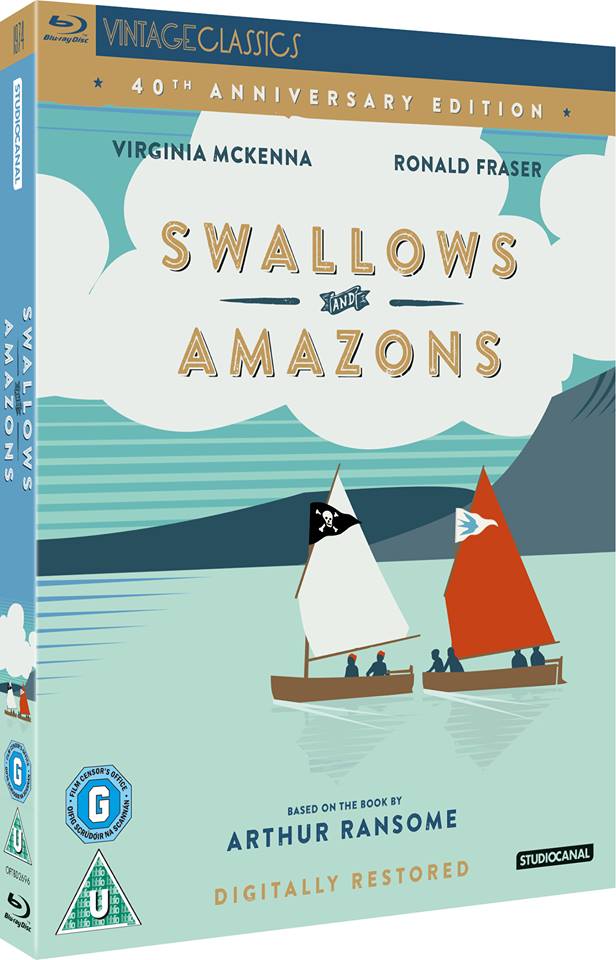
The remastered DVD with subtitles and an Extras package is available online.









 ‘But John’s our Captain.’




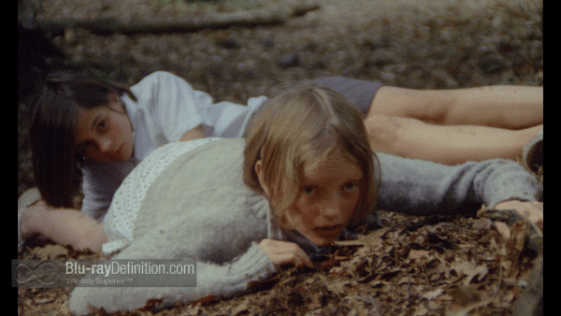


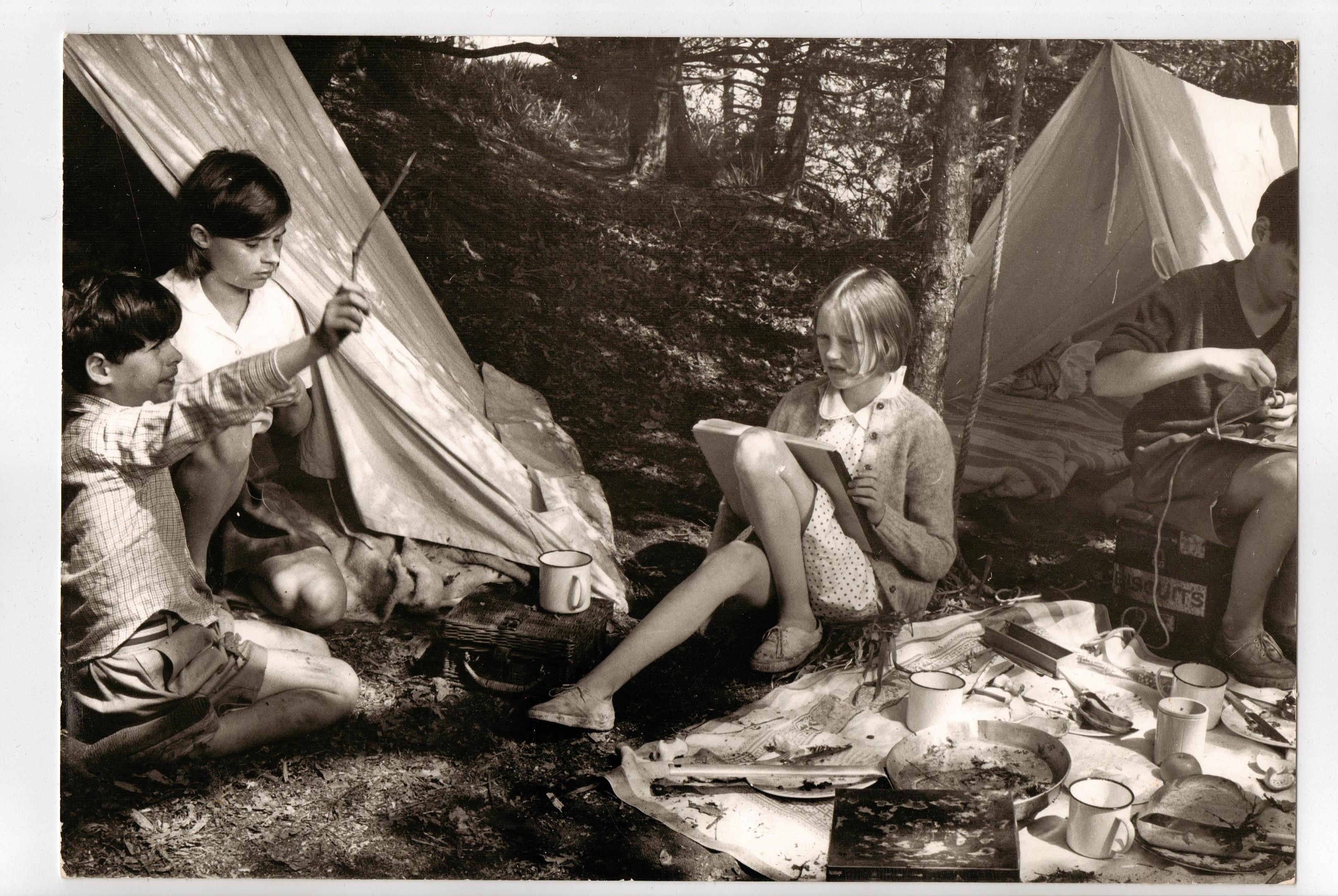
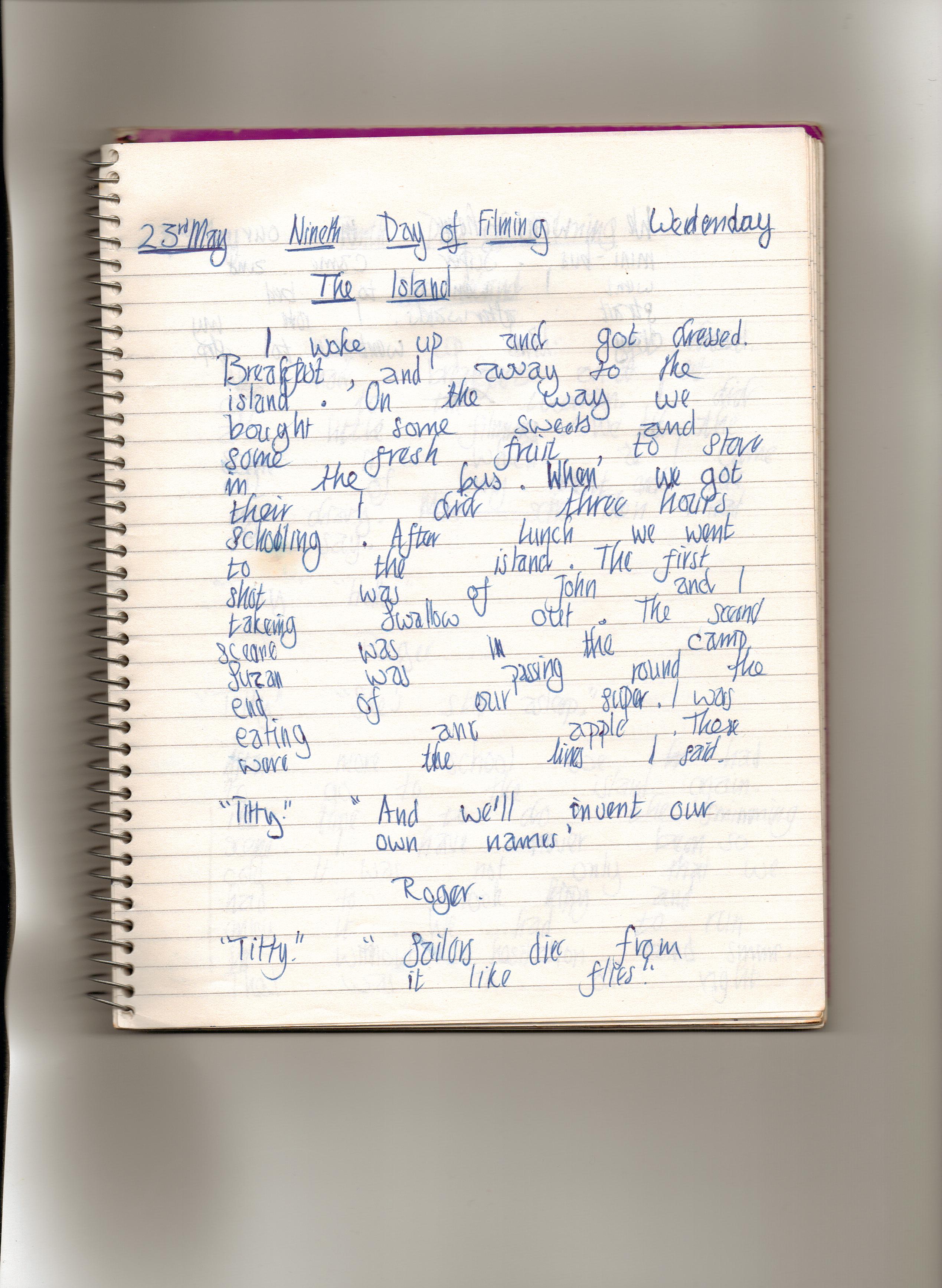
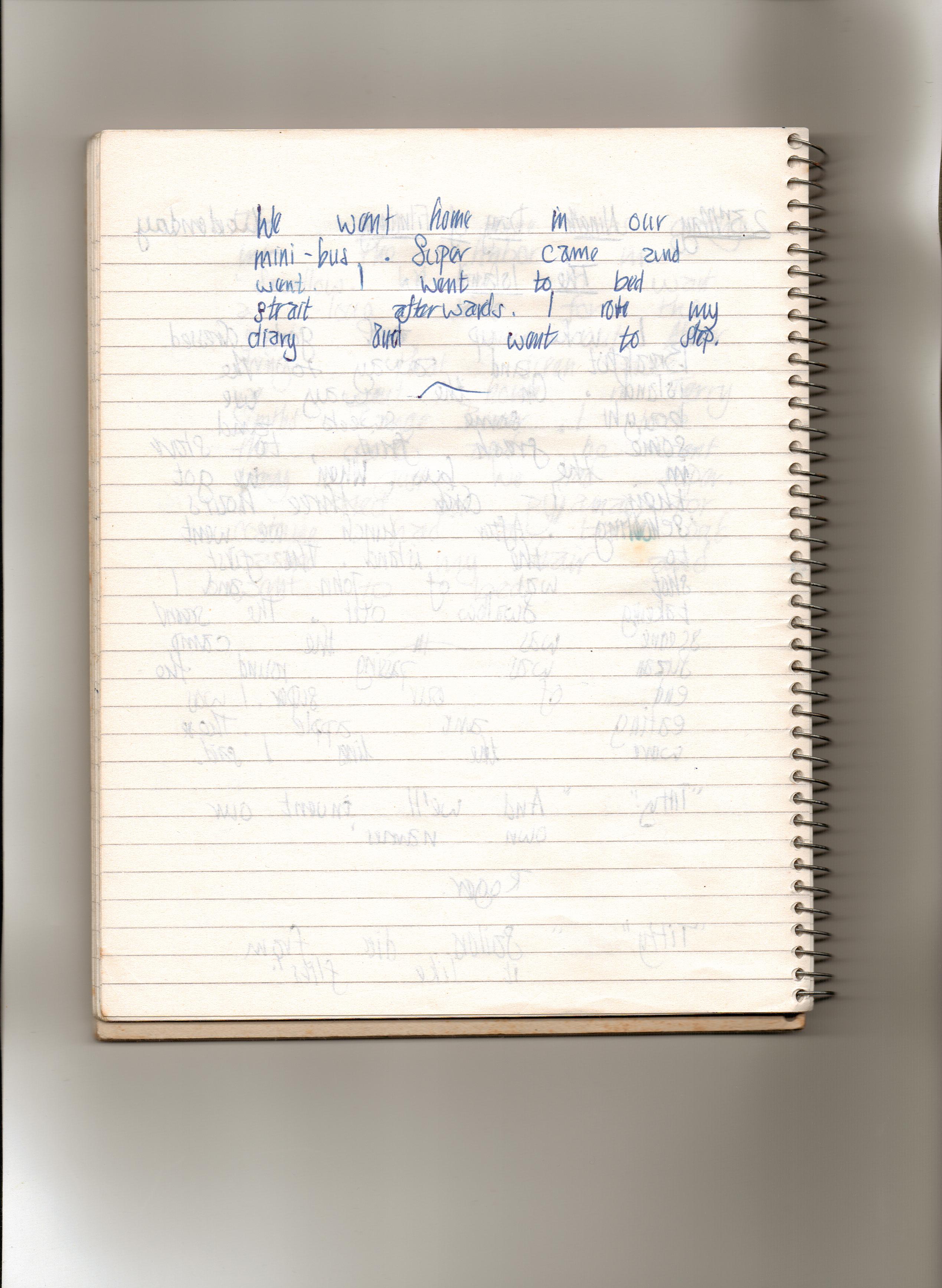
























 Sophie Neville