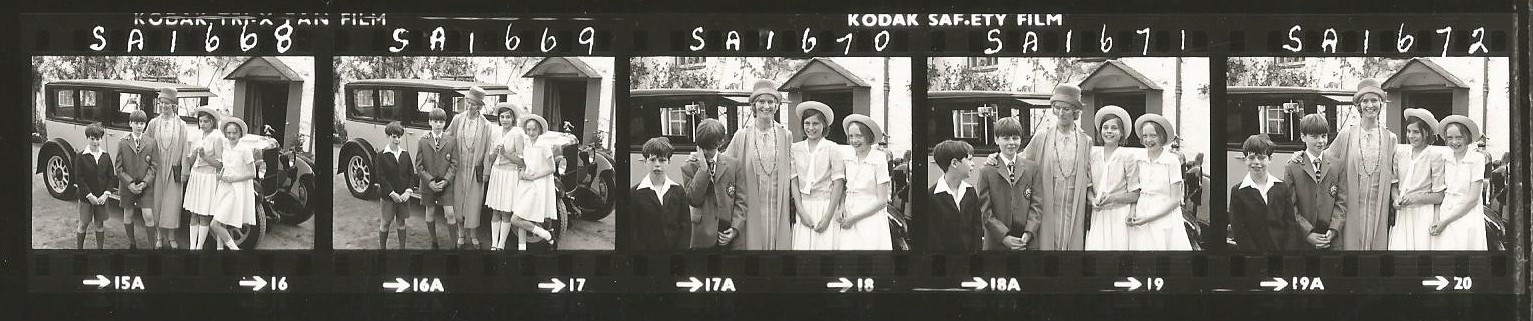
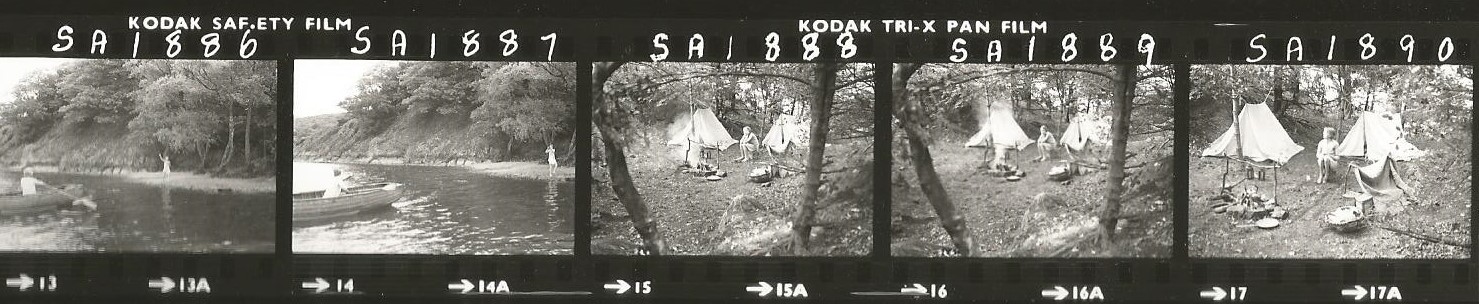
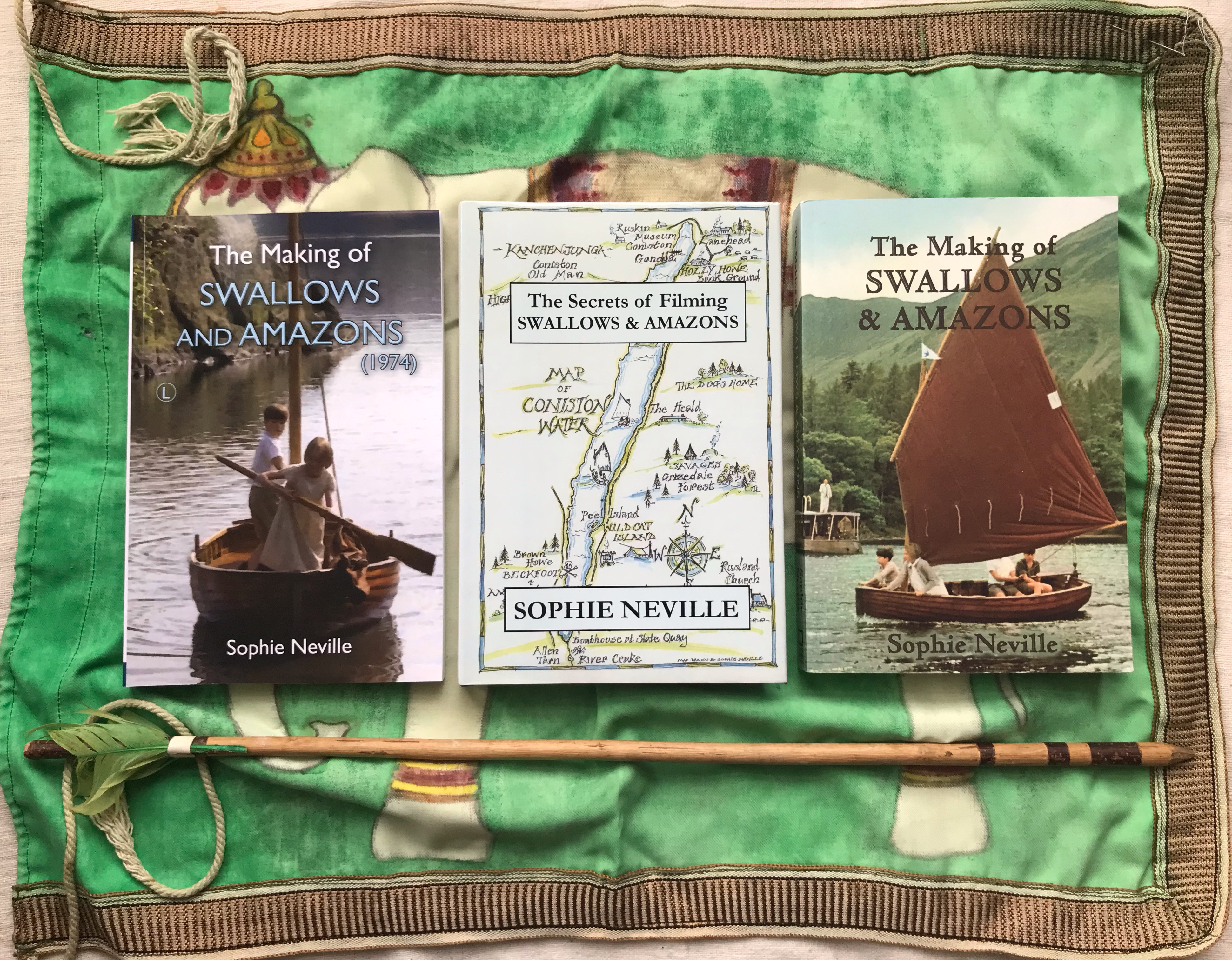
2nd edition of ‘The Making of SWALLOWS and AMAZONS (1974)’ published by The Lutterworth Press

9780718894962_cover Amazons.indd

The long-awaited second edition of ‘The Making of SWALLOWS AND AMAZONS (1974)’ was being published in paperback by The Lutterworth Press in May 2017. It is available from their website here
This memoir of an odd thing that happened in the early 1970s is similar to the first edition but has a new cover and includes a few more stories, photographs and names from the ‘seventies that have floated to the surface. It compliments StudioCanal’s 40th Anniversary DVD and Blu-ray and makes a good present for anyone who has grown up watching the 1974 film.
StudioCanal DVD cover
The new paperback edition will be stocked by the vast majority of book retailers including Amazon, Waterstones, Blackwells, Paperback Bookshop, Books Etc. and is available direct from The Lutterworth Press who also publish ‘Swallows, Amazons and Coots’ by Julian Lovelock that has a foreword by Sophie Neville. Those in North America can order copies from the US distributor Casemate Academic
 Swallows & Amazons flags for book

Sophie will be signing copies at events around the country.

Please click here for details

Roseland Festival 2017

Sophie signed copies of her books at the Tavistock Festival and gave a talk at the Roseland Festival in St Mawes before a screening of ‘Swallows and Amazons’ (1974) at the lovely Hotel Tresanton cinema.

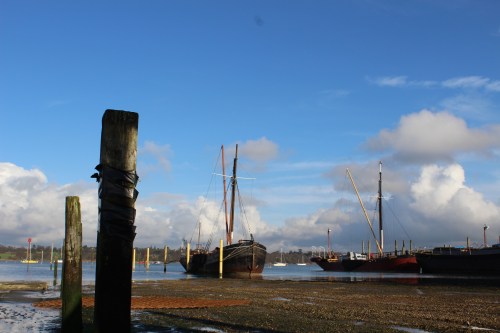
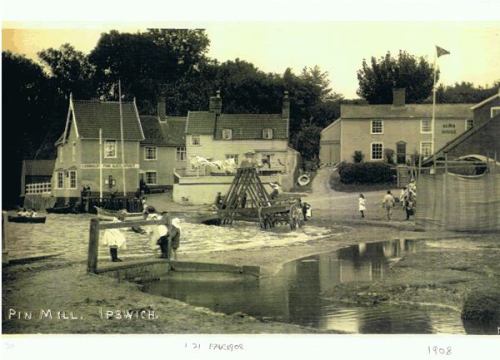
Arthur Ransome Pin Mill Jamboree

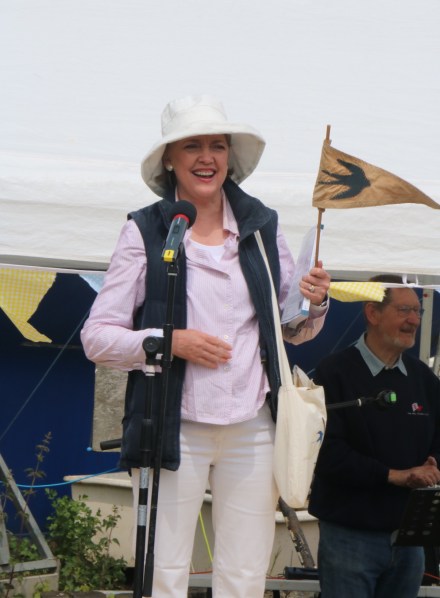
Sophie opened the Arthur Ransome Pin Mill Jamboree in Suffolk to celebrate the  20th Anniversary of the Nancy Blackett Trust and Visit England’s Year of Literary Heroes. She gave a talk on the adaptations of Ransome’s books set in East Anglia and the English Lake District.

Map of the Jamboree

My Family Roots in East Africa – Part Two

sophie-neville-at-usa-river-in-tanzania

~Drying coffee beans on our farm at Usa River near Arusha in 1972~

Days spent at our farm in northern Tanzania were full of colourful characters, including a cobra who lived in the trees overshadowing the house. He probably kept down the rodent population quite efficiently.

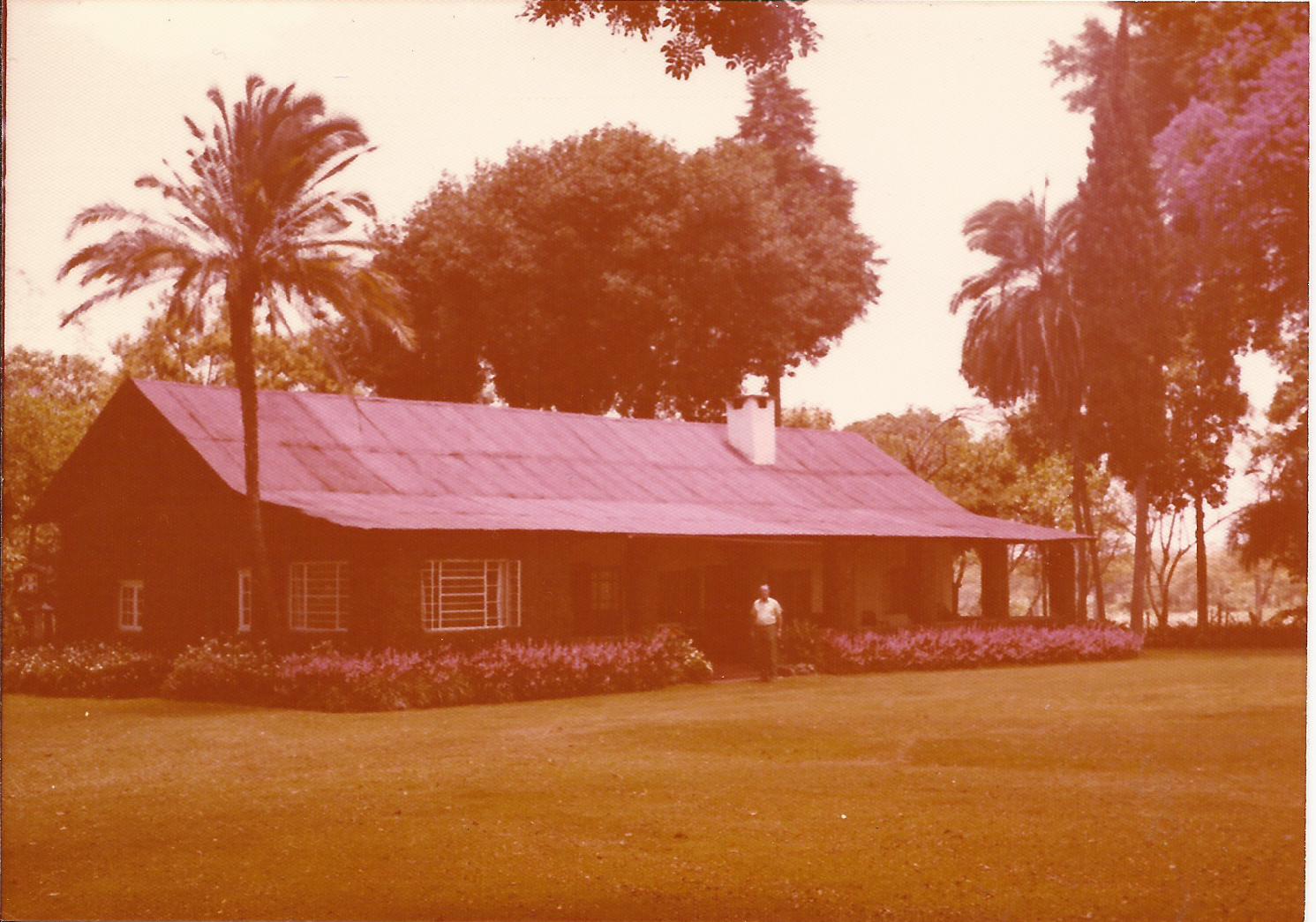
farmhouse-at-usa-river

My greatuncle Tony was probably more dangerous. He had a very sensitive nose and a legendary temper.

a-walk-in-africa

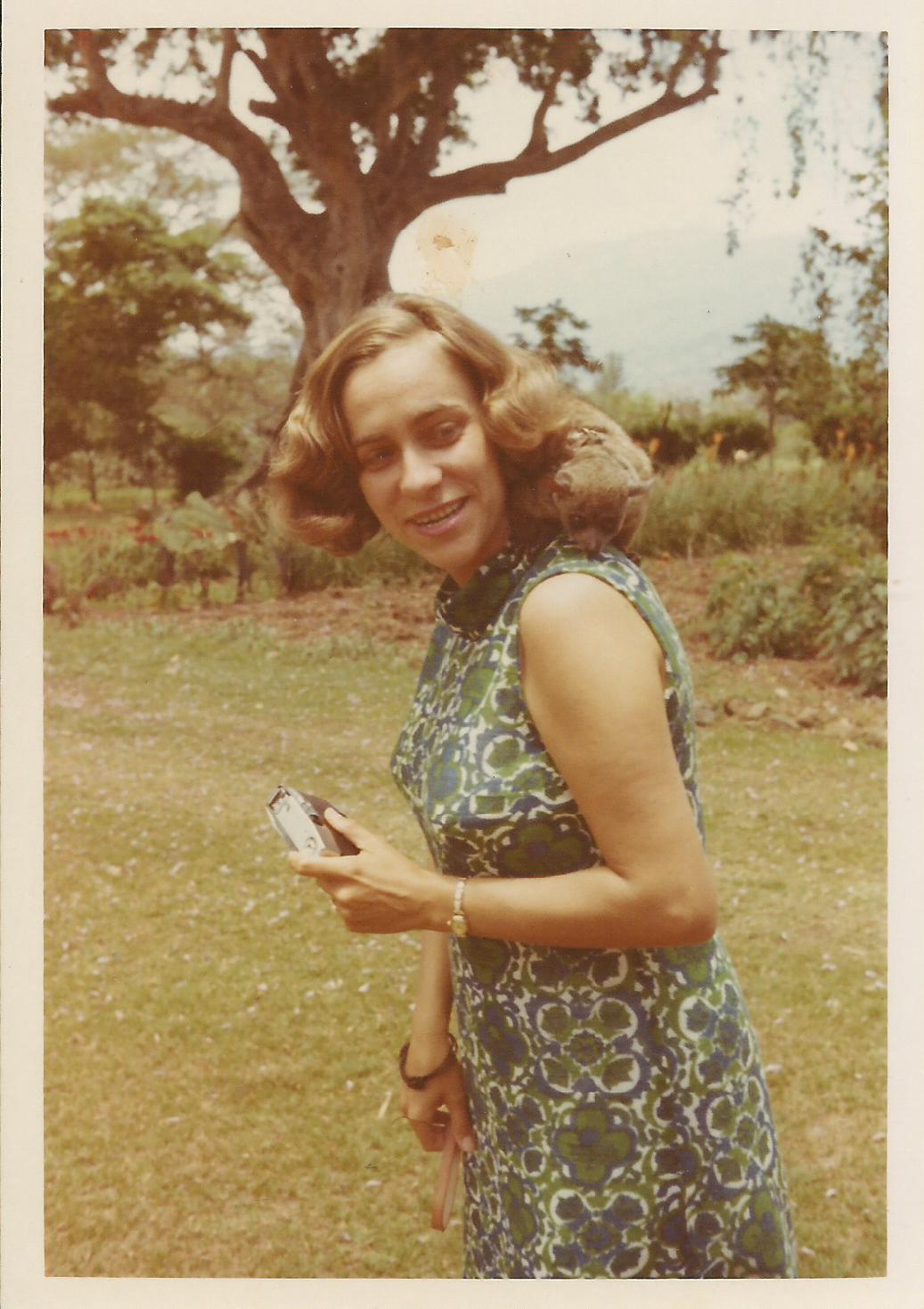
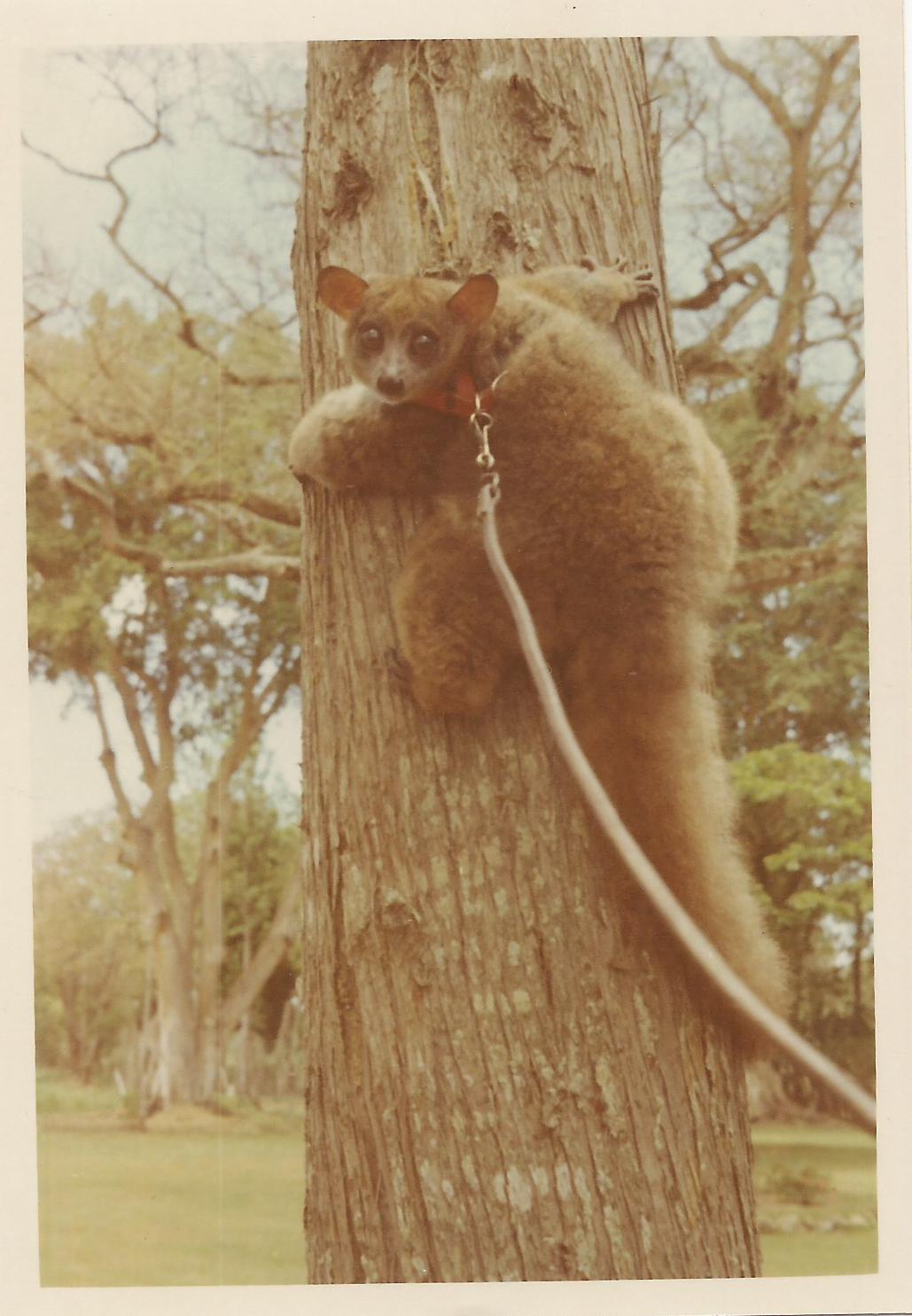
My aunt kept tame lemurs. They marked their territory by peeing on their hands. This was understandable until they decided to climb over your face.

reinhild-with-her-lemur

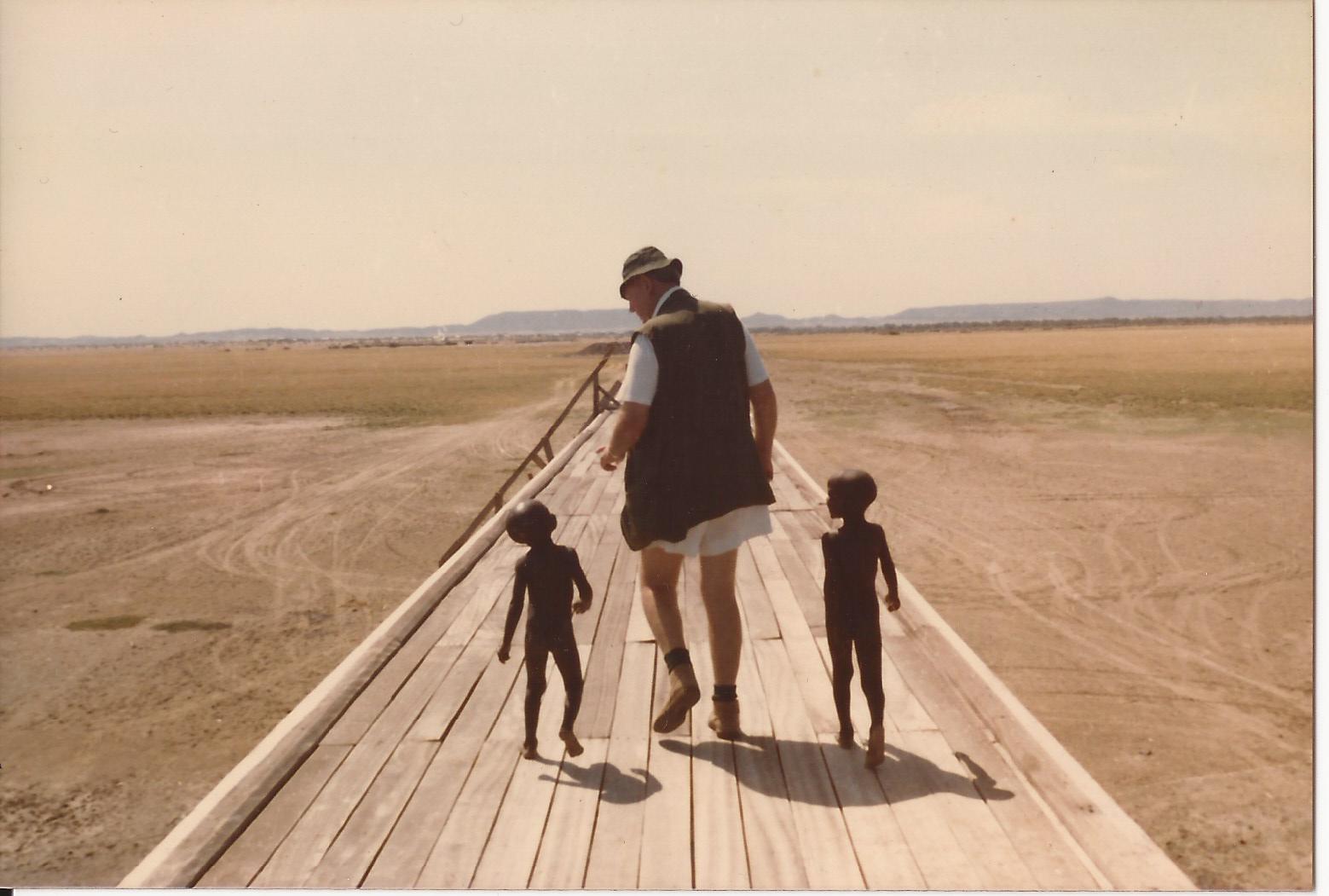
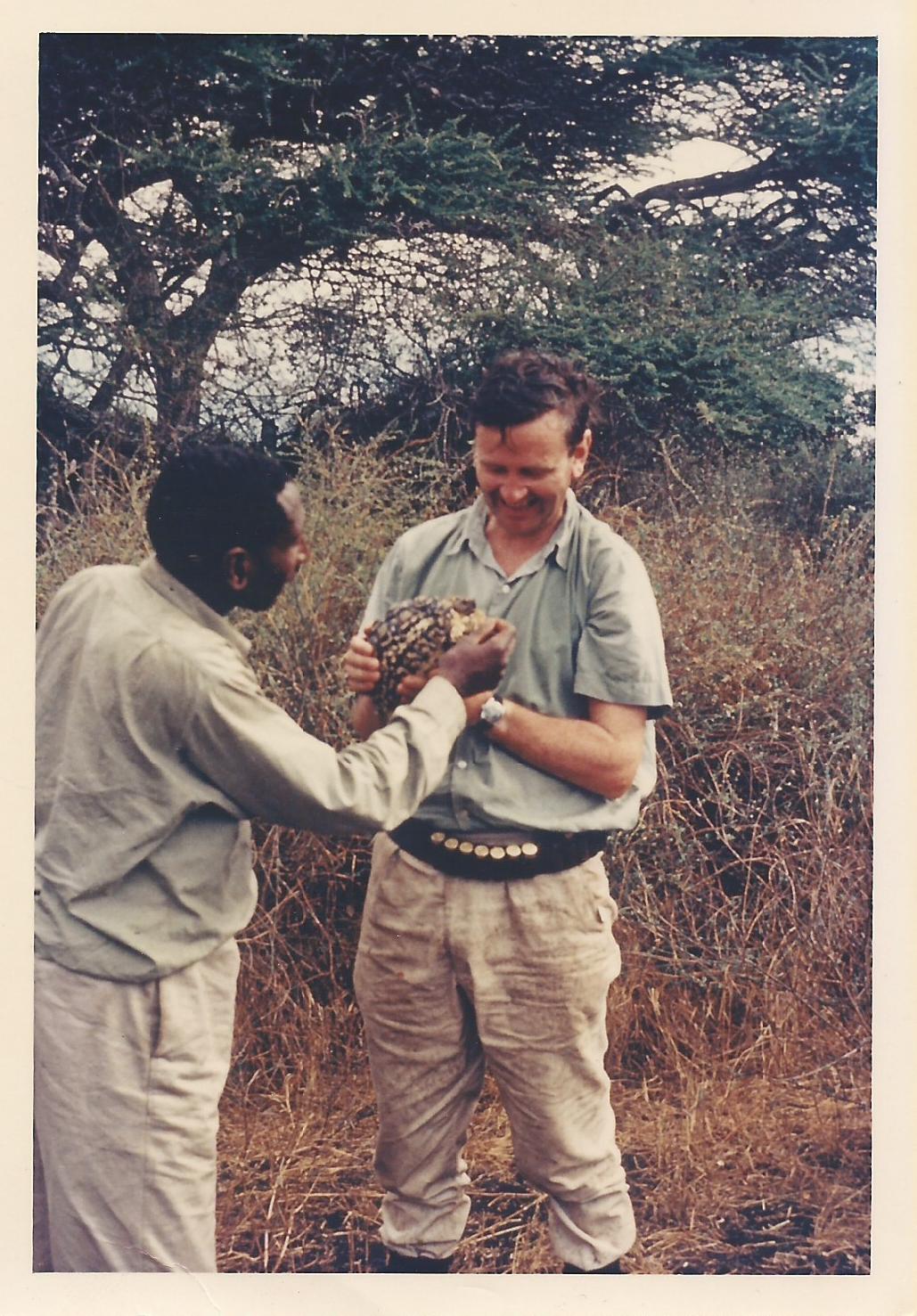
My father loved travelling in northern Tanzania and was intrigued by the wildlife.

april-1969-africa

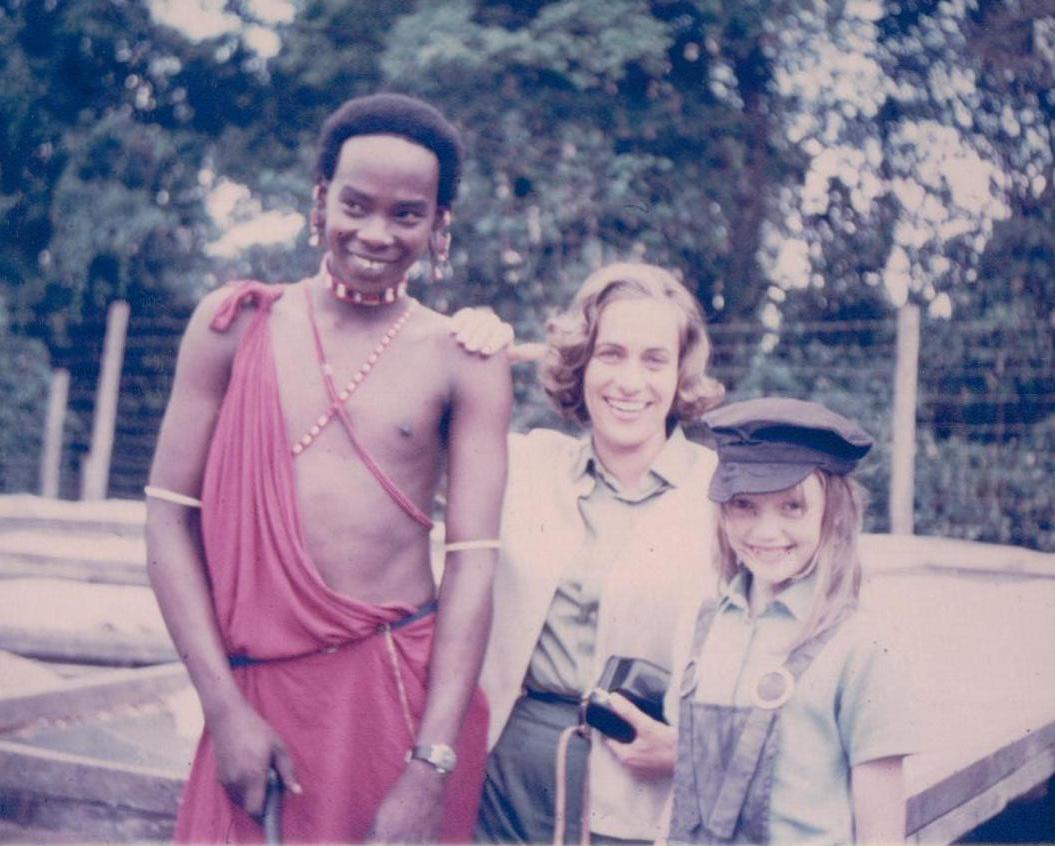
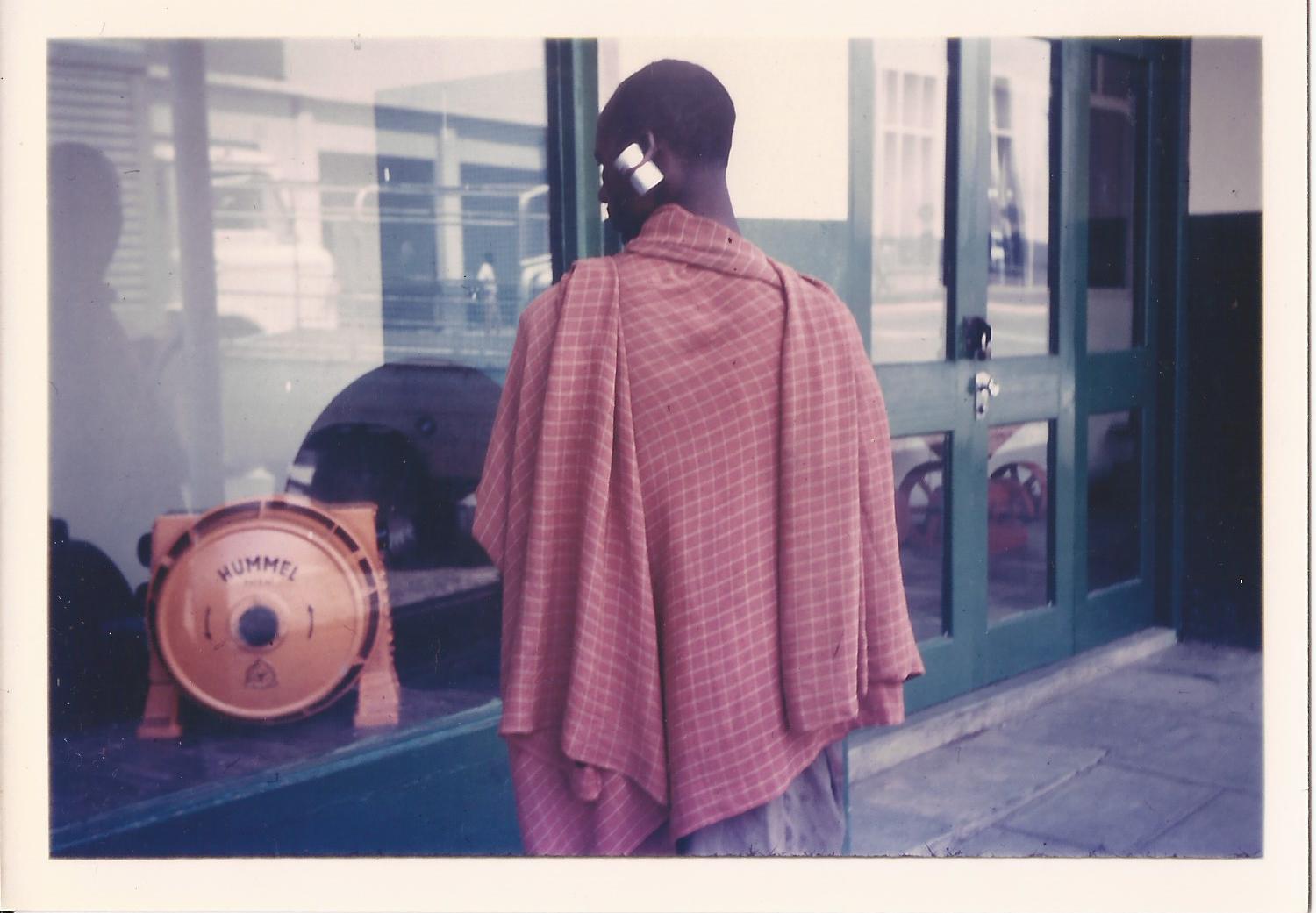
I was fascinated by the people, many of whom wore traditional dress in the early 1970’s.

ear-piercing-and-cloak-at-shop-window

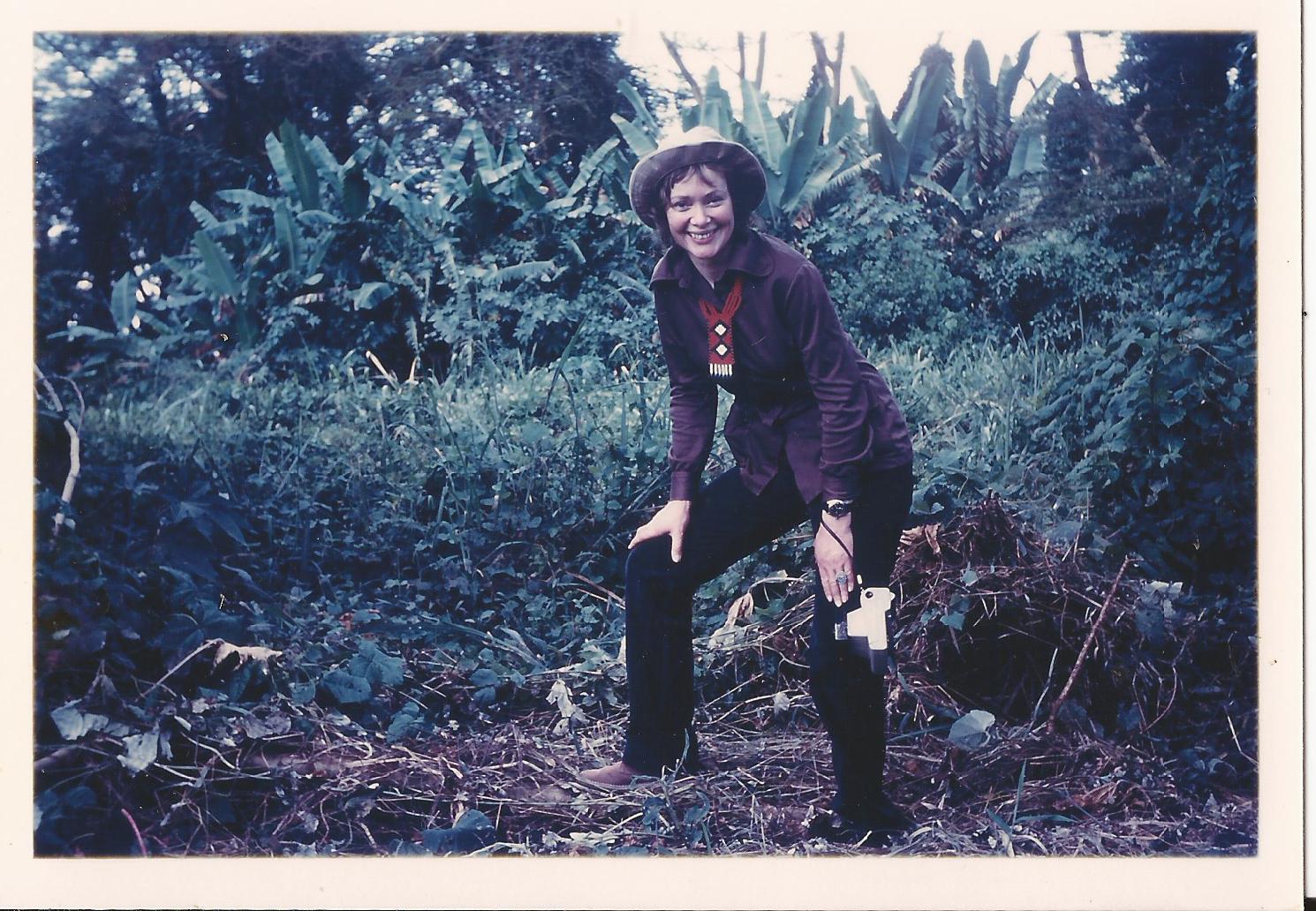
Extended ear-lobes, names such as Libougi and bright beaded jewellery had me squinting into the sunlight.

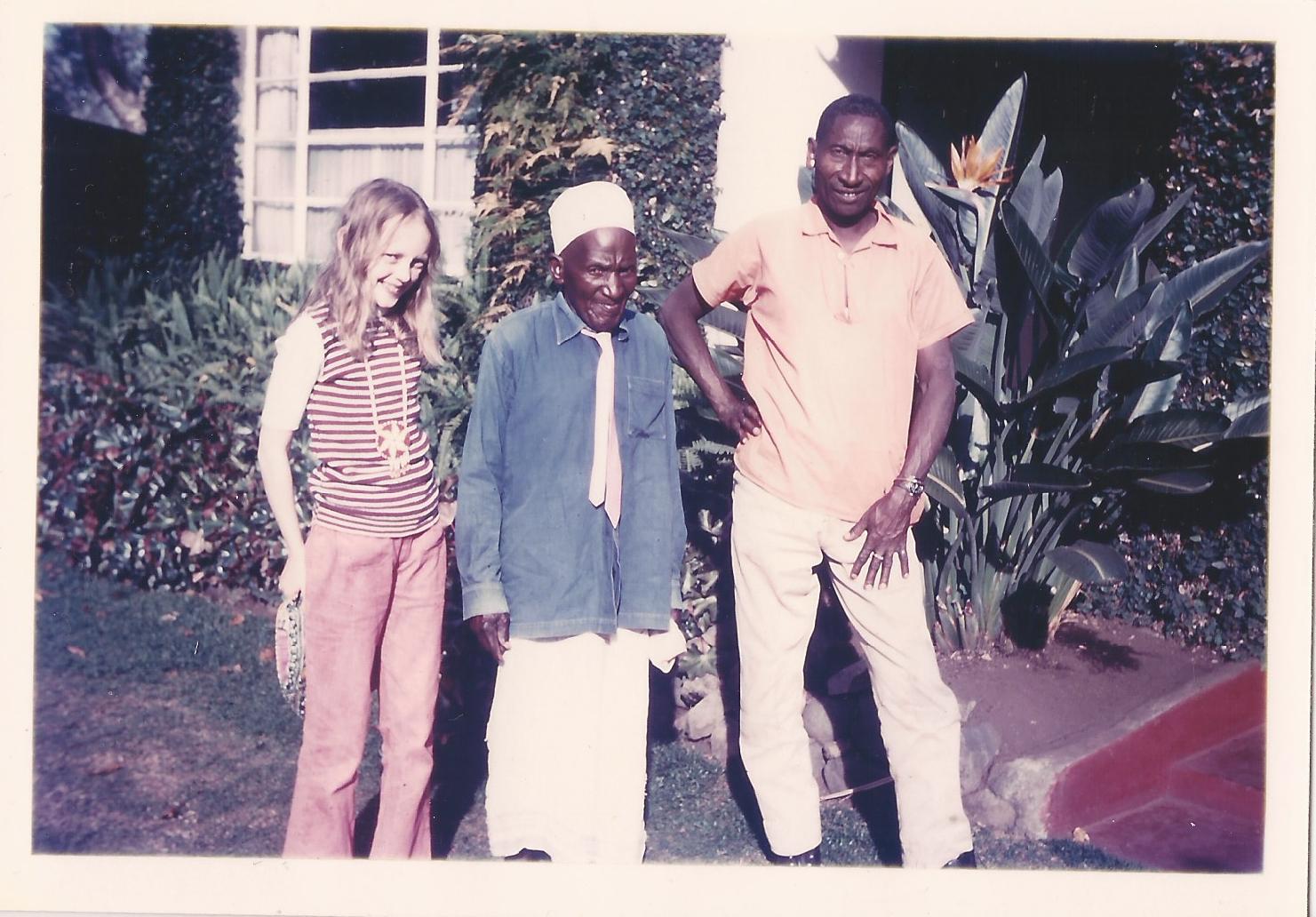
sophie-at-usa-river

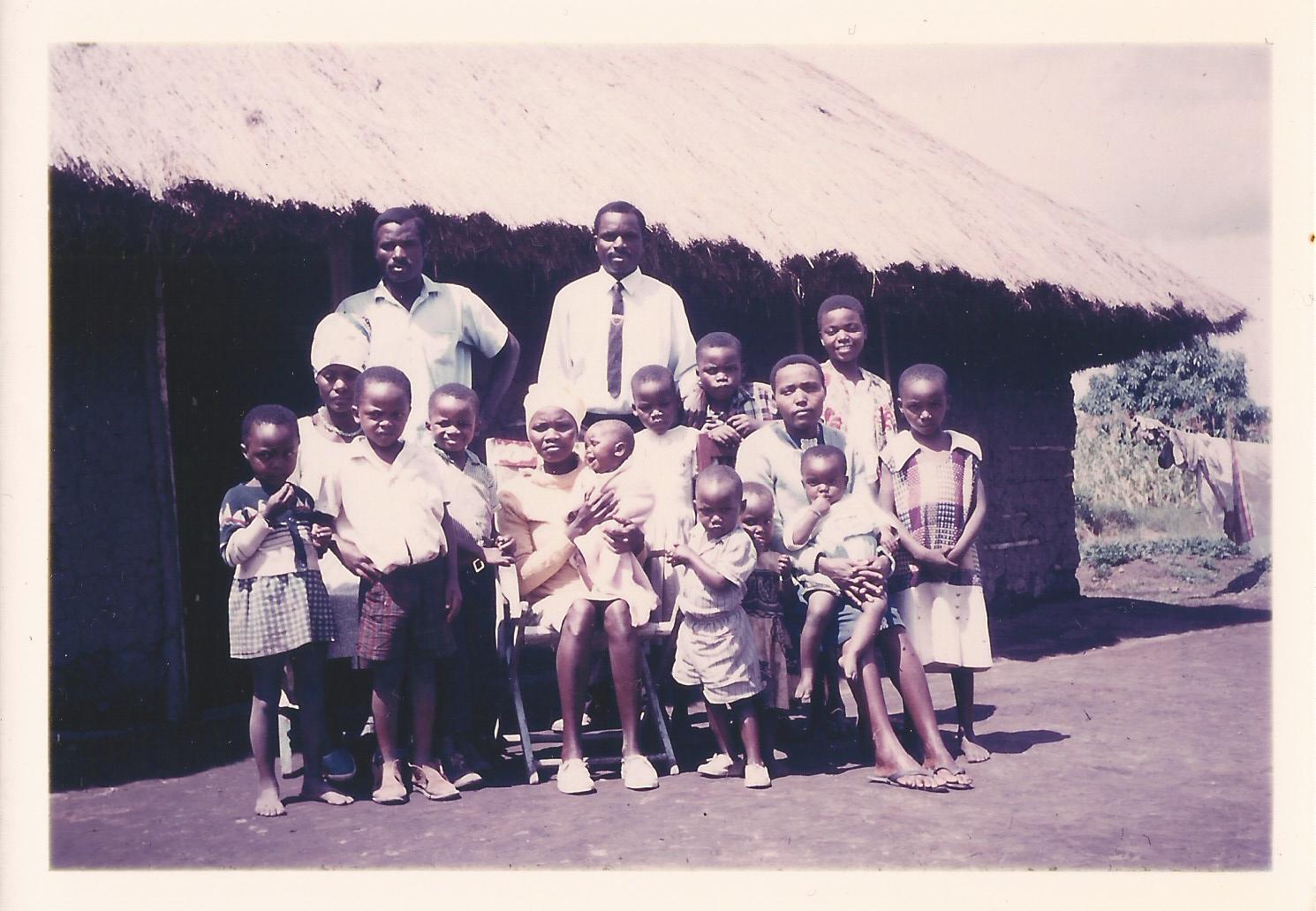
In a country where polygamy was the norm everyone seemed to have rather large families with any number of wives and children.

african-school

Having your photograph taken was quite the thing. What the woolly lemurs thought of this, I do not know.

tame-lemur

There was always talk of the next expedition up-country. Careful packing was a constant preoccupation.

landrover-outside-farmhouse

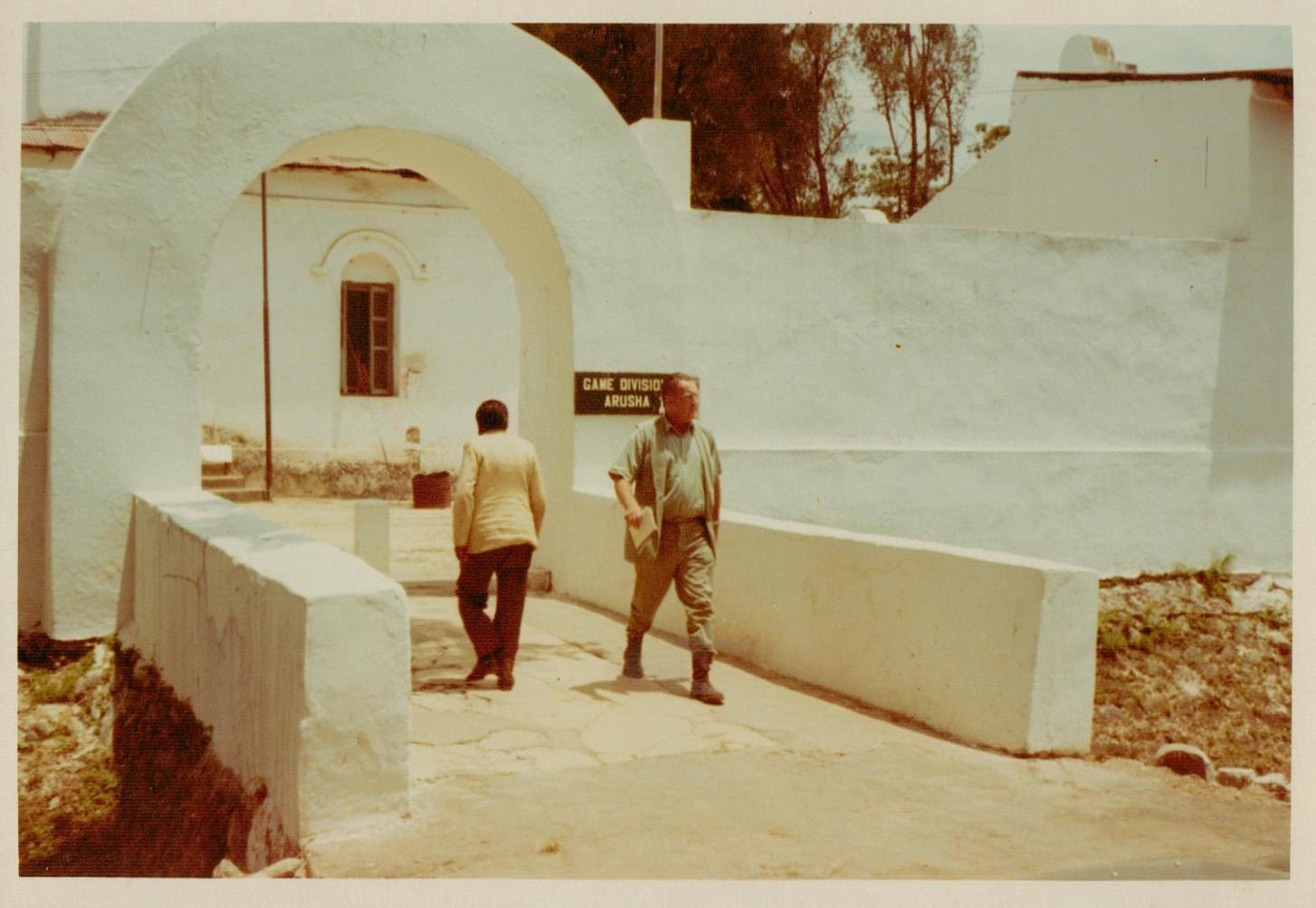
Complicated arrangements were ever being made. Uncle Tony was an honourary game warden, with the power to arrest poachers.

baroness-reinhild-von-bodenhaussen-in-about-1970

My mother loved the idea of going on safari and urged him to include us as he toured areas where wildlife thrived.

my-mother-on-safari-at-usa-river-in-northern-tanzania-the-early-1970s

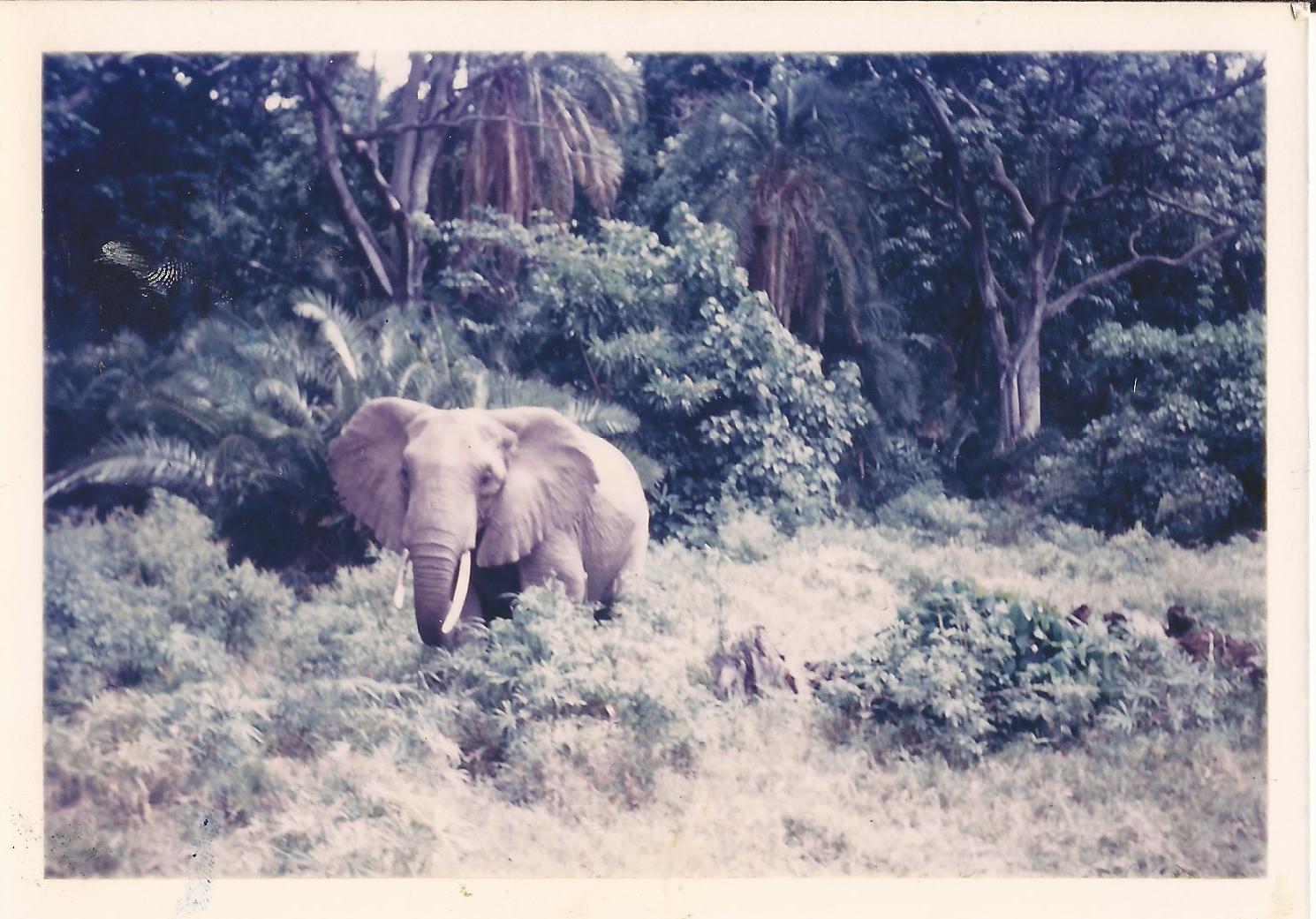
It was a privilege to be taken game viewing as a child by someone with such a depth of knowledge.

elephant

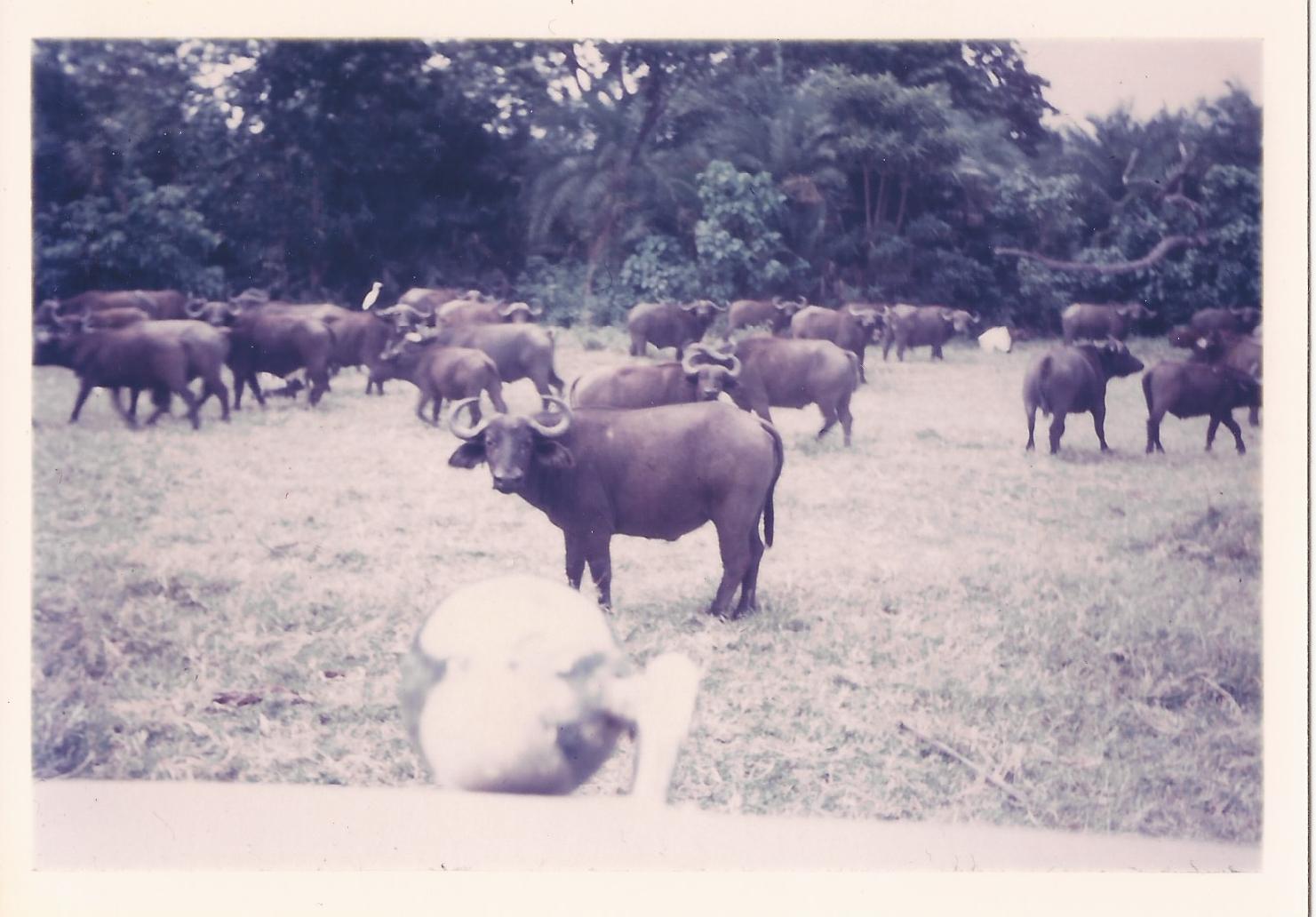
I began to sketch in the back of his Land Rover, while keeping lists of the animals we encountered and trying to learn their Swahili names.

buffalo

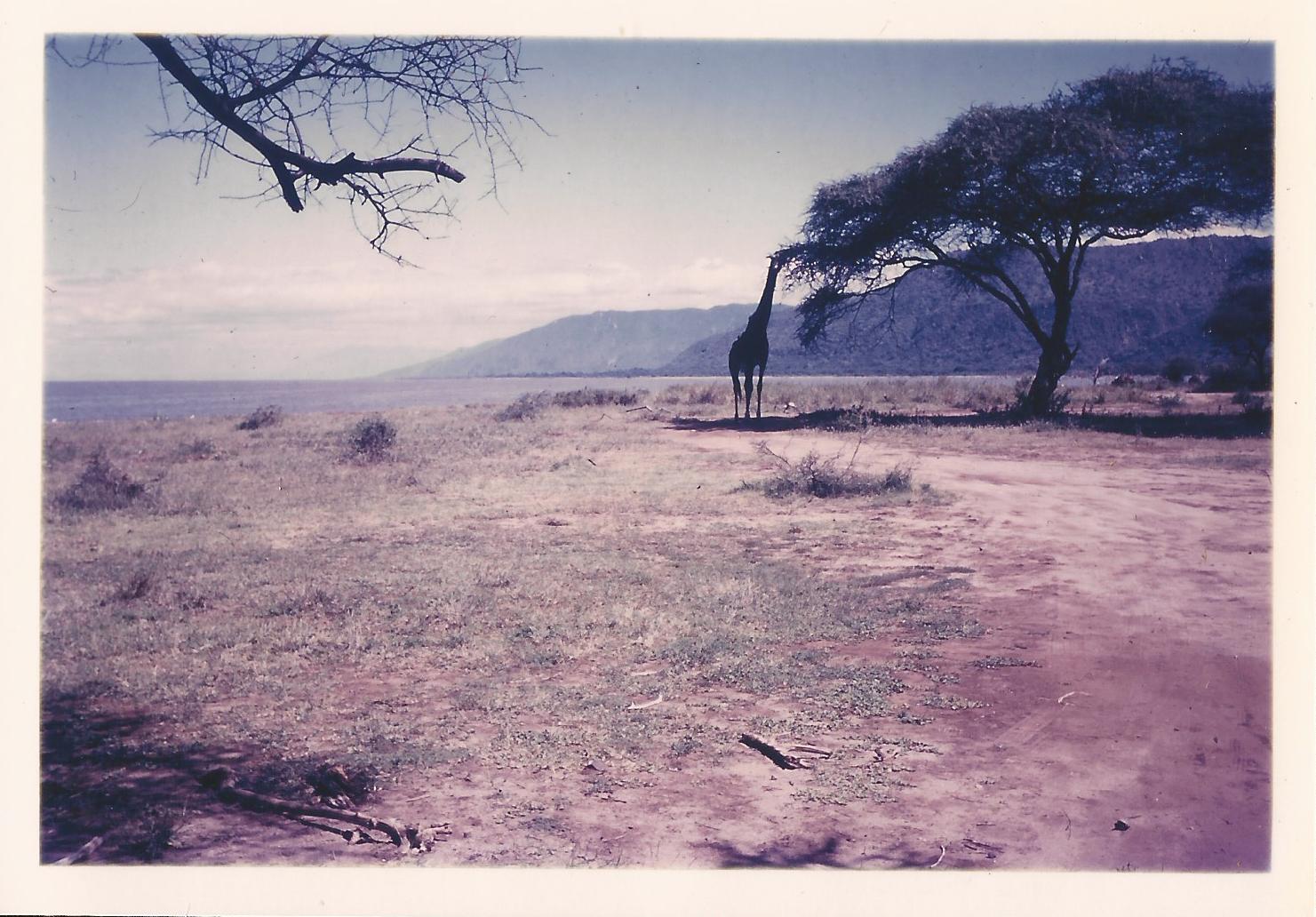
As we drove through the national parks, such as Lake Manyara we rarely saw another vehicle. The reason for packing so carefully was that there was no one around to help if anything went wrong. If you broke down or ran out of fuel you could be in serious trouble.

giraffe-under-tree

But there were always old  friends to visit and they were charming, most hospitable.

hilli-and-woolly

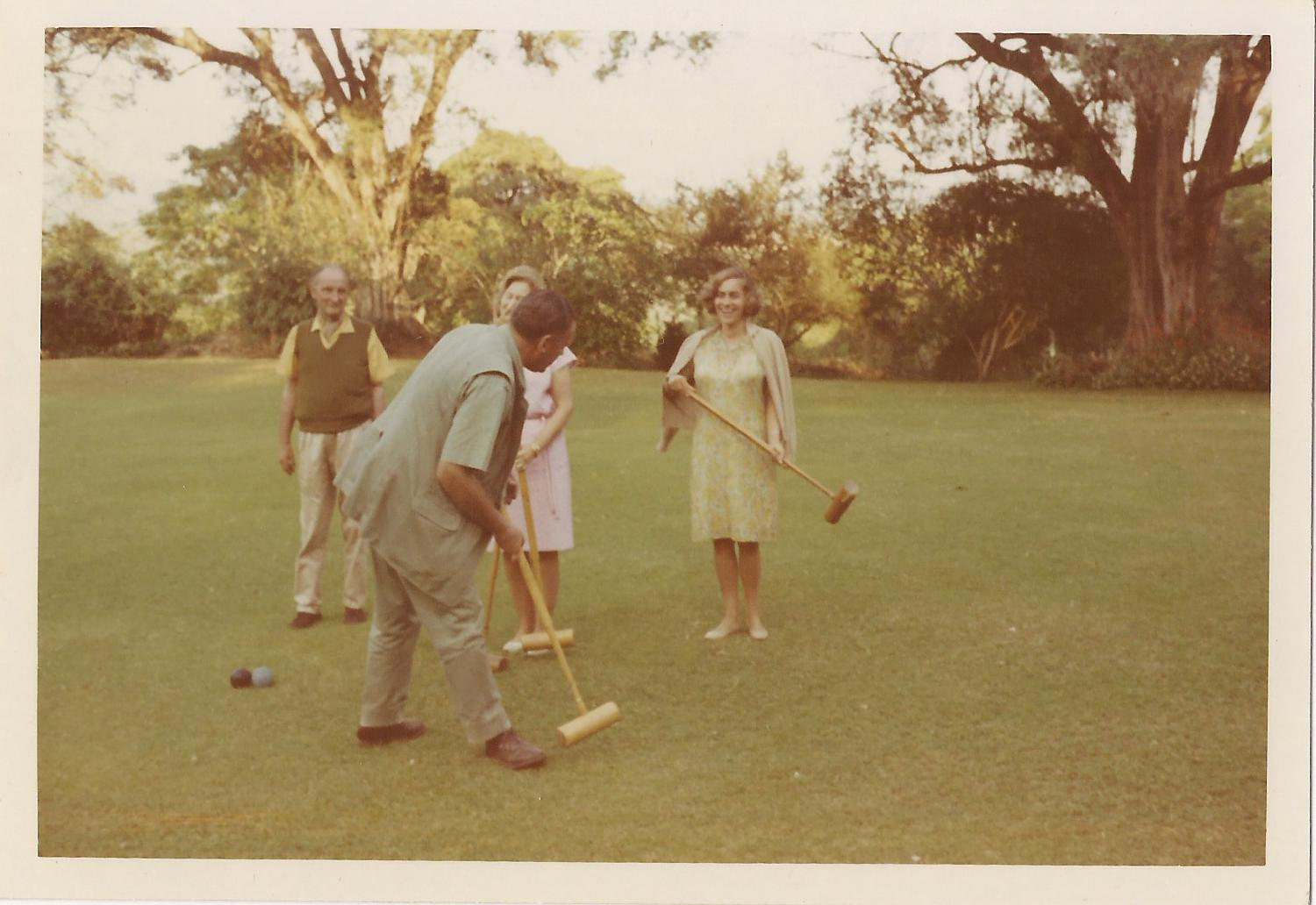
After driving for ages, we’d end up at another farmhouse, playing croquet.

croquet

Nothing but croquet, all afternoon and evening. Somehow I survived. I did so by keeping a diary. It was the first of a whole pile of notebooks that have grown exponentially, forming the basis of quite a few books – with more to come.

croquet-2

To be continued.

My Family’s Roots in East Africa

Cover photo MW

‘I’d like to go to Africa,’ I declared as a little girl, ‘and see forests full of parrots.’ This I did. Everything I had ever hoped to see was spread out before me and the experience left a profound impression.

Mailer Estate in 1970

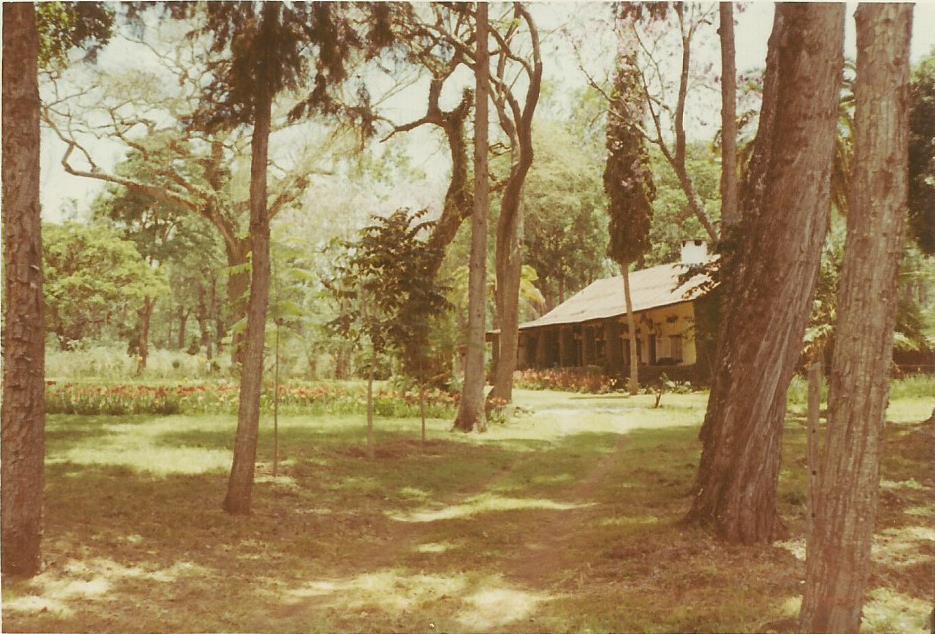
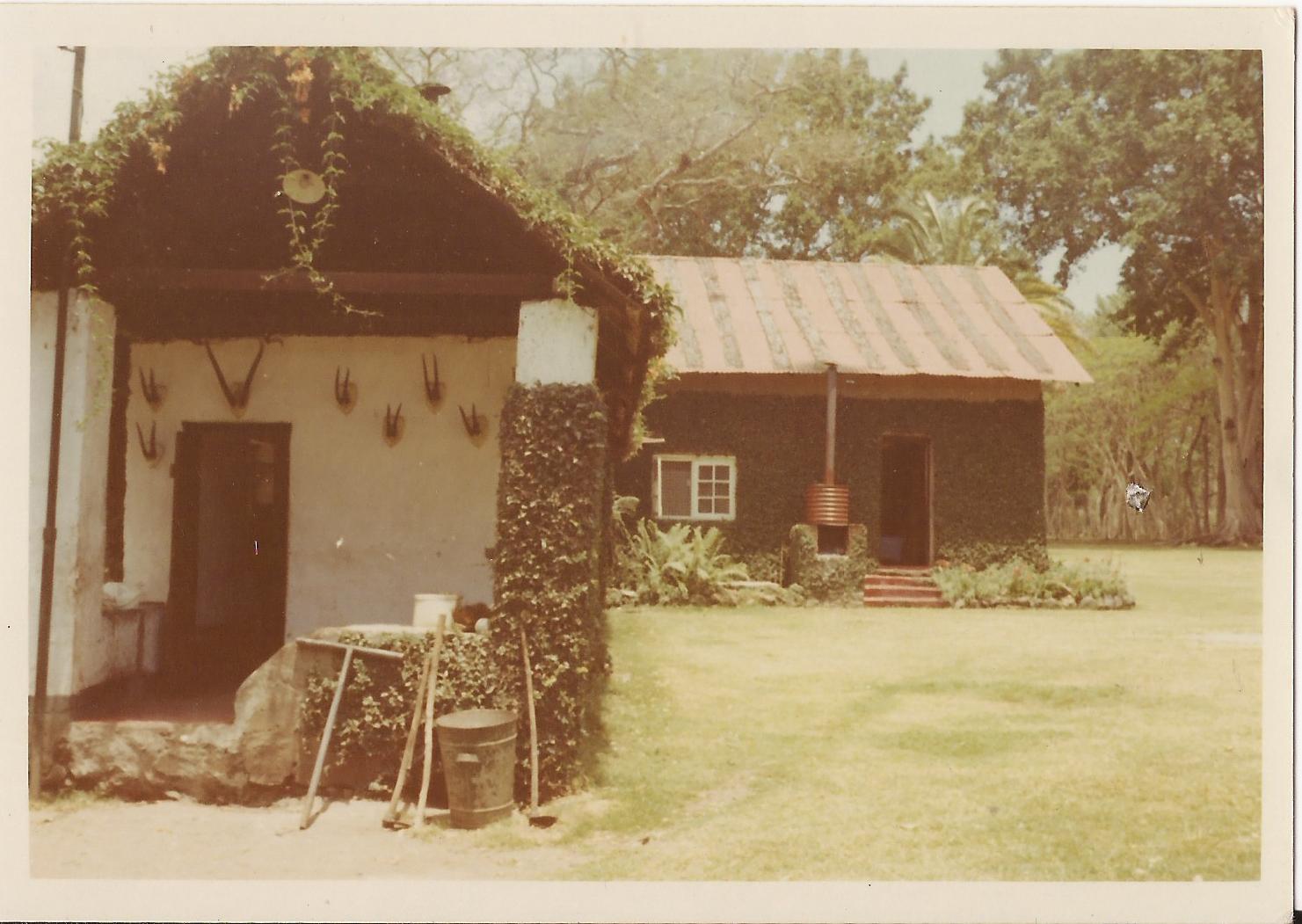
My great-grandparents began farming at Usa River, just west of Arusha in 1919. I first arrived in northern Tanzania in 1972, when my mother took these photographs of the house and garden where her family lived for fifty years. I longed to climb the ancient fig tree in the garden but was told a cobra lived there. It was probably on the lookout for parrots coming anywhere near it.

Makorongo's War by Sophie Neville - revised 30 November 2015_html_m50ecfa90 - Copy

By the early seventies the family were busy farming coffee and often had visitors to stay. My great-uncle Tony used the farm as a base for his safaris and served as an honourary game warden having worked for many years in the Kenyan Police Force and Game Department. He was well-connected and once took Bing Crosby bird shooting, although this fact was kept secret until 2015.

Makorongo's War by Sophie Neville - revised 30 November 2015_html_4b186671 - Copy

I loved the outdoor way of life, was intrigued by the kitchen that was seperate from the main house, and amused by the hot water system that consisted of small cylindrical  tanks known as ‘donkeys’. Everything smelt of wood smoke. The best thing was that I was able to sleep in a safari tent set up in the garden, in true ‘Swallows and Amazons’ style. It felt as if I was being swept along in an adventure portrayed in the film ‘Born Free’ when Virginia McKenna played the artist Joy Adamson who became well known for bringing up a lion cub called Elsa, eventually releasing her into the wild.

Makorongo's War by Sophie Neville - revised 30 November 2015_html_3c38f792 - Copy

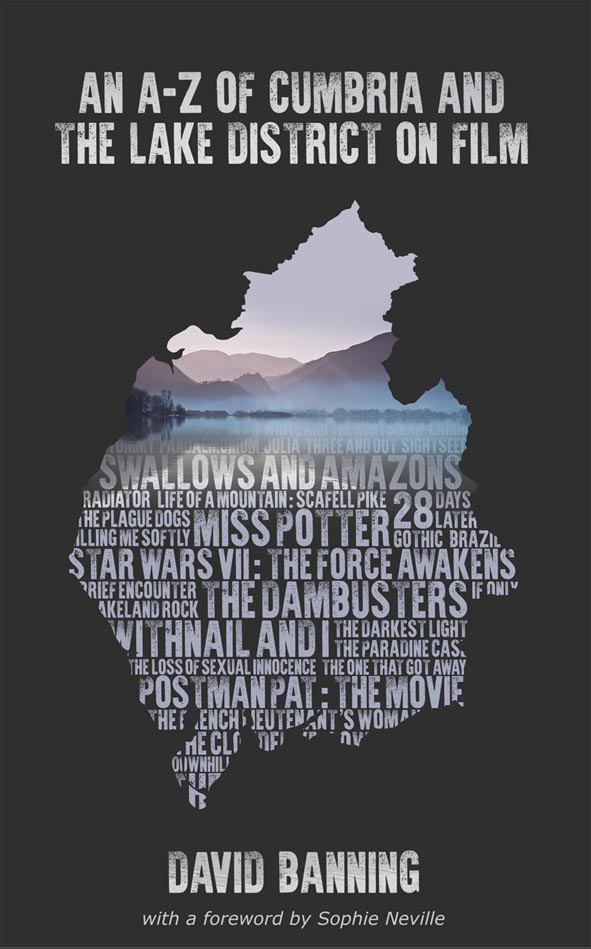
‘An A-Z of Cumbria and The Lake District on Film’ has been launched

A fascinating guidebook produced by Hayloft Publishing, written by David Banning with a foreword by Sophie Neville.

‘This is the finest comprehensive guide to the history of movies filmed in Cumbria and the Lake District, since the early twentieth century to the present day… it  will take you on a journey through the filmic landscape of one of the world’s most beautiful places.’

A-Z Cover image

It is difficult to find copies now but the Daisy Roots Bookshop have one on Ebay here

‘You will be able to immerse yourself in the lush green world where Star Wars created an alien landscape or take a trip around Swallows and Amazons country, not to mention joining the ranks of Withnail and I pilgrims or sampling the nostalgic Brief Encounter tea rooms where a tiny piece of grit kick-started an enduring romance.’

To read more, please click here for Cumbria Today or click on this image for a review in the Cumberland & Westmorland Herald:

a-z-book-review

There is a feature in the Westmoreland Gazette here

review-of-an-a-z-with-a-forward-by-sophie-neville

For more information from Hayloft Publishing, and to buy this book, please click here

Terry Abraham, who made the film Life of a Mountain, writes: There are countless books covering aspects of the most beautiful corner of England but none which reveal little known facts regarding it as a location for filming. David thoroughly and interestingly brings to light the great number of films both large and small that have featured Lakeland on camera. Some less obvious than others but no less absorbing, you may well wish to seek out and visit where productions have captured the scenic delights of Lakeland. David’s book is an engaging and enlightening read and definitely one for the shelf alongside other works celebrating England’s finest landscape.

David Banning lists ten of the best films made in Cumbria. Please click on these links for the International Movie Database details and film trailers:

Brief Encounter, 1945

The Dambusters, 1955

Swallows and Amazons, 1974

The French Lieutenant’s Woman, 1981

Brazil, 1985

Withnail & I, 1987

28 Days Later, 2002

Miss Potter, 2006

Sightseers, 2012

Star Wars Episode VII – The Force Awakens, 2015

You can see a shot of Derwent Water at 1.23 mins into the official film trailer for Star Wars after ‘This Christmas’ graphics, here:

Review of ‘An A-Z of Cumbria and the Lake District on Film by David Butters

I received this book as a gift from a friend. I live near the Lake District and visit it as often as I can; I now have new reasons for going!

As the title suggests, the book discusses, in alphabetical order, virtually every film that has been shot either partly or wholly in the general areas we now know as Cumbria and the Lake District. And what a fascinating collection of titles it encompasses! I knew that The Dambusters flew over Derwentwater, that Brief Encounter utlilised Carnforth Railway Station, and that Swallows and Amazons, the 1974 version, was filmed almost entirely around Windermere and Coniston lakes. But I had no idea that Snow White and the Huntsman featured a cave in Little Langdale, for instance; or that The French Lieutenant’s Woman made use of a large house overlooking Lake Windermere. The animated classic The Plague Dogs apparently took inspiration from the Lake District countryside; and the village of Greendale in the TV and cinema favourite Postman Pat is based on a village near Kendal.

A brief synopsis of each film accompanies a description of the localities involved, and also some background information and stories: I especially enjoyed the story behind the famous shower scene in She’ll be Wearing Pink Pyjamas! (You’ll have to buy the book!)

This is a fabulous book, a guide book as well as an enjoyable read, and well worth a 2nd Edition, please publishers! It has given me fresh impetus to explore the Lake District and Cumbria even further. Unreservedly recommended.

‘Swallows and Amazons'(1974) filmed on location in the Lake District in 1973

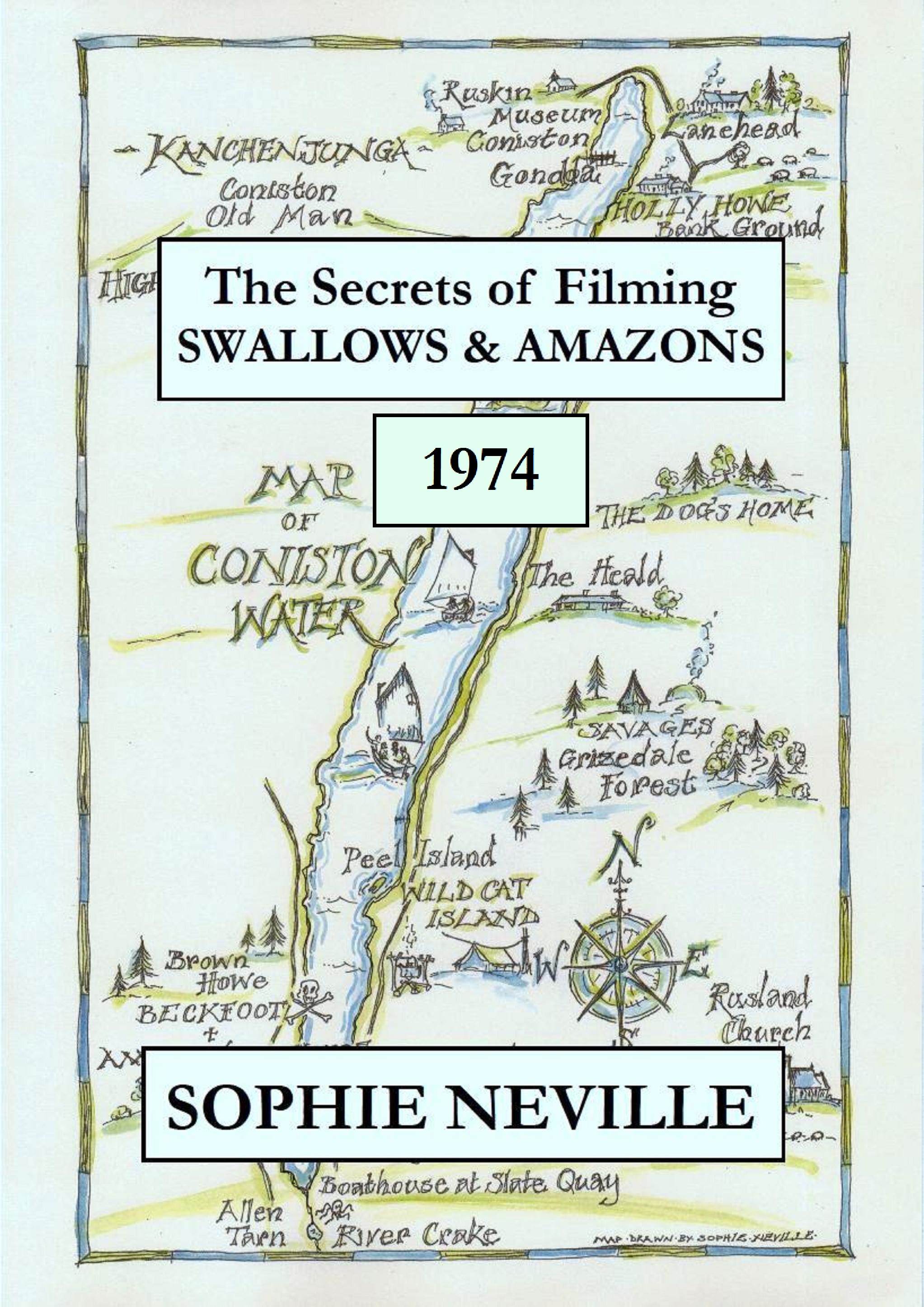
The second edition of ‘The Secrets of Filming ‘Swallows and Amazons'(1974)’ available as an ebook

front-cover-1974

A second edition of the ebook ‘The Secrets of Filming ‘SWALLOWS & AMAZONS'(1974) is now available on Amazon Kindle, Smashwords, itunes, Kobo, and Nook for £2.99 . You can download this free of charge if you already own the first edition.

If you would like a copy but don’t have a Kindle, worry not. We have added a link whereby you can download a free Kindle app. Please go to my Book Page and scroll down for the details.

If you already have a copy of the ebook, contact a Customer Advisor and ask for a free update. You just need to give Kindle the ebook’s ASIN number. The ISBN for all online editions except Kindle is: ISBN 9781311761927

Since being contacted by others who were involved in the filming, I have been able to add a few more anecdotes and images, including this beautiful shot of Virginia McKenna in 1973 kindly sent in by the photographer Philip Hatfield.

virginia-mckenna-photo-by-philip-hatfield

I found a copy of my original contract for the film and when Jean McGill rang from Bowness, a few more secrets floated to the surface.

Sophie Neville and David Wood

CBBCTV’s Cinemaniacs  interviewed the screenwriter David Wood and myself on how the original movie of Arthur Ransome’s ‘Swallows and Amazons’ was made back in the summer of 1973.  The idea was to use 30 second clips, so please excuse my over-the-top reactions, but you can watch the whole recording below.

‘This has to be one of the most delightful interviews in my recent memory.’ Tim Lewis, USA

Swallows and Amazons films profiled on BBC South Today

‘Can you be in Cowes at 9.00am tomorrow morning?’ I was asked.

IMG_3367

BBC South Today explained that they’d like to interview me about being in ‘Swallows and Amazons’ back in 1974.

IMG_3374

‘They’re pirates!’ I found Sarah Farmer filming on the Parade.

Sophie Neville with BBC South Today

Seren Hawkes who plays Nancy Blackett in the new movie ‘Swallows and Amazons’ was with her.

IMG_3375

I was asked what advise I could give Seren about what might happen next.

IMG_3378

All I could say was, ‘Watch the wind and sail with it!’

Sophie Neville with Sarah Farmer and Seren Hawkes

Seren Hawkes, Sarah Farmer and Sophie Neville

IMG_3383

It was great to meet up with the producer Nick Barton, who showed me ‘Swallow’ the RNSA dinghy that also stars in the film.

IMG_3369

I went on to join fans of the film for lunch at the Royal London Yacht Club, where I once gave a talk, before going out on the Solent.

IMG_3373

Telegraph bag


‘Swallows and Amazons’ profiled on ITV News at Ten

Swallows and Amazons on ITV News 29th July

As president of The Arthur Ransome Society, I am keen to promote ‘Swallows and Amazons’, emphasizing the aspect that children today can enjoy the outdoor activities advocated by Arthur Ransome back in the 1930s.

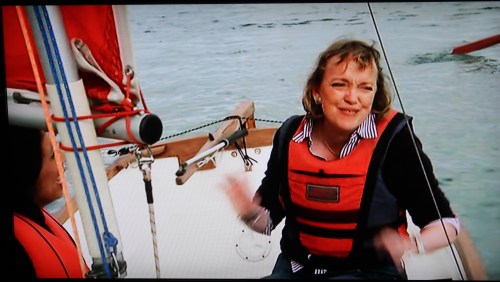
Nina Nannar sailing with Sophie Neville

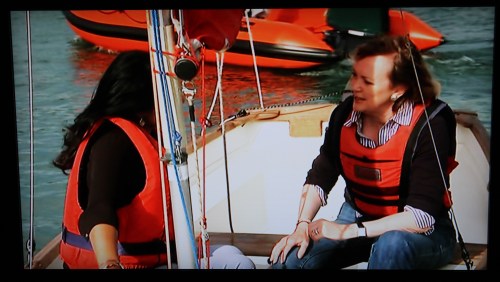
ITV reporter Nina Nannar bravely came out sailing with me in a Scow, rigged like Swallow with a balanced lug sail, to experience the excitement of letting the wind take us along at speed.

Nina Nannar with Sophie Neville on ITV News

When it came to the evening News, ITV showed clips of the movie of ‘Swallows and Amazons’, launched in August 2016.

The item was also shown on the News in New Zealand. A viewer wrote in saying:

‘Great to see a full 3+ minutes about the new S&A film on NZ TV news tonight. Sophie Neville did a great job of promoting the value for modern kids to get out on the water or under canvas.’

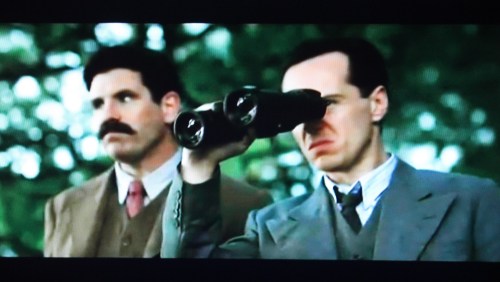
The 2016 movie stars Ralph Spall, Kelly Macdonald & Andrew Scott, seen here spying on Captain Flint.

Andrew Scott in 'Swallows and Amazons'

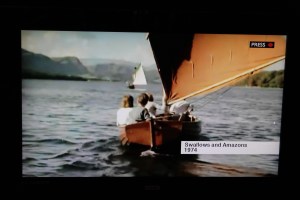
A clip from ‘Swallows & Amazons’ (1974) starring Virginia McKenna

Showing 'Swallows & Amazons' 1974 on News at Ten

in which I played her daughter, Titty Walker or rather Able-seaman Titty, was also shown.

Sophie Neville playing Titty in 1974

They then showed children today learning to sail, unaccompanied by adults.

Emma sailing on ITV News

Whilst young children were crewing for the junior instructors, aged 16 and 17, Nina Nannar interviewed me about summer camps offered by The Arthur Ransome Society

Sophie Neville being interviewed on ITV News at Ten

‘Is Swallows and Amazons relevant to children today?’ was the main question.

Emma instructing

‘It’s timeless, isn’t it?’ I said, proving this by referring to the children sailing around us.

Sophie Neville on News at Ten

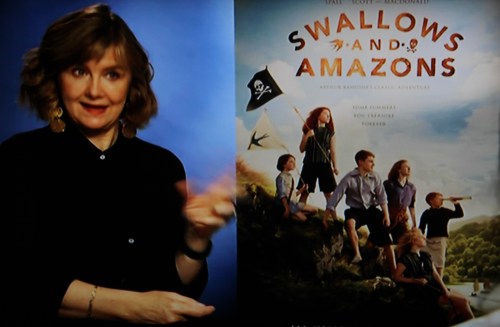
Andrea Gibb was interviewed in the studio about her screenplay for ‘Swallows and Amazons’ (2016).

Andrea Gibb talking about 'Swallows and Amazons' 2016

You can watch the item here

itv News at Ten

‘Is Swallows and Amazons relevant to children today?’

Please add your comments below

Sophie Neville sailing with Nina Ninnar (2)

You can read about making the original film of Swallows and Amazons here:

A ‘Swallows and Amazons’ sailing weekend in Aldeburgh


Sophie Neville with Lapwing kids

‘Unlike other films, ‘Swallows and Amazons’ is within children’s reach,’ I’ve been told. It’s true. Any child can pretend that their bed is a sailing dinghy taking them to a deserted island. And when you are a little bit older – it’s not impossible to join a sailing club or go camping.

Aldeburgh Junior LapwingsWe took Swallow to join the Aldeburgh Junior Lapwings on the River Alde in Suffolk.

Boys with their Lapwing

One intrepid sailor had bought her own Lapwing for £100, raising the money by busking in Aldeburgh High Street. Tilly renovated and varnished the clinker-built dinghy herself.

Owl hoots

She can be seen here teaching the younger children how to owl hoot, playing ‘What Shall We Do With The Drunken Sailor’ on her thumbs.

Learning how to owl hoot

The children went fishing for crabs, which they later raced down the slipway.

A crab

They went in search of treasure – if that is what you call a scavenger hunt –

Scavenger Huntbefore sailing back to camp by the mud flats, cooking out in the open and sleeping in tents.

Junior LapwingThey launched their dinghies, raised their red sails

Boys with their Lapwings

and headed off, catching the tide.

Sailing on the River Alde, Suffolk

Swallow, the dinghy used in the 1974 film ‘Swallows & Amazons’ acted as flag ship.

You can find ideas for Swallows and Amazons themed parties and presents here.

Swallow on the Alde

You can read about the adventures we had making the original movie of ‘Swallows and Amazons’ in these illustrated publications available online:

'The Making of Swallows and Amazons (1974) by Sophie Neville'
Different editions of ‘The Making of Swallows and Amazons (1974) by Sophie Neville’

Swallows & Amazons in Aldeburgh

The beach at Aldebrugh

Lovely Aldeburgh on the Suffolk Coast

StudioCanal’s special re-mastered version of the classic film ‘Swallows & Amazons’ (1974) 

Sophie Neville Q&A in Kendal

was shown at the Aldeburgh cinema with a Q&A afterwards with Sophie Neville who played Titty speaking to the actress Diana Quick.

sophie-neville-signing-books-at-aldeburgh-bookshop-2016

Sophie was signing the last first edition copies of ‘The Making of Swallows & Amazons’.

Aldebrugh Cinema seating 250

Opposite the cinema, books by Arthur Ransome, who once lived in Suffolk

Arthur Ransome's Books in Aldebrugh Bookshopadorn the shelves of the award-wining Aldeburgh Bookshop

Aldebrugh Bookshop in printThe sun shone and holiday makers enjoyed the beach

Aldebrugh fishing

where you can buy fresh seafood and chat to the fisherman.

Aldebrugh lobster pots

Swallow, the lugsail dingy that starred in the 1974 film

Swallow with the initials WK

was sailing with the Aldeburgh Junior Lapwings who had a Swallows and Amazons regatta that weekend. You can read about what they got up to here.

blue chain on the sea shore

Thanks go to The Aldeburgh Bookshop for their sponsorship

Aldebrugh Bookshop bag

They stock ‘The Making of Swallows and Amazons (1974)’ published by The Lutterworth Press

A recent author interview with Sophie Neville

Author Sophie Neville

Sophie Neville this summer

Could you tell us a little bit about yourself?

I graduated from the University of Durham with a degree in anthropology and went straight into the mayhem of the BBC. I worked on a number of drama serials, filming on location in London, Paris and Corfu, and produced INSET programmes for Schools Television before setting up documentaries for the Natural History Unit and ‘Blue Peter’ in Southern Africa. I was based on a game reserve where we ran horse safaris. Disaster struck when I broke my pelvis but I used my time on crutches to turn professional as a wildlife artist. My sketches proved useful to illustrate my first books. I now live on the south coast of England where I use my spare time to raise funds for charitable projects in South Africa.


How did you get started writing?

I began by writing for television. It was a matter of putting my own programmes together and working with BBC Books to bring out accompanying literature. I seemed to be forever submitting blurbs for the Radio Times. It wasn’t until the year 2000 that I started writing books. I self-published ‘Funnily Enough’, that won an international book award, and ‘Ride the Wings of Morning’, made up of the letters I sent home from Africa about riding horses through the wilderness.


Can you tell readers about your latest book?

The publishers Classic TV Press asked if they could bring out a paperback version of ‘The Making of SWALLOWS & AMAZONS’, a memoir I’d launched as an ebook under a similar title. As a child I played Titty Walker in the classic movie of Arthur Ransome’s book, shot on location in the Lake District in 1973. I used the daily account I kept as a 12 year-old to guide the narrative, adding anecdotes as to how disaster was averted. It has appeal for anyone who grew up in the ‘seventies or enjoys light-hearted biographies.


What else have you written recently?

I am just finishing a novel based on a true story from WWII entitled ‘Makorongo’s War’. I’ve recently written Forwards to ‘An A-Z: Cumbria and the Lake District on Film’ for Hayloft Publishing and ‘Swallowdale’ by Arthur Ransome for Albatros Media in the Czech Republic. I’m currently working on a Forward to ‘Swallows, Amazons and Coots’ by Julian Lovelock soon to be published by Lutterworth Press.  Revelation Films asked me to write material for the DVD Extras of ‘Swallows and Amazons Forever!’  and since ‘Funnily Enough’ was serialised in a magazine I’ve had feature articles in Cotswold Life, Country Life, Classic Sailor and Word in Action.


Have you got a favourite genre to read? If so why?

I get totally engrossed in the memoirs I use for research but my book club keep me reading popular literary fiction.


Which writer or writers has had the most influence on your own writing?

Since I write true-life stories, I would say Monica Dickens, Helene Hanff and CS Lewis. I was hugely influenced in my youth by Gerald Durrell and James Herriot, both of whom I met when I was working in television and was impacted by how well their memoirs translated to the screen.


Where is your favourite place to write?

A thatched cottage deep in the African bush, where I can escape everyday life. I use two rooms at home on the south coast of England – one for admin and one for books.


Pen or keyboard?

Laptop, I’m afraid. It’s not good for the posture. The original material for my last three books was handwritten but had to be typed up. My prehistoric computer sadly died when I was writing my first book in South Africa and I couldn’t afford to buy a new one. Miraculously, a brand new PC was donated to the local primary school. The teachers had no idea how to use it, so I introduced them to Microsoft Word in exchange for being able to work on my book while they were busy in the classroom. I sat at a low desk on one of those tiny red plastic school chairs until I had 100,000 words and the headmistress gained computer literacy.


How would you describe your writing regime?

The ideal would be to escape to South Africa for a couple of months to get my first draft on paper so I can assimilate research material or type all day long. I would then work on the structure and keeping adding material every afternoon back at home. I find my mornings are occupied with marketing. Since I was appointed President of The Arthur Ransome Society, which is the second biggest literary society in the UK, I spend quite a few weekends giving talks.

For more photos taken this year please click here for Sophie’s blog, Funnily Enough