Everyone needs at least one pair of socks for Christmas. I have had the greatest fun designing a whole range, including a few pairs of socks featuring ‘Swallows and Amazons maps here.
The selection of ‘Swallows and Amazons’ themed socks are printed with hand-painted maps of locations from my book, which you can see here
These high-quality goods are manufactured by Red Bubble in Australia who offer excellent service. Please click on the image you like to be taken to the sales portal.
Being custom-made they cost from £12.89 a pair but please use my discount code: CYBER5
Are you looking for a special Birthday or Christmas present for someone who happens to love the original film of ‘Swallows and Amazons'(1974)?
Author Sophie Neville
Paddy Heron of Children in Read has a huge number of amazing books listed in a charity auction being held to raise funds for BBC Children in Need. Nearly £21,000 has already been pledged, which is amazing. We have 3 days left to bid, so you have time to chat to the family!
‘The Making of Swallows and Amazons (1974)’ is listed as Lot 298, in the section ‘Film & Television’ above Nigella Lawson’s book ‘Coot, eat, repeat’.
and scroll down until you see the image of the book you would like to bid on, then click on the price button and you can enter a bid when the large image pops up. You don’t pay until you win on the final day. I will pay the postage within the UK and inscribe the copy to whom you wish.
What the bidding page looks like
We now have another bid for £101. Copies on Amazon.UK – where is it has 47 reviews, are now listed as costing about £76. I promised that if the bidding went higher than £78 I would personally inscribe this large paperback edition and include a signed first edition hardback copy of my autobiographical book ‘Funnily Enough’, worth £15, which includes a few pages about filming ‘Swallows and Amazons’ in the Lake District.
‘Funnily Enough’, Sophie Neville’s illustrated diary
I said that the bidding goes any higher than £101, I will include a copy of ‘Ride the Wings of Morning’, my memoir about leading a Swallows and Amazons style life camping in Africa:
Ride the Wings of Morning by Sophie Neville
To read about taking part in the same auction last year, please click here
If you need to know more about the auction, please contact Paddy Heron at Children in Read: childreninread@yahoo.com
I received an interesting series of emails recently from a stone mason called Philip Chatfield:
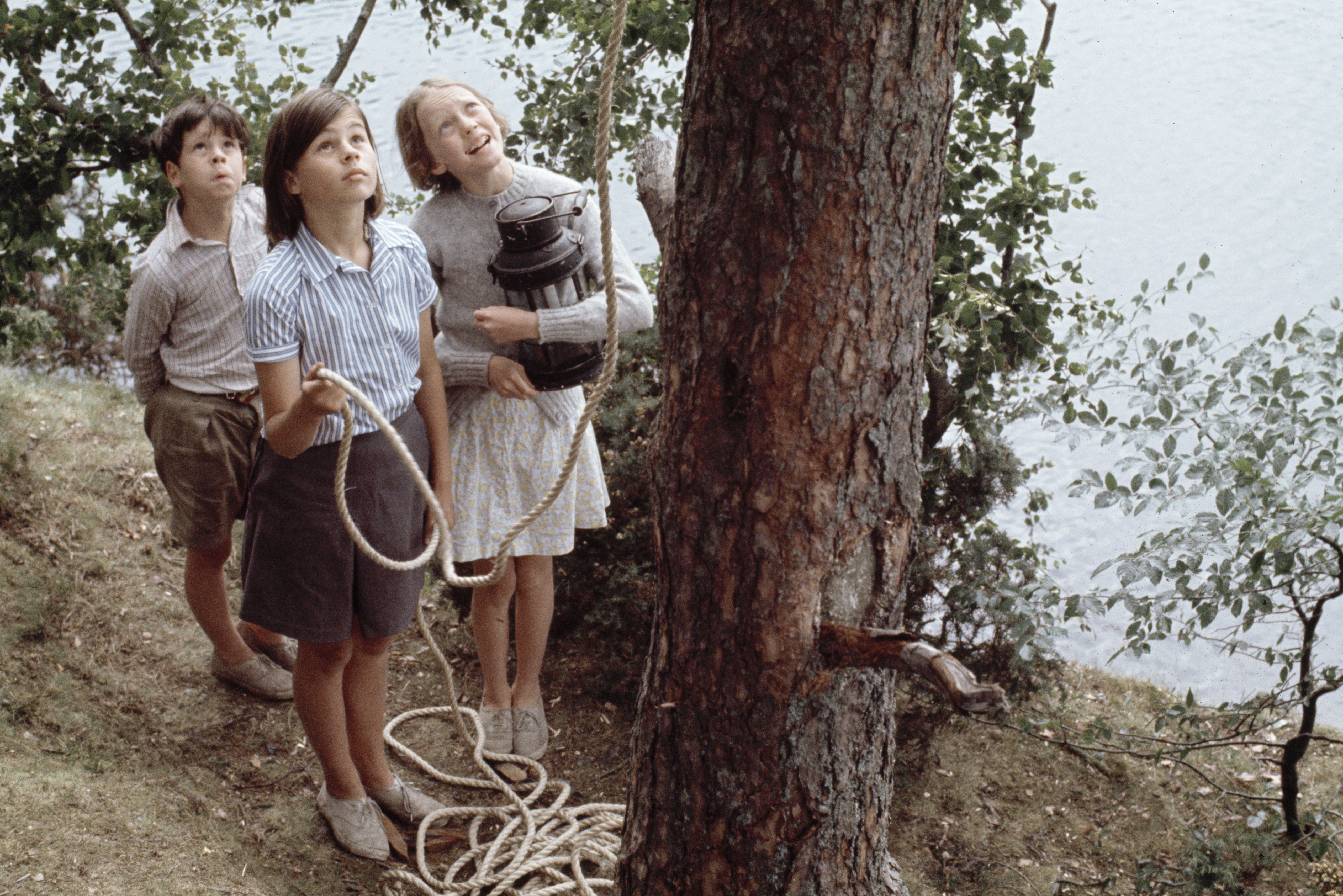
“Hi Sophie, I was watching ‘Swallows and Amazons’, the old classic, on Talking Pictures TV… great channel. Curiously, I have, hanging in my cottage ceiling timbers, the lantern you used for the Lighthouse on Wild Cat Island !!!!!!”
The lighthouse tree lantern today
‘Lanterns like this pattern are not common, so I presume it must be the one used in your 1974 film. I like to think so. There is a hole in the top of my lantern which has been plugged up and holes in the base too. If you use the lantern with candles, which is what I always do. then you cannot have a hole in the top of the lantern. Heat goes up and out of it and the rope or wooden handle may catch fire! It is stopped up with a small bolt with a flat rounded top.’
The holes would have been made to insert an electric light behind the candle so that it would show up on film.
Sten Grendon (Roger), Suzanna Hamilton (Susan) and Sophie Neville (Titty) at the lighthouse tree in the 1974 movie of Arthur Ransome’s book ‘Swallows and Amazons’
It certainly looks like the lantern we used, which I knew well at the time. A hurricane lamp is used in the book Swallows and Amazons. John, ‘tied the other end round the oil box at the bottom of the lantern’, although candle lanterns were used to mark Secret Harbour.
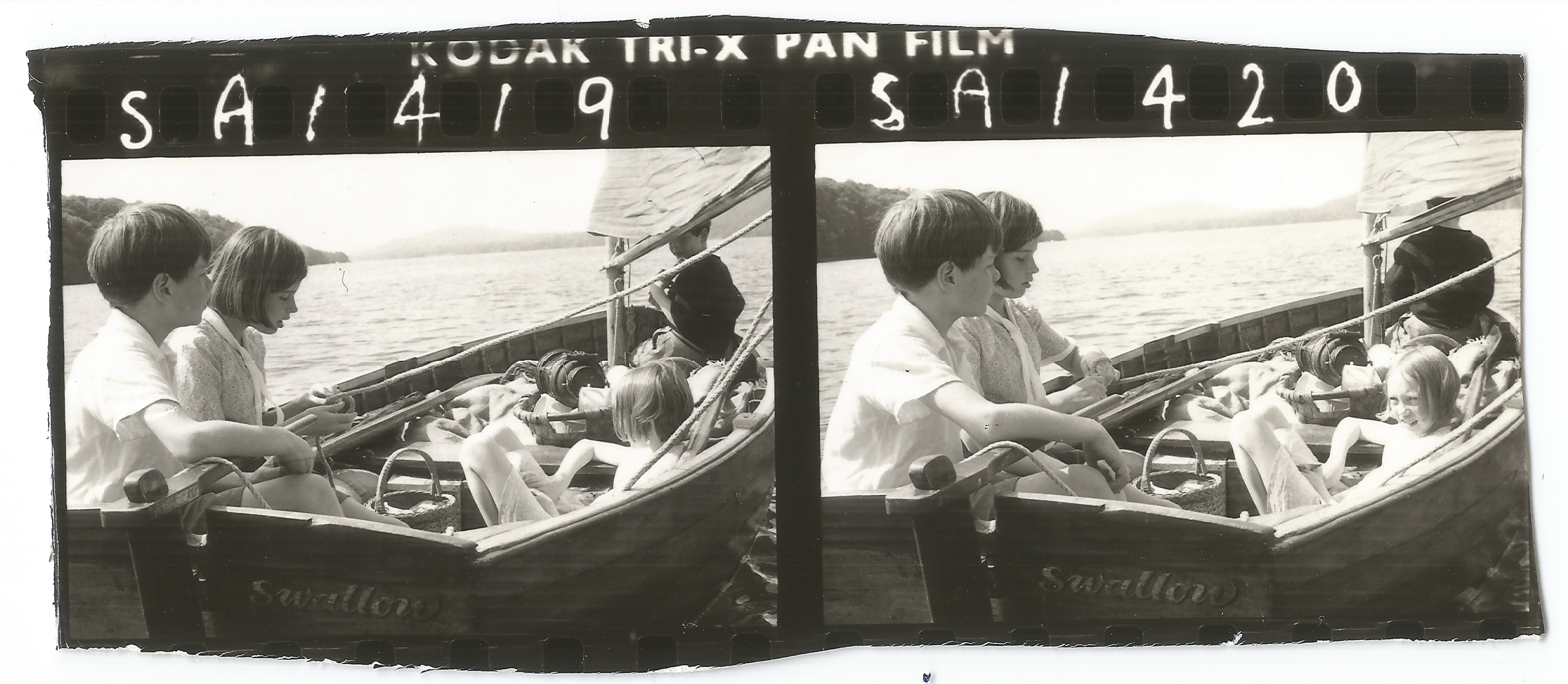
You can see the lantern lying near Swallow’s mast
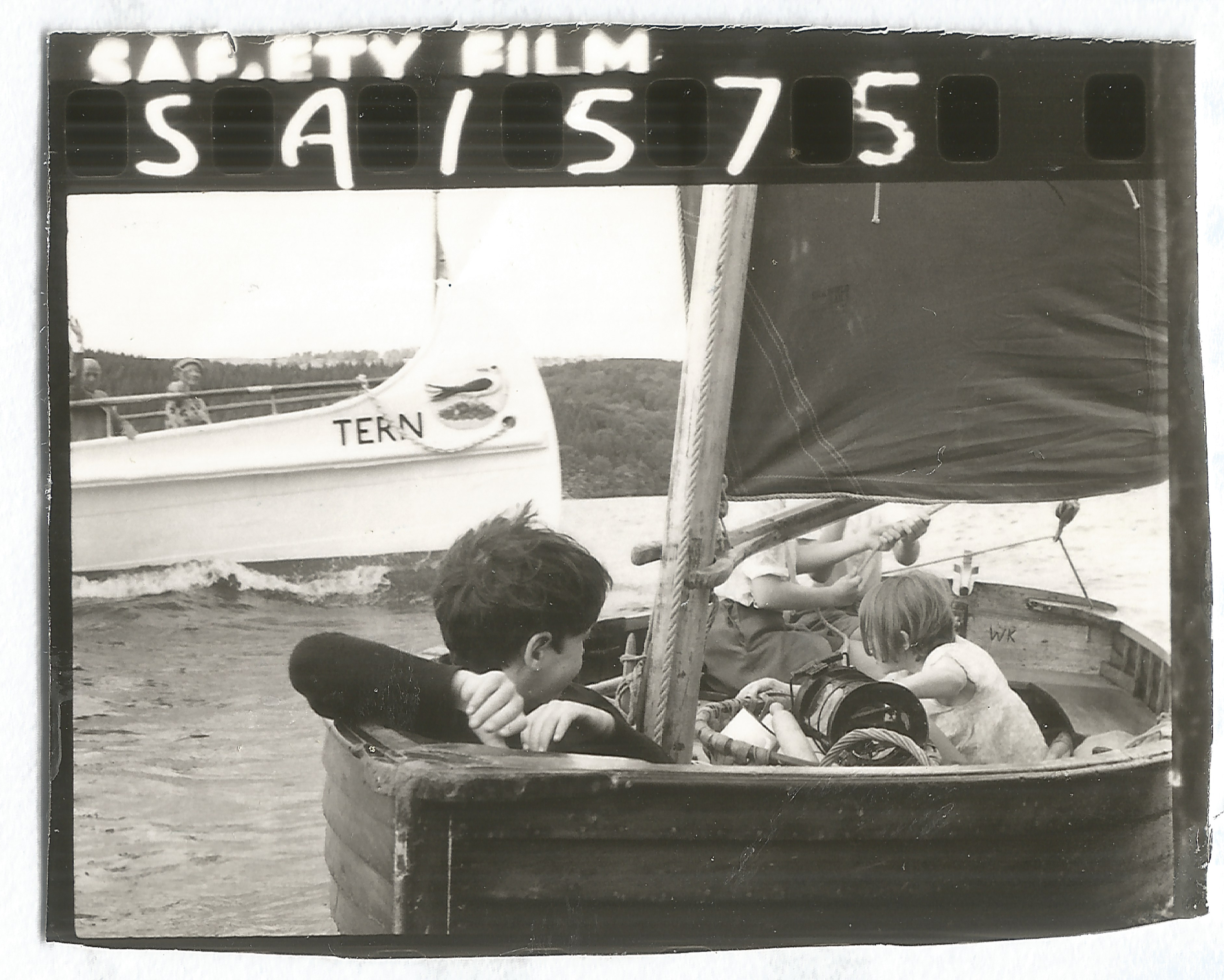
The black lantern was packed into Swallow on the voyage to the island, visible when the Walker children narrowly miss the Tern. You can see it lying in the shallow basket.
Film stills taken by Albert Clarke in 1973
It was rather uncomfortable to lean over when handing Roger the telescope.
Swallow nearly collides with MV Tern
The basket was taken out of Swallow at the landing place and Titty moves it up the beach ‘for fear of tidal waves.’ See if you can take some screen shots of it hanging from the lighthouse tree.
The same lantern was used in the movie ‘Far From the Madding Crowd'(1967) starring Alan Bates, Peter Finch, Terence Stamp and Julie Christie.
Terrence Stamp with the lantern
You can also see it hanging from a farm cart.
The same lantern
Philip says, ‘Clearly all the props went back to the Turk Phoenix shed near Teddington after shooting.’
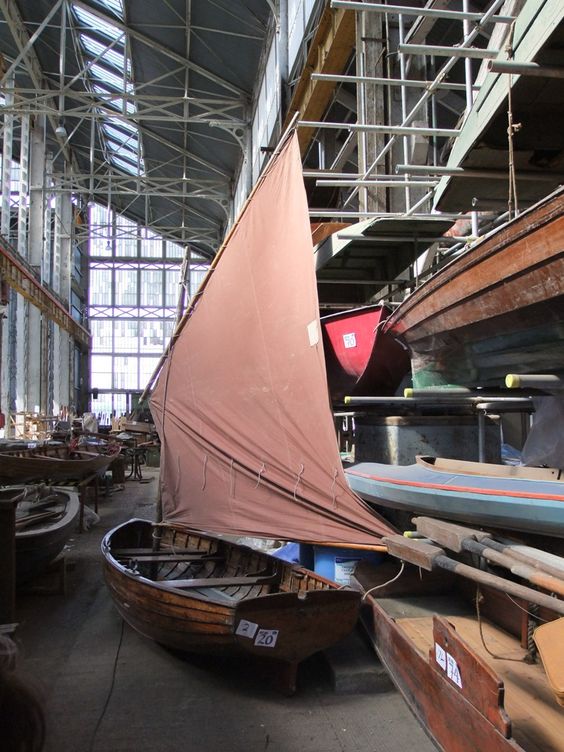
Mike Turk’s warehouse full of film props
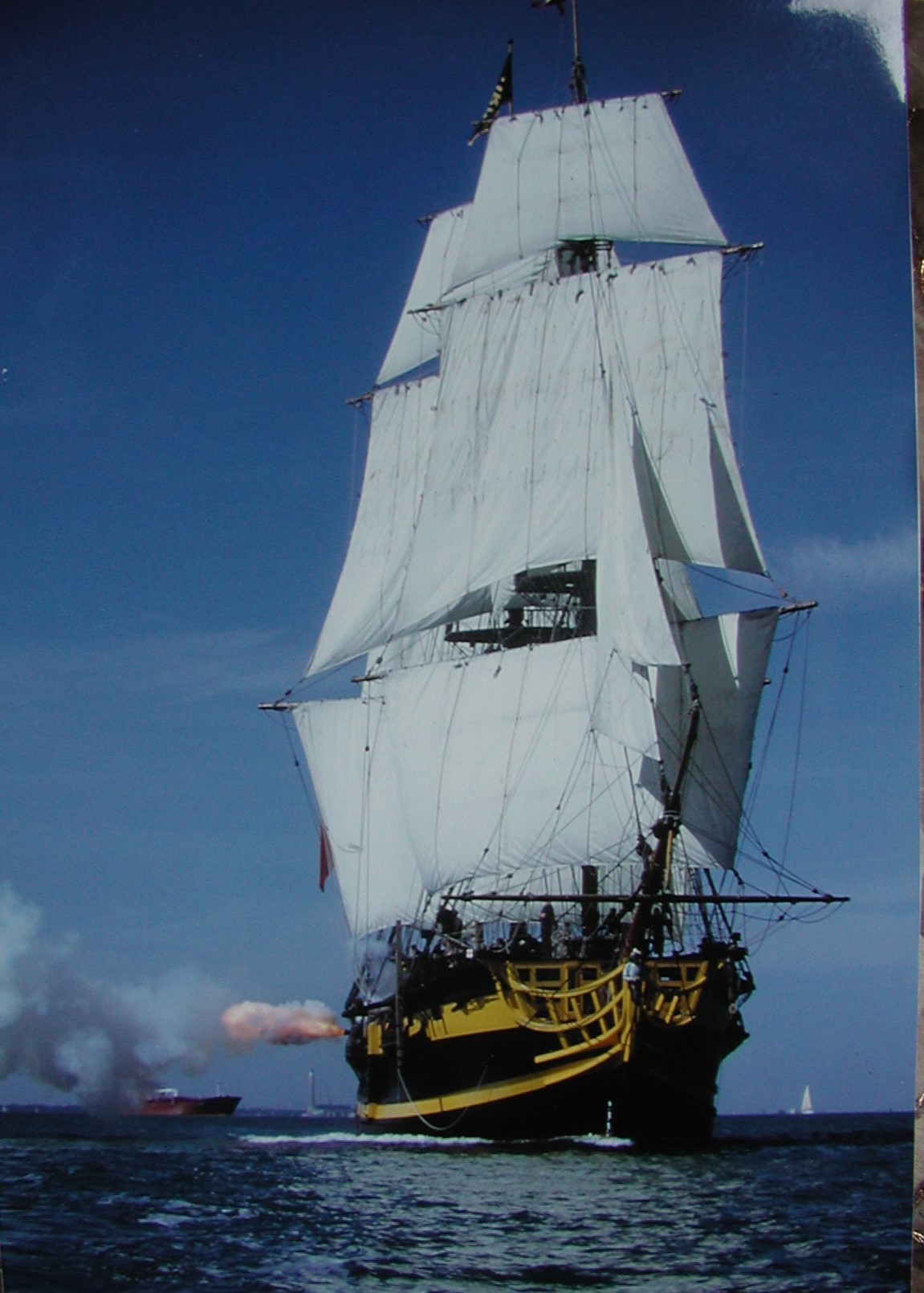
‘I never thought about it before but I used to work on a sailing ship called Grand Turk, which was owned by Mile Turk of Turk Phoenix who did a lot of film work.’
SV Grand Turk with Philip Chatfield firing a live shot on the Solent. “That would have given Captain Flint’s houseboat a shaking up!”
‘The Grand Turk played the HMS Indefatigable in ‘Hornblower’ with Ioan Griffiths and co. While I was on board (as Third Mate and Gun Captain) I needed more props for the gunnery dept. The lantern was one of the props we had on board. It came from Turk Phoenix who still had one of the boats used in your wonderful film.’
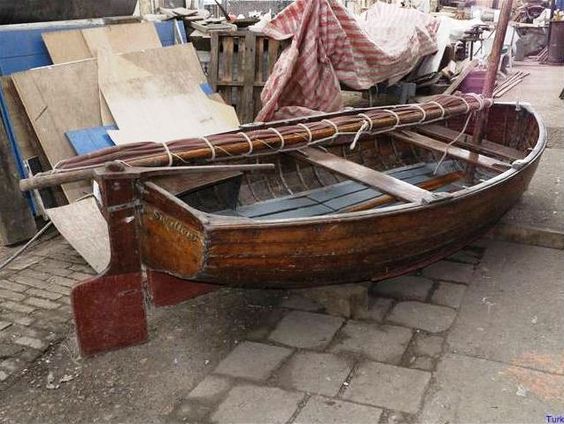
Swallow at Mike Turk’s warehouse in 2010
‘Mike Turk’s business provided nautical props.’ When Mike reached the end of his life and fell ill, many of these were sold at auction in 2010, including the dinghy that played Swallow in ‘Swallows and Amazons’ (1974), which was purchased by group of film fans now known as SailRansome.
Swallow prepared for auction in 2010
‘Before my time on Grand Turk I spent five years working on a lovely old square rig ship called MARIA ASUMPTA. Back in 1991 we sailed from London’s St Katherine’s Dock to Ipswich. We anchored off Shotley on the Orwell pretty much where the GOBLIN in Ransome’s book ‘We Didn’t Mean To Go to Sea’ book was set. As we hauled up our anchor we brought up a small kedge anchor. I still have it. At the time I was convinced it may have been from the story or even the sailing trip the story was originally based on. Who knows, but it is a lovely anecdote. We had sailed the autumn before to Flushing in Holland and did a tour of the inland waters of Holland.’
Philip Chatfield with a kedge anchor
‘Sadly, Maria Asumpta was lost off Padstow in May 1995 with the loss of three crew. Thankfully I was one of the survivors.’
Maria Asumpta wrecked on a desolate shore
‘You can just see me standing staggering, second from the left, in a state of shock. Three were lost but I was amazed more weren’t, frankly. My friend the bosun Graham is sitting on the stern about to leap off. He survived, just. The ship had been built in Barcelona and launched in 1858.’ By the 1990’s it was the oldest square rigger still sailing.’ A true ship wrecked sailor! What would Titty say?
Philip Chatfield in HMS Victory working on a carving of Lord Nelson in 2008
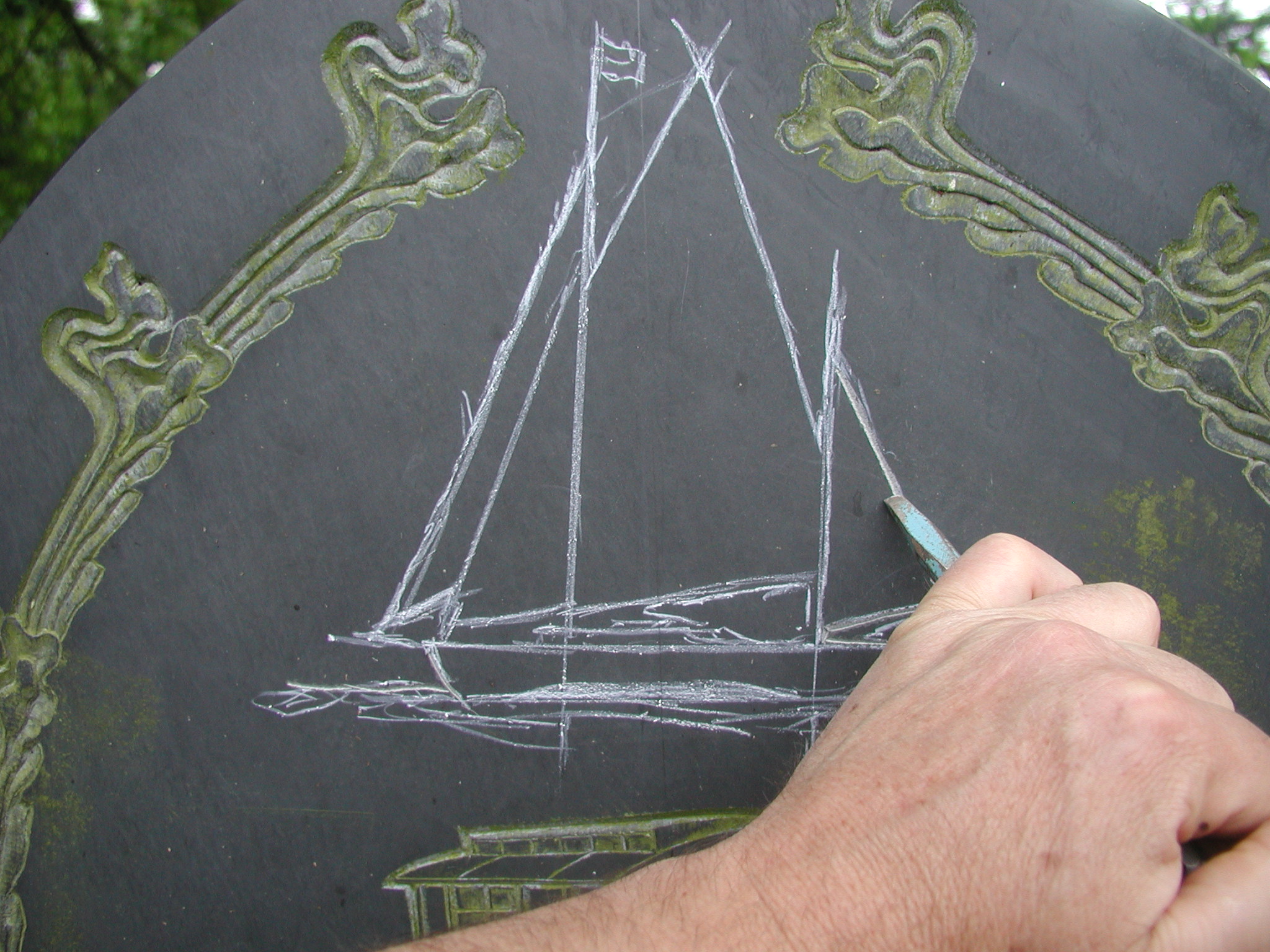
‘As a stone carver and sculptor I make memorials. A few years ago I was asked to do the memorial for one of my old school teachers and eventually his wife, who now shares his grave in Monmouth. She was Helen Bucknall but her mother was Mrs Henry Clay. The Ransome book ‘We Didn’t Mean To Go To Sea’ is dedicated to Mrs Henry Clay no less. Henry Clay was a friend and colleague of Ransome’s on the Manchester Guardian, also a keen sailor. I think Helen and her family were the inspiration for the story in the book. So Helen has a carving of the yacht they sailed as children on the large Welsh slate memorial in Monmouth cemetery.’
‘The galling thing for my friends, whose mother was Helen, is that they can’t find the original first edition of ‘We Didn’t Mean To Go To Sea’ that Ransome signed. Hope it turns up. At least that charming card exists. Love his little sketch of the dinghy.’
‘Anyway, hope this is of interest… well done for all you do. I have a hard copy of the book on order! Can’t wait. Very best wishes, Philip Chatfield’
The lighthouse tree lantern today
To read more about some of the Swallows and Amazons movie memorabilia, including Swallow’s flag and the fishing rods, please click here
To read more about ‘The Making of Swallows and Amazons (1974)’ – click here
This lovely documentary shows Philip’s recent work on railways:
Stories about making original film of ‘Swallows and Amazons’ are still floating to the surface. The BBC Radio 4 newscaster Alan Smith, wrote to me, saying:
“It’s Alan Smith here – I’ve been through the family archive of photographs and have uncovered two pictures which I’m sure you won’t have:
Brian Doyle, Terry Smith and Graham Ford, with Virginia McKenna, Kit Seymour, Sten Grendon, Simon West, Suzanna Hamilton and Lesley Bennett (photo: Eileen Smith)
“The first picture is fairly obvious – it’s you and the other cast members in the car at Haverthwaite station. This will have been taken by my Mum at the time the ‘official’ photo was taken.” This was on 14th May 1973 when a reporter from the Times came to witness our first day of filming ‘Swallows and Amazons’. The station had only been re-opened two weeks earlier.
The cast of ‘Swallows and Amazons’ (1974) at Haverthwaite Railway Station with Jim Stelfox. Robin Smith is at the window, Alan Smith and John Eccles are standing in the doorway.
“The photo (below) shows (left to right) my brother Robin, me and our friend John Eccles standing in front of a pony & trap. This picture was also taken at Haverthwaite, probably by my mother. John came along with his grandparents Patsy and John, and everyone remarked on how distinguished Mr Eccles senior looked in his boater and blazer!
Robin Smith (6), Alan Smith (9) and John Eccles (7) at Haverthwaite Railway Station with the props lorry in the background
“Please feel free to use these pictures however you’d like – I wonder if they’ll prompt others who were there to unearth similar memories?!”
“We had a lovely two days as extras on the film. I remember there was a casting one Sunday morning at St Anne’s Hall (an old church which is now converted to flats) in Ambleside. This is where anyone who wanted to take part went along to meet the director and wardrobe people. My mother was given instructions re the dress-code for Robin and me, and we were asked to meet in Ambleside town centre a couple of weeks later to board a bus which took us to the first location (Haverthwaite).” This took place about two weeks before the film. Eileen Smith ran the Gale Crescent Guesthouse in Ambleside although none of the crew stayed there. My mother, Daphne Neville, went along to help the wardrobe master, Terry Smith, fit the film extras with costumes.
Alan’s brother, Robin Smith, made it onto a jigsaw puzzle released with the film
Alan couldn’t think why his Dad didn’t come along. It might have been the threat of haircuts. No man in Cumbria under the age of seventy could be persuaded to have a 1929 haircut, apart from Jim Stelfox the station master and my own father, Martin Neville, who appeared in the Rio scenes shot at Bowness.
You can see a quick flash of Alan and his family near the bus in this behind-the-scenes cine clip, shot by my father with a 16mm Bolex borrowed from his company. As he says it’s, “lovely to have all those memories flooding back!”
Behind-the-scenes footage taken by Martin Neville
Alan watched this clip and wrote, “My brother and I are convinced that the boy on the right of the frame at 0’06” is Robin, and the woman standing next to him in the hat with the red band is my mother, Eileen (I appear to have gone in search of ice cream or something, as I’m nowhere to be seen!).
“A couple of seconds earlier at 0’04” I’m almost certain the woman standing in front of the red bus with the large bag is John’s grandmother Patsy Eccles, and the the man in the white blazer, trousers and hat is John Eccles senior, Patsy’s husband. I have very fond memories of Mr & Mrs Eccles – they were a lovely, kind couple who were almost like an extra set of grandparents to Robin and me.
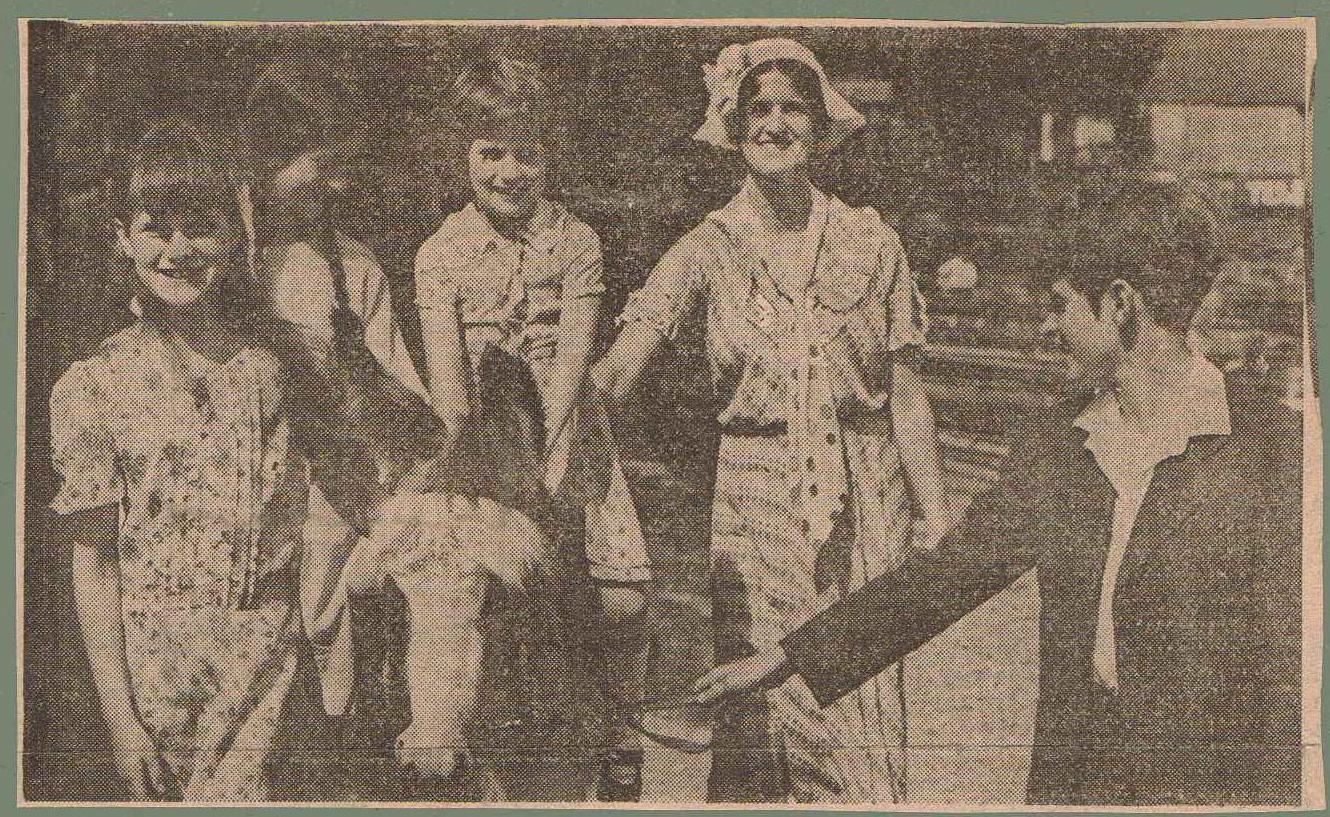
Other children who took part, featured in the local newspaper
“We may only have been extras, but it was so exciting for all of us! The first day’s filming was spent getting on and off the train, followed by what seemed like endless trips up and down the line (this would have been when you and the other actors were in the next carriage filming the early scenes).
Some of the other film extras with Suzanna Hamilton and Sophie Neville
“The second day was a few days later at Bowness Bay. This must have been some feat to achieve as the road was closed to traffic and any clues from the 1970s such as road signs had to be covered up or disguised!
Is Alan fighting with his brother in this shot, top right?
“Both days had a very big effect on me. As a child I’d always been fascinated by radio, film & television, and this brought my imagination to life. It also lit a fuse under my ambitions to do something in broadcasting. The result is I’m now a news presenter on Radio4, doing the news in programmes such as Today, PM and The World at One, so I have a lot to thank Swallows and Amazons for! My work means I now live in Buckinghamshire, but I get back to the Lakes 5 or 6 times a year, and I know that when I hang up my headphones for good, that’s where I’ll live.”
Although born in Edinburgh, Alan’s family moved to Cumbria when he was two years old. He and his brother, Robin, enjoyed an idyllic ‘Swallows and Amazons’ childhood growing up in the Lakes. They didn’t get into sailing but loved hill walking. You can see his BBC profile here
Zena Ashbury and her mother, in front of Brown’s coach returning the film extras to Ambleside at the end of the day’s filming in Bowness.
You can see more photos and read about the adventures everyone had making the original film ‘Swallows and Amazons’ here:
Earlier in the year, I spoke to Helen Millican on BBC Radio Cumbria about making the original film of ‘Swallows and Amazons’ in the Lake District, back in the summer of 1973. We have had an amusing development.
Sophie Neville speaking to Helen Millican on BBC Radio Cumbria
I had been chatting away, telling Helen that people like hearing about all the disasters we had whilst filming on location. One odd thing that went wrong was that one of my milk-teeth fell out in the middle of shooting a scene with Virginia McKenna on Peel Island. At the time, I was somewhat distracted and self-conscious about this but could do no more than try to keep my mouth shut.
Virginia McKenna and Sophie Neville ~ photo: Daphne Neville
However, viewers often spot the fact that my tooth suddenly disappeared. They still talk about it nearly fifty years later. Helen assured me that the tooth fairy was bound to turn up with it, suggesting I could then take the small canine on BBC ‘Antiques Roadshow’, which was being recorded at Windermere Jetty museum in Cumbria at the time.
The tooth that went missing – top right
Amazingly, the missing tooth has been sent to me.
Peter Robb-King, the Make-up Designer on ‘Swallows and Amazons’, rang to say that he had kept it safely in a metal film canister labelled ‘Titty’s tooth’. He promised to send it to me in the post so that I could add it to my bizarre collection of movie memorabilia – valued by Marc Allum at £4,000 to £6,000.
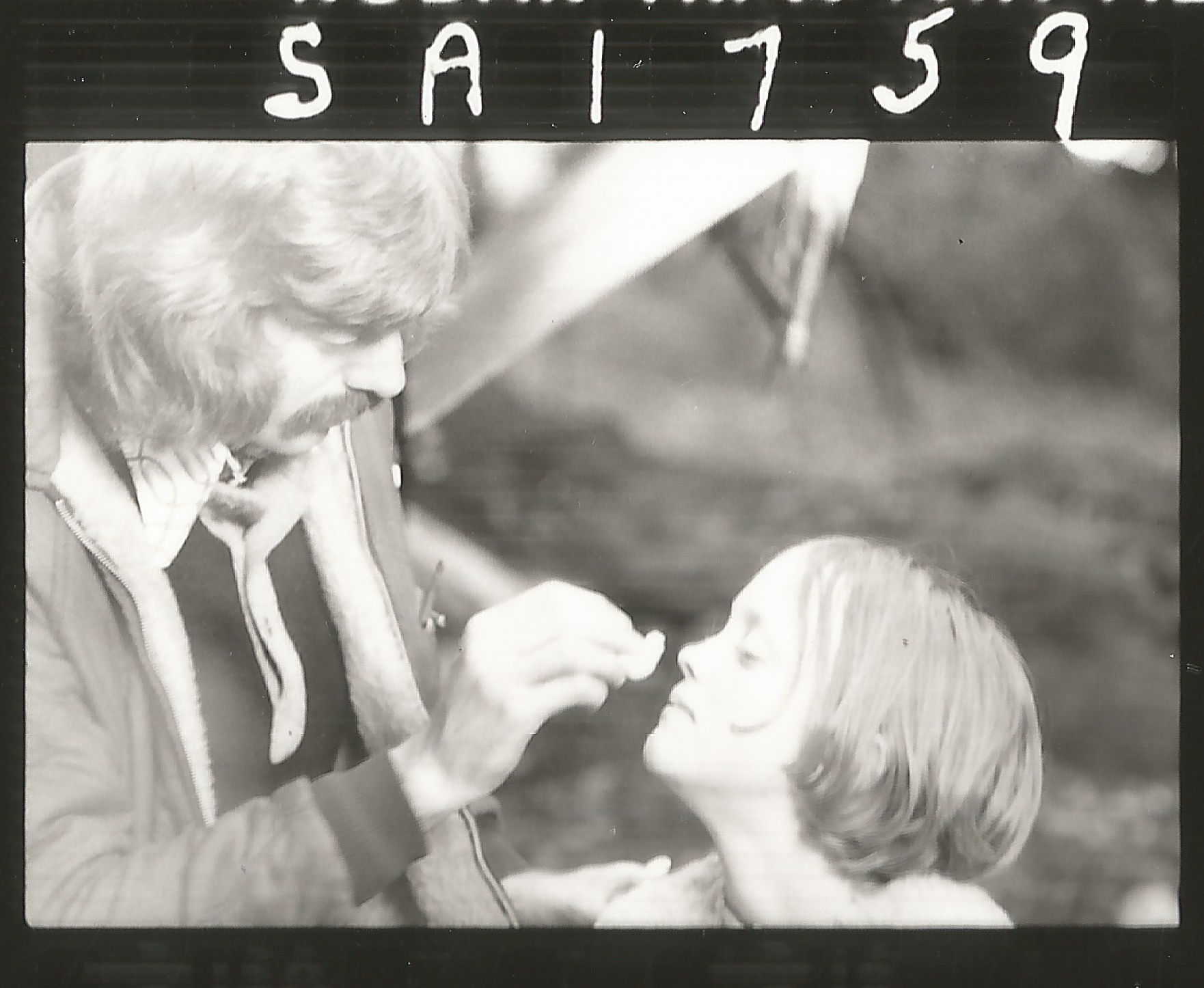
Sophie Neville being made up for the part of Titty by Peter Robb-King in 1973
Helen was delighted to hear that the tooth had materialized after 48 years. “Wow, Sophie what a result, after we made such a joke of it as well! That might just take your valuation up to the next level!”
Peter explained that he took the milk tooth to a dentist in Ambleside to ask if a bridge could be made to temporarily replace it but I remember the director, Claude Whatham, saying that he would ‘have to live with it’ – it being something of a continuity problem as he was yet to shoot earlier scenes of us sailing to the island. As a result, film fans can now work out which sequences were shot right at the end of our time on location even though they come before the scene with Man Friday (played by Virginia McKenna) in the storyline.
My missing tooth, kept since 1973
Peter Robb-King went on to have an amazing career in film, working on ‘The Rocky Horror Picture Show’, ‘Aliens’, and a number of ‘Indiana Jones’, ‘Batman’ and ‘Star Wars’ movies. He told me that he originally found it difficult to break into Make-Up Design as a man, but managed to win a post as a trainee on ‘The Avengers’ in 1968. ‘Swallows and Amazons’ (1974) was his first job as a Make-Up Supervisor, proving a break-through for him and other members of the film crew. It was the first film made by the producer Richard Pilbrow and David Wood’s first screenplay. Suzanna Hamilton, who played Susan, went on to star in many movies including ‘1984’ with John Hurt and ‘Out of Africa’ opposite Meryl Streep. She has recently had a guest appearance on ‘EastEnders’.
Peter Robb-King can be glimpsed right at the end of this cine clip taken on location
Now retired, Peter and his wife live in Maidenhead but enjoy travelling around. We had a long chat about the green parrot as he later adopted a young one that was rescued while making an Indiana Jones film in Sri Lanka. Stephen Spielberg looked after another parrot from the clutch.
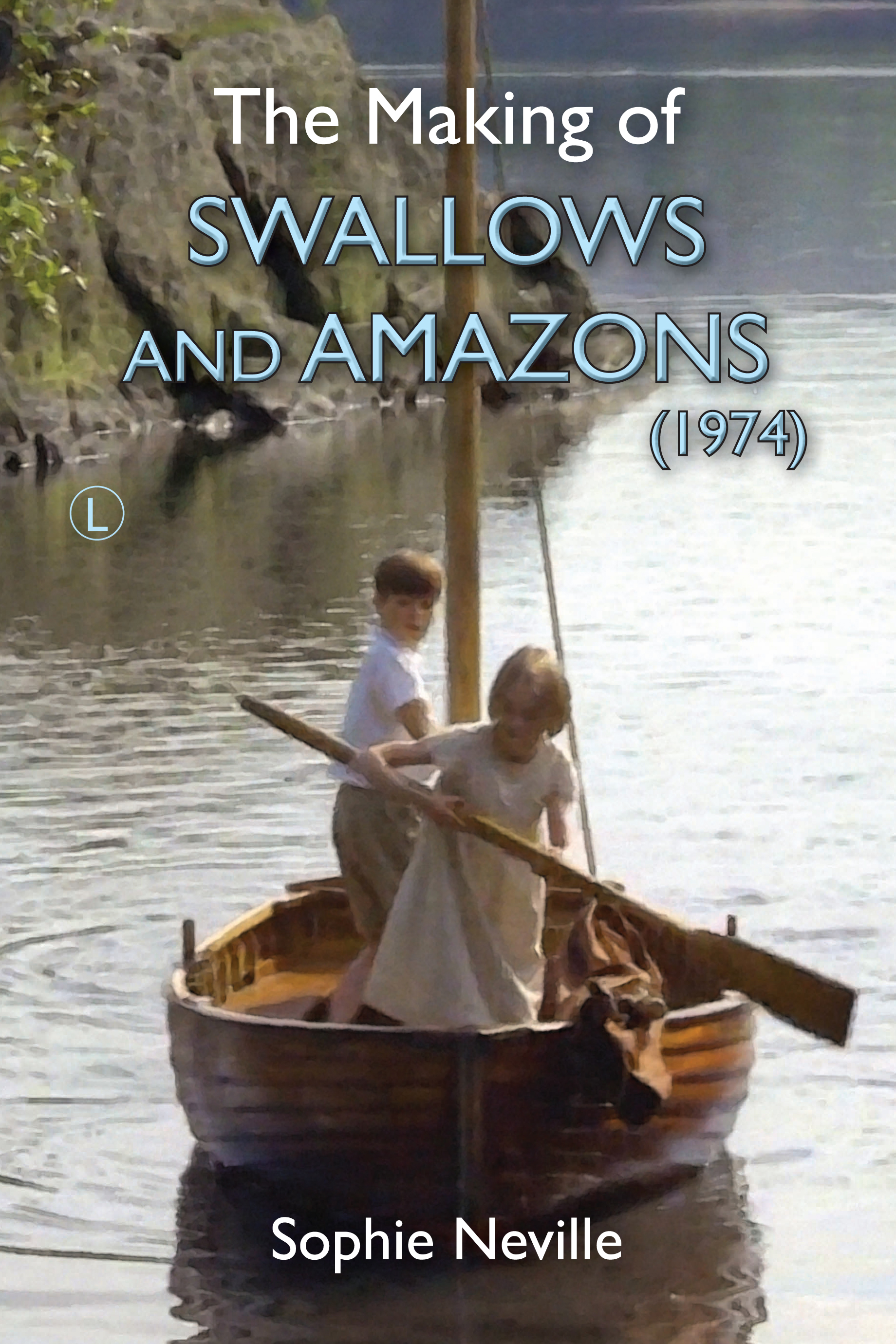
You can read more about the disasters that befell us whilst filming in ‘The Making of Swallows and Amazons’, signed copies of which are available from libraries, The Nancy Blackett Trust book shop and other online distributors.
If you enjoy ebooks, ‘The Secrets of Filming Swallows and Amazons (1974)’ has links to behind-the-scenes cine footage and is very good value at £2.99 – available on Kobo, Smashwords, iTunes and on Kindle here
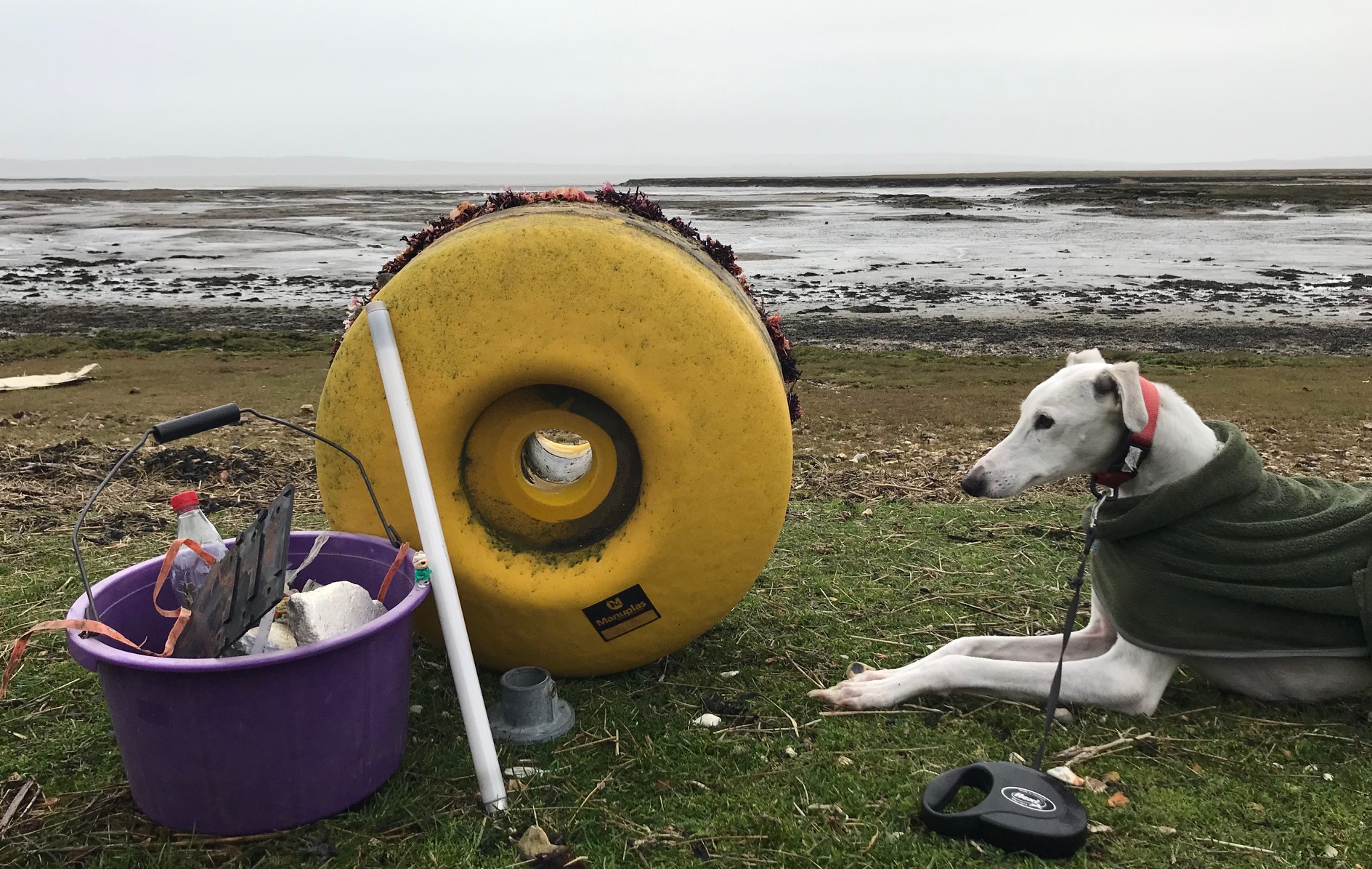
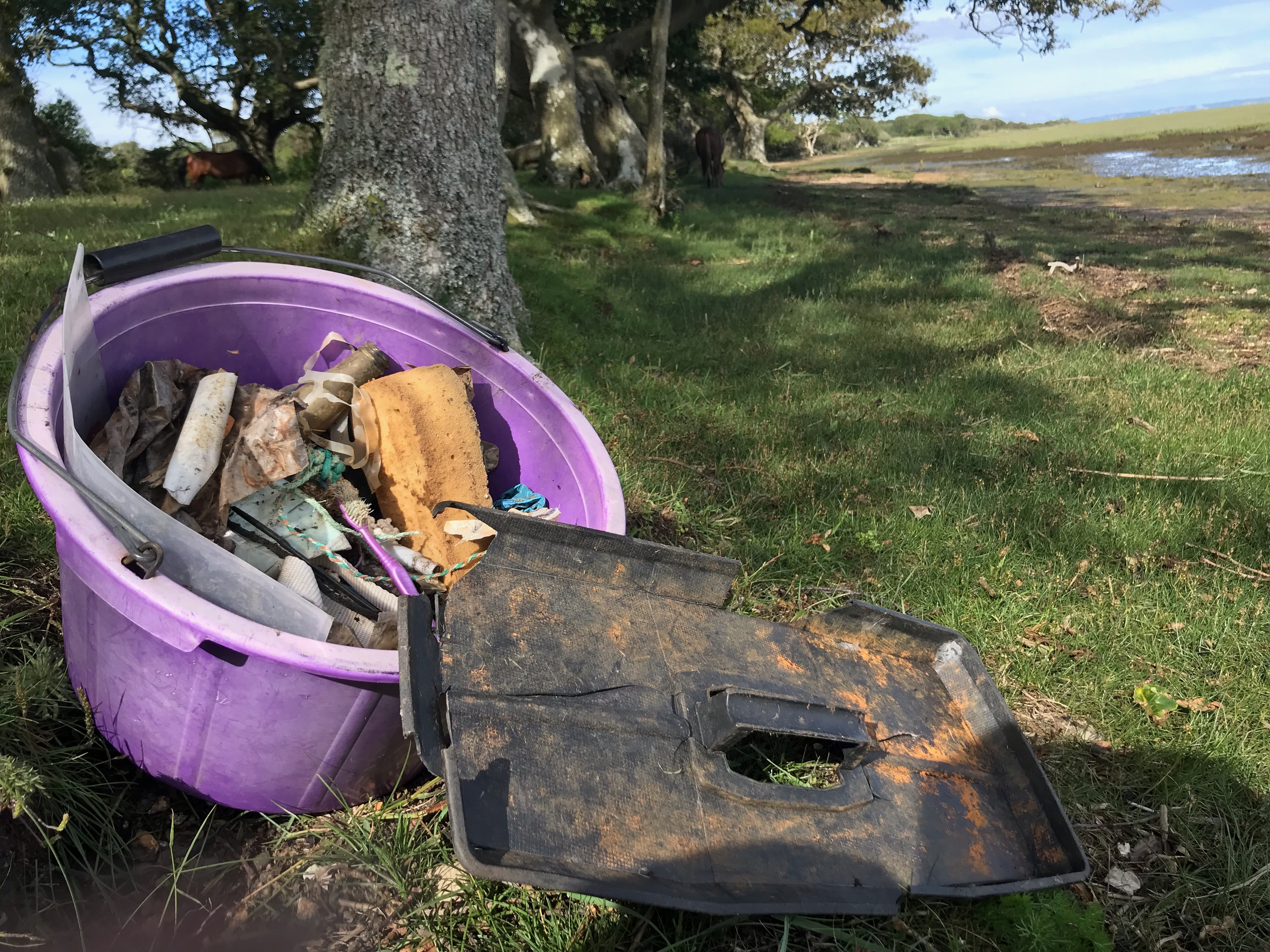
It took two adults and two small children more than an hour to collect this flotsam washed up along the Solent within the New Forest National Park.
Expert at spotting micro-plastics
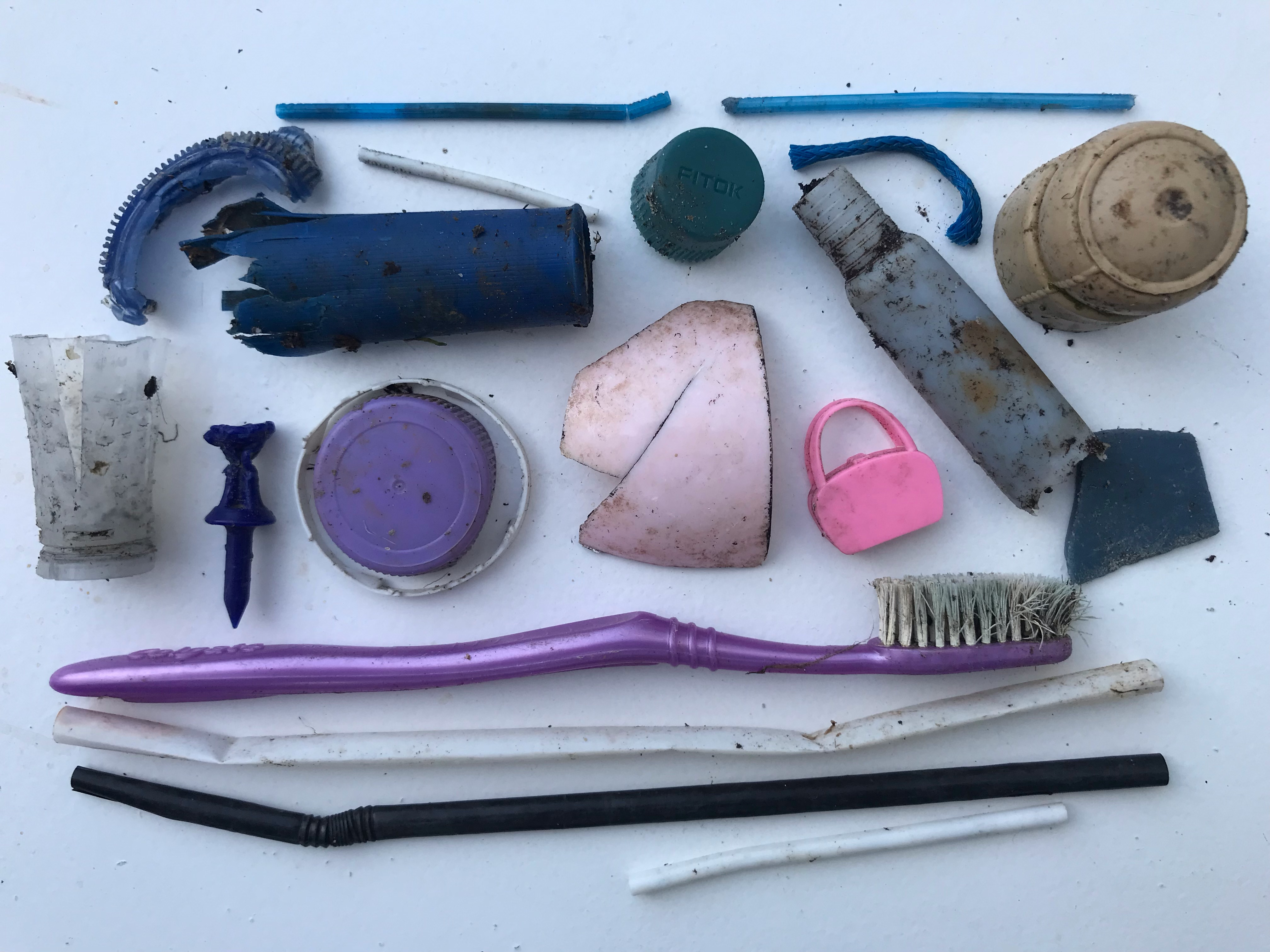
The collection ended up weighing about 3 Kgs, despite cellophane and a large number of light, fly-away wrappers. The contents included hundreds of tiny pieces of plastic found in the shingle or blown inland.
A pencil, a washer and a tab from a life jacket
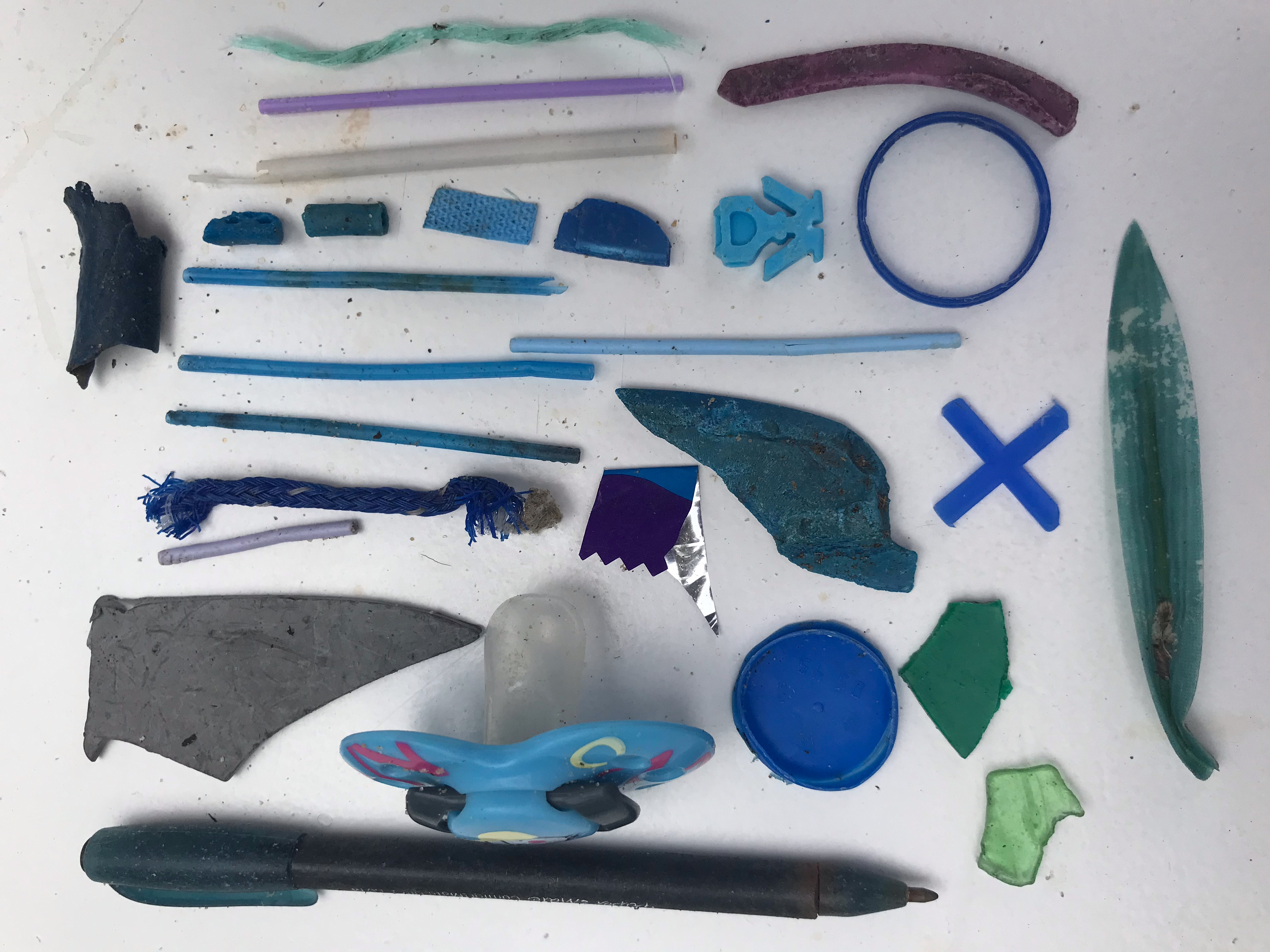
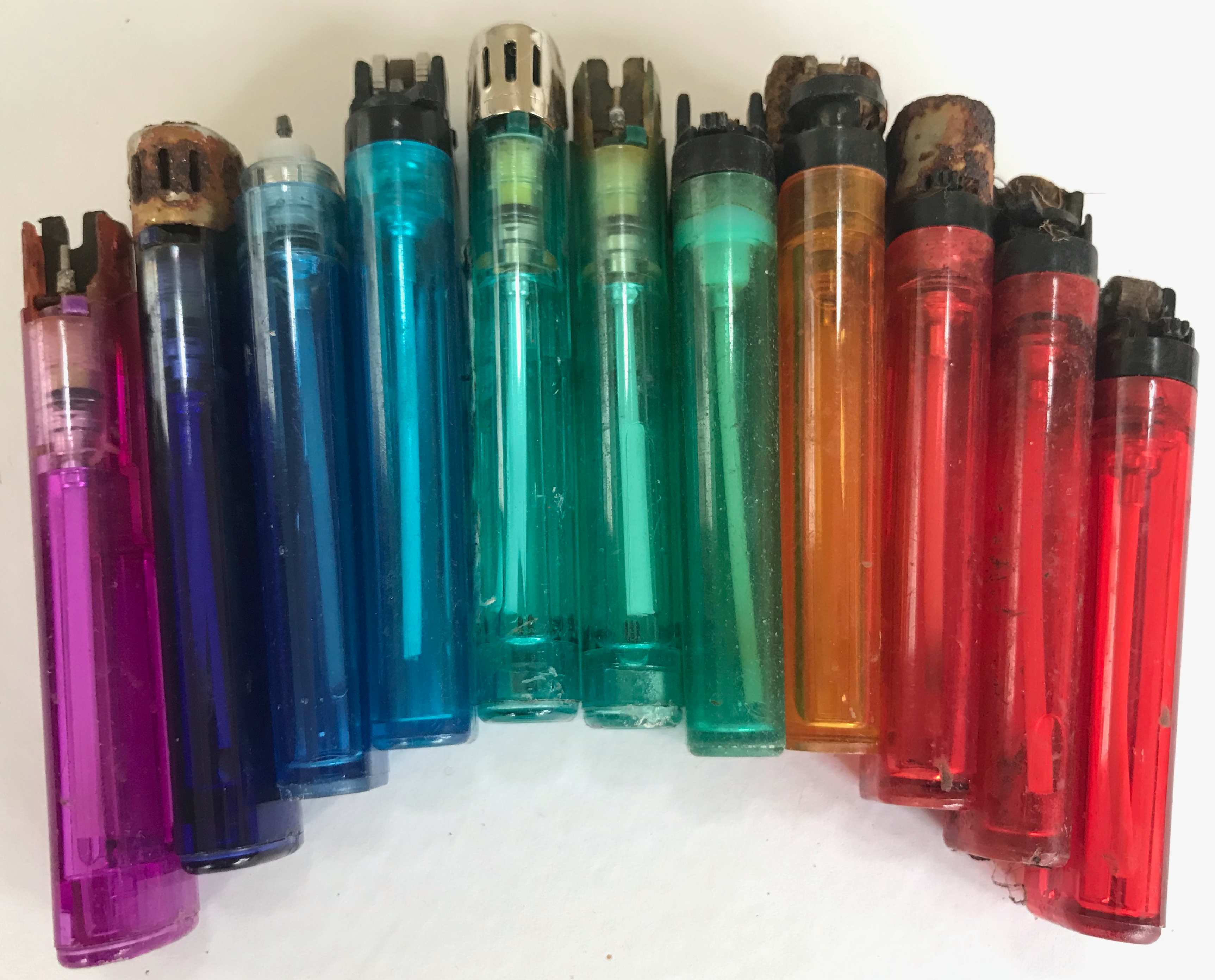
Sorting the colours brought attention to objects that the Marine Conservation Society would classify under ‘sewage’, ‘fishing’ and ‘litter’, thankfully well washed in seawater.
Solent flotsam – including evidence of sewage
Plastic straws and cotton bud stalks have thankfully been banned but plastic pollution remains a huge problem. We need to do what we can to turn the tide.
A plastic straw, a shotgun cartridge, the tip of a boathook and the handle of a brush
What most distresses me are signs that birds are confusing styrofoam with the natural remains of cephalopods that they peck at in search of calcium.
Insulation material and single use styrofoam
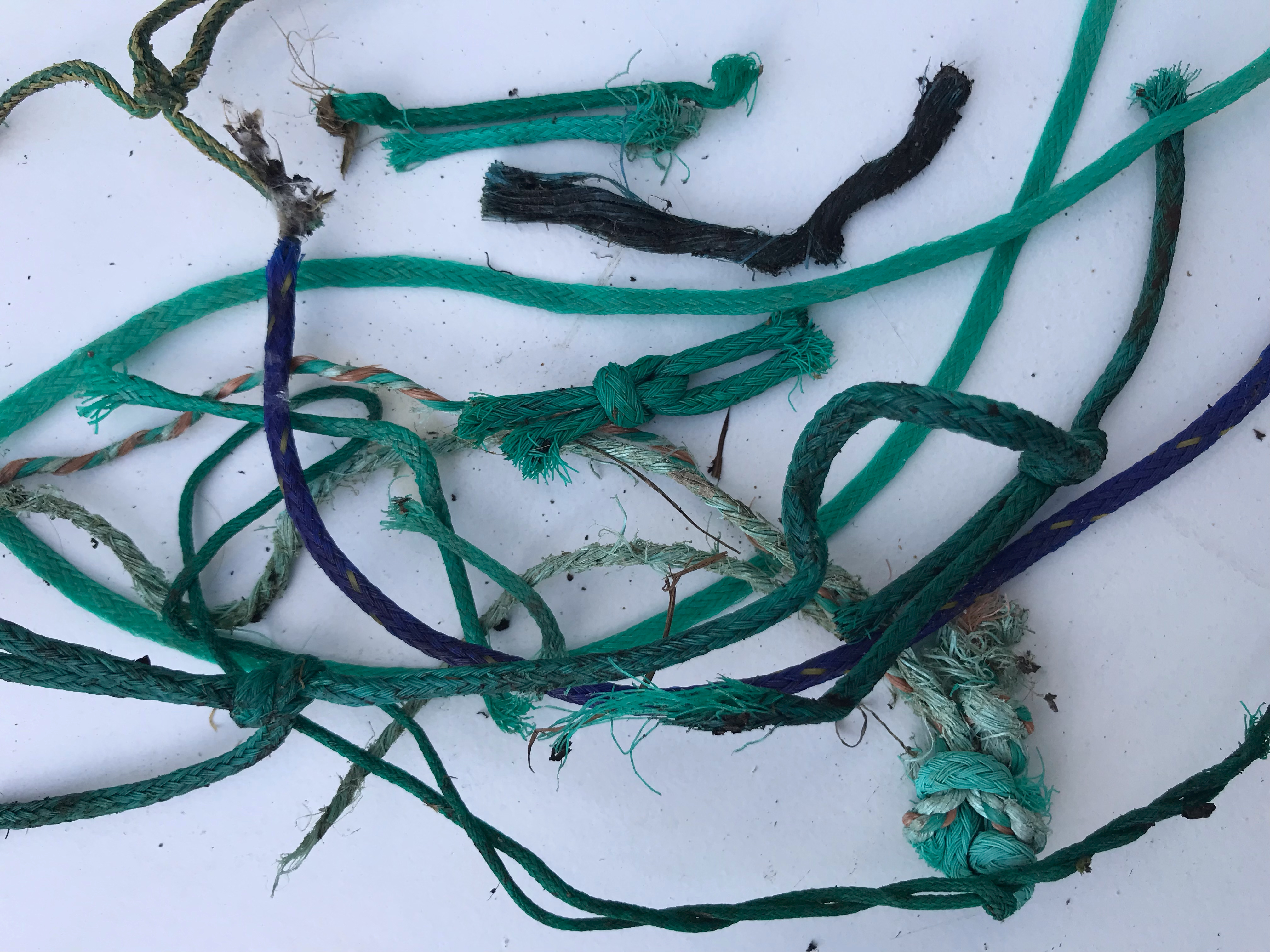
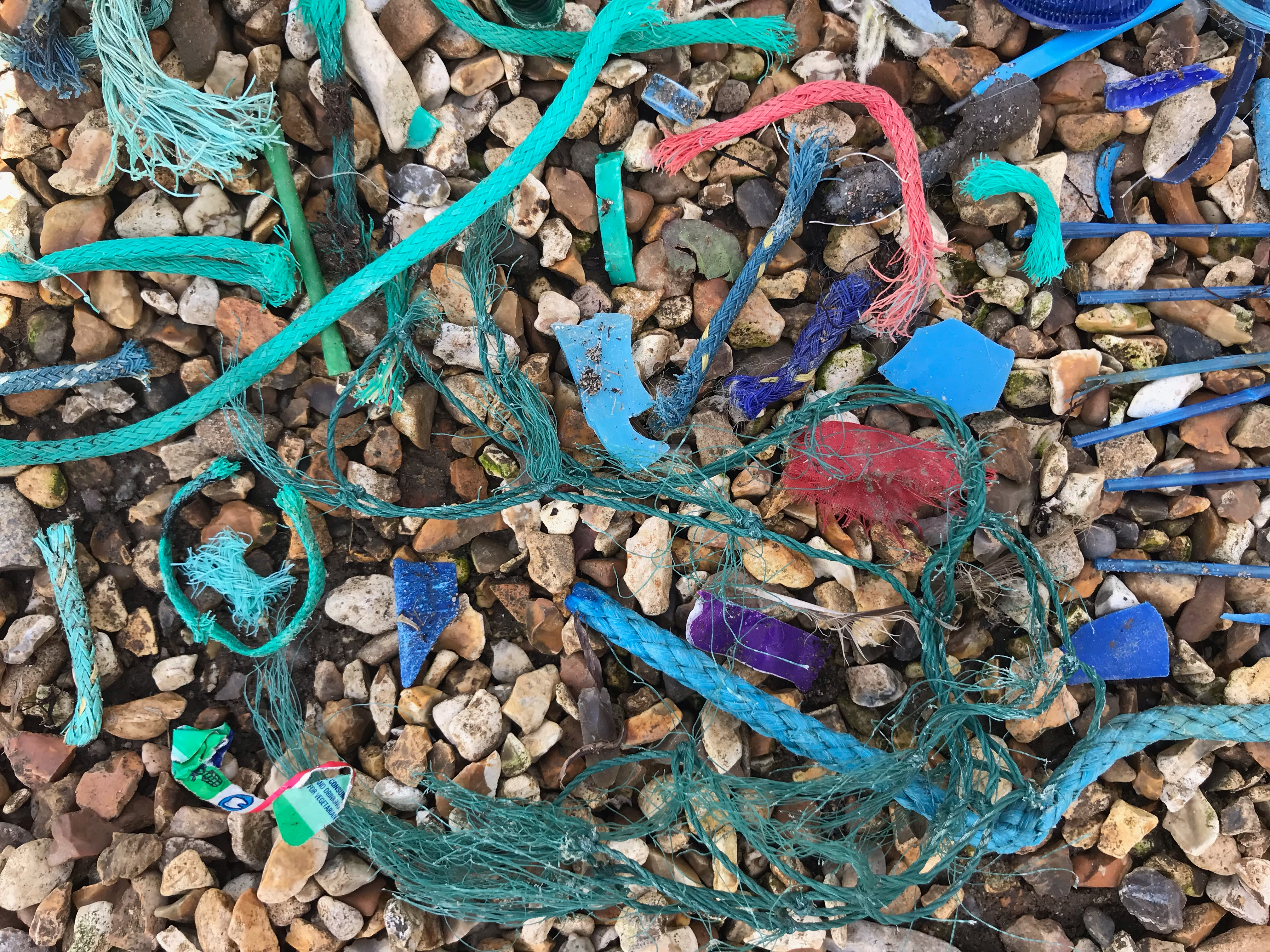
I sort out the marine rope and fishing tackle, which is stored for a future project.
Fishing line and shellfish traps
All this, and broken glass, was collected from a beach where children play. There are serviced, wildlife-proof litter bins, and since it is remote, requiring a parking permit, it is never crowded.
For photos of a previous Solent Beach Clean – please click here. You can see which items turn up month after month, such as green ‘sea kisses’ and tampon applicators.
A sample of sea plastic washed up on Solent shores, 2021
Plastic straws and cotton bud stalks, along with plastic tampon applicators and shot gun cartridges, have become a sad portrait of society: what the sea sees of us. Why do we come across so many short pieces of PVC rope and fishing net?
‘Sea kisses’ found washed up on the Solent 2021
I am told these ‘sea kisses’ are the result of trawlers shredding torn nets at sea and dumping this ‘waste’ overboard as it is cheaper and more convenient than bringing it ashore to be buried.
Will this ultimately poison fish and make them inedible?
All these micro-plastics have washed up on the shores of the New Forest National Park. I’ve been trying to make ‘beautiful pictures of horrible things’, as the broadcaster JJ Walsh describes my photographs and framed collages.
Cotton bud stalks indicate sewage is entering the Solent
Any throw-away plastic rings should be regarded as ‘wildlife crime’ – they strangle too many birds.
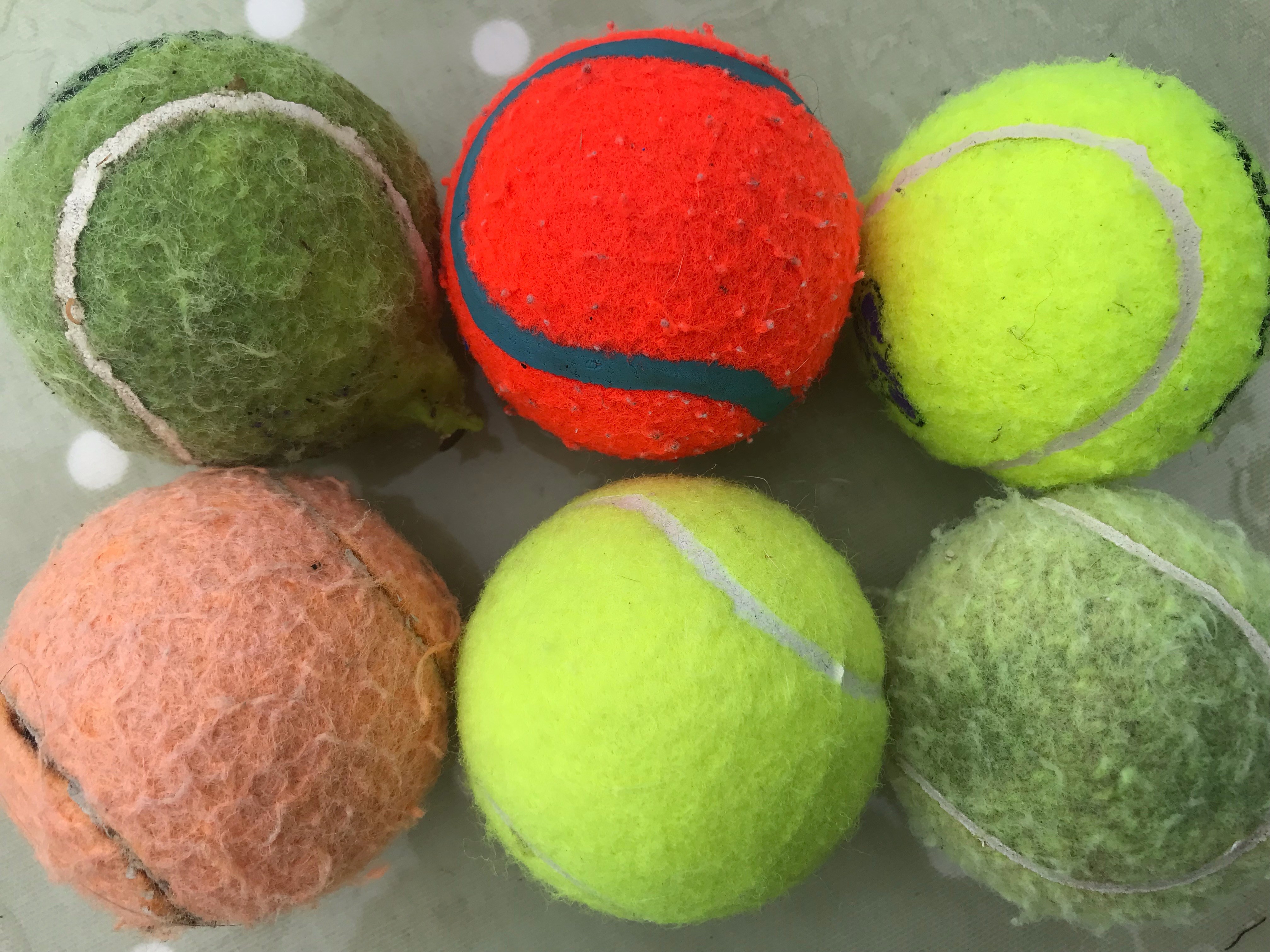
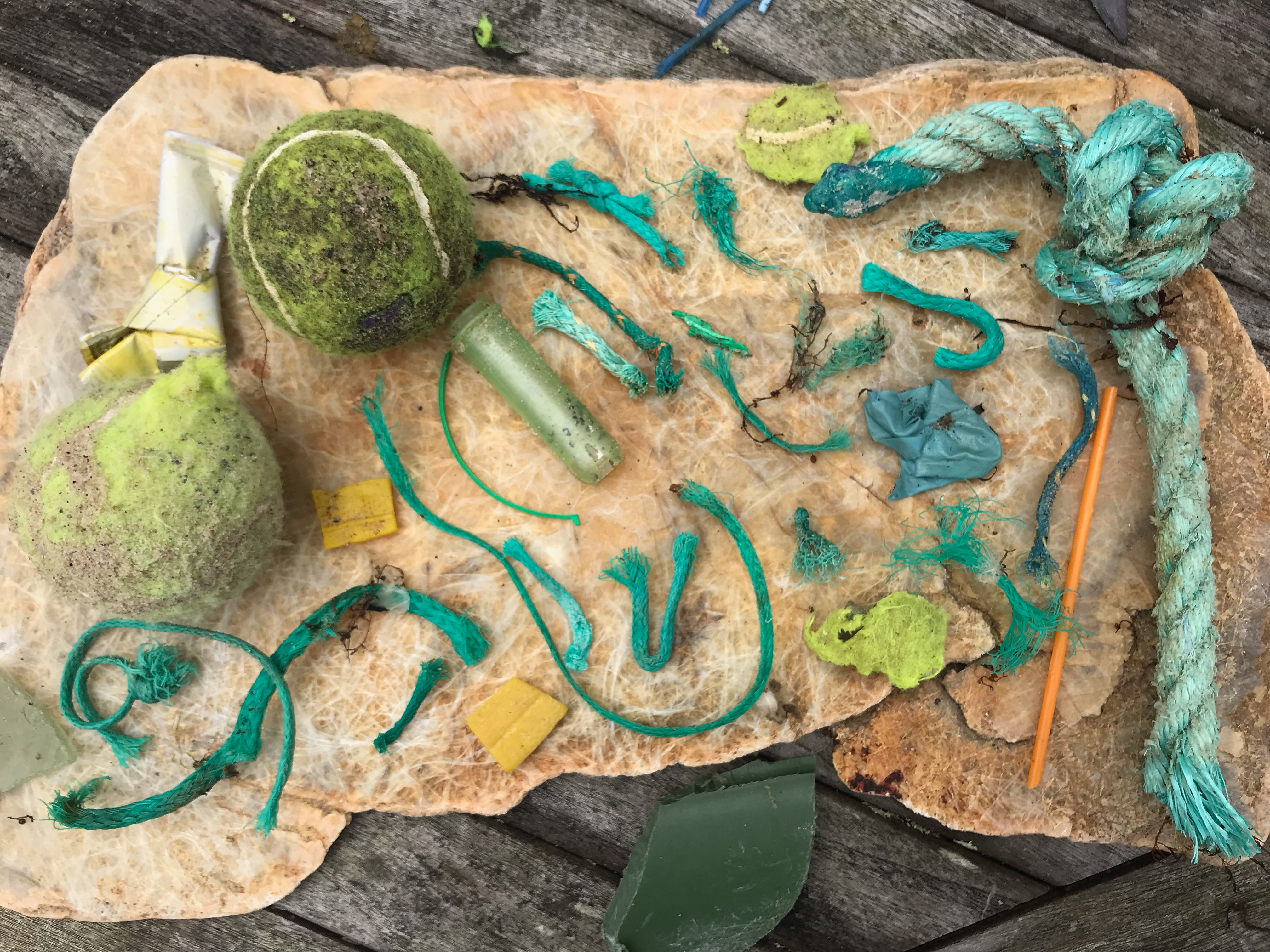
Do you know how much lead there is in a tennis ball? Despite the fact they they are not recommended as toys for dogs, huge numbers are washed up on our beaches. I find them all the time.
Tennis balls found on Solent beaches, 2021
One of my biggest hates are the plastic things used to sell six-pack drink cans as they easily get stuck around creatures’ necks. I often find four-pack plastic was washed up near a seabird breeding colony. Cut these things apart before re-cycling.
Washed up near a major seabird breeding colony
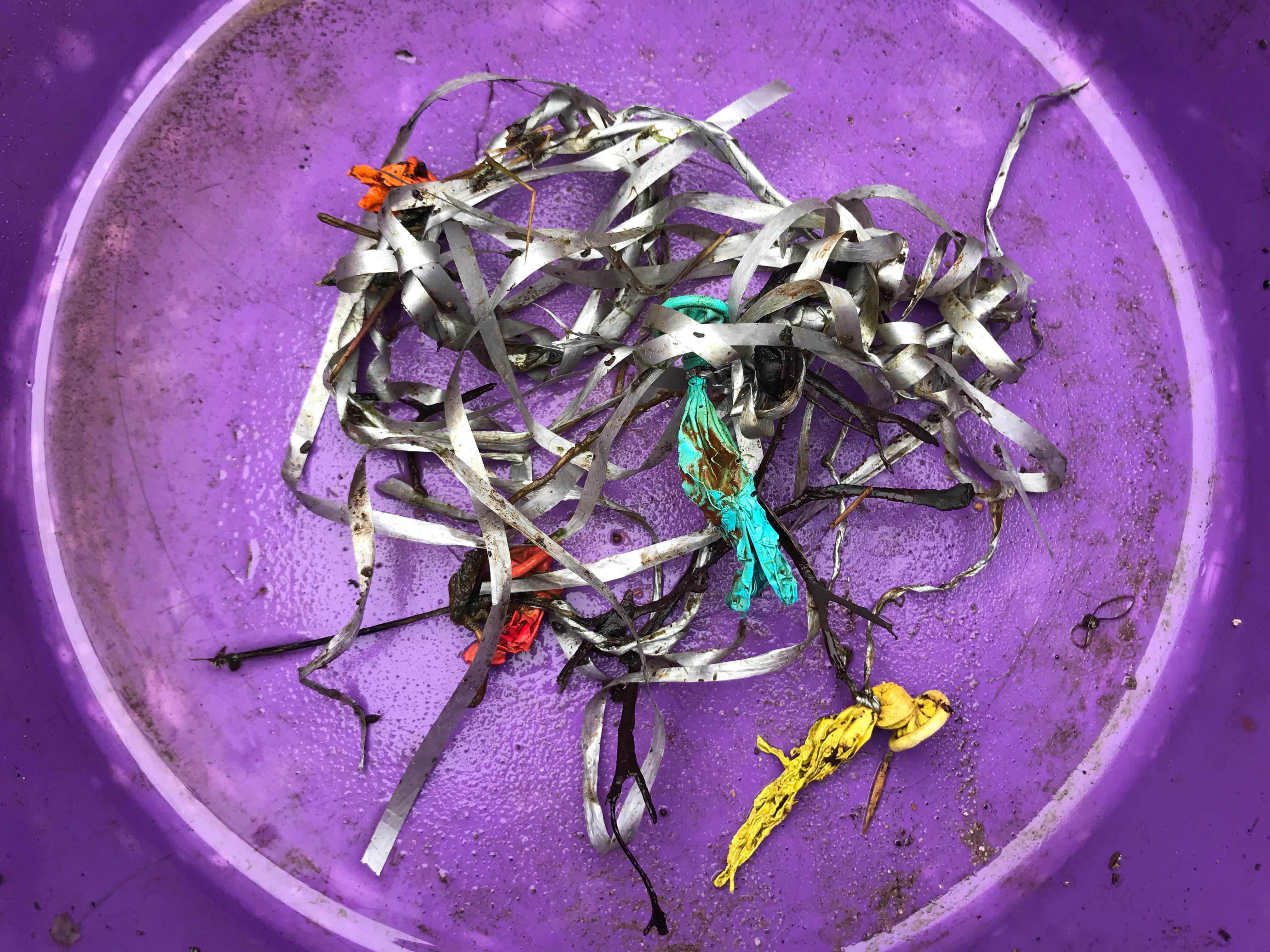
The ear-loops on masks also need to be cut, along with PPE gloves. They are washed up on the shore every day as are helium baloons and their ties.
The wretched remains of helium balloons
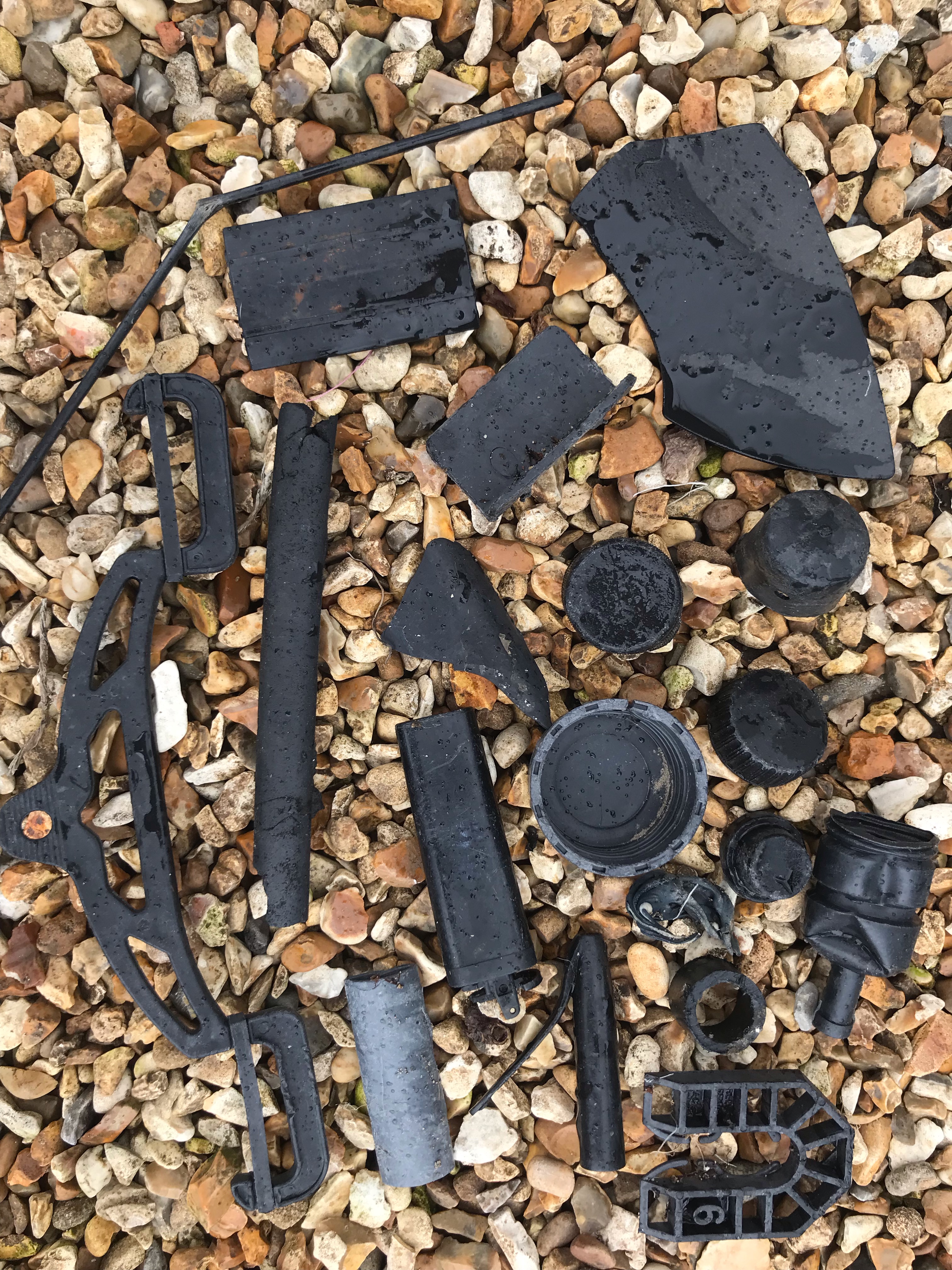
Children tend to be good at finding micro-plastics on beaches once they catch the vision. We have begun classifying them by colour or type. This black party-popper was a favourite.
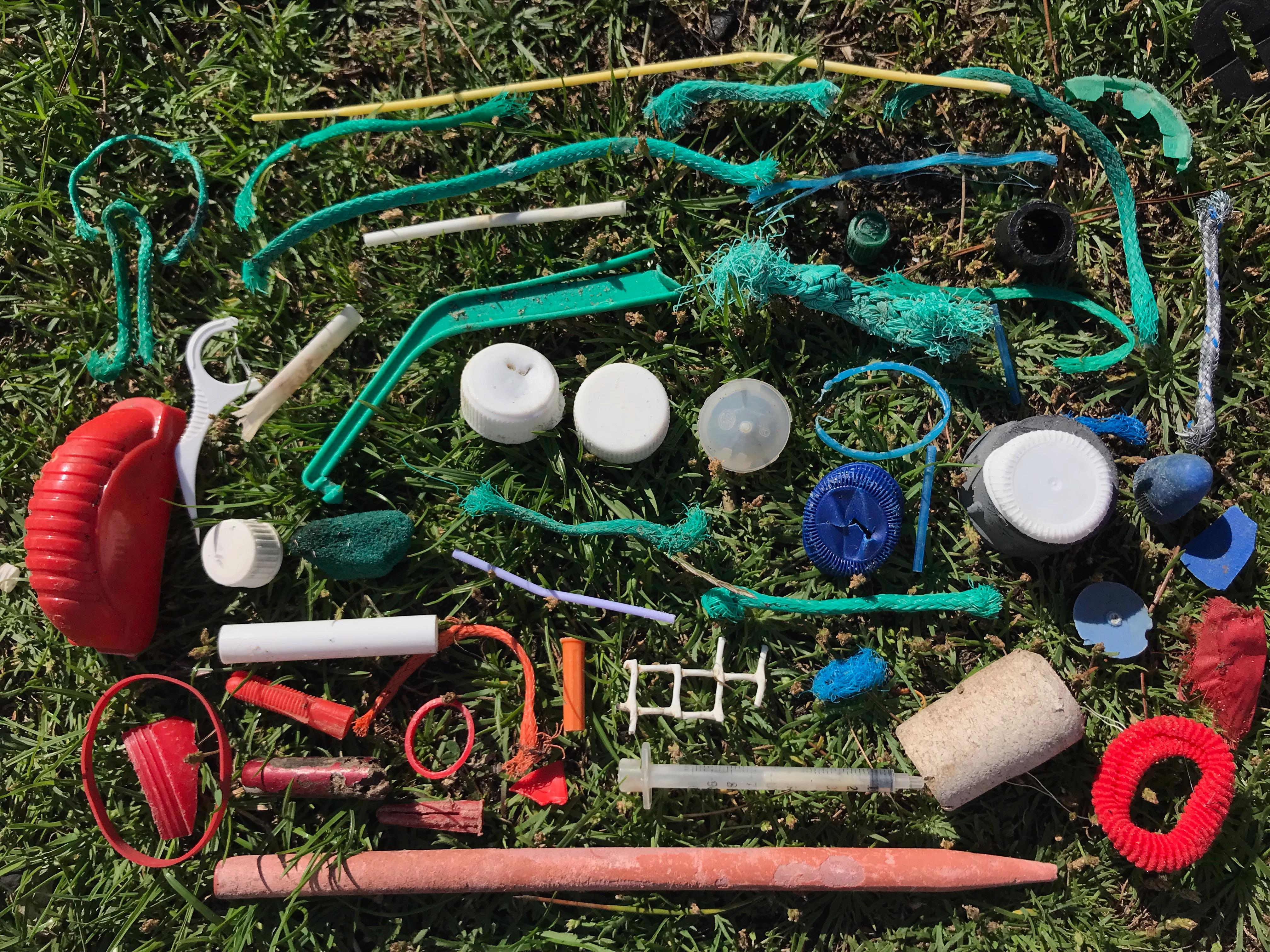
I’m assured that some councils need to check beaches for ‘sharps’ before volunteer litter-pickers are allowed to begin collecting in earnest. Can you spot the needle and syringe here?
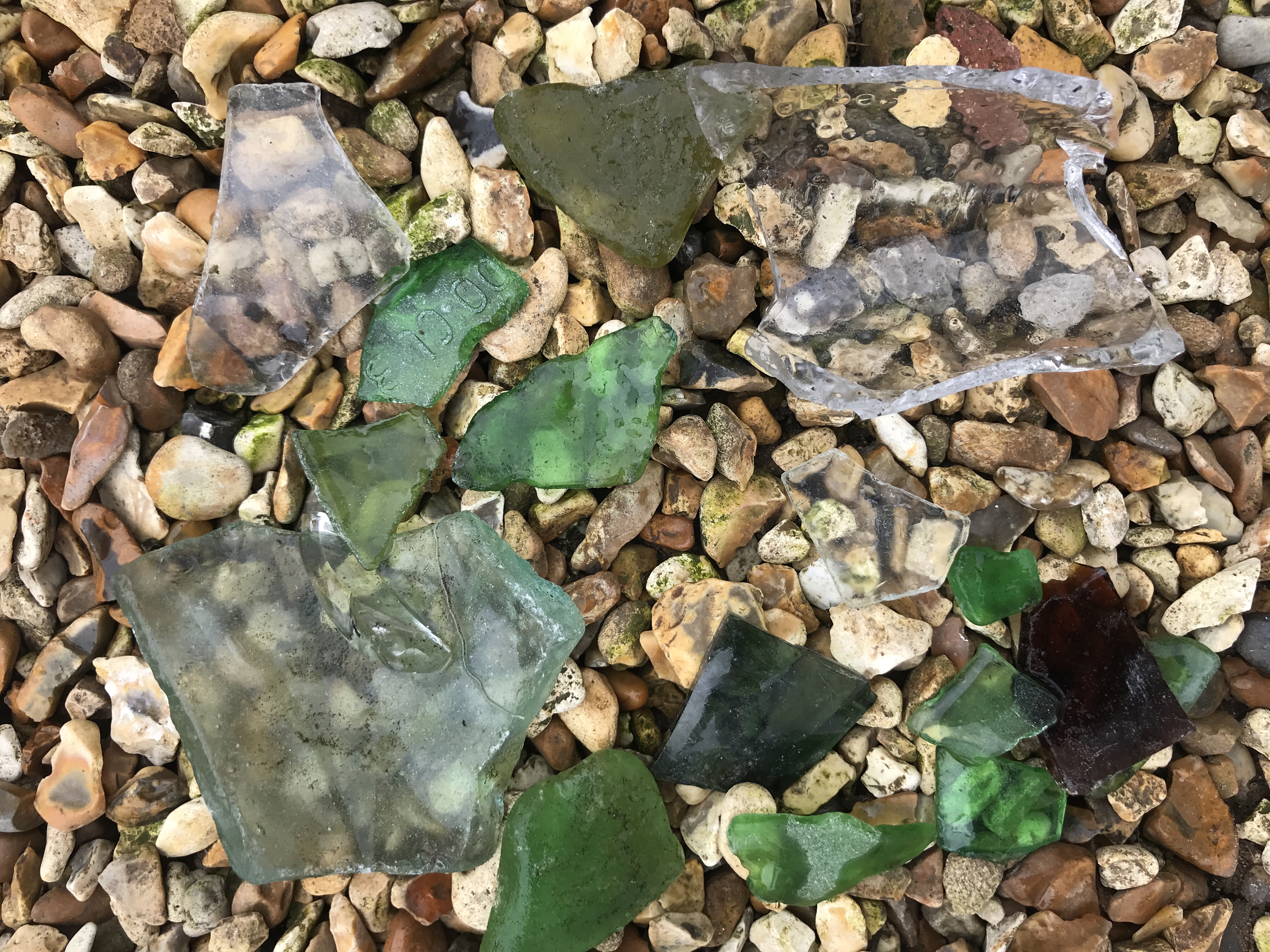
Collecting all these tiny pieces takes time and one has to watch out for hazards – but if it is not collected children will no longer be able to play on our beaches. Some parts of the coast have so much broken glass that you can’t pick it up with a dog in tow. It remains sharp for decades where there is no wave action.
Broken glass collected on a beach where children play barefoot.
The Marine Conservation Society likes to classify sea plastic into Litter, Fishing by-products, and sewage-related finds such as cotton-bud stalks and plastic tampon applicators.
We counted 21 cotton-bud stalks collected with this haul
After collecting flotsam, it takes a different mind-set to do the sorting, but it’s important to analyse and report back on what the tide is bringing in.
Sea plastic littering the New Forest National Park
I began to collect fishing tackle in a crate that was washed up on the Solent. Let me know, in the comments below, if you ever need some of this for a talk on conservation or plastic pollution. I’m giving it away freely.
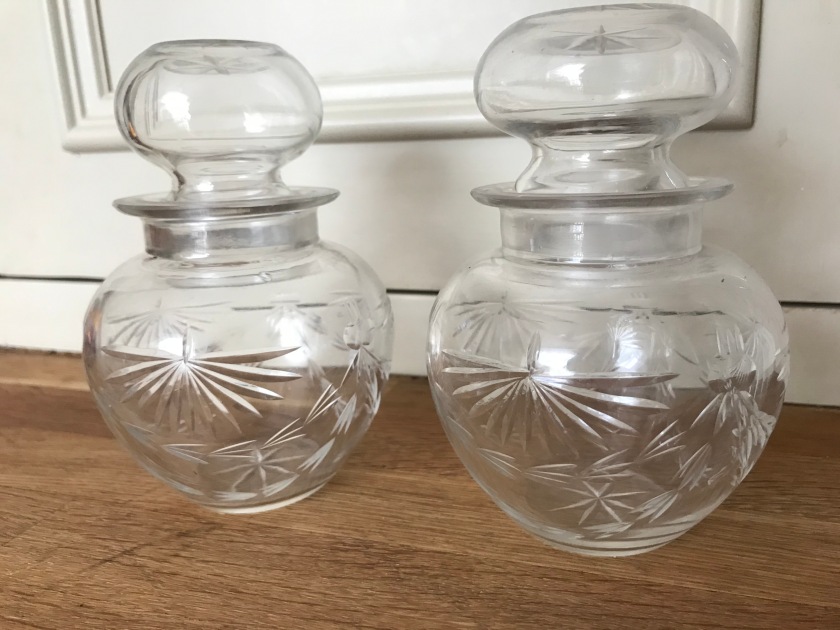
The very first things I ever found when litter picking in the New Forest National Park were these cut-glass jam pots found in a box that had been left in a rural car park. If they belong to you, and you’d like them back, please let me know.
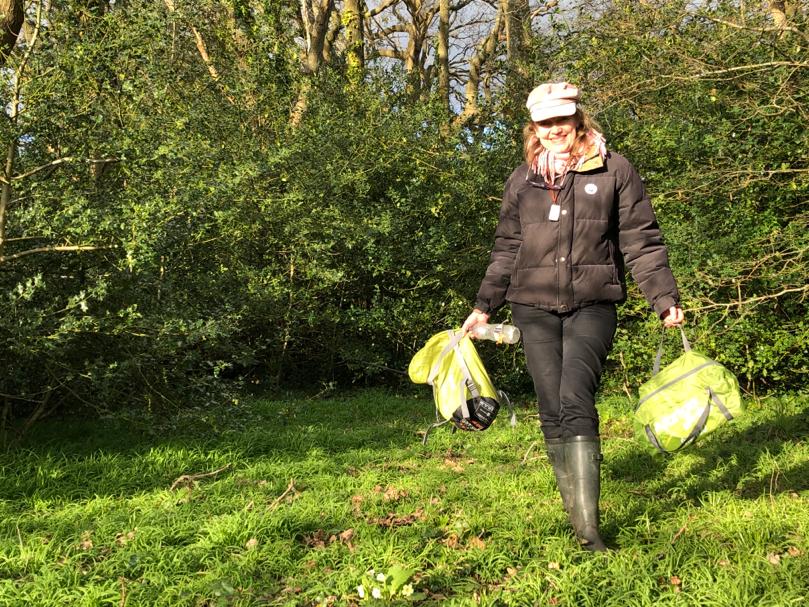
These days, it is quite common to find discarded camping equipment in wilderness areas. Most items are brand new. I washed these green equipment bags (below) and sent them to an appropriate charity.
All litter pickers report back on finding glasses, usually abandoned near pubs. I must have rescued six or seven. Children’s toys are often left on the beach, but I leave them somewhere where the owners can pick them up or other children can enjoy them.
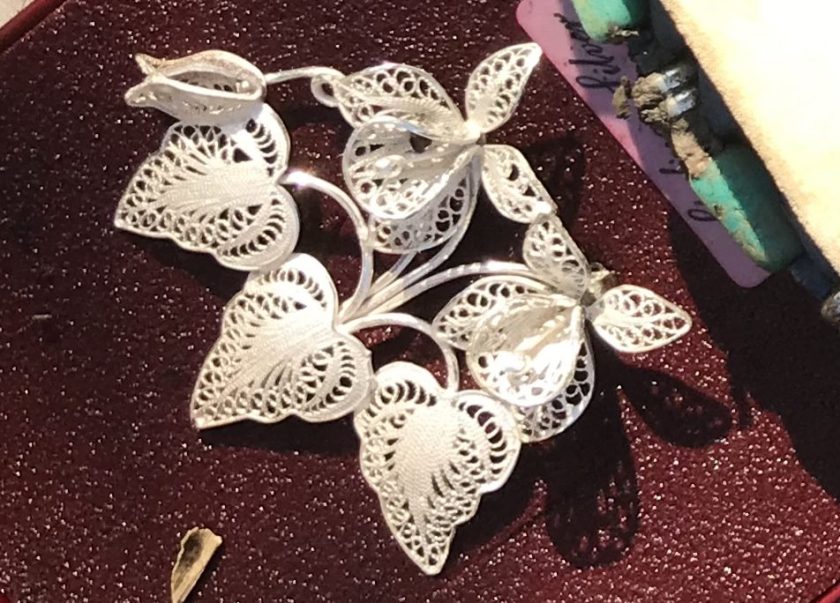
This silver broach lying in a stollen jewelry box was collected by the police. I also found a lost silver bracelet that I took to our local Police Station.
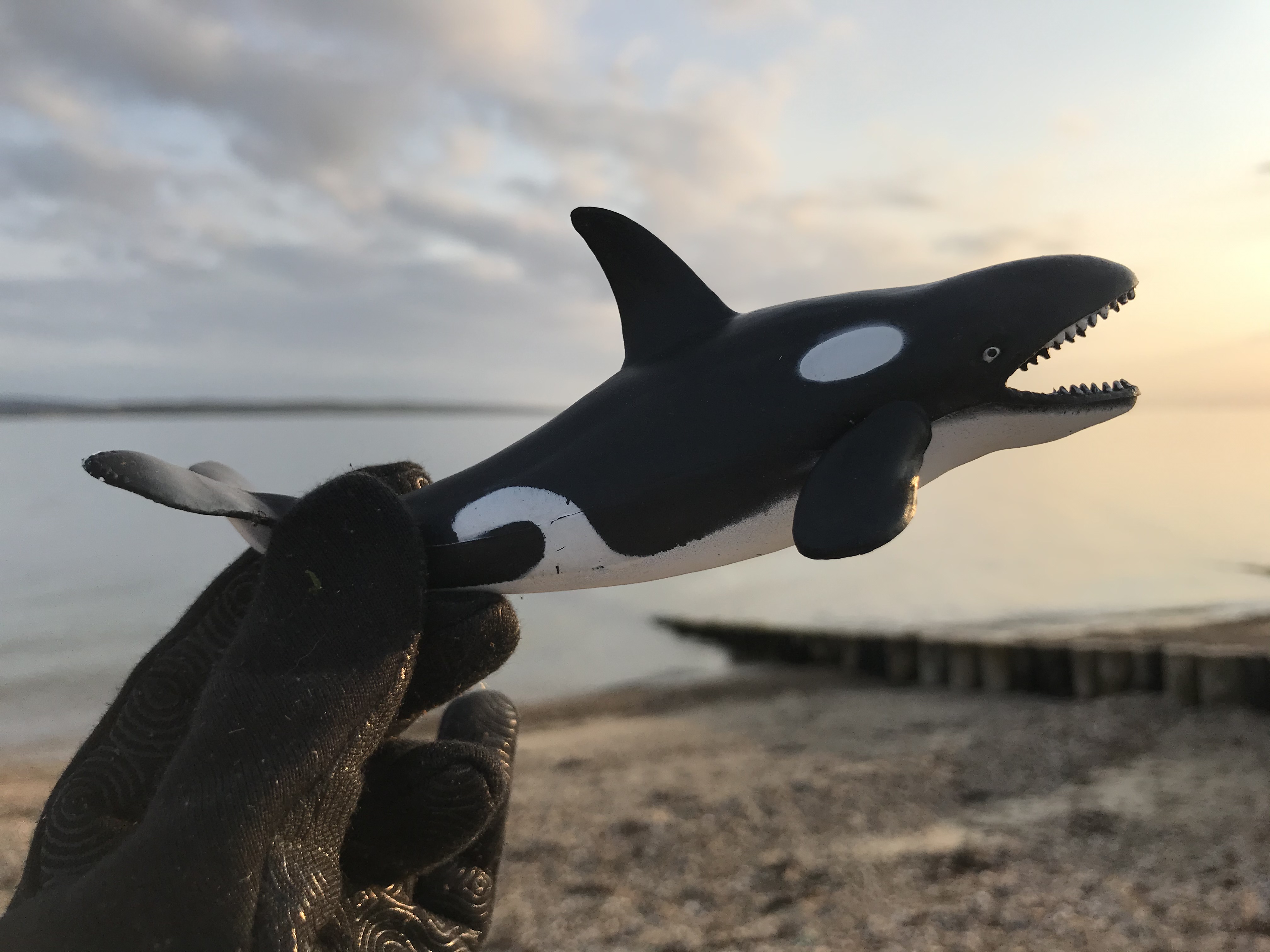
I have been making a collection of fishing equipment, which presumably could be re-used. Although this lure had lost its hooks, I have four or five like it. Our children were most thrilled when I found a plastic shark.
I am yet to wear them, but these sunglasses were perfectly serviceable after being put through the dish-washer. I have added them to local Lost and Found post on Facebook but have had no takers. Other lost items have been gratefully re-claimed, from a lens caps to expensive trailer parts, and temporary road signs abandoned by contractors.
I found this open penknife on the verge of a road where nobody walks, which was strange. I still wonder if it was flung out of a car window. It’s in my toolbox with a serviceable paintbrush and an expensive project torch I came across later.
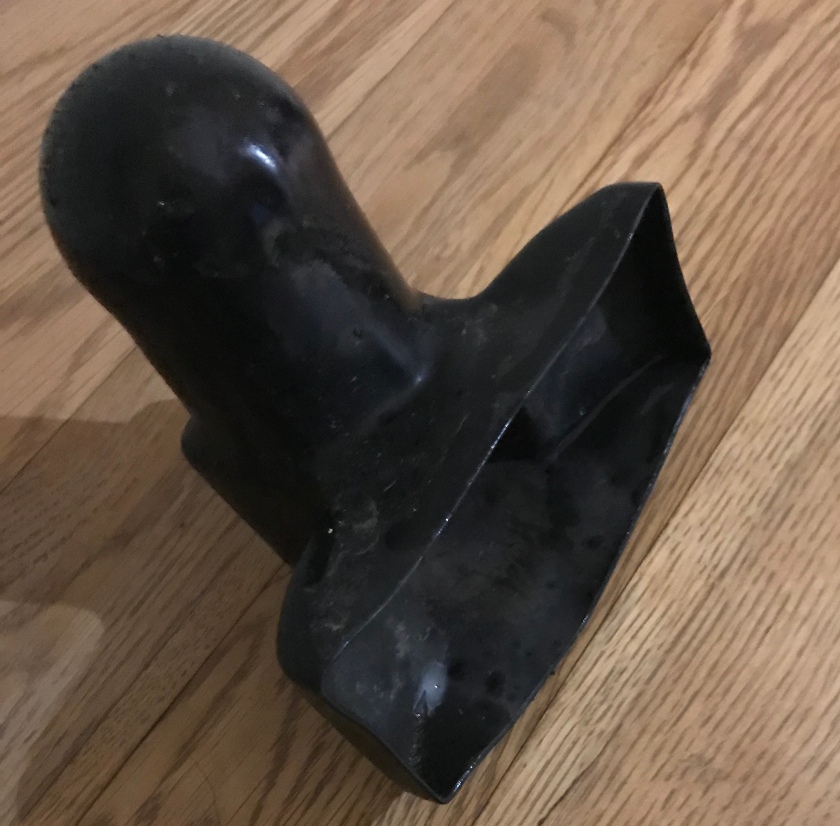
While not exactly beautiful this tow-hitch guard was just what a friend of mine needed and made an amusing hostess gift. I found it walking along the pavement on my way to Book Club.
Think of joining the charity Keep Britain Tidy today. You can find more about how they can help here.
Having posted this blog on their site, members replied saying the most beautiful thing they had found litter picking was friendship – new friendships made, old friends litter picking together and fulfillment in forming groups.
Washed up on the beach – now translocated to my bathroom
For some odd reason we have seen a rise in litter since Covid-19 broke out. Why is this? Does it reflect national frustrations or just an increase in takeaway meals and outdoor parties?
Green bottles found in ditches and beaches during Lockdown, sorted for recycling
It is strange that people continue to discard PPE despite obvious health risks. Have we ceased to care about endangering wildlife and polluting the environment? Ben Deutsch described it as, ‘an act of libertarian defiance.’ Jill Crouch decided, ‘we are coming out of a me me me time – a superficial needing of more and wondering why we are not fulfilled when we get it.’
There will always be lost things but have we lost pride in Britain?
This rubber shoe was found washed up on the shore with a mask, but there has been gradually less sea plastic found on my stretch of the Solent, presumably due to fewer ferries and less shipping.
A mask and other plastics washed up on the Solent along with an elderly bottle and scaffolding parts
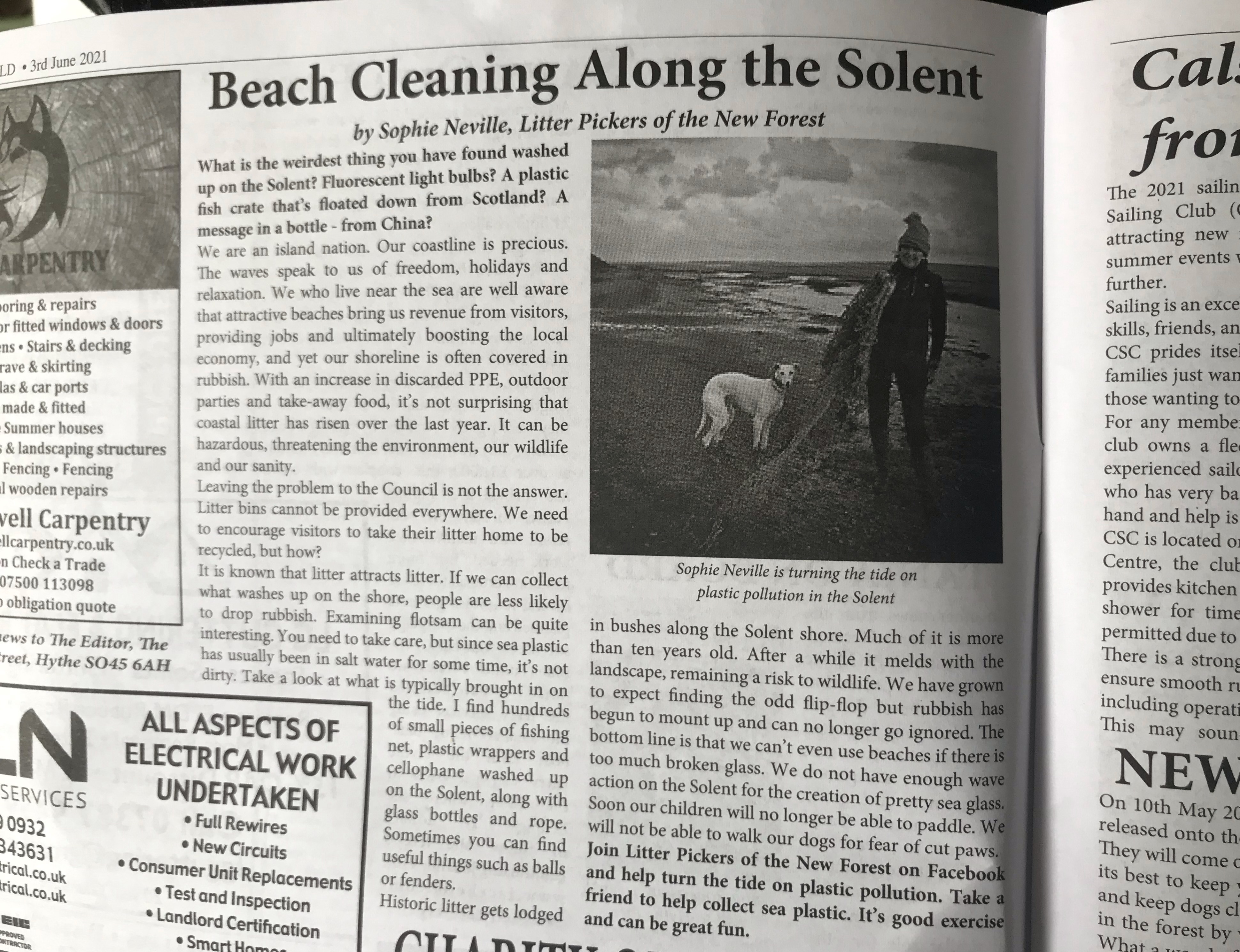
I have been reporting finds in the local newspaper in an effort to inspire others to begin collecting flotsam.
“SophieNeville, beach-hedge-and river-saviour,” one reader commented. “It’s frightening just how much litter she removes. I’m inspired to try to emulate her.”
Articles in The Herald by Sophie Neville
Meanwhile, there have been lots of vehicle part to retrieve on dry land.
Vehicle parts dumped in a Hampshire bluebell wood
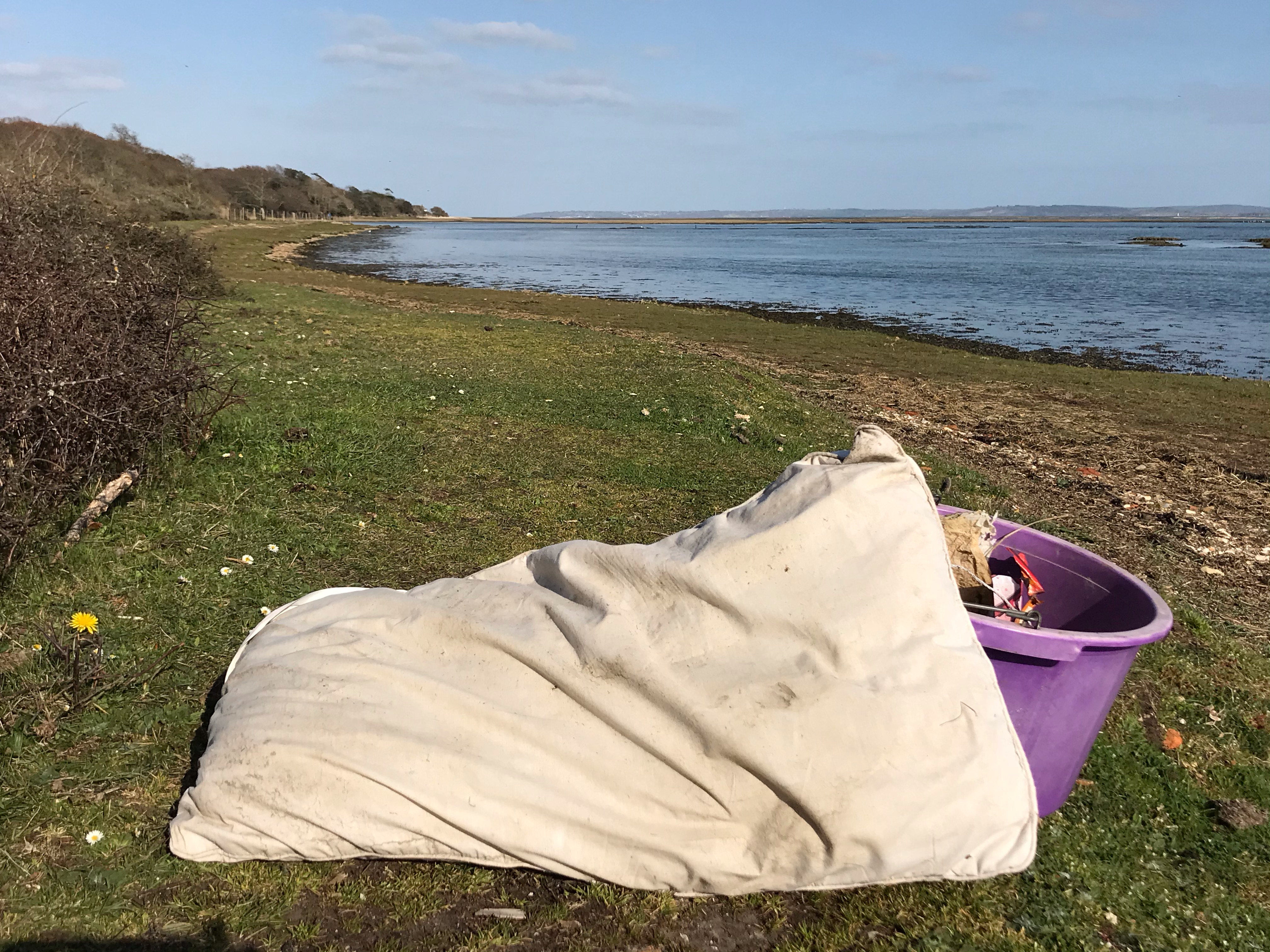
Lockdown certainly bought an increase in fly-tipping as people used time off work to clear out their sheds and attics or redecorate. At the same time, Council dumps closed during the first Lockdown and then introduced various restrictions, which proved disastrous. The New Forest National Park was hit particularly hard with bed mattresses and junk being dumped in precious wilderness areas.
Matt Rudd, writing in the Sunday Times Magazine was horrified by the increase in rubbish strewn about during Lockdown. He wrote, “There are two schools of thought on why people litter. The first is that they hate themselves for cramming all that junk food into their faces. Chucking wrappers out of the car window is just self-hatred by proxy.” Certainly, most of the litter I find has once wrapped over-sugared, over-salted, over-caffeinated food and drink of some kind. I would add tobacco and harmful drugs to his list. It’s as if people want to distance themselves from guilt and shame.
“The second,” Matt Rudd claims, “is that the further you are from home, the less you care about the environment.” And yet, he witnesses that, even in strict Lockdown, our local parks and car parks are strewn with newly dumped masks. Does the fear of contracting a virus make people more selfish?
However, the response has been amazing. Despite restrictions, individuals have used their daily exercise allowance to clean the beaches and verges of Britain. Litter-Pickers of the New Forest have gained over 1,300 volunteers in the last year, with an active Facebook Page and Justgiving site. They encourage members with sponsors delivering rewards for volunteer achievements.
A gift of encouragement from Litter-Pickers of the New Forest
If you happen upon a litter-picker, do give them encouragement, and if possible, lend them a hand. We are all fighting the same battle.
To find out about Waste Less, Live More, please click here
I was asked to take photos of pieces of litter for ITV’s ‘Tonight’ progamme who were conducting a survey. This took me twenty-five minutes and left me fuming.
A second recently discarded ‘disposable’ face mask greeting visitors
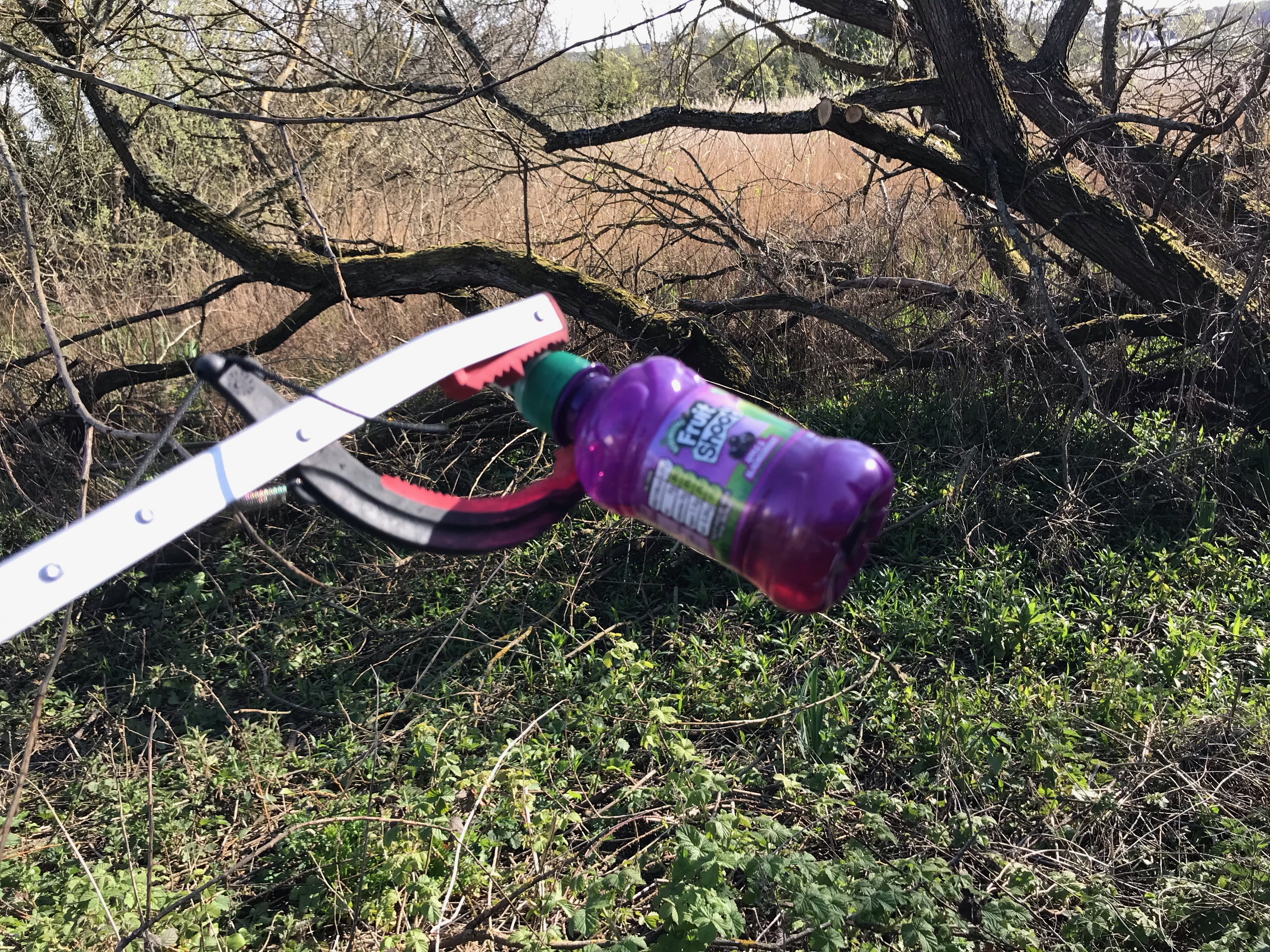
Forgive my rant, but cars never stop while driving out of town around this bend. These items were thrown from moving vehicles, into a Nature Reserve within the New Forest National Park, in the space of a few weeks while Lockdown measures were in place.
Those intelligent enough to pass the Highway Code, obviously think plastic bottles and tin drinks cans are bio-degradable, that there is no need to take responsibility for items that have been in their mouths during a pandemic.
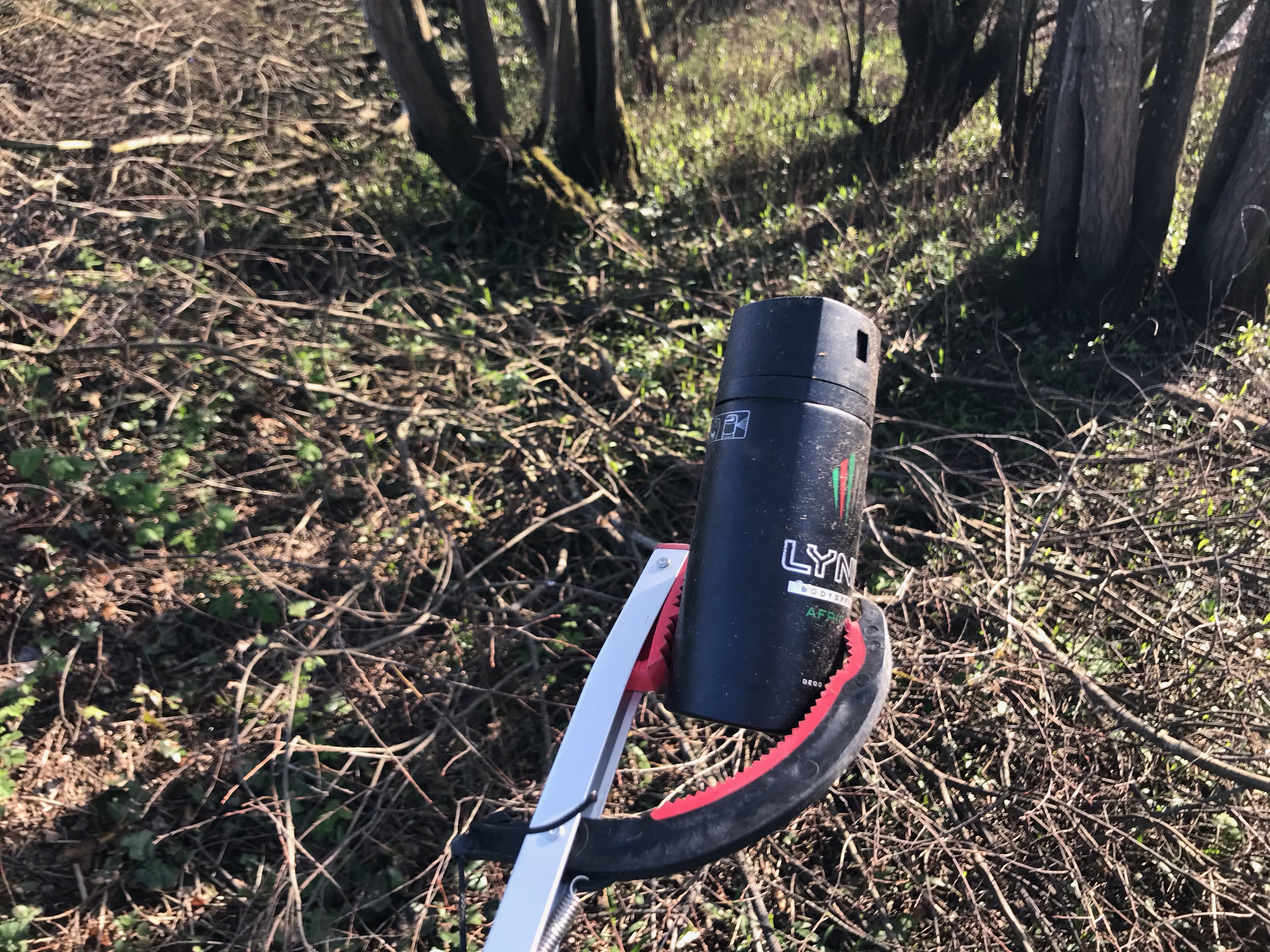
This is not the first time I have found Lynx Africa in the New Forest. I am assured it is sniffed as a recreational drug. This canister was undoubtedly chucked out of a vehicle. Are drivers sniffing it as well as consuming alcohol?
You get three points deducted from your driving licence if something accidentally falls off your roof rack. How many points do lorry drivers get for losing a load – nine? Surely, litterers and fly-tippers should have points deducted inline with this policy? Fly tipping and throwing litter from movie vehicles is hazardous. Being abandoned, the repercussions are endless.
What hope is there for the planet when people can’t be bothered to recycle their own drinks cans?
This McDonalds carton probably came from the Southampton takeaway 19.9 miles away. There is a nearer outlet 12 miles away but it would still have been carried for twenty minutes in a vehicle.
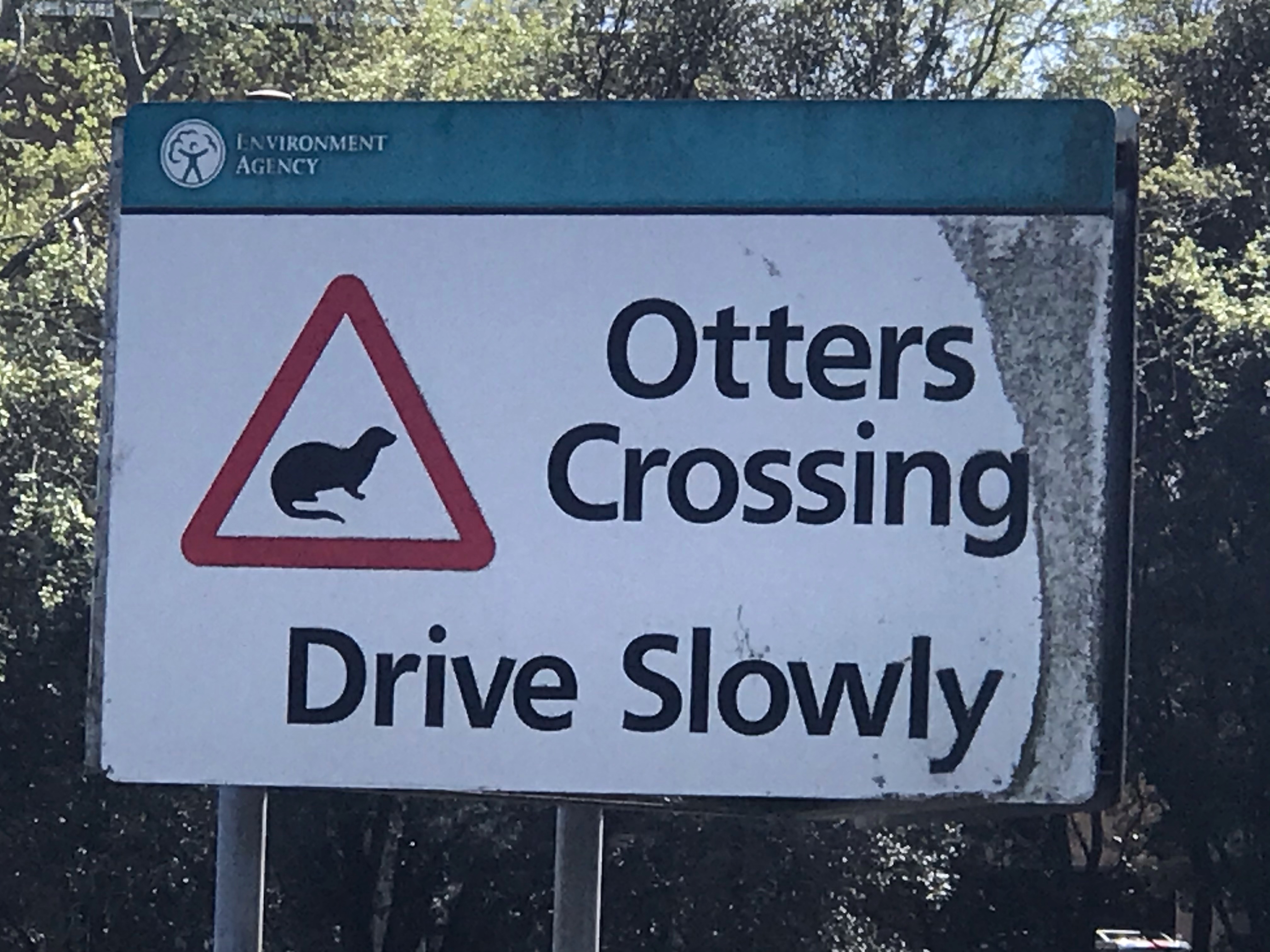
Everyone knows that plastic rings can choke wildlife. There is a sign on this bridge saying ‘Otters Crossing’ but I see cars speeding across at 50mph.
So much of the litter I find could be fatal to wildlife. We all know plastic rings can be lethal. This rope was found the other side of river, looking north. You can see the wildfowl near the reedbeds.
Litter-picker kindly supplied by Litter Pickers of the New Forest
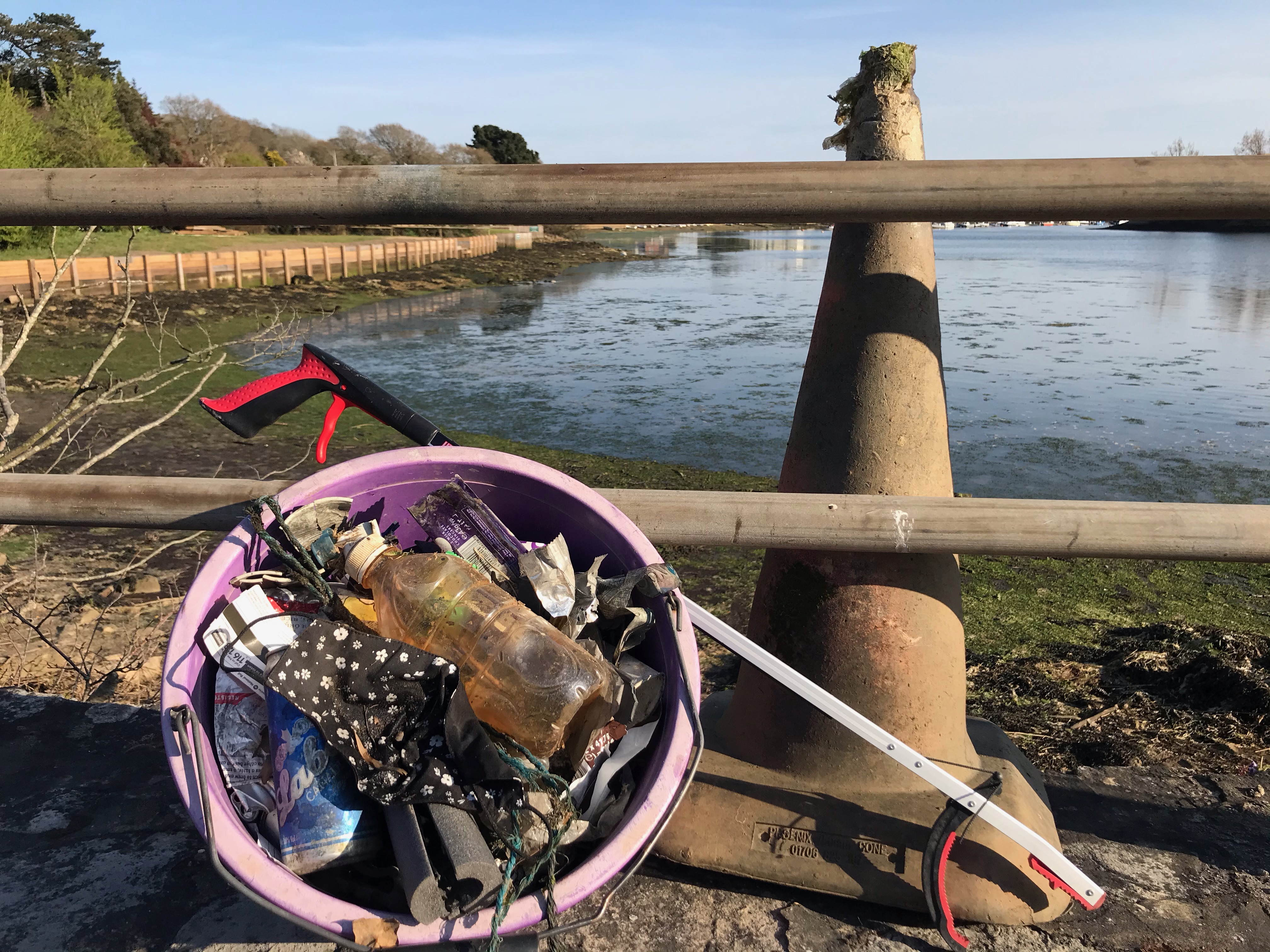
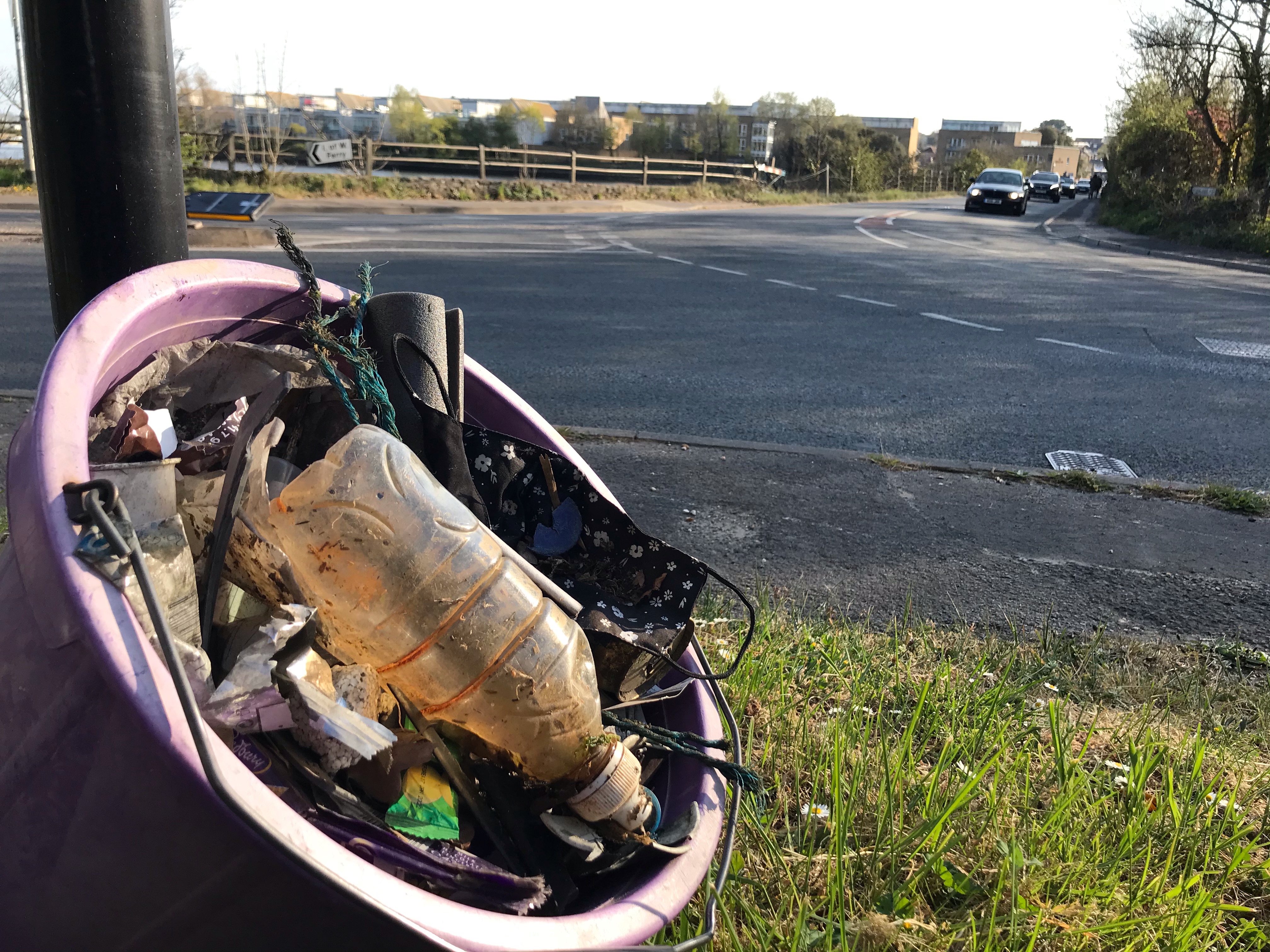
It goes on and on. This is litter collected in an area frequently cleaned by volunteers. I ended up dragging this traffic cone out of the estuary and adding another face mask to my haul.
Items removed from the Lymington river Estuary – May 2021
To see photos of items retrieved from this estuary two years ago, please click here

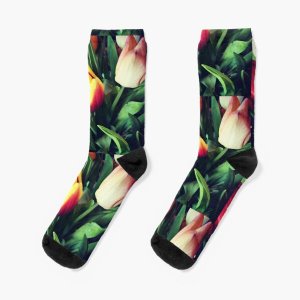


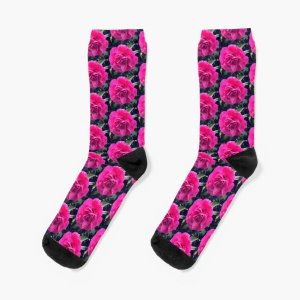
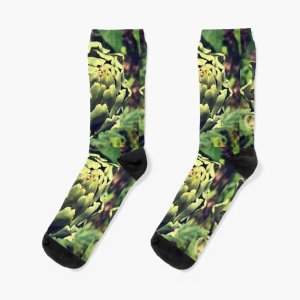


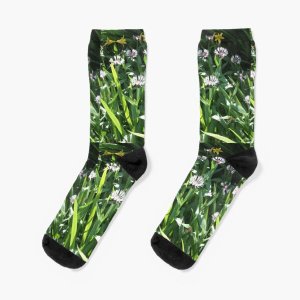
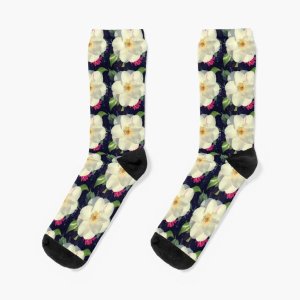
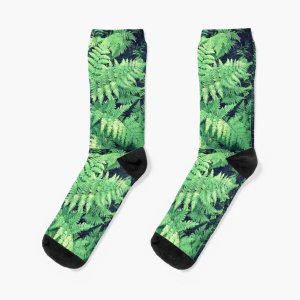


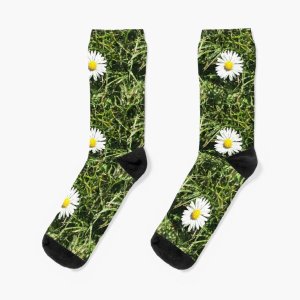


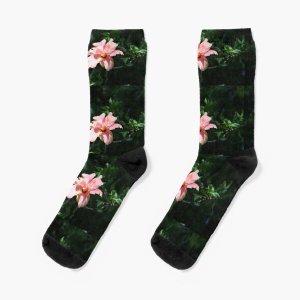
 These high-quality goods are manufactured by Red Bubble in Australia who offer excellent service. Please click on the image you like to be taken to the sales portal.




























 Sophie Neville