I have been writing about life in England fifty years ago, reflecting on how our lives have changed. Can you help me?

The big change seems to be in communications. In 1973 we were still queuing up to using coin operated telephone boxes in the street, asking the operator for Ambleside 2232. Letters and notes were written by hand. I learnt italic writing, so as to be clear. Manual type-writers used black and red stripped tape. Mistakes were obvious.

I’d love to receive comments (below) on how you remember aspects of growing up in the early 1970s. What did you eat then? Where did you go on holiday? What was it about 1973 that impacted you?

My husband remembers long hair, flared trousers and shirts with massive curved collars. I always longed for an embroidered t-shirt with wide sleeves or a cheese-cloth shirt but loathed the feel of acrylic jumpers and ribbed polo-necks. Stripy ones. The fabric could be so vile, we didn’t feel each other as much as we do now. There was much less hugging.

The food was pretty applauding. My friend Suzanna has just reminded me about the innovation of Italian cooking. Spaghetti was the highlight of our lives; a treat that we might have on Saturdays or for a party when red candles would be pushed into wine bottles and checked paper table cloths could enhance a Bistro image. However prawn cocktail was the pinnacle of popular aspiration, although us children preferred picking of the shells off prawns ourselves.

At parties you’d be offered chunks of cheese and pineapple on cocktail sticks stuck into a half a melon that had been covered in tin foil. I always rather longed for the melon. Homemade beer was regrettably all the rage, along with freezing your own runner beans. The process was quite fun (we enjoyed sucking air out of the freezer bags with a straw) but the beans were stringy and disgusting.
My family thought having to bring-a-bottle to parties was a great idea but we loathed the fact that cigarettes were smoked everywhere you went. Unless you were in the garden where abysmal furniture design spoilt the view.

Colour televisions were only just beginning to invade people’s homes. They were terribly expensive. We had to make do with our crackly black and white screen, watching Blue Peter, Animal Magic and Tony Hart presenting Vision On with cartoons such as Marine Boy until Childrens’ Television ended with The Magic Roundabout just before Daddy came home from the Works in time for the 6 O’Clock News. I then bored myself rigid watching Points West and Nationwide before It’s A Knockout.
We were allowed to stay up to watch Dick Emery , Benny Hill, and ‘Titter ye not’, Frankie Howerd along with dramas such as The Onedin Line. There was one sit com starring Wendy Craig entitled Not in front of the Children, which of course we all wanted to watch. What influence did this have on our young minds?

Mummy worked for HTV West presenting an afternoon programme called Women Only with Jan Jeeming. She also read the letters on Any Answers?, which was produced by BBC Radio Bristol by Carole Stone. I was so impressed – amazed – to meet a female radio producer. Carole was one of the few who worked her way up from being a BBC secretary to producing Any Questions.
Our holidays were spent camping in Wales. Packing for this took two weeks. We used drag an orange dome tent out of the airing cupboard and slept on fold-up sun-loungers from the garden.
Sailing was all about Mirror dinghies, which you could buy in kit form and make out of plywood in the diningroom. We couldn’t afford one, but in the late 1970’s Dad bought a fibre-glass Topper, which was the height of cool. He called it Earwig.
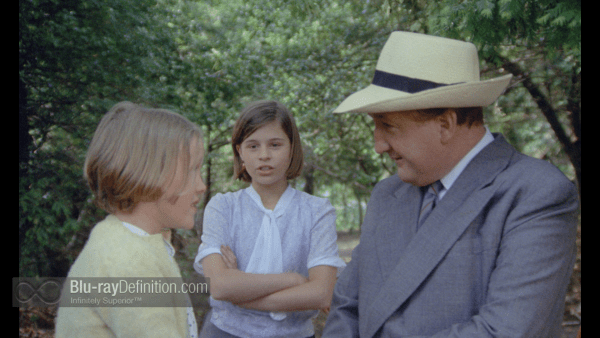
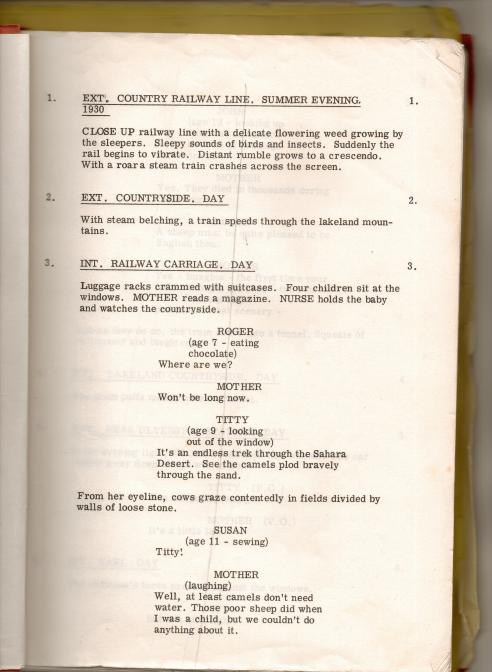
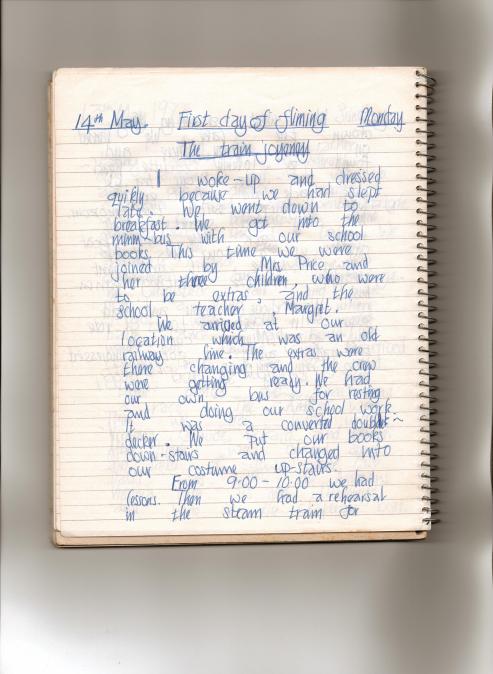
We had our photos developed at the chemist or sent them off to Tripleprint, so we could share the small version with others. Although they were bought by Bonusprint in 1979, I was a loyal customer until well into the 1990s and remain plagued by small photos I can’t quite bring myself to chuck away. We stuck them in scrapbooks made of green and blue paper. Here is a page of mine from the making of Swallows and Amazons.

My family were very keen on taking home movies. Dad usually took slides when we went on holiday, which were viewed along with the supper-8 footage at Christmas time when he pushed the furniture back, took down a painting and projected our memories onto the wall.
What have I forgotten? Do post your own recollections, especially of sailing and camping in the early seventies, in the comments below.
Dick Emery ~ walking social history
.


 The recording of our scene with Captain Flint on Peel Island went smoothly, and Claude Whatham the Director was happy with the result, but my diary reports that a Force 8 gale blew in. This spun the poor production team into a quandary.
 Amazons, were all together, not sailing but on Wild Cat Island, with the novelty of working with Captain Flint for the first time. Kit and Lesley had been so patient, waiting day after day for their scenes to come up. They were stuck having lessons with our tutor Mrs Causey in the red double-decker bus most of the time. But the fact that they were on stand-by was helpful to the production manager who had to wrestle with the film schedule and call sheets.