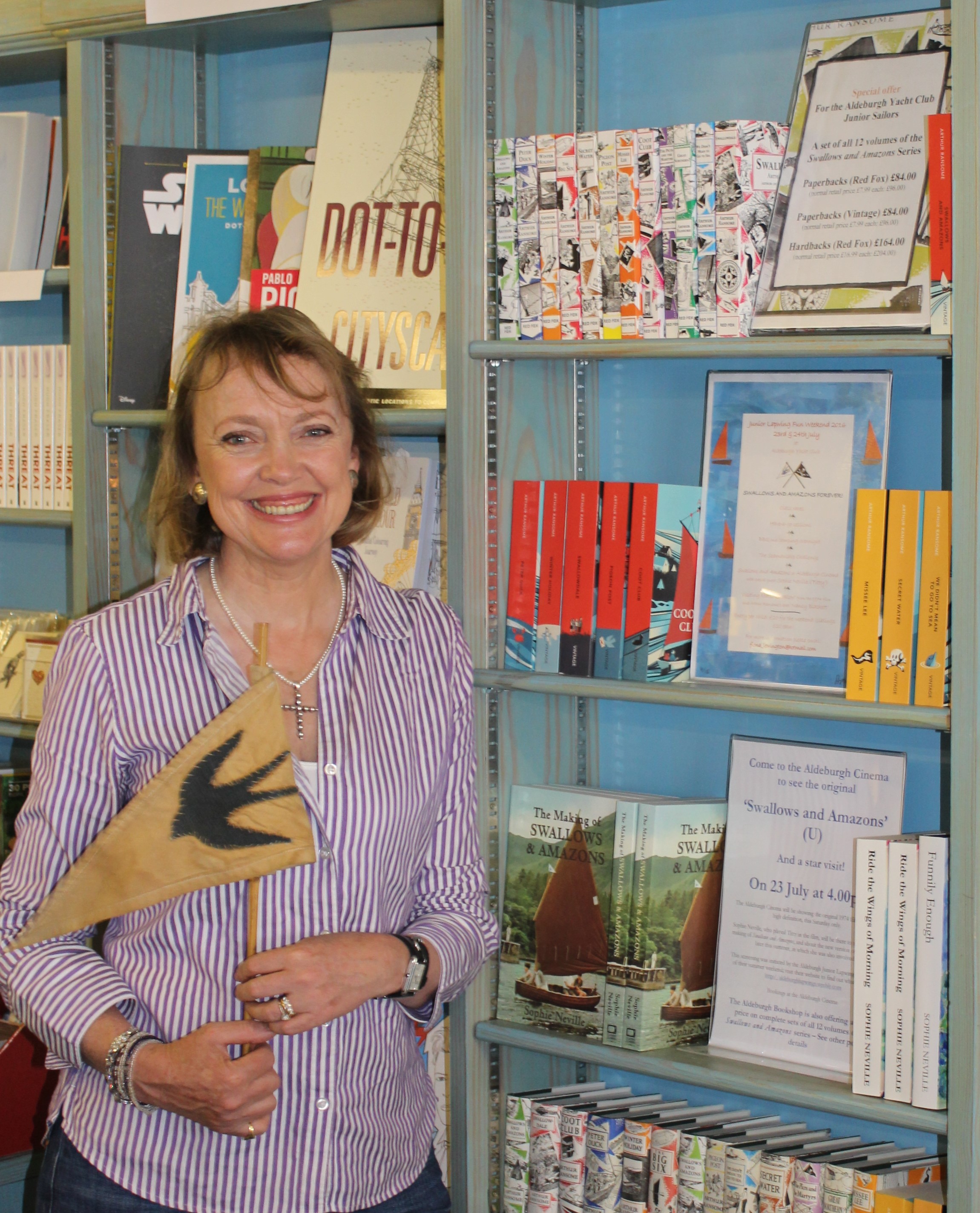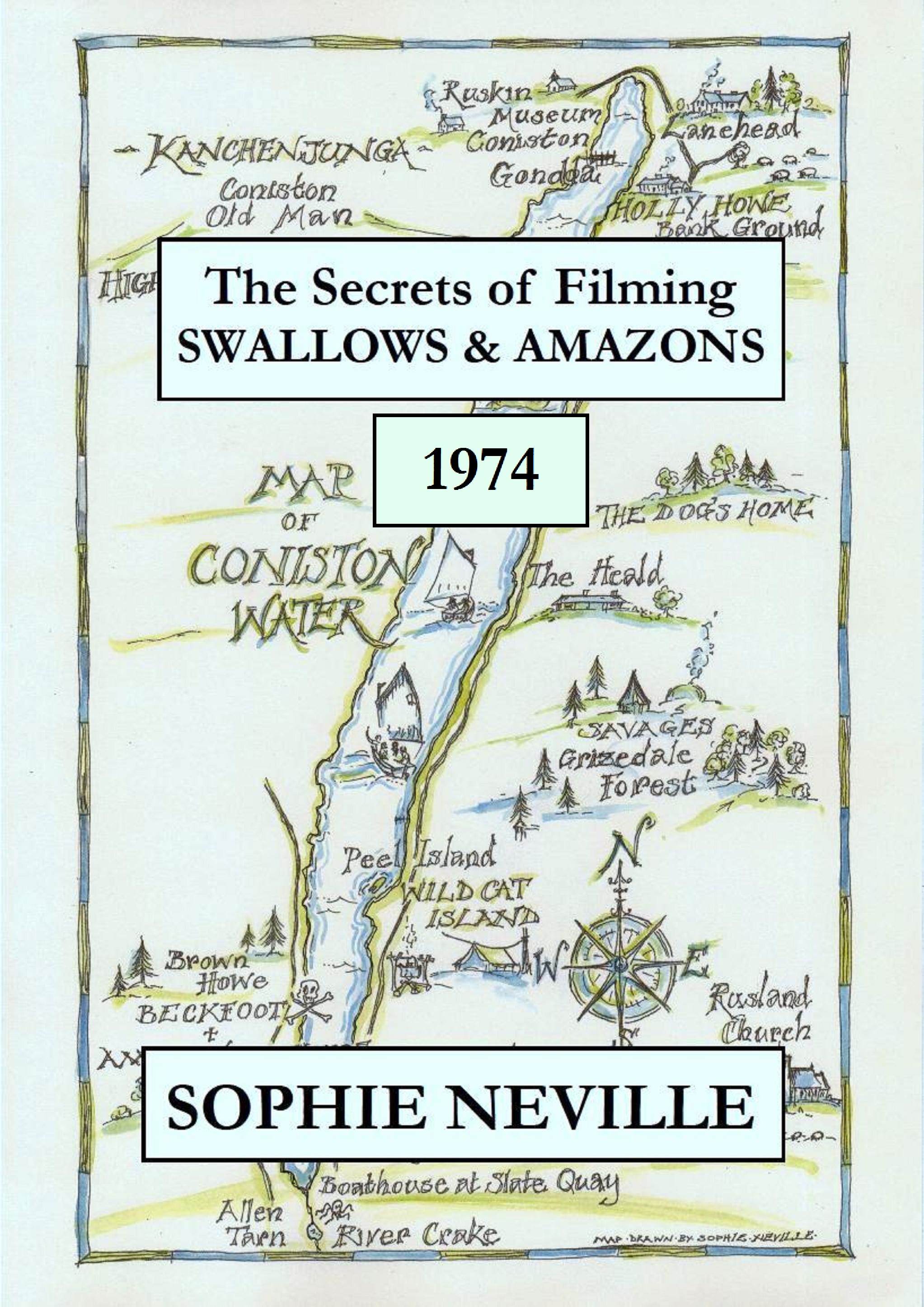
The long-awaited second edition of ‘The Making of SWALLOWS AND AMAZONS (1974)’ was being published in paperback by The Lutterworth Press in May 2017. It is available from their website here
This memoir of an odd thing that happened in the early 1970s is similar to the first edition but has a new cover and includes a few more stories, photographs and names from the ‘seventies that have floated to the surface. It compliments StudioCanal’s 40th Anniversary DVD and Blu-ray and makes a good present for anyone who has grown up watching the 1974 film.
The new paperback edition will be stocked by the vast majority of book retailers including Amazon, Waterstones, Blackwells, Paperback Bookshop, Books Etc. and is available direct from The Lutterworth Press who also publish ‘Swallows, Amazons and Coots’ by Julian Lovelock that has a foreword by Sophie Neville. Those in North America can order copies from the US distributor Casemate Academic
Sophie will be signing copies at events around the country.
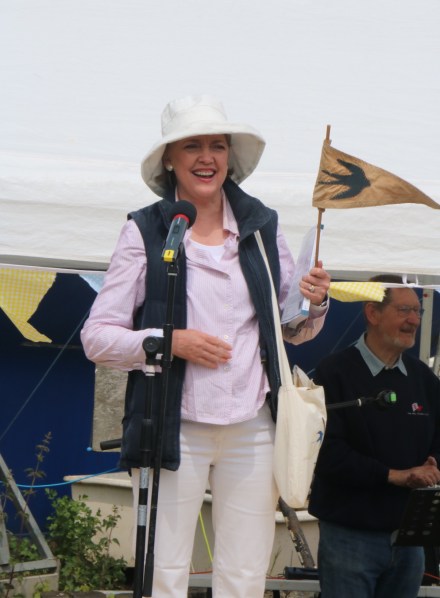
Sophie signed copies of her books at the Tavistock Festival and gave a talk at the Roseland Festival in St Mawes before a screening of ‘Swallows and Amazons’ (1974) at the lovely Hotel Tresanton cinema.
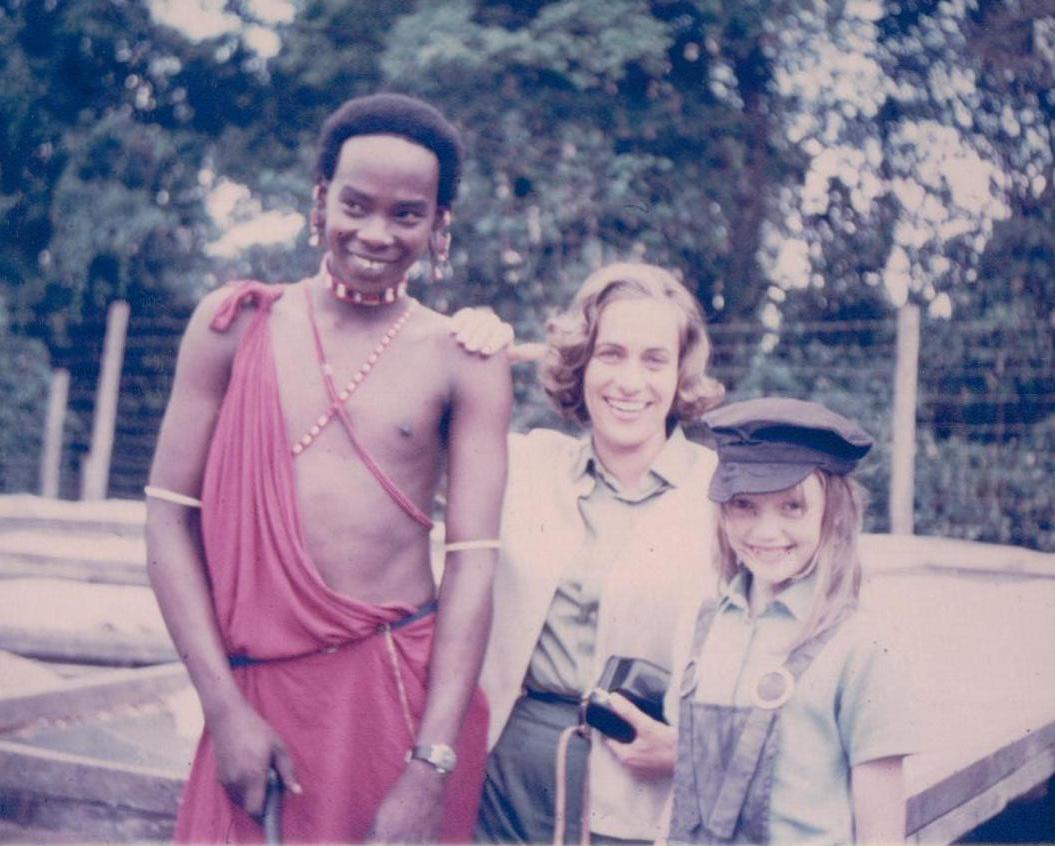
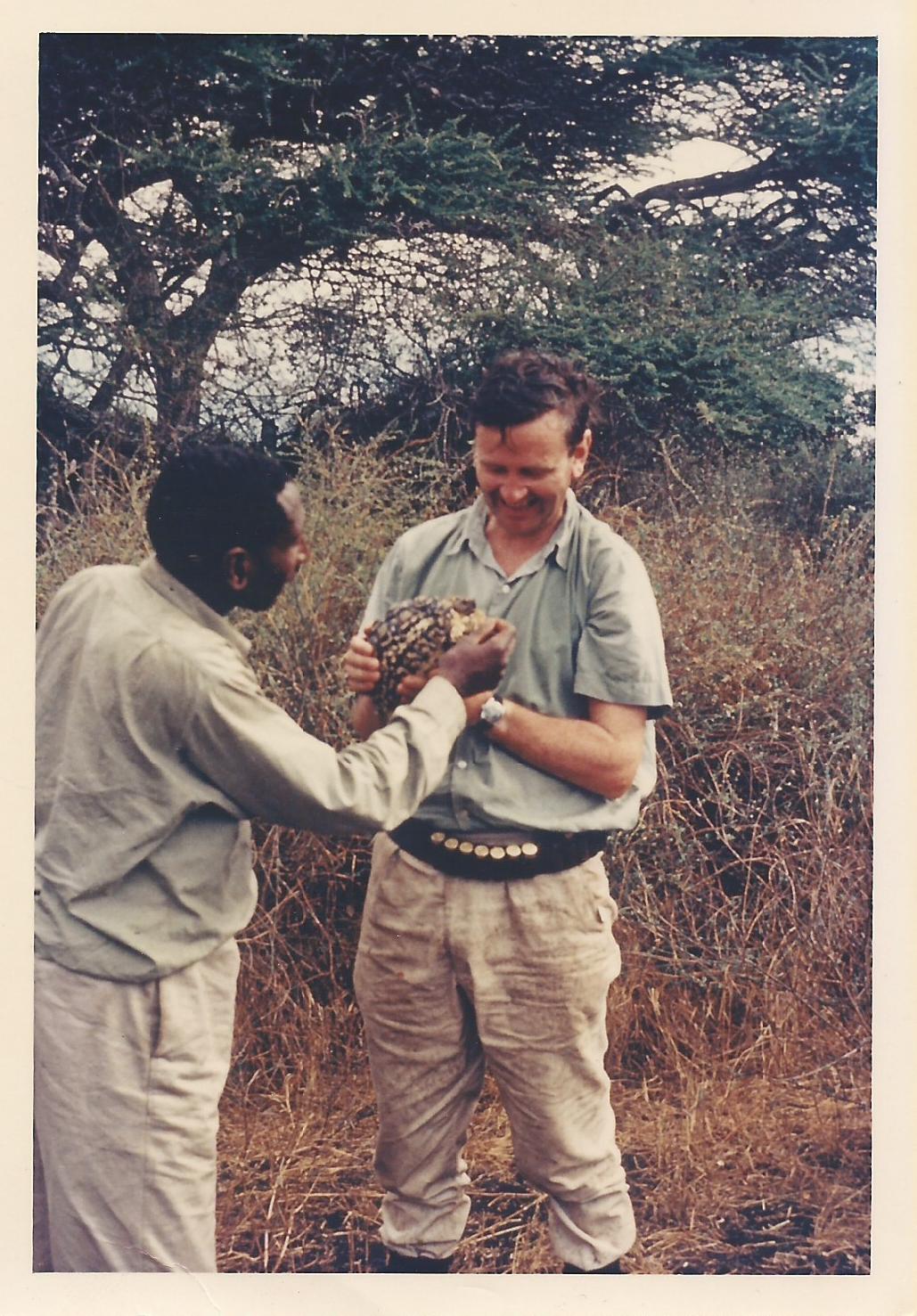
~Drying coffee beans on our farm at Usa River near Arusha in 1972~
Days spent at our farm in northern Tanzania were full of colourful characters, including a cobra who lived in the trees overshadowing the house. He probably kept down the rodent population quite efficiently.
My greatuncle Tony was probably more dangerous. He had a very sensitive nose and a legendary temper.
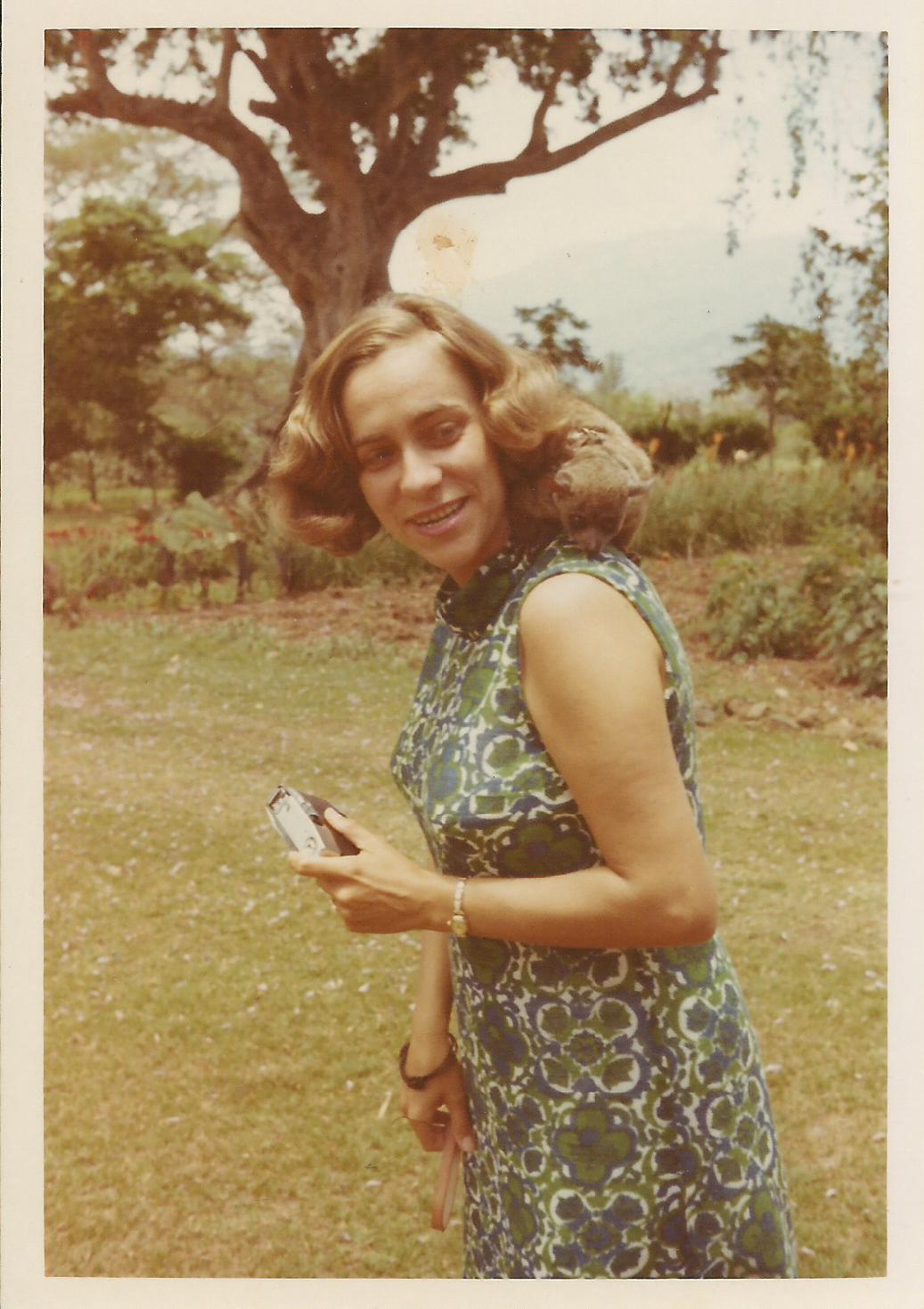
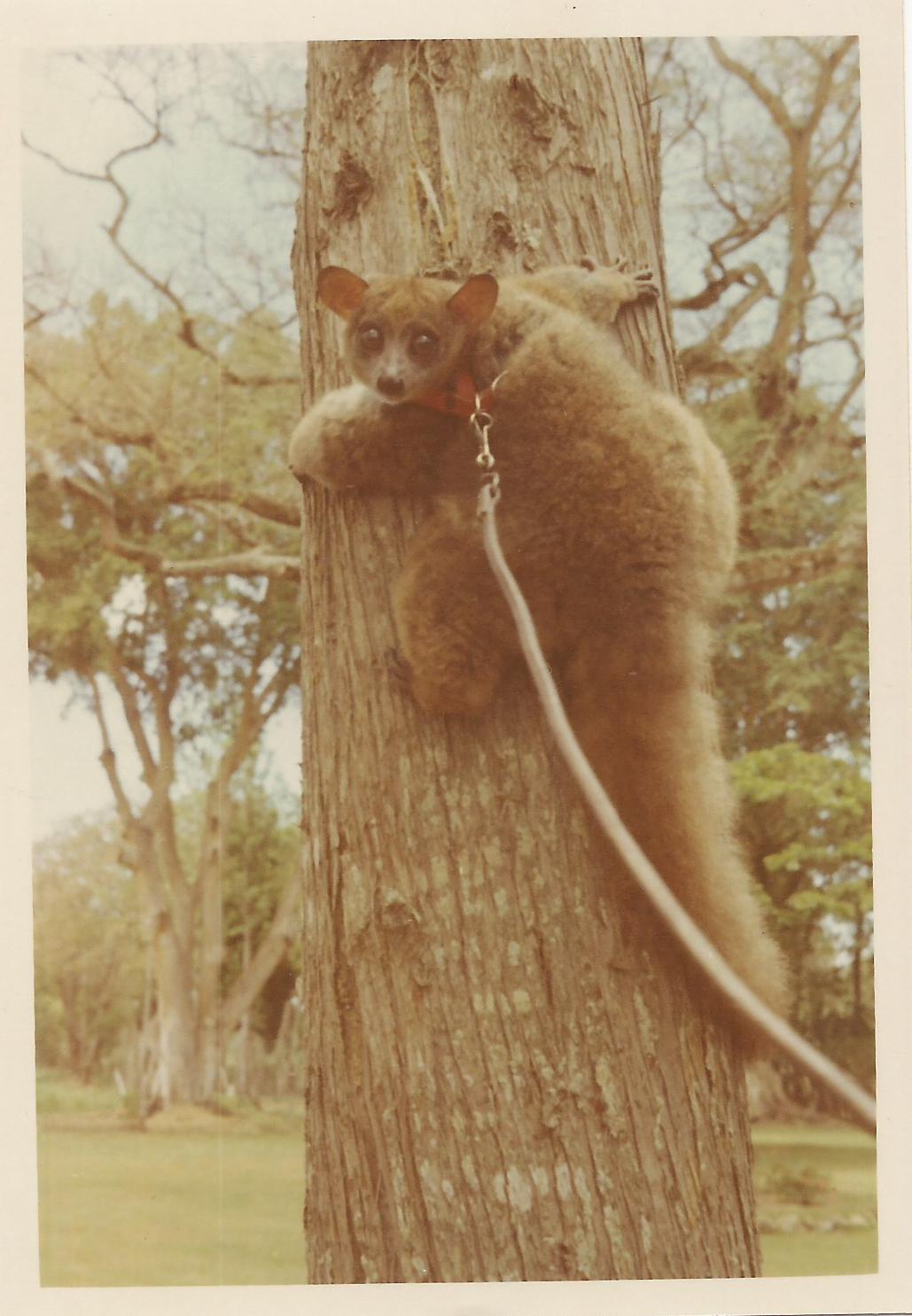
My aunt kept tame lemurs. They marked their territory by peeing on their hands. This was understandable until they decided to climb over your face.
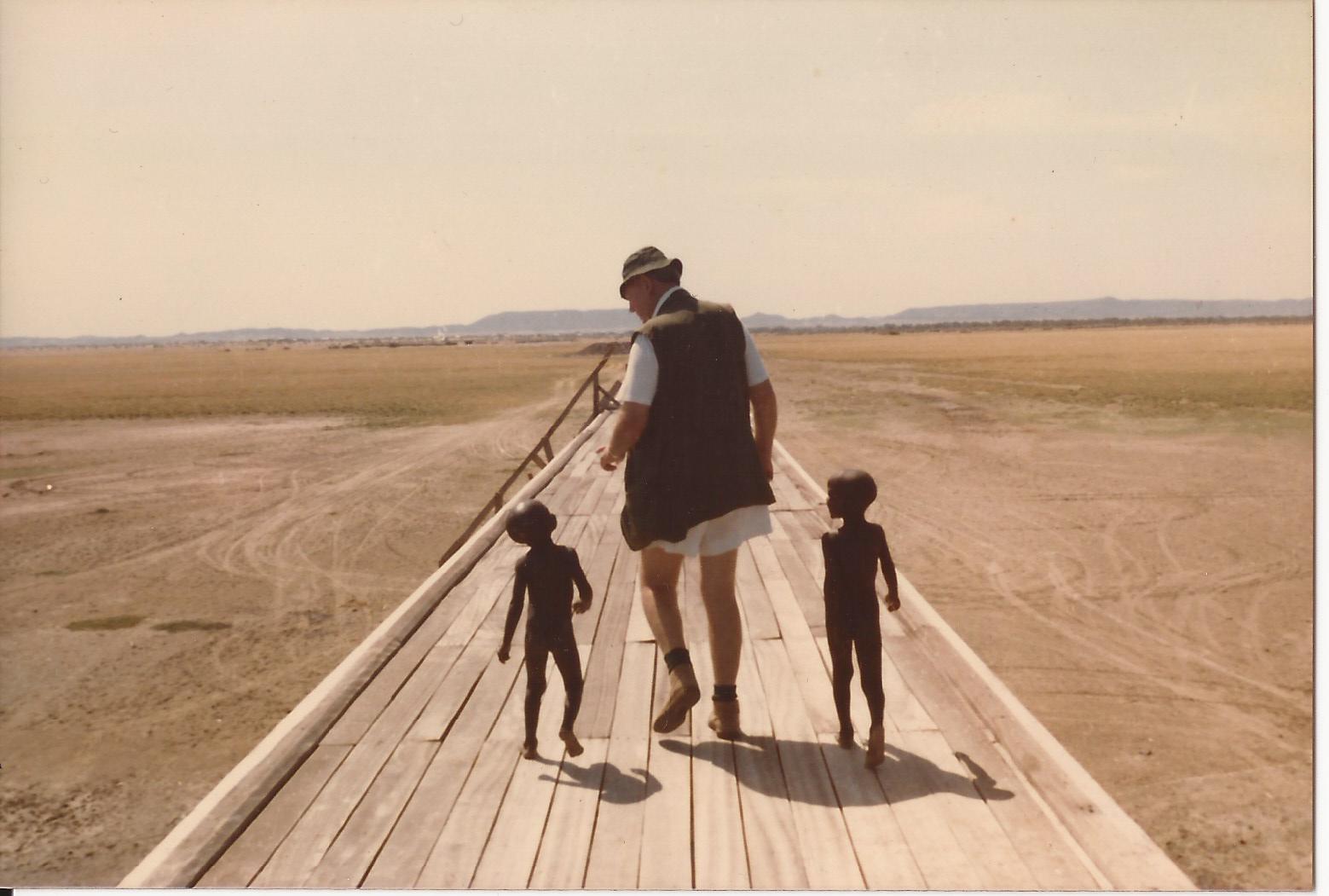
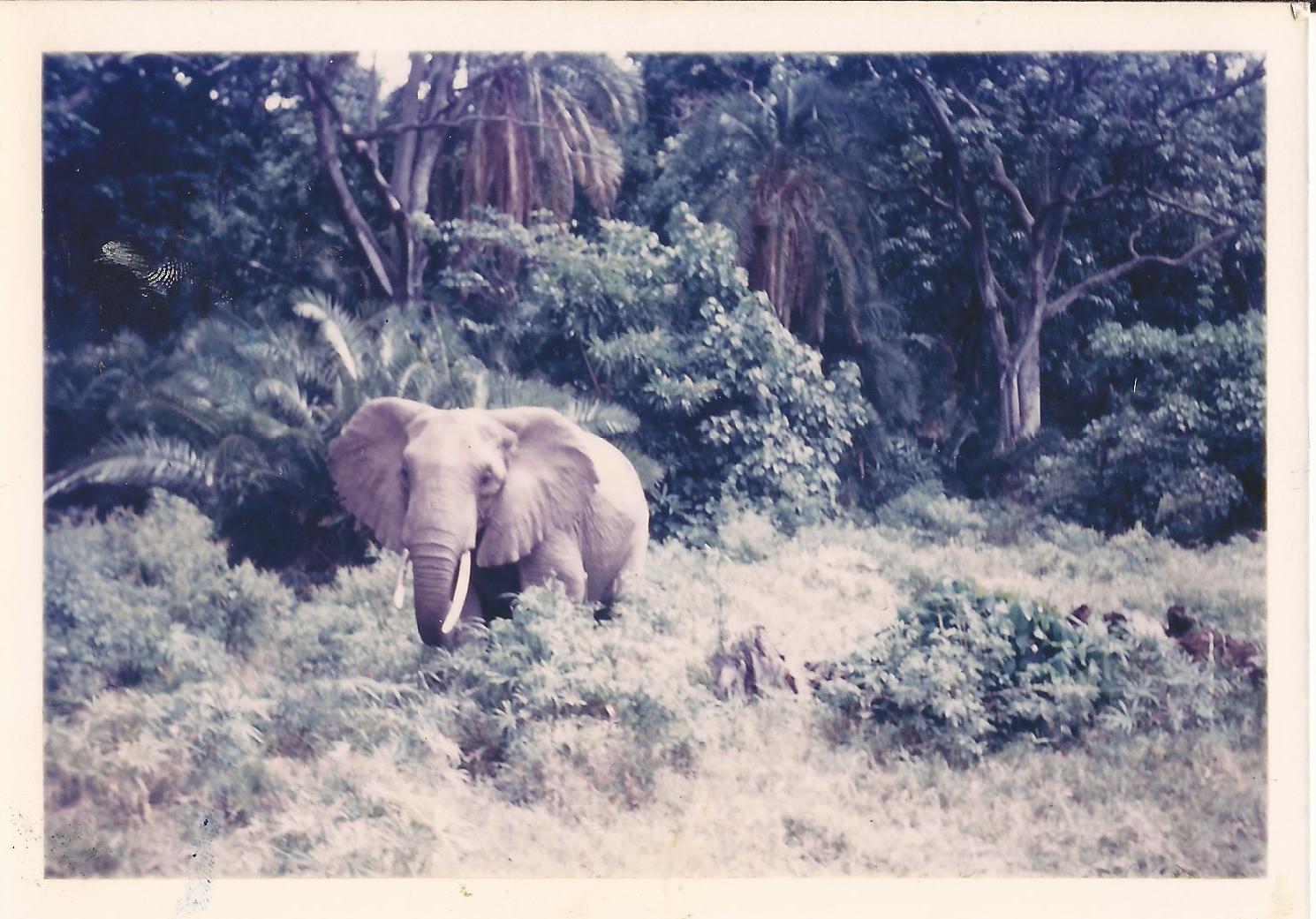
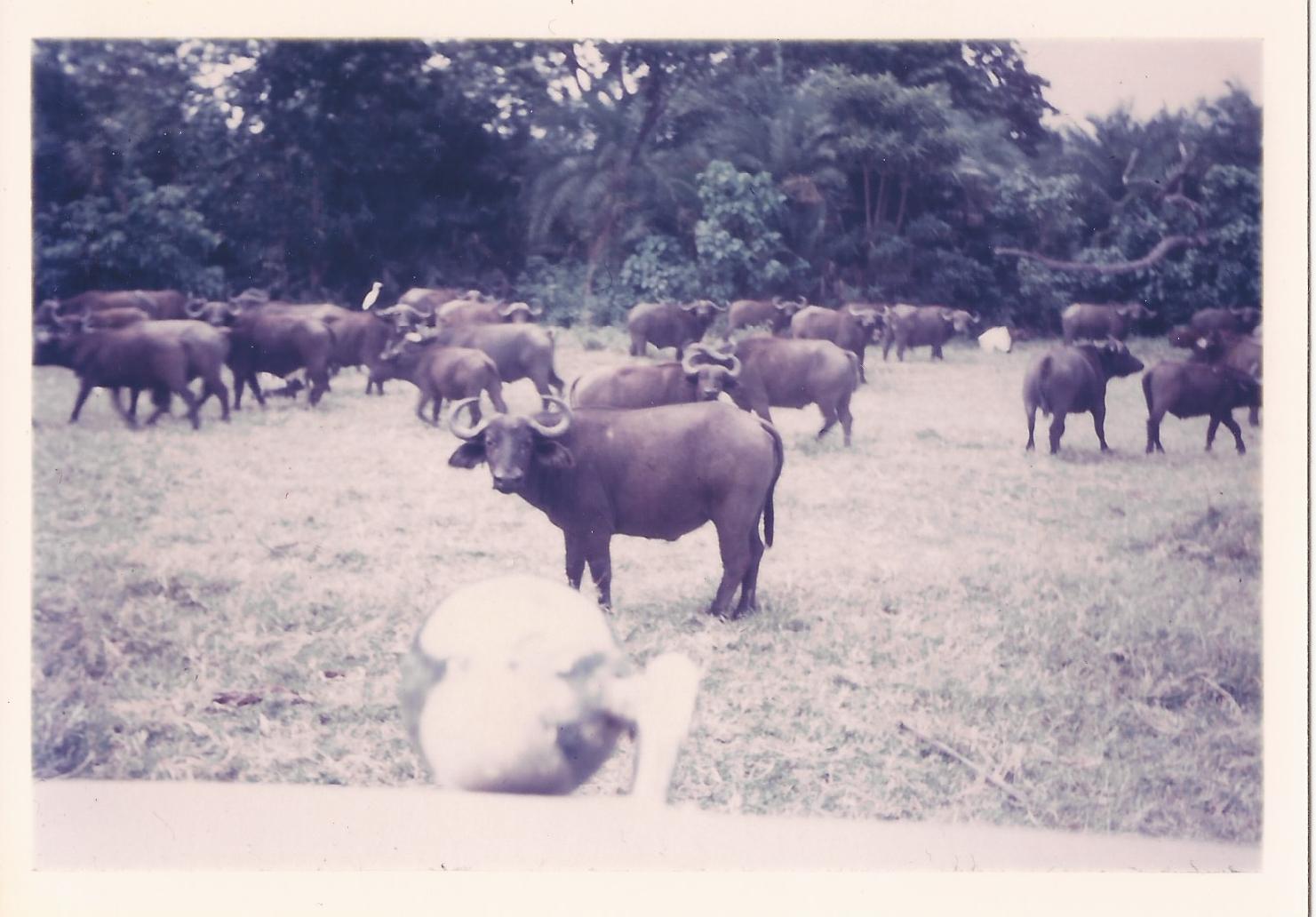
My father loved travelling in northern Tanzania and was intrigued by the wildlife.
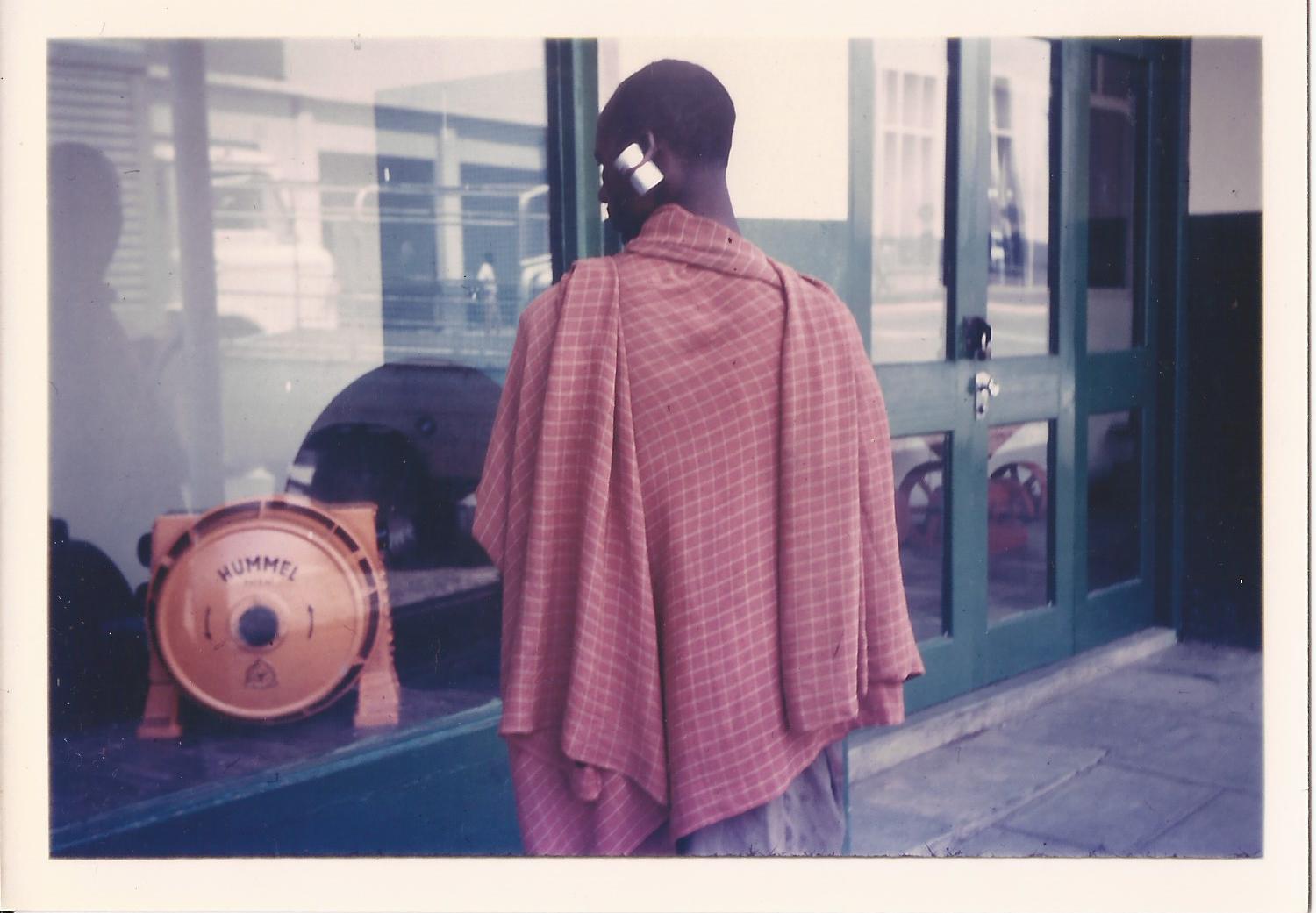
I was fascinated by the people, many of whom wore traditional dress in the early 1970’s.
Extended ear-lobes, names such as Libougi and bright beaded jewellery had me squinting into the sunlight.
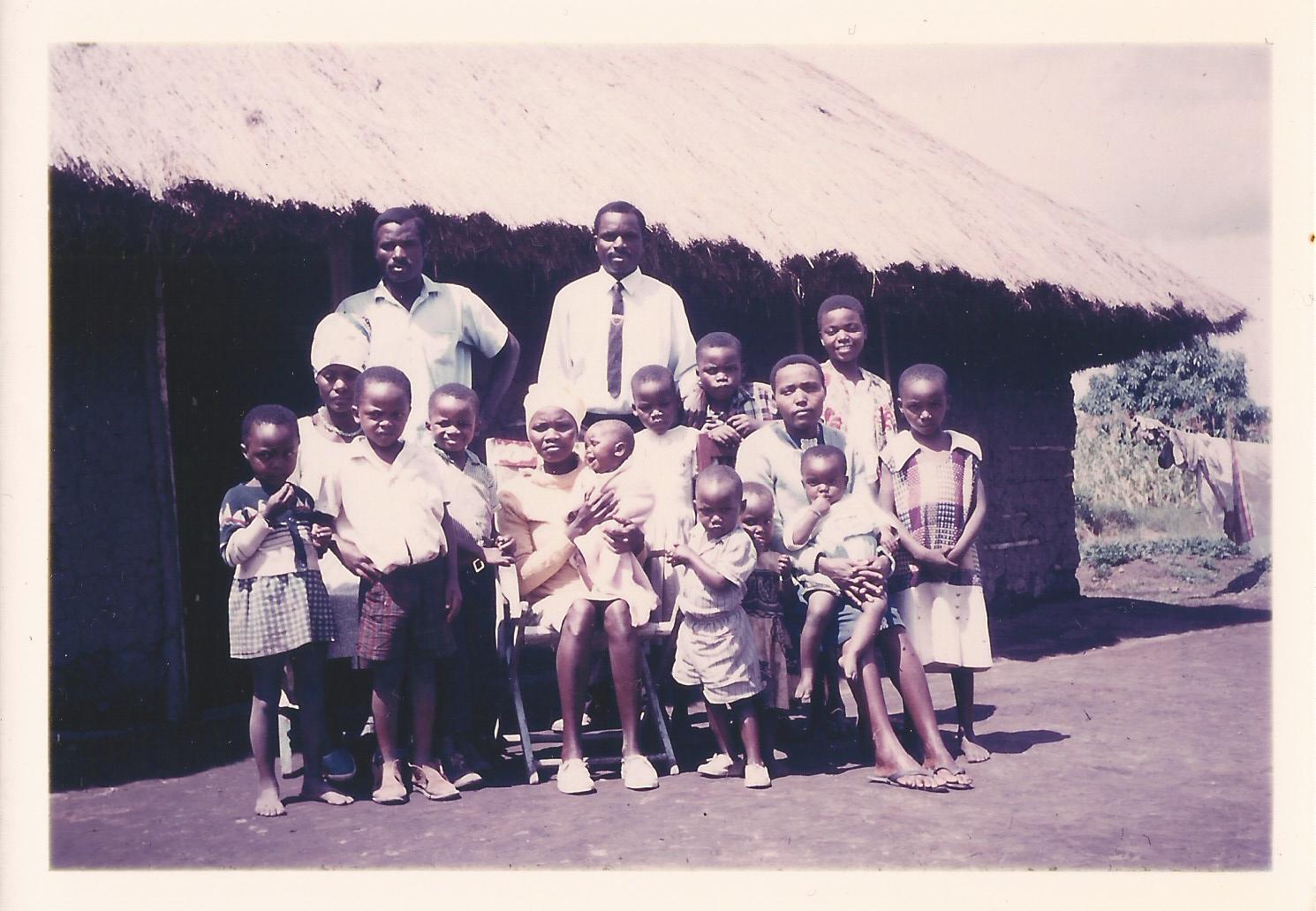
In a country where polygamy was the norm everyone seemed to have rather large families with any number of wives and children.
Having your photograph taken was quite the thing. What the woolly lemurs thought of this, I do not know.
There was always talk of the next expedition up-country. Careful packing was a constant preoccupation.
Complicated arrangements were ever being made. Uncle Tony was an honourary game warden, with the power to arrest poachers.
My mother loved the idea of going on safari and urged him to include us as he toured areas where wildlife thrived.
It was a privilege to be taken game viewing as a child by someone with such a depth of knowledge.
I began to sketch in the back of his Land Rover, while keeping lists of the animals we encountered and trying to learn their Swahili names.
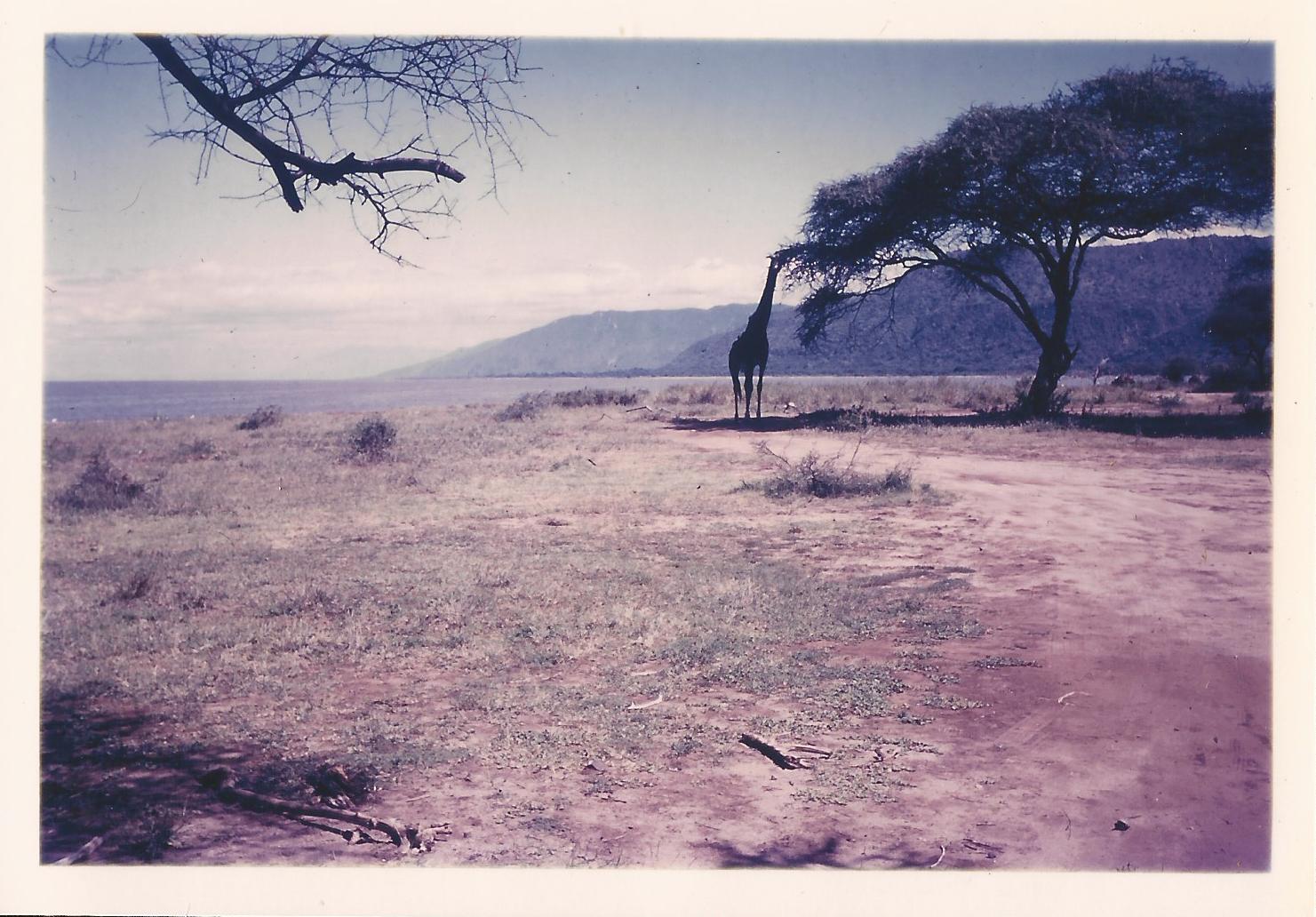
As we drove through the national parks, such as Lake Manyara we rarely saw another vehicle. The reason for packing so carefully was that there was no one around to help if anything went wrong. If you broke down or ran out of fuel you could be in serious trouble.
But there were always old friends to visit and they were charming, most hospitable.
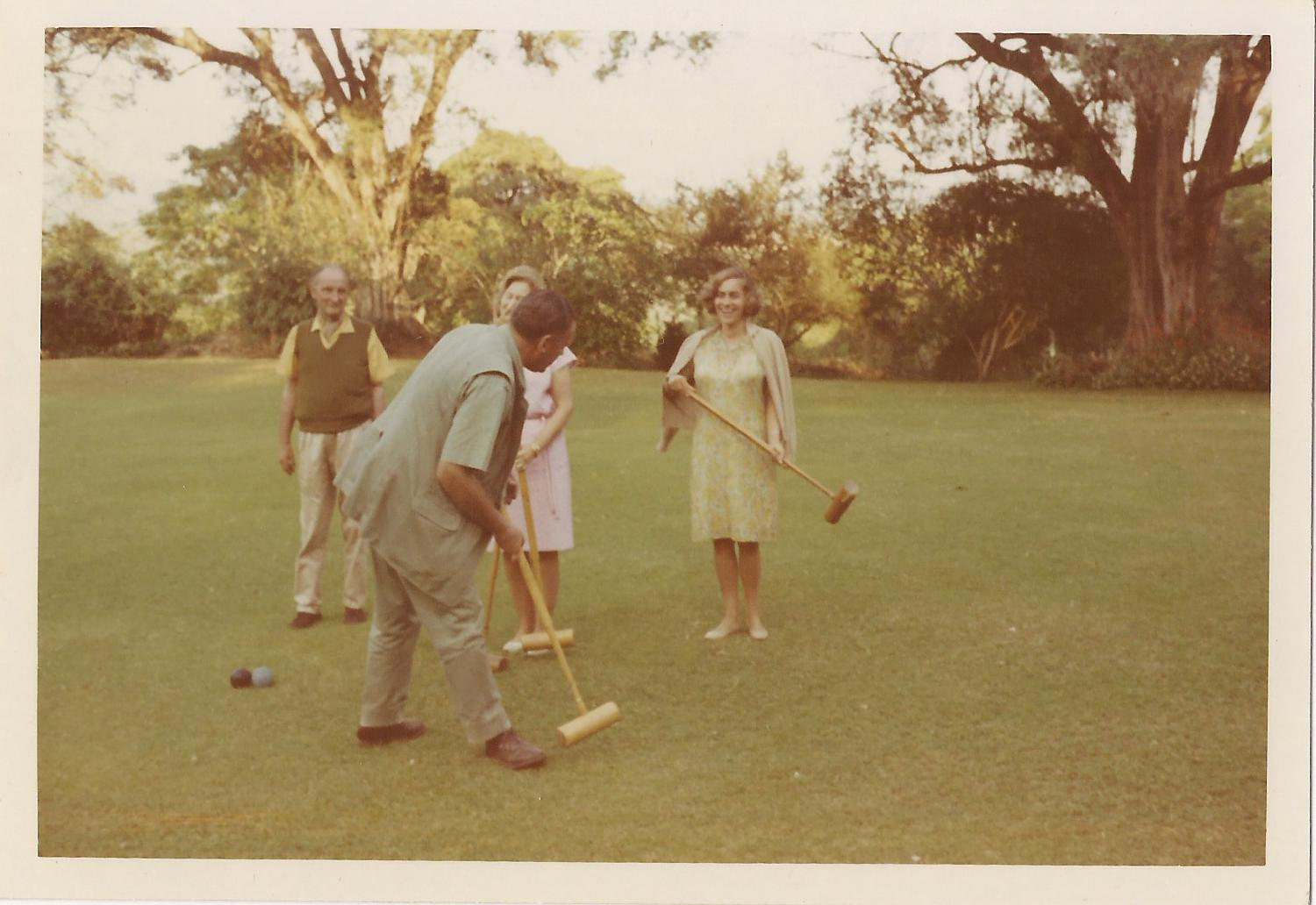
After driving for ages, we’d end up at another farmhouse, playing croquet.
Nothing but croquet, all afternoon and evening. Somehow I survived. I did so by keeping a diary. It was the first of a whole pile of notebooks that have grown exponentially, forming the basis of quite a few books – with more to come.
‘I’d like to go to Africa,’ I declared as a little girl, ‘and see forests full of parrots.’ This I did. Everything I had ever hoped to see was spread out before me and the experience left a profound impression.
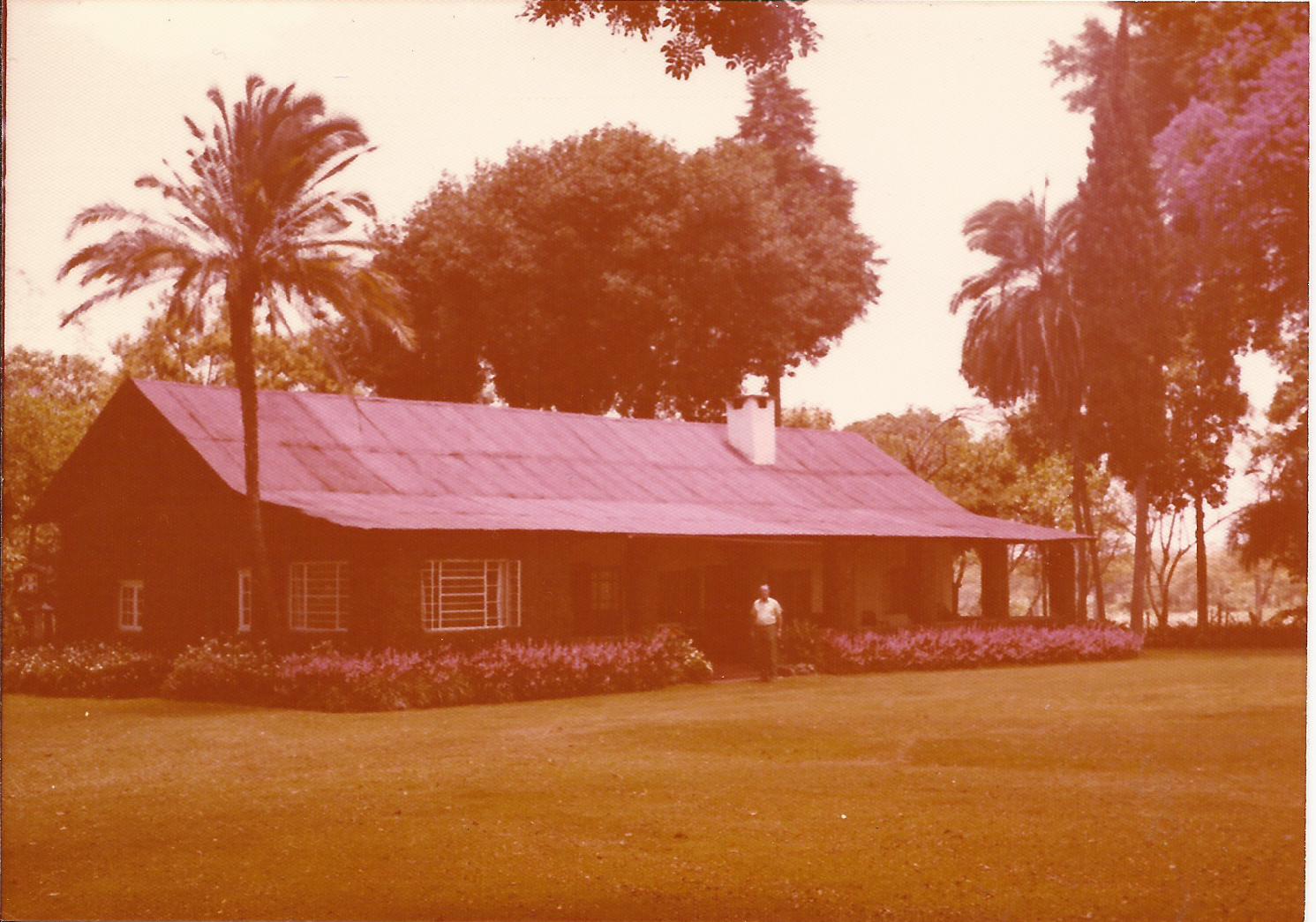
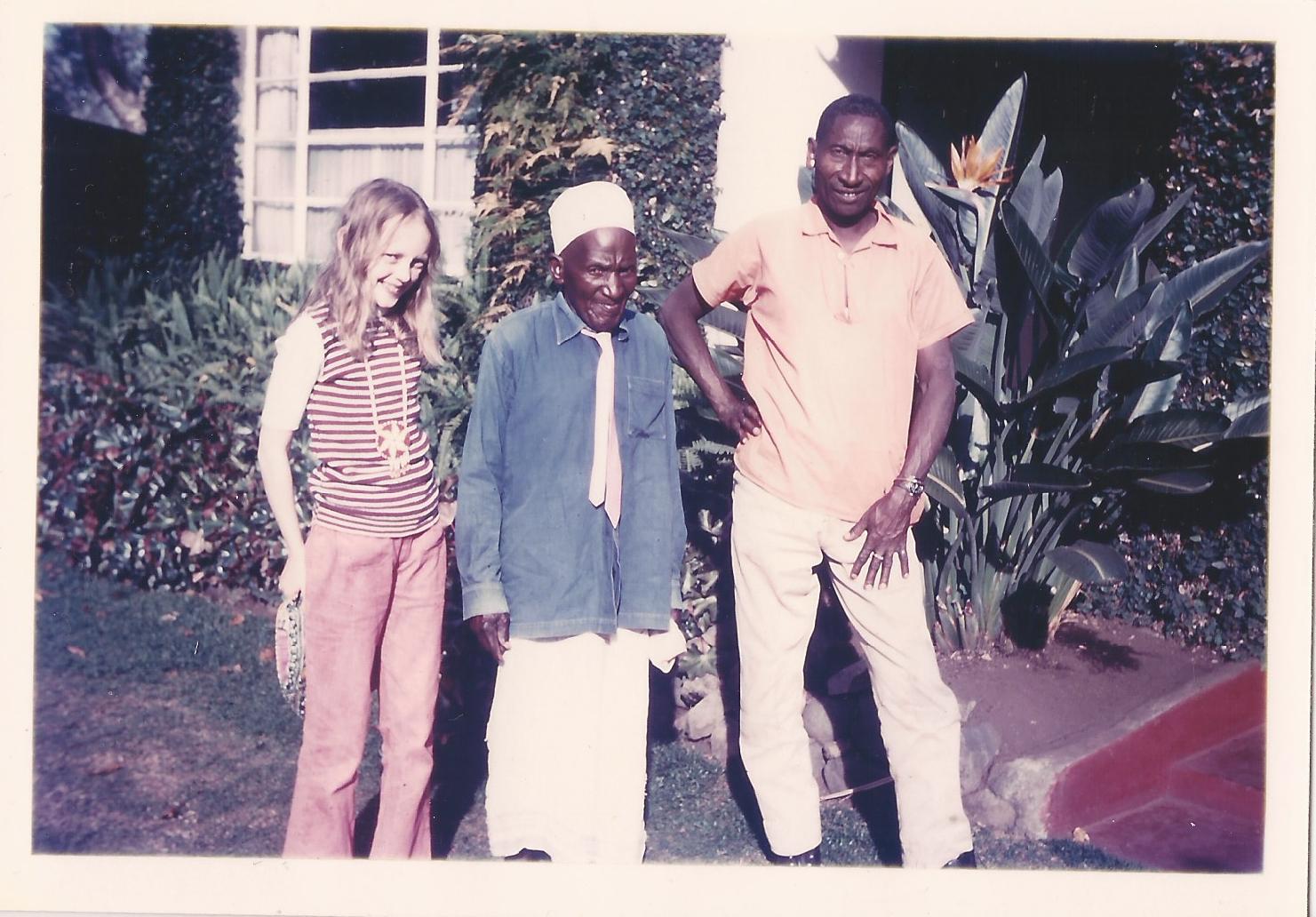
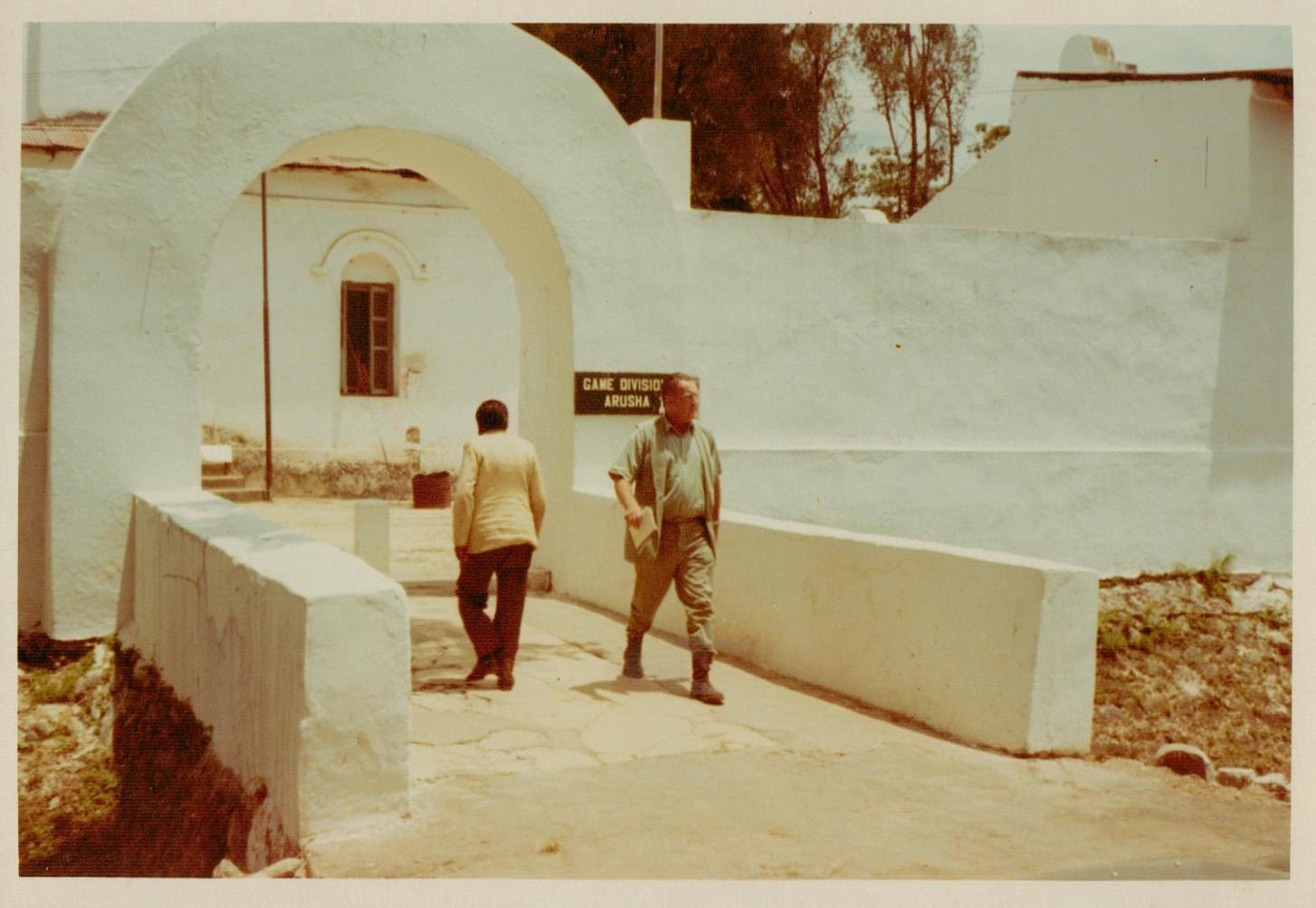
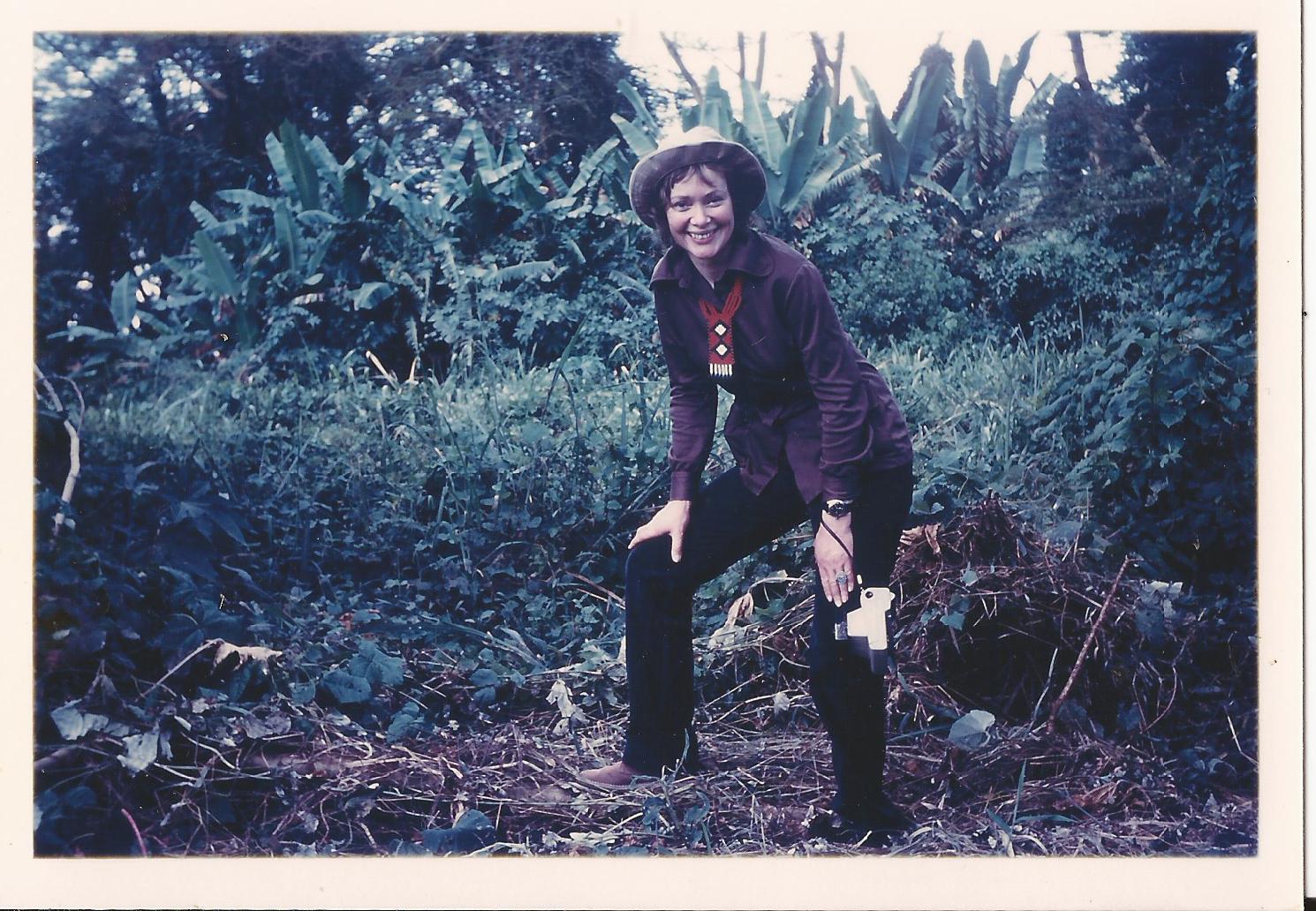
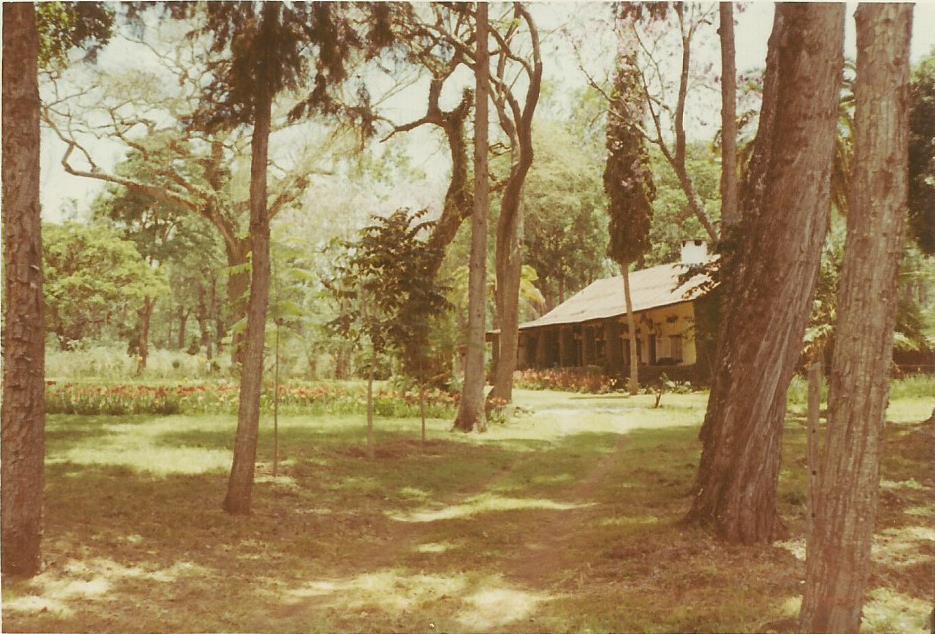
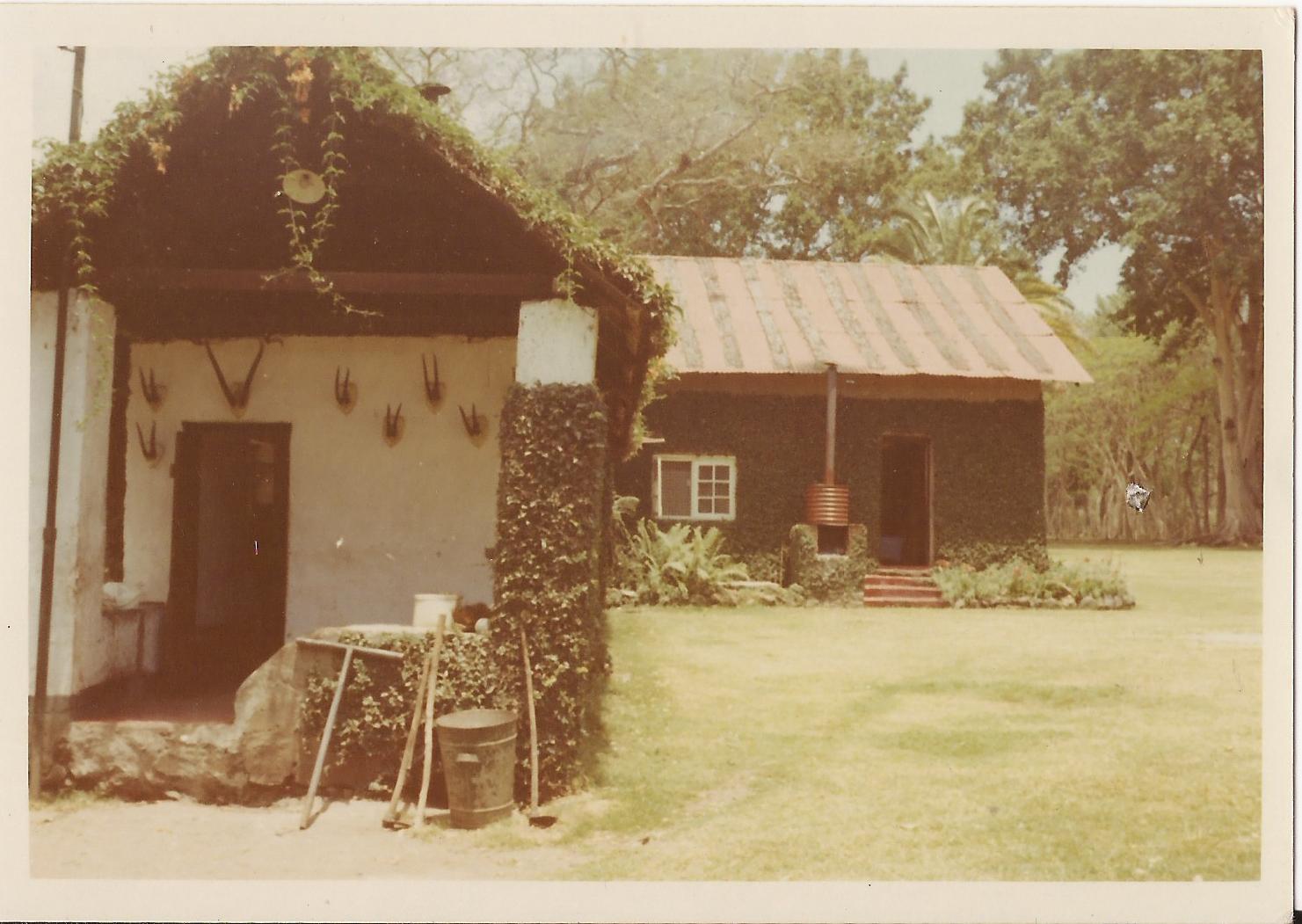
My great-grandparents began farming at Usa River, just west of Arusha in 1919. I first arrived in northern Tanzania in 1972, when my mother took these photographs of the house and garden where her family lived for fifty years. I longed to climb the ancient fig tree in the garden but was told a cobra lived there. It was probably on the lookout for parrots coming anywhere near it.
By the early seventies the family were busy farming coffee and often had visitors to stay. My great-uncle Tony used the farm as a base for his safaris and served as an honourary game warden having worked for many years in the Kenyan Police Force and Game Department. He was well-connected and once took Bing Crosby bird shooting, although this fact was kept secret until 2015.
I loved the outdoor way of life, was intrigued by the kitchen that was seperate from the main house, and amused by the hot water system that consisted of small cylindrical tanks known as ‘donkeys’. Everything smelt of wood smoke. The best thing was that I was able to sleep in a safari tent set up in the garden, in true ‘Swallows and Amazons’ style. It felt as if I was being swept along in an adventure portrayed in the film ‘Born Free’ when Virginia McKenna played the artist Joy Adamson who became well known for bringing up a lion cub called Elsa, eventually releasing her into the wild.
I’ve been collecting further ideas for Swallows and Amazons presents.
Kate Lowe of Bagsymefirst has brought out these pocket mirrors carefully made form re-cycled book pages.
Kate also makes a handbags out of old books – and will make up your favourite. She says, ‘The last one was made for a bridesmaid at a sailing-themed wedding.’ Please click here for her sales site.
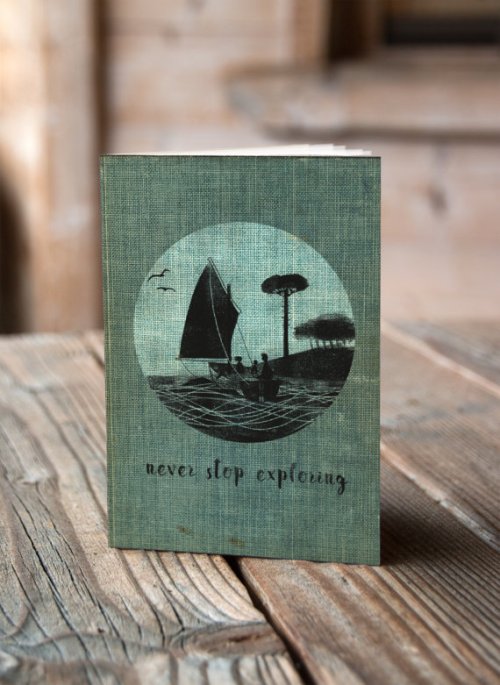
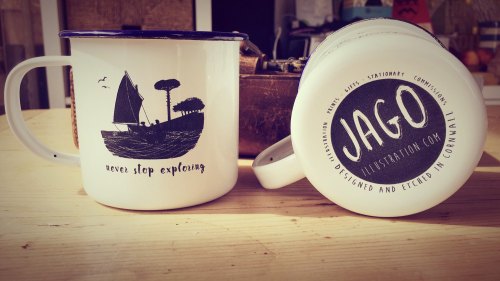
While a DVD of a film or a book makes a good present, the illustrator Jago Silver has brought out some wonderful Swallows and Amazons notebooks perfect for keeping a ship’s log:
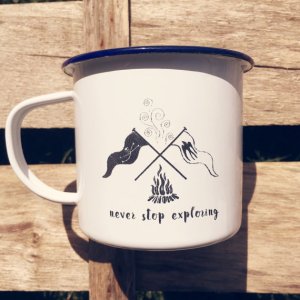
The Nancy Blackett Trust have a shop, the proceeds of which go towards the upkeep of Arthur Ransomes’s favourite little ship. Their new items including beautiful coffee mugs and lovely tea towels – can be viewed by clicking here.
If you know anyone who has pierced ears you can find appropriate Literary Gifts here They also sell Swallow broaches.
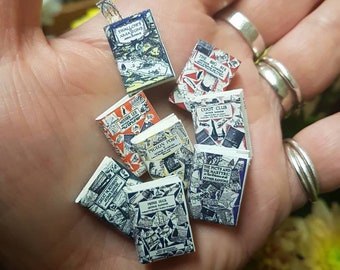
‘Little bookish things can make up pendants featuring your favourite book cover, please click here for the site. There are cufflinks, pendants and makeup bags can be found on Esty here. They also had these little dollshouse miniature books that open, with blank pages inside.
The Arthur Ransome Trust can make up ‘Swallows and Amazons’ T-shirts
As I’ve mentioned elsewhere, StudioCanal offer a selection of mugs, puzzels, prints, mousemats and film posters on their website here. If you search around the site you can find stills from the film made into similar merchandise, click here for an example.
Mugs printed with maps used to illustrate Sophie’s books
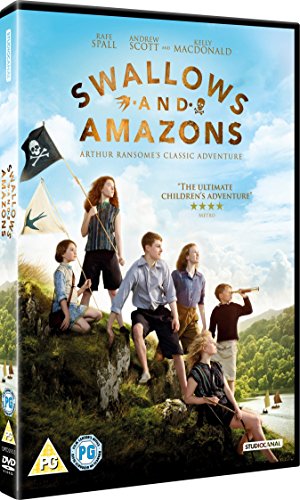
The Harbour Pictures film of ‘Swallows and Amazons’ starring Rafe Spall, Andrew Scott and Kelly Macdonald is now available on Netflix, as well as DVD and Blu-ray.
You can order the DVD from Amazon by clicking here (also available from other outlets).
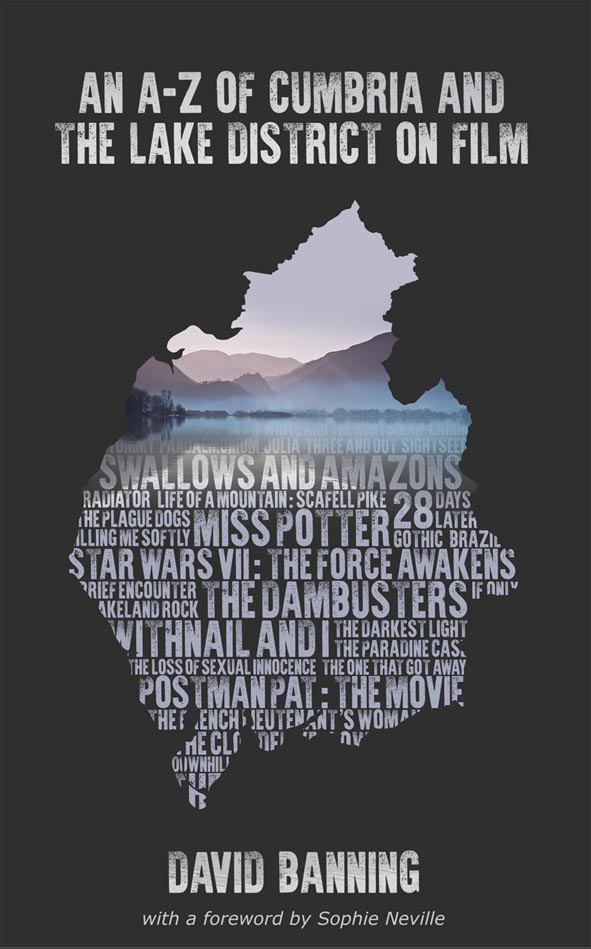
A fascinating guidebook produced by Hayloft Publishing, written by David Banning with a foreword by Sophie Neville.
‘This is the finest comprehensive guide to the history of movies filmed in Cumbria and the Lake District, since the early twentieth century to the present day… it will take you on a journey through the filmic landscape of one of the world’s most beautiful places.’
It is difficult to find copies now but the Daisy Roots Bookshop have one on Ebay here
‘You will be able to immerse yourself in the lush green world where Star Wars created an alien landscape or take a trip around Swallows and Amazons country, not to mention joining the ranks of Withnail and I pilgrims or sampling the nostalgic Brief Encounter tea rooms where a tiny piece of grit kick-started an enduring romance.’
To read more, please click here for Cumbria Todayor click on this image for a review in the Cumberland & Westmorland Herald:
For more information from Hayloft Publishing, and to buy this book, please click here
Terry Abraham, who made the film Life of a Mountain, writes: There are countless books covering aspects of the most beautiful corner of England but none which reveal little known facts regarding it as a location for filming. David thoroughly and interestingly brings to light the great number of films both large and small that have featured Lakeland on camera. Some less obvious than others but no less absorbing, you may well wish to seek out and visit where productions have captured the scenic delights of Lakeland. David’s book is an engaging and enlightening read and definitely one for the shelf alongside other works celebrating England’s finest landscape.
David Banning lists ten of the best films made in Cumbria. Please click on these links for the International Movie Database details and film trailers:
You can see a shot of Derwent Water at 1.23 mins into the official film trailer for Star Wars after ‘This Christmas’ graphics, here:
Review of ‘An A-Z of Cumbria and the Lake District on Film by David Butters
I received this book as a gift from a friend. I live near the Lake District and visit it as often as I can; I now have new reasons for going!
As the title suggests, the book discusses, in alphabetical order, virtually every film that has been shot either partly or wholly in the general areas we now know as Cumbria and the Lake District. And what a fascinating collection of titles it encompasses! I knew that The Dambusters flew over Derwentwater, that Brief Encounter utlilised Carnforth Railway Station, and that Swallows and Amazons, the 1974 version, was filmed almost entirely around Windermere and Coniston lakes. But I had no idea that Snow White and the Huntsman featured a cave in Little Langdale, for instance; or that The French Lieutenant’s Woman made use of a large house overlooking Lake Windermere. The animated classic The Plague Dogs apparently took inspiration from the Lake District countryside; and the village of Greendale in the TV and cinema favourite Postman Pat is based on a village near Kendal.
A brief synopsis of each film accompanies a description of the localities involved, and also some background information and stories: I especially enjoyed the story behind the famous shower scene in She’ll be Wearing Pink Pyjamas! (You’ll have to buy the book!)
This is a fabulous book, a guide book as well as an enjoyable read, and well worth a 2nd Edition, please publishers! It has given me fresh impetus to explore the Lake District and Cumbria even further. Unreservedly recommended.
‘Swallows and Amazons'(1974) filmed on location in the Lake District in 1973
A second edition of the ebook ‘The Secrets of Filming ‘SWALLOWS & AMAZONS'(1974) is now available on Amazon Kindle, Smashwords, itunes, Kobo, and Nook for £2.99 . You can download this free of charge if you already own the first edition.
If you would like a copy but don’t have a Kindle, worry not. We have added a link whereby you can download a free Kindle app. Please go to my Book Page and scroll down for the details.
If you already have a copy of the ebook, contact a Customer Advisor and ask for a free update. You just need to give Kindle the ebook’s ASIN number. The ISBN for all online editions except Kindle is: ISBN 9781311761927
Since being contacted by others who were involved in the filming, I have been able to add a few more anecdotes and images, including this beautiful shot of Virginia McKenna in 1973 kindly sent in by the photographer Philip Hatfield.
I found a copy of my original contract for the film and when Jean McGill rang from Bowness, a few more secrets floated to the surface.
CBBCTV’s Cinemaniacs interviewed the screenwriter David Wood and myself on how the original movie of Arthur Ransome’s ‘Swallows and Amazons’ was made back in the summer of 1973. The idea was to use 30 second clips, so please excuse my over-the-top reactions, but you can watch the whole recording below.
‘This has to be one of the most delightful interviews in my recent memory.’ Tim Lewis, USA
‘Swallows, Amazons and Coots’ by Julian Lovelock, with a forward by Sophie Neville, was launched on 23rd September at The Radcliffe Centre at the University of Buckingham. Published by the Lutterworth Press, it is a companion for anyone who loves Arthur Ransome’s series of ‘Swallows and Amazons’ books.
To read more and enter a competition to win a copy please click here
‘In 1929, Arthur Ransome (1884-1967), a journalist and war correspondent on the books of MI5, now widely regarded as one of the most influential children’s writers of the twentieth century, turned his hand to writing adventure stories for children. The result was Swallows and Amazons and eleven more wonderful books beyond, spanning in publication the turbulent years from 1930 to 1947. They changed the course of children’s literature and have never been out of print since, beloved for the author’s ability to create a world of escape so close to reality that it is utterly believable, in which things always turn out right in the end. Yet to be properly appreciated today, the novels must be read as products of their era, inextricably bound up with Ransome’s life and times as he bore witness to the end of Empire and the dark days of the Second World War.
‘In the first critical book devoted wholly to the series, Julian Lovelock explores each novel in turn to offer an erudite assessment of Ransome’s creative process and narrative technique, highlighting reflections of his experiences and contradictory politics, colonial imagery, the spectre of war and of course his remarkable skill as a story-teller as he constructed a fictional refuge for himself and his readers. Thus Lovelock convincingly demonstrates that, despite first appearances, the novels challenge as much as reinforce the pervading attitudes of their time. Elegantly written, Swallows, Amazons and Coots is both up-to-date and nostalgic. It will appeal to anyone who has enjoyed the world of Swallows and Amazons, and there is plenty here to challenge the Ransome enthusiast and the student as well.’
Endorsements
Virginia McKenna wrote: ‘There is always more in life than meets the eye. The delightful and unique Arthur Ransome stories from Swallows and Amazons to Great Northern? have delighted us over the years. But now we learn, thanks to this fascinating book, that there are more aspects and depths to the stories than we ever imagined. In no way does this diminish them – on the contrary. By giving us a more profound understanding of the author, the adventures and exploits of his characters take on an extra depth and dimension. These are stories for children that no adult should miss.’
‘An admirable introduction for newcomers to the Swallows and Amazons novels, written with detailed and expert knowledge. Julian Lovelock clearly has a deep affection and admiration for Ransome’s writing, and places the books in a rich and complex context. This is an elegant and leisurely guide through the books in the company of an amiable and well-informed companion.’ Peter Hunt, Emeritus Professor of Children’s Literature, Cardiff University, and co-author of How Did Long John Silver Lose His Leg? (2013)
Julian Lovelock is the editor of Mixed Moss,2016, the journal of The Arthur Ransome Society, which includes an article by Sophie Neville who is President of the literary society.
Kelly Macdonald starring as Mrs Walker and Andrew Scott as Lazlov, with me, Sophie Neville, as a dithering lady in a hat and rusty-coloured jacket getting into the steam train behind Roger at Portsmouth Station. Blink and you’ll miss me.
So opens the new film version of Arthur Ransome’s story ‘Swallows and Amazons’ (2016) directed by Phillipa Lowthorpe, which is coming out in cinemas around the UK on 19th August.