
Can you tell us when and where you were born?
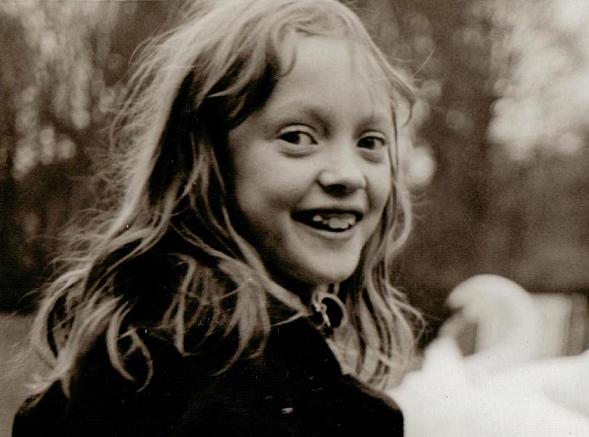
I arrived two weeks early and was born at home, delivered by my great-grandmother in my parents’ cottage, the Old Bakery in the village of Clent in Worcestershire in 1960. Tell Laura I Love Her and Save the Last Dance For Me were top of the charts.
Can you give us background on your parents and what they did for a living?
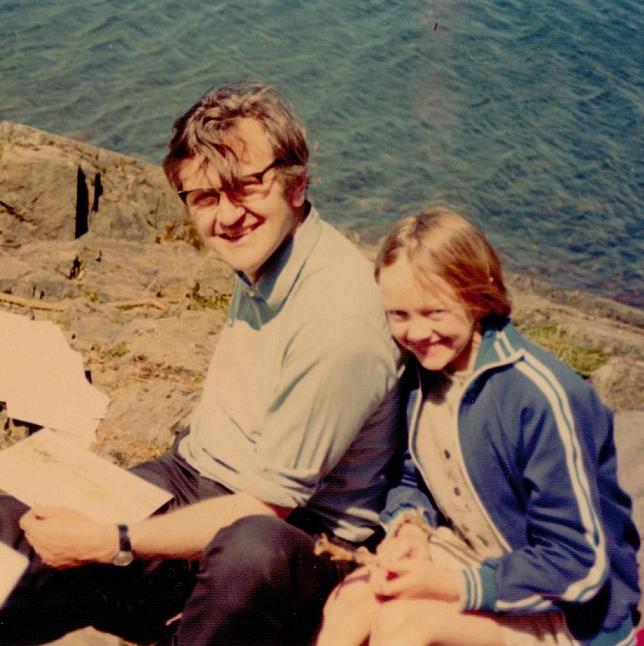
My father worked in Press and Publicity at BIP where he launched fibre glass boat manufacturing by setting up an experimental workshop in Covent Garden. My mother married on her 21st birthday just before graduating from RADA. She was in the same year as Susannah York and the playwright Hugh Whitmore, but took a break in her career to get married and have us children.
Do you have any siblings?
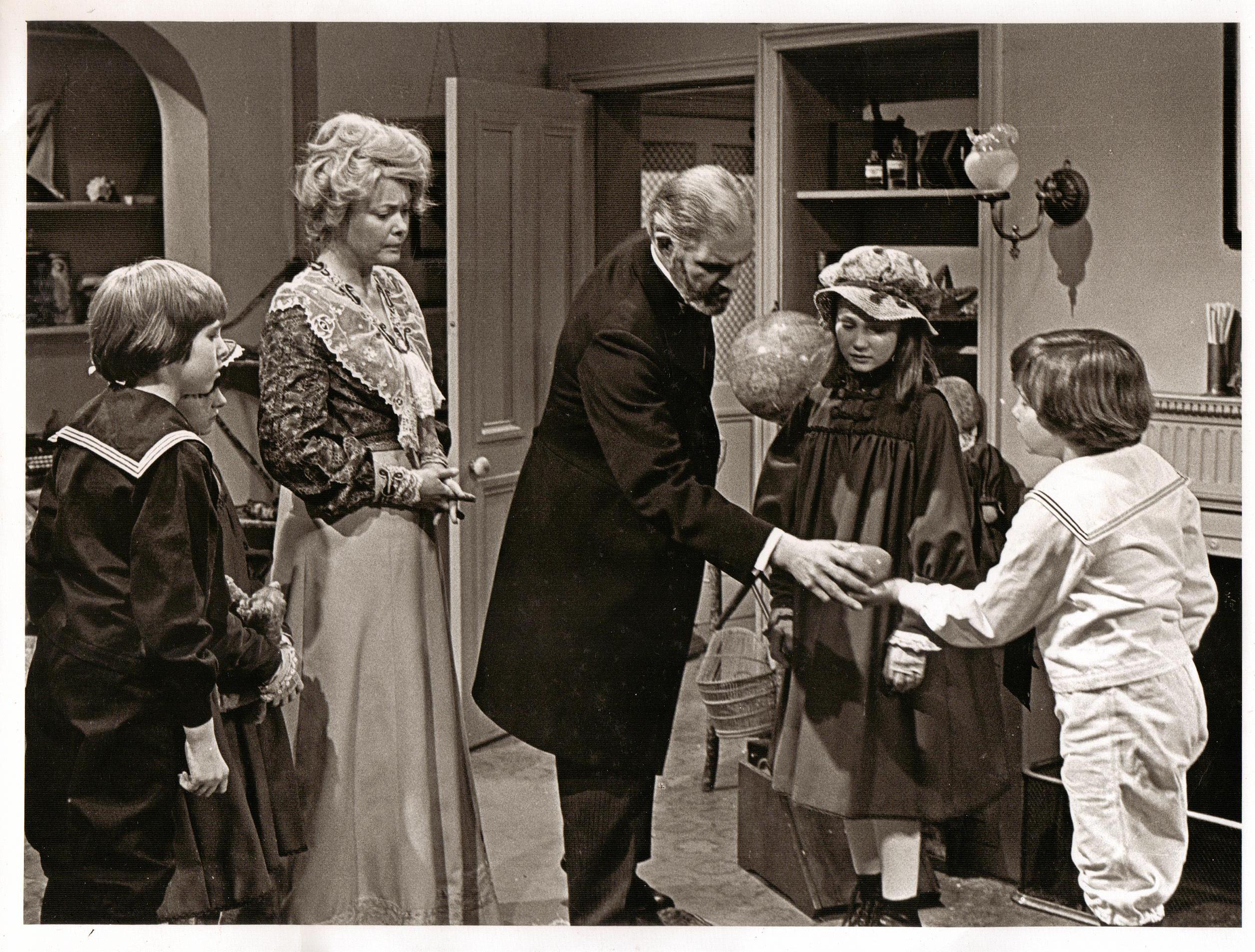
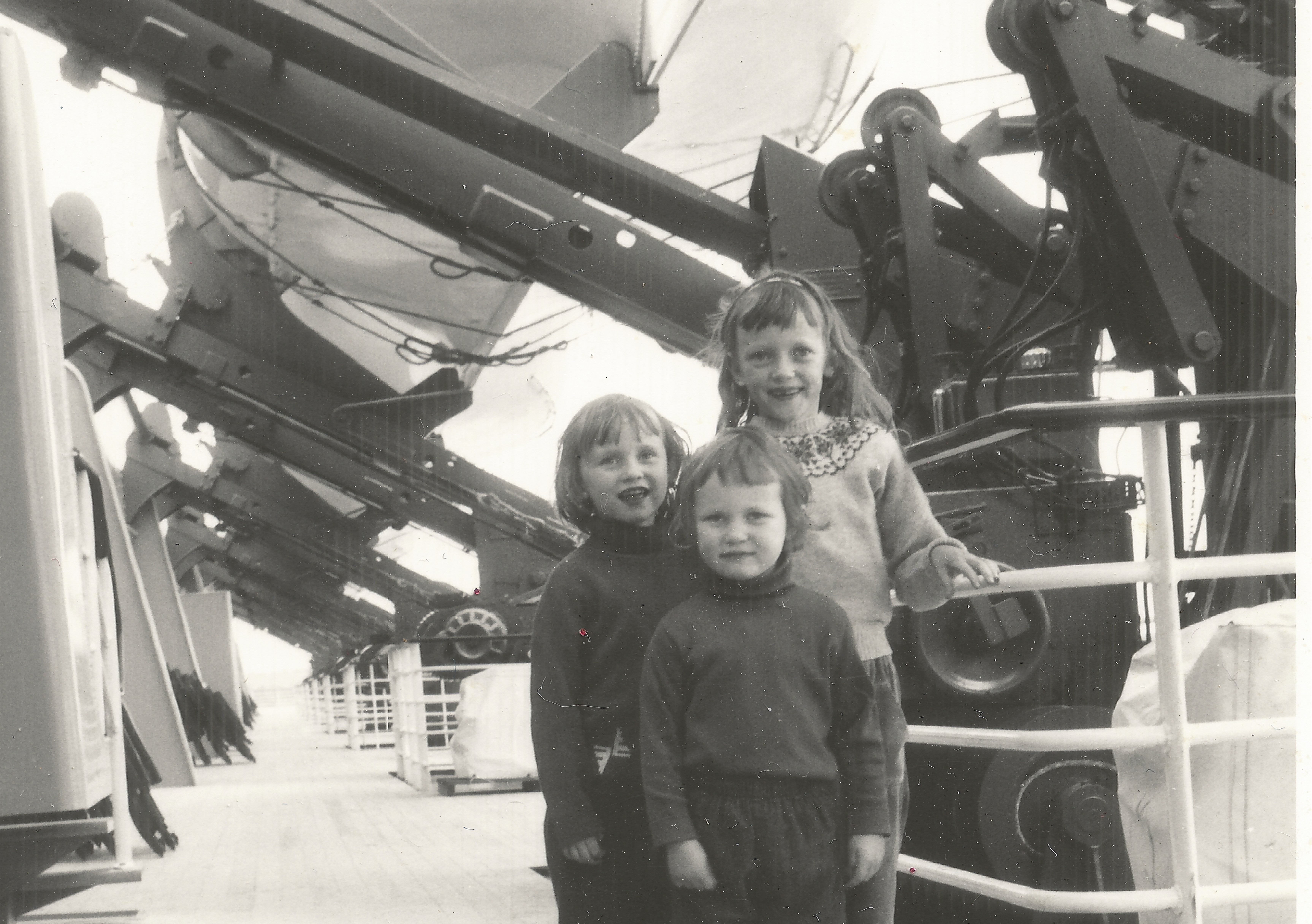
I have three little sisters, so I was never lonely. Perry had a small part in the classic HTV series Arthur of The Britains and later played the teacher in Bernard’s Watch. Tamzin had leading roles in six television productions playing Elka in Arthur of the Britons, Anthea in The Phoenix and the Carpet and Linda in Love in a Cold Climate with Judi Dench and Michael Aldridge playing her parents.
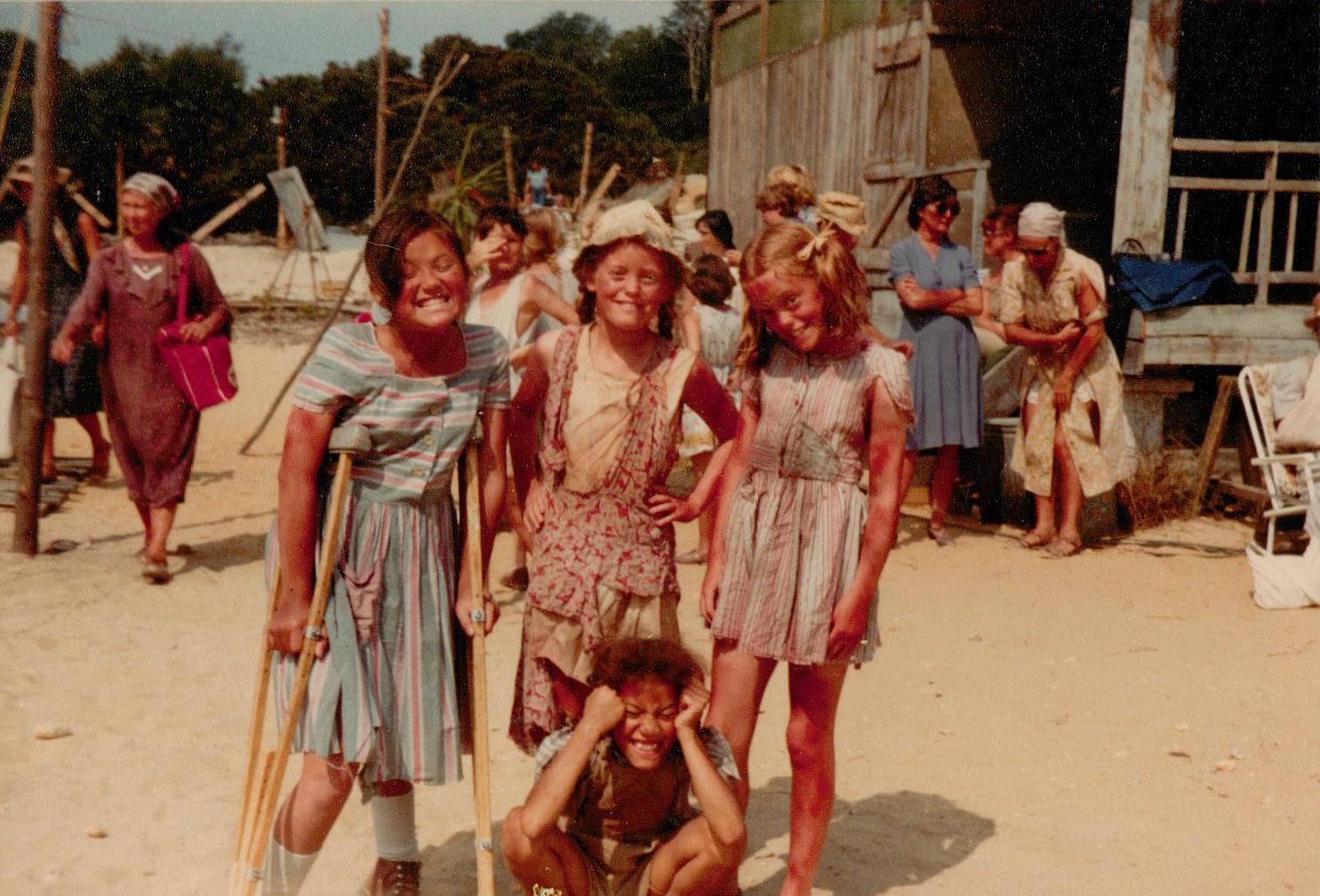
My adopted sister Mary-Dieu suffered from polio as a baby so was in hospital a lot or on crutches, but appeared as a film extra in Abide With Me and the wartime drama Tenko, which she enjoyed.
Where were you schooled and were you academic?
I am a visual learner and could have gone to art college but concentrated on English, history and geography, going on to read anthropology with ethnography and psychology, subjects I draw on continuously as a writer. The most useful subject I took at university was cartography. All the best books contain maps and I draw my own.

Did you have any early career aspirations and did you go onto further education?
I went to the University of Durham, where I made wonderful friends including Alastair Fothergill who produced Our Planet and most of Sir David Attenborough’s iconic serials, along with a number of wildlife movies for Disney. I missed my viva – an oral aspect of my Finals – because I opted to go filming in the Charmague, but would you turn down that opportunity? We went on to film in Kenya and recce locations in Zaire and Uganda.

Where did your creative flair and love for acting and writing come from?
We are all born to create. There are times when I have been tempted to take a more managerial path but I feel called to write, so that’s what I do.

Did you come from a creative family?
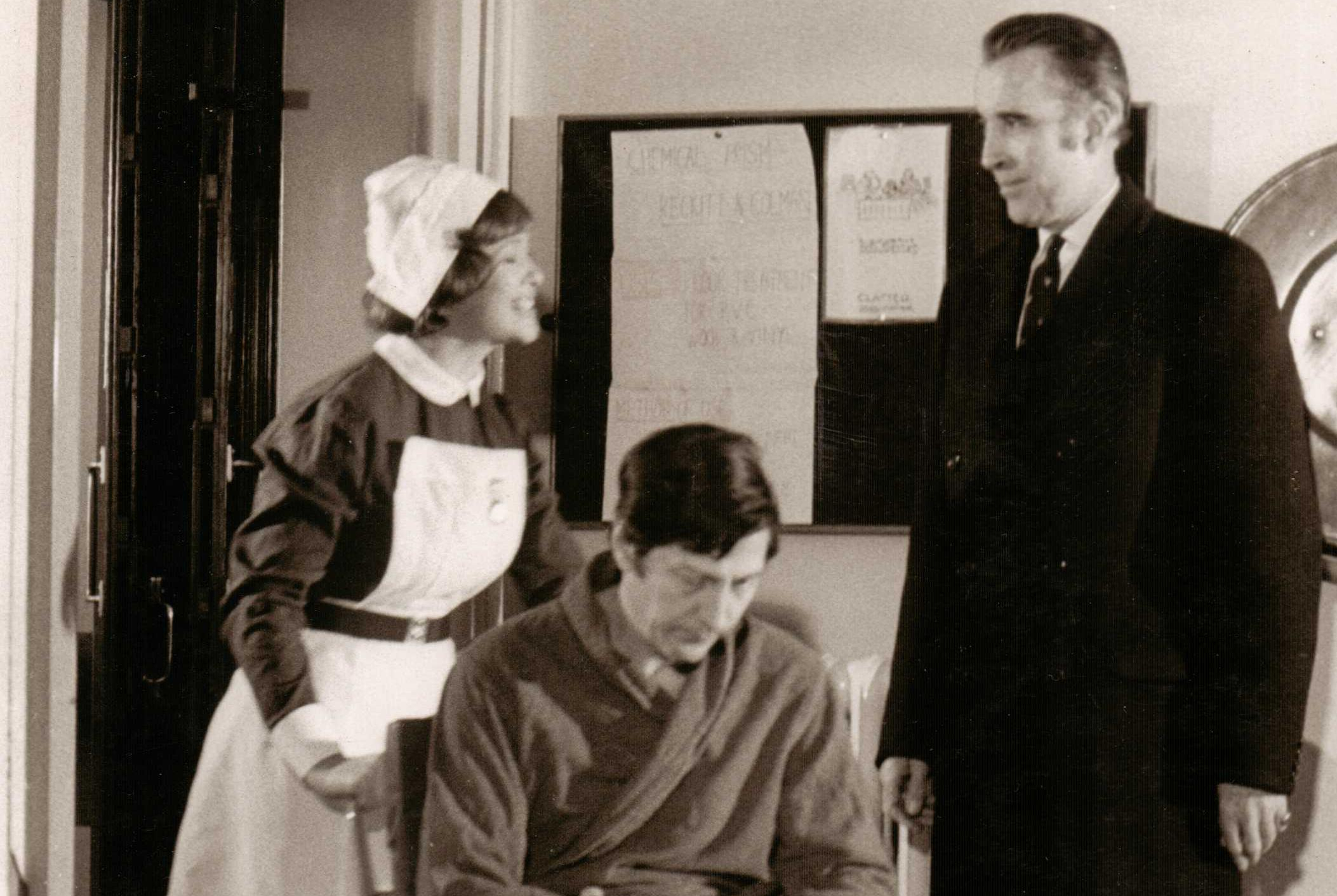
My father loved design concepts and developed products with his team at work, notably the cable tie. You find them everywhere now. My mother has always held a burning desire to act and brought out a children’s book in the 1980s, which is still in print. I feel she has more talent as a writer than an actress but she loves the social aspect of filming. At the age of 85, she appeared in Top Boy and was involved in filming The Repair Shop when they visited Denville Hall, the actors’ retirement home in November 2025.
How did you manage to get your lucky break as an actress?
I was able to play the piano. I took my music along, practiced seven or eight hours a day, and did what I was told.
Can you recall your first acting credit?
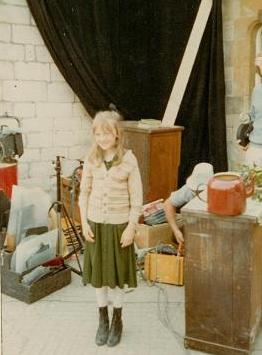
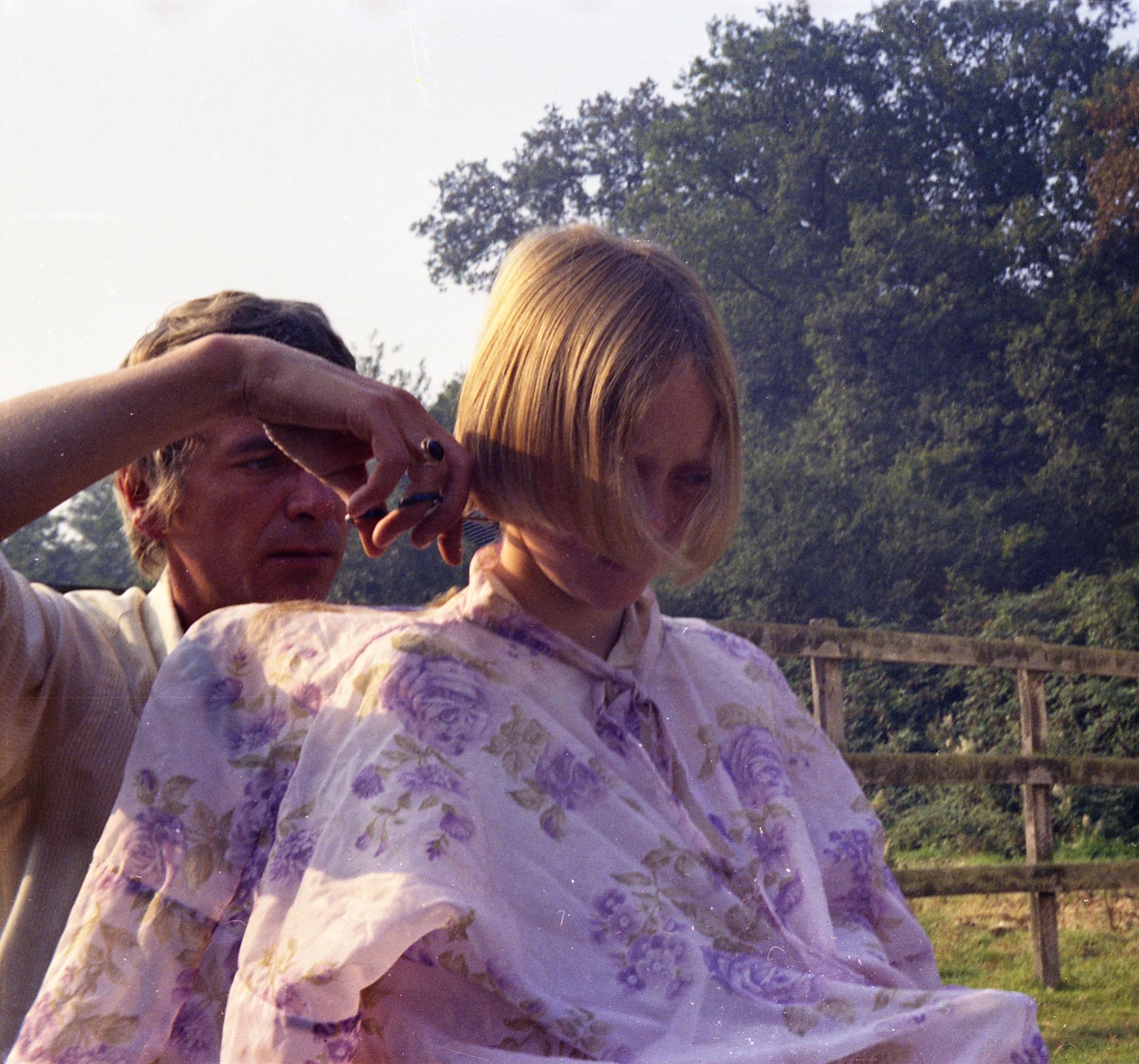
As a child, I appeared as a film extra in classic drama serials such as The Changes and Arthur of the Britons but gained my first acting credit as Eileen Brown in the BBC play Cider With Rosie, adapted by Hugh Whitmore. I had my hair chopped off for my first movie, and went on to act in a few more productions.
Your C.V. covers several areas including behind the scenes television and film related roles. Let’s start at the beginning of your career and find out what inspired you to become an actress and did you have any early influences?
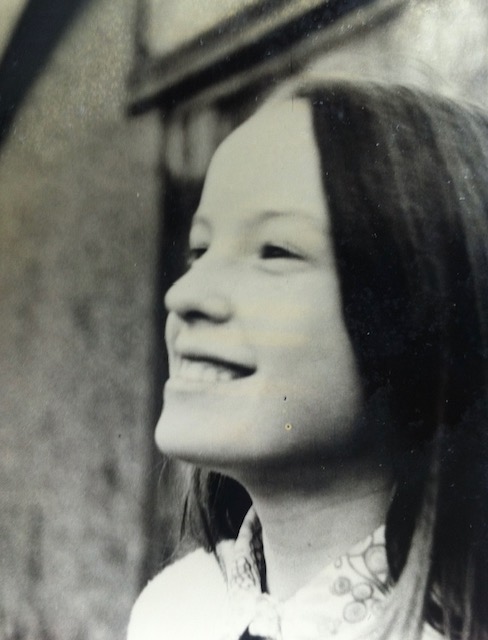
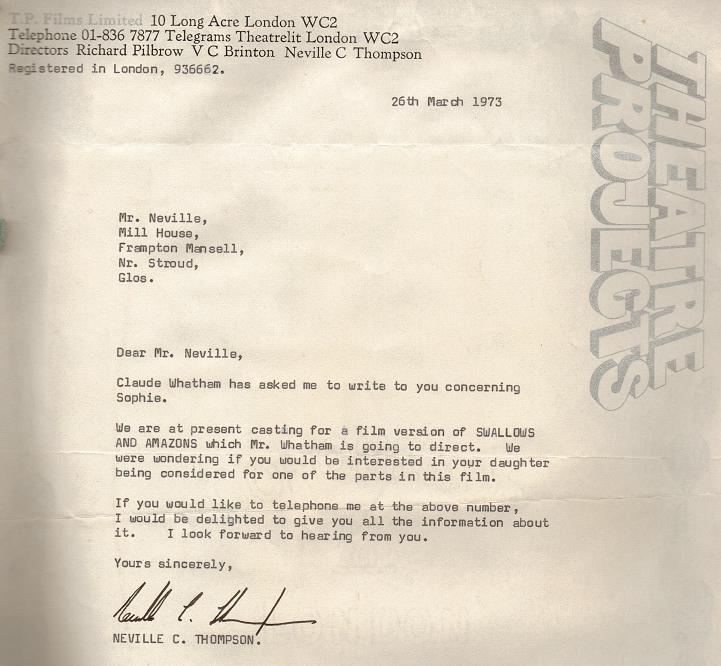
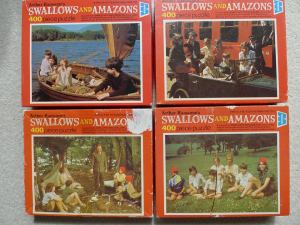
I wasn’t so much inspired as simply offered an amazing opportunity, which is exceptionally rare. I was invited to an interview to appear in an adaptation of Arthur Ransome’s book, Swallows and Amazons when I was aged twelve. Of all the parts in all the books, I was asked if I would like to play Titty. How could I turn that down? I loved the Lake District, enjoyed camping and was happy in a boat. I did it for fun.

Swallows and Amazons is a classic family film released in 1974. Can you tell us about your experiences working on the film? What are your overriding memories and what does the film mean to you personally?
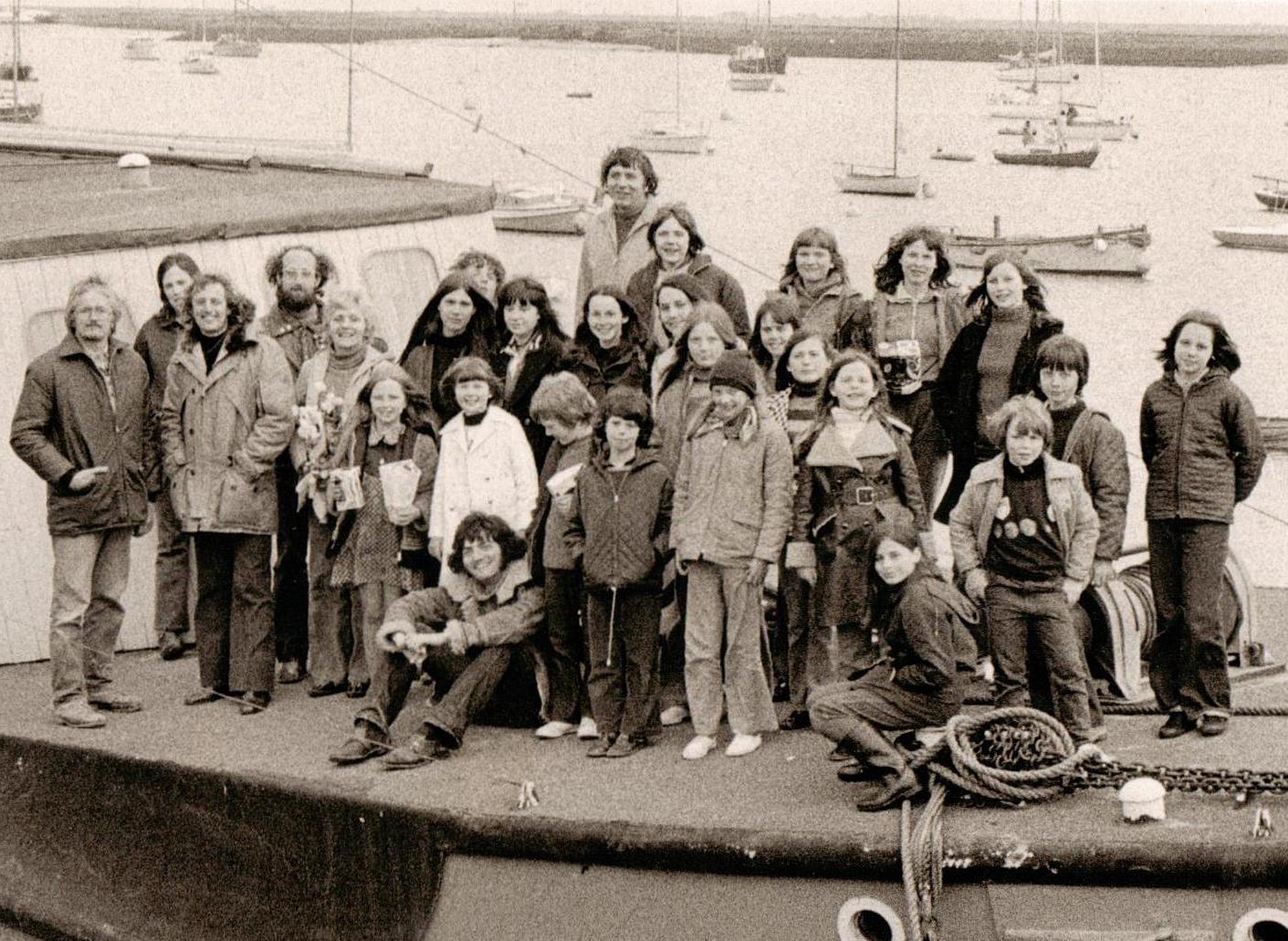
It proved hard work and involved a lot of hanging around in the cold, but I loved the period aspect and thrived spending time outdoors on location. Filming on Derwentwater was amazing. We had our own desert island, pine trees to climb and a houseboat to attack. Making Ronald Fraser walk the plank was fun. He did it rather well.

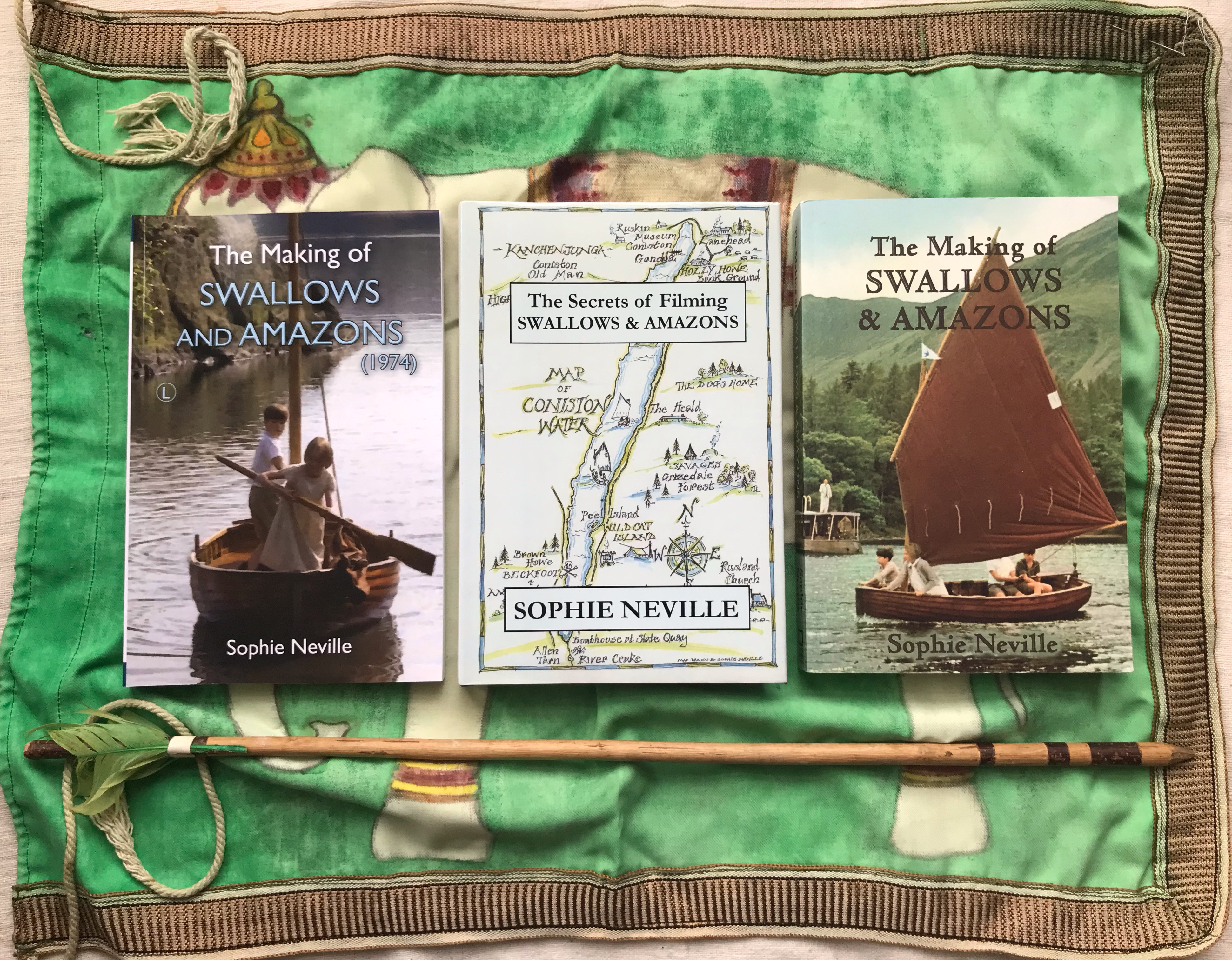
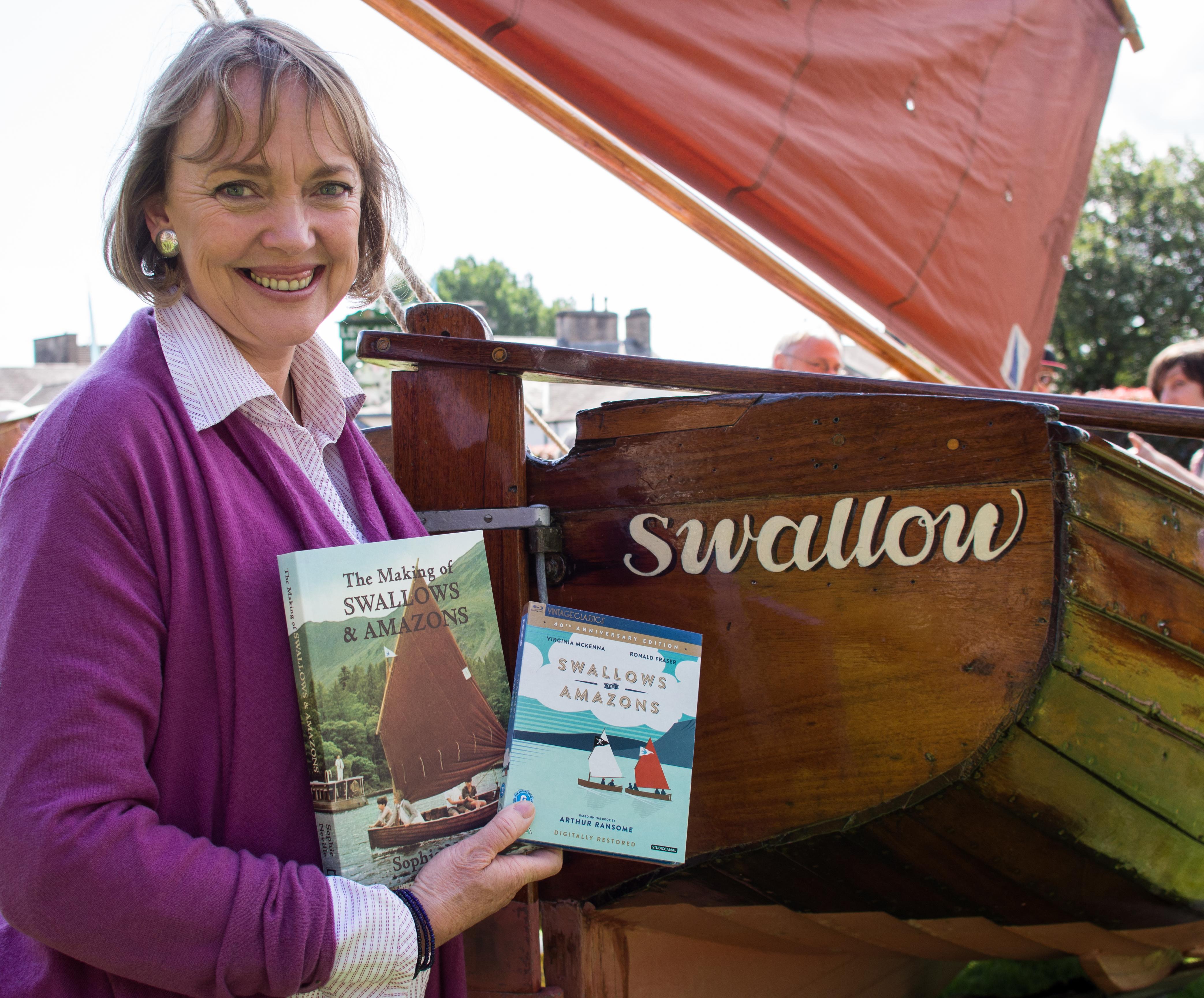
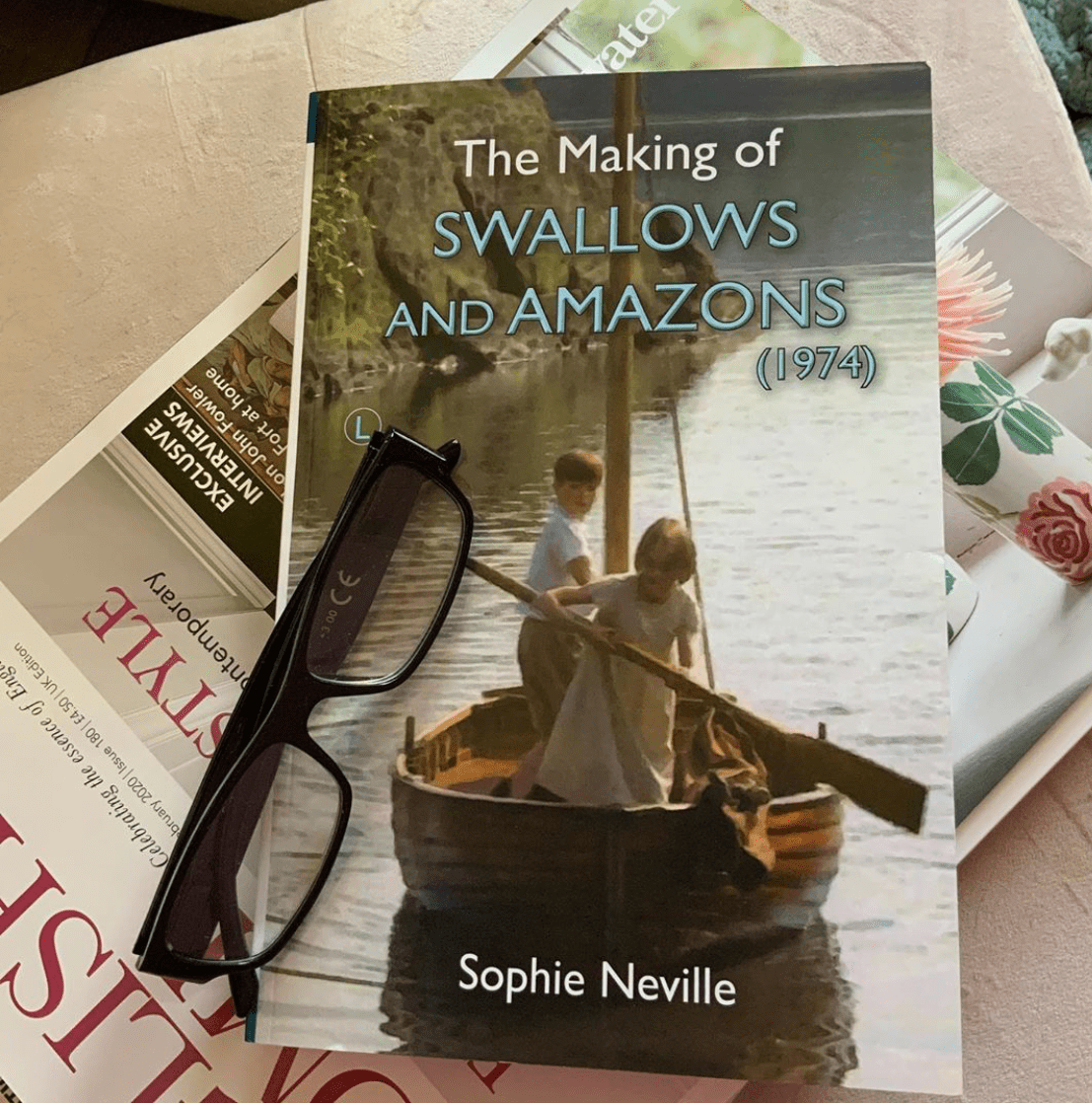
You’ve written two books on your experiences of working on Swallows and Amazons: The Making of Swallows and Amazons and The Secrets of Filming Swallows and Amazons. What made you decide to write two books on the film and were your memories still fresh and vivid when recounting the stories?
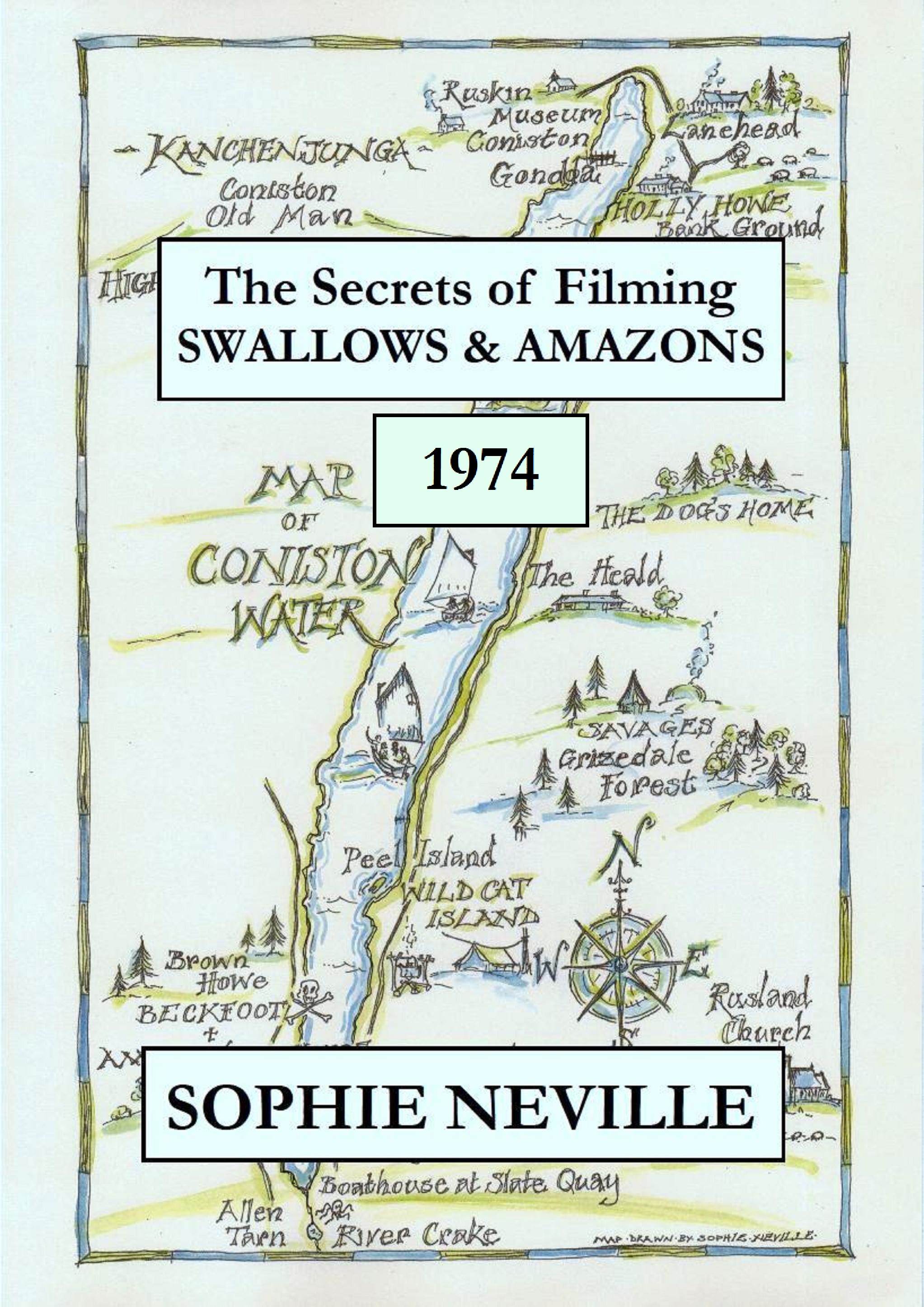
I had the amazing cine footage that my parents took behind-the-scenes on location that they BBC put on a DVD when they made Countryfile and Big Screen Britain, presented by Ben Fogle. I’d already set up my own publishing company and was employing a formatter who suggested we brought The Secrets of Filming Swallows and Amazons as a multi-media ebook, including this unique footage and my parents photos (that you would never be allowed to take on location these days). This did so well as an ebook that it was picked up by the publisher Classic TV Press. They gained permission to add official stills from the film and brought it out as a large paperback with colour plates entitled The Making of Swallows and Amazons. It was then bought by The Lutterworth Press who re-designed it in 2017.
How were your books on Swallows and Amazons received by fans and critics?
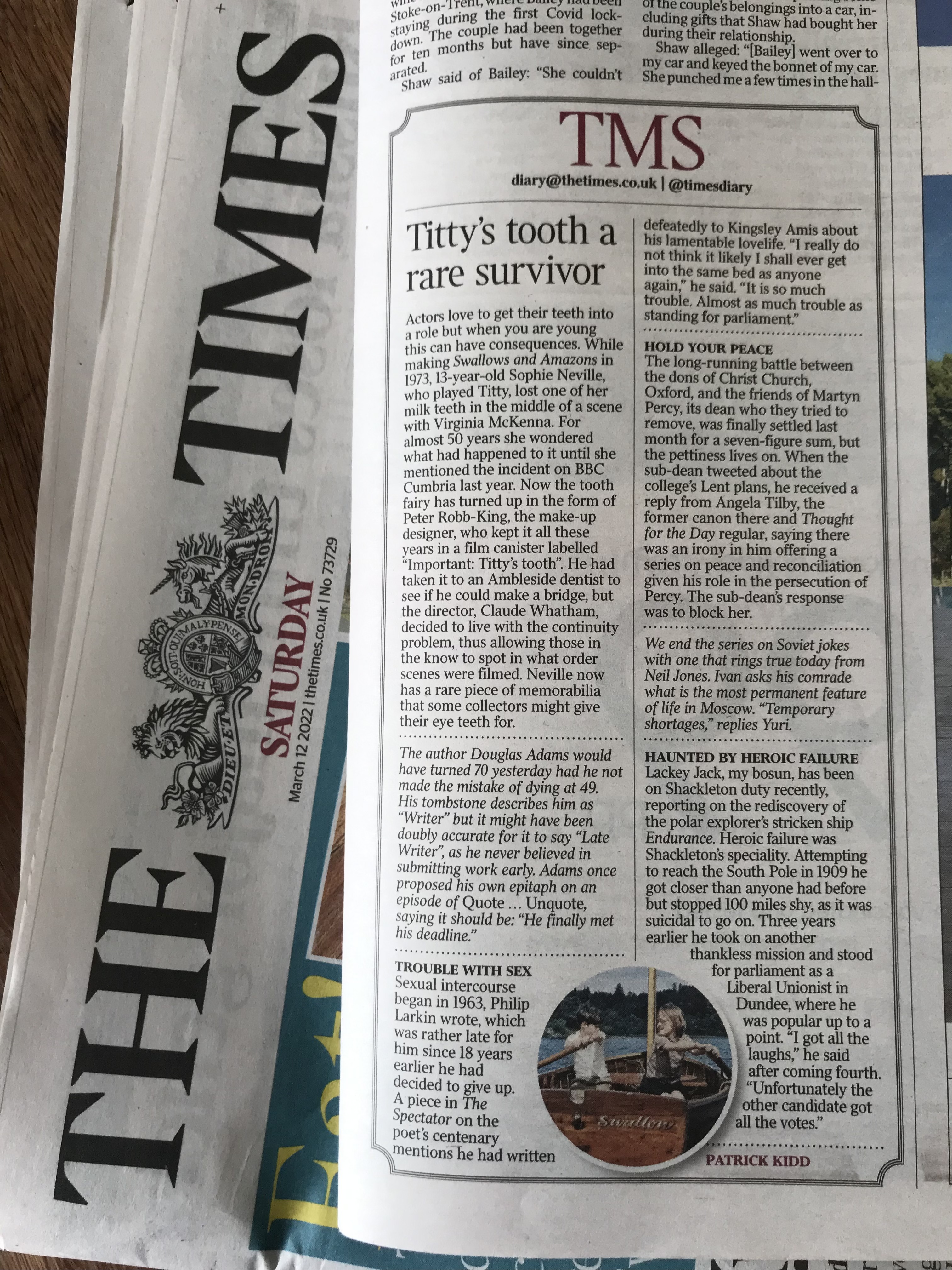
Each edition had been received with huge enthusiasm. I had terrific publicity in the Times, Telegraph and Daily Mail and am hugely appreciative of all the book reviews left by readers online. I didn’t want to spoil the magic of the film but nearly fifty years have passed since it first came out and fans like to visit the locations. I’ve included maps and all the information needed to find them.
Can I ask your take on the film’s fanbase, how it’s regularly shown and embraced by new audiences? What do you think is the film’s overall appeal?
Being a family classic, as you say, it has become generational. People who originally watched it in the cinema in 1974 want their children and children’s children to see it. When an audience of 250 piles into a cinema to see the re-mastered version, you can appreciate what an amazing landscape movie it is. The humour is drawn out when you watch it with an audience, which is wonderful and you emerge from the auditorium feeling elated.

You’ve appeared in several classic television serials and programmes: Crossroads, The Two Ronnies and Cider With Rosie. What are your memories from working on those shows and did that exposure lead to other opportunities?
I didn’t realise that Ronnie Baker directed the Two Ronnies, or at least the Charley Farley and Piggy Malone serial with in it. He inspired me to direct comedy. I adored working with him and only wish we’d done more together. He had me for an informal interview on location one lunchtime. I blew it, but did end up directing a bit of comedy at the BBC.

6. Who have you enjoyed working with the most in front and behind the camera? Have any of your colleagues acted as mentors and have you gained greater knowledge about the industry from any of them?
So many! Suzanna Hamilton and Anthony Calf are the actors I’d want to work with again. They brought out the best in me. Claude Whatham was the mentor who advised me before I went for my first interview to work in television production. He said, ‘Filming is all about using your time well.’ Writers are wonderful about sharing every tiny piece of knowledge but my own formatter Lisa Skullard mentored me on new technology, for which I am grateful.
7. What made you decide to make the transition from an actress to a behind-the scenes member?
Even as a child I was more interested in the logistics and production side of making dramas.
Can you talk about some of the projects you’ve worked on including being an assistant floor manager of EastEnders, My Family and Other Animals, Bluebell, Doctor Who along with your directing and producing credits?
I was very fortunate to work in BBC Drama Series and Serials at the very zenith of production in the 1980s. It was such a privilege to work on My Family and Other Animals as it was made entirely on location in Corfu. I helped cast the little boy and did the research, interviewing Gerald Durrell, who came out on location with his lovely wife Lee Durrell. I carried out the historical and film research on Miss BlueBell’s life and met her in Paris where we filmed one summer. I also worked on the zoo vet series One by One, and became a location manager on Rockcliffe’s Babies. Producing my own series, INSET, shot in Cumbria, Wiltshire and Sheffield was unforgettable. I had such a good team and we were in a position to do ground-breaking work.

You are an award-winning writer with several books to your credit. What made you decide to become a published author and of the books you’ve written, which are you most proud of and why?
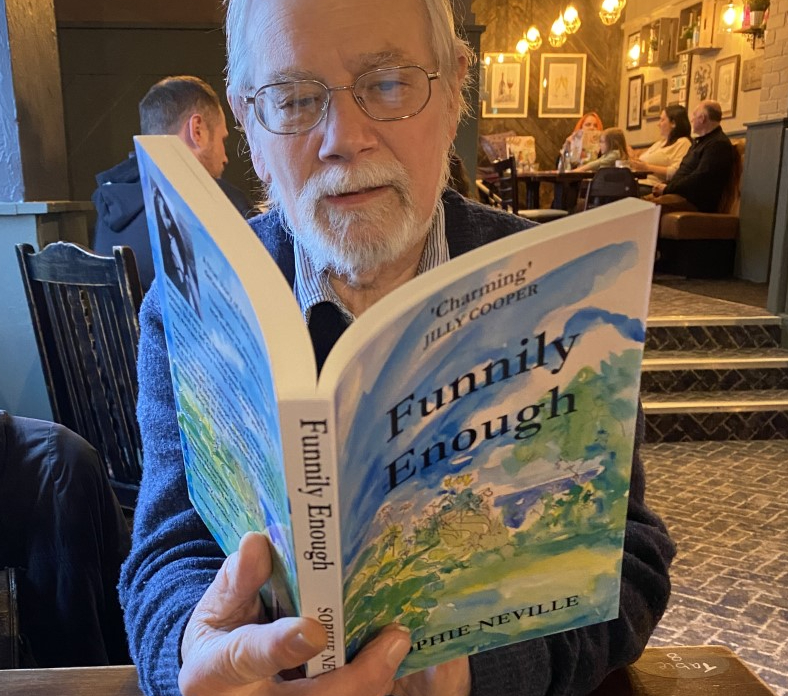
Writing Funnily Enough was a huge challenge. I felt I was laying my whole life out before the world. It’s a dark comedy. As all the stories expose my friends and family, I opted to self publish so that I could make changes. My brother-in-law was working in Libya and I didn’t want him to be shot. In the end I was only asked to change the name of a town and the names of three characters. I’ve changed them back now. My brother-in-law now regularly talks about his book on Libya on Sky Television.

9. How does the creative writing process work for you? How long does it take you to prepare and plan a book and do you have a set time for writing?
I need at least two years to write, edit and develop a novel, even though I put in about eight hours work a day. I often start at 6.30am and am a complete work-aholic. Only other writing, such as articles, and inevitable admin get in the way. My husband has to do the shopping.

We’ve spoken about the many areas and capacities you’ve worked in: Acting, a floor manager, a researcher, producer, director and a published author. Do you have a favourite discipline and if so, why?
I loved every aspect of directing – felt as if I was flying – but you need huge stamina and total application. My husband needs me at home, so writing is an easier career path to follow although I travel quite a bit giving talks and conducting research.
11. Away from your creative endeavours, can we discuss some of your other loves and interests: Anthropology, your love of animals, charity work and archery.
My family have kept tame otters for almost forty years, hand-rearing abandoned babies and lecturing on conservation. I am now Patron of the UK Wild Otter Trust. I emigrated to southern Africa in 1992 and ended up volunteering on a number of projects, helping to set up a charity to combat the HIV/AIDS pandemic. One million people still die from AIDS every year. We continue to run HIV prevention and awareness in schools, employing a nurse to care for those on anti-retrovirals and keep an eye on the orphans, many of whom are in their teens.
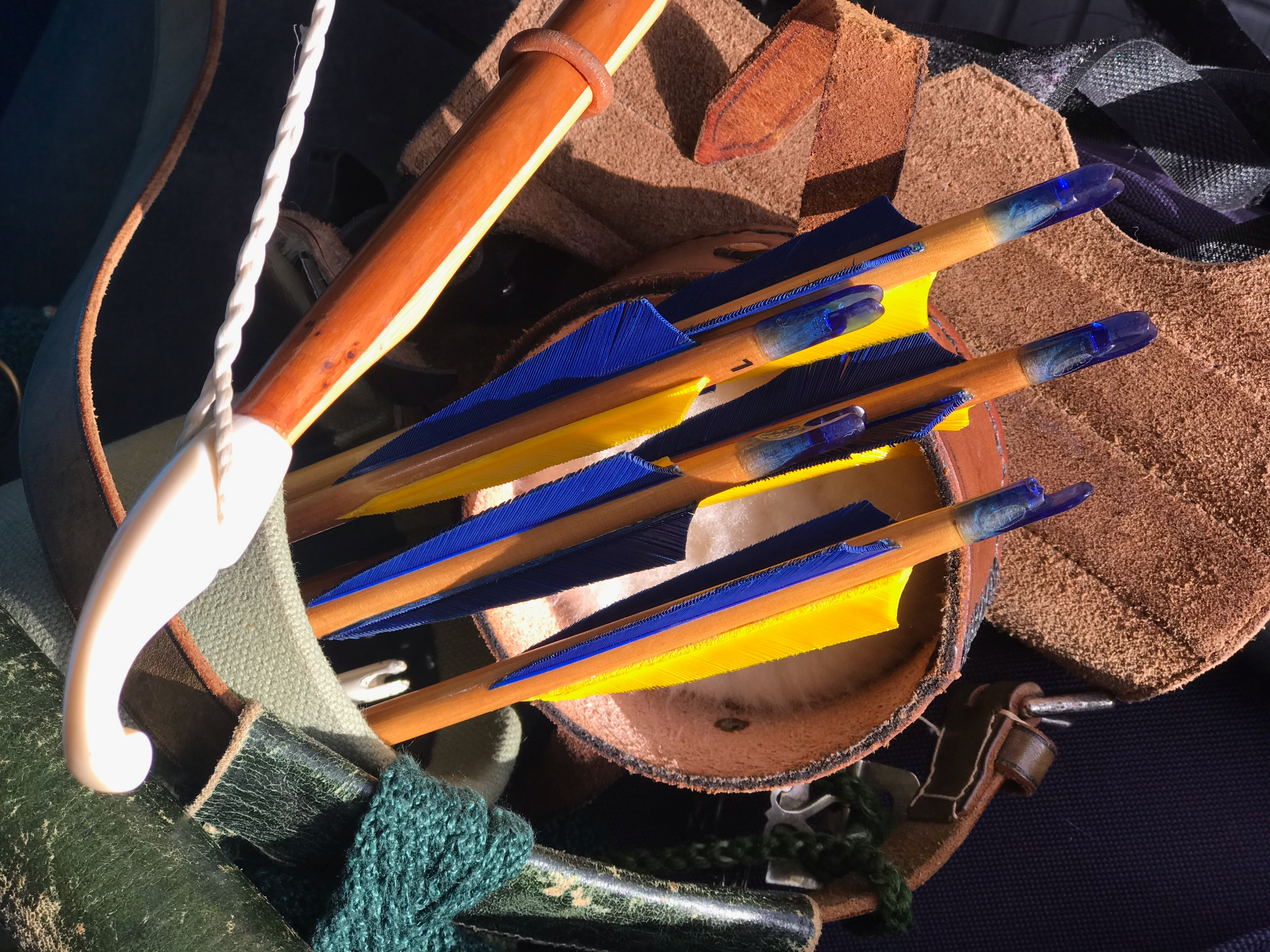
I learnt to shoot with a long bow on the set of Swallows and Amazons. This was pivotable as it led to a leading role in an adventure movie, The Copter Kids, with Sophie Ward and Vic Armstrong. The sport also introduced me to my husband. He was Chairman of the archery society my parents belonged to.
Can I also ask you what made you decide to emigrate to South Africa and can you tell us about your 12-years living there?
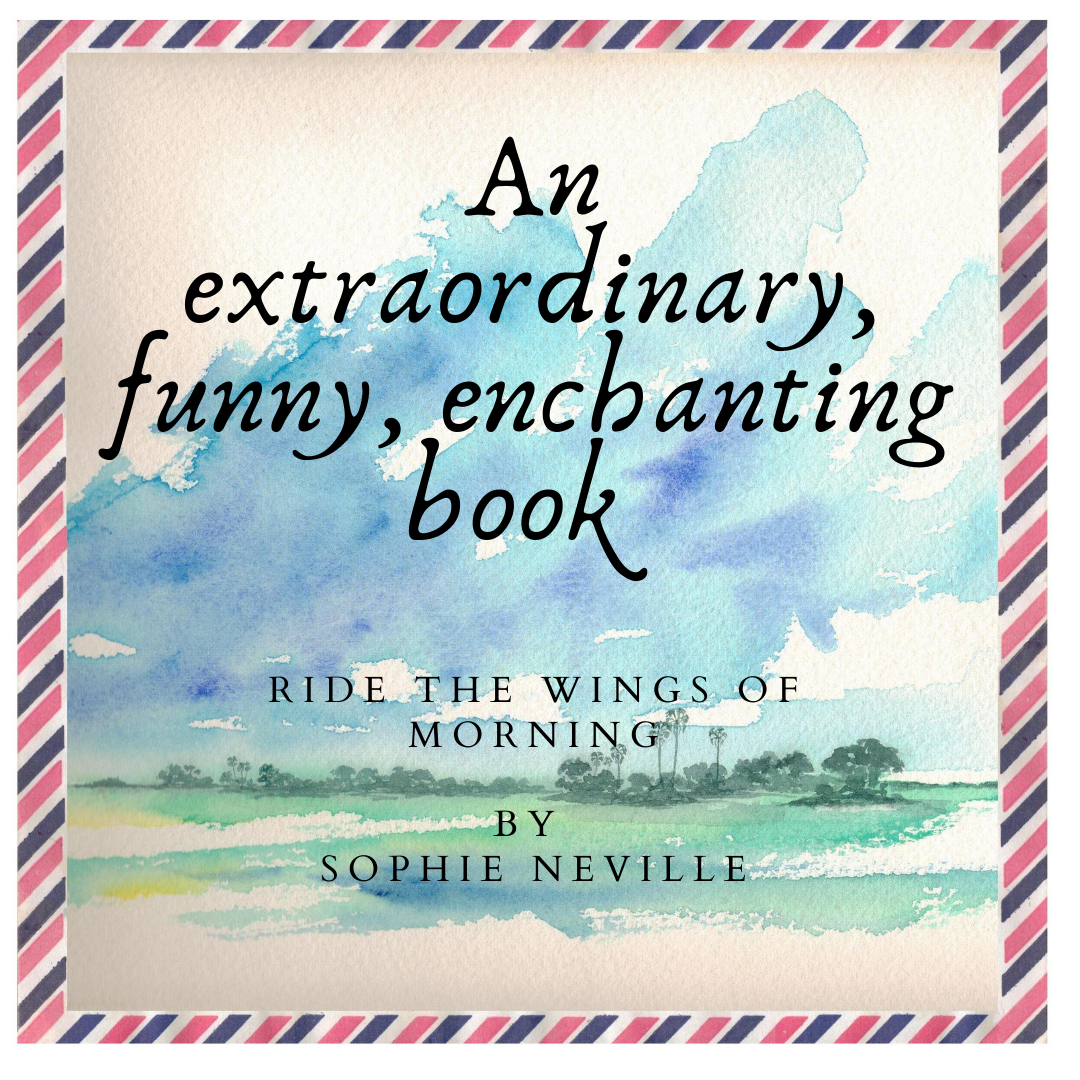
You’ll have to read my books, ‘Funnily Enough’ and ‘Ride the Wings of Morning’. Every details lies within the pages.
Final Questions to Finish Interview
1. What’s your favourite past time? Walking along beaches
2. What’s your favourite film and why? I have to admit that Swallows and Amazons (1974) is a nostalgia trip for me. It’s been described as ‘mesmerizing’.
3. Who’s your favourite novelist? Karen Rosario Ingerslev
4. If you could have had a different profession what would it have been? Mother
5. Who has been your greatest inspiration in life? Jesus
6. Do you read a newspaper? If so which one? The Telegraph
7. What’s your favourite food? Black cherries
8. Who is your favourite cultural icon? Virginia McKenna
9. What’s your favourite curse word and why? I try not to swear
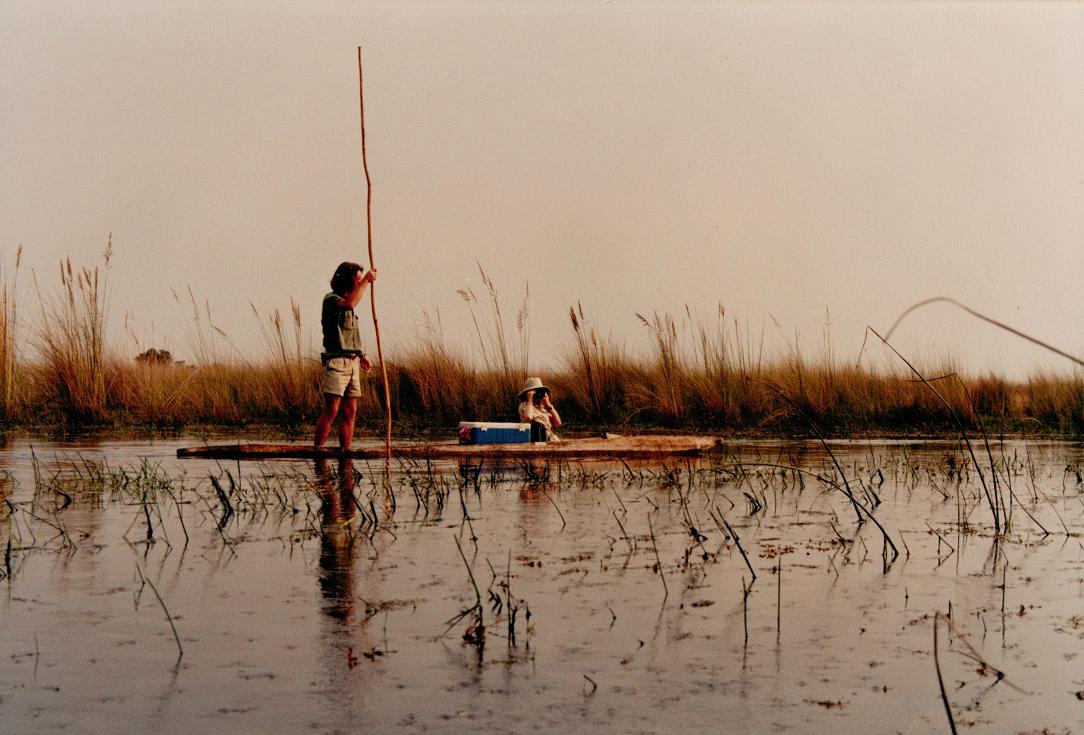
10. What’s your favourite place or holiday destination? The Okavango Delta
11. Who is your favourite music artist and what’s your favourite album? Cat Stevens greatest hits
12. What’s your greatest achievement to date? Publishing Funnily Enough and finishing my historical novels.
13. How do you wish to be remembered? As an inspiration to others.






































 Sophie Neville