What Sophie is doing next…

This January I am working hard to get fit enough to take part in another sponsored horse ride through the game reserves of South Africa, where I once lived, to raise funds for The Waterberg Trust.

The safari company Ant’s Nest have generously offered to host our party of thirteen British riders and we are paying our own travel costs. Every penny raised in sponsorship will go straight to The Waterberg Trust, a UK registered charity.

50% of funds will be sent to Save the Waterberg Rhino and 50% will support projects that uplift local communities that are run by trusted friends. Each member of our team has been challenged to raise at least £1000 in sponsorship. The Drapers Company have kindly offered to match any funding that I raise personally, so if you can sponsor me your donation will be doubled. Even very small amounts are a huge encouragment and will go along way to improve things in Africa.
please click here for Sophie’s 2018 Justgiving page

OUR PLANS ~

DAY 1 – Riders will be met at Johannesburg airport and driven north to Ant’s Nest Game Reserve deep in the Africa bush where we will meet horses that have been selected for the expedition and set off in search of wildlife.

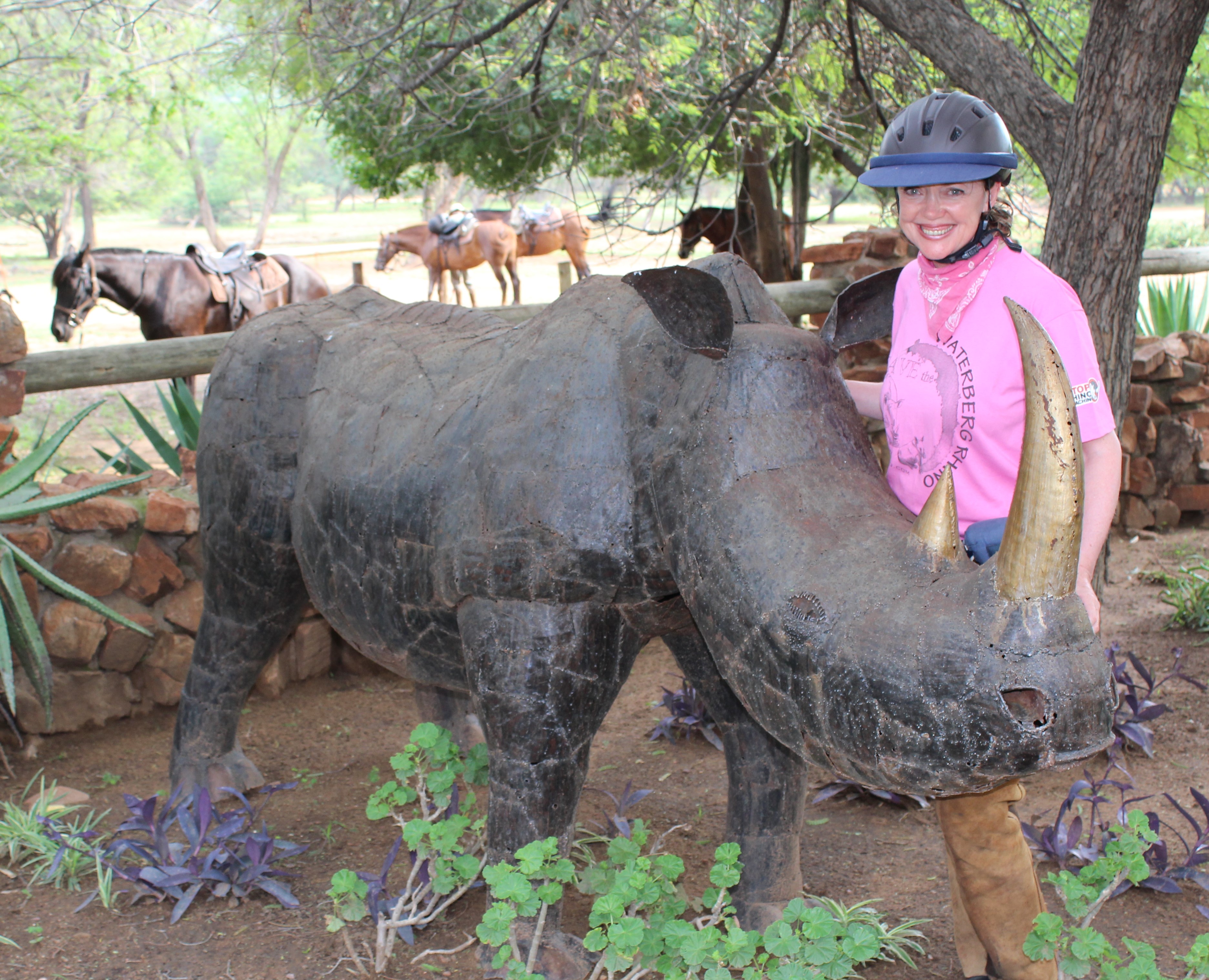
The Waterberg is home to the third largest population of rhino in South Africa, so their protection on the plateau is vital.

~The Waterberg Trust Riders with white rhino in 2017~

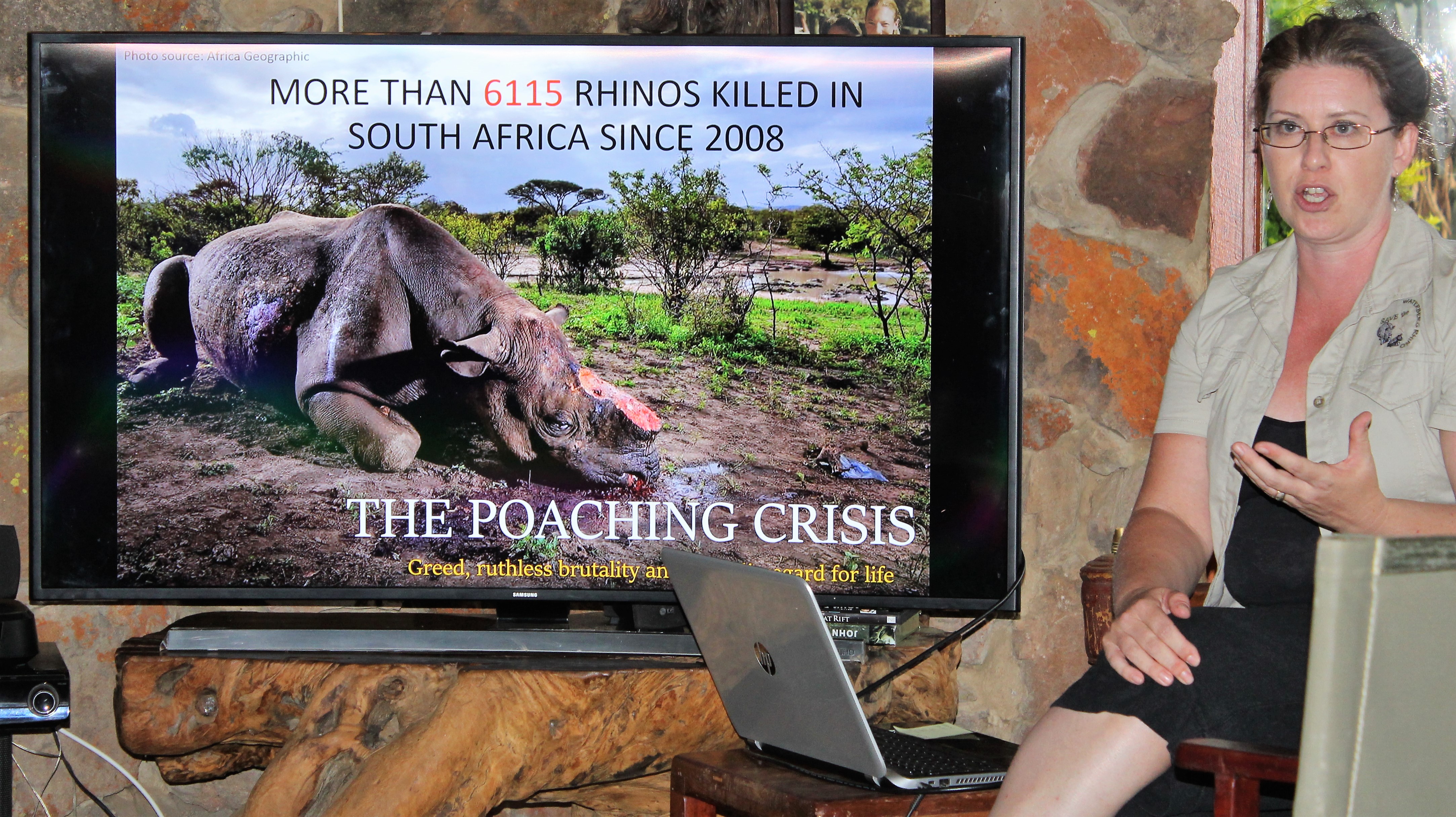
DAY 2 – We will spend the day riding up to Ant’s Hill, viewing game on horseback and looking for a breeding herd of white rhino, along with buffalo, wildebeest and antelope. We’ll return to Ant’s Nest for a talk on the work of ‘Save the Waterberg Rhino’.
DAY 3 – We set off early, riding north through the reserve and along sandy roads to the Waterberg Living Museum to meet Clive Walker, one of South Africa’s leading conservationists who is raising awareness of biodiversity and ecological systems. We may get the chance to see rare golden wildebeest as we ride up to Triple B Ranch were we will spend the night in a traditional farmhouse.

~Clive Walker, founder of the Endangered Wildlife Trust~

DAY 4 – We ride down through Triple B Ranch, where they have hippo and over the hills to Lindani game reserve, which will give us another amazing opportunity to see wildlife such as vervet monkey, baboon and warthog, zebra, eland and giraffe.
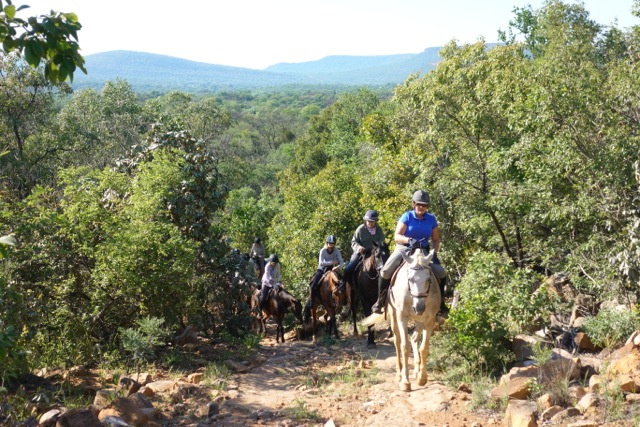
DAY 5 – This is a long day when we ride to Jembisa, a reserve on the Palala River where the pace will get faster. We hope to find more plains game including giraffe, jackal, warthog and red heartebeest.
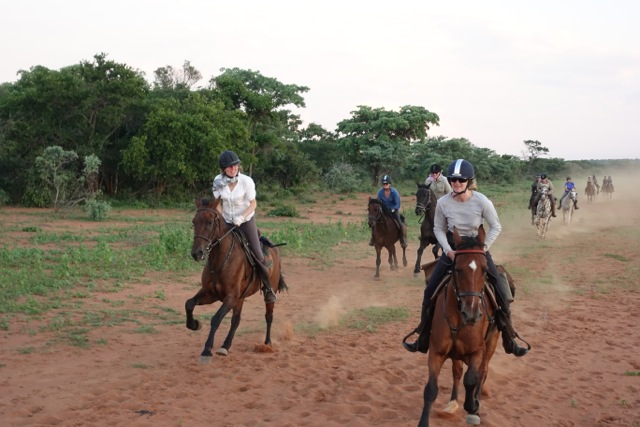
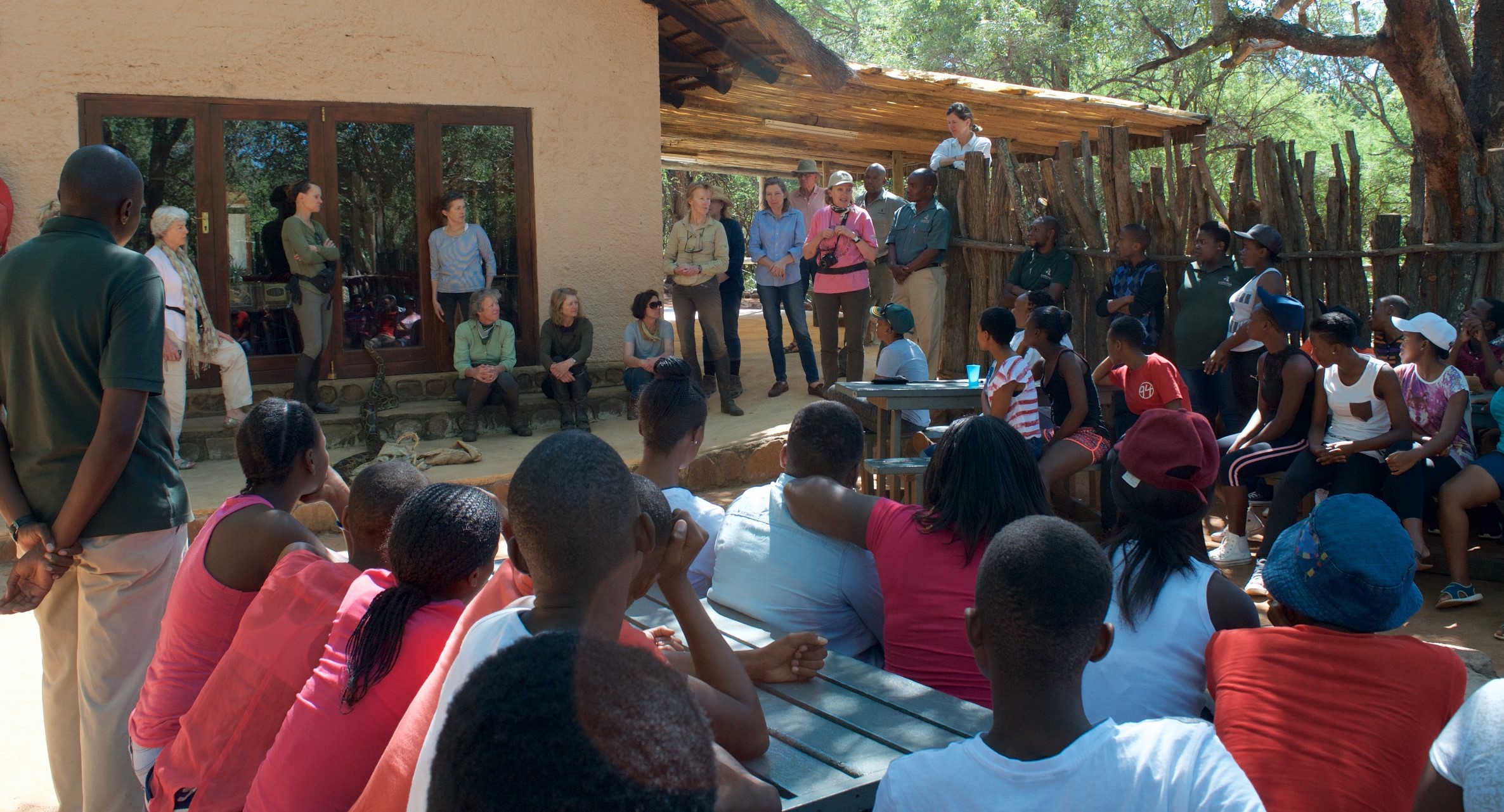
DAY 6 – We plan to visit Lapalala Wilderness School, which I have been associated with since 1992 when I became a horse safari guide in the area. The Waterberg Trust has been able to send groups of underprivileged children on a residential course at this eco-school to learn about conservation and the plight of South Africa’s wildlife.

One lesson is about what to do if you find a snake in the house.

The students take their enthusiasm into the community whose support is essential if poaching is to be combated. They are given a local mentor who can help with future issues.
We’ll spend the rest of the day riding across Jembisa where we hope to find hippos and perhaps see crocodile in the river before reaching the furthest point of the ride and grab a few photographs before bidding our horses farewell.

~The Waterberg Trust Challenge riders and back-up team 2017~

DAY 7 –  Riders will visit Lethabo Kids Club in the Township of Leseding who run an excellent ‘Back to School’ project to ensure all local children get into an appropriate school, equipped with uniform, shoes and school bags. We will meet Nurse Grace whose salary is financed by The Waterberg  Trust. The very first school nurse in the area, she has been looking after pupils’ health and issues that detract from their studies. We will also drop in on Kamotsogo community craft project that helps women living with HIV/Aids before leaving for the airport.
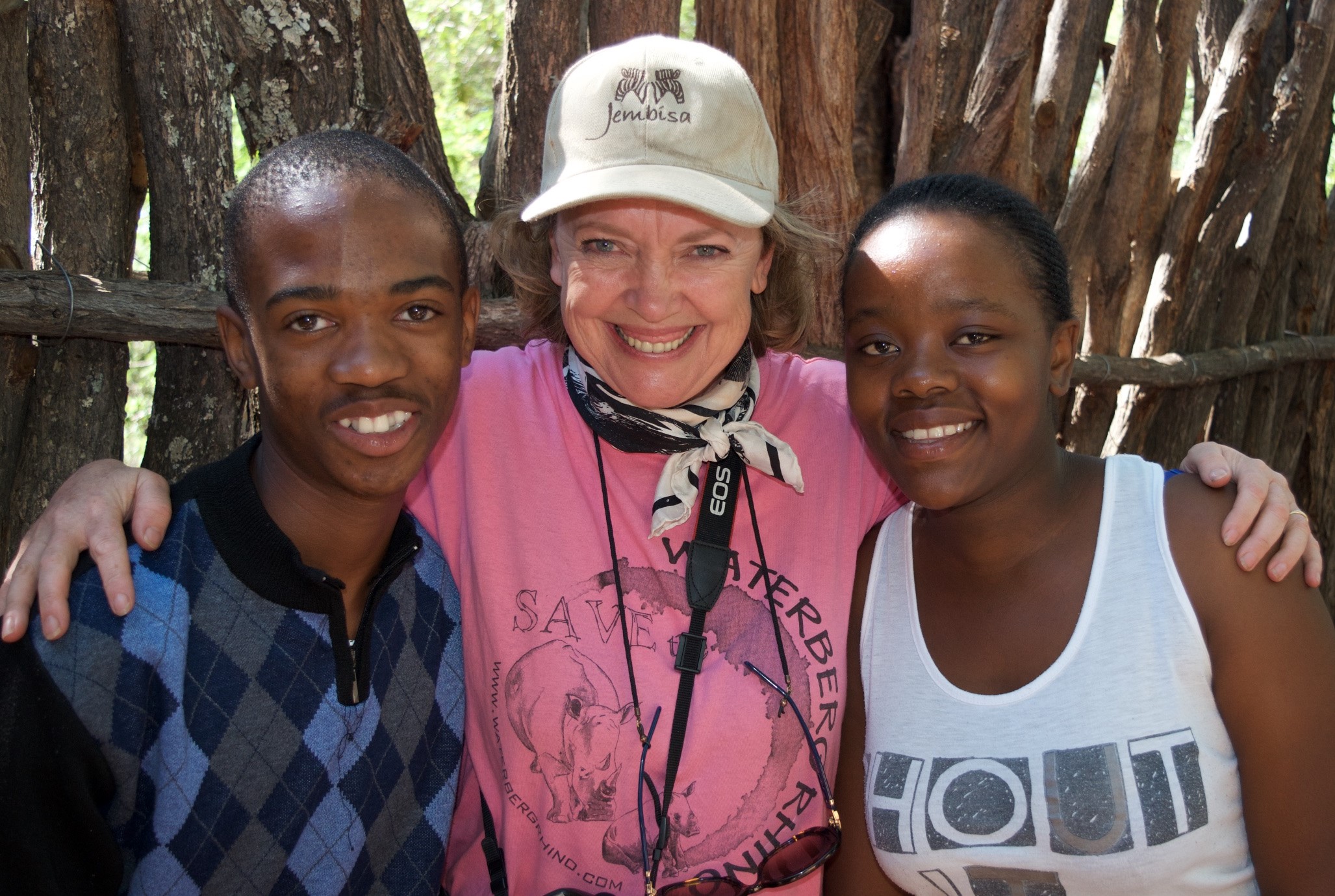
~Sophie Neville with students sponsored by The Waterberg Trust in 2017~

I need to get fit as there will be approximately 32–40km’s of riding per day, clocking up a total of 32 long hours in the saddle. It will be an exploratory venture, riding through this beautiful area, now proclaimed a UNESCO biosphere. You can read more about the ride here.

image001

WHAT YOU CAN DO TO HELP:

Sophie Neville completing The Waterberg Trust Challenge Ride in 2017

If I ride the wings of the morning, if I dwell by the farthest oceans,
even there your hand will guide me, and your strength will support me. 

Psalm 139 v 9 & 10 NLT

image002

Very Happy New Year!

happy new year

‘I’d like to go to Africa and see forests full of parrots!’

I’m not sure about the parrots but I’m off on an African adventure soon – details to follow in my next post.

Very Happy New Year to one and all. May 2018 prove fulfilling.

Sailing the Nancy Blackett in Dutch waters – part two

Nancy Blackett, the 28 foot cutter that Arthur Ransome bought with Spanish gold, as he called his royalties from ‘Swallows and Amazons’, is an old lady now. Built by Hillyards of Littlehampton in 1931, she turns eighty-five this year and yet looks pristine. If you ever wanted to sail the Goblin in ‘We Did Mean To Go To Sea’ you must know that it was Nancy who took this starring role in Ransome’s novel, first published eighty years ago.
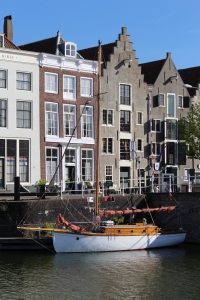
Nancy Balckett in Middleburg photo Sophie Neville
Nancy Blackett
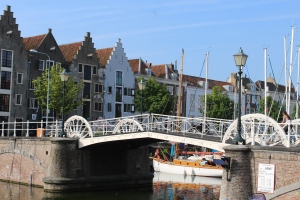
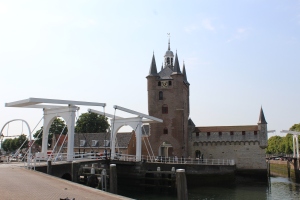
I arrived in the Netherlands this summer to find Nancy receiving visitors at a nautical festival in Midddleburg, while a jazz band played on the quay.  She was moored by a lifting bridge in the centre of town, neatly rigged and ready for anything. After taking a look at a number of old gaffers, her crew enjoyed a cold beer and walked down the canal to vittel-up at a supermarket before having dinner in what was once a packing house for silks and spices imported from the East Indies.
Nancy seen through the bridge in Middleburg
Nancy seen through the swing bridge in Middleburg
As the swing bridge rose the next morning, we made way and motored down the wide canal to Veere, mooring up by the grassy port bank. 
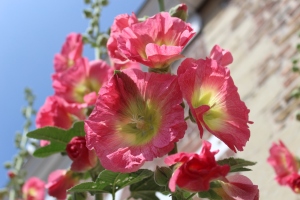
Hollyhocks of Veere
Hollyhocks of Veere
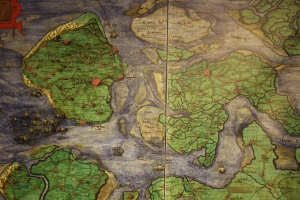
After being granted permission to go ashore, I passed the historic town well and walked down lanes bordered by hollyhocks to visit the museums of this ancient port. They house a number of charts and medieval maps that would have delighted the Swallows, along with old photographs of Dutch natives in traditional dress. I was tempted to buy a pair of clogs to take home for Bridget.
The waterways of Zeeland
We left Veere to explore the islands and creeks of the Veersemeer before sailing down-channel and through a modern lock into the Oosterschelde estuary formed by the River Scheldt. It was once an important shipping route that bought wealth to the Netherlands but is quieter now. I spotted a seal and watched a cormorant swallow a large eel, that wriggled and jiggled inside its gullet.
Windmill of Zeeland
A windmill of Zierikzee
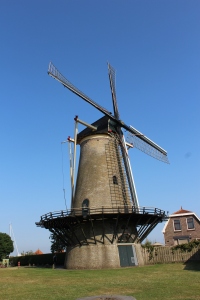
After negotiating the impressive Zeelandbrug that spans the delta, we sailed down to Zierikzee where you can climb the church tower, if you dare, and look out across the once fortified town. The windmills, ornate spires and ancient buildings help one to imagine what life must have been like in the 1500s when it became famous as a trading centre for salt and madder. I found scold’s stones and a whaler’s kayak from Greenland at the Stadhuis Museum in Zierikzee where Veronica Frenks was once the curator.
IMG_4902
The lock gates of Zierikzee
Our skipper, Ian McGlynn, wondered if we could sail back under an arch of the Zeelandbrug instead of waiting for one section of the road to lift. Built between 1963 and 1965 the Zeeland Bridge is more than five kilometres long and hardly comparable to the arch of Potter Heigham but Mate Judy Taylor didn’t want to take any risks. We had Nancy’s new mast to consider.
SONY DSC
Crewing the Nancy Blackett
It was only on our last evening-but-one that rain hit us. We’d had blue skies and sunshine all week. As the salt water was washed away from Nancy’s portholes I opened the pages of ‘We Didn’t Mean To Go To Sea’ to find Ransome’s illustrations and read the final passages of the Swallows’ unplanned voyage to Holland. The book is eighty years old this year and yet moves me still. There is Nancy, portrayed as the Goblin moored up in a foreign port, which is where we left her to be enjoyed by other members of the Nancy Blackett Trust.
SONY DSC
Nancy Blackett in Zeeland
 A marathon reading of ‘We Didn’t Mean To Go To Sea’ is planned, to celebrate the 80 year anniversary of its publication, at Pin Mill Sailing Club on the Orwell in Suffolk on Saturday 21st October 2017.
Pin Mill from the Water
To read more about Nancy or join the Nancy Blackett Trust please click here
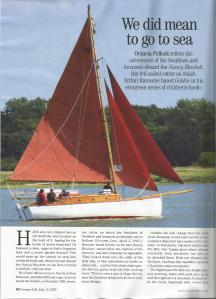
Nancy has been featured by Country Life in a July issue you can read here
.
We Did Mean To Go To Sea by Octavia Pollock

Sailing the Nancy Blackett in the Netherlands – part one

One summer, I grabbed the chance to sail Arthur Ransome’s favourite little ship, the Nancy Blackett.

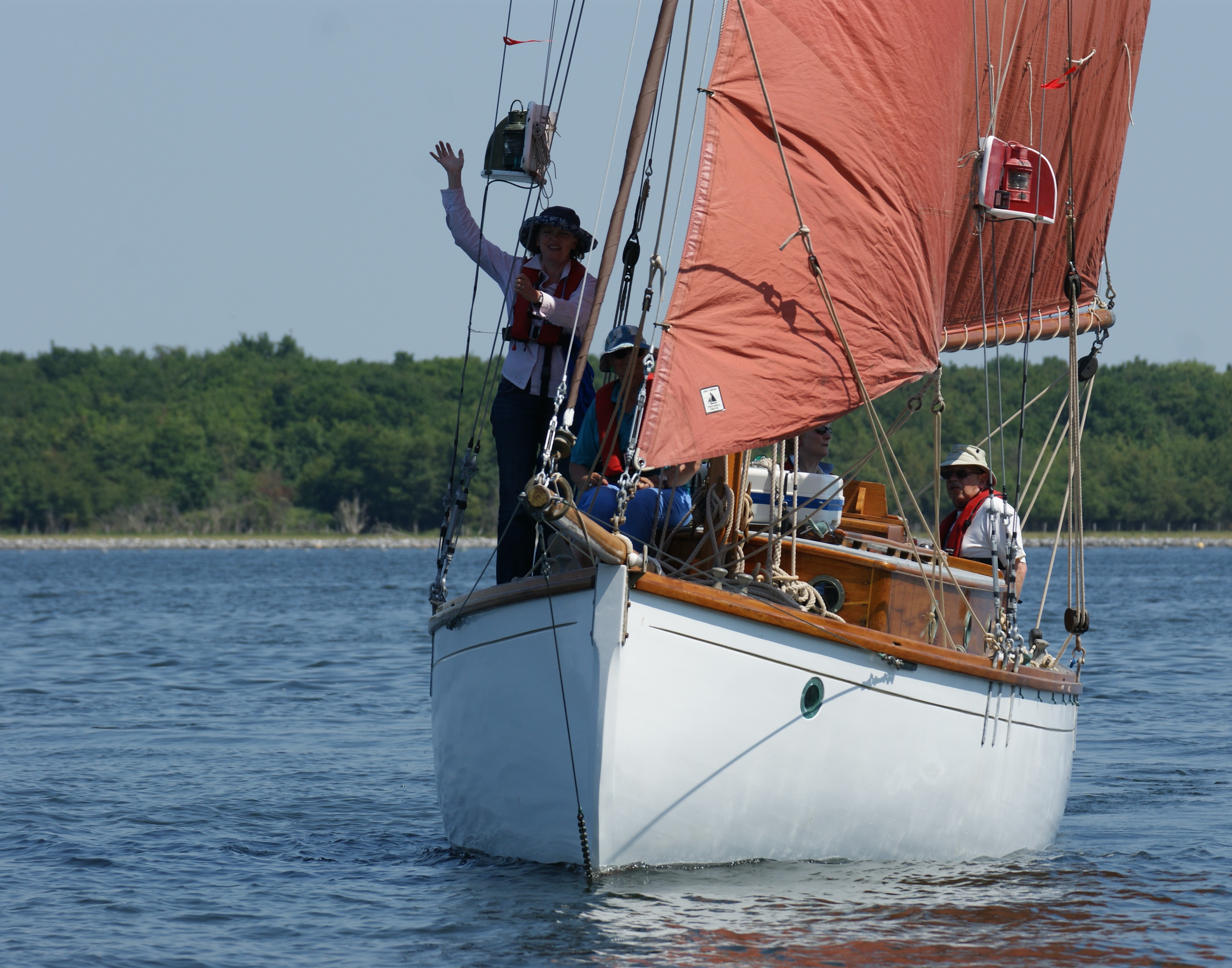
   ~ Nancy Blackett under sail on the Veersemeer in Zeeland this June ~

If you recognise her, it might be because she was his model for the Goblin in ‘We Didn’t Mean To Go To Sea‘, possibly the most exciting and touching of the Swallows and Amazons series of books. I re-read it while we were in Dutch waters aboard the main character herself.


~ Beach End Buoy at the mouth of the River Orwell in Suffolk ~

In the story, the Swallows – John, Susan, Titty and Roger Walker – promise their mother that they will not go to sea, but disaster strikes when the Goblin slips her anchor in thick fog, while her owner is ashore, and gets swept out past the Beach End Buoy at Harwich. The wind rises and the children find themselves sailing across the North Sea in a terrific storm before a friendly Dutch pilot guides them into Flushing.

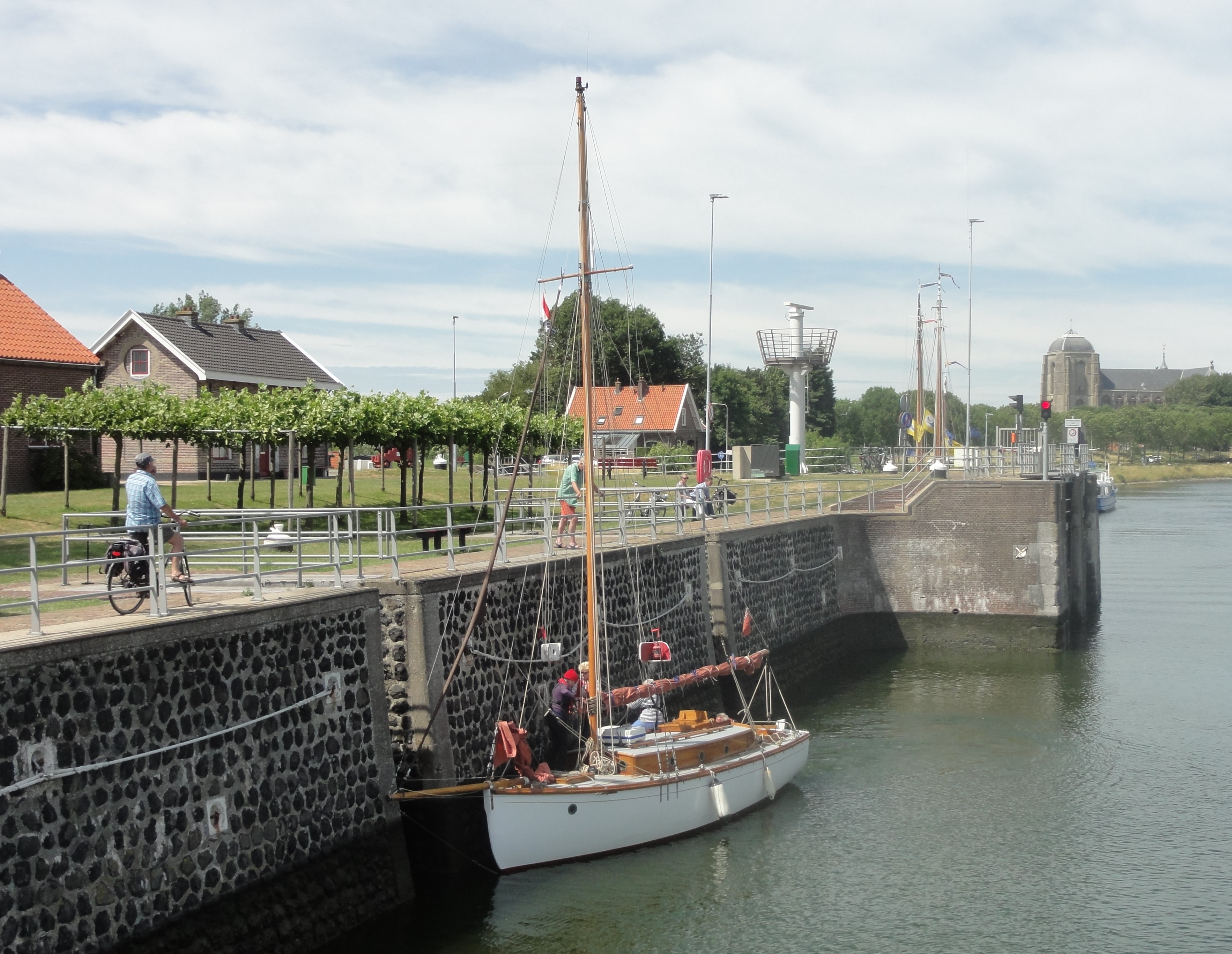
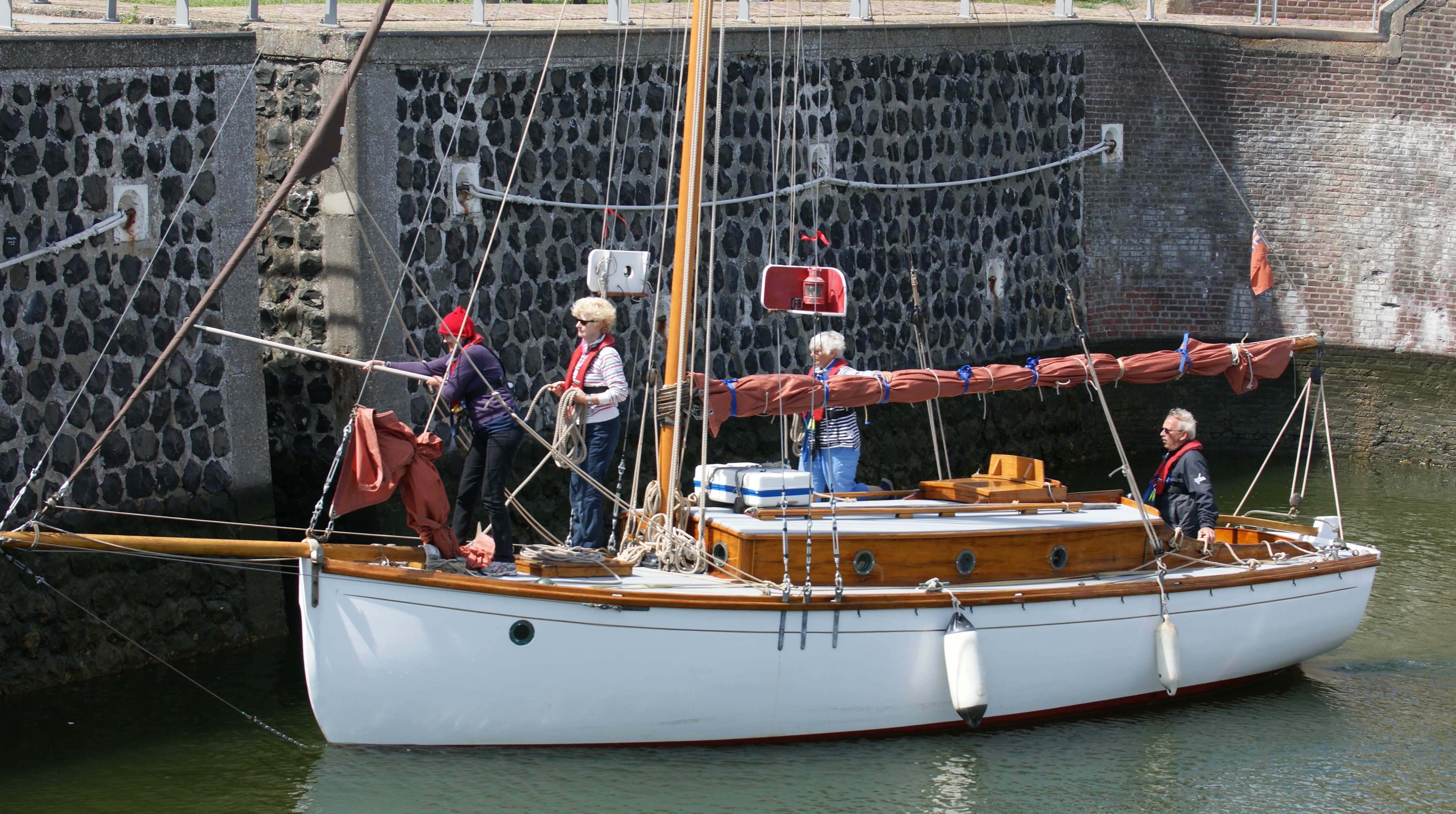
~ Nancy in the old lock at near the medieval port of Veere ~

I was able to join Nancy when she had already made the crossing to the Netherlands but did take her through an old lock built in the same style as the one the Swallows encountered, all be it at the other end of the Dutch canal. It was as if we had sailed into the pages of the book and lived out the adventure ourselves, learning about ropes and reefing each nautical mile.

Mooring up could be tricky, especially since Nancy is an old lady with a bow-sprit, but unlike Susan and Titty, I never felt sea-sick for a moment.

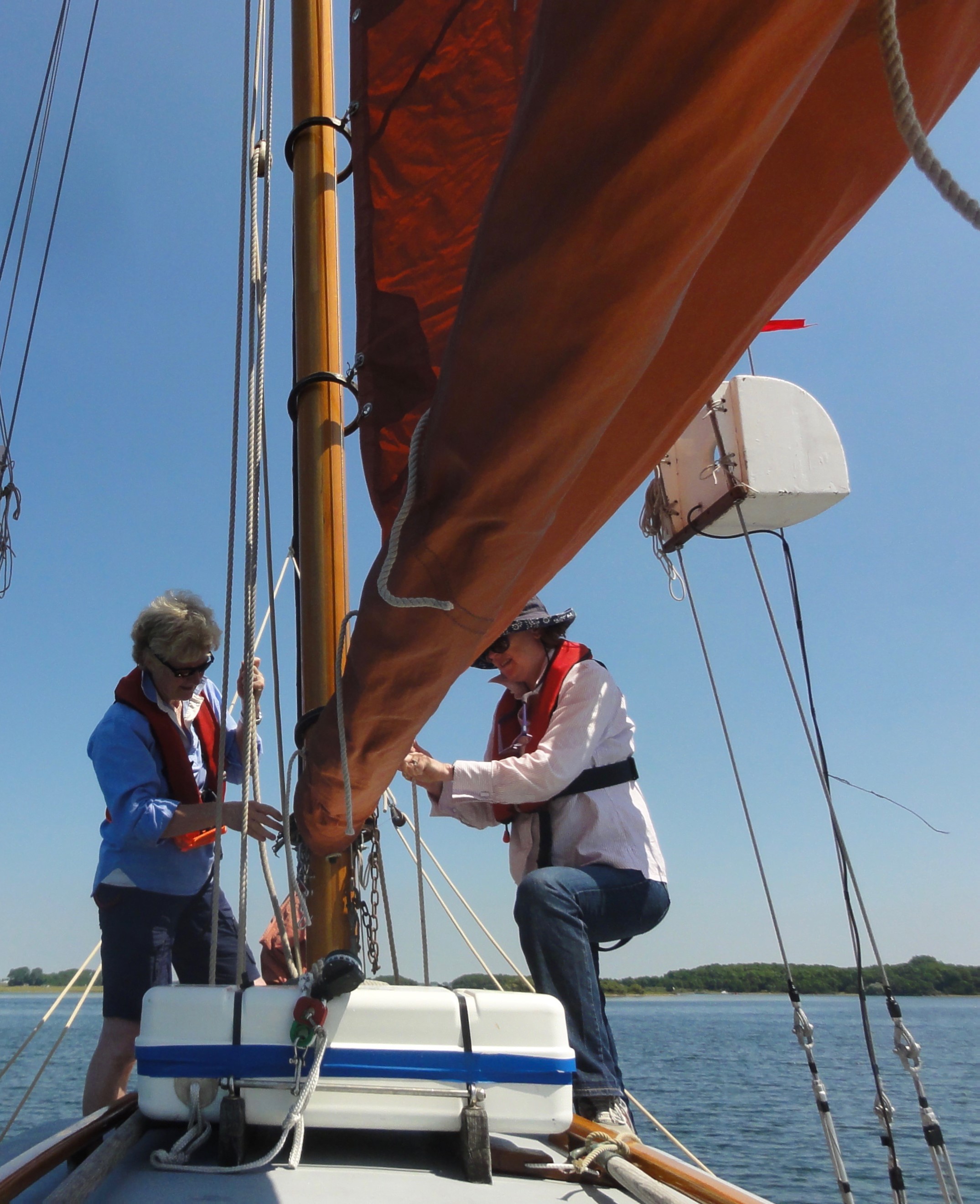
~ Learning how to hoist the mainsail ~

~ The Nancy Balckett undersail on the Veersemeer in the Netherlands ~

~ Sophie sailing in salt water ~

~ Keeping a look out for Dutch barges ~

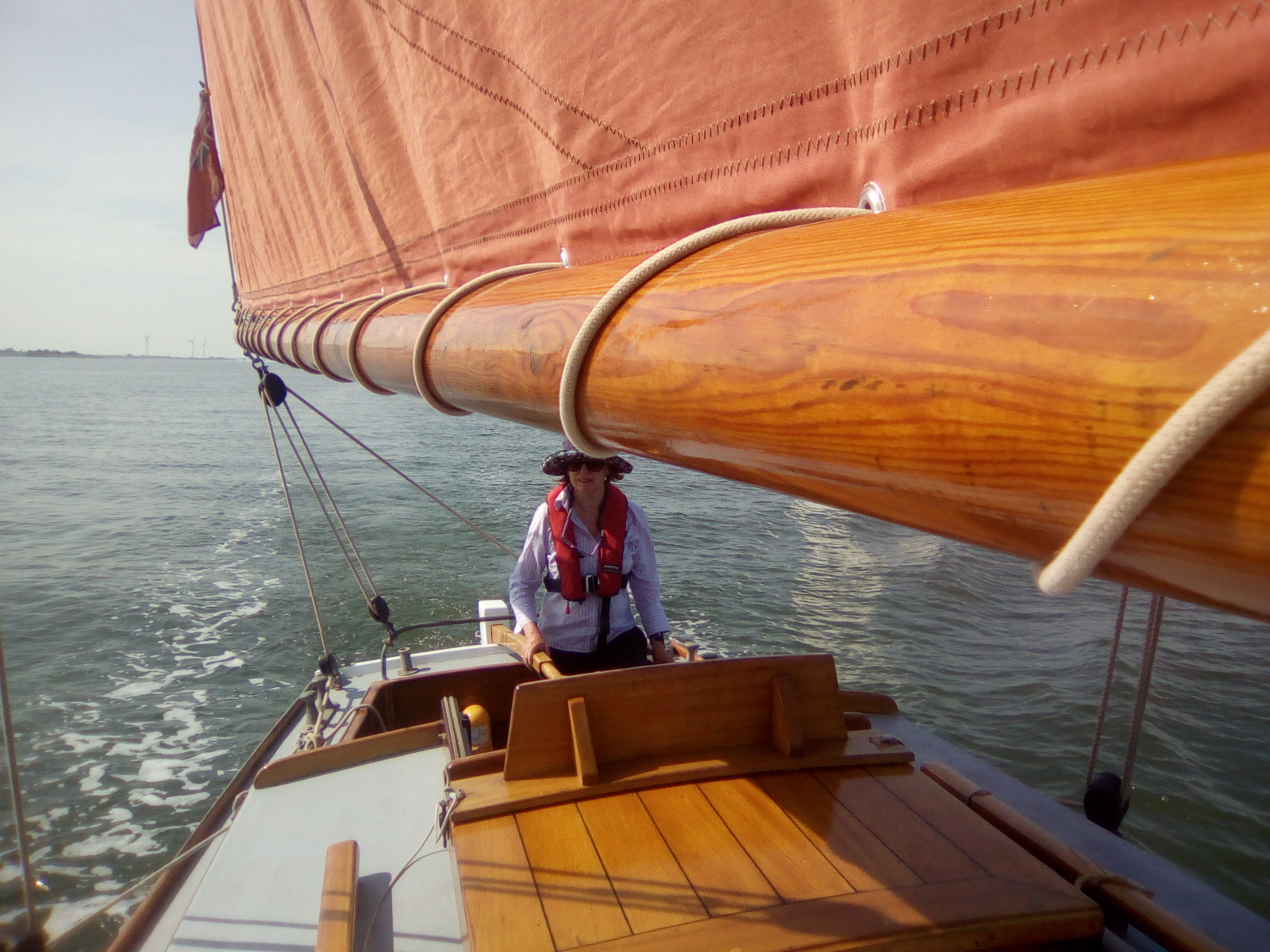
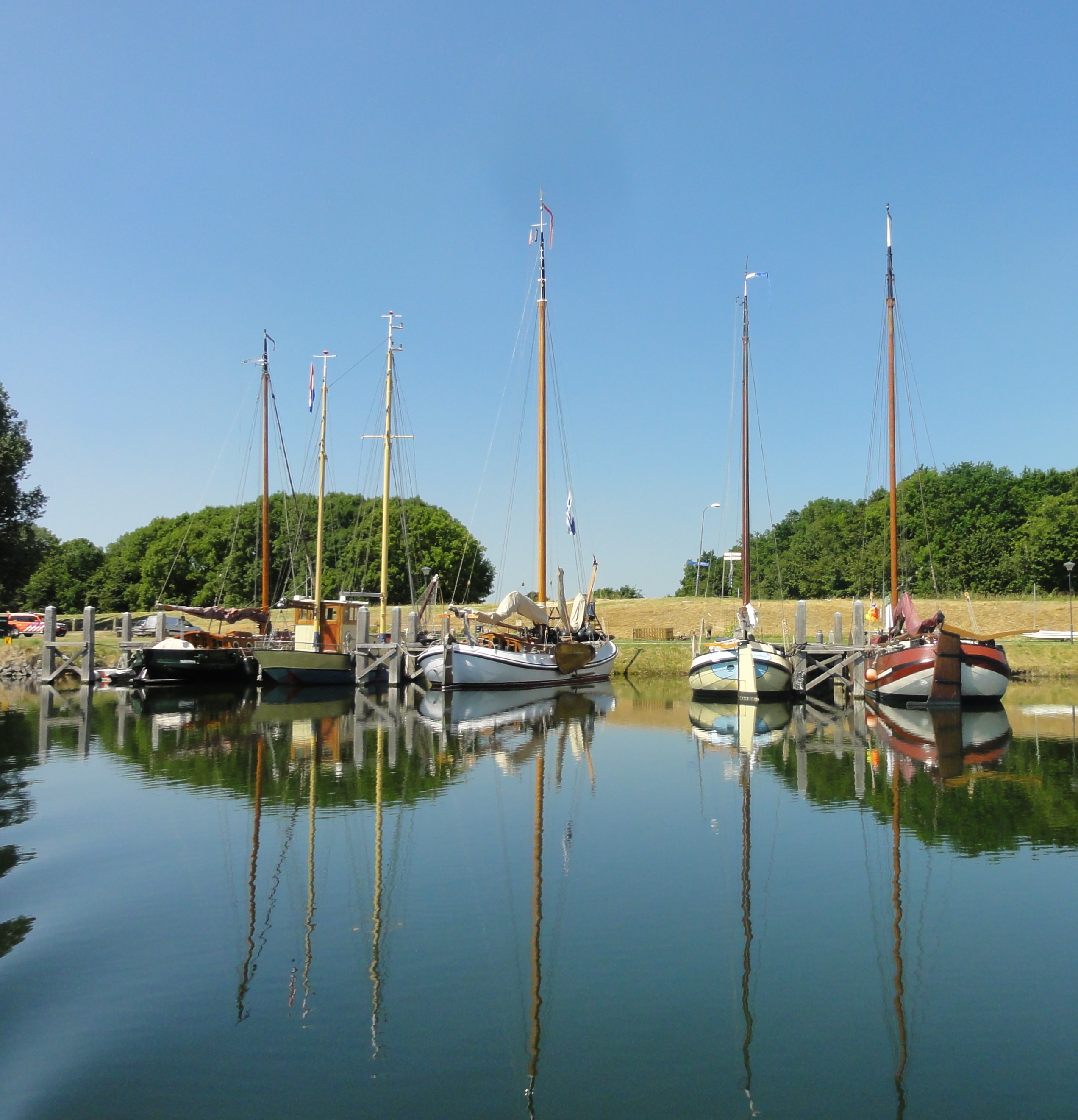
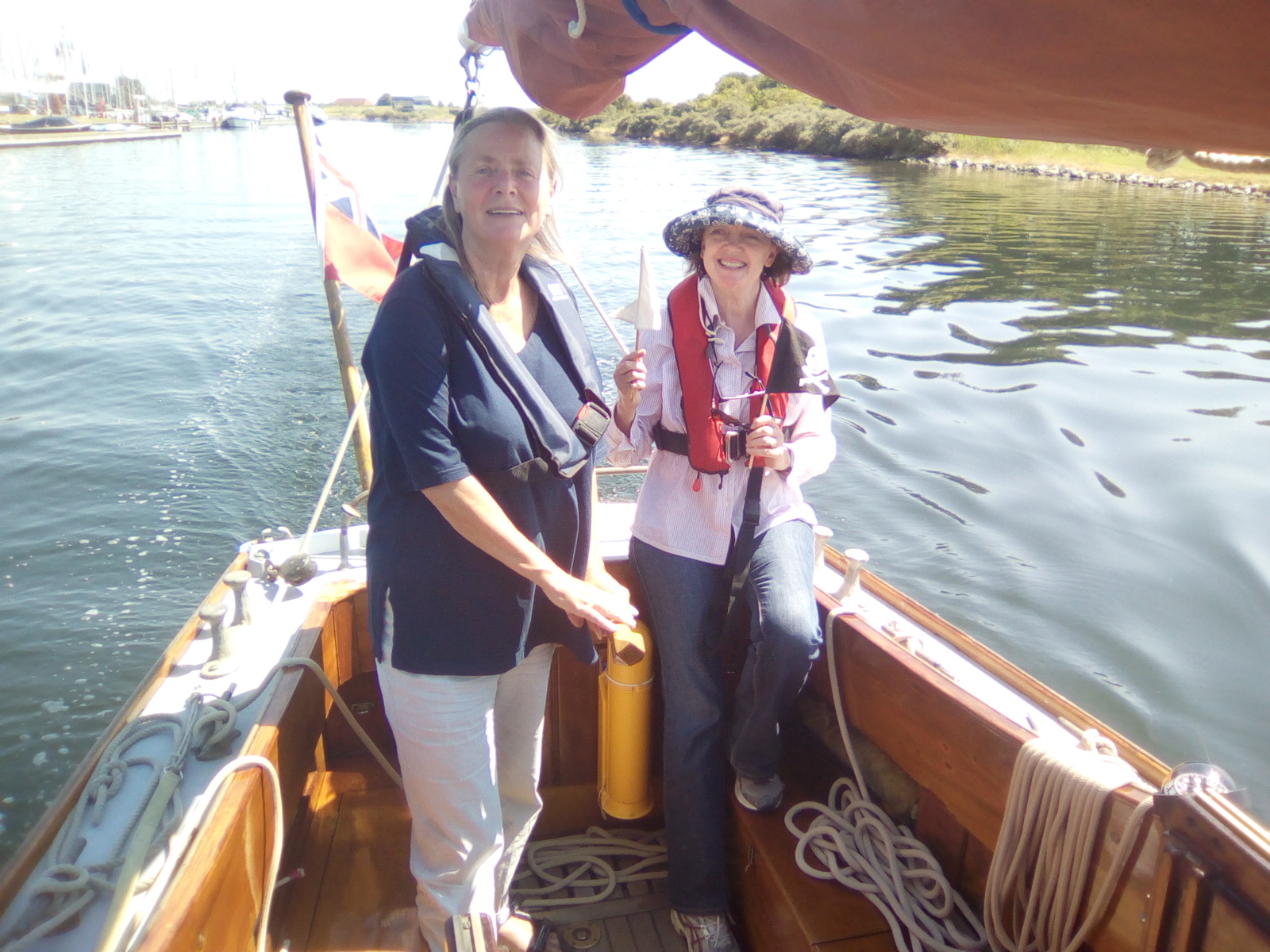
Local author Veronica Frenks came out one morning, taking us up a creek to see the traditional Dutch barges and historic ships that she often writes about. She soon made plans to write about Arthur Ransome for Spiegel der Zeilvaart, a Dutch periodical. Here she is with me, at the helm:

To read about sailing Nancy on the River Orwell in Suffolk, where she is based. please click here.

To read about sailing Nancy on the Beaulieu River and the Solent, please click here

If you would like to grab a chance to sail Nancy or find out more about the Nancy Blackett Trust, please click here

SONY DSC
photographs by Veronica Frenks of Ma Plume, Judy Taylor and Sophie Neville

My Family Roots in East Africa – Part Two

sophie-neville-at-usa-river-in-tanzania

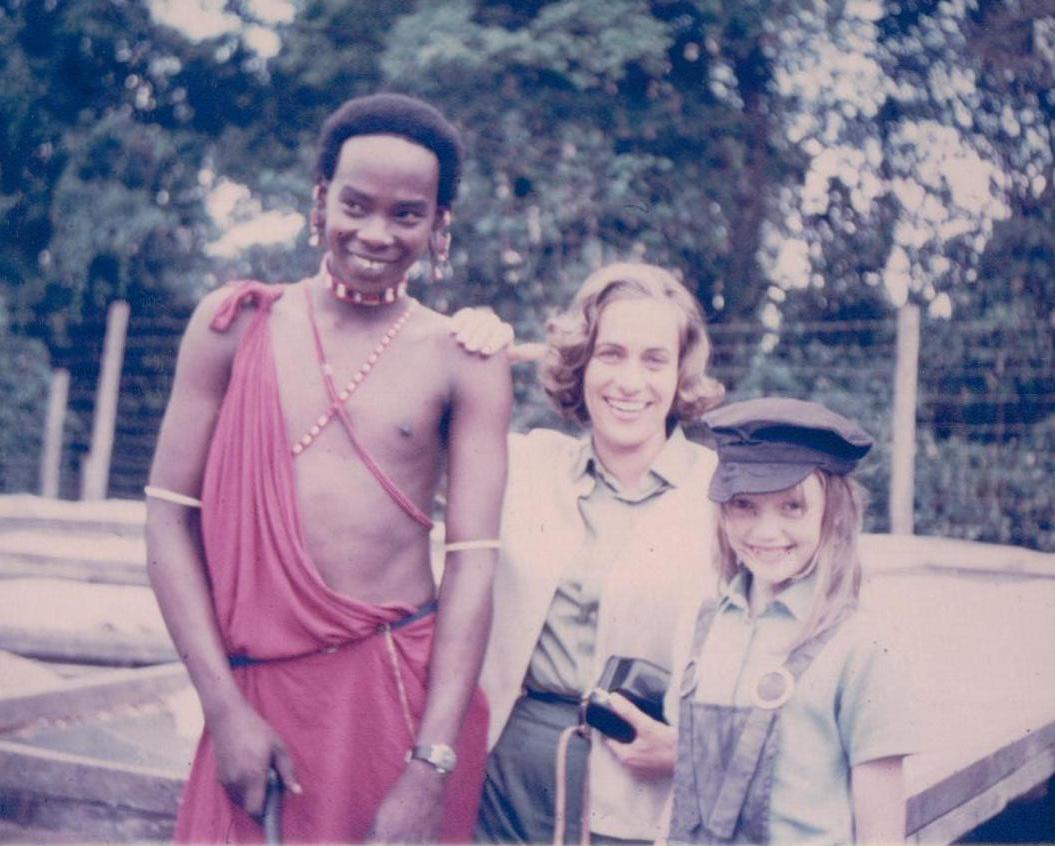
~Drying coffee beans on our farm at Usa River near Arusha in 1972~

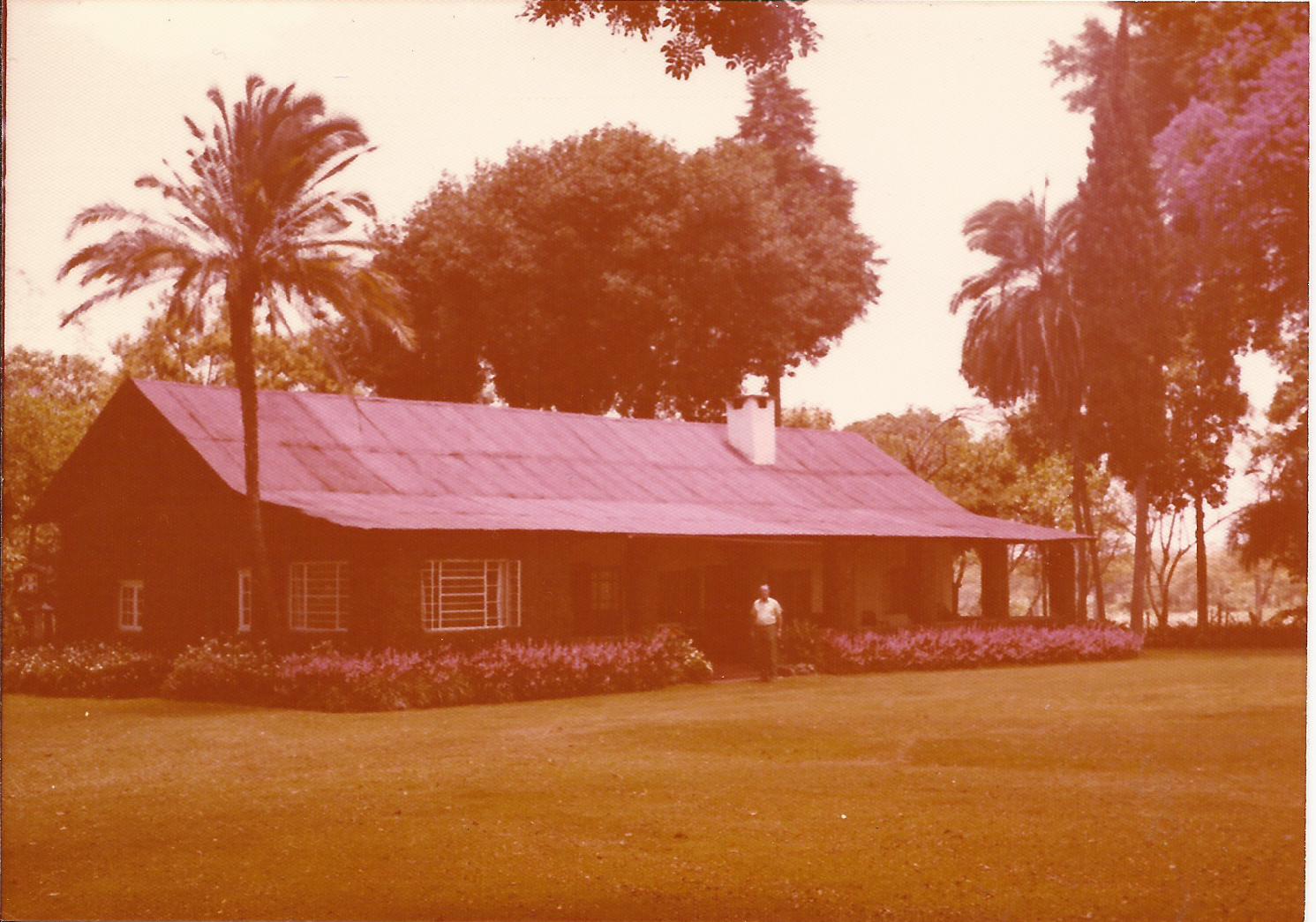
Days spent at our farm in northern Tanzania were full of colourful characters, including a cobra who lived in the trees overshadowing the house. He probably kept down the rodent population quite efficiently.

farmhouse-at-usa-river

My greatuncle Tony was probably more dangerous. He had a very sensitive nose and a legendary temper.

a-walk-in-africa

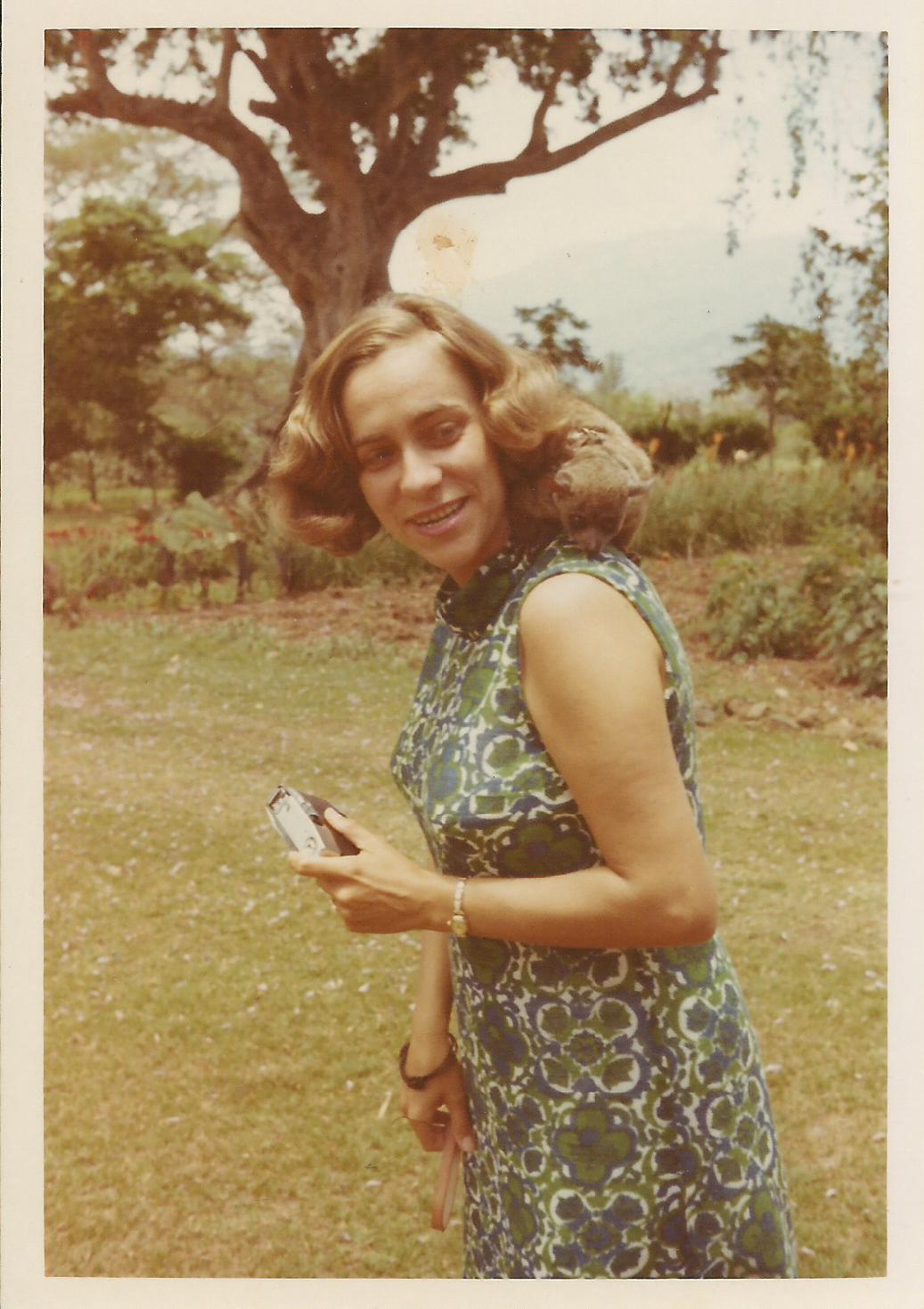
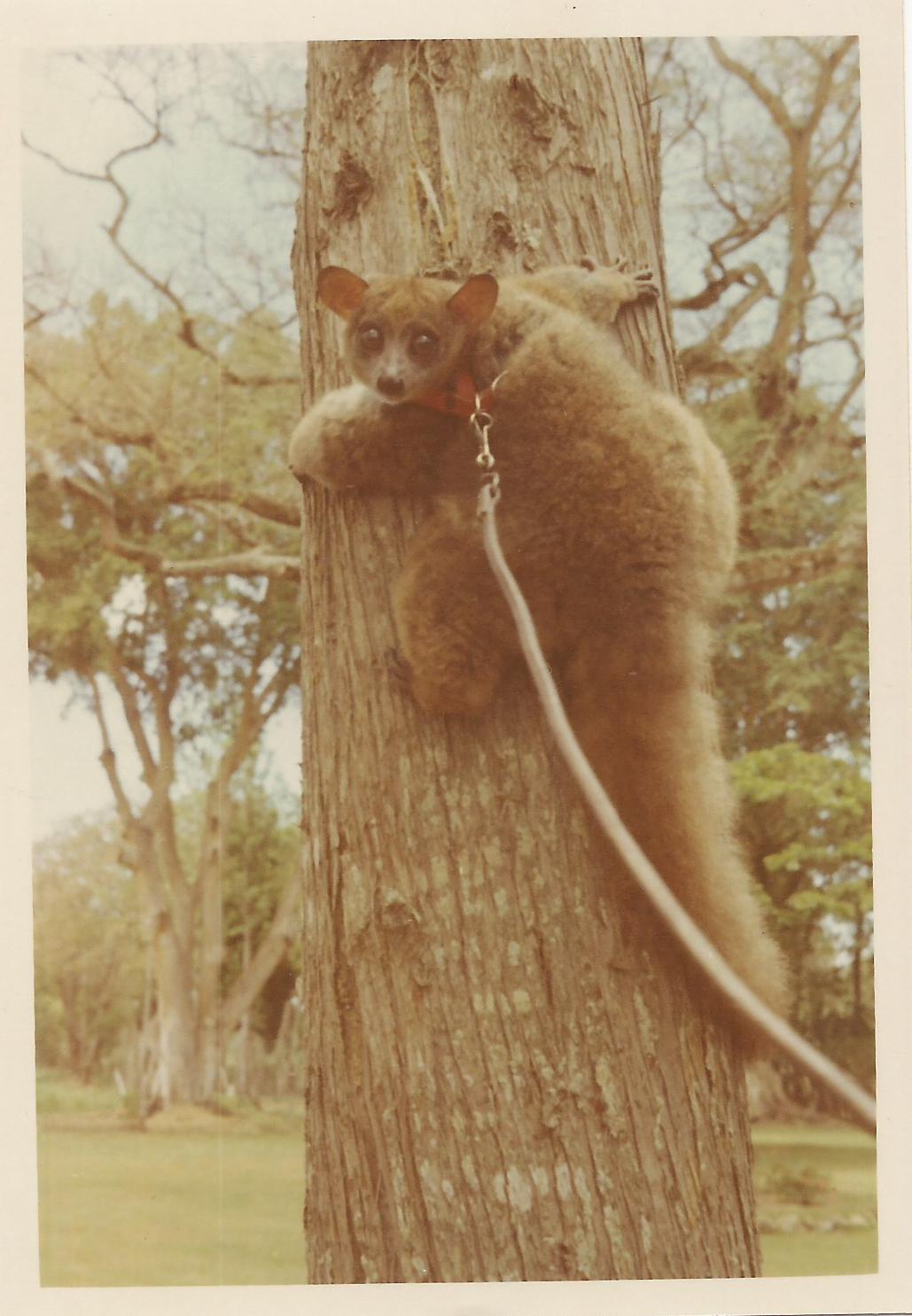
My aunt kept tame lemurs. They marked their territory by peeing on their hands. This was understandable until they decided to climb over your face.

reinhild-with-her-lemur

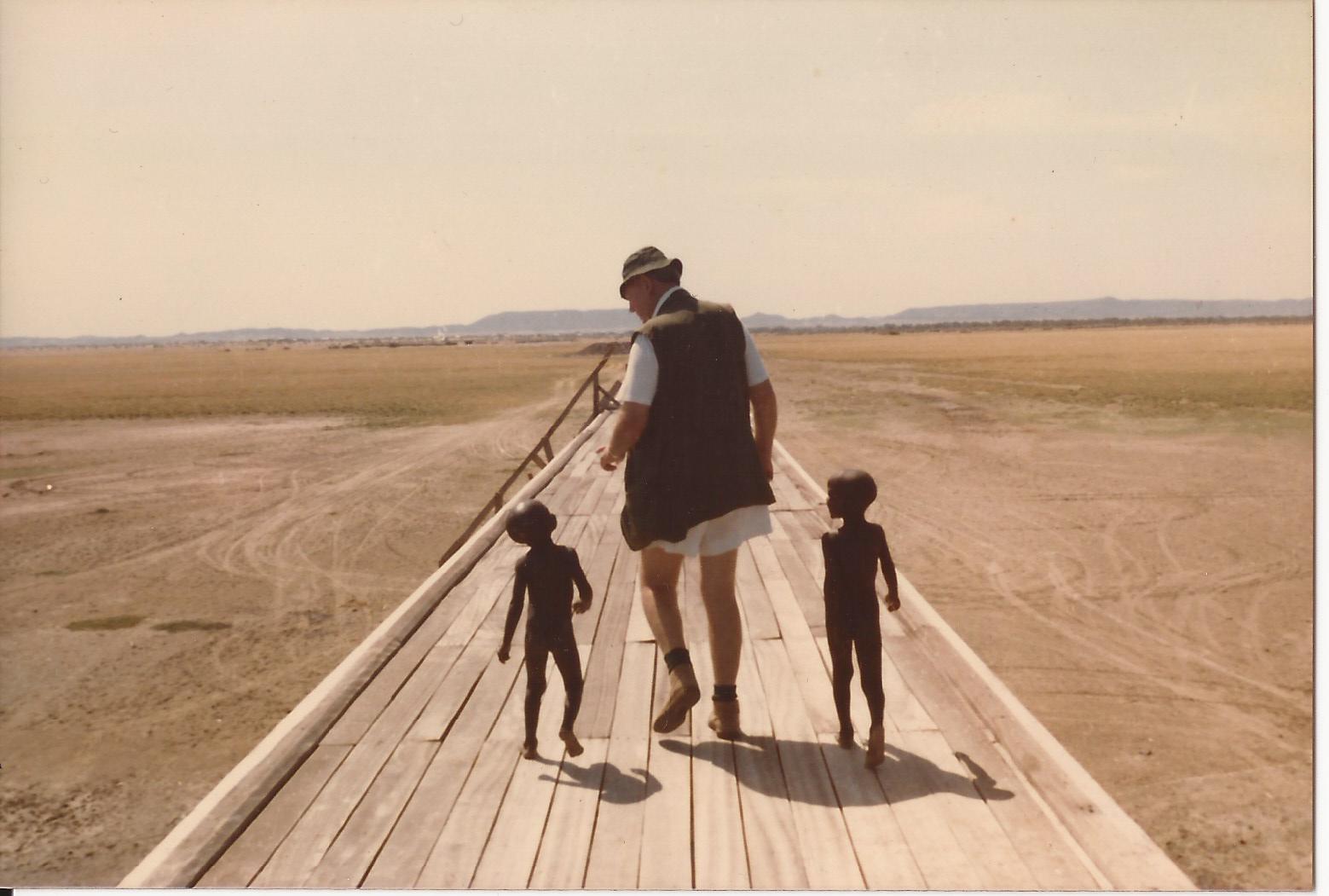
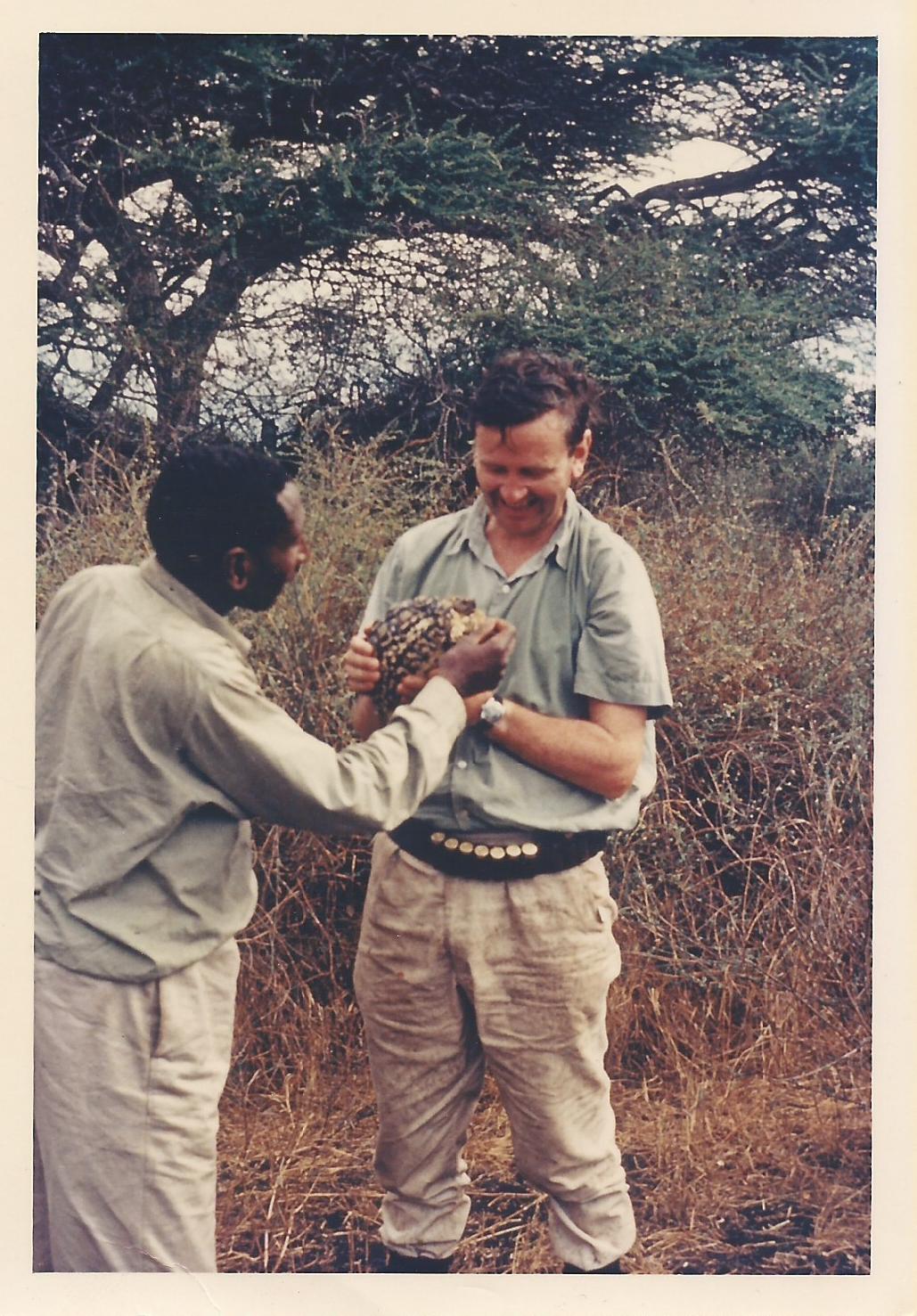
My father loved travelling in northern Tanzania and was intrigued by the wildlife.

april-1969-africa

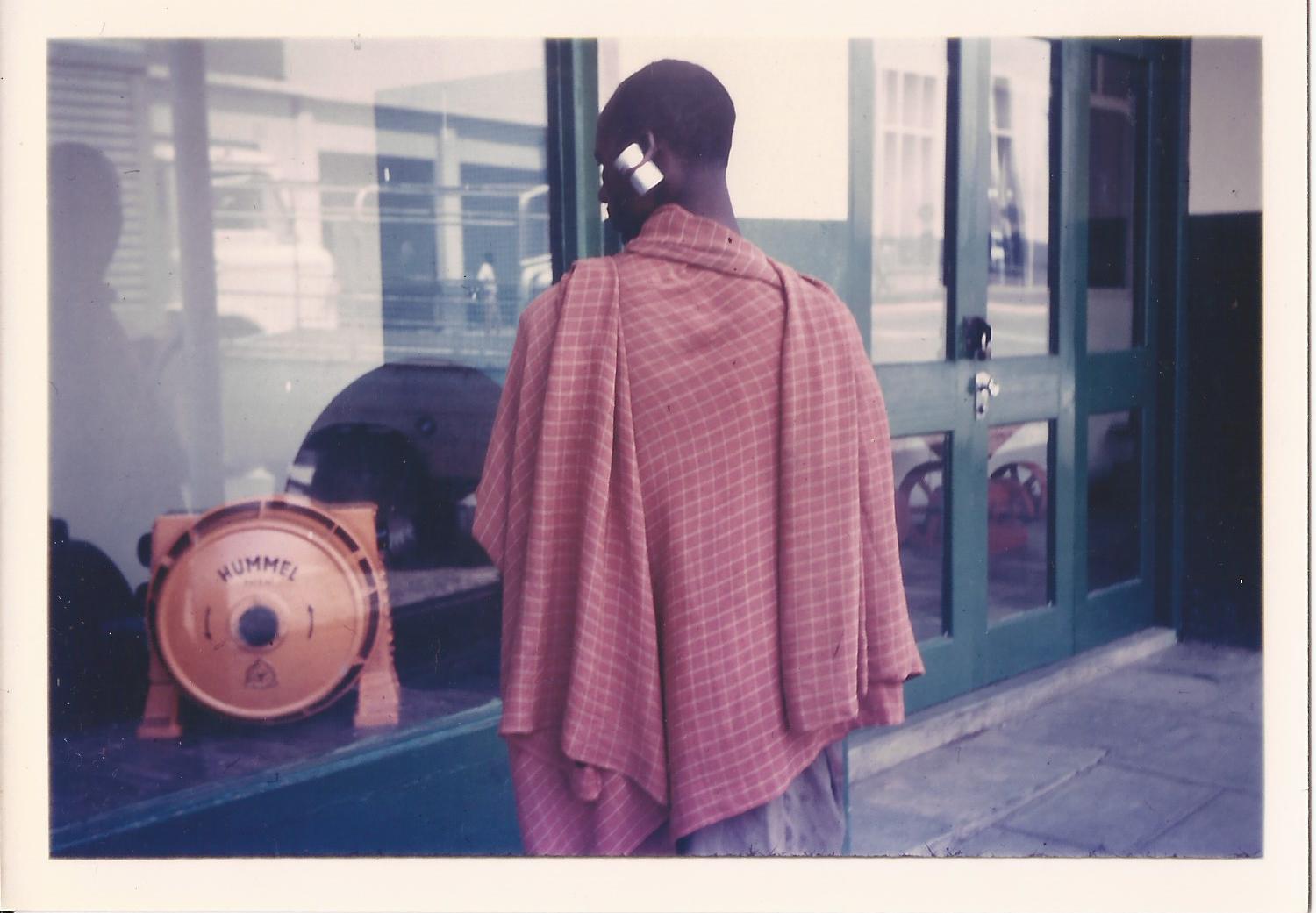
I was fascinated by the people, many of whom wore traditional dress in the early 1970’s.

ear-piercing-and-cloak-at-shop-window

Extended ear-lobes, names such as Libougi and bright beaded jewellery had me squinting into the sunlight.

sophie-at-usa-river

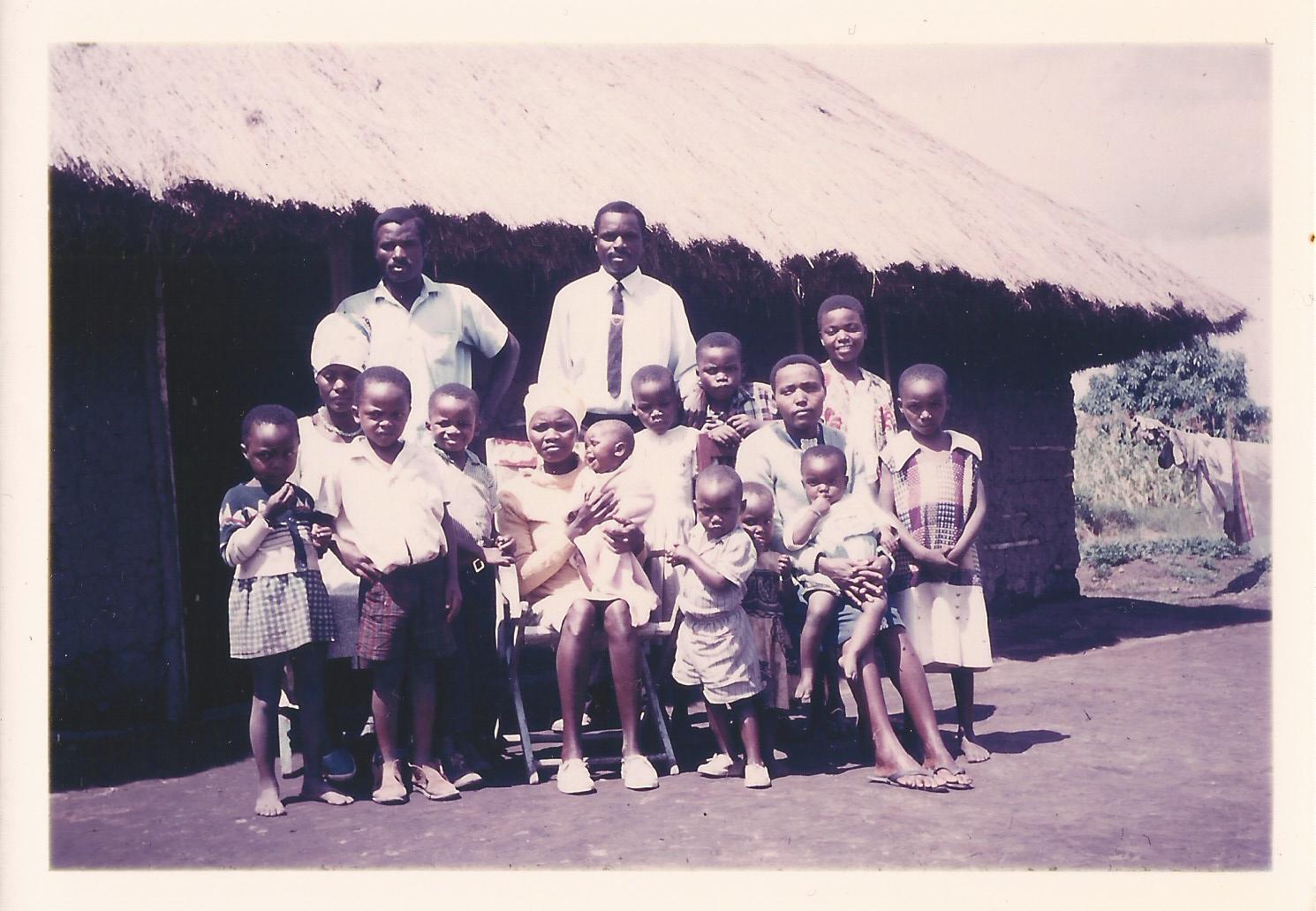
In a country where polygamy was the norm everyone seemed to have rather large families with any number of wives and children.

african-school

Having your photograph taken was quite the thing. What the woolly lemurs thought of this, I do not know.

tame-lemur

There was always talk of the next expedition up-country. Careful packing was a constant preoccupation.

landrover-outside-farmhouse

Complicated arrangements were ever being made. Uncle Tony was an honourary game warden, with the power to arrest poachers.

baroness-reinhild-von-bodenhaussen-in-about-1970

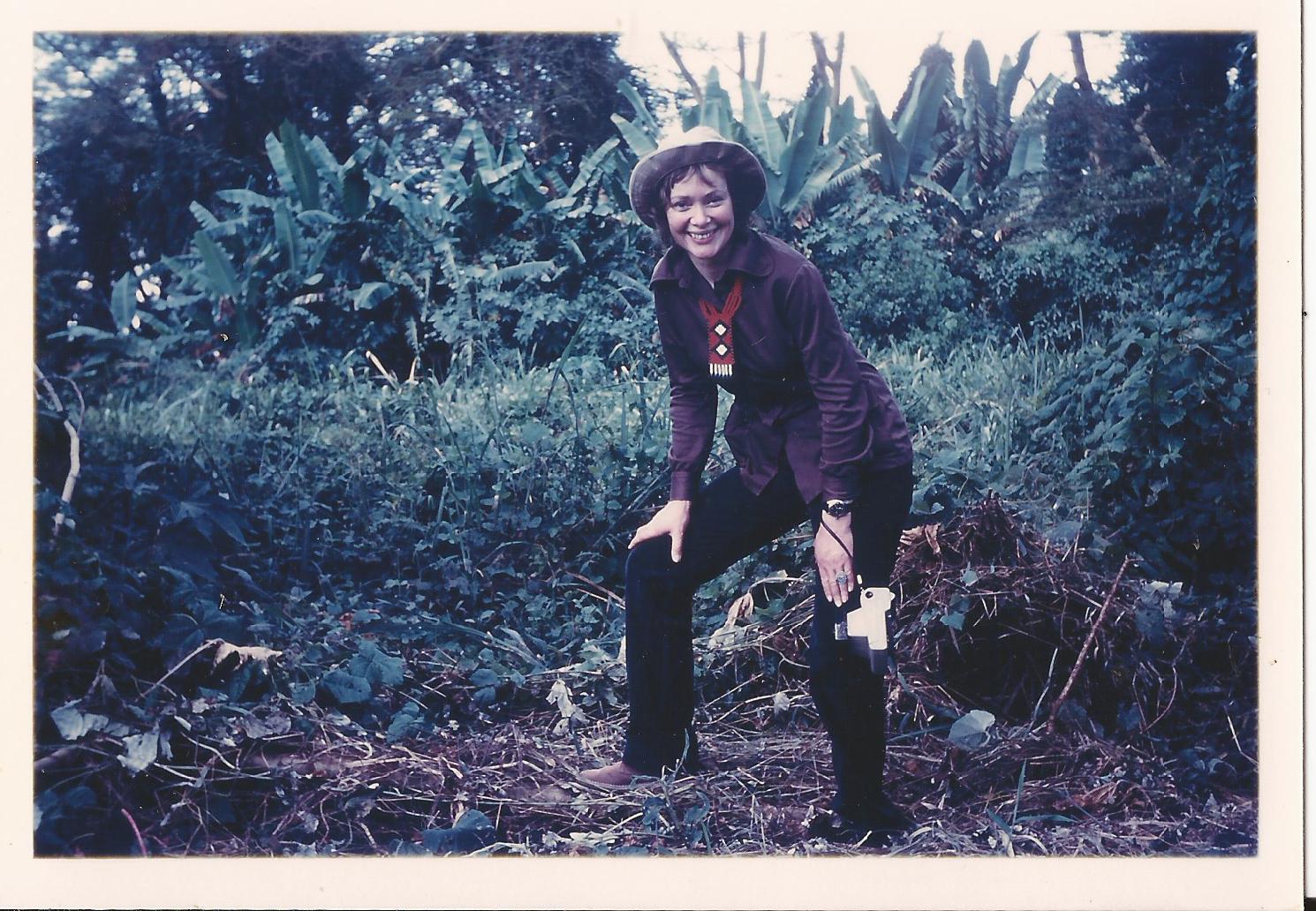
My mother loved the idea of going on safari and urged him to include us as he toured areas where wildlife thrived.

my-mother-on-safari-at-usa-river-in-northern-tanzania-the-early-1970s

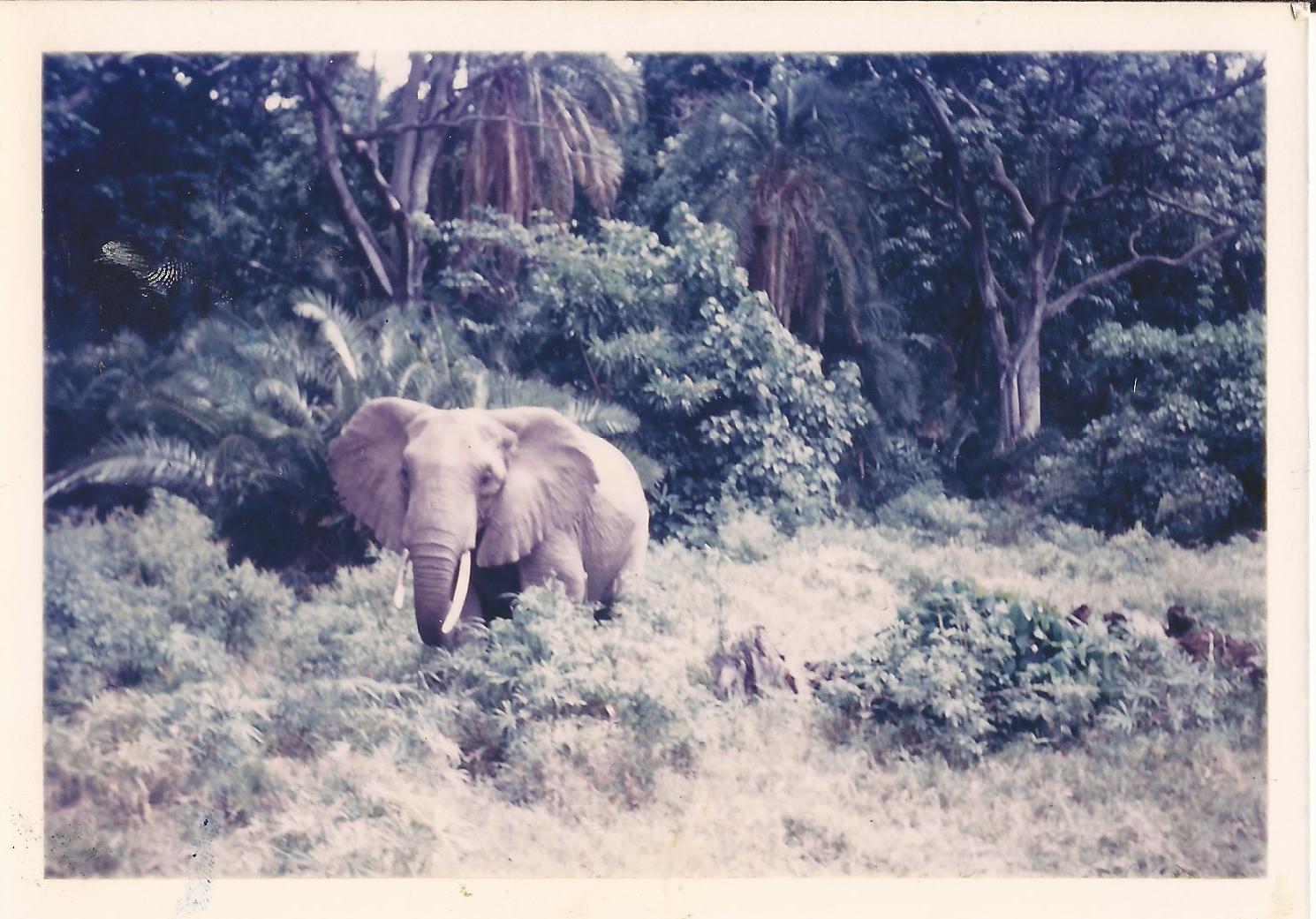
It was a privilege to be taken game viewing as a child by someone with such a depth of knowledge.

elephant

I began to sketch in the back of his Land Rover, while keeping lists of the animals we encountered and trying to learn their Swahili names.

buffalo

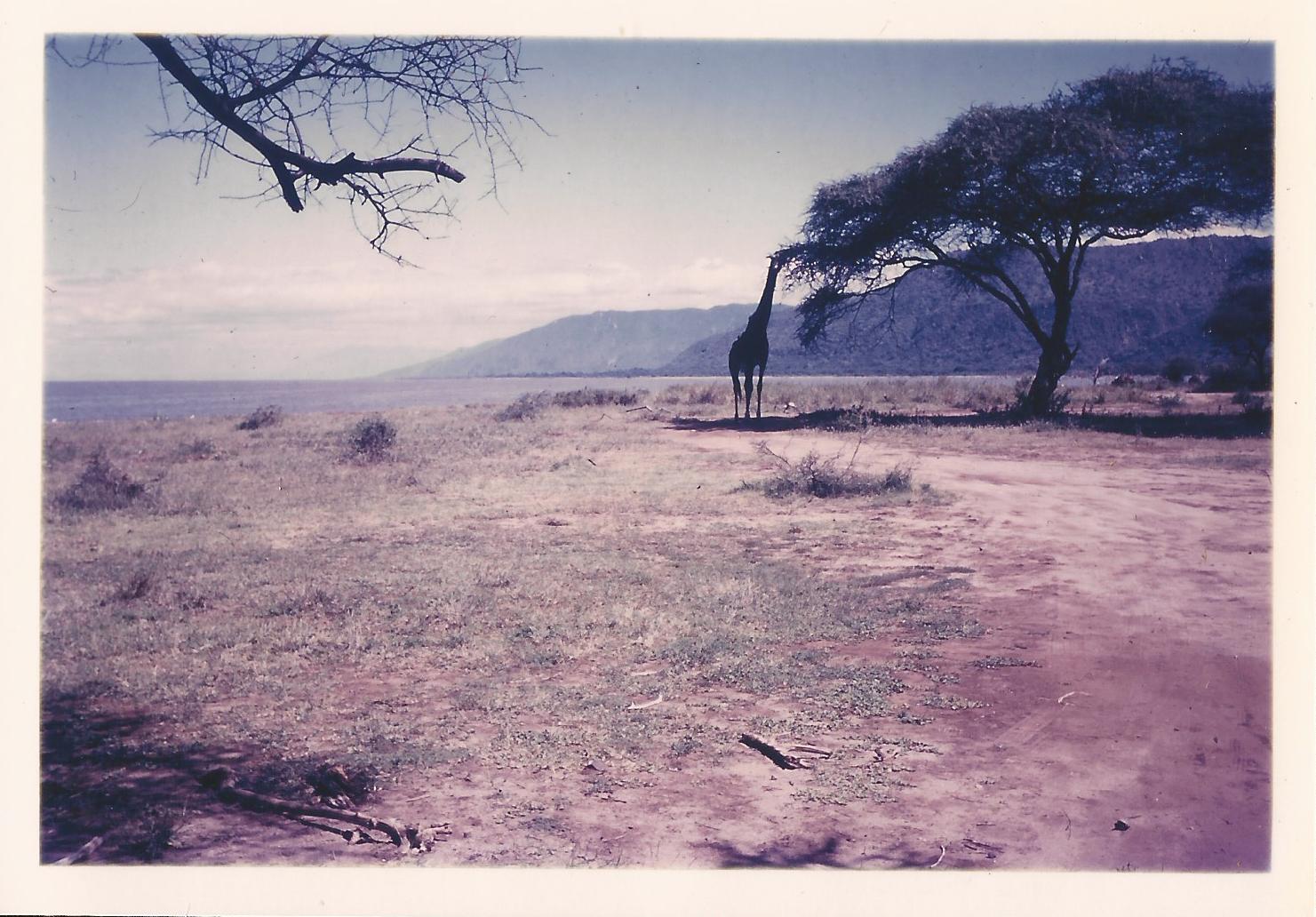
As we drove through the national parks, such as Lake Manyara we rarely saw another vehicle. The reason for packing so carefully was that there was no one around to help if anything went wrong. If you broke down or ran out of fuel you could be in serious trouble.

giraffe-under-tree

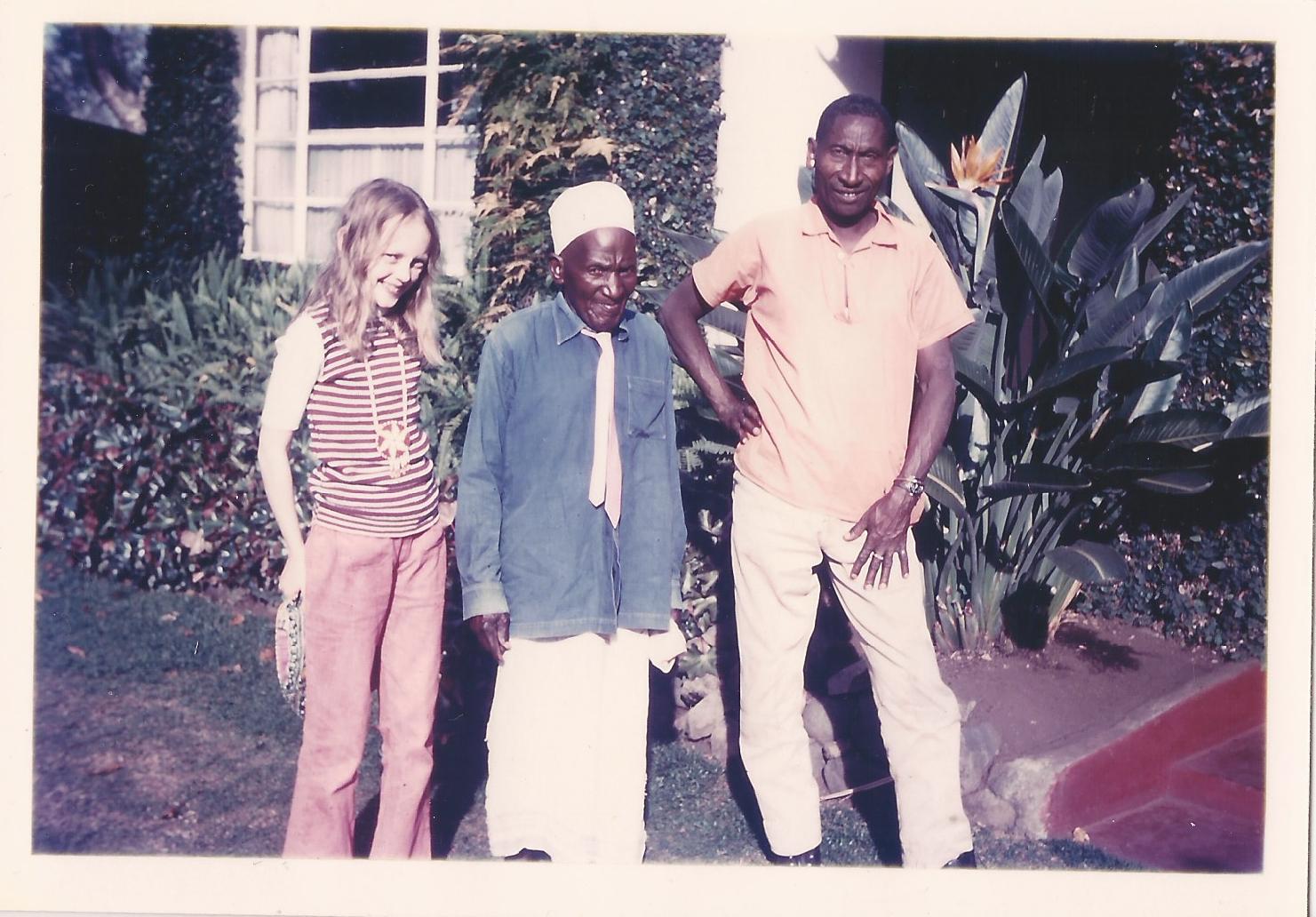
But there were always old  friends to visit and they were charming, most hospitable.

hilli-and-woolly

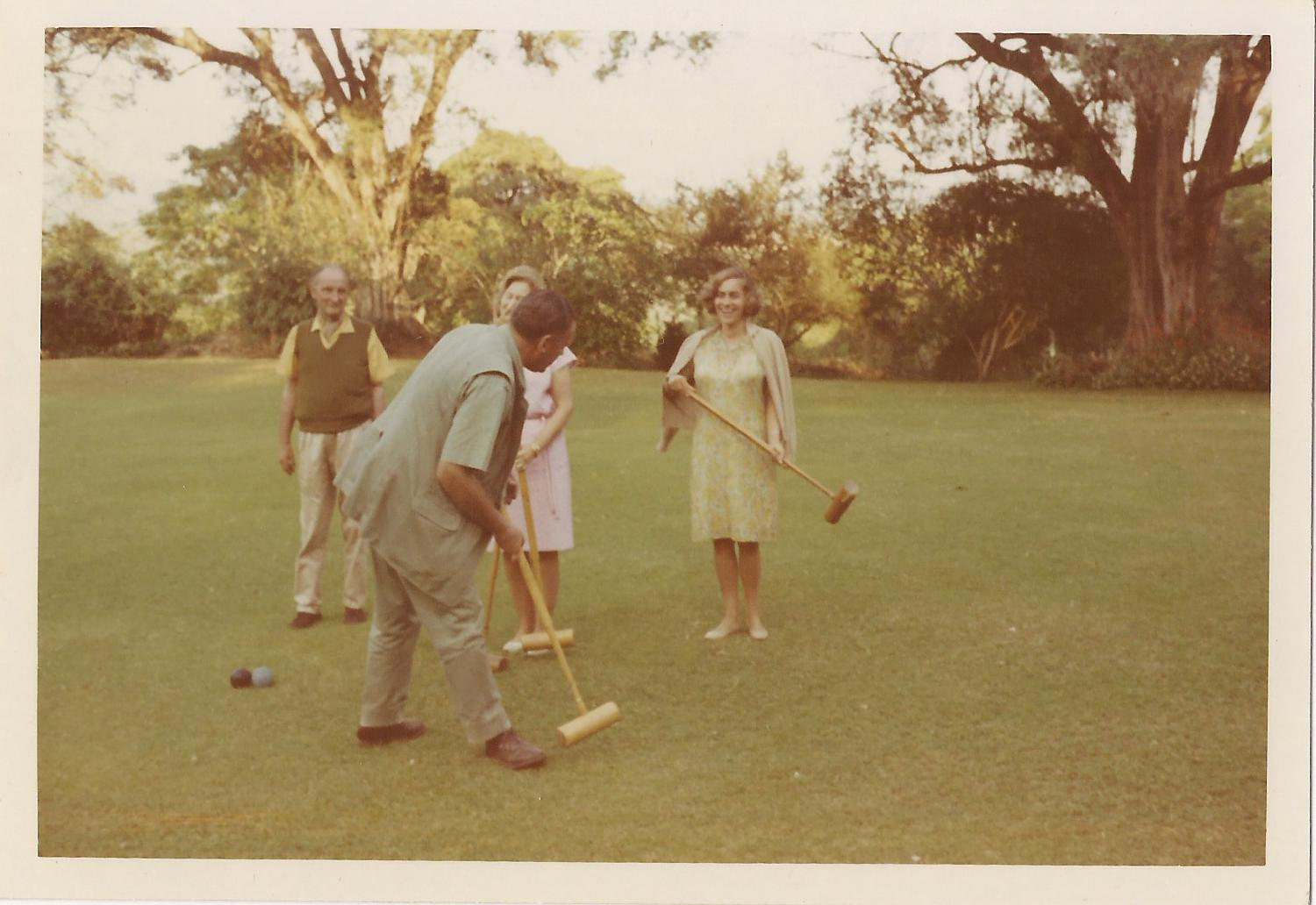
After driving for ages, we’d end up at another farmhouse, playing croquet.

croquet

Nothing but croquet, all afternoon and evening. Somehow I survived. I did so by keeping a diary. It was the first of a whole pile of notebooks that have grown exponentially, forming the basis of quite a few books – with more to come.
croquet-2

To be continued.

My Family’s Roots in East Africa

Cover photo MW

‘I’d like to go to Africa,’ I declared as a little girl, ‘and see forests full of parrots.’ This I did. Everything I had ever hoped to see was spread out before me and the experience left a profound impression.

Mailer Estate in 1970

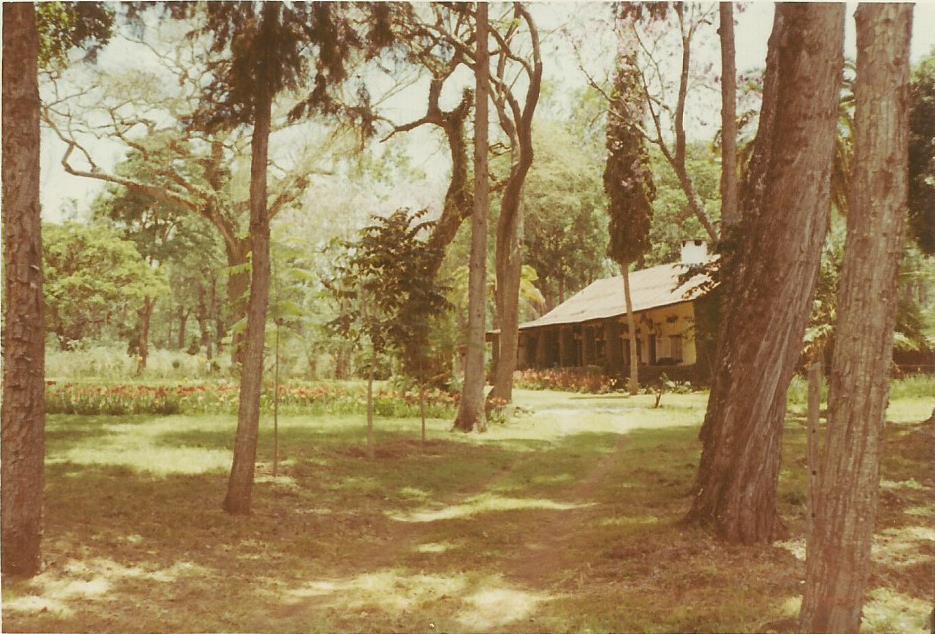
My great-grandparents began farming at Usa River, just west of Arusha in 1919. I first arrived in northern Tanzania in 1972, when my mother took these photographs of the house and garden where her family lived for fifty years. I longed to climb the ancient fig tree in the garden but was told a cobra lived there. It was probably on the lookout for parrots coming anywhere near it.
Makorongo's War by Sophie Neville - revised 30 November 2015_html_m50ecfa90 - Copy

By the early seventies the family were busy farming coffee and often had visitors to stay. My great-uncle Tony used the farm as a base for his safaris and served as an honourary game warden having worked for many years in the Kenyan Police Force and Game Department. He was well-connected and once took Bing Crosby bird shooting, although this fact was kept secret until 2015.

Makorongo's War by Sophie Neville - revised 30 November 2015_html_4b186671 - Copy

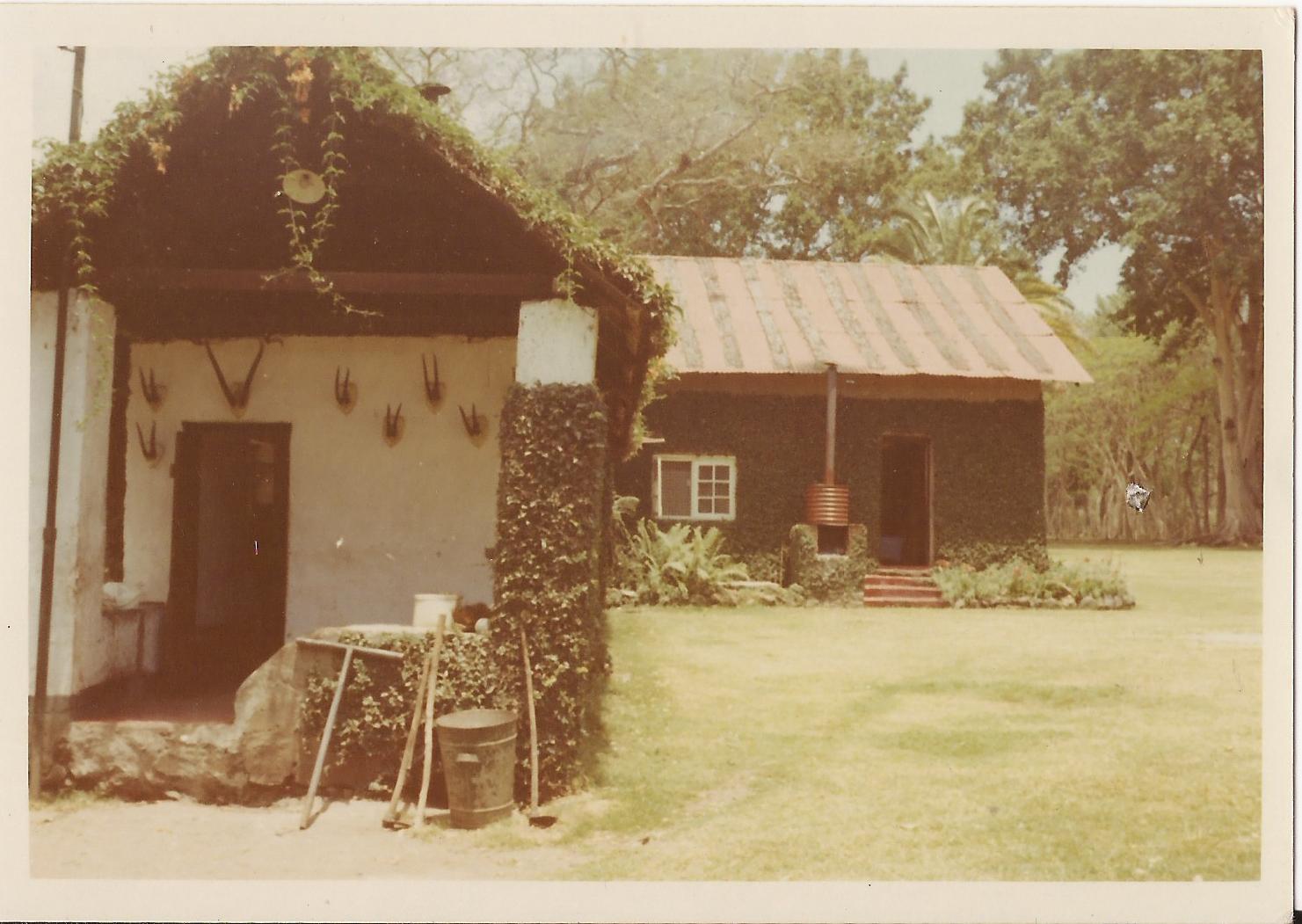
I loved the outdoor way of life, was intrigued by the kitchen that was seperate from the main house, and amused by the hot water system that consisted of small cylindrical  tanks known as ‘donkeys’. Everything smelt of wood smoke. The best thing was that I was able to sleep in a safari tent set up in the garden, in true ‘Swallows and Amazons’ style. It felt as if I was being swept along in an adventure portrayed in the film ‘Born Free’ when Virginia McKenna played the artist Joy Adamson who became well known for bringing up a lion cub called Elsa, eventually releasing her into the wild.

Makorongo's War by Sophie Neville - revised 30 November 2015_html_3c38f792 - Copy

A ‘Swallows and Amazons’ sailing weekend in Aldeburgh


Sophie Neville with Lapwing kids

‘Unlike other films, ‘Swallows and Amazons’ is within children’s reach,’ I’ve been told. It’s true. Any child can pretend that their bed is a sailing dinghy taking them to a deserted island. And when you are a little bit older – it’s not impossible to join a sailing club or go camping.

Aldeburgh Junior LapwingsWe took Swallow to join the Aldeburgh Junior Lapwings on the River Alde in Suffolk.

Boys with their Lapwing

One intrepid sailor had bought her own Lapwing for £100, raising the money by busking in Aldeburgh High Street. Tilly renovated and varnished the clinker-built dinghy herself.

Owl hoots

She can be seen here teaching the younger children how to owl hoot, playing ‘What Shall We Do With The Drunken Sailor’ on her thumbs.

Learning how to owl hoot

The children went fishing for crabs, which they later raced down the slipway.

A crab

They went in search of treasure – if that is what you call a scavenger hunt –

Scavenger Huntbefore sailing back to camp by the mud flats, cooking out in the open and sleeping in tents.

Junior LapwingThey launched their dinghies, raised their red sails

Boys with their Lapwings

and headed off, catching the tide.

Sailing on the River Alde, Suffolk

Swallow, the dinghy used in the 1974 film ‘Swallows & Amazons’ acted as flag ship.

You can find ideas for Swallows and Amazons themed parties and presents here.

Swallow on the Alde

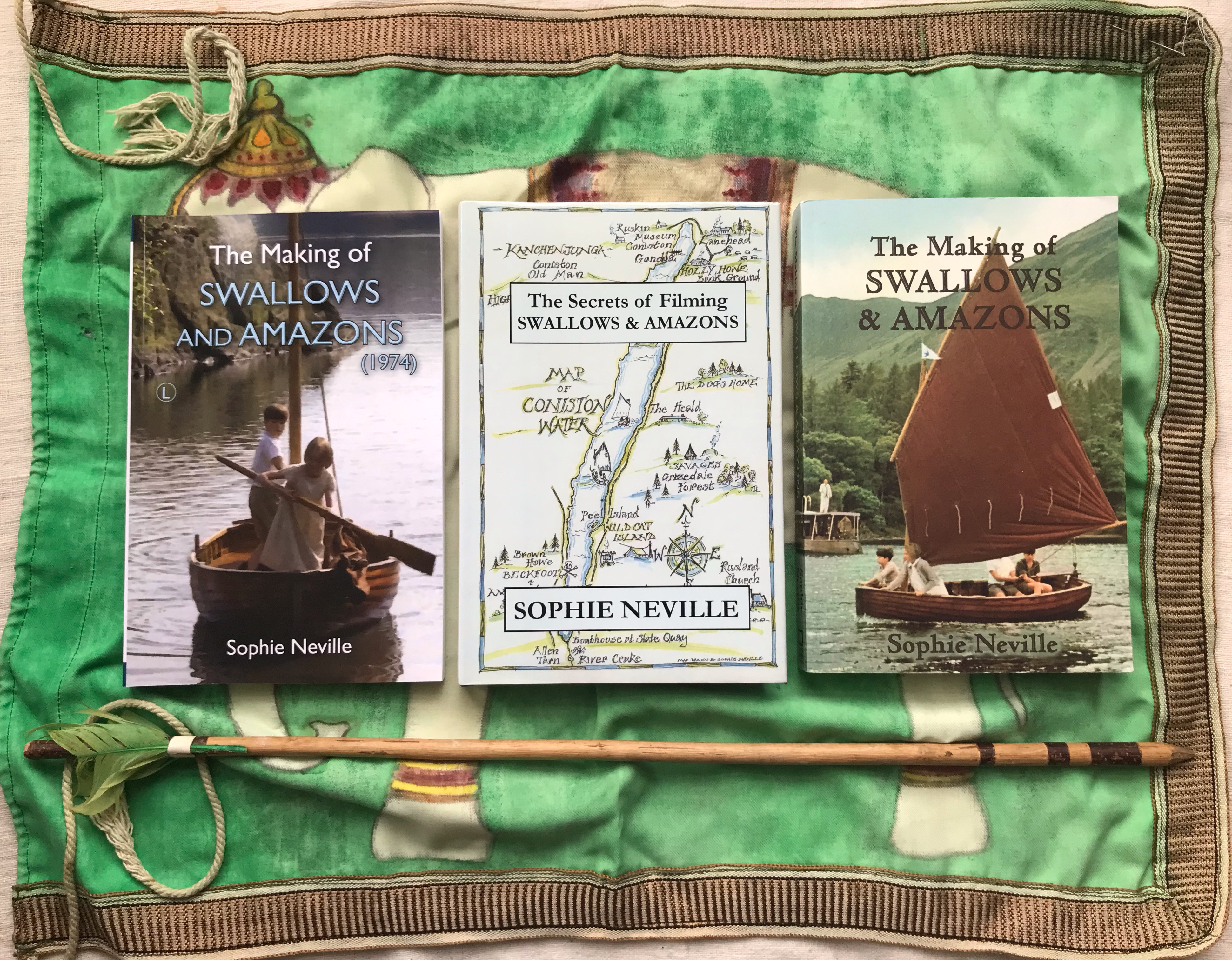
You can read about the adventures we had making the original movie of ‘Swallows and Amazons’ in these illustrated publications available online:

'The Making of Swallows and Amazons (1974) by Sophie Neville'
Different editions of ‘The Making of Swallows and Amazons (1974) by Sophie Neville’

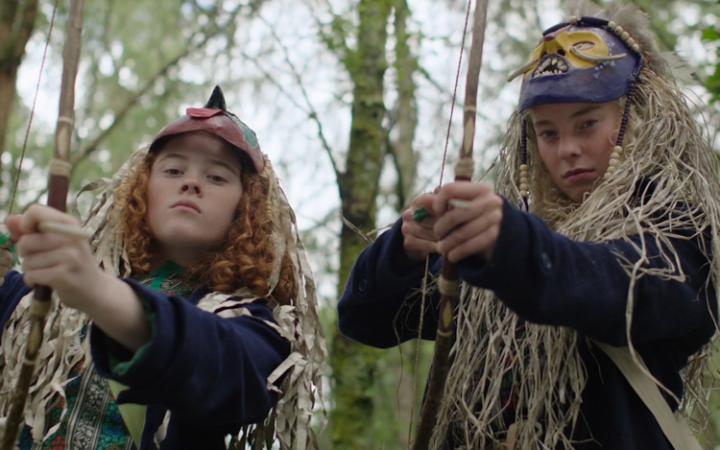
Swallows and Amazons 2016 – the film trailer

5wb3k1nde6f2h63eokkv4ztpxegio-large

Swallows and Amazons – the new film trailer: where adventure meets danger

Please click here to view of the film trailer

If you experience problems watching it – first make sure ‘Flash’ is enabled on your computer

To get a behind-the-scenes look of the classic film, take a look at the book ‘The Making Of Swallows and Amazons’


A Swallows and Amazons childhood

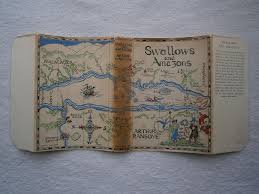
Swallows and Amazons fly sheet

The first swallows have arrived and summer is here. You only have to look around to see parents advocating a ‘Swallows and Amazons’ childhood for their offspring. They want to go camping, catch fish and learn to cook on open fire.

Titty’s dream of being alone on an island to experience what it must have been like for Robinson Crusoe has never been seen as worrying. Parents want to encourage their offspring to use their imaginations and explore the wilderness, knowing it will be memorable. As long as the weather holds they are happy to act as Man Friday. By exercising her imagination, Titty comes up with ideas that ultimately win the war and develop courage and resourcefulness by taking part in the adventure even though Captain John is at the helm. The fact that the mere able seaman becomes hailed as the hero of ‘Swallows and Amazons’ has inspired a generation.

Cobnor Camp 2015

TARS at Cobnor Camp

If you want the real deal, become a family member of The Arthur Ransome Society and sign up for one of our summer camps while there is still space:

If you can get to the Lake District, there is a camp on Coniston Water in Cumbria

If you are nearer the south Coast, there is a weekend camp at Cobnor, sailing around Chichester Harbour

In previous years there has been a ‘Swallowdale’ Camp in North Derbyshire – and a sailing weekend in Staffordshire.

IMG_2170

Swallow at Cobnor

The Nancy Blackett Trust offer memorable opportunities for children and teenagers, as well as adult sailors who love the opportunity of going out in Arthur Ransome’s yacht and meeting like-minded people.

IMG_2103

The Nancy Blackett is based on the Orwell near where the Ransomes lived in Suffolk but she ventures forth and was even spotted on the Hamble last year.

IMG_2119

Wading to the Island

‘Where are they now – the cast of ‘Swallows and Amazons’?’

I can see from my admin page that this question is often typed into search engines – three times before 8am this morning.  An awful lot of people seem to want to know what the children who played the Swallows and the Amazons back in 1974 are doing now they are all grown up. For this little Swallow it really has been ‘Swallows and Amazons Forever’. I’m still wading out to the island.

13198609_10209718494383917_6592840413633515627_o

‘Titty the Isrealite’ photo of Sophie Neville taken by Hilary Weston

Now a writer, I am officially President of The Arthur Ransome Society, one of the largest literary societies in the United Kingdom with six branches and quite a number of overseas members. They even have association with the Arthur Ransome Club in Japan.

TARS in Dumfries

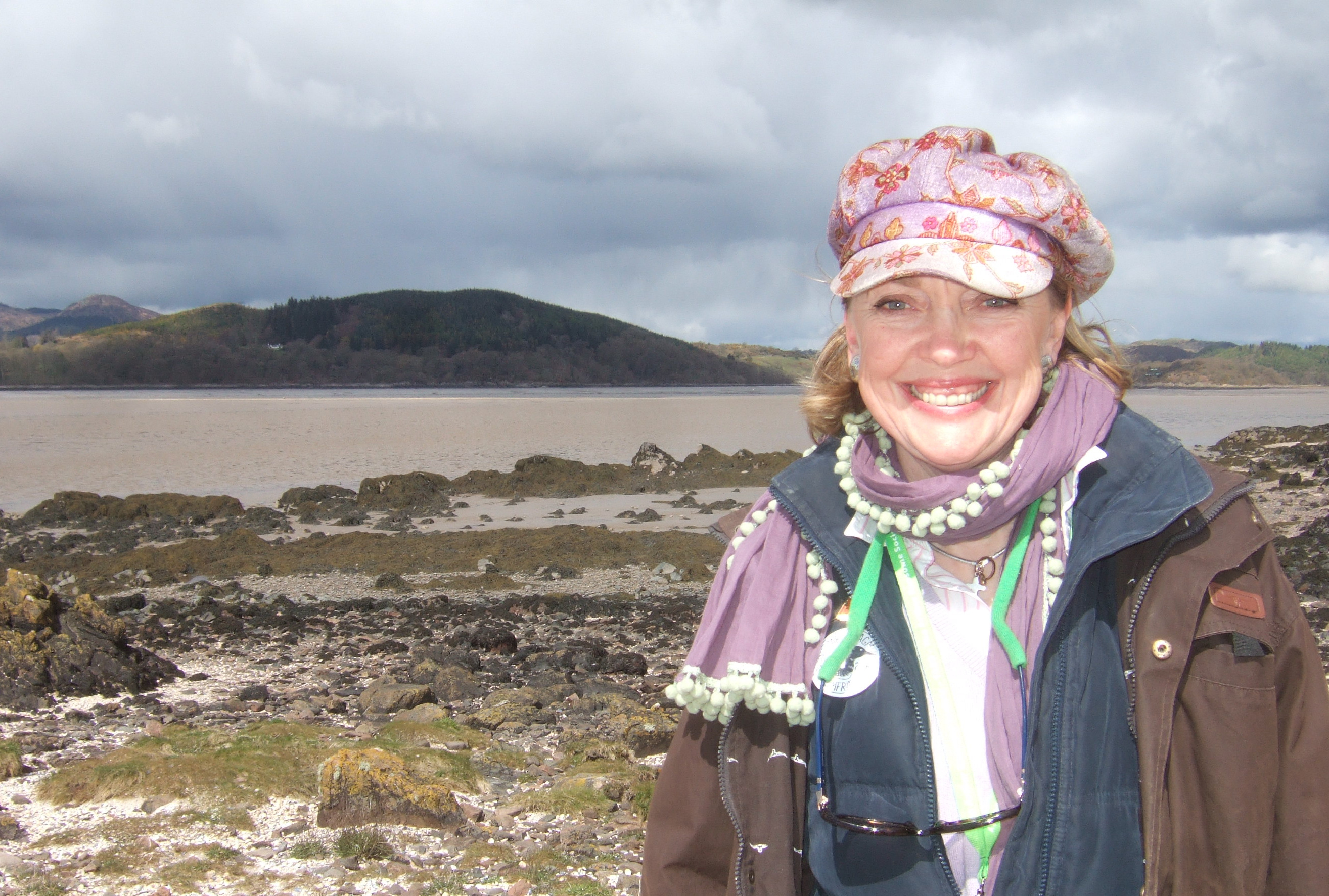
This year we held our International AGM weekend in Dumfries in the lowlands of Scotland, when we much enjoyed walking along the Solway and across the wade to Rough Island, just as Titty walked out across the mud in Arthur Ransome’s book ‘Secret Water’. There seems little difference except that I have a dog called Flint rather than a kitten called Simbad.

Sophie Neville on the SolwaySophie Neville who in 1973 played Titty Walker in the EMI movie of ‘Swallows & Amazons’ dressed up to face the Scottish weather

The great excitement at our IAGM this year was that Nick Barton, the CEO of Harbour Pictures came up to Dumfries with his screenwriter Angela Gibb to tell us about their new adaption of ‘Swallows and Amazons’ released in cinemas on 19th August 2016. I helped him to carry a huge plasma screen up to the hotel where the conference was taking place so that members could watch the thrilling new promo. We were sworn to secrecy, but you can read all Nick told us in a feature article in the Saturday Telegraph. This online version has more photos than the print version and mentions The Arthur Ransome Society. There is additional comment in the Sunday Telegraph.

You can read more about how we made the original 1974 film of Swallows and Amazons here

'The Making of Swallows and Amazons (1974) by Sophie Neville'
Different editions of ‘The Making of Swallows and Amazons (1974) by Sophie Neville’