
‘I’d like to go to Africa and see forests full of parrots!’
I’m not sure about the parrots but I’m off on an African adventure soon – details to follow in my next post.
Very Happy New Year to one and all. May 2018 prove fulfilling.

‘I’d like to go to Africa and see forests full of parrots!’
I’m not sure about the parrots but I’m off on an African adventure soon – details to follow in my next post.
Very Happy New Year to one and all. May 2018 prove fulfilling.
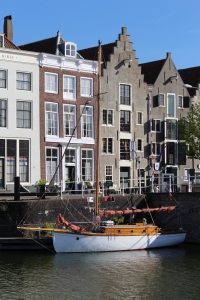
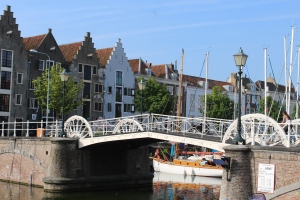
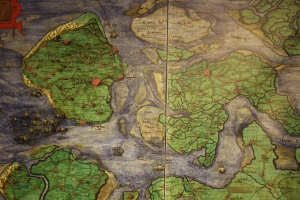

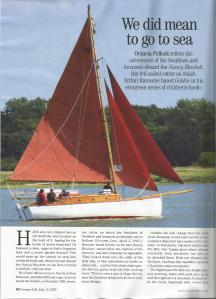
One summer, I grabbed the chance to sail Arthur Ransome’s favourite little ship, the Nancy Blackett.
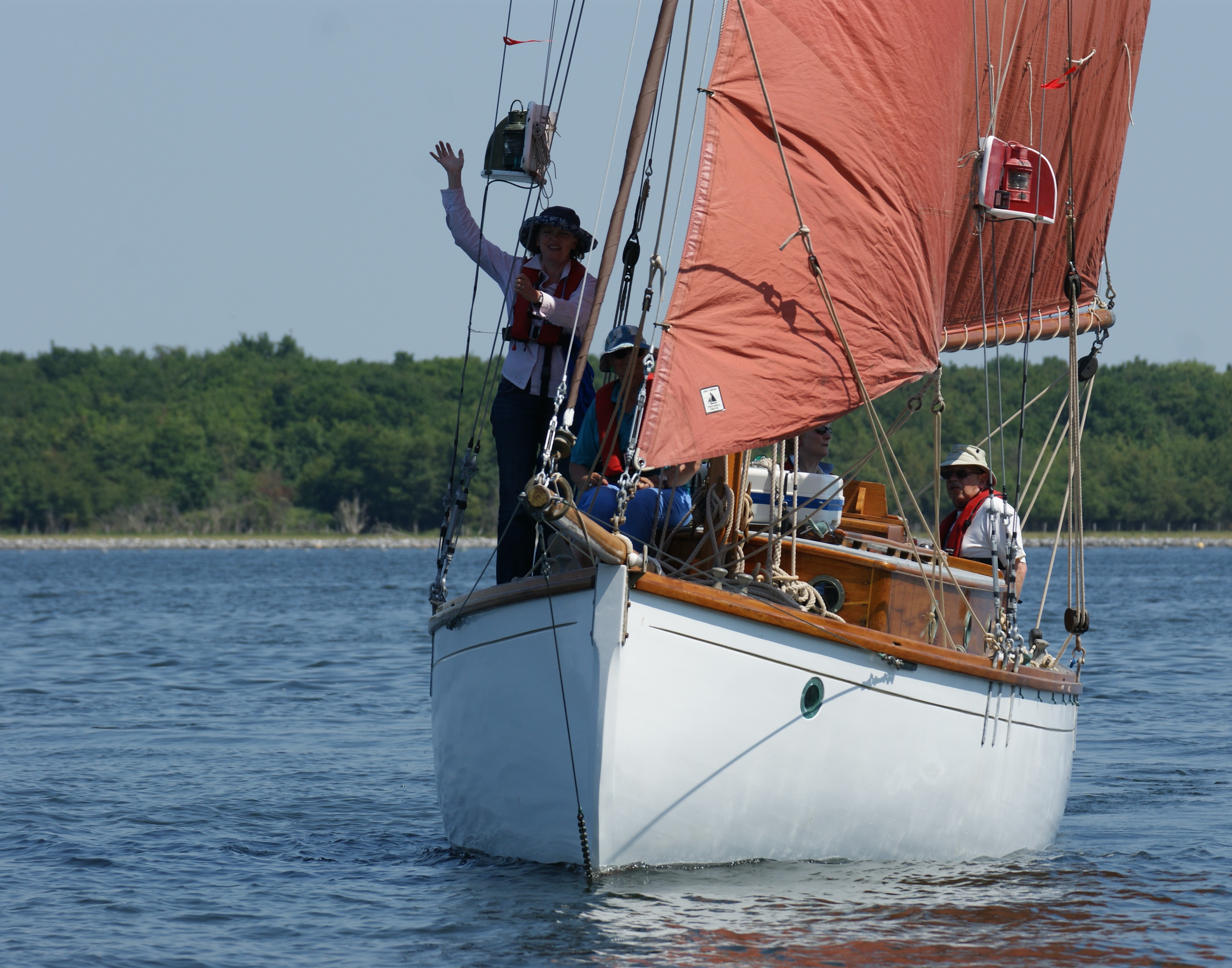
If you recognise her, it might be because she was his model for the Goblin in ‘We Didn’t Mean To Go To Sea‘, possibly the most exciting and touching of the Swallows and Amazons series of books. I re-read it while we were in Dutch waters aboard the main character herself.

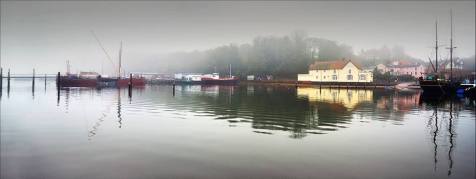
~ Beach End Buoy at the mouth of the River Orwell in Suffolk ~
In the story, the Swallows – John, Susan, Titty and Roger Walker – promise their mother that they will not go to sea, but disaster strikes when the Goblin slips her anchor in thick fog, while her owner is ashore, and gets swept out past the Beach End Buoy at Harwich. The wind rises and the children find themselves sailing across the North Sea in a terrific storm before a friendly Dutch pilot guides them into Flushing.
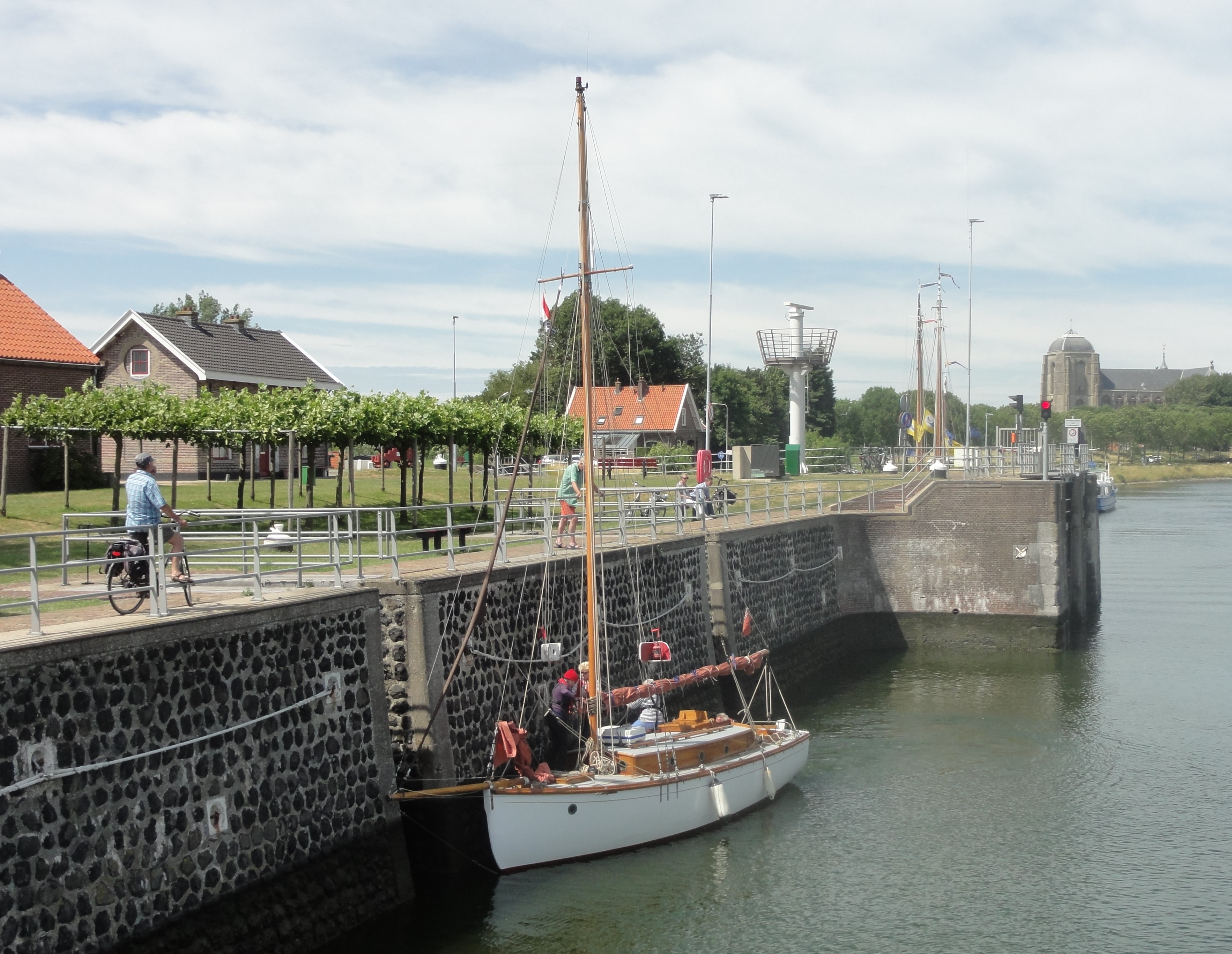
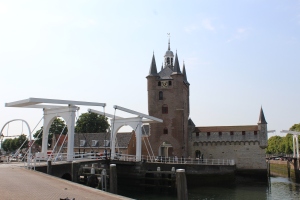
~ Nancy in the old lock at near the medieval port of Veere ~
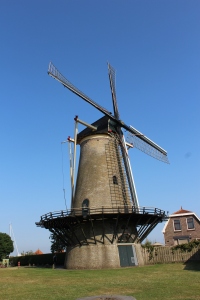
I was able to join Nancy when she had already made the crossing to the Netherlands but did take her through an old lock built in the same style as the one the Swallows encountered, all be it at the other end of the Dutch canal. It was as if we had sailed into the pages of the book and lived out the adventure ourselves, learning about ropes and reefing each nautical mile.
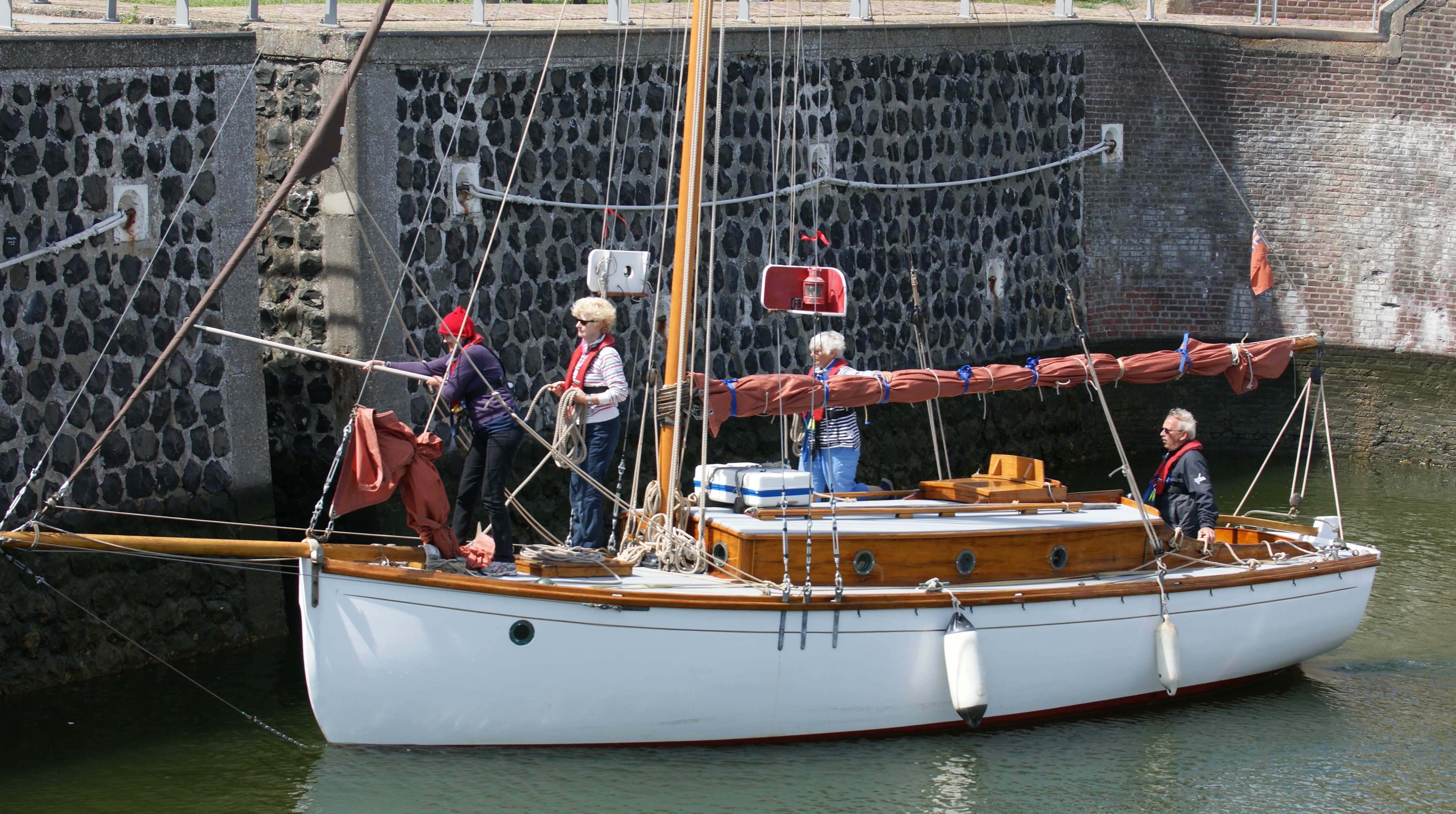
Mooring up could be tricky, especially since Nancy is an old lady with a bow-sprit, but unlike Susan and Titty, I never felt sea-sick for a moment.
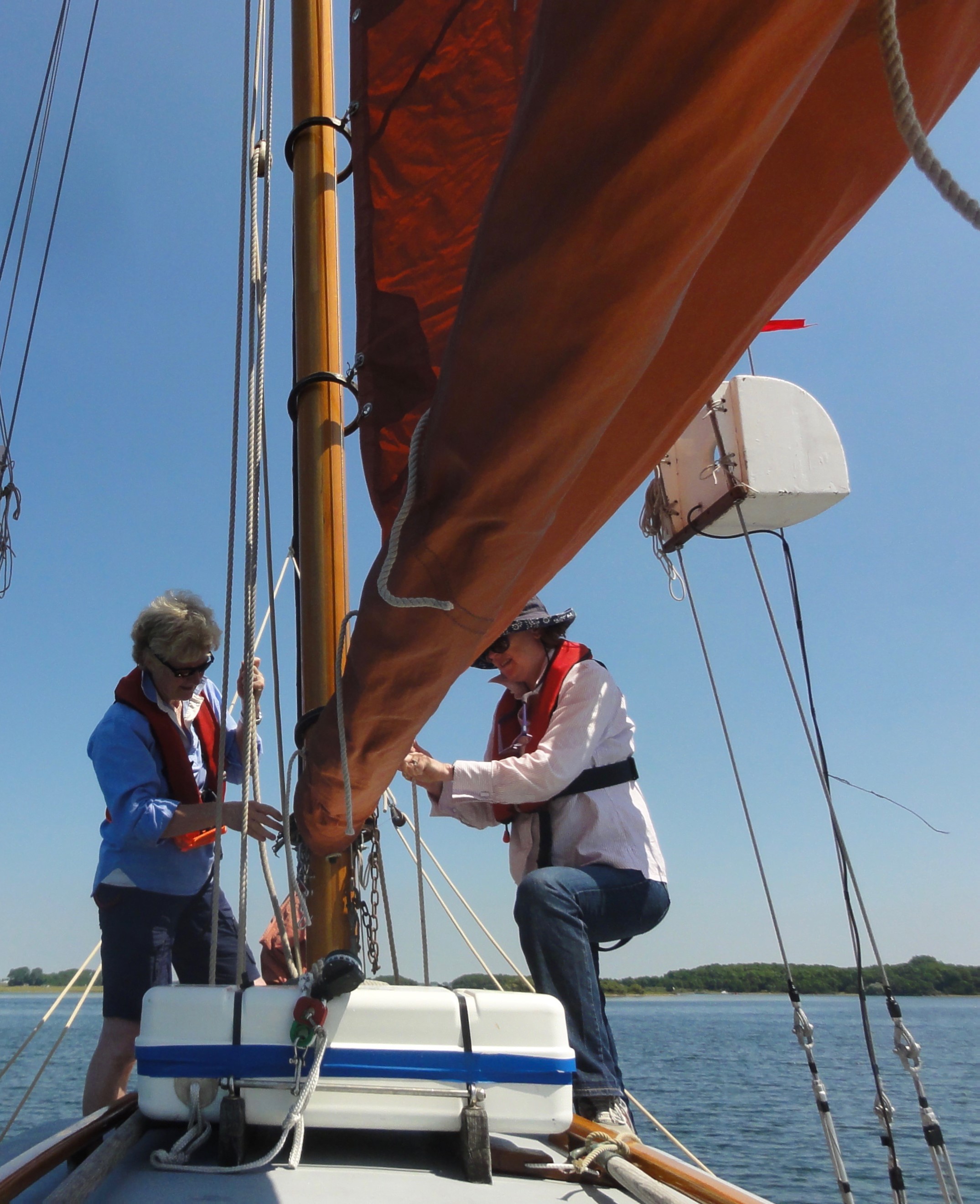
~ Learning how to hoist the mainsail ~

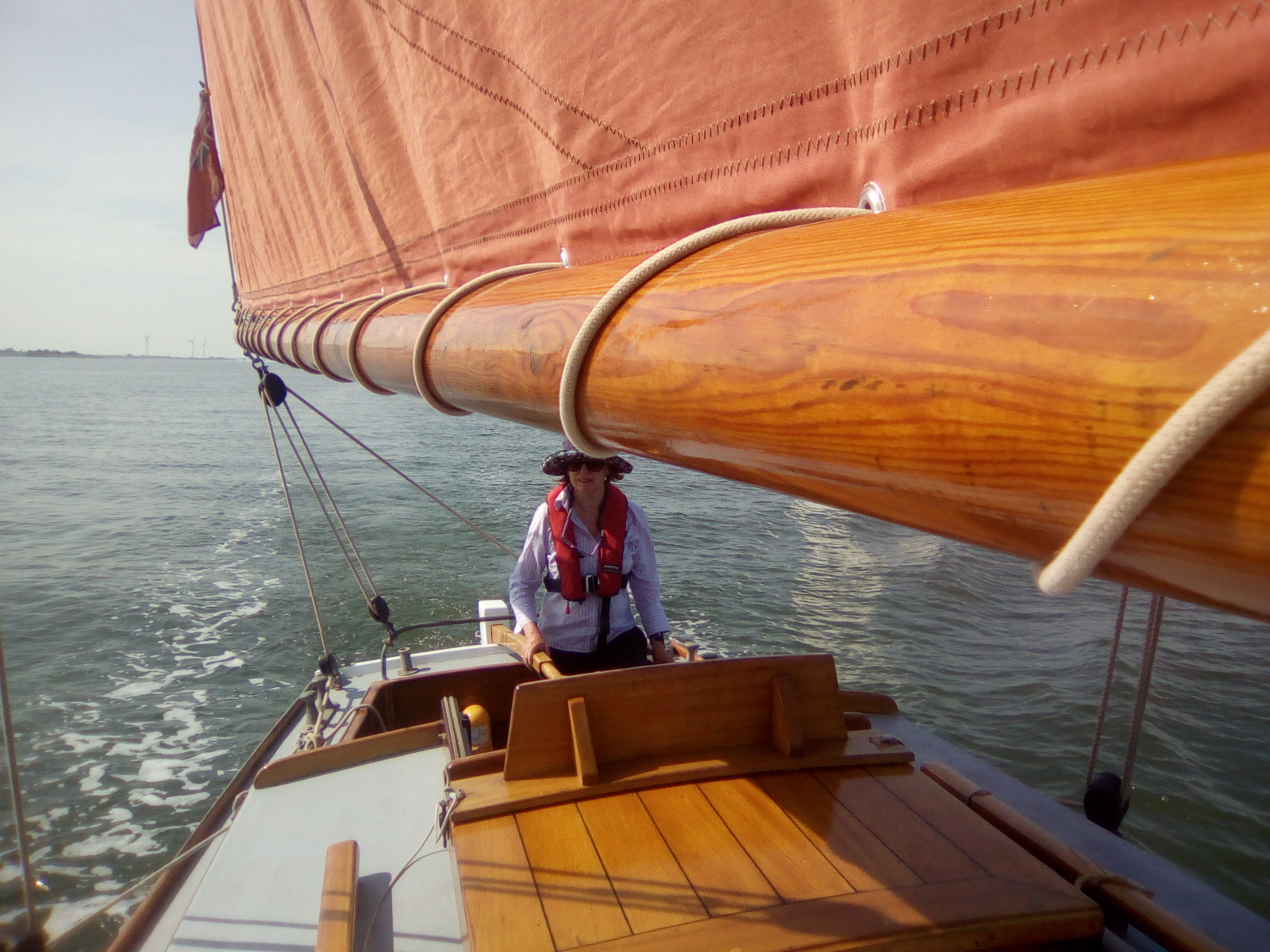
~ Sophie sailing in salt water ~

~ Keeping a look out for Dutch barges ~
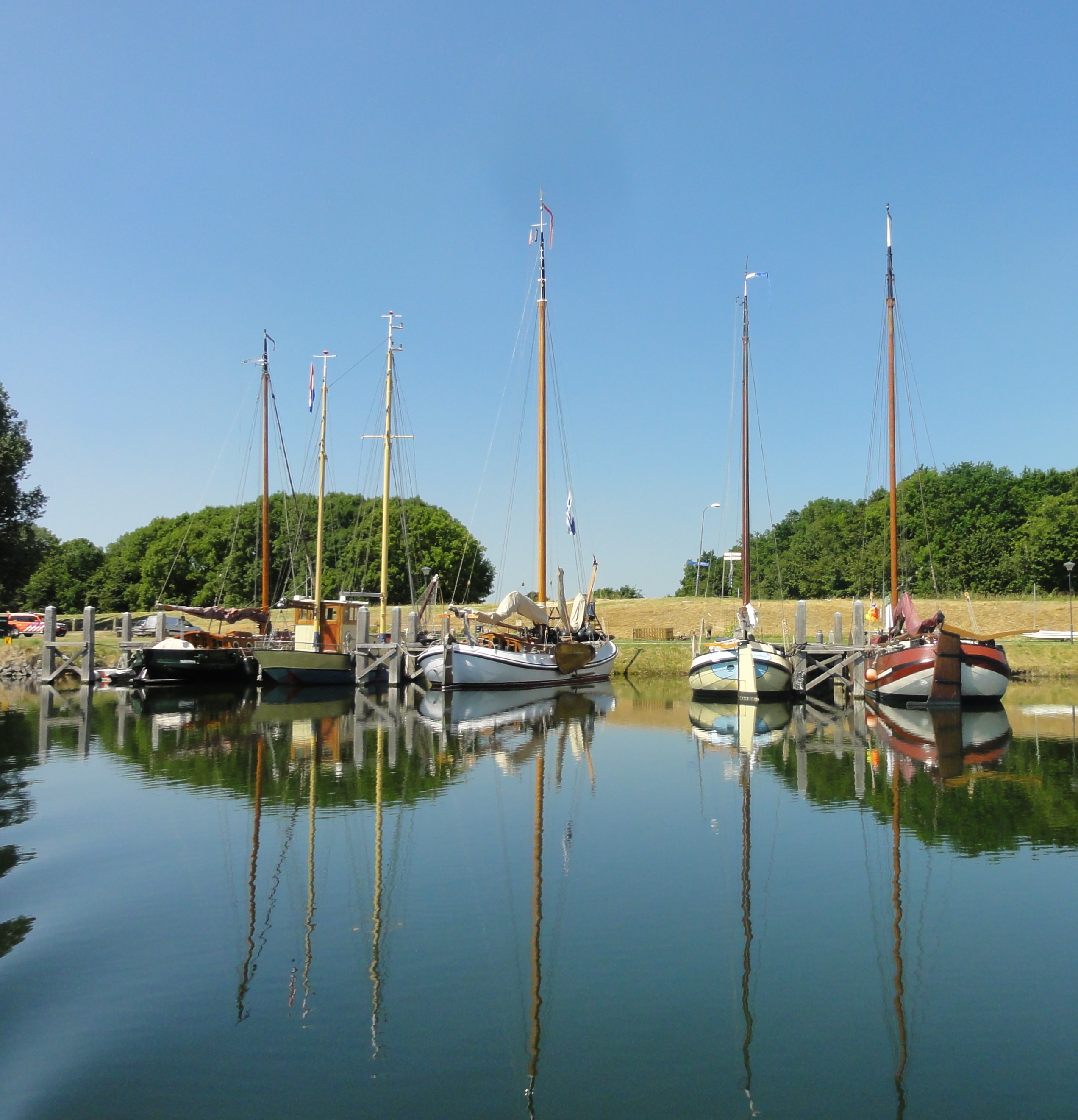
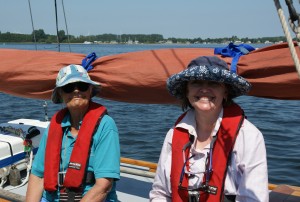
Local author Veronica Frenks came out one morning, taking us up a creek to see the traditional Dutch barges and historic ships that she often writes about. She soon made plans to write about Arthur Ransome for Spiegel der Zeilvaart, a Dutch periodical. Here she is with me, at the helm:
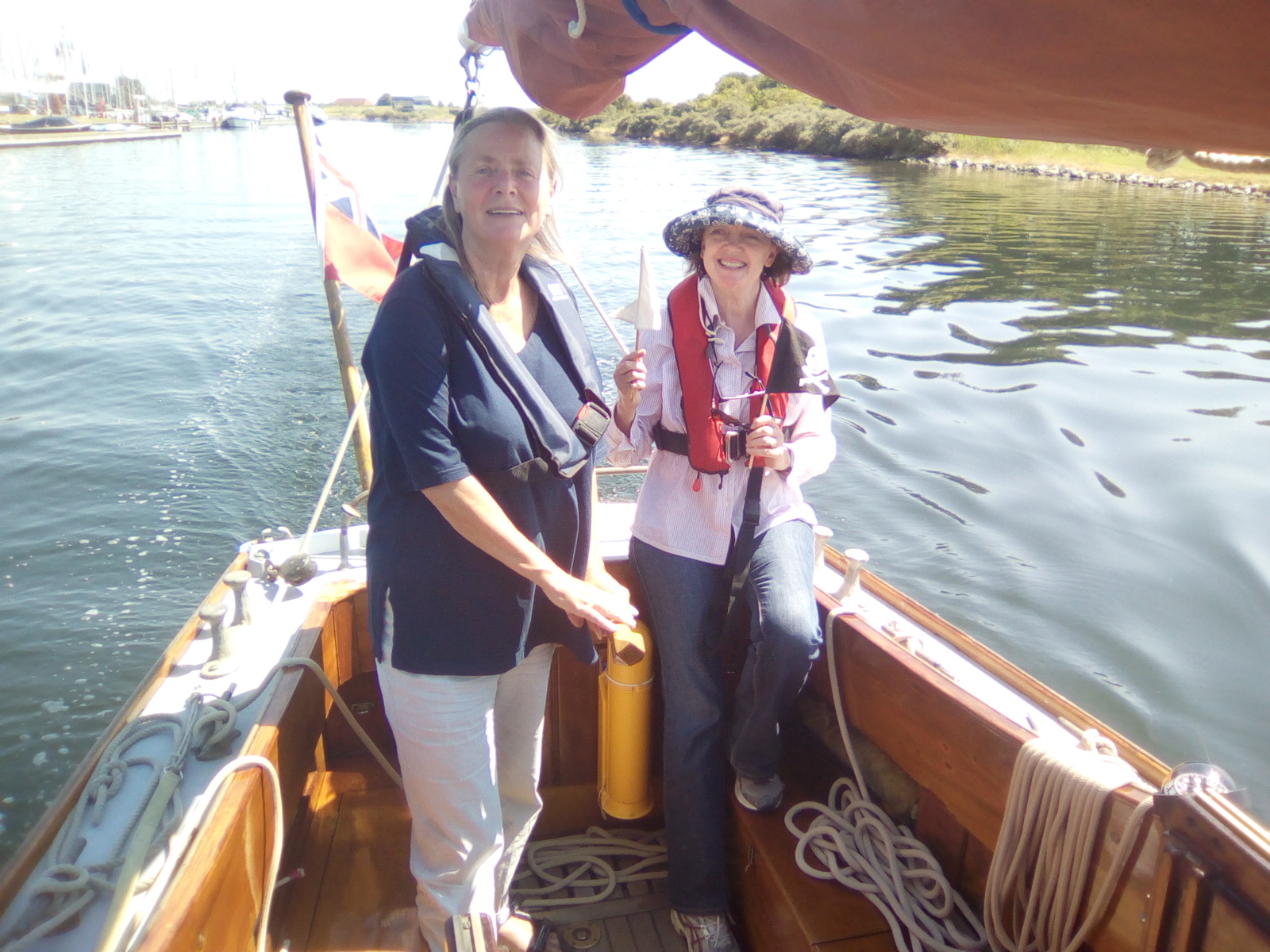
To read about sailing Nancy on the River Orwell in Suffolk, where she is based. please click here.
To read about sailing Nancy on the Beaulieu River and the Solent, please click here
If you would like to grab a chance to sail Nancy or find out more about the Nancy Blackett Trust, please click here

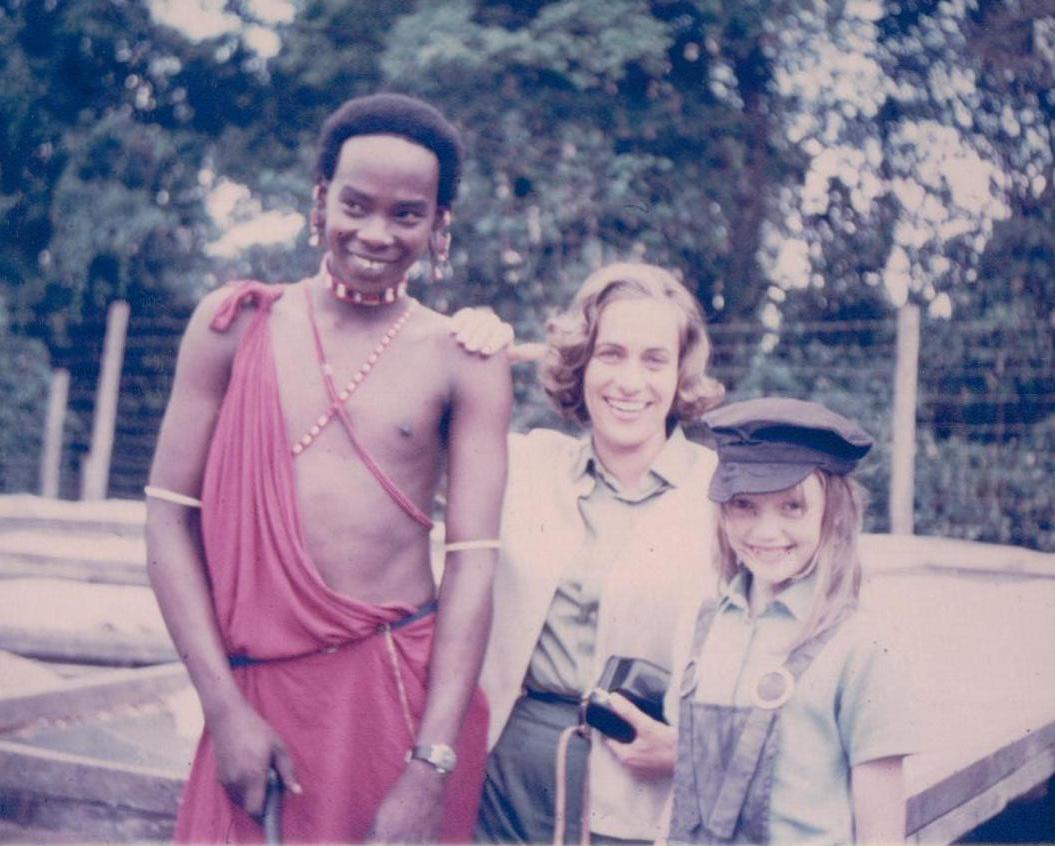
~Drying coffee beans on our farm at Usa River near Arusha in 1972~
Days spent at our farm in northern Tanzania were full of colourful characters, including a cobra who lived in the trees overshadowing the house. He probably kept down the rodent population quite efficiently.
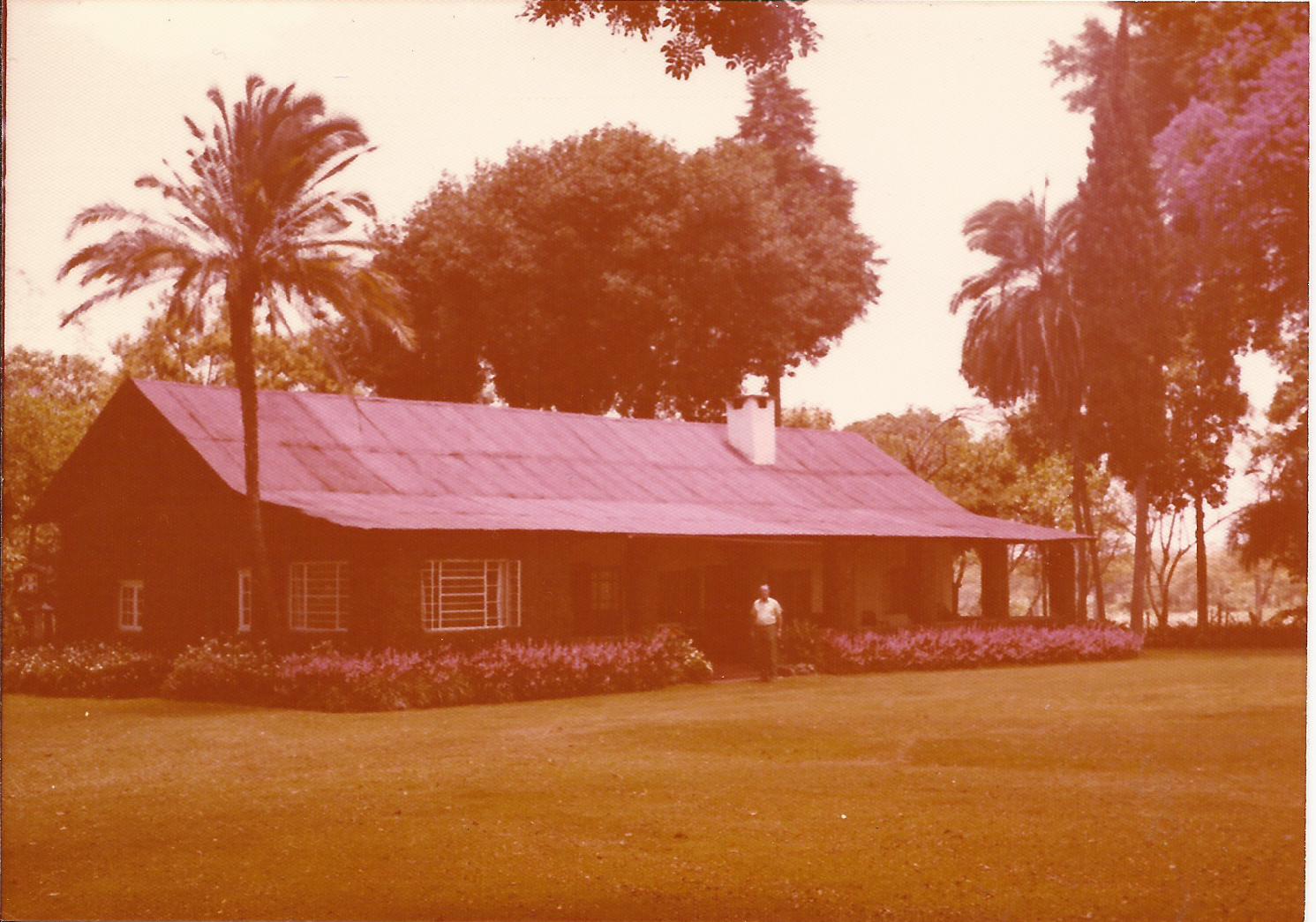
My greatuncle Tony was probably more dangerous. He had a very sensitive nose and a legendary temper.
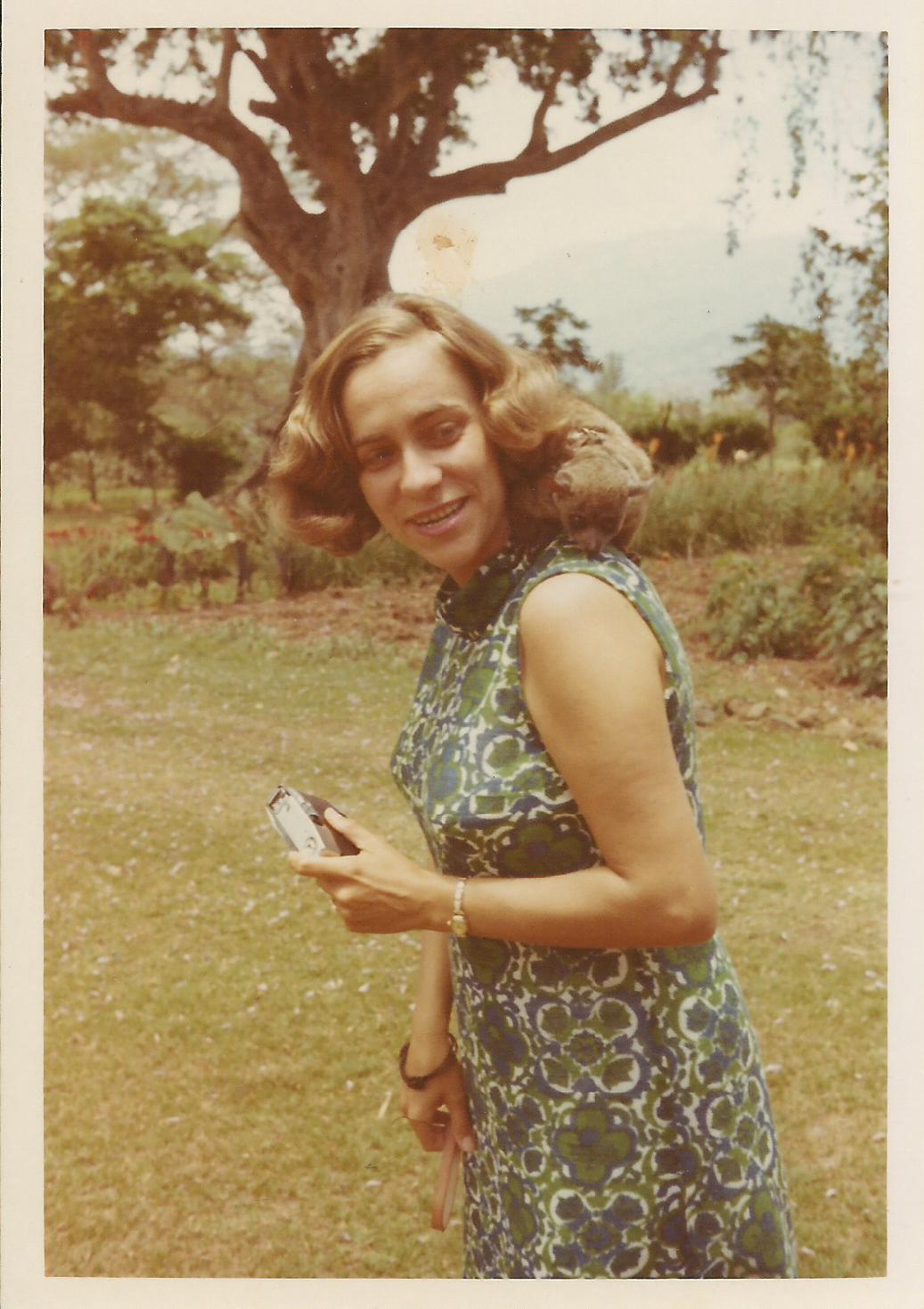
My aunt kept tame lemurs. They marked their territory by peeing on their hands. This was understandable until they decided to climb over your face.
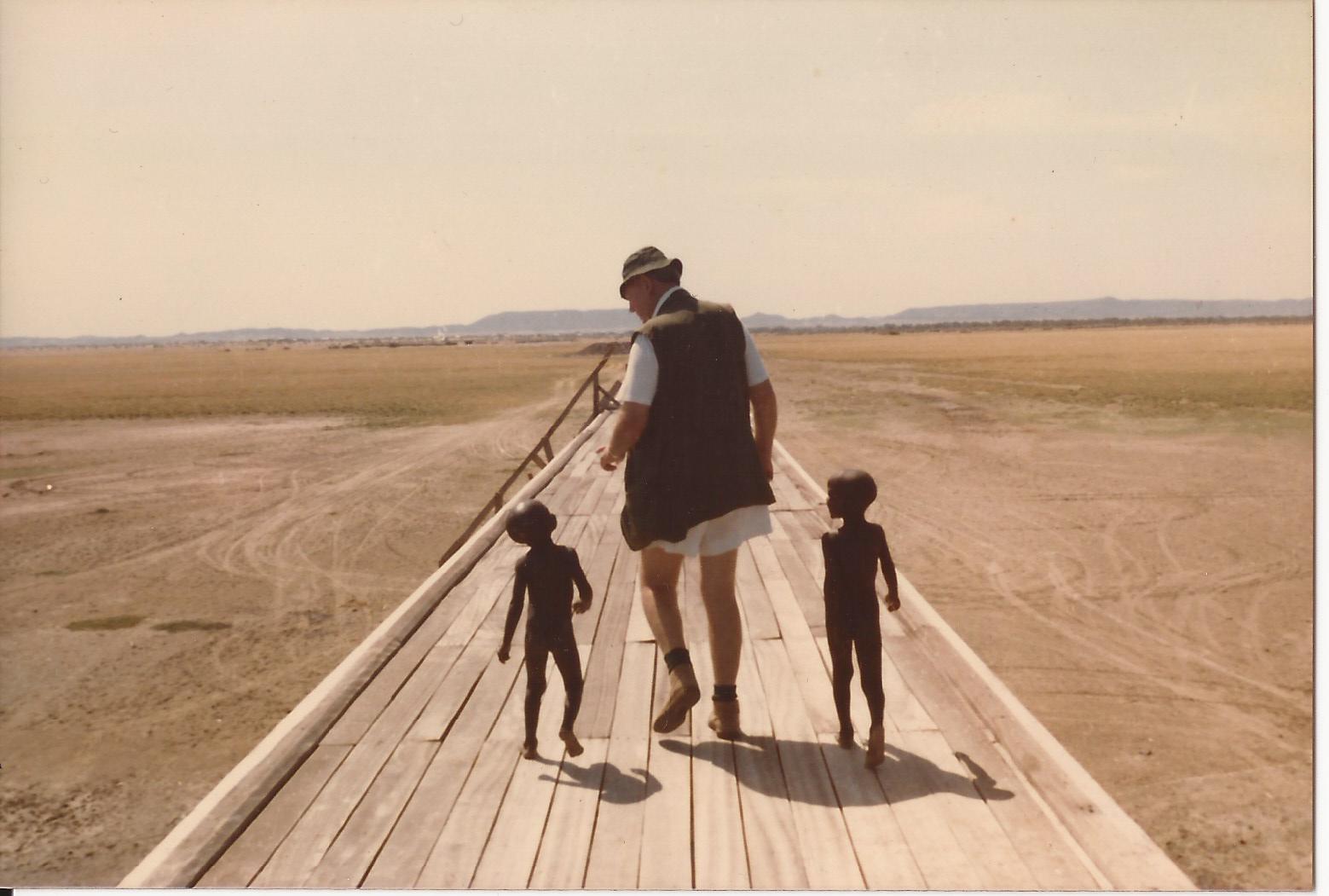
My father loved travelling in northern Tanzania and was intrigued by the wildlife.
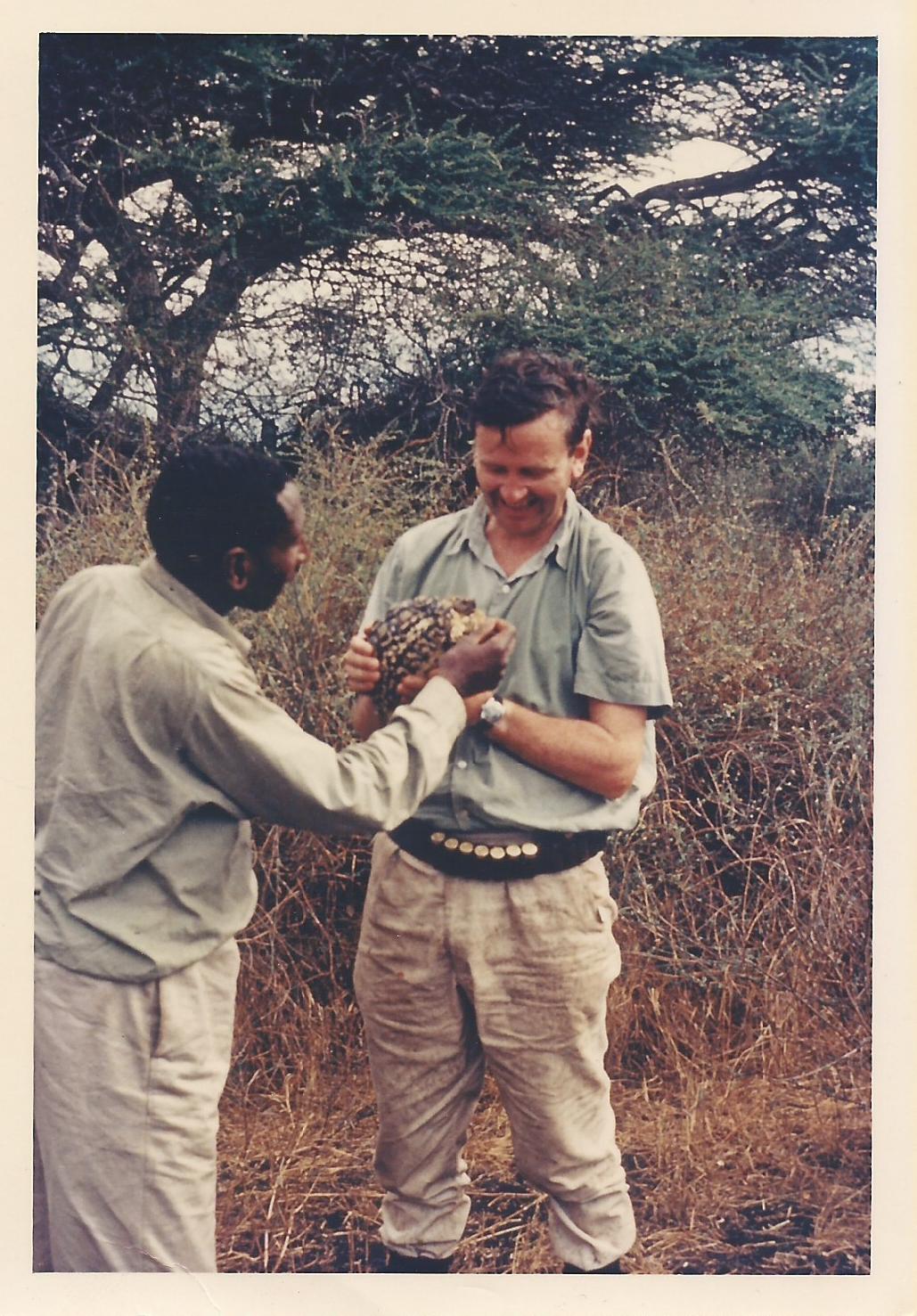
I was fascinated by the people, many of whom wore traditional dress in the early 1970’s.
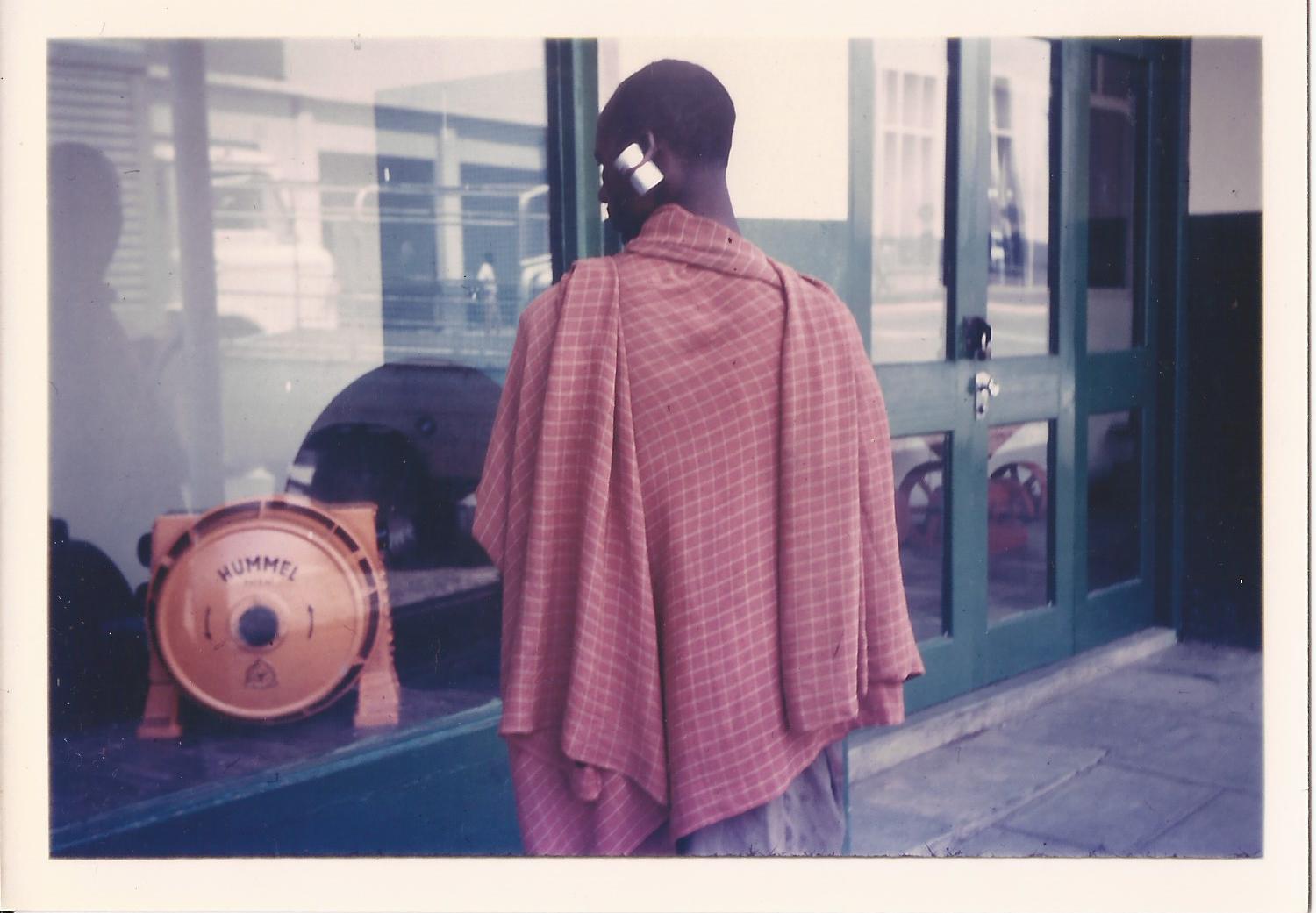
Extended ear-lobes, names such as Libougi and bright beaded jewellery had me squinting into the sunlight.
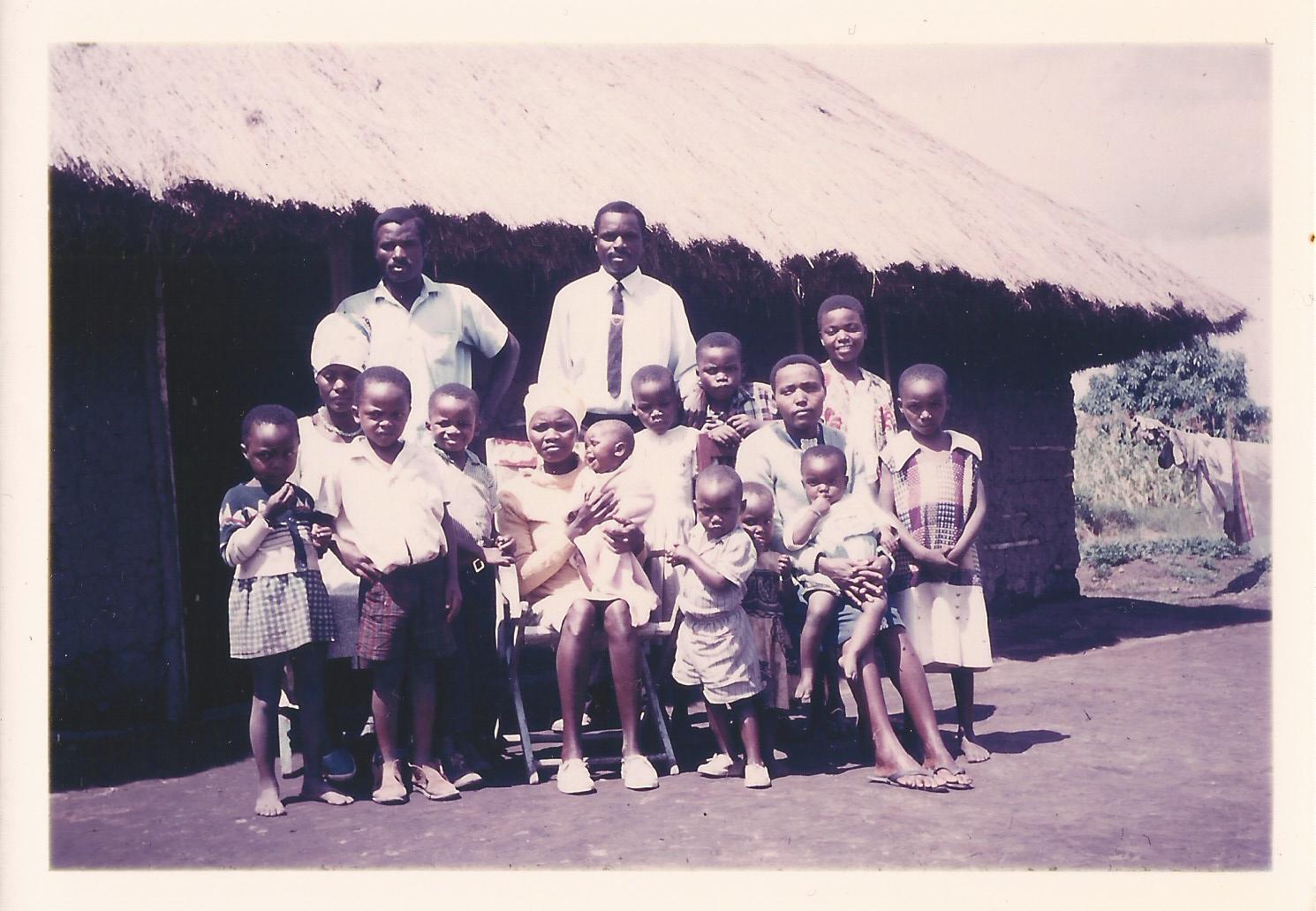
In a country where polygamy was the norm everyone seemed to have rather large families with any number of wives and children.
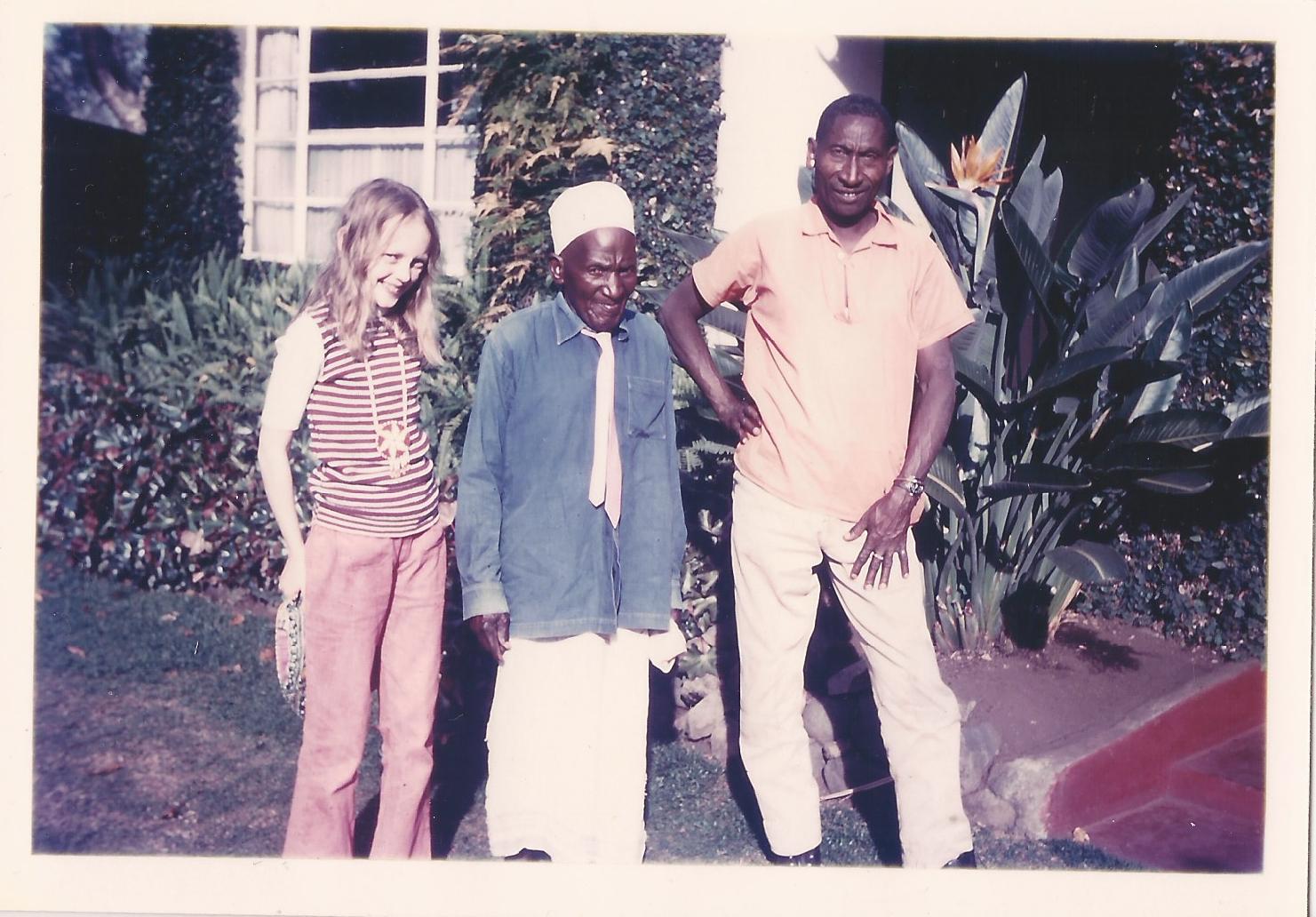
Having your photograph taken was quite the thing. What the woolly lemurs thought of this, I do not know.
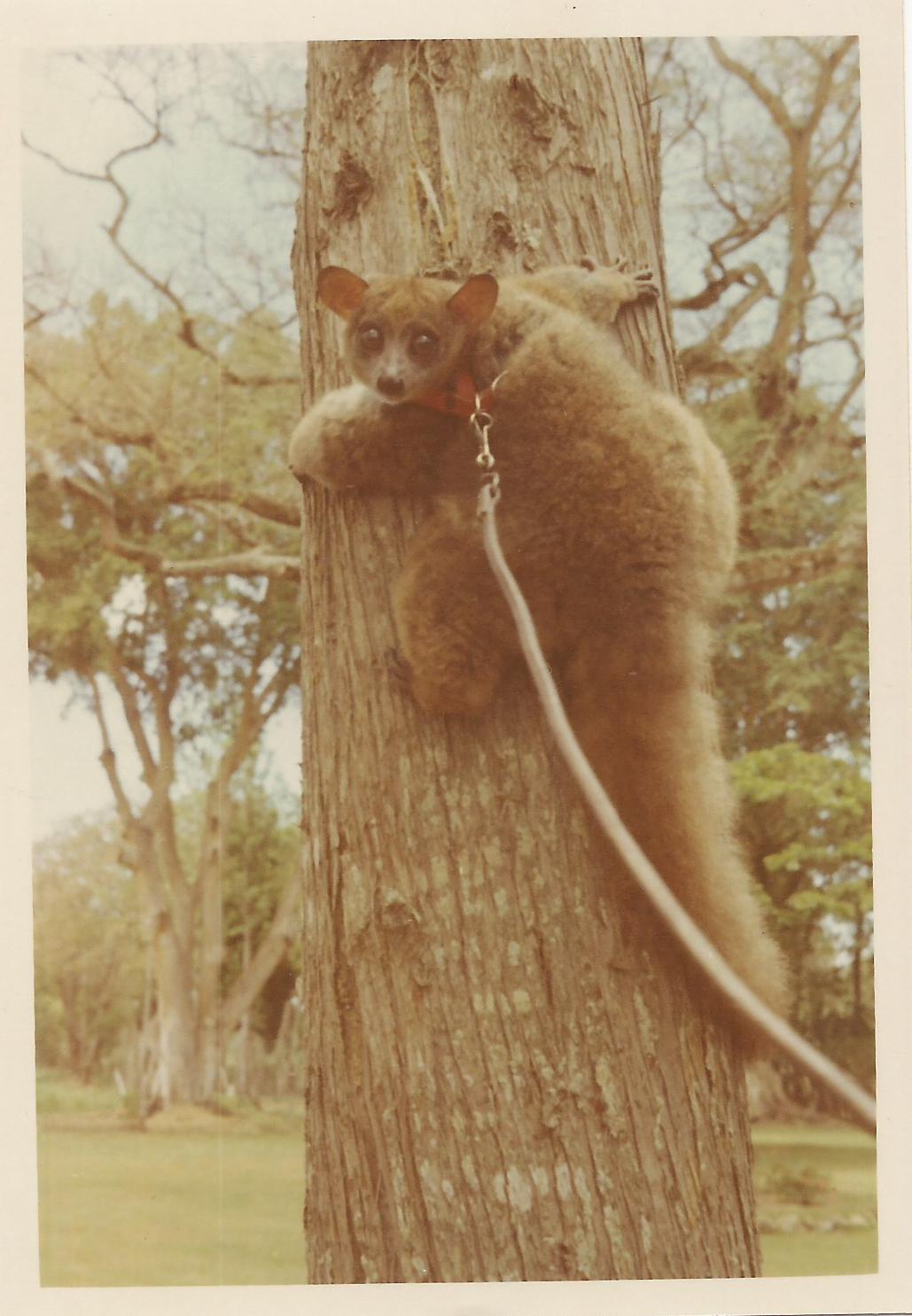
There was always talk of the next expedition up-country. Careful packing was a constant preoccupation.

Complicated arrangements were ever being made. Uncle Tony was an honourary game warden, with the power to arrest poachers.
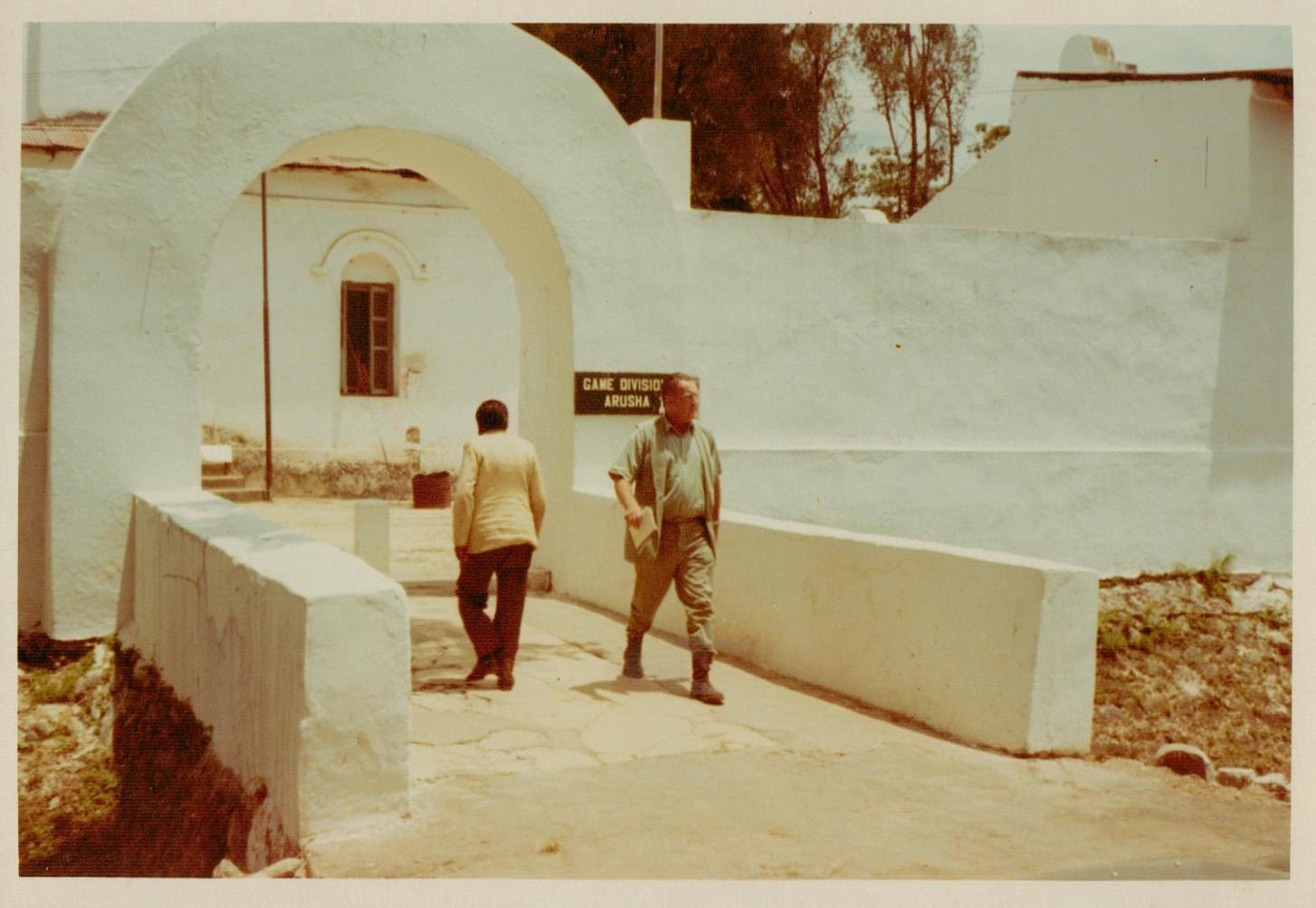
My mother loved the idea of going on safari and urged him to include us as he toured areas where wildlife thrived.
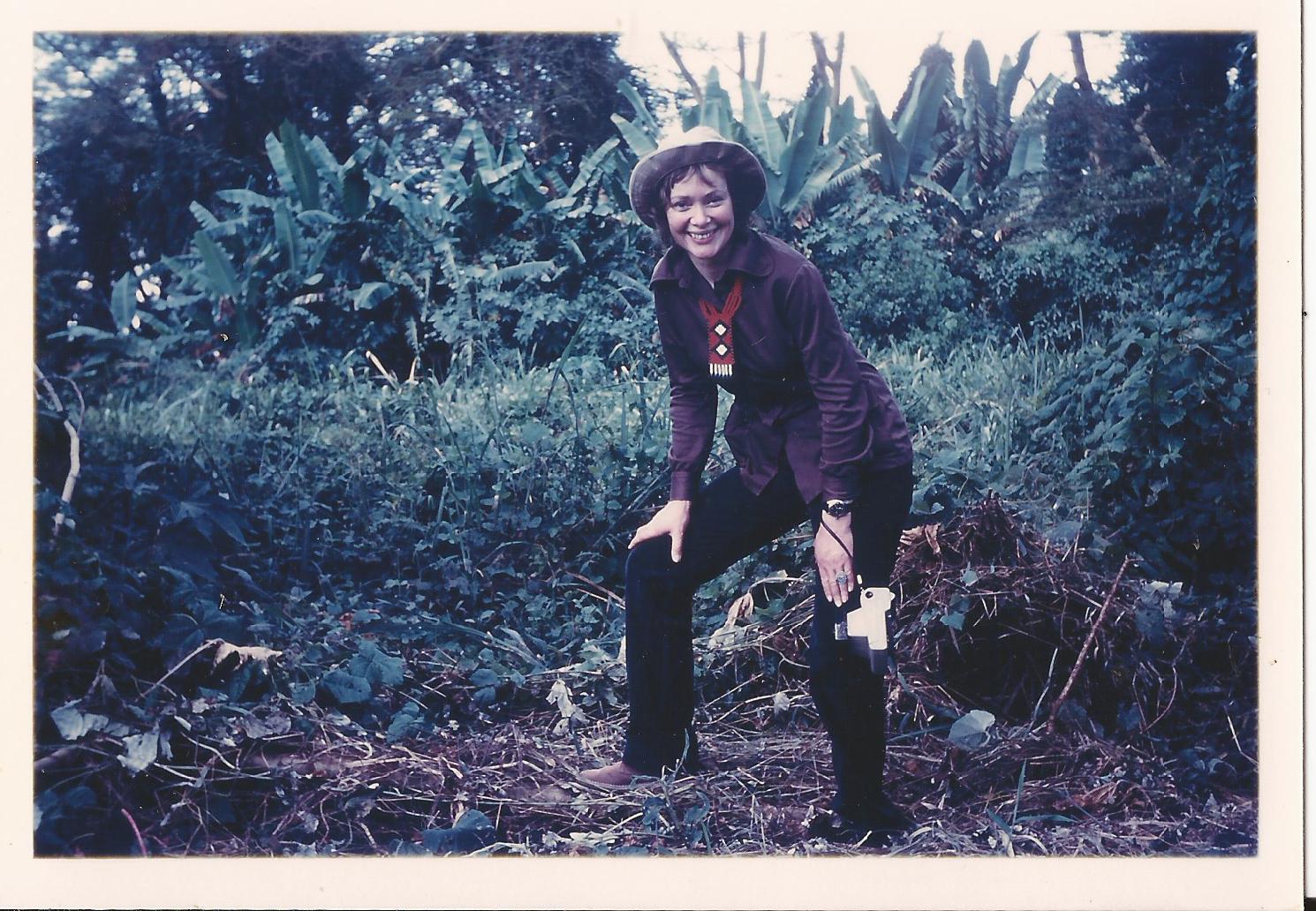
It was a privilege to be taken game viewing as a child by someone with such a depth of knowledge.
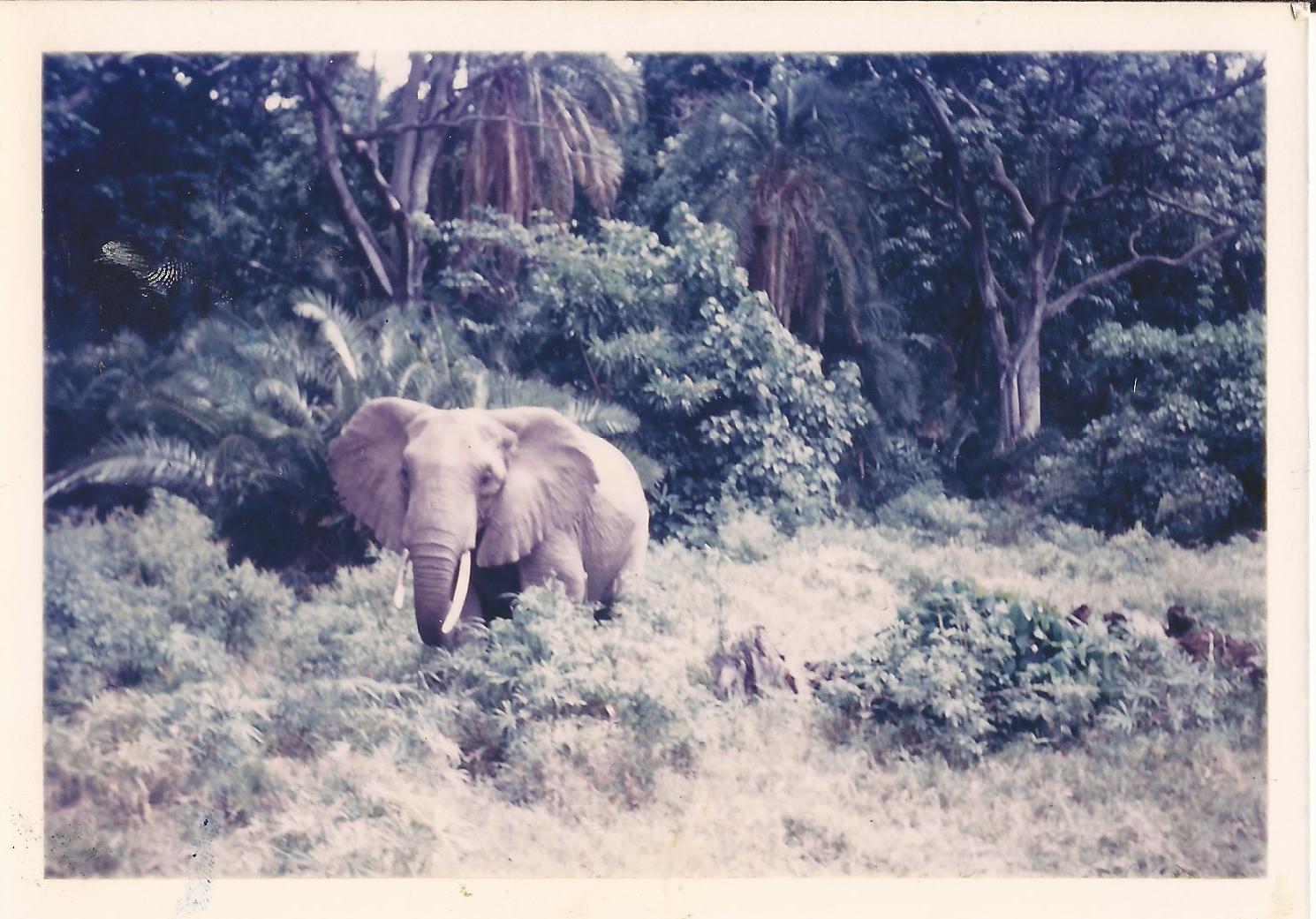
I began to sketch in the back of his Land Rover, while keeping lists of the animals we encountered and trying to learn their Swahili names.
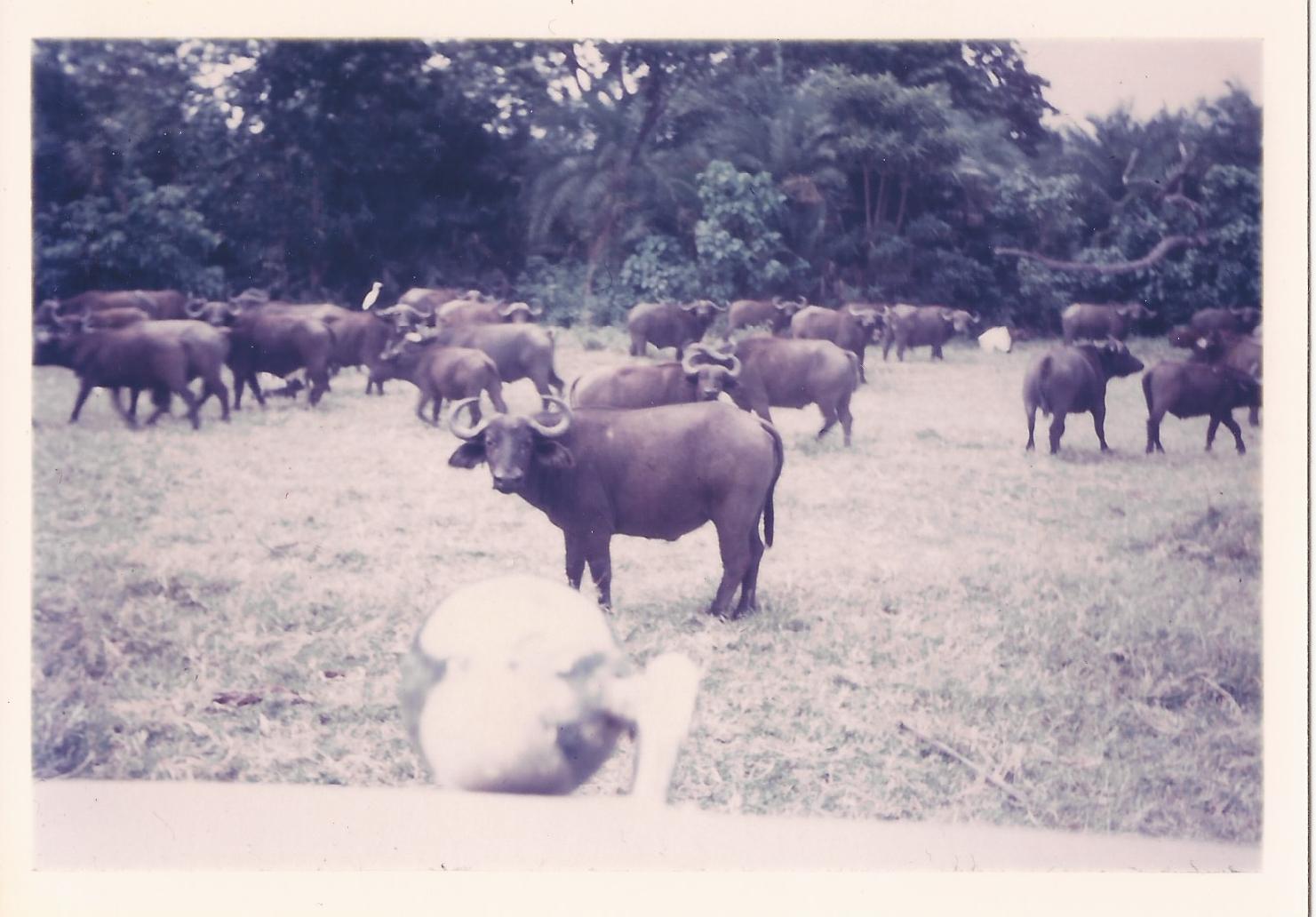
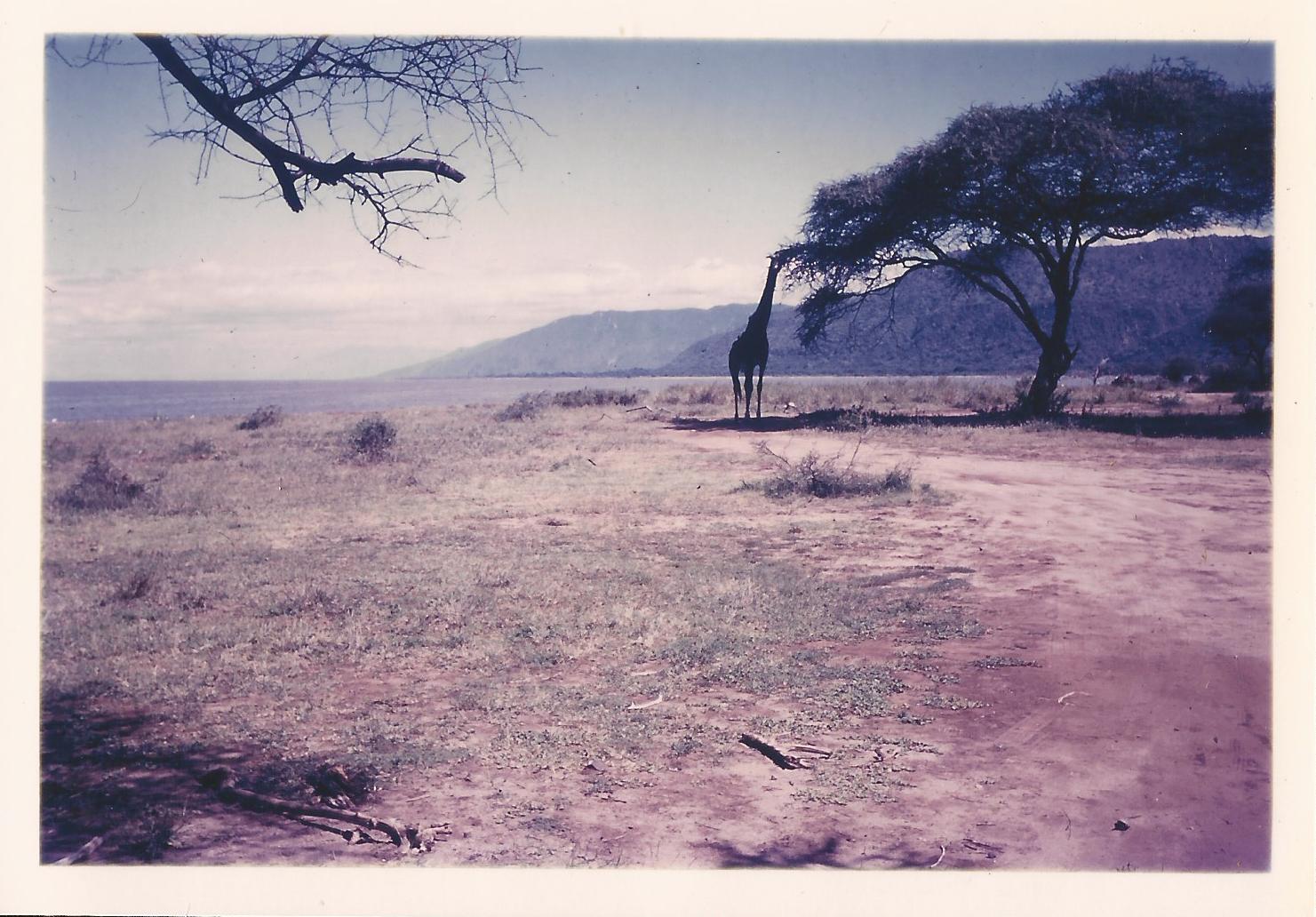
As we drove through the national parks, such as Lake Manyara we rarely saw another vehicle. The reason for packing so carefully was that there was no one around to help if anything went wrong. If you broke down or ran out of fuel you could be in serious trouble.
But there were always old friends to visit and they were charming, most hospitable.

After driving for ages, we’d end up at another farmhouse, playing croquet.
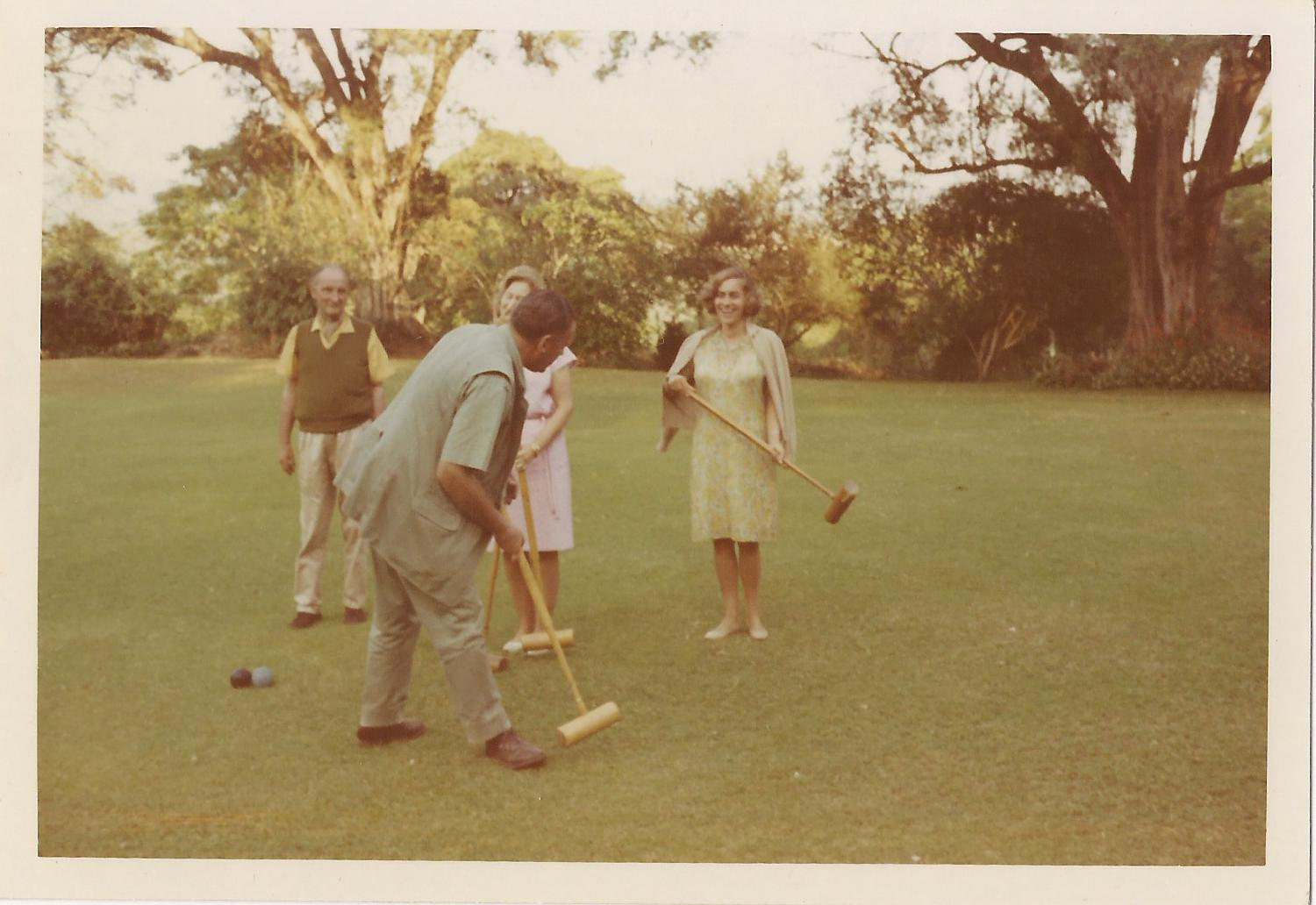
Nothing but croquet, all afternoon and evening. Somehow I survived. I did so by keeping a diary. It was the first of a whole pile of notebooks that have grown exponentially, forming the basis of quite a few books – with more to come.

To be continued.
‘I’d like to go to Africa,’ I declared as a little girl, ‘and see forests full of parrots.’ This I did. Everything I had ever hoped to see was spread out before me and the experience left a profound impression.

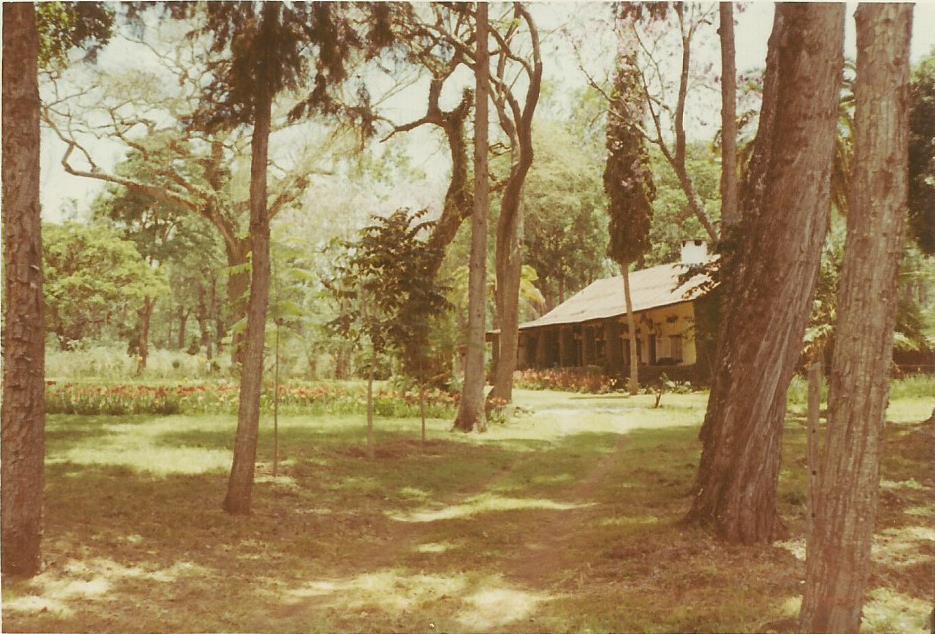
My great-grandparents began farming at Usa River, just west of Arusha in 1919. I first arrived in northern Tanzania in 1972, when my mother took these photographs of the house and garden where her family lived for fifty years. I longed to climb the ancient fig tree in the garden but was told a cobra lived there. It was probably on the lookout for parrots coming anywhere near it.

By the early seventies the family were busy farming coffee and often had visitors to stay. My great-uncle Tony used the farm as a base for his safaris and served as an honourary game warden having worked for many years in the Kenyan Police Force and Game Department. He was well-connected and once took Bing Crosby bird shooting, although this fact was kept secret until 2015.
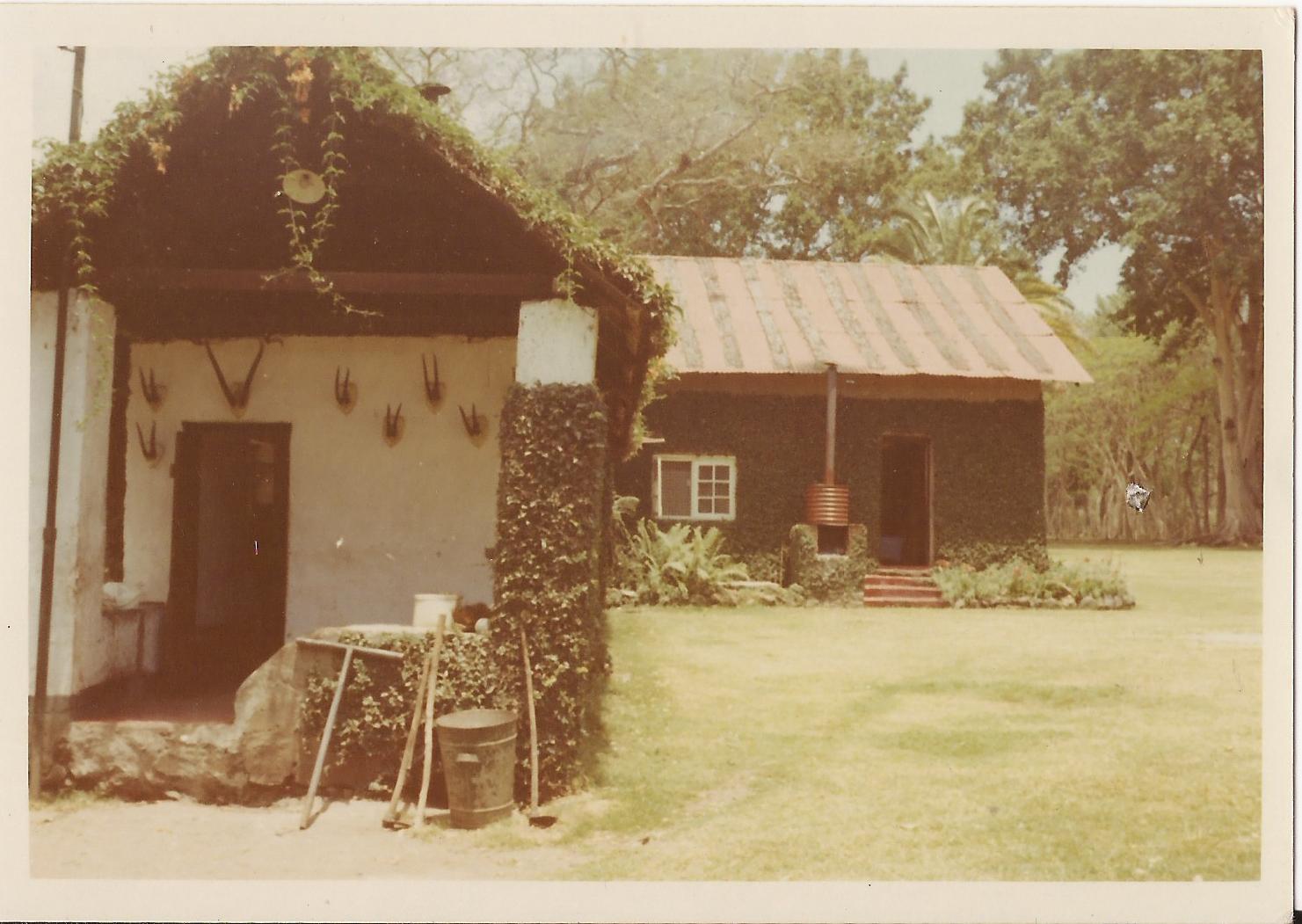
I loved the outdoor way of life, was intrigued by the kitchen that was seperate from the main house, and amused by the hot water system that consisted of small cylindrical tanks known as ‘donkeys’. Everything smelt of wood smoke. The best thing was that I was able to sleep in a safari tent set up in the garden, in true ‘Swallows and Amazons’ style. It felt as if I was being swept along in an adventure portrayed in the film ‘Born Free’ when Virginia McKenna played the artist Joy Adamson who became well known for bringing up a lion cub called Elsa, eventually releasing her into the wild.


‘Unlike other films, ‘Swallows and Amazons’ is within children’s reach,’ I’ve been told. It’s true. Any child can pretend that their bed is a sailing dinghy taking them to a deserted island. And when you are a little bit older – it’s not impossible to join a sailing club or go camping.
 We took Swallow to join the Aldeburgh Junior Lapwings on the River Alde in Suffolk.

One intrepid sailor had bought her own Lapwing for £100, raising the money by busking in Aldeburgh High Street. Tilly renovated and varnished the clinker-built dinghy herself.

She can be seen here teaching the younger children how to owl hoot, playing ‘What Shall We Do With The Drunken Sailor’ on her thumbs.

The children went fishing for crabs, which they later raced down the slipway.

They went in search of treasure – if that is what you call a scavenger hunt –
 before sailing back to camp by the mud flats, cooking out in the open and sleeping in tents.
 They launched their dinghies, raised their red sails

and headed off, catching the tide.

Swallow, the dinghy used in the 1974 film ‘Swallows & Amazons’ acted as flag ship.
You can find ideas for Swallows and Amazons themed parties and presents here.

You can read about the adventures we had making the original movie of ‘Swallows and Amazons’ in these illustrated publications available online:
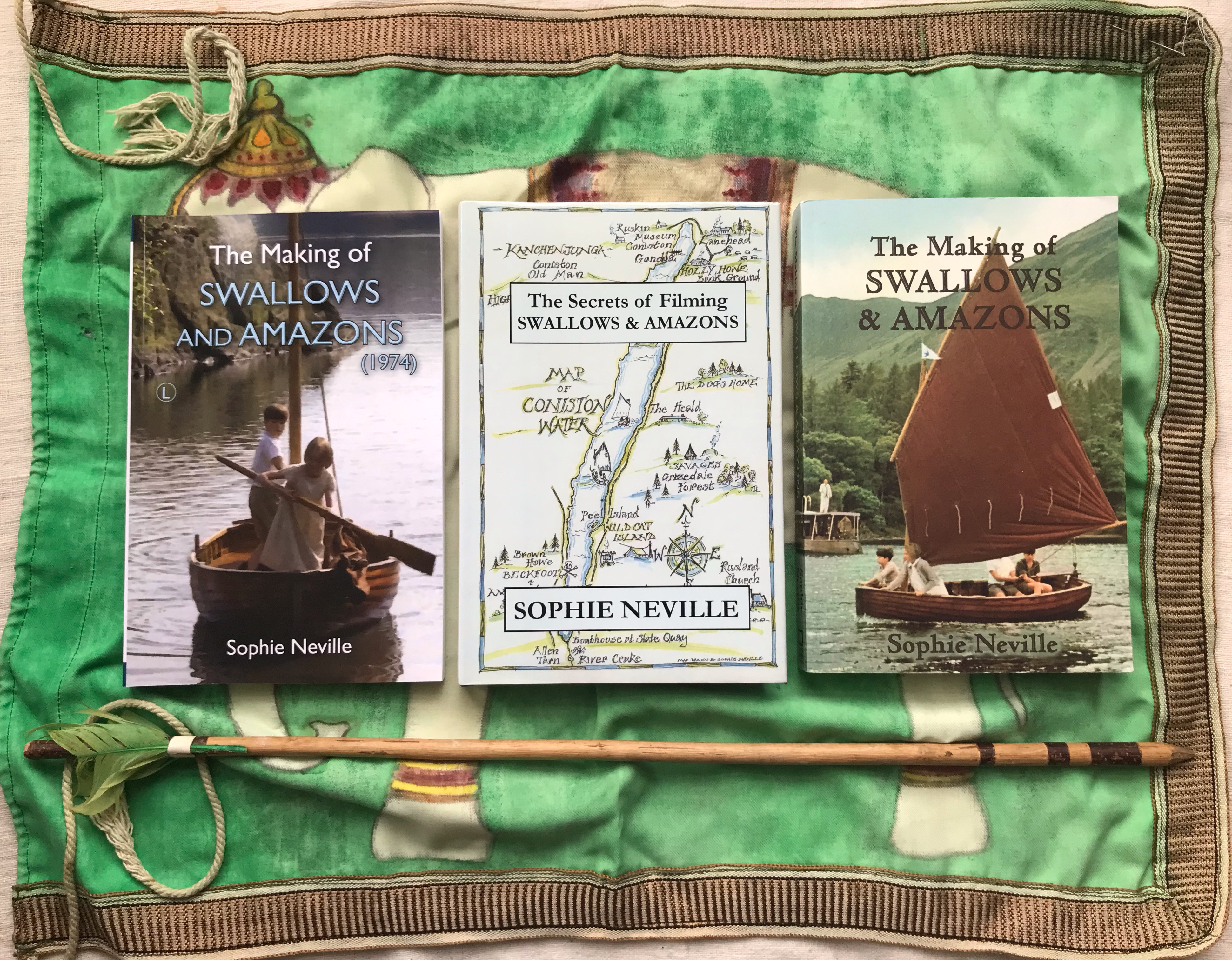
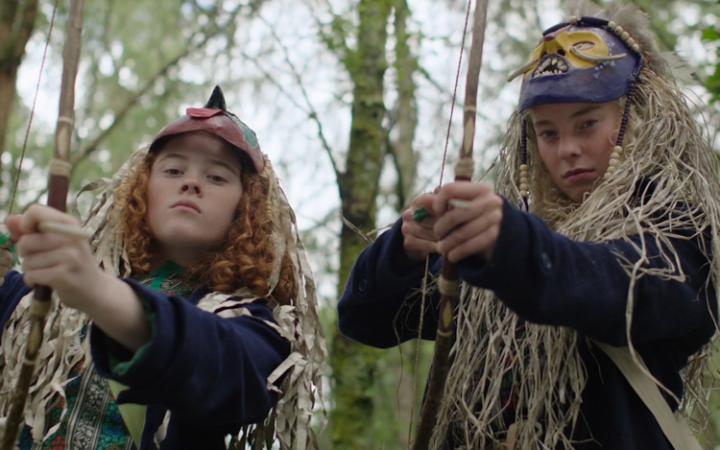
Swallows and Amazons – the new film trailer: where adventure meets danger
Please click here to view of the film trailer
If you experience problems watching it – first make sure ‘Flash’ is enabled on your computer
To get a behind-the-scenes look of the classic film, take a look at the book ‘The Making Of Swallows and Amazons’
The first swallows have arrived and summer is here. You only have to look around to see parents advocating a ‘Swallows and Amazons’ childhood for their offspring. They want to go camping, catch fish and learn to cook on open fire.
Titty’s dream of being alone on an island to experience what it must have been like for Robinson Crusoe has never been seen as worrying. Parents want to encourage their offspring to use their imaginations and explore the wilderness, knowing it will be memorable. As long as the weather holds they are happy to act as Man Friday. By exercising her imagination, Titty comes up with ideas that ultimately win the war and develop courage and resourcefulness by taking part in the adventure even though Captain John is at the helm. The fact that the mere able seaman becomes hailed as the hero of ‘Swallows and Amazons’ has inspired a generation.
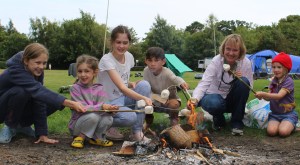
TARS at Cobnor Camp
If you want the real deal, become a family member of The Arthur Ransome Society and sign up for one of our summer camps while there is still space:
If you can get to the Lake District, there is a camp on Coniston Water in Cumbria
If you are nearer the south Coast, there is a weekend camp at Cobnor, sailing around Chichester Harbour
In previous years there has been a ‘Swallowdale’ Camp in North Derbyshire – and a sailing weekend in Staffordshire.

Swallow at Cobnor
The Nancy Blackett Trust offer memorable opportunities for children and teenagers, as well as adult sailors who love the opportunity of going out in Arthur Ransome’s yacht and meeting like-minded people.

The Nancy Blackett is based on the Orwell near where the Ransomes lived in Suffolk but she ventures forth and was even spotted on the Hamble last year.

‘Where are they now – the cast of ‘Swallows and Amazons’?’
I can see from my admin page that this question is often typed into search engines – three times before 8am this morning. An awful lot of people seem to want to know what the children who played the Swallows and the Amazons back in 1974 are doing now they are all grown up. For this little Swallow it really has been ‘Swallows and Amazons Forever’. I’m still wading out to the island.

‘Titty the Isrealite’ photo of Sophie Neville taken by Hilary Weston
Now a writer, I am officially President of The Arthur Ransome Society, one of the largest literary societies in the United Kingdom with six branches and quite a number of overseas members. They even have association with the Arthur Ransome Club in Japan.

This year we held our International AGM weekend in Dumfries in the lowlands of Scotland, when we much enjoyed walking along the Solway and across the wade to Rough Island, just as Titty walked out across the mud in Arthur Ransome’s book ‘Secret Water’. There seems little difference except that I have a dog called Flint rather than a kitten called Simbad.
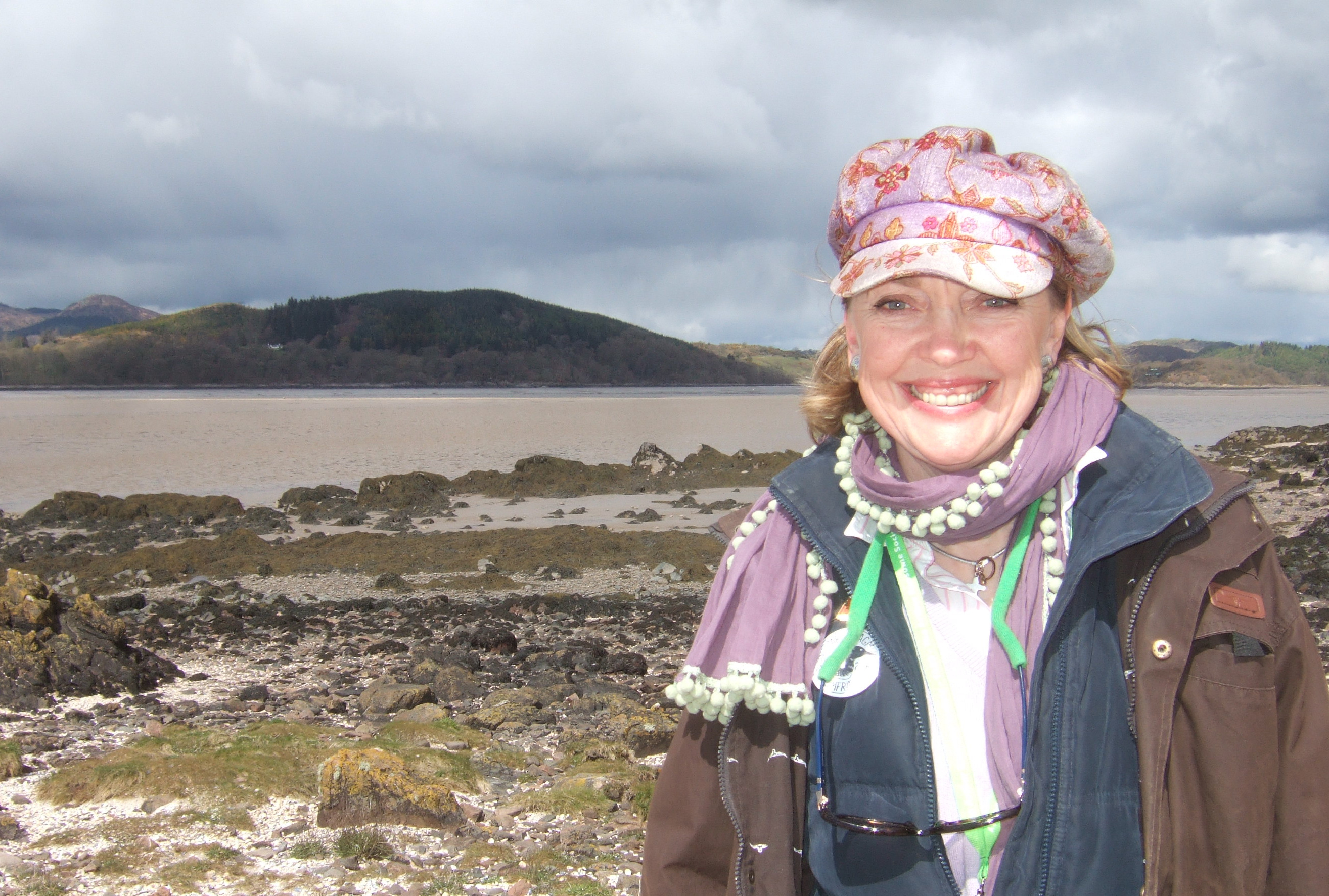 Sophie Neville who in 1973 played Titty Walker in the EMI movie of ‘Swallows & Amazons’ dressed up to face the Scottish weather
The great excitement at our IAGM this year was that Nick Barton, the CEO of Harbour Pictures came up to Dumfries with his screenwriter Angela Gibb to tell us about their new adaption of ‘Swallows and Amazons’ released in cinemas on 19th August 2016. I helped him to carry a huge plasma screen up to the hotel where the conference was taking place so that members could watch the thrilling new promo. We were sworn to secrecy, but you can read all Nick told us in a feature article in the Saturday Telegraph. This online version has more photos than the print version and mentions The Arthur Ransome Society. There is additional comment in the Sunday Telegraph.
You can read more about how we made the original 1974 film of Swallows and Amazons here
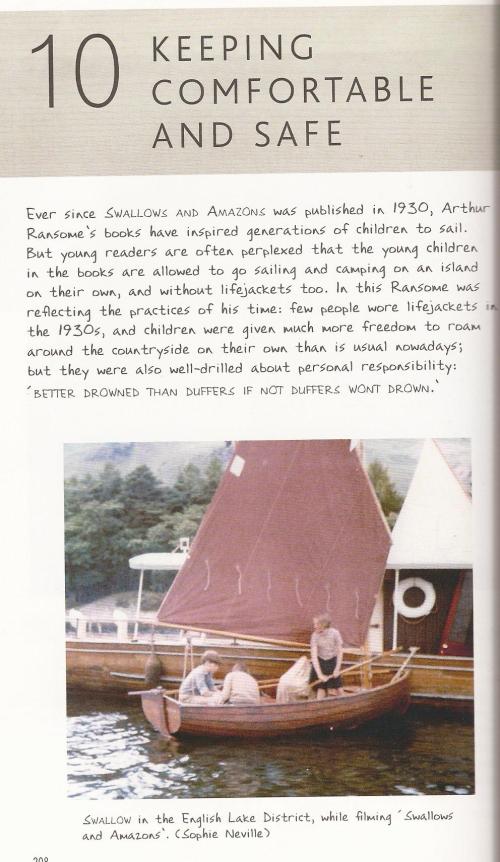
If you are keen on dinghy sailing and looking for adventure, this is a book to accompany you through the summer months ahead. It is full of sound advice from Roger Barnes who learnt to sail on Windermere in Cumbria and is now President of the Dinghy Cruising Association. He has written for Classic Boat, Watercraft, Dinghy Sailing Magazine and currently writes for Classic Sailor.
Roger emailed me to ask if I had a photograph of us sailing Swallow without life jackets. I supplied him with this shot my mother took in 1973 since I am standing in the dinghy. I am not sure how we managed to go about when we sailed off, as it also contained the parrot’s cage.
I will certainly take The Dinghy Cruising Companion with me if I manage to get Swallow to Brittany in the near future. As you can see from the cover Roger often takes his own boat to regattas in France.
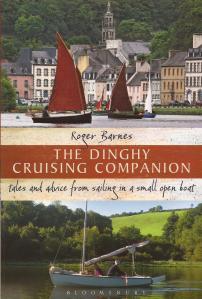
I bought my copy of Roger’s paperback online but it’s available from all good bookshops. To find out about sailing Swallow, the dinghy used in the 1974 film of Swallows and Amazons, please click here for Sail Ransome.
Last weekend we had the IAGM of The Arthur Ransome Society in Dumfries. Why not join this literary society who organise great events and summer camps. If you are not able to get out and about there is a wonderful Arthur Ransome Group on Facebook
To read my own article for Classic Sailor please click here

 Sophie Neville