‘What is the film of Swallows and Amazons about?’ Nigel H Seymour’s review of the 1974 movie made on location in the Lake District


The Eternal Swallows and Amazons by Nigel H Seymour

I recall being contacted by a friend who had just passed his driving test, and wished to spend a lazy day in the Lake District where he’d insisted on hiring a rowing boat in Bowness on Windermere in order to ‘enjoy the beauty of the lake’. While heading out from the jetty towards the ‘Lily of the valley’ island in rather a clumsy fashion, I was asked. ‘Who do you want to be, the Swallows or the Amazons?’

At a later date I was given the book ‘Swallows and Amazons’ written by Arthur Ransome together with a video and an original vinyl of the music soundtrack. Turning the pages of the 1930 novel was like opening a door to several other worlds for suddenly the lakes swept in like the most refreshing breeze that kindled an inner passion for hills, mountains, lakes, sleepy streams and mists, early morning stillness on the water and sailing adventures.

Watching the film for the first time was a turning point in my rather dull experience of being at school in the north west of England with its drab corridors, gray walls and endless smoking chimneys out to the horizon.

Within a very short time I too have taken a seat on a train en route to the Lake District in 1929 that had a family travelling together in one of those wonderful old carriages consisting of four children and their mother who were to spend a holiday together in a beautiful farmhouse nestling in the trees by the lake.

 For some reason William Wordsworth’s immortal words ran through my mind: ‘Beside the lake beneath the trees fluttering and dancing in the breeze.’

The story touches on many human aspects that we all learn to accept as a part of our evolvement into adulthood and which today seems to have got lost in the quest for an increasingly fast world understanding and a computer generated experience.

The joy of the family arriving at the farmhouse and standing there looking out over the glorious Lakeland towards their dream island where it’s hoped they will be able to embark on a camping holiday after receiving permission from their absent father.

The four children, John Susan Titty and Roger Walker, all displayed an individual aspect of evolvement, with Titty engrossed in the book ‘Robinson Crusoe’, using her vivid imagination to create the island realm and keeping a hand written diary, while John seemed to be moving towards a Naval leaning by spending his time learning the basics of Morse code, boat handling and navigation. Young Boy Roger enjoys stuffing himself with anything he can possibly eat, appears to be showing signs of enjoying the great outdoors, and wants more adventure. Susan comes across as the mother figure who thinks about the younger siblings and what they all will be eating while on their adventures.

The story unfolds as the children receive the go ahead in a telegram from their father to sail over to their island to camp in a borrowed dinghy called ‘Swallow’. A burgee is sewn up to fly from the mast depicting a swallow. This news is received with unadulterated delight by the children who immediately begin the preparations.

The lake and mountainous surroundings featured in the film begin to open up as the children undertake their journey to discover sailing rivals in Nancy and Peggy Blackett who live in one of the houses bordering the lake and own a dinghy named ‘Amazon’ that sports a ‘pirate’ burgee. 

Initial rivalry erupts between the Walkers and Blacketts, which results in eventual harmony as the two sides join forces to capture a common enemy who just happens to be the Blacketts’ ‘Uncle Jim’ who owns a houseboat on the lake and is busy writing a book. 

The Swallows and Amazons decide to host an expedition to capture Jim (‘Captain Flint’) and the houseboat, and, to determine who should be the leader, they make an attempt at capturing each other’s boats. 

This requires sailing at night and some pretty shady manoeuvres, which are grievously frowned upon when discovered by the Walkers’ mother when she made a journey to the island to check up on the children and found Titty on her own. John has to confront his mother and explain his reasons to sail in the dark.  She reluctantly accepts his explanations but with a proviso that no further actions of this sort will occur again for the remainder of the holiday.

Titty won the day by seizing an opportunity to capture the Amazon boat while the Blackett’s were on Wild Cat Island, making the Walkers the winners. This leads up to the finale where there is a sea battle as the Swallows and Amazons launch an assault on Captain Flint and the houseboat when he is captured and made to walk the plank. The end of the film sees Titty gifted with Flint’s pet parrot who seemed to have taken quite a shine to her, and everyone resolves to be kindred spirits for ever!

After watching this film my mind was transported to the lakes and sharing the beautiful sunny days, crispy clear water and blue skies with the backdrop of the mountains the wooden jetties and a sailing journey into Bowness for supplies. I could sense myself seated in the lugsail rig and feeling the tug on the main sail as the boat crept closer to the wind before going about and heading away onto another tack.

I was carried with the family into that other realm and other time where innocence and responsibility were coming to the fore, where family values were held dear and independence was something young people strove to achieve within the simplicity of their everyday existence. For the brothers and sisters to go camping on a small island in the middle of a lake away from any overseeing adult, and to arrived there by sailing over in a borrowed boat, leaves little to the imagination.

There was a sense of adventure with the children, and a wanting to show they could be responsible and look after themselves, something in today’s society we have to a degree lost touch with. That immortal sense of adventure within a landscape never changes, except within its own light that we know and love today as the Lake District.

This film is a journey into another dimension and another world steeped with love and belonging, adventure and moral understanding, which is shared between a family and accepted.

The characters are bought to life almost as if they are an infinite, integral part of the immortality of the story, each giving that picturesque understanding the viewer finds impossible to explain.

After watching this film one arrives back in real time with a resounding bang! We wonder why such a simple story can create such an iconic understanding, why watching this film can make you feel happy, totally complete and yearning to return again and savour that wonderful, eternal landscape we have all learned to grow and love as The Lakes.

Do think of leaving a review of this film on the International Movie Base site. The link for ‘Swallows and Amazons'(1974) is: https://www.imdb.com/title/tt0072233/
Authors who mention the 1974 film of ‘Swallows and Amazons’

People often write to say how much they have enjoyed the original film ‘Swallows and Amazons’ (U) produced by Richard Pilbrow in 1974, which is currently streaming on Amazon Prime. Being suitable for all ages, it is often screened at outdoor festivals and is on Netflix in Europe.

‘Is it a good movie?’ people enquire of Google.

Helen Fielding mentions the DVD of Swallows & Amazons 1974 in the first edition of ‘Bridget Jones: Mad about the Boy’ claiming it to be more edifying for her children to watch than ‘Beverley Hills Chihuahua 2‘.

Dame Margaret Drabble told Claude Whatham, the director, how much she loved Titty in his film of Swallows and Amzons, which was a huge compliment.

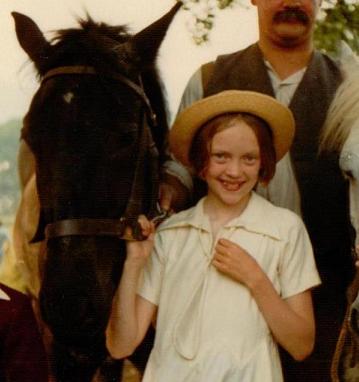
Sophie Neville as Titty in 1973

Elspeth Huxley CBE – author of thirty books including The Flame Trees of Thika – loved the 1974 film of Swallows and Amazons, reviewing it for The Tatler magazine under her married name, Elspeth Grant.

Simon West, Sophie Neville and Suzanna Hamilton appearing in The Tatler

There is special interest from a number of authors –

Wendy Clarke, who has set some of her psychological thrillers in the Lake District auditioned for the part if Titty in 1973. You can read her story on another post here.

When Catherine Lamont from Australia wrote on Facebook to say, “Just read a 2020 book mentioning ‘Swallows and Amazons’ (someone spotted in a bookshelf belonging to one of the main characters): The Enigma Game, by Elizabeth Wein” the author hrself, Elizabeth Wein, wrote in to say, “Not just in The Enigma Game – I namedropped Swallows & Amazons in my novel Code Name Verity, too! It was given to me by my grandmother’s best friend when I was seven and was one of my favorites. My own children, who never actually read it, were huge fans of the film”.

Christine Stevenson said that she was introduced to Swallows and Amazons by ‘The Unlikely Voyage of Jack de Crow’ by AJ Mackinnon about his journey from Shropshire to the Black Sea in a Mirror dinghy.

According to Kathryn Hughs in The Mail on Sunday BOOKS section, Robert Twigger ‘grew up in the 1970s obsessed with Swallows and Amazons’. He’s written 36 Islands: In Search of the Hidden Wonders of The Lake District… And a Few Other Things Too. It was well reviewed by Country Life.

Mail on Sunday - A homage to Swallows, Amazons and a girl with a rather rude name!

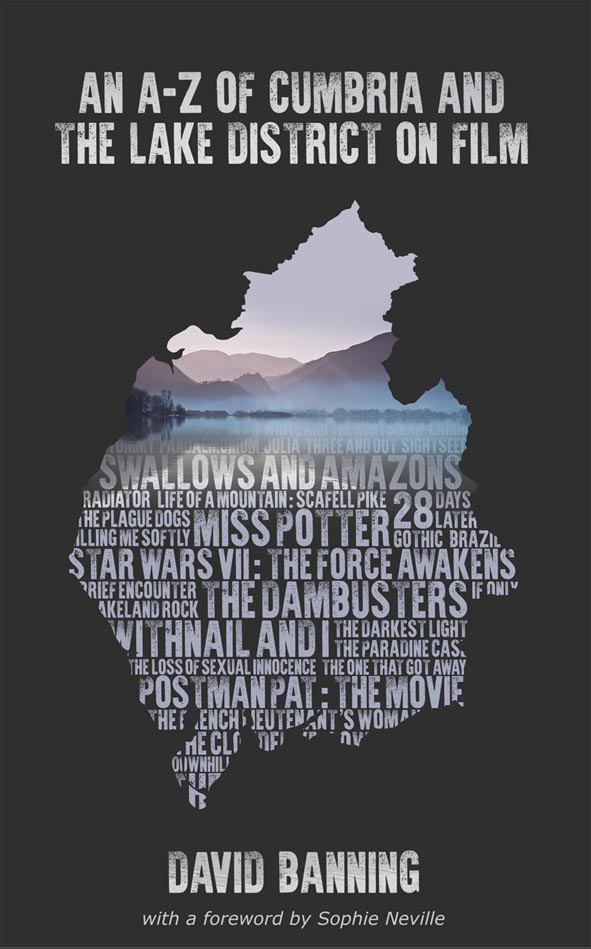
The arts curator David Banning profiled the 1974 movie of Swallows and Amazons in his book on films made in Cumbria and the Lake District, which you can see here.

Trevor Boult, who writes books on ships and sailing, is a great fan. He kindly donated the royalties from his most recent book Boats Yet Sailing to The Arthur Ransome Trust. You can order a copy direct from the publisher here.

For a list of well known people who love the Swallows and Amazons books, please click here

Do you know of any other authors who have written about the film? Please leave any information in the comments section, below.

Wilfred Joesph’s title music for ‘Swallows and Amazons'(1974)

You can read the first section about how the film was made back in 1973, for free, on the Amazon preview of the ebook here:

‘Swallows and Amazons’ (1974) the opening locations of the classic film

14th May 1973 – and it was the first day of making the original movie ‘Swallows & Amazons’ on location in the Lake District. A huge effort had been made to ‘dress’ Haverthwaite Railway Station, at the southern end of Windermere. The aim was to bring across the feel of a bustling holiday destination in the summer of 1929. Local people had been fitted with costumes in the Ambleside Church Hall, there was a horse and cart, porters’ trolleys laden with trunks and a number of old bikes, which were all of great interest to us.

Sten Grendon, Suzanna Hamilton and Sophie Neville

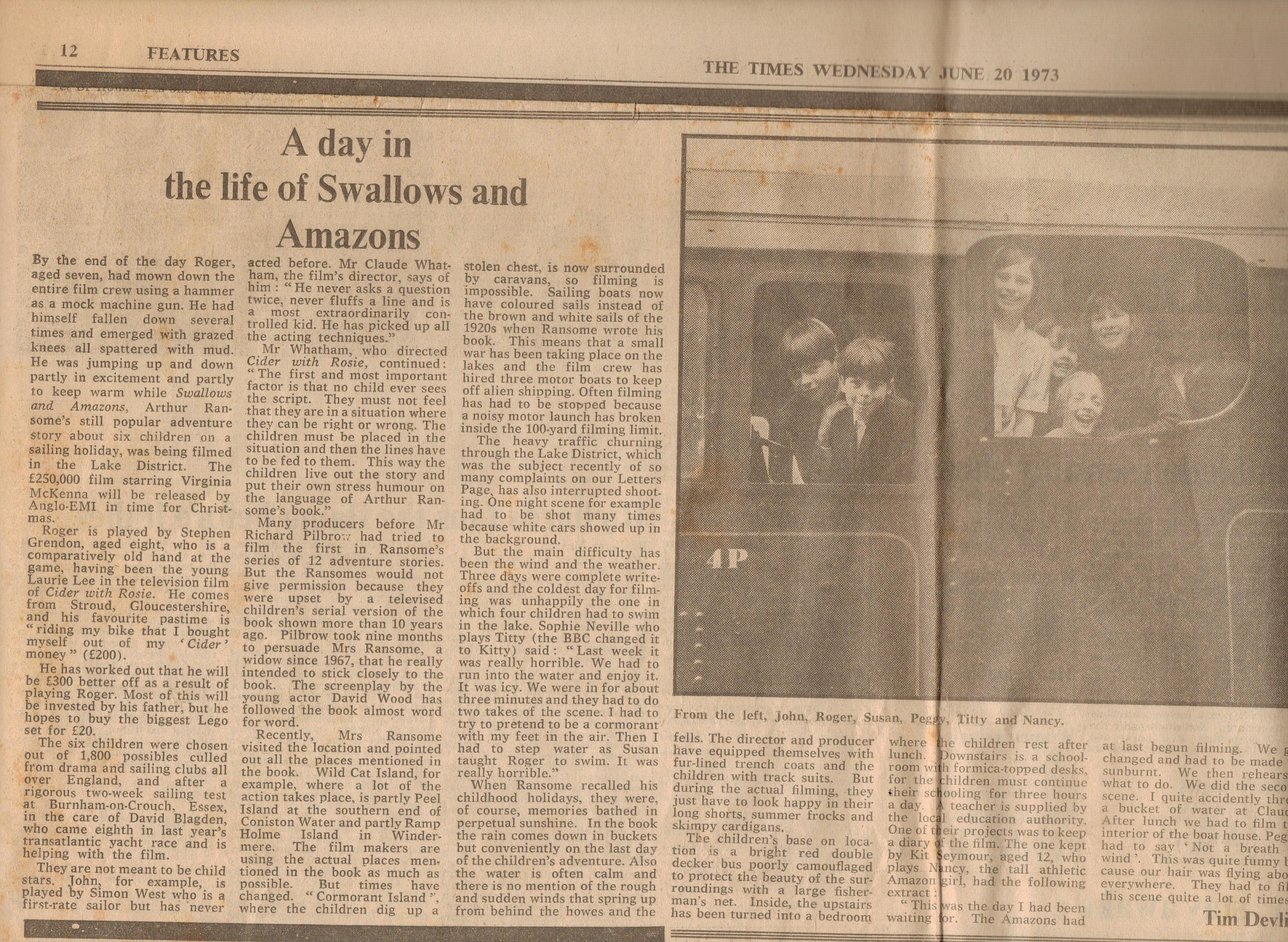
Having stepped down from the steam locomotive, where the Times photographer must have taken this shot (below) before we children were piled into an open-topped period vehicle, for further photographs.

An article in The Times 1973
A photograph taken for The Times of us all aboard the steam train at Haverthwaite

I thought the publicity photographs taken that day were silly, especially since Kit Seymour and Lesley Bennett, who played the Amazons, were wearing ordinary clothes rather than period costumes, but the results were later published far-afield from The Guardian to Woman’s Realm.

Viewers ask how old we were at the time. Sten Grendon, who played Roger was aged 8, Simon West (John) was aged 11. Although Titty is described as being aged 9 in the books, I was 12, as were Suzanna Hamilton (Susan) and Kit Seymour (Nancy). Lesley Bennett (Peggy) was 13, but looked younger. Virginia McKenna, who played my mother, has just been awarded a DBE – not before time!

With Virginia McKenna on the first day of filming
A publicity shot featuring Virginia McKenna, with Kit Seymour, Steven Grendon, Sophie Neville, Lesley Bennett, Simon West and Suzanna Hamilton, taken on the first day of filming and published in the Guardian and other newspapers

The yellow motor used in the film for our taxi was superb. Would a real Lakeland taxi have been so grand? I recorded in my diary that Sten, playing Roger, hung out of the window as the director, Claude Whatham, ‘filmed us driving out of the station, along the platform at top speed.’

Once this shot was ‘in the can’ Virginia McKenna was interviewed by journalists while we were hurried away to get on with our lessons. Our tutor taught us Art. I drew the a picture of the motor car.

Director Claude Whatham talking to Virginia McKenna

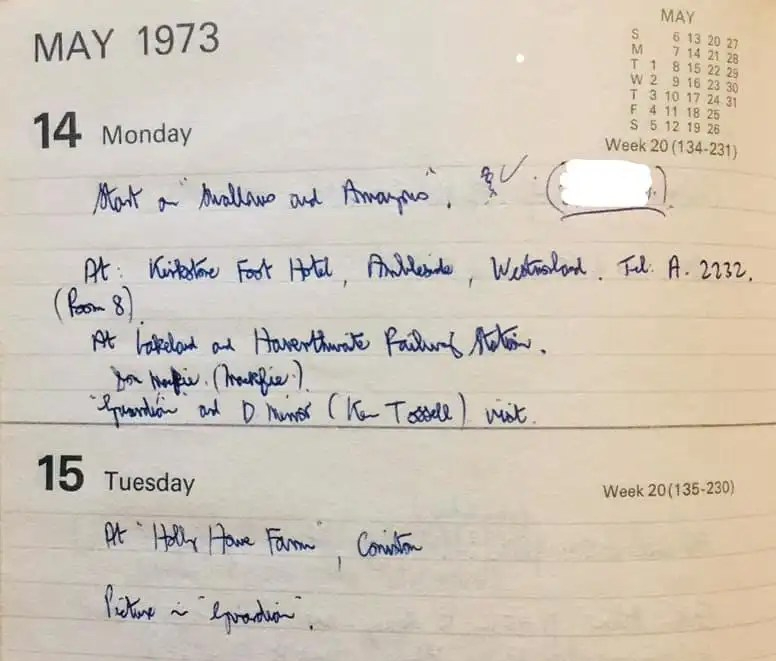
Journalists from the Times, Guardian and Daily Mirror were looked after by our publicist, Brian Doyle, whose diary was a little more functional than mine. I’m now struck by the telephone number for the unit hotel: Ambleside 2232

Brian Doyles Diary of Swallows and Amazons
Dairy kept by Brian Doyle, the publicist on ‘Swallows and Amazons’

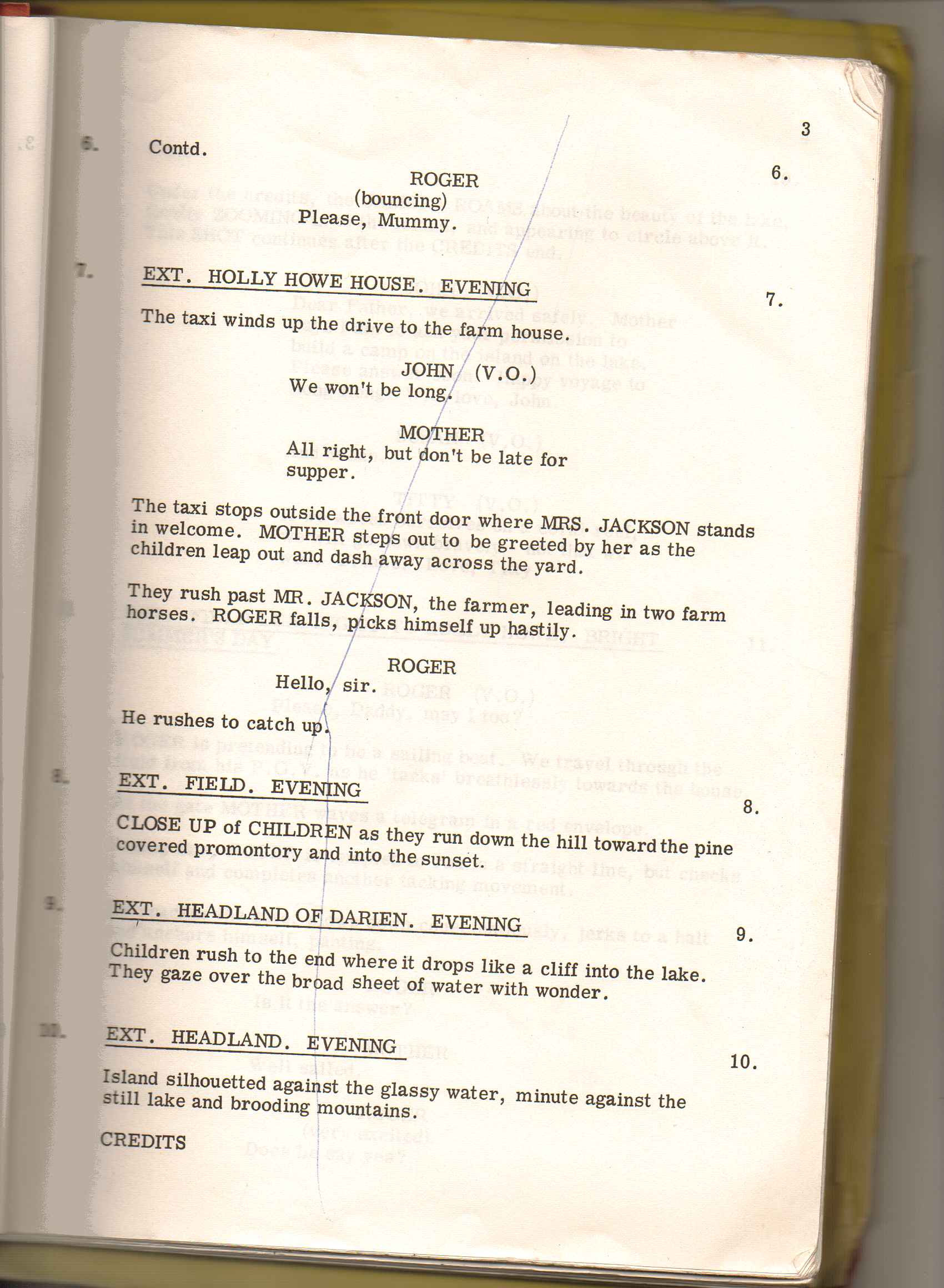
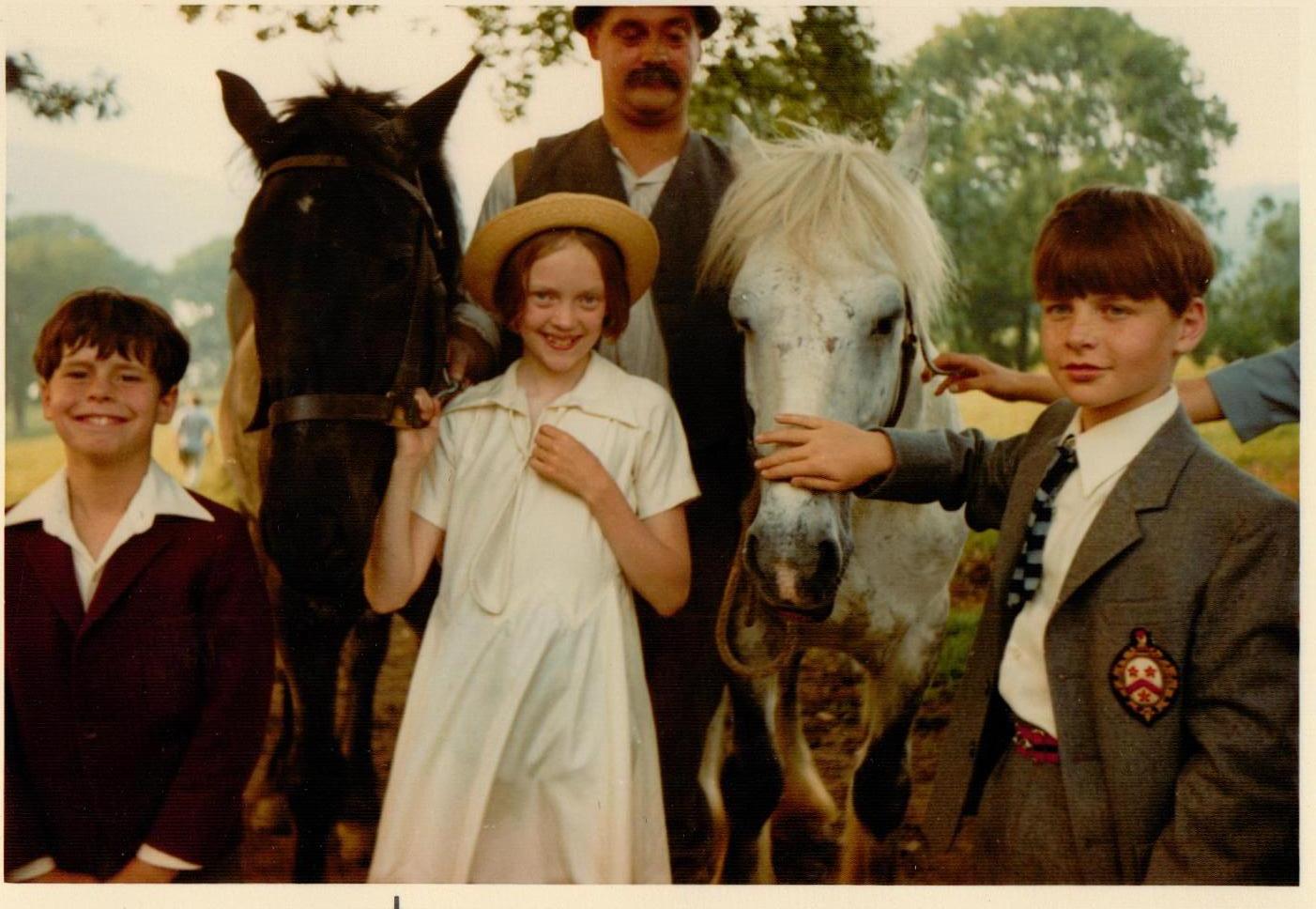
Arriving at Holly Howe in the taxi was truly exciting. It was not filmed the next day, as I think rain had set in. Claude waited for good evening light. But I remember the thrill of drawing up outside the farmhouse in the old car and pulling on my hat as we spilled out and ran past the big farm horses Mr Jackson was leading into the yard. Our OOV (out of vision) dialogue was added later.

The screenplay of the 1973 film ‘Swallows and Amazons’ adapted from Arthur Ransome’s book by David Wood

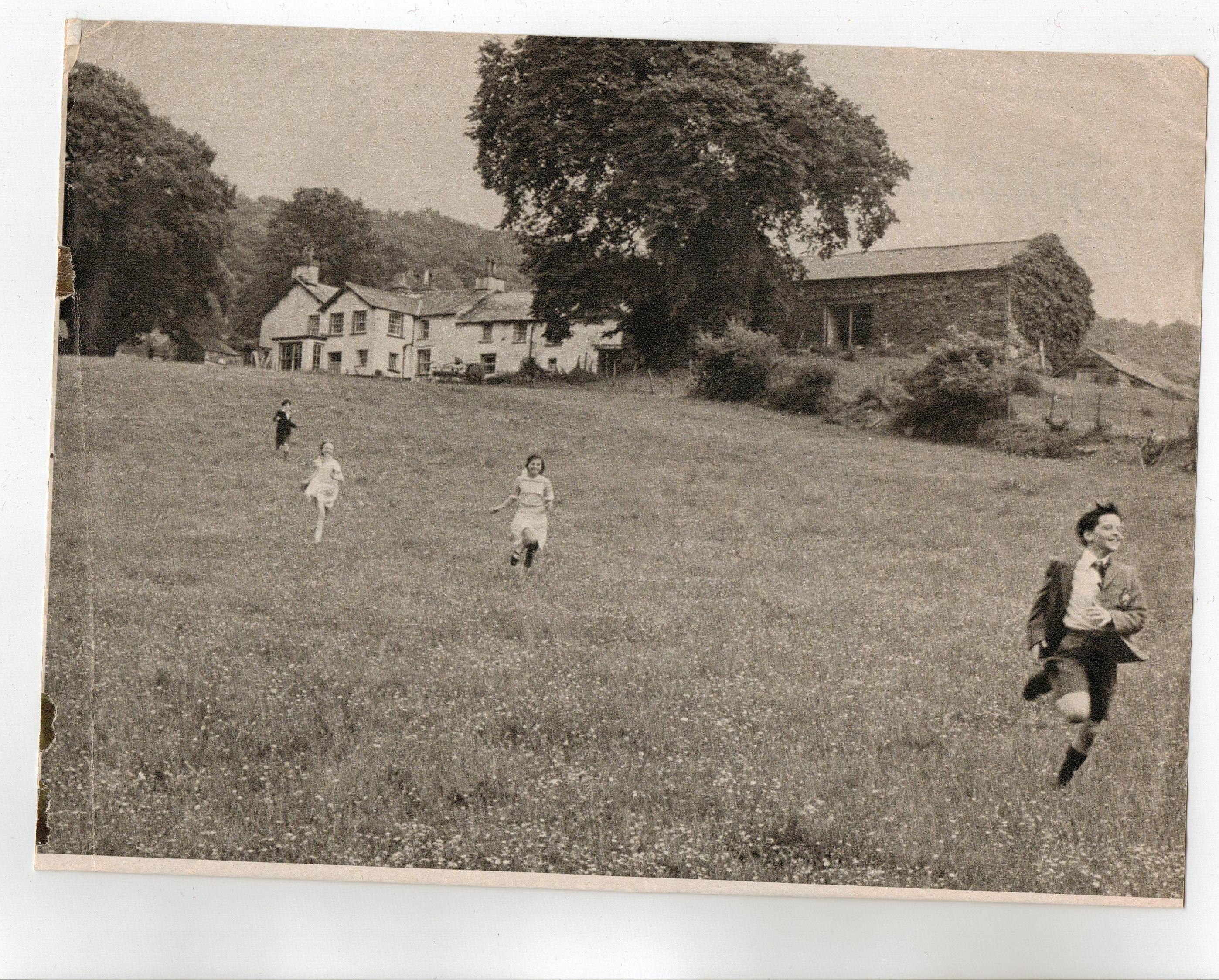
If you ever go to Bank Ground Farm near Coniston, named Holly Howe by Arthur Ransome in his books, you must run down the field to the lake as we did. As soon as you arrive. And at top speed. And you will be filled by the same feeling of elation as we were when we played the Walker children.

Bankground Farm
Steven Grendon, Sophie Neville, Suzanna Hamilton and Simon West at Bankground Farm above Coniston Water in the Lake District

The slope, formed by glacial scouring and subsequent deposits long ago, is steeper than you might think.  We became adept at the art of glaumphing, advocated by Ransome in the book.

What struck me when I returned to Bank Ground Farm one Spring, was that sadly the great trees have gone from around the old farm gate and the boatsheds down by the lake.  They must simply have reached the end of their lives, but their glory was captured on celluloid to be remembered forever.

Sten Grendon, Sophie Neville and Simon West with Mr Jackson at Holly Howe~ photo: Daphne Neville

Most Arthur Ransome devotees will know that the Peak at Darien, where once stood stout Cortez, is familiar to readers as it appears in two of the illustrations in the book. Sadly it can not be found below the farm in real life. Mrs Ransome said that you could find the headland on Windermere. In April 2011, when I was on an early recce with Nick Barton, CEO of Harbour Picture Productions, we did pass one promising spot. However Richard Pilbrow and Claude Whatham chose Friar’s Crag on Derwent Water for the location. I didn’t know it but Christina Hardyment writes in her excellent book, Arthur Ransome and Captain Flint’s Trunk, that they had found the very place Ransome had in mind, “without the slightest idea that they were quite right to be doing so.”  She found that Ransome had marked up postcard of Friar’s Peak for his illustrator Clifford Webb to work from in 1930. It feels completely right when you are there, with the iconic view of an island under the towering mountains. It was over a shot of this that the opening titles were added.

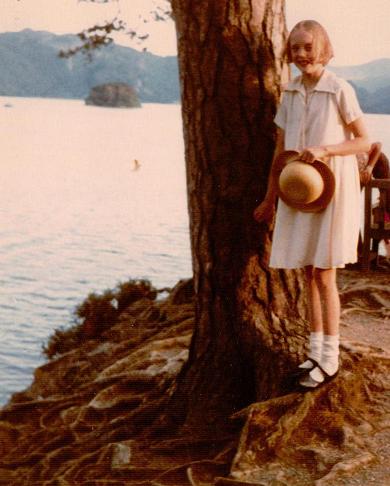
Sout Cortez was not around. Neither were we children. By the time we had been transported from Coniston to Derwent Water for this scheduled scene the sun was going down.  We’d been delayed by the make-up artist who was determined to tone down the tans we had developed.  This took ages as he used a very small sponge. My mother was frustrated, as she thought that this would never have shown up, but he put his foot down with the result that we were ‘late on set’ for the evening shots. Mum grabbed this photo but it was a disaster. Claude Whatham was very annoyed.

Sophie Neville as Titty arriving too late in the day to film at Friar’s Crag on Derwent Water. The island portrayed as Wildcat Island can be seen in the distance ~ photo: Daphne Neville

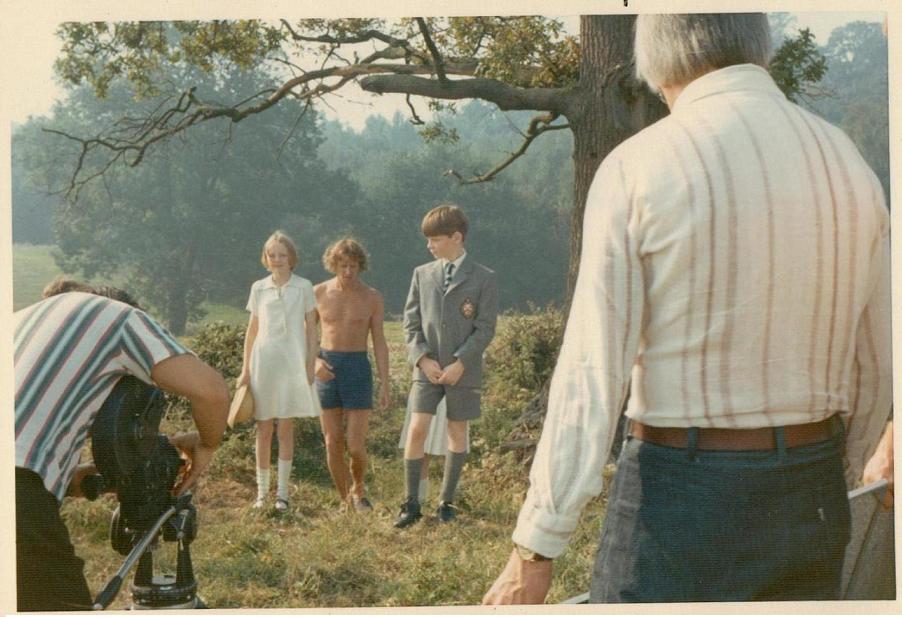
One of the big secrets of the film is that the sequence when we run up to the Peak at Darien and first set eyes on the island in the lake was shot under an oak tree in Runnymede, near the River Thames. We were not an island at all.  It must have been an expensive ‘pick-up shot’ but Claude had made an effort to gather together the same crew members and I was back in my lovely silk dress once more. We knew how to act by then and the joy of being together again shows on our faces.  The result was a scene to set the film off on the right foot.  We were jubilant and so excited, that, like swallows, we could have taken flight.

Sophie Neville, Claude Whatham and Simon West with Richard Pilbrow, right ~photo:Daphne Neville

I would have to check with Richard Pilbrow to be certain, but I think that Simon Holland, the Art Director, penned the SWALLOWS and AMAZONS graphics for the opening titles.  I remember a discussion about the font type. A very fashionable script used on the poster of the film was favoured. I said that they ought to use the handwritten capitals that Clifford Webb had penned on the map in the opening cover of the book, which were copied by Simon Holland (and me) on our chart. This was chosen.

Swallows and Amazons (1974)

A snazzy Seventies’ font, had been used for the titles of  Lionel Jefferey’s movie The Railway Children and the poster of Swallows & Amazons. For sometime a DVD has been available which gives you both movies released by EMI Films.

Click on this image to see the poster of the film

As a viewer I felt that this soon dated it, whilst Swallows and Amazons sailed onto our television screens in the 1980’s and 1990’s, without being spoilt by what became most unfashionable graphics. Of course that particular retro font is now all the rage.

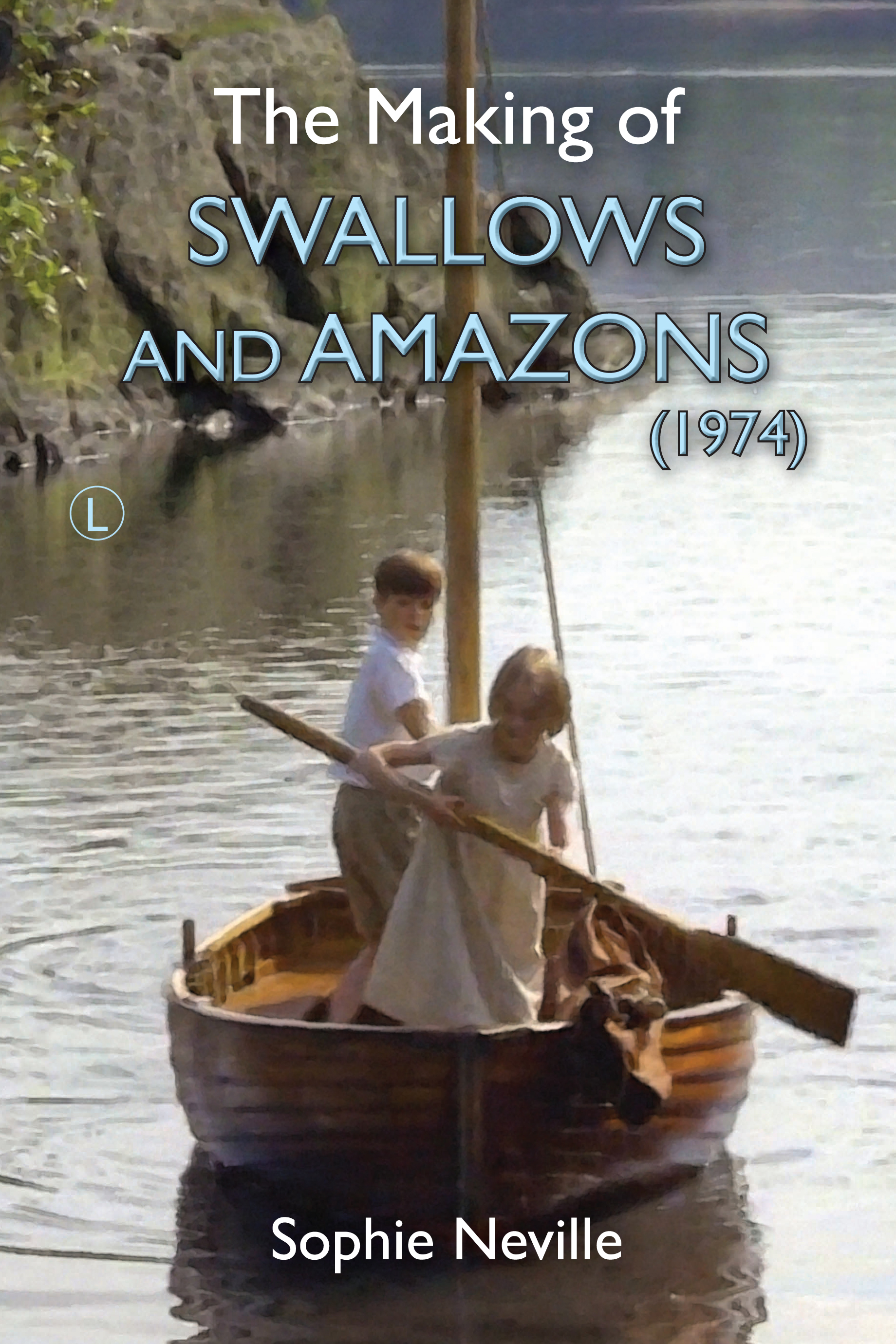
'The Making of Swallows and Amazons (1974)'

You can read more about the trials of producing the classic film in ‘The Making of Swallows and Amazons’ published by the Lutterworth Press, available online, at all good bookshops and to order from libraries.

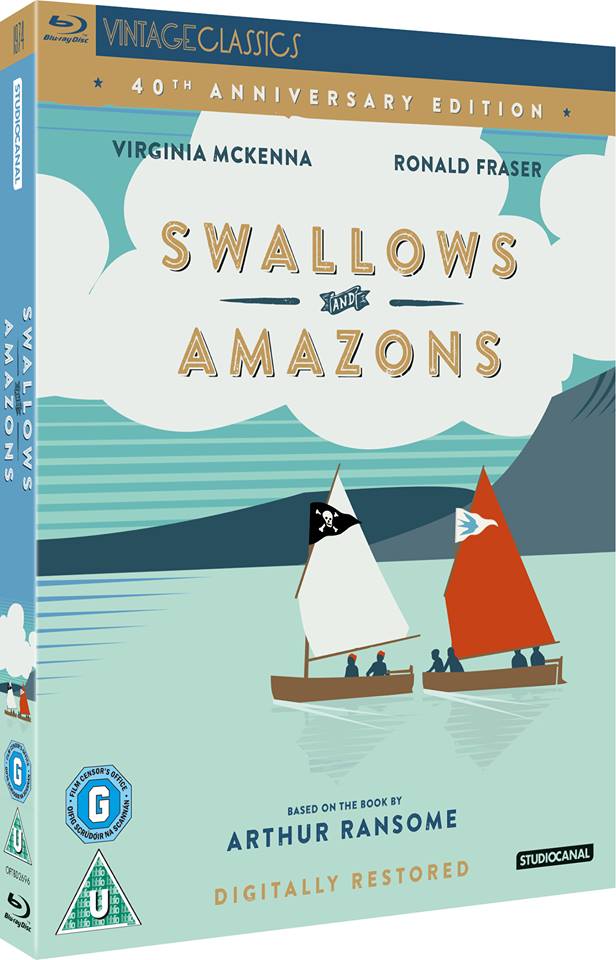
The remastered DVD with subtitles and an Extras package is available online.

StudioCanal DVD cover