Diary of a beachcomber: Taking part in the Great British Beach Clean 2020

The Great British Beach Clean is being organized by Keep Britain Tidy.  What does this entail?

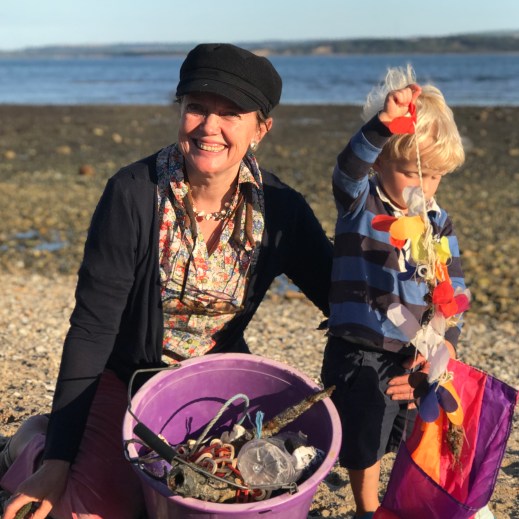
Little collected from Solent shores August 2020 - photo S.Neville

For me, the reality means extracting litter posted into prickly blackthorn bushes by those too lazy to take their party rubbish home. It’s usually made up of beer bottles and nitrous oxide canisters, which will never decompose.

I pull on a pair of gloves, grab bucket and barbecue tongs and just get on with picking up the litter. It is, however good to analyse what is found and report findings on social media.
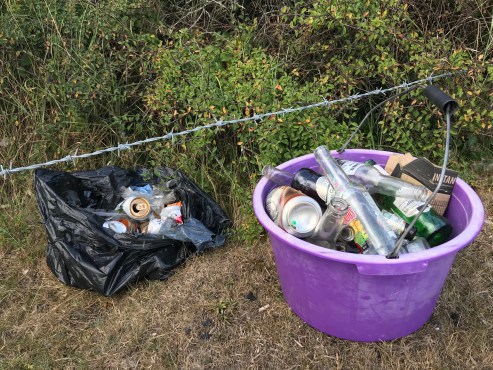
There is so little wave action on Solent shores that broken glass remains a problem for years, endangering paddling children, beloved dogs and wildlife.

On top of this we now have PPE, endless cans and paper cups that have been in people’s mouths, along with clothing and stolen items.

D6DCA248-53F3-41F0-A5D6-DF24D9110807

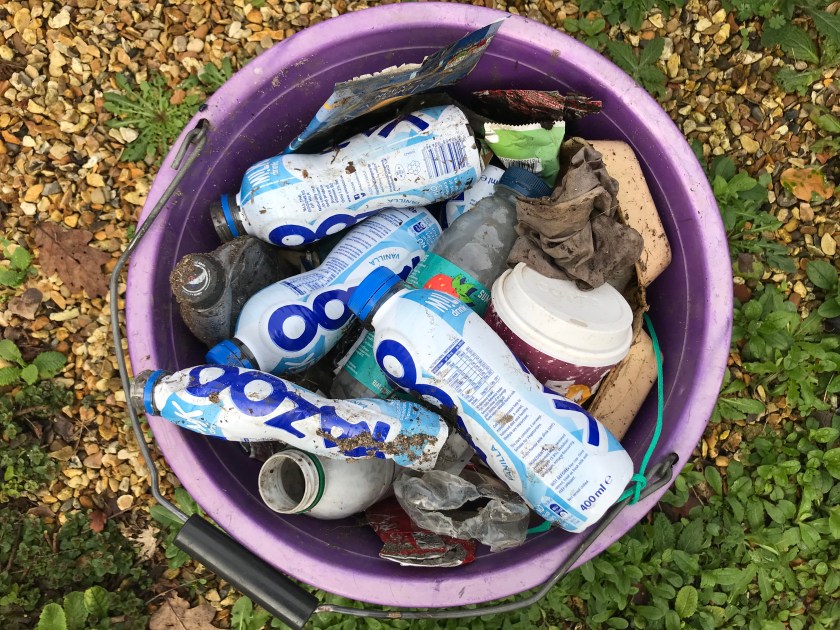
I use a heavy duty bucket, rather than a black plastic bag, so I can cope with broken glass. It can end up containing 260 pieces and weighing more than 6kgs when full. Needing an extra bag is rarely a problem – I find so many.
695E8ECF-9847-4D6A-A251-0A5C34A788EE

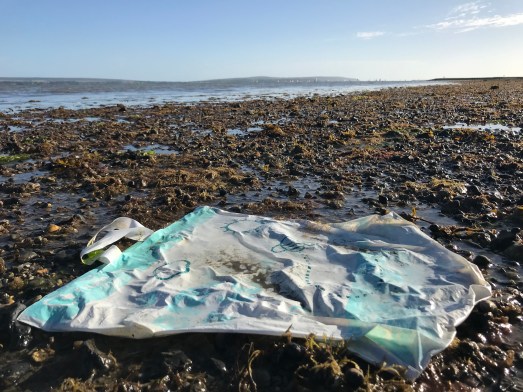
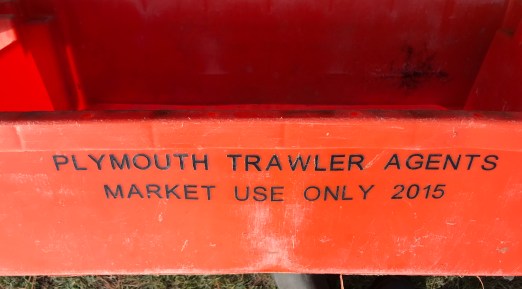
I go out with friends and family making it fun. Teenagers always have a lot to say about the hazards of #plasticpollution especially when it has travelled a fair distance. Plymouth is 150 miles from the Solent.
The aim is to remove rubbish from sensitive coastal or riverine areas before it can damage the environment.
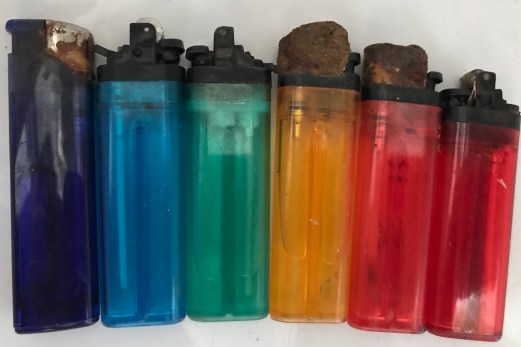
There are often old lighters, always micro plastics and bottle tops. It is the tiny pieces that take time to collect but small children are good at this.

E7474E79-D863-4291-9964-CA6F948161E5

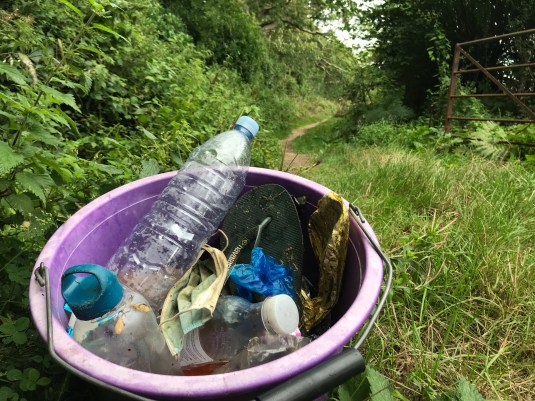
I go out daily, finding helium ballons, more PPE and endless plastic bottles.
61ECF5CD-8AAF-4B77-B28B-651216D69AF0

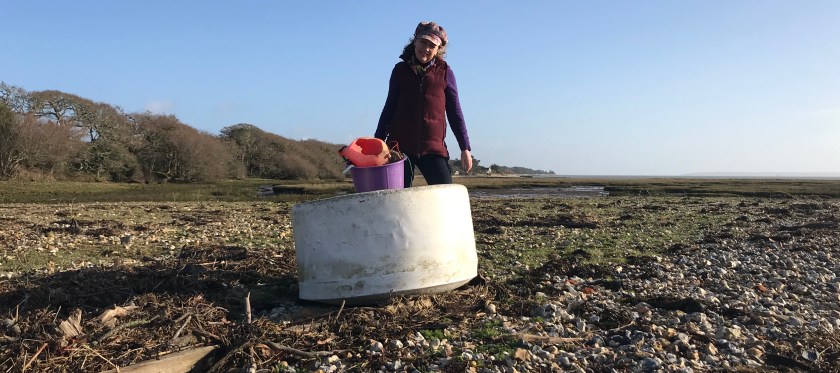
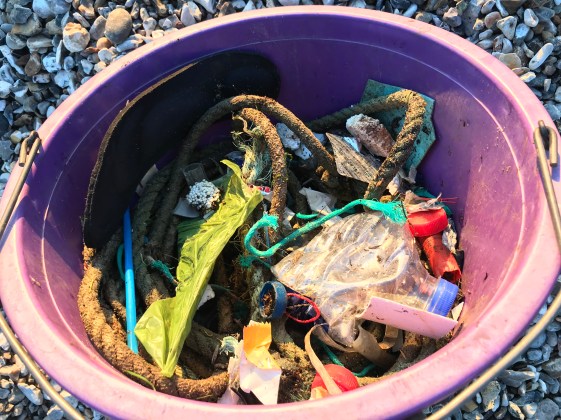
I use tongs and avoid touching the rubbish, even with gloves. It’s cleaner on the shore, since almost everything has been soaking in seawater. Most of this (above) was flotsam. Collecting up litter that others should have taken home (below) is more aggravating but it is makes a huge difference and is a job that has to be done before the wildlife suffers.

9595D4F8-D680-4CA0-A659-43A1A5232373_1_201_a

Do think of registering with Keep Britain Tidy who offer advice and your local litter-picking group who will have equipment and dates for group activities.

Hoping to see you on the sea shore sometime. If you’d like to see a full list of the things I found in the past, please click here.

For photos of some of the weirdest things I’ve found, click here
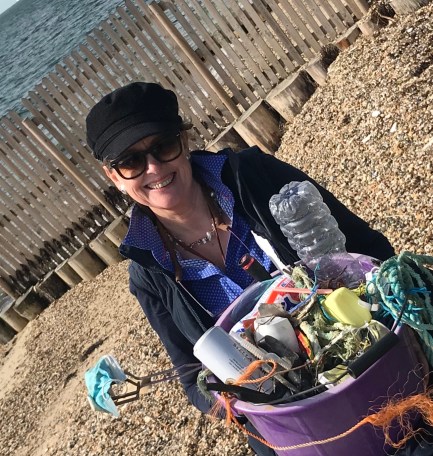
Diary of a litter picker – coming out of the first Coronavirus Lockdown

Author Sophie Neville collecting litter in the New Forest
Sophie Neville collecting litter in the New Forest as quarantine restrictions lift

Accompanied by my purple bucket, rescue hound, two sons and their small children, I can no longer classify myself as a lone litter-picker, but as Covid-19 restrictions lifted on 4th July we set off through the New Forest to resume collecting things that have been lost or discarded. Most of what we found was scattered around the car park despite the prevalence of litter bins.

5th July, and I collected this from a causeway crossing a tidal river where some drivers think it a good idea to toss what they no longer desire into the water.  The evidence suggests they are drink driving, and perhaps not thinking clearly.

I pick up endless car parts and assorted trash whenever I venture out, believing that taking one or two pieces from the river bank has to make a difference. We collected a bucketful collected from a beach on the Solent and another from around a local landmark in the New Forest National Park.

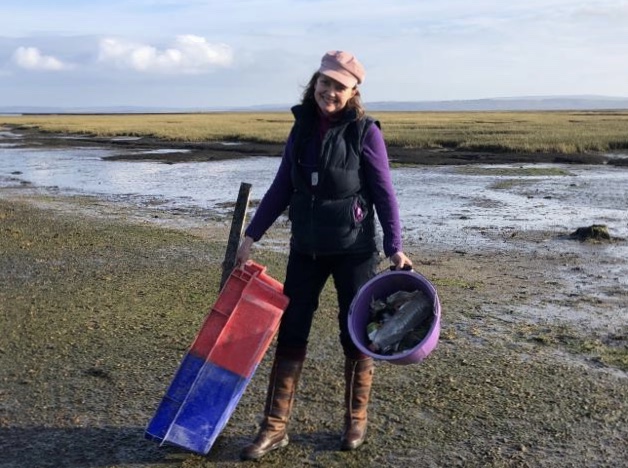
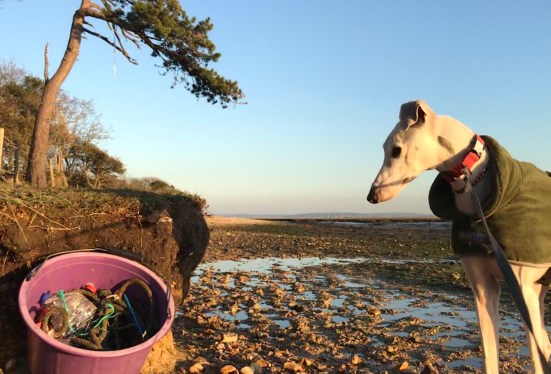
When will people realise what they are doing to the planet? The dog now waits expectantly while I excavate plastic from the sea, often showing me something I’ve missed like a lost shoe. I was extracting three pieces of plastic guttering from the Solent when this photo was taken.

To see what I collected during the Coronavirus Lockdown, please click here.

To read about beach cleaning along Solent shore, please click here.

For a list of things I typically find on Solent beach cleans, please click here

Sophie Neville collecting litter dropped along the Solent Way in Hampshire

Diary of a Litter Picker – in the time of Corona

Before Lockdown, I was cleaning this section of the Solent shore on a daily basis, mainly collecting plastic pollution that had blown in or been deposited by the tides.

A6D82DFE-5580-4F4C-9B26-CBAFE18727CF_1_201_a

Being isolated and difficult to reach, and yet near my home, it seemed a good place to continue taking exercise with my rescue dog, using buckets that can contain broken glass and handle windy conditions. I have three that I’ve found washed-up, along with a bicycle basket.

C7CD90BB-BDFD-461A-8DA6-7A02AC27F113_1_201_a

Each bucket can contain between 40 and 260 pieces of plastic. Some items are very small. Barbecue tongs are useful for extracting wrappers from brambles but most sea-rubbish is clean having been floating in the Solent.

98BBD9DB-BE7A-4D3B-ACB1-7F83AEF3F2A2_1_201_a

I find quite a few glass bottles, takeaway food containers, PVC fishing rope and always an old cigarette lighter.

E69040BA-7863-4A48-B229-DACBF224B7CA_1_201_a

Some items will have been lost overboard. Occasionally something makes me laugh.

BE404994-C79C-48B7-9632-A969A9478AC8_1_201_a

I find the task of clearing the bridge across the estuary quite distressing. People have obviously been dropping litter from vehicles, including sani-wipes, plastic gloves and things that had been in their mouths. What do they imagine will happen next?

A9852351-0335-42B1-9FC8-83D6BD12146E_1_201_a

There was a lot of drink-driving prior to Covid-19. I’ve noticed less bottles and cans of alcohol chucked out of cars but far more picnic litter. It’s a wonder we are not coping with a more formidable virus.

“What is the worst things you seen dumped in a beauty spot?”

At the beginning of Lockdown I came across this rubbish dumped in a nature reserve where otters bred. There was human faeces everywhere.

“Why do people throw litter?” I’m asked.

It’s no excuse, but think it gives them a sense of release, which is why we are being inundated right now. I have studied the issue in my depth here.

Quite a lot of rubbish blows off building sites. Here I am in my V.E. Day dress, removing builder’s plastic from a New Forest pond along with a war-time can that looked at least 75 years old.

Collector's items - Sophie Neville's litter-picking finds

“What are the most distressing things you find?”

Fly-tipping upsets me. I took my family to help clear half a ton of plastic car parts dipped in a beautiful bluebell wood a mile from our house, last night. It’s been languishing there so long that a member of a UK Litter-picking group has asked me to send him what have become ‘collector’s items’ but there are too many! I dated the haul by a 2004 crisp-packet lodged with the hubcaps.

This was a load of brand new camping gear dumped in the New Forest National Park as if it was biodegradable.

It’s always distressing finding objects that have obviously been stolen, such as handbags, empty jewellry cases, laptops and iPhones. I’ve found eight different lots chucked in the river within half a mile of my home.

Finding nitrous oxide canisters worries me. What is something goes wrong? People are obviously taking it in areas inaccessible to an ambulance.

This is one of the most lethal objects found on a beach frequented by children, dogs and New Forest ponies. No one from the Council is going to find this.

Photo of rubbish - lethal litter - collected by Sophie Neville

Some items seem to have travelled a long way.
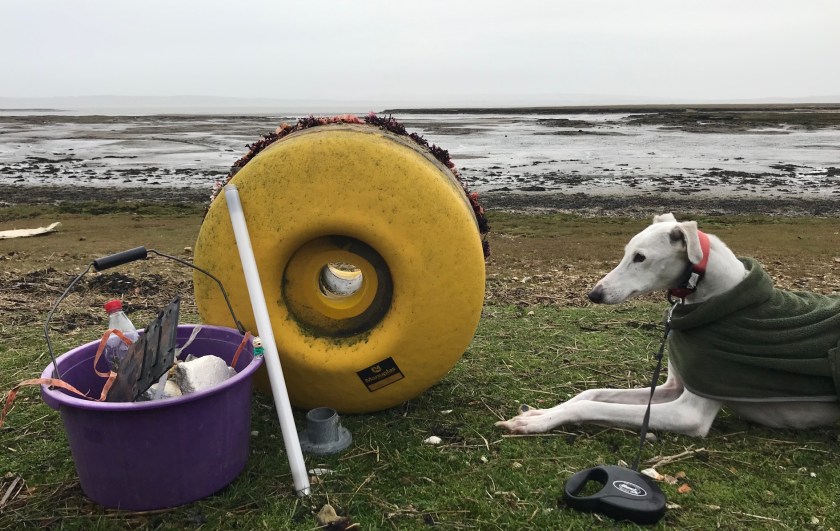
“What’s the weirdest thing you’ve found?”

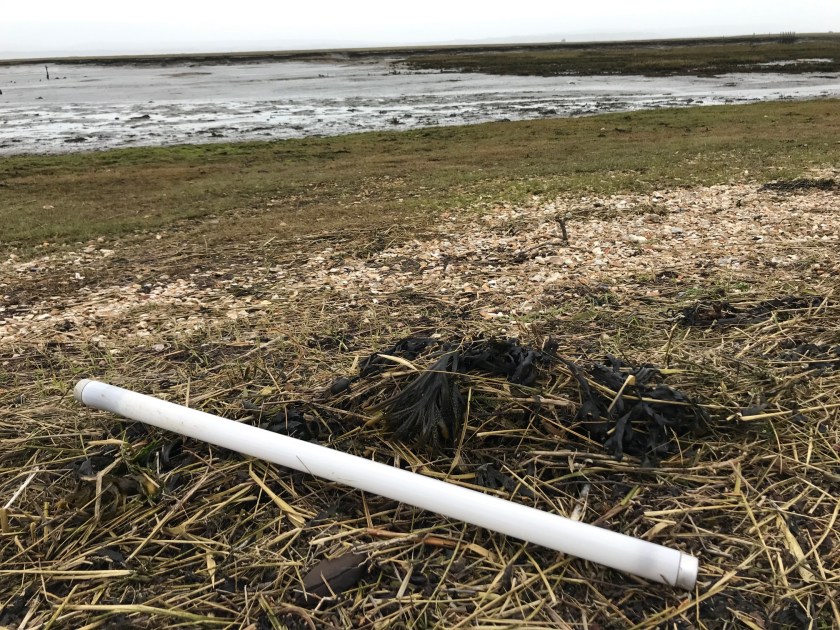
I find long, fluorescent light bulbs washed up in the same place – intact. Here is one I found at the beginning of Lockdown. I’m assured they contain mercury and would be horrific if smashed.

“Do you do art with the rubbish?”

Not using the hub-caps, but during Lockdown I’ve begun to make abstract pictures with sea plastic. You can see the earring and beer bottle caps I found above.

This seascape is proving popular on Facebook:

Seascape - artwork by sophie Neville made from sea-plastic

Those of us collecting sea-plastic along the south coast have found a number of toy soldiers. I incorporated one into this collage:

'The end of the world' a collage made of sea-plastic by Sophie Neville

Being a writer, I usually litter-pick alone so that I can take advantage of good weather and tides while being able to loosen-up after a day typing, but friends sometime join me. It’s fun and gives us plenty to chat about as we view society from the bottom up.

To see more photos and read more about #SolentBeachClean, please click here

Sophie Neville on her 150th beach or river clean of 2019

For a list of the kind of things I find washed up on Solent shores, please click here

Solent Beach Clean

Diary of a Beachcomber: cleaning Solent shores of plastic pollution

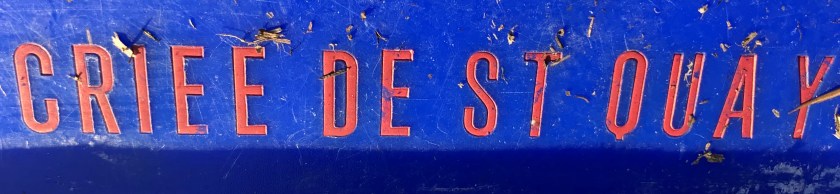
I’m often ask what are the most extraordinary things I’ve found on a beach clean. This year, I came across a crate washed up on Solent shores that originated in Brittany, nearly 400 kilometres across the English Chanel.

My bucket fills with lost toys and discarded litter as I clear plastic debris brought in on the tide. There is often a piece of Lego and nearly always an old cigarette lighter. How do they get into the sea?

Plastic and PVC string gets entangled in oak trees brought down in the storms.

But, perhaps the strangest things are three unbroken fluorescent light bulbs washed up in the same place at different times.

There is always plenty to collect from tidal margins including a fair bit of rope. Most pieces are tiny. Plastic gardening waste is common.

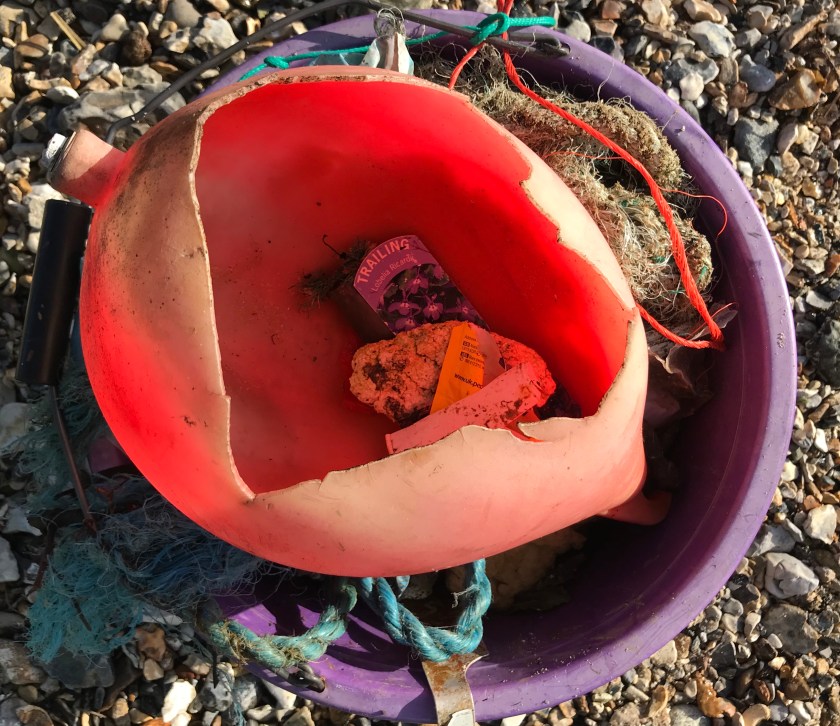
Some of it defeats me. I couldn’t shift this marker buoy. It is difficult to imagine how it will ever be removed from such a remote spot with no vehicle access.

British mud flats, so important for wildfowl, constitute one of our last wildernesses. I long to check the whole area but birds will be breeding on the low lying islands soon.

Instead, I go inland, clearing plastic bottles and wrappers that have blown off the Solent into coastal fields where they risk being a hazard to livestock. I often find pieces of plastic that have passed through the guts of New Forest ponies. Some items have obviously been dumped by overloaded hikers such as this brand new camping gear.

Meanwhile, the Lymington river estuary seems to be regarded as a litter bin by someone who drinks Tazoo everyday. I collect what I can from the banks before the rubbish attracts even more.

The nearest McDonalds is a 25 minute drive away and yet countless people wait until they reach the bridge before tossing their cups into the tidal river. Why do they do this?

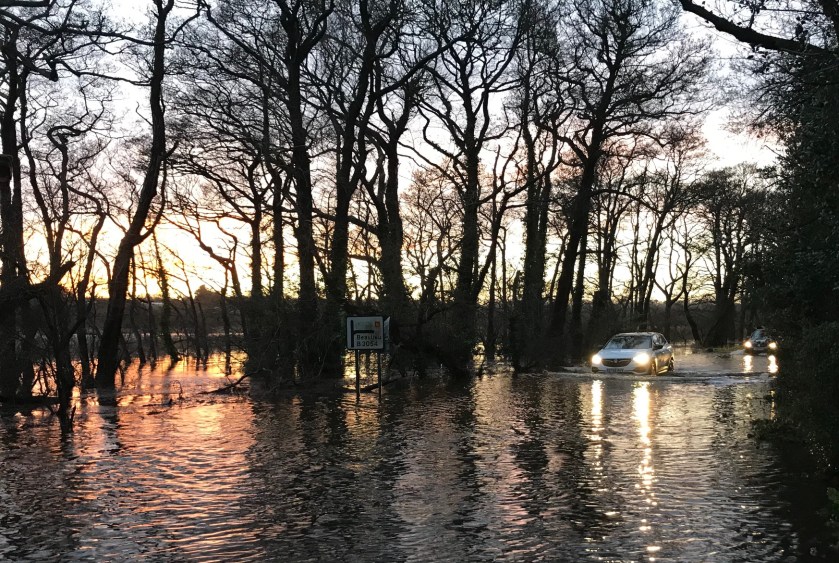
I didn’t clear nearly enough. The road flooded taking all the litter chucked onto the verge into the sea.

The shore I usually clean-up was not too bad after the storms but this is because others have begun to clear up debris.

After storm Ciara I found three old cigarette lighters at once along with other indicators of how bad things are. I learnt that one person had  found 105 old lighters up on the Mersey. For a list of things found while beach cleaning in 2019, please click here.

What could you do to help? Could you pick up a little litter today? Please click here to find a list of the things I might take on a beach clean.

You really can make a difference. We have the Great British Spring Clean from 20th March until 13th April. Sign up and get involved here.

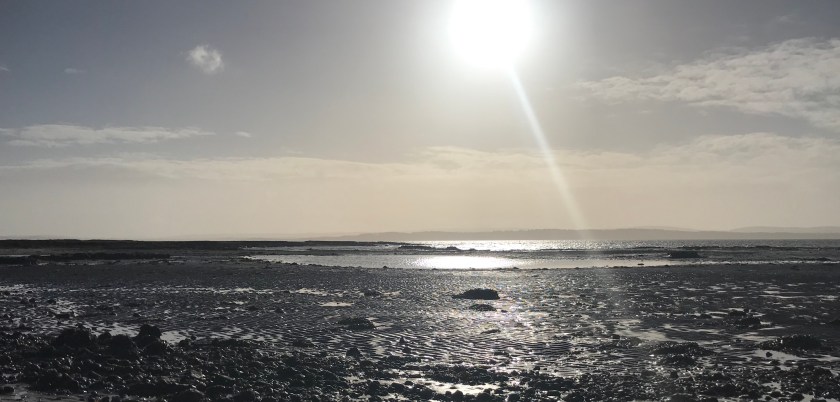
The Solent coast and mudflats looking west

Diary of a Litter-picker – after the Solent storms

Solent Beach Clean photo Matt Wright
photo: Matt Wright

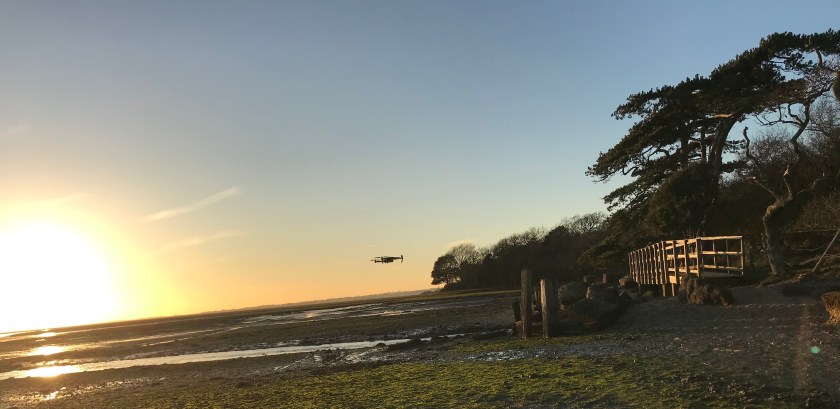
I returned to the shingle beach at Tanner’s Lane on the Solent at low tide to see what had washed up after a week of stormy weather. You can see me and my dog wrapped up against the cold weather in the bottom left hand corner of this aerial photograph taken as we searched for rubbish along the shore. We found a predominance of PVC fishing net and rope, along with plastic straws and cotton bud stalks, bottle tops and micro plastics.

I was obliged to leave a car tyre and a quantity of rope that was too deeply buried to extract without a crowbar but it had been too cold for picnicers. There was no litter. It is not difficult to imagine that plastic pollution can endanger people. The yards of loose mooring rope I did retrieve could easily have become entangled in the propeller of someone’s boat and left them stranded in shipping lanes.

I joined ‘Paws on Plastic’ on Facebook who encourage dog walkers to return with one piece of rubbish a day. One piece is better than noting. I picked up a can discarded by the sign greeting people to our town and took it home for re-cycling with the mantra, ‘rubbish attracts more rubbish’ swirling around my mind.

The next time I took my hound for a walk in the New Forest, I came across two carrier bags of litter hanging from a tree. I’m rather hoping their owner will return for them since I had already collected a bucketful.

I continued to collect tins and plastic bottles throughout the week, if only two or three a day. What amazes me is how often I find unopened cans or bottles of drink chucked in the bushes. Were they originally stolen? Why are they thrown into the woods? To read more, please click here

I hate sorting the litter when I reach home but getting out into the wild can be amazing.

Diary of a litter-picker: week 2 of the Great British Spring Clean

This month I have been re-energised in my endeavour to collect litter by taking part in the Great British Spring Clean under the auspices of Keep Britain Tidy. They encourage their registered #litterheroes to keep a diary:

Day 8: Friday 29 March

I find another unopened can of beer on the pavement in Tooting where I am staying in South London. The general attitude to litter seems almost medieval, accepted as normal and tolerated by residents who rely on road sweepers to clean up rubbish scattered by foxes. My friend did not want me to think of touching litter without gloves but she can’t stop the children picking up lost toys. Each time we pass a shopping trolley of garden waste, abandoned in the street, we see it has attracted more litter. How long will it stay there?

Day 9: Saturday 30 March

I’m off to Premier Radio’s Woman to Woman conference in central London. Litter in the streets seems to be an indication of poor diet. You can see what is being recklessly consumed: sugar-laden drinks, sweets, flavoured crisps, fast food, alcohol. Do we have a natural urge to discard what is bad for our bodies?

Cable ties lie the pavement in Westminster. Although not cheap, builders seem to cut and cast these aside. I picked up a handful that could easily be re-used. PVC cable ties were originally manufactured by my father. He would have wept to see how many are wasted or left to pollute the Earth.

Day 10: Sunday 31 March

Back on the south coast, I find an empty beer bottle, coffee cup and two dog poo bags sitting on the flood defense gate over the Lymington River, left as if for passers-by to admire while they take in the view over the nature reserve. What next? Have these items been carefully placed for me to collect? What if they fall into the river? Could the beer bottle ever jam the sluice gates open and cause flooding? The plastic will be washed into the sea. I give in and collect the items, only grateful they don’t have to be fished out of the brambles.

I go out latter for ten minutes, finding a full bottle of beer along with a large number of cans on a footpath leading to the pub. Some of the tins have been minced by a hedge trimmer, which is maddening. We must clear the verges this spring before vegetation grows. I retrieve another expensive roller from a boat trailer and a various car parts that owners might like returned.

Day 11: Monday 1 April 

The police arrive to examine the HP laptop and jewellery box I found chucked in the river last week. A silver bracelet engraved with the name Shirley lies inside. Everything is taken to the police station. The officer recommends putting a photo on Facebook in an attempt to find the rightful owner. My post soon has 92 shares. I only hope it is not too upsetting.

~Do you know anyone called Shirley who is missing this?~

I also post a photo of a strange car part found yesterday and am told it is from a Mercedes. A grateful lady comes to collect the roller from her boat trailer. I continue picking up litter from the lane alongside the Lymington River and spot something familiar. It is the mud-guard that fell off my husband’s car weeks ago. I am thrilled. He says, ‘Oh, I thought it would turn up some time.’

Day 12: Tuesday 2nd April

The council message me to ask if I can tell them where three road signs I dragged out of the ditch can be located. I find one has already disappeared from the verge where I left it. I collect a rusty car radiator and two buckets of rubbish from the lane running alongside the nature reserve. Its raining, the dog won’t join me and am beginning to feel morose when I am struck by the sight of a double rainbow, arching over my buckets left in a gateway. It is as if I am being thanked for all I am doing.

Day 13: Wednesday 3rd April

I resume collecting bottles and cans from the lane wearing rubber gloves and Wellington boots, jumping into the ditch in an effort to extract bottles and cans before they are washed into the sea. What do you conclude when you find a lipstick in a wild, marshy place? I discovered a handbag not far away and kept searching the area, coming across an iPhone and an Acer laptop.

Back at home, I go through the handbag with care, looking for something with the owner’s name, as the police officer taught me. I ring the number on a pile of identical business cards and eventually get through. The owner is travelling through London on a bus. Her bag had been stolen from her car ages ago but she sounded very pleased to hear from me and said she’d come to retrieve it.

Day 14: Thursday 4th April

As requested, I’ve been posting photos of my litter activity on social media, desperately trying to edit attractive photos of garbage for my Ingram feed. I begin to lose followers on Twitter but gain others as support grows. Encouragement helps no end.

People are making a difference but the task seems endless. One volunteer from Hampshire and Isle of Wight Wildlife Trust filled a long-wheel based Land Rover with rubbish from the Lymington causeway last year. Although an ecologically sensitive area, it has somehow attracted more rubbish.

Today it was cold and raining hard. The road drains were blocked. I wonder why? I reached down to pick up one piece – just one piece – but if I don’t a dolphin could die.

Total for week: About 60 minutes

My Stop – Start campaign

Stop chucking litter

Start picking it up

Stop flushing things down the loo

Start getting organised – get a car bin

Sophie Neville and her books

Sophie Neville is an author with books available from Amazon

A ‘Swallows and Amazons’ sailing weekend in Aldeburgh


Sophie Neville with Lapwing kids

‘Unlike other films, ‘Swallows and Amazons’ is within children’s reach,’ I’ve been told. It’s true. Any child can pretend that their bed is a sailing dinghy taking them to a deserted island. And when you are a little bit older – it’s not impossible to join a sailing club or go camping.

Aldeburgh Junior LapwingsWe took Swallow to join the Aldeburgh Junior Lapwings on the River Alde in Suffolk.

Boys with their Lapwing

One intrepid sailor had bought her own Lapwing for £100, raising the money by busking in Aldeburgh High Street. Tilly renovated and varnished the clinker-built dinghy herself.

Owl hoots

She can be seen here teaching the younger children how to owl hoot, playing ‘What Shall We Do With The Drunken Sailor’ on her thumbs.

Learning how to owl hoot

The children went fishing for crabs, which they later raced down the slipway.

A crab

They went in search of treasure – if that is what you call a scavenger hunt –

Scavenger Huntbefore sailing back to camp by the mud flats, cooking out in the open and sleeping in tents.

Junior LapwingThey launched their dinghies, raised their red sails

Boys with their Lapwings

and headed off, catching the tide.

Sailing on the River Alde, Suffolk

Swallow, the dinghy used in the 1974 film ‘Swallows & Amazons’ acted as flag ship.

You can find ideas for Swallows and Amazons themed parties and presents here.

Swallow on the Alde

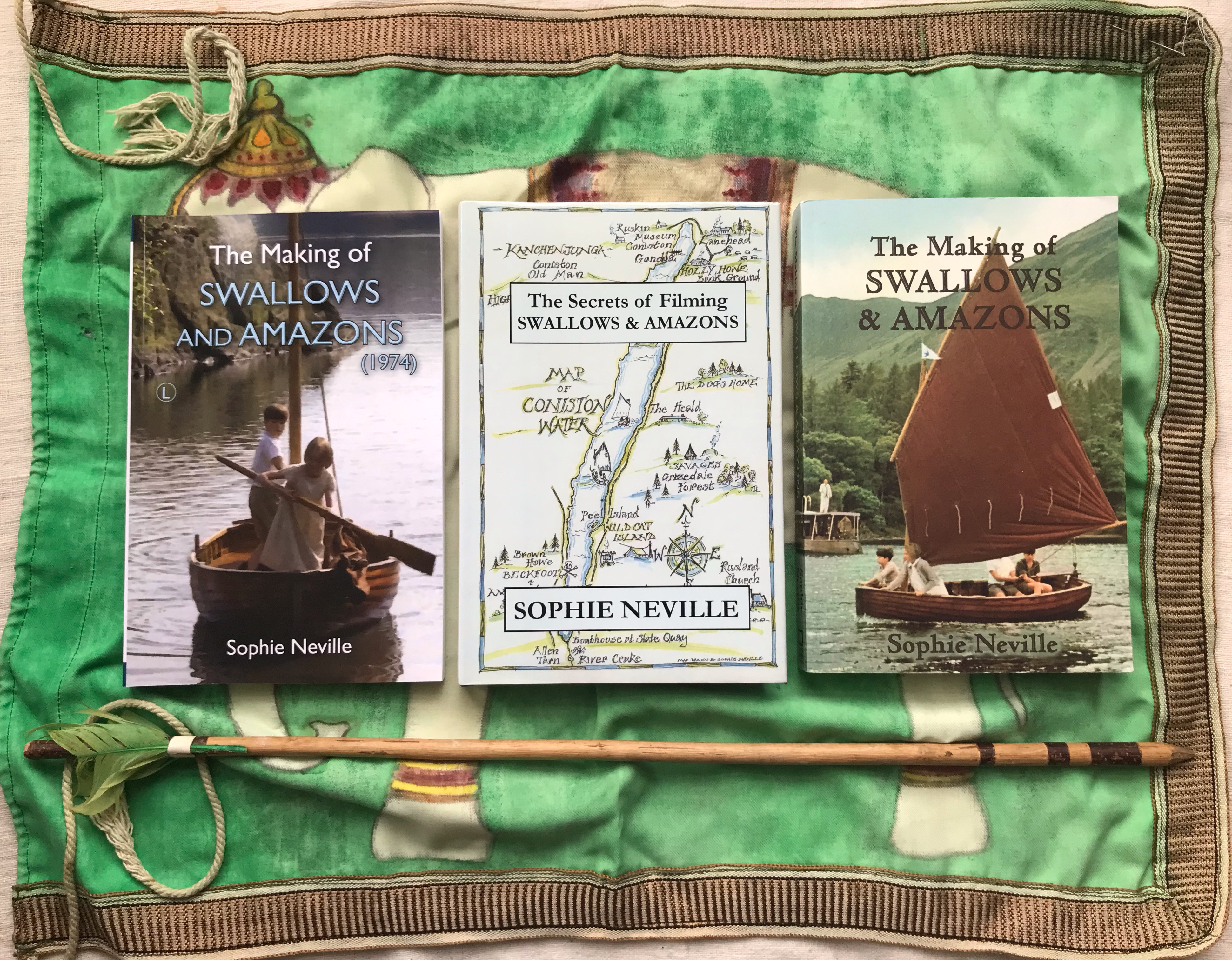
You can read about the adventures we had making the original movie of ‘Swallows and Amazons’ in these illustrated publications available online:

'The Making of Swallows and Amazons (1974) by Sophie Neville'
Different editions of ‘The Making of Swallows and Amazons (1974) by Sophie Neville’