
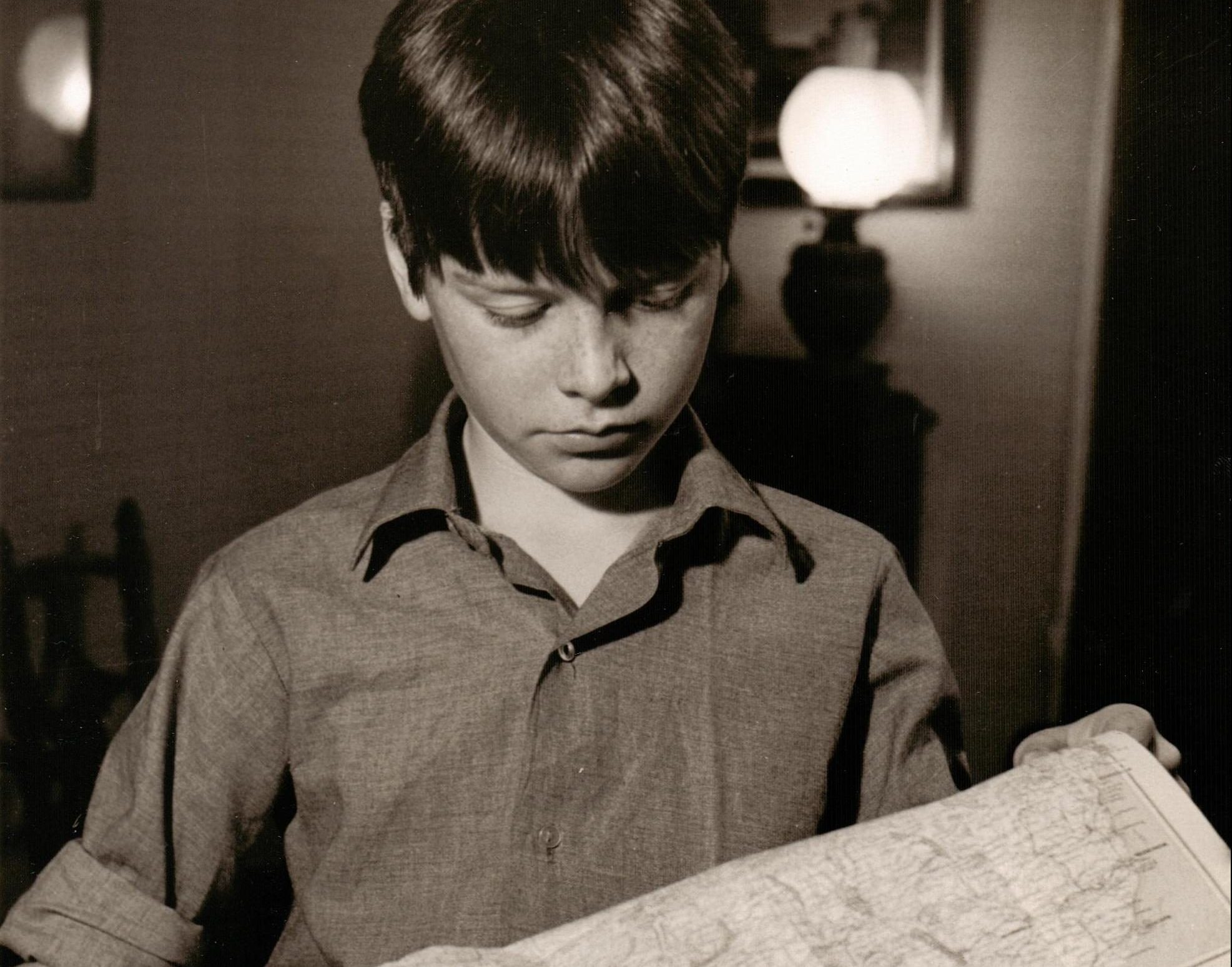
1. It’s good to begin a film with establishing shots that explain what is happening. This could be a chart, a poster, a yacht club, a moored boat or the landscape. Then tell the story, introducing the characters and different boats.
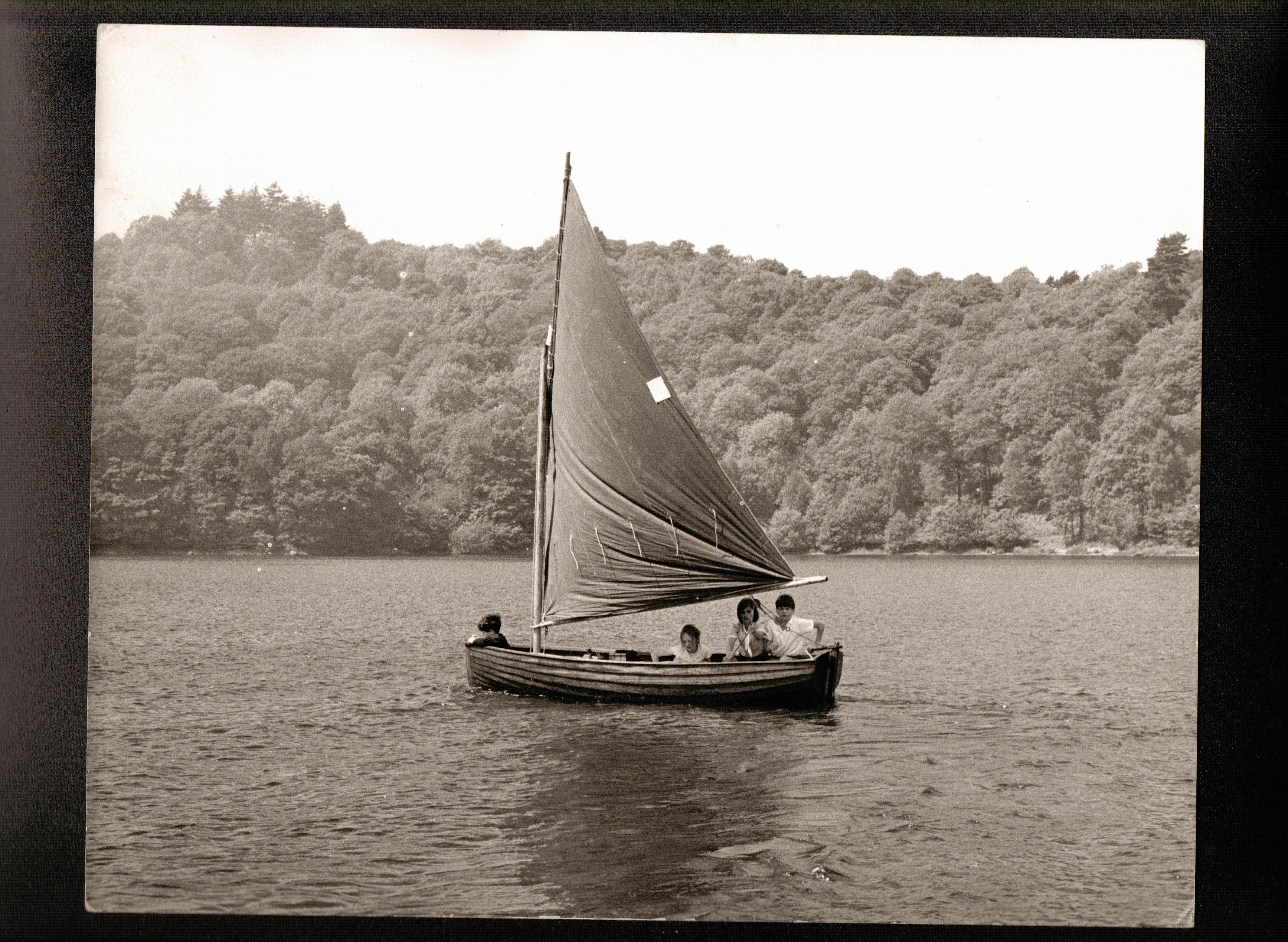
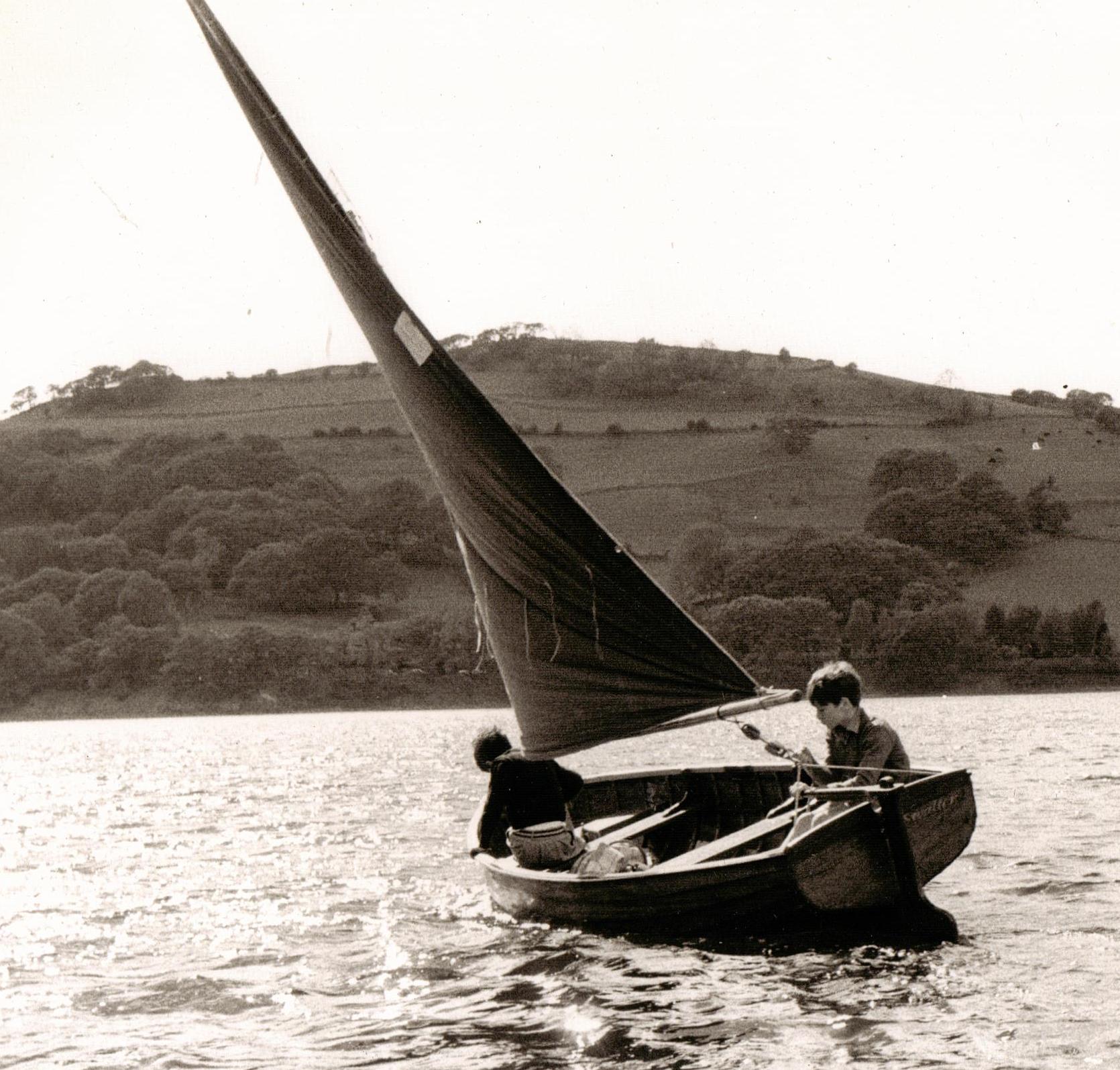
2. Once you begin filming boats the most important thing is to keep the horizon horizontal.
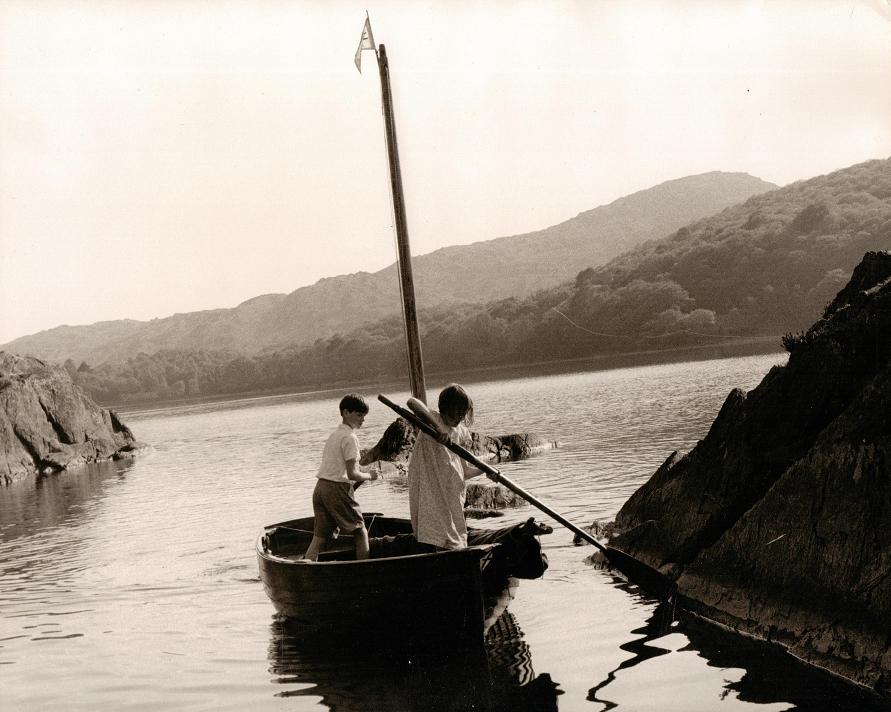
Alternatively, tilt your camera at a dramatically acute angle – but don’t use compromised shots like the one above.
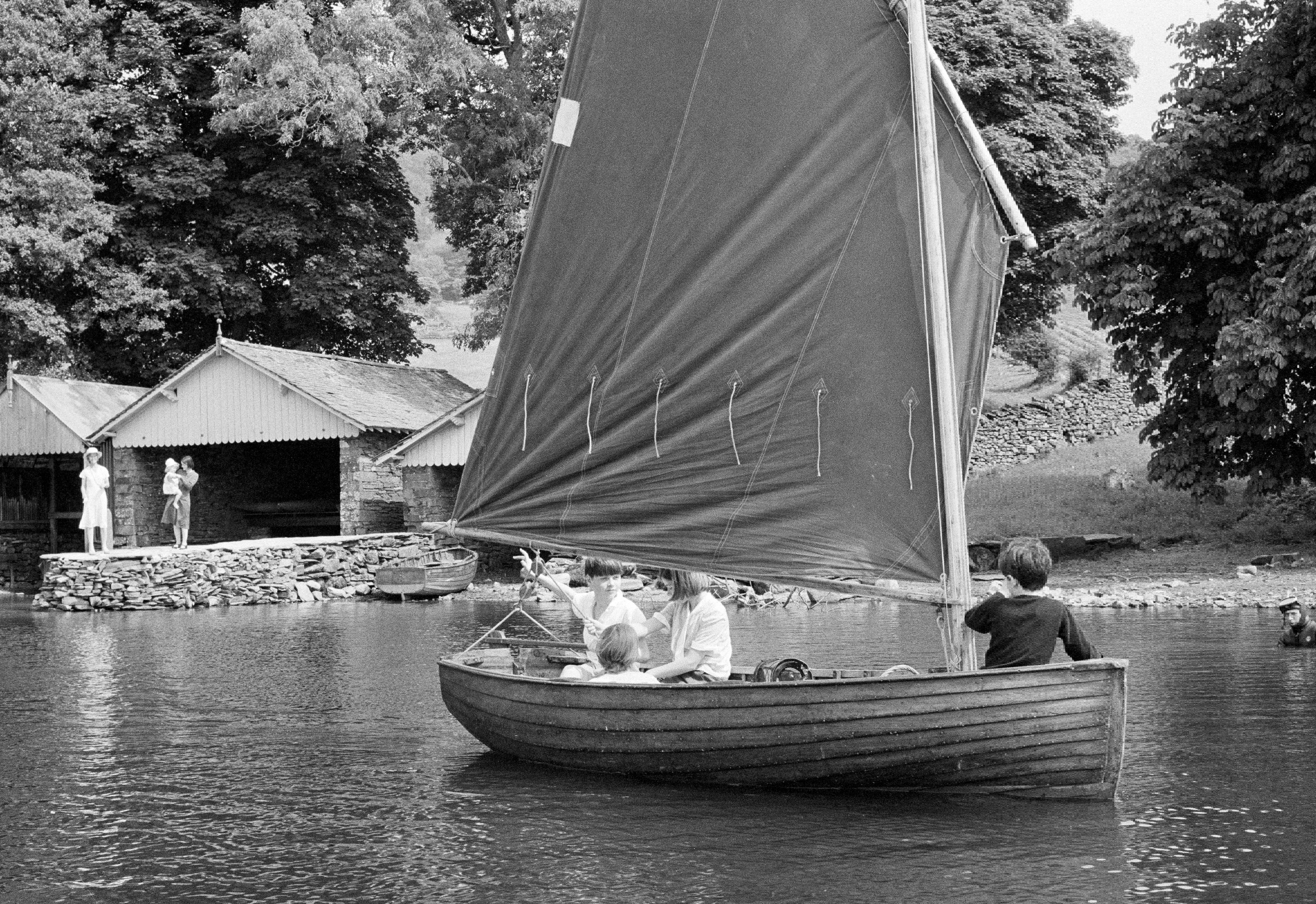
3. When you pan – side to side – first plan and rehearse the shot with good opening and ending frames. Hold for a beat on these – it gives you a transition to the next shot in the same way as a comma or full stop.

Pans look better if the shot moves from left to right, as that is how westeners read.

A pan works best if it’s ‘motivated’ ie follows action. Only pan from right to left if you are following a subject, then let it pass out of shot.
Avoid panning from left to right and back again. Don’t wave the camera around.
4. Avoid using the zoom unless it is motivated. Tilting the camera works better eg: open on a shot of a boat’s name and tilt up to find the skipper.
5. A general rule is: If the subject is stationary you can move the shot. If the subject is moving, keep the shot still.
6. Low angle shots are atmospheric – try filming at chair height, especially if you are tall.

7. Close ups and detail are good, especially if there is some movement. eg: burgee flying in the wind.
A montage of close-ups works well to explain what is happening and explain a passage of time.
8. People do well in front of the camera if you give them something intricate to do or look at. Show what they are doing, possibly from a different angle.
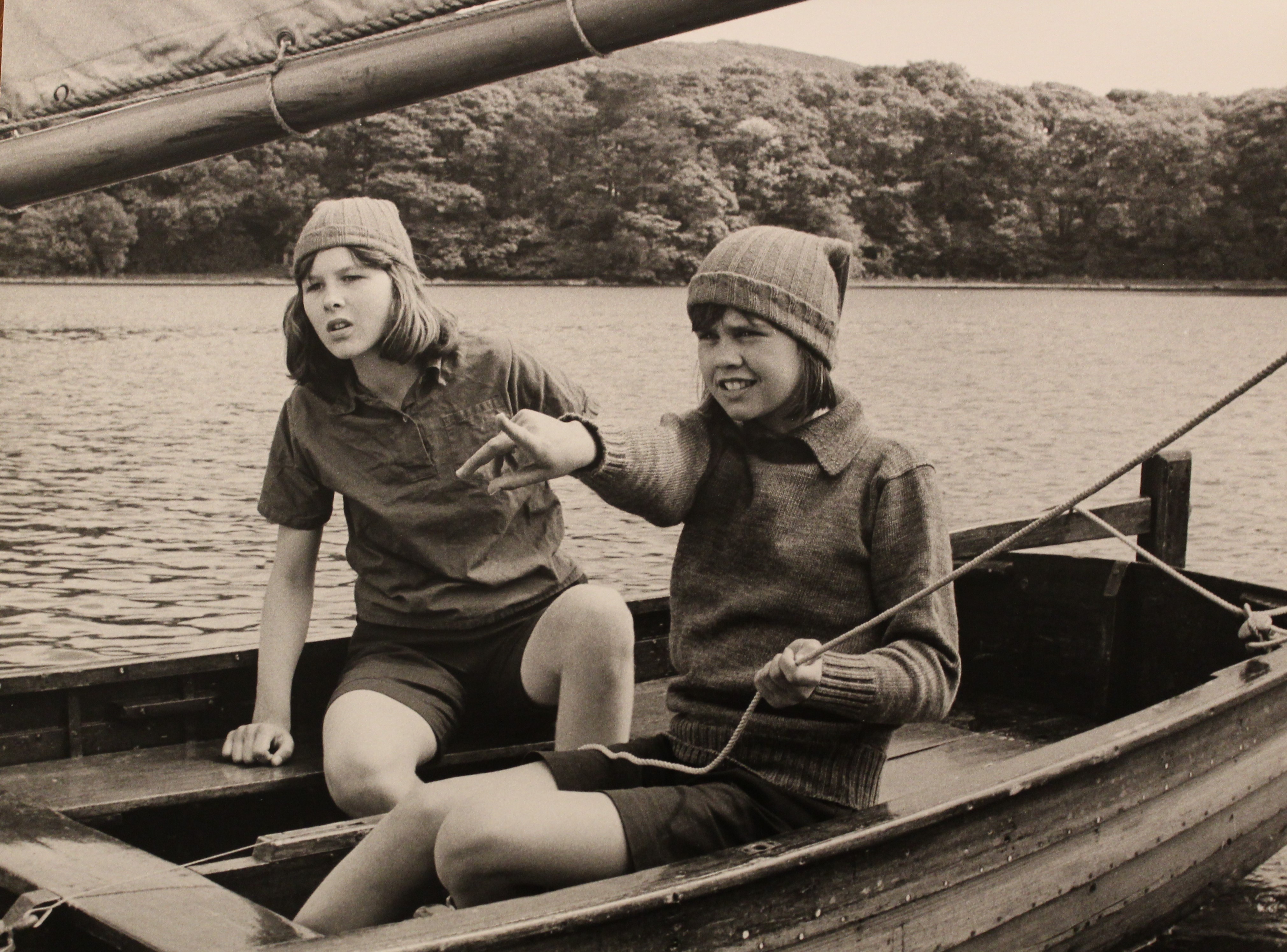
9. You will need to film one boat from another. We were lashed to a camera boat to achieve these shots.

10. Make sure your lens is kept clean – or use water droplets for effect. Don’t let your camera get wet but capture the excitement.

You can read about the adventures had in ‘The Making of Swallows and Amazons’ with further explanations in the DVD Extras of the 40th Anniversary DVD of the 1974 film.
Stills from the original film ‘Swallows and Amazons’ (1974) can be purchased from StudioCanal’s website.


 Sophie Neville
Ah, yes about ‘People do well in front of the camera if you give them something intricate to do or look at.’
I went on a course recently about directing actors for film (I was interested from the point of view of an actor), and the tutor said that Brad Pitt always overacts/overplays madly unless he’s given something to do, particularly e.g. eating a hamburger.
Thank you for these hints. I was a dinghy sailing instructor and liked to get shots of some of my students. My most challenging was in Plymouth Sound trying to photograph a Solo being sailed flat out in a force 4-5. At times I could only just keep pace in the safety boat. It took many shots driving the boat with one hand while using the camera the other. After some time there were a couple of usable shots, but it was hard work.
Thanks for writing in! Do you have any points I should add?