Why did you choose to study at Durham?
The University of Durham was riding at number three on the UK leaderboard when I was taking my A’ levels. I wanted to read Anthropology, looked around Durham Cathedral and immediately felt at home. It contained effigies of my forefathers: Nevilles with their noses cut off by marauding Scotts. My own father had read PPE at Durham in the late 1940s and I was keen on the idea of living in the north east, even though it proved a long drive from where I grew up in Gloucestershire.
What was it like to be a student at Durham? Tell us about college life, the city, your course and any sports or societies you were involved in.
I immediately made great friends at Collingwood College and with others reading Anthropology. Instead of ‘Wednesday Sport’, I took lessons in water-colour painting which stood me in good stead when I turned professional as a wildlife artist in 1993. Although team sports were not my thing, I served as secretary of the Ice Skating Society and rowed in the Collingwood Ladies’ Four under Simon Pelly’s tutorledge, which was fun.
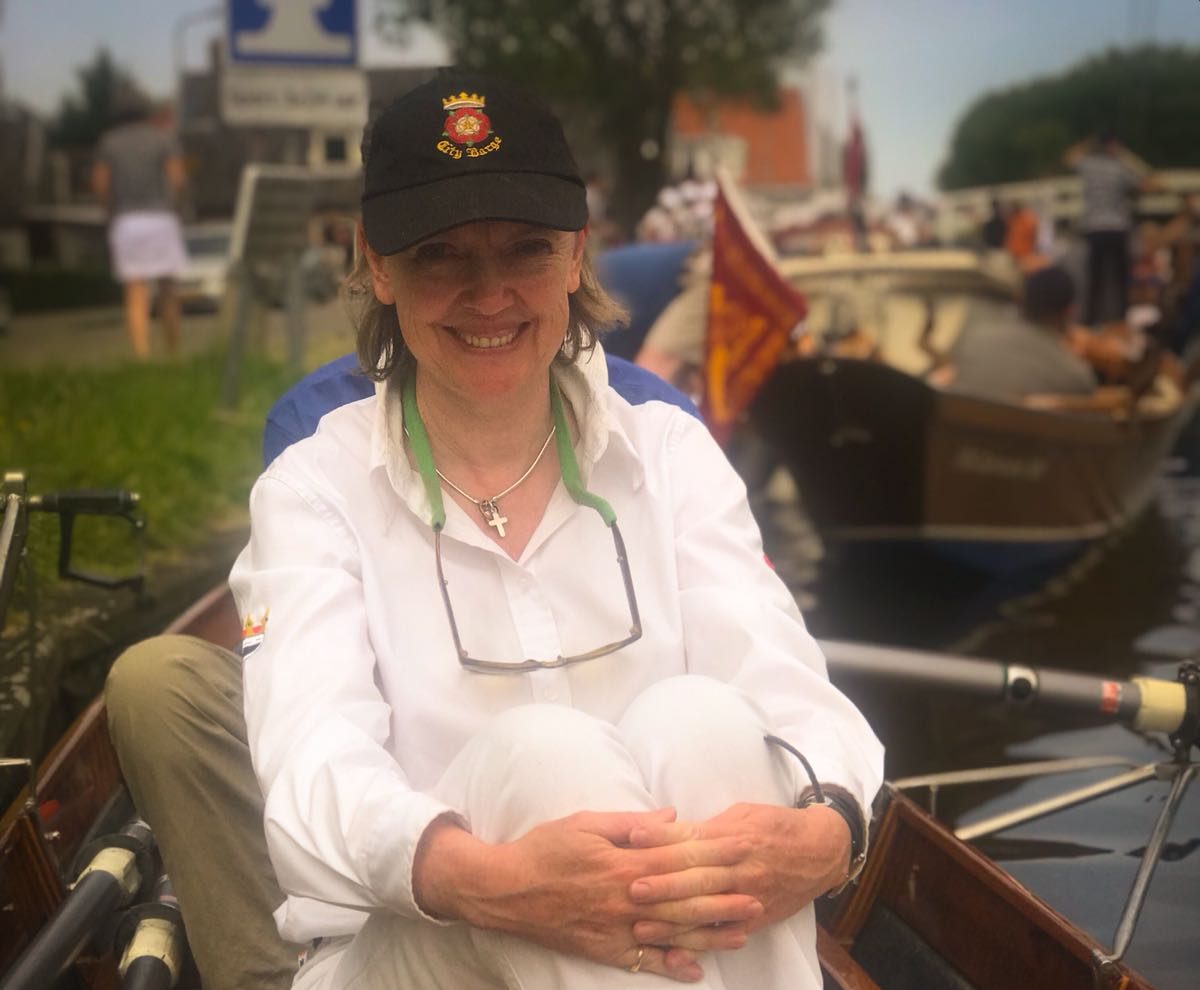
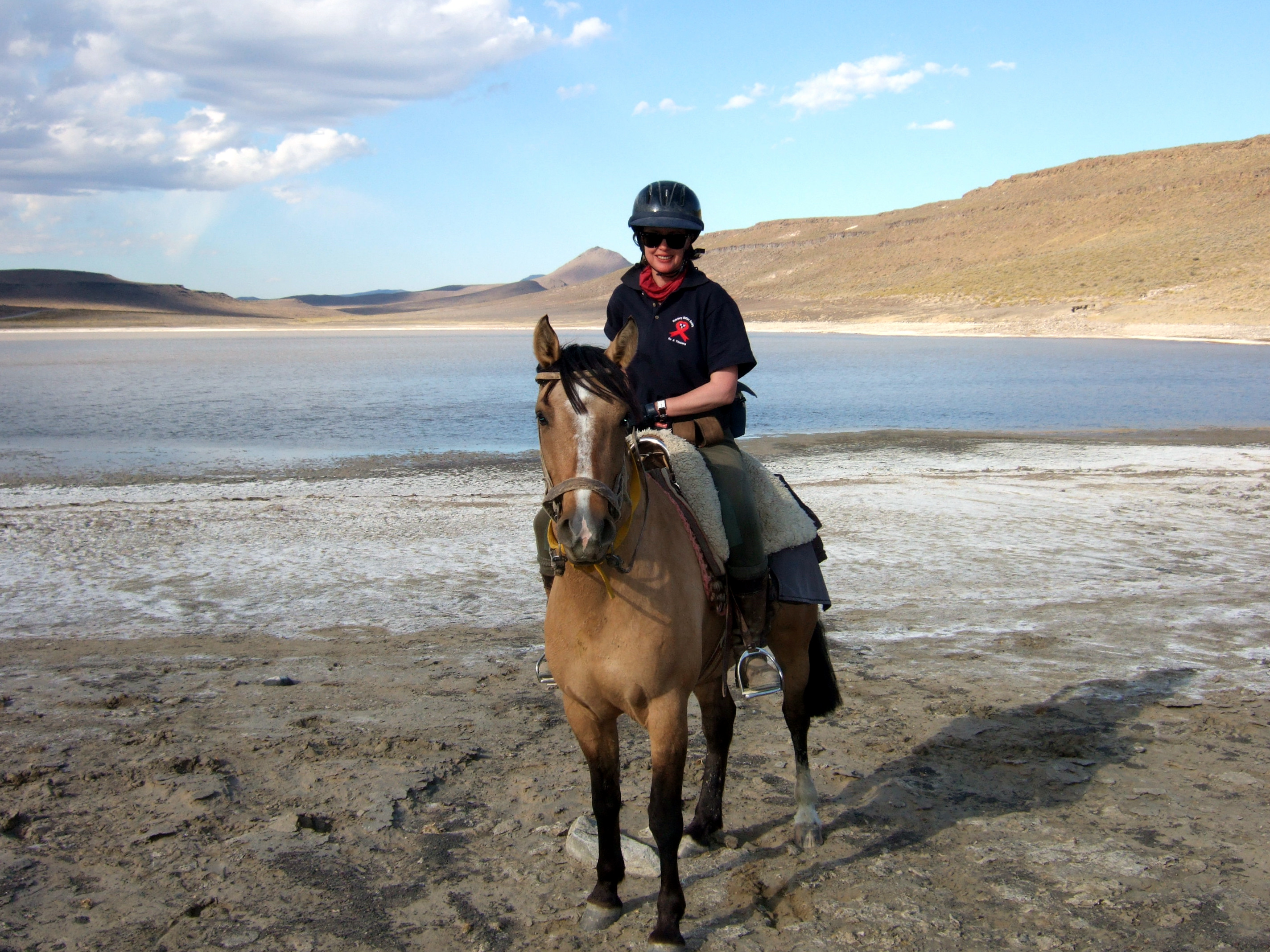
This equipped me to later join the crew of the Drapers Shallop, rowing the Voga Longa in Venice with the Olympic Gold Medalist Ed Coode and for HM Queen Elizabeth at Henley. I have taken part in other long rows and became a long-distance rider crossing the Namib desert and continent of South America on horses.
What are your fondest memories of your time here?
I joined the operatic society in my first term and enjoyed acting in DUT’s ‘The Three Sisters’, which we took to the National Student Drama Festival in Hull. I then began directing my own productions: a male beauty contest held in the Union Rooms, the pantomime, ‘Aladdin’, ‘Cold Comfort Farm’, and the musical ‘Oklahoma!’ which launched Charles Johnston’s career as an opera singer. Putting on these comedies was hugely enjoyable and firm friendships were made.
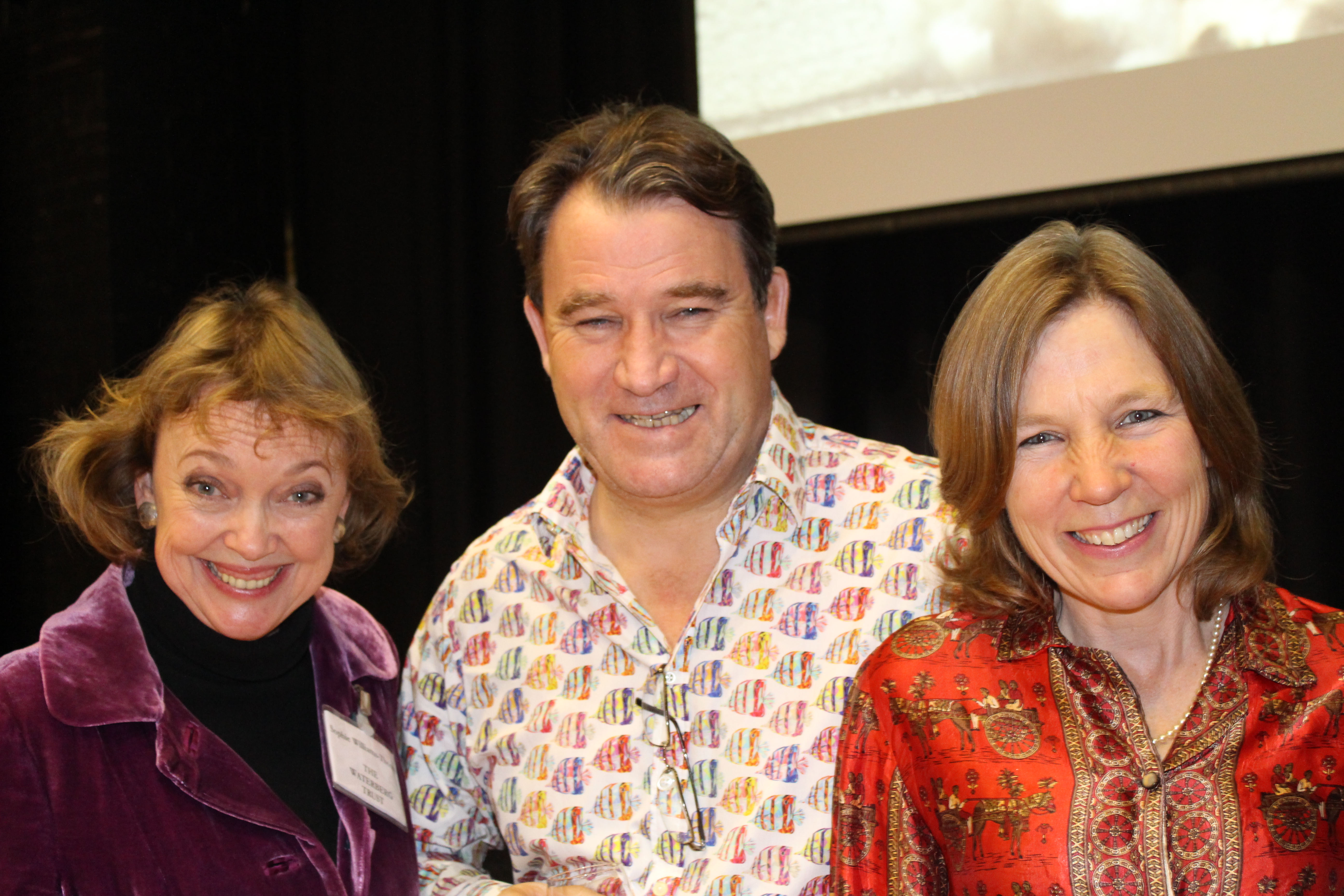
What have you been up to since you left Durham?
Thanks to grabbing the chance to direct plays at Durham, taking time to write programme ideas, and helping Alastair Fothergill make a couple of wildlife films for Look North, I gained a 6-month contract as a researcher on the BBC’s sought-after Graduate Trainee Scheme. After gaining experience on ‘The Book Show’ and the live chat show ‘Russell Harty’, I began casting children for an adaptation of the Arthur Ransome books set on the Norfolk Broads. I found Henry Dimbleby, then aged 13, to play the hero opposite Julian Fellows, Colin Baker and Rosemary Leach and spent three happy months filming in East Anglia. I remained in BBC Drama working on serials such as ‘Doctor Who’, ‘My Family and Other Animals’, and ‘Eastenders‘ while taking a sabbatical to make a documentary for Channel 4 when driving from London to Johannesburg on an expedition led by Charles Mayhew who later set up TUSK.
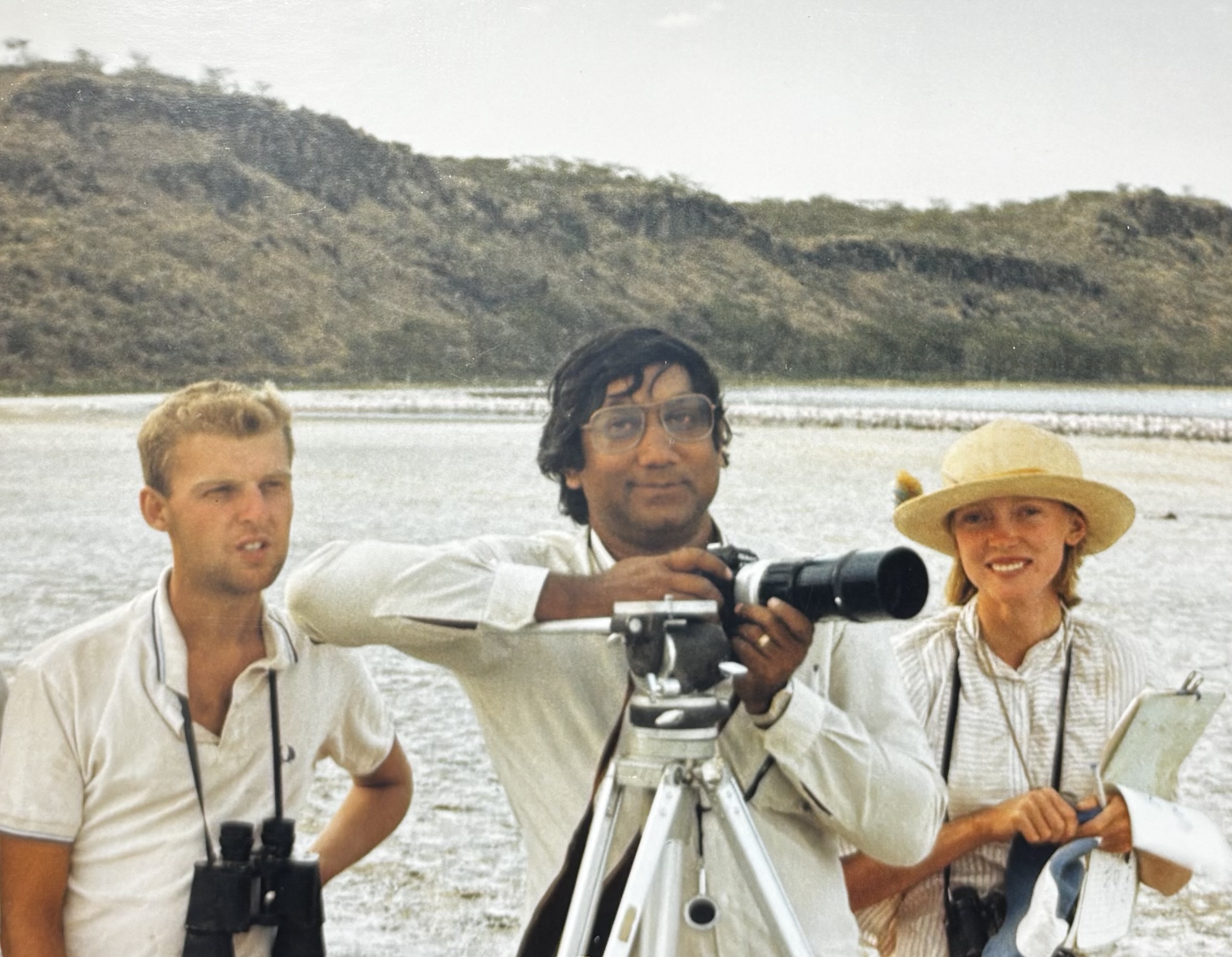
I moved to BBC Schools Television where I worked at Ealing Studios on ‘Through the Dragon’s Eye’, and produced an ‘INSET’ series before directing comedy dramas starring Patsy Byrne.

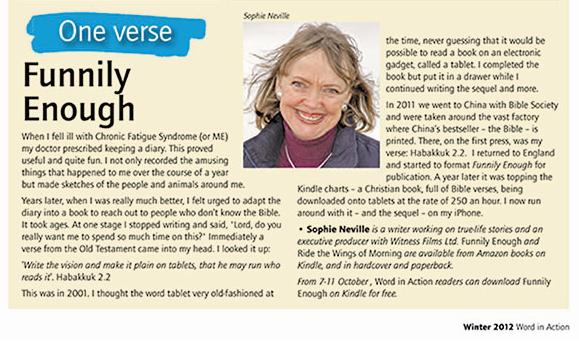
Disaster struck when I collapsed in the office suffering from a mixture of tick bite fever and Asian ‘flu. It took me ten months to recover but I wrote the basis for my first book, ‘Funnily Enough’ while in bed and recovered in South Africa where I brought out a second illustrated memoir about running horseback safaris whilst setting up wildlife films for the BBC Natural History Unit and a ‘Blue Peter Summer Special’.
Whilst at Durham, I spent Friday afternoons learning cartography. I used the skills to create more then forty decorative maps of game reserves in Botswana, Namiba, Zimbabwe and South Africa, which I used to illustrate my travel memoir ‘Ride The Wings of Morning’.

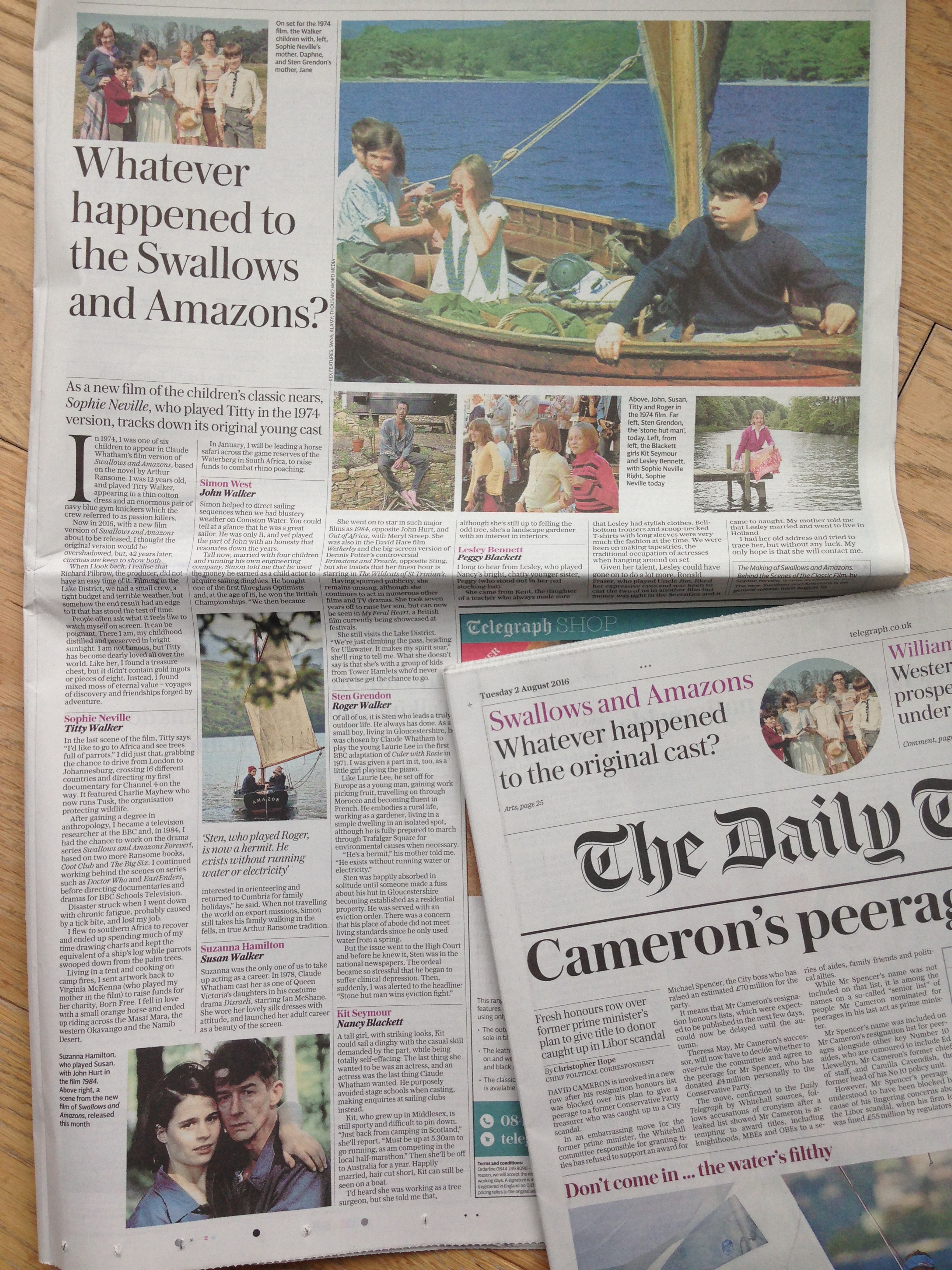
After twelve years in southern Africa, I met my husband at an archery match in the Worcestershire village where I was born and started publishing non-fiction books in the UK. I had appeared in movies as a girl, and having played Titty in the original movie Swallows and Amazons, I have been giving talks, tv and radio interviews on my filmography on ‘The making of Swallows and Amazons’ and other topics. I’ve spoken at numerous literary weekends, book festivals and a massive Doctor Who convention at Riverside Studios in London.

In 2004, I was commissioned to write a WWII feature film set in Tanganyika, Burma and Japan that has won a number of screenwriting awards. I am ready to publish the novel version of this story and the sequel, which is opens on Zanzibar in the heady days before the 1964 revolution. After spending three years researching this historical novel, I discovered the teenage Freddie Mercury was living on the island where his father must have been a prime target for the rebels. I have won ten screenwriting awards for this untold story, which I’m currently polishing.

How has Durham inspired you to get where you are today? Tell us about any career highlights and achievements.
I used knowledge gained on anthropology and geography courses to establish myself as a horse safari guide in Southern Africa and have drawn on all I learned in ethnography to write my historical novels and screenplays. I began bringing out what I’d hoped were amusing articles at Durham for The Idler magazine, which was launched and edited by Nick Archer, Charles Stewart-Smith and Alastair Fothergill, who have all led stellar careers. They asked me to provide cover illustrations and to help Katie Hawkins with the manual layout. I’ve since had a number of articles in national publications such as the Daily Telegraph, Living, Country Life, and one book serialised in iBelieve magazine.
I became a committed Christian at Durham, am now a volunteer speaker for Bible Society, a member of the Association of Christian Writers and have taken on the PR for our parish church, which gets featured in national papers for its art installations.
What would be your top piece of advice for anyone considering studying at Durham?
A speaker at the Durham Union encouraged anyone wanting to work in television to specialise. I took his advice and specailised in working with children and animals, but should have narrowed this down to horses. My umpire’s certificate in polocrosse (gained at Morton Morrell College, part of WCUC) proved more useful than my Honours degree for gaining a South African visa ! and gave me a lot of fun. I was paid to film a match for SABC and invited to play for the Northern Transvaal, albeit with the veterans. Aquire an umpire’s certificate – in any sport- whilst at Durham!

Why is staying connected to your alumni community important to you? Tell us about anything you have gained from your alumni engagement with Durham.
I have kept up with friends made at Durham easily and naturally. They have been a continual blessing, and appear in my illustrated book Funnily Enough that is now available on audio, paperback and ebook platforms.

 sophieneville.net